Word Problems Worksheets for 5-Year-Olds - Page 2
107 filtered results
-
From - To
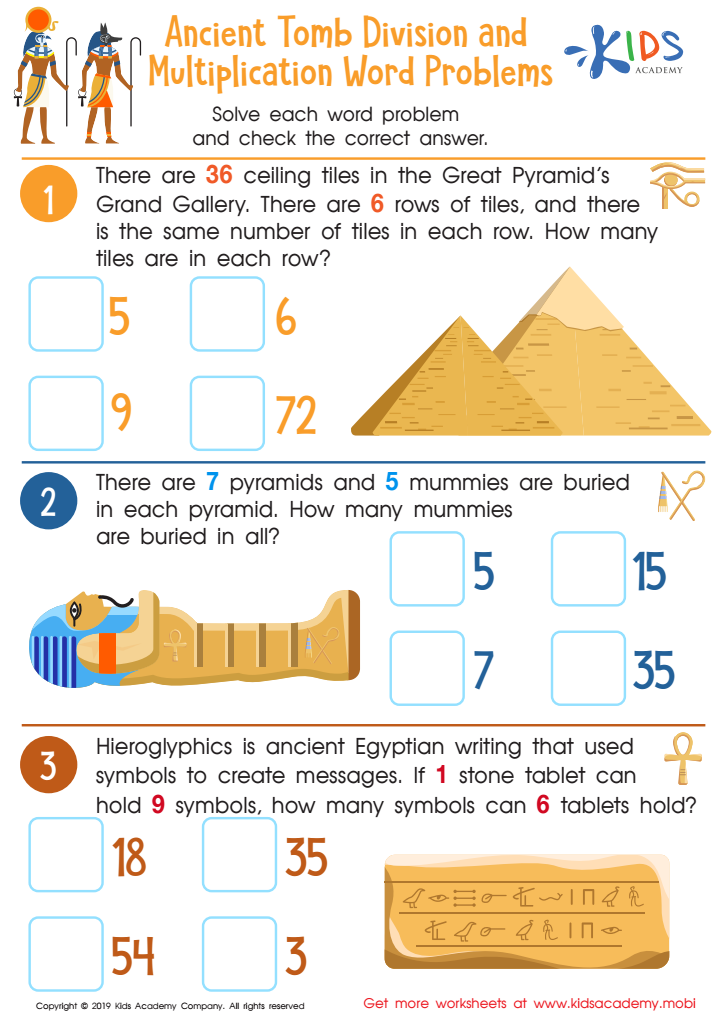
Ancient Tomb Division and Multiplication Word Problems Worksheet
 Assign to My Students
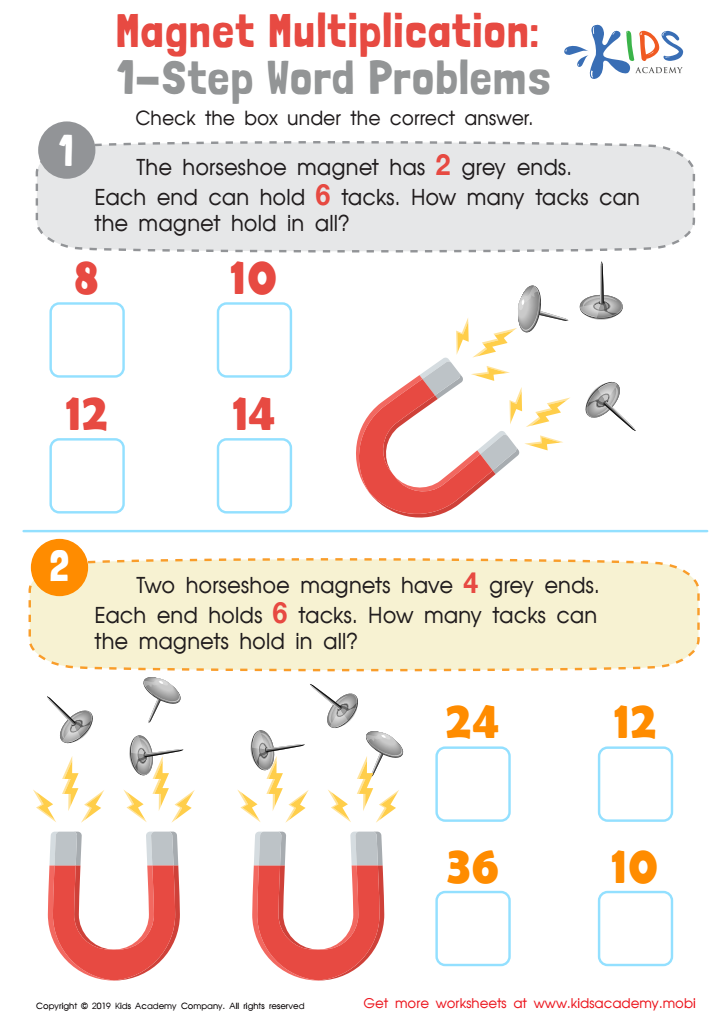
Magnet Multiplication: 1-Step Word Problems Worksheet
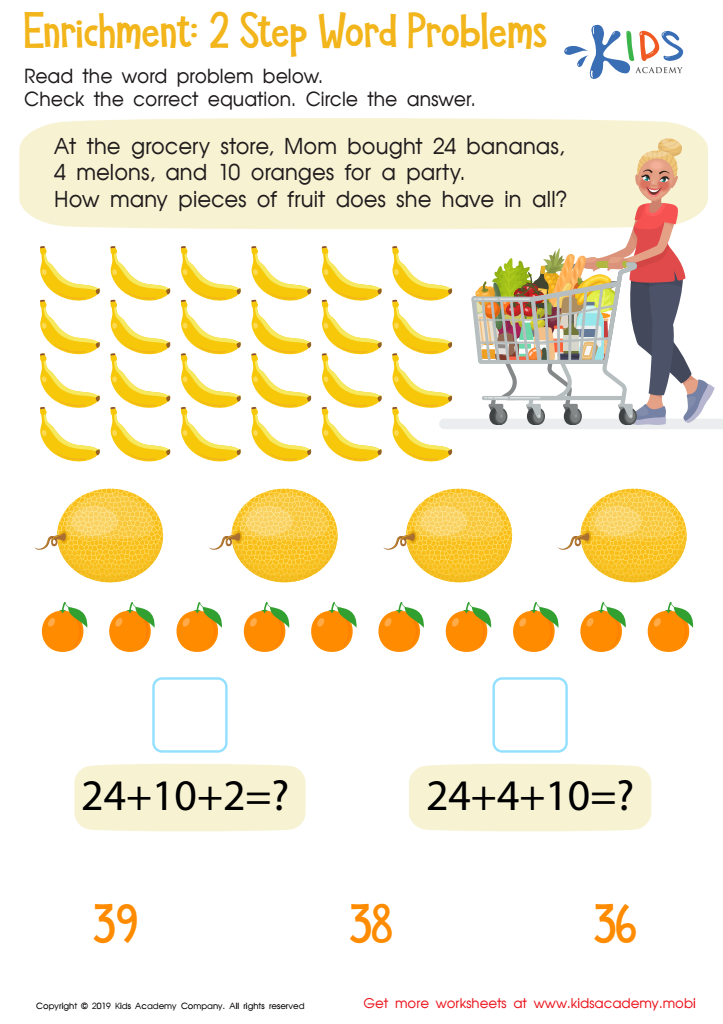
Enrichment -2 Step Word Problems Worksheet
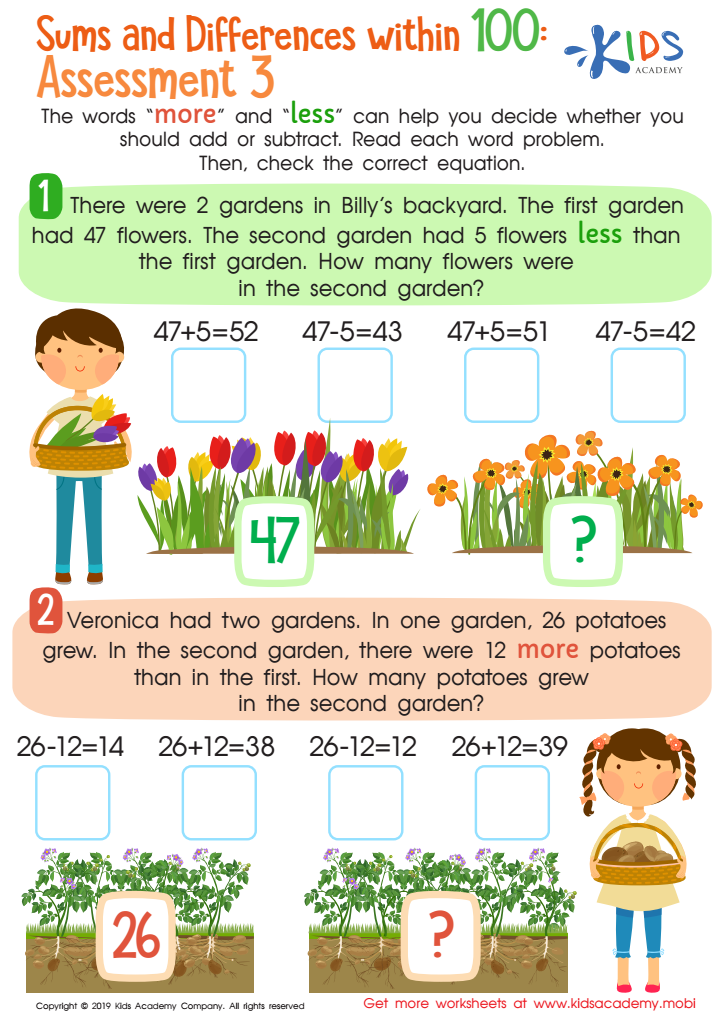
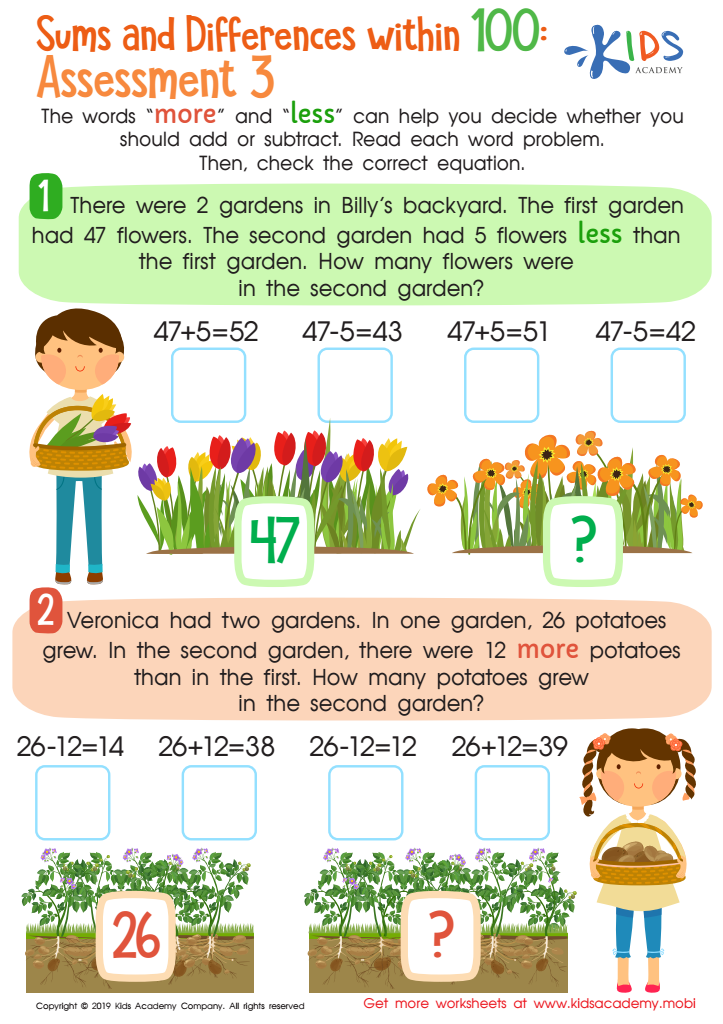
Sums and Differences Within 1 - Assessment 3 Worksheet
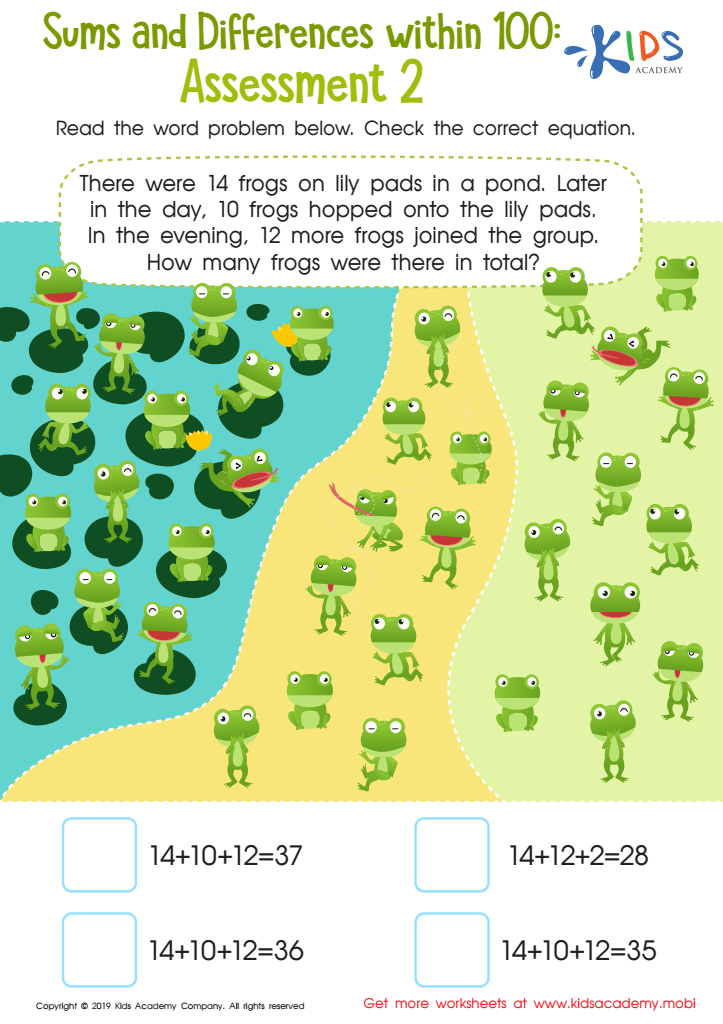
Sums and Differences Within 1 - Assessment 2 Worksheet
Sums and Differences Within 1 - Assessment 1 Worksheet
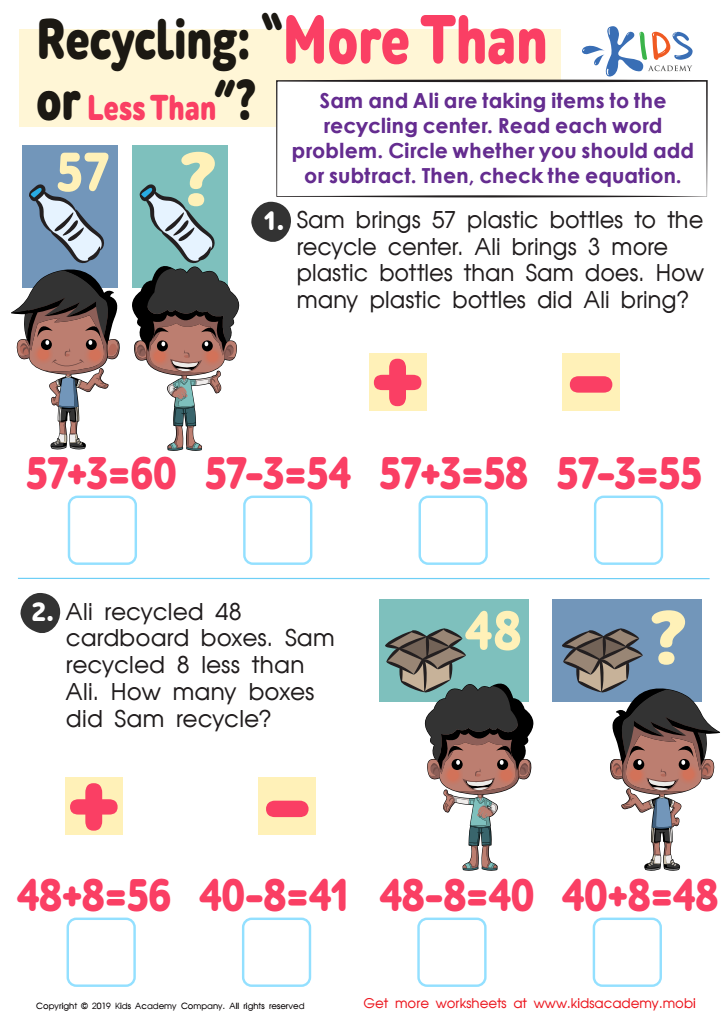
Recycling - More or Less Worksheet
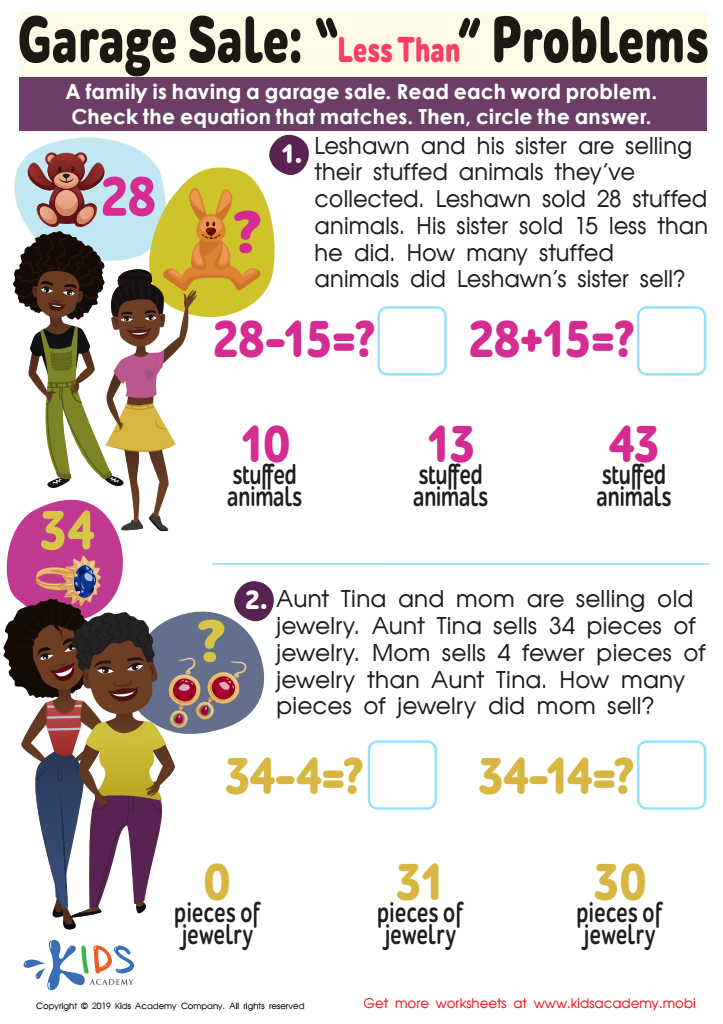
Garage Sale Less Than Worksheet
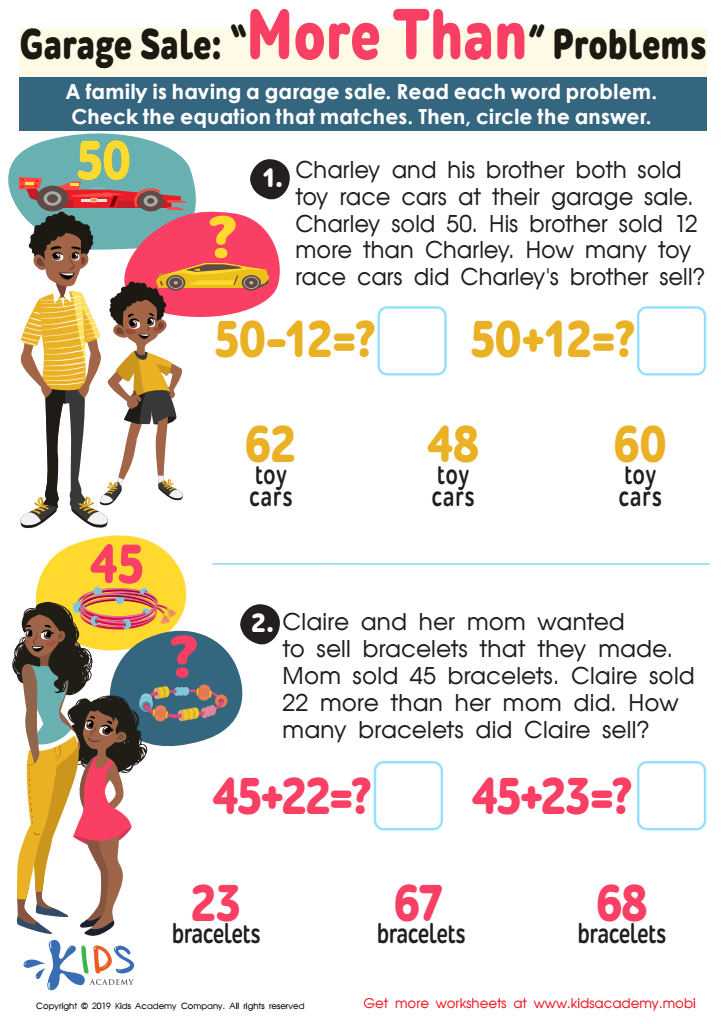
Garage Sale - More yhan Worksheet
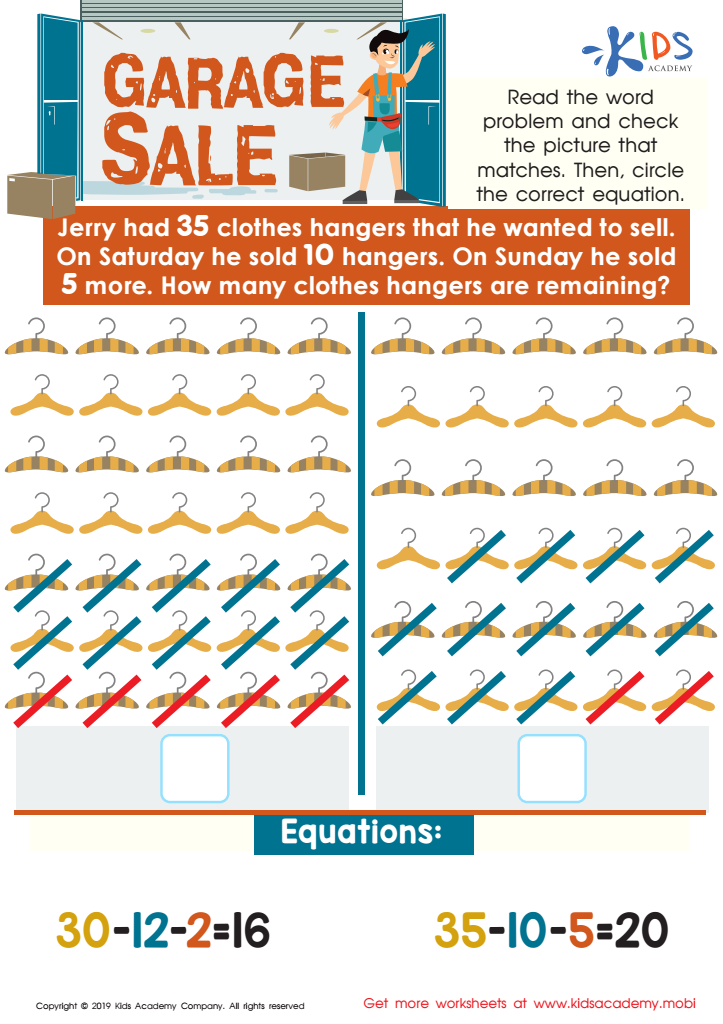
Garage Sale Worksheet
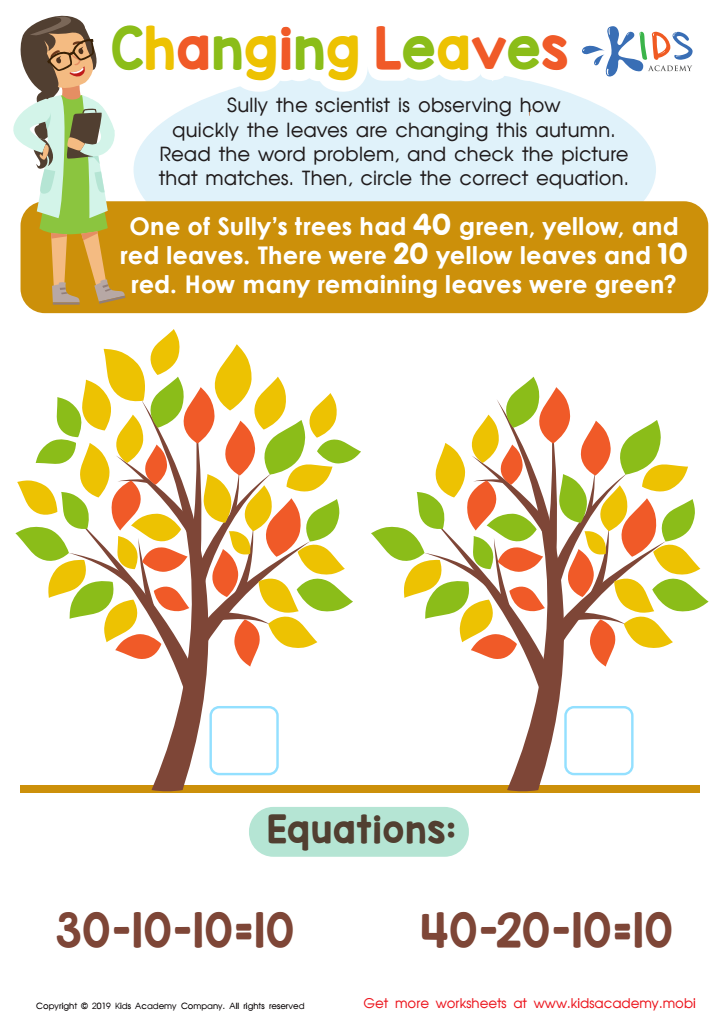
Changing Leaves Worksheet
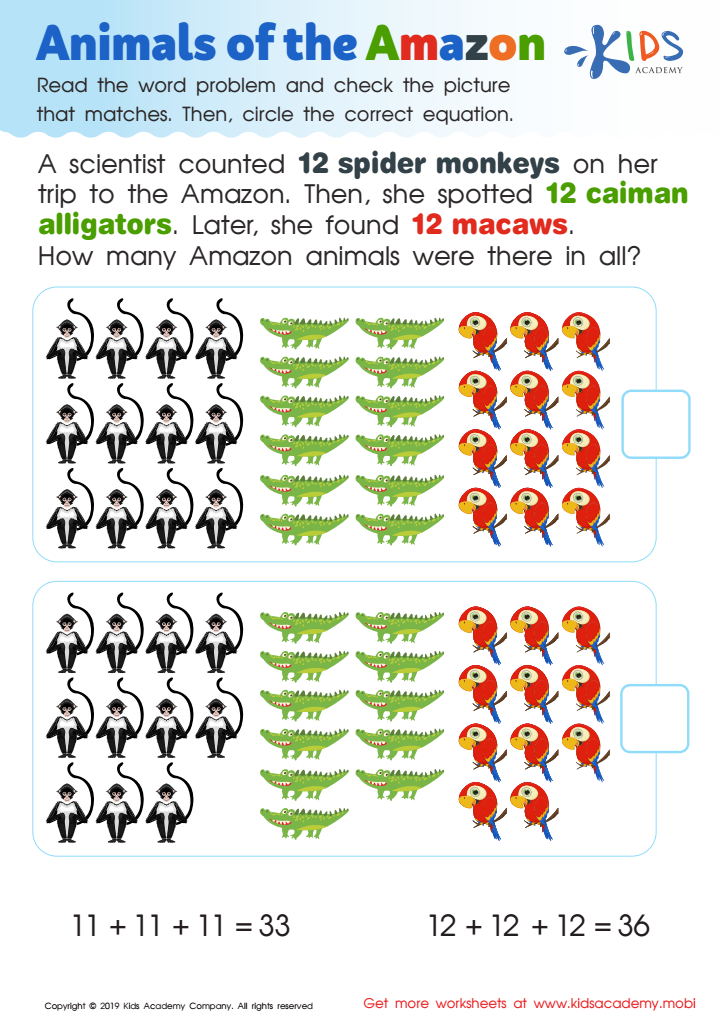
Animals of Amazon Worksheet
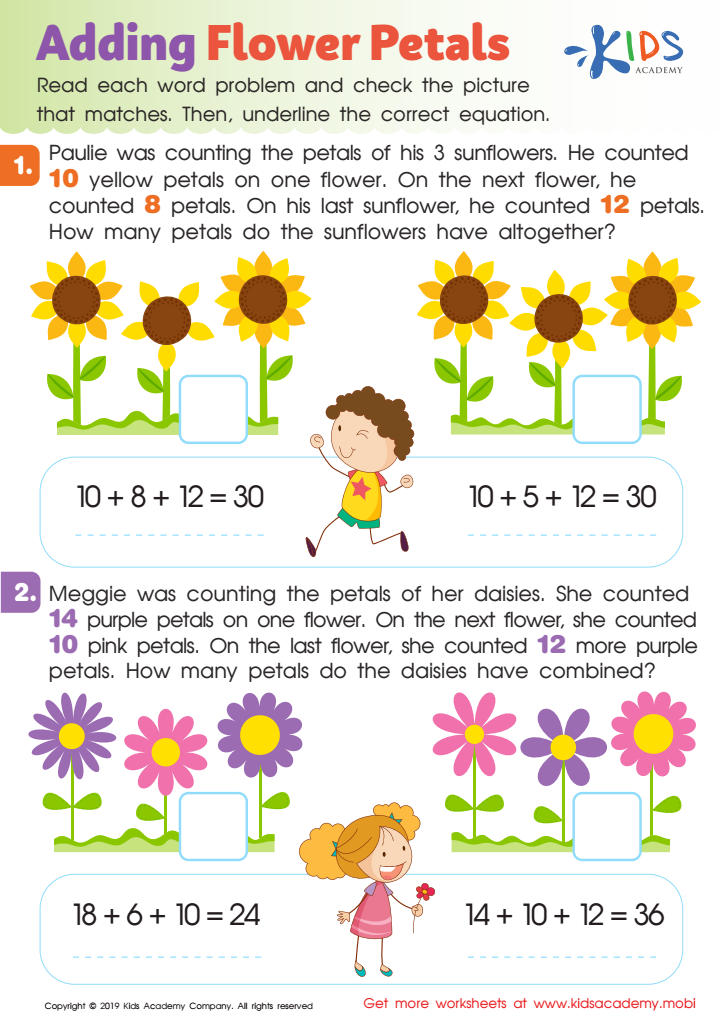
Adding Flower Petals Worksheet
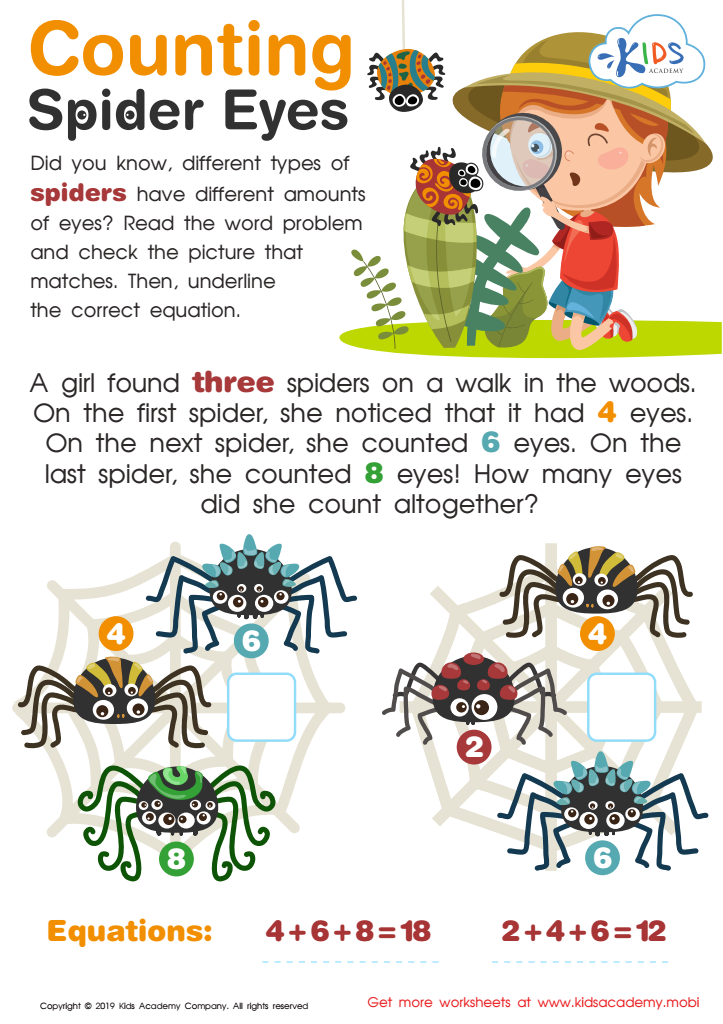
Counting Spider Eyes Worksheet
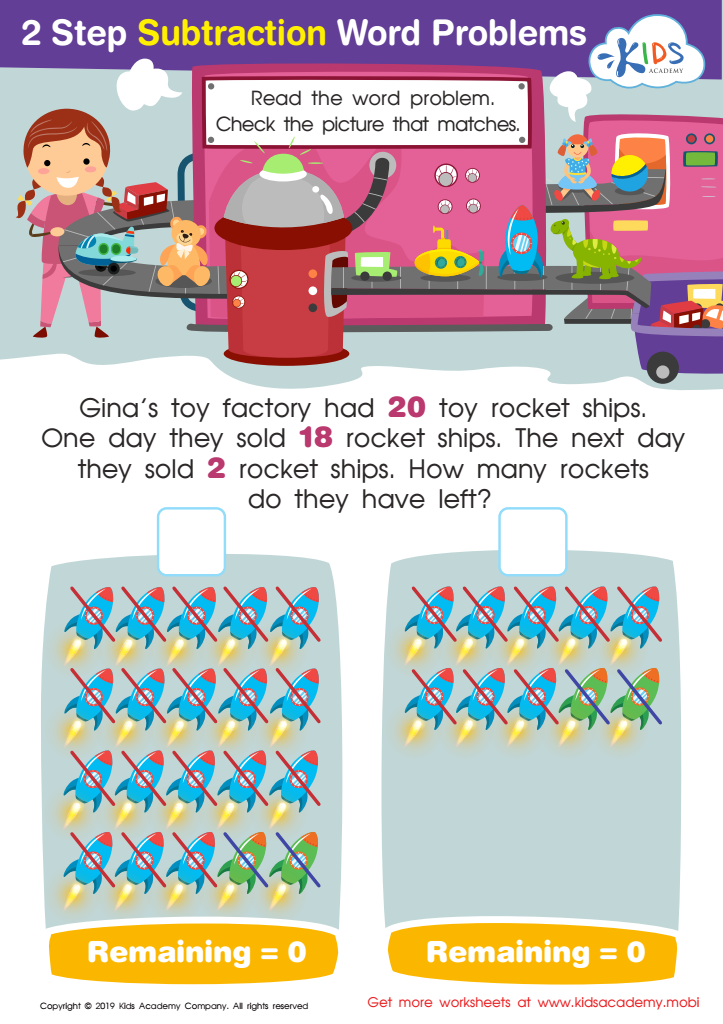
Step Subtraction Word Problems Worksheet
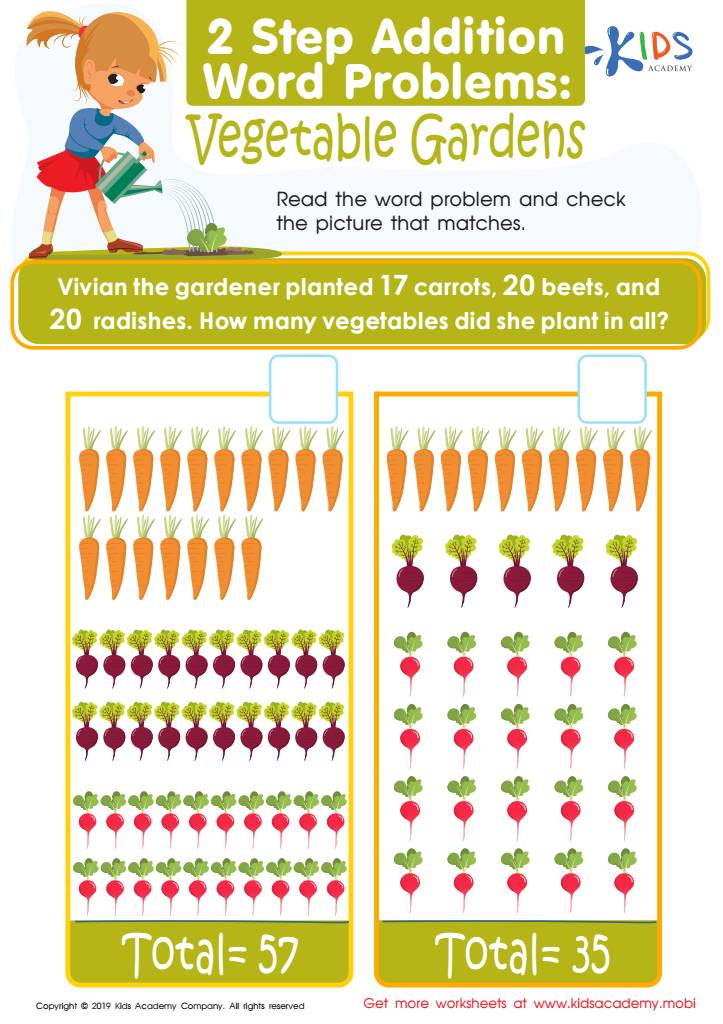
Vegetable Gardens Worksheet
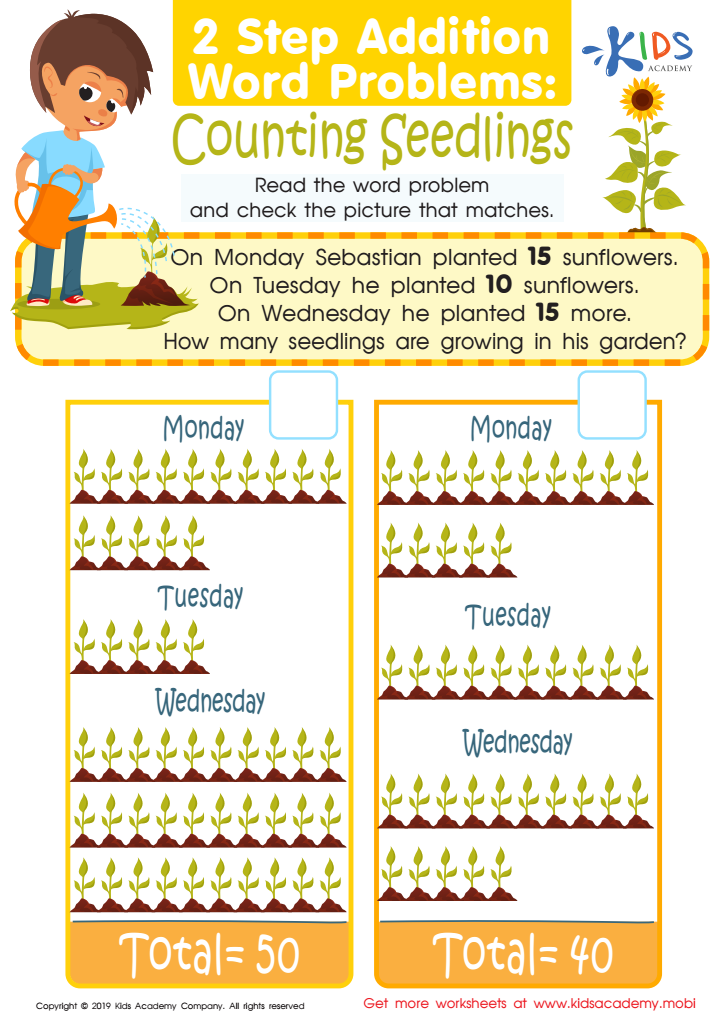
Counting Seedlings Worksheet
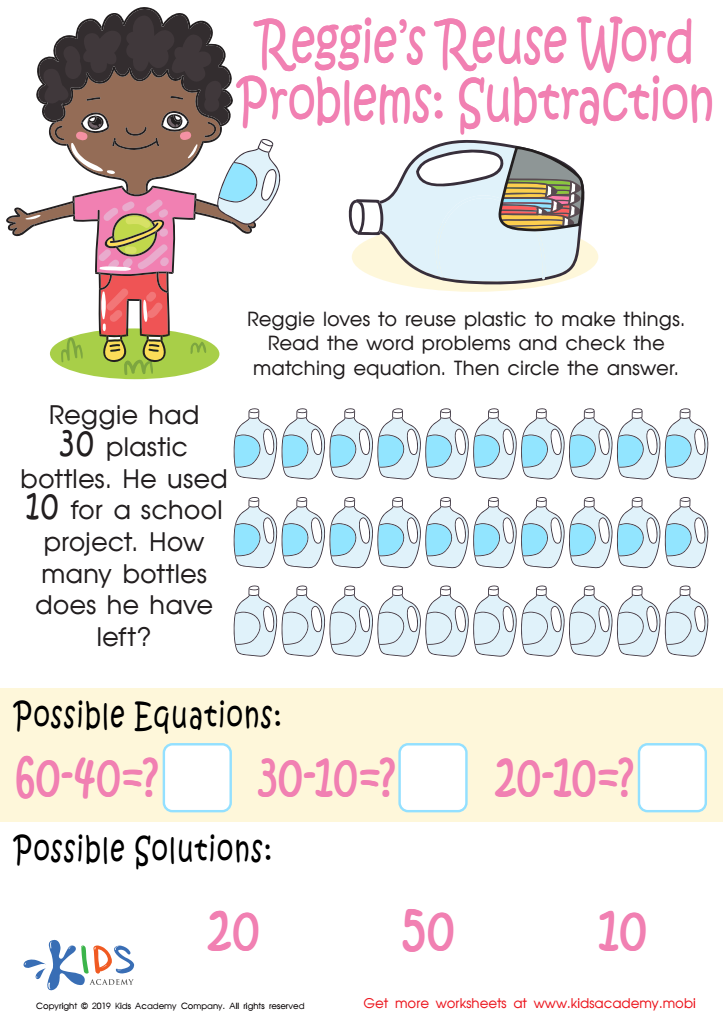
Reggie's Reuse Word Problems: Subtraction Worksheet
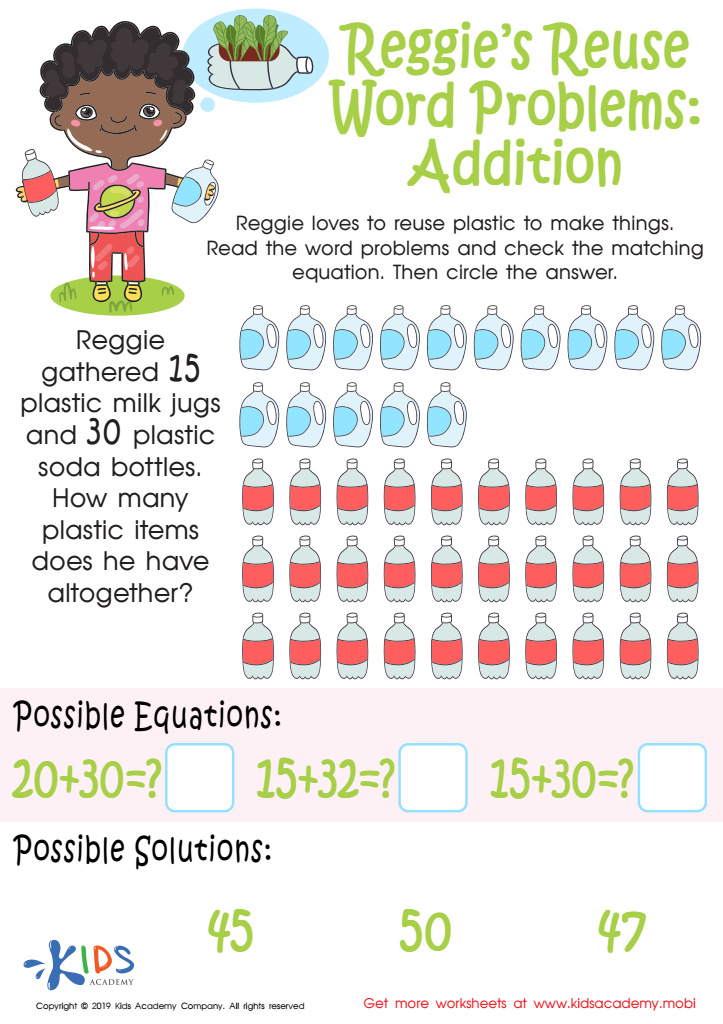
Reggie's Reuse Word Problems: Addition Worksheet
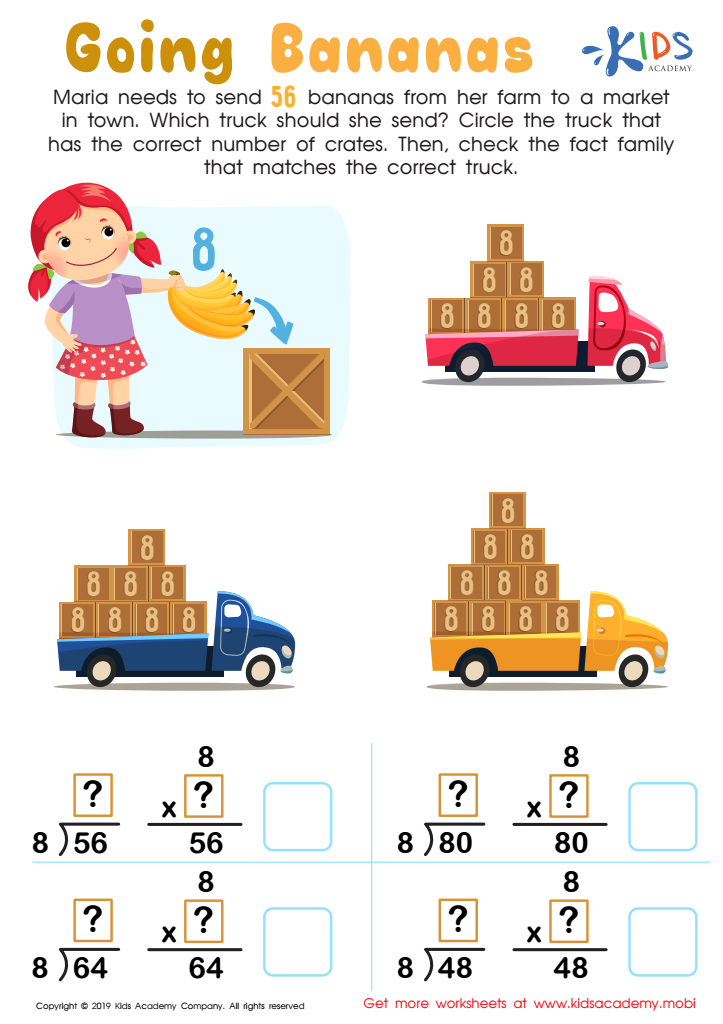
Going Bananas Worksheet
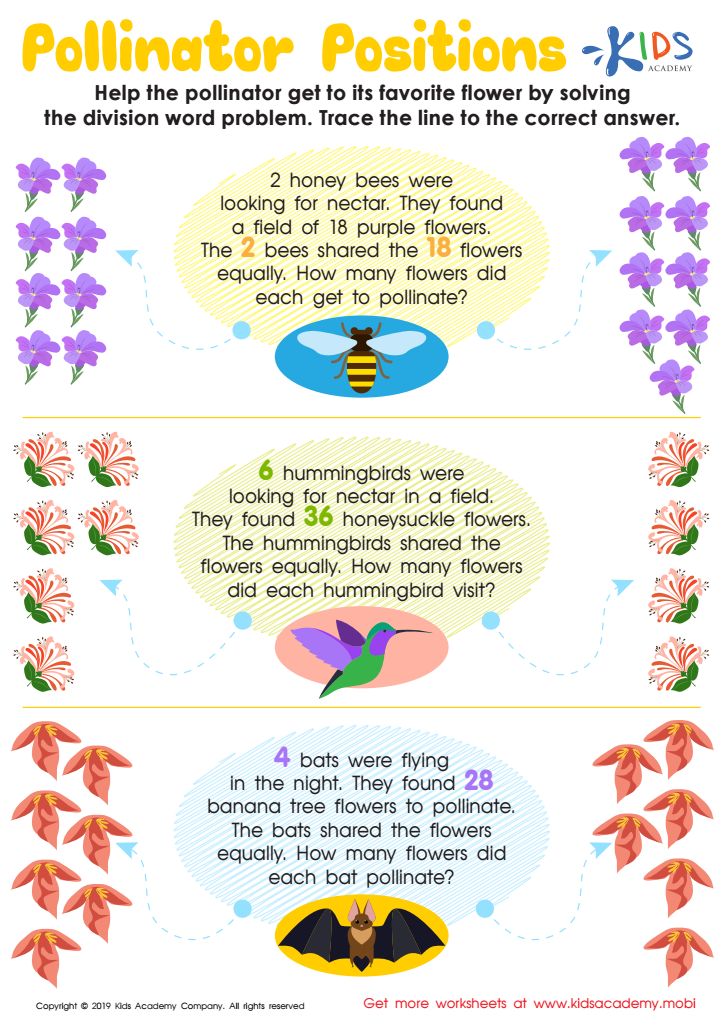
Pollinator Positions Worksheet
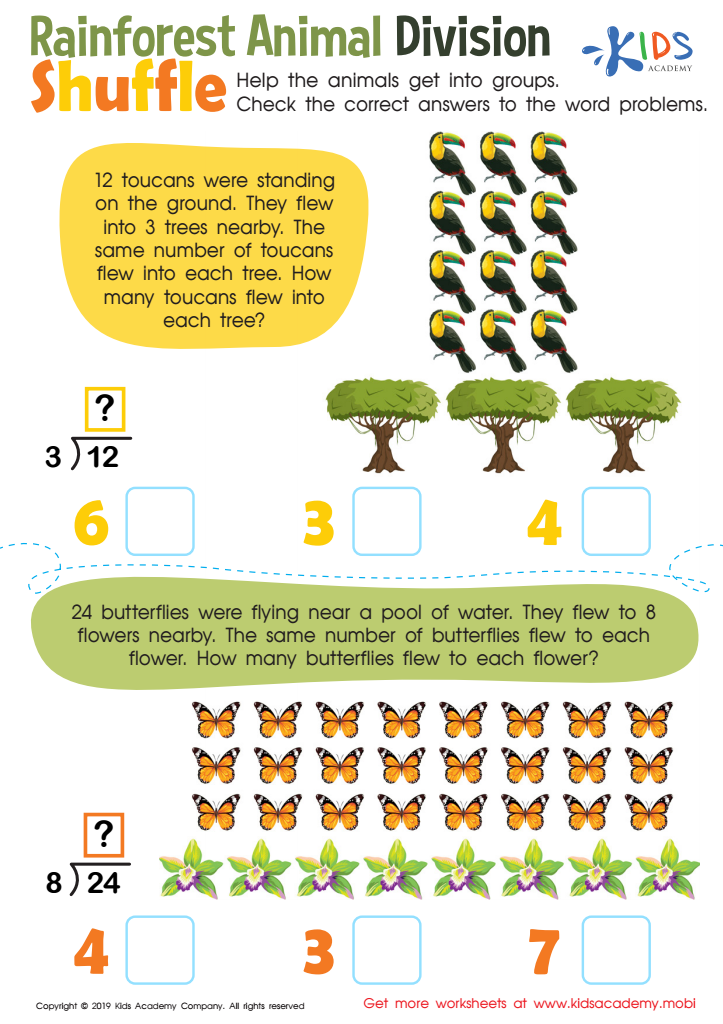
Rainforest Animal Division Worksheet
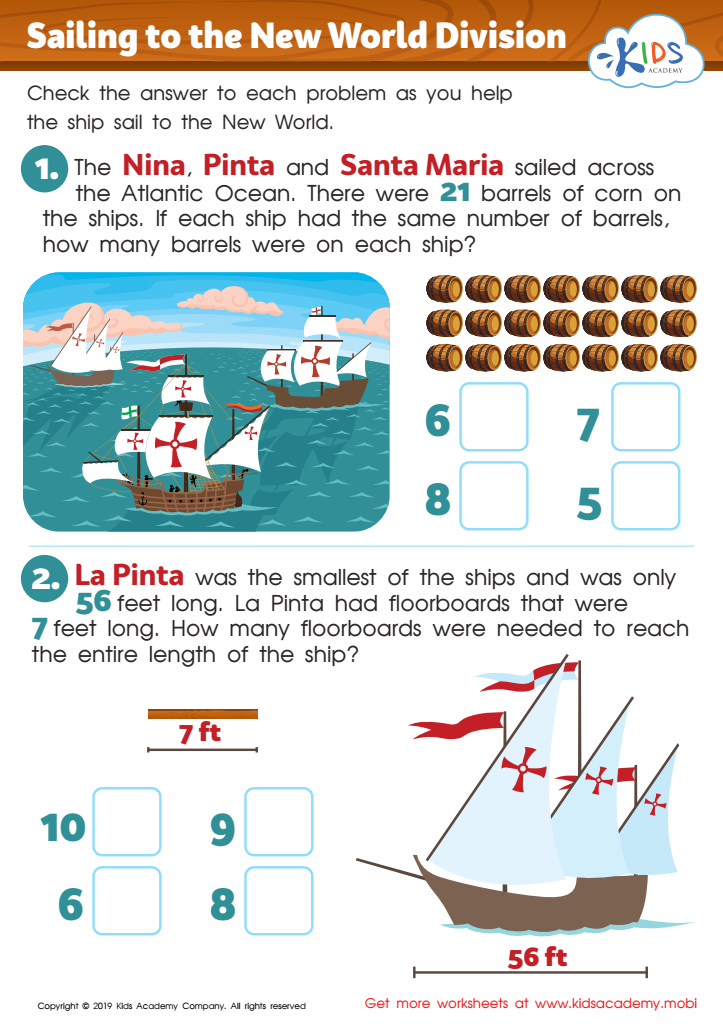
Sailing to the New World Division Worksheet
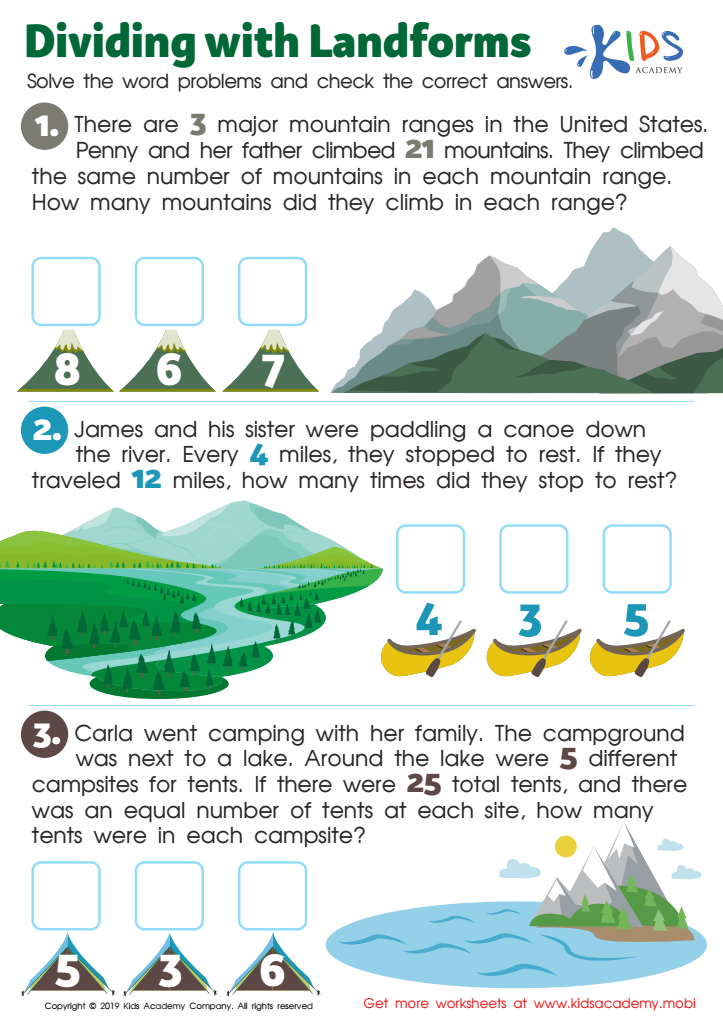
Dividing with Landforms








The Value of Learning Interactive Worksheets on Word Problems for Five-Year-Olds
In the early stages of learning, young children are not just learning to read and write—they are also beginning to understand the world through numbers and problems. This is where learning interactive worksheets on word problems come into play, especially for five-year-olds. These worksheets are designed not just to teach, but to engage. They help young learners develop critical thinking skills, boost their problem-solving abilities, and make learning both fun and impactful.
1. Engaging Young Minds
At the age of five, children are naturally curious, eager to explore and understand the world around them. Learning interactive worksheets on word problems are tailored to captivate their interests while promoting intellectual growth. These worksheets often incorporate colorful visuals, fun themes, and characters that children find relatable and engaging. This not only holds their attention but also stimulates their visual learning processes.
2. Building Foundational Math Skills
Word problems are a fantastic tool for teaching children the practical application of math. Unlike traditional rote learning, word problems require a child to read, comprehend, and then solve a problem using mathematical operations. This multifaceted approach ensures that children are not just learning numbers but are also enhancing their literacy skills. For five-year-olds, these worksheets simplify complex concepts and help them grasp basic addition, subtraction, and reasoning skills that are essential for their academic journey.
3. Enhancing Reading and Comprehension Skills
Reading comprehension is an integral part of learning at any age. Through learning interactive worksheets that focus on word problems, children learn to parse information, identify key details, and understand the sequence of events necessary to solve a problem. This practice is crucial in developing their ability to follow instructions and comprehend reading material effectively, skills that are valuable throughout their educational careers and beyond.
4. Developing Problem-Solving Skills
One of the most significant benefits of word problem worksheets is the enhancement of problem-solving skills. These worksheets challenge children to think critically and make logical connections. They are encouraged to approach problems methodically, considering different possibilities and outcomes. This not only helps in their math classes but also in daily life where problem-solving is a key to overcoming challenges.
5. Interactive Learning Boosts Retention
Learning interactive worksheets are designed to be more than just paper and pencil exercises. They often incorporate elements of play, interactivity such as cut-outs, matching games, or digital enhancements that can be used on tablets or computers. This level of interactivity not only makes the learning process enjoyable but also enhances retention. Studies have shown that children learn better and remember more when they are actively involved in the learning process rather than passively receiving information. Interactive worksheets encourage active participation, which helps solidify the concepts being taught.
6. Encouraging Independent Learning
With interactive worksheets, children are often able to work through the problems at their own pace, which fosters a sense of independence. They learn to take initiative, think for themselves, and check their work. This kind of self-directed learning builds confidence and self-reliance, qualities that are crucial as they progress in their educational journey.
7. Facilitating Parental Involvement
Learning interactive worksheets on word problems provide a perfect opportunity for parents to get involved in their child's education. These worksheets often include guidelines and tips for parents on how to facilitate the learning process, making it easier for them to engage with their child’s learning. This not only helps strengthen the child's understanding and skills but also enhances the parent-child bond through shared educational activities.
8. Adapting to Individual Learning Styles
Every child is unique, with different learning preferences and paces. Interactive worksheets can be highly adaptable, offering various approaches to solving the same problem. Whether a child learns better through visual aids, hands-on activities, or auditory instructions, these worksheets can accommodate these needs. This adaptability ensures that all children, regardless of their learning style, can benefit from and enjoy the learning process.
9. Preparing for Future Educational Demands
Starting with word problems at a young age prepares children for the kind of complex thinking required in higher grades. As they advance in school, the problems will become more challenging and the ability to solve them more critical. Early exposure through engaging, interactive worksheets ensures that children develop a strong foundation, making them more adept at handling more sophisticated mathematical concepts later on.
Conclusion
Learning interactive worksheets on word problems are more than just educational tools; they are a bridge to a world of learning and discovery for five-year-olds. They help develop essential academic skills while ensuring that the learning process is fun and engaging. By incorporating these worksheets into their early education, children can enjoy a holistic development that prepares them adequately for future academic challenges, making them lifelong learners in the truest sense.








