Filters

383 filtered results

Clear all filters
Favorites
With answer key
Interactive

383 filtered results

Difficulty Level

Grade


Check out this FREE Trial Lesson on Science for age 6-9!

Climate

Favorites
With answer key
Interactive
  • 6-9
  • Interactive
  • Science
Climate vs Weather Worksheet

Climate vs Weather Worksheet

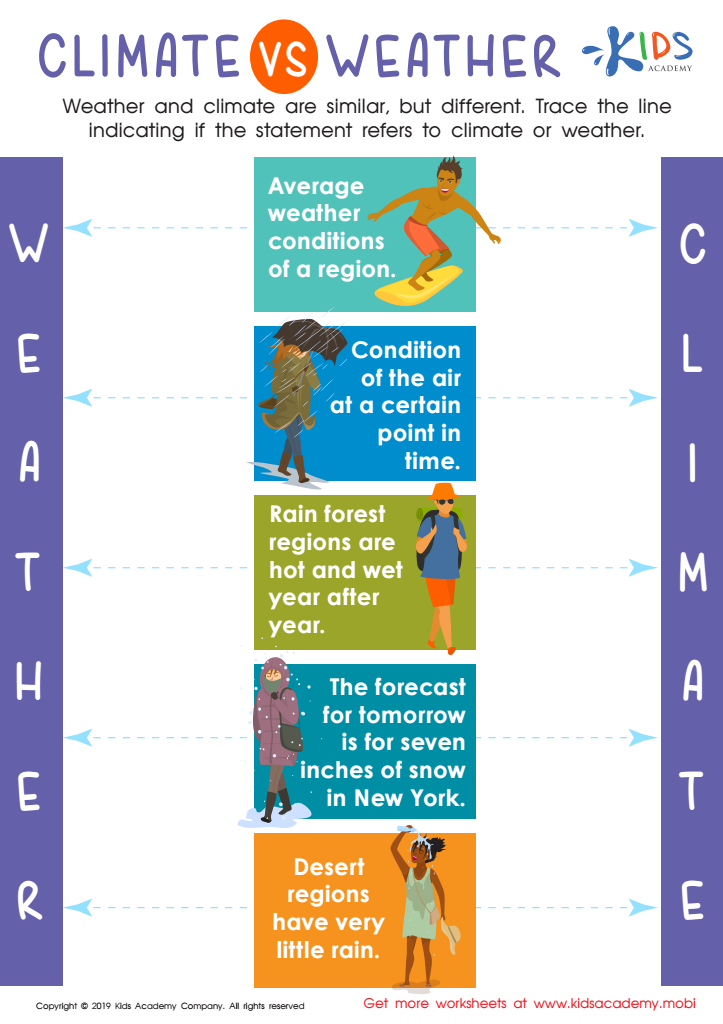
Weather and climate might sound similar, but they're different! Kids can discover the difference with this free, factual worksheet. Weather is the air's condition at one moment, while climate is an area's average weather. Kids can draw lines to connect factoids to either one. An interesting and educational activity!
Climate vs Weather Worksheet
Worksheet
Climate Maps Worksheet

Climate Maps Worksheet

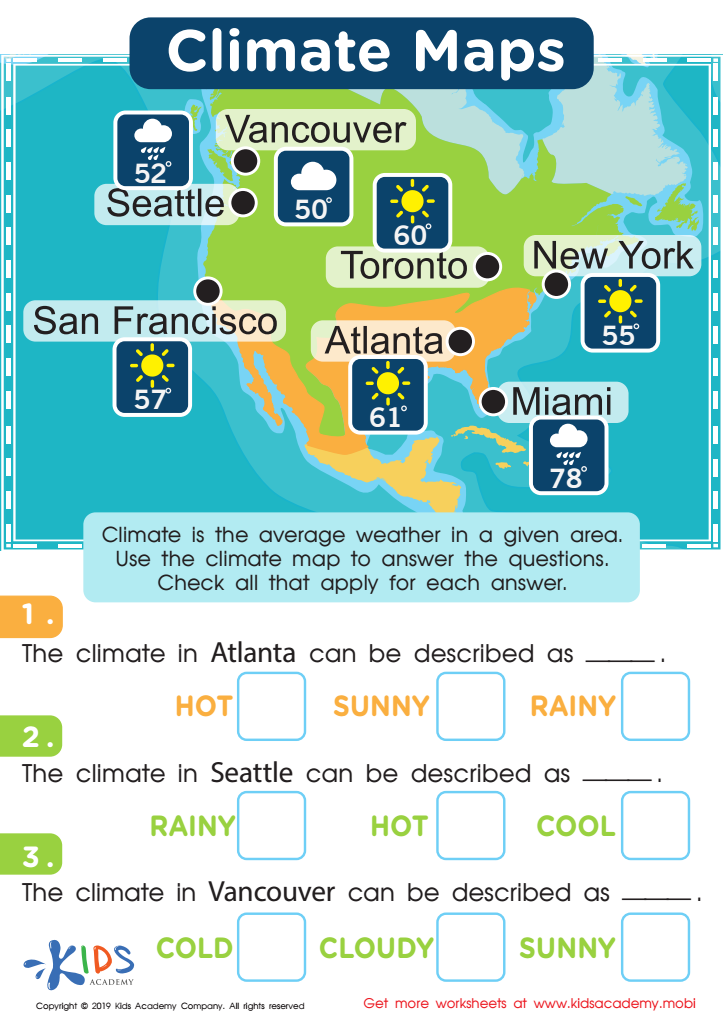
This map offers a fun way to teach kids about the varying climates across North America. They'll learn that Seattle and Miami have different temperatures, yet the same amount of rainfall. Plus other weather facts. This prepares them to answer reading comprehension questions with success!
Climate Maps Worksheet
Worksheet
Engineering Natural Hazards Worksheet

Engineering Natural Hazards Worksheet

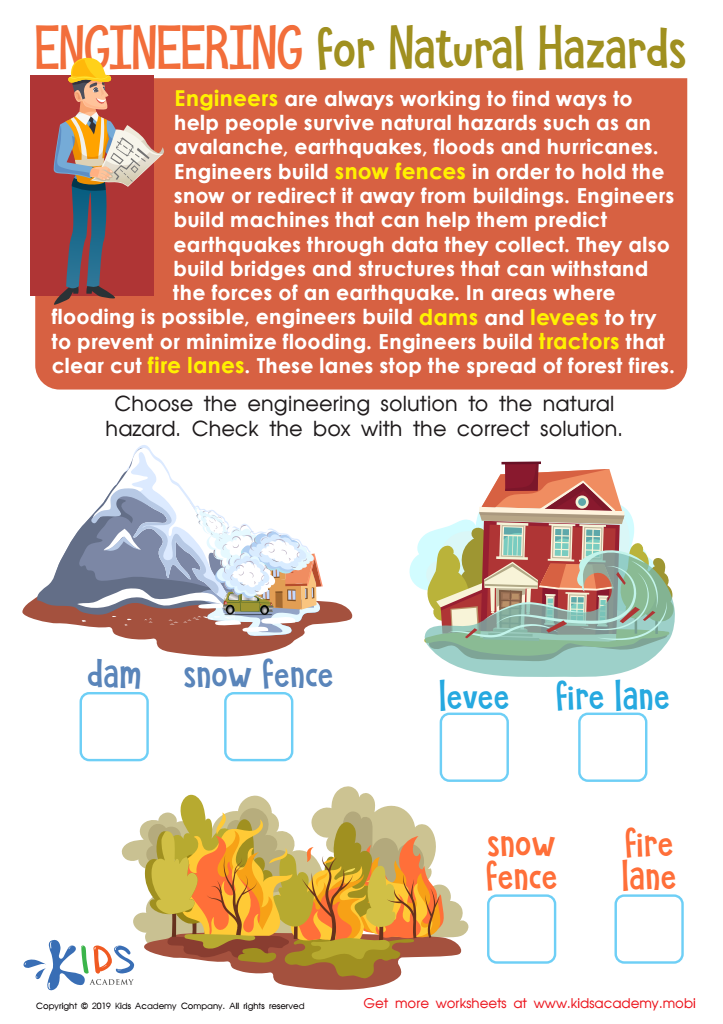
Natural hazards can be lessened with precautions. This free worksheet engages kids with informative text on how engineers protect us and lets them practice reading comprehension by choosing the right option.
Engineering Natural Hazards Worksheet
Worksheet
Protecting Our Homes Worksheet

Protecting Our Homes Worksheet

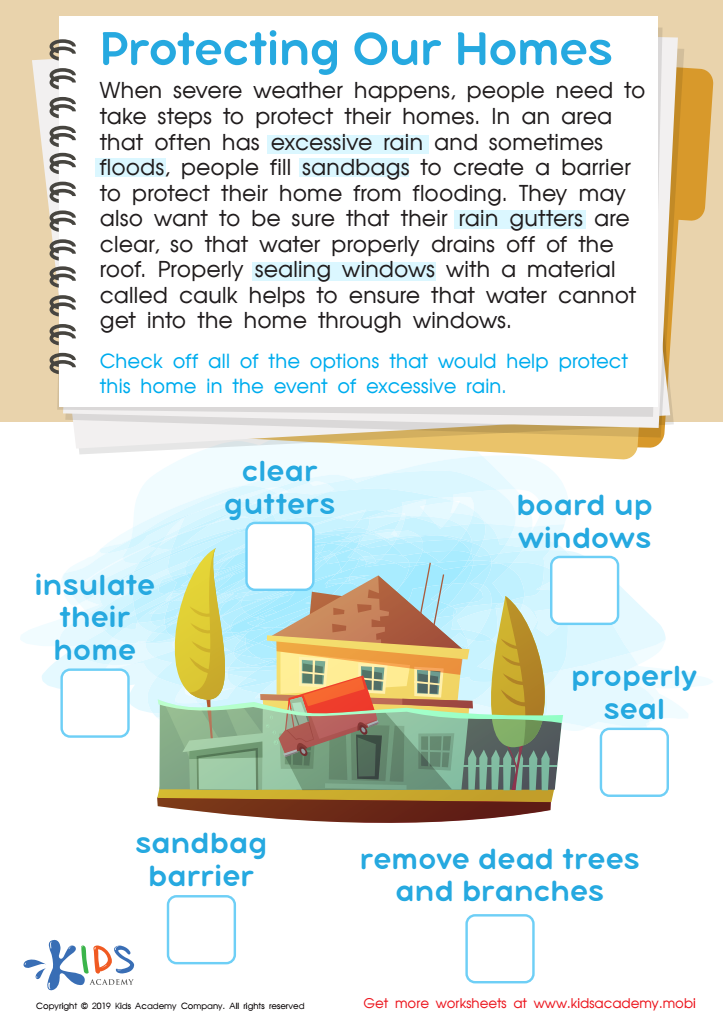
Teach kids about severe weather with this free worksheet. It helps them learn how to protect their home from excessive rain, as well as what not to do. Check the given actions to make the damage from weather events less devastating.
Protecting Our Homes Worksheet
Worksheet
Tornados Worksheet
Tornados Worksheet

Tornados Worksheet

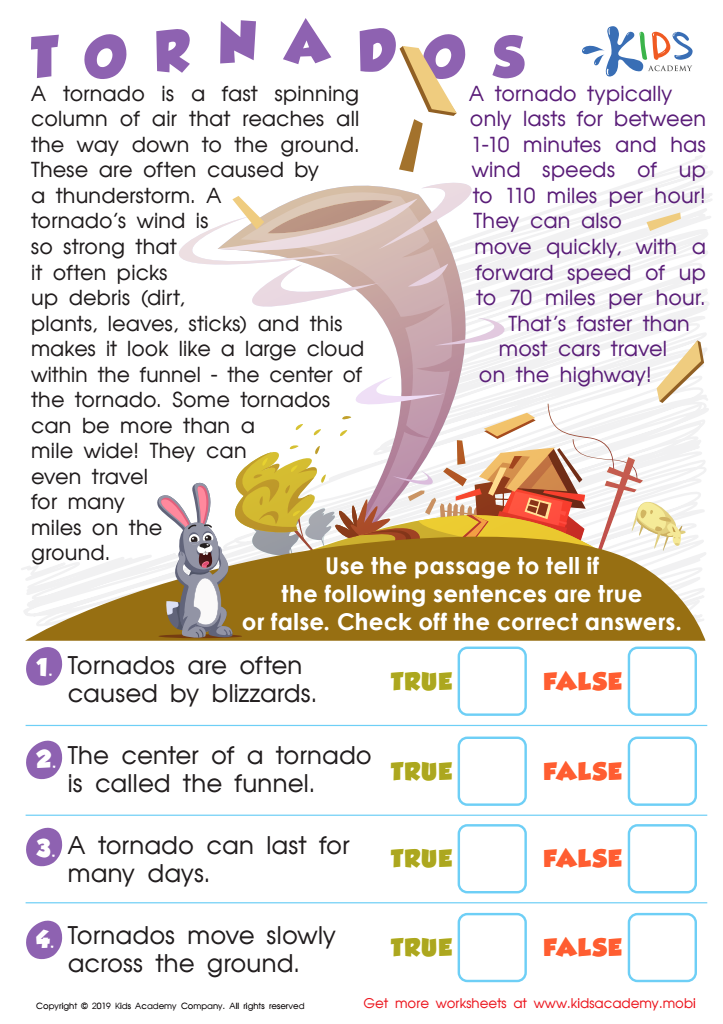
Kids love learning about natural weather events, especially tornadoes. This worksheet is perfect for teaching facts and critical thinking skills. Children will read statements and decide whether they are true or false. This will help them gain knowledge while developing their reading and analysis skills.
Tornados Worksheet
Worksheet
Charting Rainfall Worksheet

Charting Rainfall Worksheet

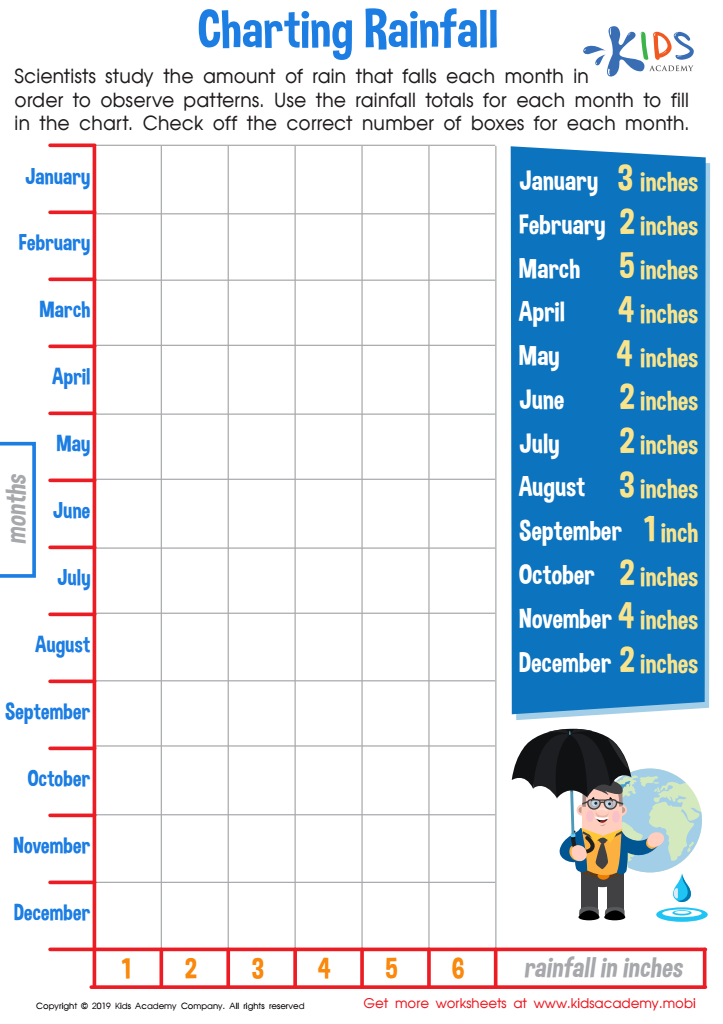
Kids need to learn how to graph info in order to understand the world. This rainfall worksheet gives them an opportunity to act as statisticians, charting the amount of rain each month. It also helps them practice data storage and analysis for future math concepts.
Charting Rainfall Worksheet
Worksheet
Patterns in Temperature Worksheet

Patterns in Temperature Worksheet

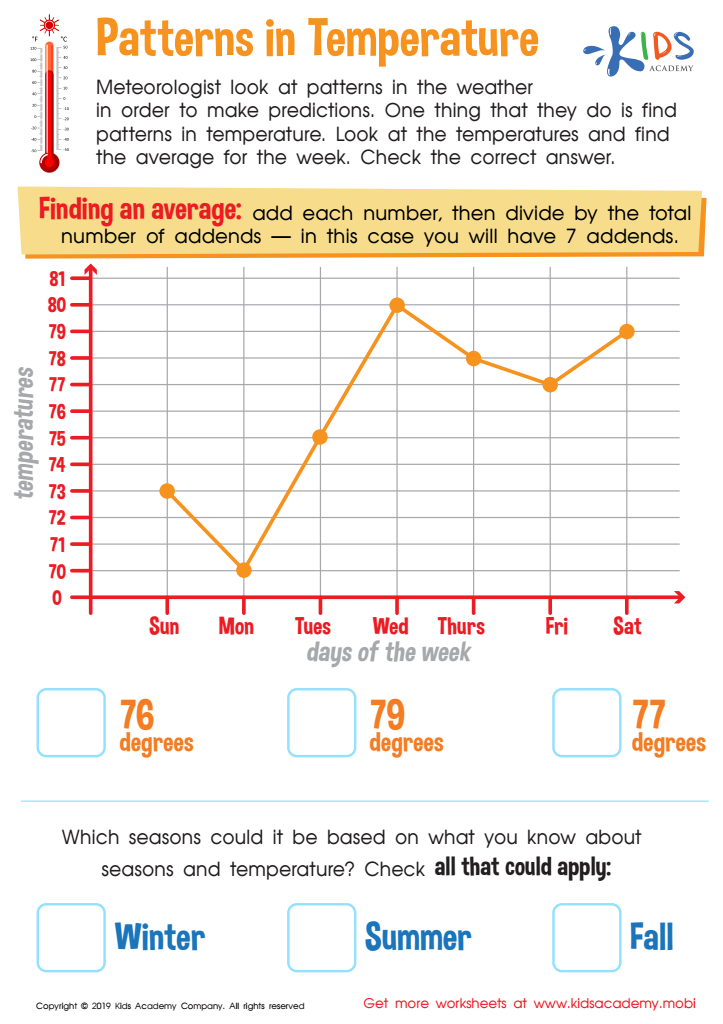
Kids need to learn how to read and interpret data from graphs and charts. This free worksheet on temperature patterns helps them to do just that. They'll practice finding averages and answer questions in multiple-choice format. Plus, it provides a great learning experience!
Patterns in Temperature Worksheet
Worksheet
Forest Fires Worksheet

Forest Fires Worksheet

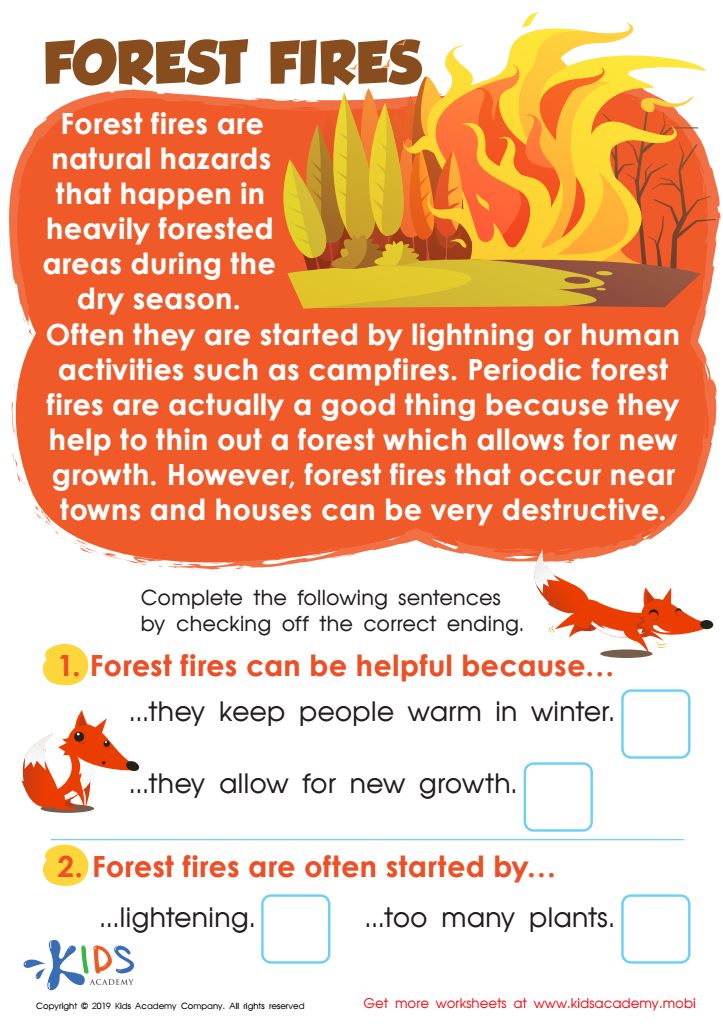
This free worksheet helps kids learn about forest fires. It encourages critical thinking by allowing them to answer multiple-choice questions. It is an important opportunity for children to develop reading skills, as understanding text is essential for further academic success. Download the PDF to give them the chance to practice comprehension and strengthen their knowledge.
Forest Fires Worksheet
Worksheet
Parts of Flower Worksheet

Parts of Flower Worksheet

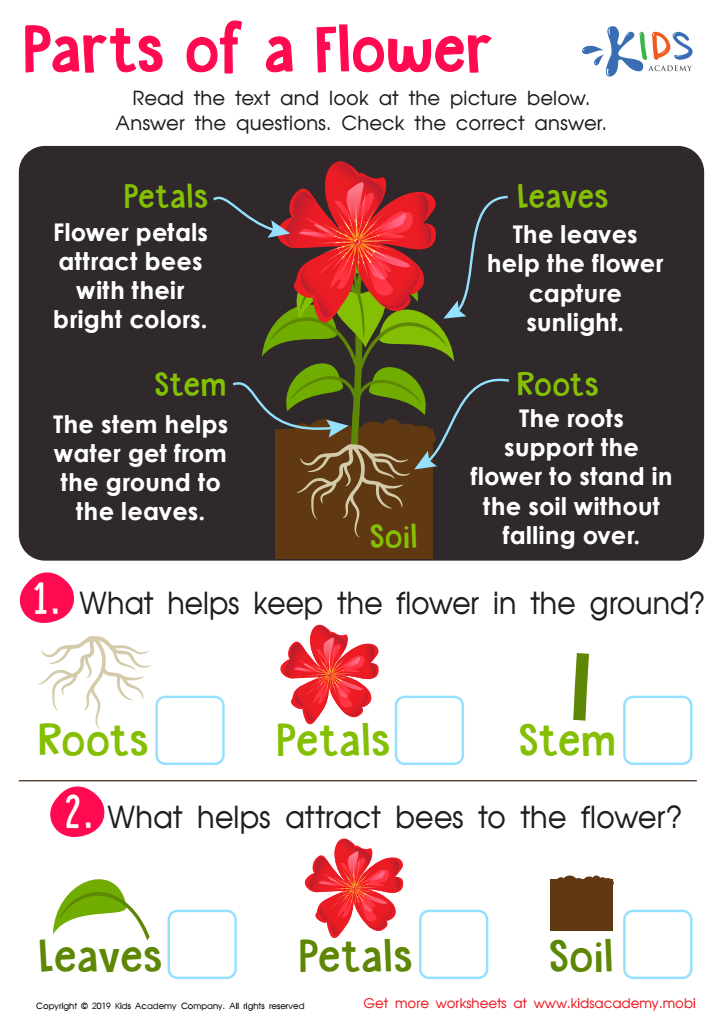
Learning how to dissect info from graphics is essential. This free worksheet on the parts of a flower is a great learning tool for kids. It offers info, picture clues and comprehension questions. Plus, it gives them a visual reference for building on their knowledge of plants.
Parts of Flower Worksheet
Worksheet
Forms of Water Worksheet

Forms of Water Worksheet

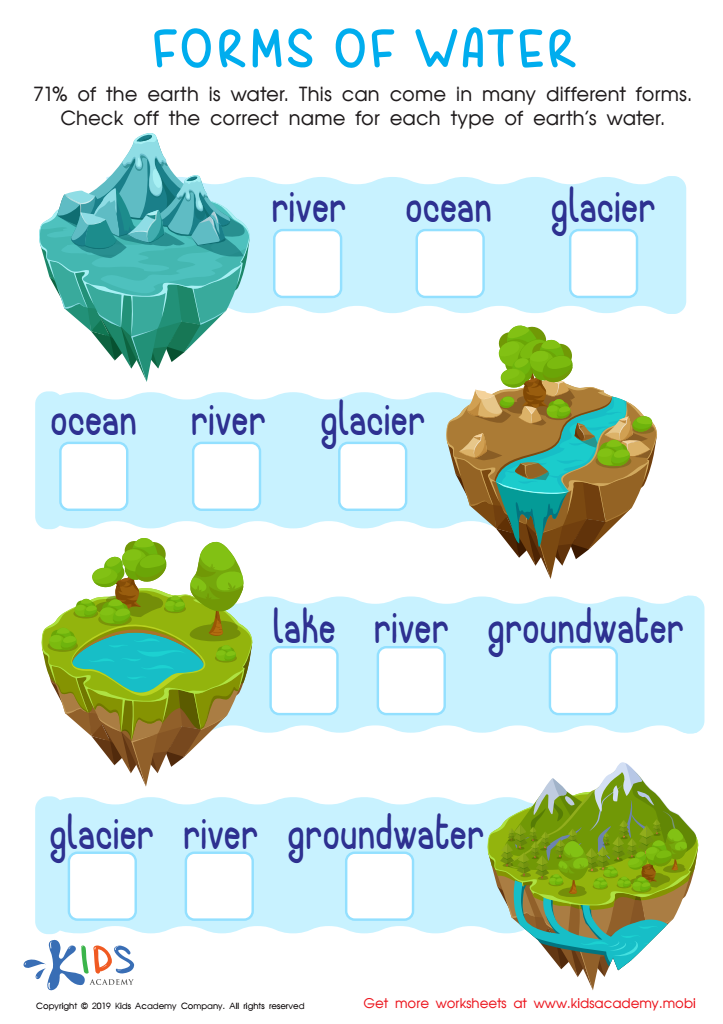
Life on Earth needs water to survive. Luckily, water makes up 75% of the Earth's surface and comes in various forms such as rivers, oceans and lakes. Ask your kids to name other forms and use this worksheet to help them identify each type.
Forms of Water Worksheet
Worksheet
Maps and Landforms Worksheet

Maps and Landforms Worksheet

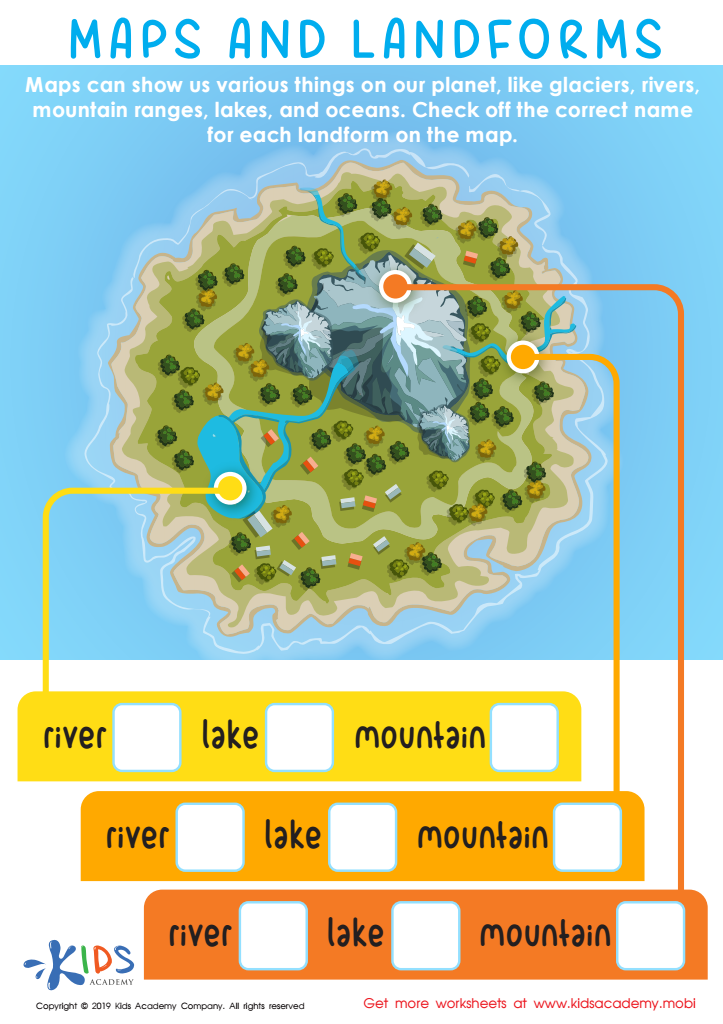
We can educate our kids on the world and its landforms by showing them a map. Point out mountains, rivers, and oceans, and help them identify each correctly. With this knowledge, they will better understand our planet.
Maps and Landforms Worksheet
Worksheet
Erosion Worksheet
Erosion Worksheet

Erosion Worksheet

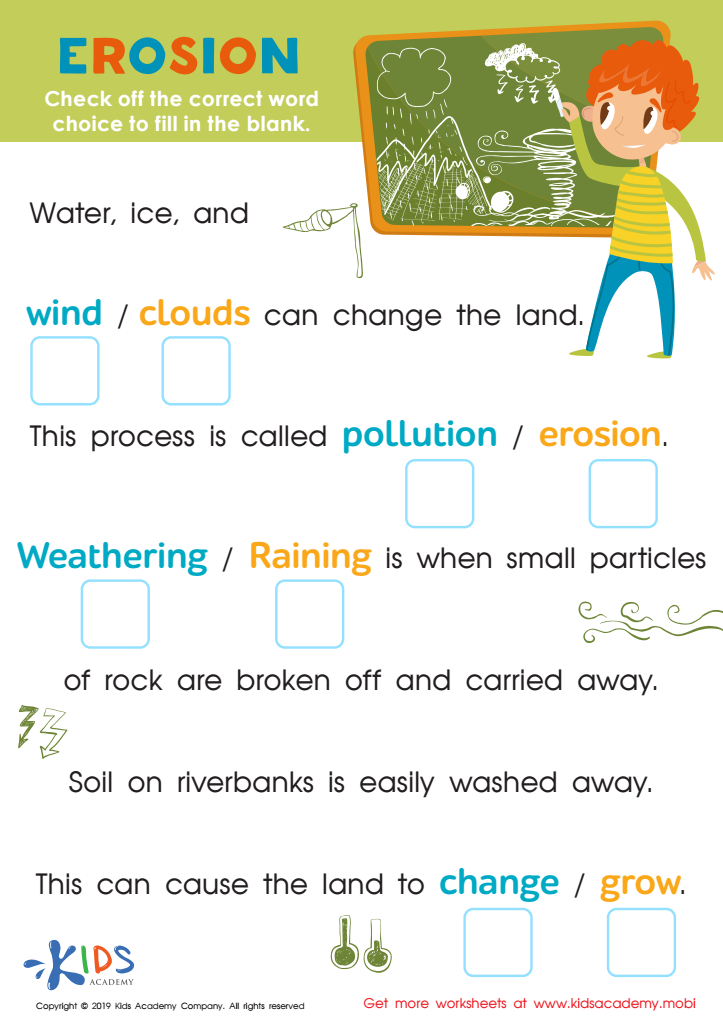
Erosion is when land is washed or crumbled away; it is caused by water, wind, or man. Teach kids its damaging impact, and how to prevent it. Check out this science worksheet to help them learn more. Read each sentence, then help them fill in the blanks with the correct words.
Erosion Worksheet
Worksheet
Causes of Erosion Worksheet

Causes of Erosion Worksheet

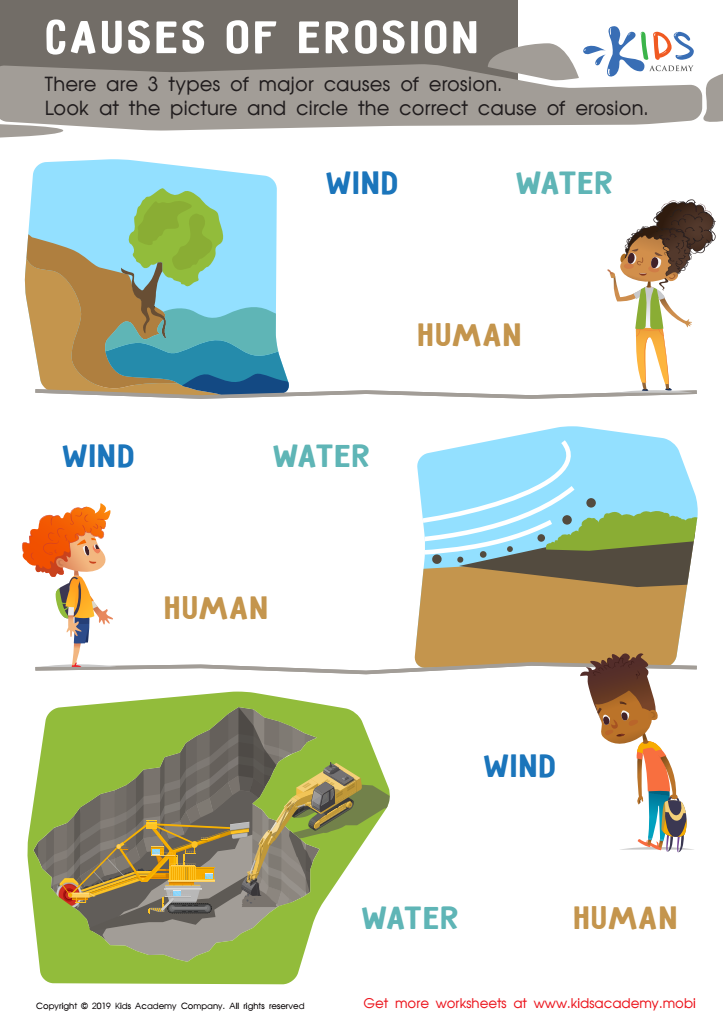
Earth is a habitable planet for humans and all life forms, providing us with what we need to survive. However, erosion caused by air, water or man can destroy or crumble parts of its surface. Teach kids the three causes of erosion and help them circle the correct one on a worksheet.
Causes of Erosion Worksheet
Worksheet
Herbivores Worksheet

Herbivores Worksheet

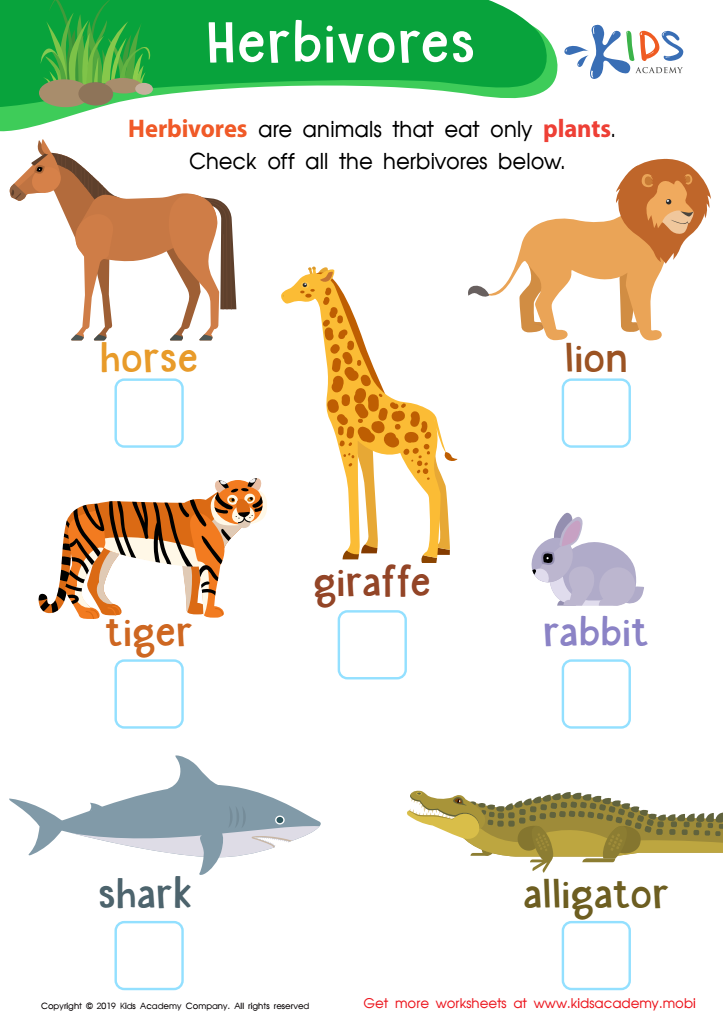
Explain to your kids what herbivores are: animals that survive on plants and grass. Examples include cows, rabbits, and deer. Ask them to identify the herbivores in the pictures and check them off.
Herbivores Worksheet
Worksheet
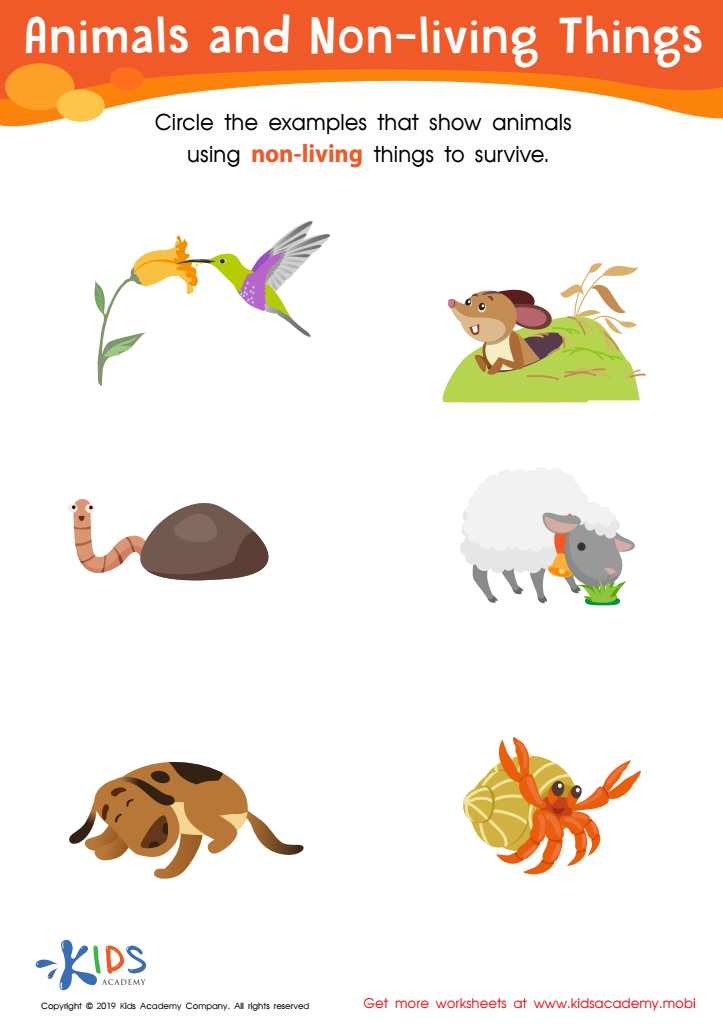
Animals and Non-Living Things Worksheet

Animals and Non-Living Things Worksheet

People and animals both require more than food to survive. We need shelter, clothing and water, while animals use non-living things like rocks and trees. Ask your kids what else is necessary to survive - then have them identify the objects in the worksheet and circle the examples of animals using non-living things.
Animals and Non-Living Things Worksheet
Worksheet
Animal Homes Worksheet

Animal Homes Worksheet

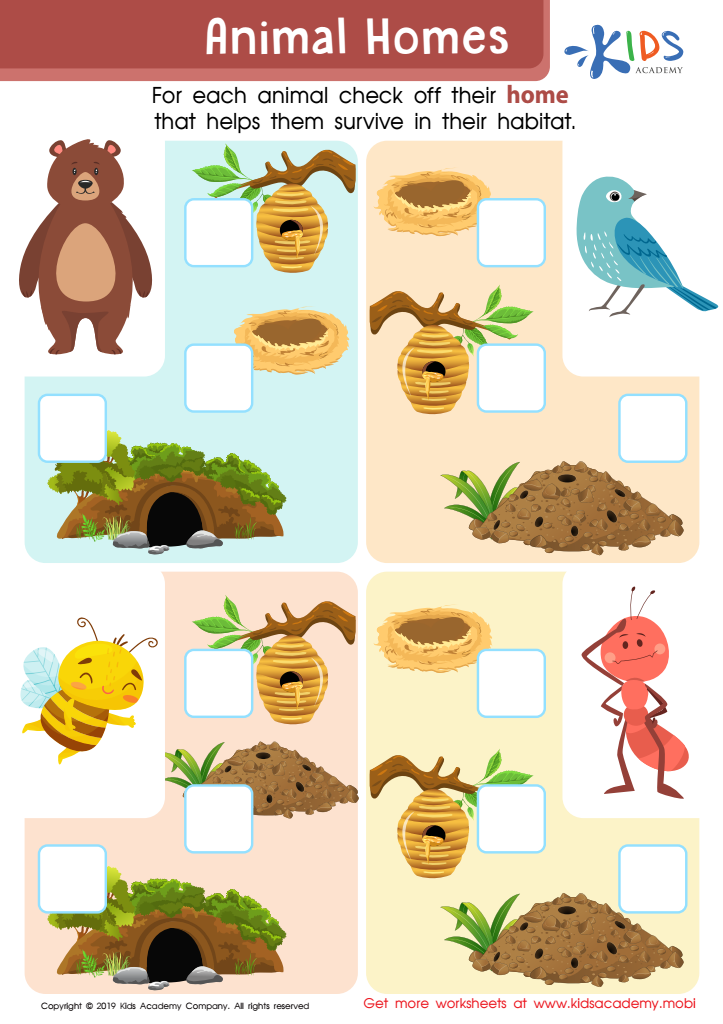
It's your duty as a teacher to protect, direct and guide your students while they're at school. Ask your kindergartners what a home means and why it's special. Use this worksheet to teach them that both people and animals have homes. Show them the pictures, and have them check off which is the home of each animal.
Animal Homes Worksheet
Worksheet
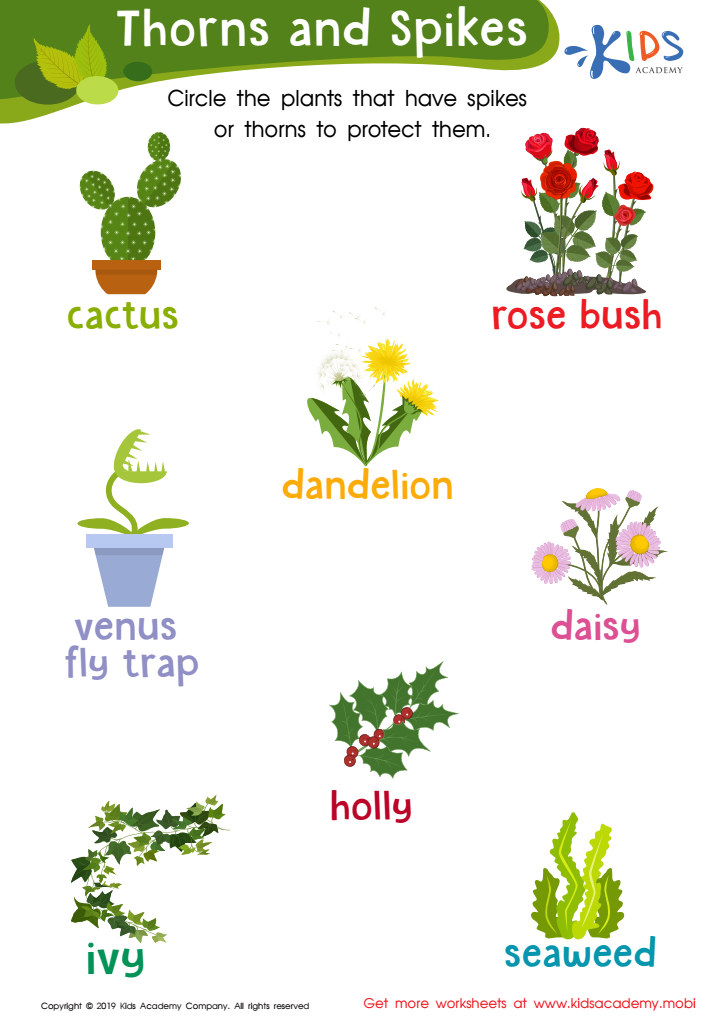
Thorns and Spikes Worksheet

Thorns and Spikes Worksheet

Can your students name and identify the plants and flowers in this worksheet? Ask them to read out the names and circle the ones with spikes or thorns. Help them appreciate nature's beauty and understand how plants protect themselves.
Thorns and Spikes Worksheet
Worksheet
Arctic World Worksheet

Arctic World Worksheet

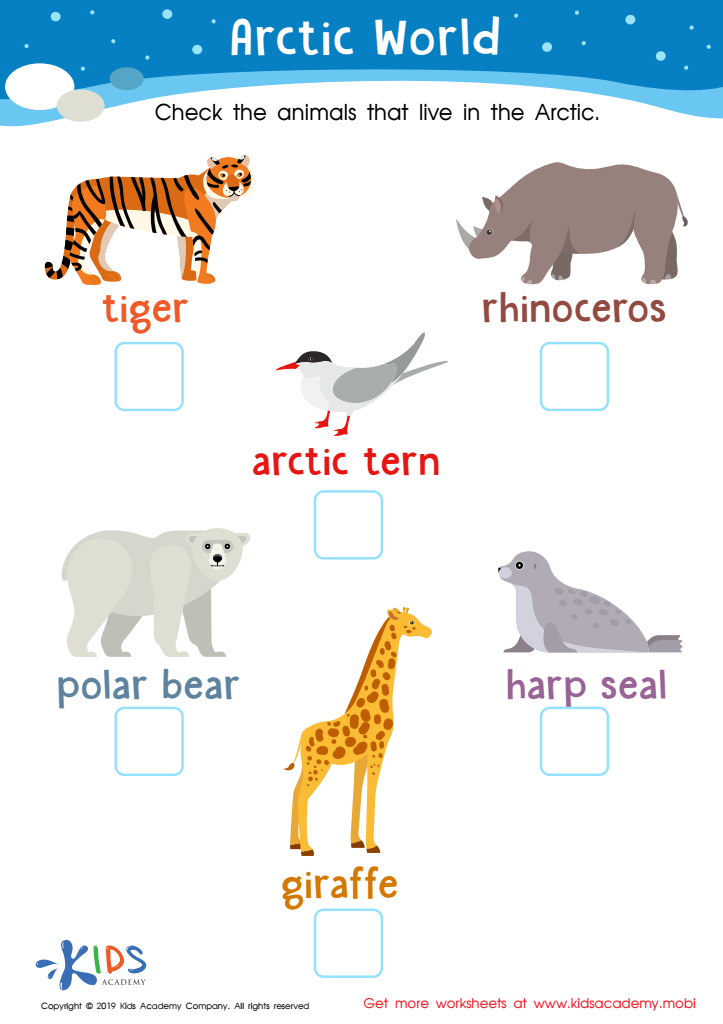
Ask your students if they know where the Arctic is located and what lives there. If not, use a world atlas to show them. The Arctic is very cold and snow-covered; native animals have adapted to survive the harsh conditions. Look at the animals in the worksheet and help your students decide which ones live in the Arctic.
Arctic World Worksheet
Worksheet
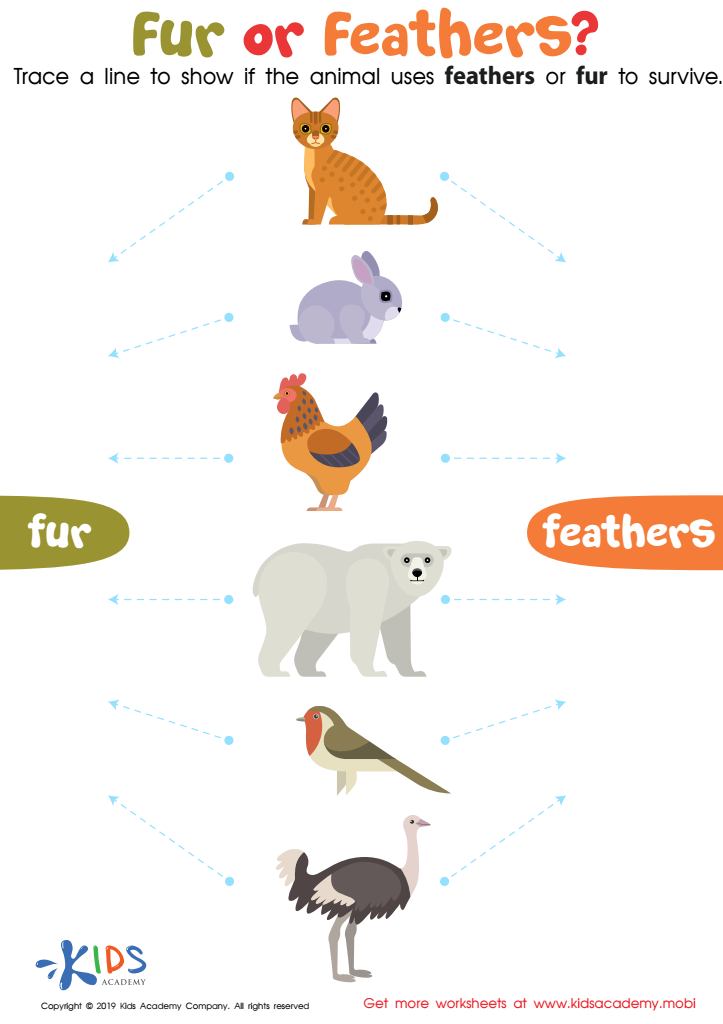
Fur or Feathers? Worksheet

Fur or Feathers? Worksheet

Examine animals you see daily. How do they differ from humans? With a pet in your home, ask your child to touch it and identify what covers the animal's body - fur or feathers? Birds have feathers, while mammals have fur. Guide your kids to identify animals in this worksheet and determine if fur or feathers keep them alive.
Fur or Feathers? Worksheet
Worksheet
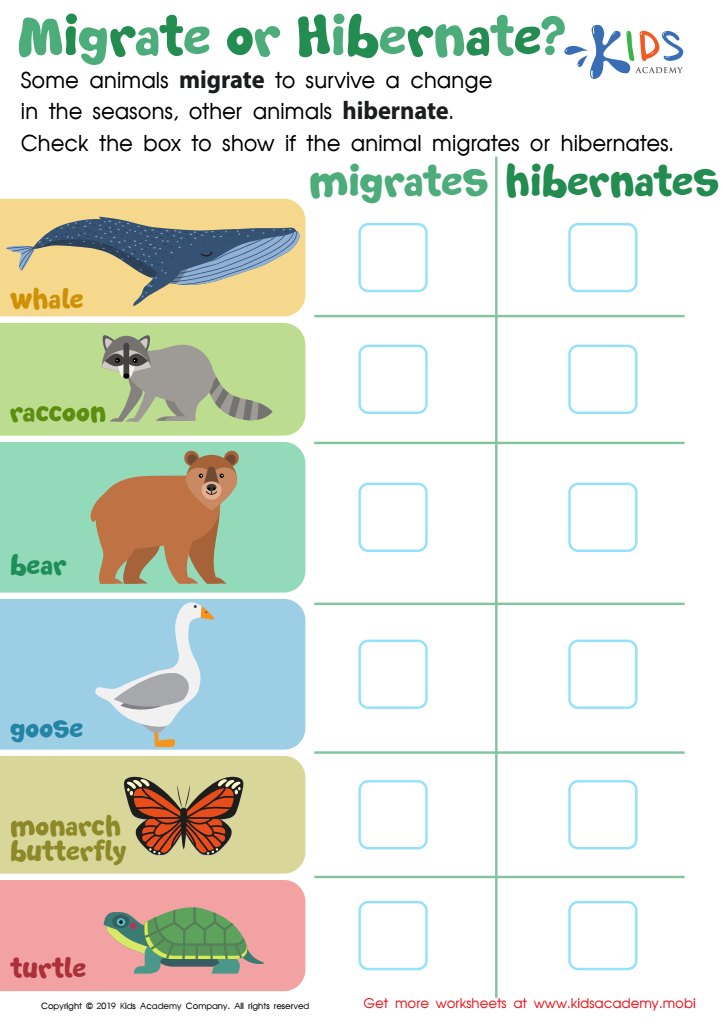
Migrate or Hibernate? Worksheet

Migrate or Hibernate? Worksheet

Many animals survive by either migrating or hibernating when the weather changes. Migration involves traveling in flocks or herds to a more temperate climate, while hibernation is when animals stay in their homes and eat and sleep for a long period of time. Show your kids this worksheet and help them decide which strategy animals use to cope with the changing weather.
Migrate or Hibernate? Worksheet
Worksheet
Great Migrations Worksheet

Great Migrations Worksheet

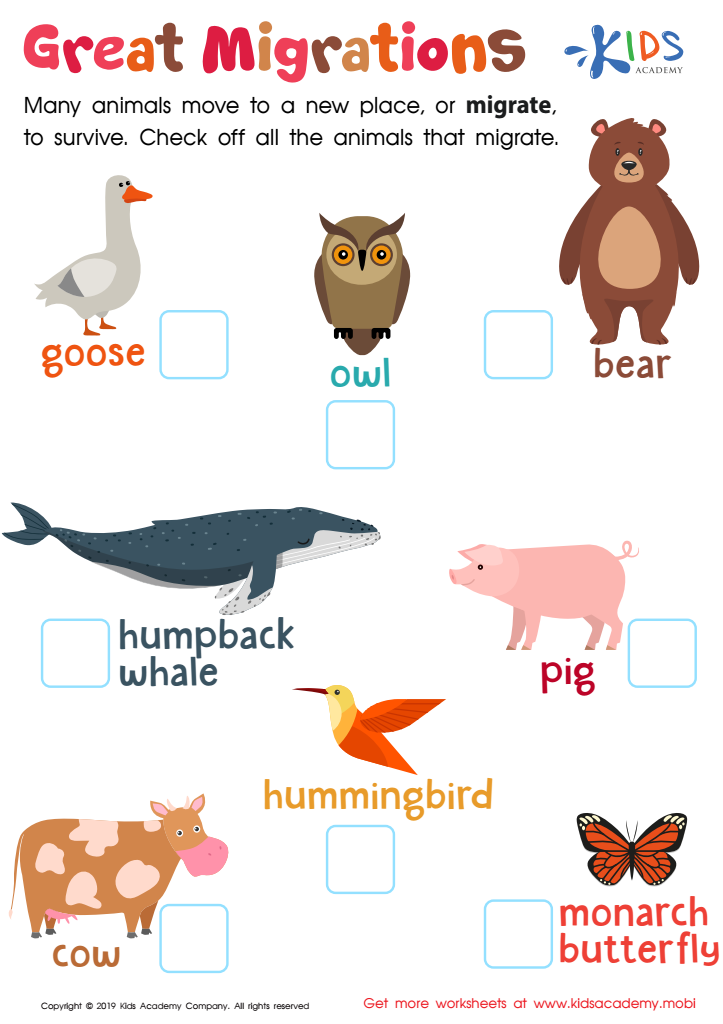
Identify animals in the worksheet with your kids. See which ones migrate: check the boxes! Migration is when birds and other animals only appear for certain seasons or long periods, then come back when the weather changes.
Great Migrations Worksheet
Worksheet
Caring for the Community Worksheet

Caring for the Community Worksheet

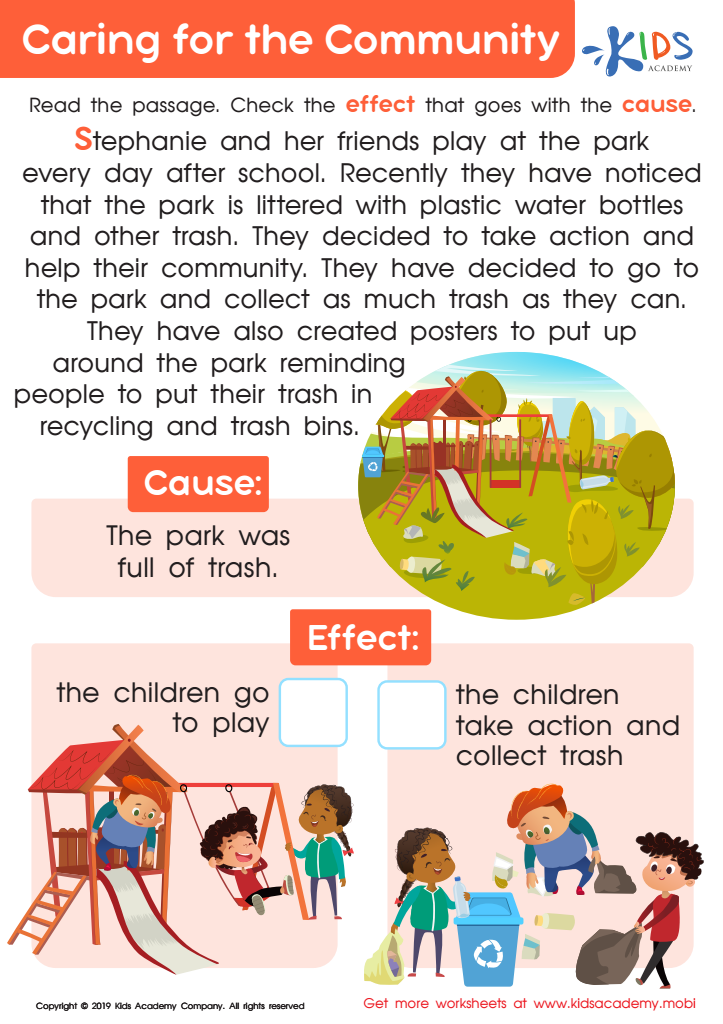
Before beginning, get your kids in the right mind-set by having them name ways to care for their community. Read the passage with them, pointing at pictures, then ask them to match the ‘cause’ with the ‘effect’ on the worksheet. This will help them learn more about how to care for their community.
Caring for the Community Worksheet
Worksheet
Life Cycle of a Frog Worksheet

Life Cycle of a Frog Worksheet

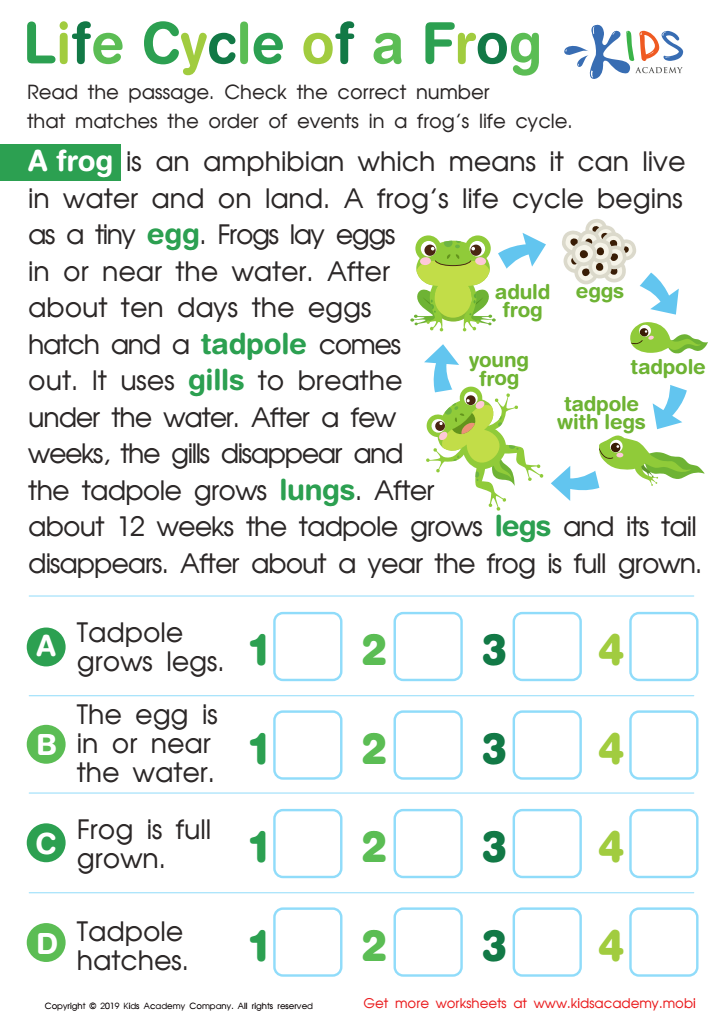
Teach your kids to read and open their eyes to new knowledge. Frogs have fascinating life cycles. Show them the worksheet with pictures and guide them as they read the passage about it. Encourage them to check the number that matches the frog's life cycle order.
Life Cycle of a Frog Worksheet
Worksheet
Marvelous Monarchs Worksheet


Marvelous Monarchs Worksheet

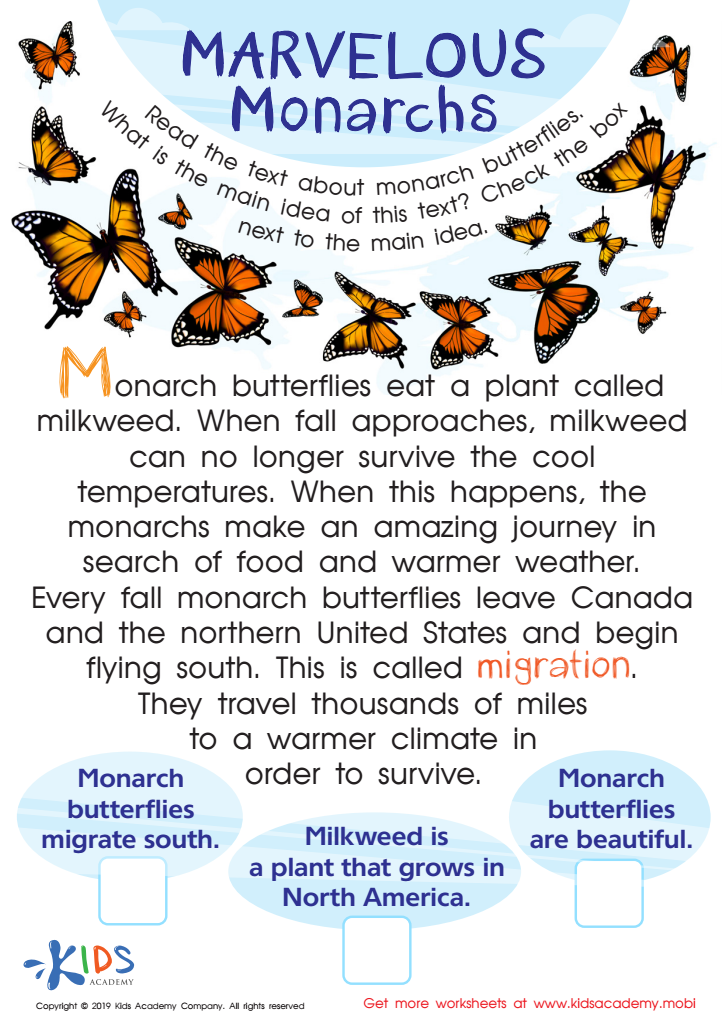
Help your kids have fun while reading - start with small words and short sentences. This worksheet can test your kids' reading and comprehension skills. Ask them to read the text about Monarch butterflies and help them locate the main idea.
Marvelous Monarchs Worksheet
Worksheet


Parents and teachers should care about science education for children aged 6-9 for several compelling reasons. At this formative age, children are naturally curious and eager to explore the world around them. Integrating science into their learning nurtures this innate curiosity, fostering critical thinking and problem-solving skills essential for their development.

Science education introduces young learners to fundamental concepts that are crucial for understanding the world. By engaging with topics such as weather, plants, and simple machines, children not only gain knowledge but also learn to ask questions, make predictions, and conduct experiments, forming a solid foundation for analytical thinking.

Moreover, understanding science enhances a child's ability to make informed decisions in their daily lives and encourages them to become lifelong learners. In a world increasingly driven by technology and innovation, a solid grounding in science prepares children for future academic and career opportunities.

Additionally, science promotes collaborative learning through group activities, which help develop social skills, communication, and teamwork. Supporting science education at an early age ensures that children grow up to be well-rounded individuals capable of navigating any challenge, both in school and in the broader society. Thus, fostering a love of science is a valuable investment in a child’s educational journey.