Matching Worksheets for Ages 7-9
19 filtered results
-
From - To
Discover engaging and educational matching worksheets designed for children aged 7-9. These interactive resources are perfect for enhancing math skills, fostering critical thinking, and boosting memory retention through fun and challenging activities. Our expertly crafted worksheets cover various math topics tailored to this crucial developmental stage, ensuring a solid foundation for future learning. Each worksheet offers vibrant visuals and a diverse range of problems to keep young minds stimulated and entertained. Ideal for both classroom and at-home practice, these worksheets provide an enjoyable way for kids to learn and improve at their own pace. Start today and watch their skills soar!
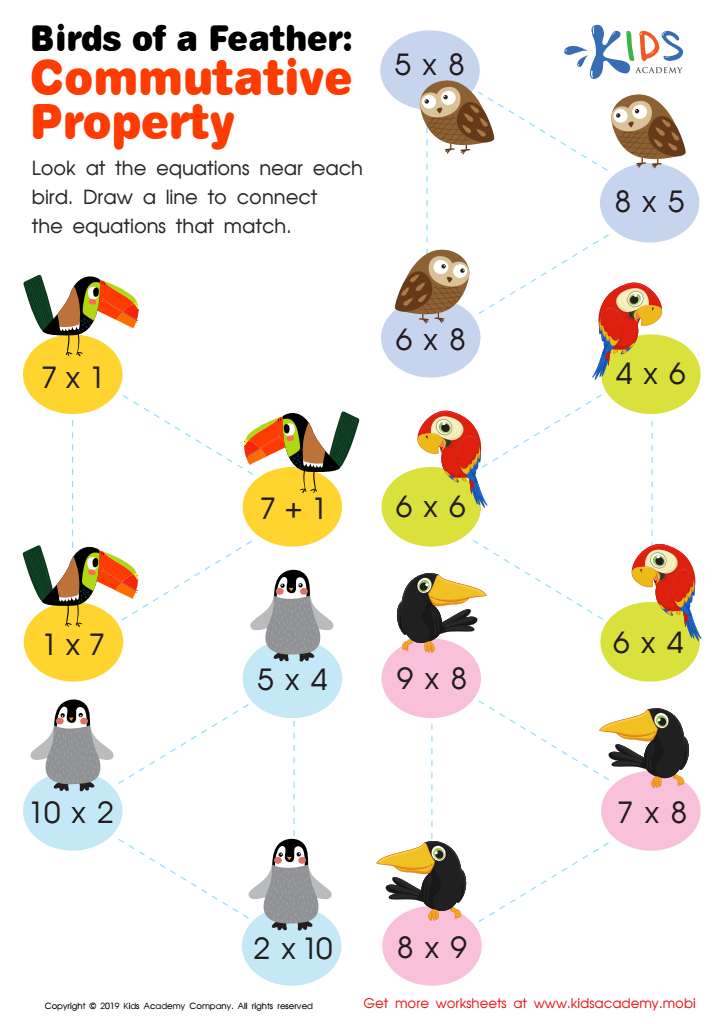
Birds of a Feather: Commutative Property Worksheet
 Assign to My Students
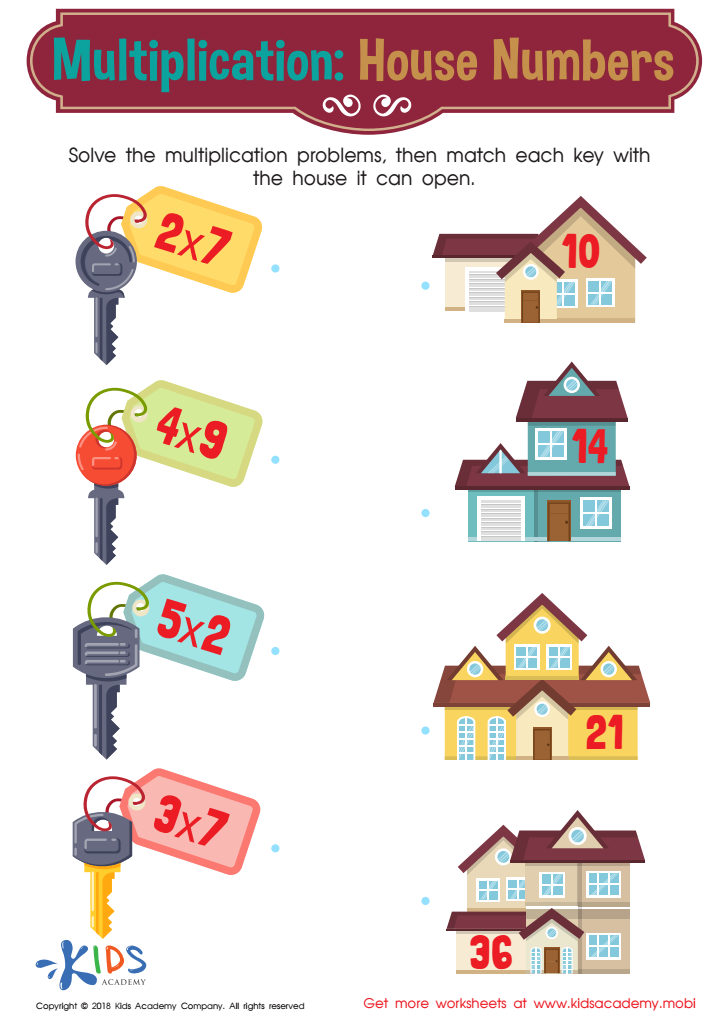
House Numbers Worksheet
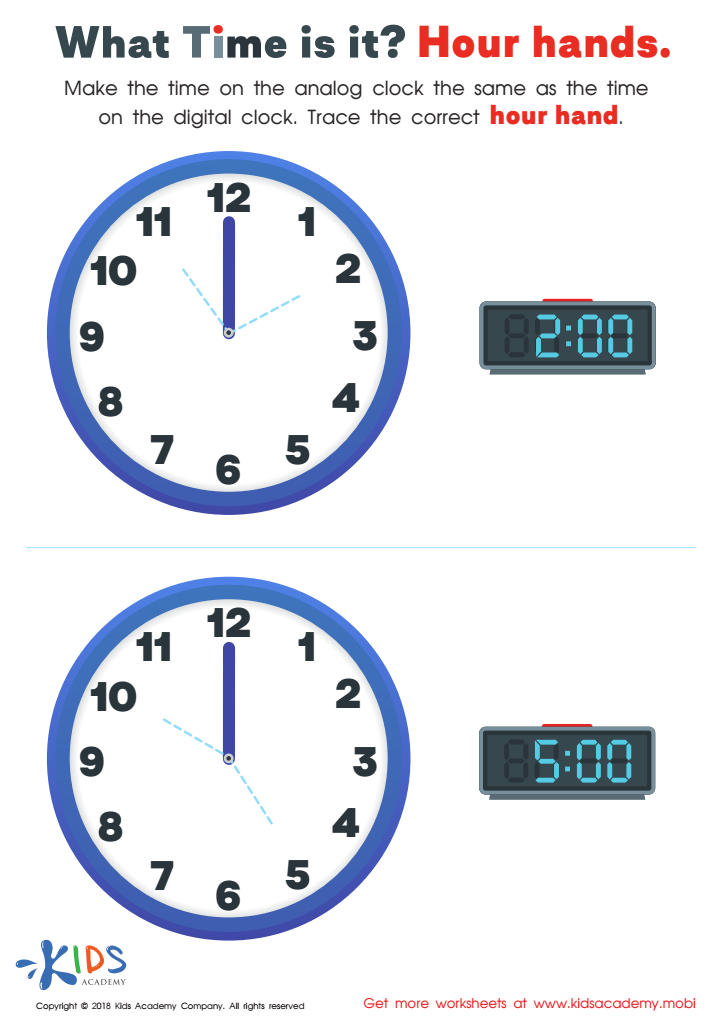
What Time Is it? Hour Hands Worksheet
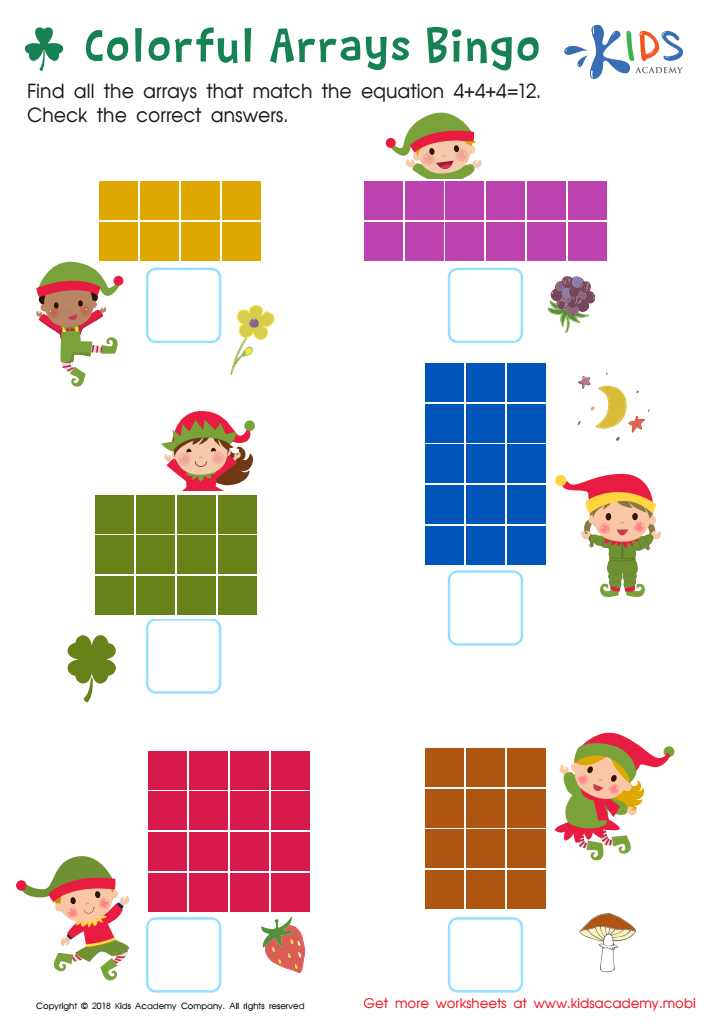
Colorful Arrays Bingo Worksheet
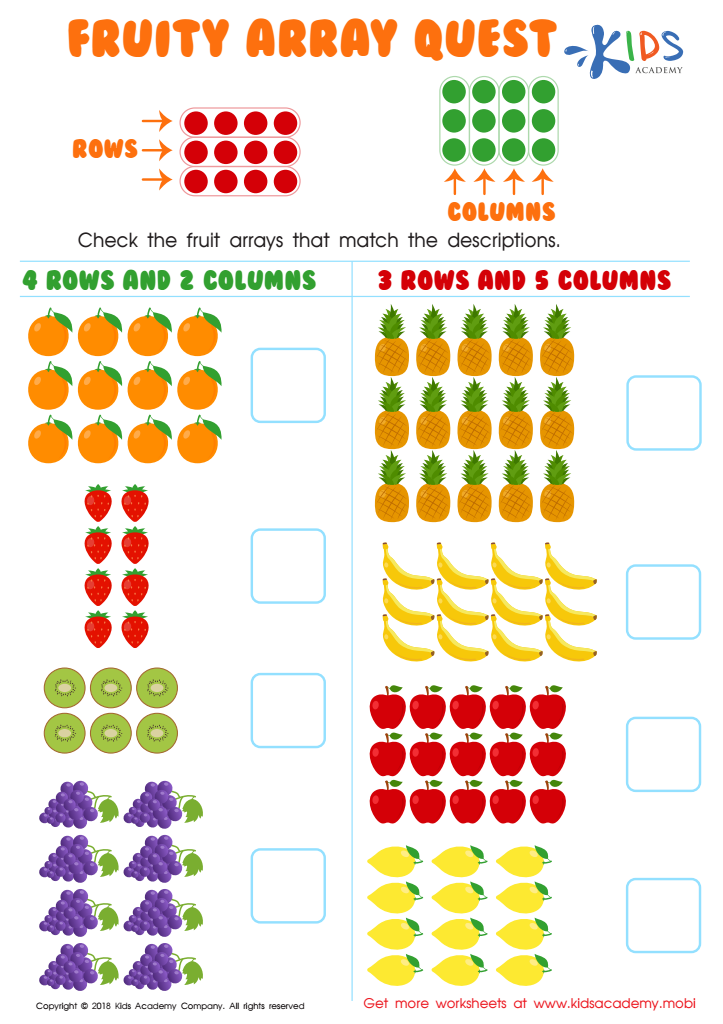
Fruity Array Quest Worksheet
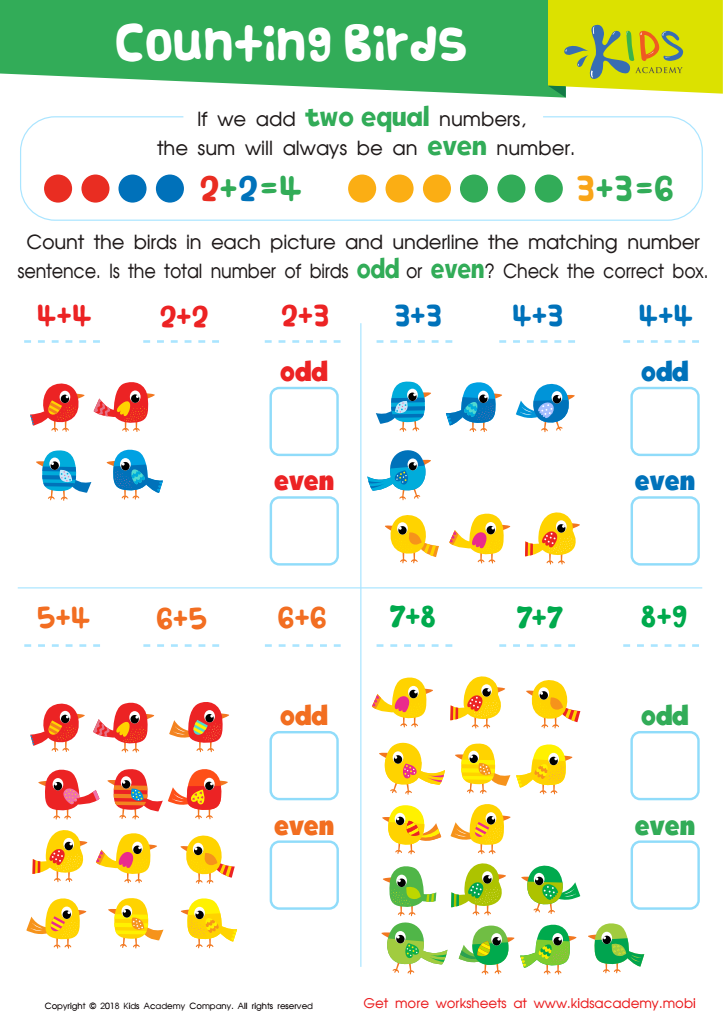
Counting Birds Worksheet
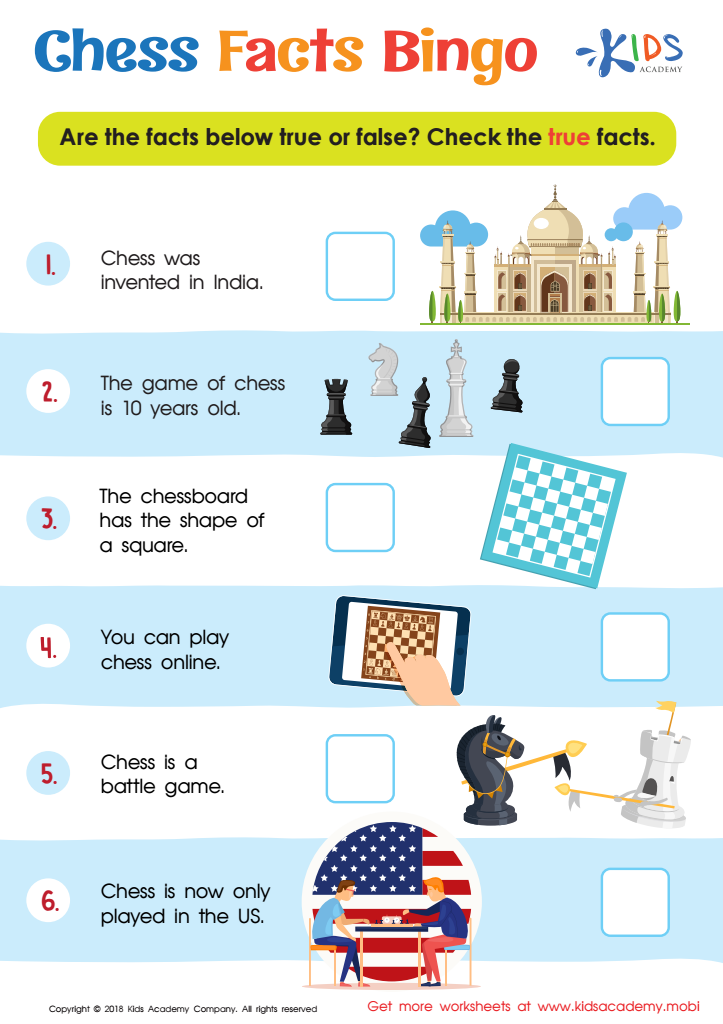
Chess Facts Bingo Worksheet
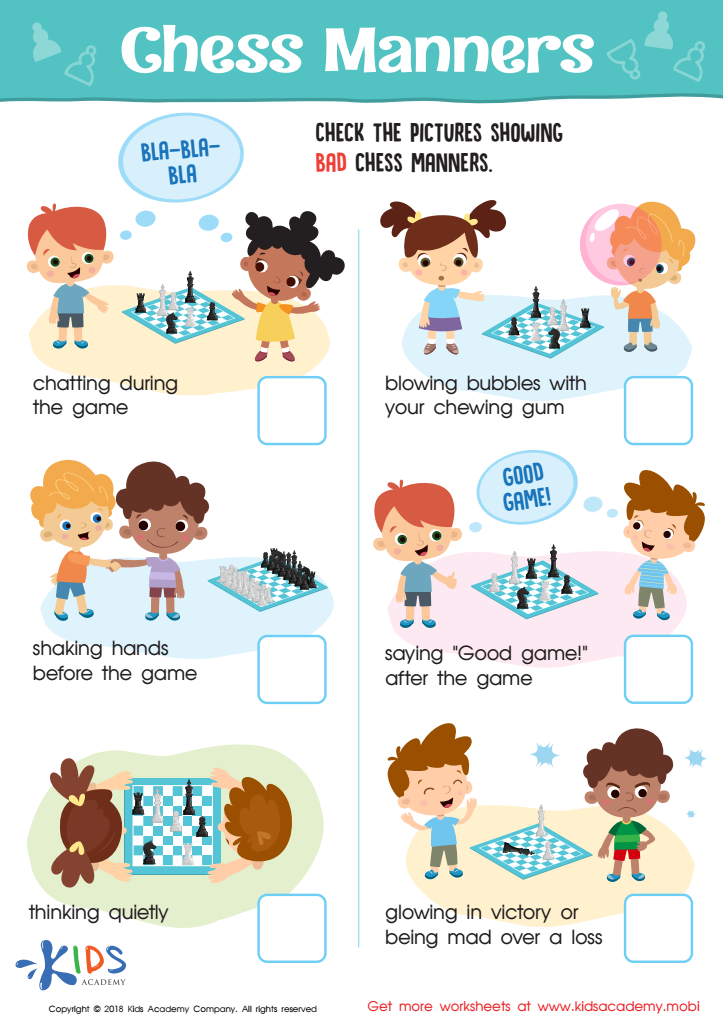
Chess Manners Worksheet
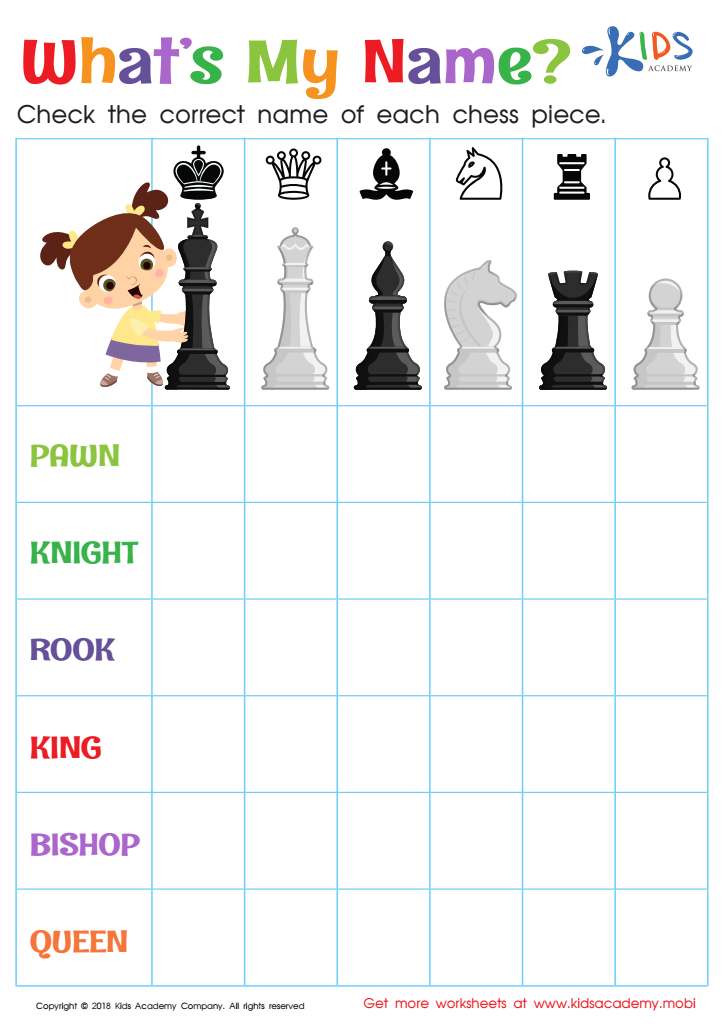
What's My Name? Worksheet
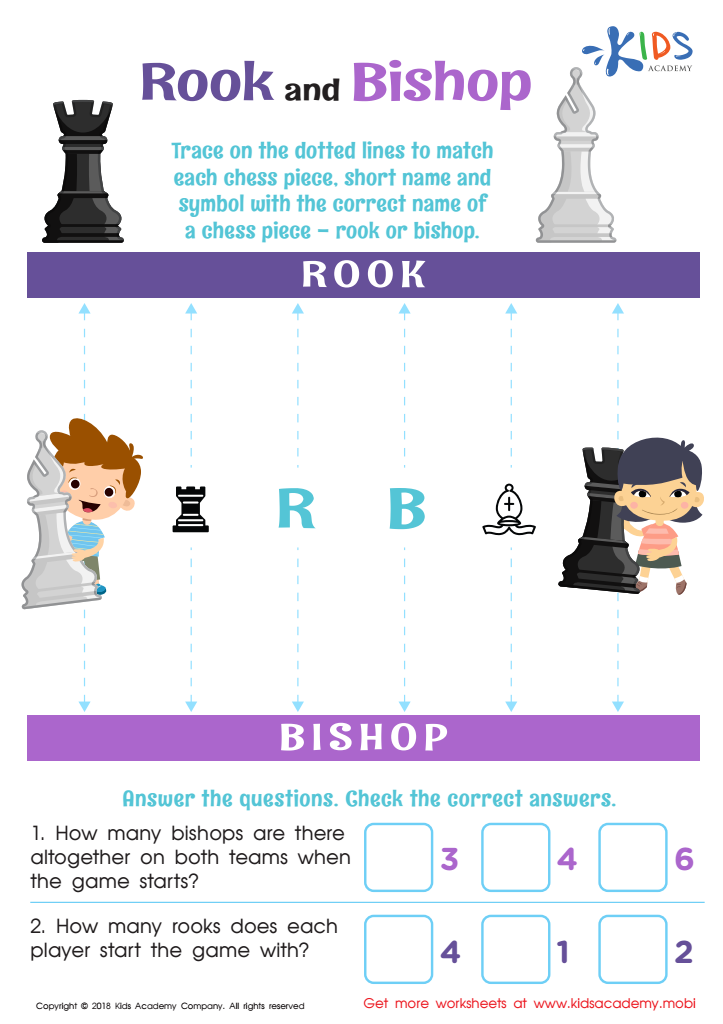
Rook and Bishop Worksheet
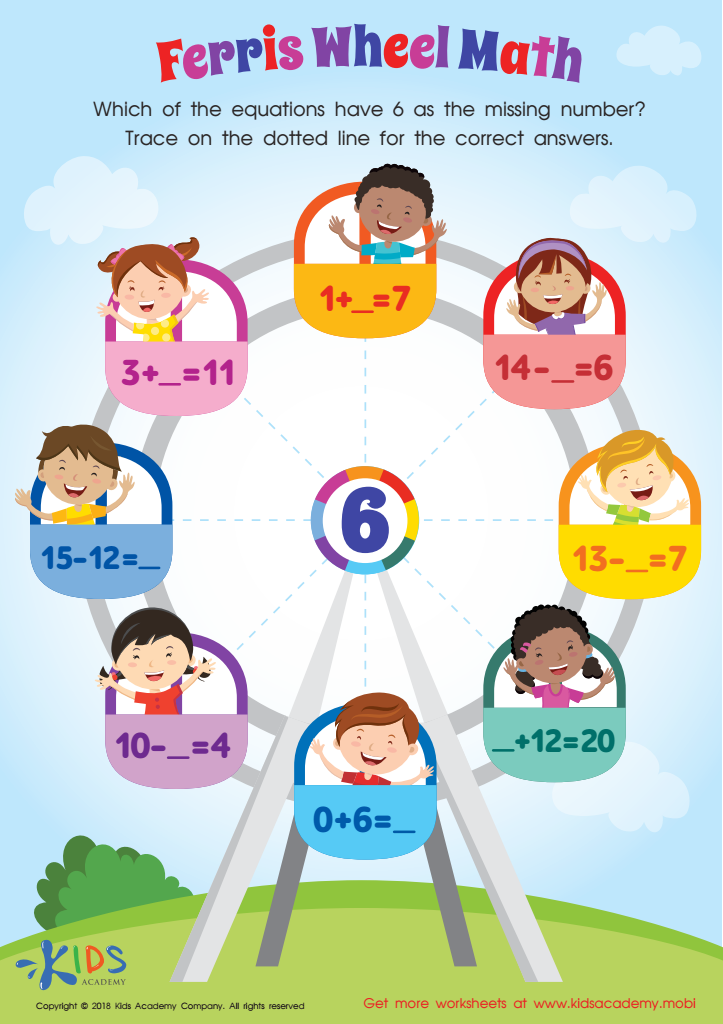
Missing Number: Ferris Wheel Math Worksheet
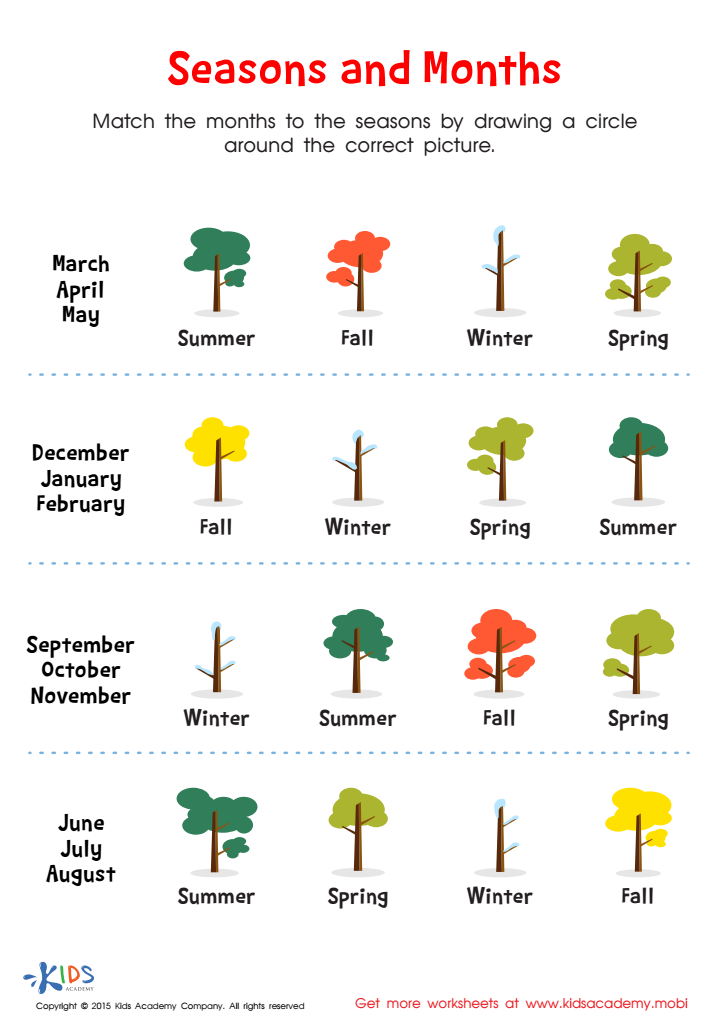
Seasons and Months Worksheet
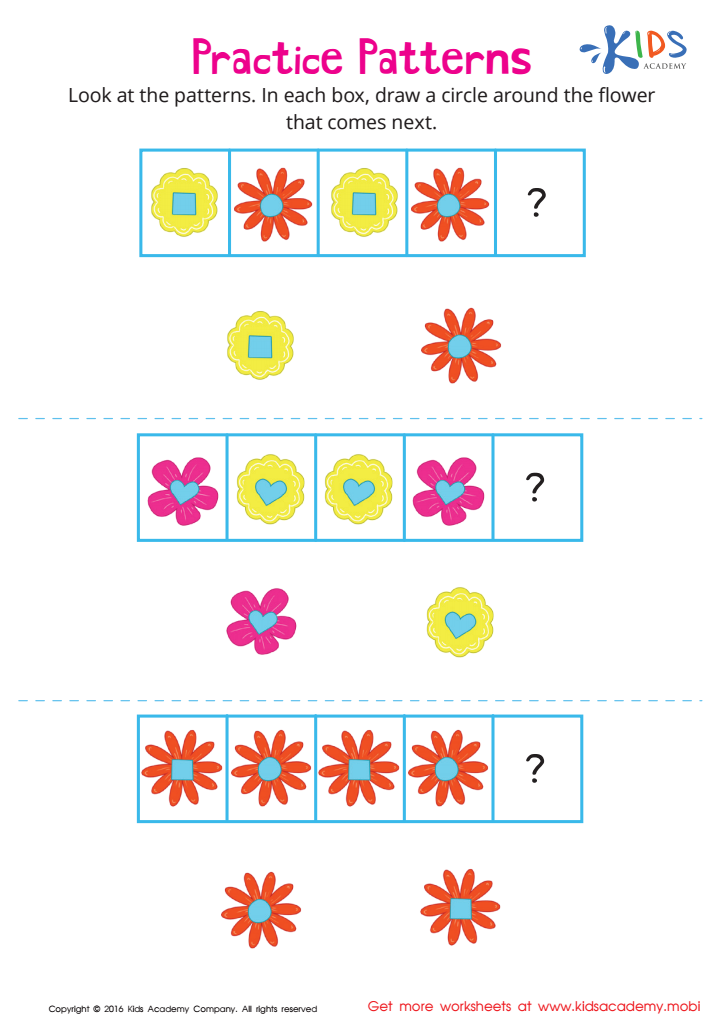
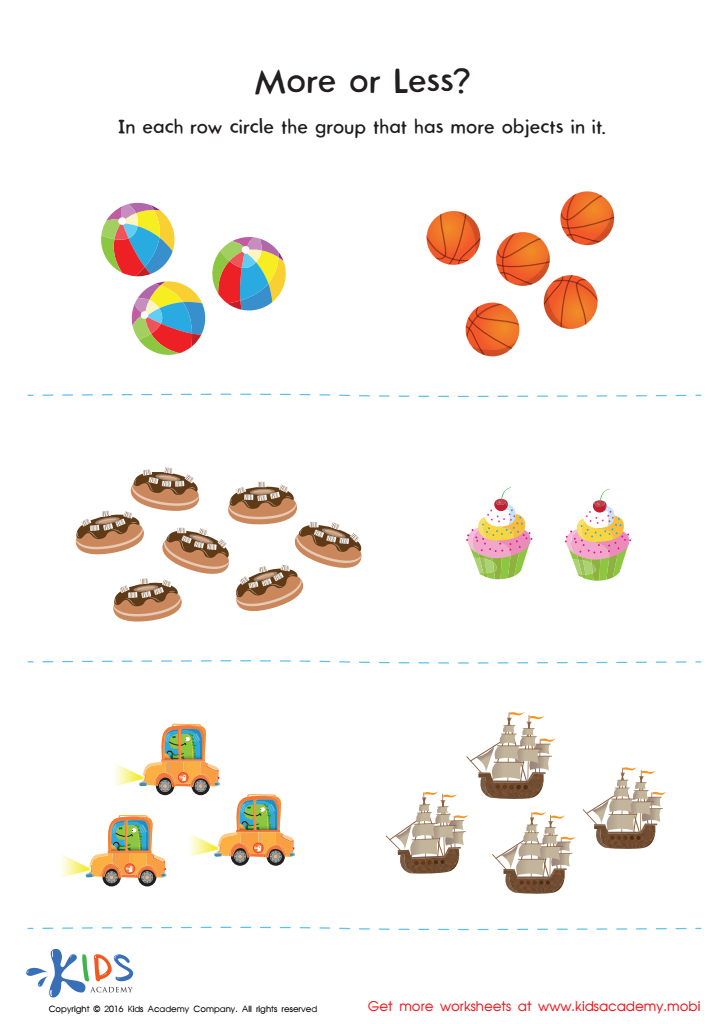
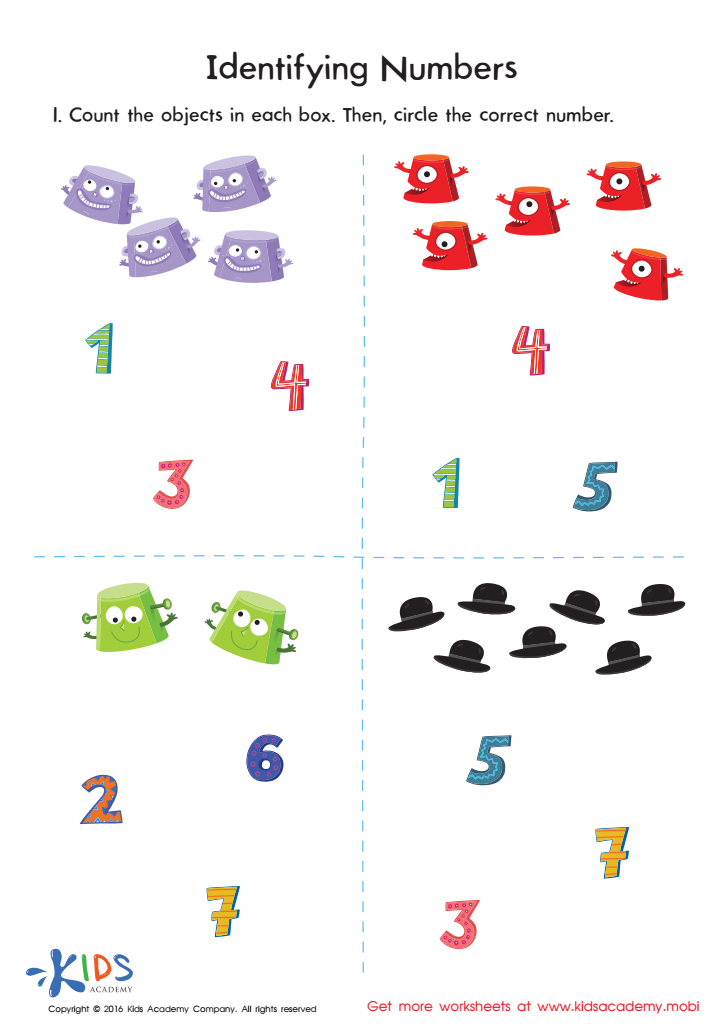
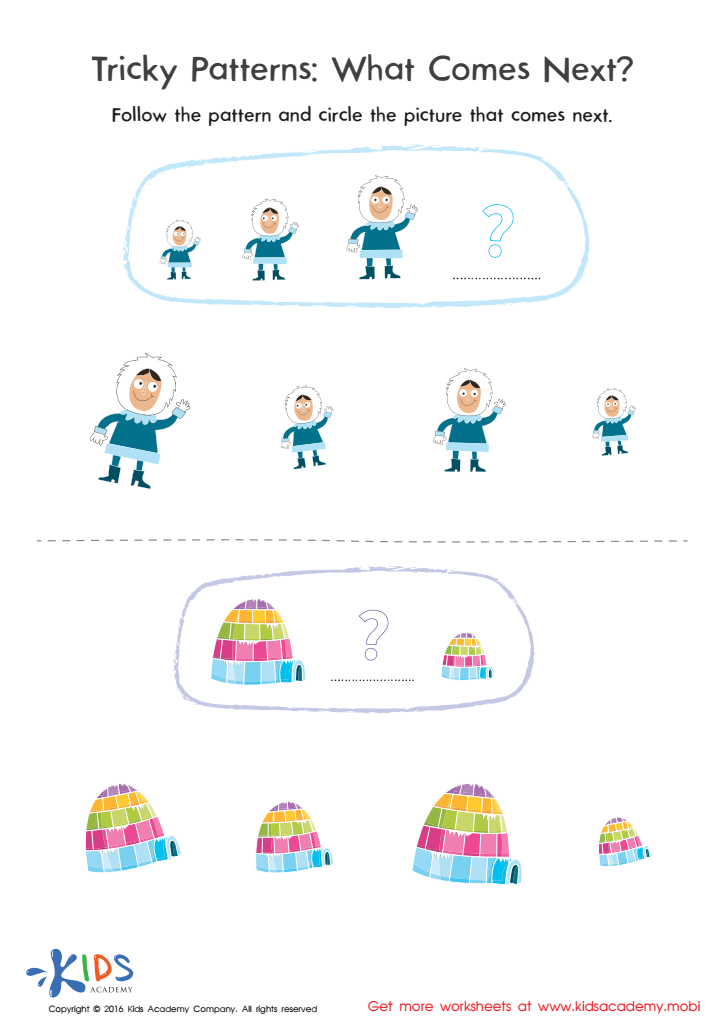
Tricky Patterns Size Worksheet
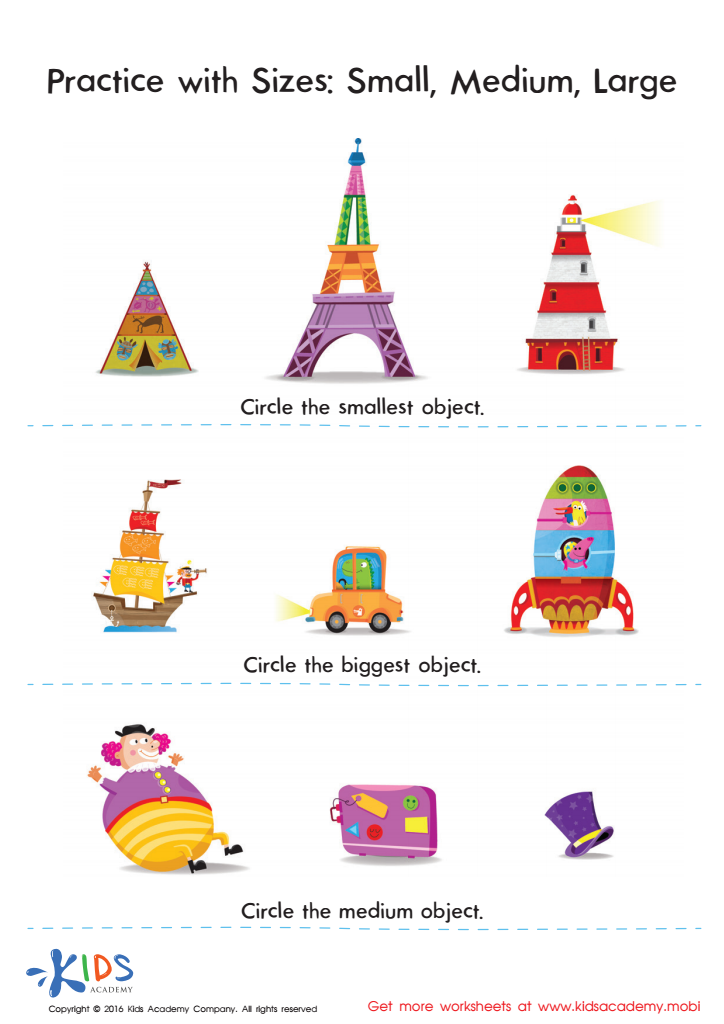
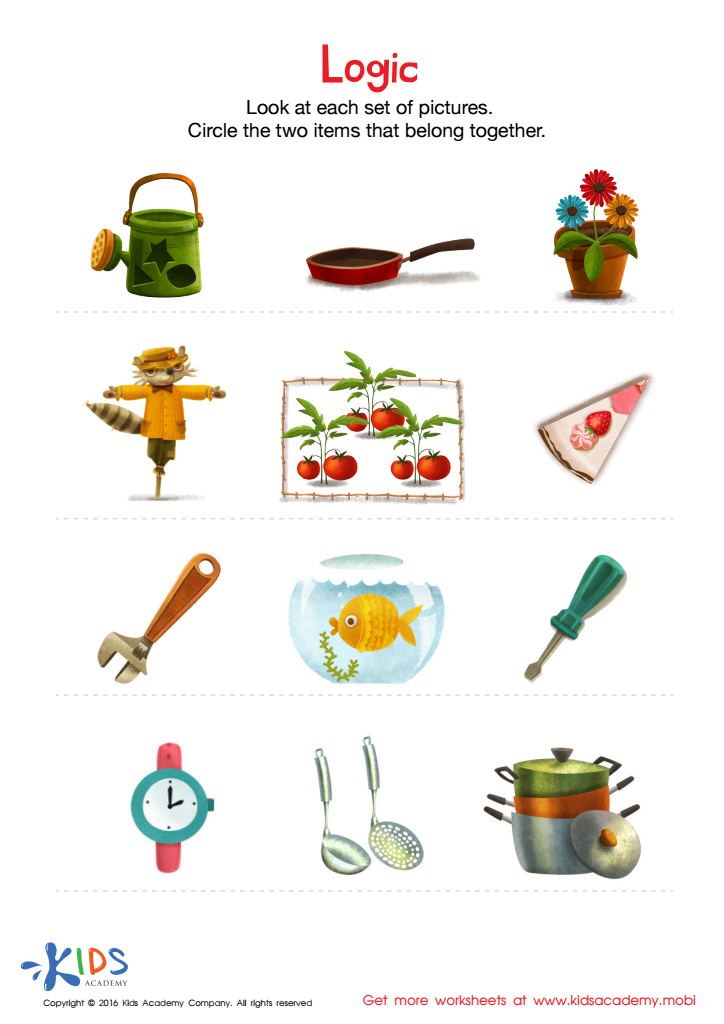
Logic Game Sorting Worksheet
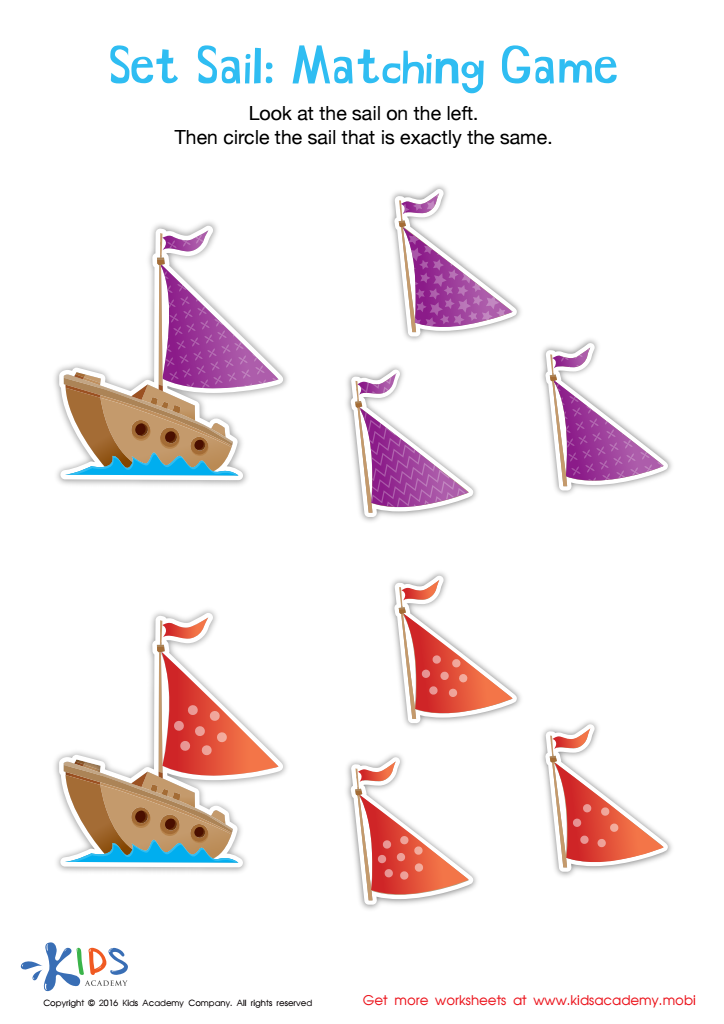
Set Sail Worksheet







Matching activities for children ages 7-9 are incredibly beneficial for their cognitive and academic development, which is why both parents and teachers should prioritize them. At this age, children are honing their skills in logical thinking, pattern recognition, and memory—all critical components for future learning experiences. Matching games and exercises engage these cognitive functions by requiring kids to find similarities and connections between items, pictures, or concepts.
Moreover, these activities lay a strong foundation for subjects like math and reading. For example, matching numbers to sets teaches basic arithmetic, while matching words to pictures helps with vocabulary building and reading comprehension. Matching also aids in refining fine motor skills and hand-eye coordination, especially when involving physical movement like picking and placing cards.
Additionally, playing matching games can significantly enhance concentration and attention to detail. Children learn to focus on specific attributes and improve their visual memory, which then translates into better performance in classroom tasks and homework. Socially, these activities encourage teamwork and communication when performed in groups, fostering a positive, collaborative learning environment.
In essence, matching activities are not just games—they are powerful educational tools that support holistic child development. By incorporating these activities into daily routines, parents and teachers can contribute significantly to a child's mental agility, academic readiness, and social skills.








