Community Worksheets for Ages 7-9 - Page 3
61 filtered results
-
From - To
Feelings and Emotions Worksheet
 Assign to My Students
Understanding Feelings Worksheet
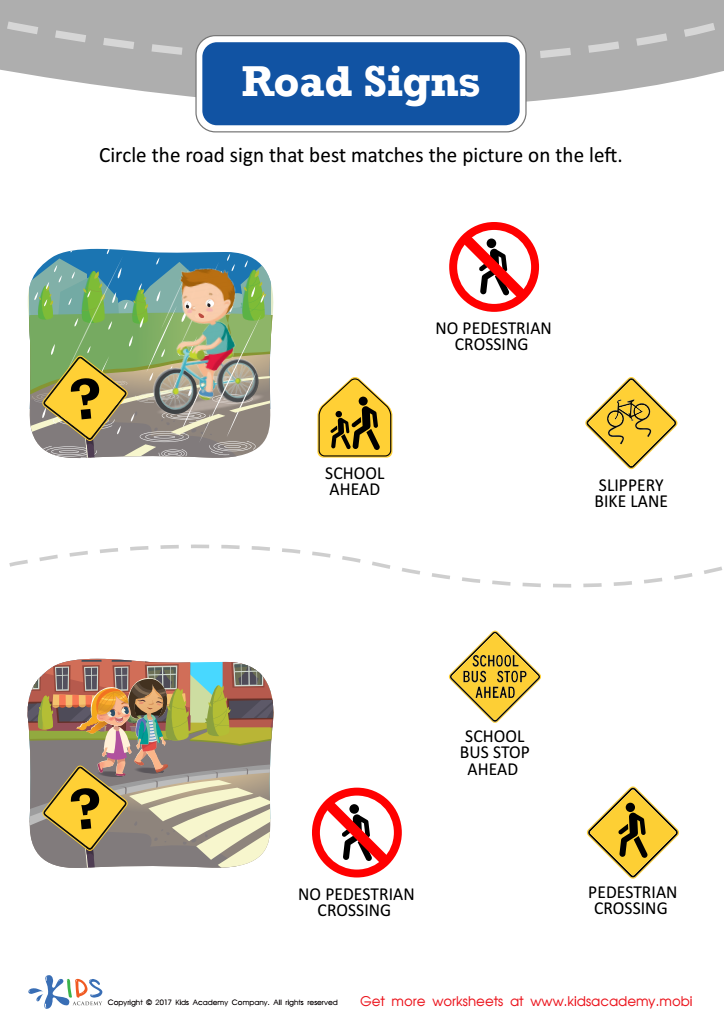
Road Signs (Part 2) Printable
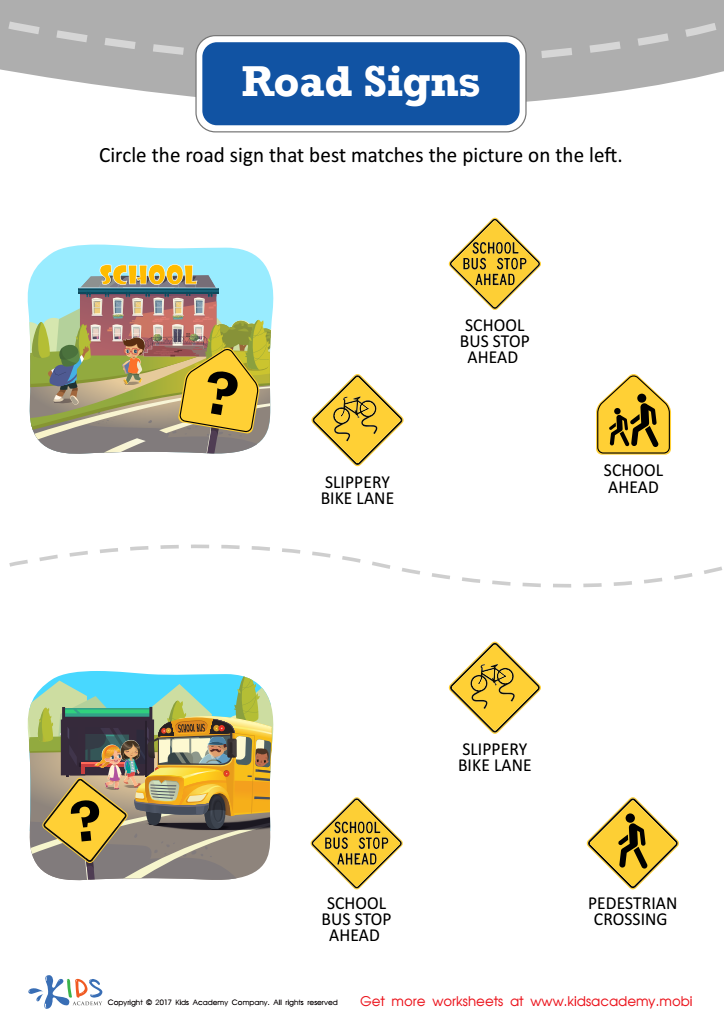
Road Signs (Part 1) Worksheet
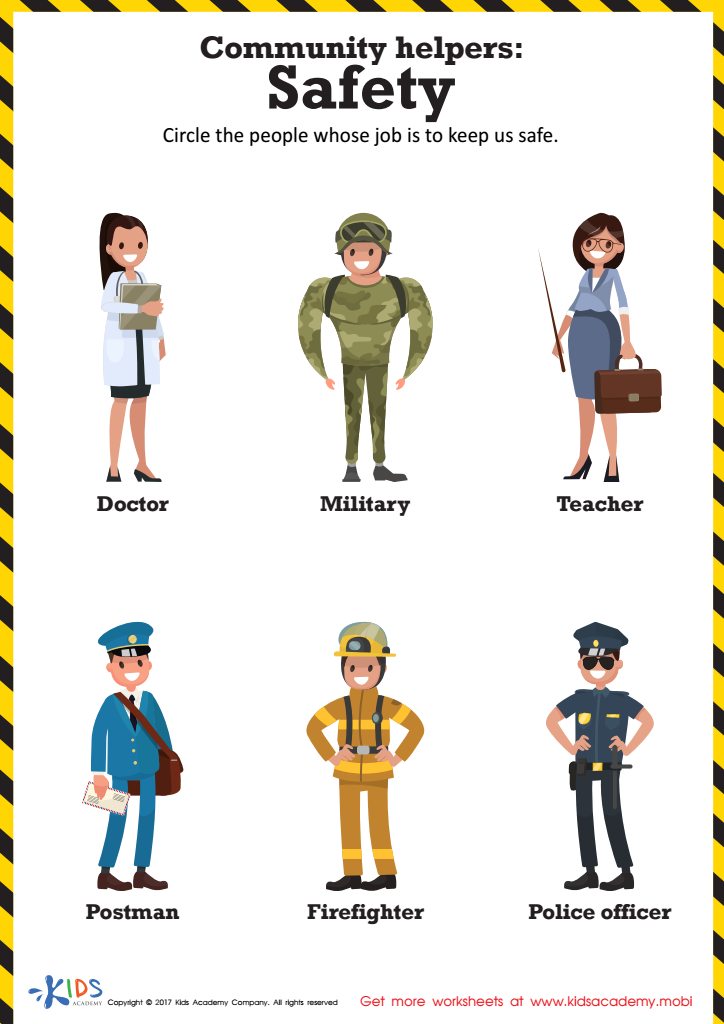
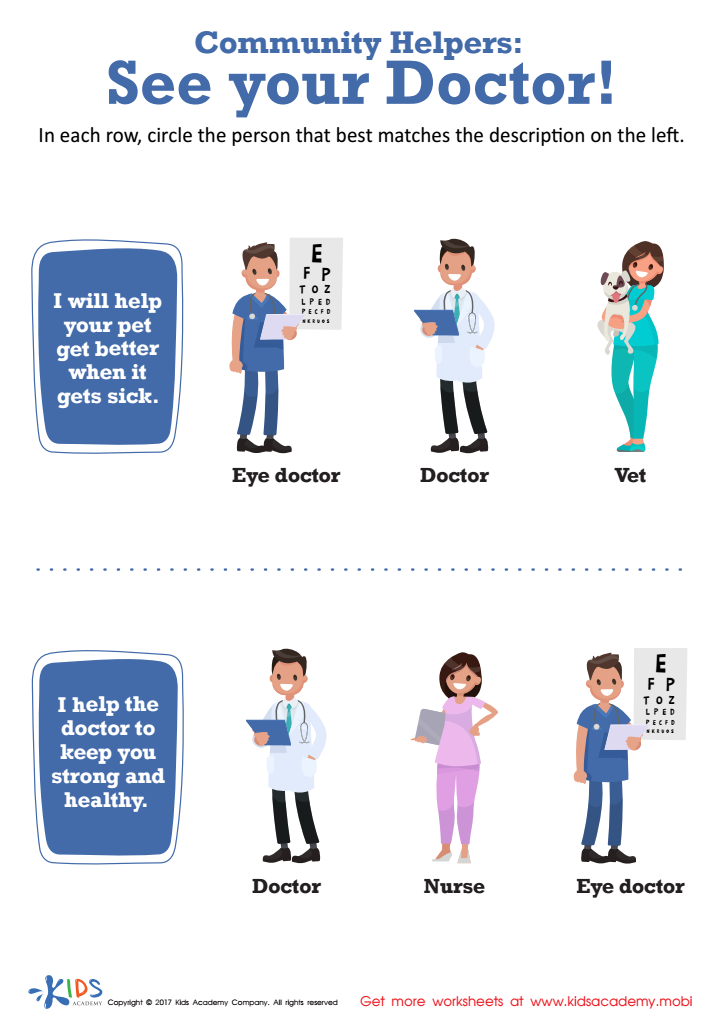
See Your Doctor (Part 2) Printable
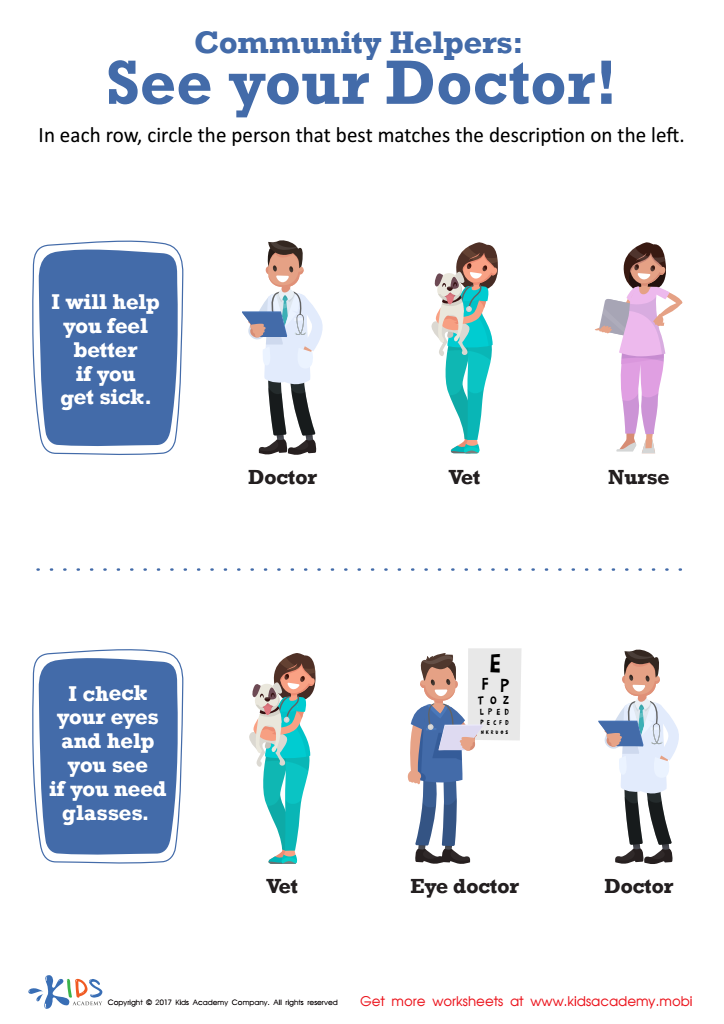
See Your Doctor (Part 1) Printable

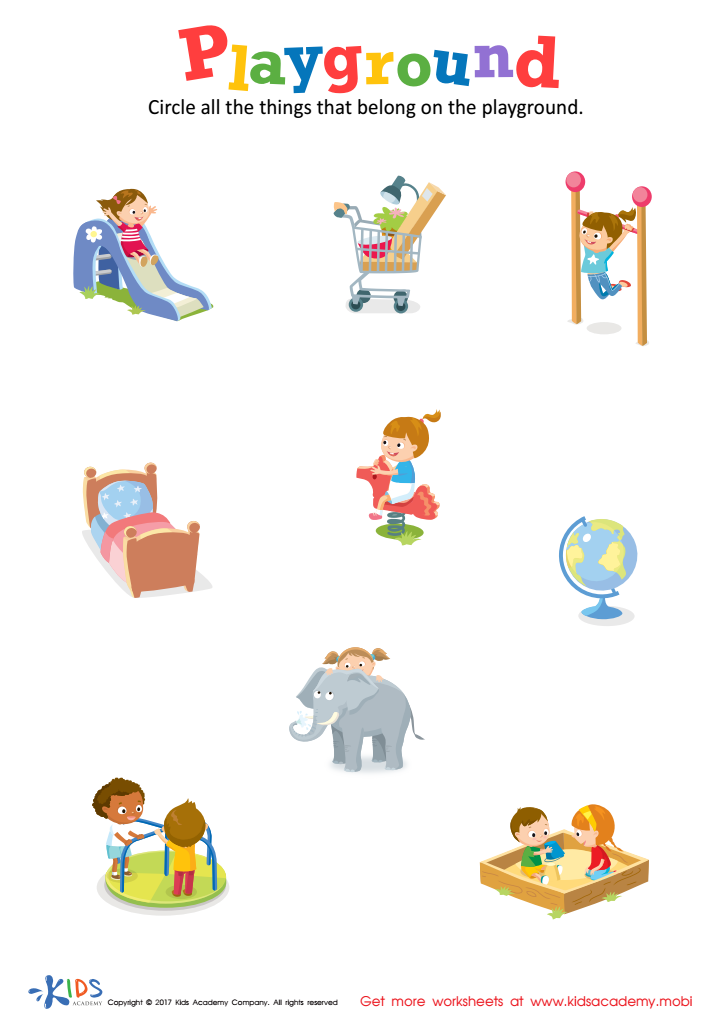
Playground Worksheet
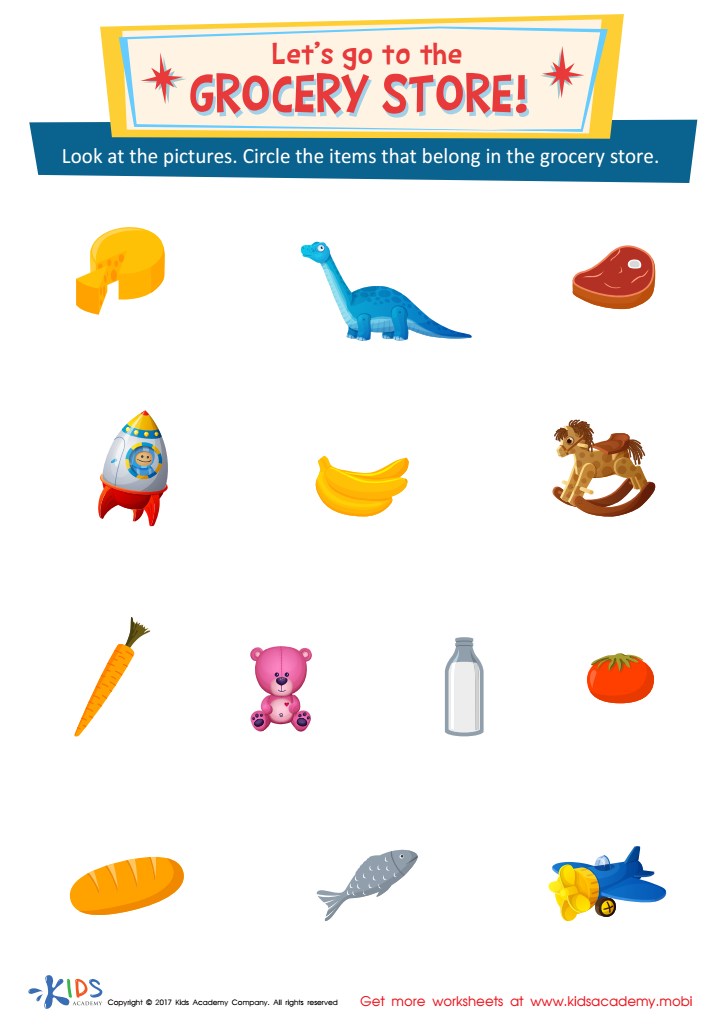
Grocery Store Worksheet
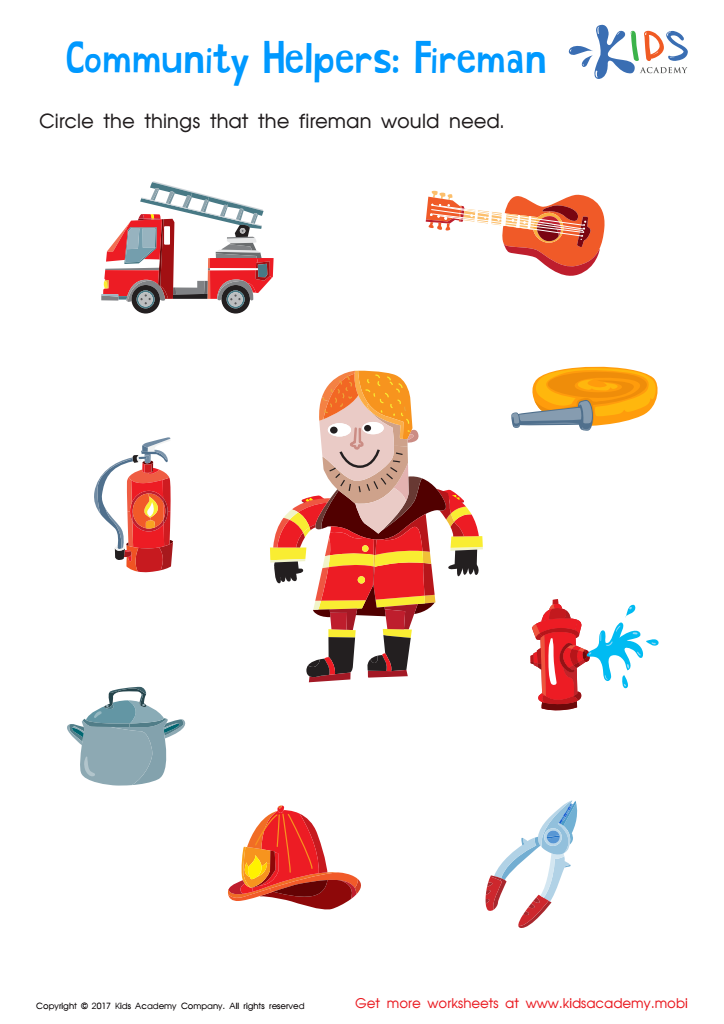
Fireman Worksheet
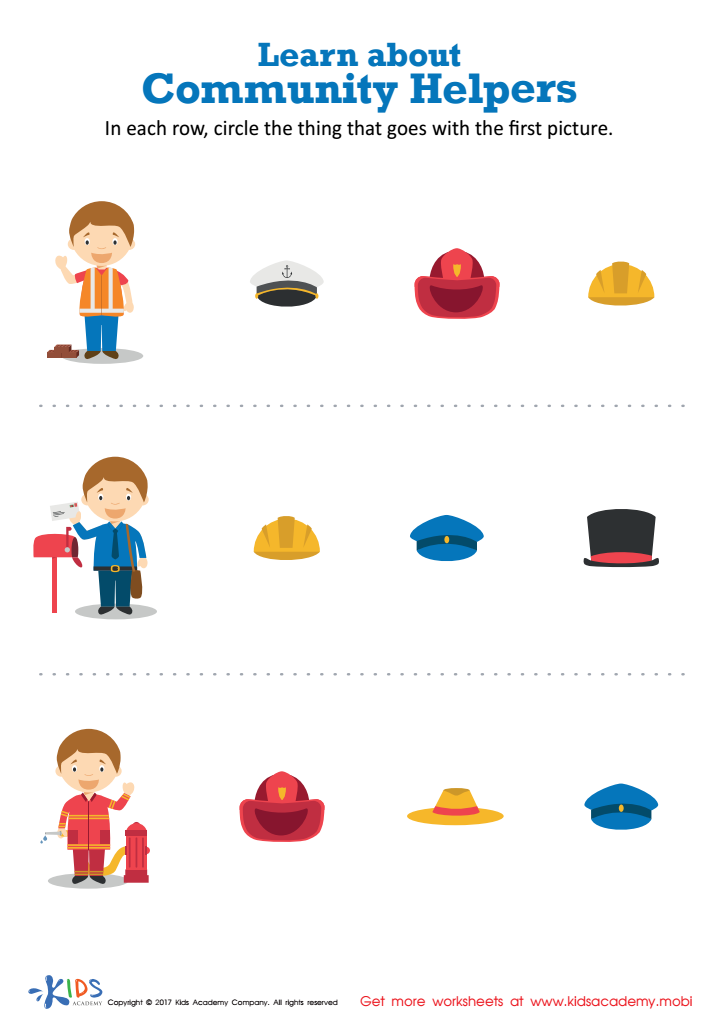
Learn about Community Helpers Printable








Parents and teachers should care about community for children ages 7-9 because it plays a vital role in their social, emotional, and cognitive development. At this age, children are developing their sense of identity and belonging. Engaging with their community helps them build relationships, foster empathy, and cultivate teamwork skills. Positive community interactions can enhance a child’s self-esteem and confidence, making them feel valued and supported.
Additionally, communities provide a rich context for learning outside the classroom. By participating in community events or activities, children can gain a broader understanding of the world, learn about different cultures and perspectives, and develop critical thinking skills. Teachers can incorporate local issues or community service projects into the curriculum, instilling a sense of responsibility and active citizenship in students.
Furthermore, collaboration between parents, teachers, and community members strengthens the educational experience. When families and schools work together within the community, they create a supportive network that benefits children’s learning and development. Ultimately, caring about community involvement fosters a nurturing environment where children can thrive academically and socially, setting the foundation for lifelong learning and healthy relationships.