World Around Us Worksheets for Ages 7-9 - Page 3
67 filtered results
-
From - To
 Assign to My Students
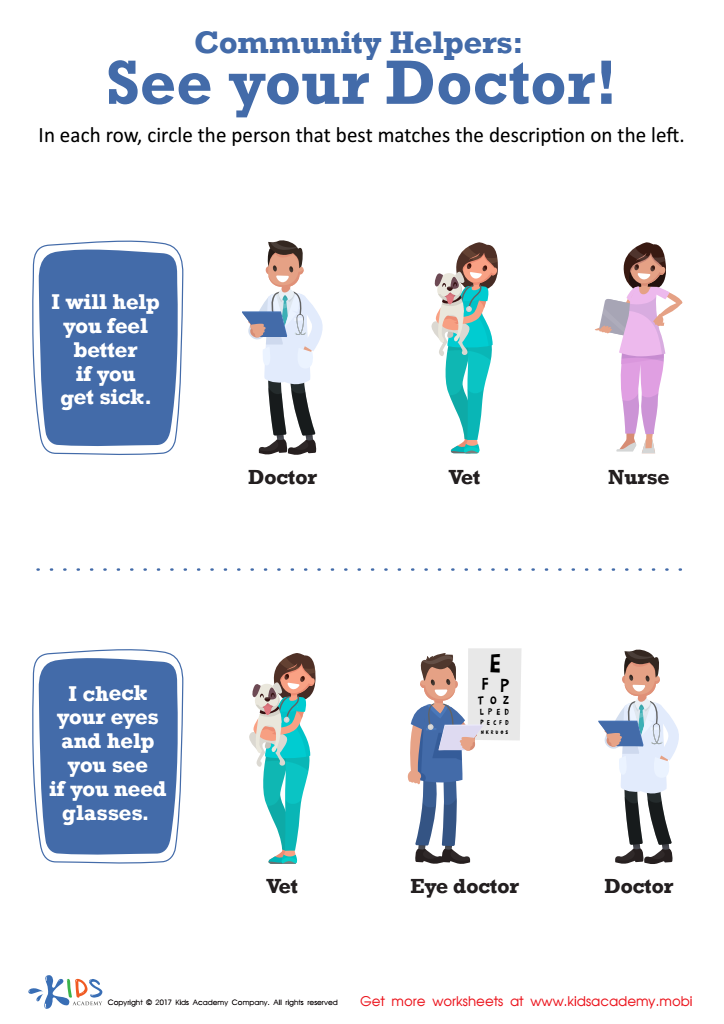
See Your Doctor (Part 1) Printable
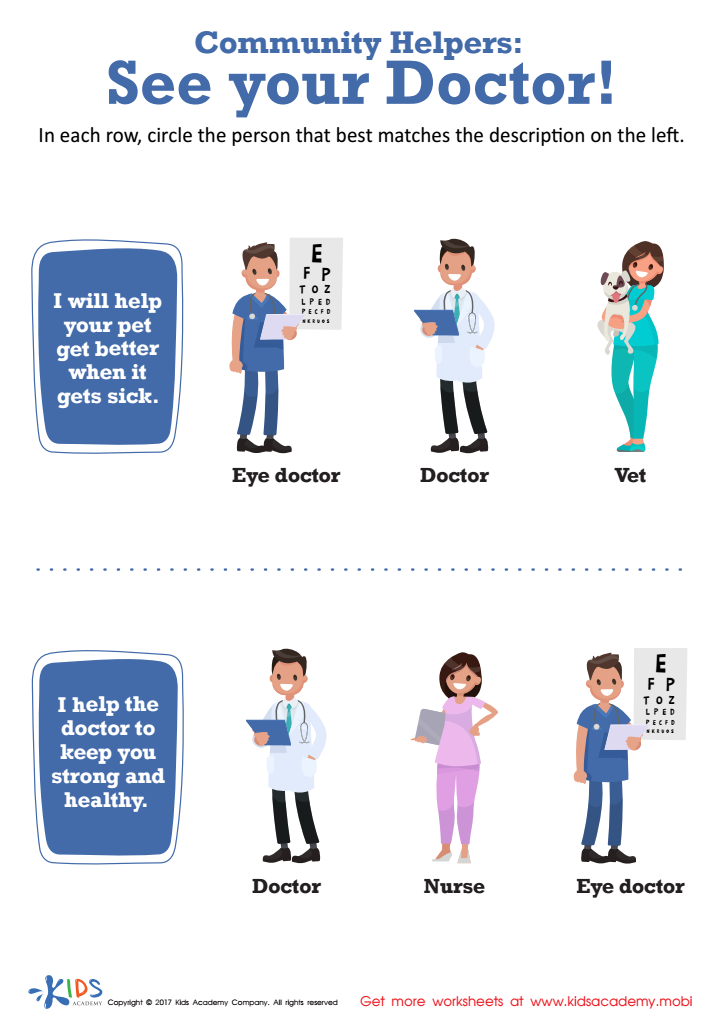
See Your Doctor (Part 2) Printable
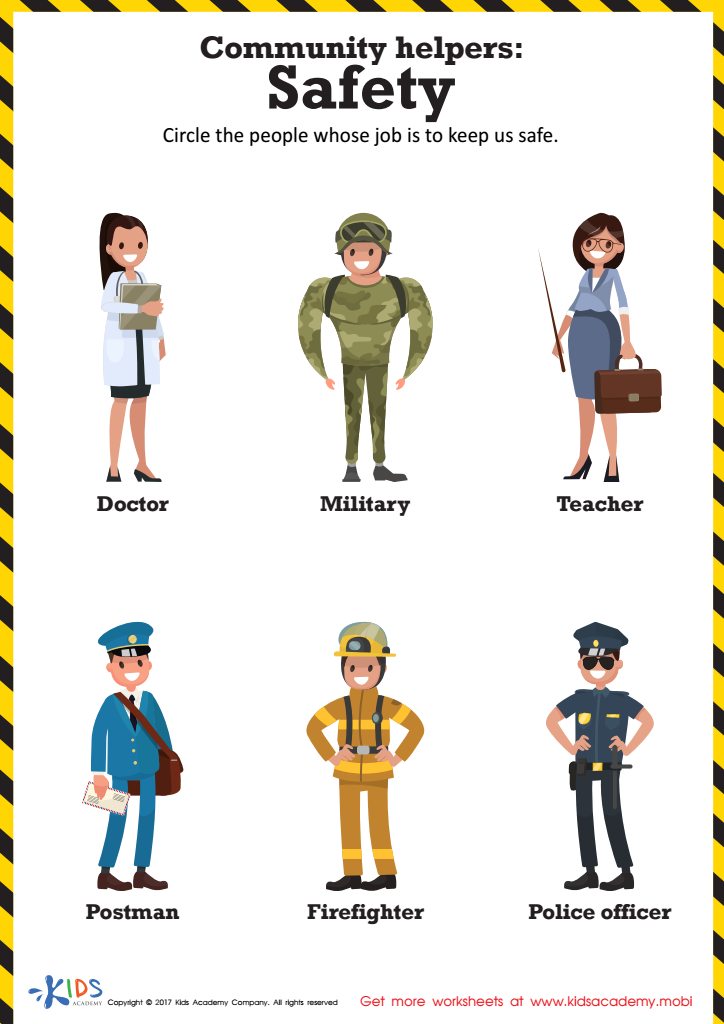
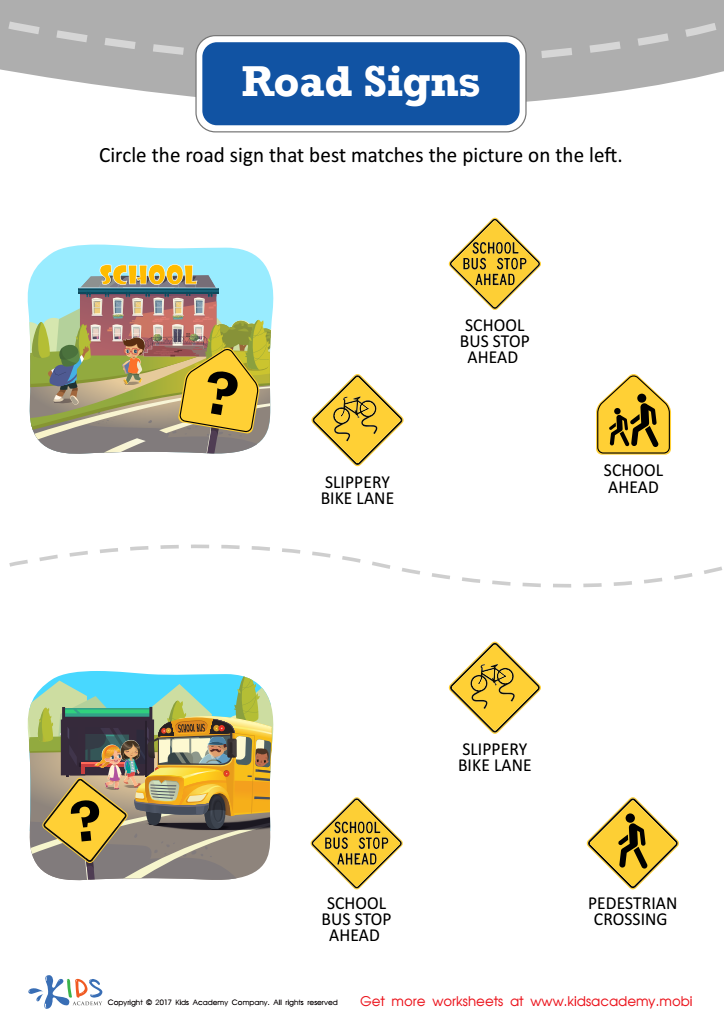
Road Signs (Part 1) Worksheet
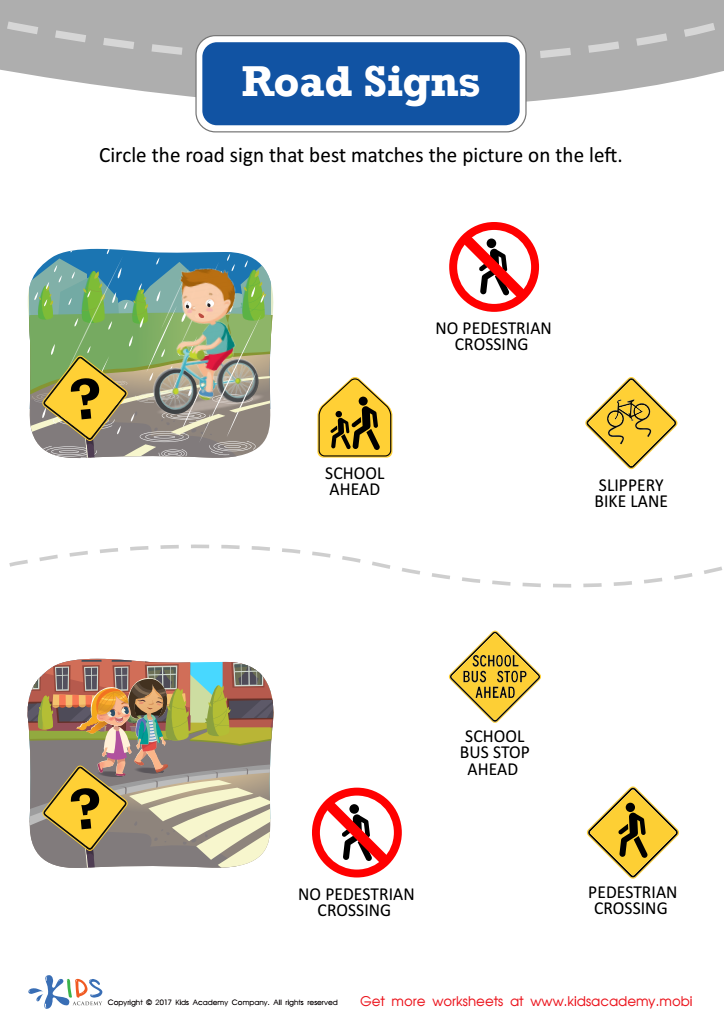
Road Signs (Part 2) Printable
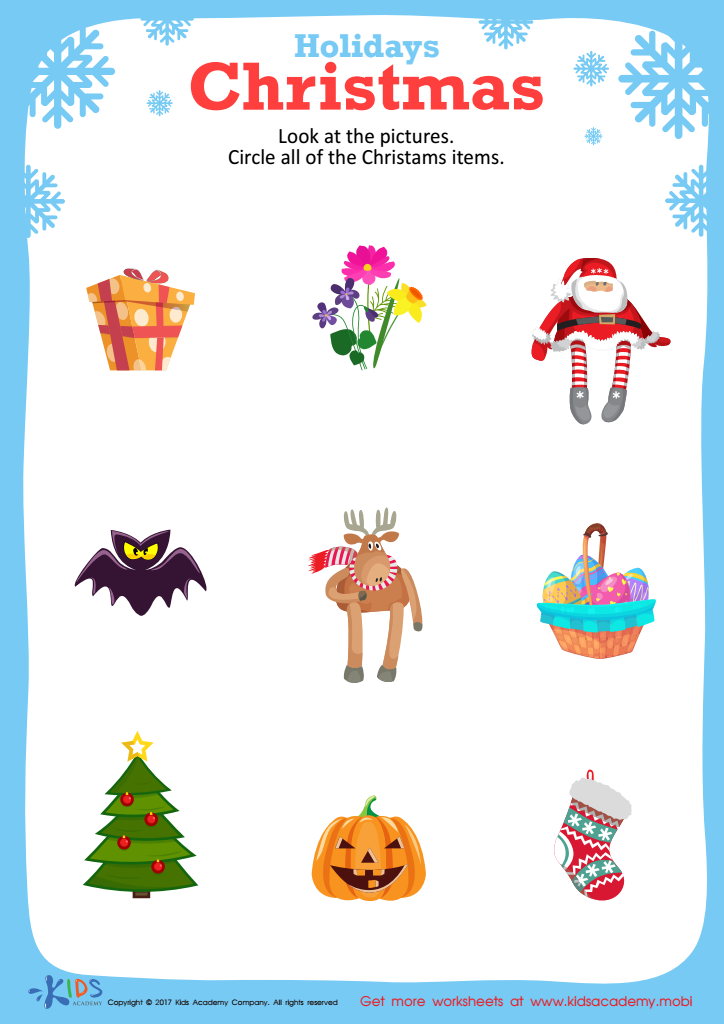
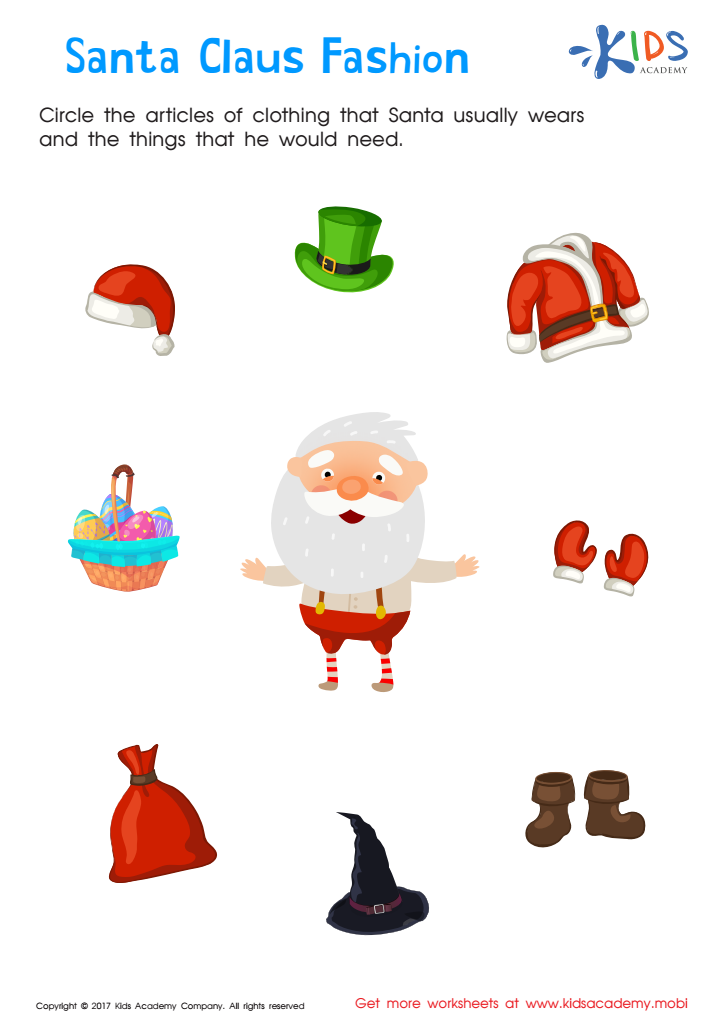
Christmas Holiday Worksheet
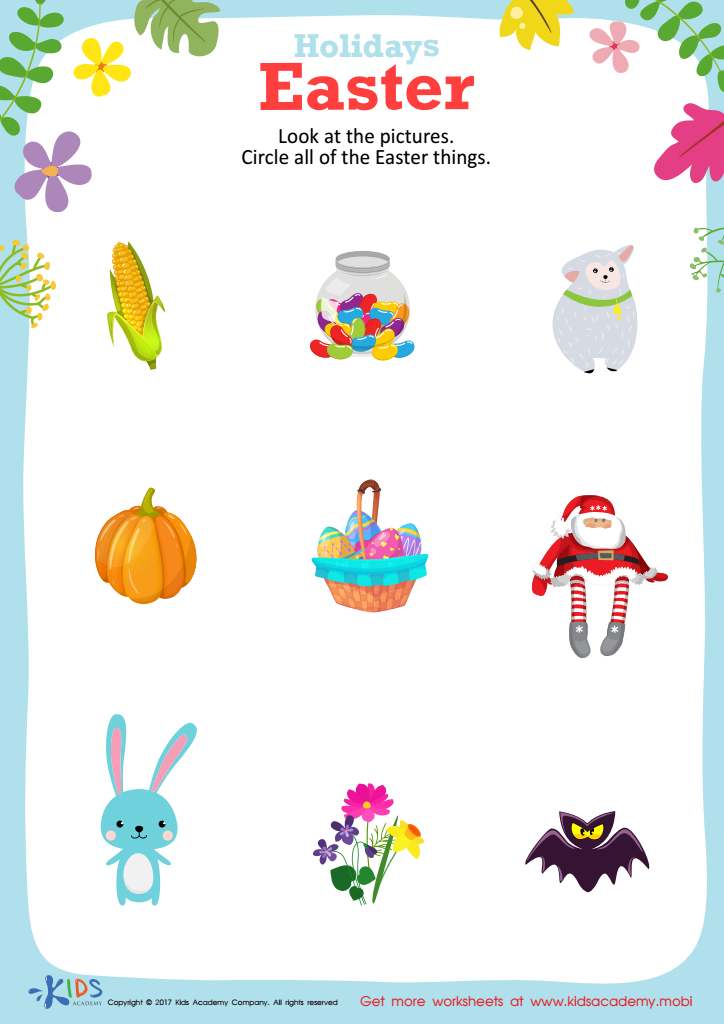
Easter Holiday Printable
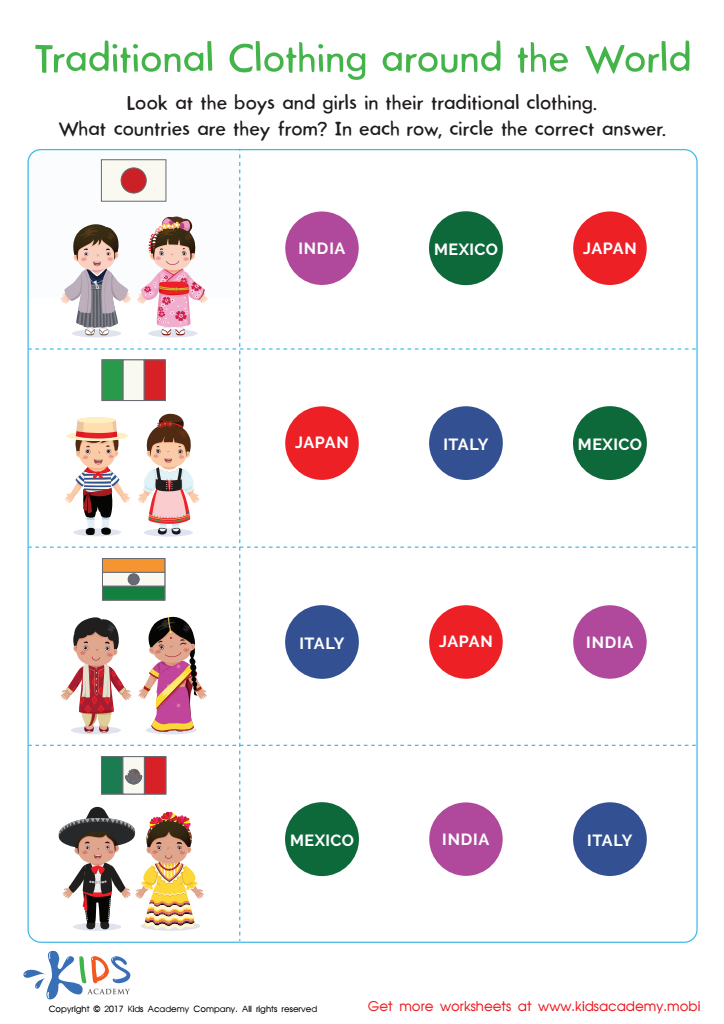
Traditional Clothing Worksheet
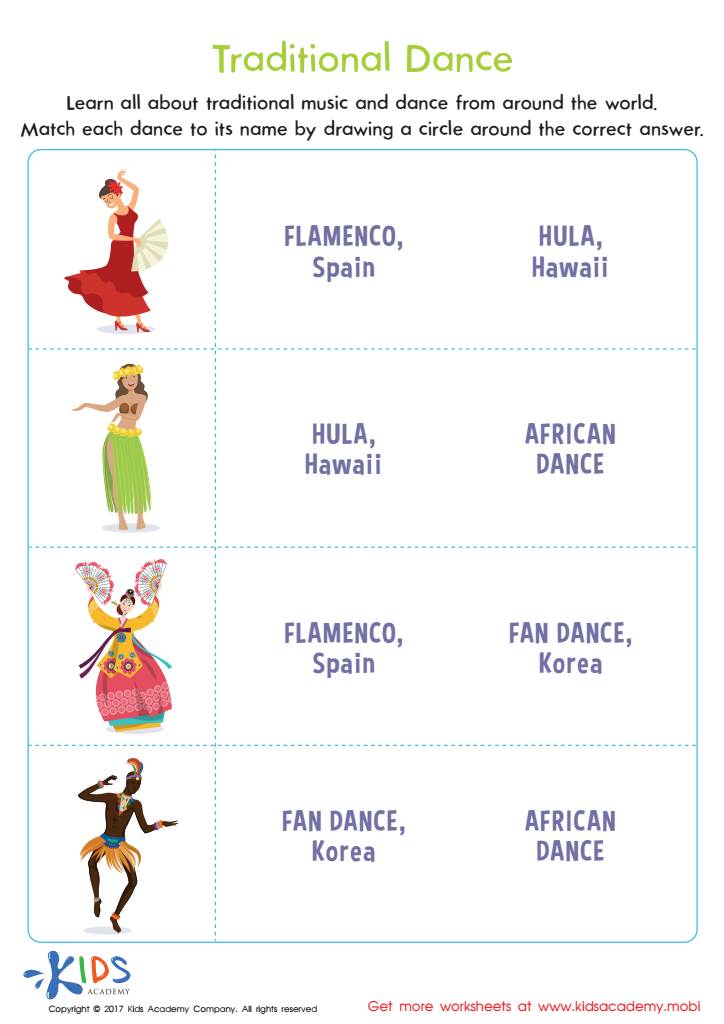
Traditional Dance Printable
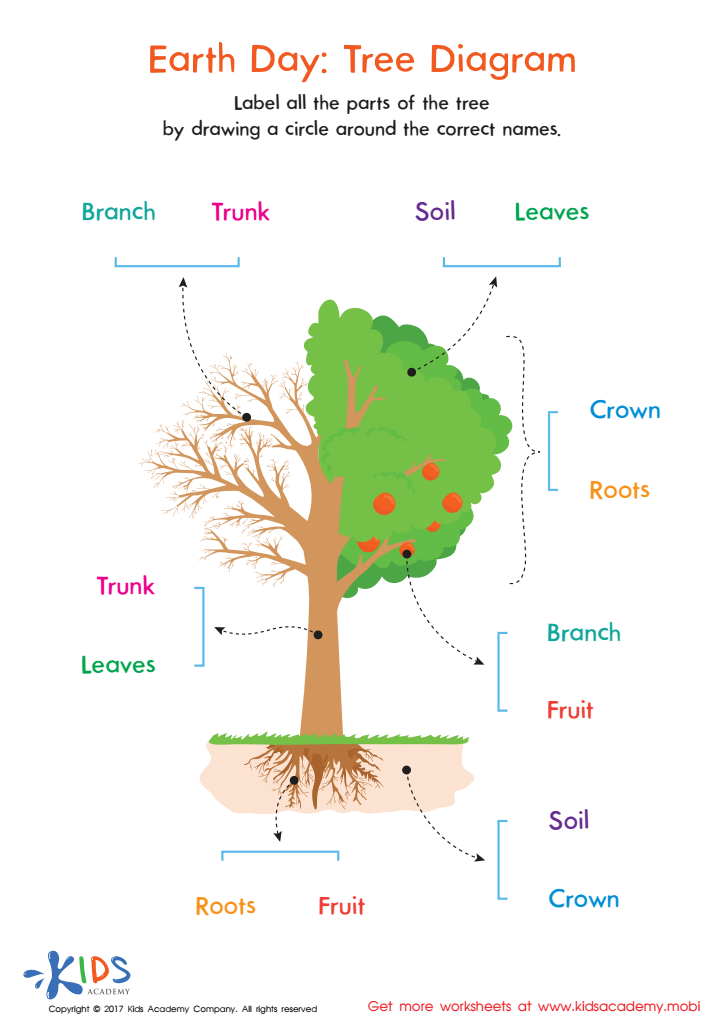
Earth Day: Tree Diagram Worksheet
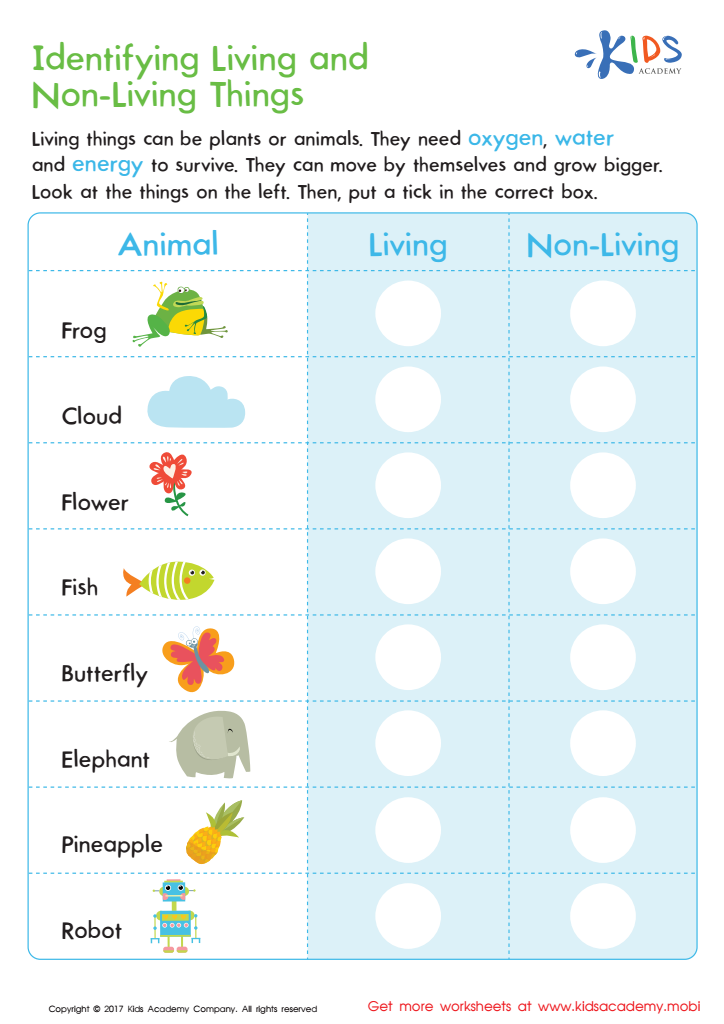
Identifying Living or Non–living Worksheet
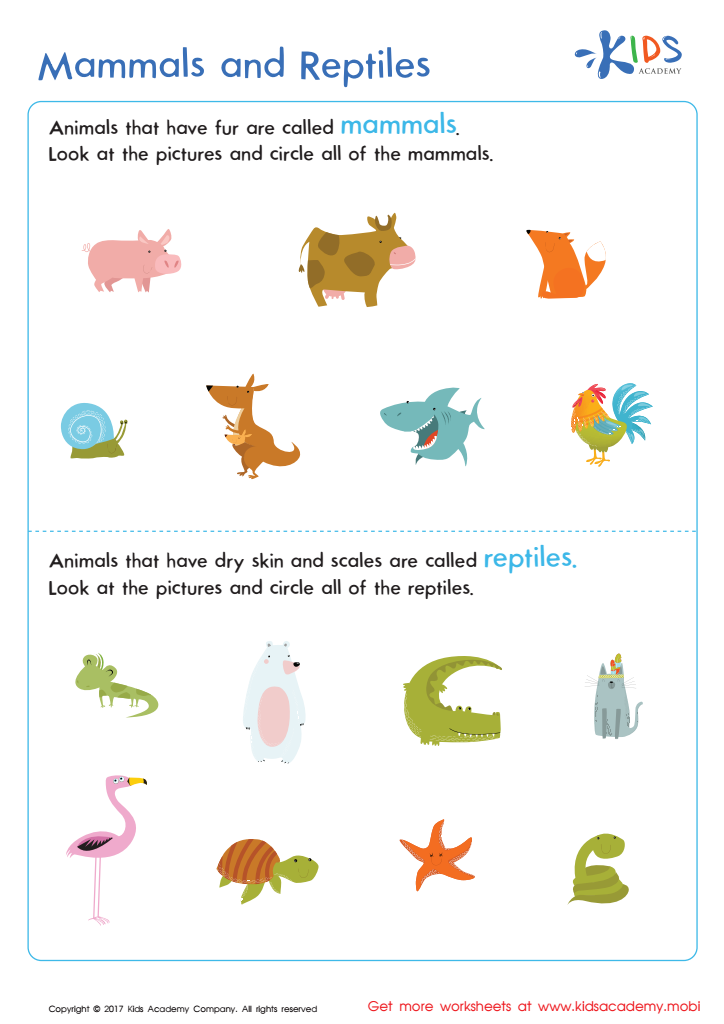
Mammals and Reptiles Worksheet
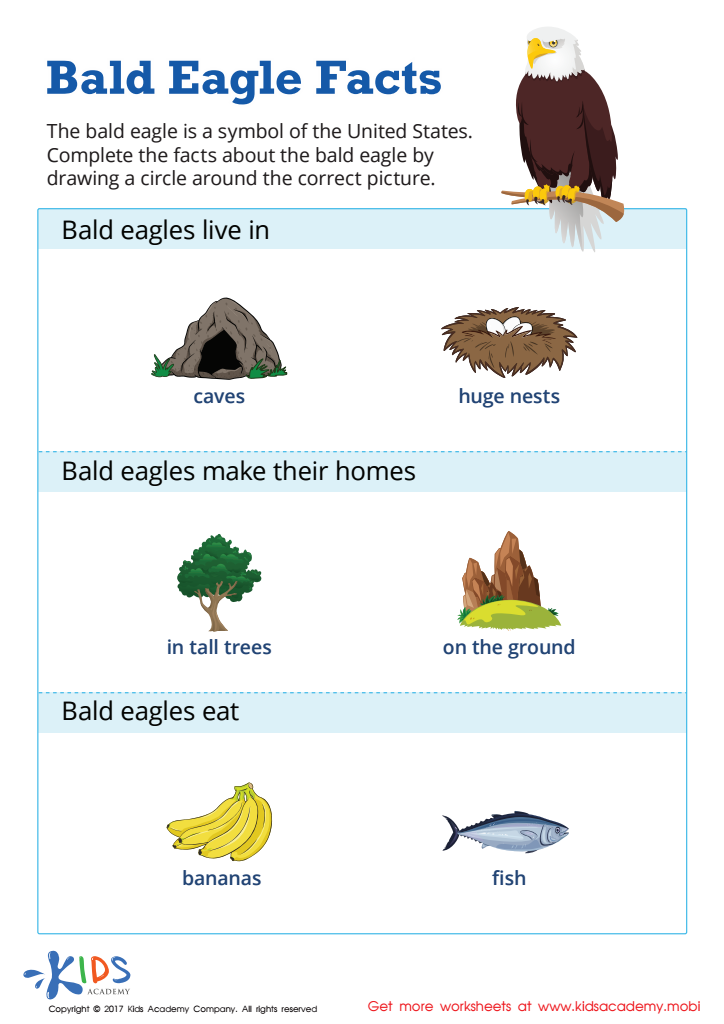
Bald Eagle Facts Worksheet
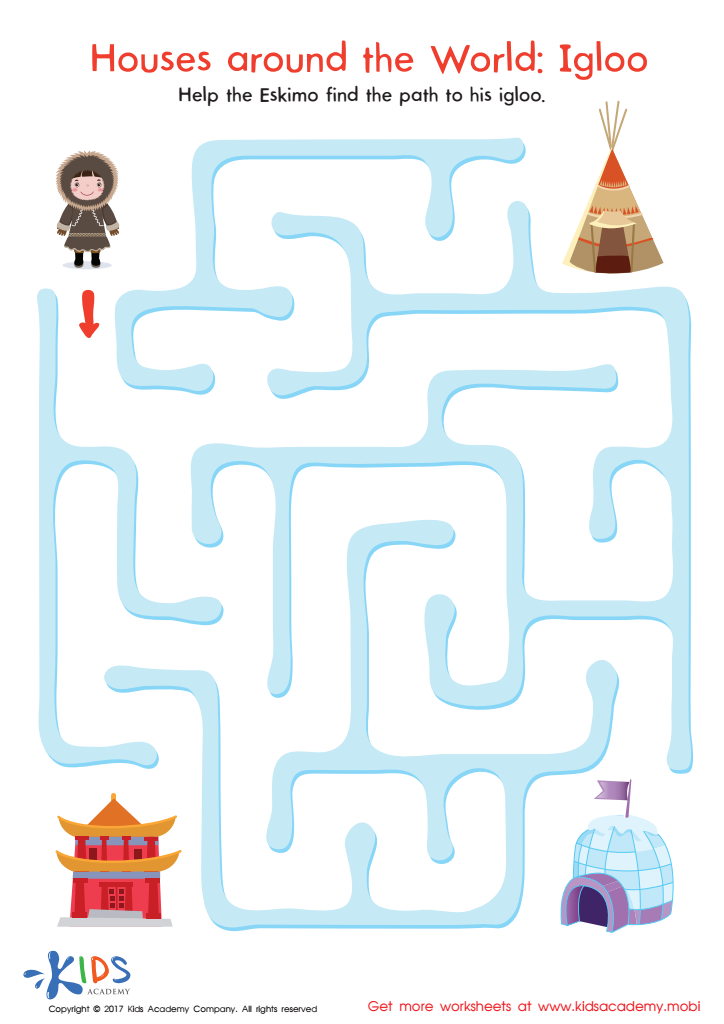
Houses Around the World: Igloo Printable
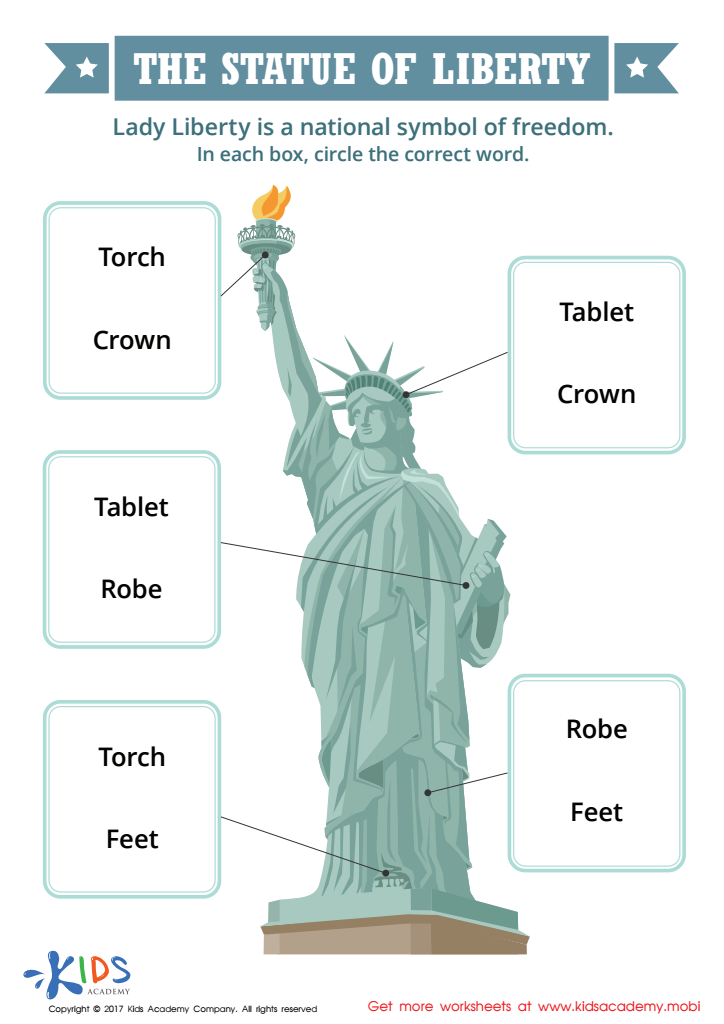
The Statue of Liberty Printable
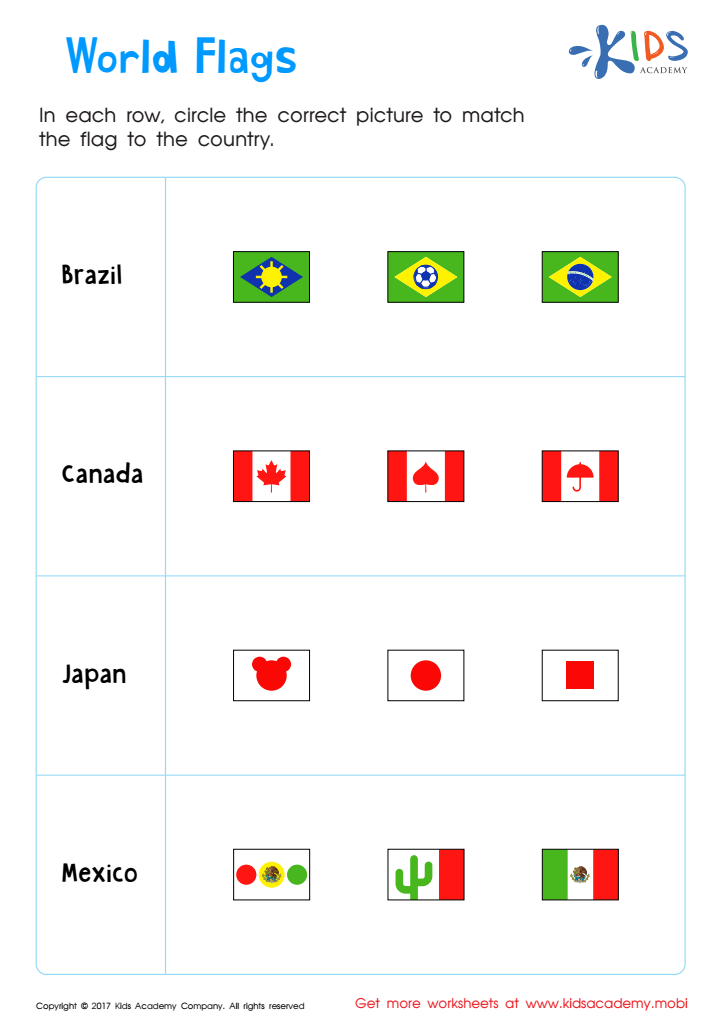
World Flags Printable
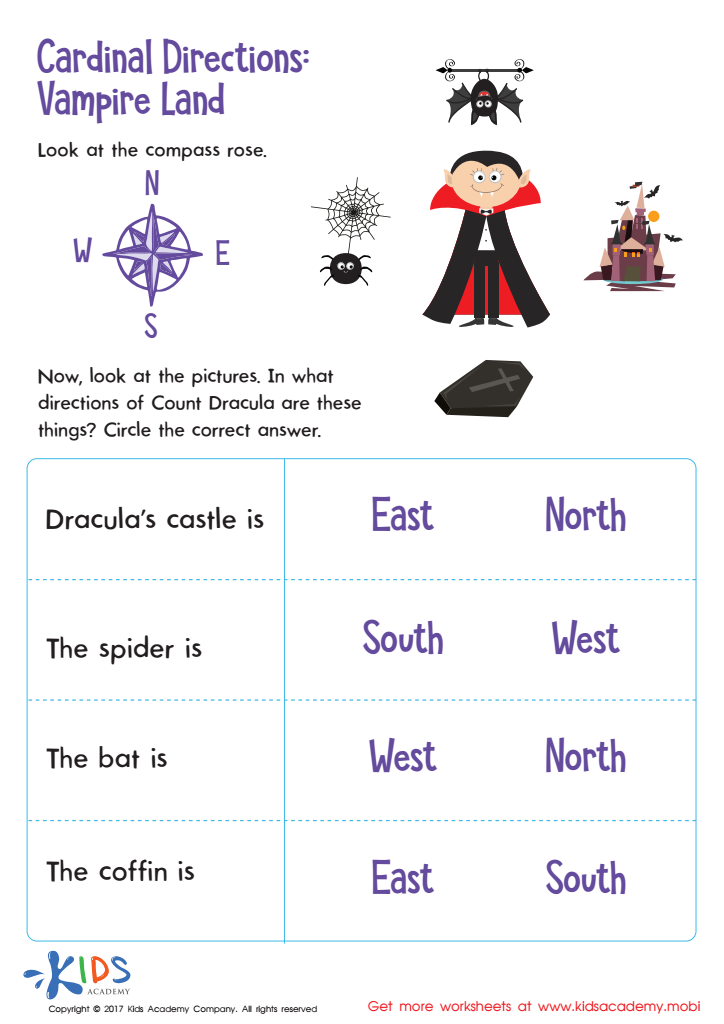
Cardinal Directions Printable


.jpg)

.jpg)
Parents and teachers should deeply care about the "World Around Us" for ages 7-9, because these formative years are critical for shaping a child's understanding of their environment and fostering curiosity. At this age, children are naturally inquisitive and eager to explore, making it an ideal time to introduce them to a variety of scientific, cultural, and geographical concepts. Understanding the world helps young learners appreciate diversity, encourages respect for different cultures, and fosters a sense of global citizenship.
By engaging with topics such as ecosystems, weather patterns, historical landmarks, and international traditions, children develop a broader perspective and critical thinking skills. This sets a strong foundation for future learning and helps them connect school lessons to real-world applications. Moreover, knowledge of the world around them can spark passions and interests in various fields, from biology and astronomy to history and anthropology.
Additionally, this knowledge cultivates empathy and social awareness. When children learn about different life experiences and environments, they become more empathetic and open-minded individuals. Educators and parents who prioritize the "World Around Us" enrich children's education with the essential knowledge and skills needed to navigate and contribute positively to an increasingly interconnected world.