Easy Word Problems Worksheets for Ages 5-9 - Page 2
44 filtered results
-
From - To
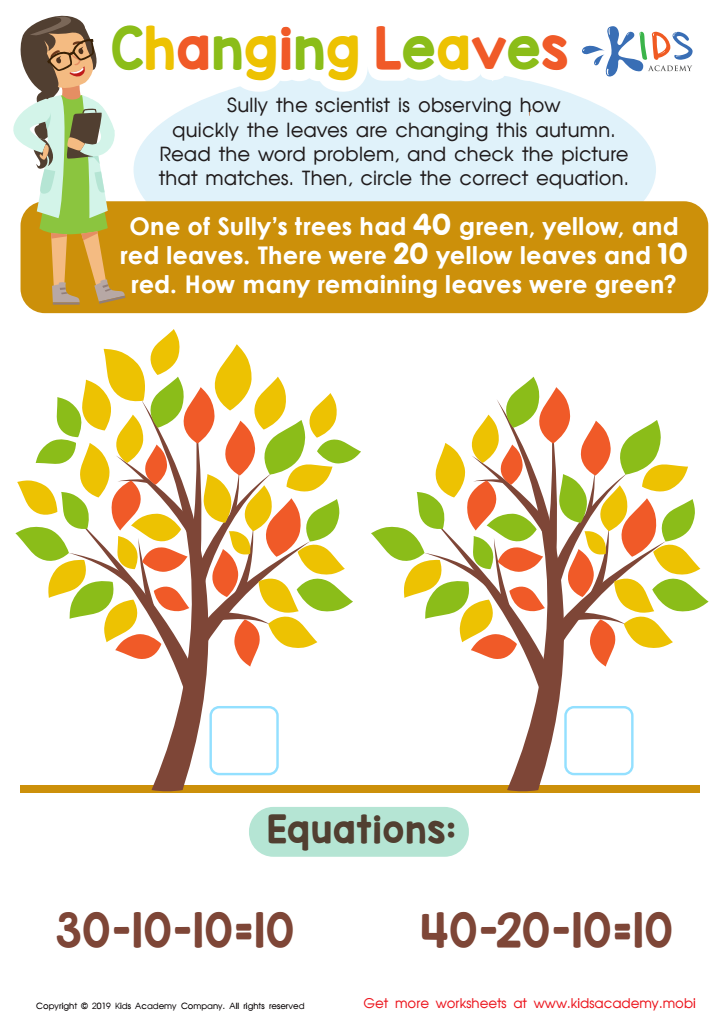
Changing Leaves Worksheet
 Assign to My Students
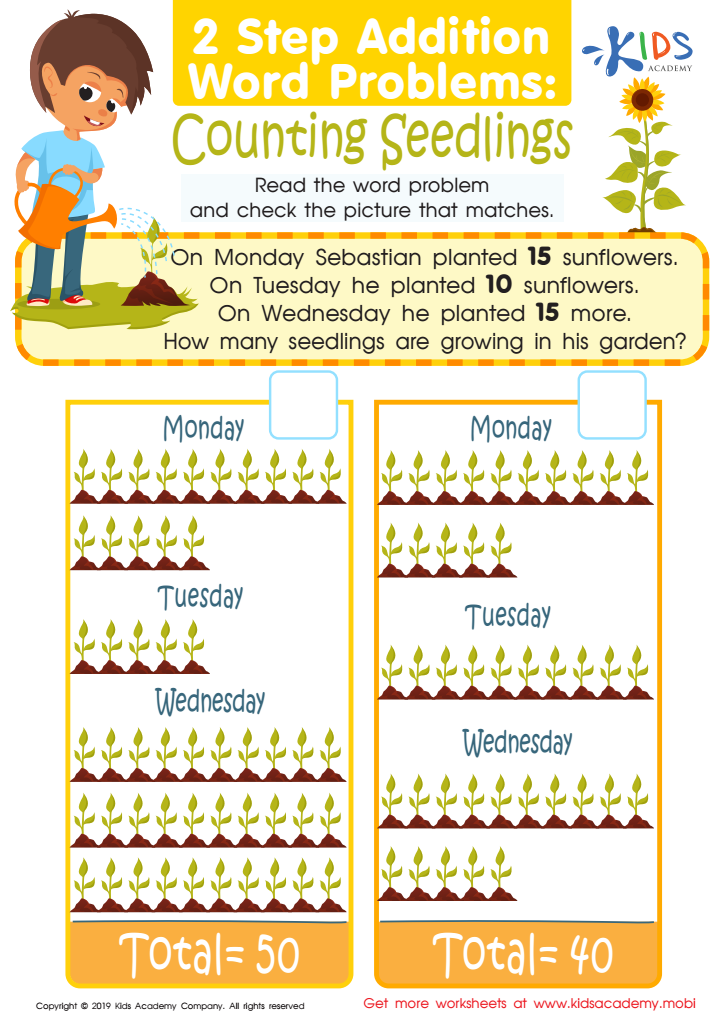
Counting Seedlings Worksheet
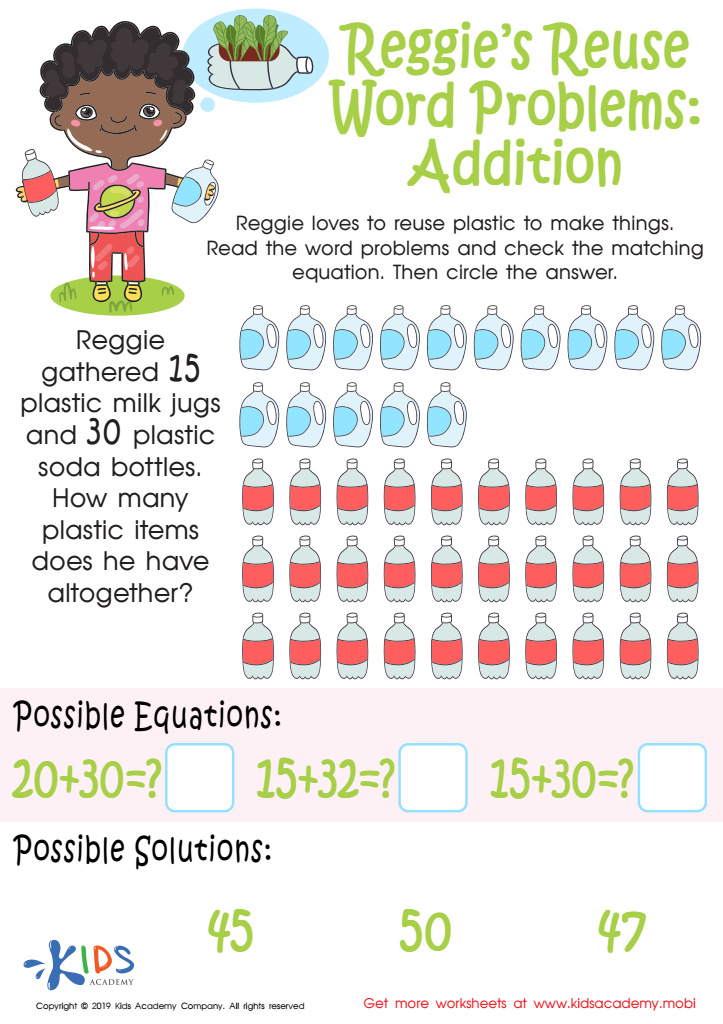
Reggie's Reuse Word Problems: Addition Worksheet
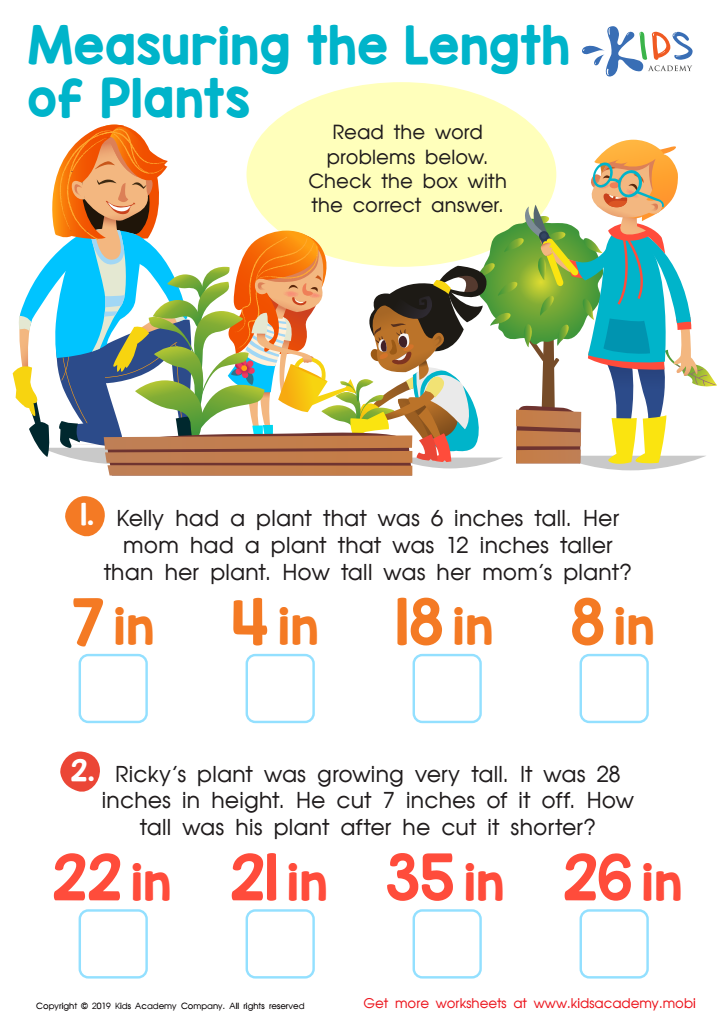
Measuring the Length of Plants Worksheet
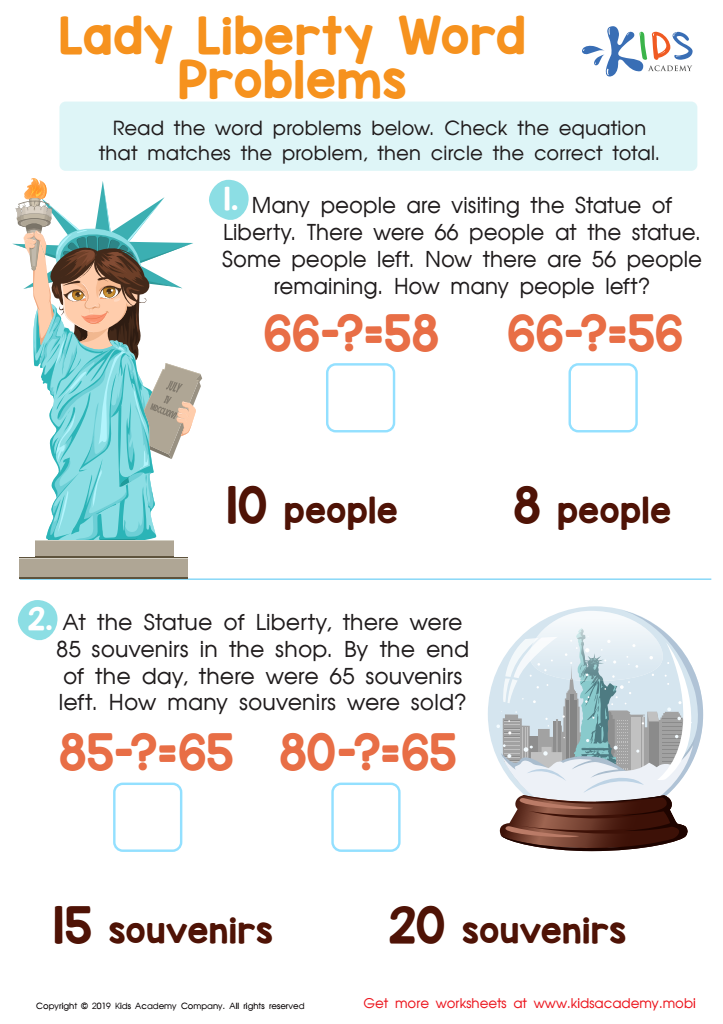
Lady Liberty Worksheet
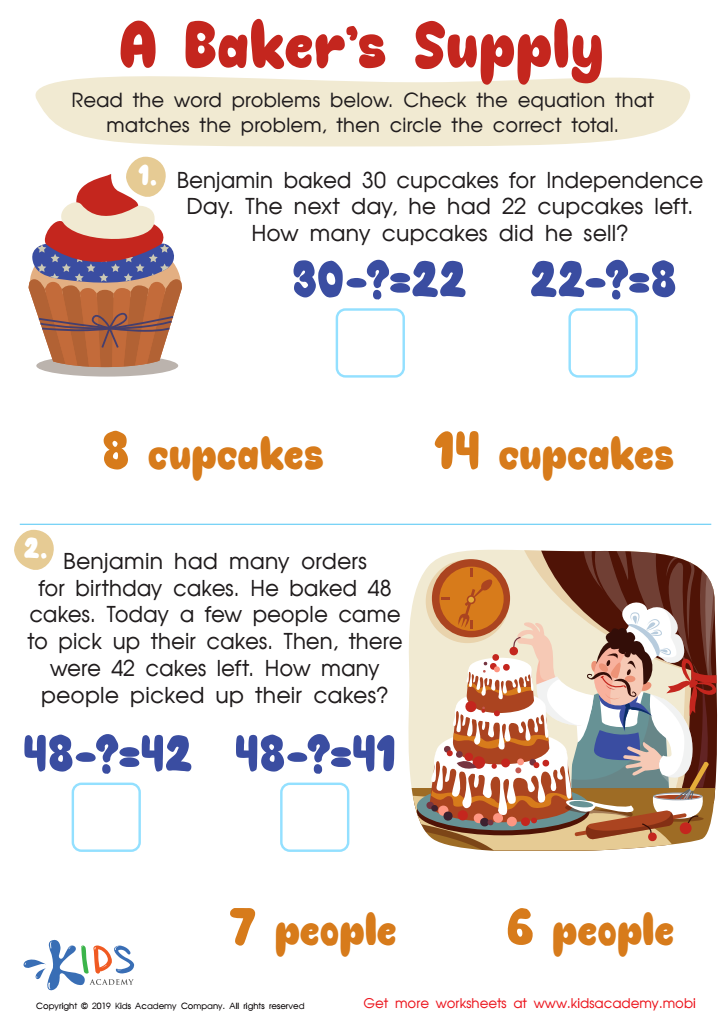
A Baker's Supply Worksheet
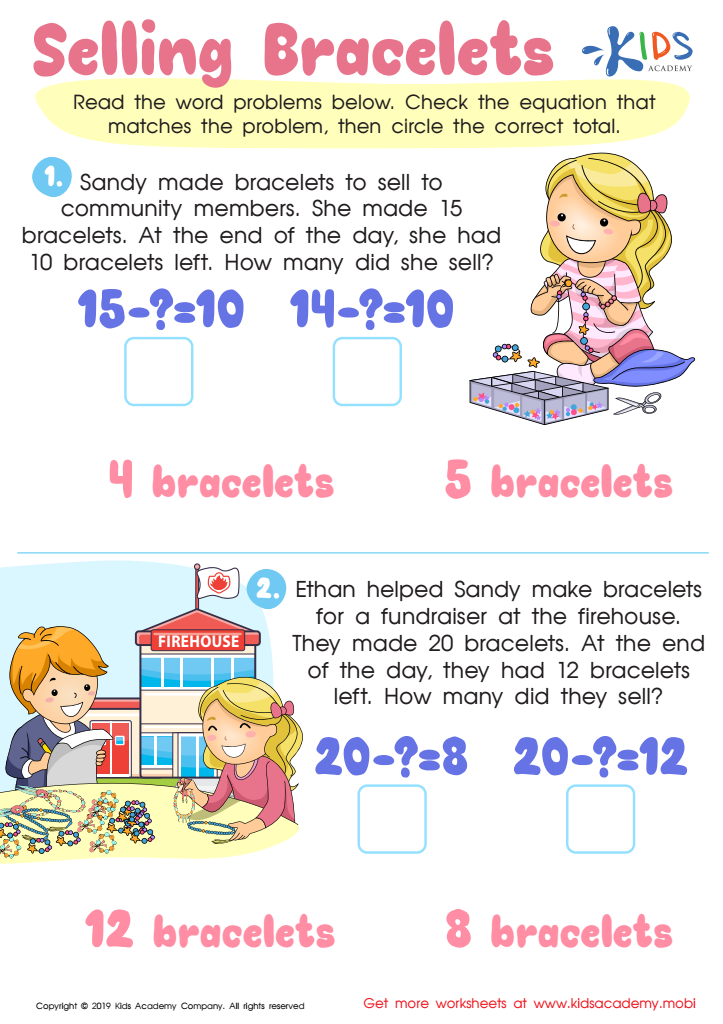
Selling the Bracelets Worksheet
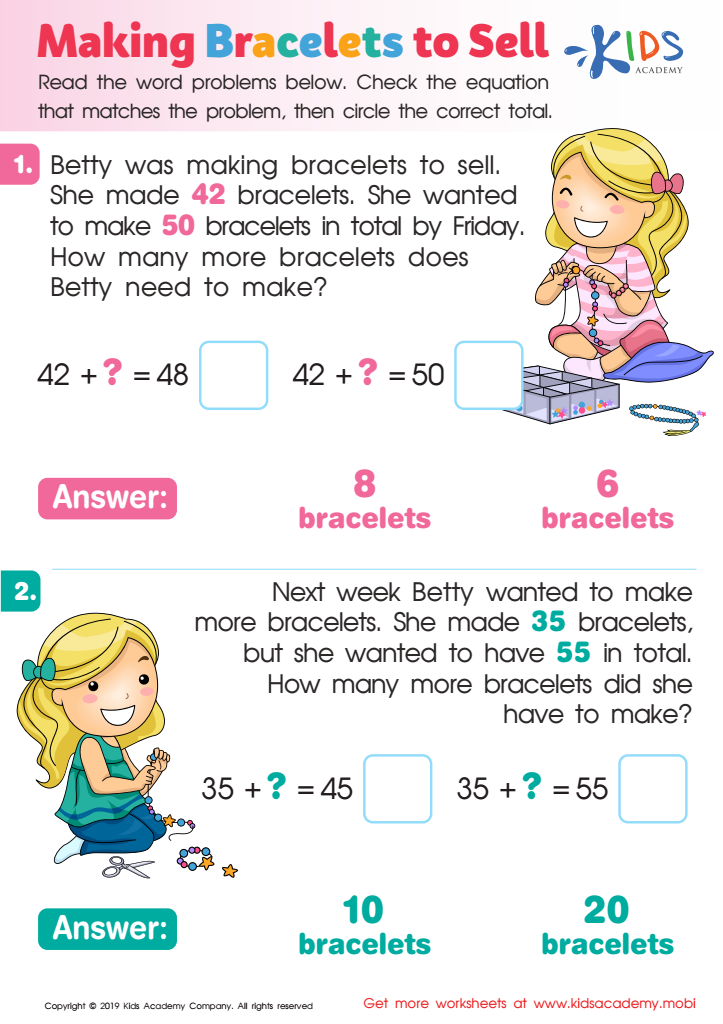
Making Bracelets to Sell Worksheet
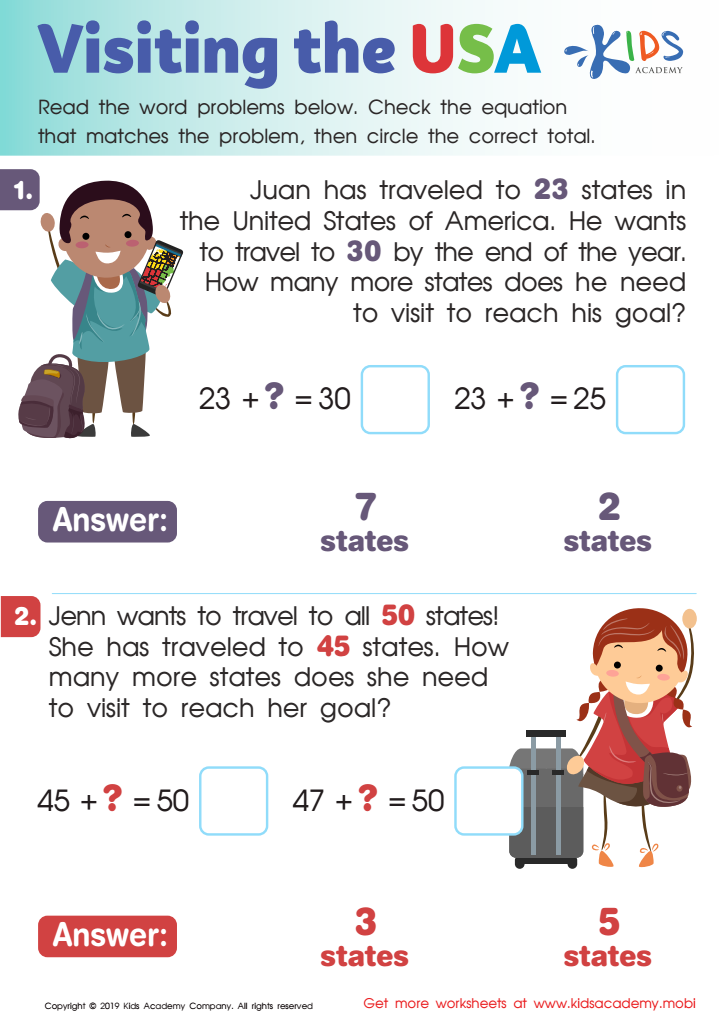
Visiting the USA Worksheet
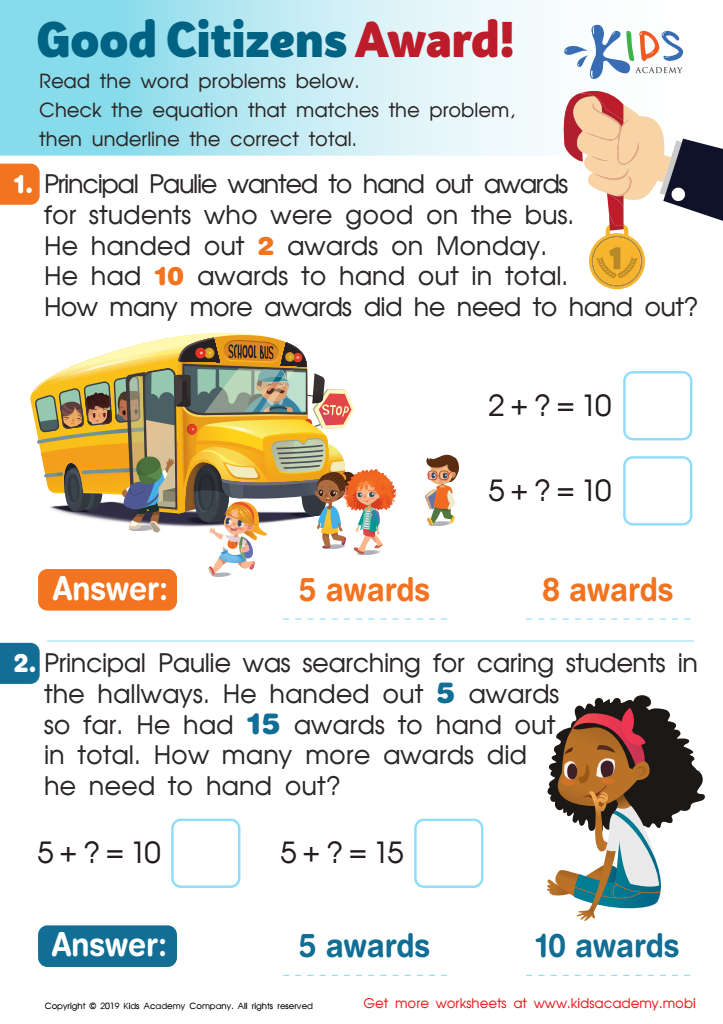
Good Citizens Award! Worksheet
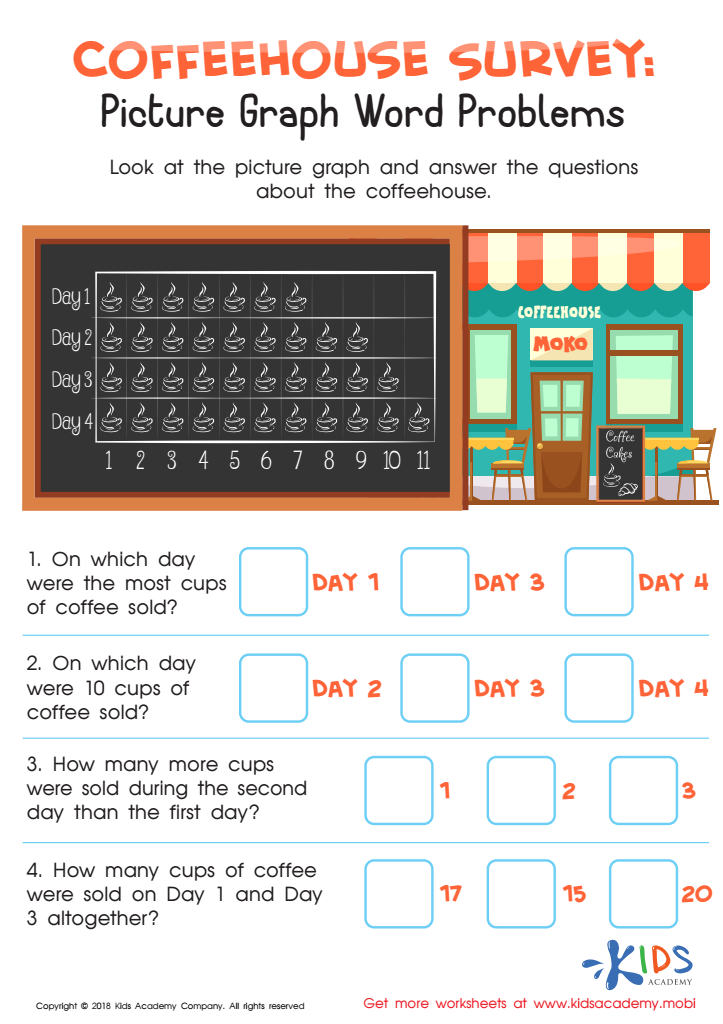
Coffeehouse Survey: Picture Graph Word Problems Worksheet
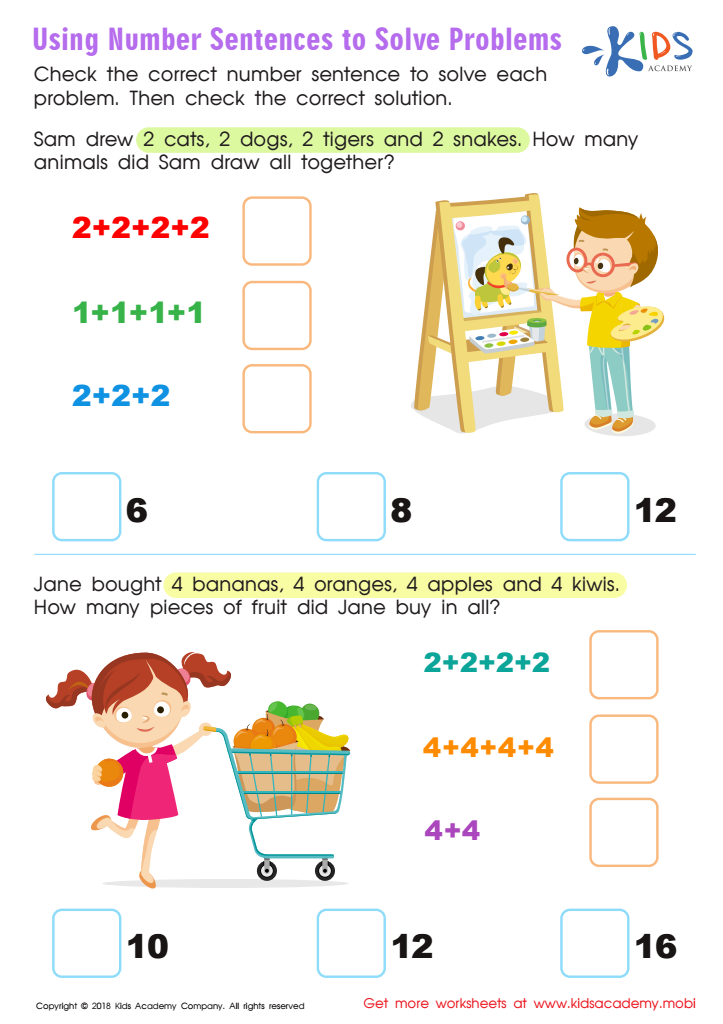
Using Number Sentences to Solve Problems Worksheet
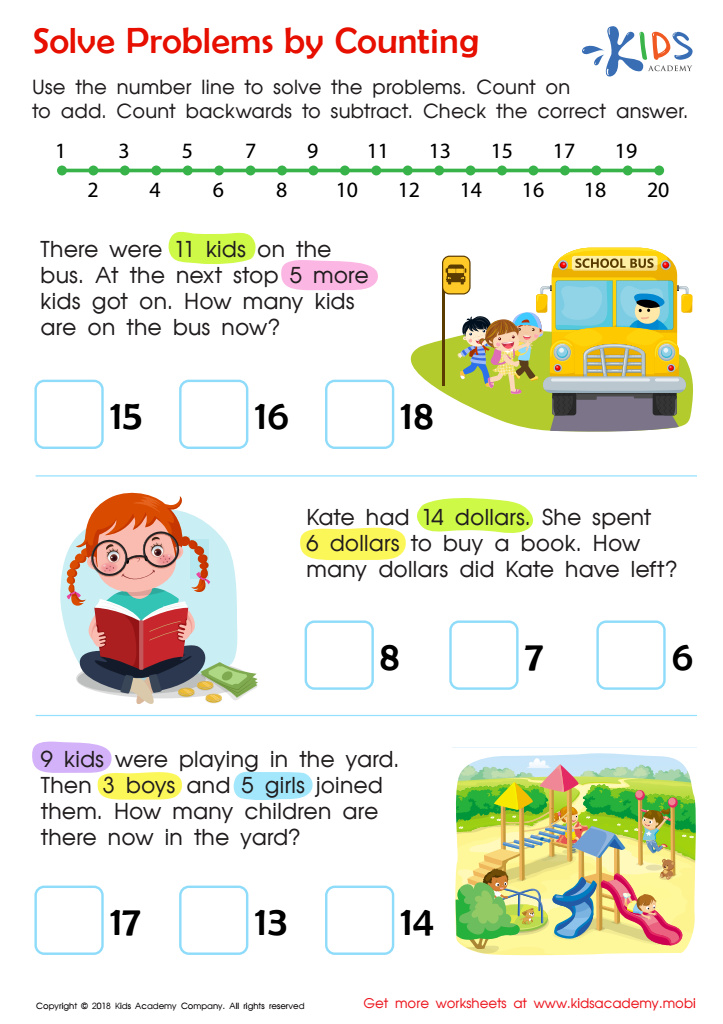
Solve Problems by Counting Worksheet
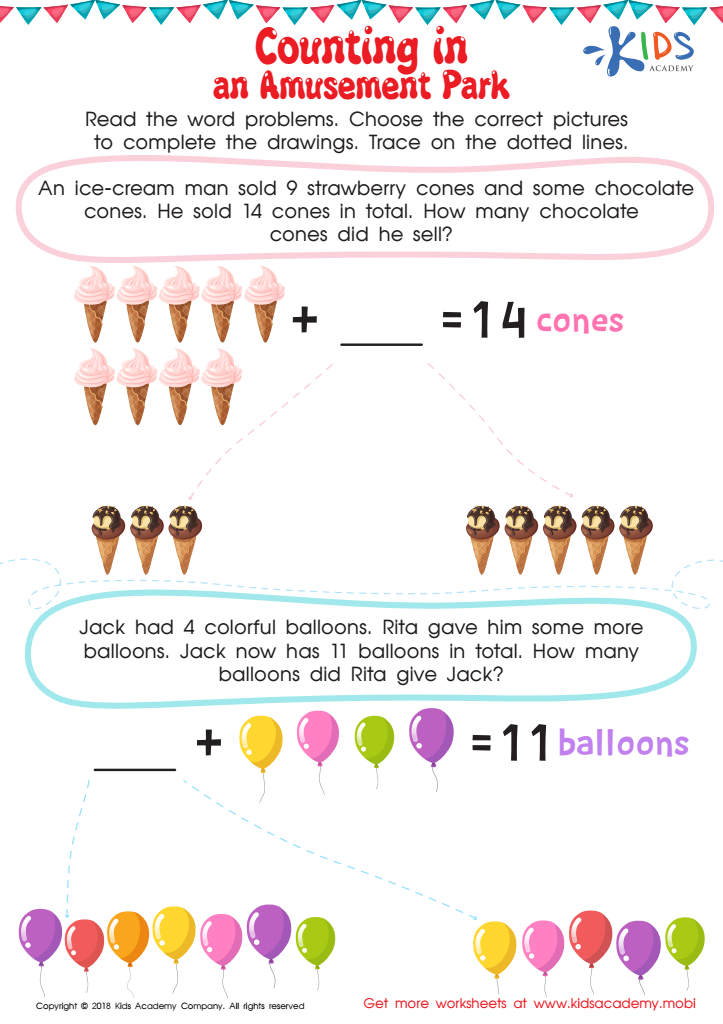
Counting in an Amusement Park Worksheet
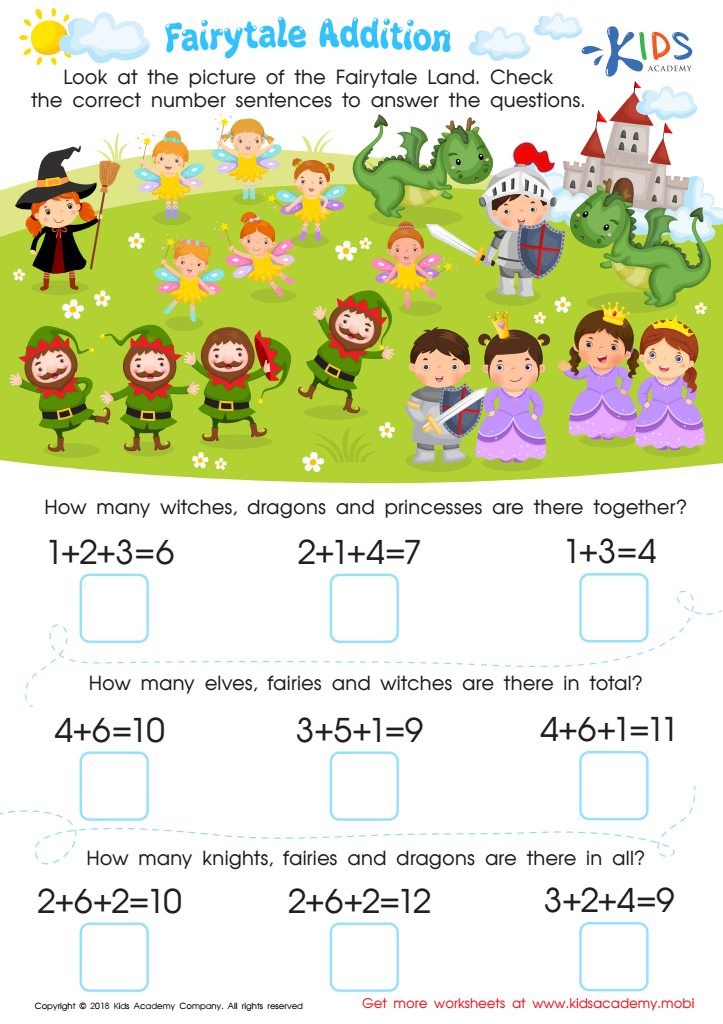
Fairytale Addition Worksheet
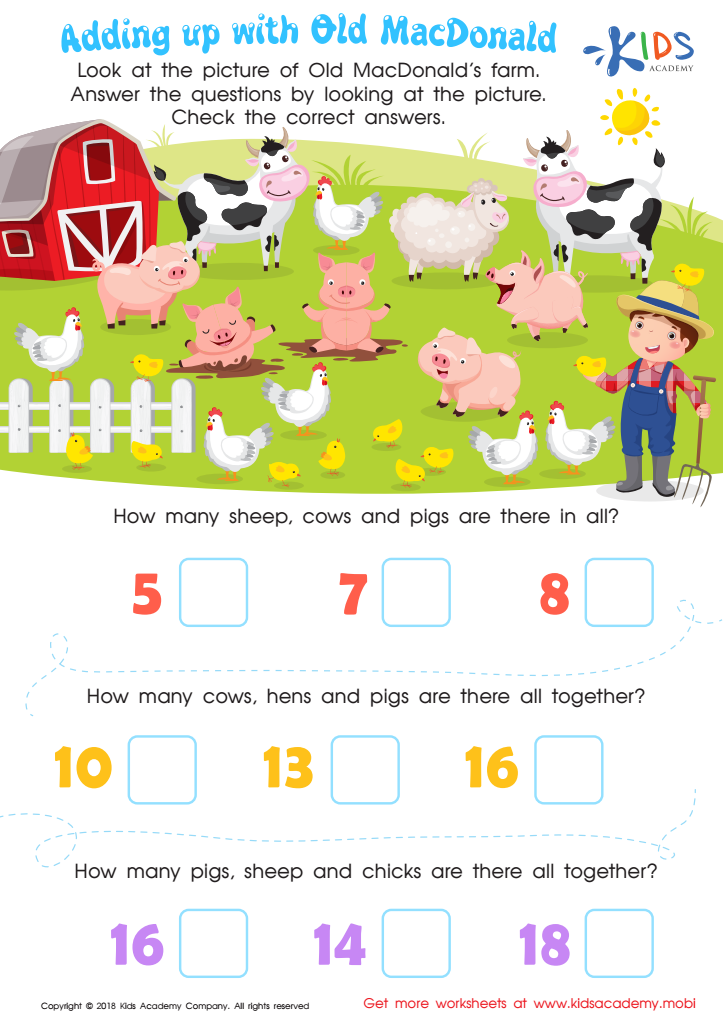
Adding Up with Old MacDonald Worksheet
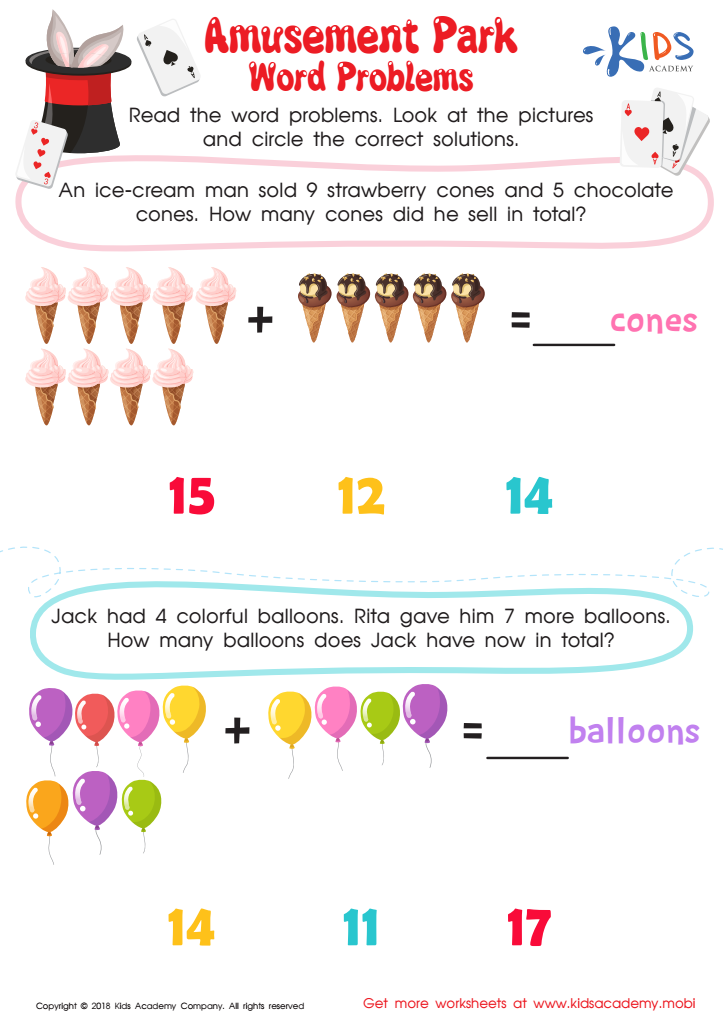
Amusement Park Word Problems Worksheet
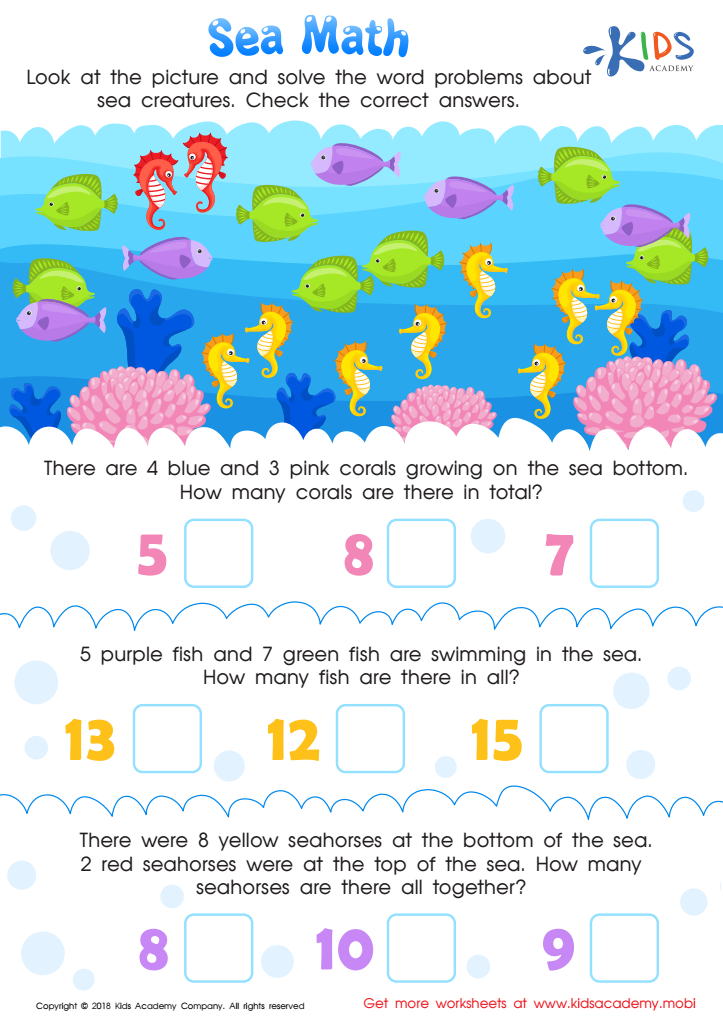
Sea Math Worksheet
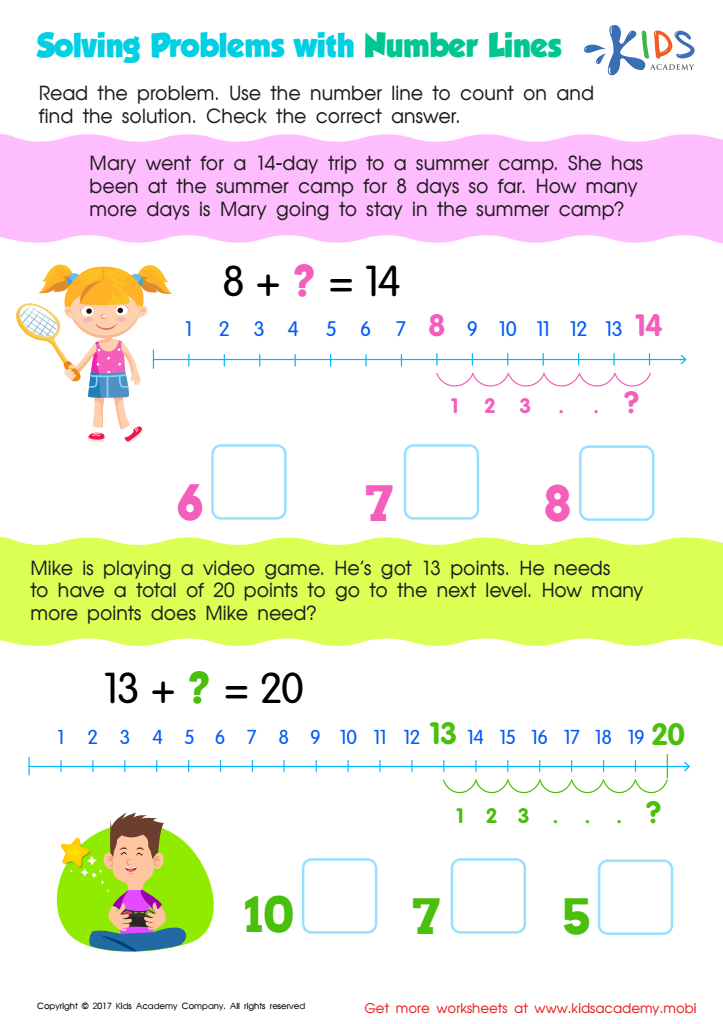
Solving Problems: Number Lines Worksheet
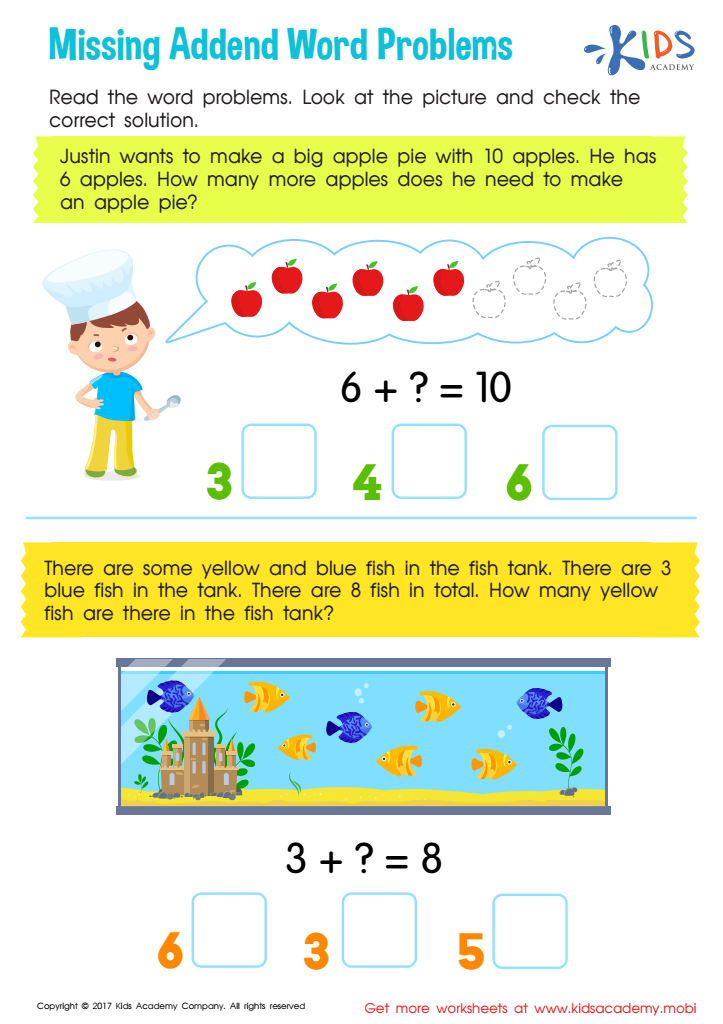
Missing Addend Word Problems Worksheet








Caring about Easy Word Problems for children ages 5-9 is crucial for parents and teachers as it lays the foundation for critical math skills and cognitive development. At this formative stage, children are developing essential problem-solving skills and beginning to grasp basic arithmetic concepts. Engaging with easy word problems helps them relate math to real-world scenarios, making learning more meaningful and relevant. It enhances their analytical thinking, improves their ability to decipher information, and encourages logical reasoning.
Moreover, word problems promote literacy and comprehension as children read and understand the questions before solving them, thereby supporting language development. They offer an opportunity for children to practice addition, subtraction, and other basic operations in a context that makes sense and seems useful. This integrated approach reinforces both math and reading skills simultaneously.
Additionally, success in solving word problems builds confidence, making children more likely to tackle more challenging problems in the future. For educators and parents, fostering a positive attitude toward math early on is essential for sustained academic success. By prioritizing easy word problems, they are ensuring children develop a strong mathematical foundation, crucial for more advanced studies and for everyday decision-making skills.








