Extra Challenge Counting Worksheets for Ages 4-8
7 filtered results
-
From - To
Discover our "Extra Challenge Counting Worksheets" designed for children ages 4-8! These fun and engaging worksheets provide an excellent opportunity to enhance your child's counting skills beyond the basics. Featuring various challenges, activities, and interactive elements, our worksheets cater to different learning styles, ensuring that every child can thrive. With vibrant illustrations and age-appropriate tasks, children will enjoy sharpening their mathematical abilities while practicing number recognition, skip counting, and problem-solving strategies. Perfect for teachers and parents alike, these worksheets make learning to count an enjoyable adventure. Kickstart your child's mathematical journey today with our exciting counting challenges!
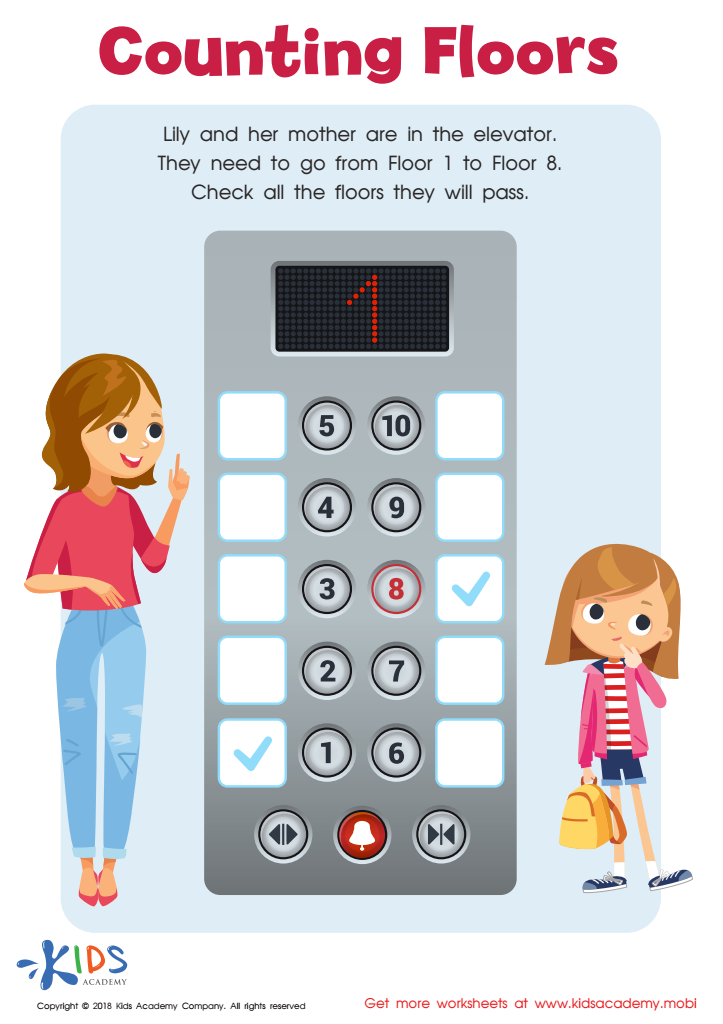
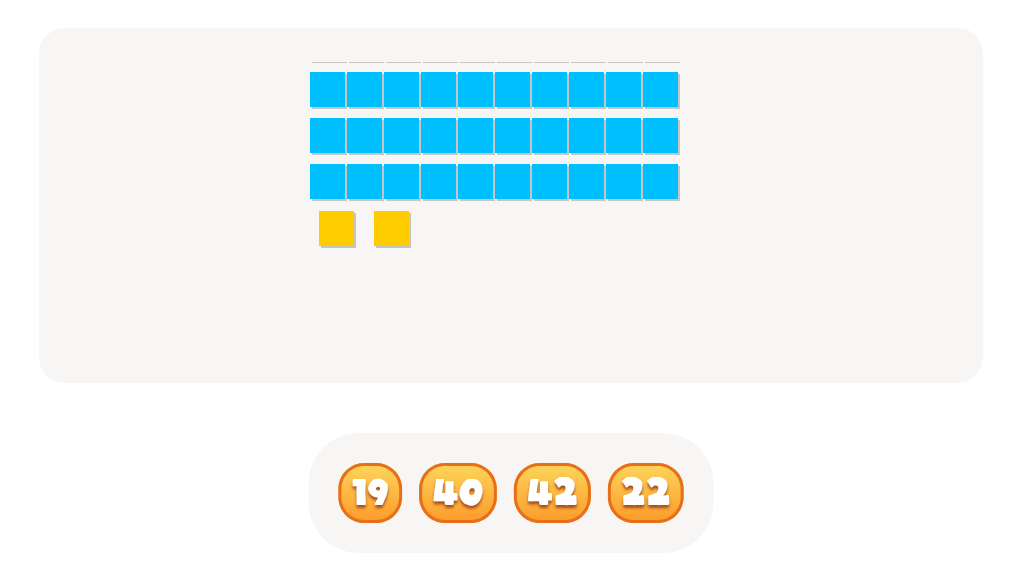
Counting Floors Worksheet
 Assign to My Students

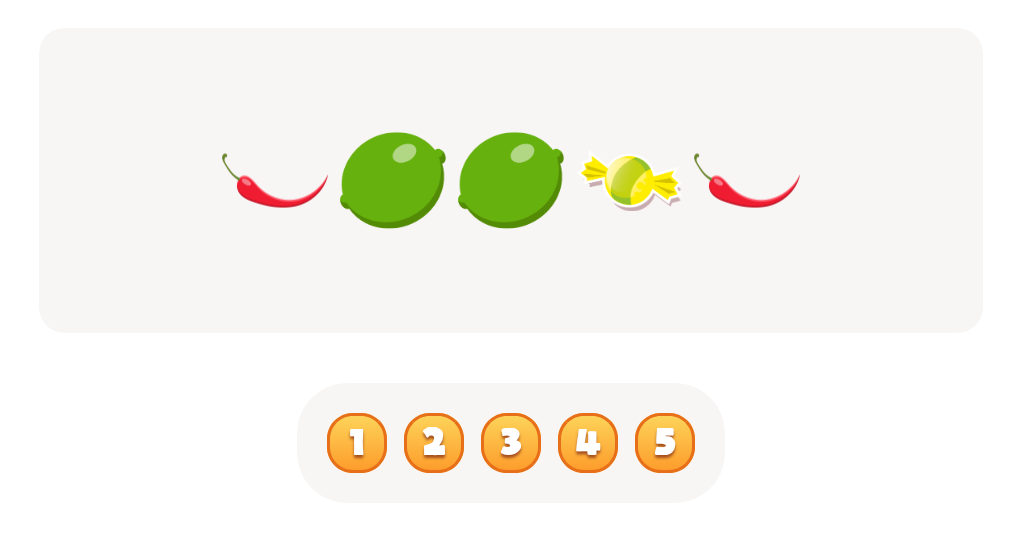
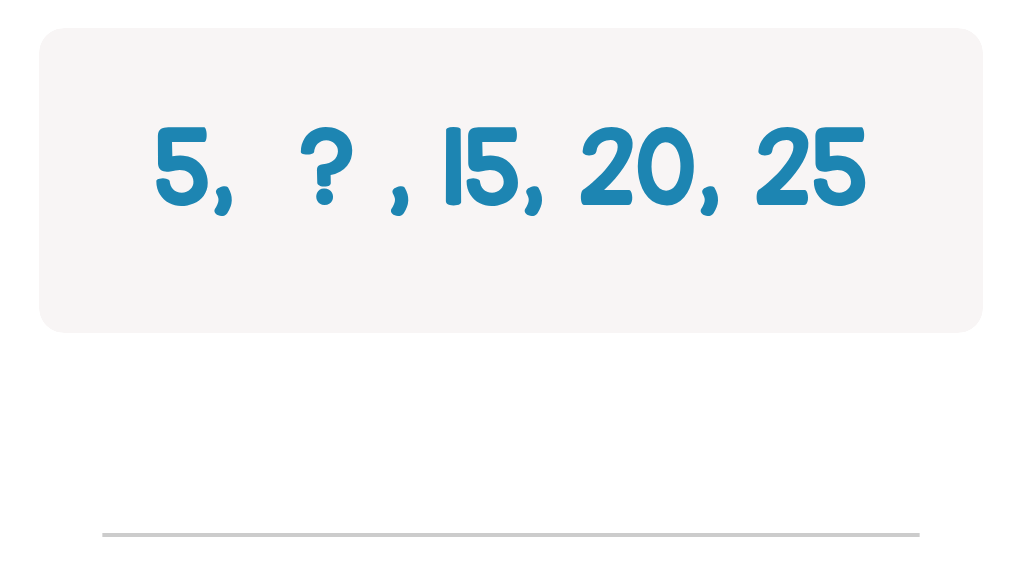
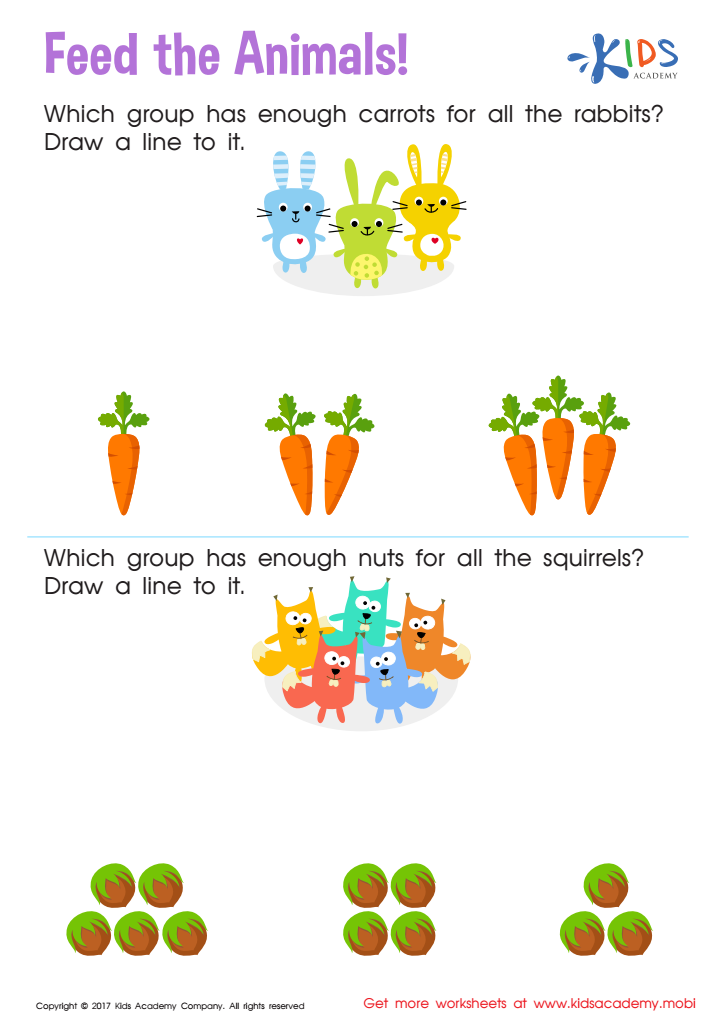
Count and Match: Feed the Animals Worksheet
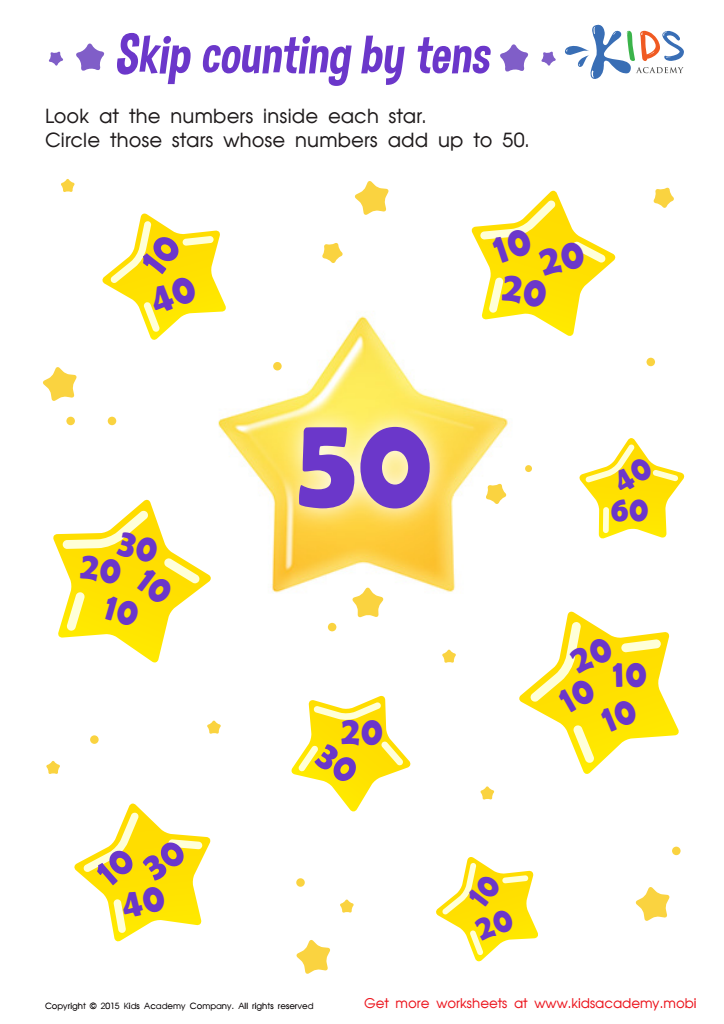
Learn Dozens: Skip Counting by Tens Printable
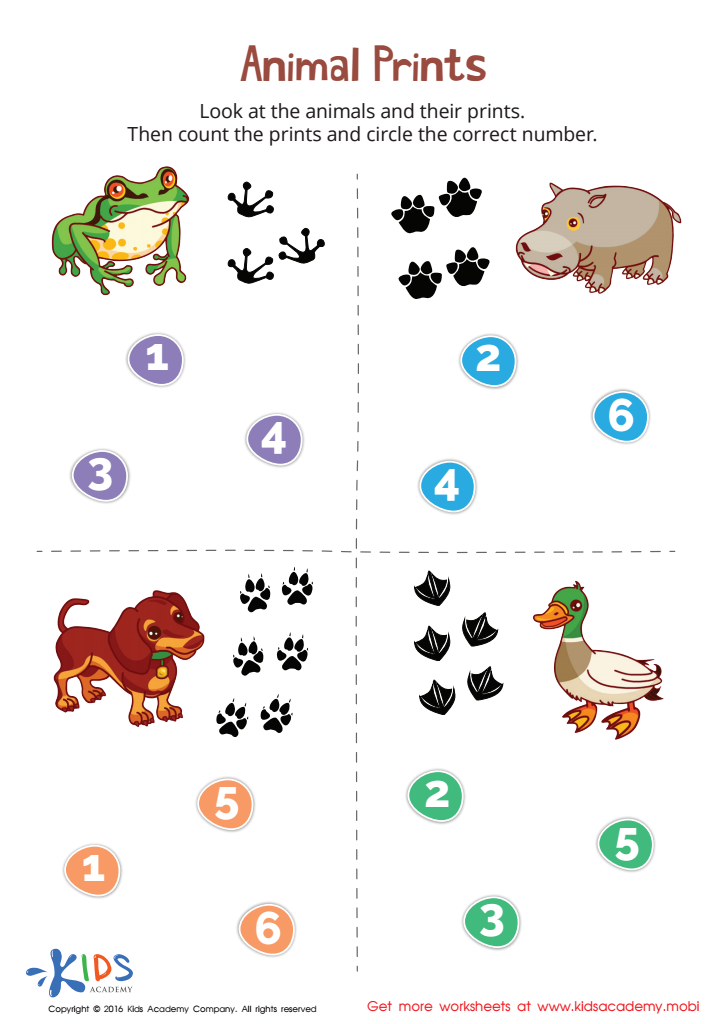
Animal Prints Match-Up Worksheet
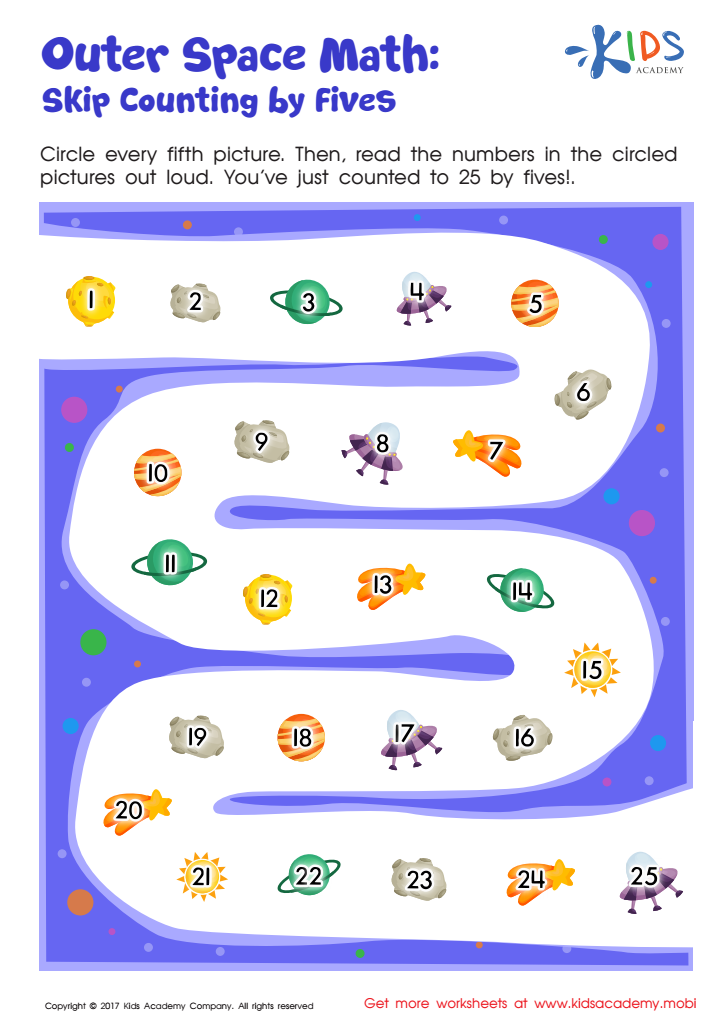
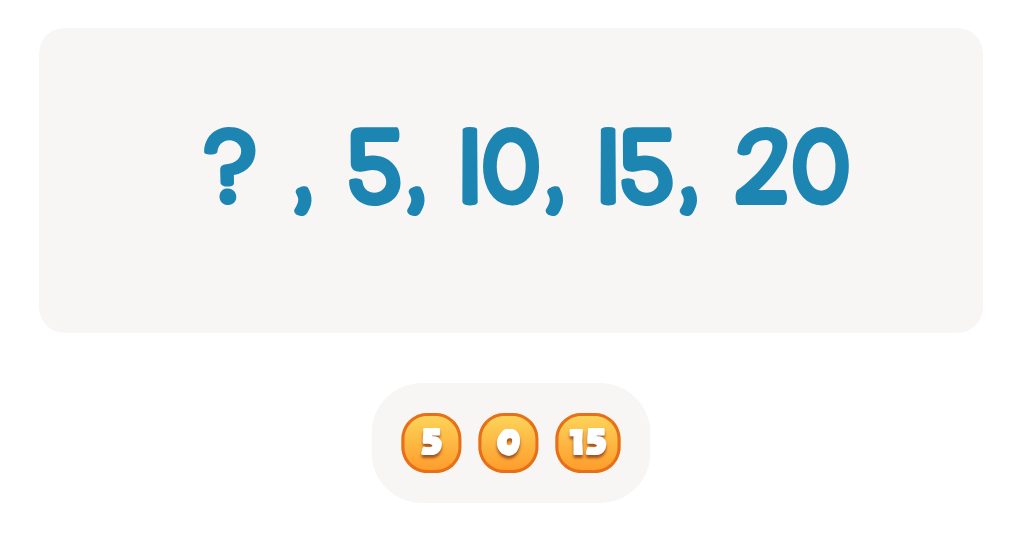
Skip Counting by 5s: Outer Space Math Printable
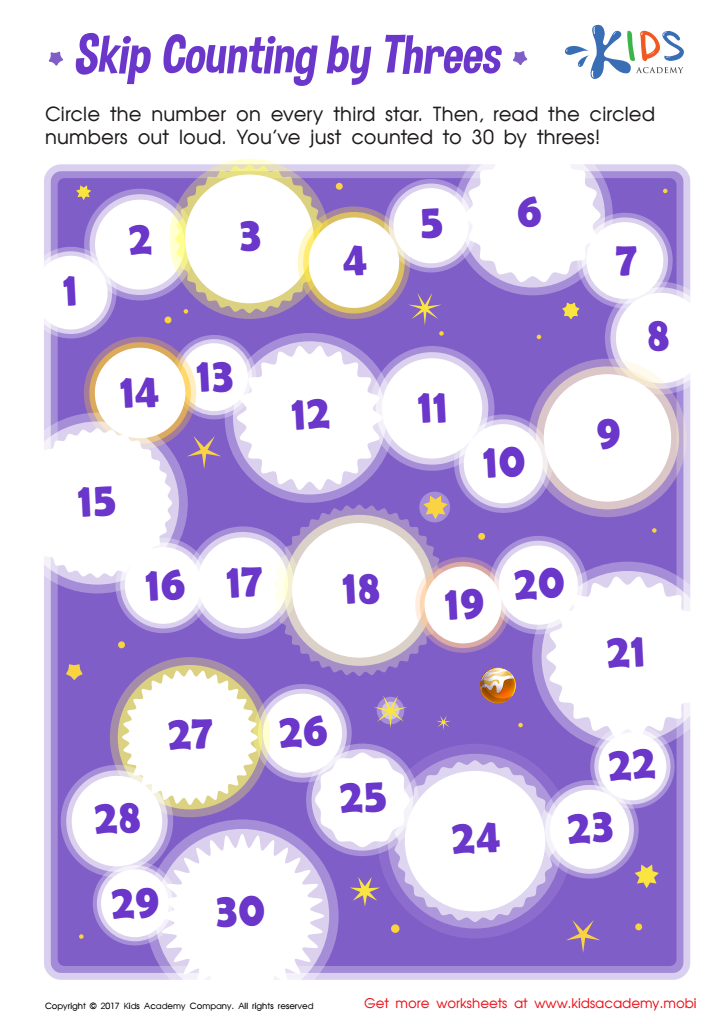
Skip Counting By Three Printable
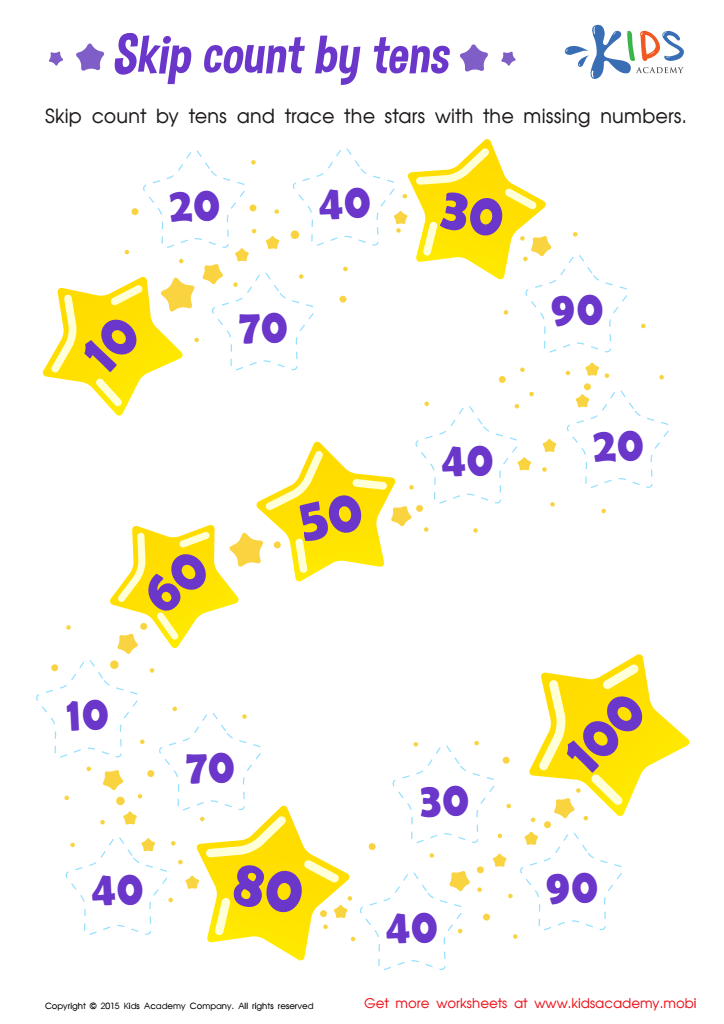
Learn dozens: Skip Count by Tens Printable








Extra Challenge Counting is a vital tool for children aged 4-8, offering numerous benefits that parents and teachers should prioritize. In this developmental stage, children are rapidly forming foundational math skills, and engaging in extra challenge activities can significantly enhance their cognitive abilities and confidence.
Firstly, children often learn best through play and exploration. Extra challenge counting introduces them to complex counting concepts in an enjoyable way, helping to reinforce basic arithmetic. This could involve counting by twos or fives, recognizing patterns, or solving basic subtraction and addition problems.
Furthermore, extra challenges can cater to different learning styles, keeping curious and advanced learners engaged while ensuring that those struggling receive ample support and exposure. This adaptation helps cultivate a growth mindset—encouraging children to embrace challenges, take risks, and understand that mistakes are part of the learning journey.
Additionally, distinguishing between counting and numerical sense lays the groundwork for more advanced mathematical skills in the future. By incorporating Extra Challenge Counting into early education, parents and teachers can promote essential problem-solving skills, enhance cognitive development, and foster a love for math that lasts a lifetime. Engaging children this way is beneficial for academic performance and nurtures critical thinking and resilience.