Normal Chess Worksheets for Ages 3-6 - Page 2
47 filtered results
-
From - To
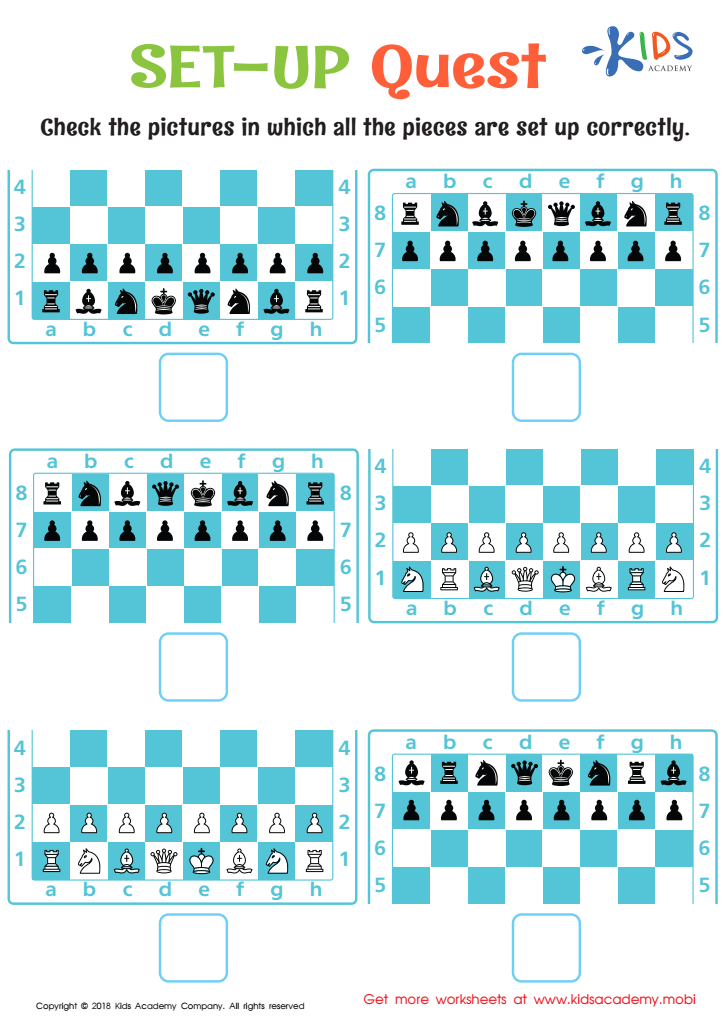
Set-up Quest Worksheet
 Assign to My Students
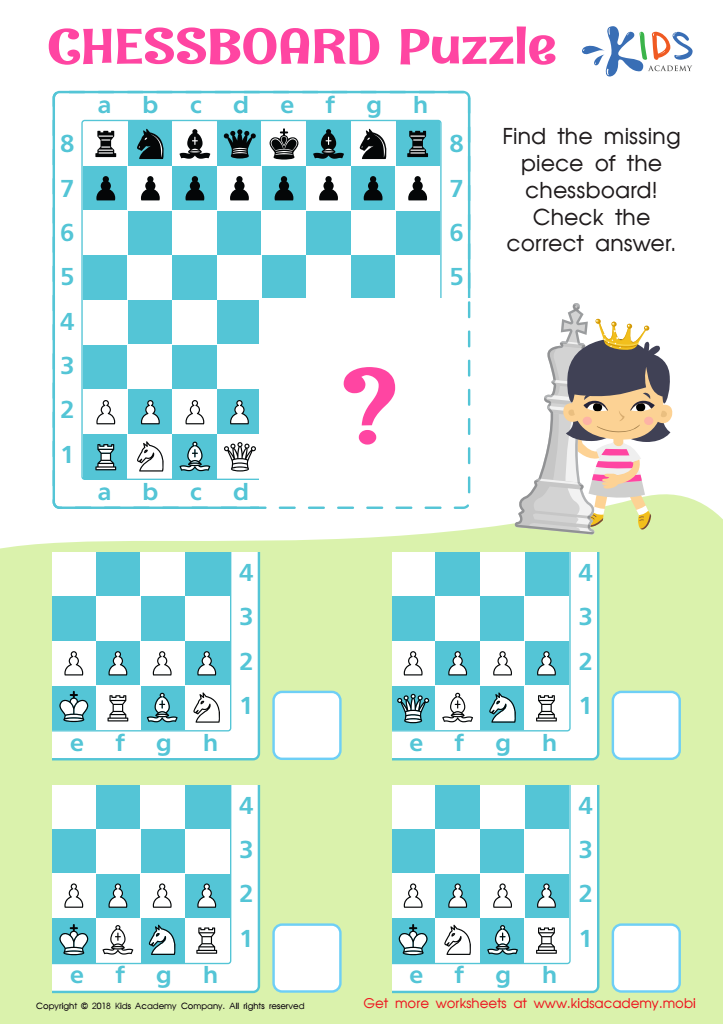
Chessboard Puzzle Worksheet
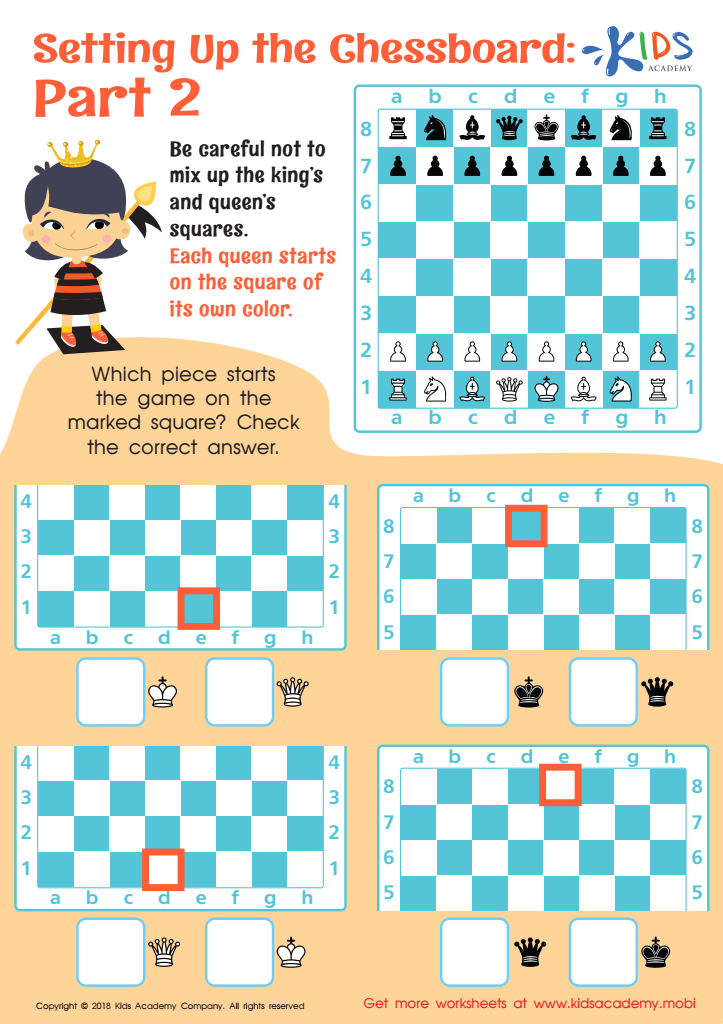
Setting up the Chessboard: Part 2 Worksheet
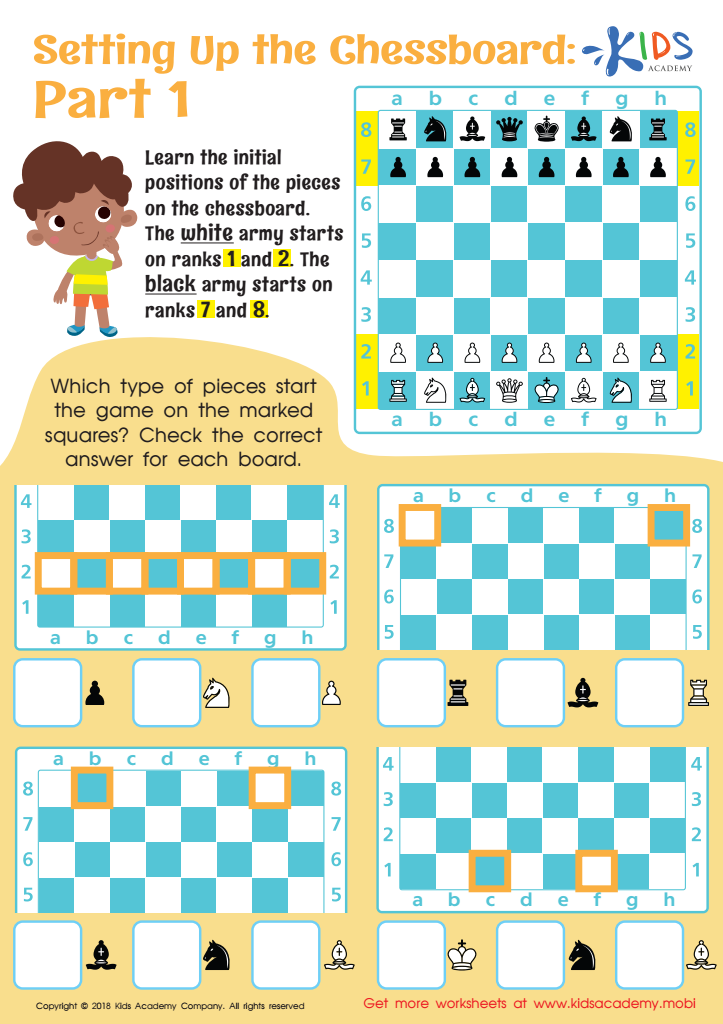
Setting up the Chessboard: Part 1 Worksheet
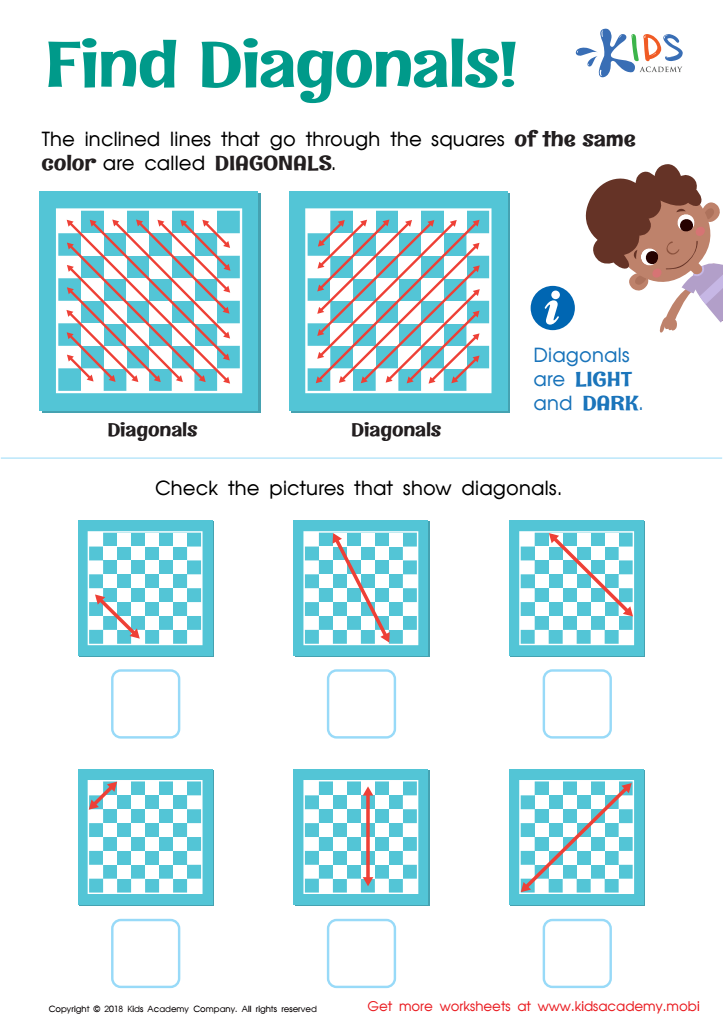
Find Diagonals Worksheet
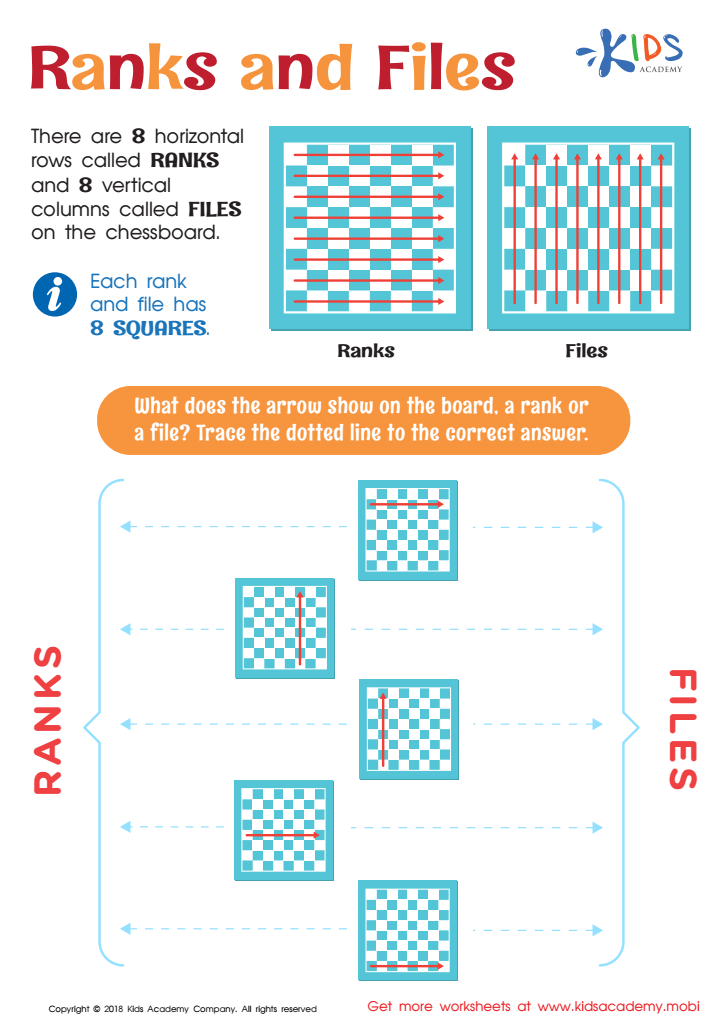
Ranks and Files Worksheet
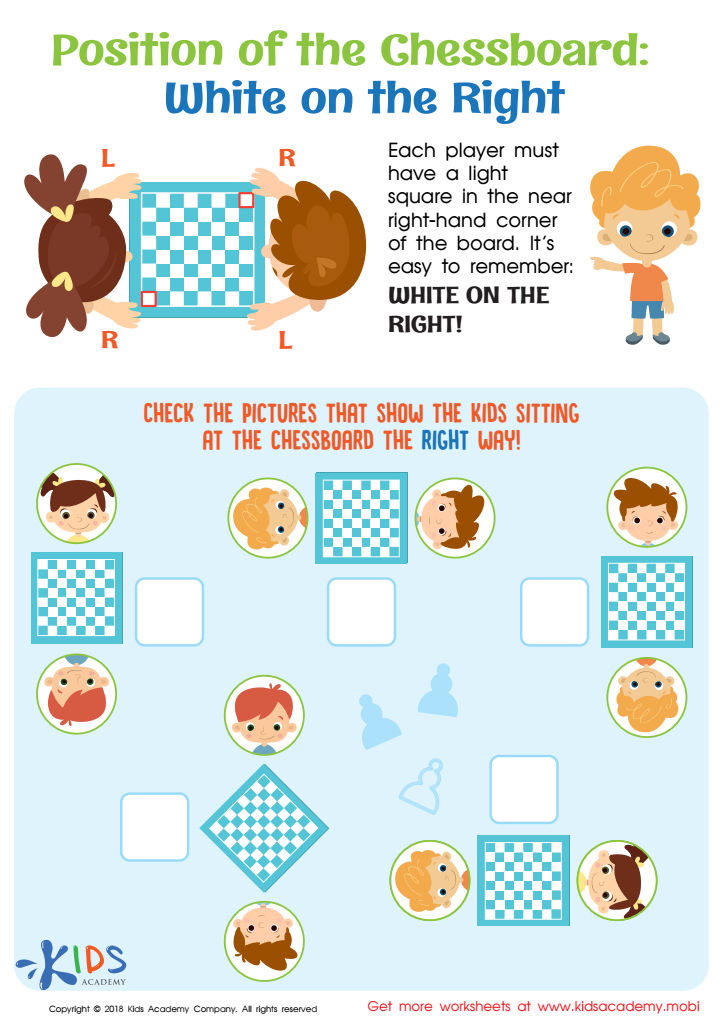
Position of the Chessboard: White on the Right Worksheet
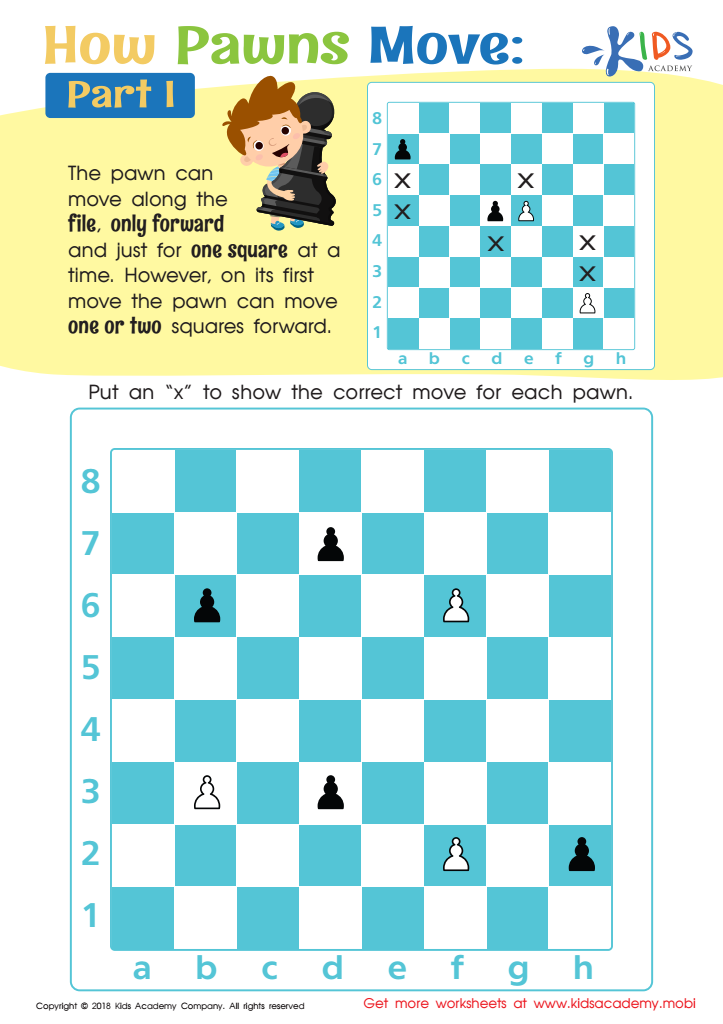
How Pawns Move: Part I Worksheet
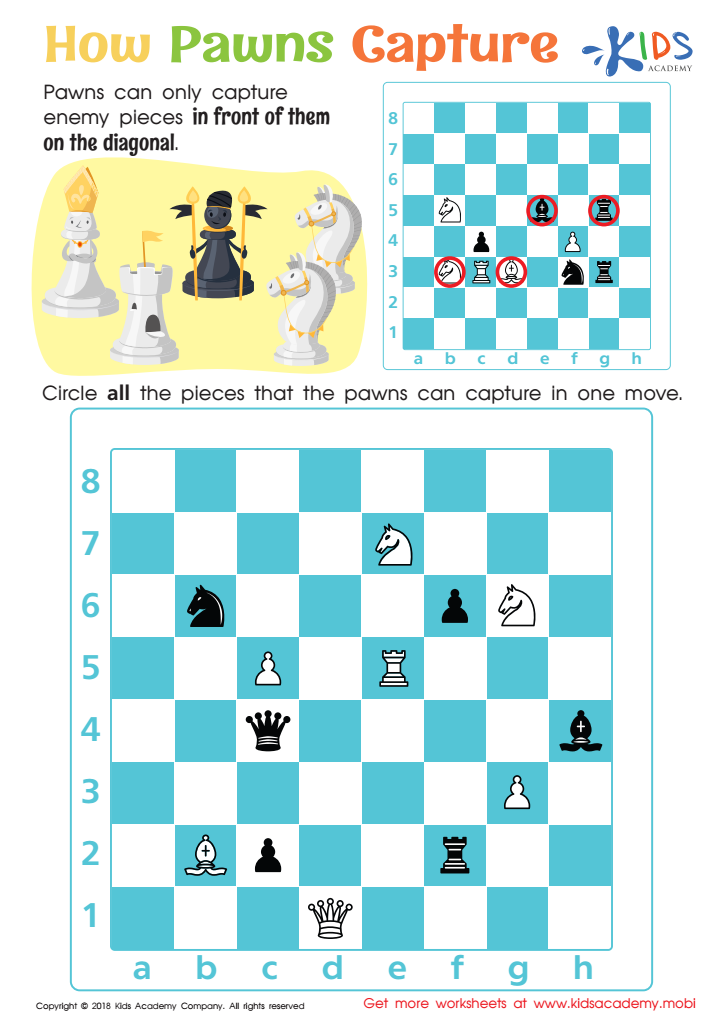
How Pawns Capture Worksheet
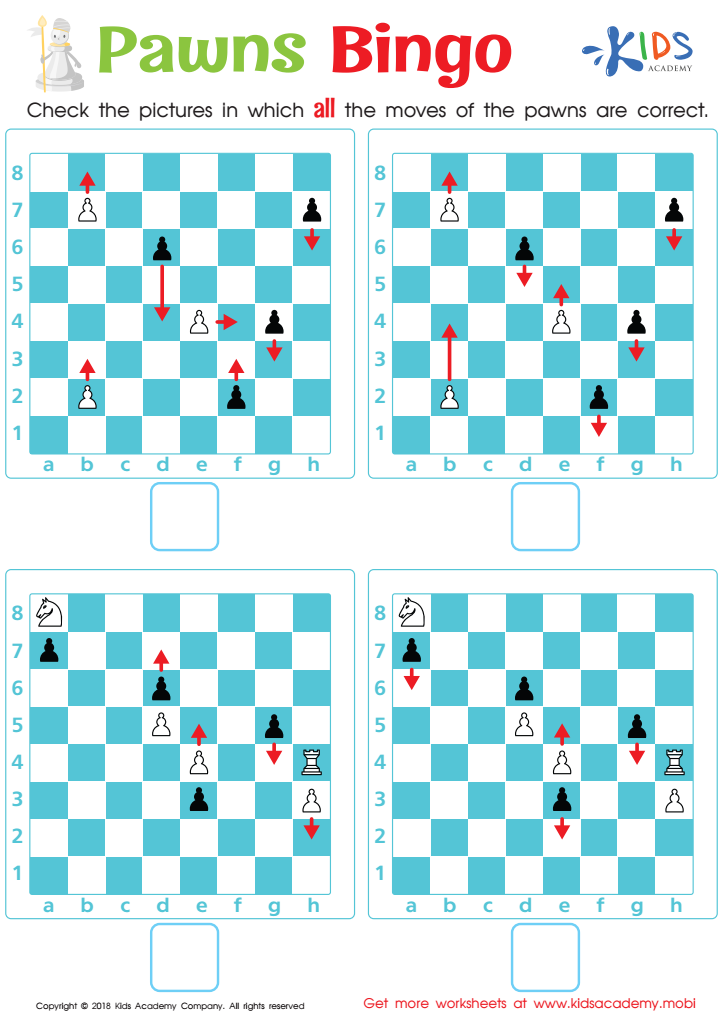
Pawns Bingo Worksheet
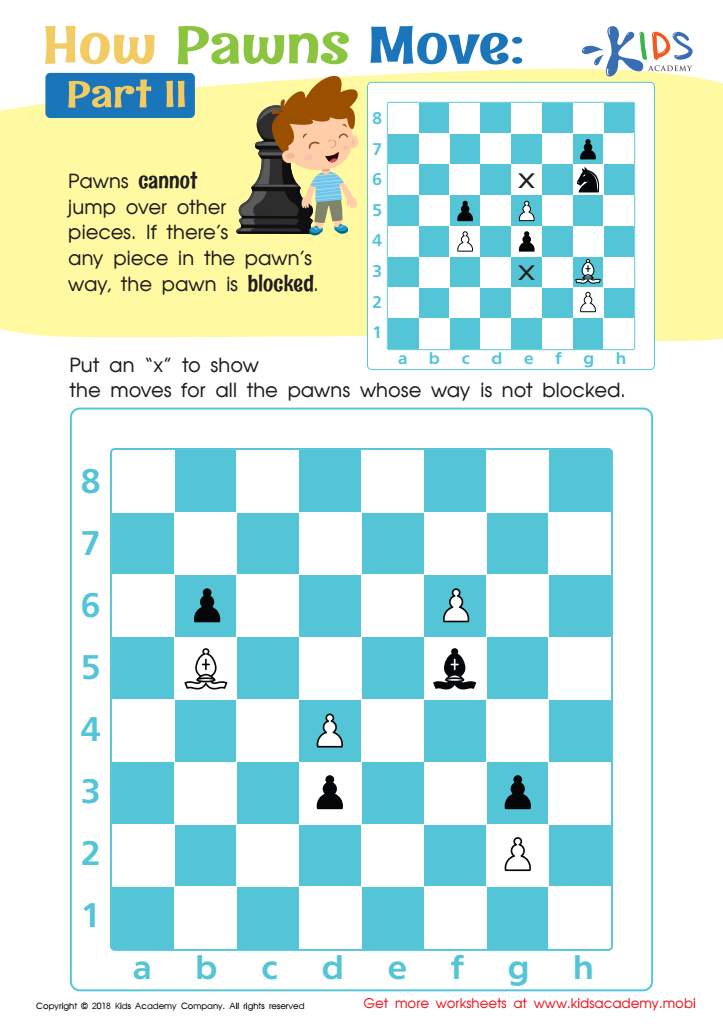
How Pawns Move: Part II Worksheet
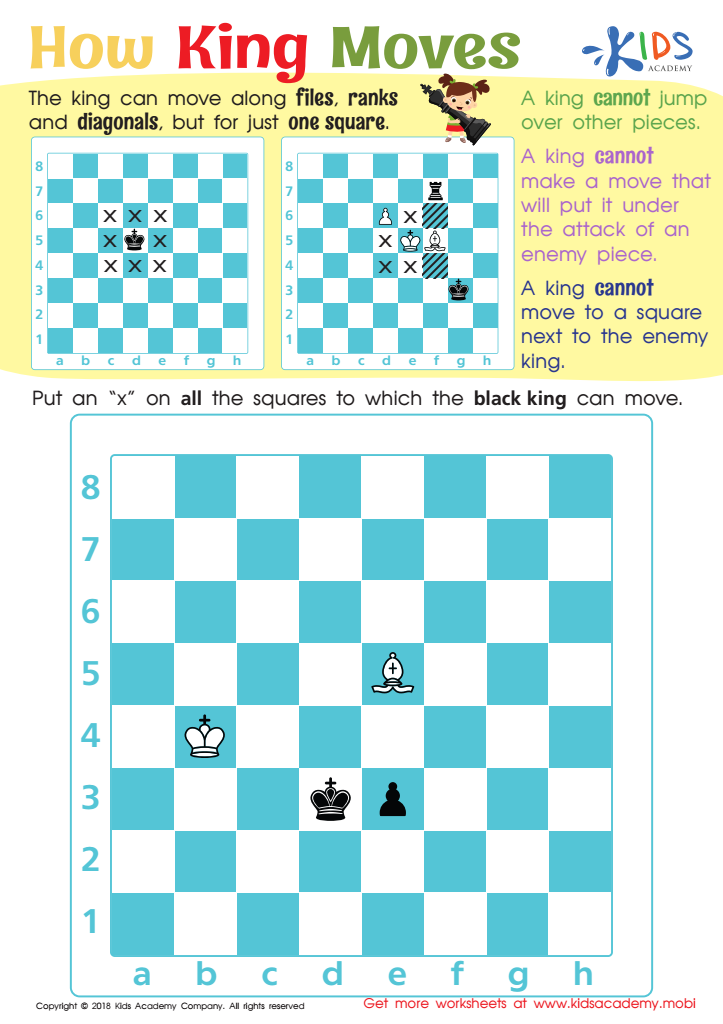
How King Moves Worksheet
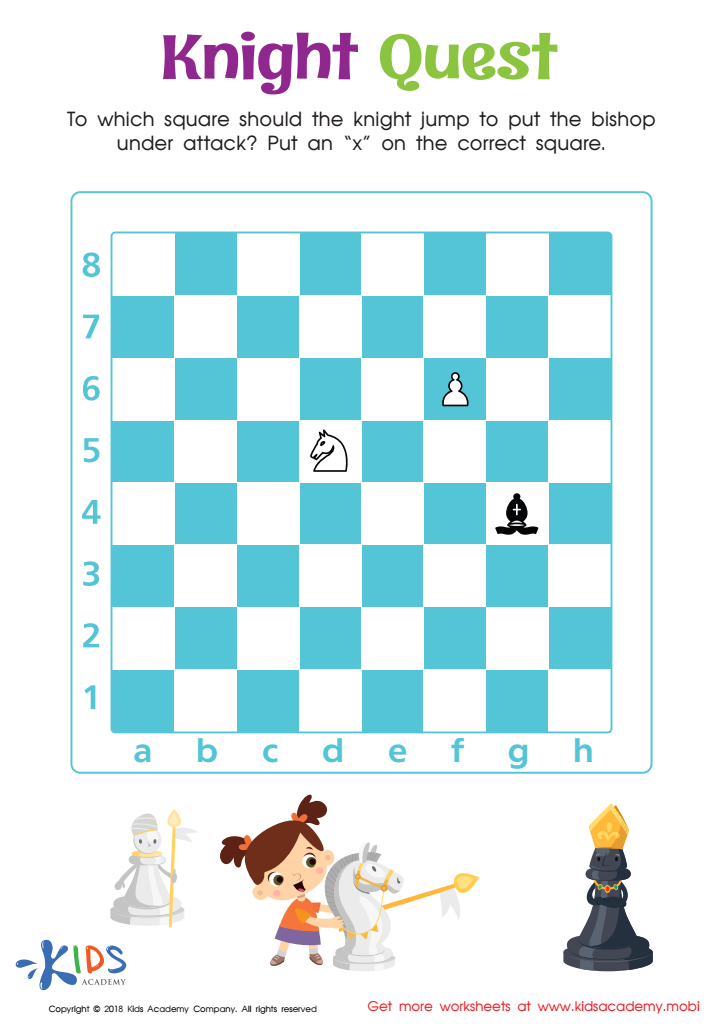
Knight Quest Worksheet
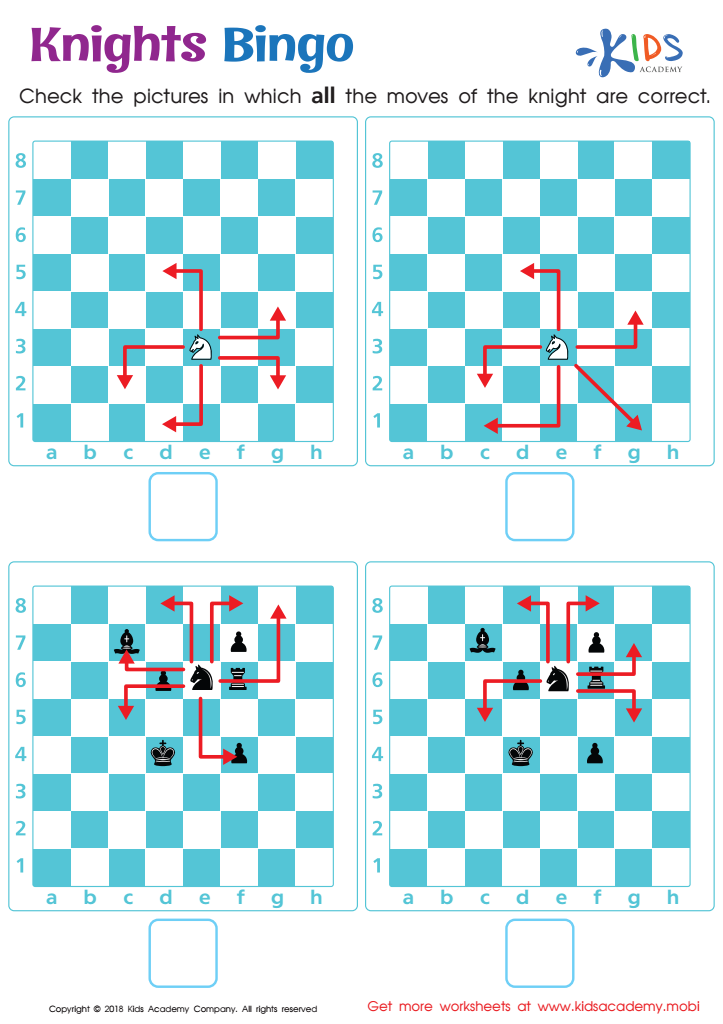
Knights Bingo Worksheet
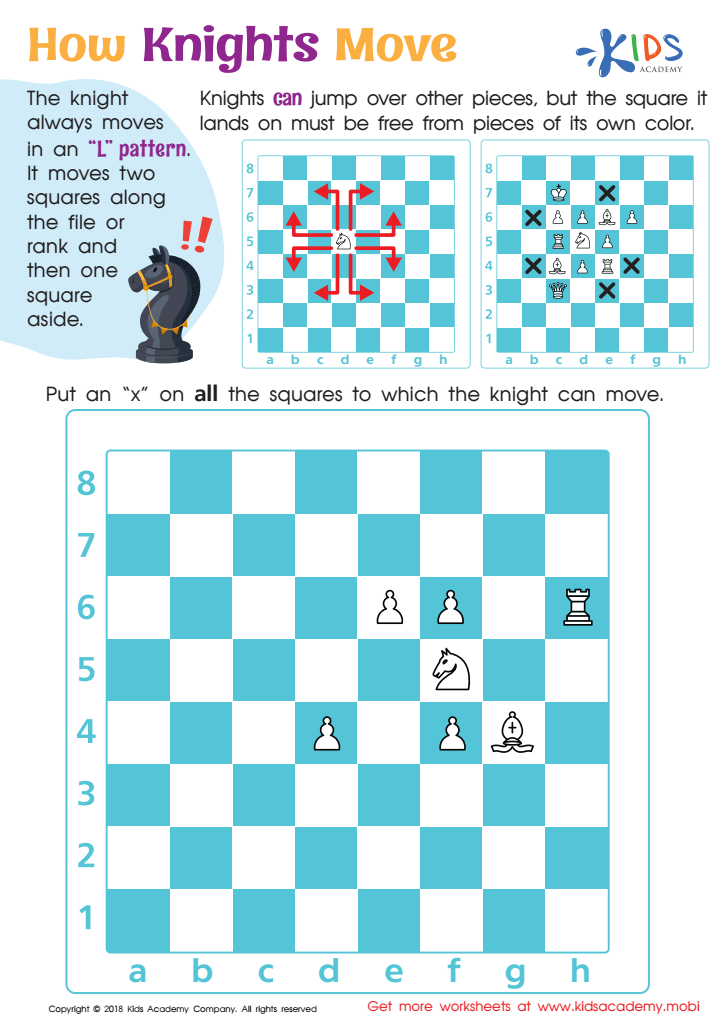
How Knights Move Worksheet
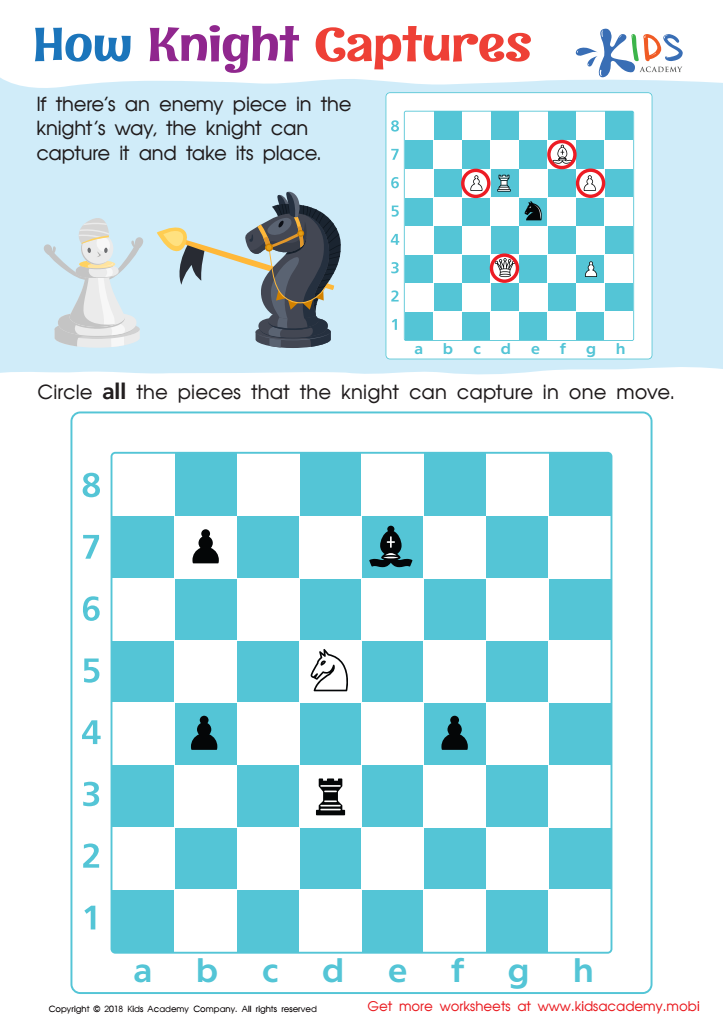
How Knight Captures Worksheet
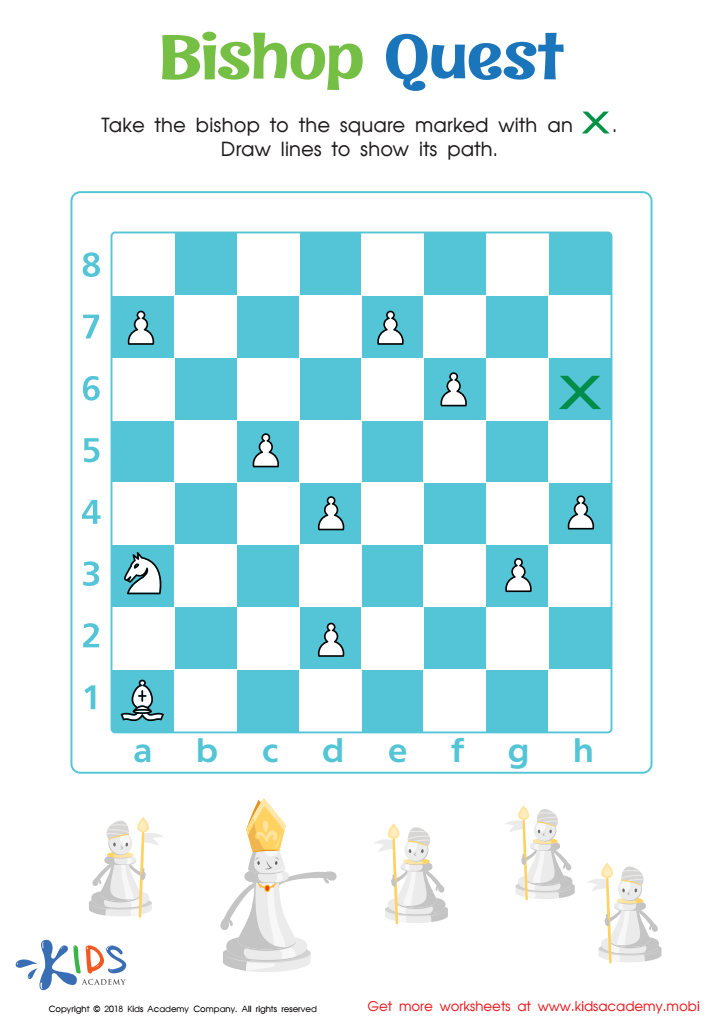
Bishop Quest Worksheet
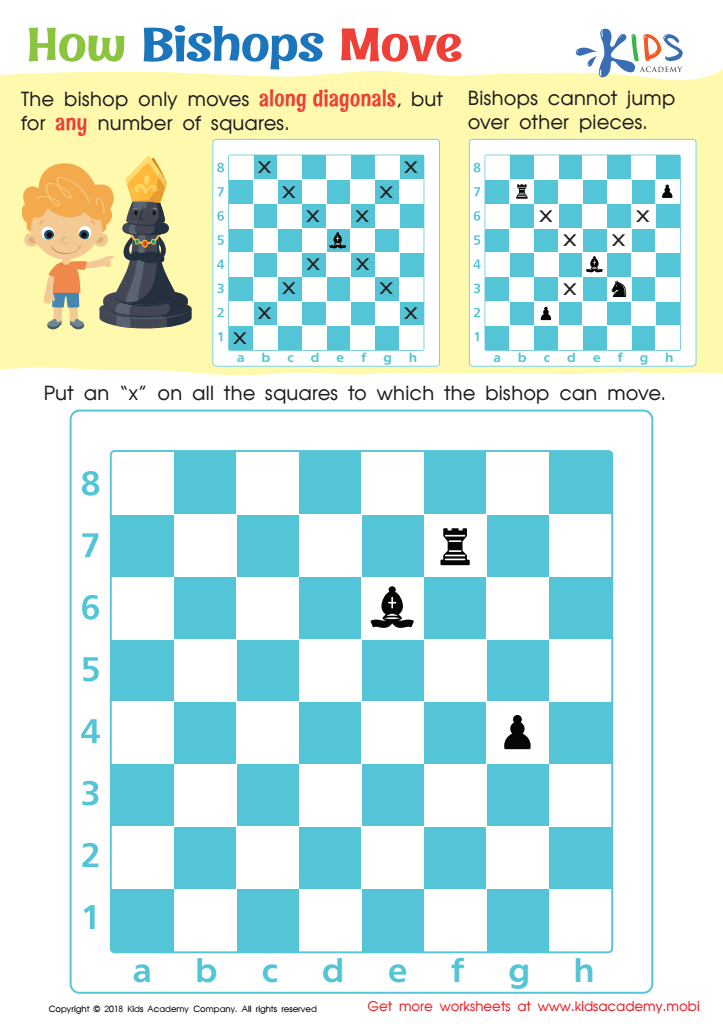
How Bishops Move Worksheet
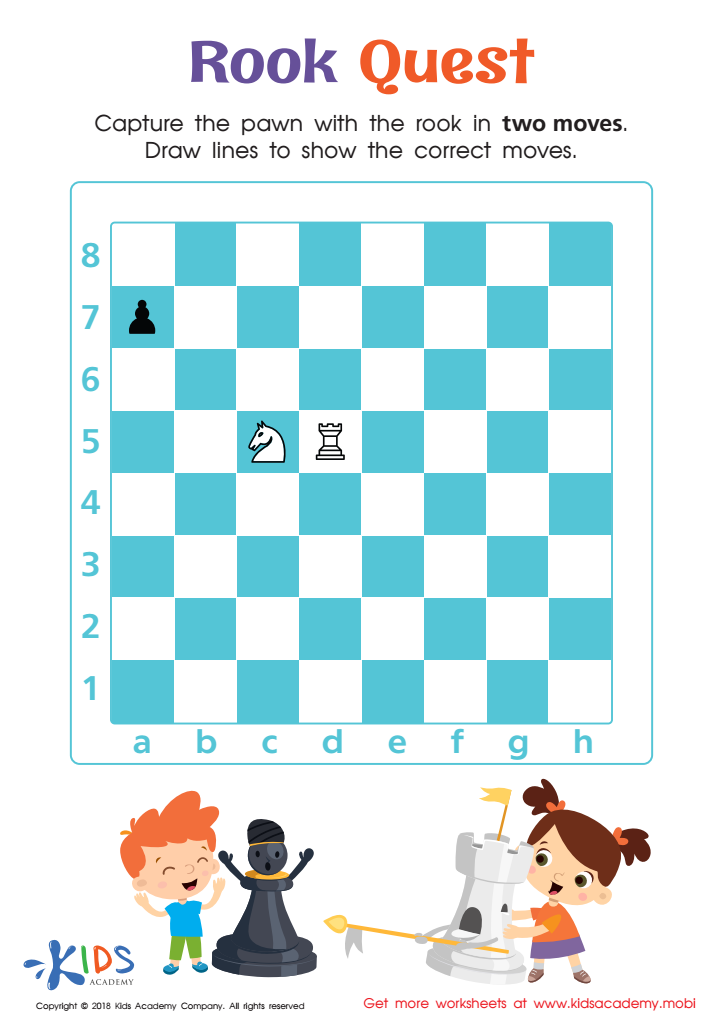
Rook Quest Worksheet
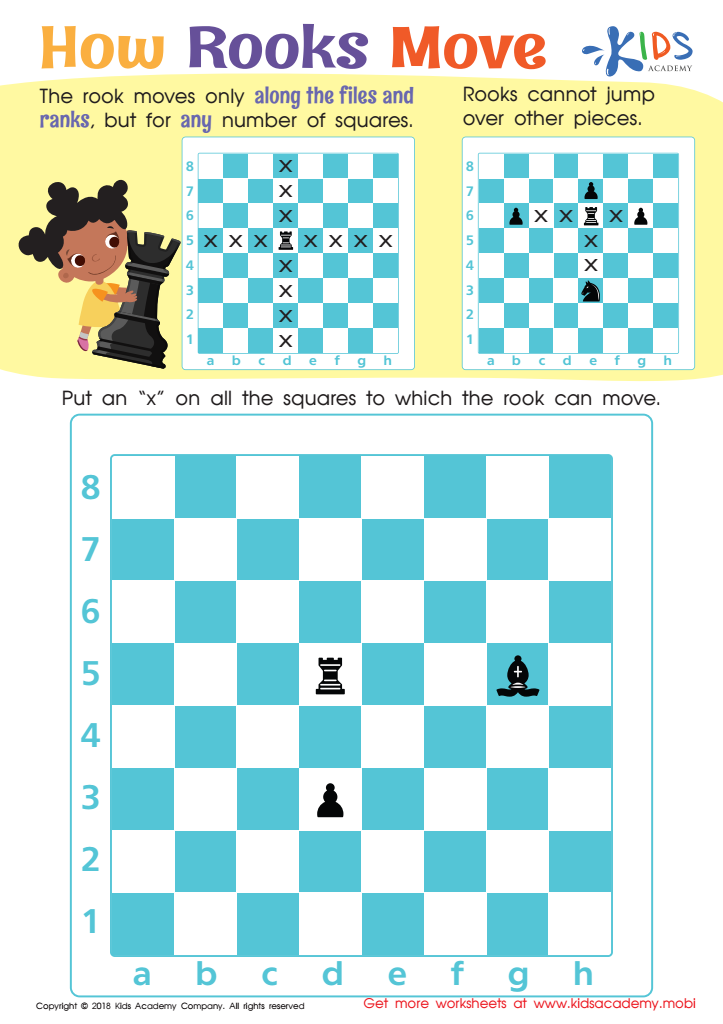
How Rooks Move Worksheet
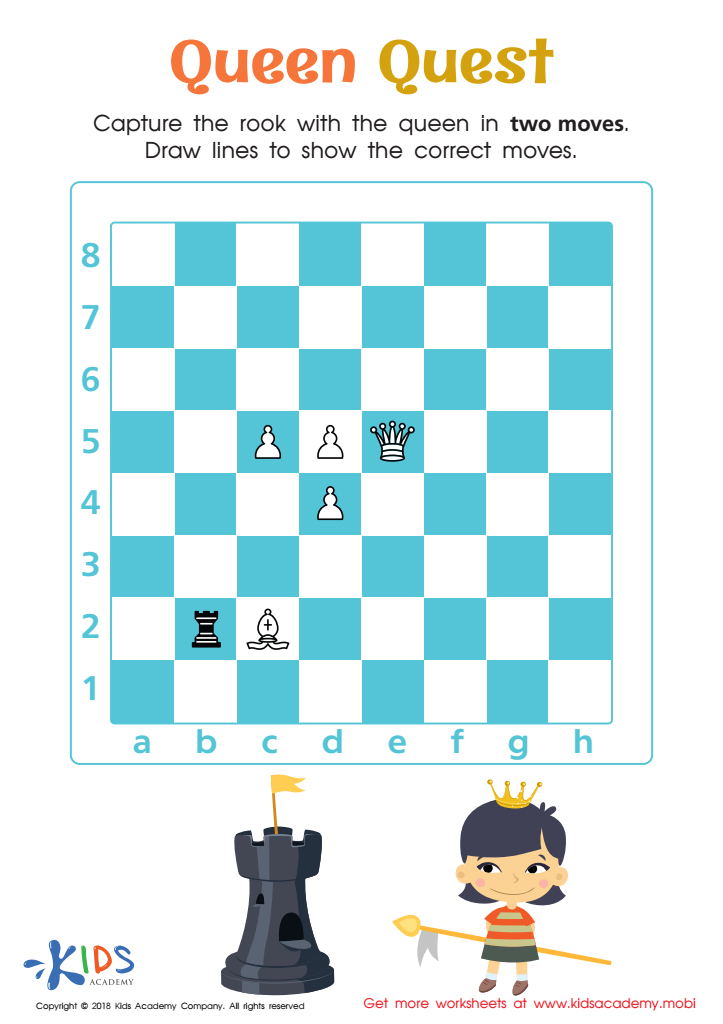
Queen Quest Worksheet
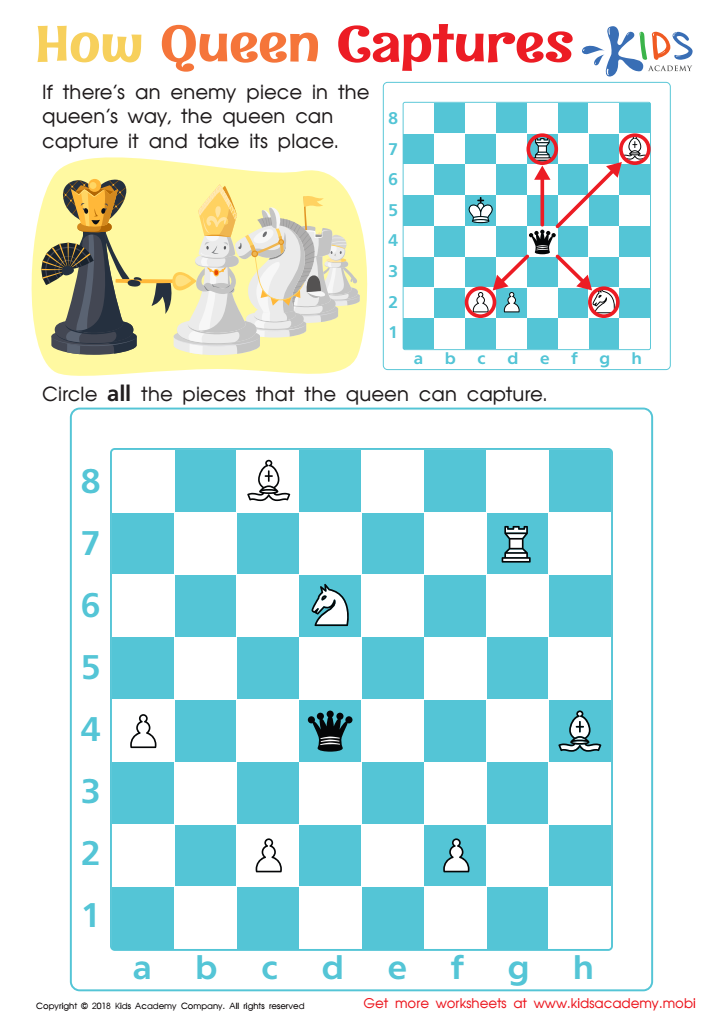
How Queen Captures Worksheet
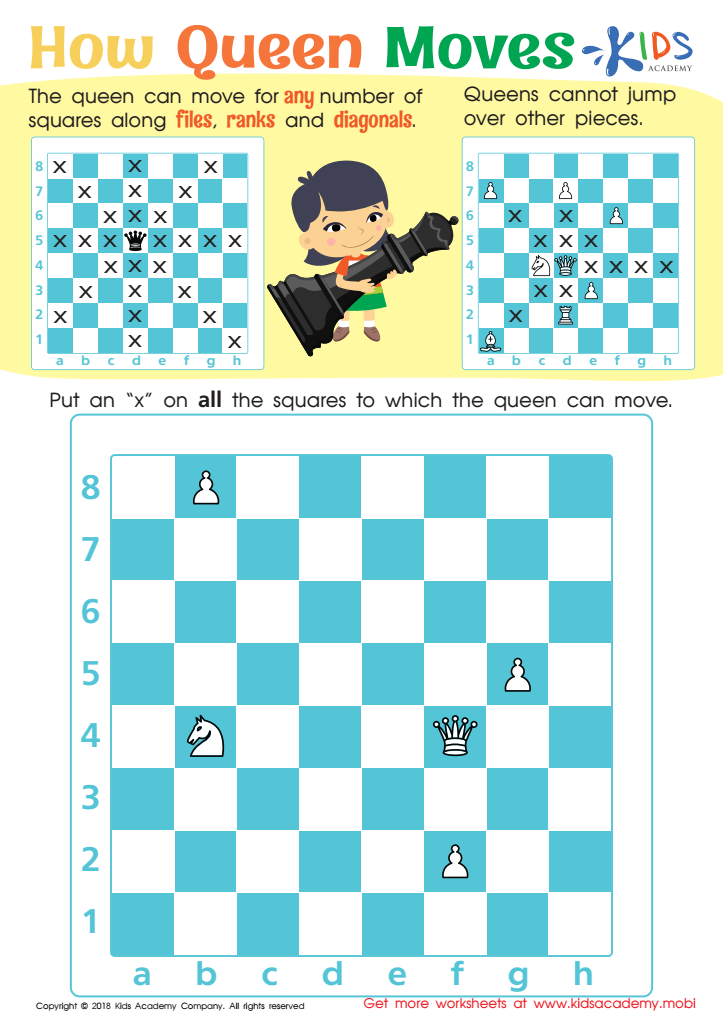
How Queen Moves Worksheet






Introducing normal chess to children aged 3-6 might seem ambitious, but it's incredibly beneficial for their cognitive development. At this early stage of life, the primary focus is on nurturing fundamental skills such as concentration, problem-solving, and strategic thinking, all of which chess can enhance.
Chess encourages children to think ahead and make decisions, fostering early development of executive functions like planning and foresight. As they contemplate moves and their consequences, kids improve their patience and impulse control—traits that are essential for personal and academic growth.
Moreover, learning chess can enhance children's memory. They must remember how each piece moves, and recognize patterns on the chessboard, which exercises and strengthens their memory muscles. This also indirectly boosts mathematical and language skills as they differentiate between shapes, patterns, and follow complex rules.
Socially, chess can be a wonderful tool. Playing the game teaches about turn-taking, fairness, and respect for an opponent. Sitting down for a game with peers or family members can foster better communication and relational skills.
Finally, chess provides a productive screen-free activity in an increasingly digital world. By caring about chess, parents and teachers tap into a rich resource that promotes holistic early childhood development, setting a strong foundation for lifelong learning and success.