Normal Geometry Worksheets for Ages 3-6 - Page 3
58 filtered results
-
From - To
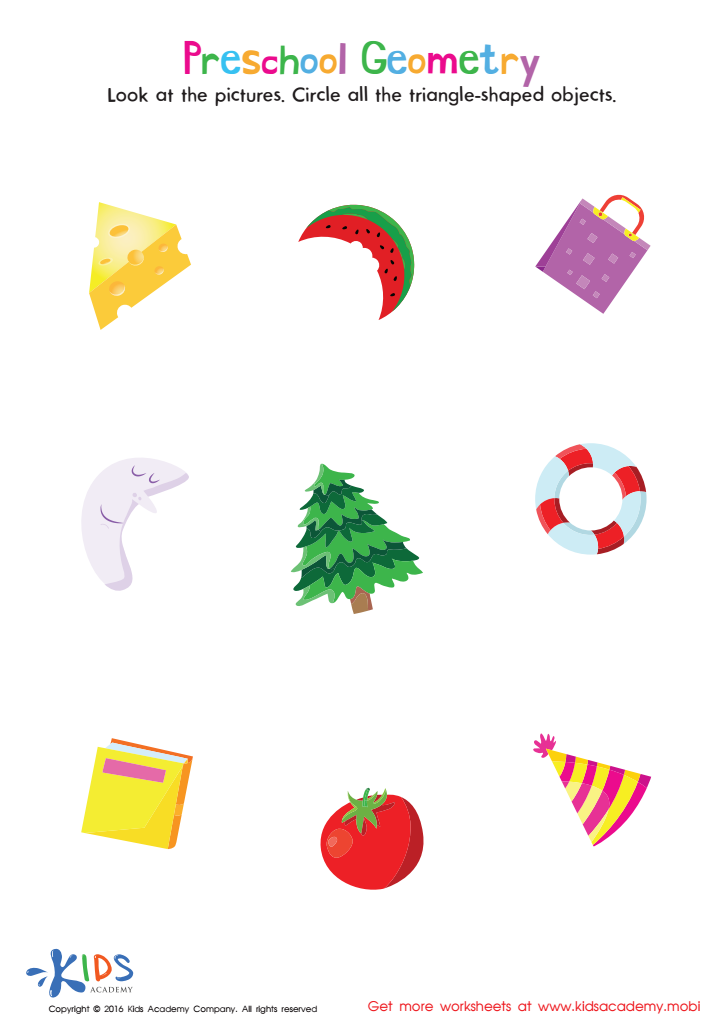
 Assign to My Students











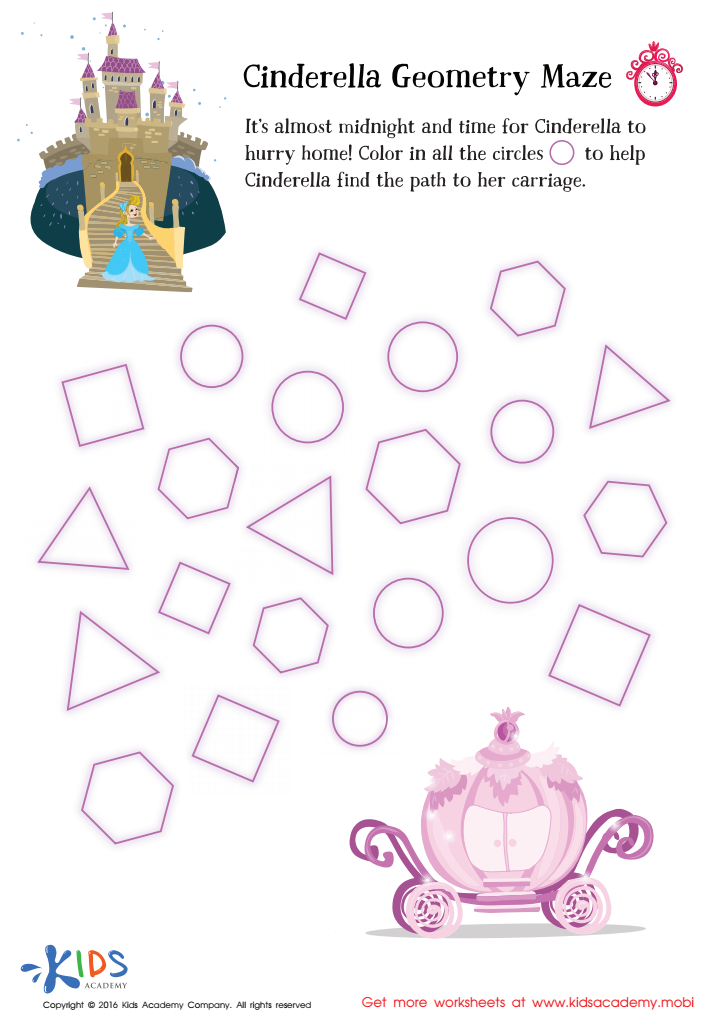
Cinderella Geometry Maze Worksheet
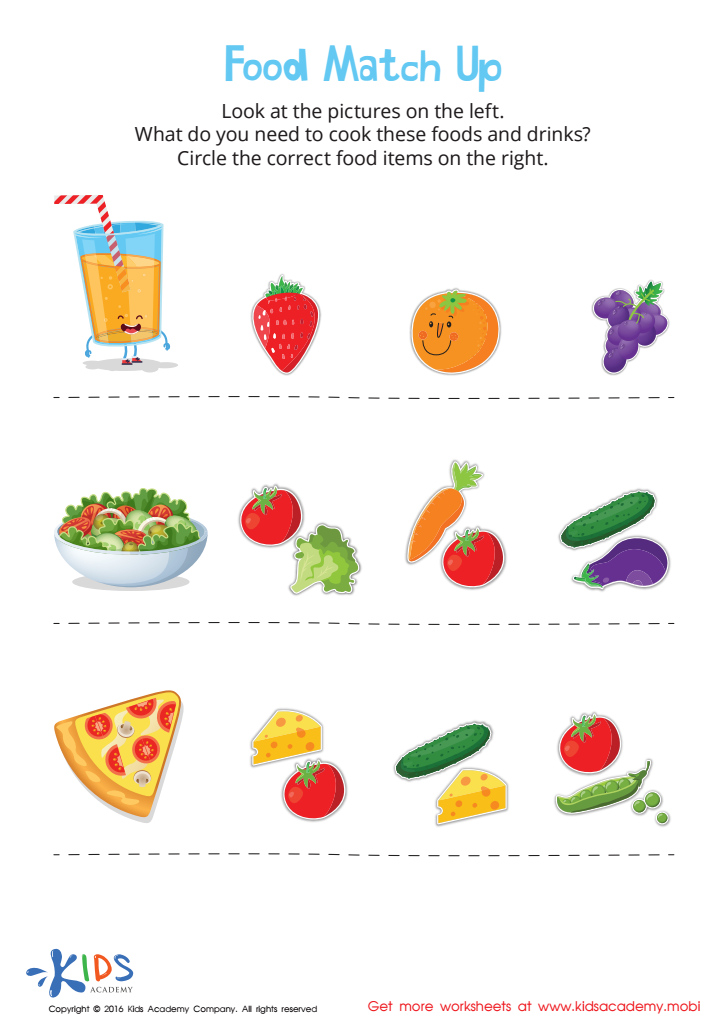
Food Match Up Worksheet
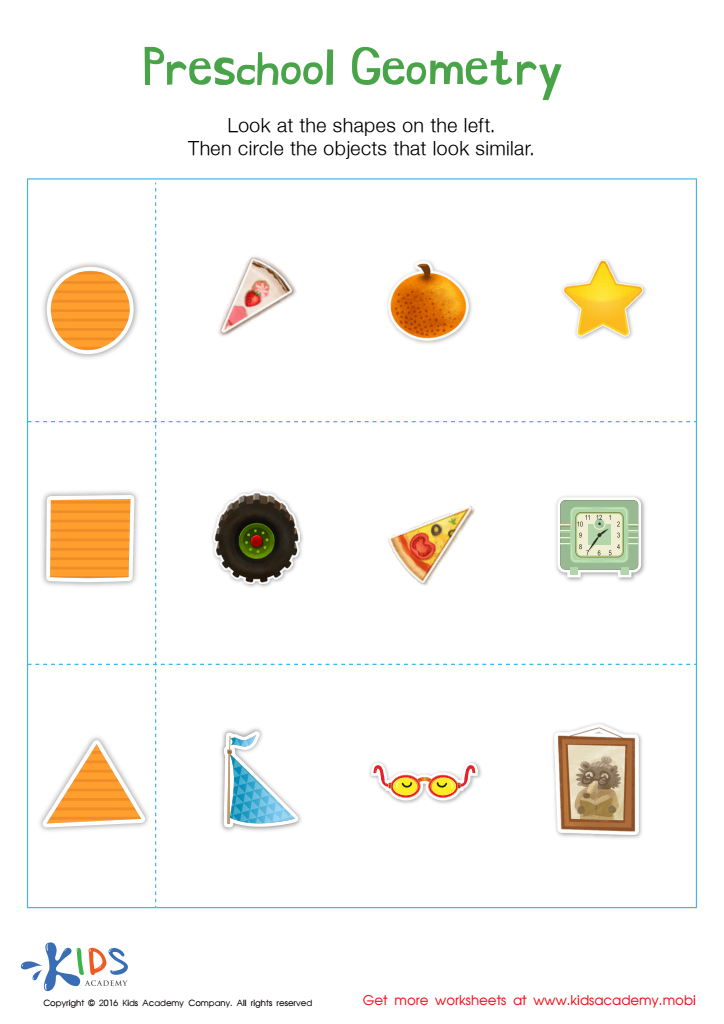
Preschool Geometry Match Up Worksheet
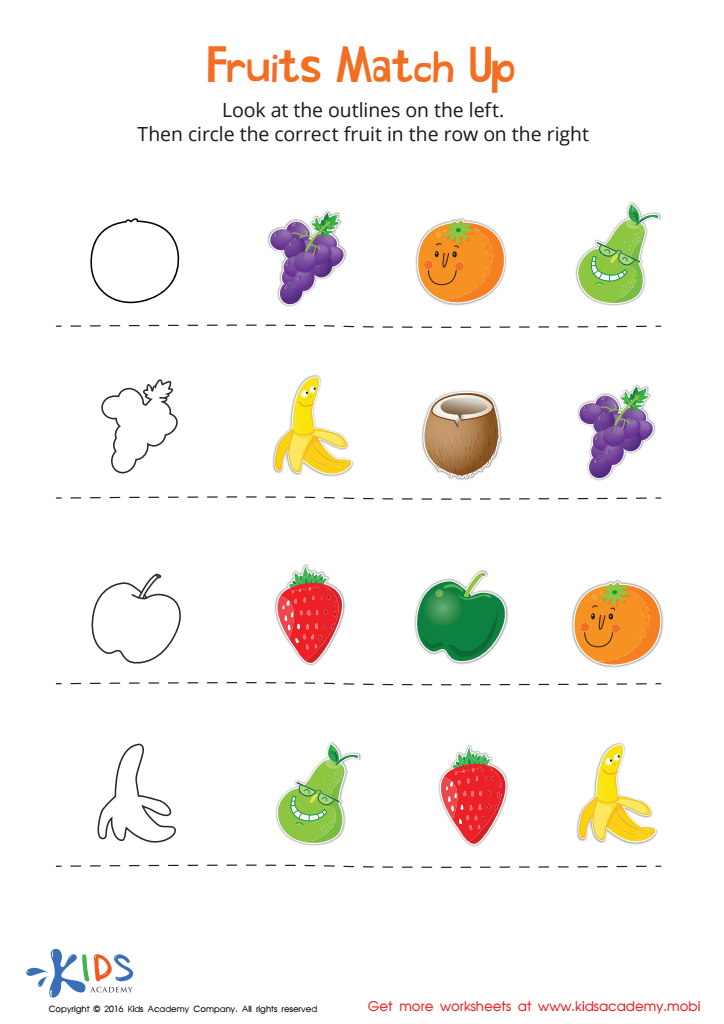
Fruits Match Up Worksheet
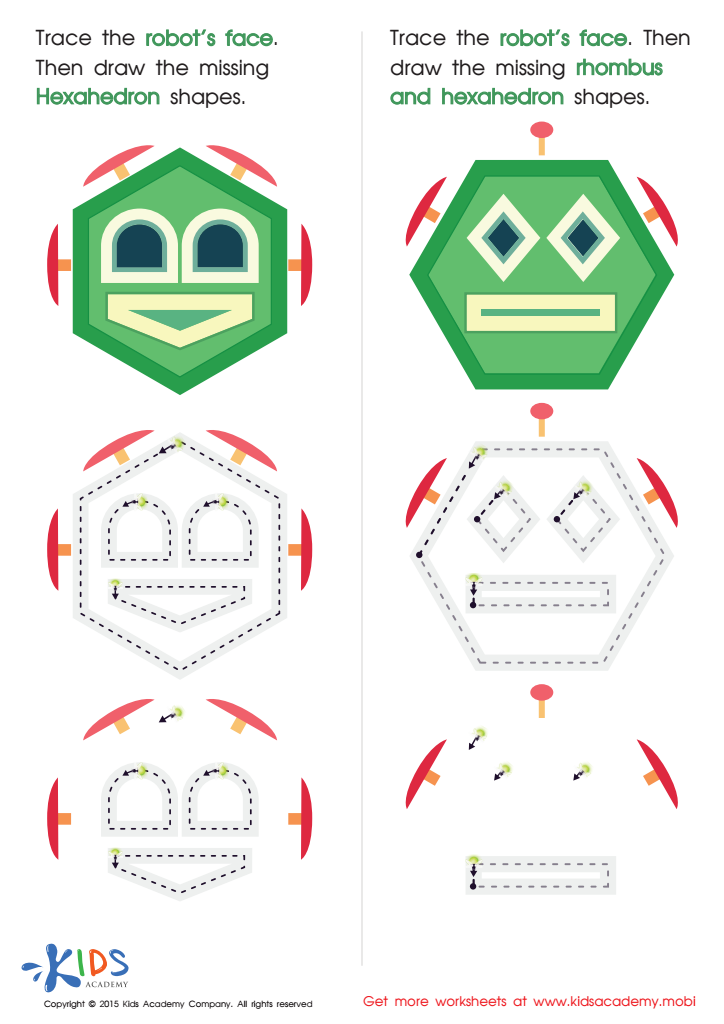
Practice Drawing Hexahedrons And a Rhombus Worksheet
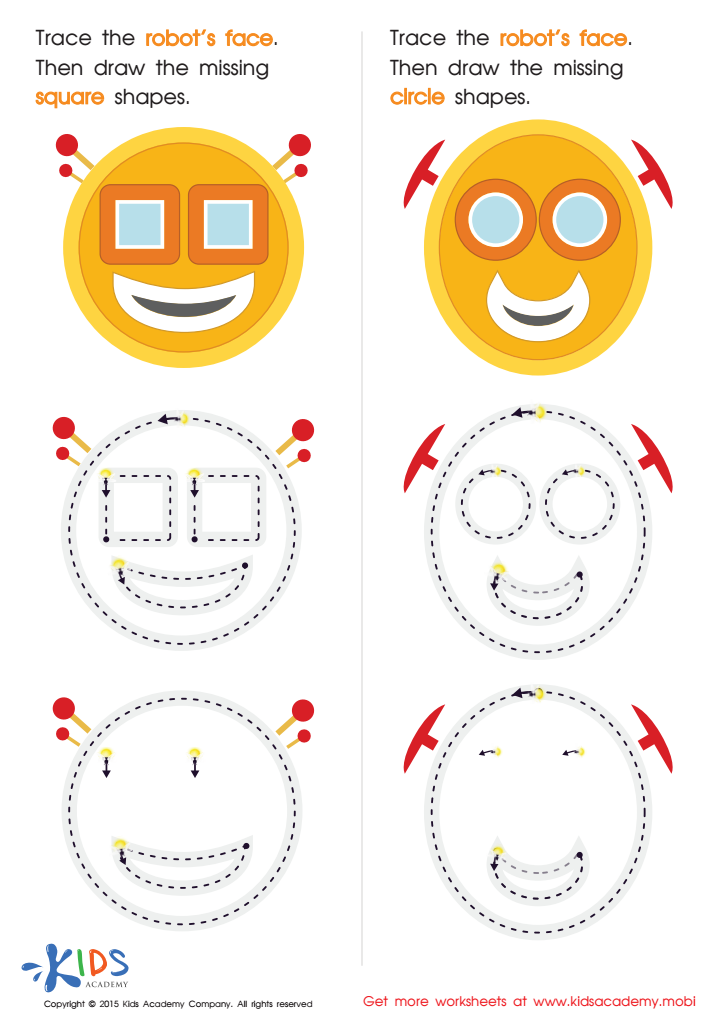
Practicing to Draw Circles And Squares Printable
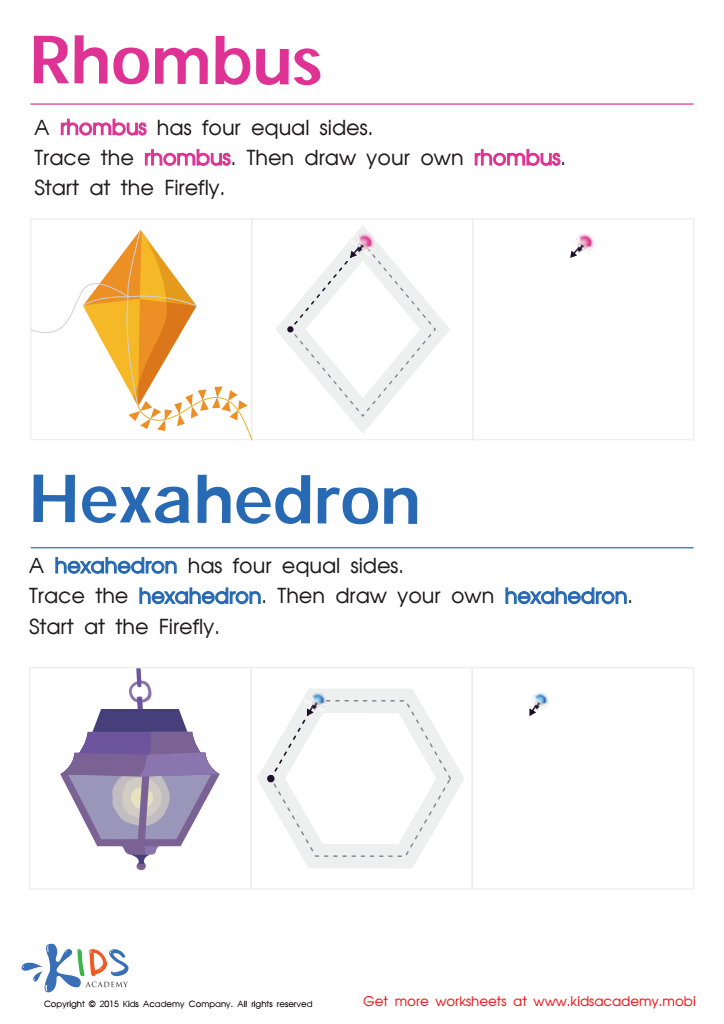
Draw a Rhombus And a Hexahedron Printable
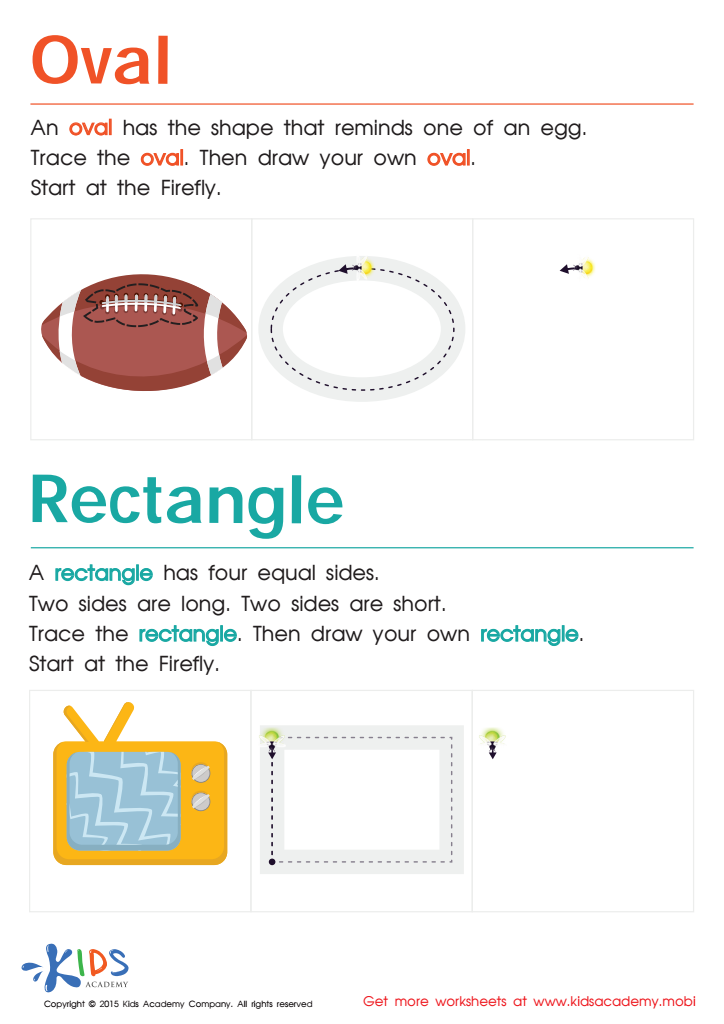
Easy Drawing of Ovals And Rectangles Worksheet
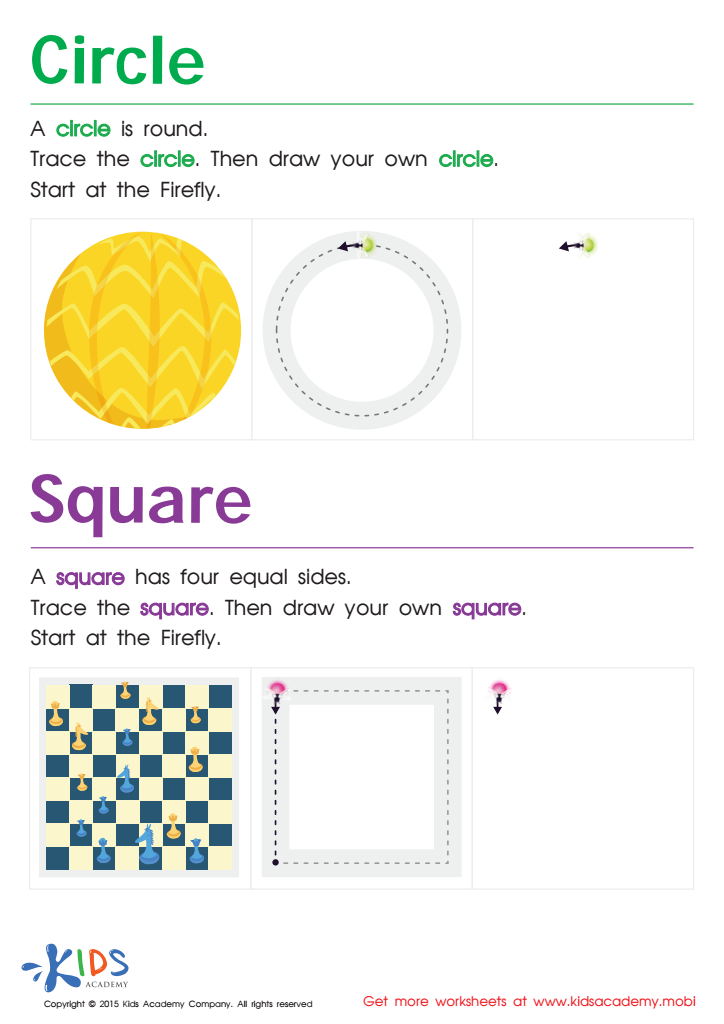
Trace And Draw a Circle And a Square Worksheet








Normal Geometry is essential for children aged 3-6 as it lays the foundational skills necessary for future mathematics and critical thinking. During these developmental years, young learners are naturally curious about their surroundings. Engaging with geometric concepts helps them explore spatial relationships, shapes, sizes, and patterns, which are fundamental to problem-solving.
Early understanding of geometry supports cognitive development in various ways. It enhances children’s ability to visualize and manipulate objects, fostering creativity and innovation. Learning to identify and categorize shapes sharpens observational skills and promotes logical reasoning—skills crucial for success not only in mathematics but across all subjects.
Parents and teachers should recognize that geometry isn't merely about memorizing shapes. It’s about experiencing the world through a geometric lens, encouraging kids to draw, build, and discover their environment. Activities like shape sorting, building with blocks, or engaging in art introduce geometric concepts in a playful manner.
Moreover, research shows that strong early math skills, including geometry, correlate with better academic performance later on. By nurturing an appreciation for geometry at this stage, caregivers can support the holistic development of children, equipping them with the tools they need for lifelong learning and problem-solving.








