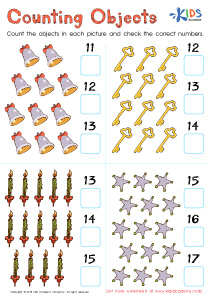
Normal Tracing Numbers Worksheets for Ages 3-6
18 filtered results
-
From - To
Our "Normal Tracing Numbers Worksheets for Ages 3-6" are designed to make learning numbers fun and engaging for young learners. These printable worksheets feature clear guidelines and delightful illustrations, helping children develop fine motor skills and number recognition through trace-and-learn activities. Perfect for preschool and kindergarten students, our worksheets provide a solid foundation in early math concepts. Whether used in the classroom or at home, these tools make number tracing enjoyable and effective, fostering a love for learning in your child. Download today to support your child's educational journey!
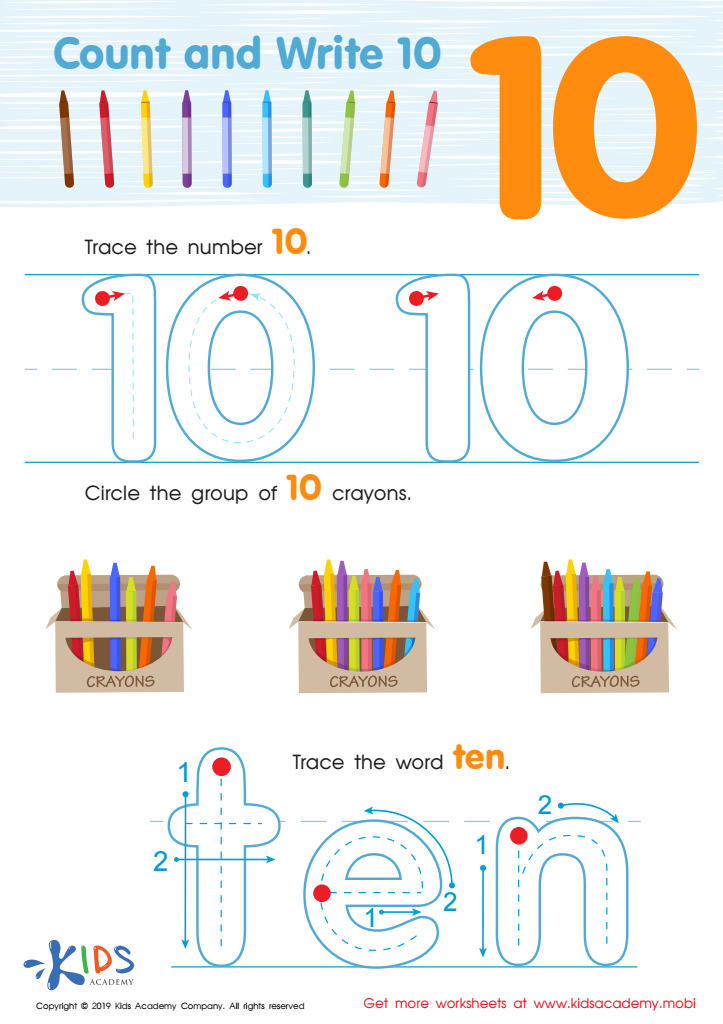
Count and Write 10 Worksheet
 Assign to My Students
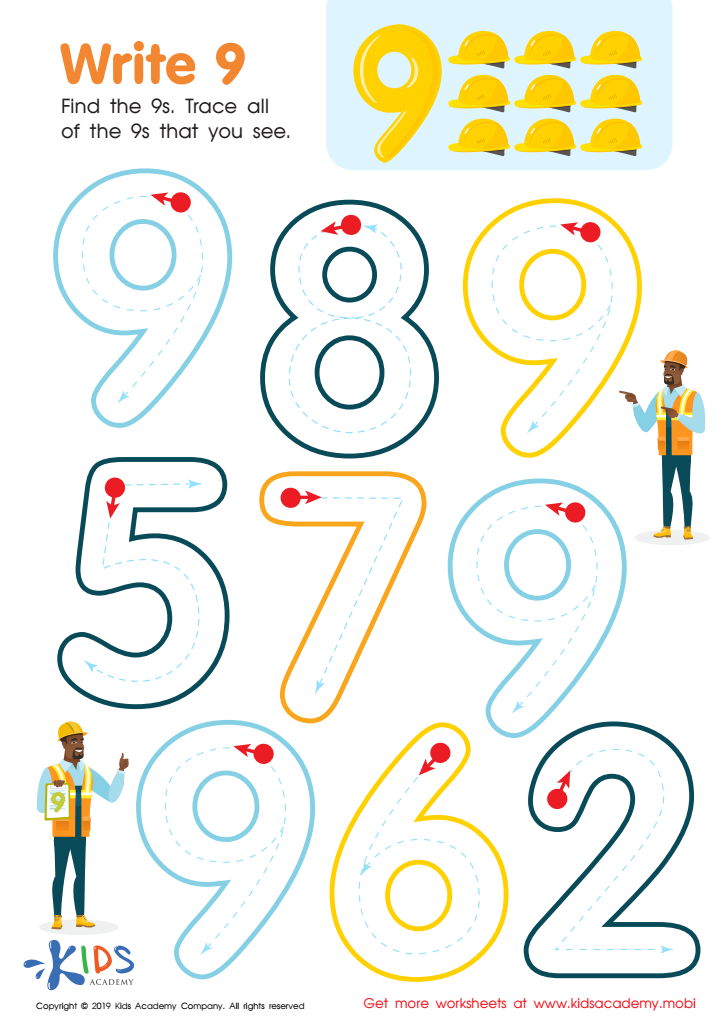
Write 9 Worksheet
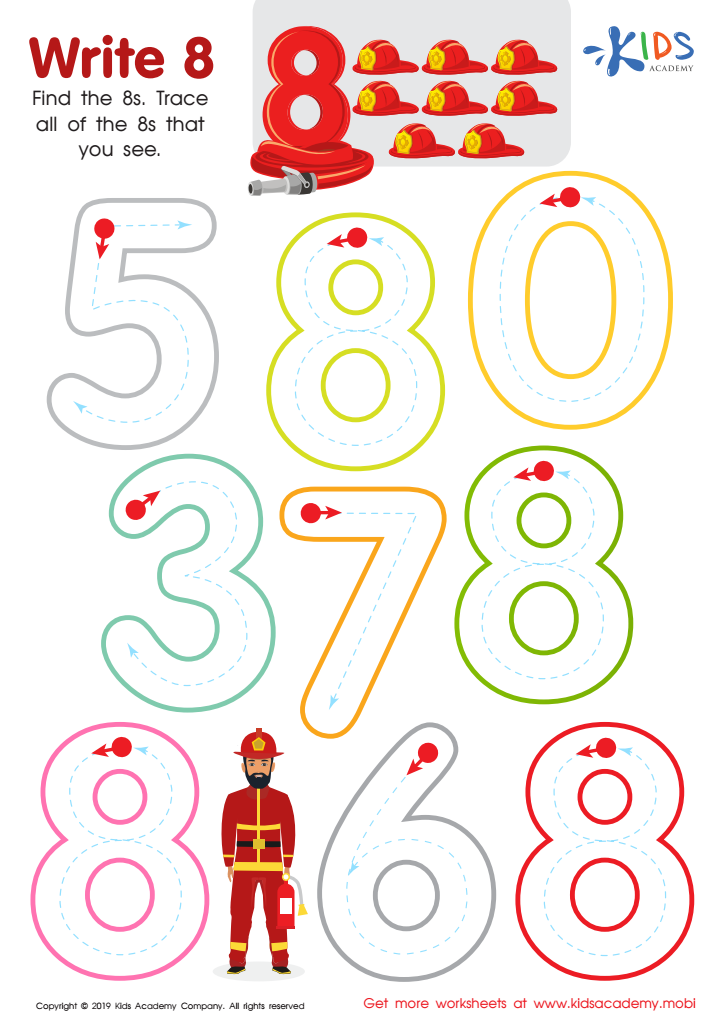
Write 8 Worksheet
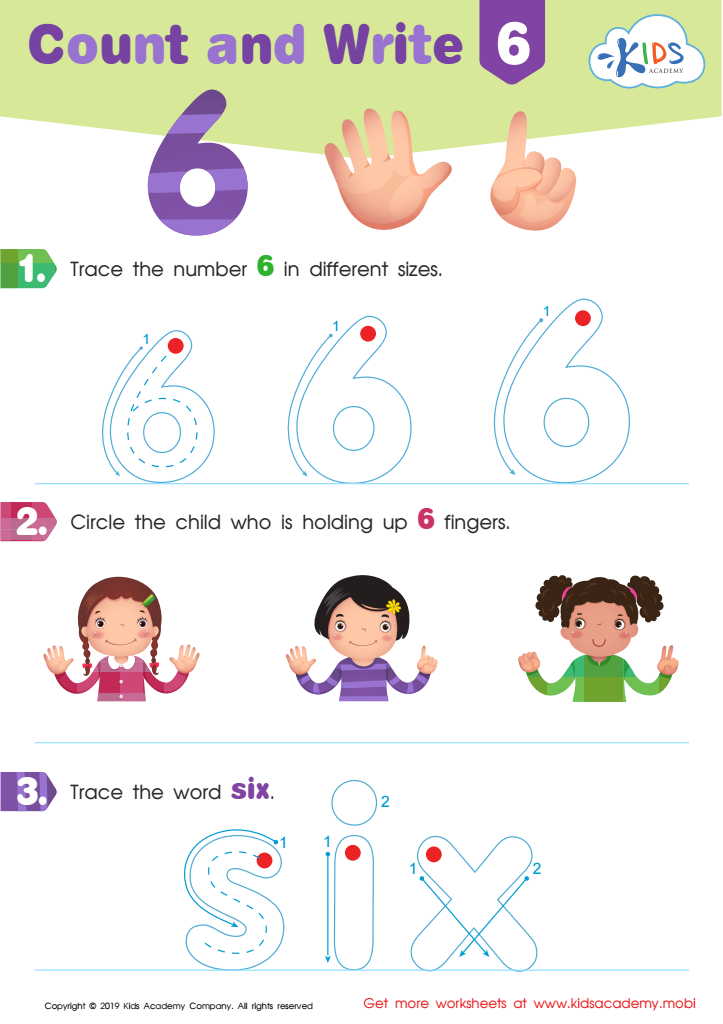
Count and Write 6 Worksheet
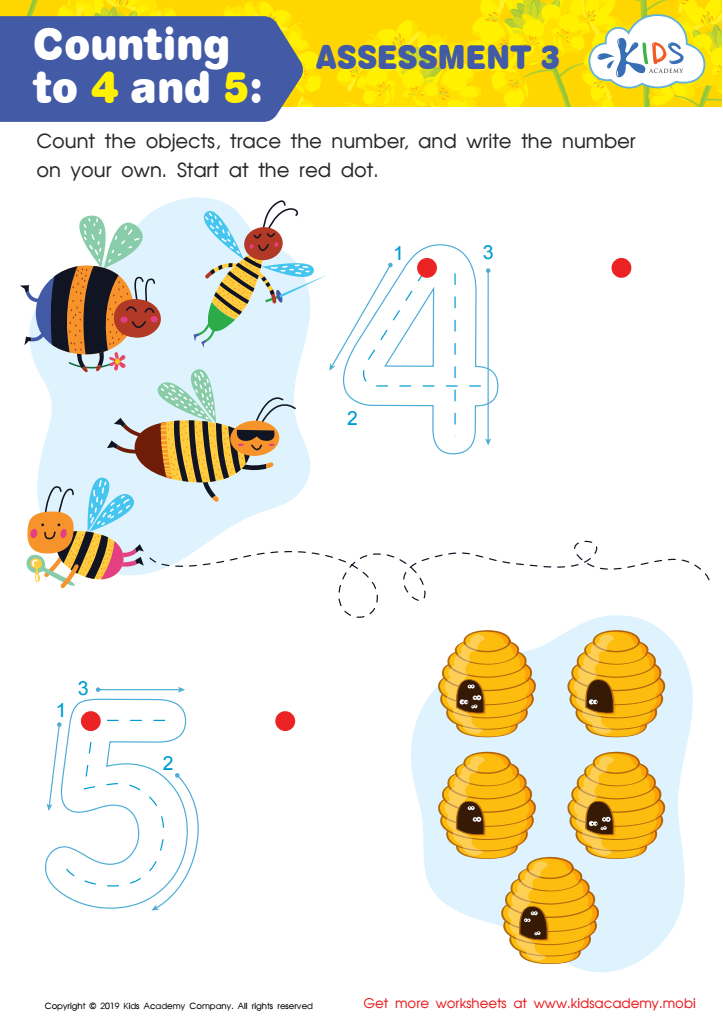
Counting to 4 and 5: Assessment 3 Worksheet
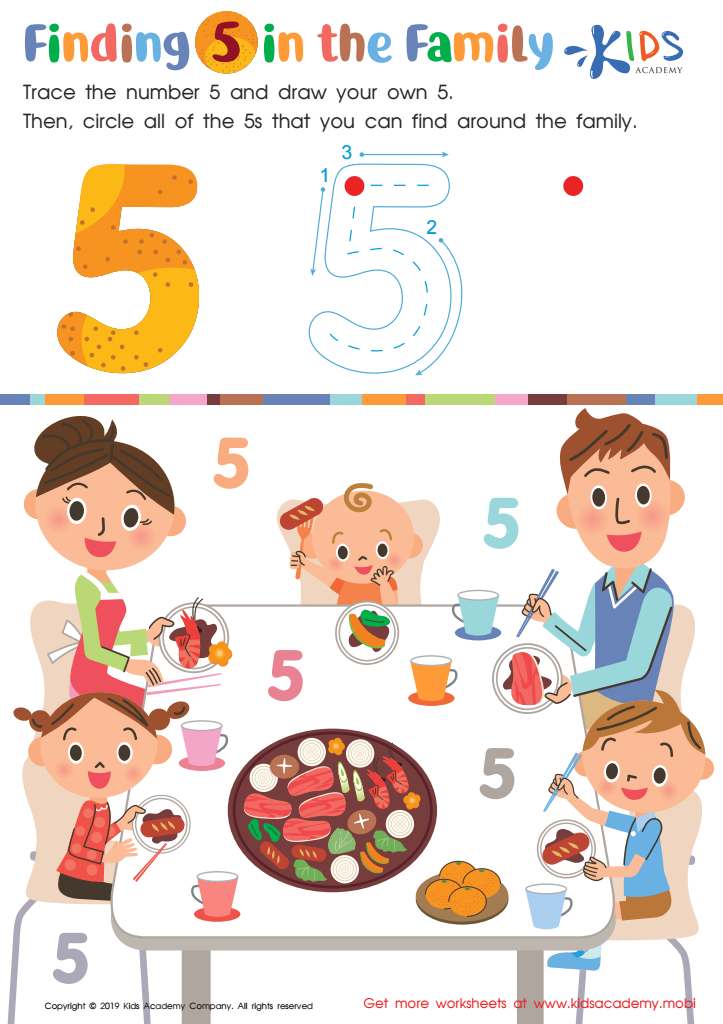
Finding 5 in the Family Worksheet
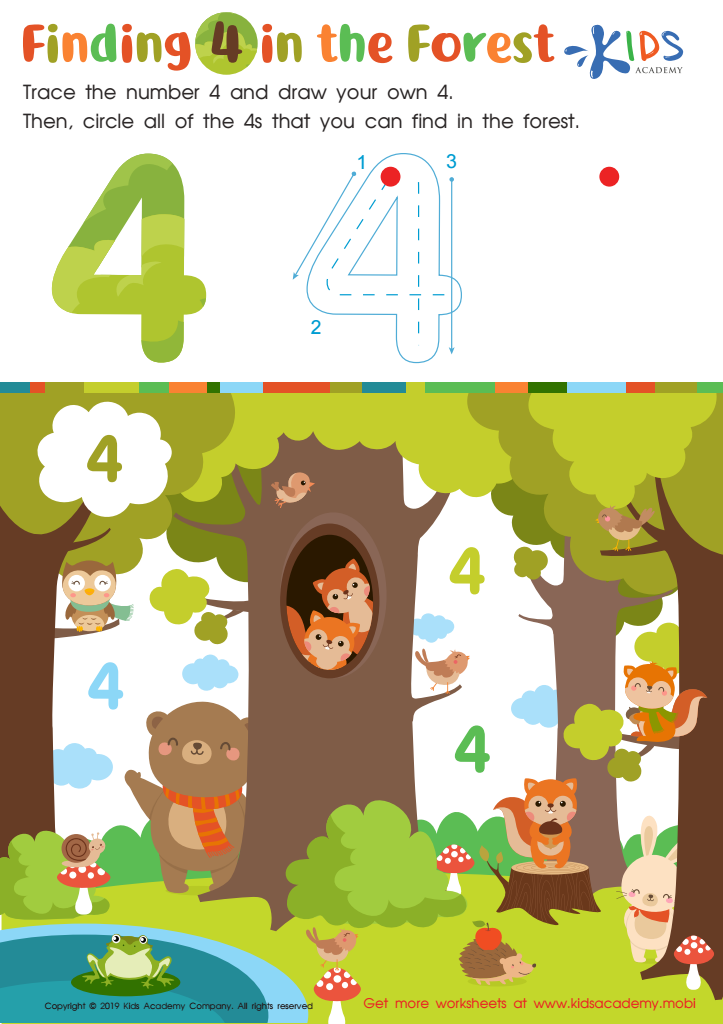
Finding 4 in the Forest Worksheet
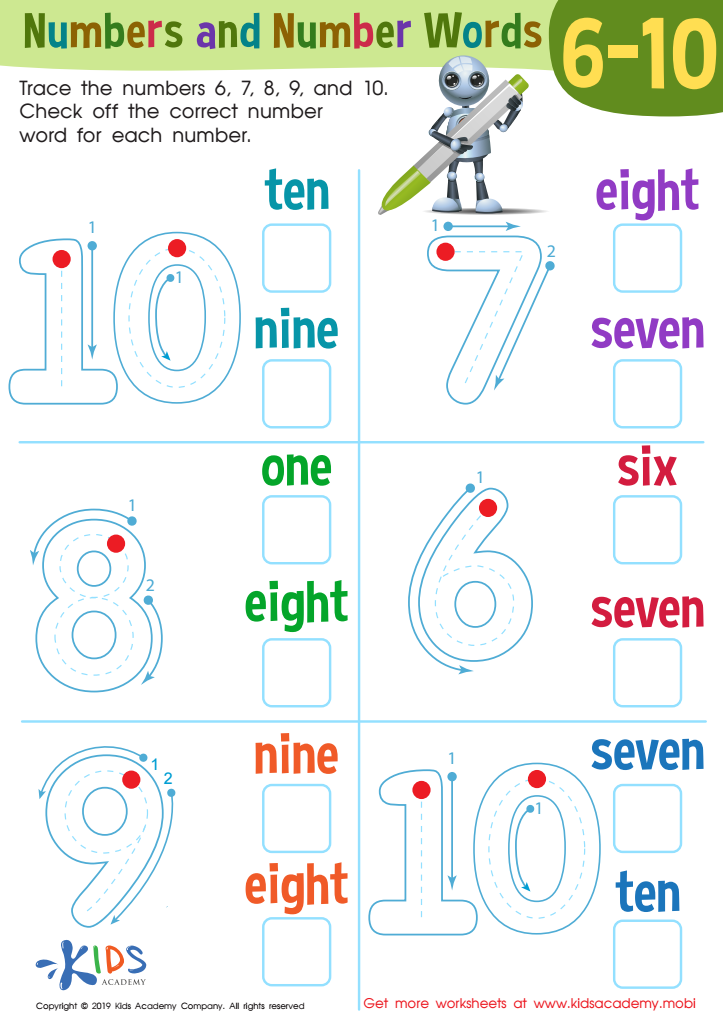
Numbers and Number Words 6–1 Worksheet
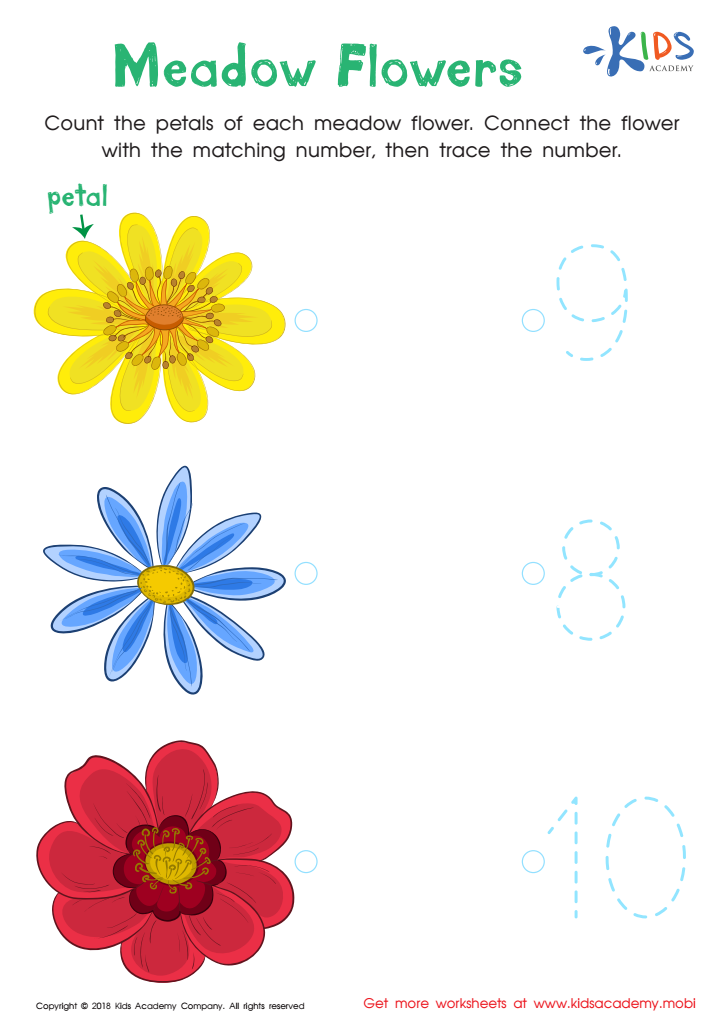
Kindergarten Number Tracing: Medow Flowers Worksheet
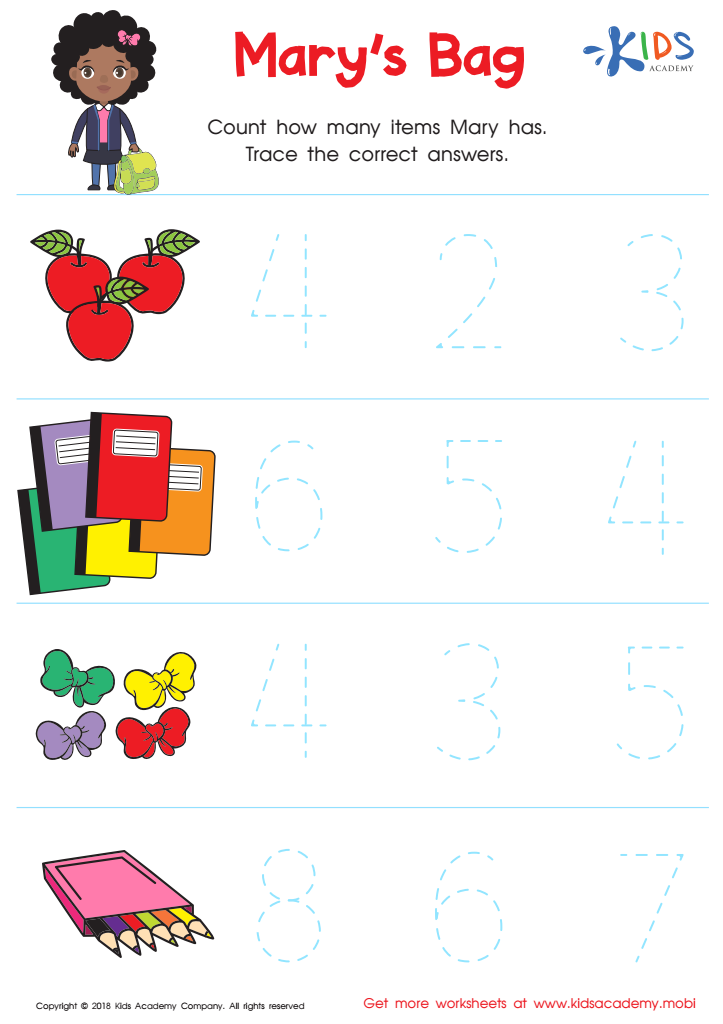
Kindergarten Number Tracing: Mary's Bag Worksheet
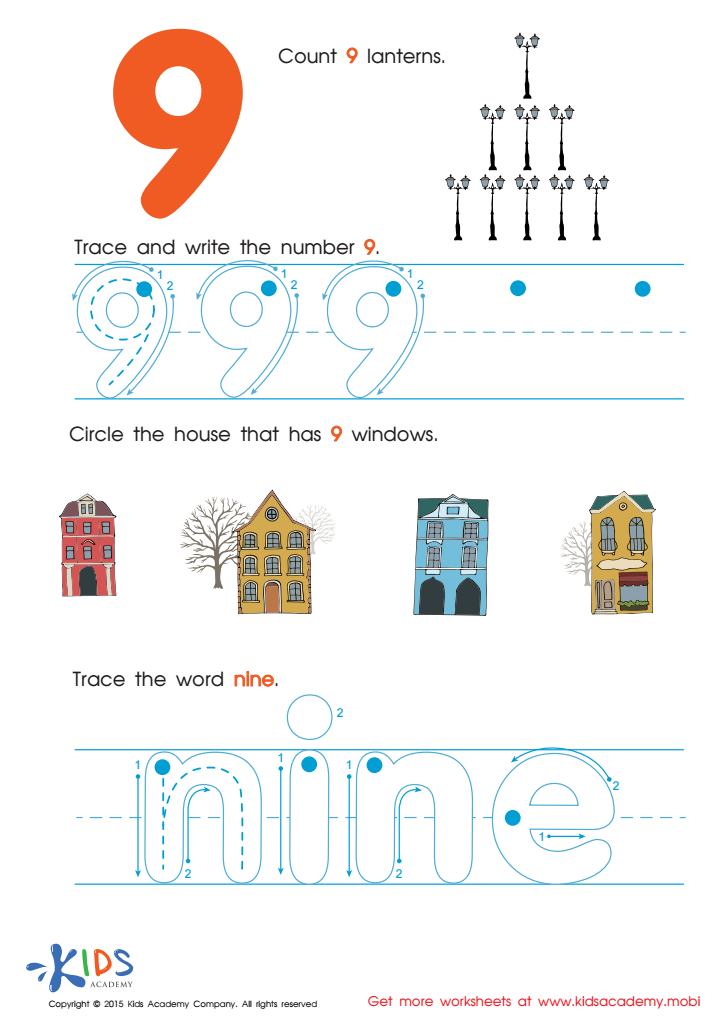
Tracing And Learning to Write Number 9 Worksheet
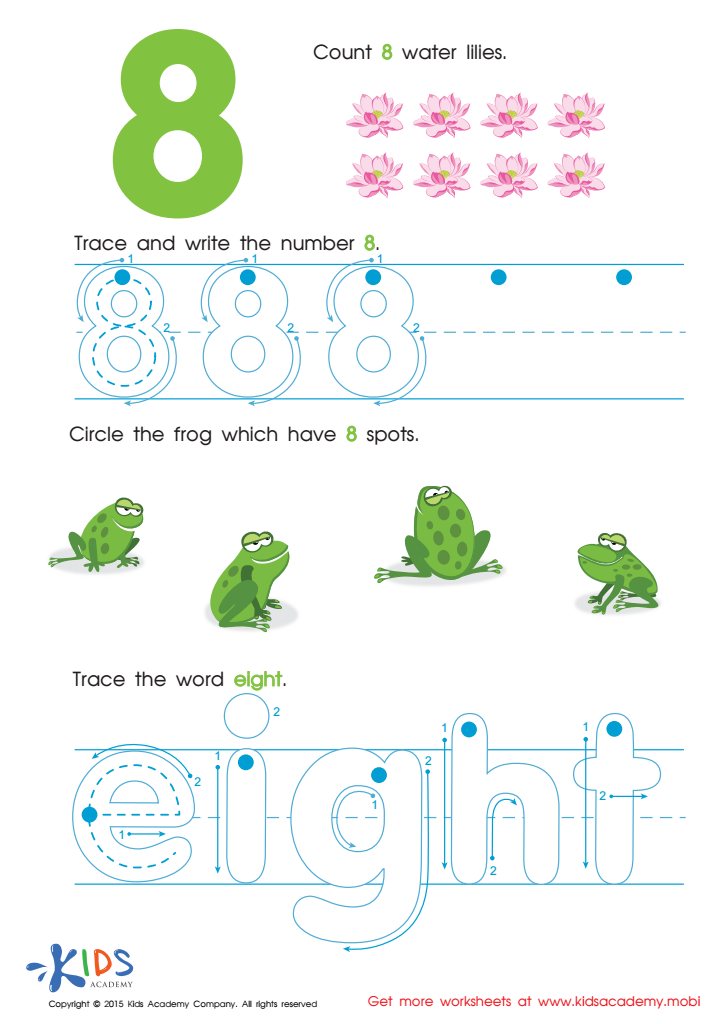
Learn Number 8 Easily Worksheet
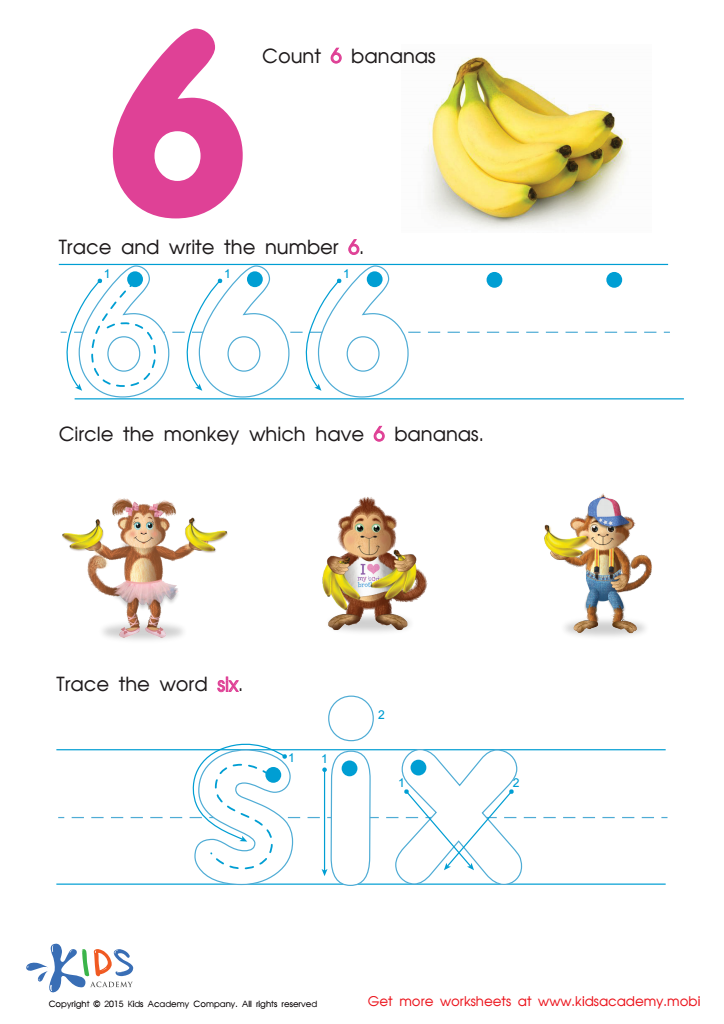
Tracing And Writing Number 6 Worksheet
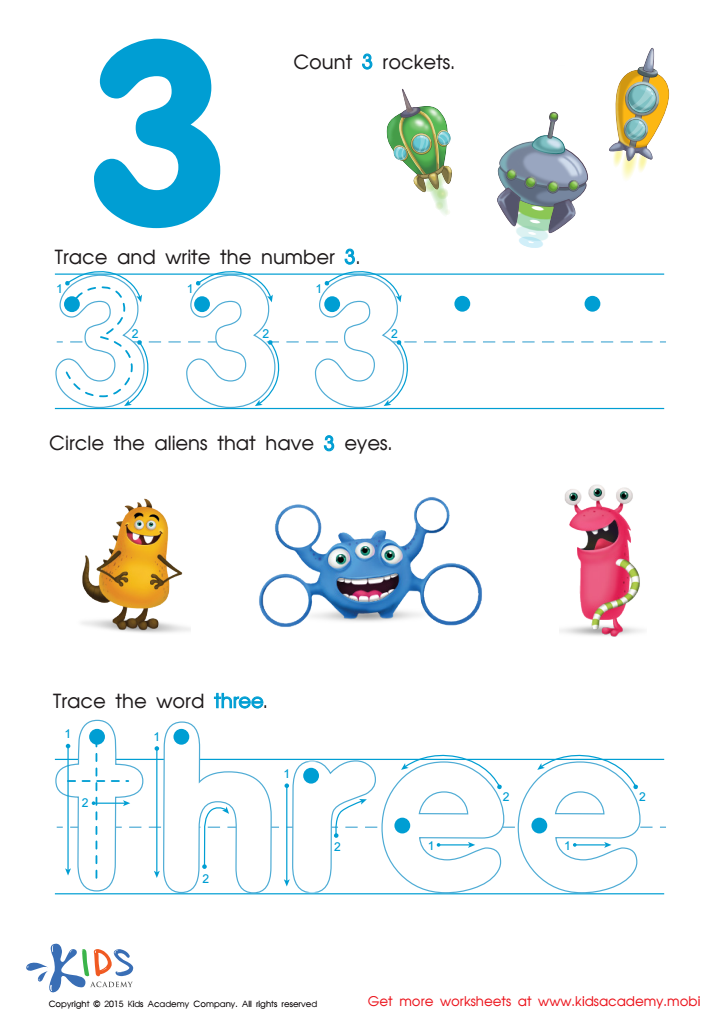
Learning Number Three Worksheet
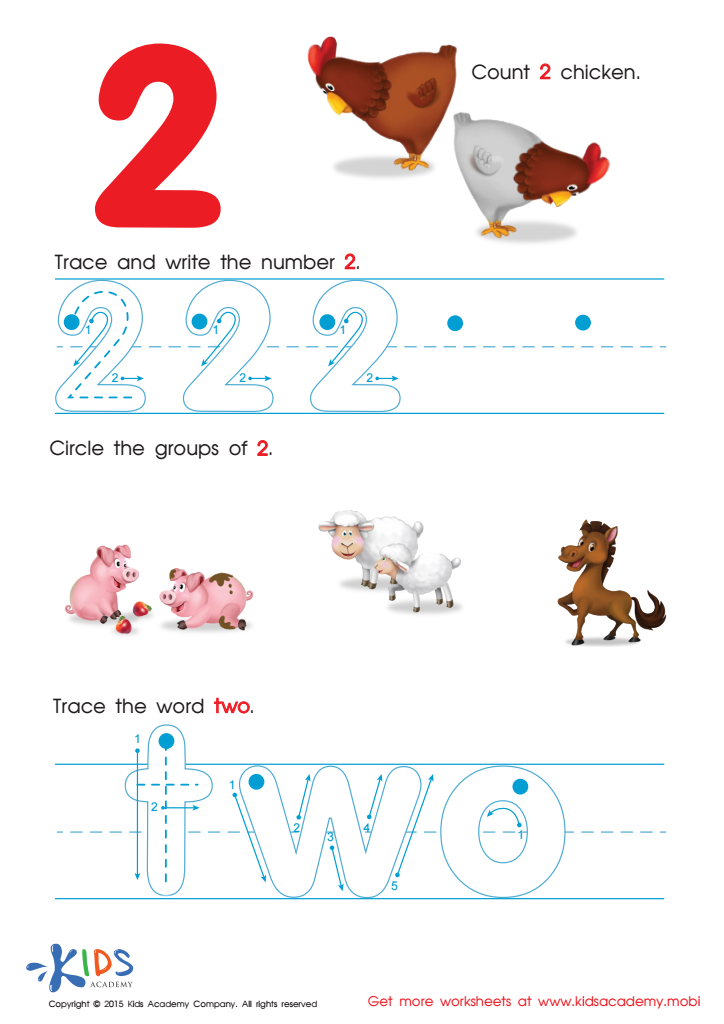
Learn to Write the Number 2 Worksheet
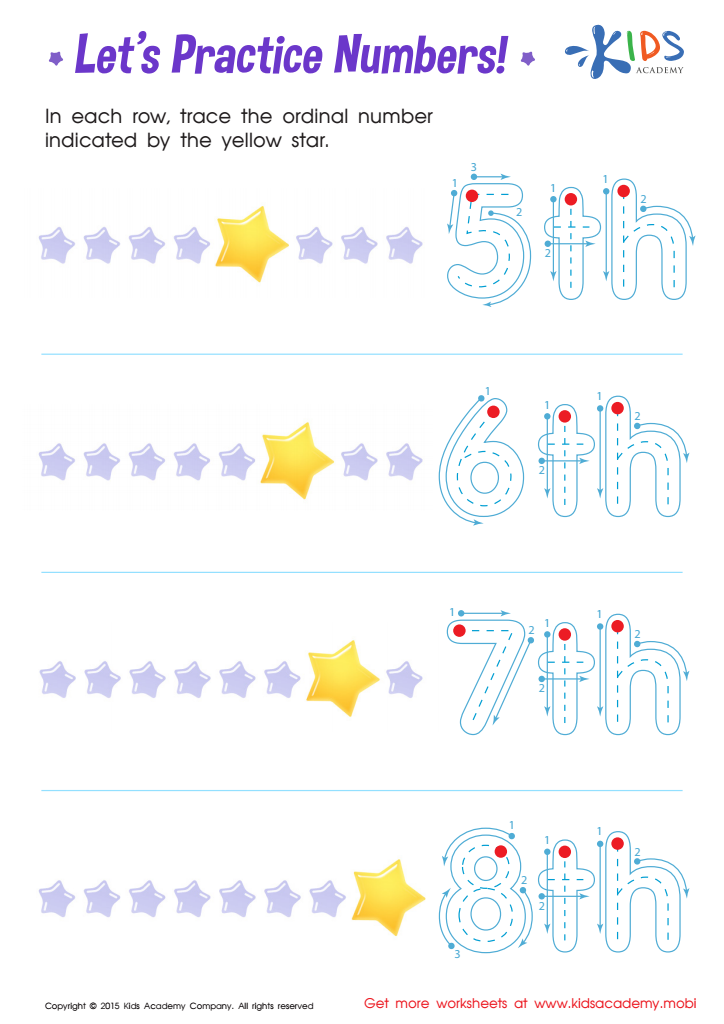
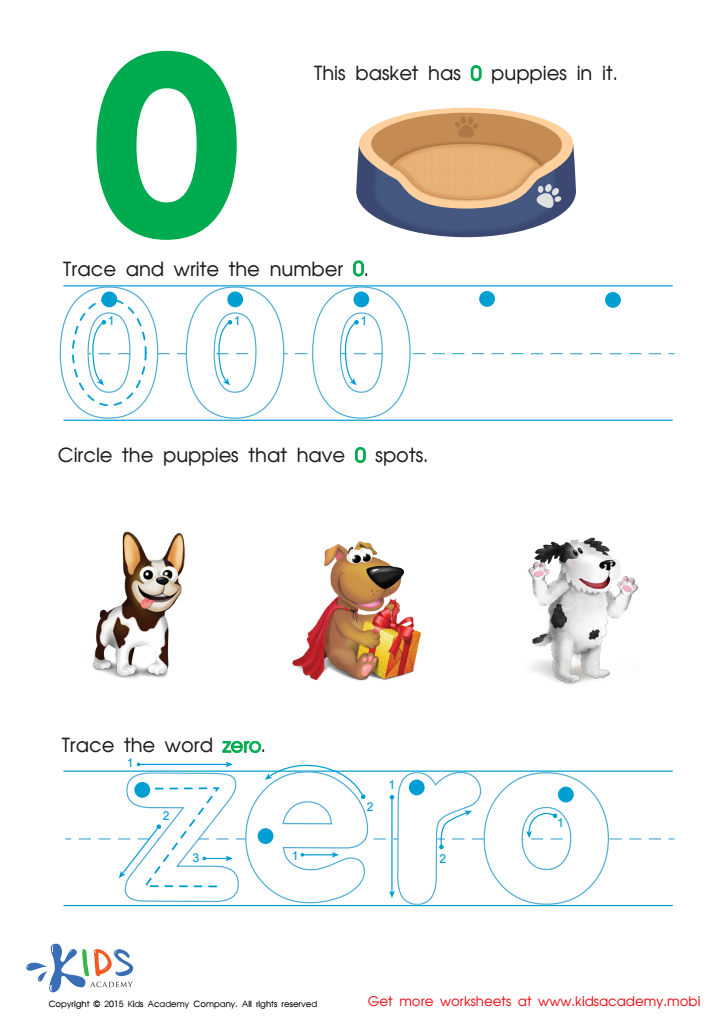
Trace And Write Number 0 Worksheet
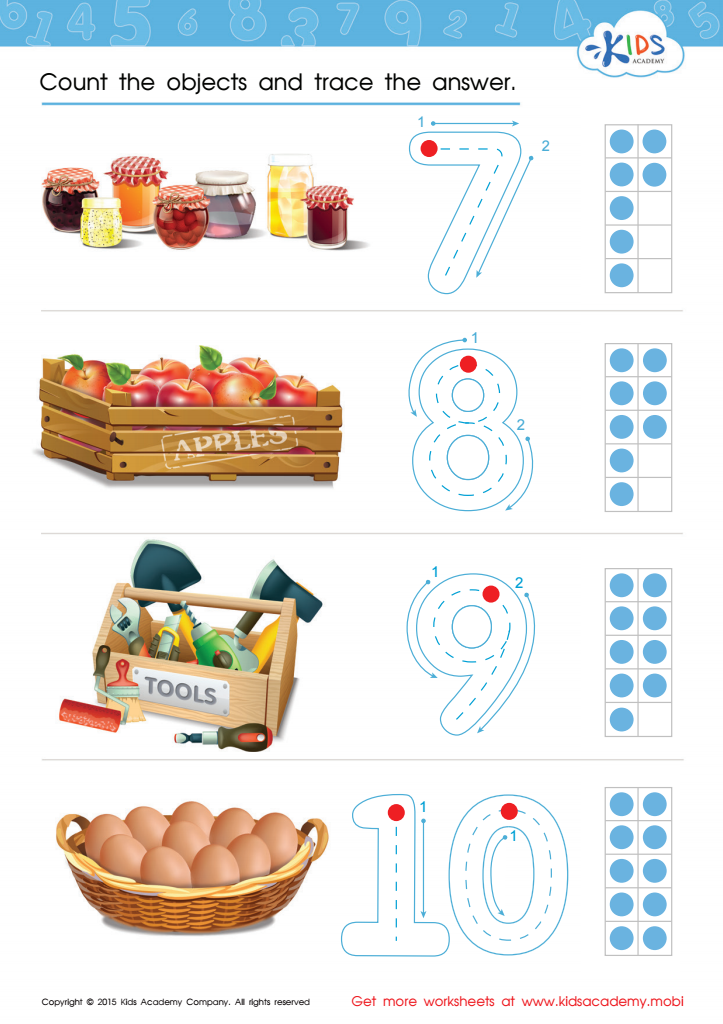
Count and Trace 7 – 10 Worksheet








Parents and teachers should prioritize normal tracing numbers for children aged 3-6 because it lays the essential groundwork for numerical literacy and cognitive development. During these formative years, children are like sponges, eager to absorb new information. Tracing numbers involves fine motor skills, which are crucial for coordinating small muscle movements essential for writing. By practicing tracing, kids enhance their hand-eye coordination and control, which will benefit their overall academic performance in the future.
Moreover, early familiarity with numbers fosters foundational math skills. As children trace, they memorize the shapes and structures of numbers, familiarizing themselves with basic numerical concepts. This familiarity promotes number recognition, sequential counting, and spatial awareness, making the transition to more advanced math easier and less intimidating.
Additionally, successful tracing experiences build confidence. When children feel competent in tracing, they develop a positive association with learning, which is vital for long-term academic enthusiasm. Socially, these activities are often integrated into interactive settings where children can learn to follow instructions, share resources, and work collaboratively, thereby reinforcing important interpersonal skills.
In summary, normal tracing numbers provide multiple benefits: improved fine motor skills, foundational numerical knowledge, boosted confidence, and social development, making it a critical part of early childhood education.