Normal Geometry Worksheets for Ages 4-7 - Page 3
63 filtered results
-
From - To
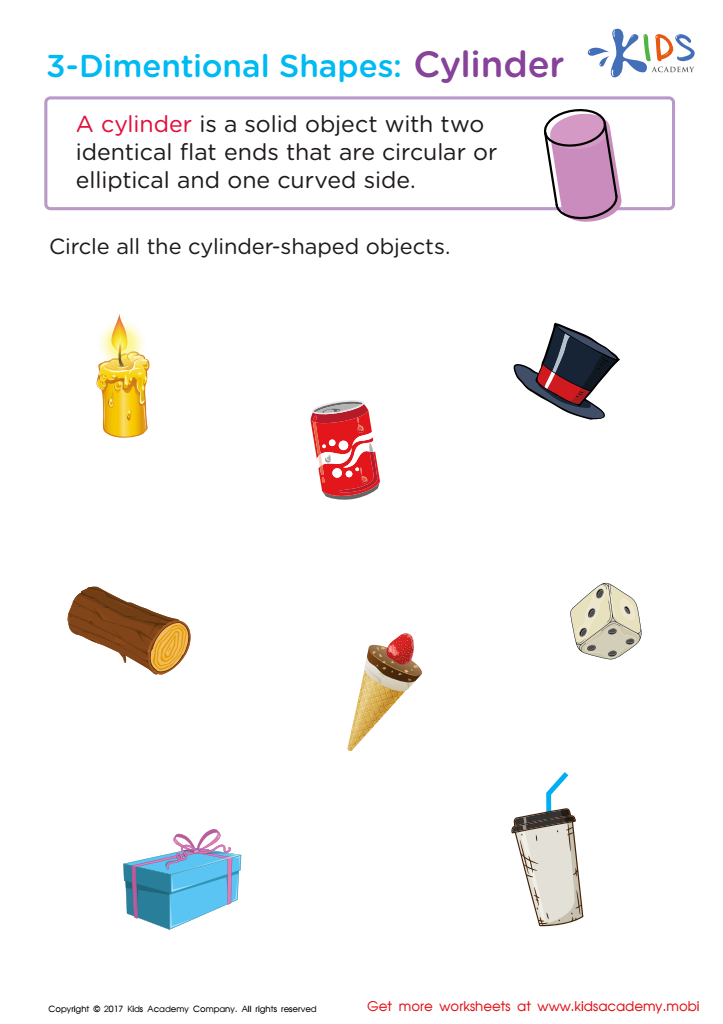
Three–Dimensional Shapes: Cylinder Worksheet
 Assign to My Students











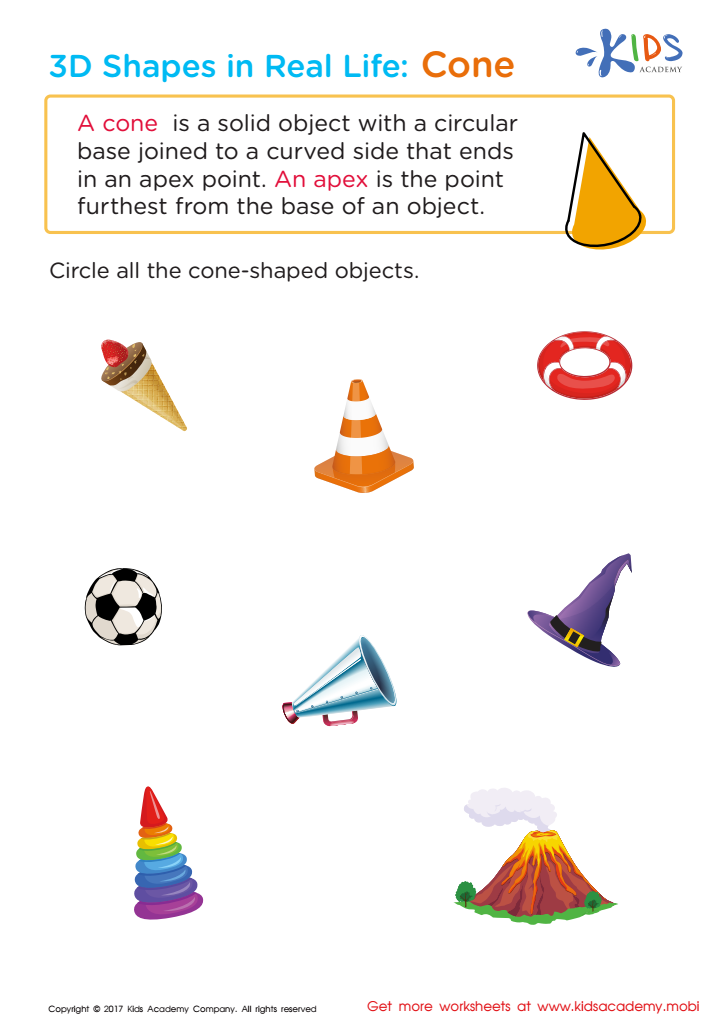
Shapes in Real Life: Cone Worksheet
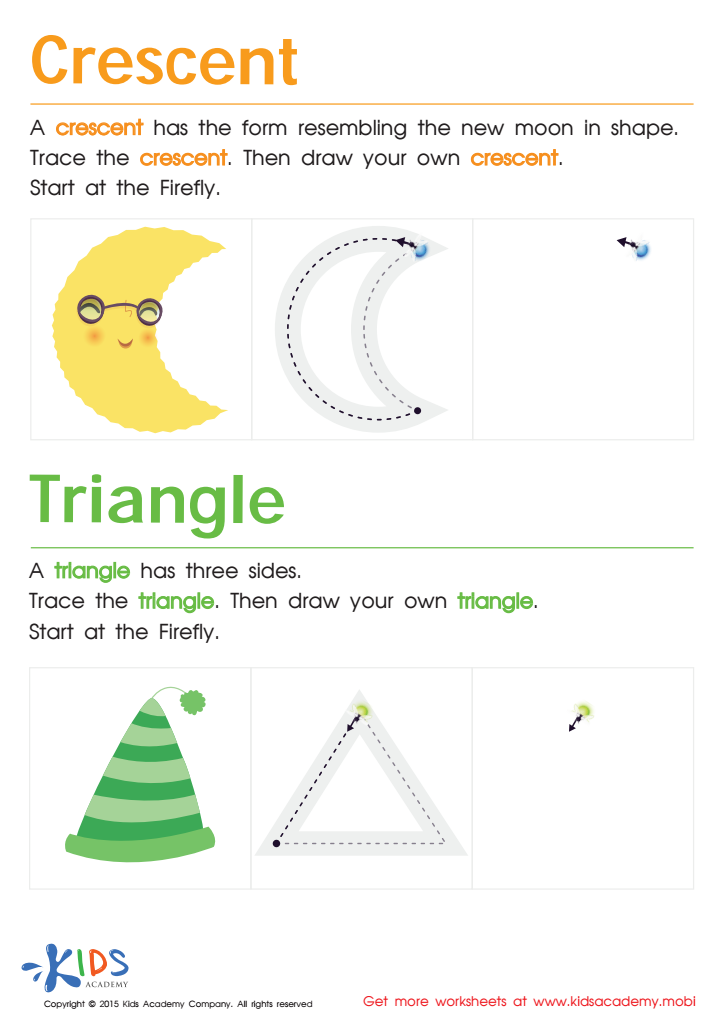
Learning to Draw Crescents And Triangles Worksheet
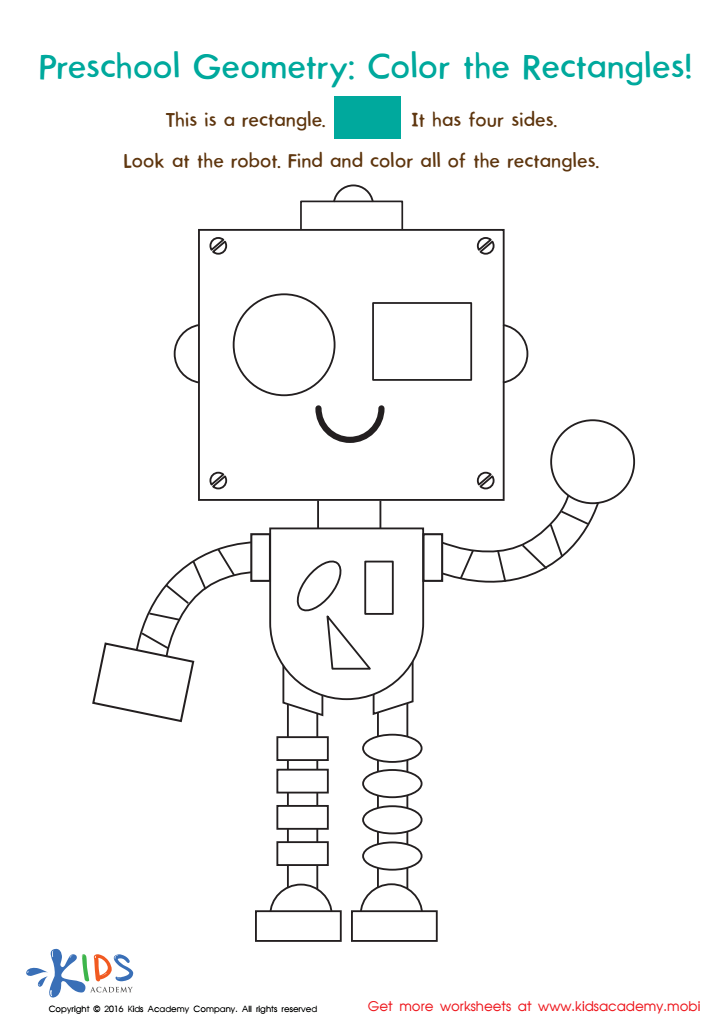
Geometry Worksheet
Cinderella Geometry Maze Worksheet
Food Match Up Worksheet
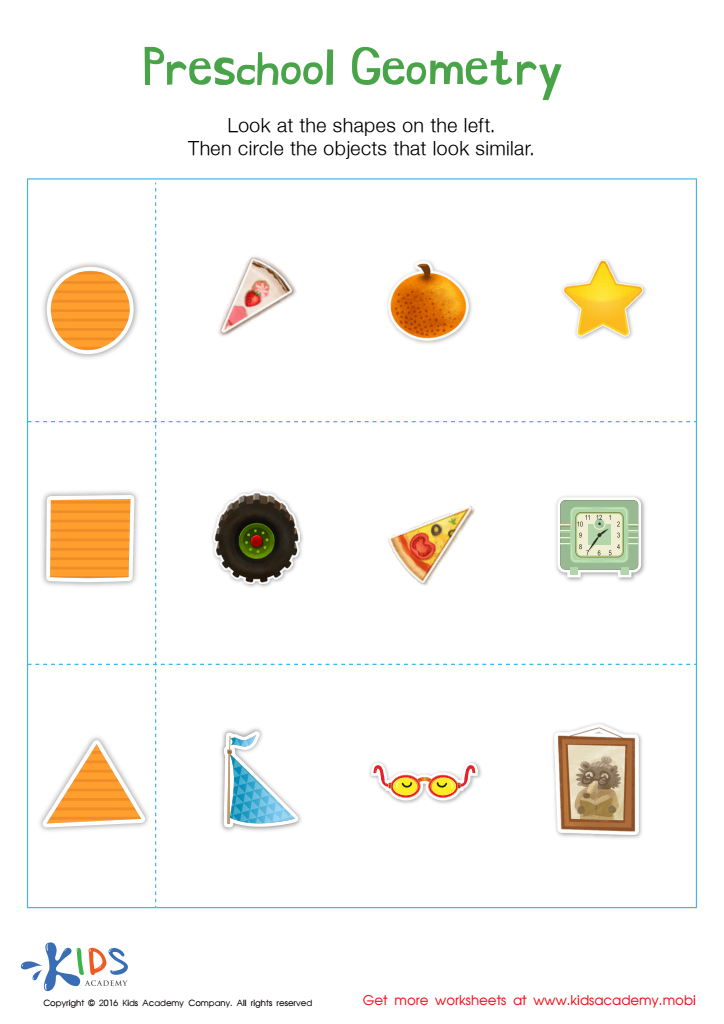
Preschool Geometry Match Up Worksheet
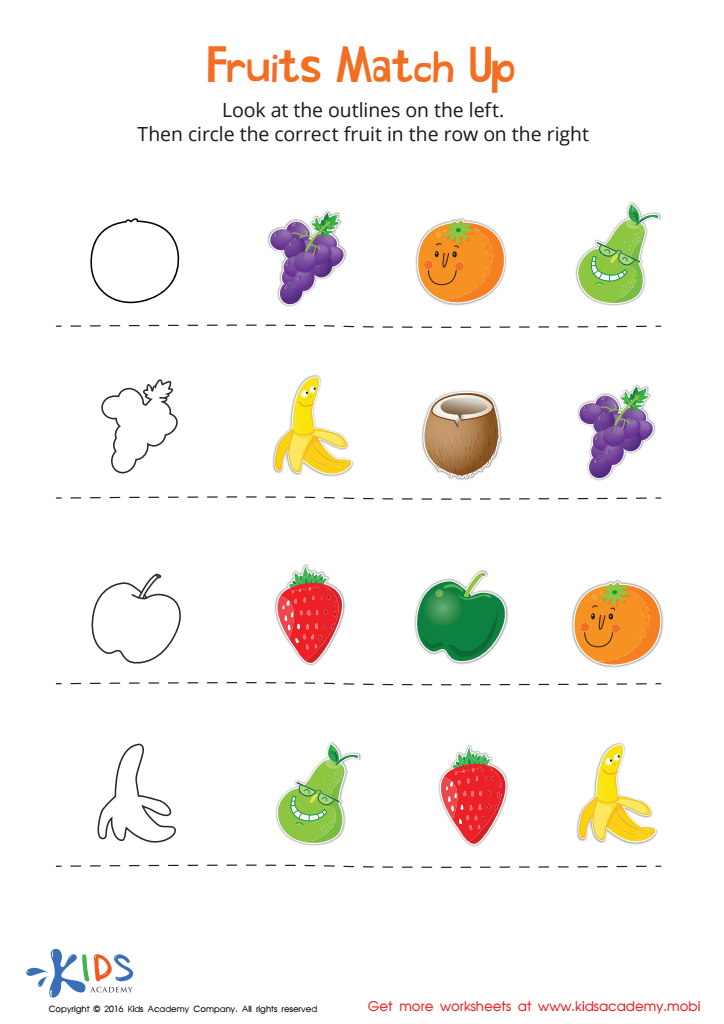
Fruits Match Up Worksheet
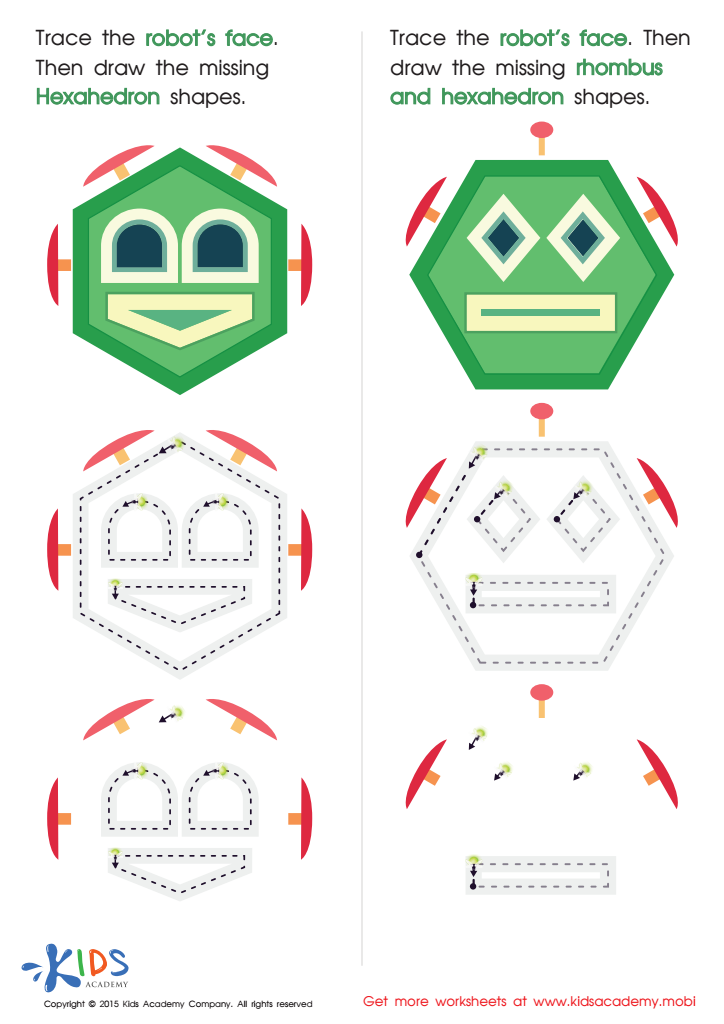
Practice Drawing Hexahedrons And a Rhombus Worksheet
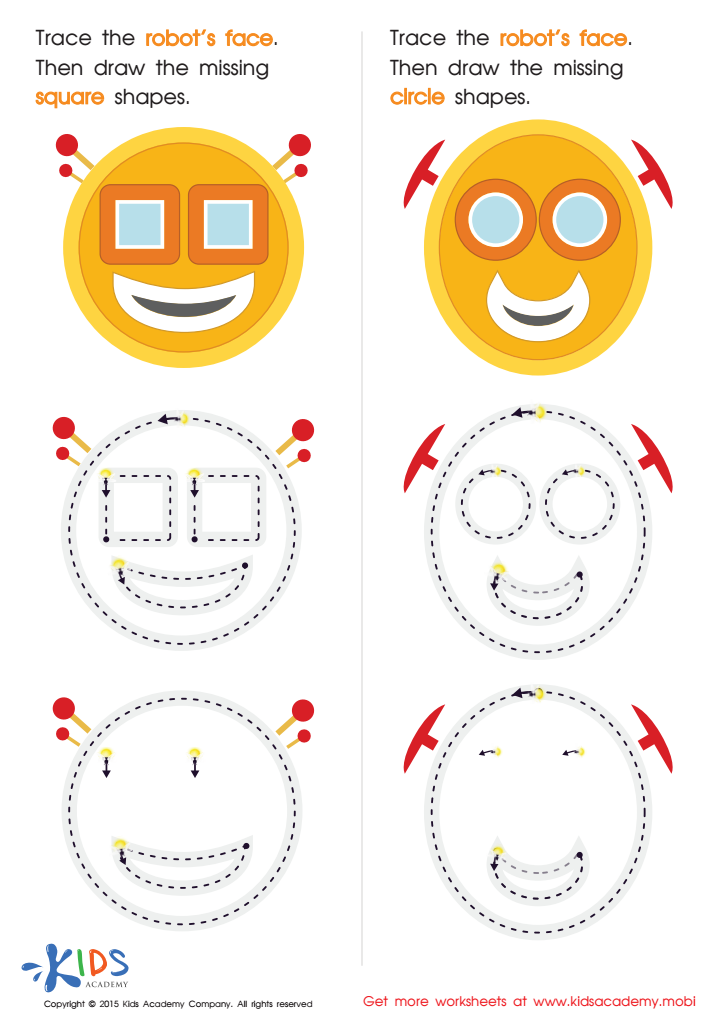
Practicing to Draw Circles And Squares Printable
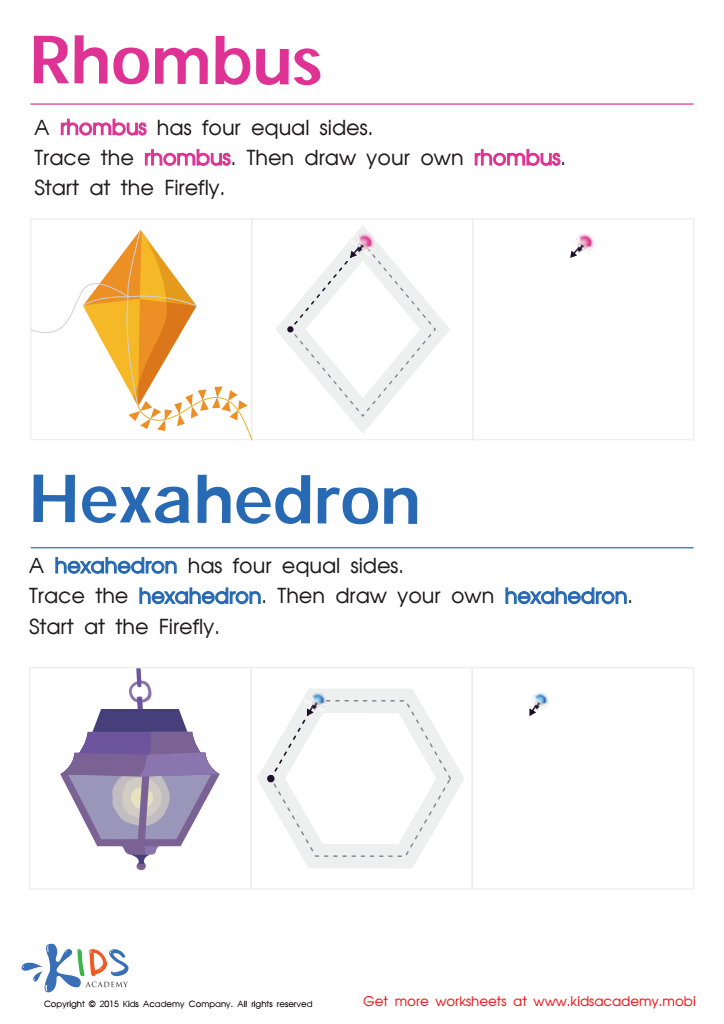
Draw a Rhombus And a Hexahedron Printable
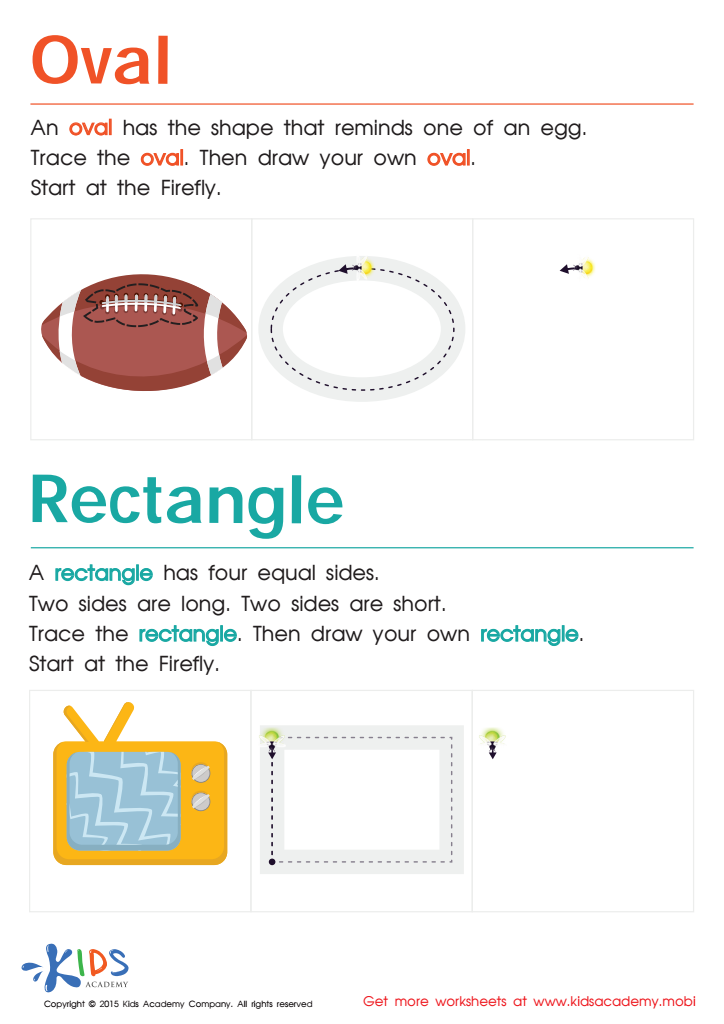
Easy Drawing of Ovals And Rectangles Worksheet
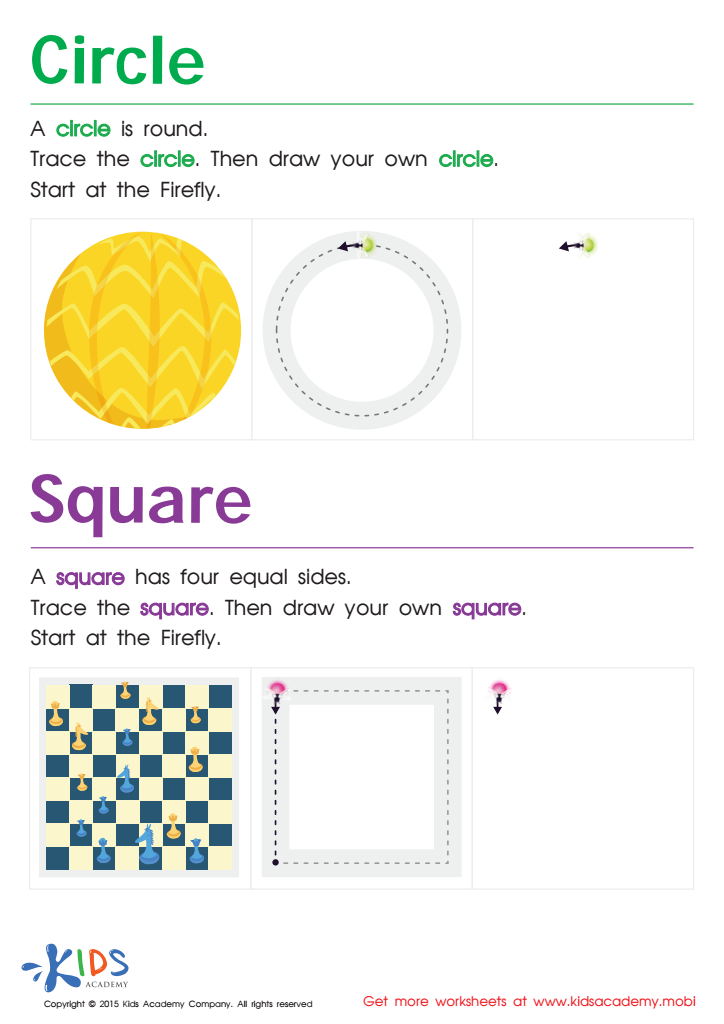
Trace And Draw a Circle And a Square Worksheet








Normal Geometry, or foundational geometric concepts, is crucial for children aged 4-7 as it lays the groundwork for future learning in math, science, and spatial reasoning. During this developmental stage, children are naturally curious, actively exploring shapes, patterns, and spatial relationships. Engaging them with geometry fosters critical thinking and problem-solving skills, essential tools for navigating everyday life.
Understanding shapes and their properties helps enhance a child's cognitive development. It strengthens their ability to visualize concepts, recognize patterns, and understand their environment. Moreover, Normal Geometry introduces early mathematical language and vocabulary, allowing children to articulate their thoughts and observations, which boosts communication skills.
Teachers and parents can utilize fun activities, such as building blocks, puzzles, and shape-sorting games, to make learning enjoyable and interactive. This approach not only cultivates a love for learning but also encourages collaborative play, enhancing social skills.
Ultimately, by prioritizing Normal Geometry within early education, parents and teachers set their children on the path to becoming competent problem solvers, creative thinkers, and confident learners, ready to tackle the more complex mathematical ideas they will encounter in the future. Investing in geometrical understanding today creates a solid foundation for tomorrow’s academic success.








