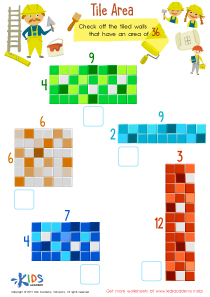
Normal Numbers Worksheets for Ages 4-8 - Page 3
237 filtered results
-
From - To
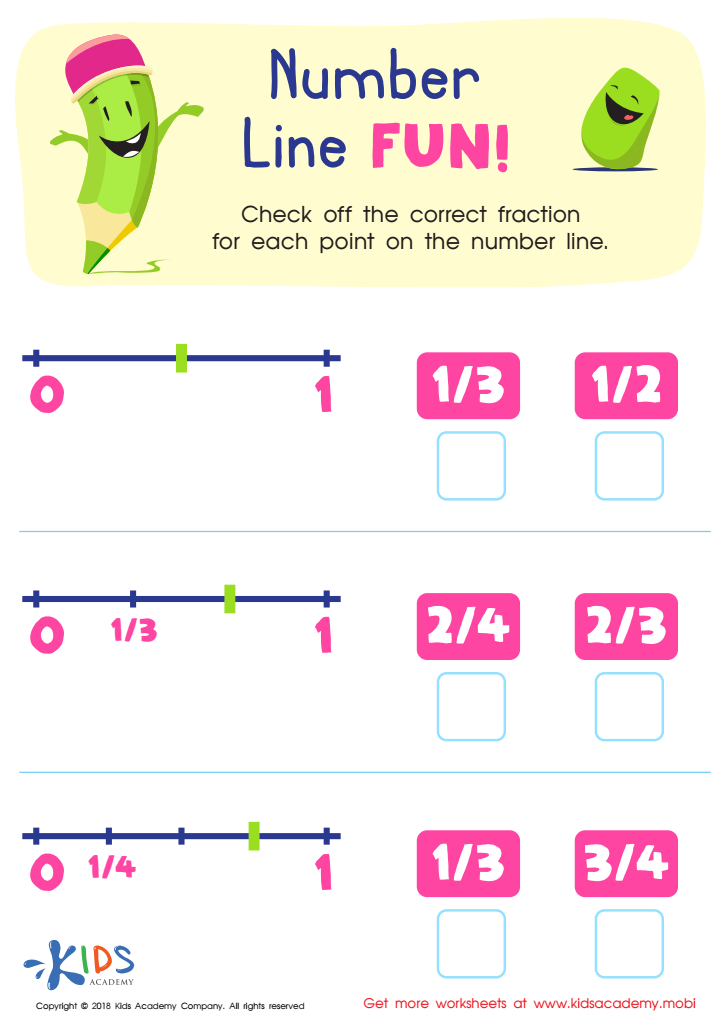
Number Line Fun Worksheet
 Assign to My Students
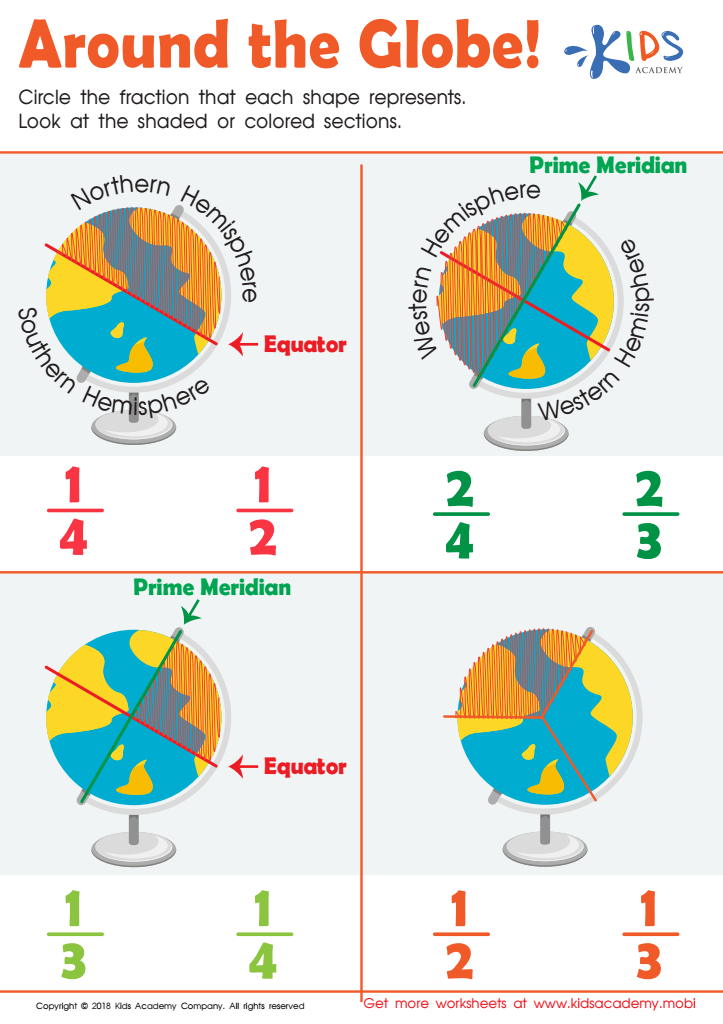
Around the Globe Worksheet
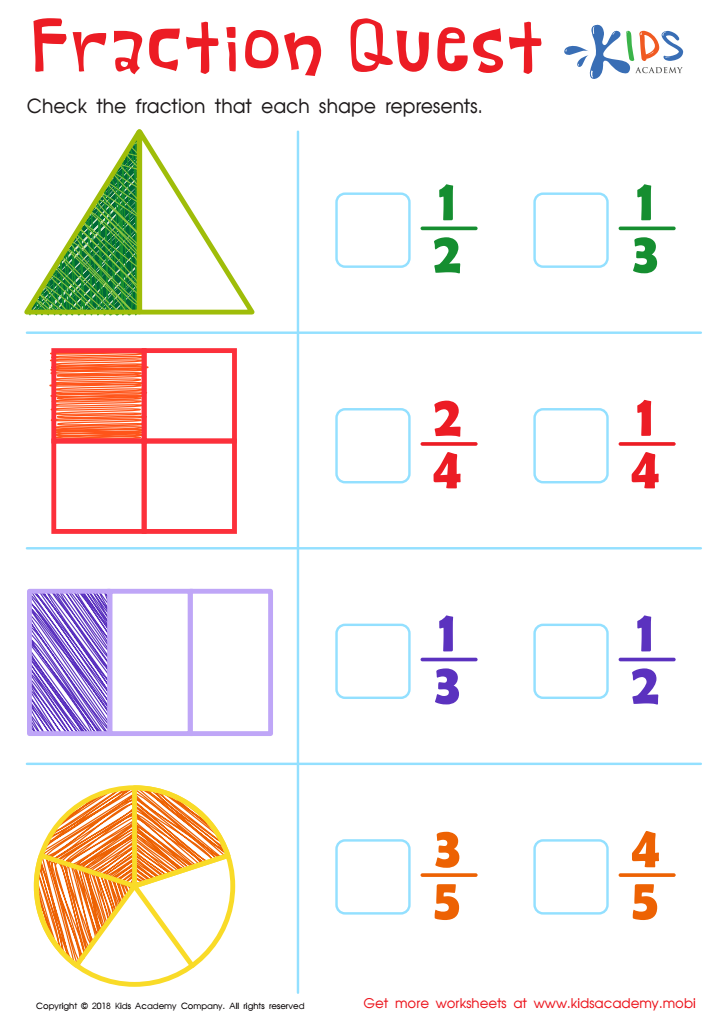
Fraction Quest Worksheet
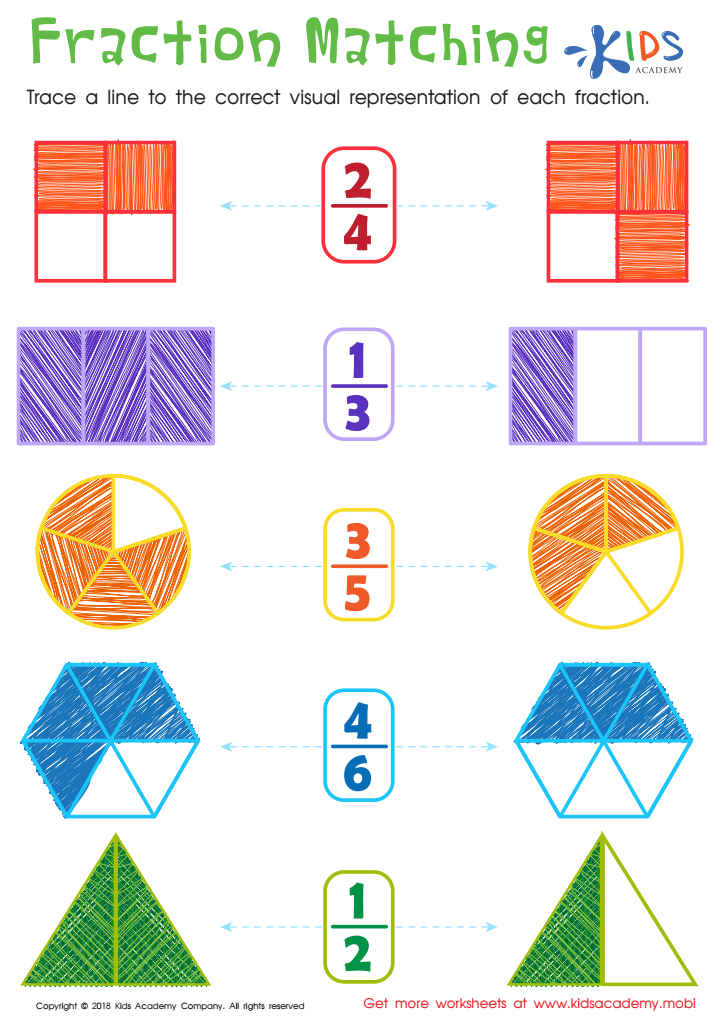
Fraction Matching Worksheet
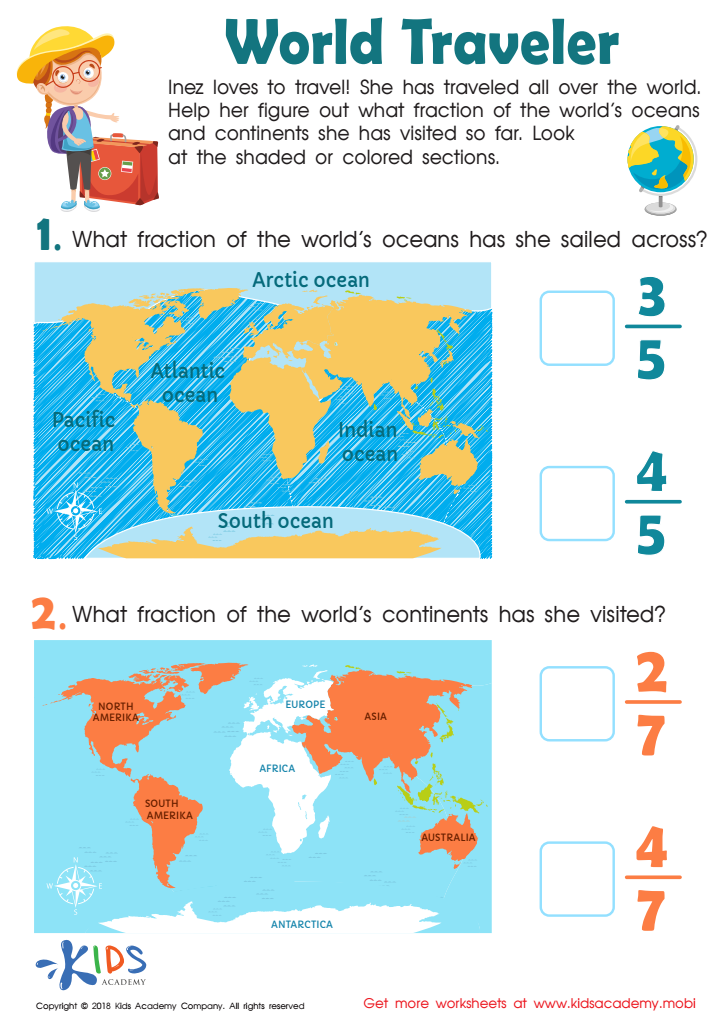
World Traveler Worksheet
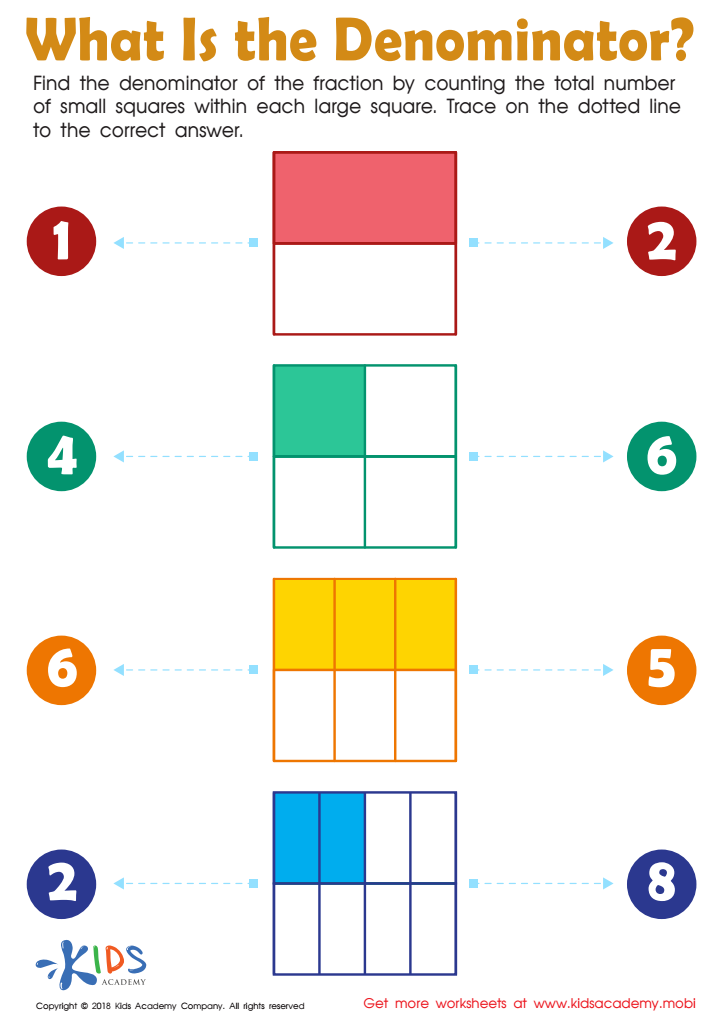
What Is the Denominator? Worksheet
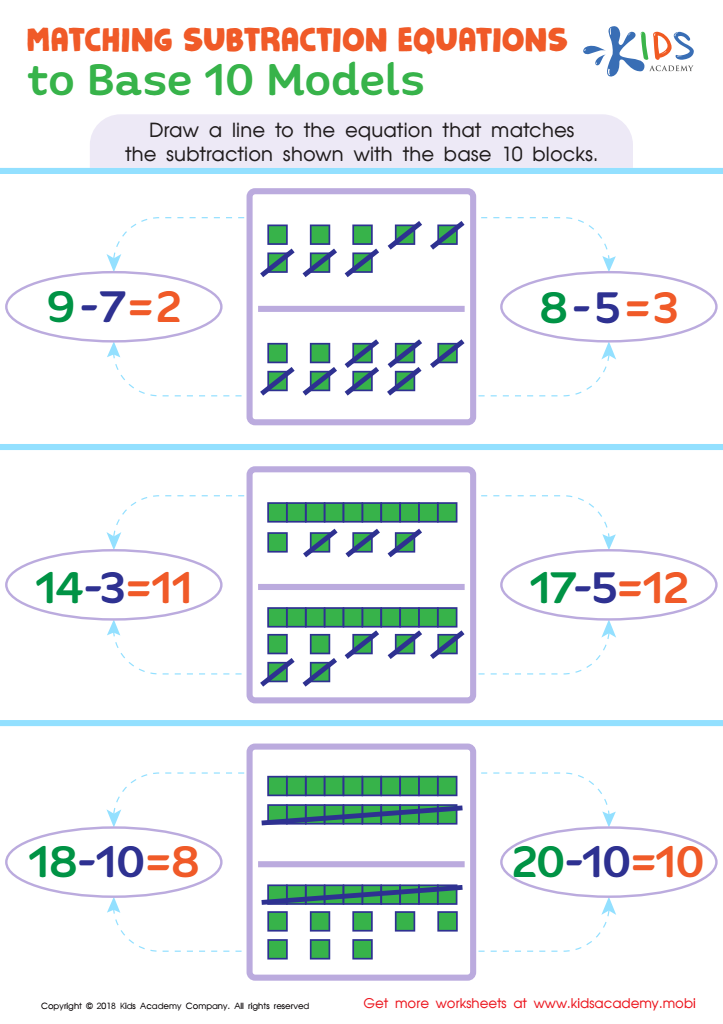
Matching Subtraction Equations To Base 10 Models Worksheet
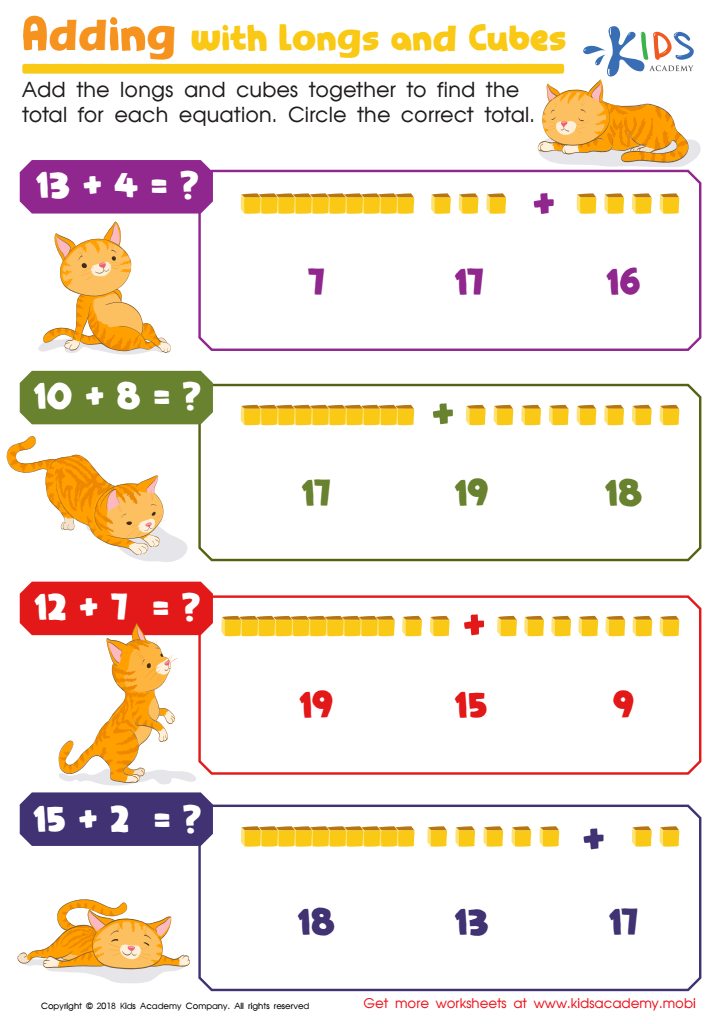
Adding With Longs and Cubes Worksheet
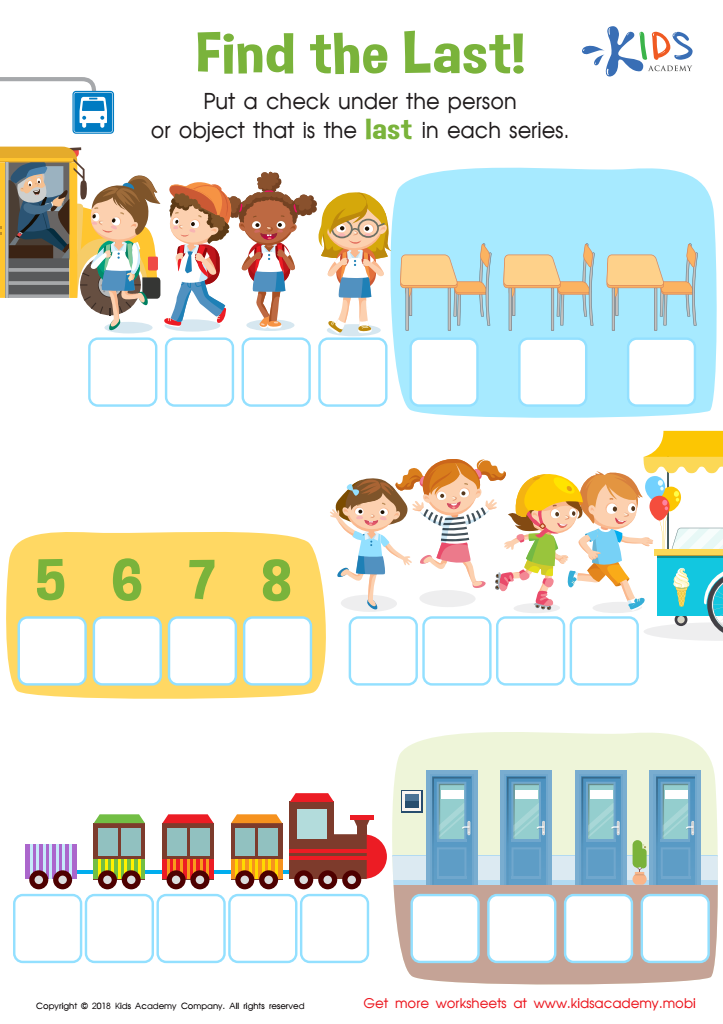
Find the Last! Worksheet
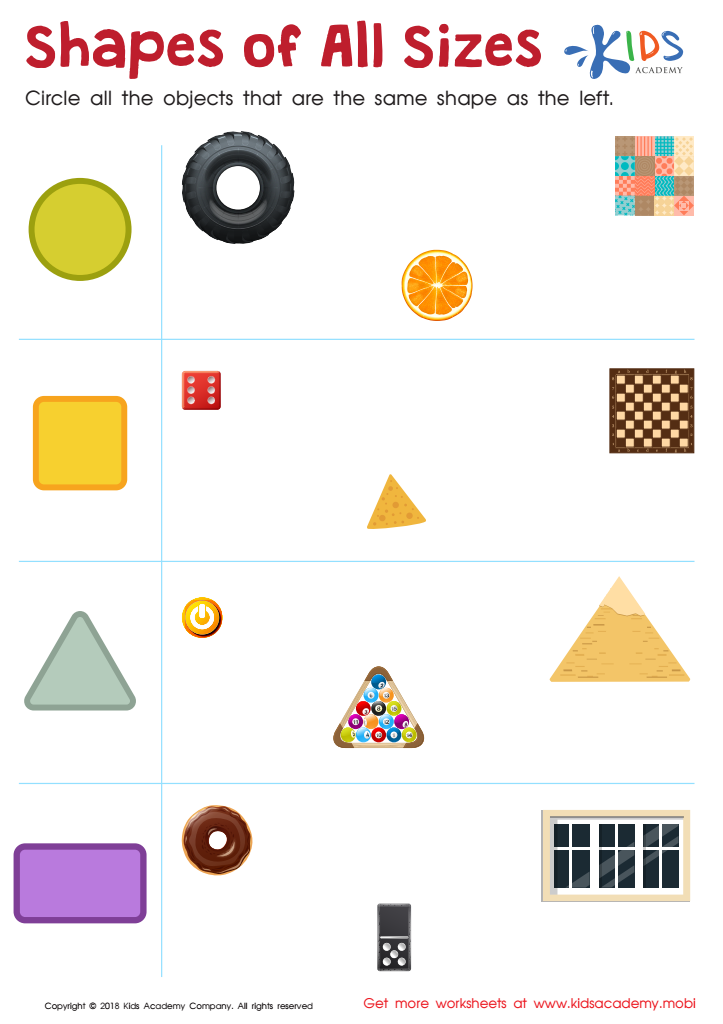
Shapes of All Sizes Worksheet
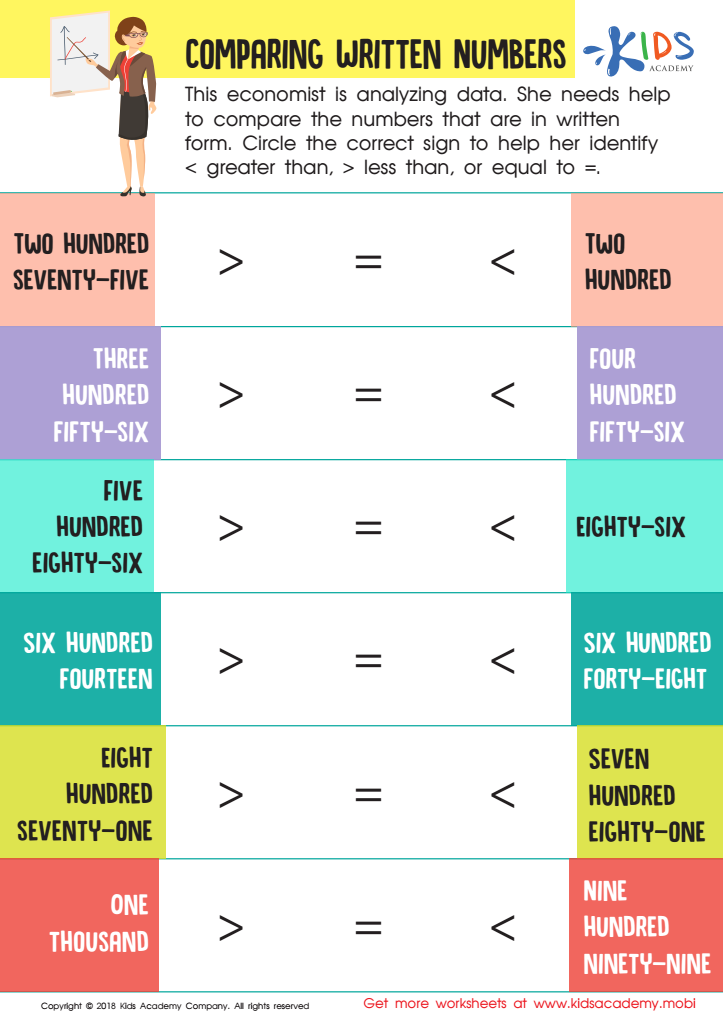
Comparing Written Numbers Worksheet
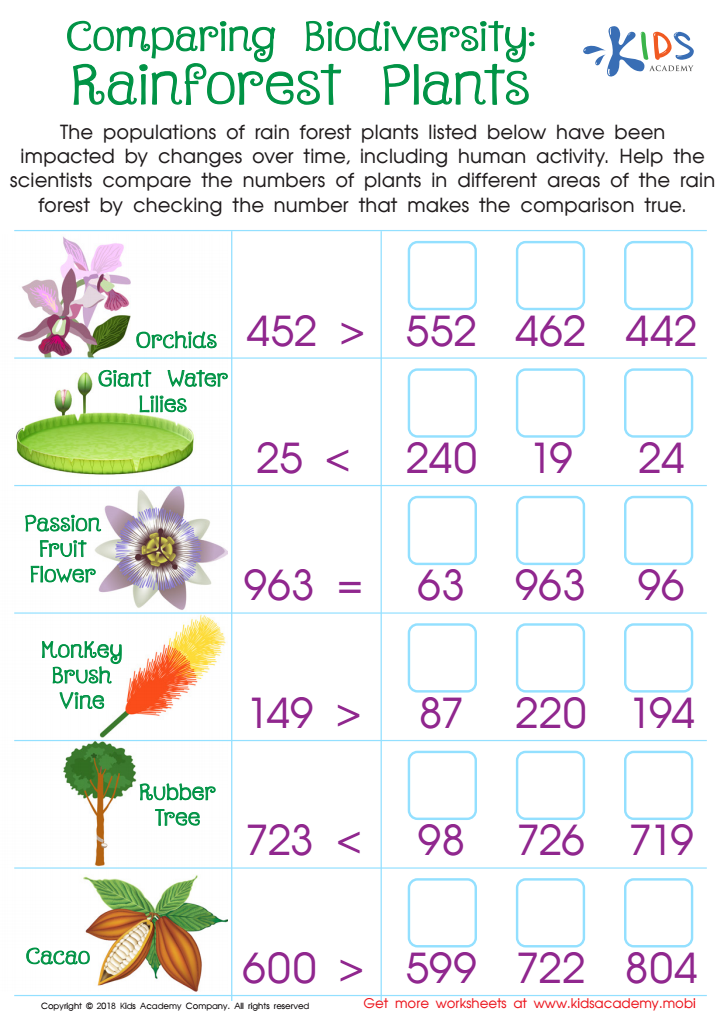
Comparing Biodiversity: Rainforest Plants Worksheet
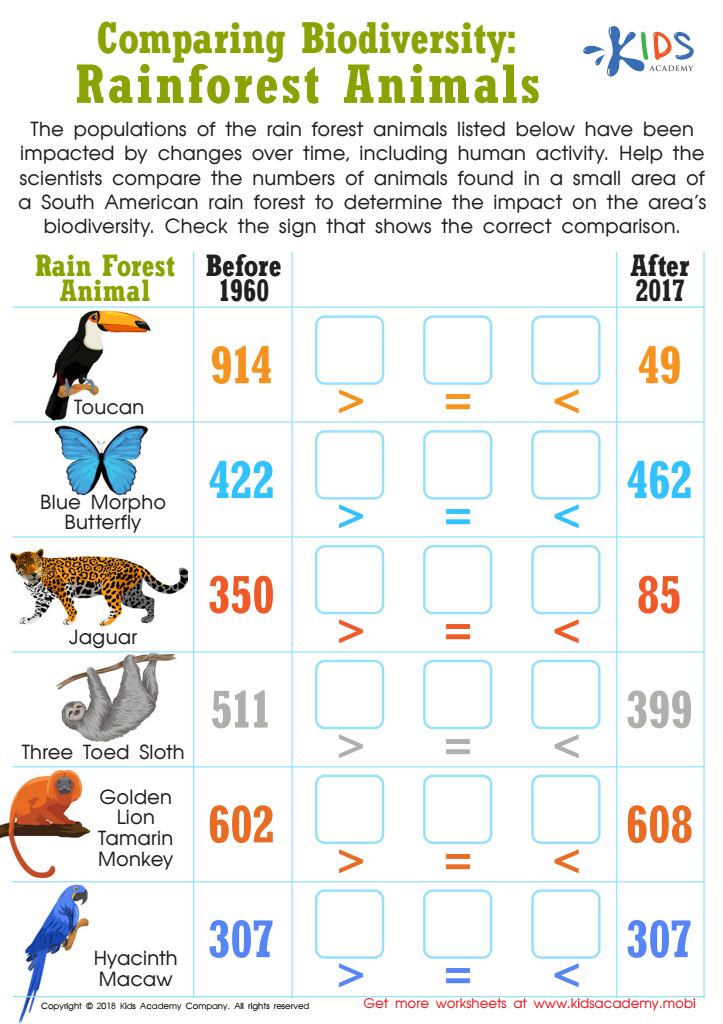
Comparing Biodiversity: Rainforest Animals Worksheet
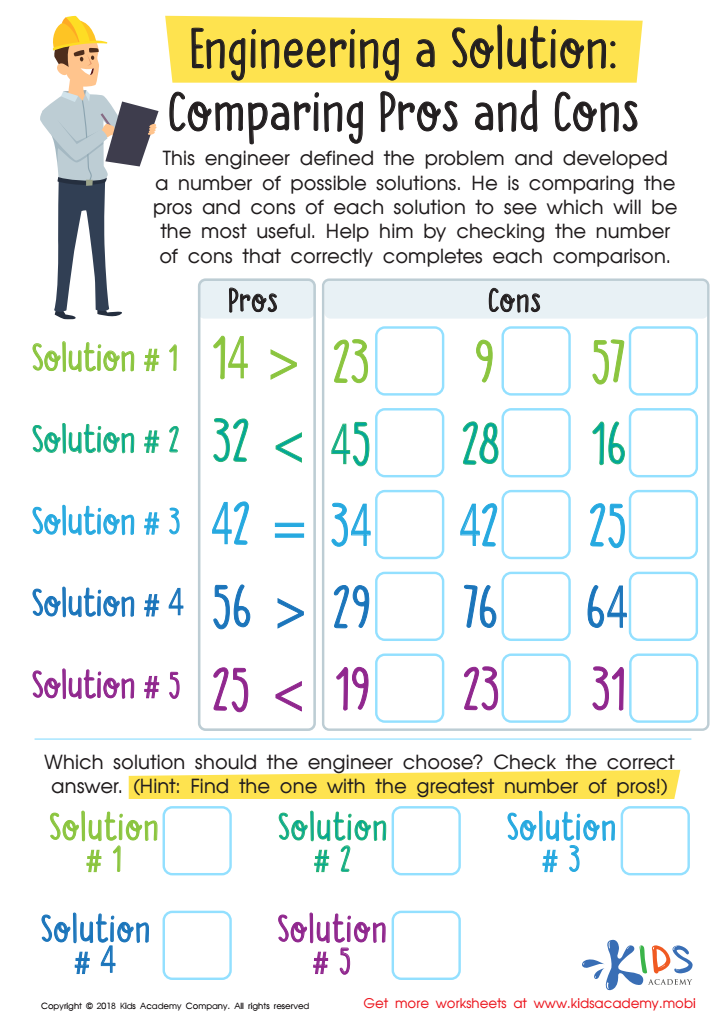
Engineering a Solution: Comparing Pros and Cons Worksheet
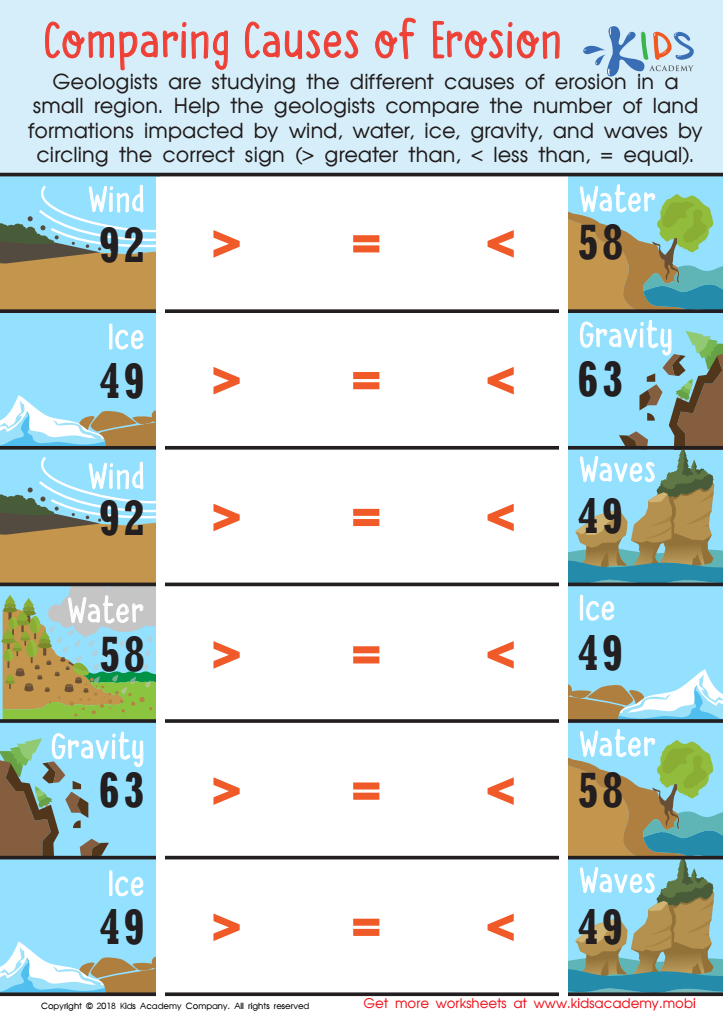
Comparing Causes of Erosion Worksheet
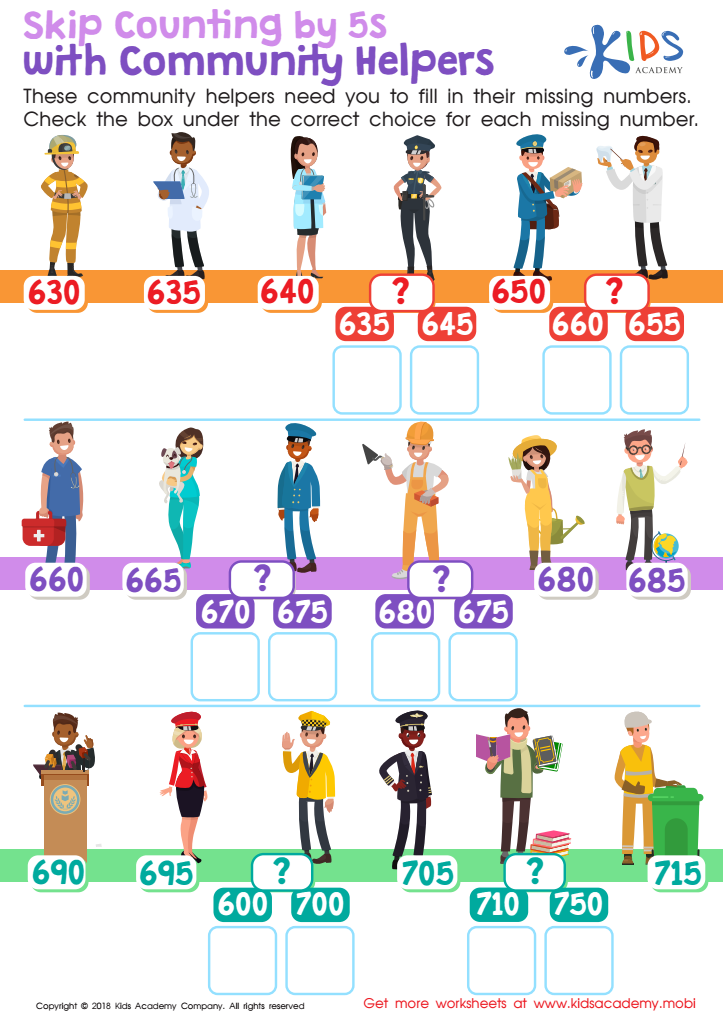
Skip Counting by 5s With Community Helpers Worksheet
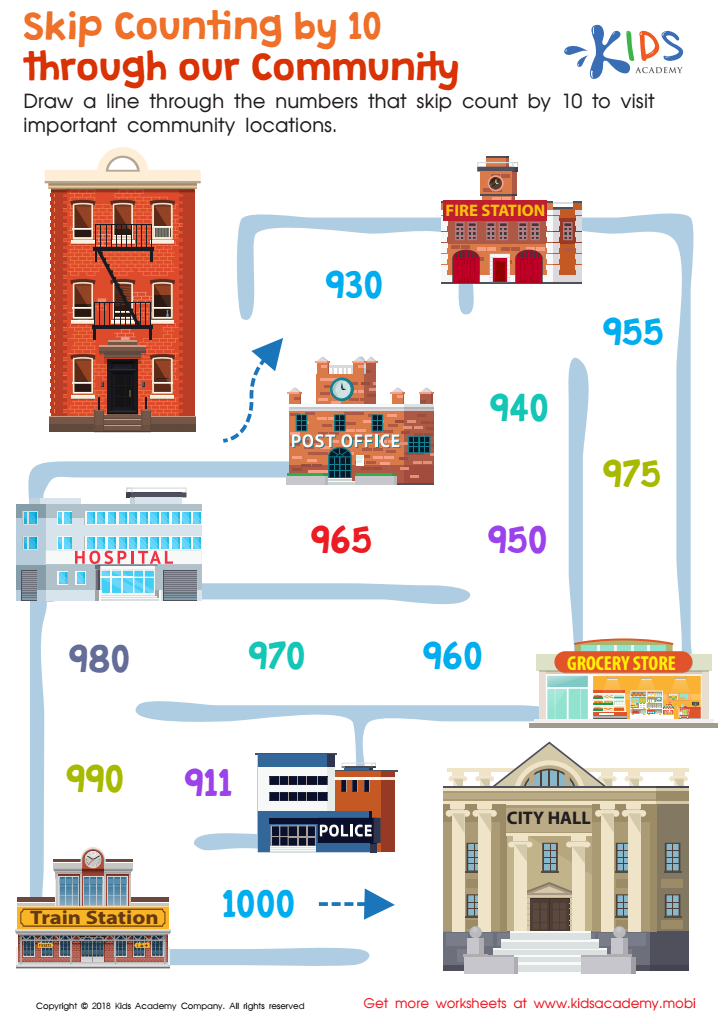
Skip Counting by 10 Through Our Community Worksheet
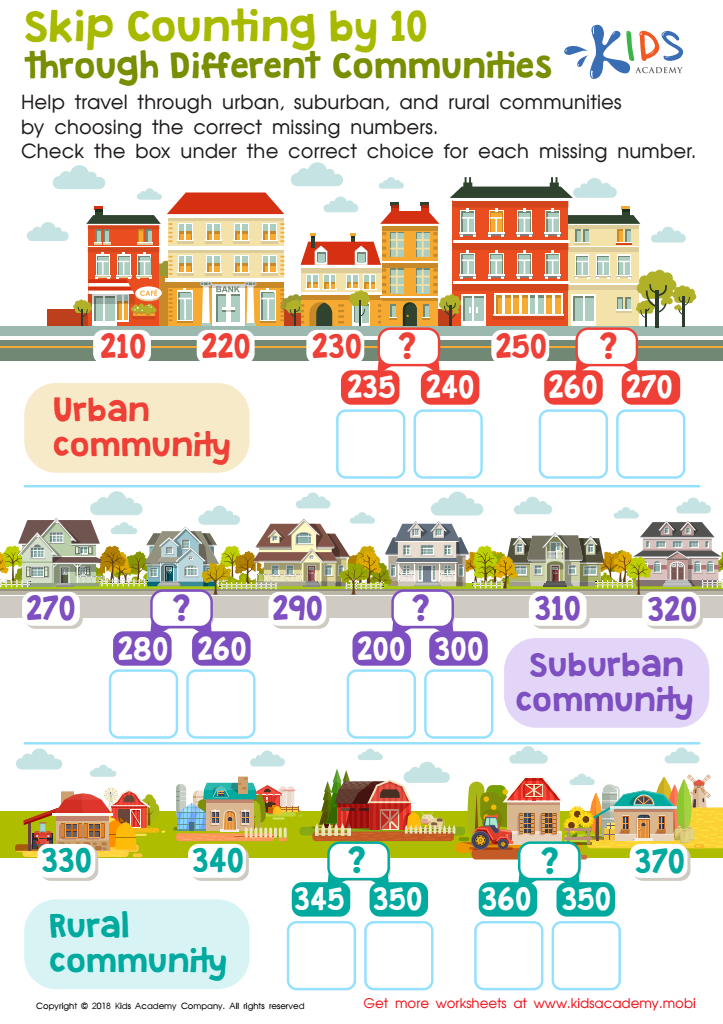
Skip Counting by 10 through Different Communities Worksheet
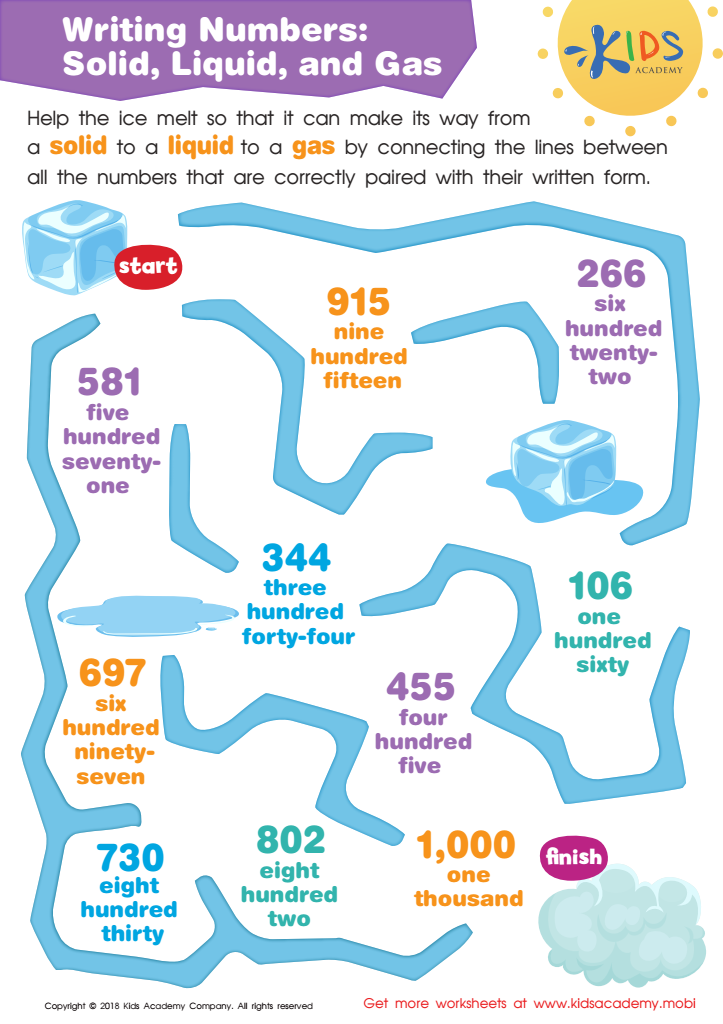
Solid, Liquid, and Gas Writing Numbers Worksheet
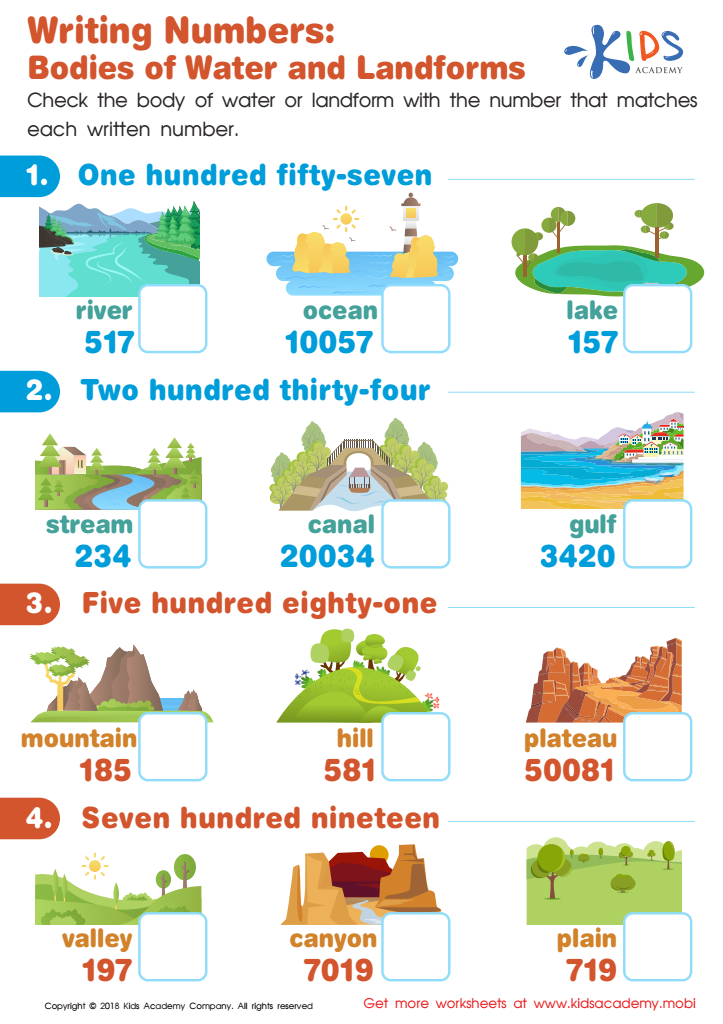
Bodies of Water and Landforms Writing Numbers Worksheet
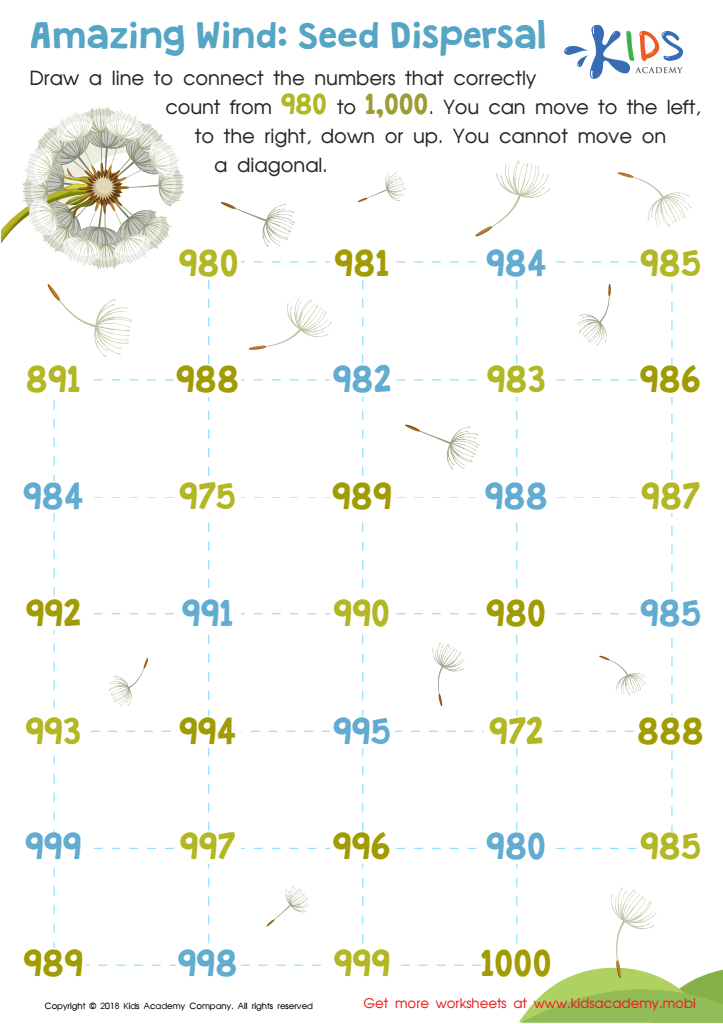
Amazing Wind: Seed Dispersal Worksheet
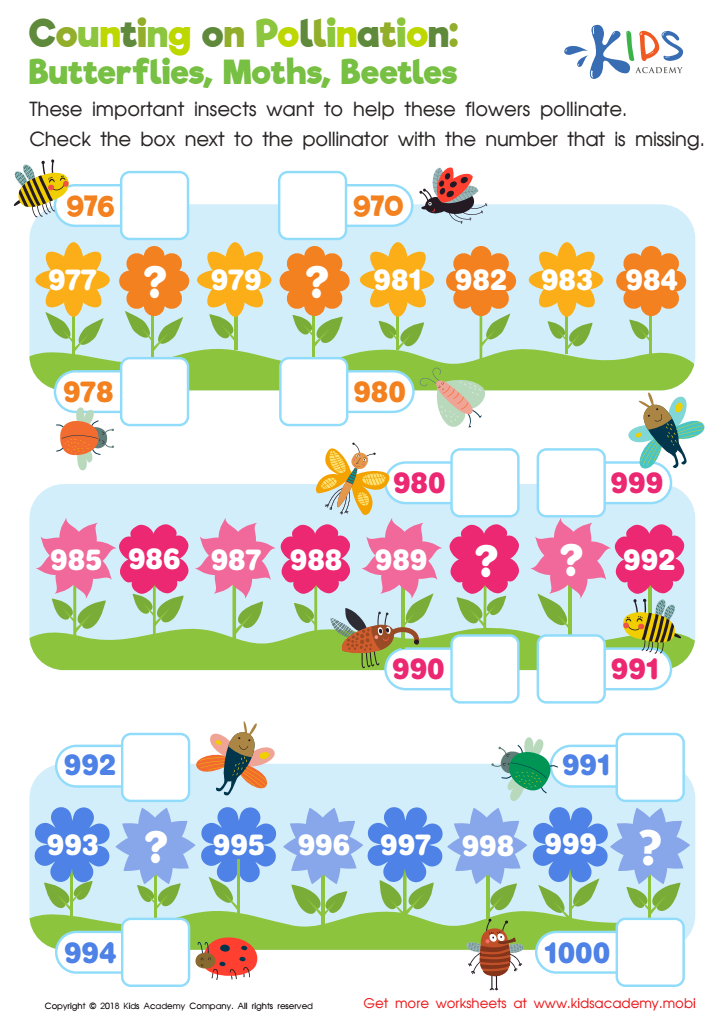
Counting on Pollination: Butterflies, Moths, Beetles Worksheet
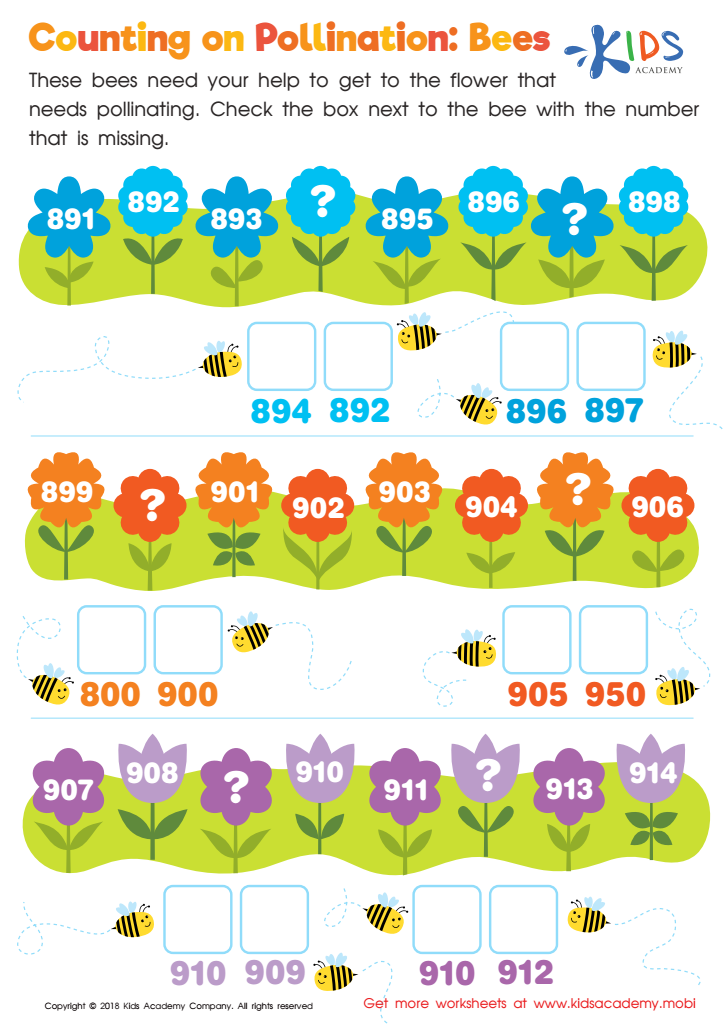
Counting on Pollination: Bees Worksheet
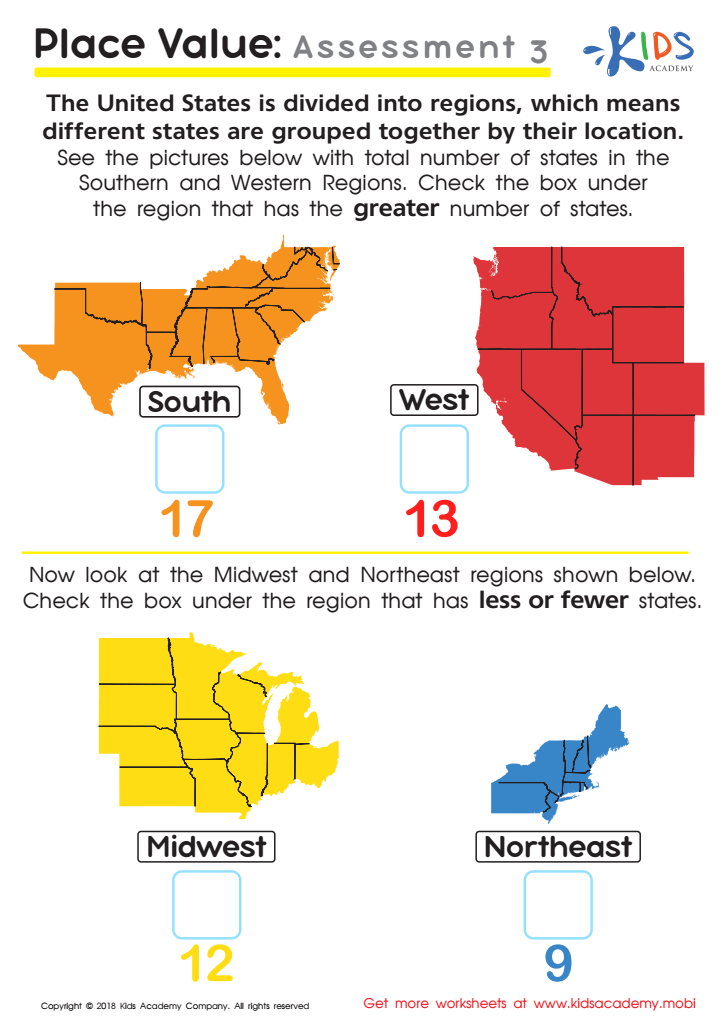
Place Value: Assessment 3 Worksheet








Parents and teachers should care about teaching the concept of normal numbers to children aged 4-8, as it lays the foundation for early numeracy skills. Normal numbers, which describe those that have an even distribution of digits (like in fractions or percentages), introduce young learners to the concept of fairness and balance in mathematics, emphasizing that each digit has equal representation over a sufficiently large base.
By exploring normal numbers, children develop critical thinking and pattern recognition, which are essential cognitive skills for mathematical comprehension. Early exposure to these ideas supports children's ability to handle more complex concepts down the road, such as fractions or statistics.
Furthermore, discussing normal numbers makes math relatable and fun; it allows children to explore real-world applications, like understanding fair share in division or assessing probabilities in games. Engaging in these mathematical ideas with kids fosters curiosity and confidence, making them actively involved in the learning process. Ultimately, understanding normal numbers contributes to a child's overall numeracy, equipping them with the skills they need for future academic success and practical decision-making in everyday life.