Normal Multiplication Worksheets for Ages 4-8
34 filtered results
-
From - To
Discover our "Normal Multiplication Worksheets for Ages 4-8" designed to make learning multiplication fun and engaging! Tailored for young learners, these interactive worksheets help children grasp foundational multiplication concepts through colorful illustrations and age-appropriate exercises. Perfect for homeschooling, supplementary learning, or classroom use, our worksheets encourage independence and boost confidence in math skills. With a variety of exercises, including visualization techniques and simple problems, children will build a strong understanding of multiplication while enjoying the learning process. Start your child's journey to math mastery today with our free printable resources that promote creativity and critical thinking. Dive into the adventure of learning math!
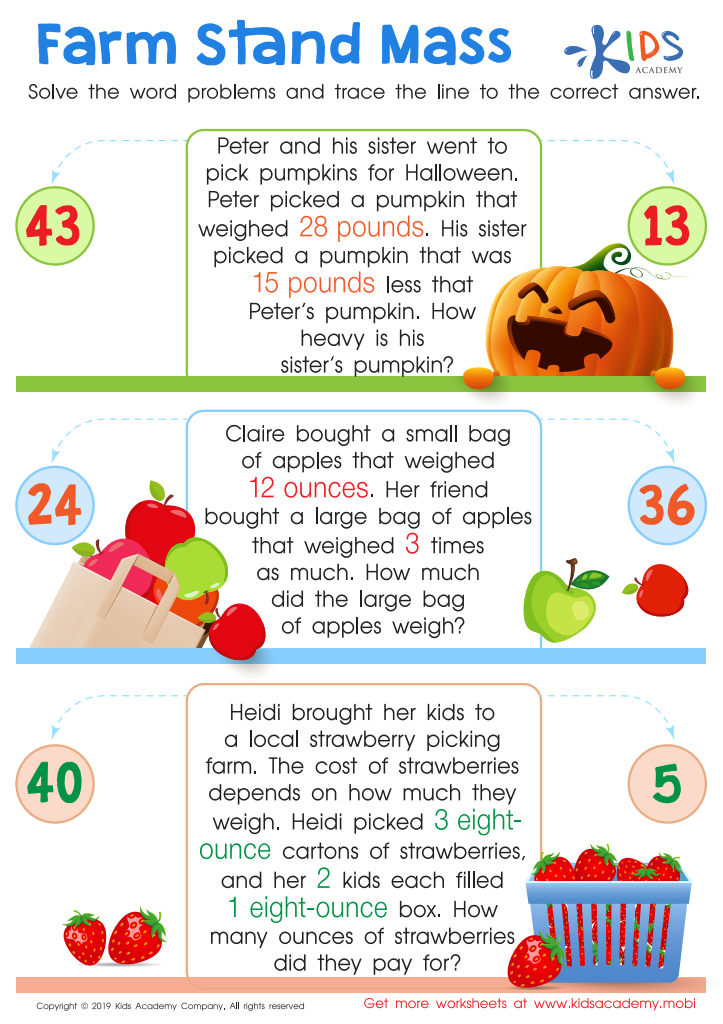
Farm Stand Mass Worksheet
 Assign to My Students
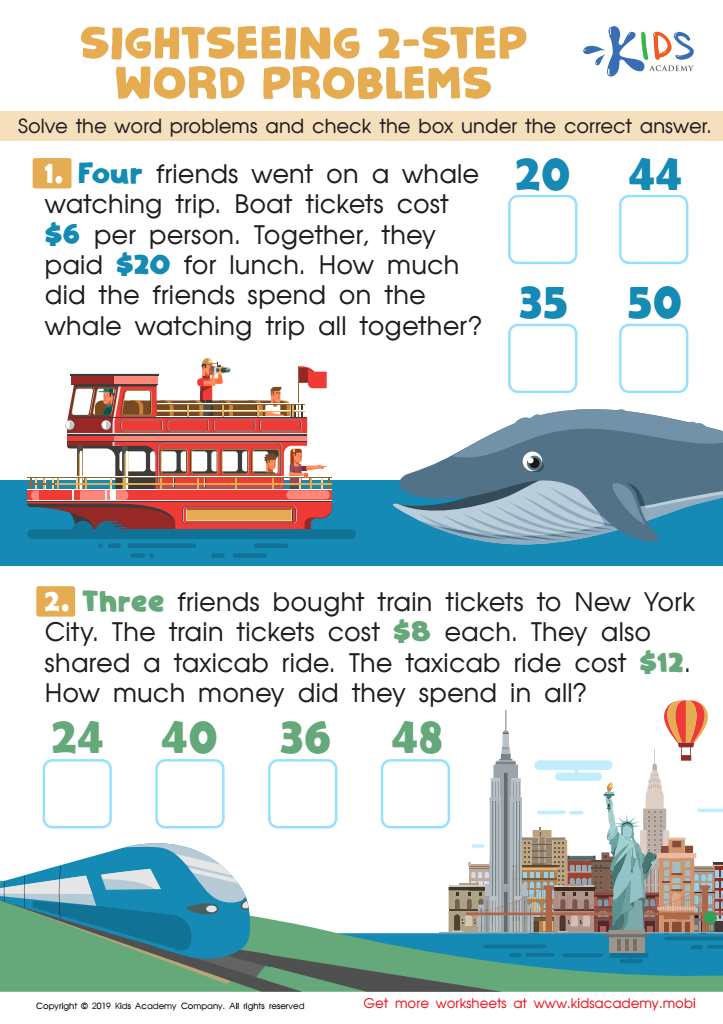
Sightseeing 2-Step Word Problems Worksheet
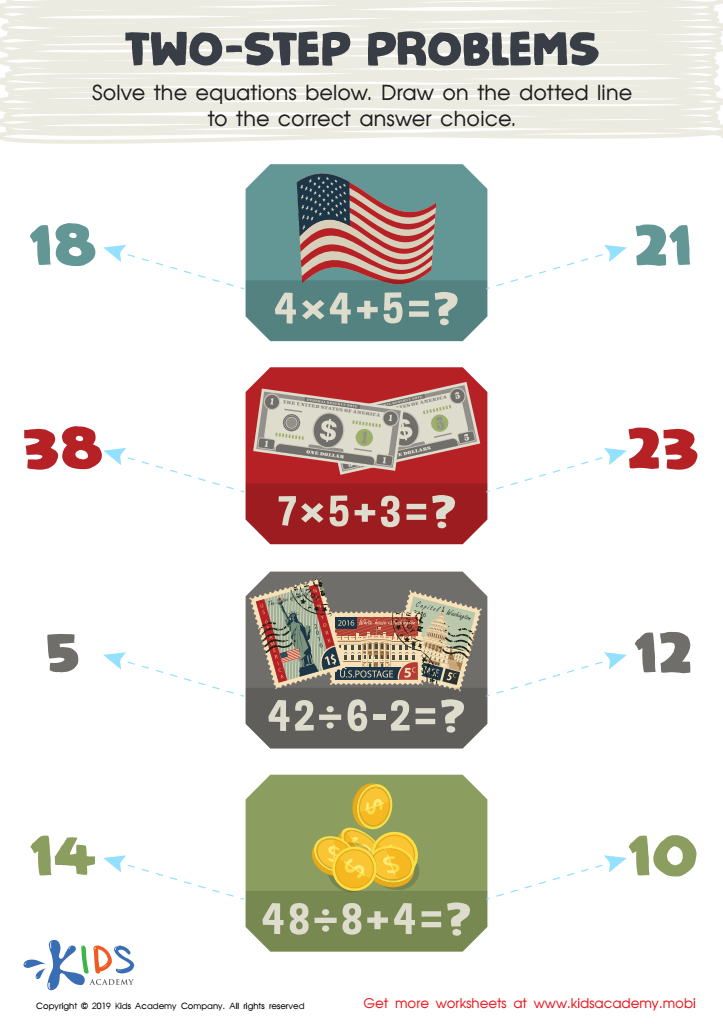
Two-Step Problems Worksheet
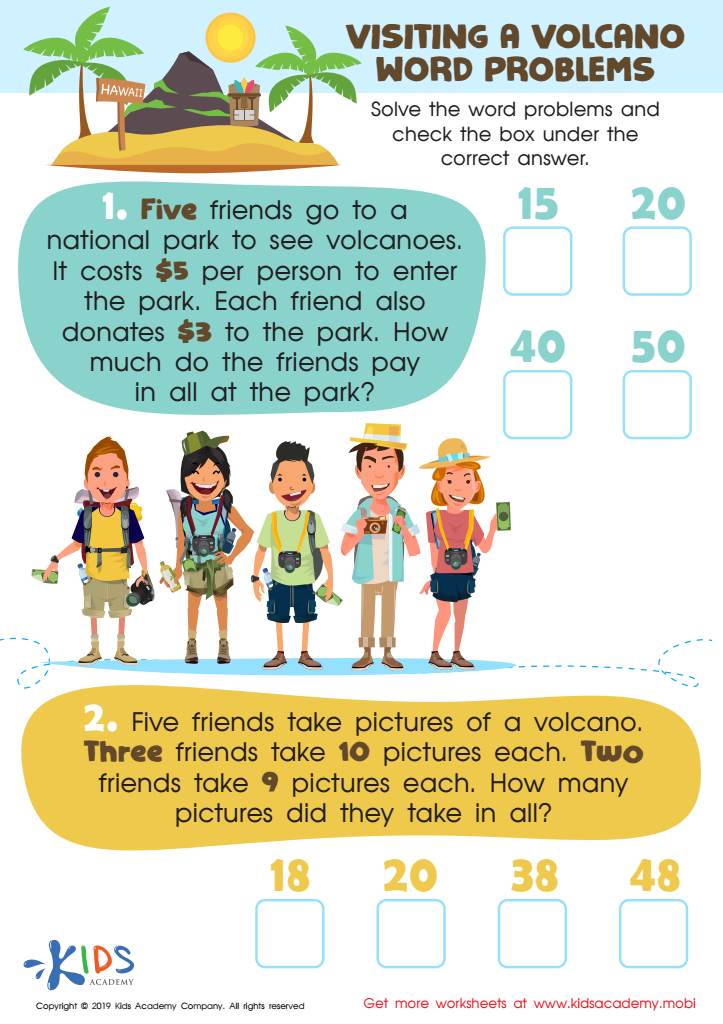
Visiting a Volcano Word Problems Worksheet
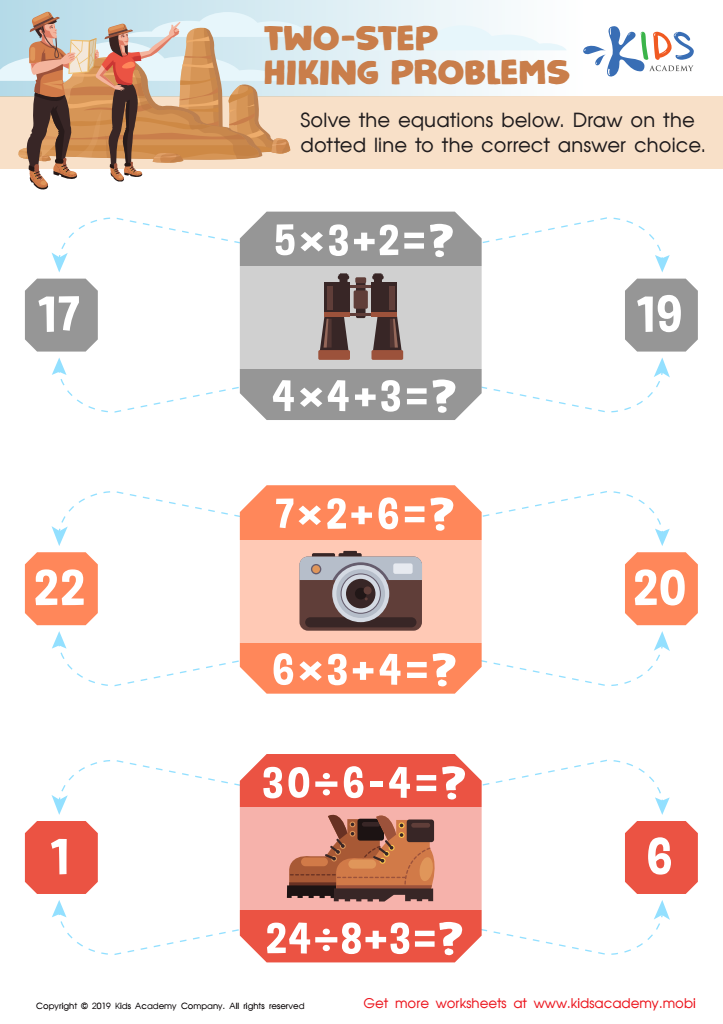
Two-Step Hiking Problems Worksheet
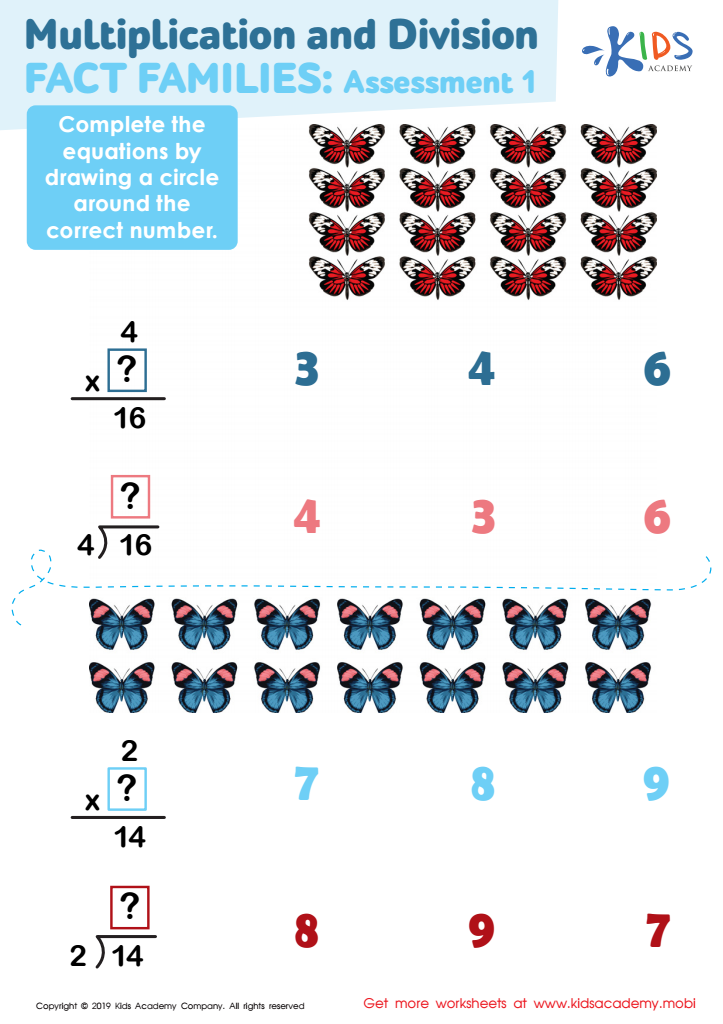
Multiplication and Division Fact Families Assessment 1 Worksheet
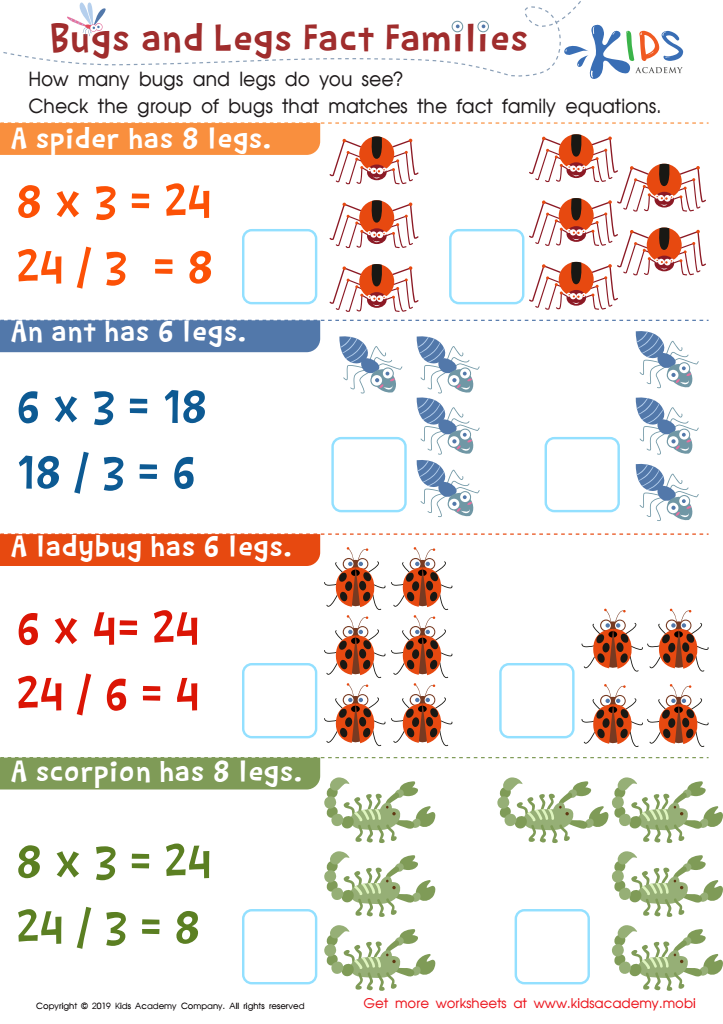
Bugs and Legs Fact Families Worksheet
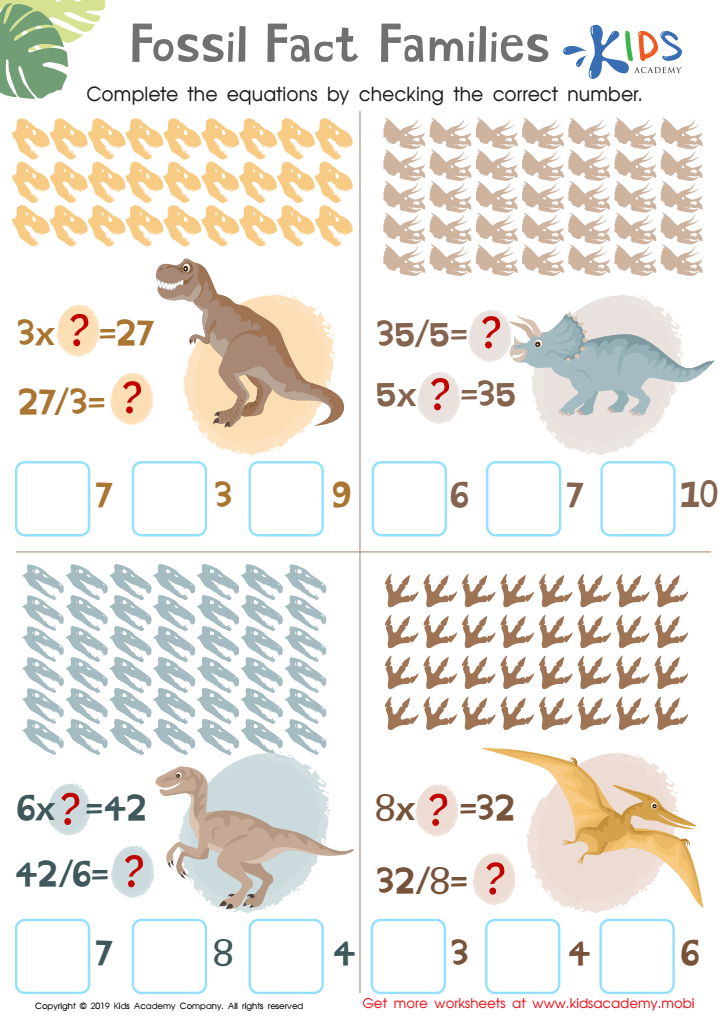
Fossil Fact Families Worksheet
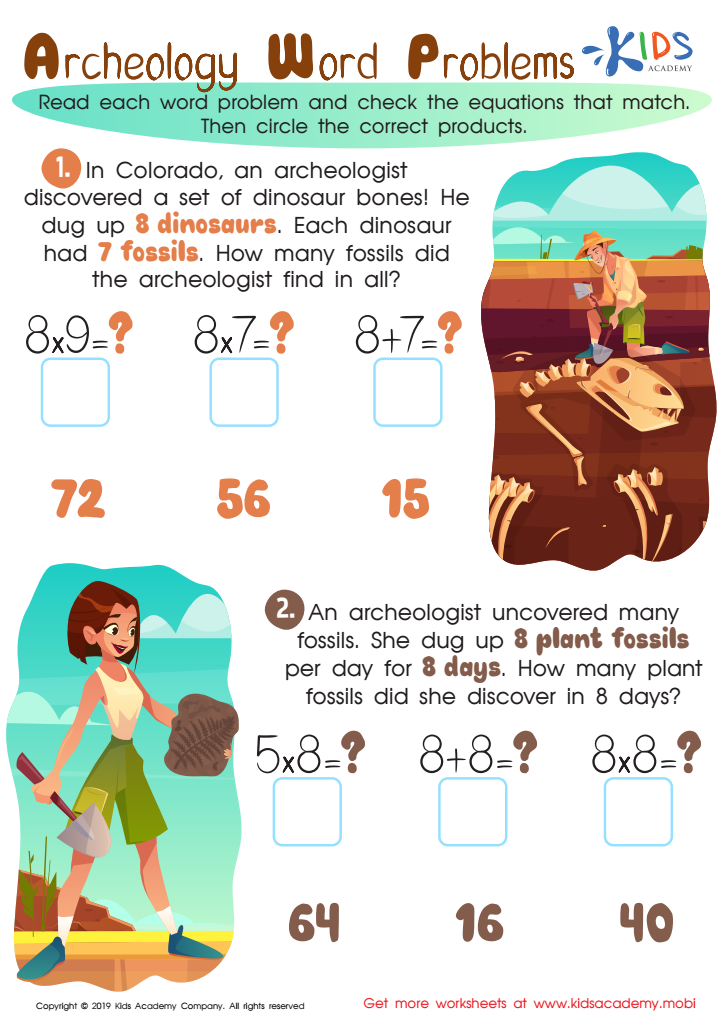
Archeology Word Problems Worksheet
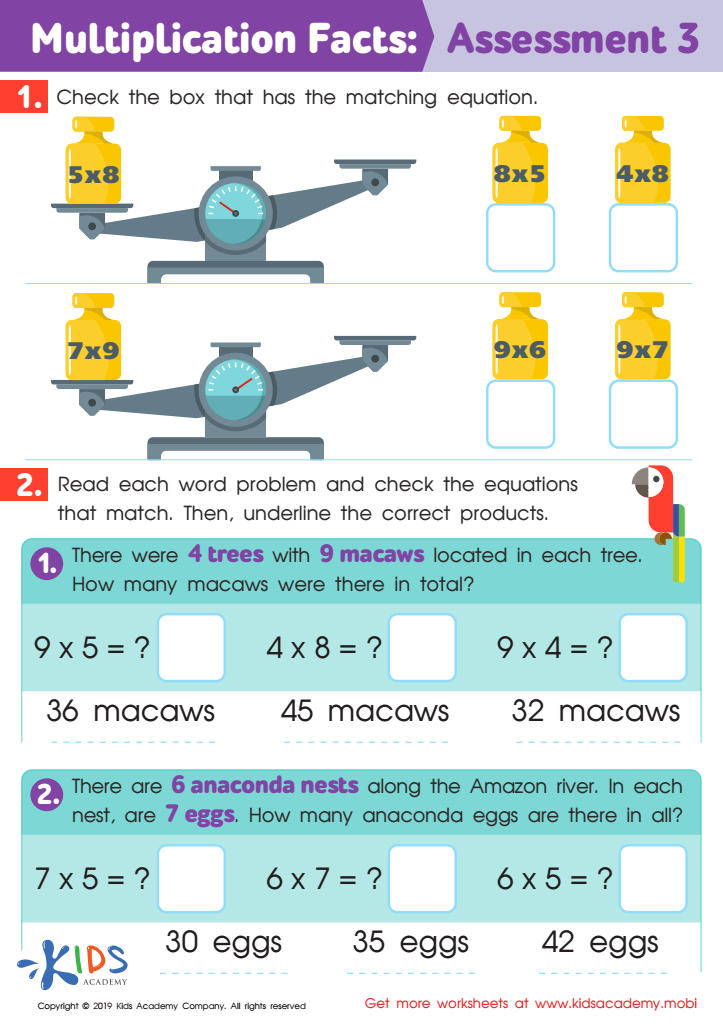
Multiplication Facts: Assessment 3 Worksheet
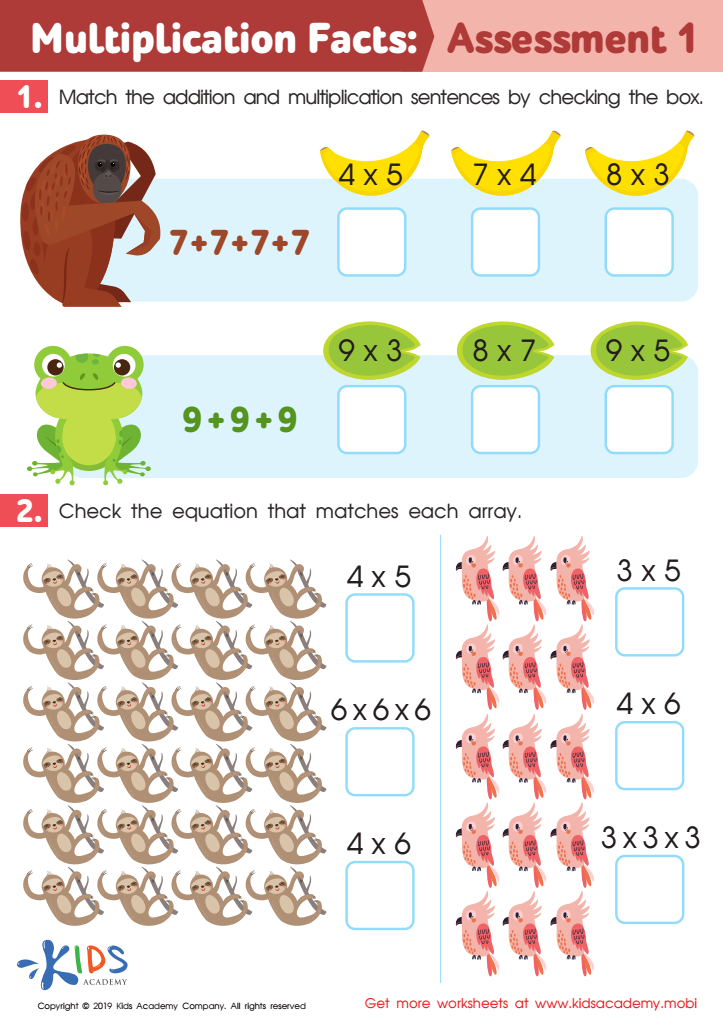
Multiplication Facts: Assessment 1 Worksheet
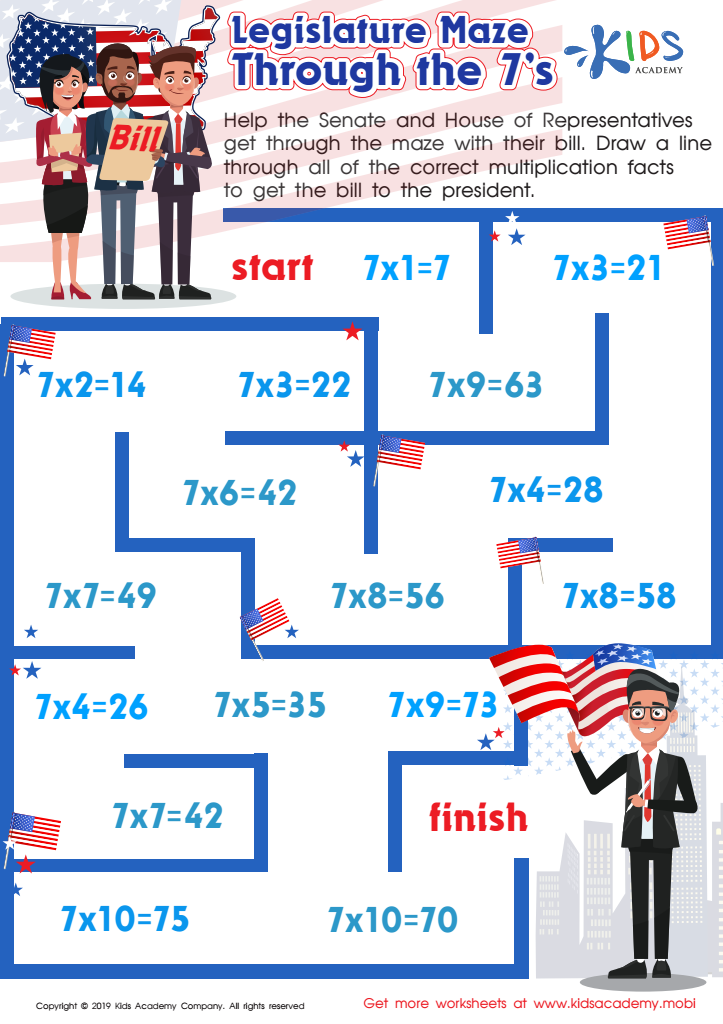
Legislature Maze Through the 7’s Worksheet
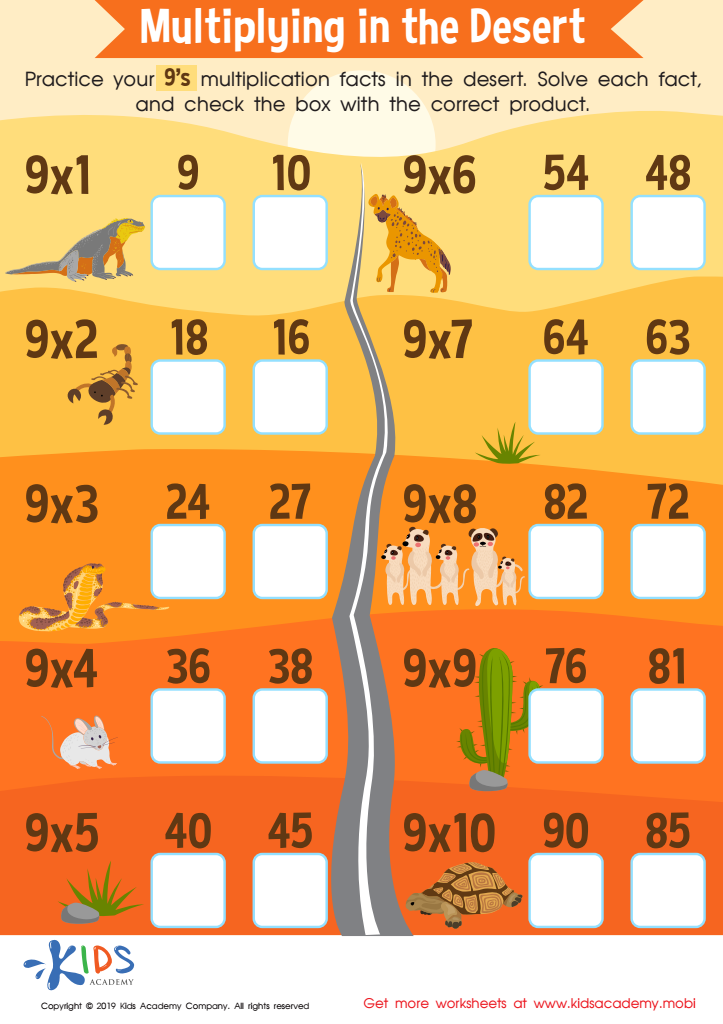
Multiplying in the Desert Worksheet
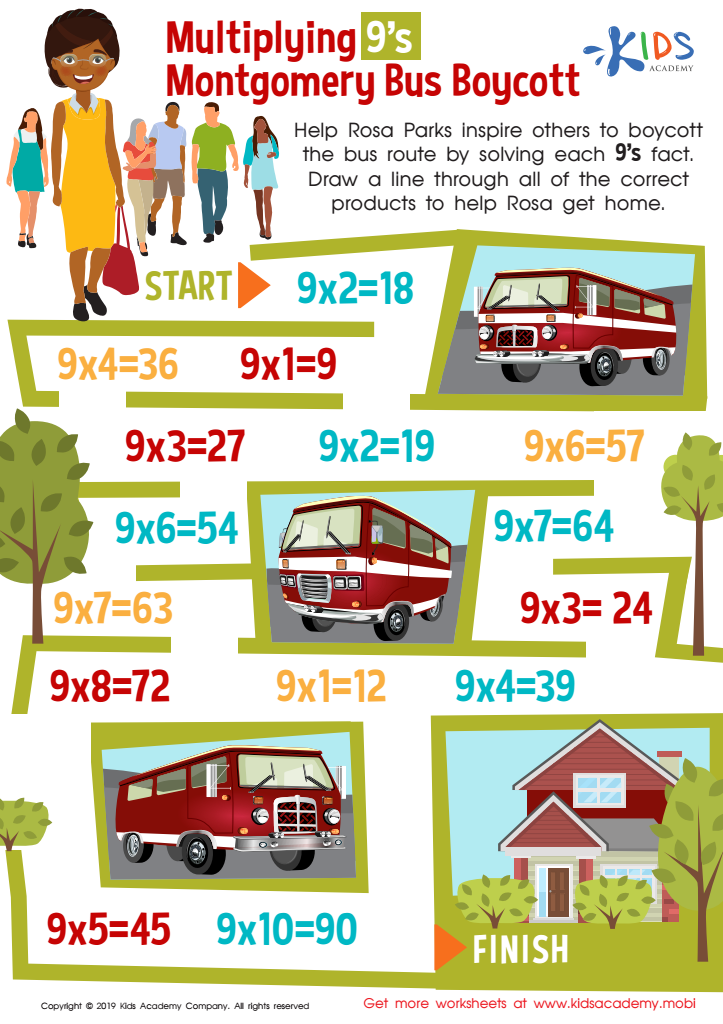
Multiplying 9’s Montgomery Bus Boycott Worksheet
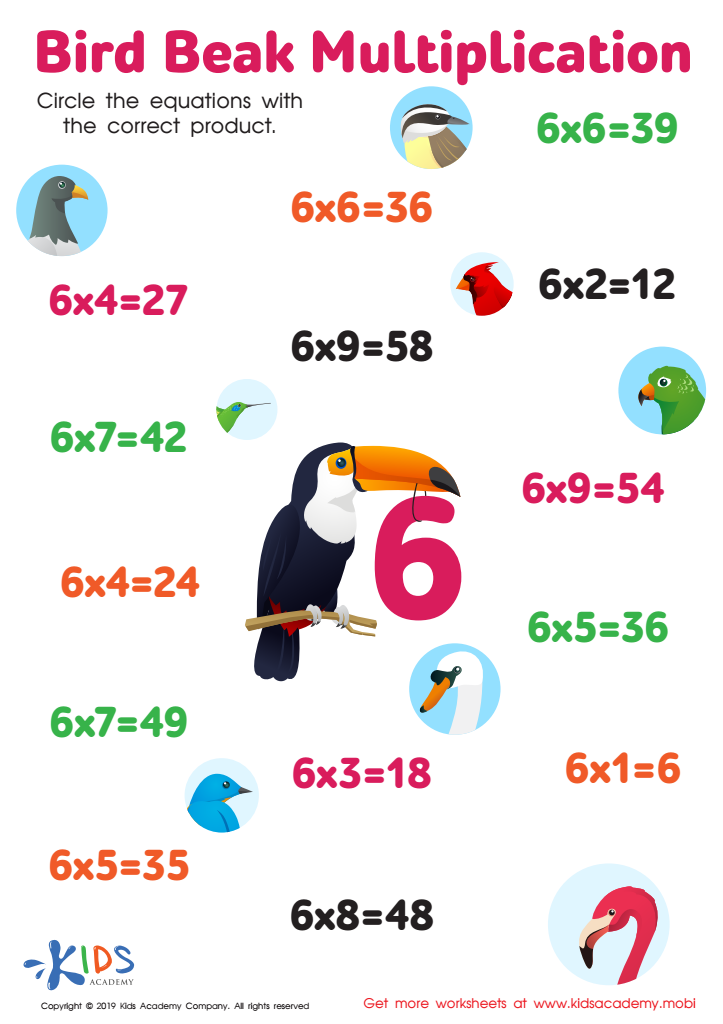
Bird Beak Multiplication Worksheet
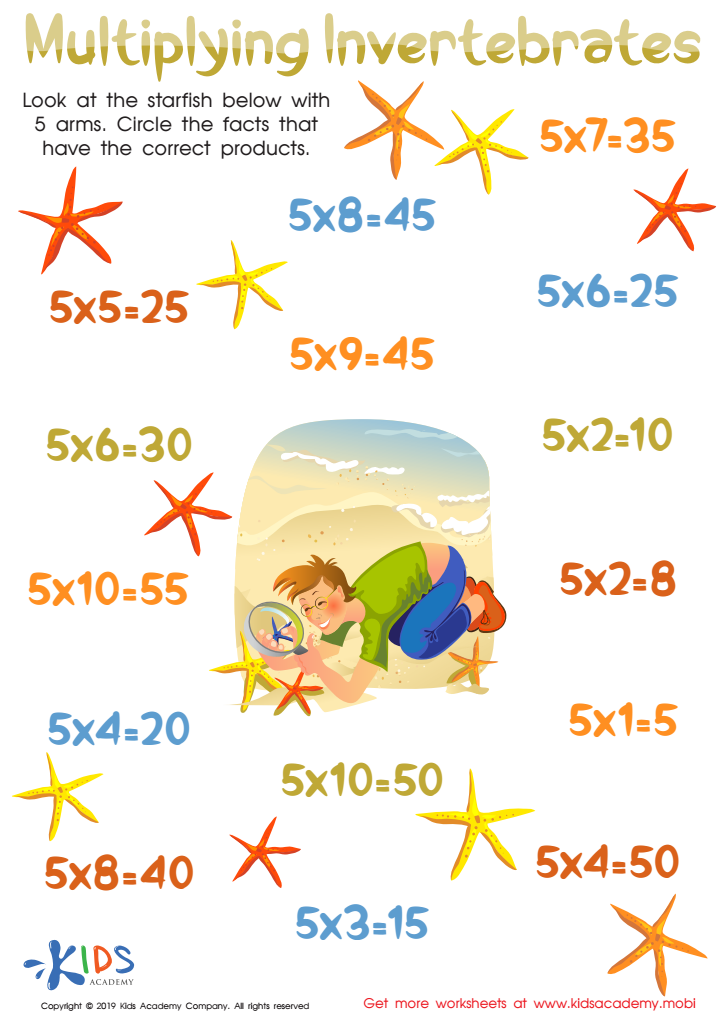
Multiplying Invertebrates Worksheet
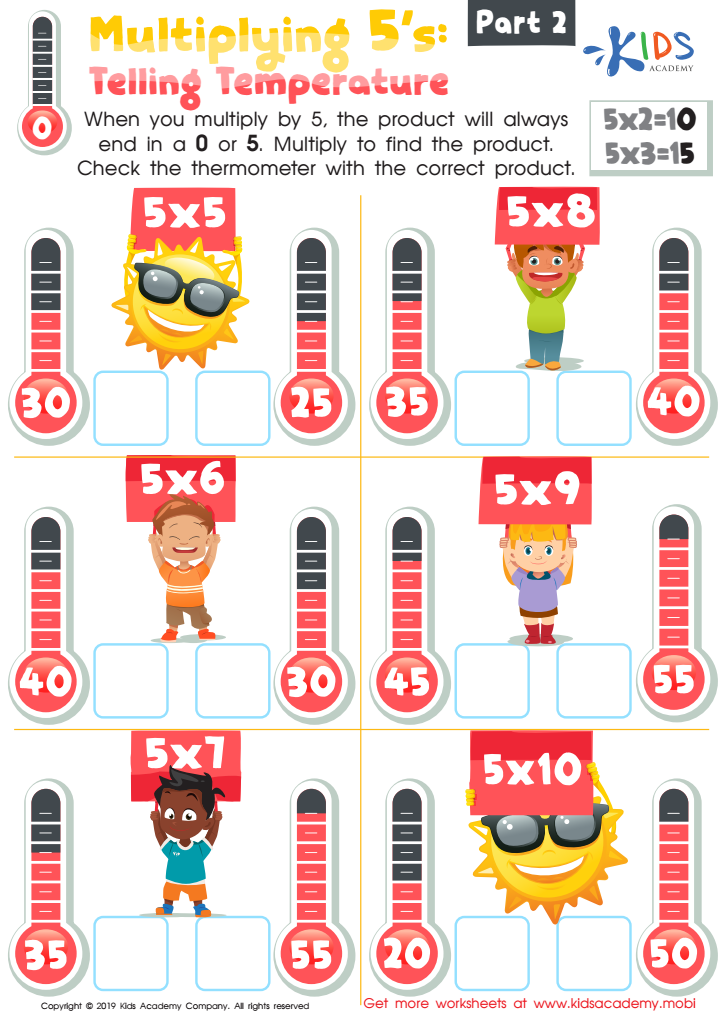
Multiplying 5’s: Telling Temperature Part 2 Worksheet
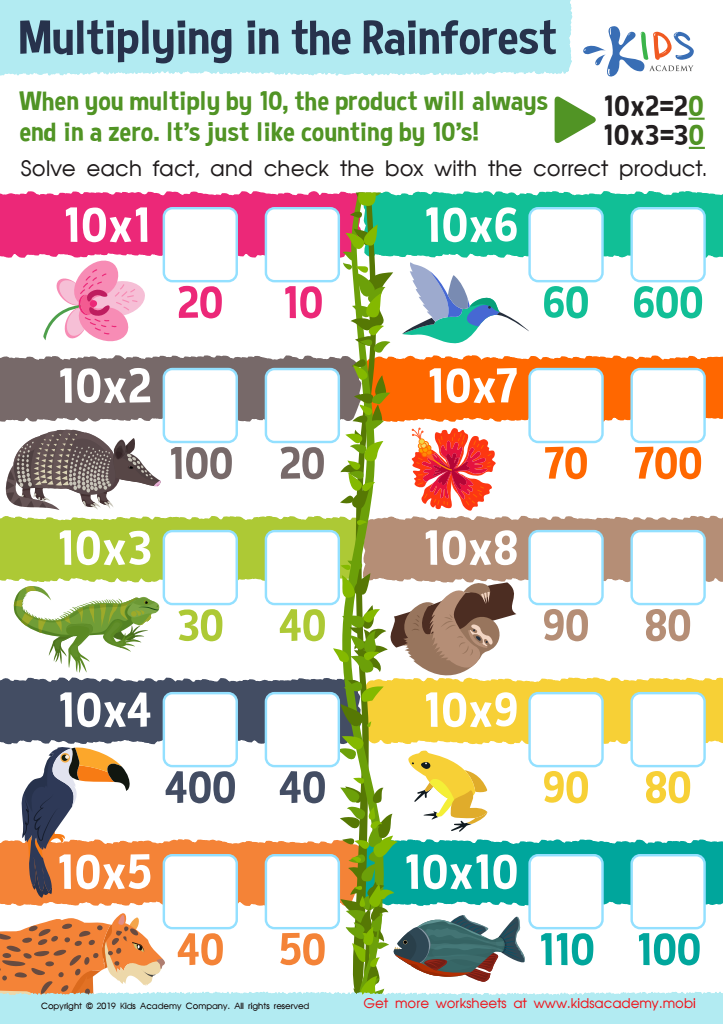
Multiplying in the Rainforest Worksheet
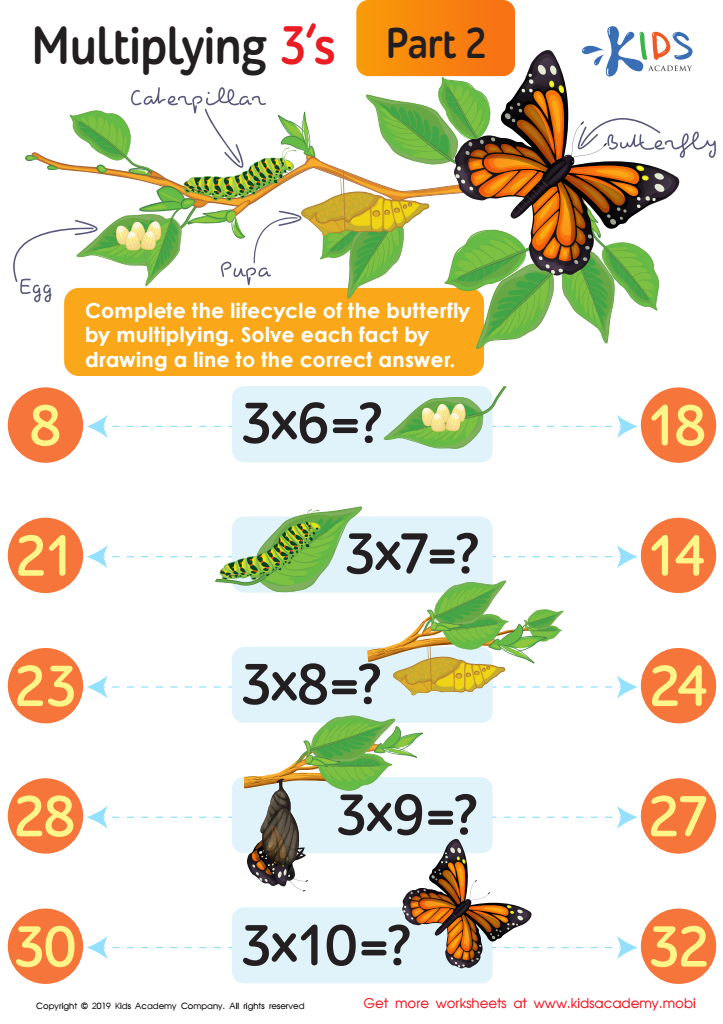
Multiplying 3s Part 2 Worksheet
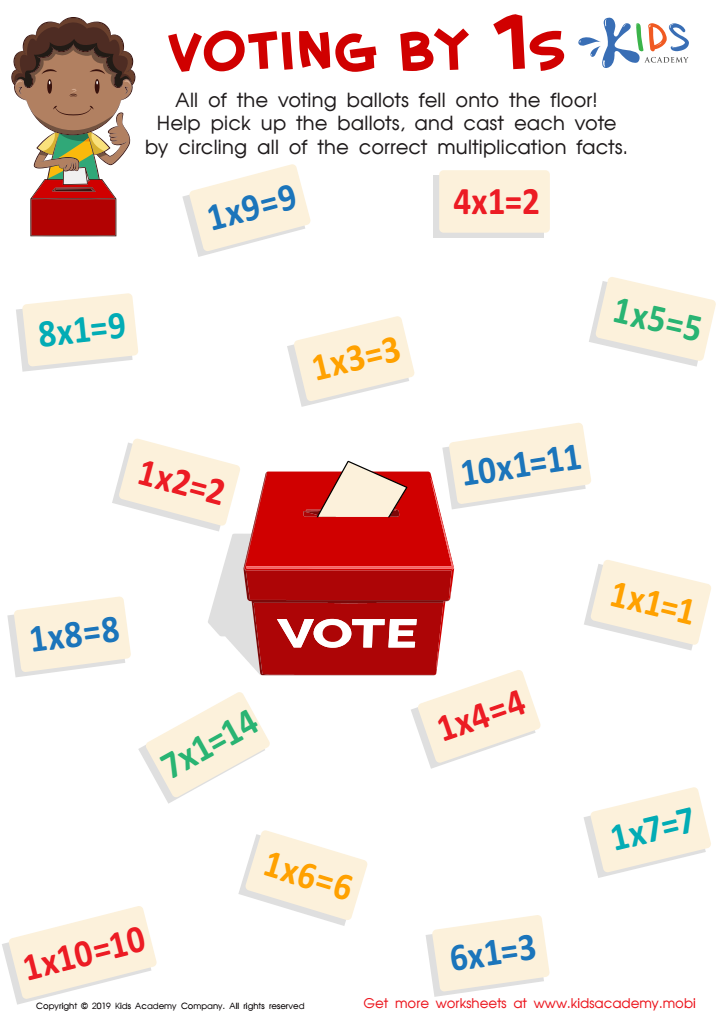
Voting by 1s Worksheet
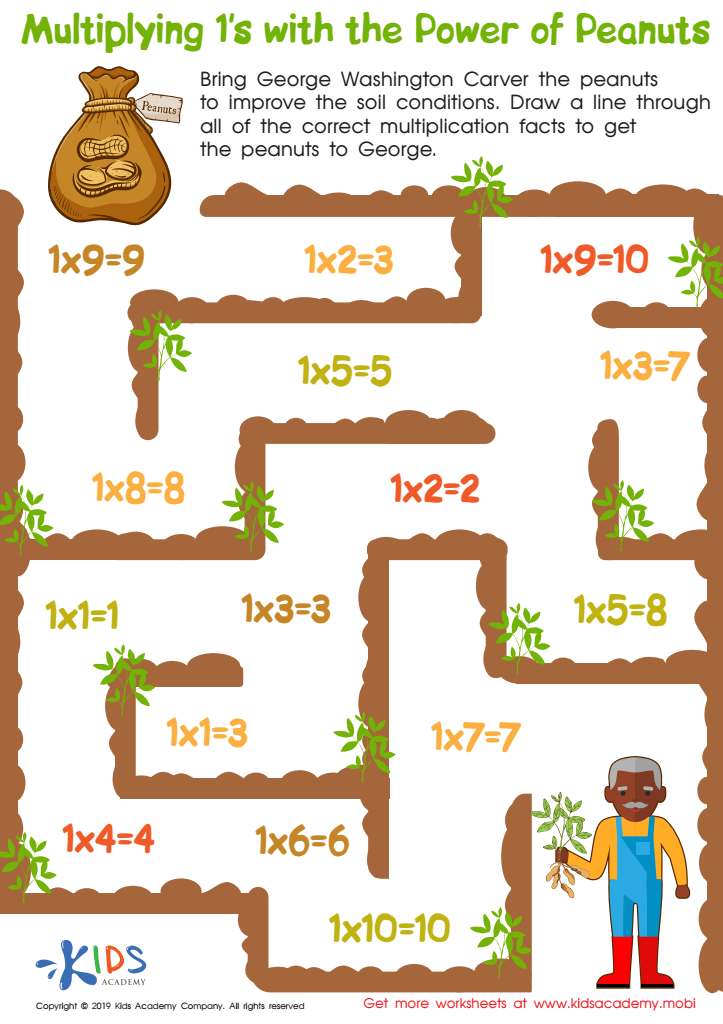
Multiplying 1’s With the Power of Peanuts Worksheet
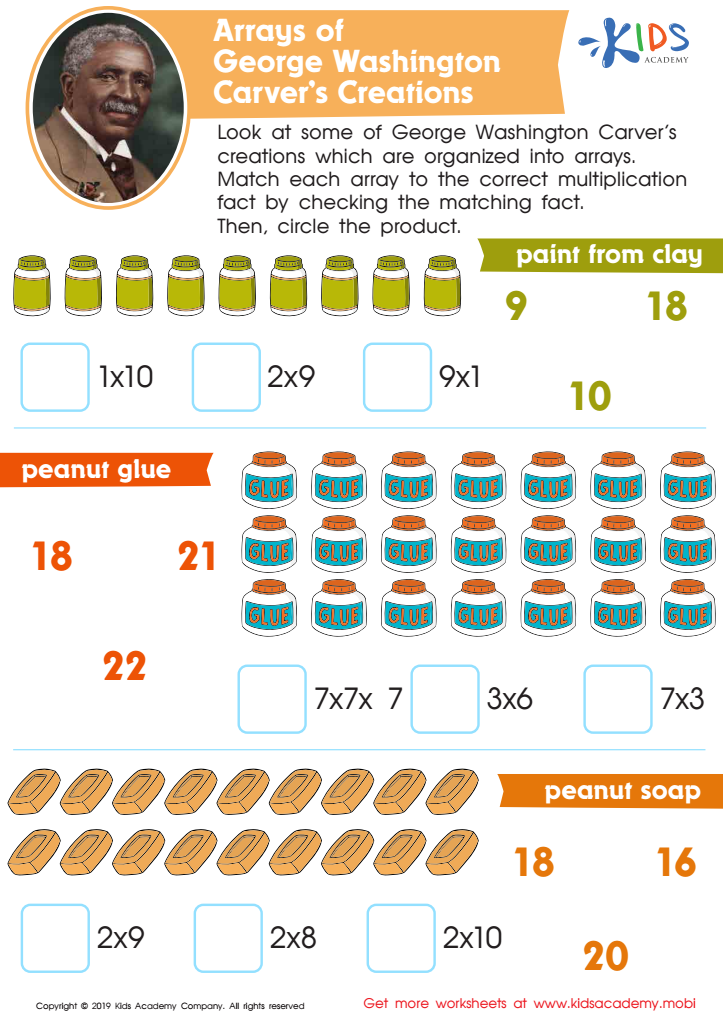
Arrays of George Washington Carver’s Creations Worksheet
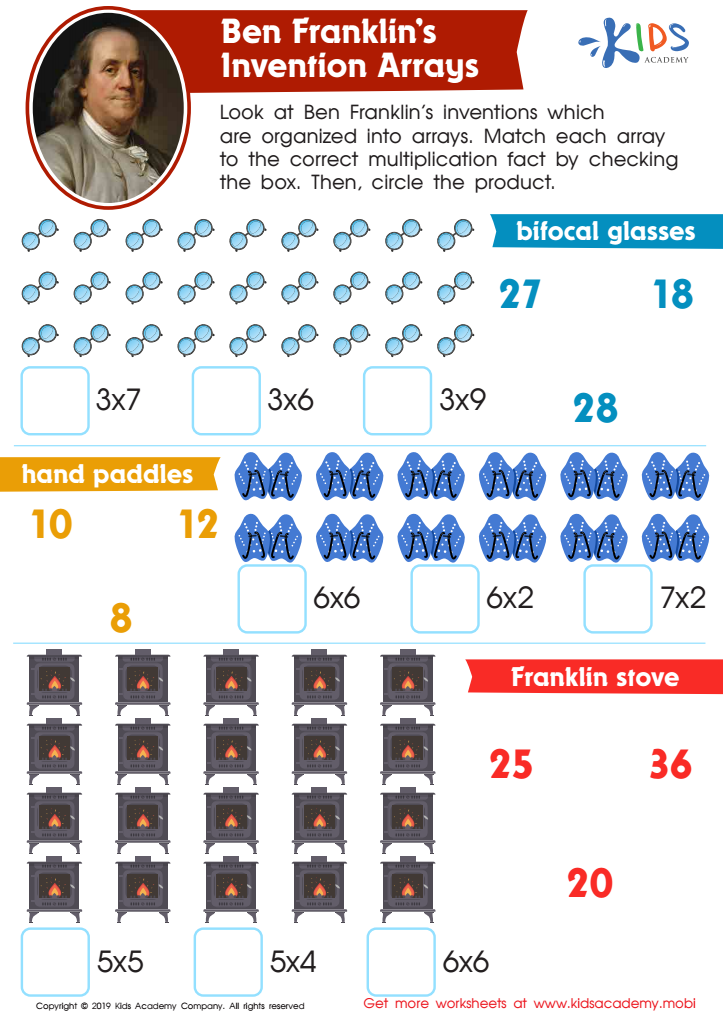
Ben Franklin’s Invention Arrays Worksheet
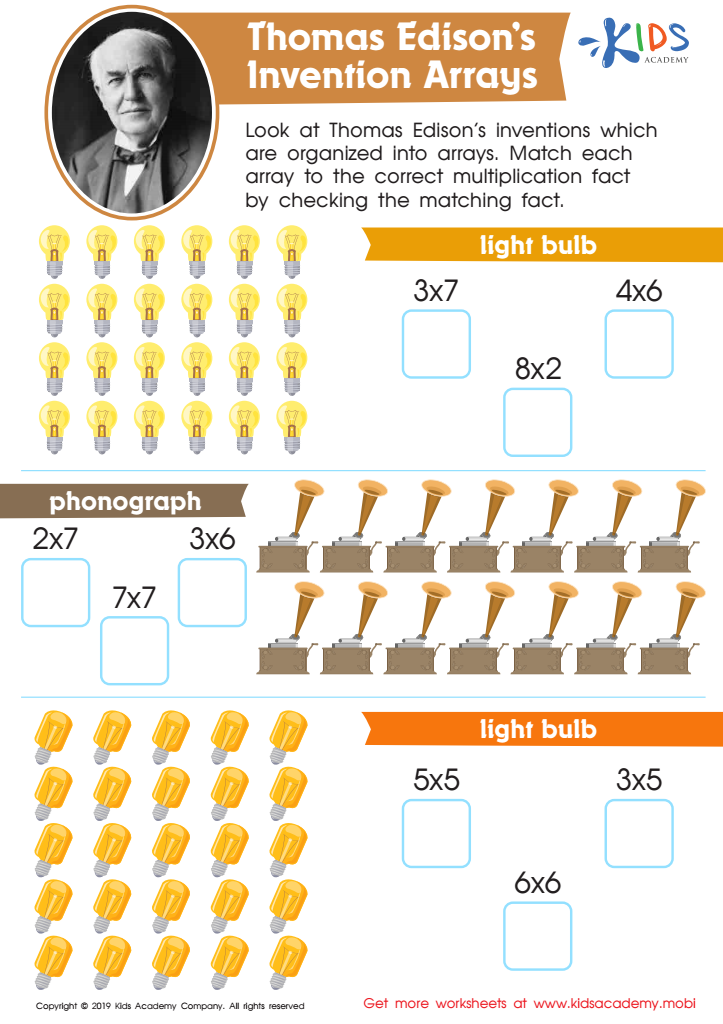
Thomas Edison’s Invention Arrays Worksheet






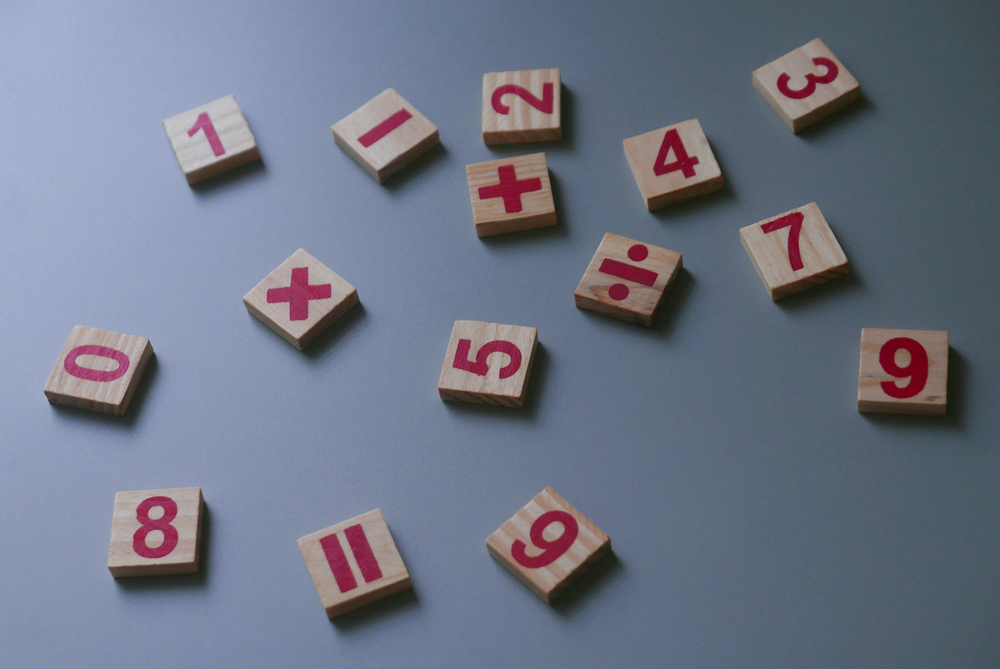

Normal multiplication is an essential skill for children aged 4-8 as it lays the foundation for mathematical understanding and problem-solving capabilities. At this early age, students are developing cognition, spatial awareness, and critical reasoning. Learning multiplication helps them grasp the concept of repeated addition, which not only enables them to understand larger numbers but also enhances their overall number sense.
By engaging with multiplication, children sharpen their cognitive skills, improve memory retention, and boost their confidence in facing complex mathematical problems in the future. Furthermore, skills developed through multiplication trickle into various areas of learning, including geometry and early fractions.
Moreover, multiplication is prevalent in everyday life, from counting items to calculating prices during shopping trips. Teaching children this skill not only prepares them for advanced mathematics in later grades but also equips them with real-world applications. For parents and teachers, focusing on normal multiplication provides a structured way to encourage a love for learning. Utilizing games, visual aids, and interactive activities can make this process enjoyable, promoting a positive attitude towards mathematics early on. Supporting children through this learning stage empowers them with the tools and determination to succeed academically and in life.








