Normal Plants and Animals Worksheets for Ages 4-8 - Page 2
100 filtered results
-
From - To
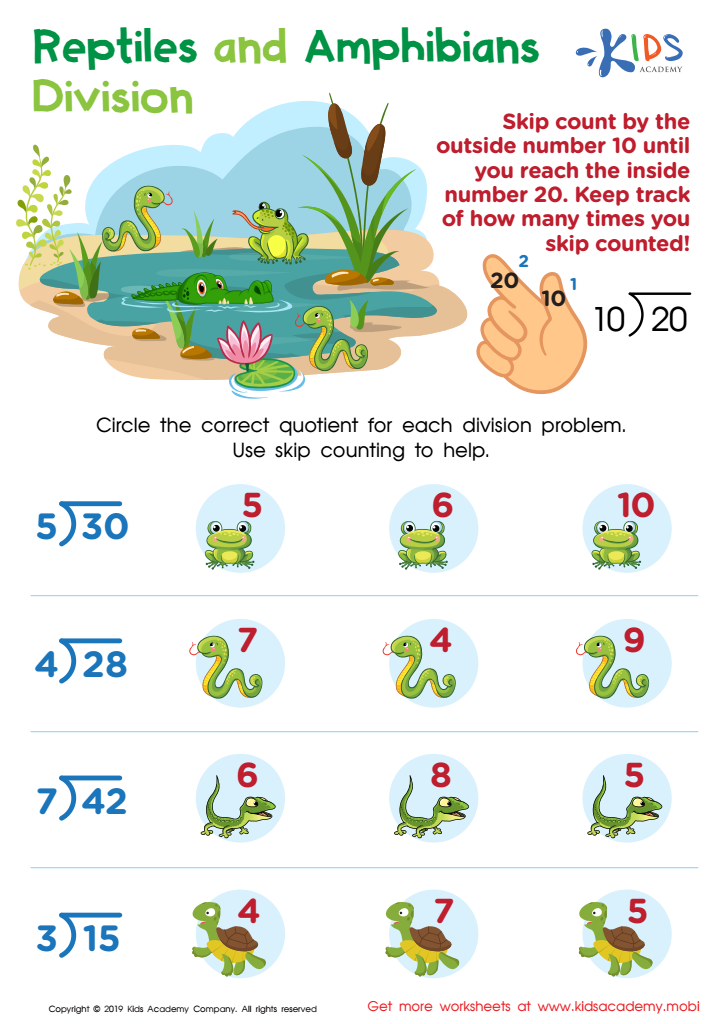
Reptile and Amphibians Division Worksheet
 Assign to My Students











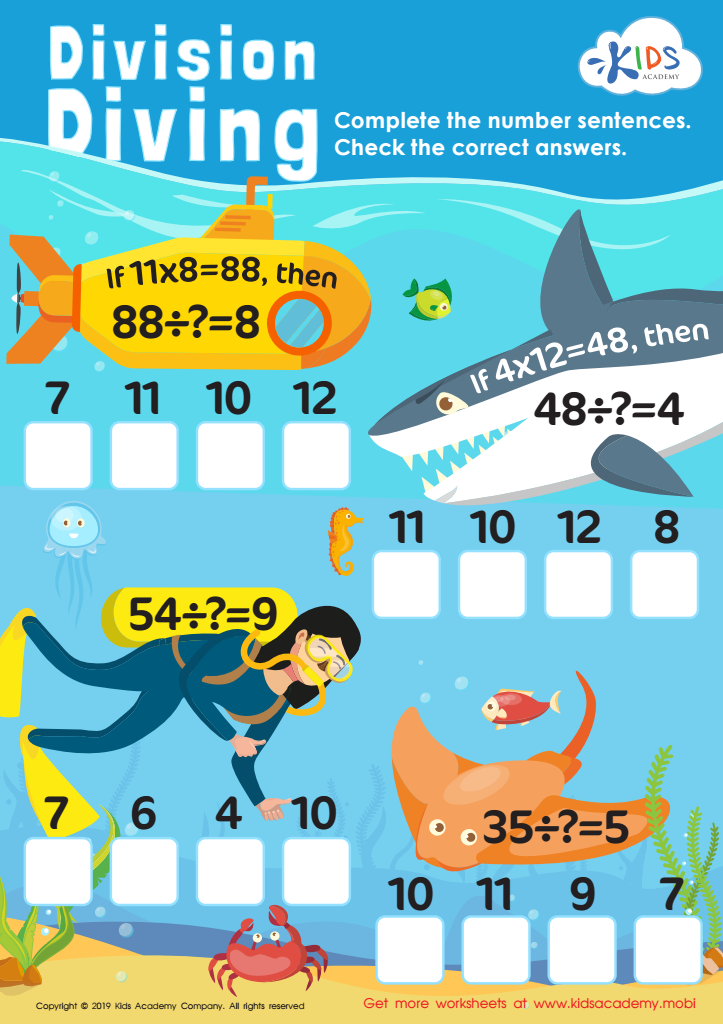
Division Diving Worksheet
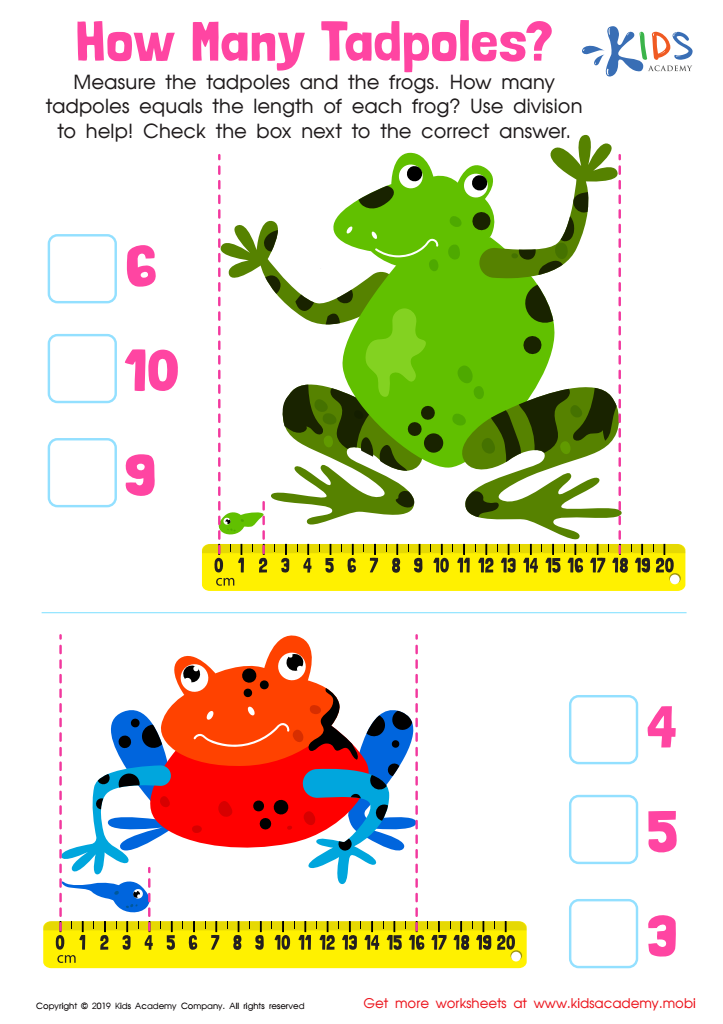
How Many Tadpoles Worksheet
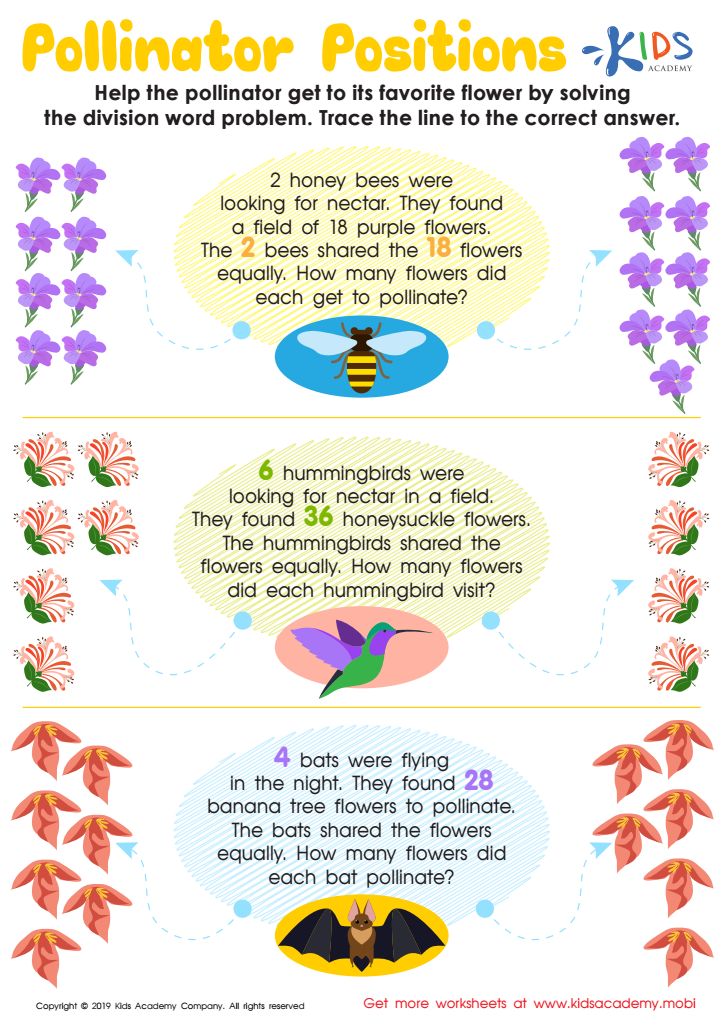
Pollinator Positions Worksheet
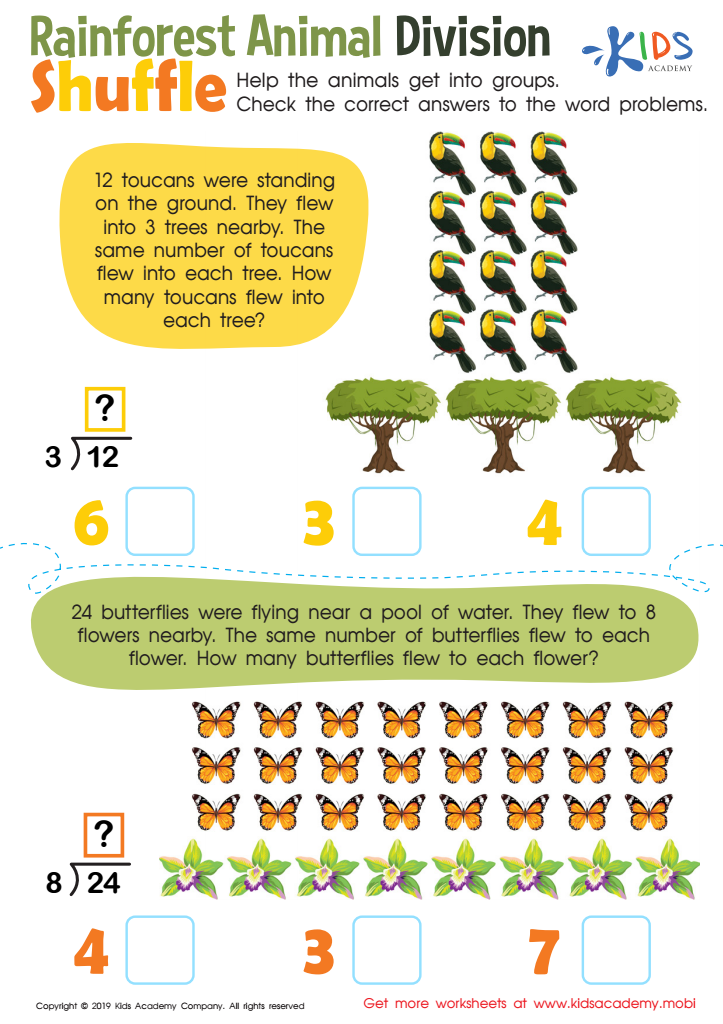
Rainforest Animal Division Worksheet
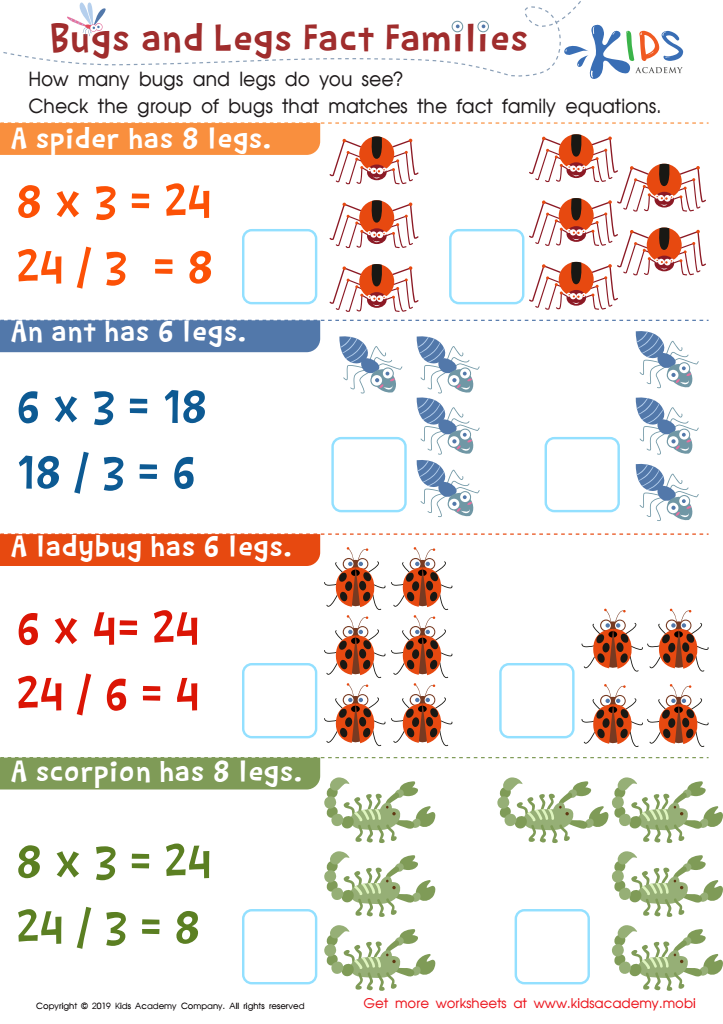
Bugs and Legs Fact Families Worksheet
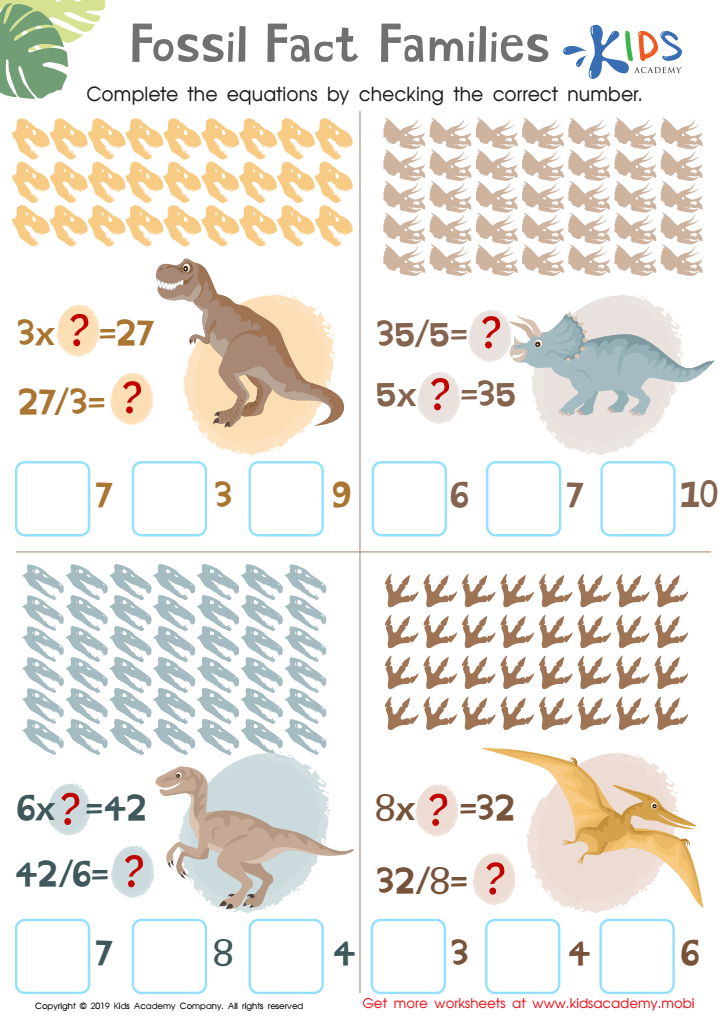
Fossil Fact Families Worksheet
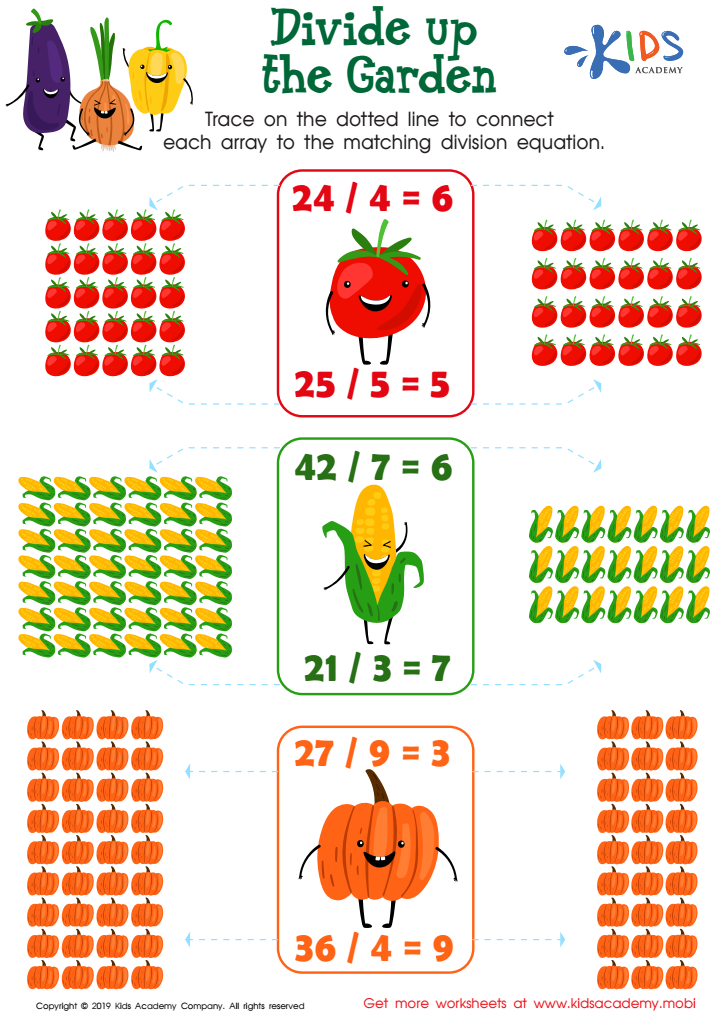
Divide up the Garden Worksheet
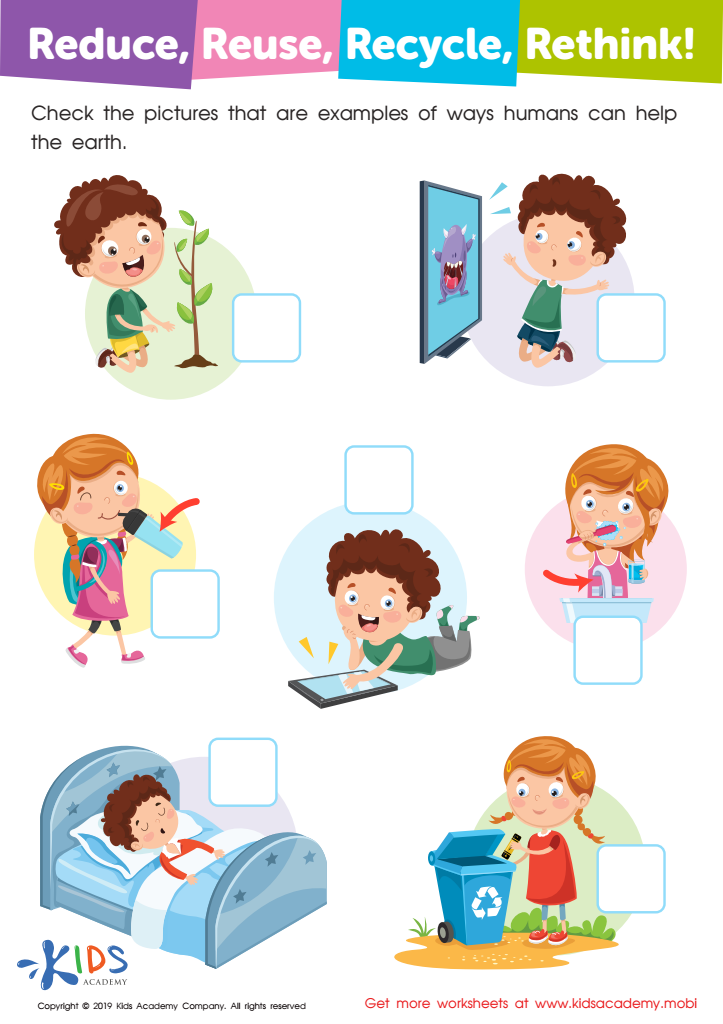
Reduce, Reuse, Recycle, Rethink Worksheet
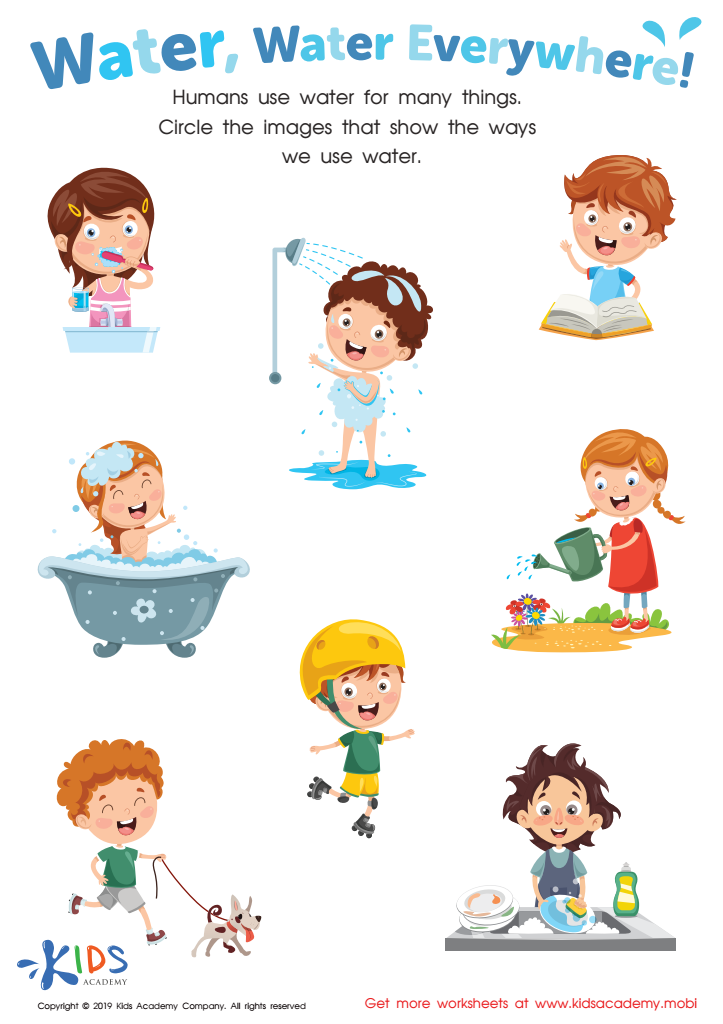
Water, Water Everywhere! Worksheet
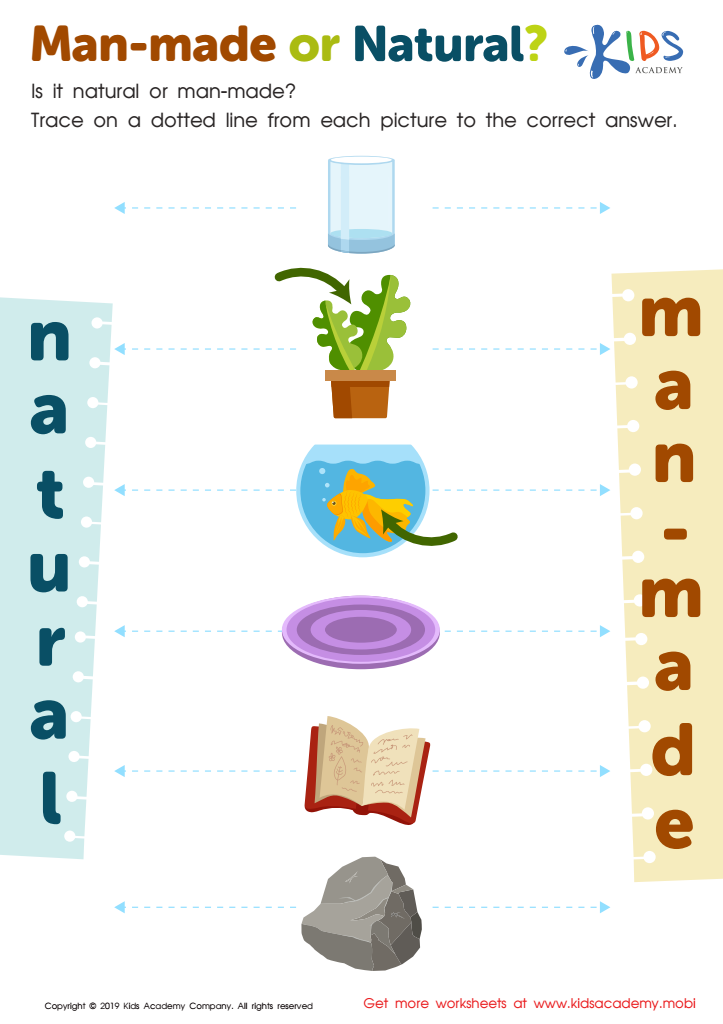
Man-Made or Natural? Worksheet
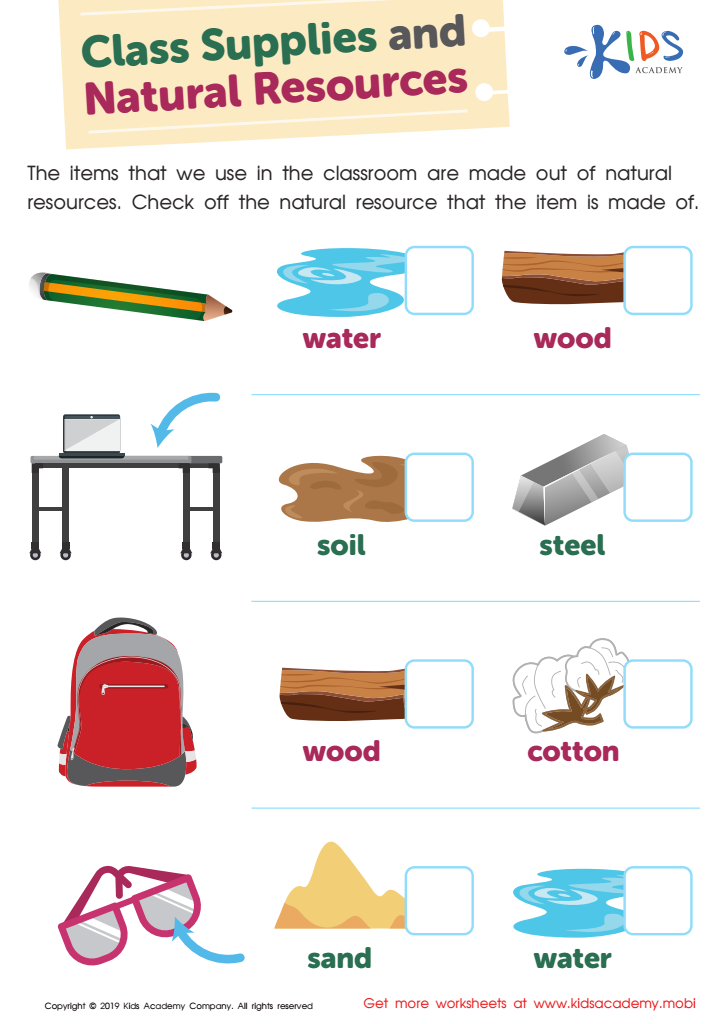
Class Supplies and Natural Resources Worksheet
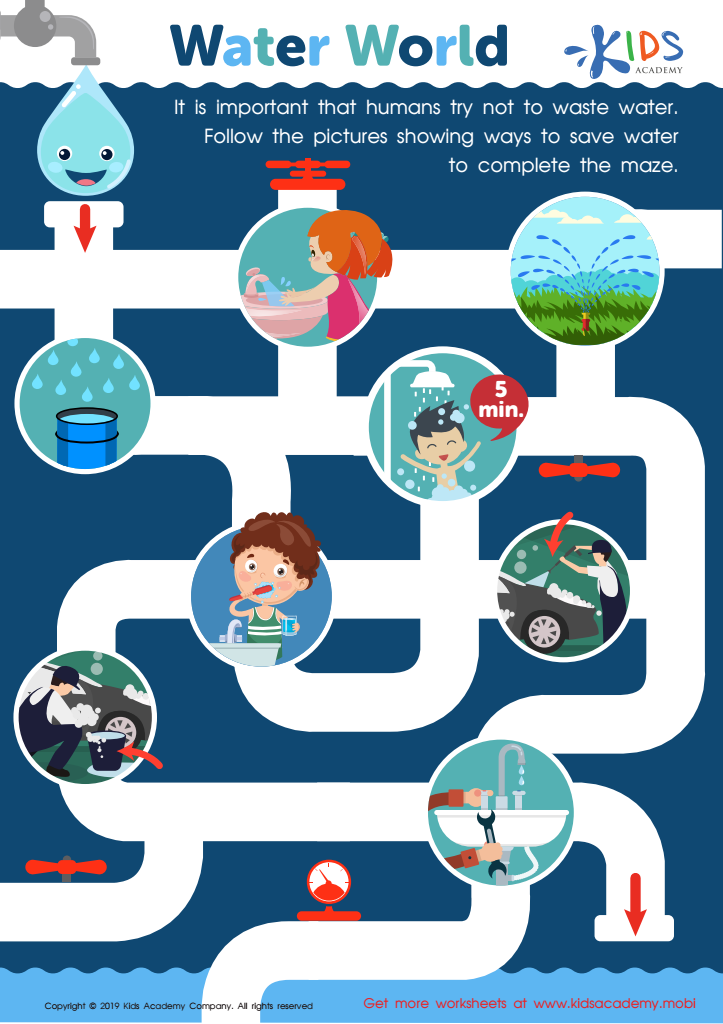
Water World Worksheet
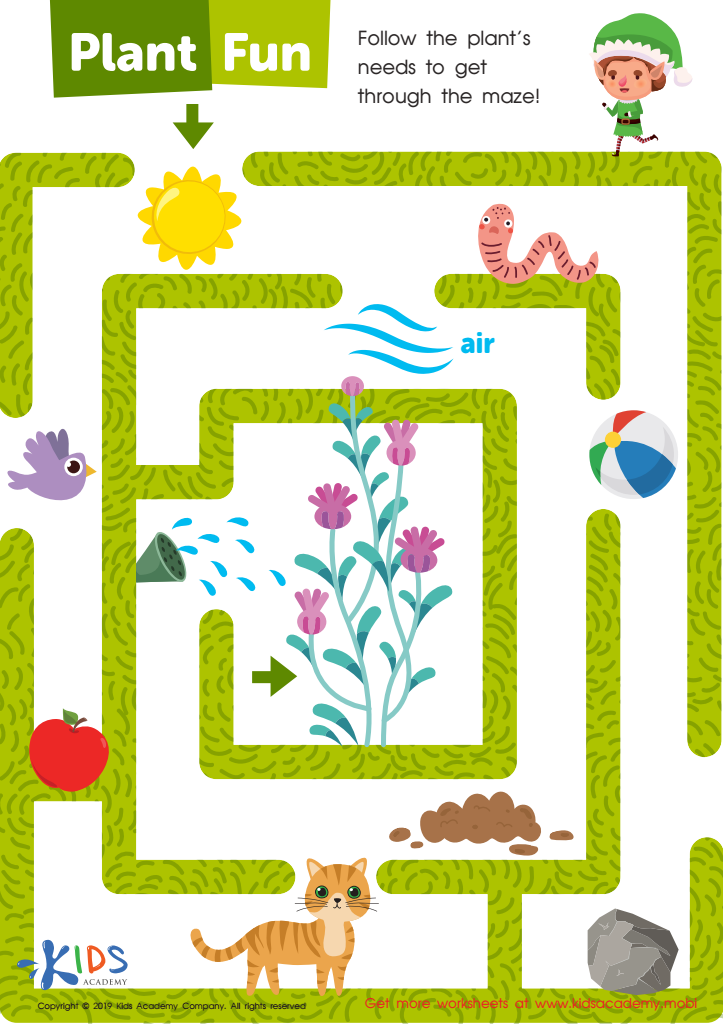
Plant Fun Worksheet
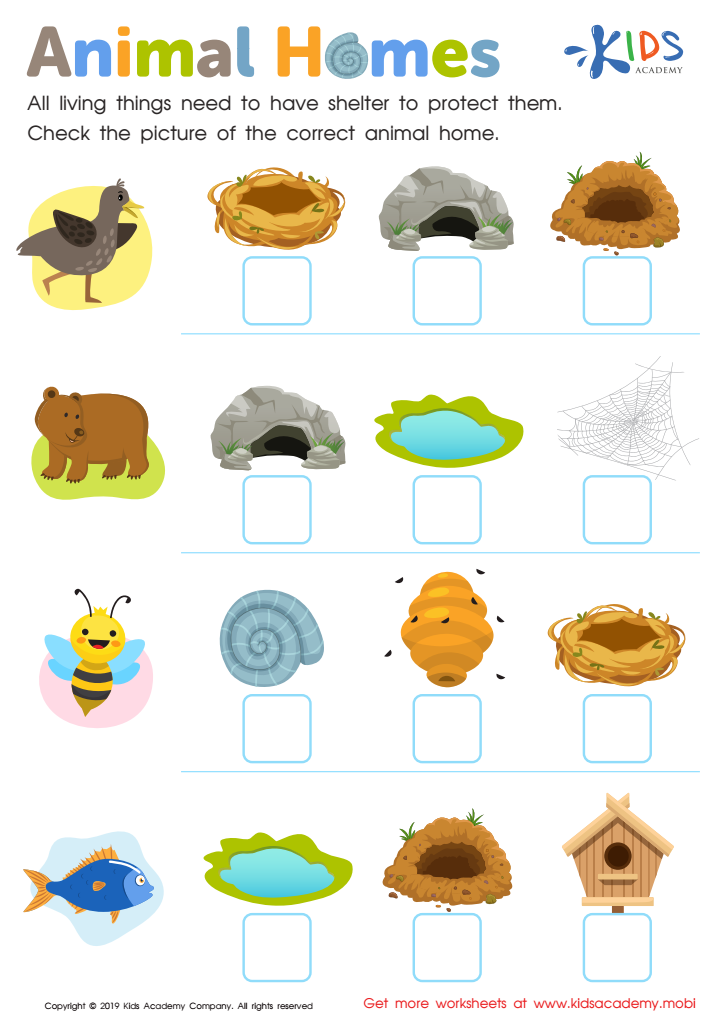
Animal Homes Worksheet
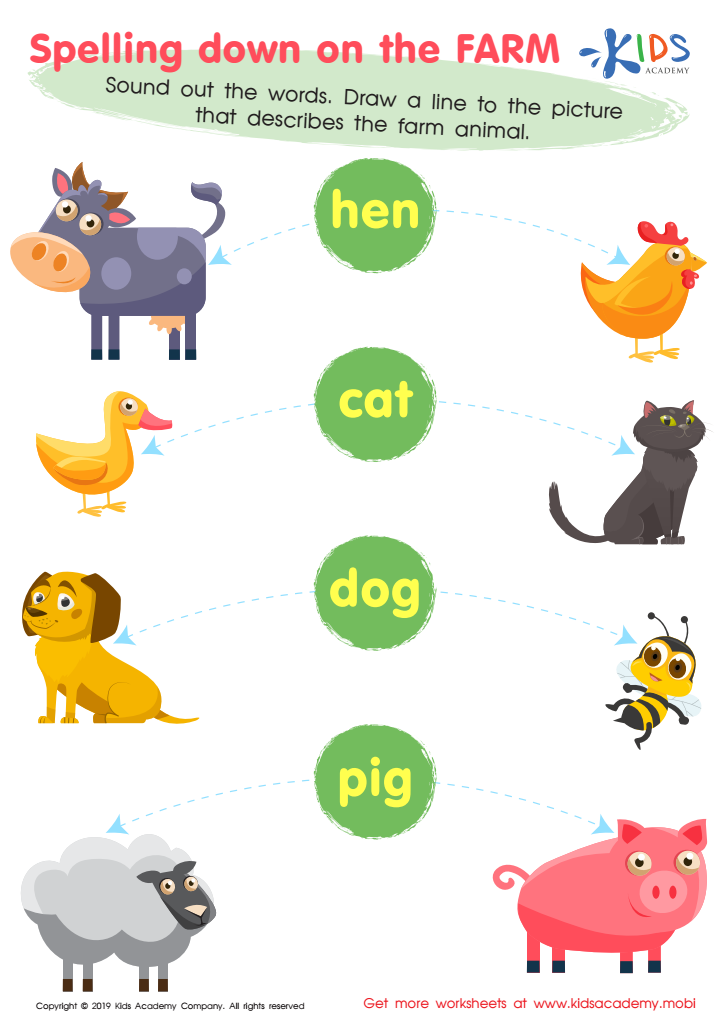
Spelling Down on the Farm Worksheet
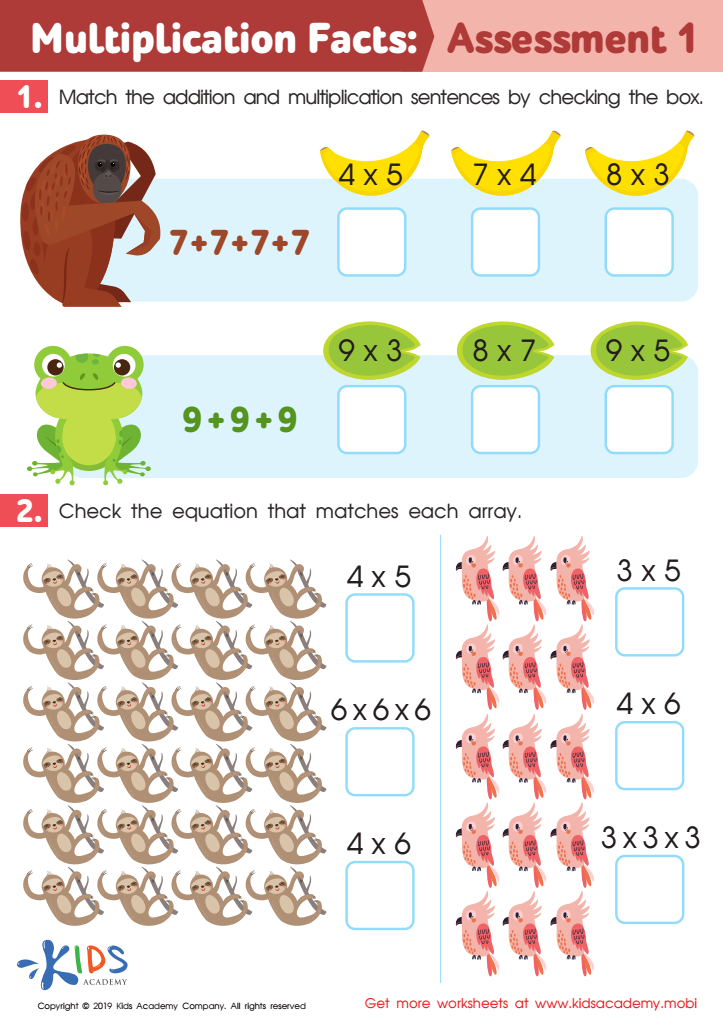
Multiplication Facts: Assessment 1 Worksheet
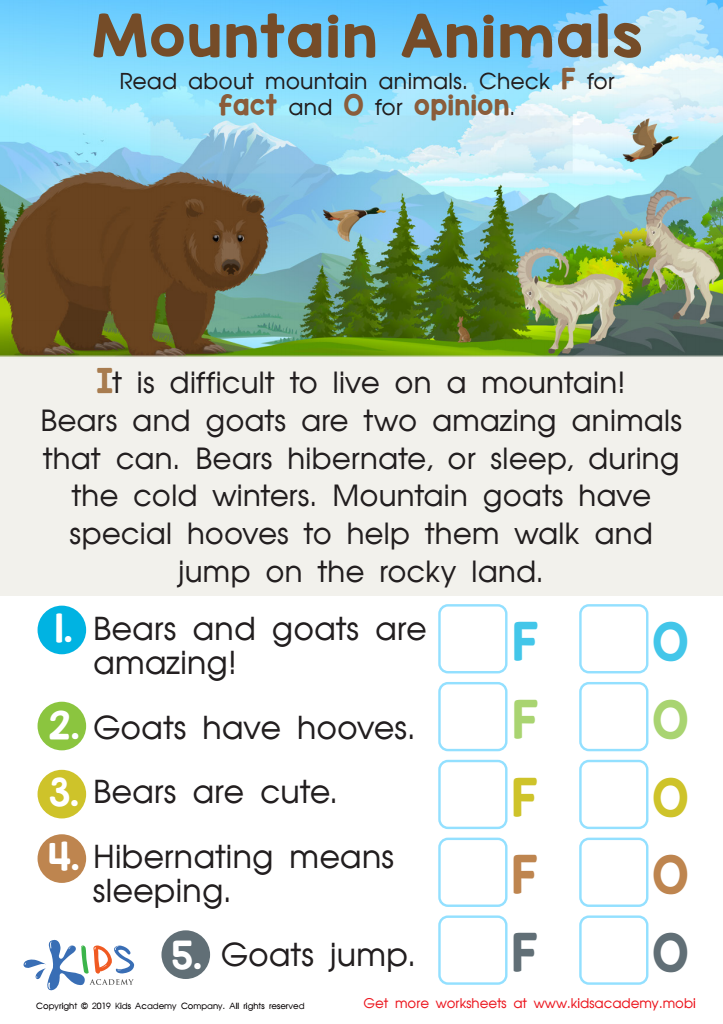
Mountain Animals Worksheet
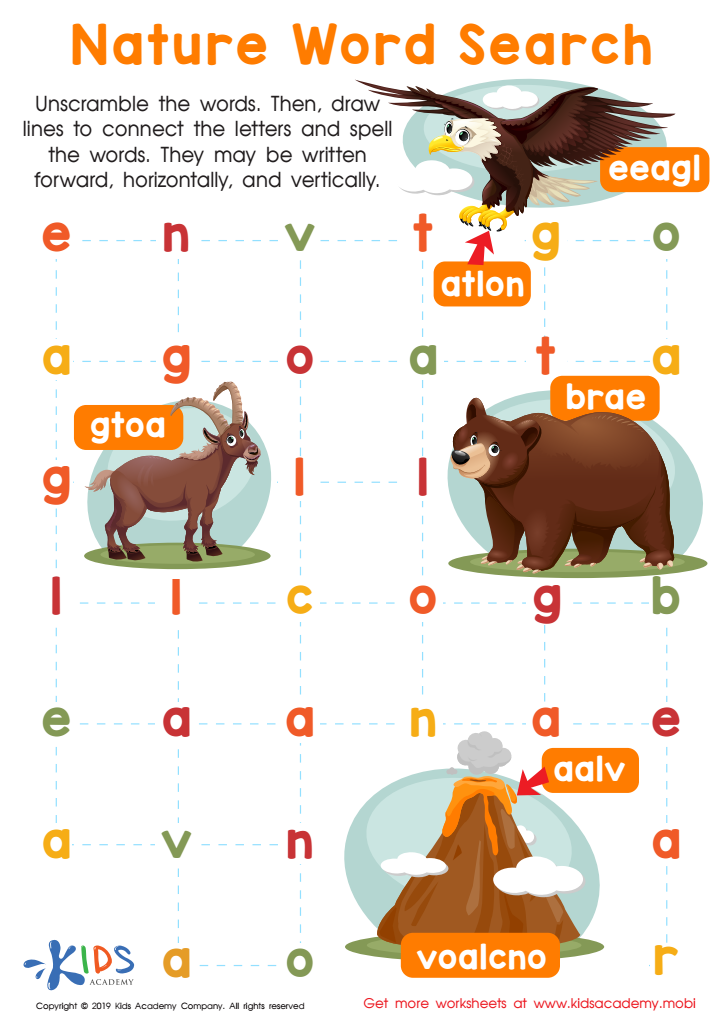
Nature Word Search Worksheet
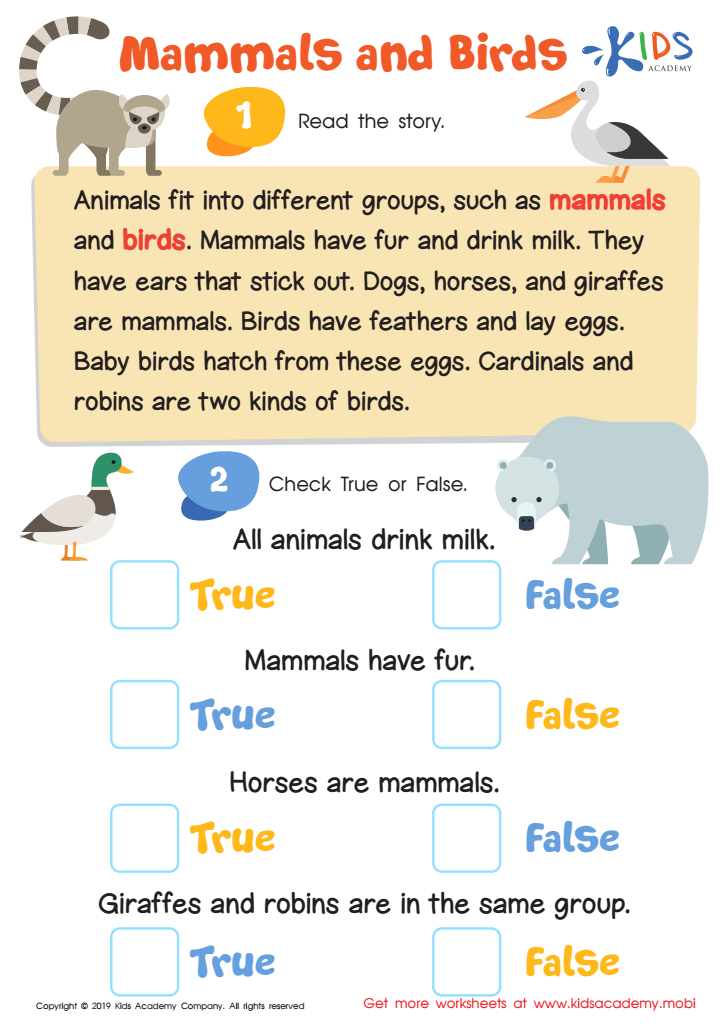
Mammals and Birds Worksheet
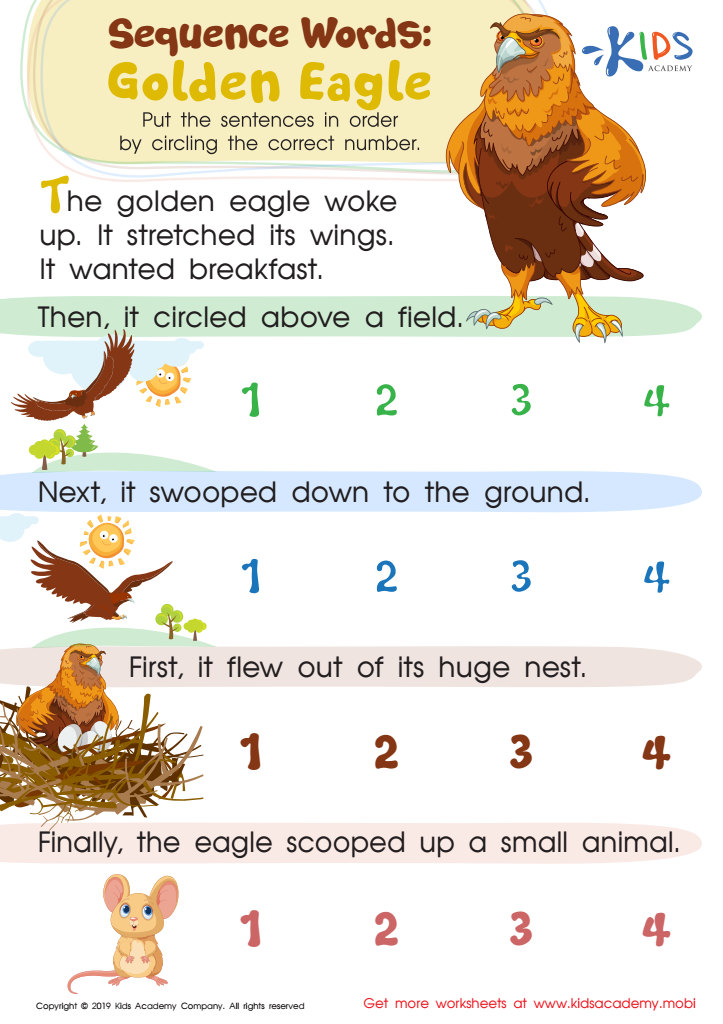
Sequence Word Eagle Worksheet
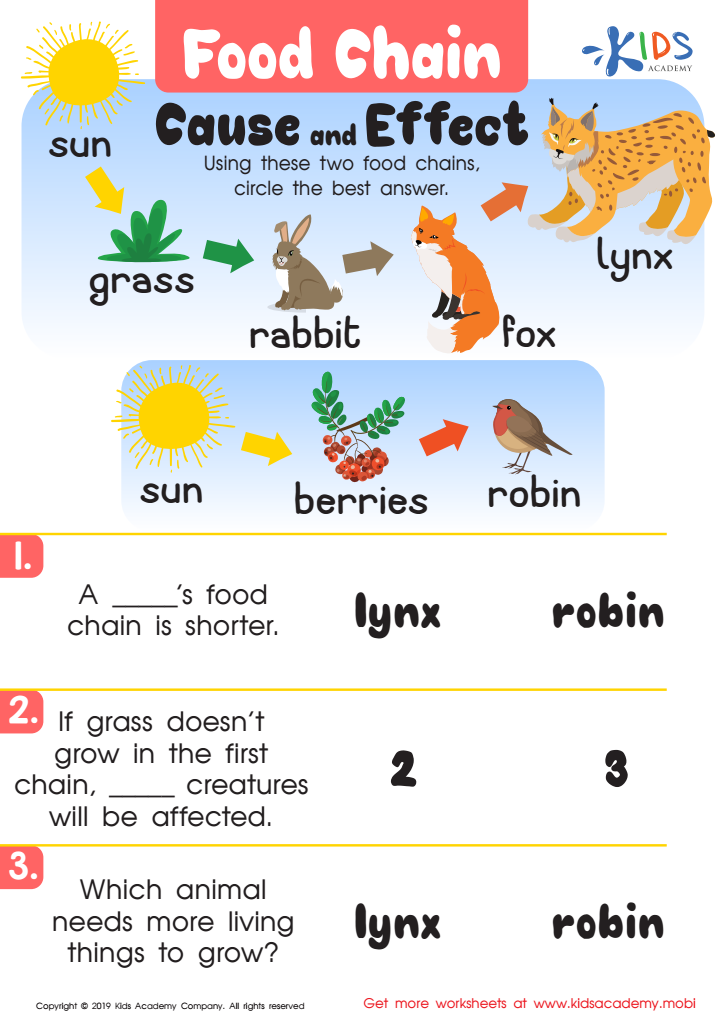
Food Chain Cause Worksheet
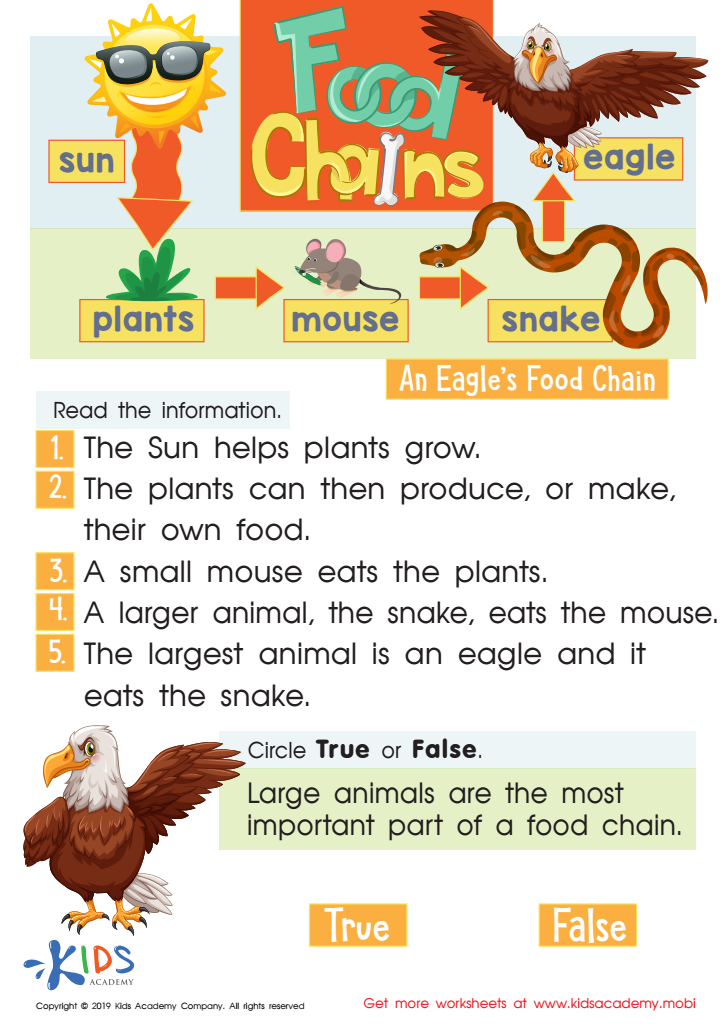
Food Chains Worksheet
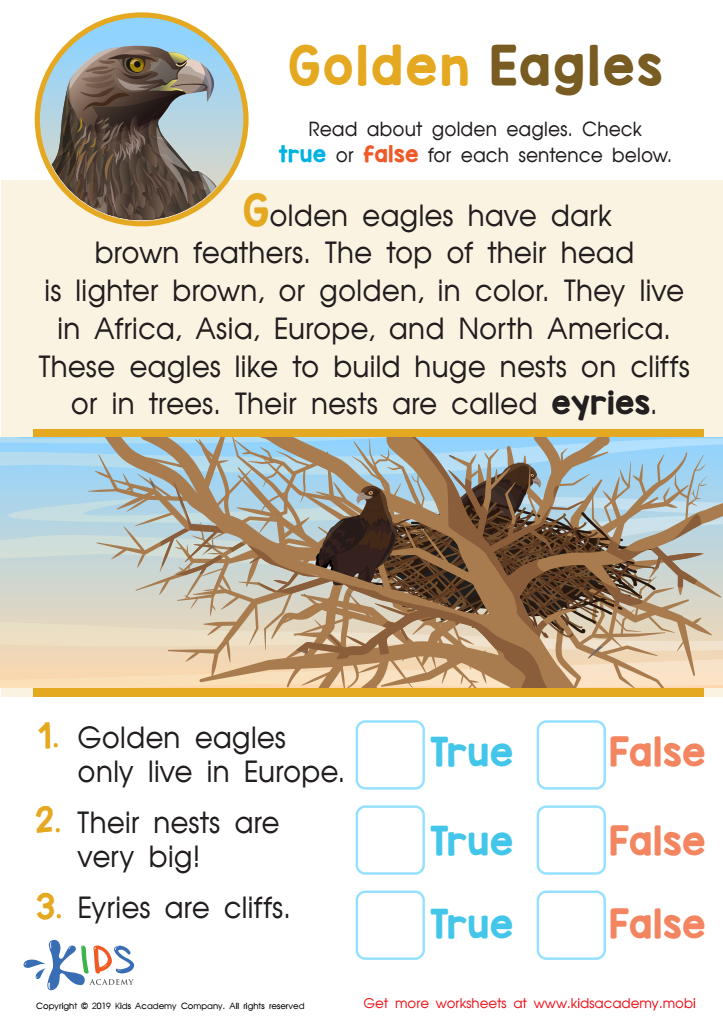
Golden Eagles Worksheet








Every child is naturally curious about the world around them, and learning about normal plants and animals plays a crucial role in their early development. For parents and teachers, fostering this interest is essential for several reasons.
Firstly, understanding plants and animals promotes environmental awareness, instilling respect and appreciation for nature. This sparks a sense of responsibility toward the environment, encouraging children to engage in sustainable practices from a young age.
Secondly, observing normal plants and animals contributes to scientific literacy. Children can learn observation skills, critical thinking, and basic ecosystems through simple activities like gardening or nature walks. These foundational experiences are vital for developing problem-solving skills and an understanding of life cycles, habitats, and biodiversity.
Moreover, learning about normal plants and animals supports social-emotional growth. Children often find joy and comfort in nature, which can enhance emotional well-being and creativity.
Lastly, discussing plants and animals opens up opportunities for cross-disciplinary learning, as it can integrate art, storytelling, and mathematics, enriching the educational experience. By nurturing a child's fascination with the natural world, parents and teachers help shape inquisitive, empathetic, and informed future stewards of the environment.







