Normal Letter Recognition Worksheets for Ages 4-9
67 filtered results
-
From - To
Discover our engaging Normal Letter Recognition Worksheets designed for children ages 4-9! These educational resources help young learners develop essential literacy skills by identifying, recognizing, and writing letters of the alphabet. With a variety of fun and interactive activities, these worksheets promote early reading abilities, fine motor skills, and letter familiarity. Perfect for both classroom use and at-home learning, our worksheets cater to different learning styles and provide a colorful, friendly approach to education. Encourage your child's love for learning while reinforcing their letter recognition skills today. Try our printable worksheets and watch their confidence in reading grow!
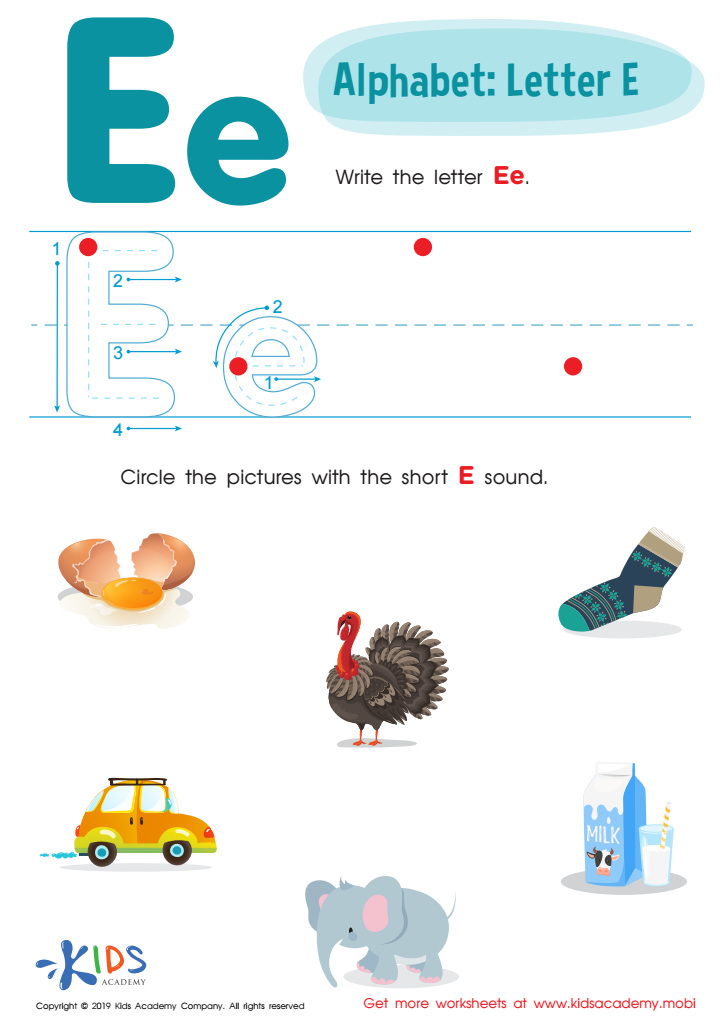
Letter E Tracing Worksheet
 Assign to My Students
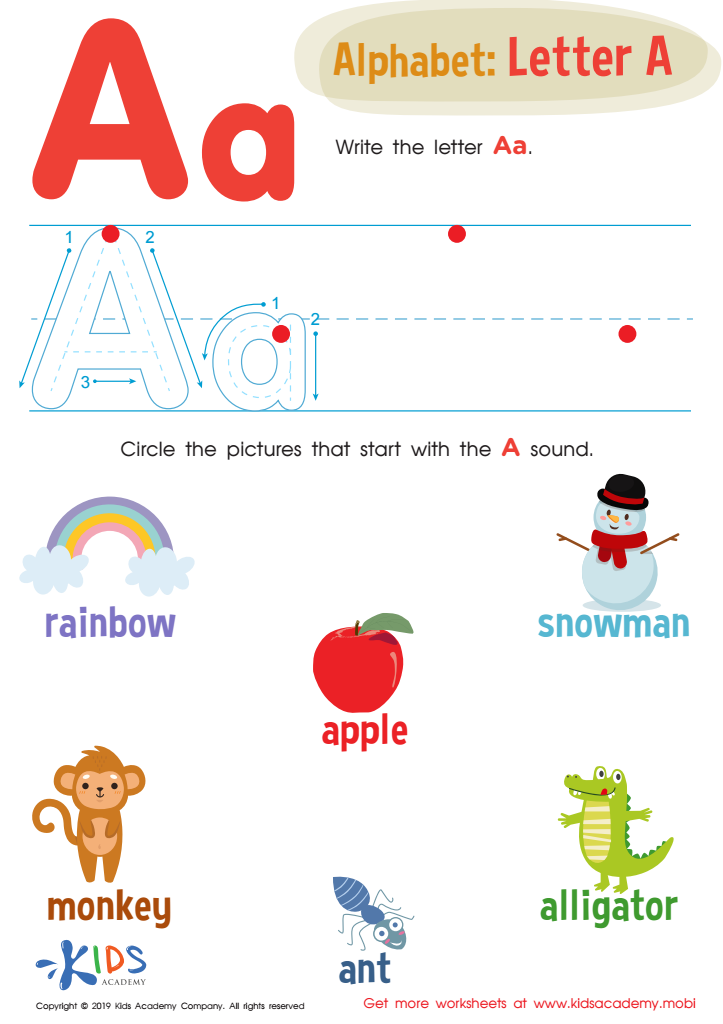
Letter A Tracing Worksheet
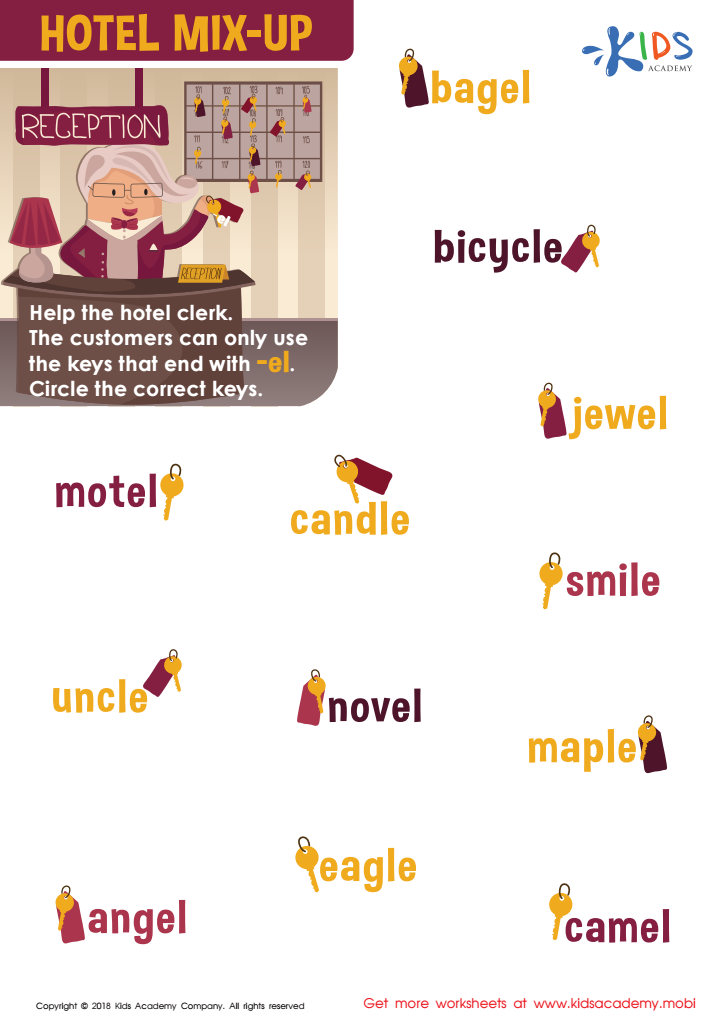
Hotel Mix-up Worksheet
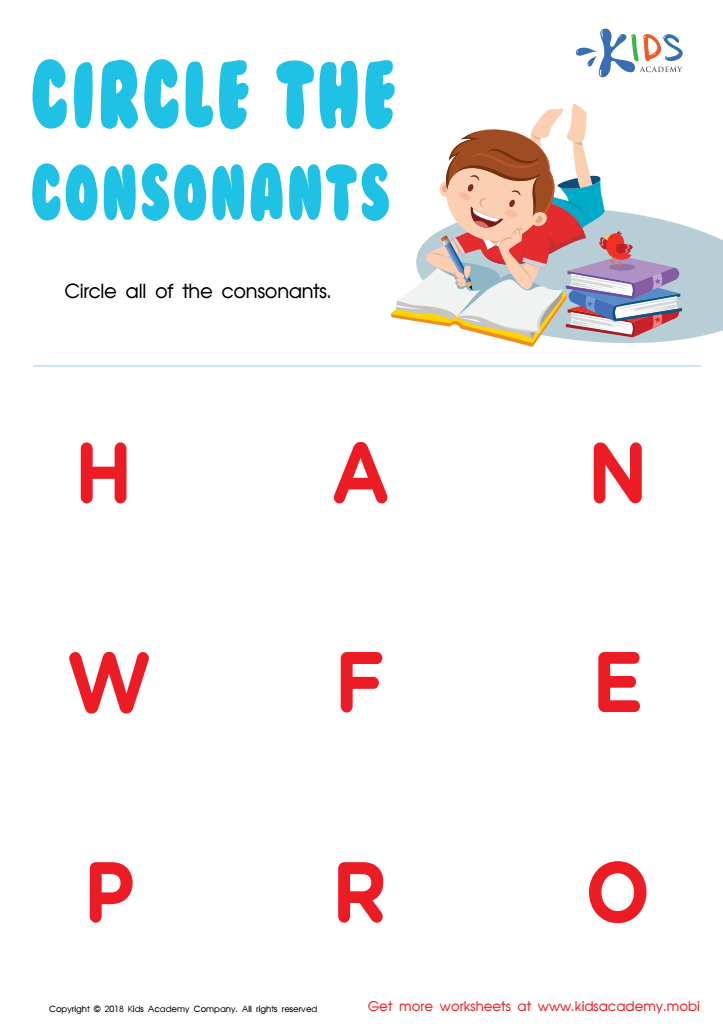
Circle the Consonants Worksheet
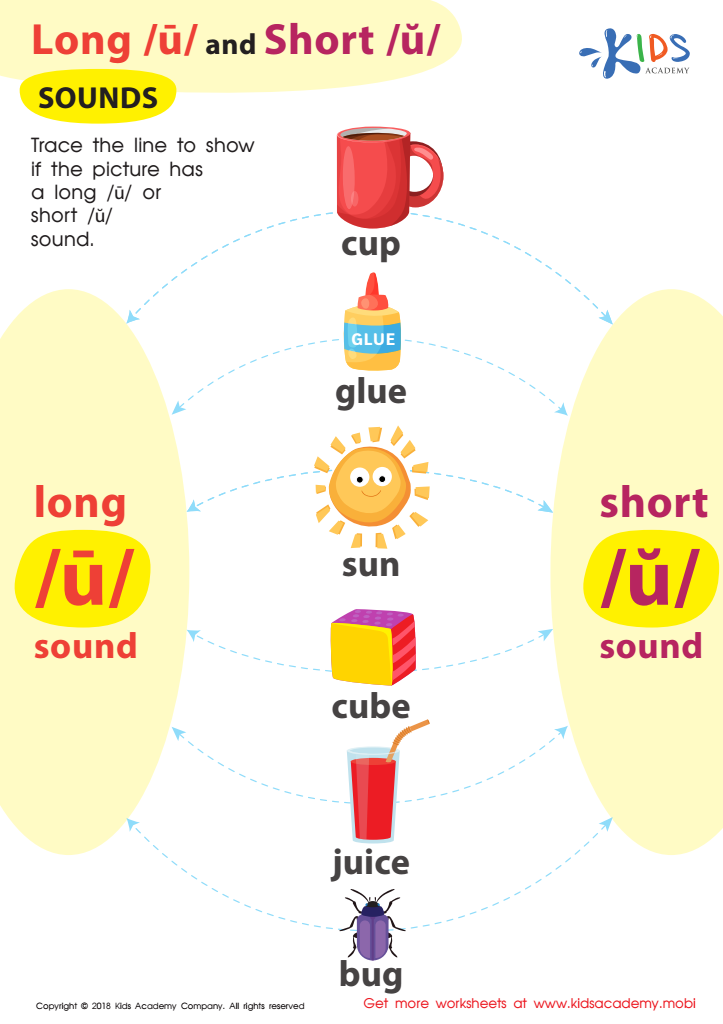
Reading: Long U and Short U Sounds Worksheet
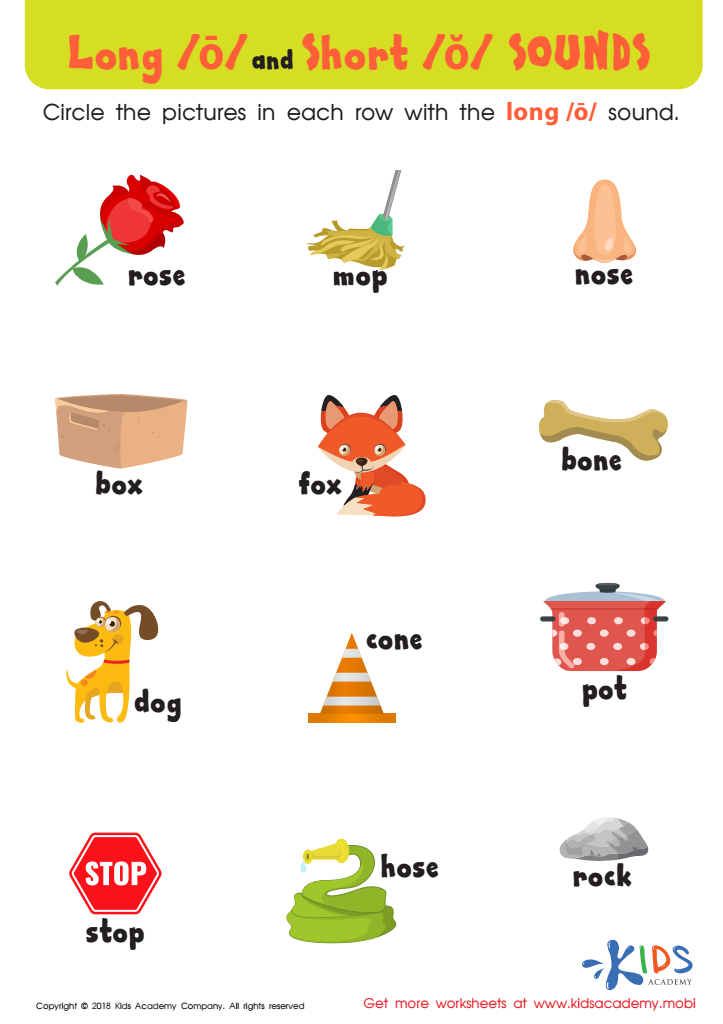
Reading: Long O and Short O Sounds Worksheet
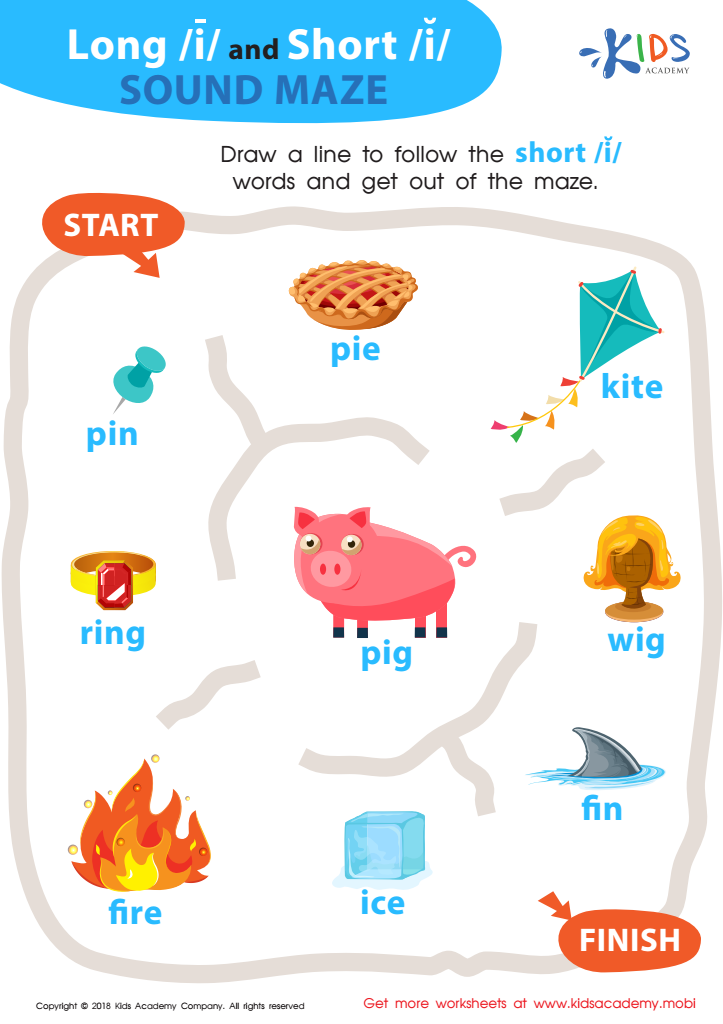
Reading: Long I and Short I Sound Maze Worksheet
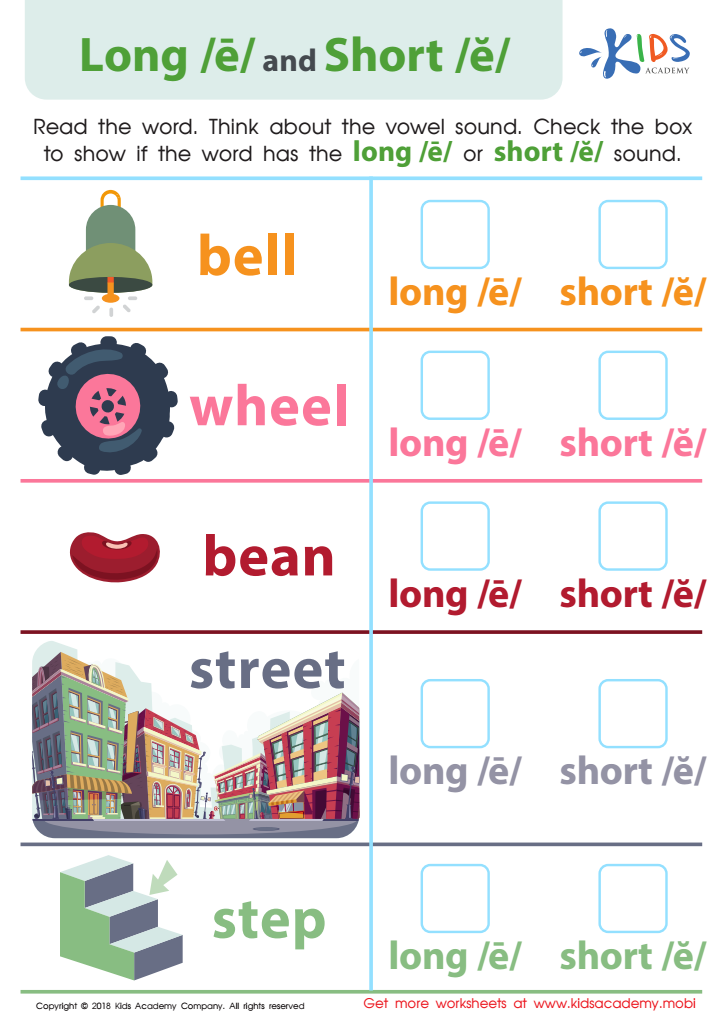
Reading: Long E and Short E Worksheet
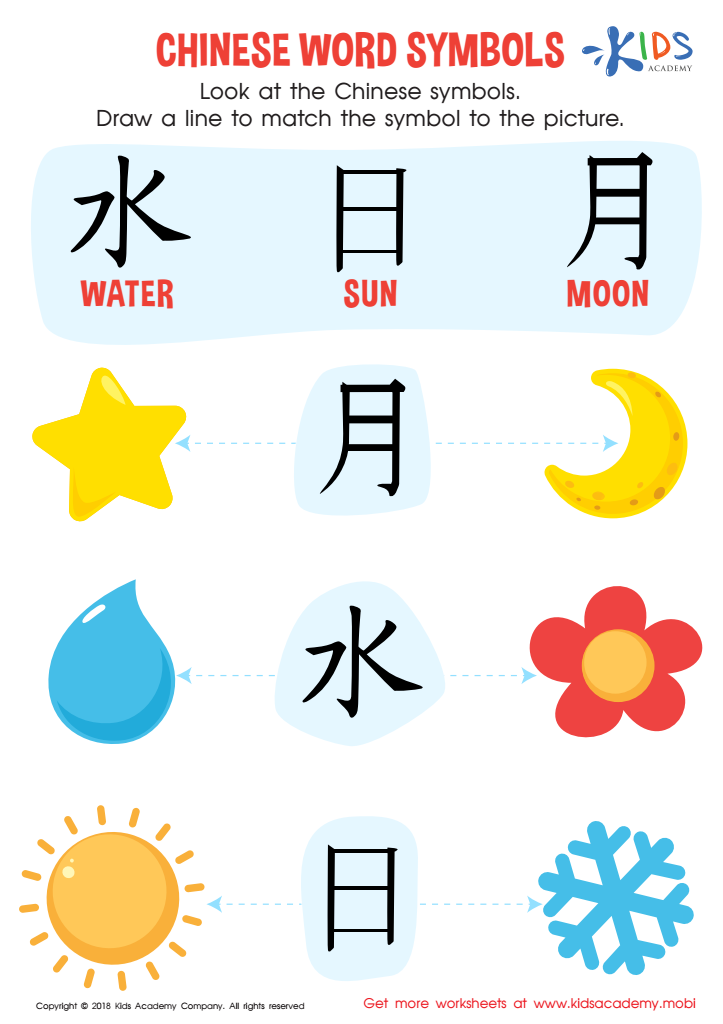
Chinese Word Symbols Worksheet
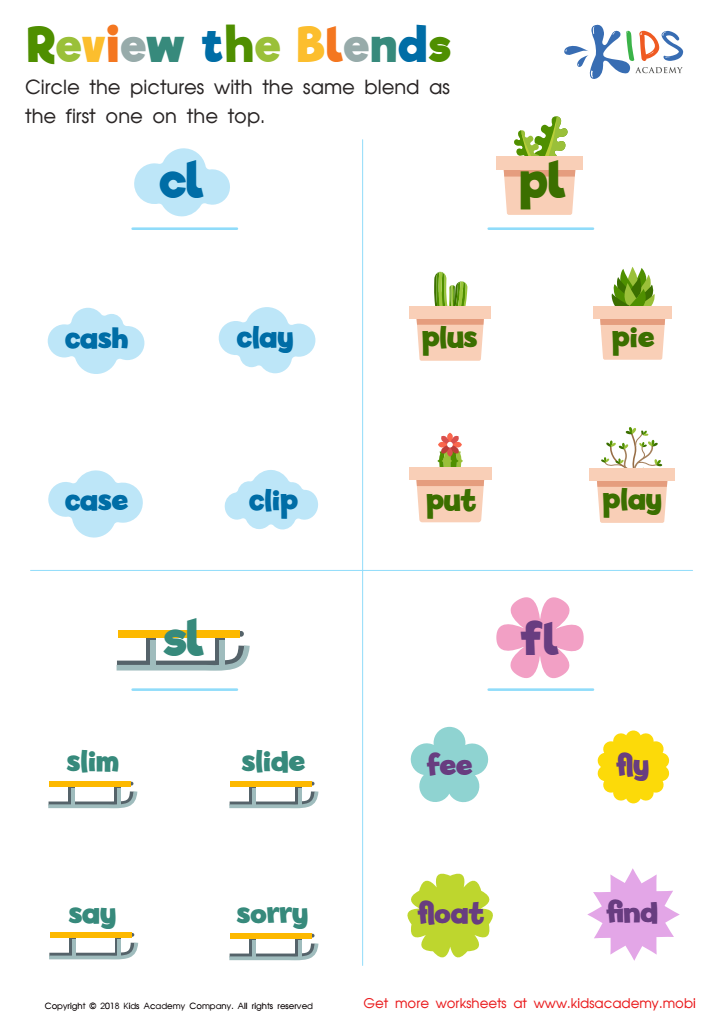
Review the Blends Worksheet
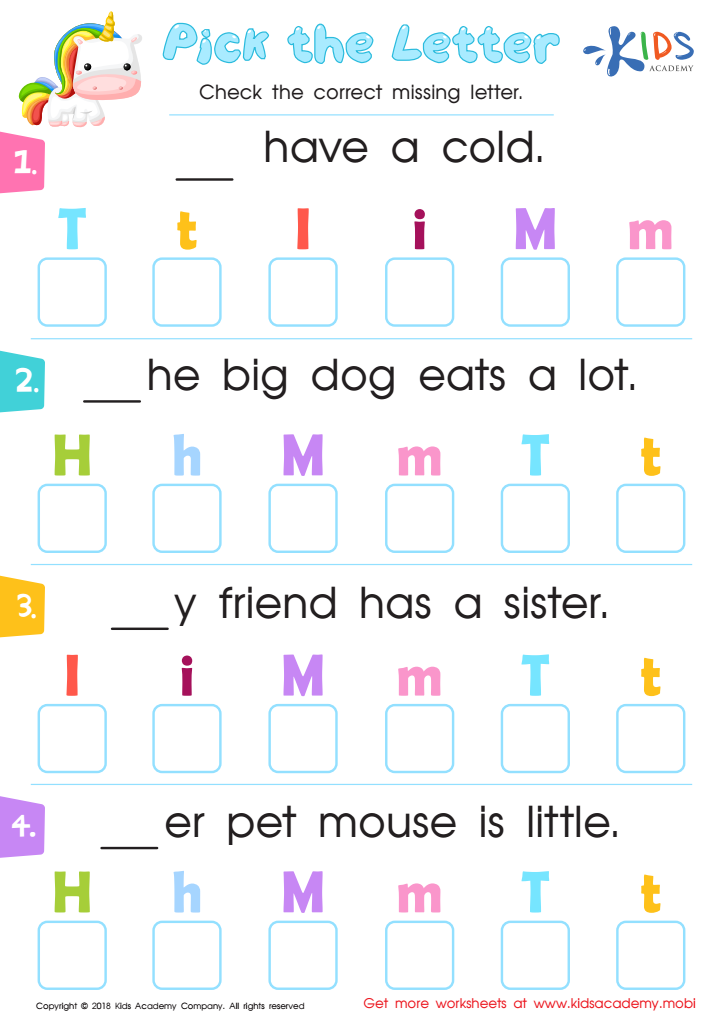
Pick the Letter Worksheet
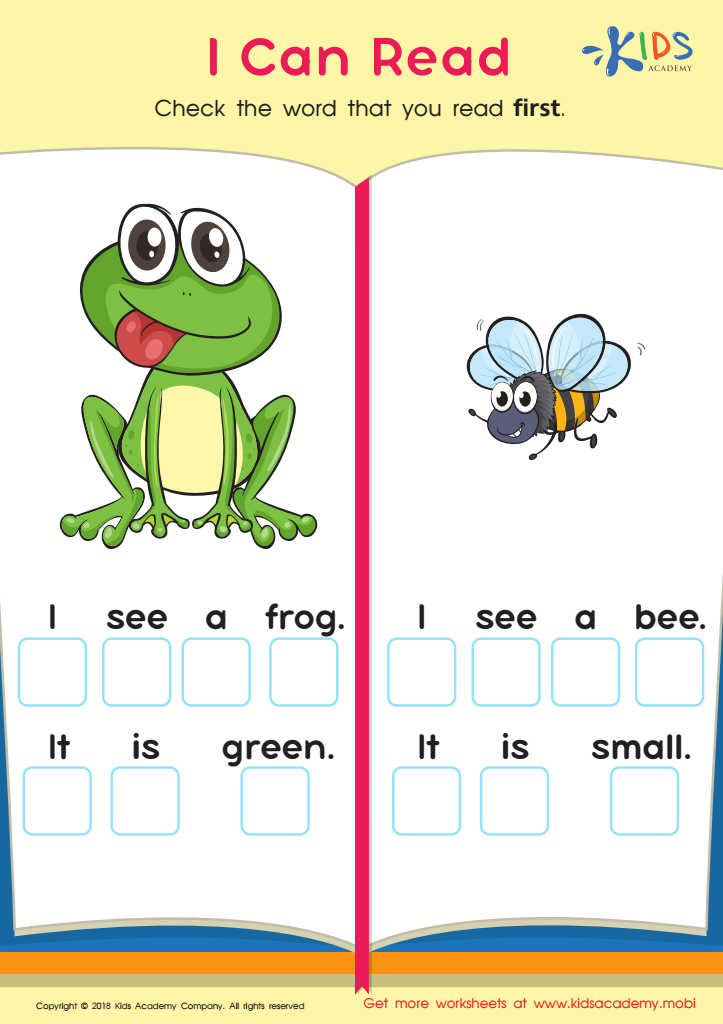
I Can Read Worksheet
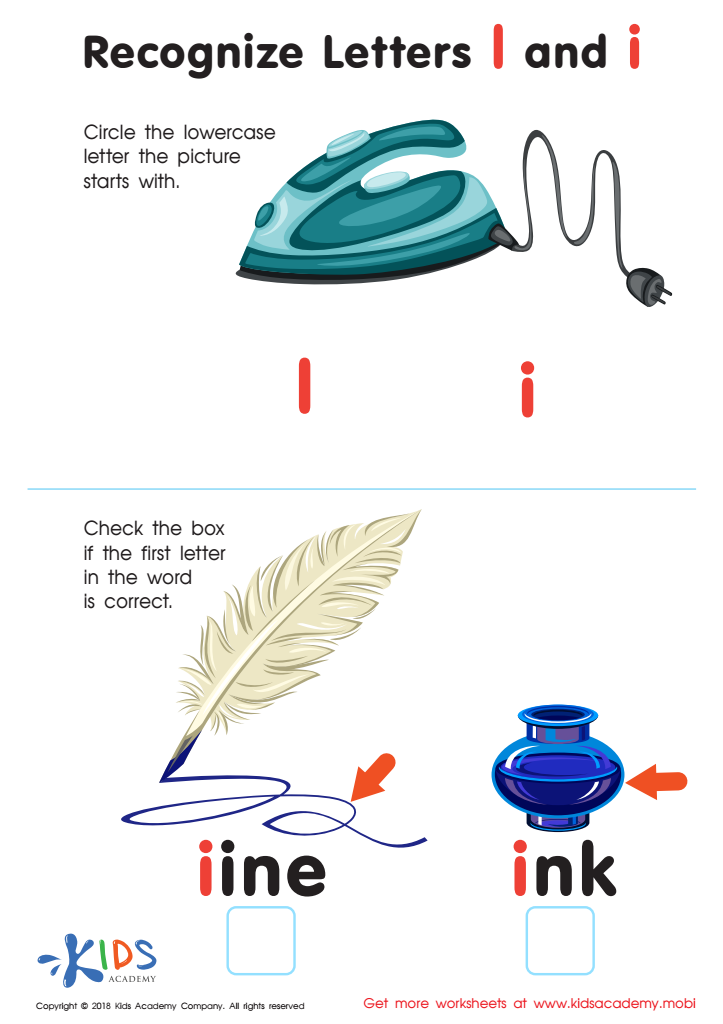
Recognize Letters l and i Worksheet
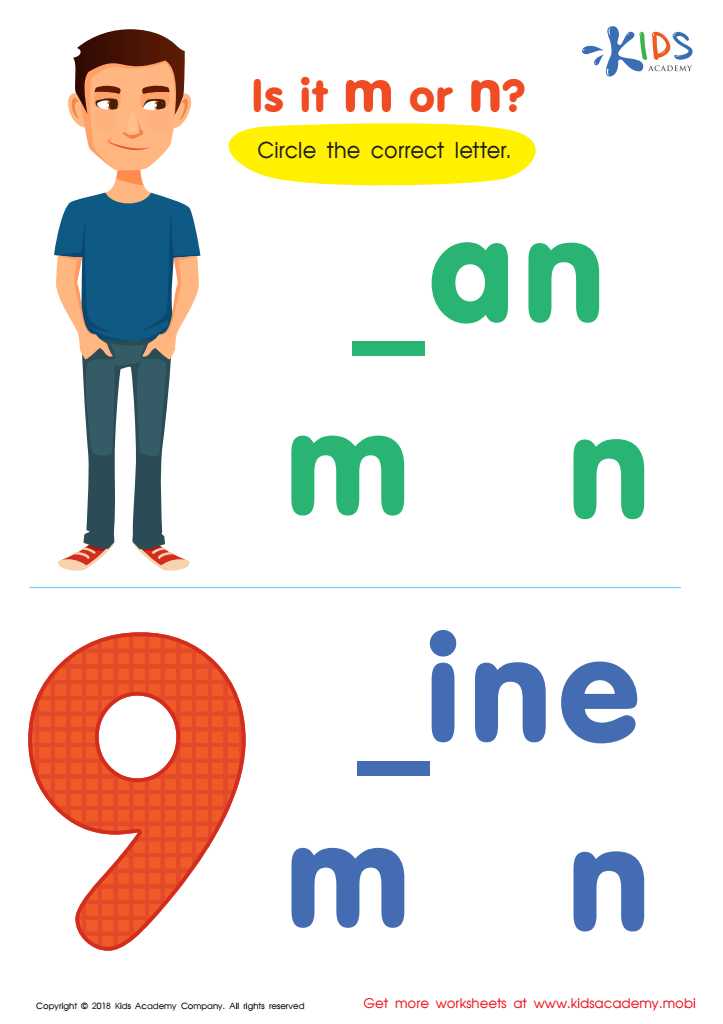
Is It m or n? Worksheet
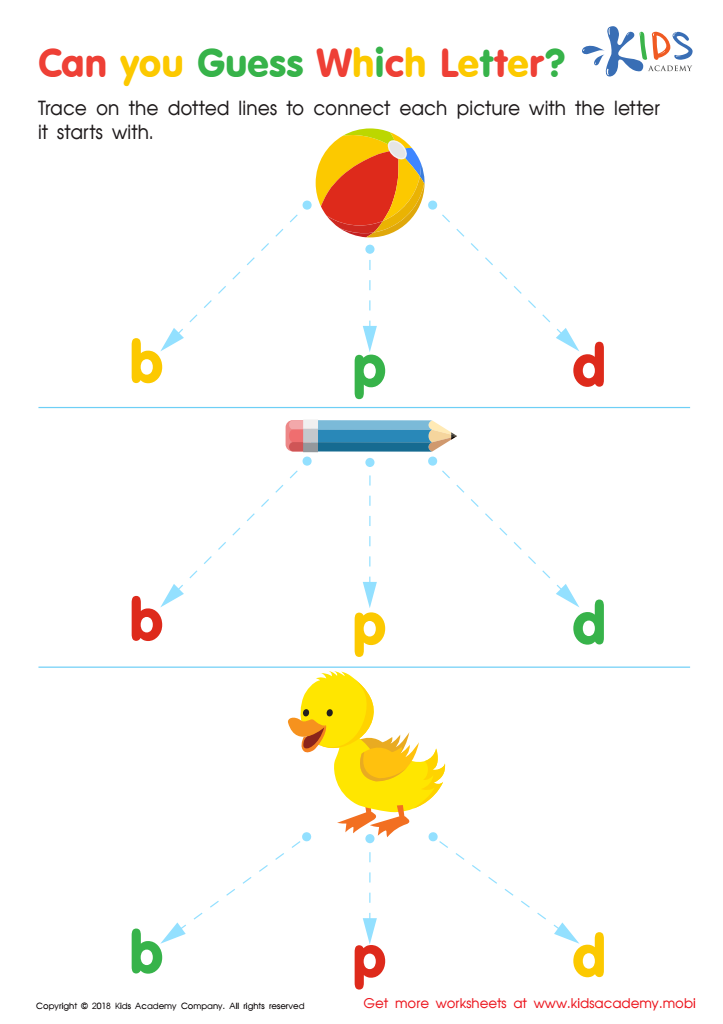
Can you Guess Which Letter? Worksheet
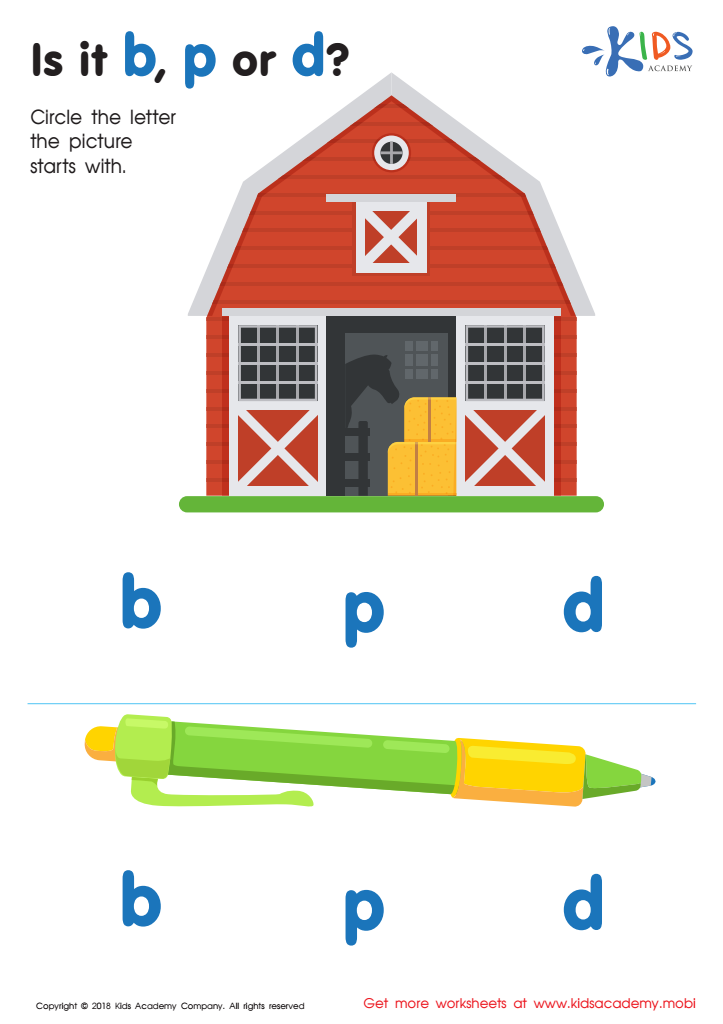
Is it b, p or d? Worksheet
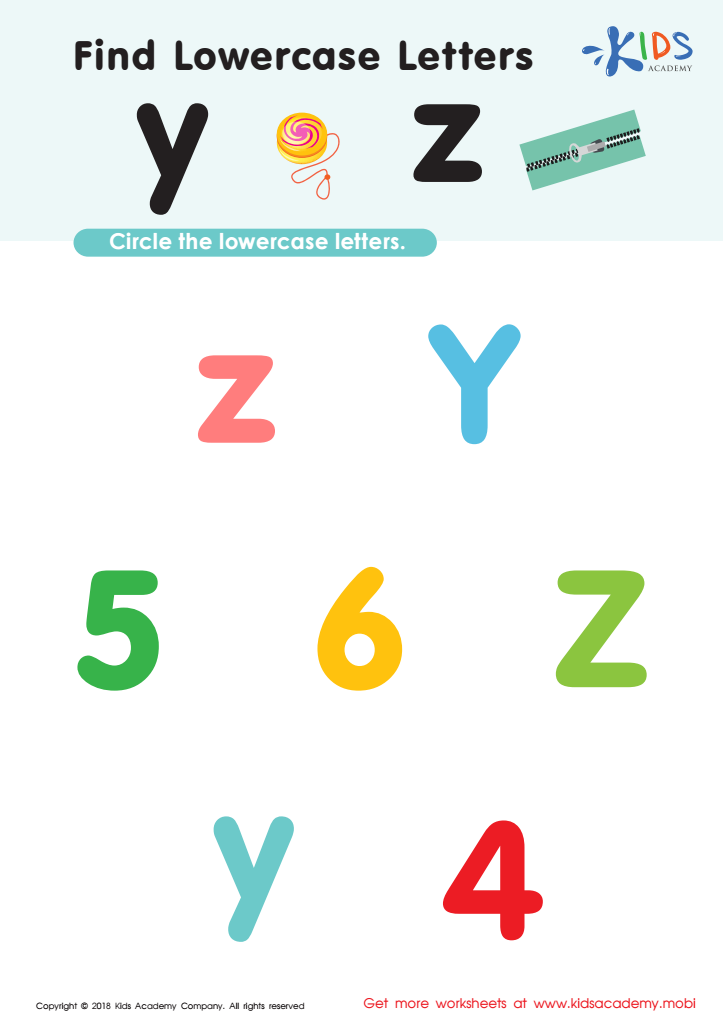
Find Lowercase Letters y z Worksheet
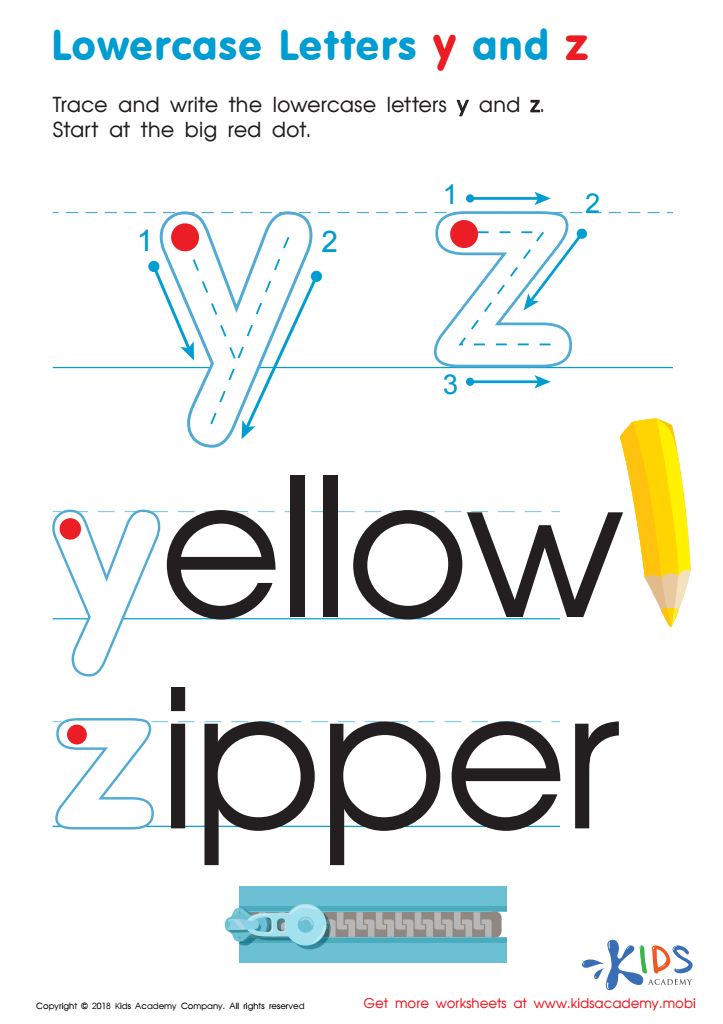
Lowercase Letters y z Worksheet
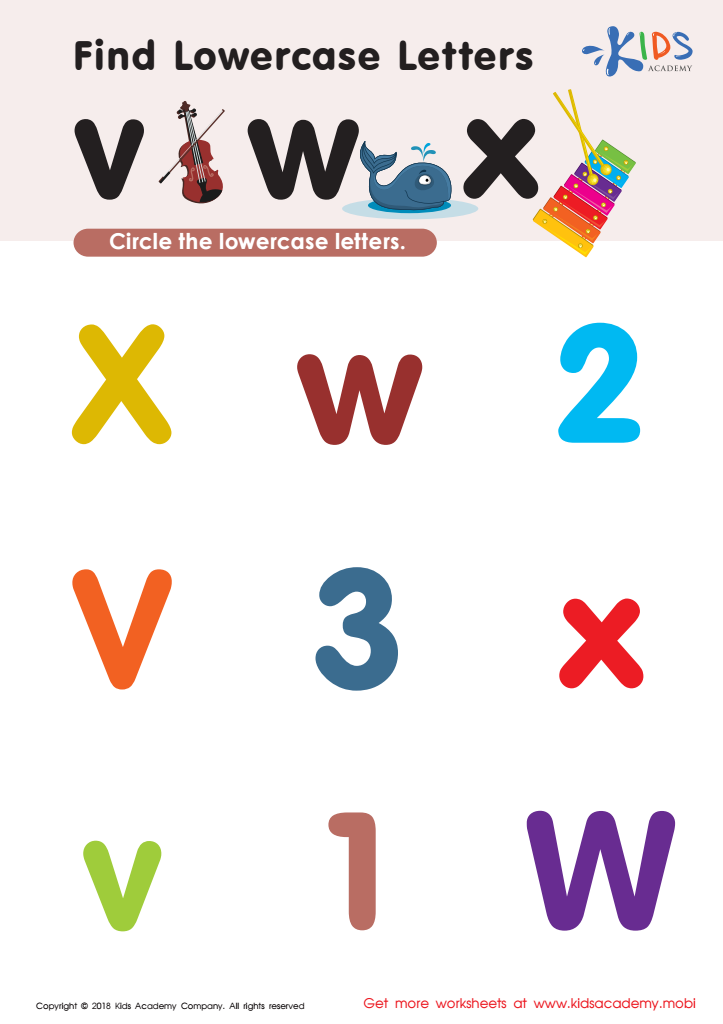
Find Lowercase Letters v w x Worksheet
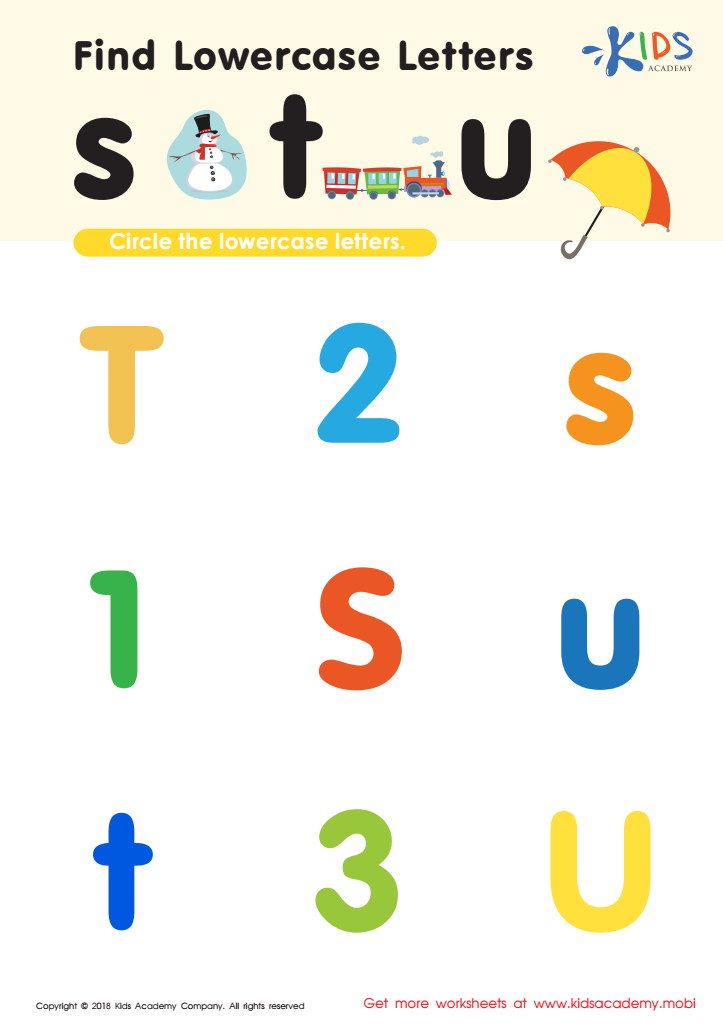
Find lowercase Letters s t u Worksheet
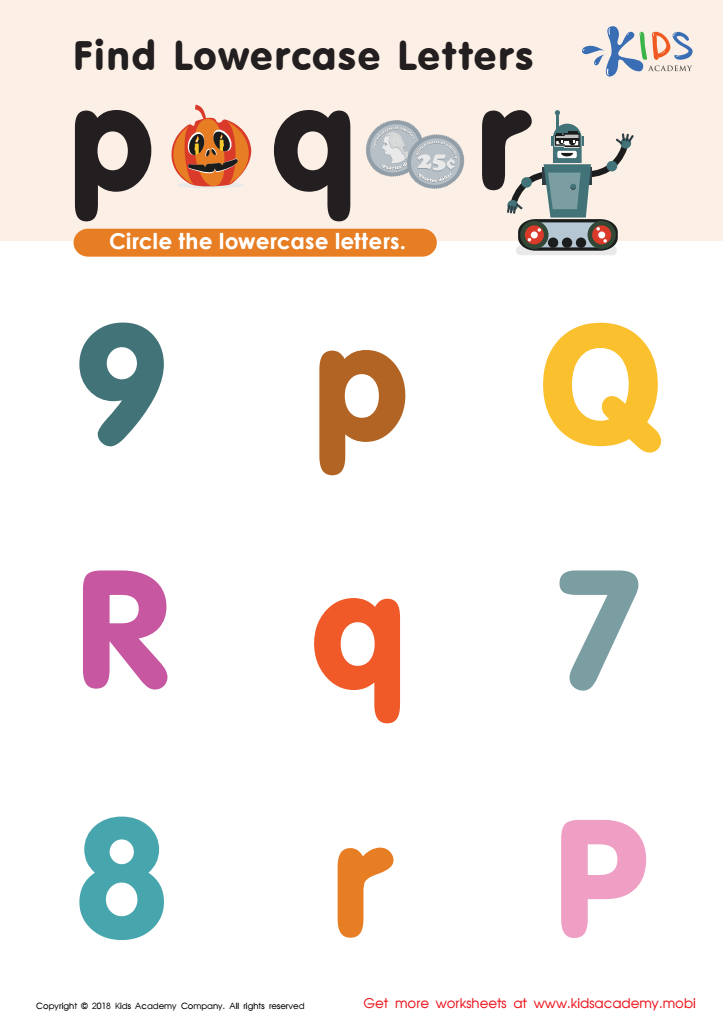
Find lowercase Letters p q r Worksheet
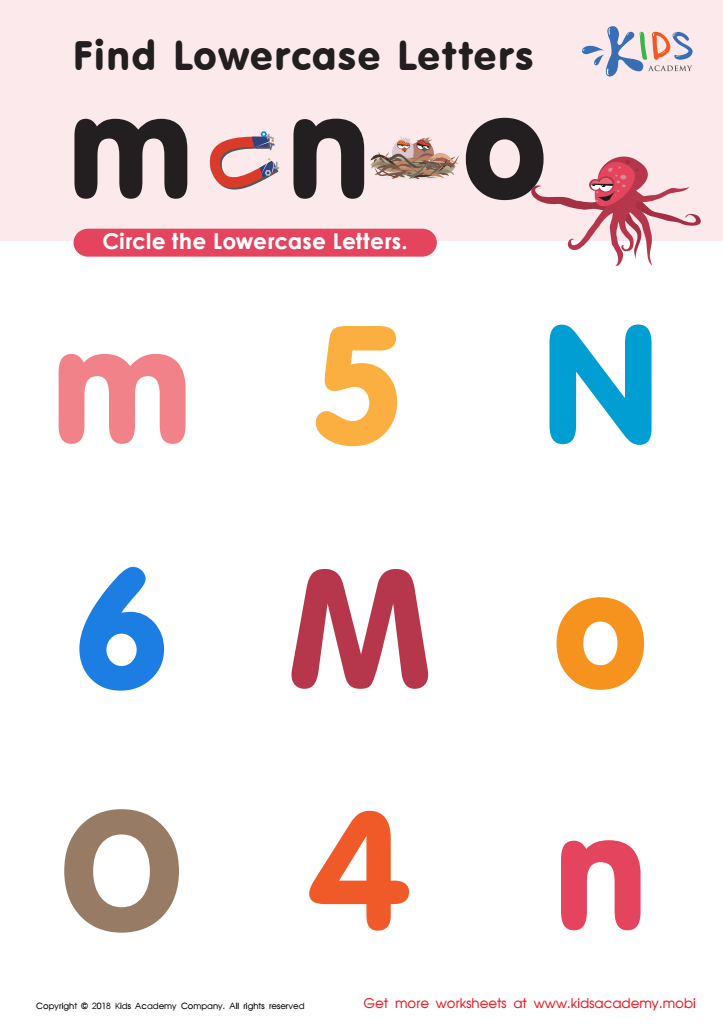
Find Lowercase Letters m n o Worksheet
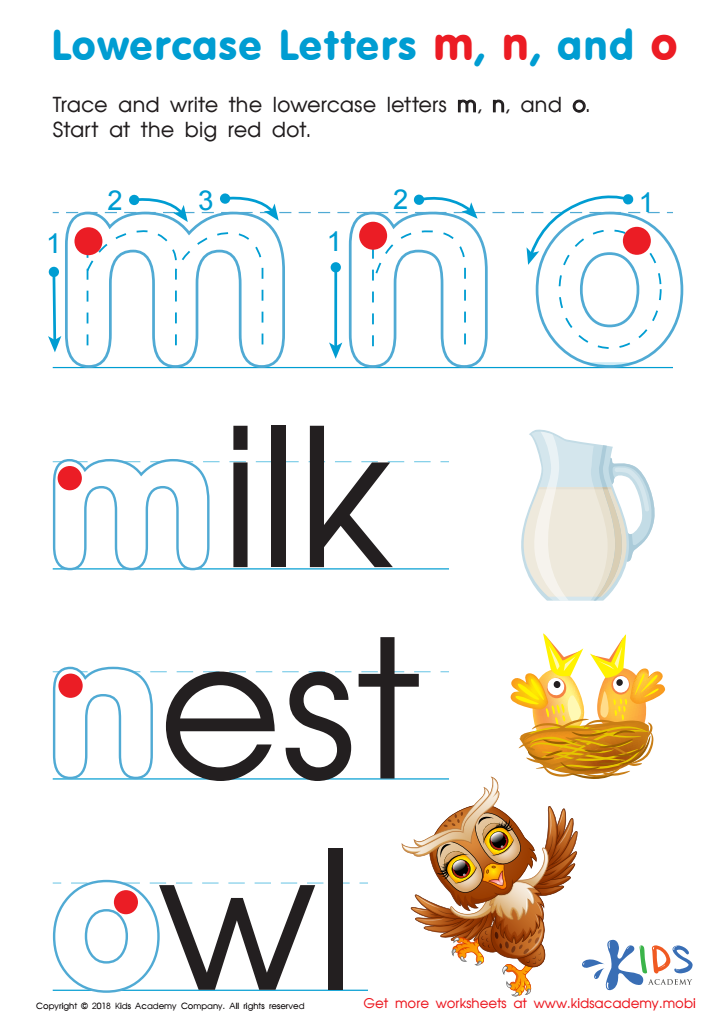
Lowercase Letters m n o Worksheet
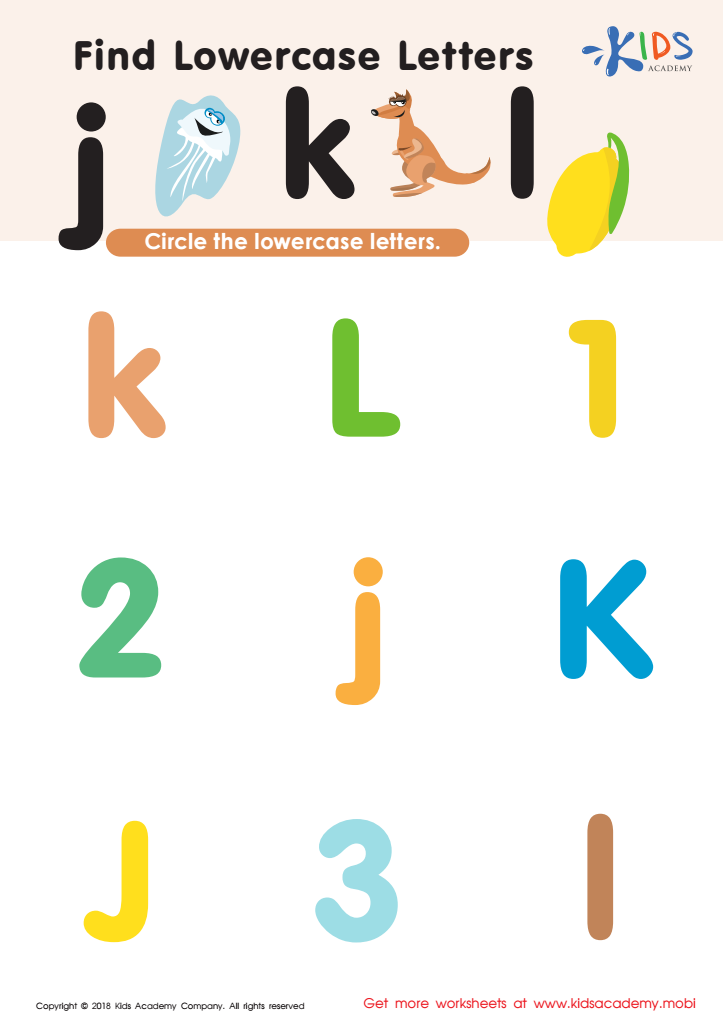
Find Lowercase Letters j k l Worksheet








Normal letter recognition is a fundamental skill for children aged 4-9, serving as the building block for their literacy development. Parents and teachers should prioritize this skill because it plays a crucial role in a child's ability to read and write effectively. Mastery of letter recognition helps children decode written words, understand spelling, and develop vocabulary, which are essential components of literacy.
Early letter recognition lays the groundwork for reading fluency and comprehension. When children can quickly identify letters, they can better focus on the meaning of words and sentences. Furthermore, in an increasingly literate society, recognizing letters paves the way for academic success and a love of reading that can last a lifetime.
Additionally, engaging children in letter recognition can foster their cognitive skills and promote language development. Activities like interactive games, reading together, and exploring alphabet books not only make learning fun, but they also enhance parent-child bonding.
Ultimately, nurturing letter recognition skills in early childhood empowers children, giving them confidence in their abilities and setting them on a successful educational pathway. As literacy continues to play a critical role in personal and professional success, it is imperative that both parents and teachers actively support this essential skill.








