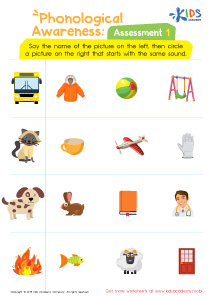
Normal Vowels and Consonants Worksheets for Ages 4-9
26 filtered results
-
From - To
Discover an engaging collection of Normal Vowels and Consonants Worksheets designed for children aged 4-9. These educational printables are crafted to enhance early literacy skills by focusing on the fundamental building blocks of reading: vowels (a, e, i, o, u) and consonants. Each worksheet offers fun and interactive exercises that help young learners identify, differentiate, and properly use vowels and consonants within words and sentences. Ideal for both classroom and at-home learning, these worksheets provide a solid foundation for reading and writing proficiency. Visit our page to download and support your child's educational journey today!
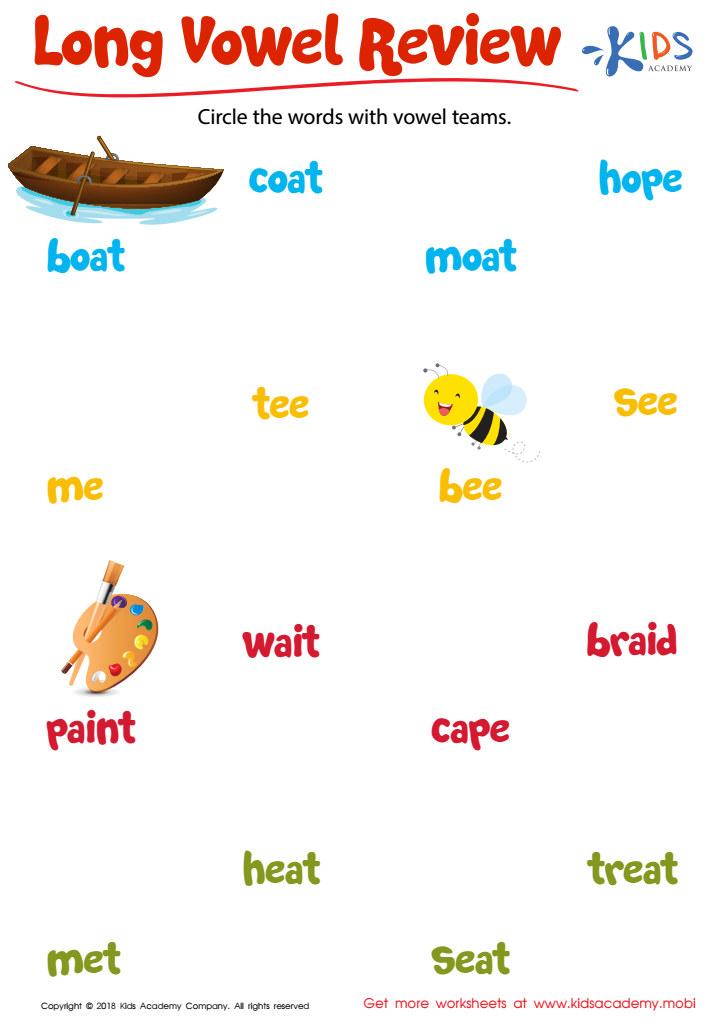
Long Vowel Review Worksheet
 Assign to My Students
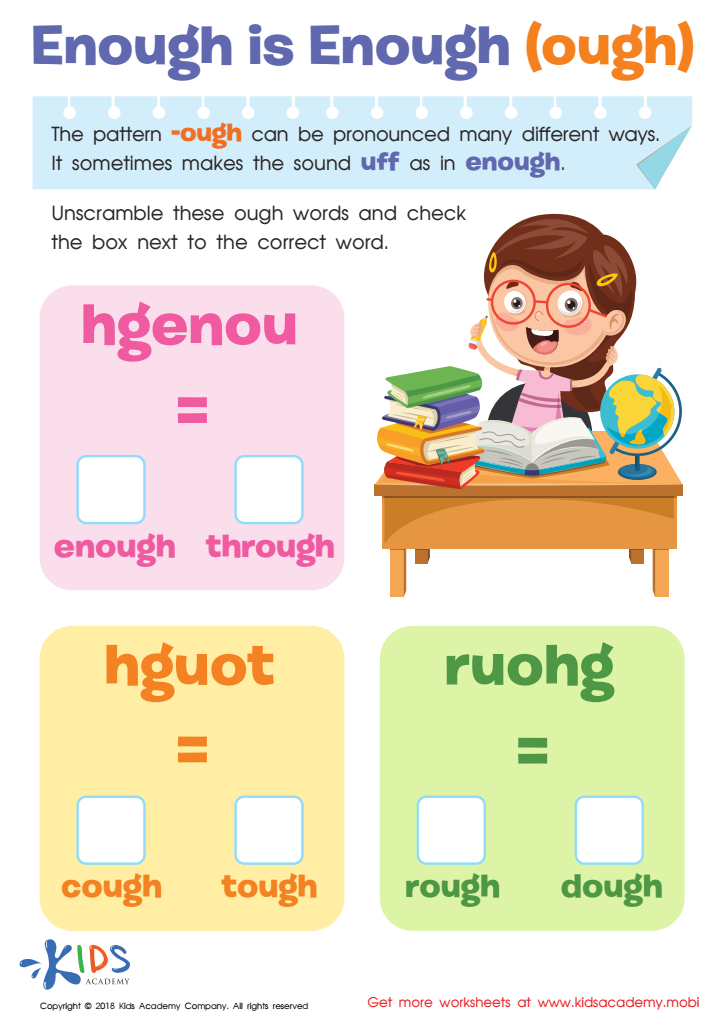
Enough Is Enough (ough) Worksheet
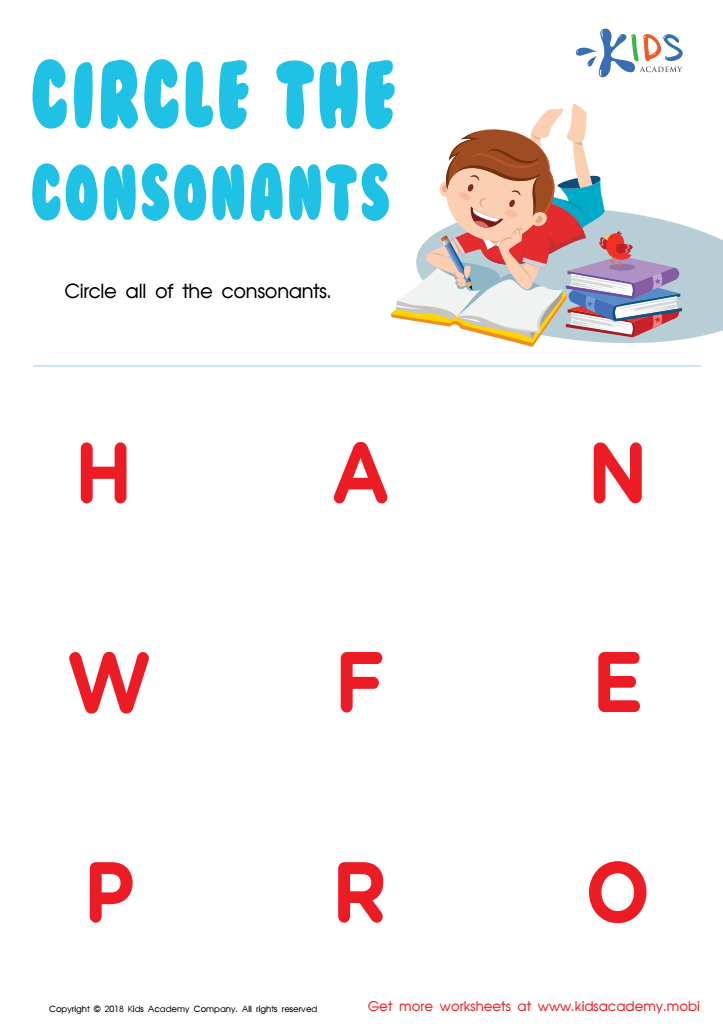
Circle the Consonants Worksheet
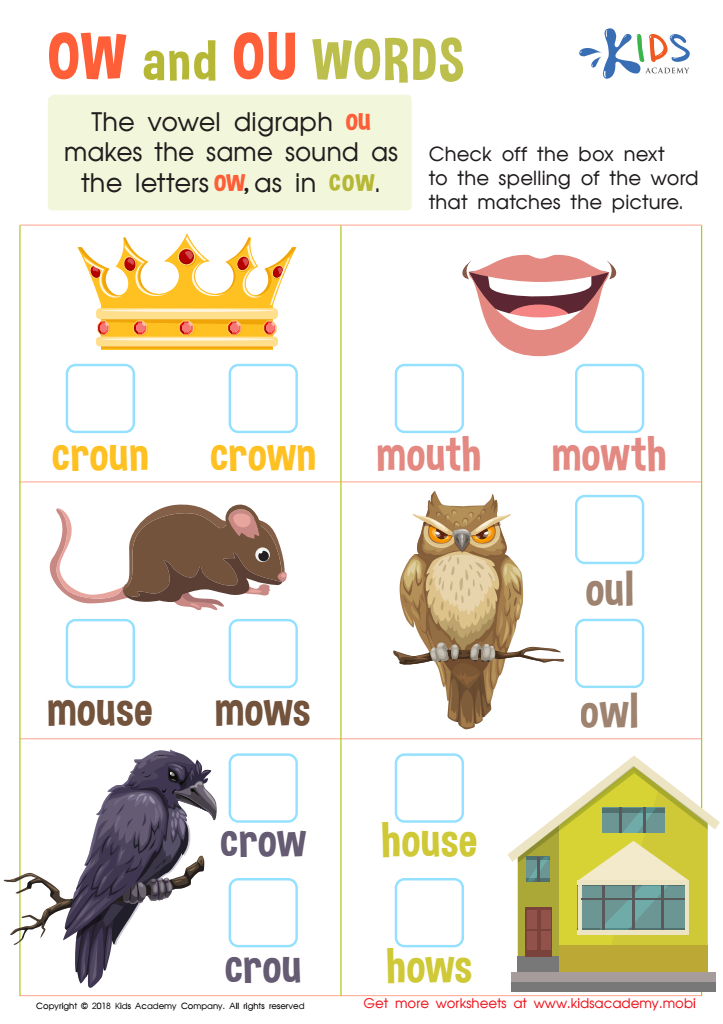
Reading: OW and OU Words Worksheet
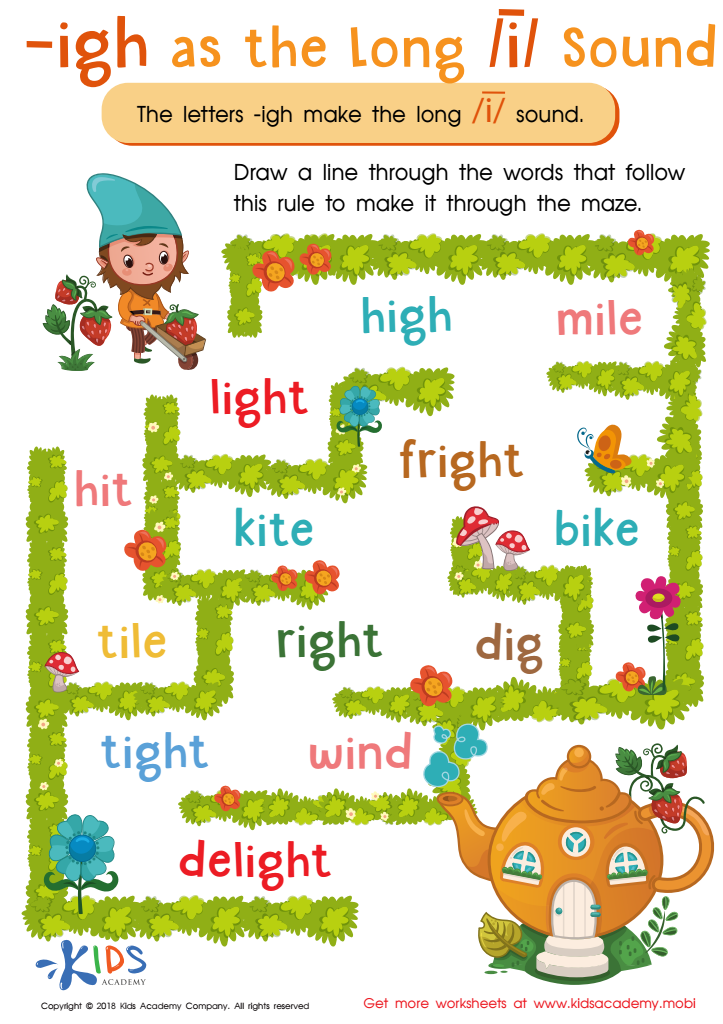
Reading: IGH as Long I Worksheet
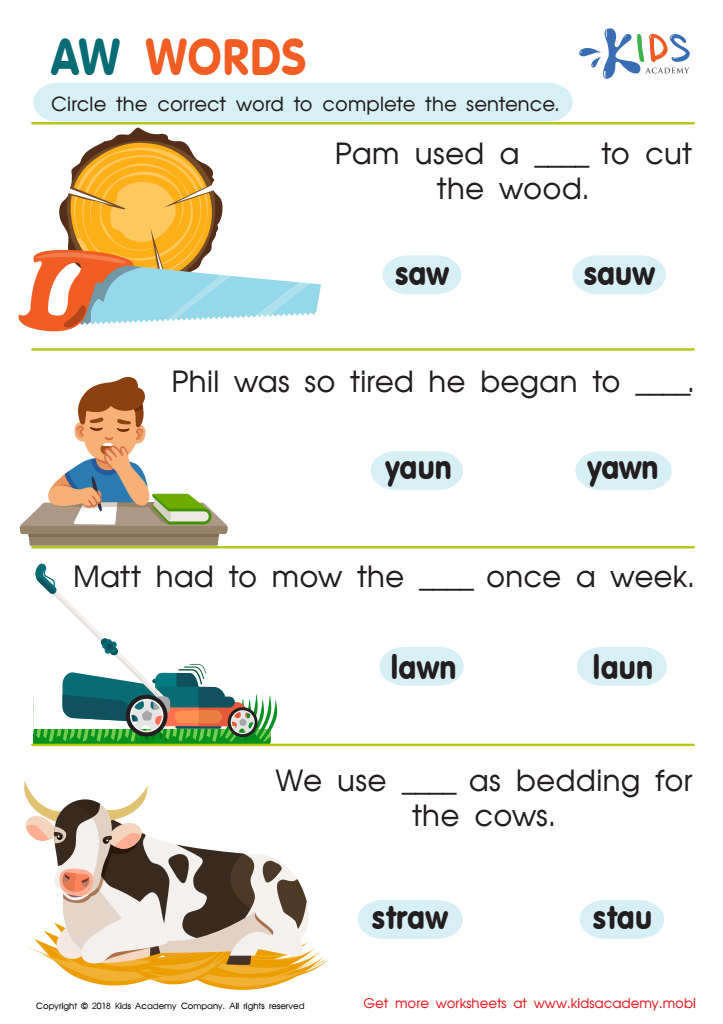
Reading: AW Words Worksheet
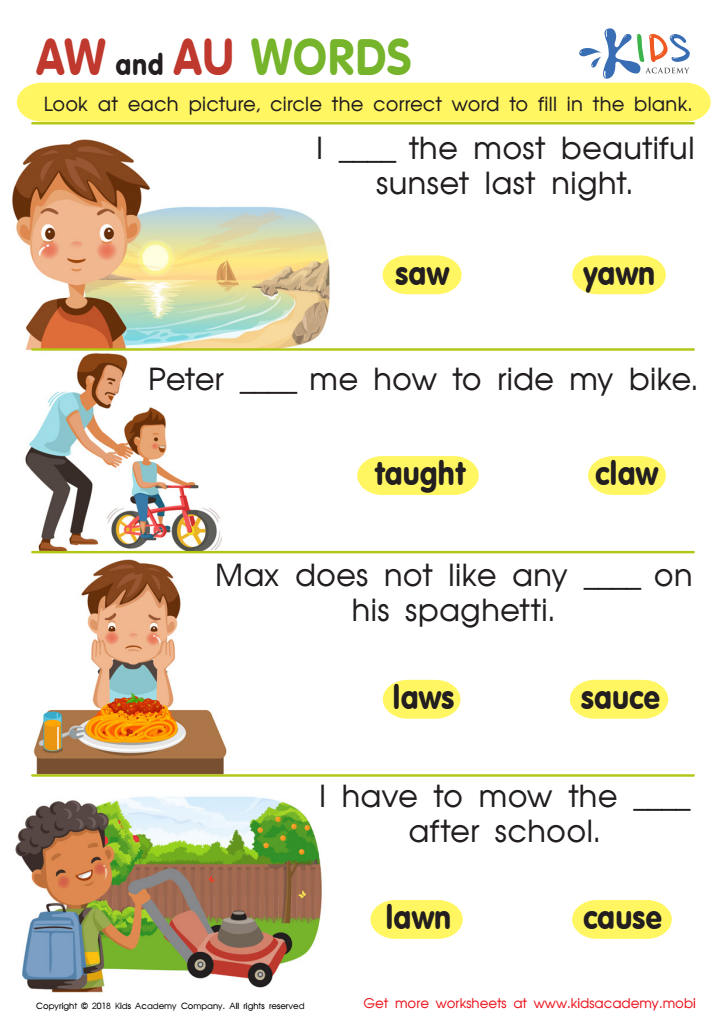
Reading: AW and AU Words Worksheet
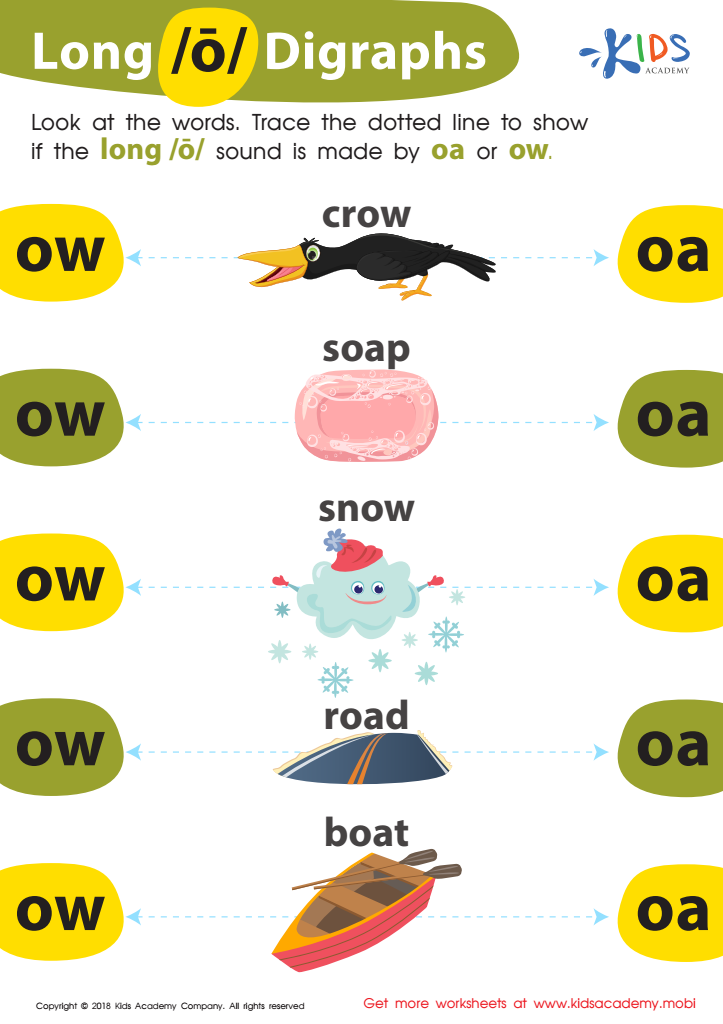
Reading: Long O Digraphs Worksheet
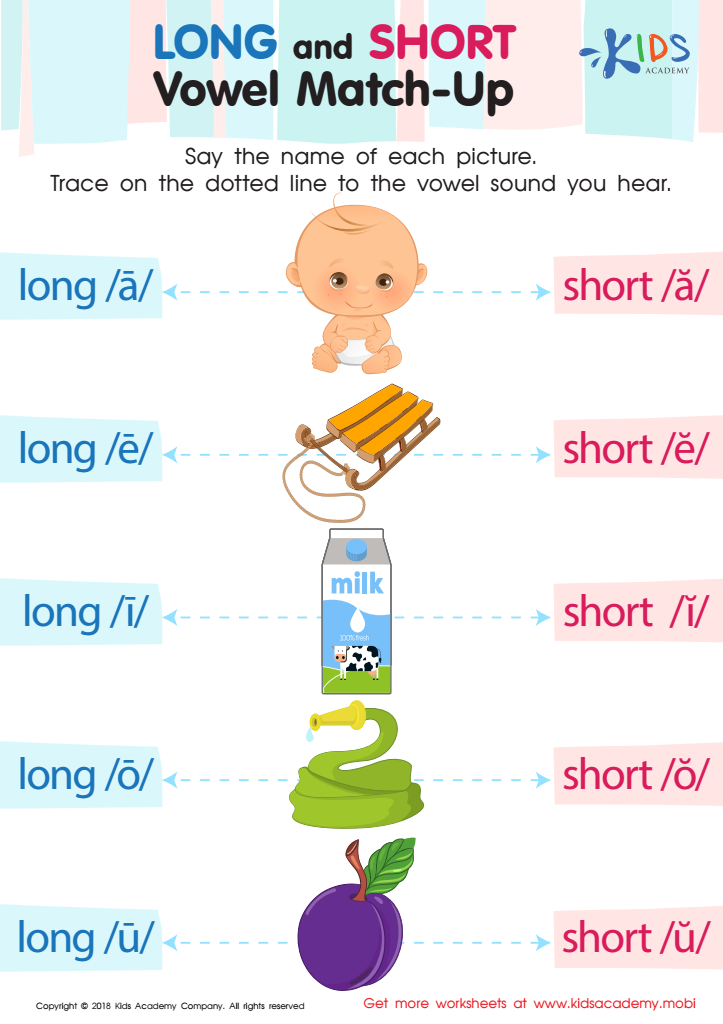
Long and Short Vowel Match up Reading Worksheet
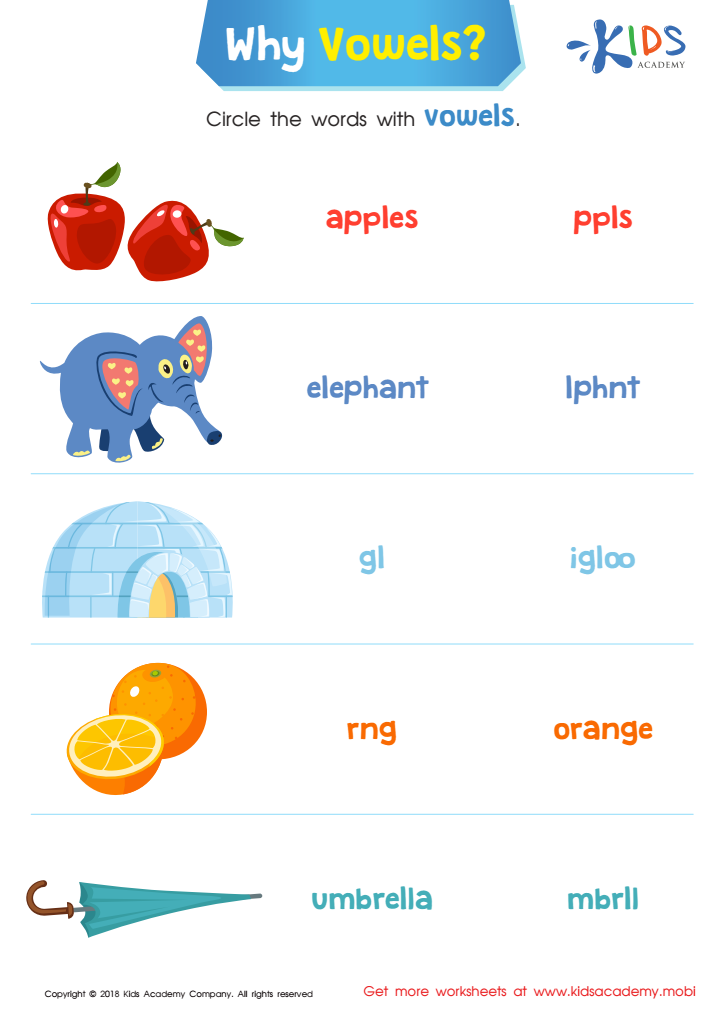
Why Vowels? Reading Worksheet
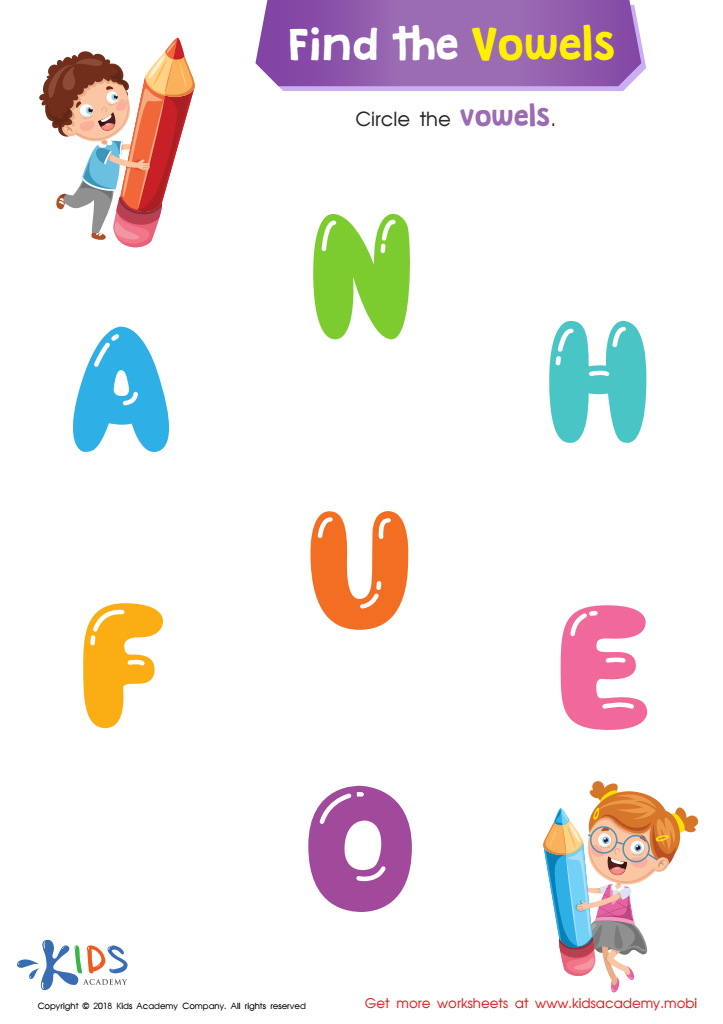
Find the Vowels Reading Worksheet
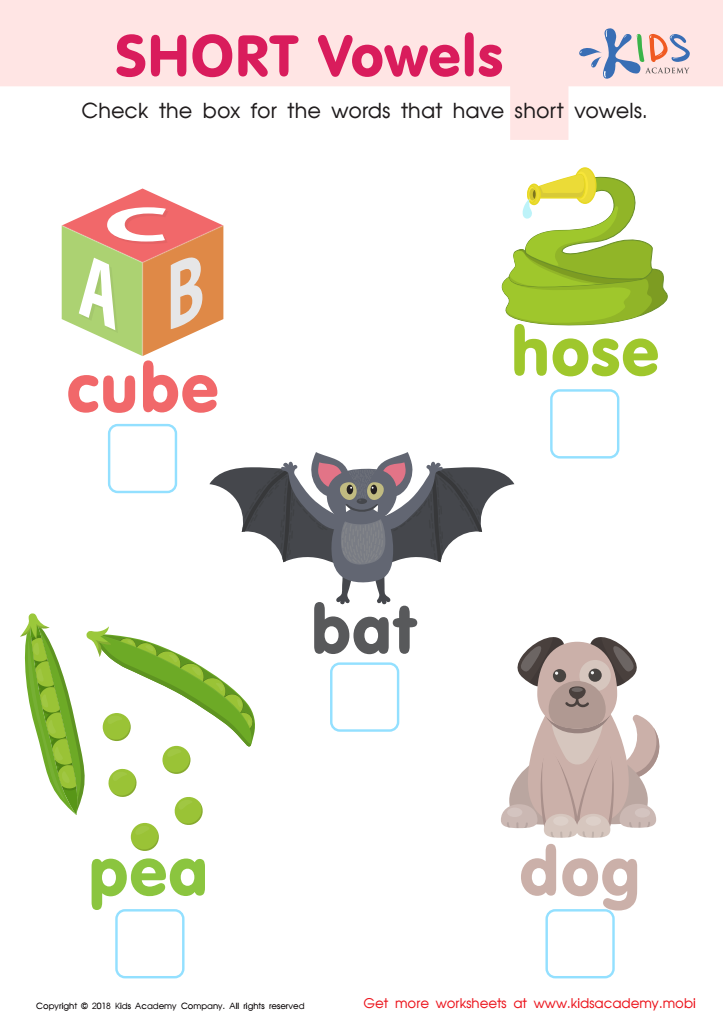
short vowels Worksheet
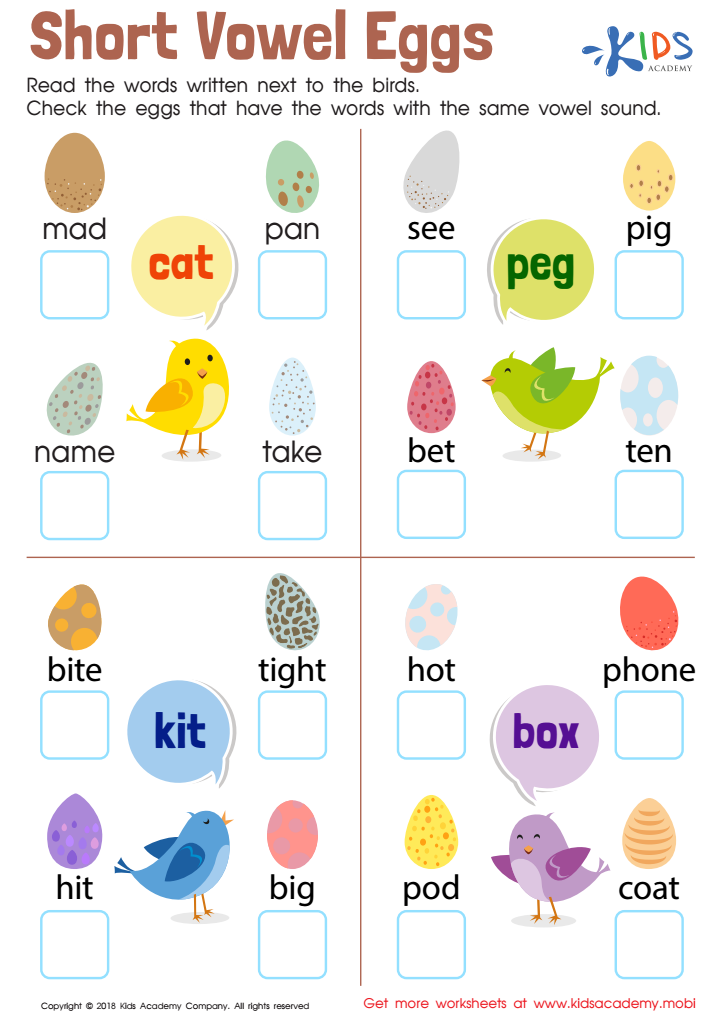
Short Vowel Eggs Worksheet
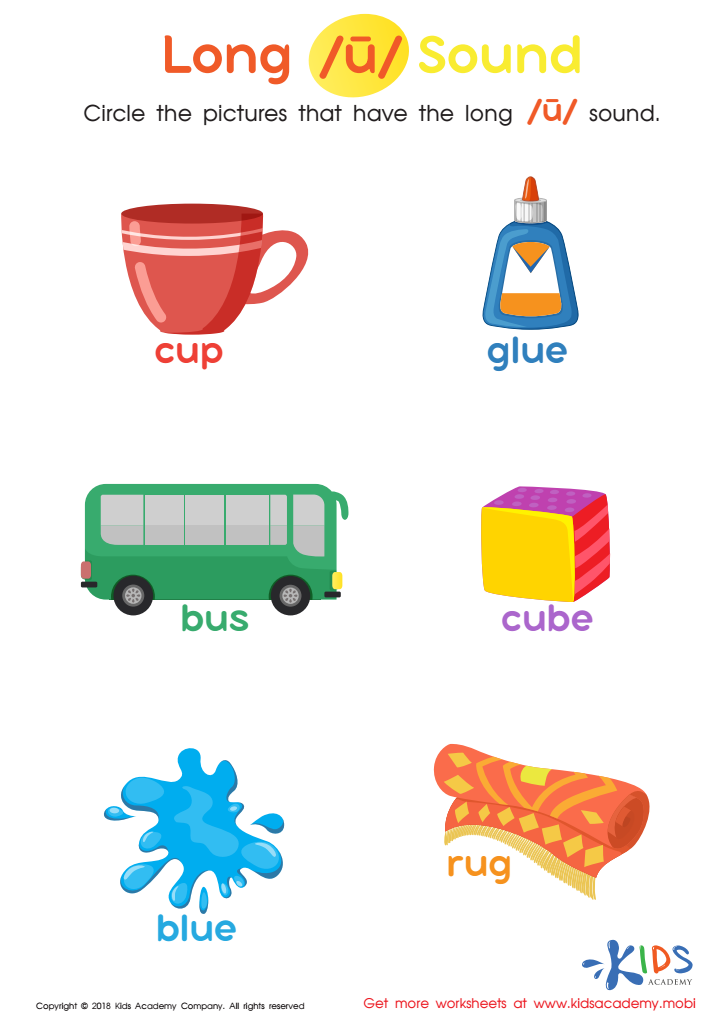
Long «u» Sound Worksheet
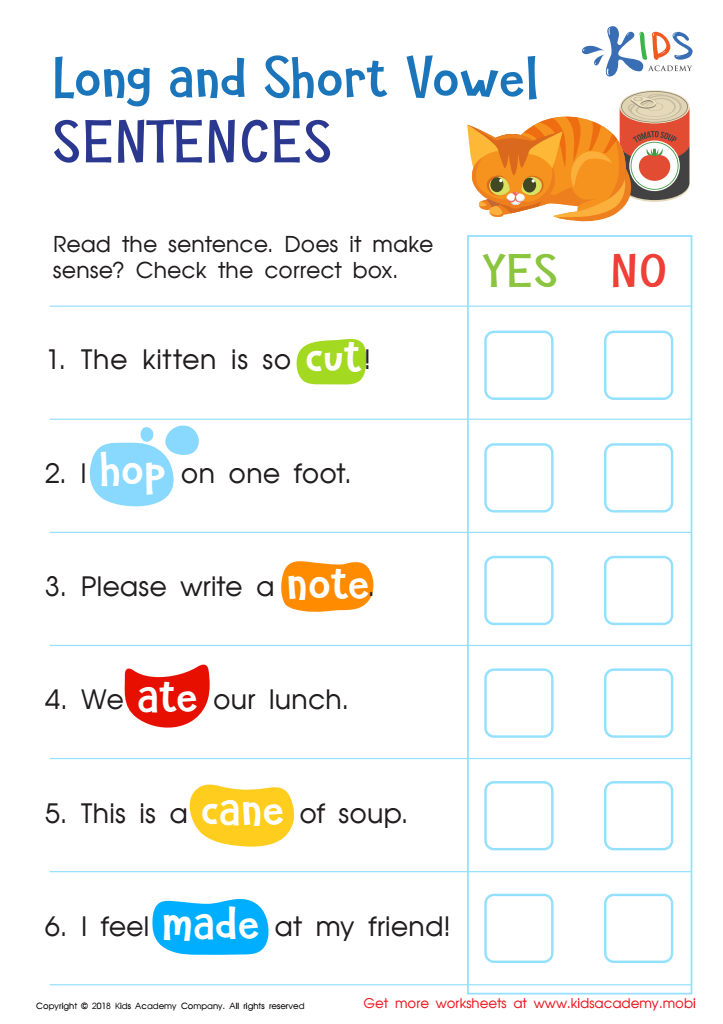
Long and Short Vowel Sentences: Assessment Worksheet
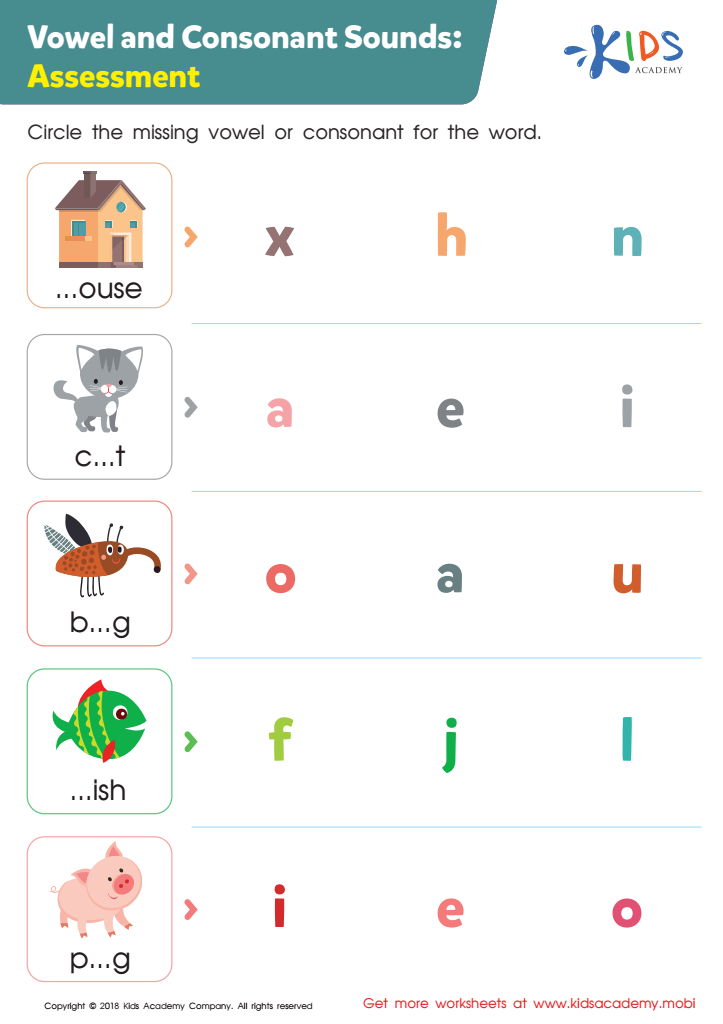
Vowel and Consonant Sounds: Assessment Worksheet
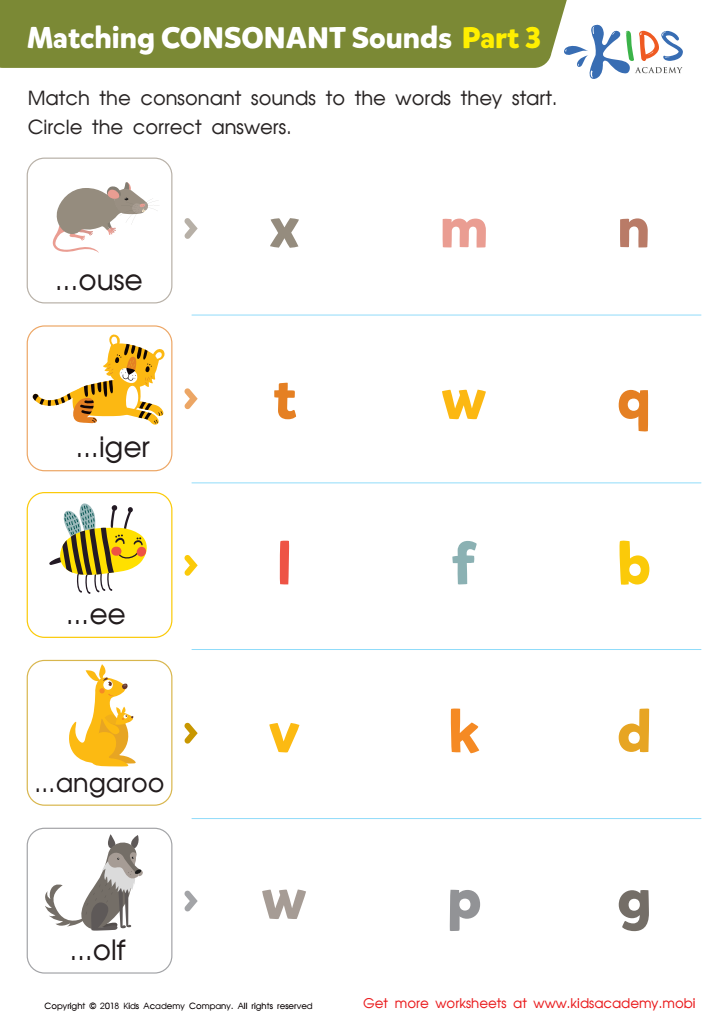
Matching Consonant Sounds: Part 3 Worksheet
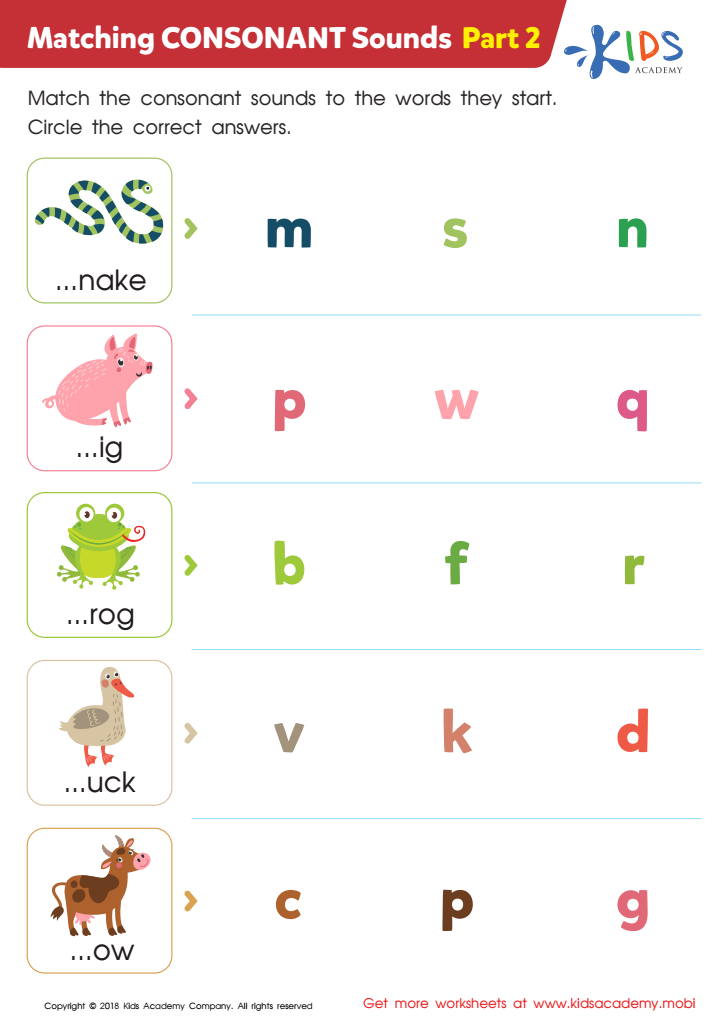
Matching Consonant Sounds: Part 2 Worksheet
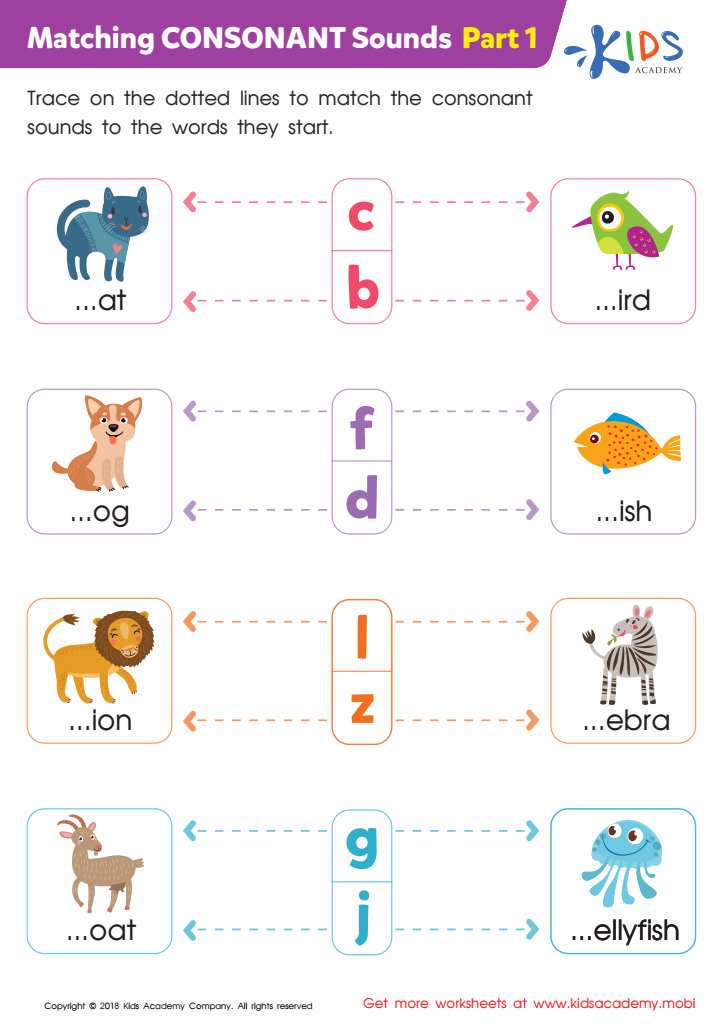
Matching Consonant Sounds: Part 1 Worksheet
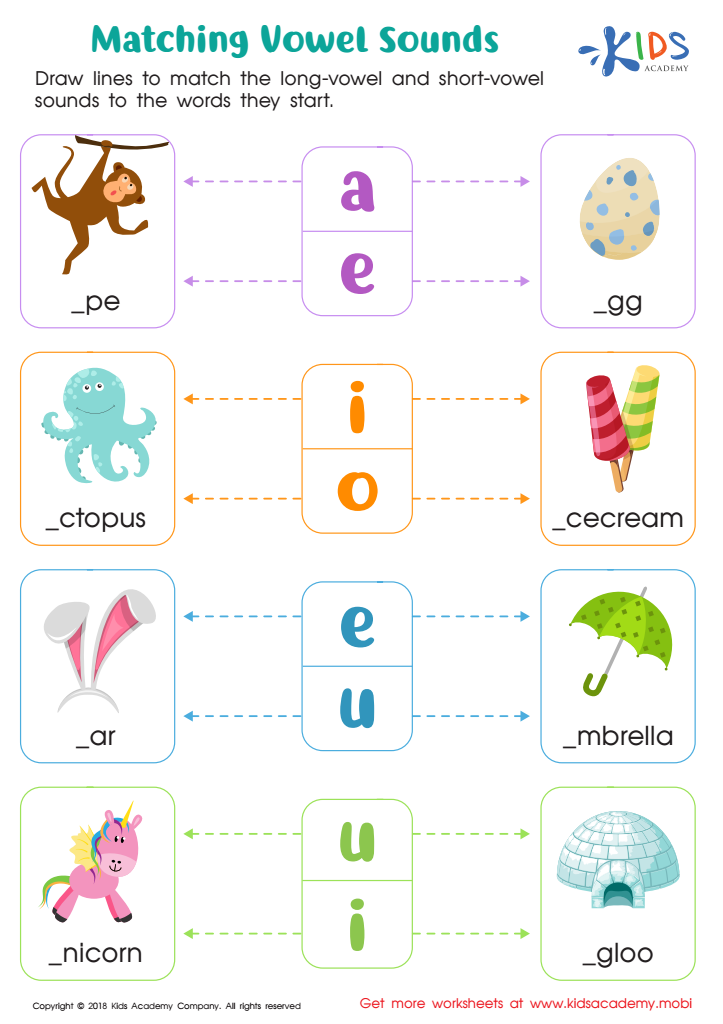
Matching Vowel Sounds Worksheet
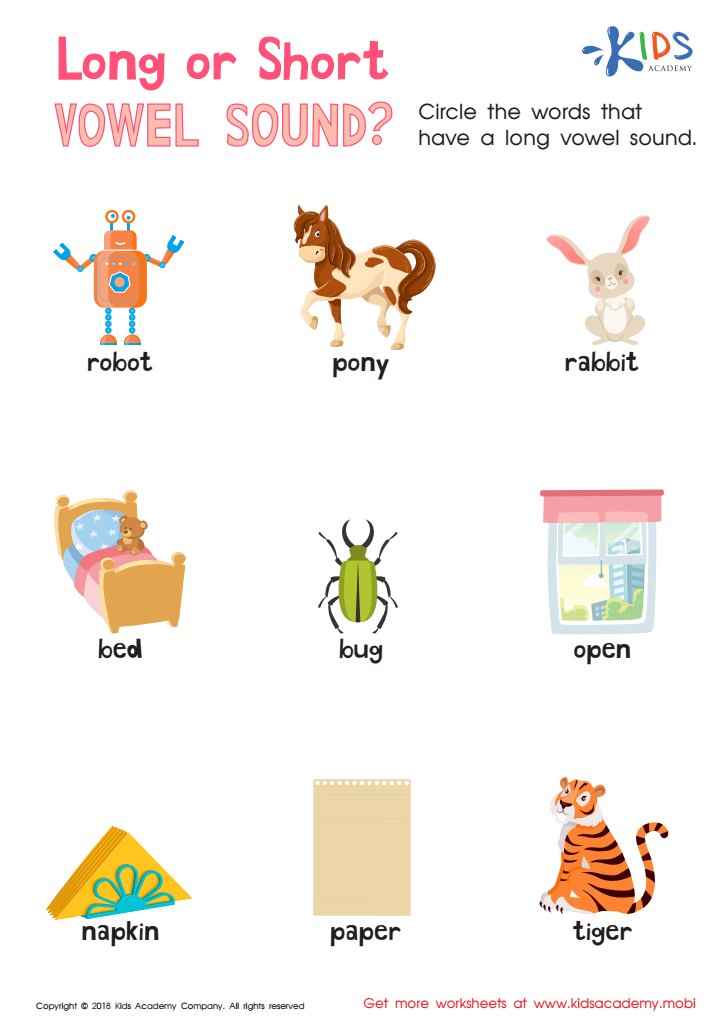
Long or Short Vowel Sound? Worksheet
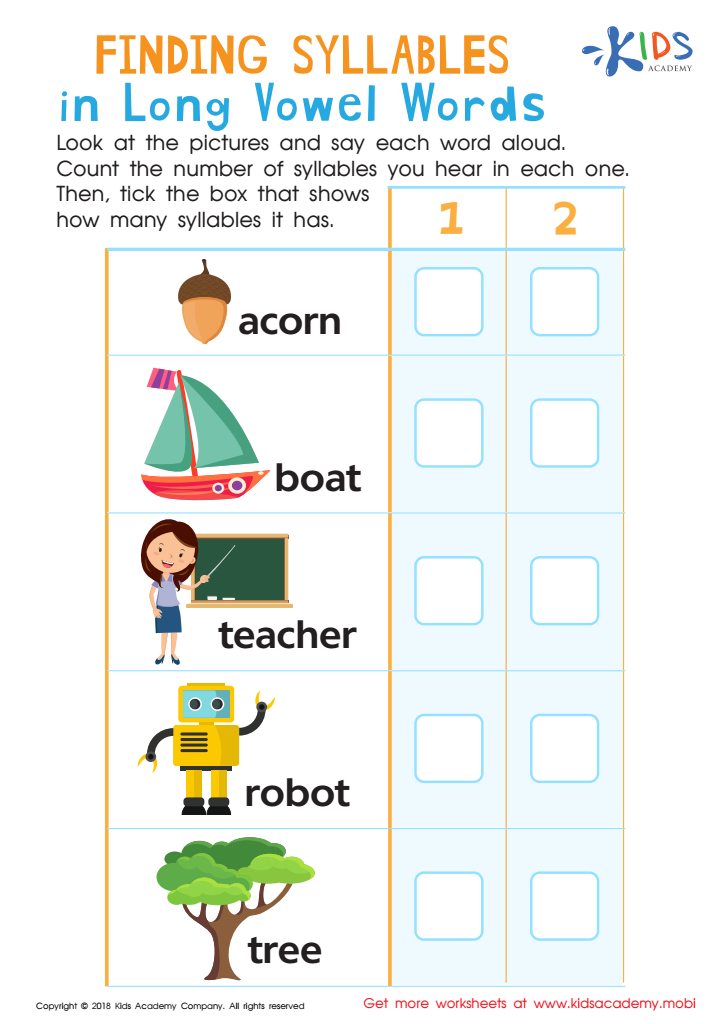
Finding Syllables in Long Vowel Words Worksheet
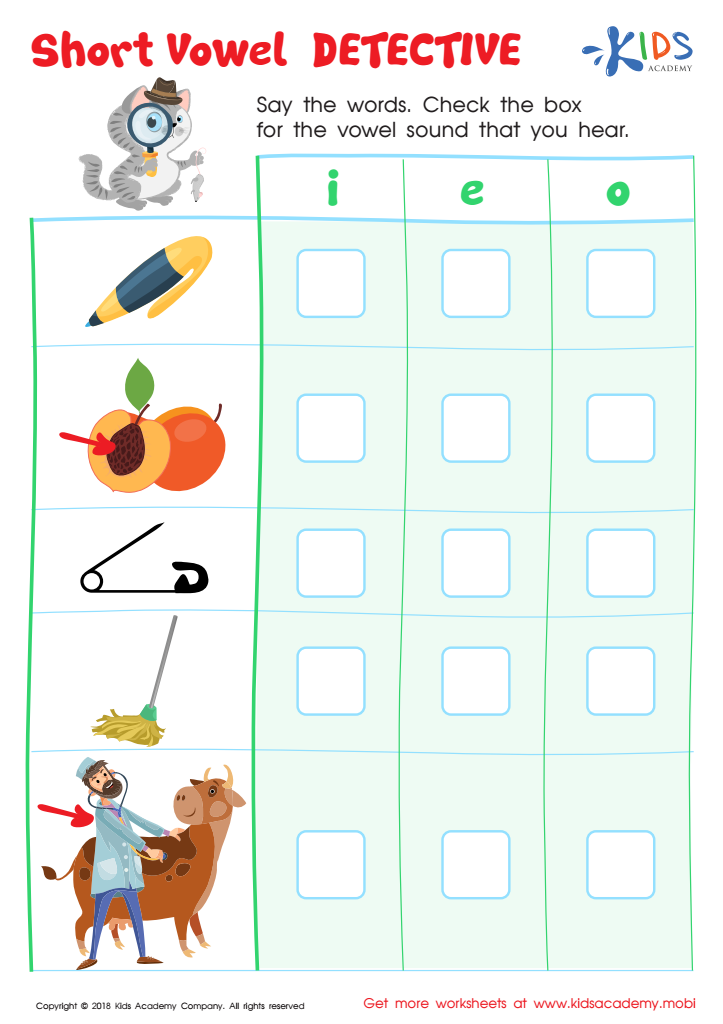
Short Vowel Detective Worksheet
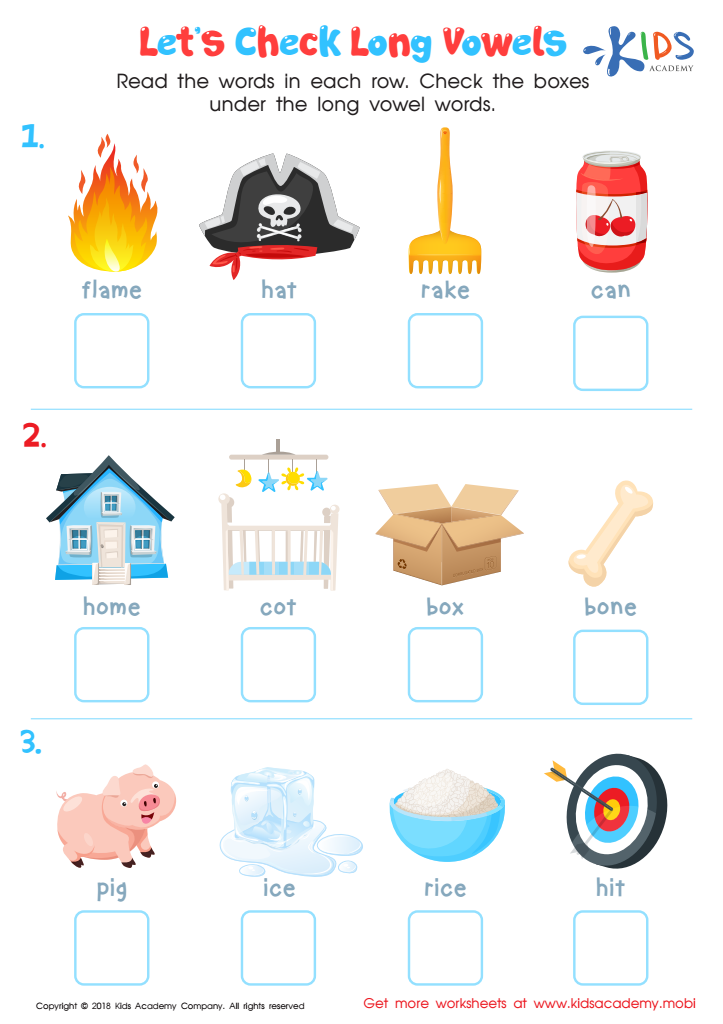
Let's Check Long Vowels: Assessment Worksheet



Understanding normal vowels and consonants is fundamental for children aged 4-9 as it serves as the cornerstone of their literacy development. During these formative years, children are in the critical phase of learning to read and write. Comprehending the distinct sounds associated with vowels (such as 'a', 'e', 'i', 'o', 'u') and consonants (like 'b', 'c', 'd', 'f', 'g') enables them to decode words, improving both their reading fluency and comprehension.
At this age, children primarily engage in phonemic awareness activities, which help them recognize and manipulate the basic sound units in words. By mastering the sounds of vowels and consonants, children can begin to blend these sounds together to form words, a skill known as phonics. For instance, understanding that the letter 'b' makes the /b/ sound and the letter 'a' typically makes the /a/ sound can help a child spell and read the word "bat."
Additionally, early familiarity with these sounds aids in spelling and writing proficiency, fostering confidence and preventing future academic struggles. Vowel and consonant knowledge also enhances children's vocabulary acquisition and pronunciation, promoting clearer communication. Thus, parents and teachers should prioritize teaching normal vowels and consonants to lay a strong foundation for lifelong literacy and learning success.