Normal Comparing Numbers Worksheets for Ages 4-9 - Page 2
32 filtered results
-
From - To
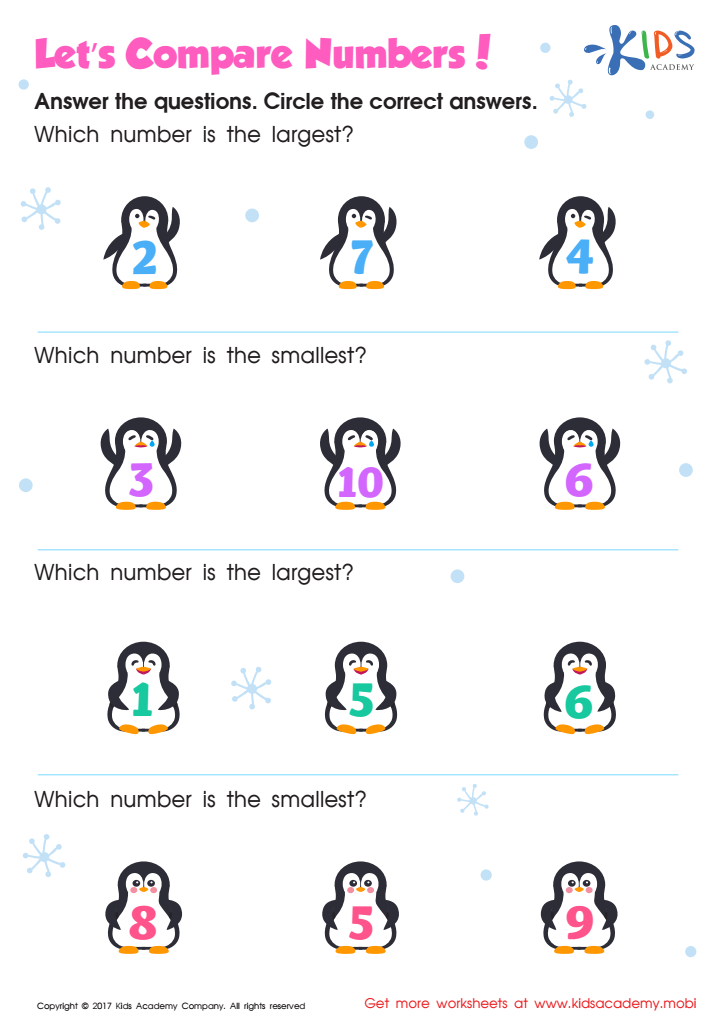
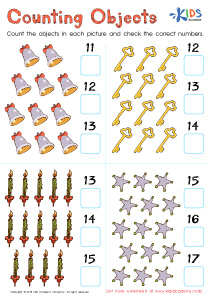
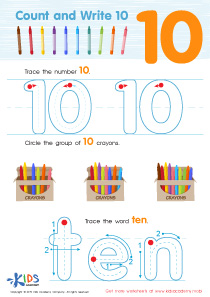
Comparing Numbers 1–10 Worksheet Kindergarten
 Assign to My Students
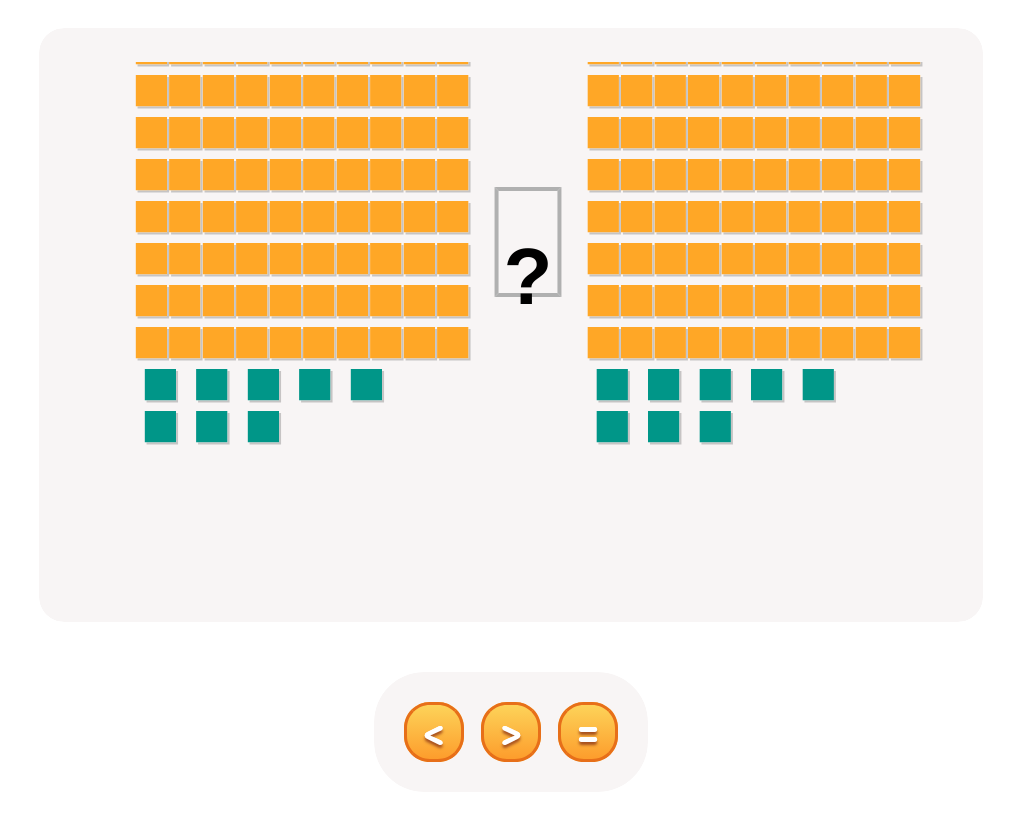

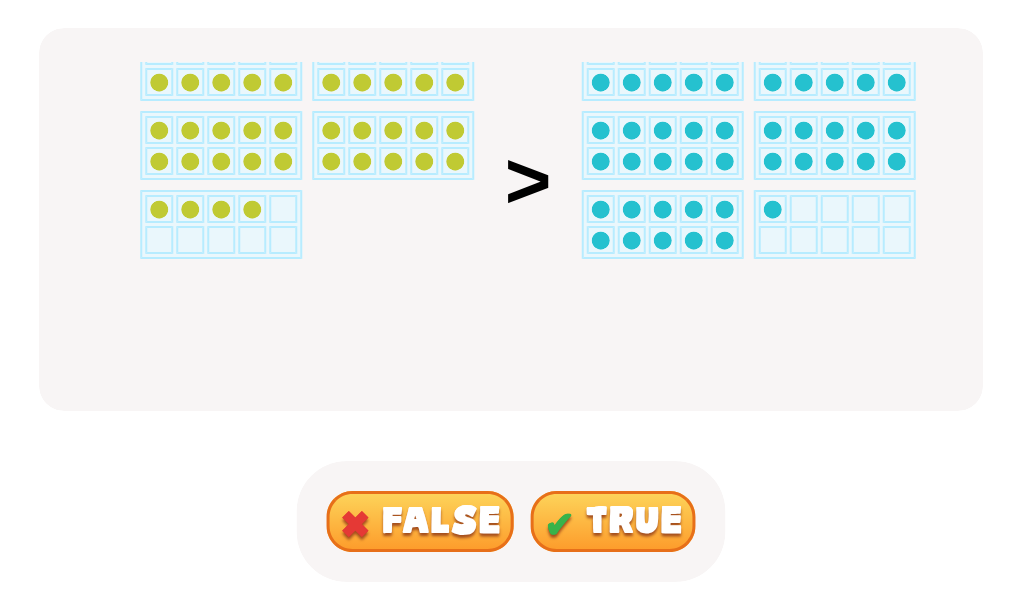
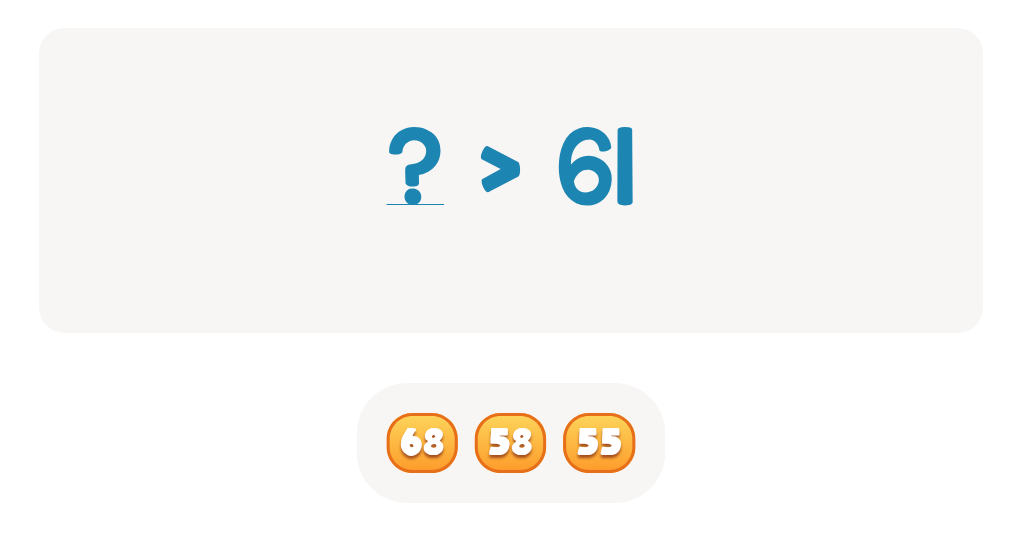
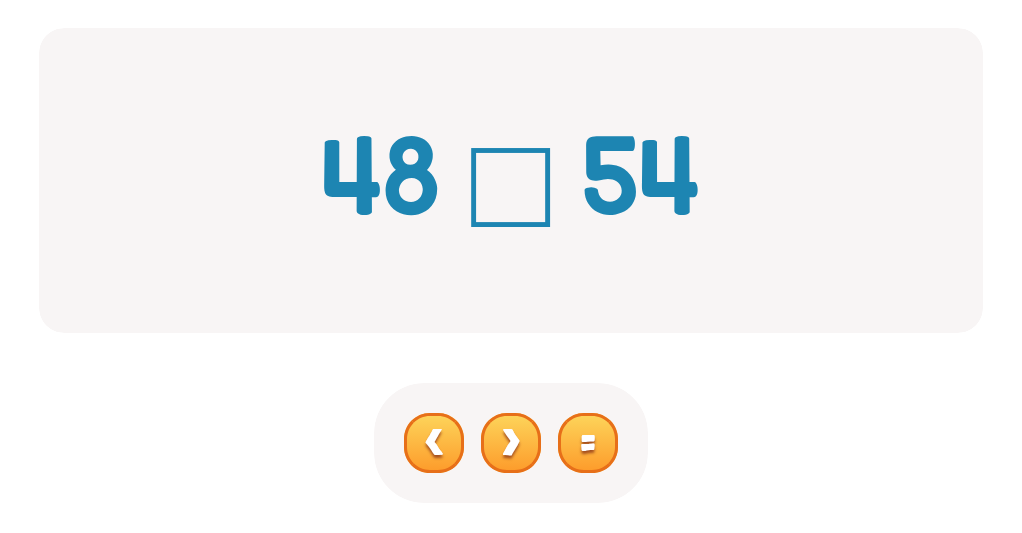
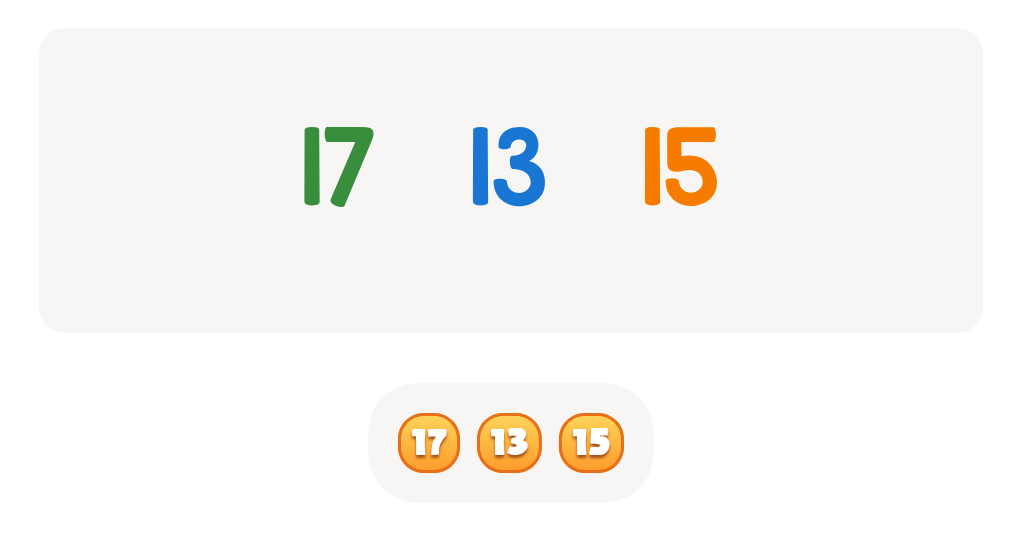
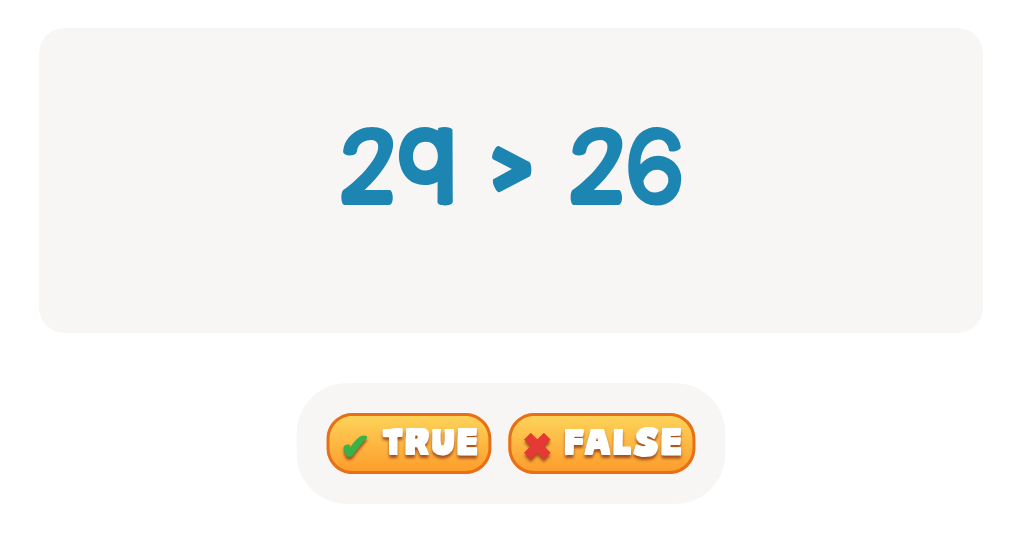
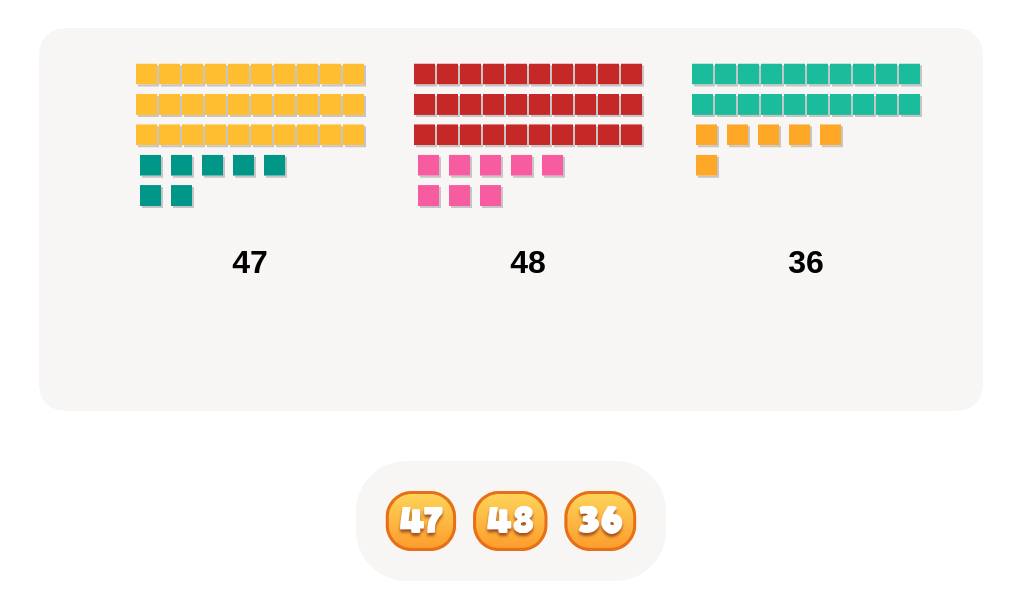
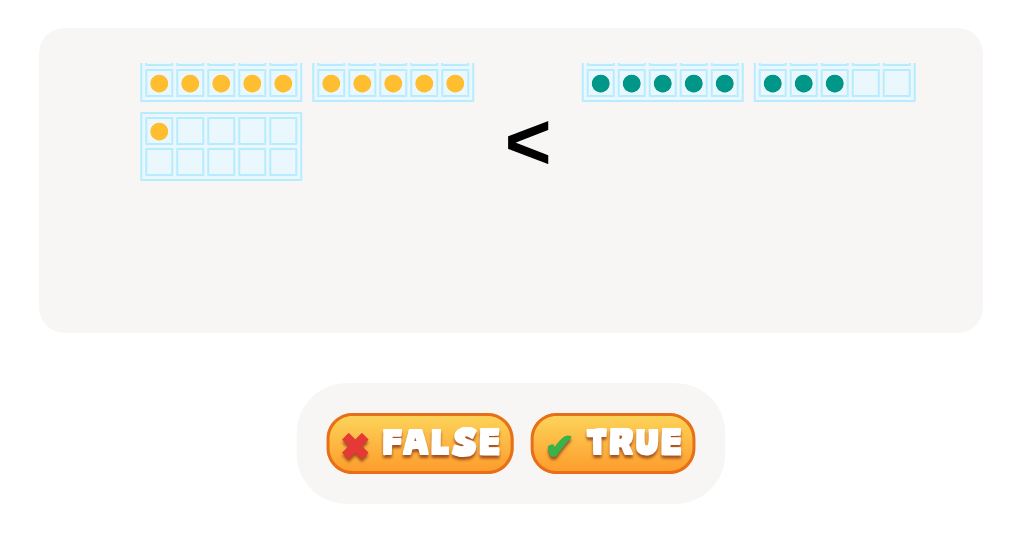
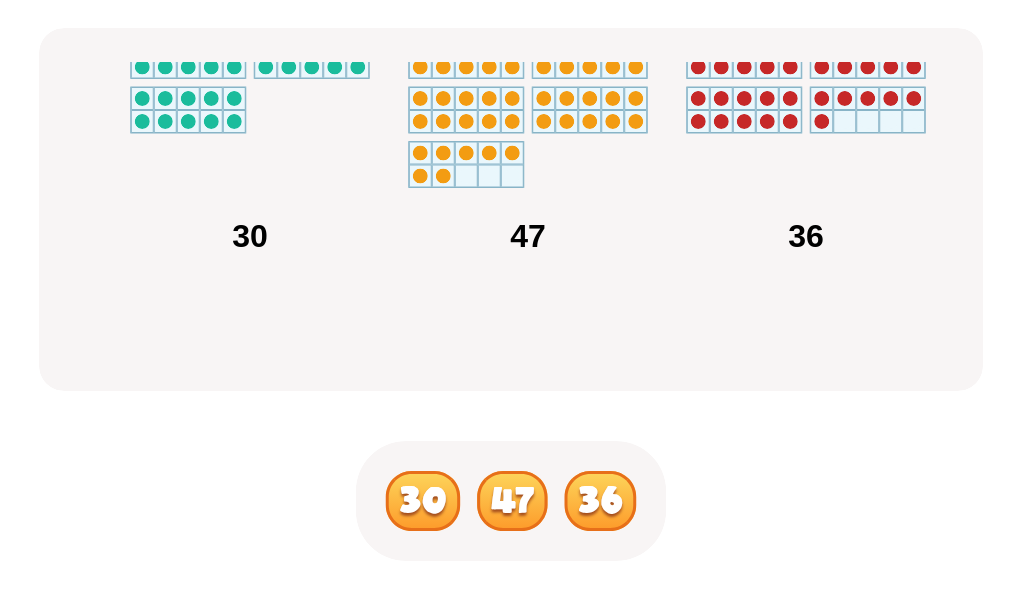
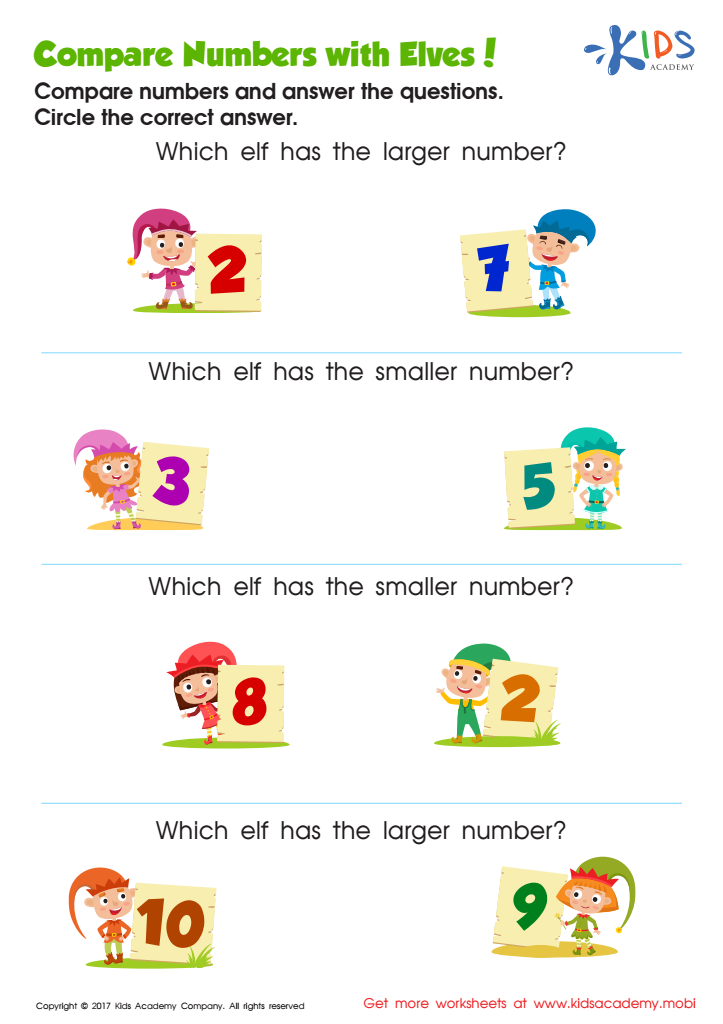
Comparing Numbers Worksheet for Kindergarten
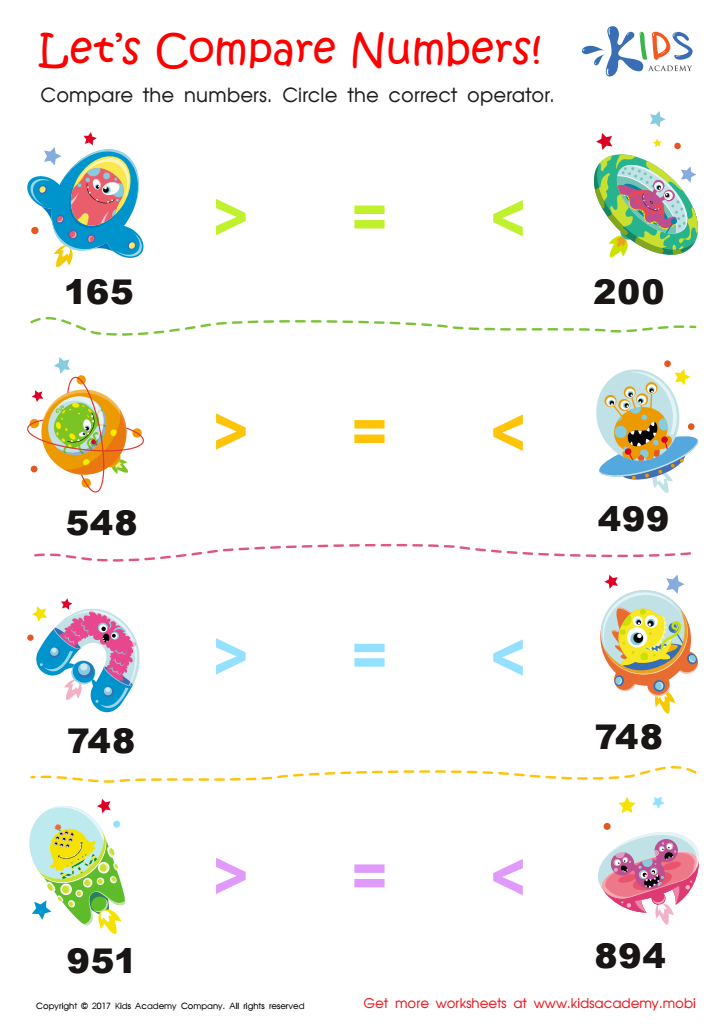
Comparing Numbers Worksheet for 2nd Grade
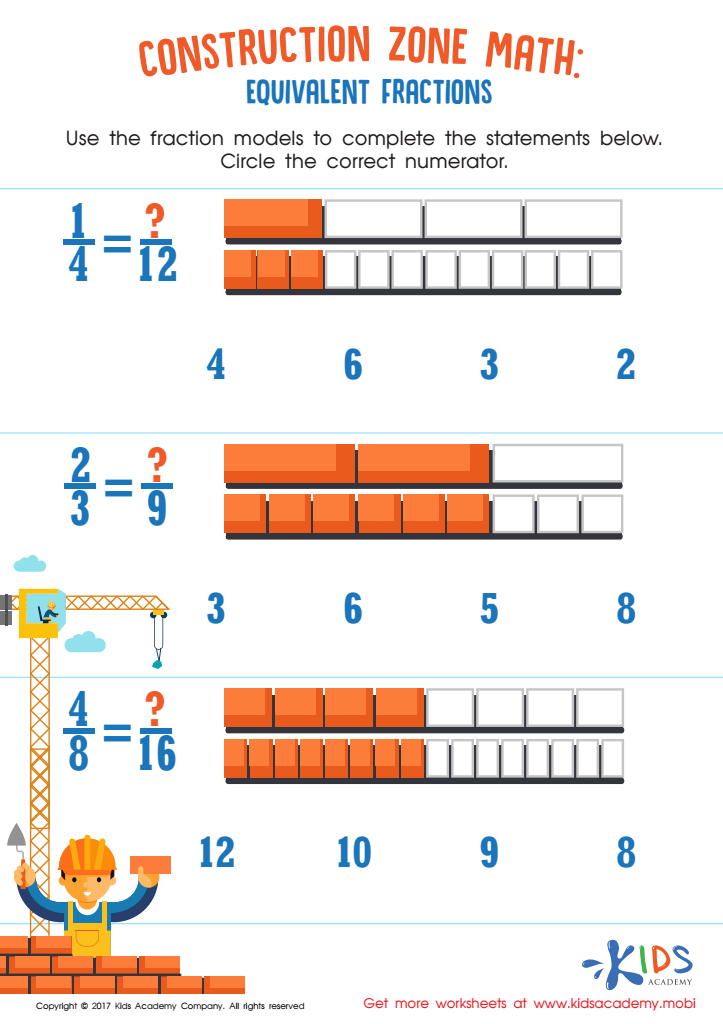
Equivalent Fractions Worksheet
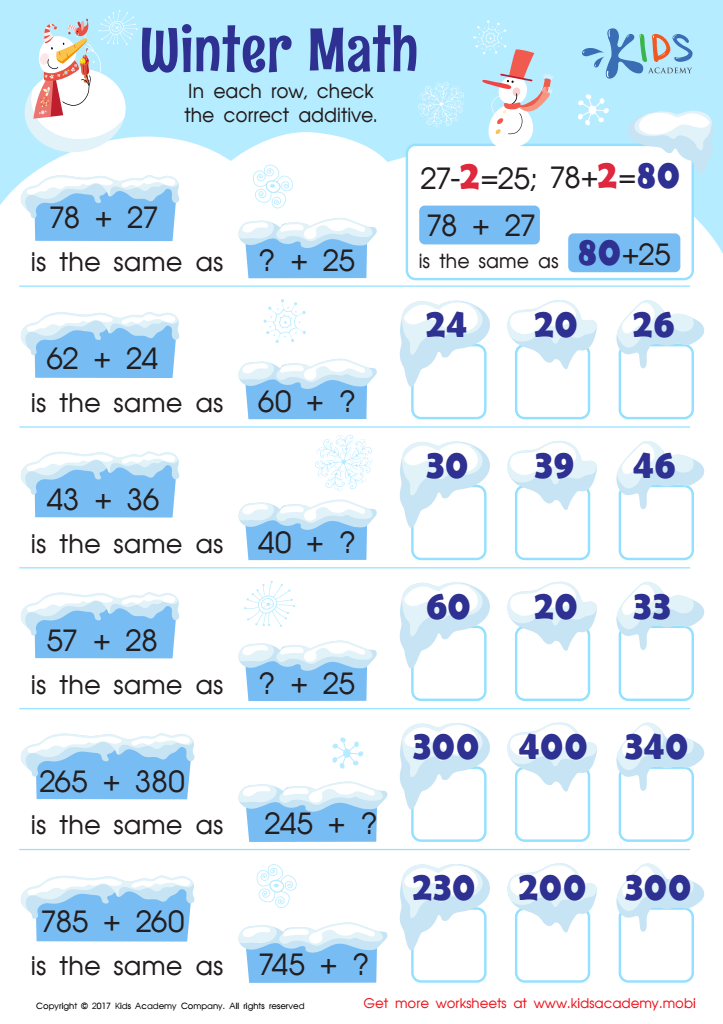
Free Addition Worksheet
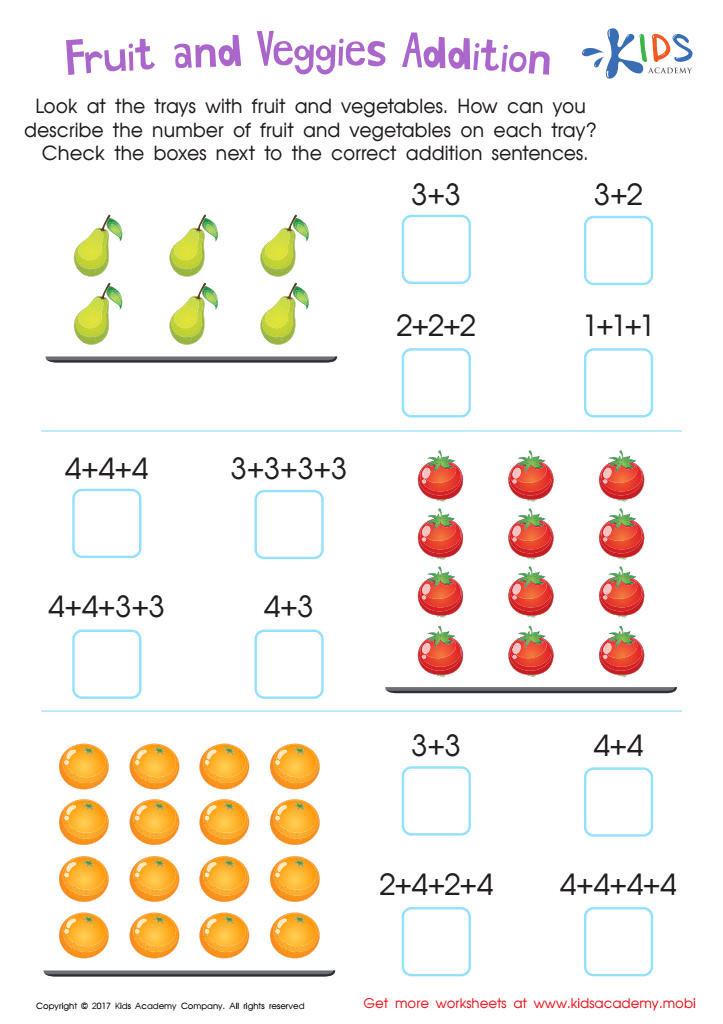
Fruit and Veggies Worksheet
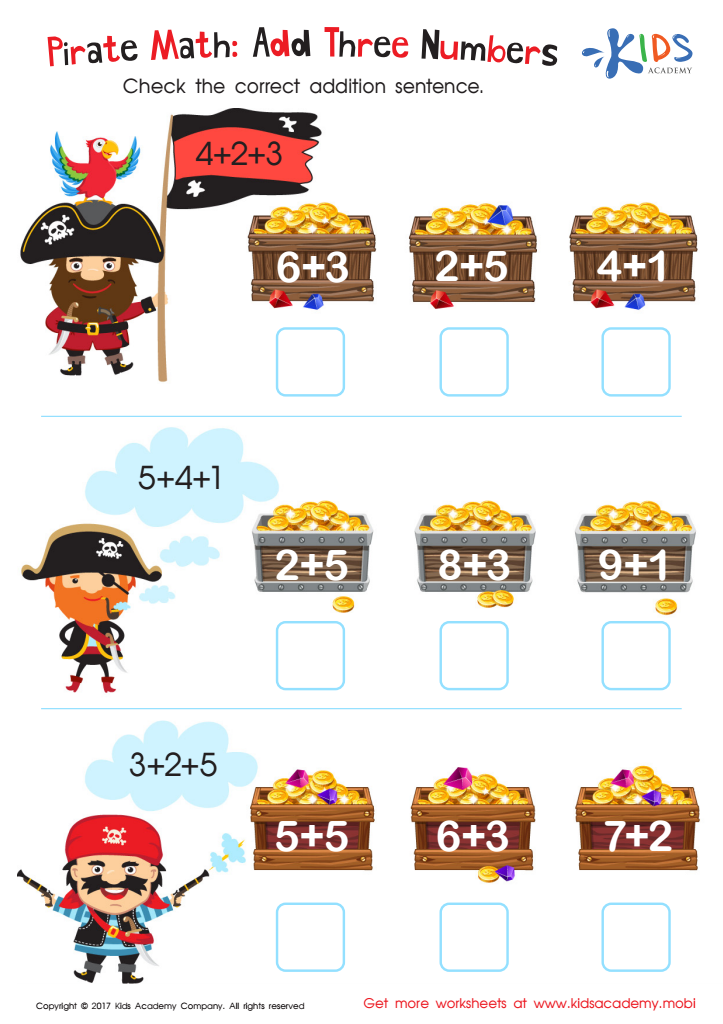
Pirate Math Printable
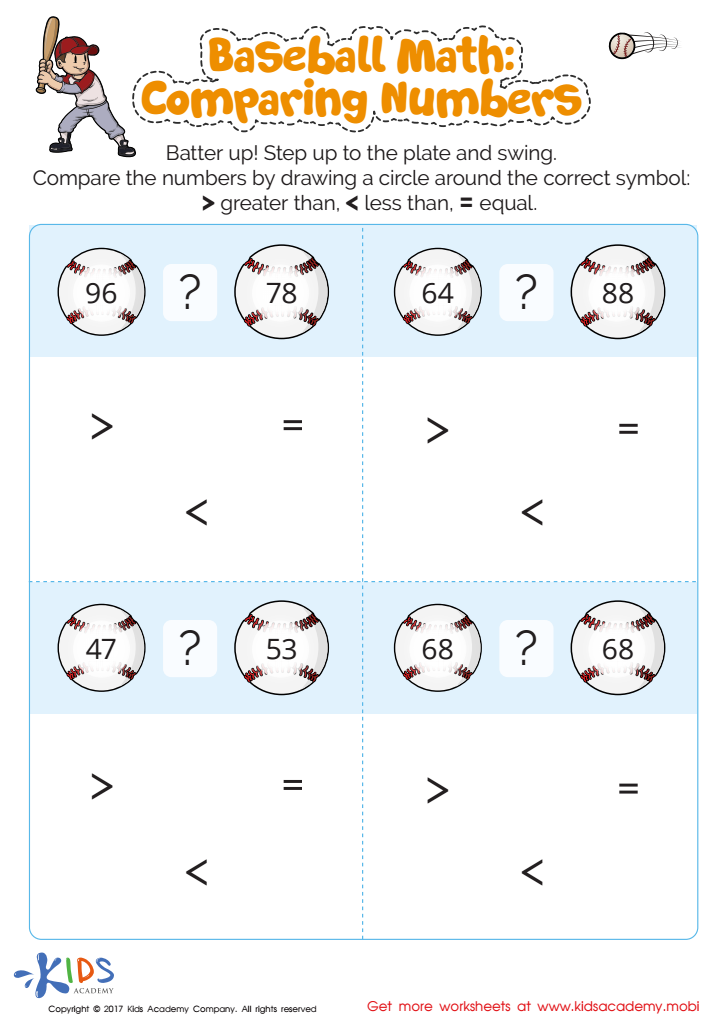
Compare Numbers Printable






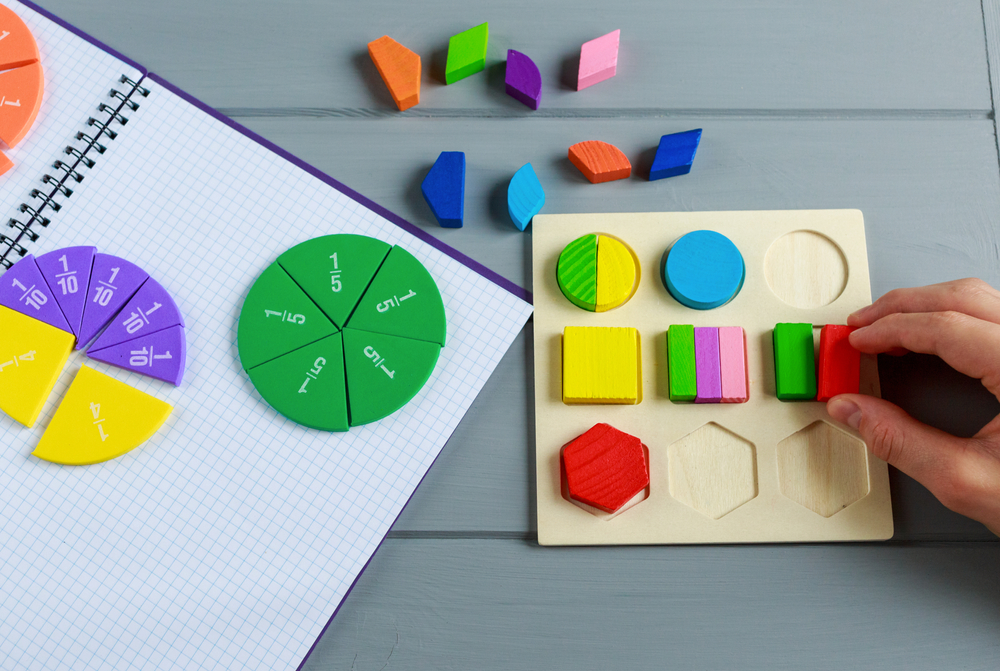

Understanding normal comparing numbers is crucial for children aged 4-9, as it forms a foundational skill in their mathematical development. During this developmental stage, children begin to grasp the concepts of quantity and comparison, which are essential for problem-solving and critical thinking.
For parents and teachers, fostering an understanding of how to compare numbers helps build confidence in a child's numerical abilities. It encourages logical reasoning and cognitive skills, allowing children to develop a sense of number magnitude, which is key for future math challenges. When kids learn to compare numbers, they can make sense of larger mathematical concepts, such as addition and subtraction, and even begin to understand the basics of data interpretation.
Additionally, promoting this skill at an early age can lead to better academic performance and a positive attitude towards math. Engaging children in fun activities—such as games and hands-on experiences—makes learning enjoyable and effective. Parents and teachers can utilize these moments to introduce everyday comparisons, encouraging children to apply mathematical concepts in real life, thus reinforcing their learning.
In summary, emphasizing the importance of comparing numbers nurtures essential skills, fosters a love for learning, and sets the stage for future academic success.