Normal Reading Fiction Worksheets for Ages 4-9 - Page 3
111 filtered results
-
From - To
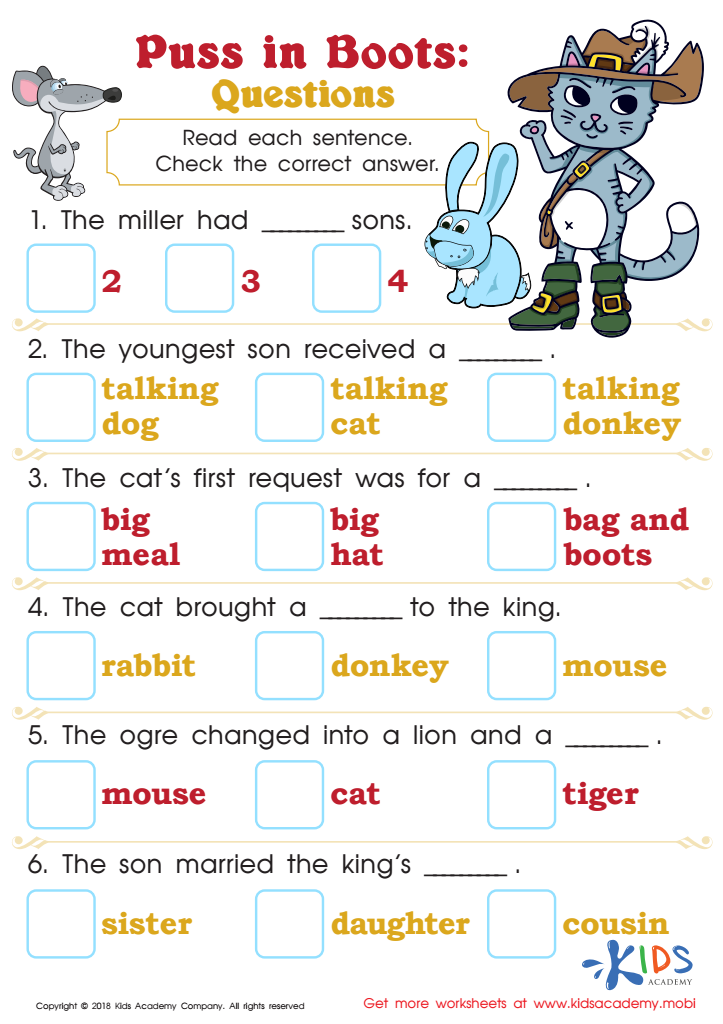
Puss in Boots: Questions Worksheet
 Assign to My Students
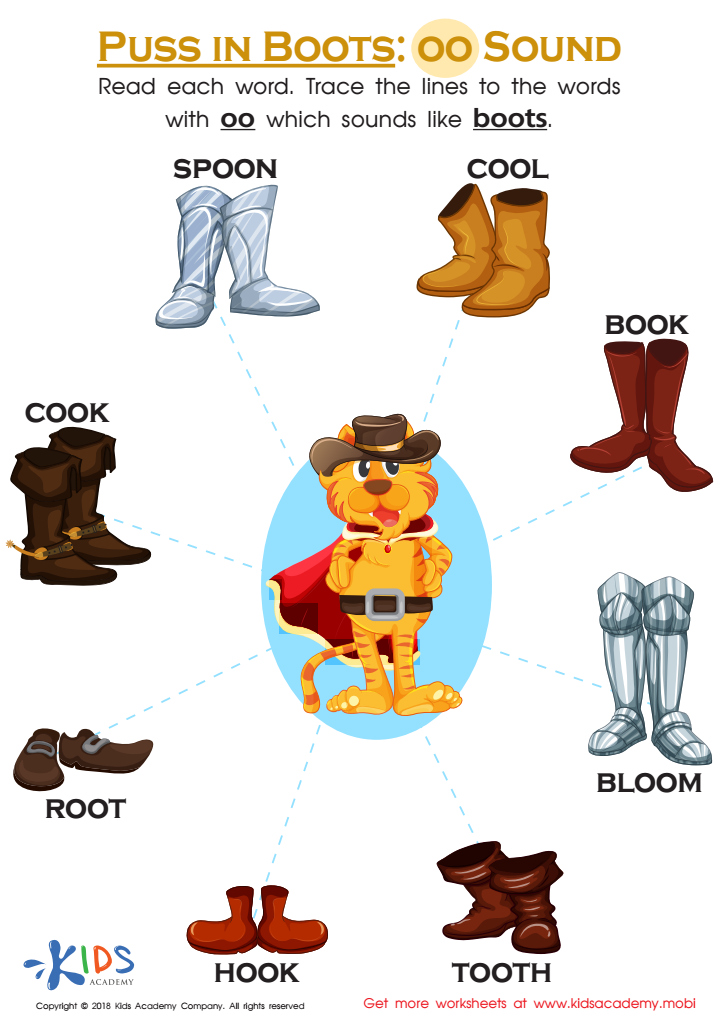
Puss in Boots: OO Sound Worksheet
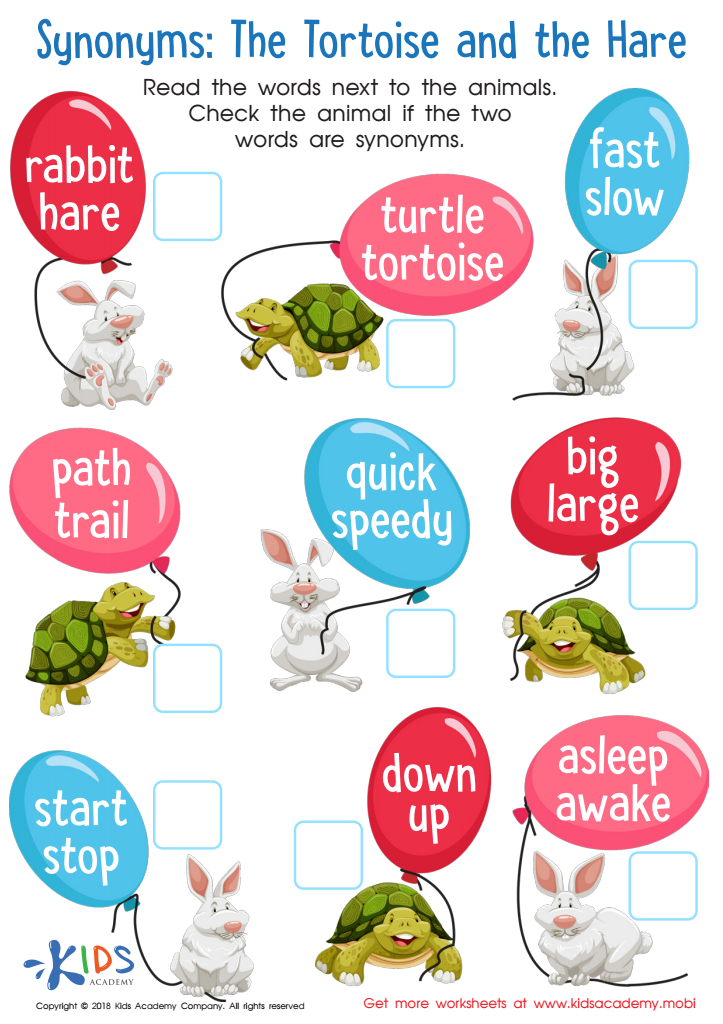
Synonyms: The Tortoise and Hare Worksheet
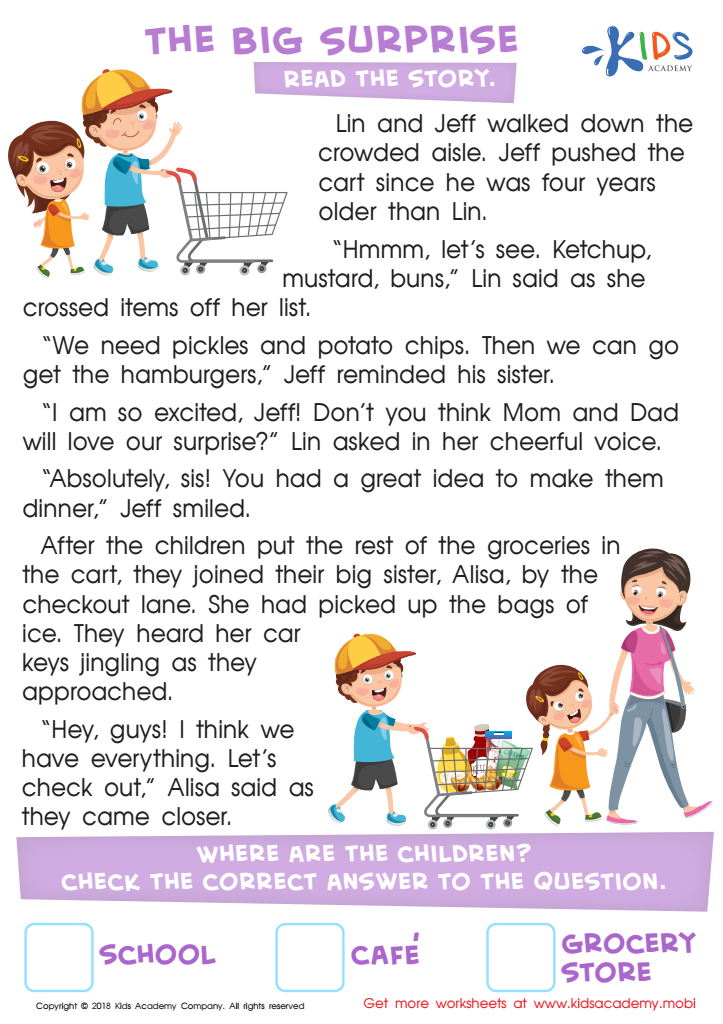
The Big Surprise Worksheet
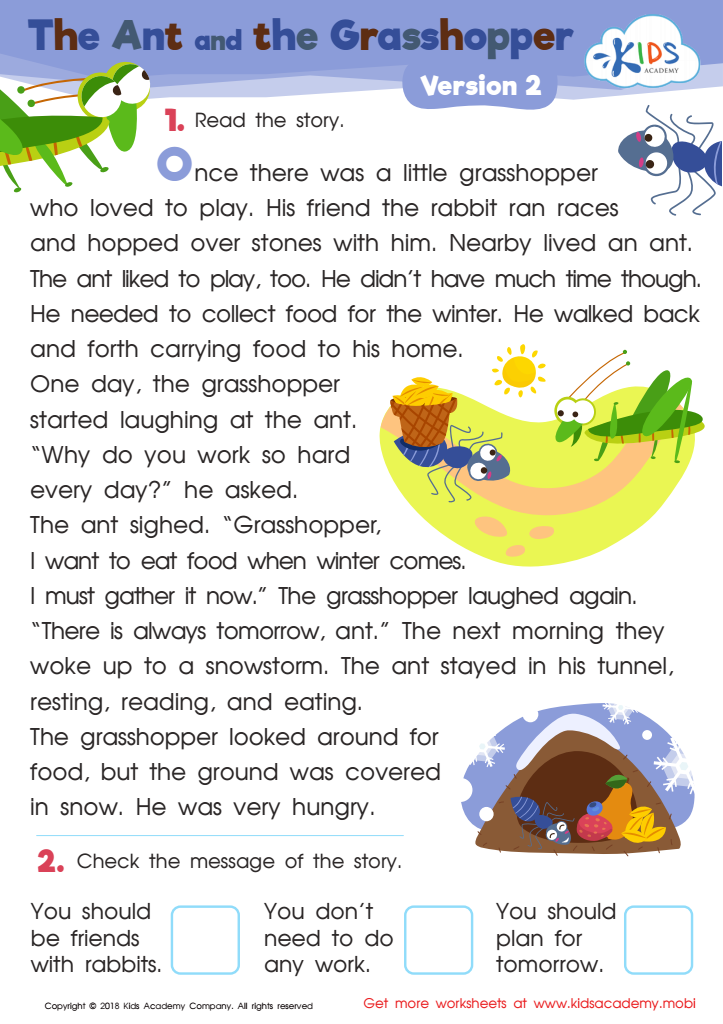
The Ant and The Grasshopper Version 2 Worksheet
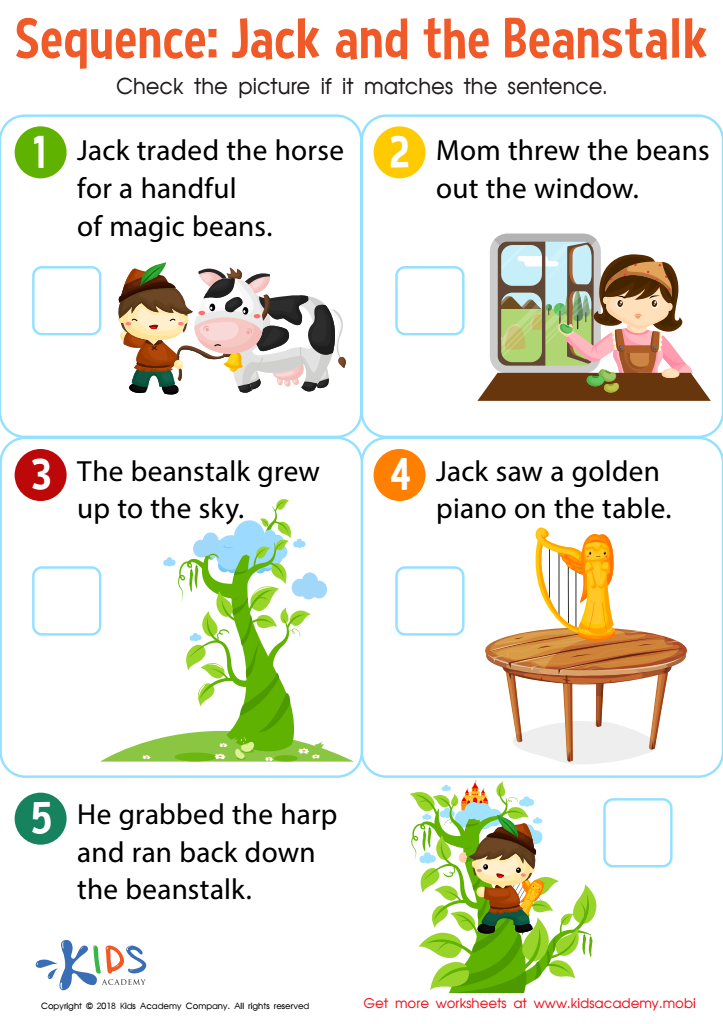
Sequence: Jack and The Beanstalk Worksheet
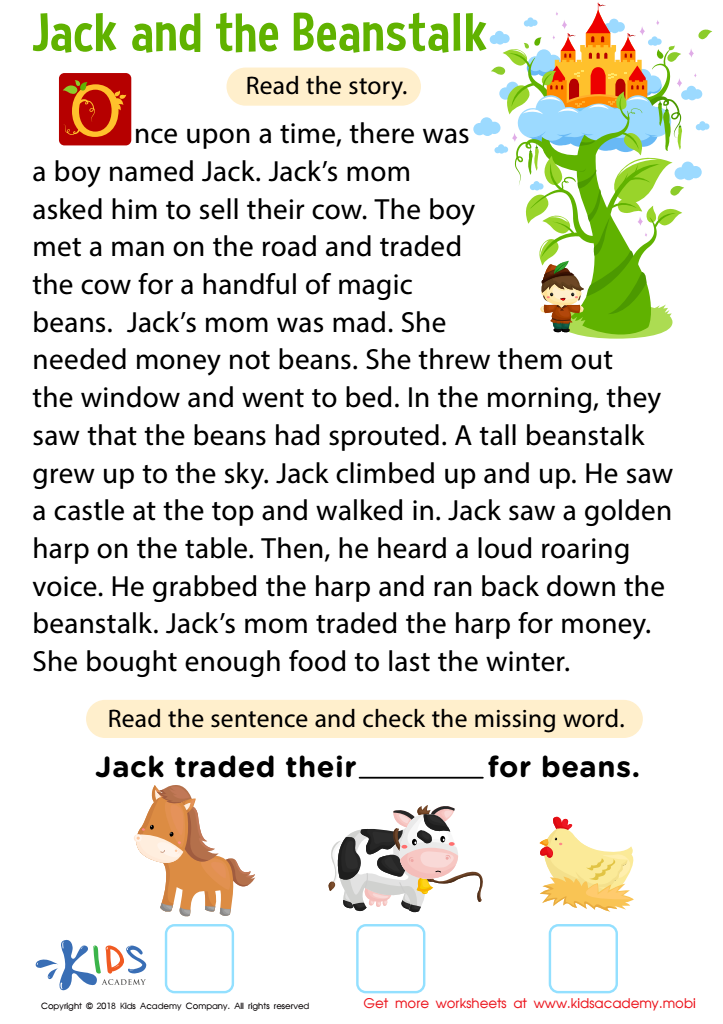
Jack and Beanstalk Worksheet
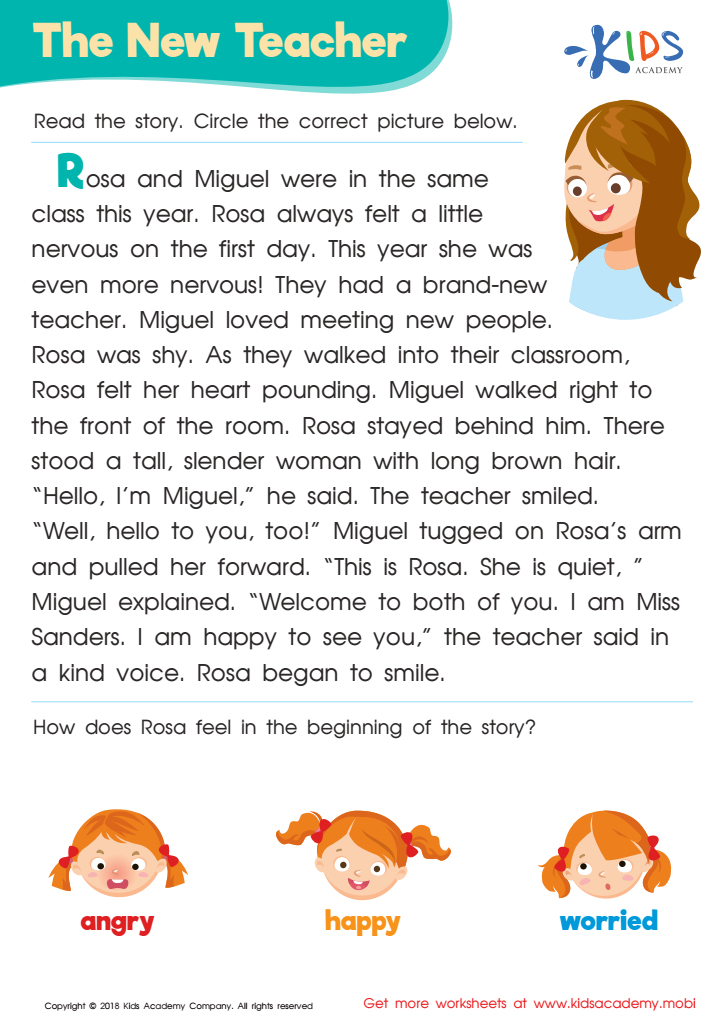
The New Teacher Worksheet
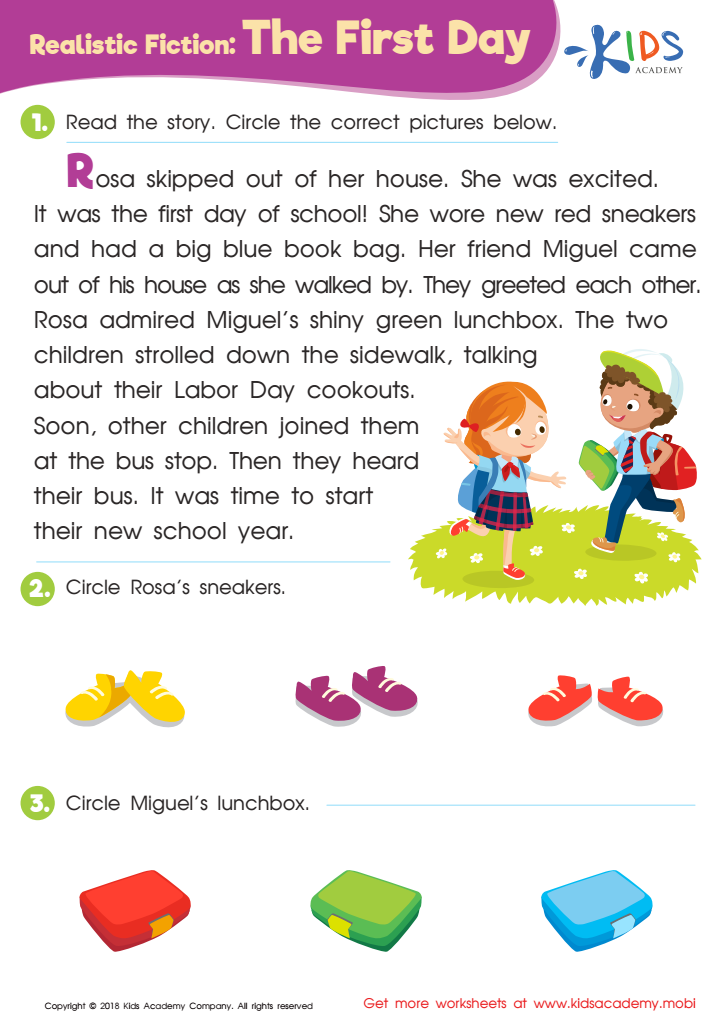
Realistic Fiction: The First Day Worksheet
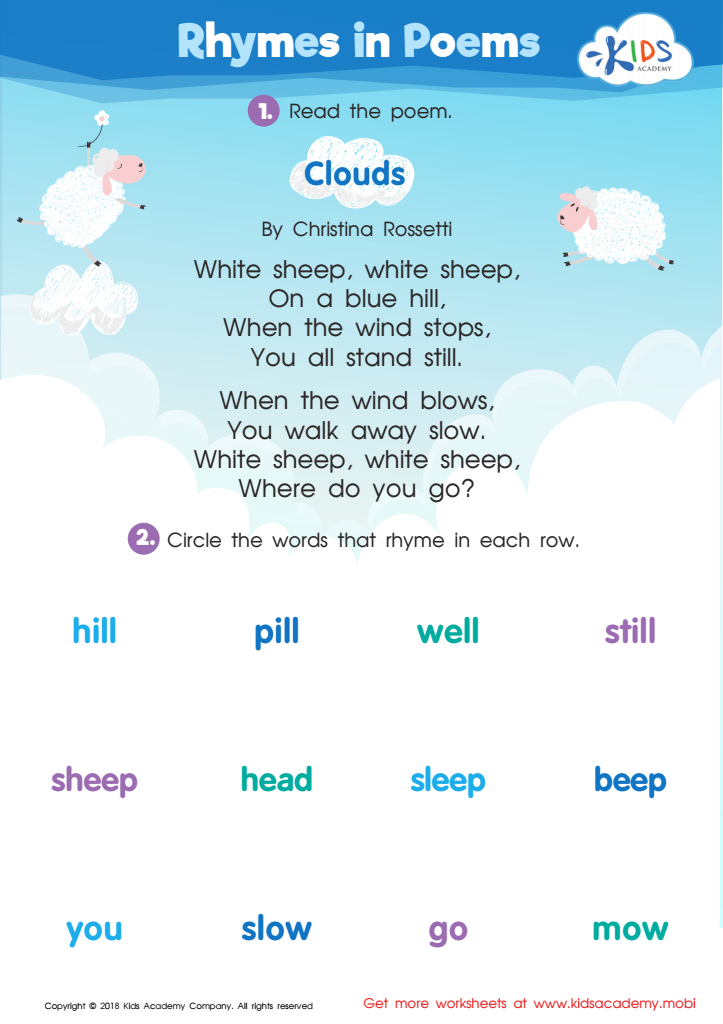
Rhymes in Poems Worksheet
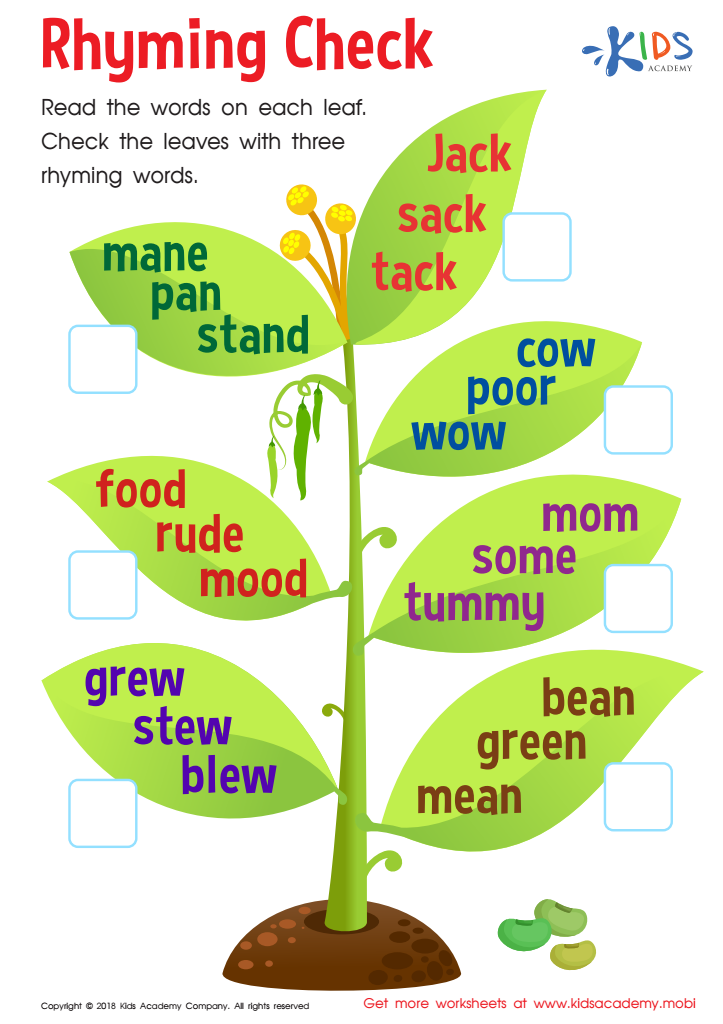
Rhyming Check Worksheet
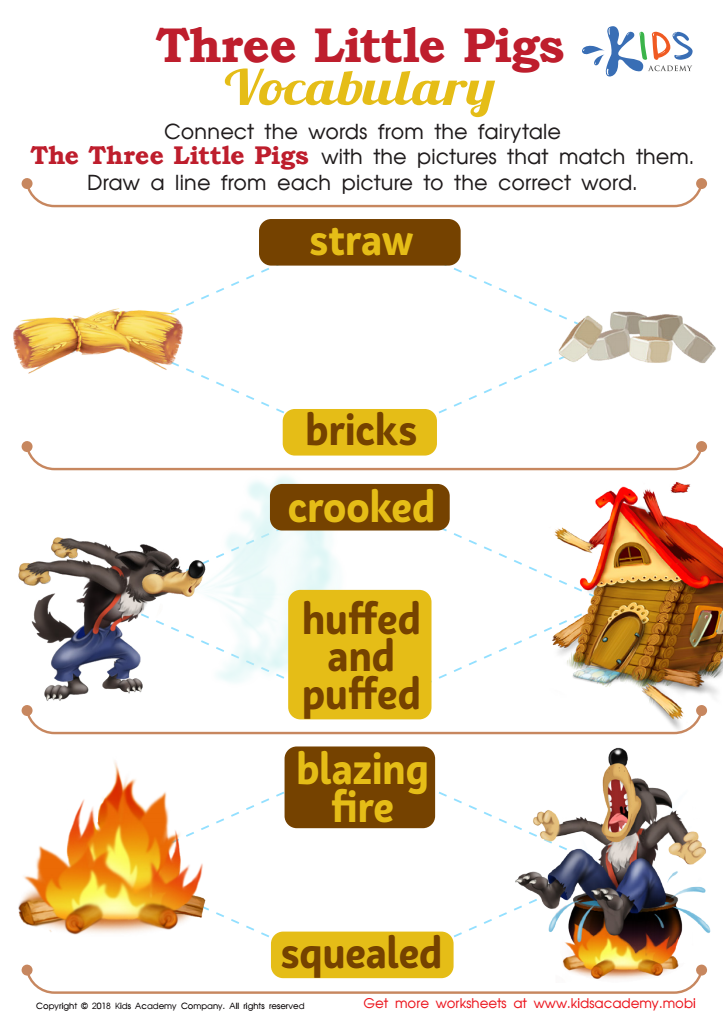
Three Little Pigs Vocabulary Worksheet
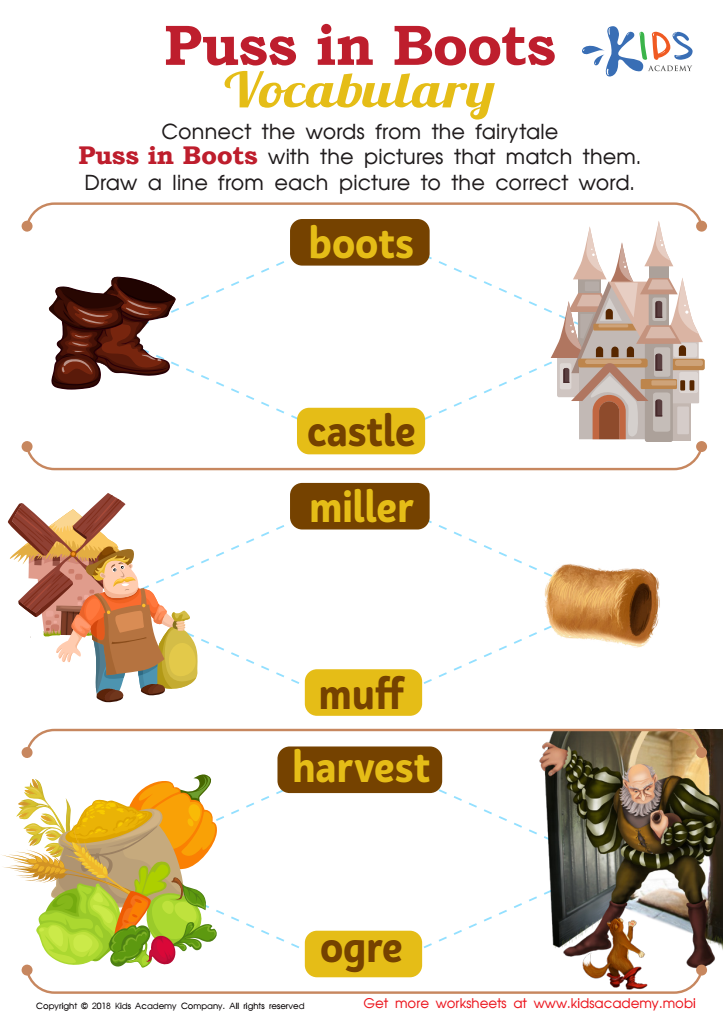
Puss in Boots Vocabulary Worksheet
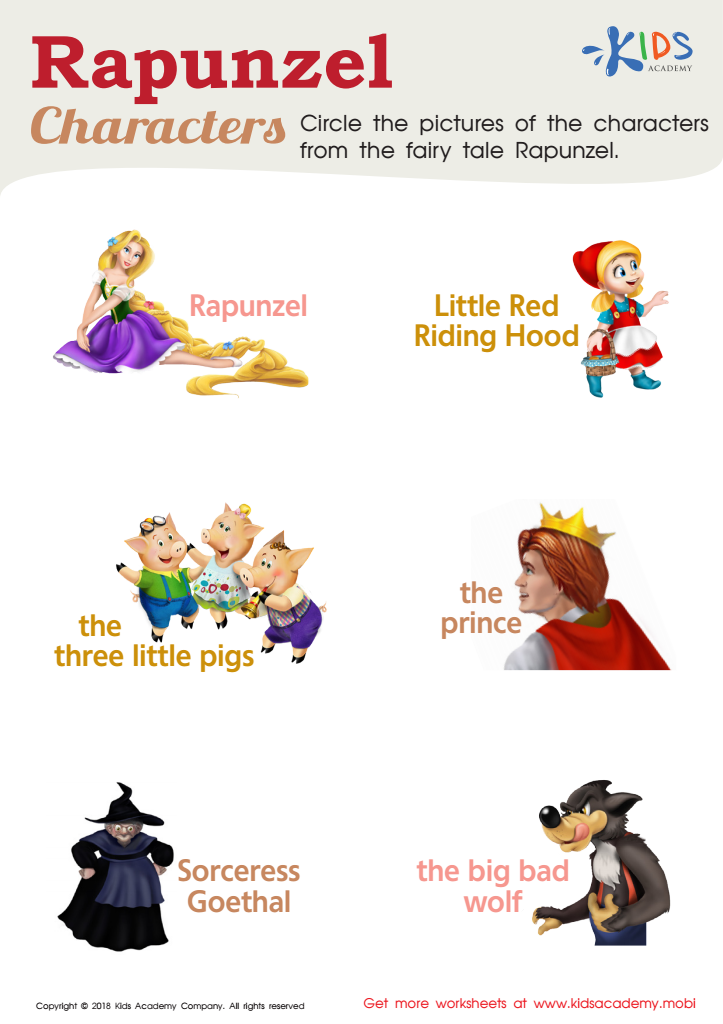
Rapunzel Characters Worksheet
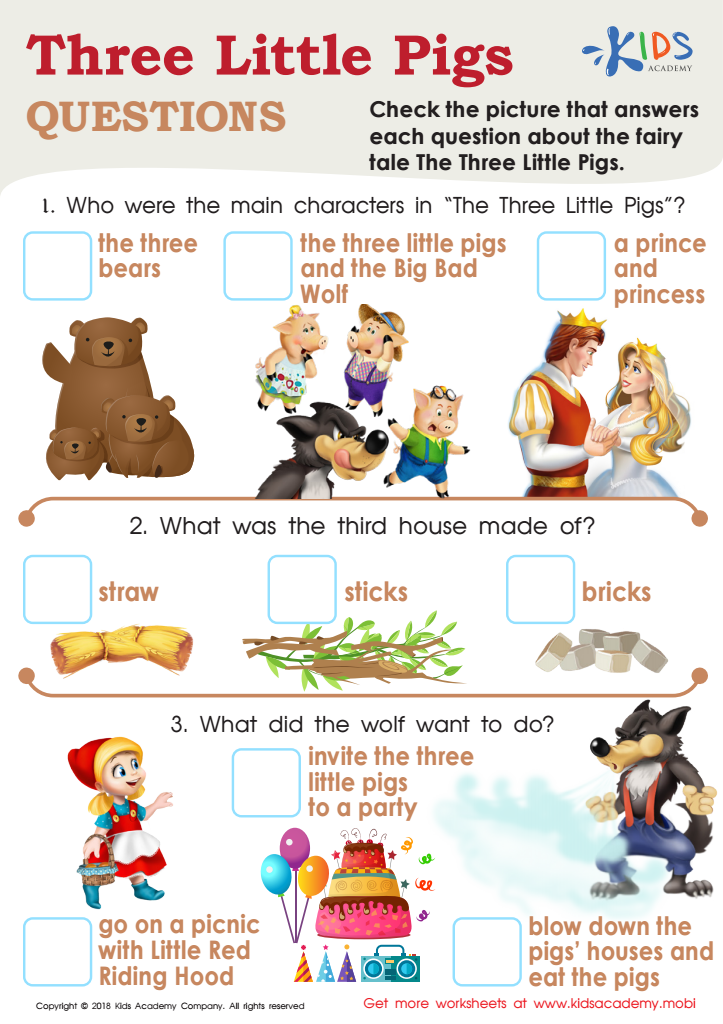
Three Little Pigs Questions Worksheet
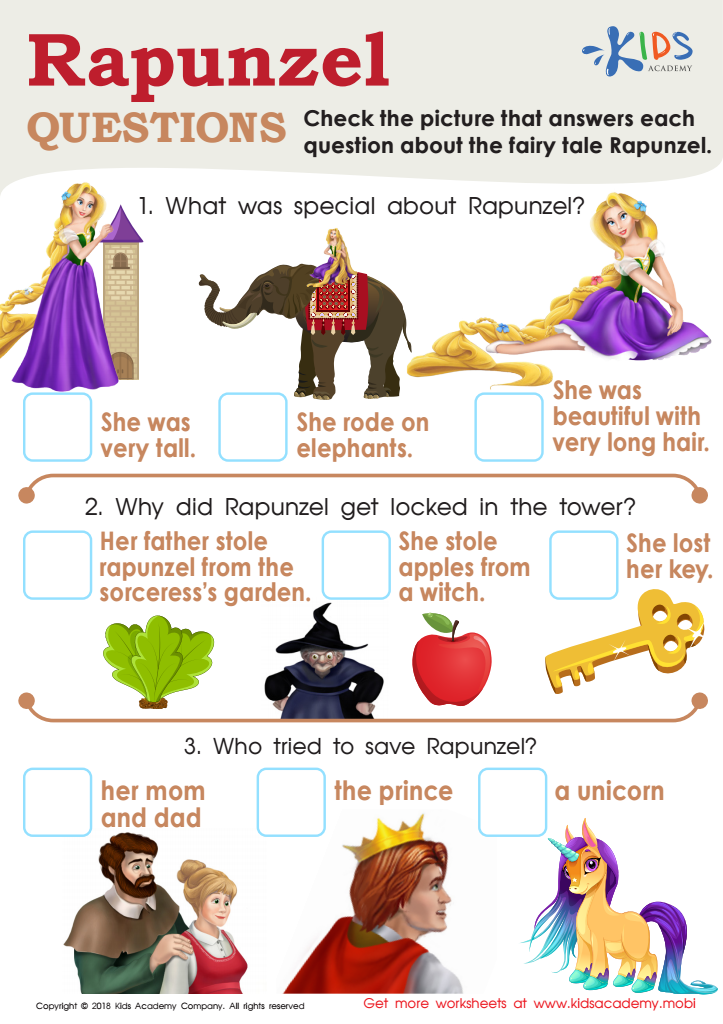
Rapunzel Questions Worksheet
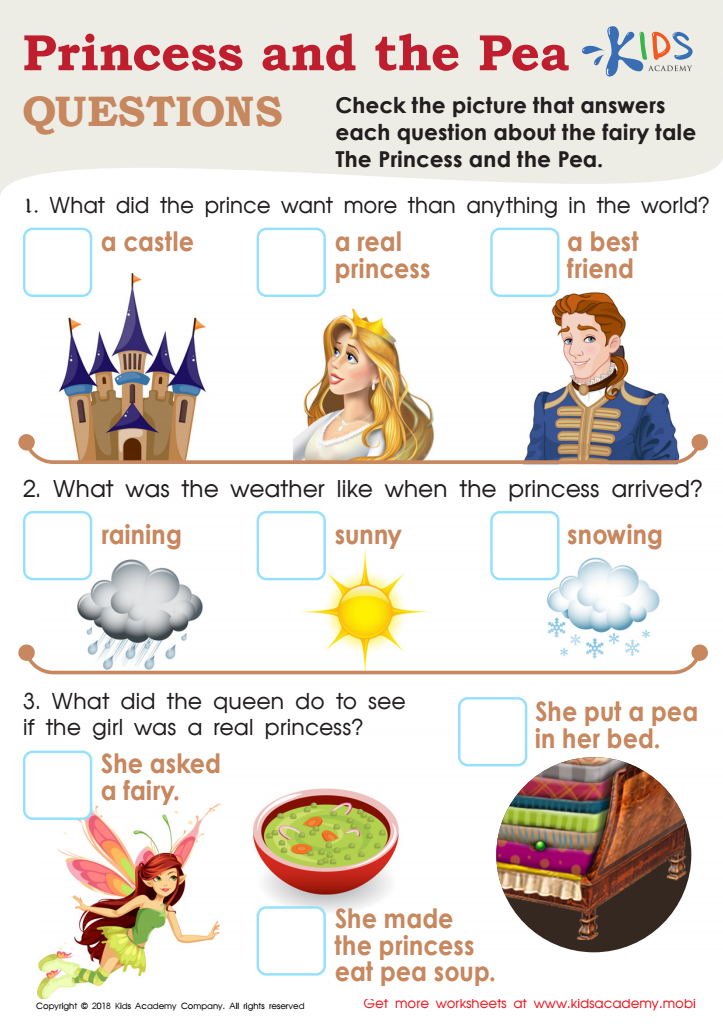
Princess and the Pea Questions Worksheet
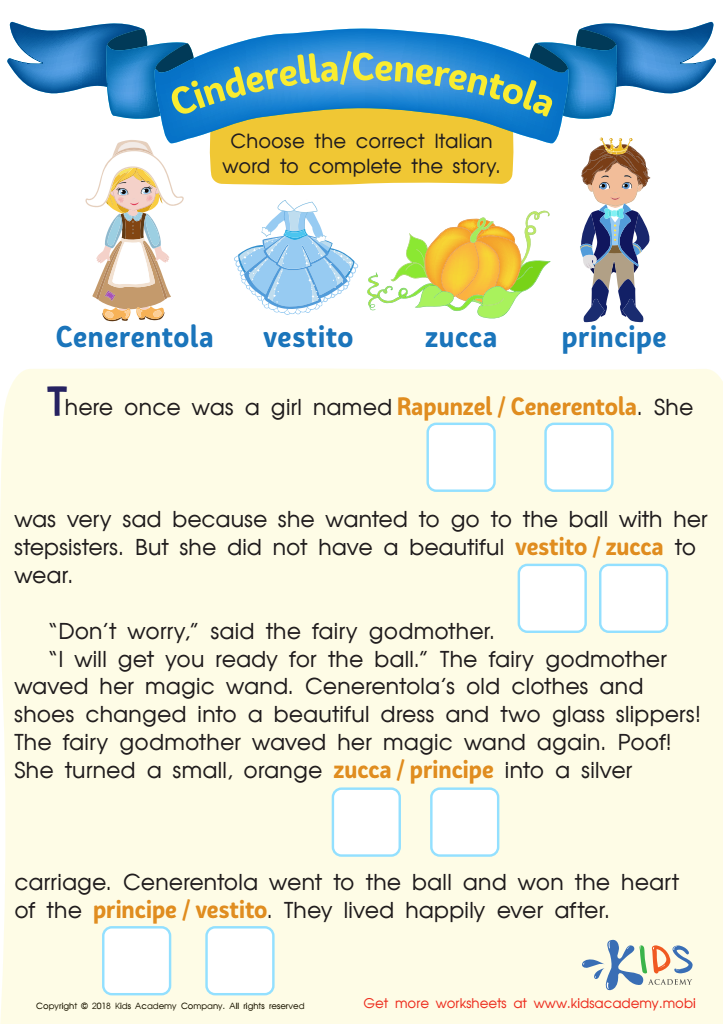
Cinderella / Cenerentola Worksheet
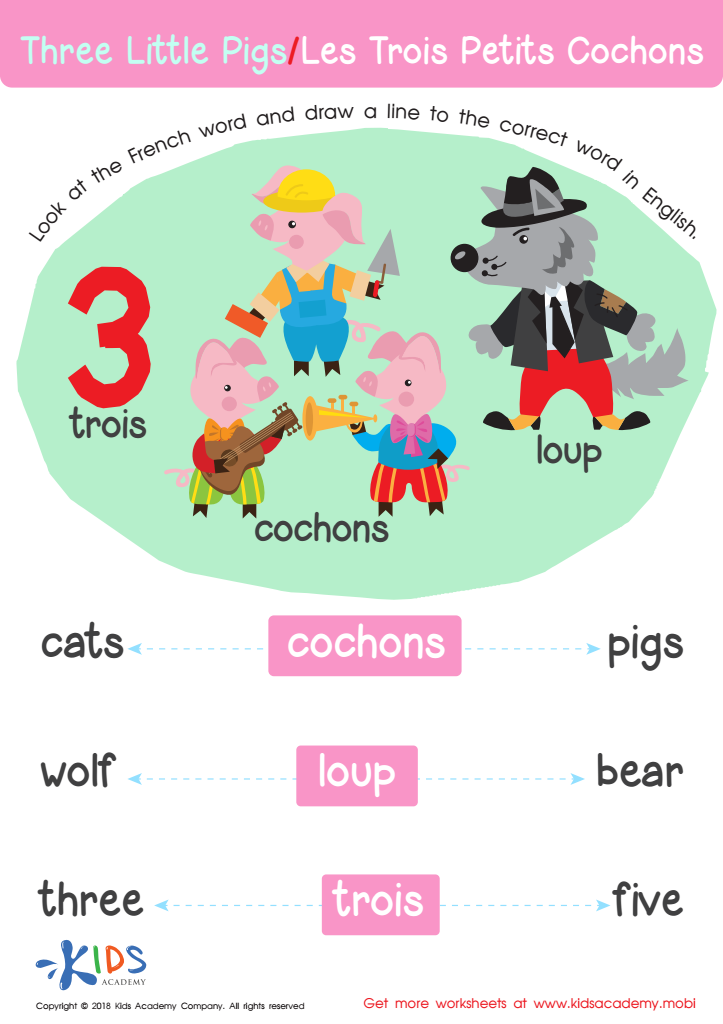
Three Little Pigs / Les Trois Petits Cochons Worksheet
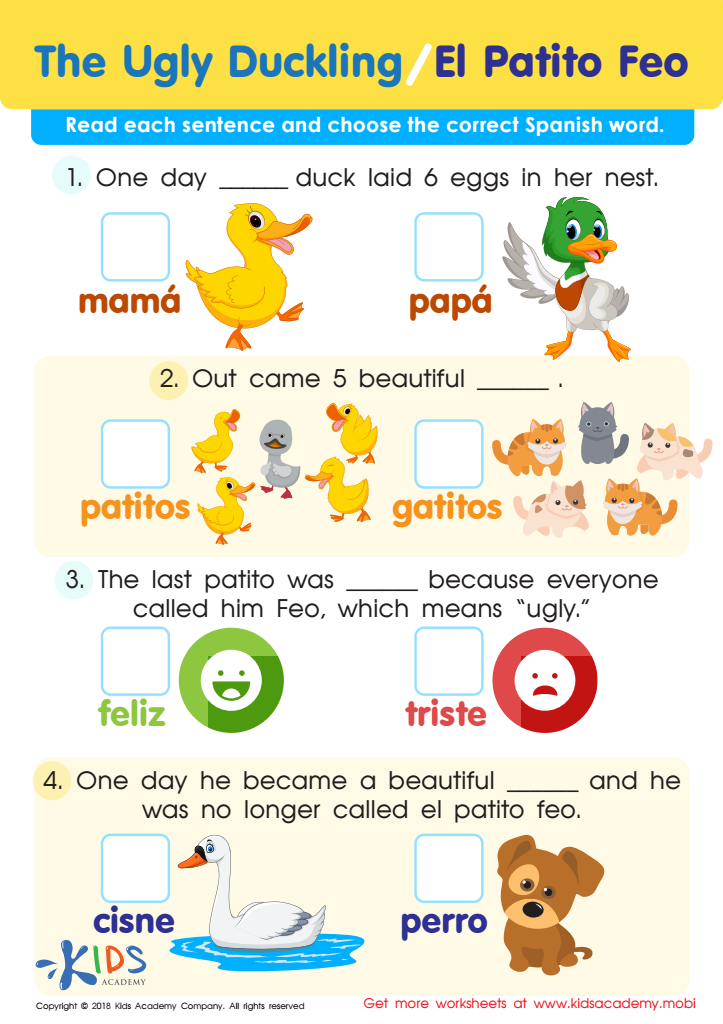
The Ugly Duckling / El Patito Feo Worksheet
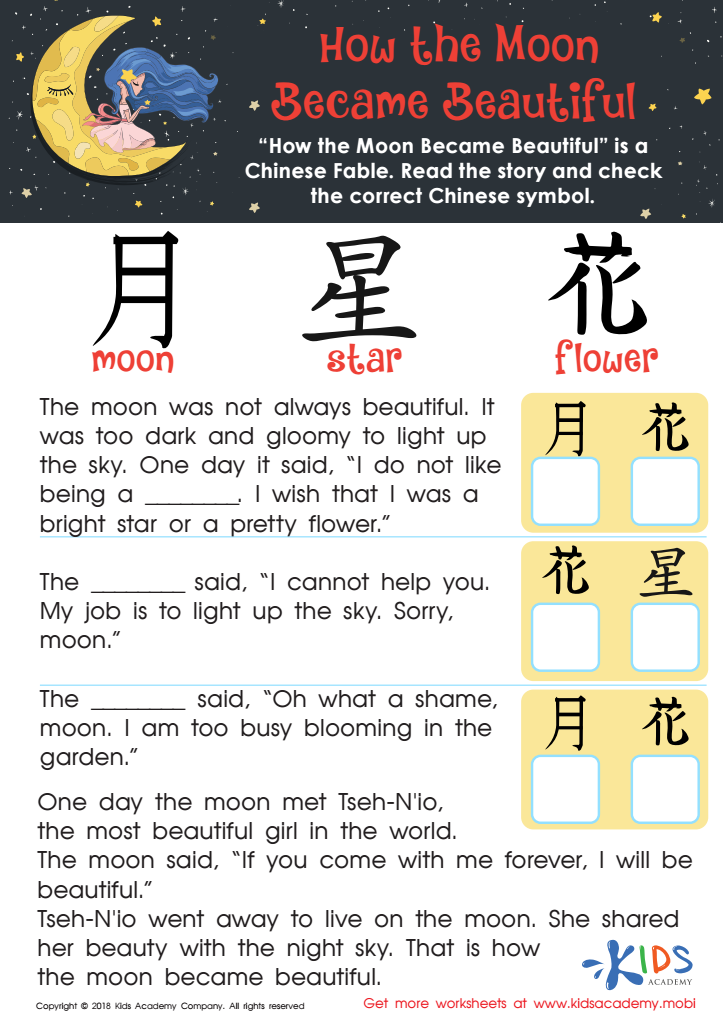
How the Moon Became Beautiful Worksheet
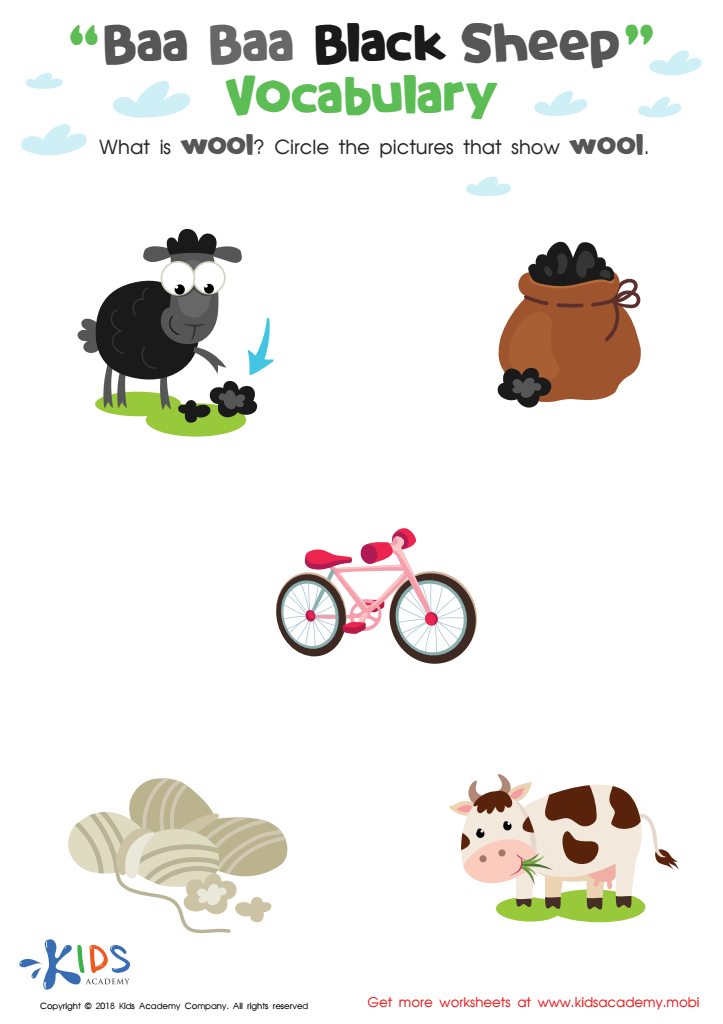
Baa Baa Black Sheep: Vocabulary Worksheet
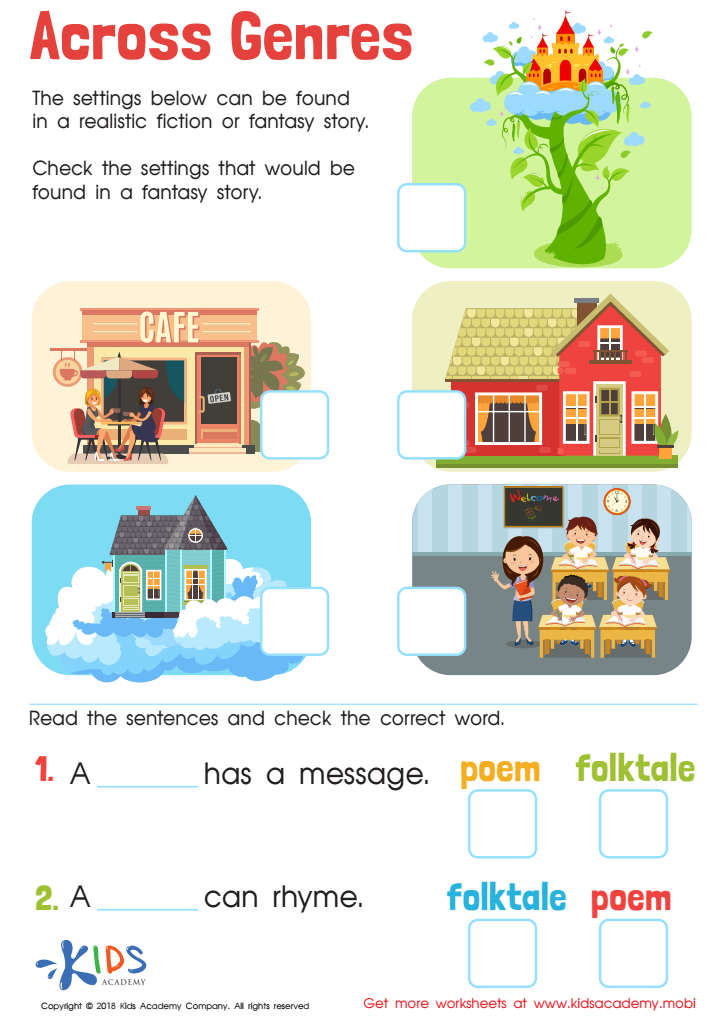
Across Genres Worksheet
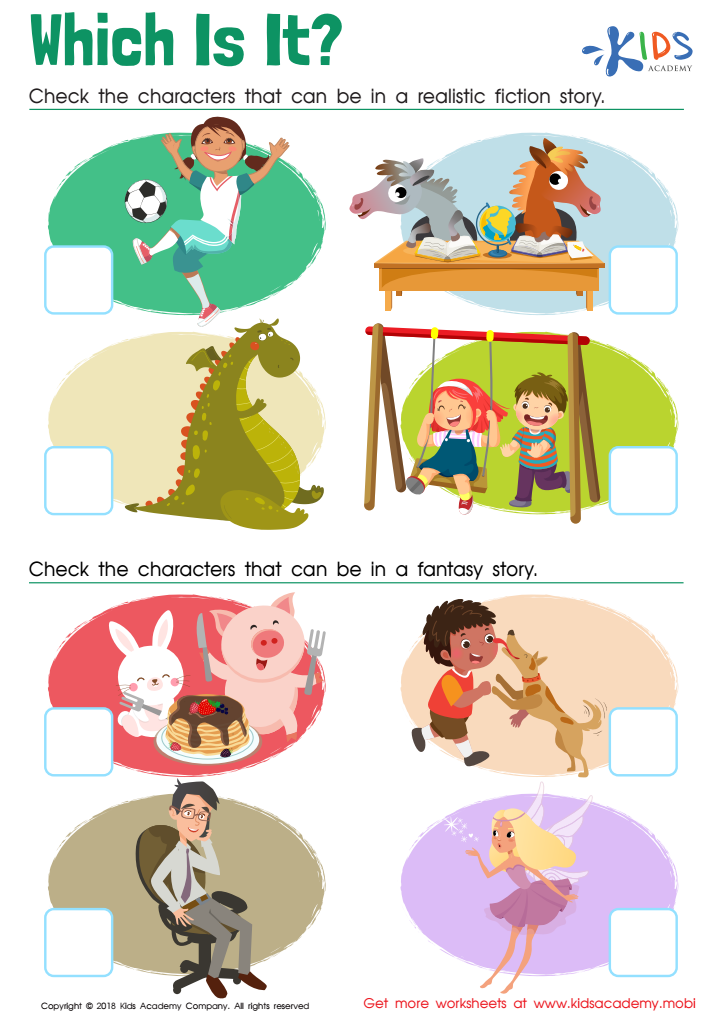
Which Is It? Worksheet


.jpg)





Reading fiction to children ages 4-9 is crucial for their cognitive, emotional, and social development. During these formative years, stories stimulate imagination and creativity, key aspects of brain development. Exposure to fictional narratives enriches vocabulary and language skills, fostering better communication abilities. Improved listening skills and attention span also result from being immersed in engaging plots and characters.
Emotionally, fiction aids in cultivating empathy by allowing children to experience diverse perspectives and emotions. Characters’ dilemmas and outcomes teach important lessons about moral values and dealing with challenges. These stories provide symbolic frameworks that help young minds process their own feelings and experiences in a safe and controlled environment.
Socially, group storytime strengthens bonds between peers and adults, creating shared experiences and discussions that are foundational for future social interactions. The comprehension of societal norms, cultures, and various lifestyles is broadened, as fiction often reflects a wide range of human conditions and situations.
In the context of education, children who enjoy reading are more likely to develop a lifelong love for learning. By fostering an early interest in reading fiction, parents and teachers can lay the groundwork for overall academic success and a richer, more empathetic character. This investment in fiction thus has multifaceted benefits, contributing to well-rounded development.







