Normal Governance and Civics Worksheets for Ages 4-9 - Page 2
41 filtered results
-
From - To
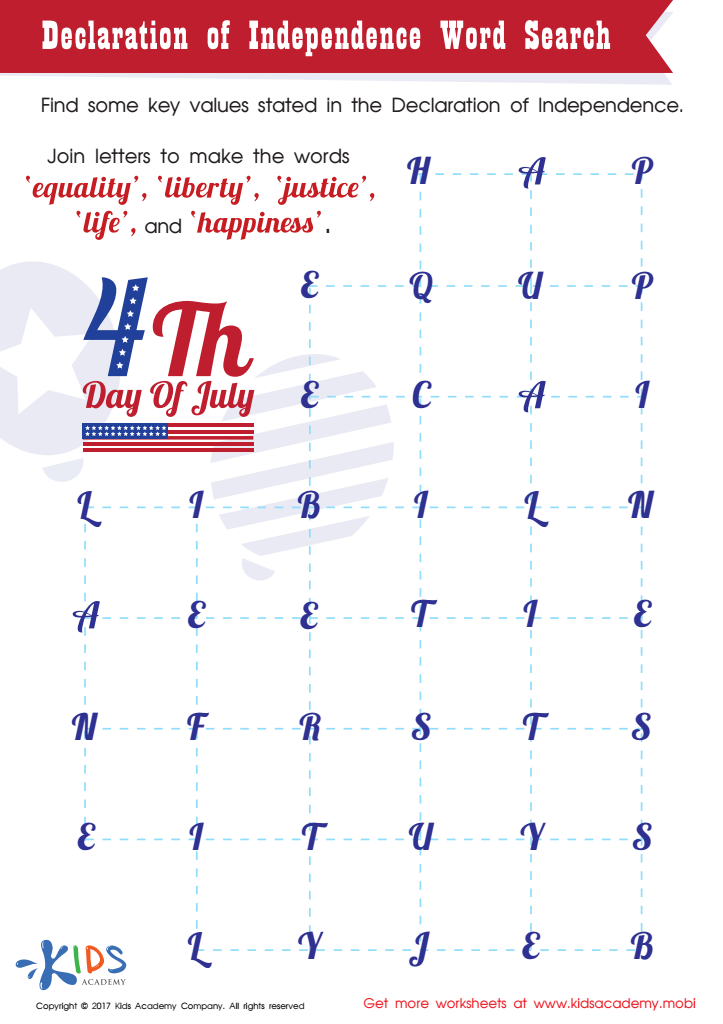
Declaration of Independence Word Search Printable
 Assign to My Students
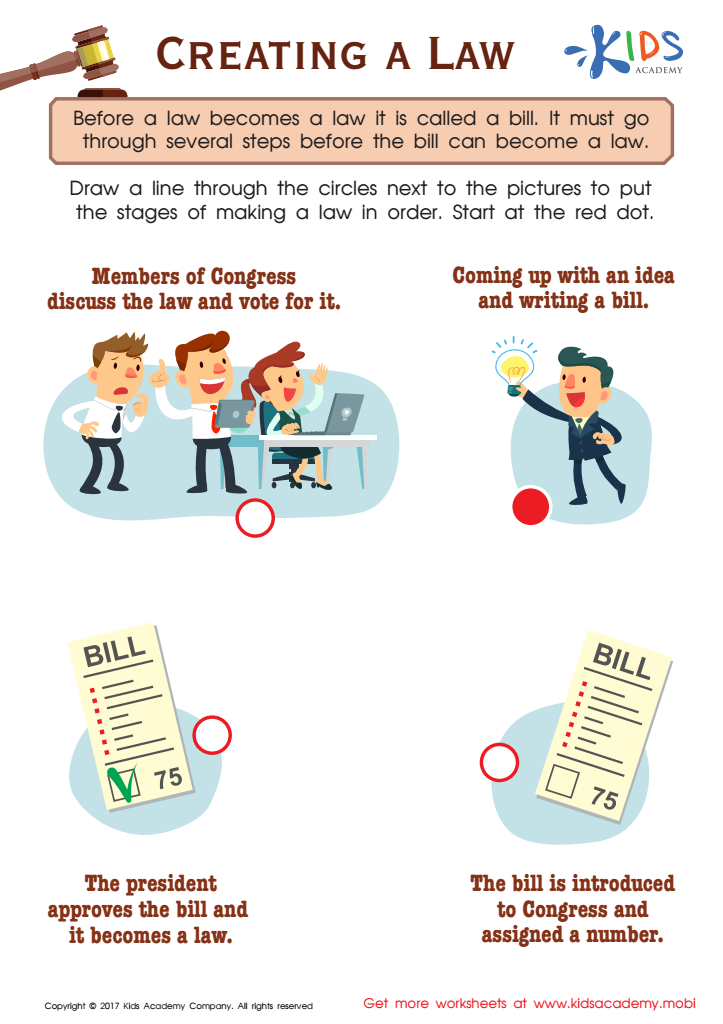
Creating a Law Worksheet
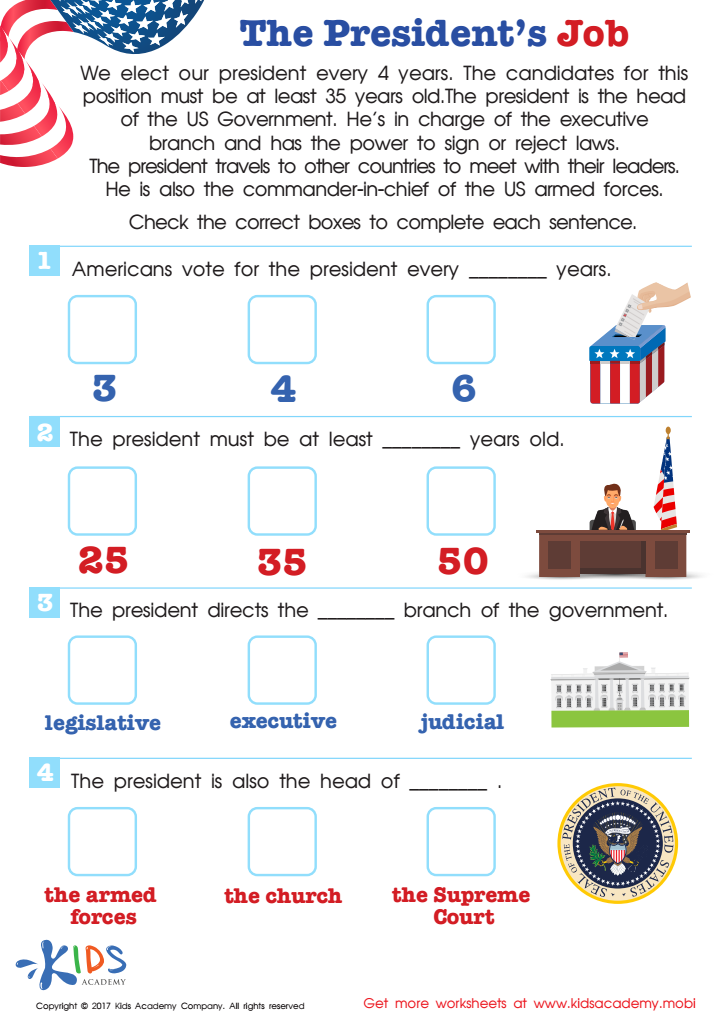
President of the USA Job Description Worksheet
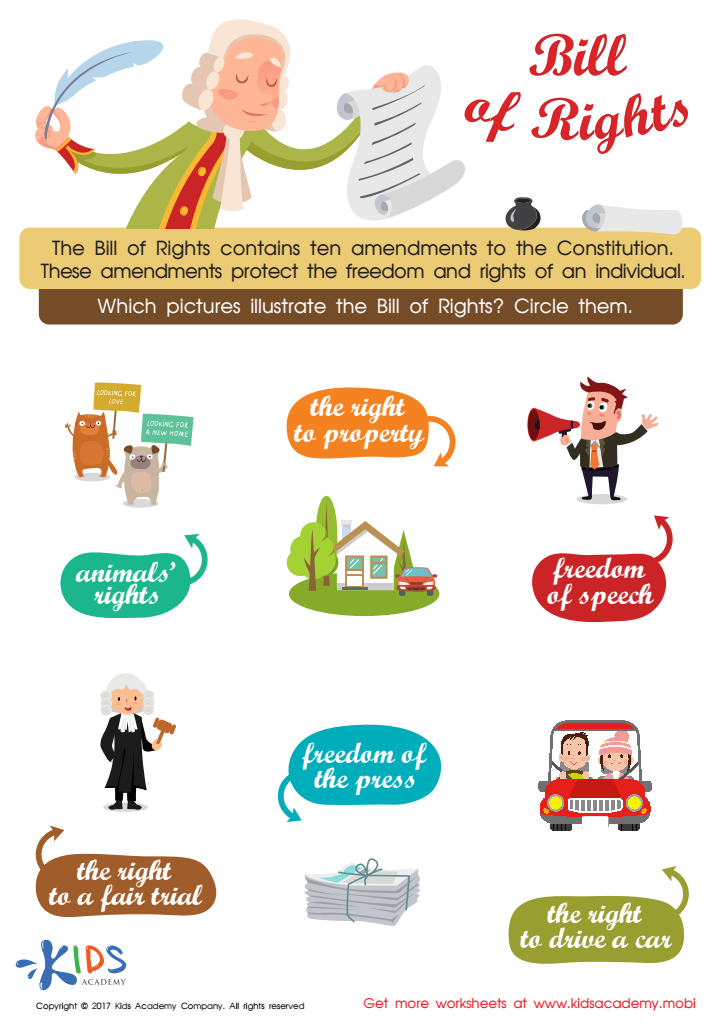
Bill of Rights Worksheet
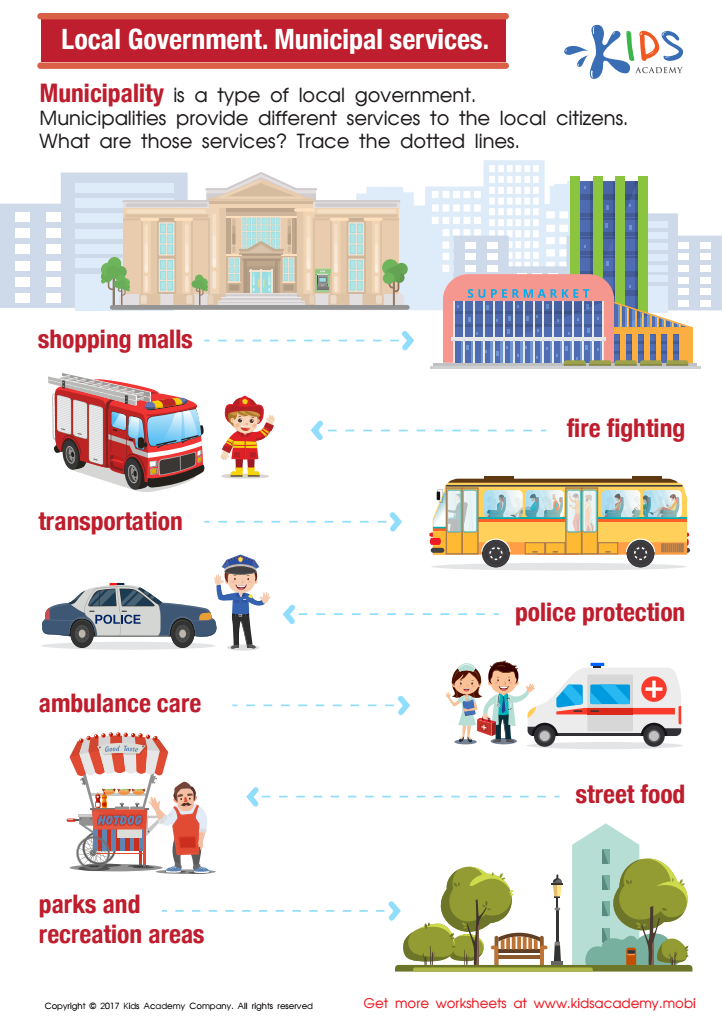
Local Government Worksheet
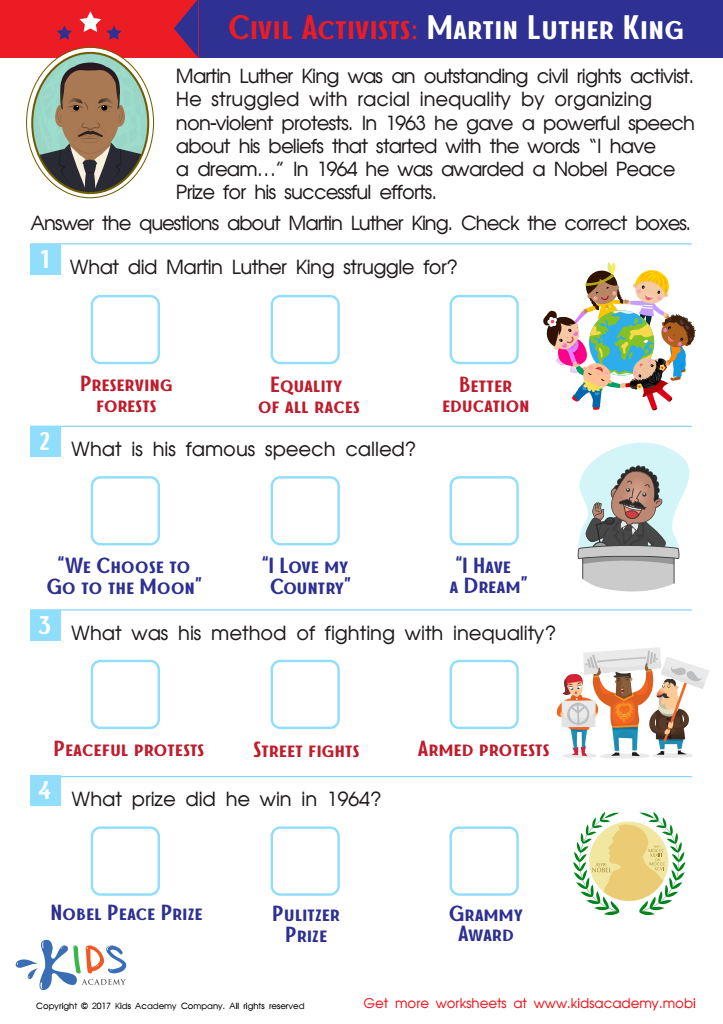
Martin Luther King Worksheet
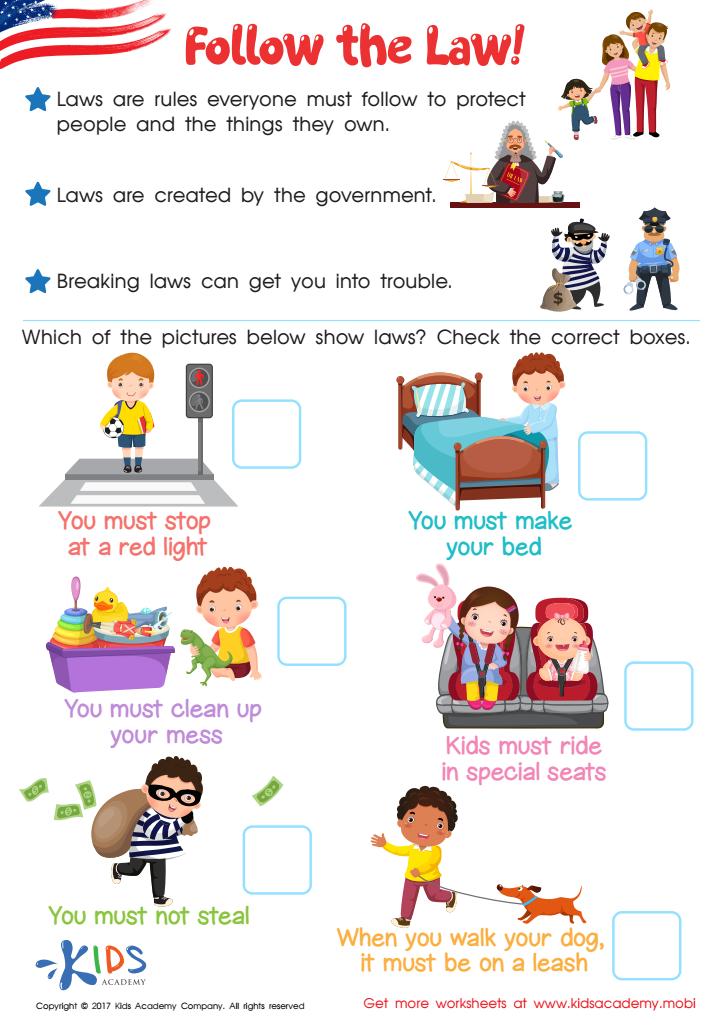
Follow the Law Worksheet
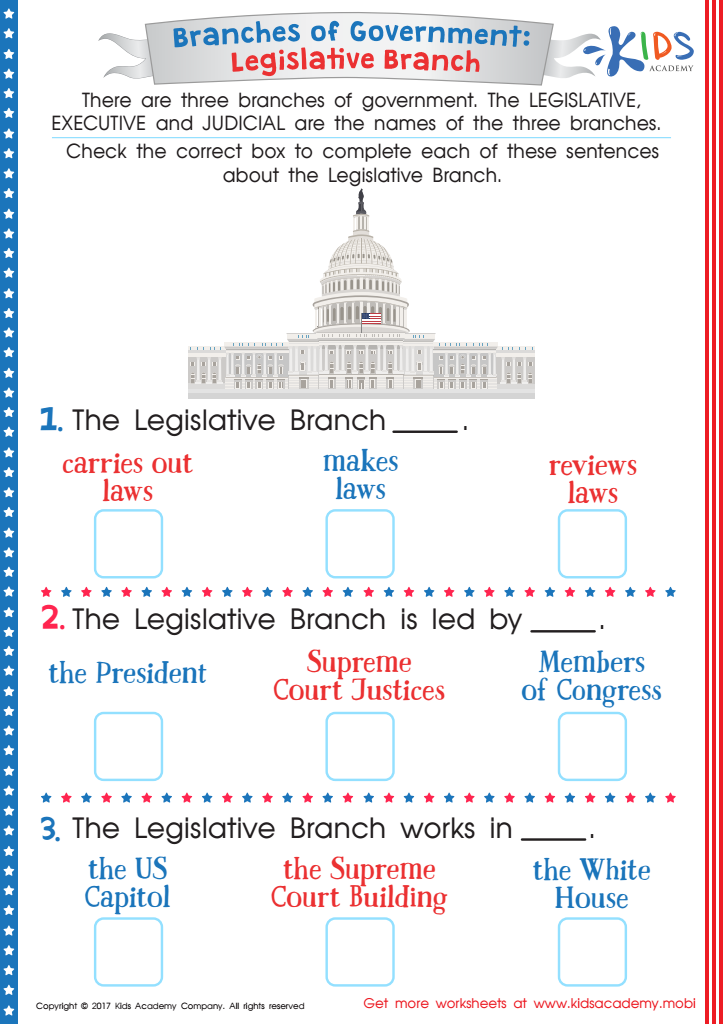
Branches of the Government: Legislative Branch Worksheet
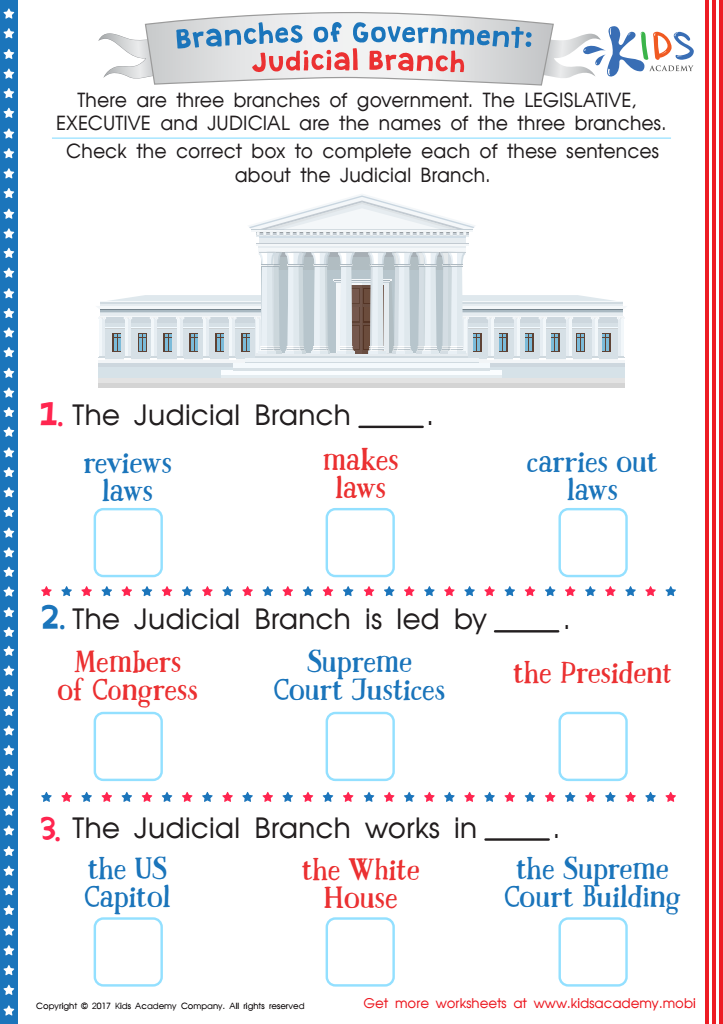
Braches of the Government: Judicial Branch Worksheet
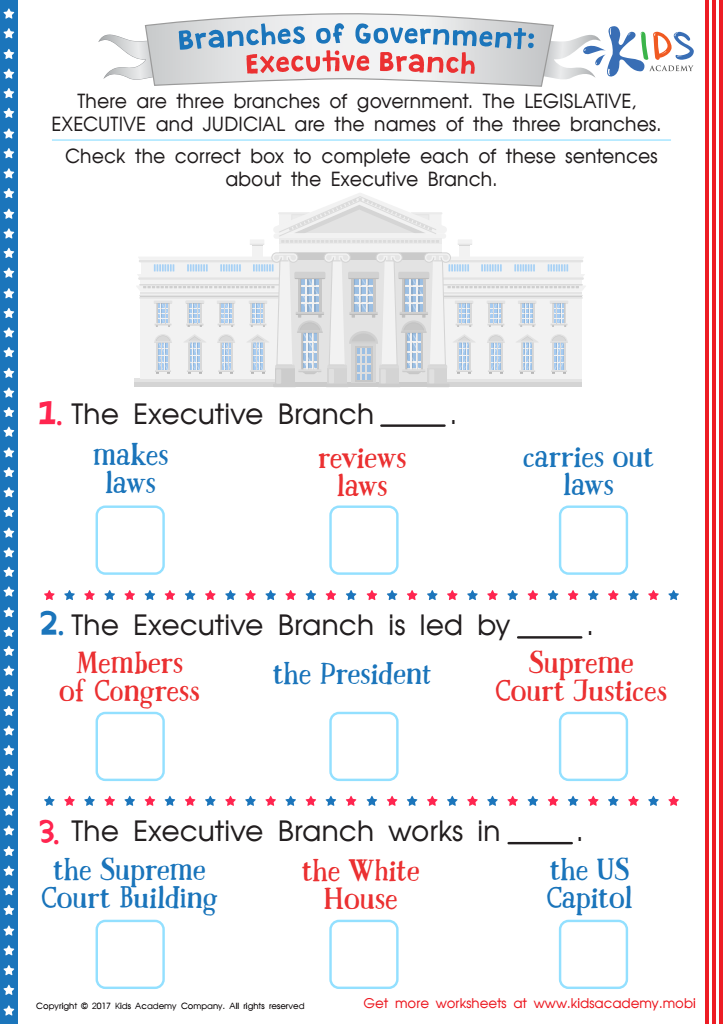
Branches of the Government: Executive Branch Printable
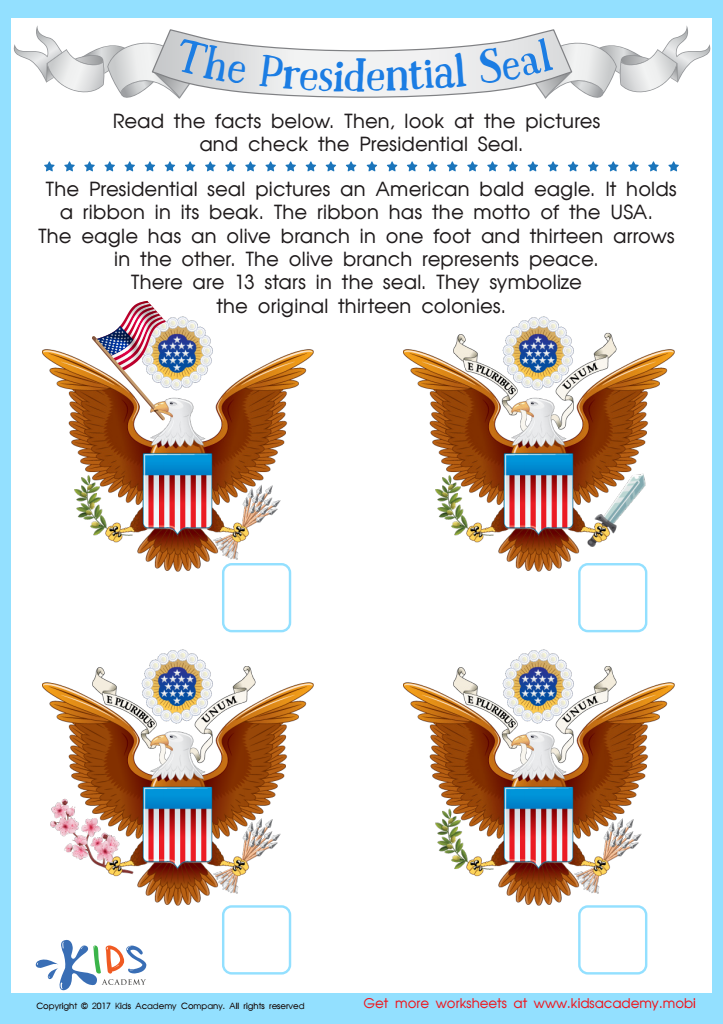
The Presidential Symbol Worksheet
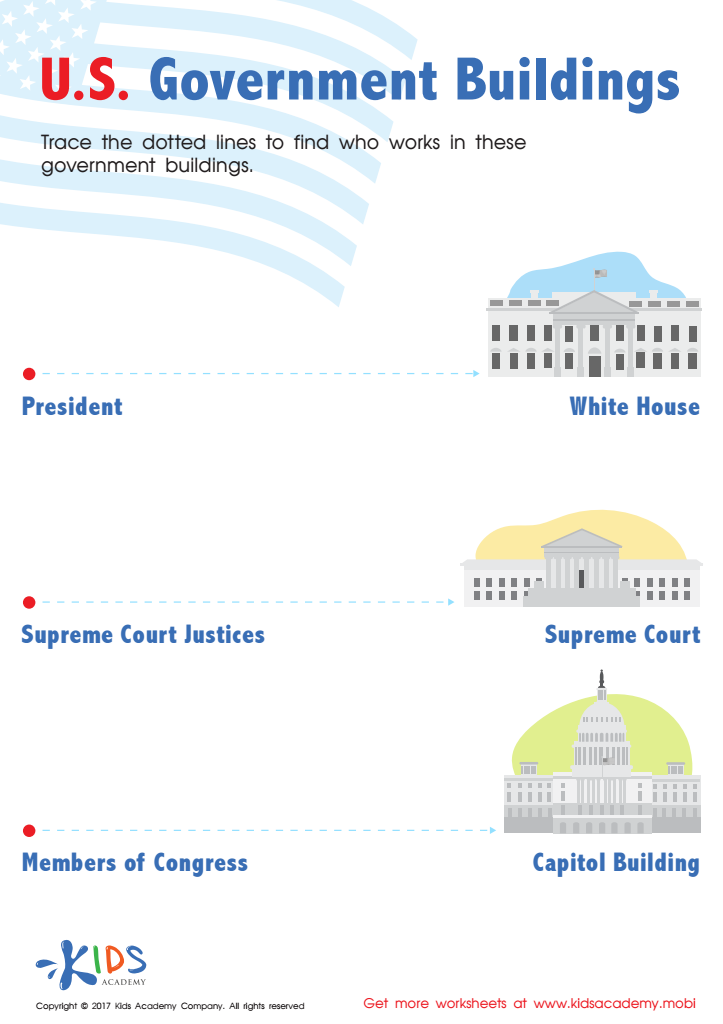
US Government Buildings Printable
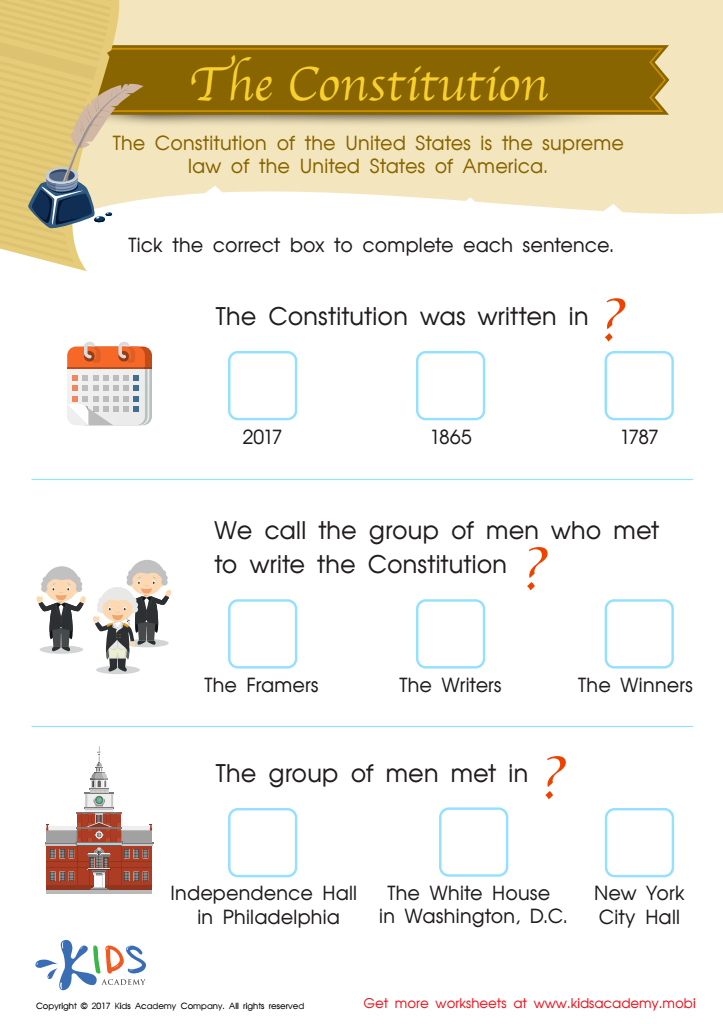
The Constitution Worksheet
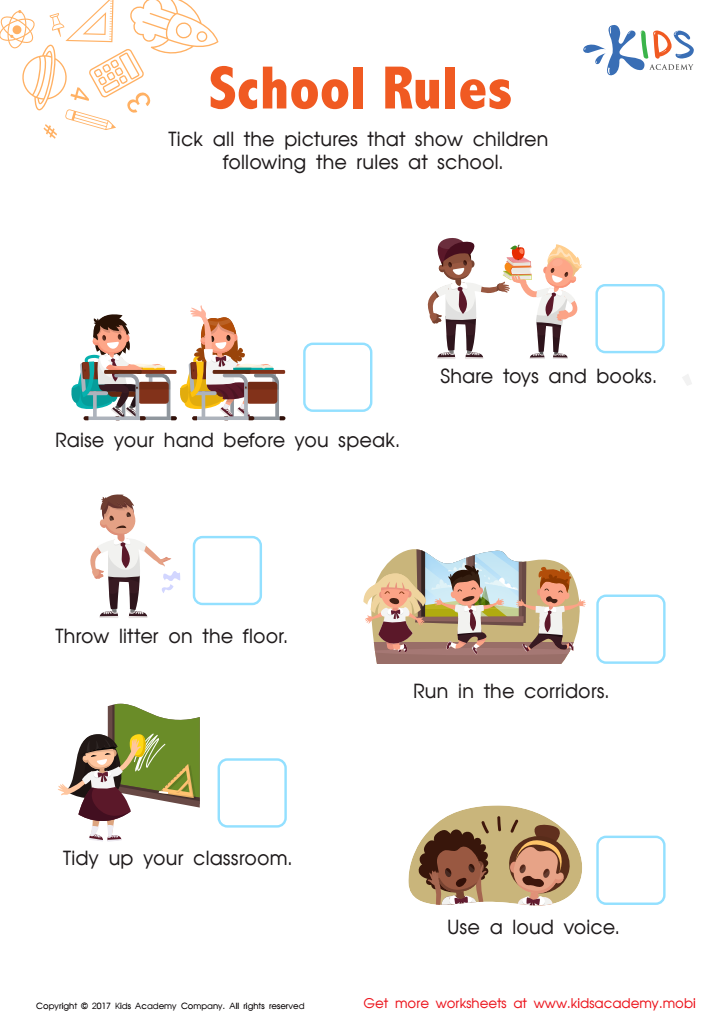
School Rules Worksheet
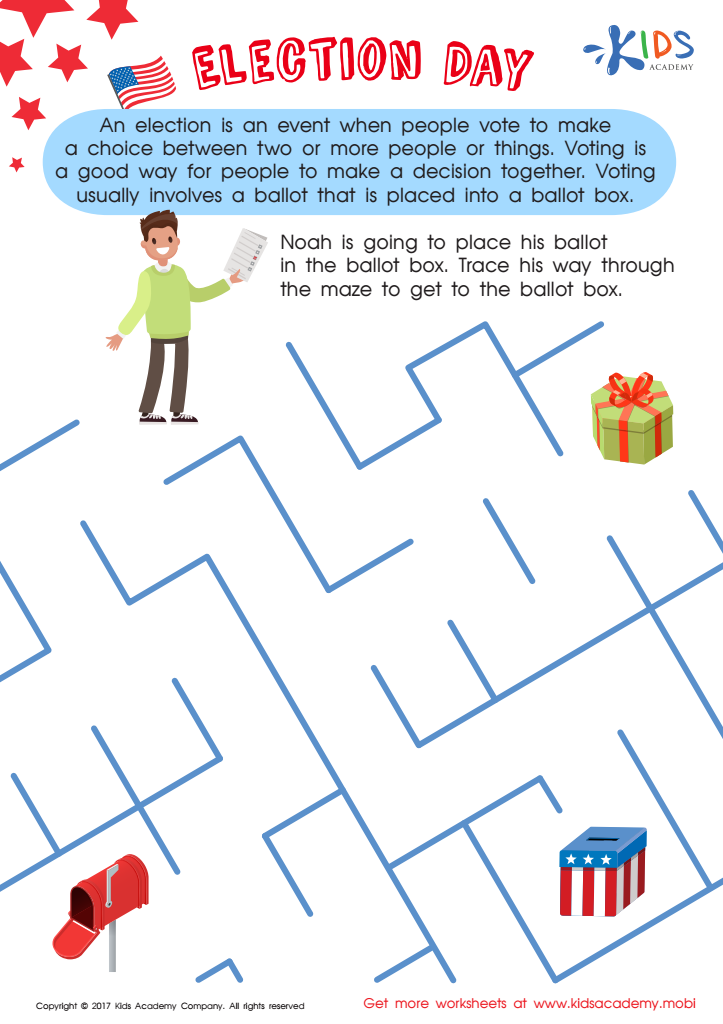
Election Day Worksheet
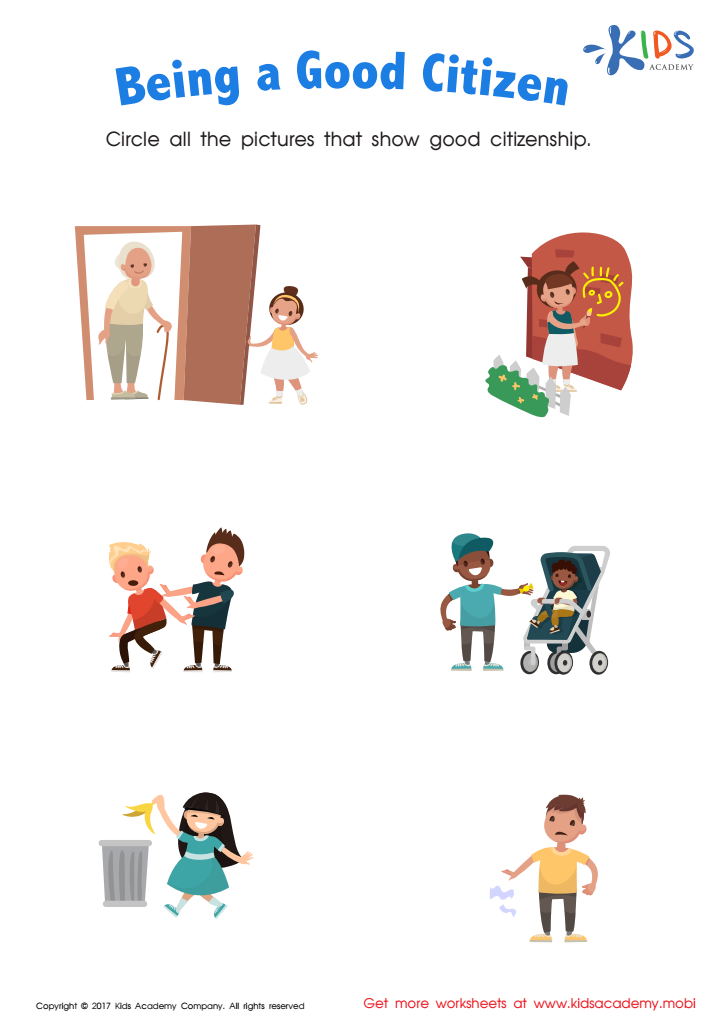
Being a Good Citizen Printable
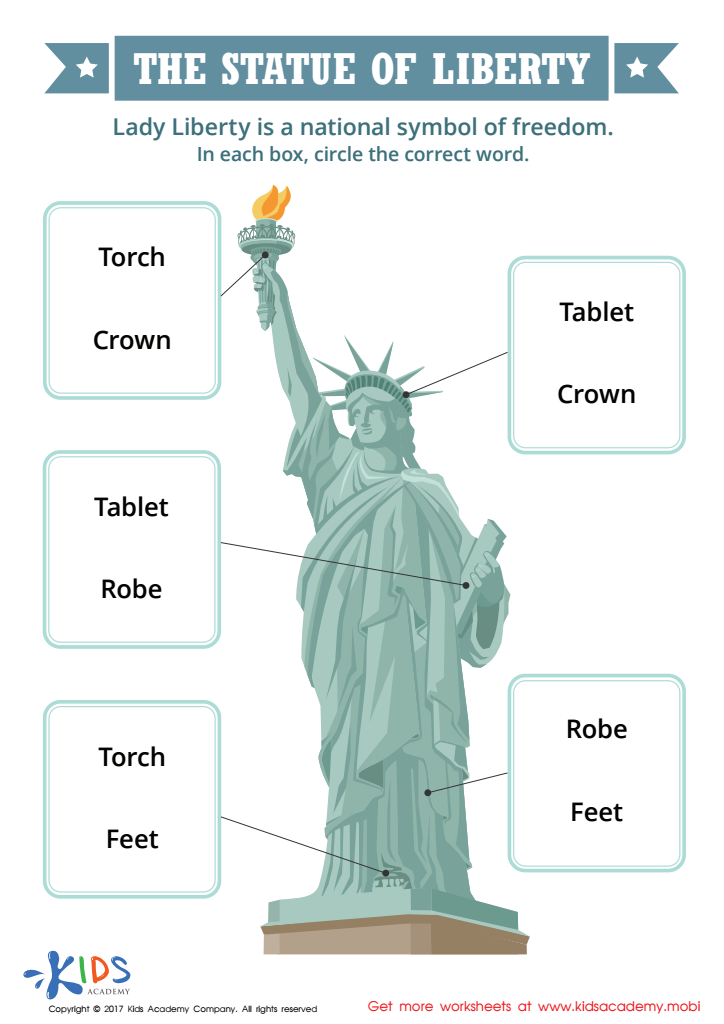
The Statue of Liberty Printable


Parents and teachers should care about normal governance and civics education for children aged 4-9 because this foundational knowledge promotes responsible citizenship from an early age. Understanding basic concepts such as rules, fairness, and community helps young children grasp how society works and their role within it. Early exposure to these ideas fosters respect for others, critical thinking, and empathy, encouraging cooperative behavior and effective communication.
For parents, engaging their children with civics can lead to responsible lifelong habits. It allows children to learn about sharing, taking turns, and the importance of following rules both at home and in school. These lessons facilitate smoother daily routines and more harmonious interactions among family members.
Teachers benefit by creating a positive classroom environment where students understand the importance of following rules and respecting others. Integrating civics lessons helps develop a cohesive classroom culture grounded in mutual respect and collaboration. This, in turn, can lead to a more effective learning environment where students are more engaged and motivated.
In essence, introducing governance and civics at a young age equips children with the tools they need to become informed, responsible citizens. It lays the groundwork for a society that values participation, fairness, and mutual respect, ultimately leading to a more engaged and ethically-conscious generation.