Normal Letter Sounds Worksheets for Ages 5-7
24 filtered results
-
From - To
Discover our engaging "Normal Letter Sounds Worksheets" designed specifically for children aged 5-7! These worksheets offer fun and interactive activities that help young learners master the fundamentals of letter sounds, a crucial step in developing reading and phonics skills. Each worksheet is thoughtfully crafted to enhance phonemic awareness through various exercises, including tracing, matching, and sound identification. Our printable resources are perfect for parents and educators looking to provide playful yet educational content that captures children’s interest. Boost your child’s confidence in reading with these effective and enjoyable worksheets tailored for early learners! Start their literacy journey today!
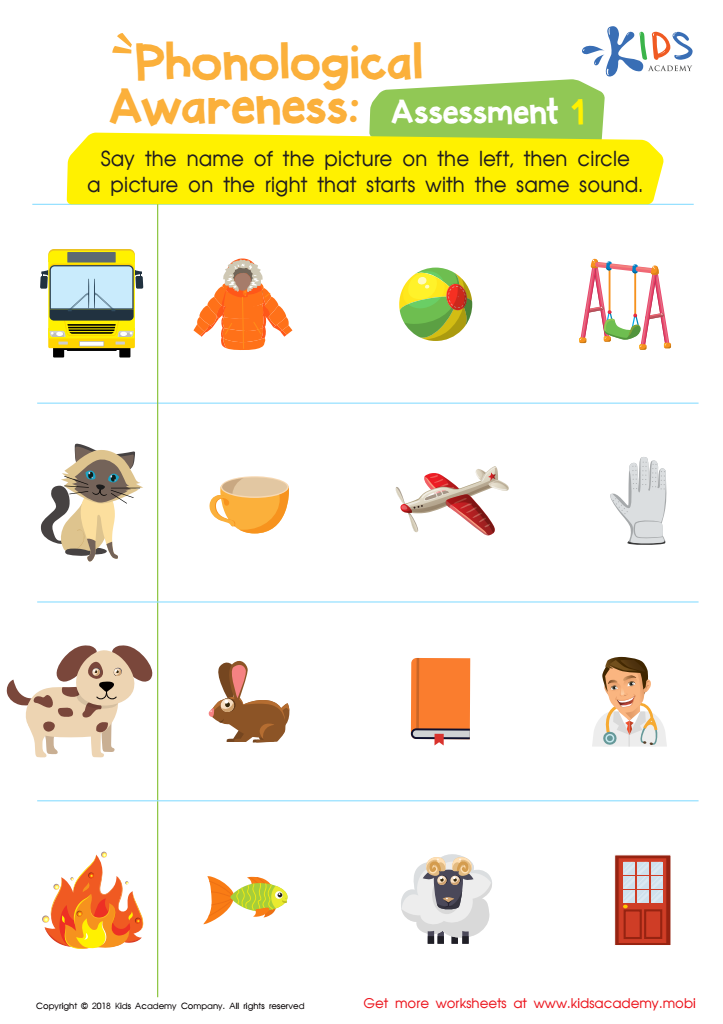
Phonological Awareness: Assessment 1 Worksheet
 Assign to My Students
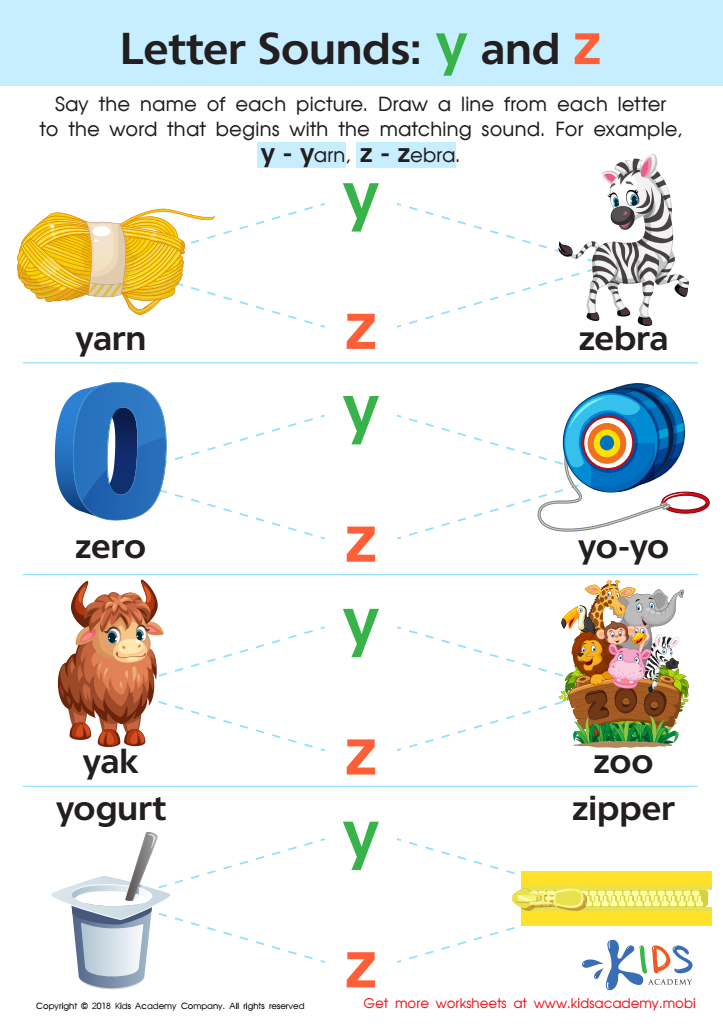
Letter Y and Z Sounds Worksheet
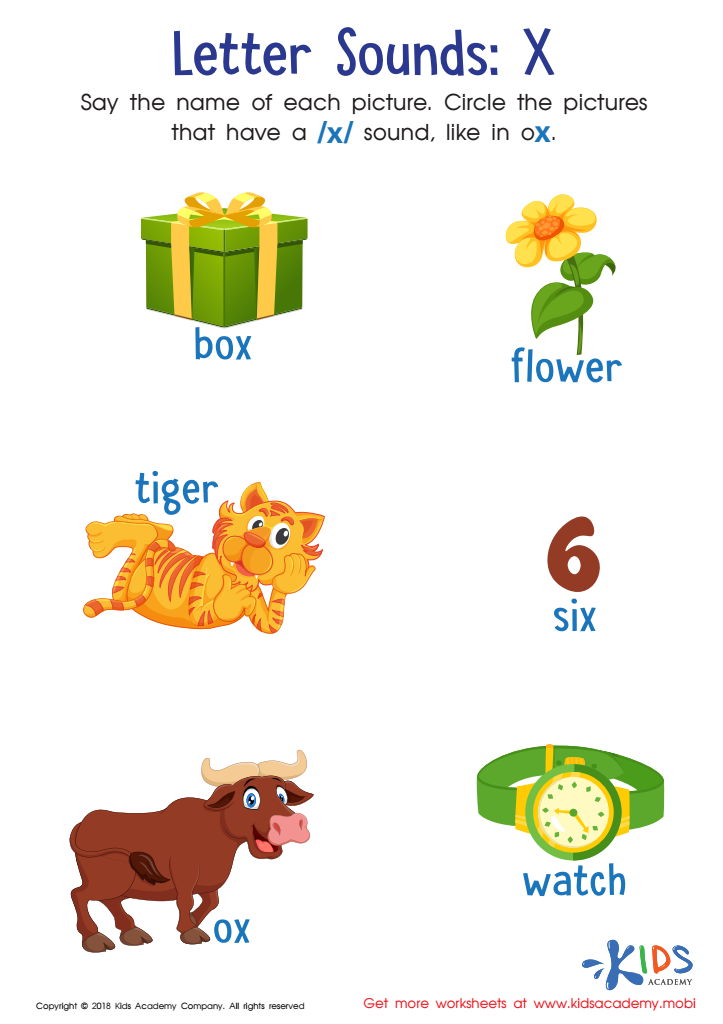
Letter X Sounds Worksheet
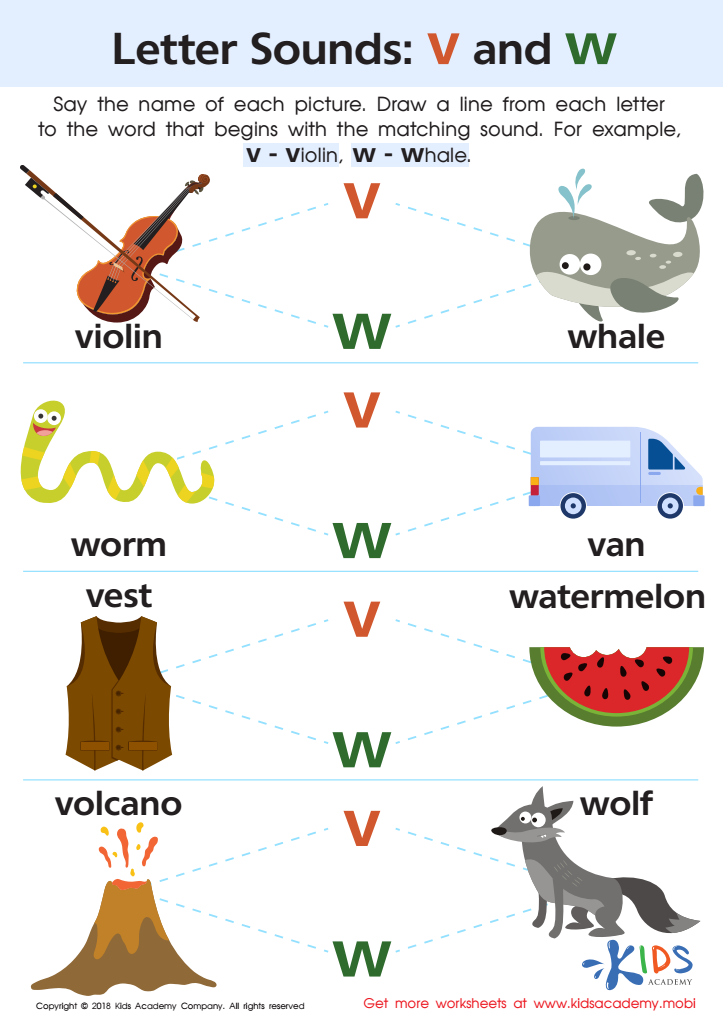
Letter V and W Sounds Worksheet
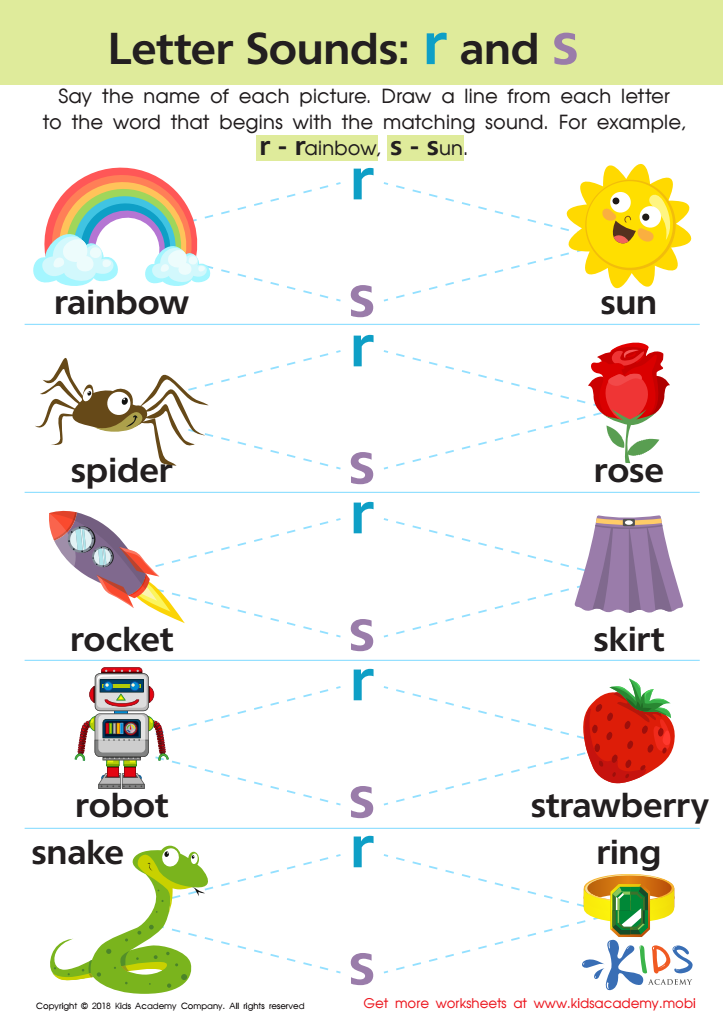
Letter R and S Sounds Worksheet
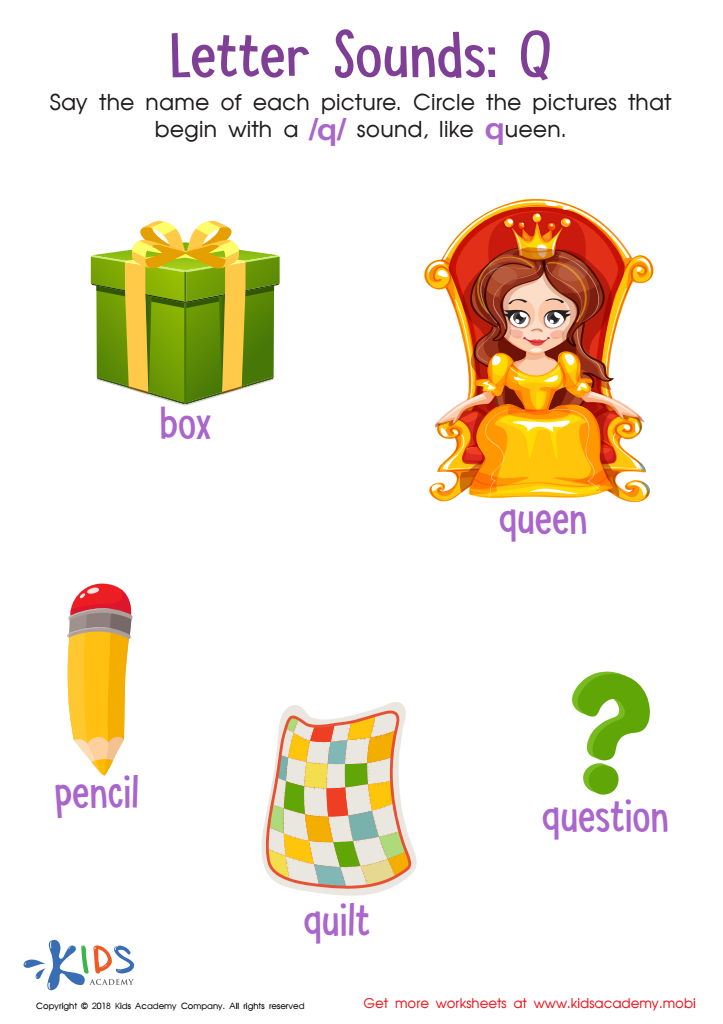
Letter Q Sounds Worksheet
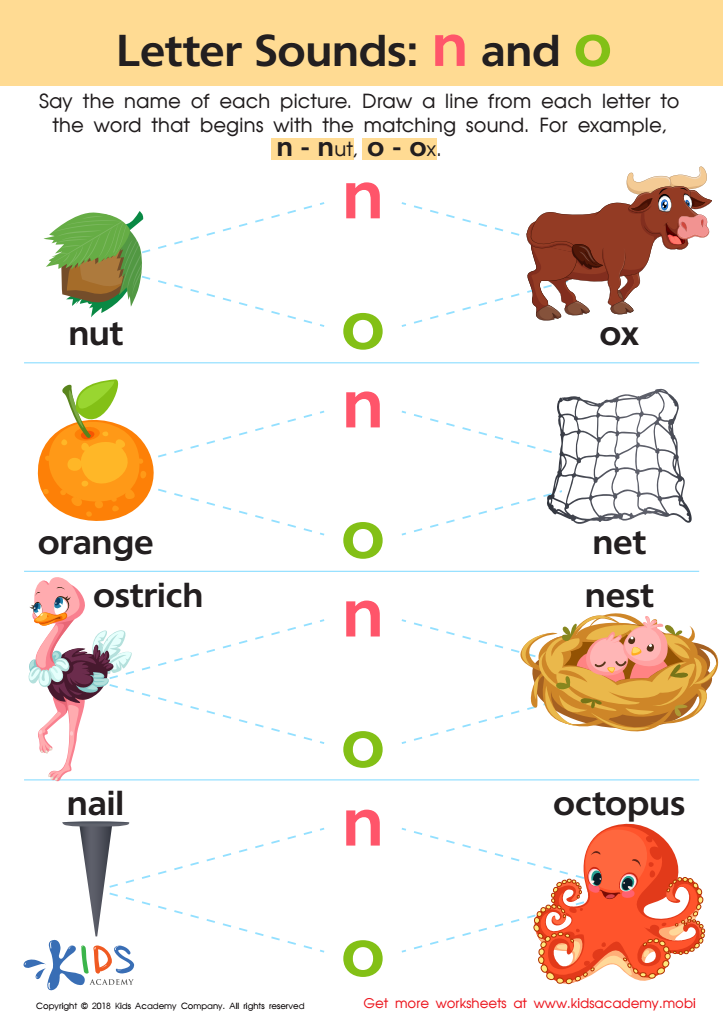
Letter N and O Sounds Worksheet
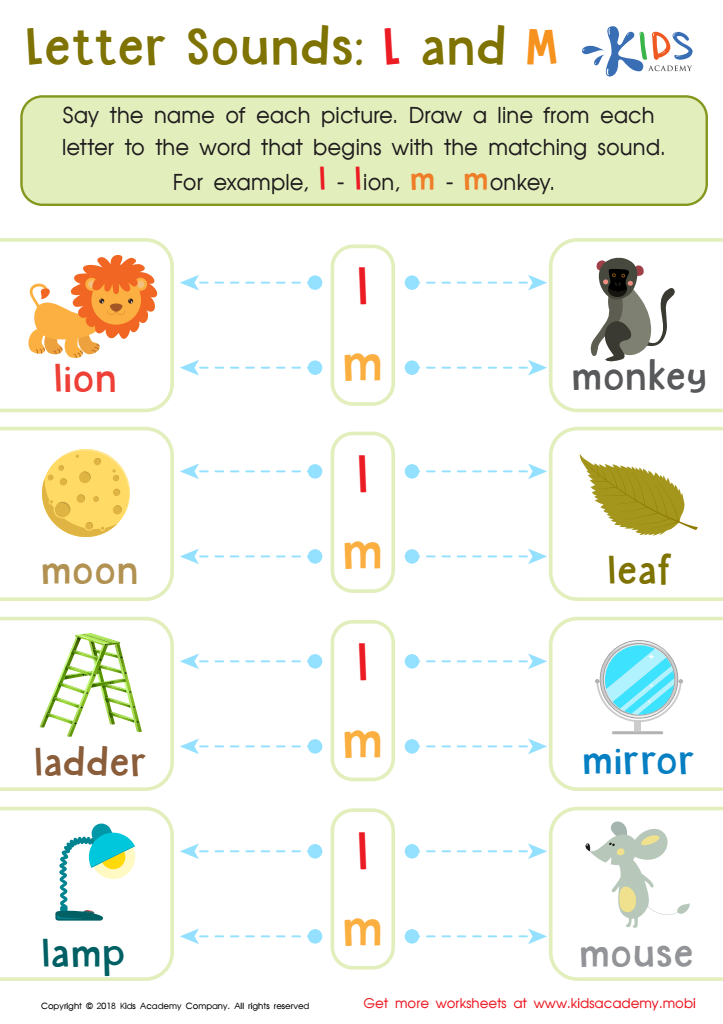
Letter l and M Sounds Worksheet
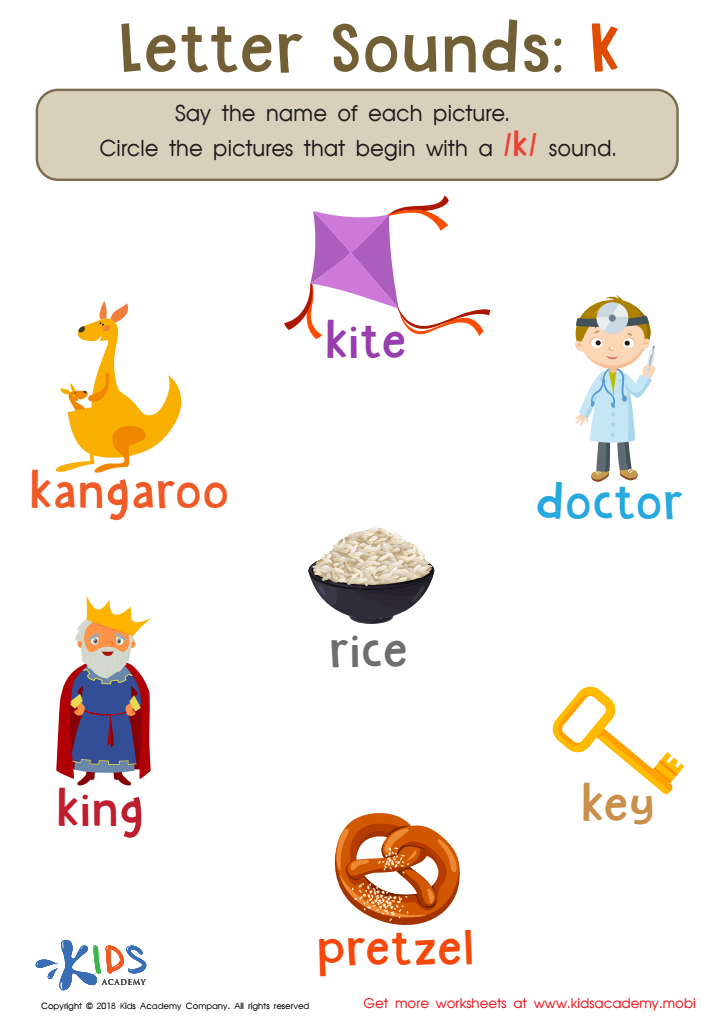
Letter K Sounds Worksheet
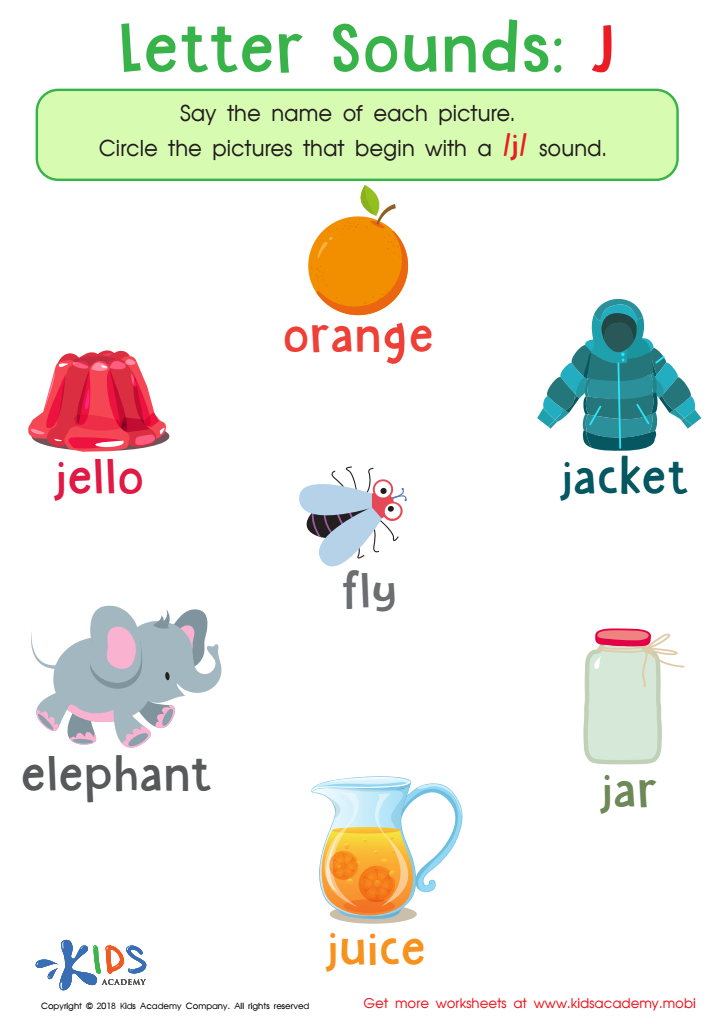
Letter Sounds: J Printable Worksheet
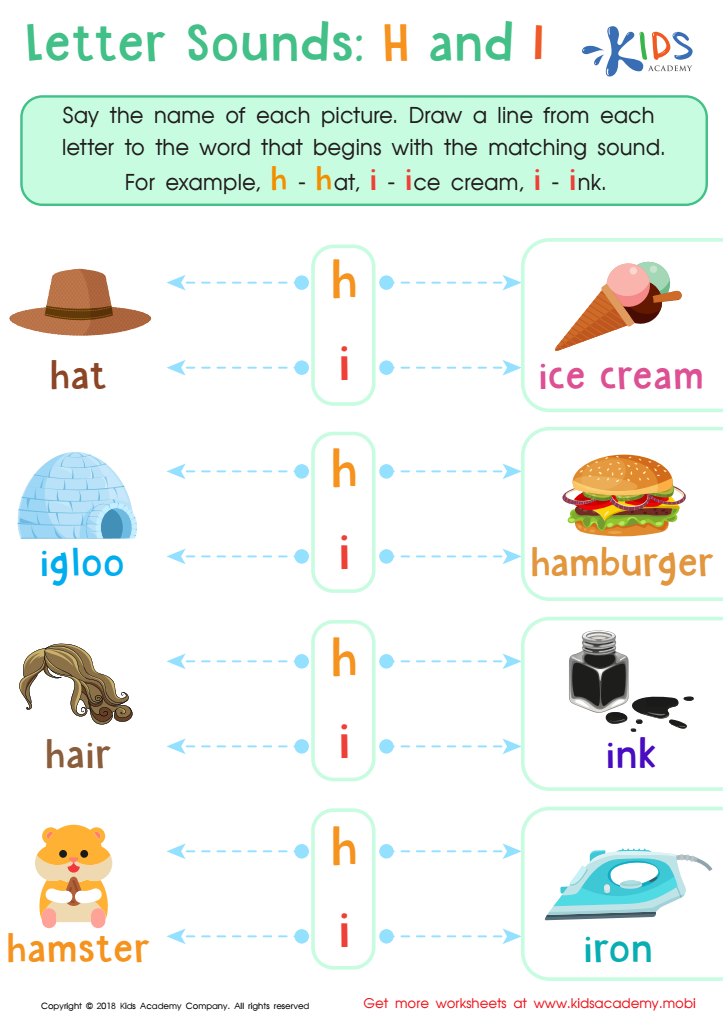
Letter H and I Sounds Worksheet
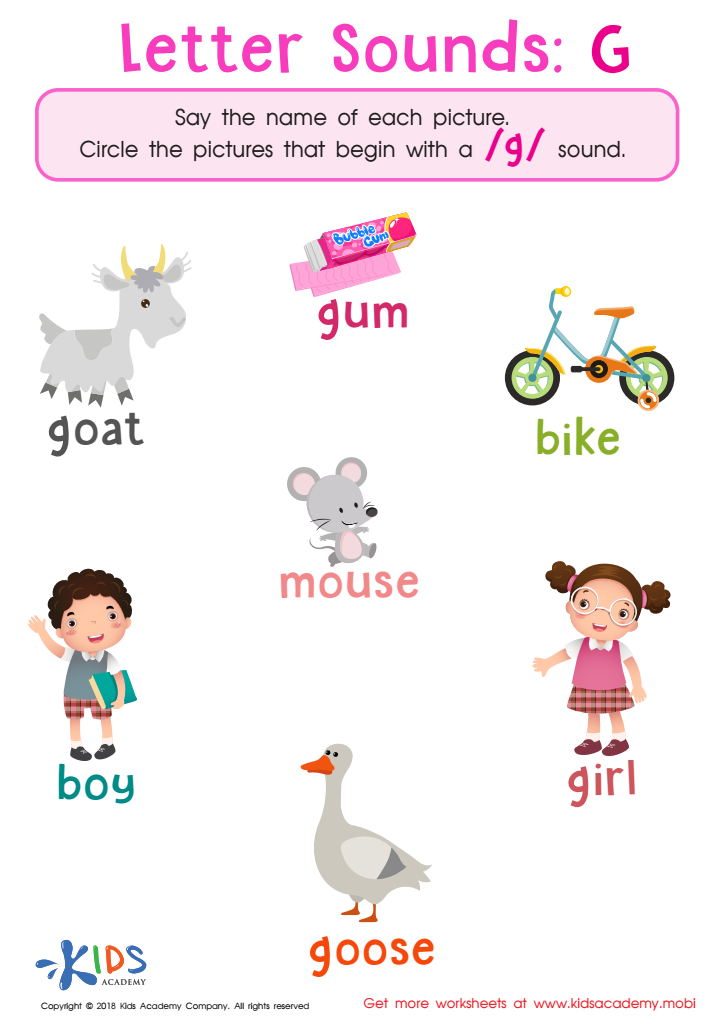
Letter G Sounds Worksheet
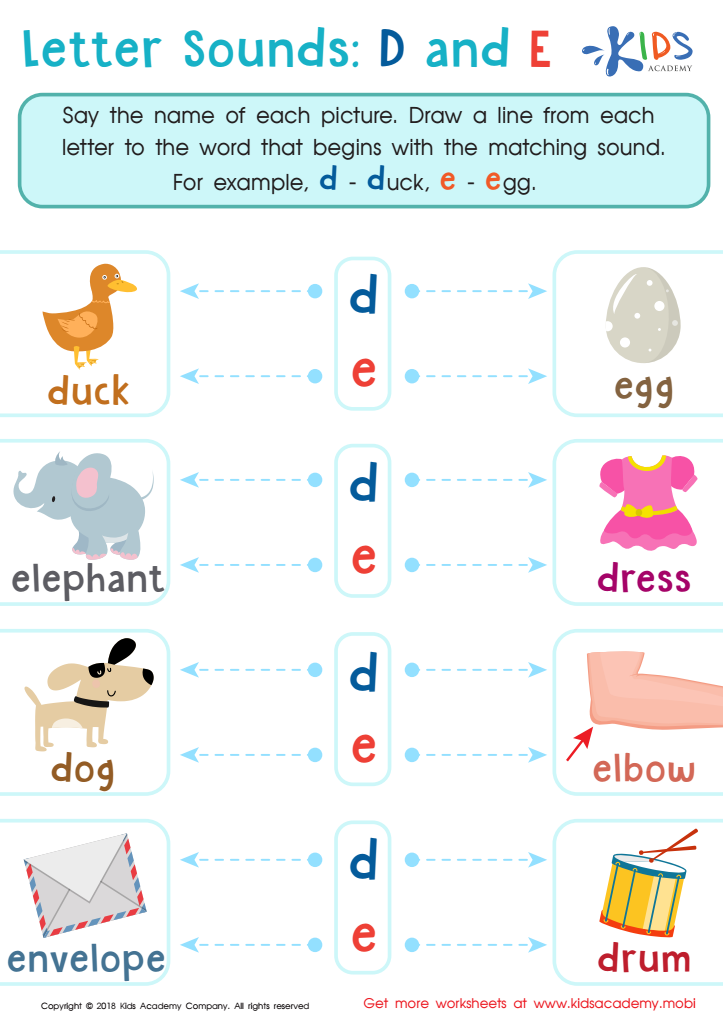
Letter D and E Sounds Worksheet
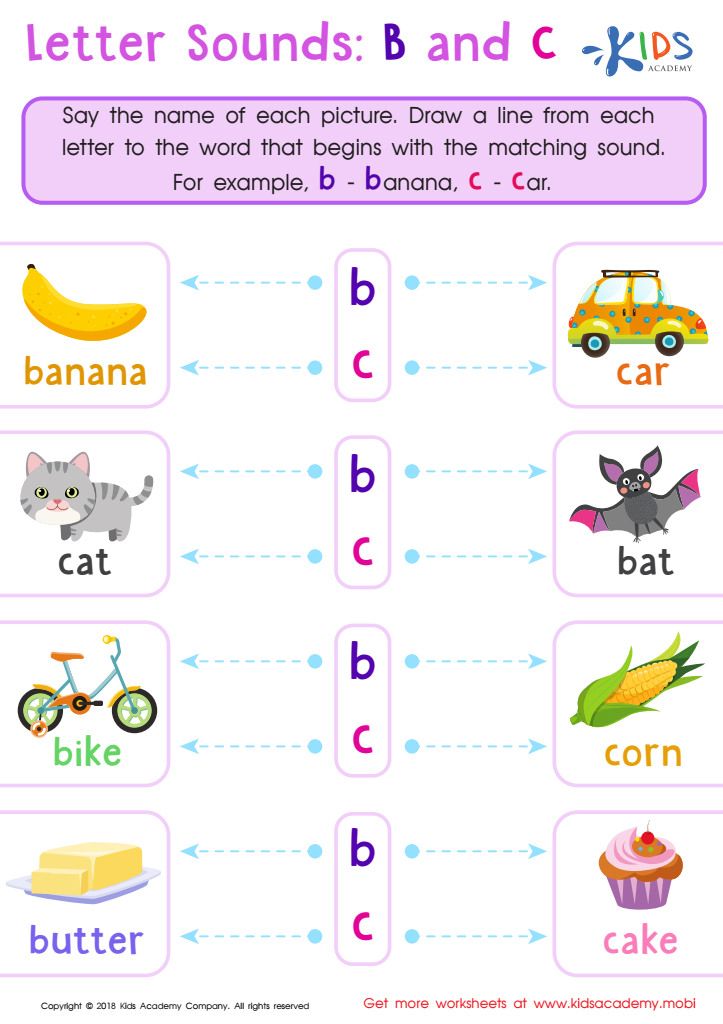
Letter B and C Sounds Worksheet
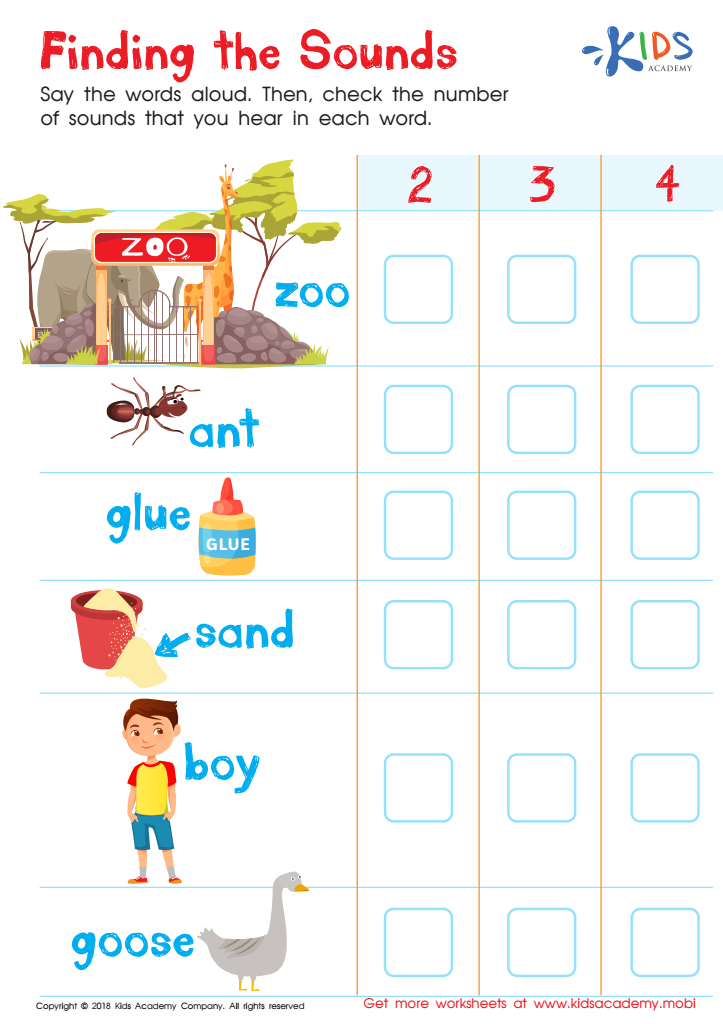
Finding the Sounds Worksheet
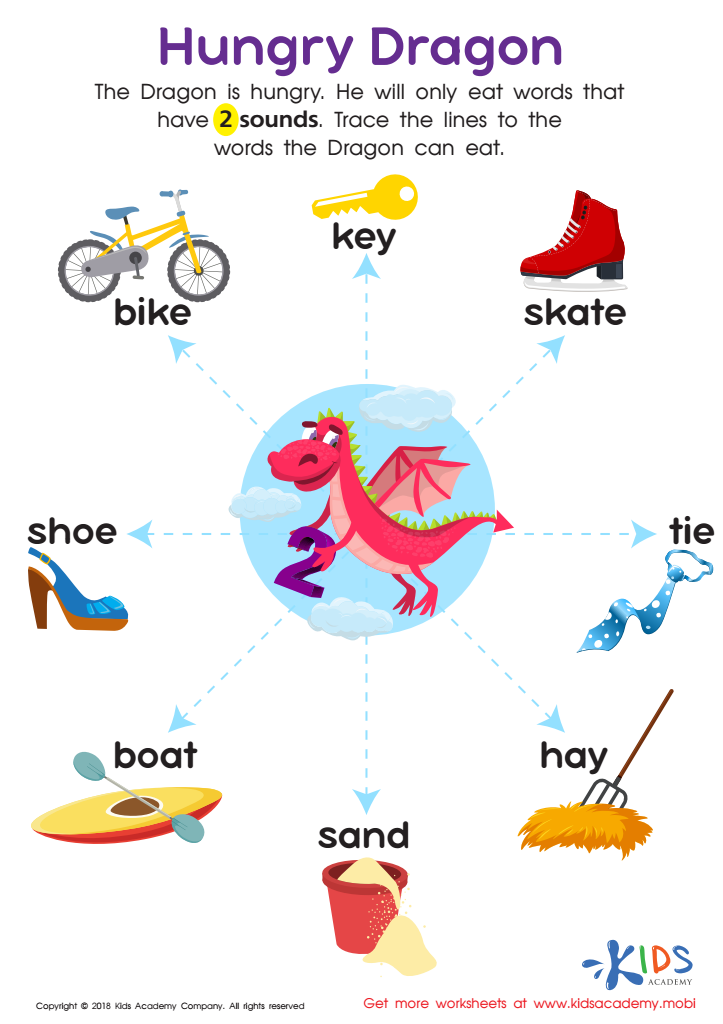
Hungry Dragon Worksheet
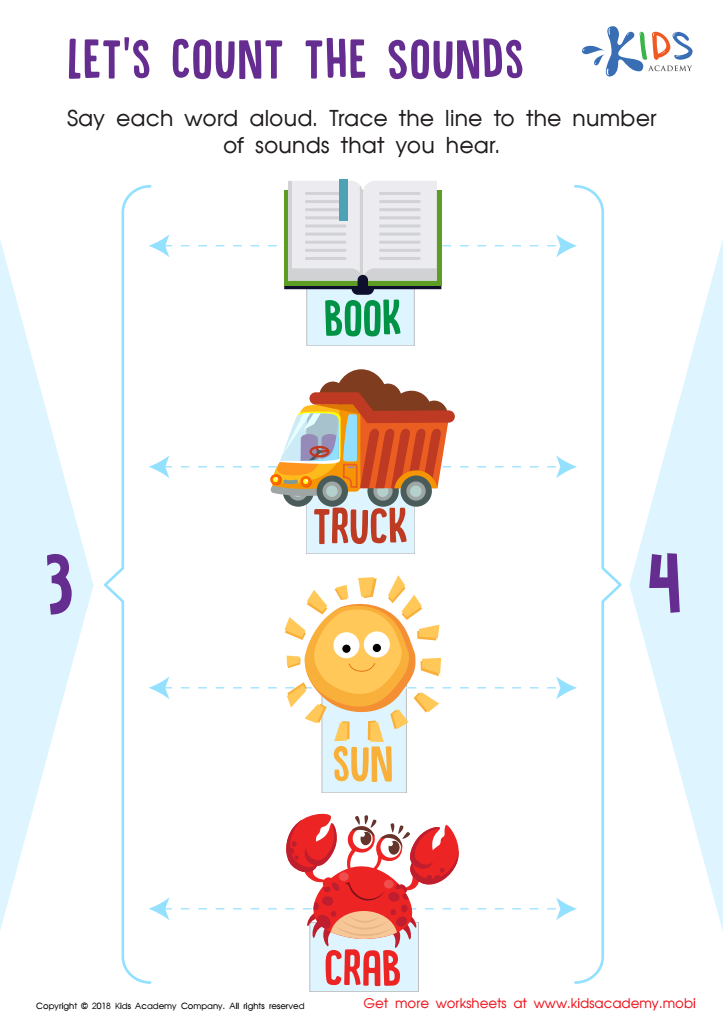
Let's Count the Sounds Worksheet
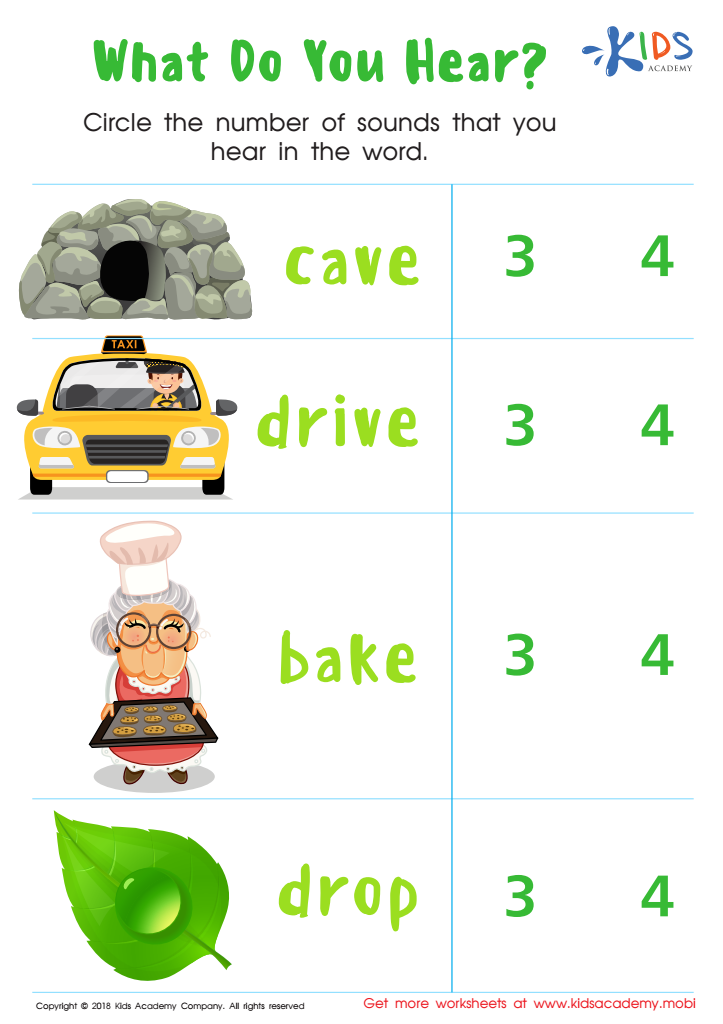
What Do You Hear? Worksheet
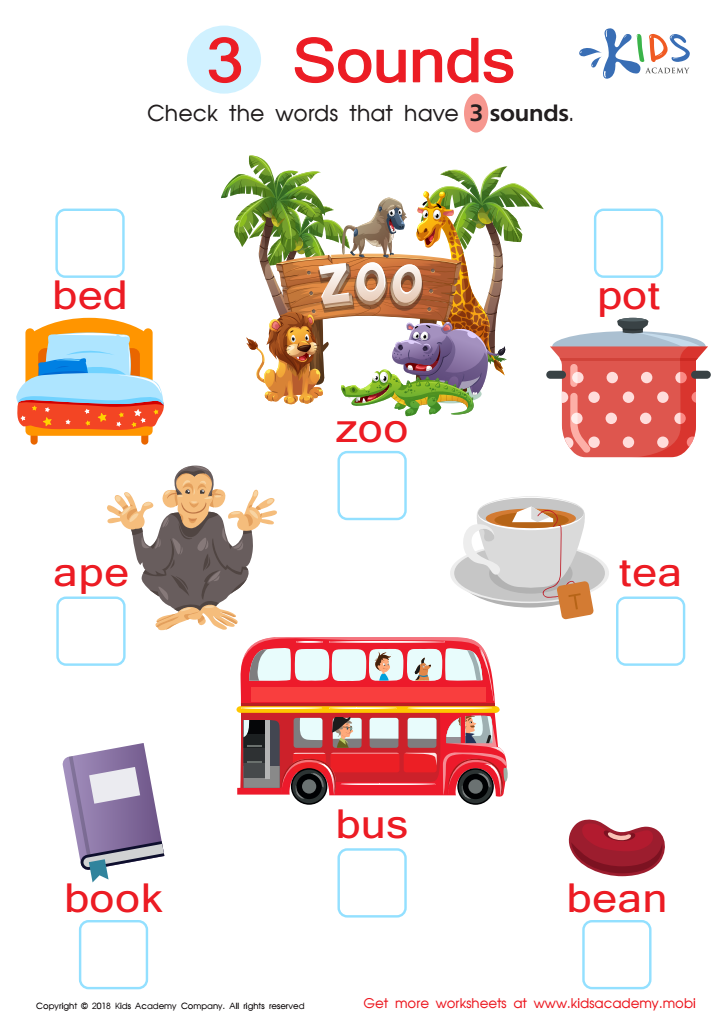
3 Sounds Worksheet
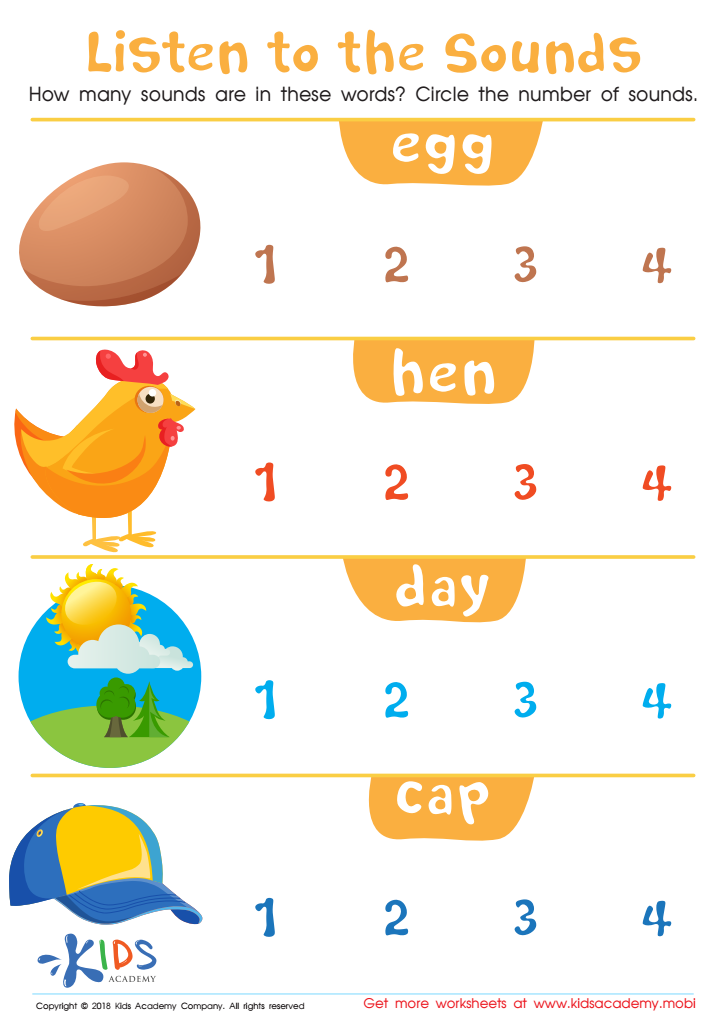
Listen to the Sounds Worksheet
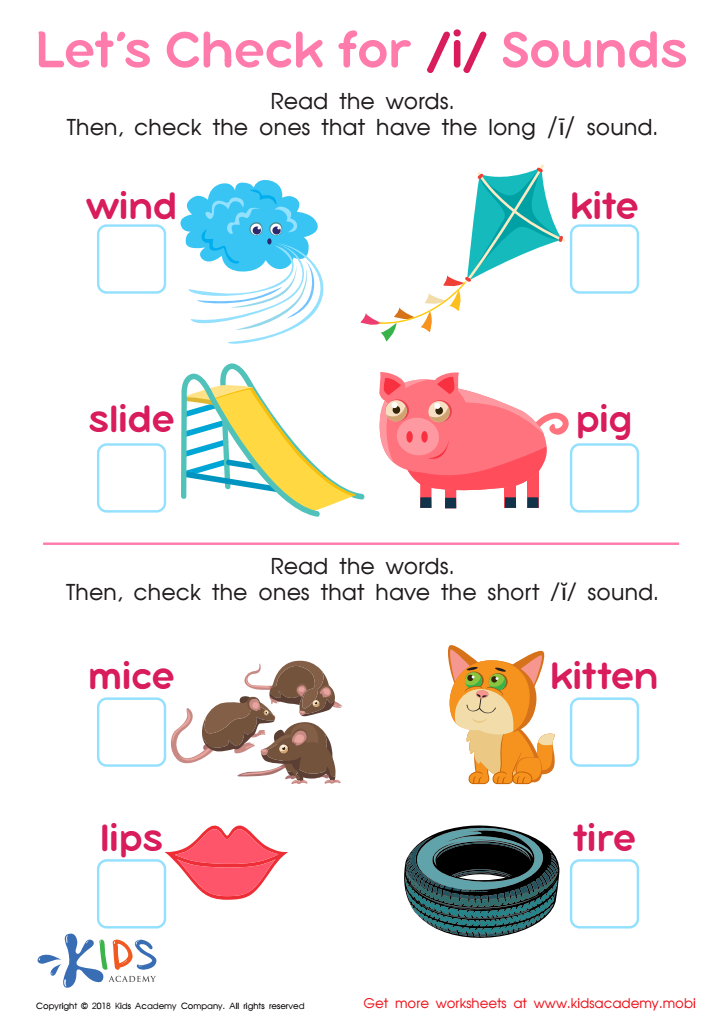
Let's Check for «i» Sounds Worksheet
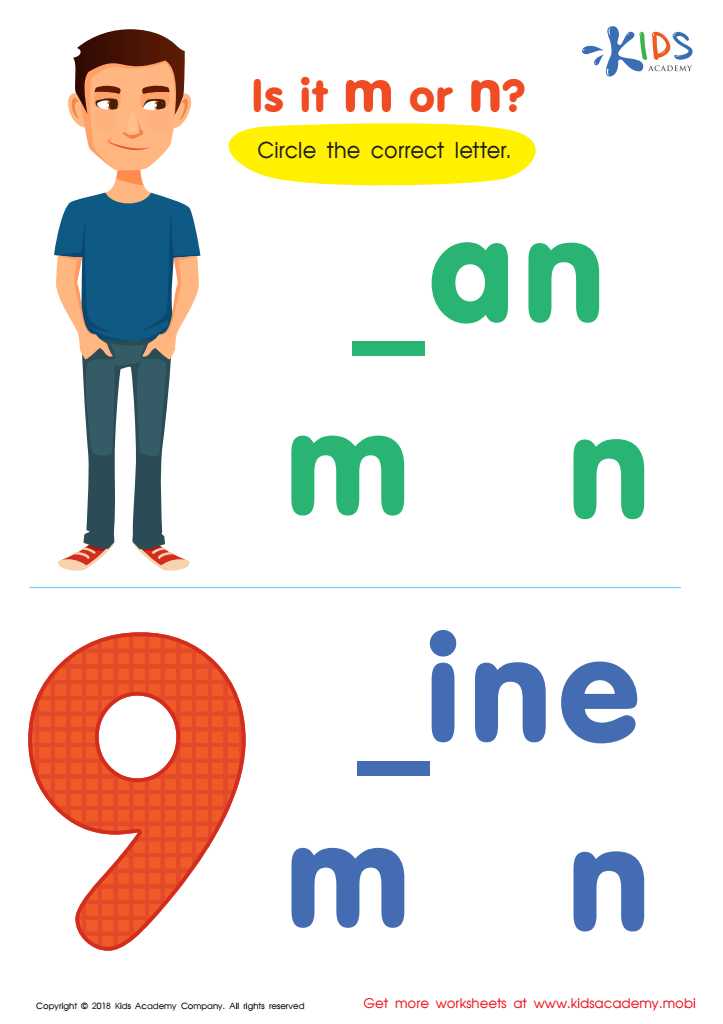
Is It m or n? Worksheet
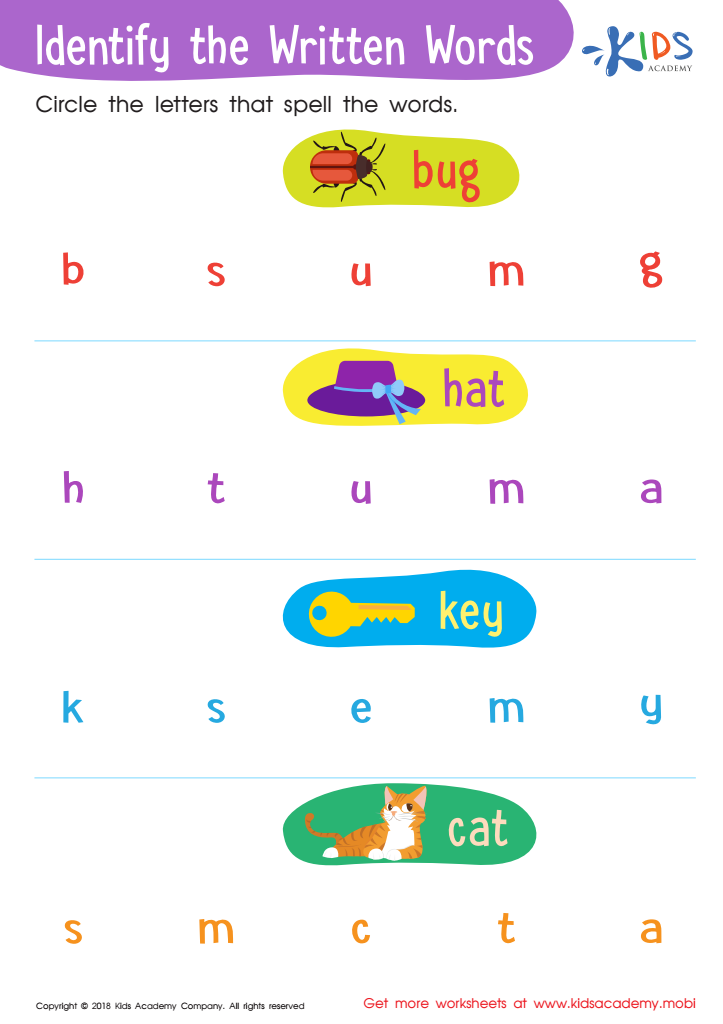
Identify the Written Words Worksheet
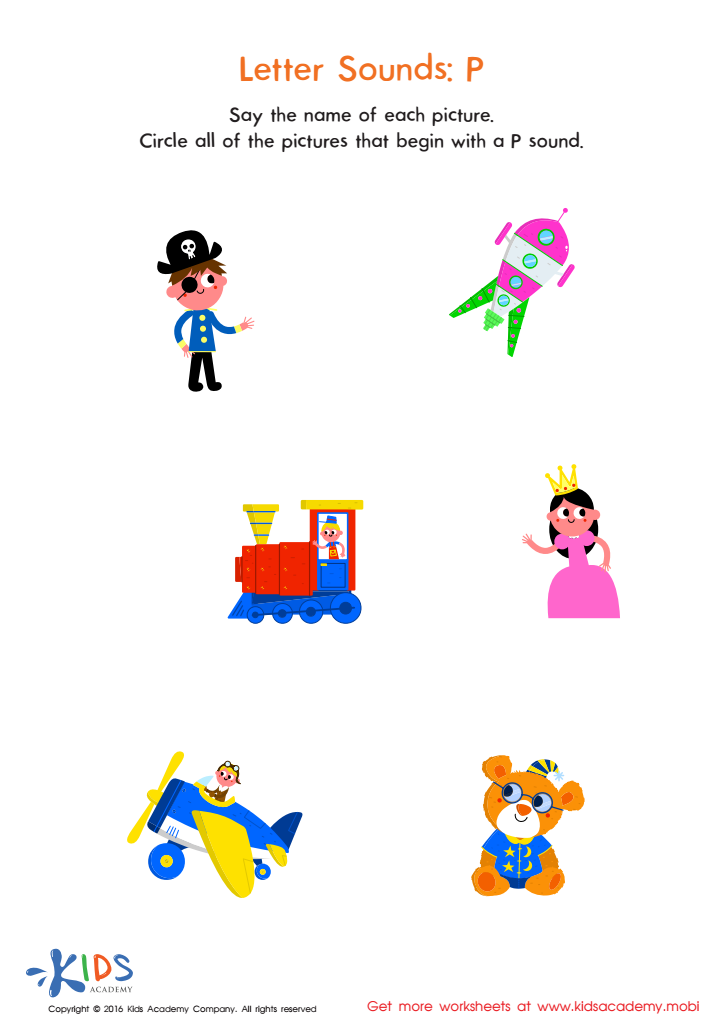
Letter P Sound Worksheet








Understanding normal letter sounds is crucial for children aged 5 to 7 as it forms the foundation of their literacy development. At this stage, children are learning to decode words and make connections between letters and sounds, known as phonemic awareness. These skills are essential for reading fluency, which is vital for comprehension as they progress in school.
Parents and teachers play a pivotal role in supporting this learning. When children grasp letter sounds, they can begin to recognize patterns in words and develop spelling skills, leading to enhanced vocabulary. Phonics instruction—focused on letter-sound relationships—helps children independently tackle unfamiliar words, fostering confidence in their reading abilities.
Moreover, a solid understanding of normal letter sounds enhances communication skills. As children become adept at reading, their ability to express themselves through writing and conversation improves, giving them a stronger voice in their learning environment.
Research also shows that early literacy skills are predictive of long-term academic success. By emphasizing letter sounds, caregivers create a rich literacy environment that nurtures a love for reading and learning. In essence, prioritizing these fundamental skills equips children with essential tools for their educational journey, making it imperative for both parents and teachers to engage with this aspect of early childhood development.






