Normal Upper & Lowercase Letters Worksheets for Ages 5-7 - Page 2
44 filtered results
-
From - To

Uppercase Letters V, W, and X Worksheet
 Assign to My Students

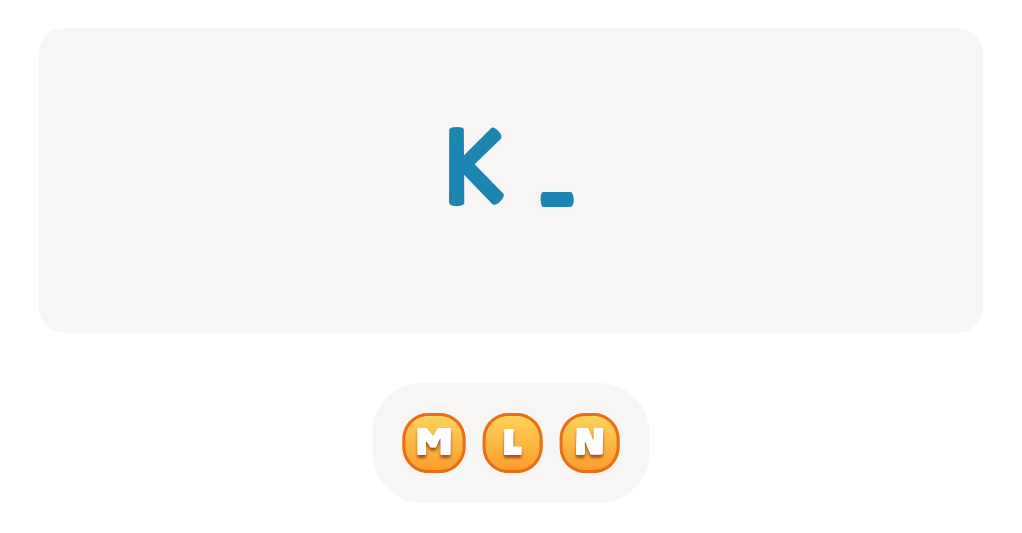
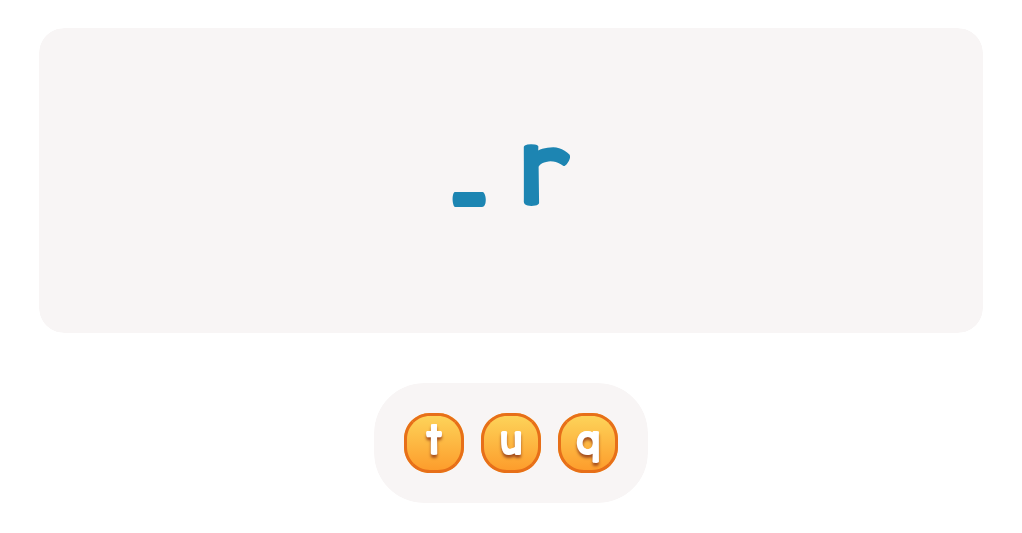
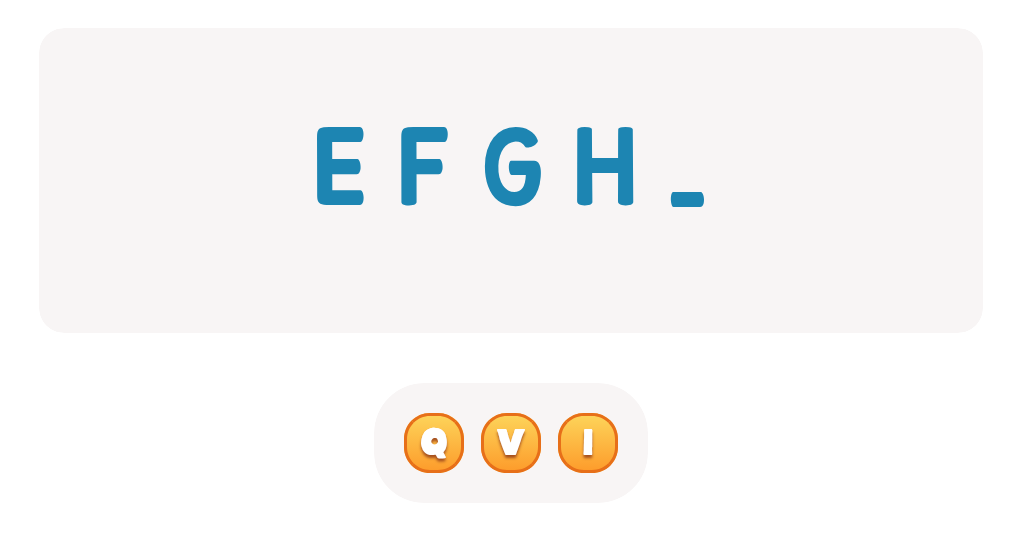
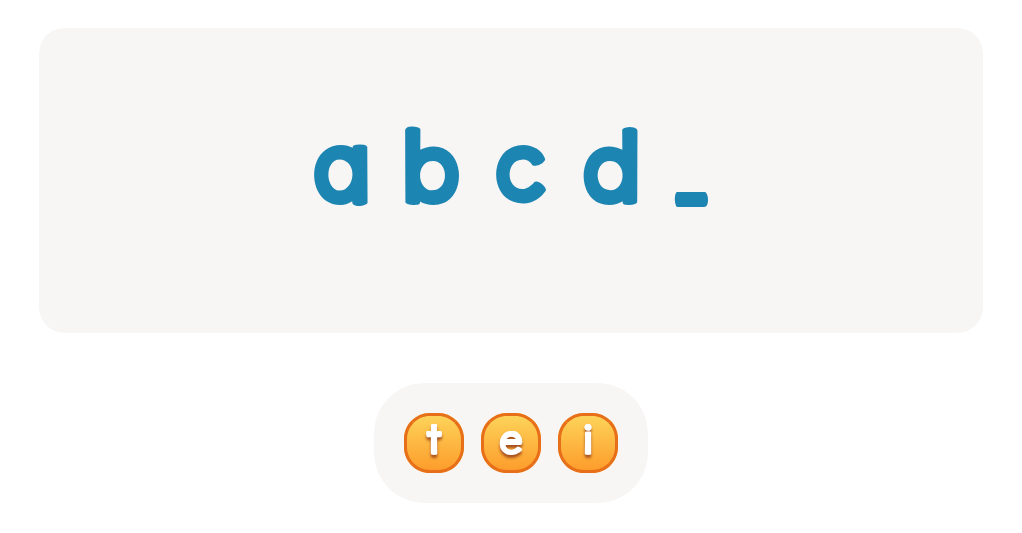
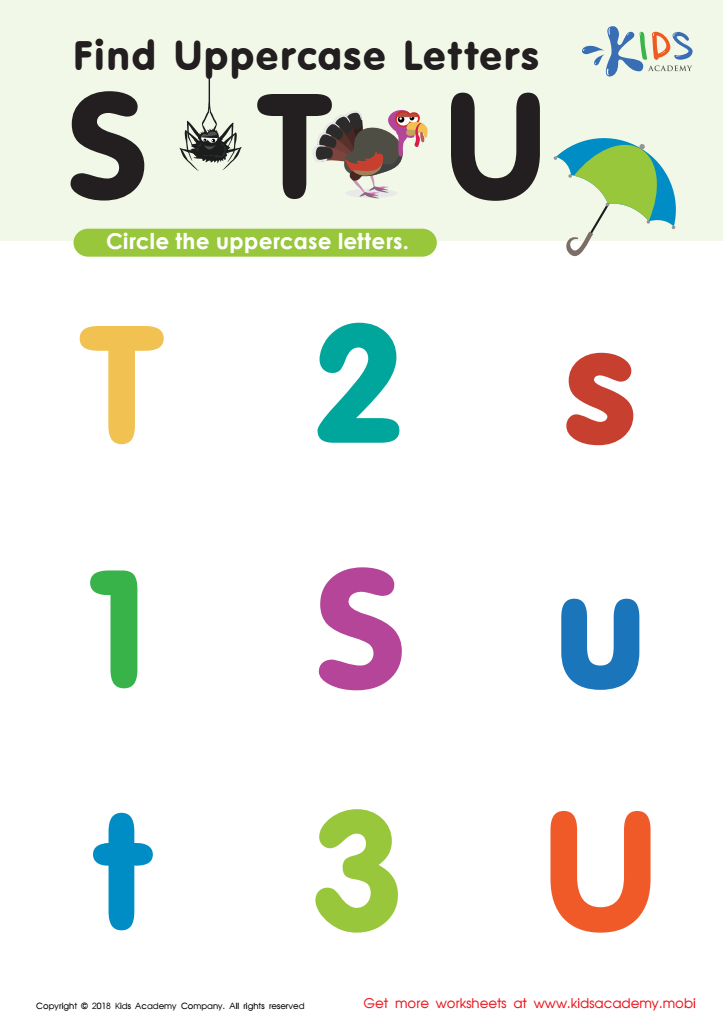
Find Uppercase Letters Worksheet
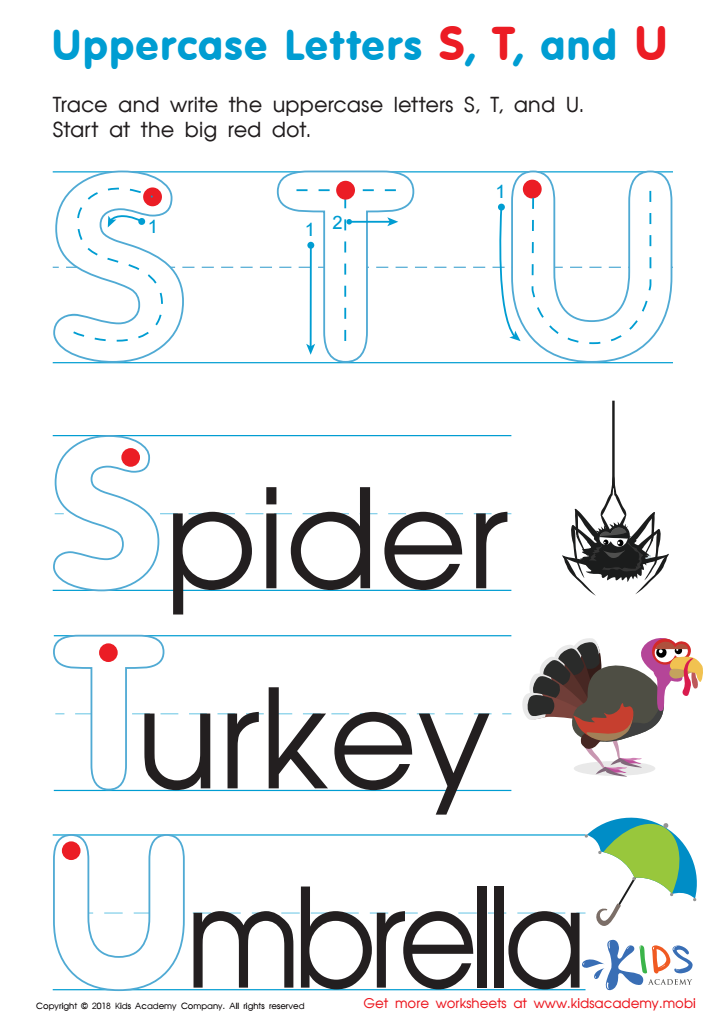
Uppercase Letters S, T, and U Worksheet
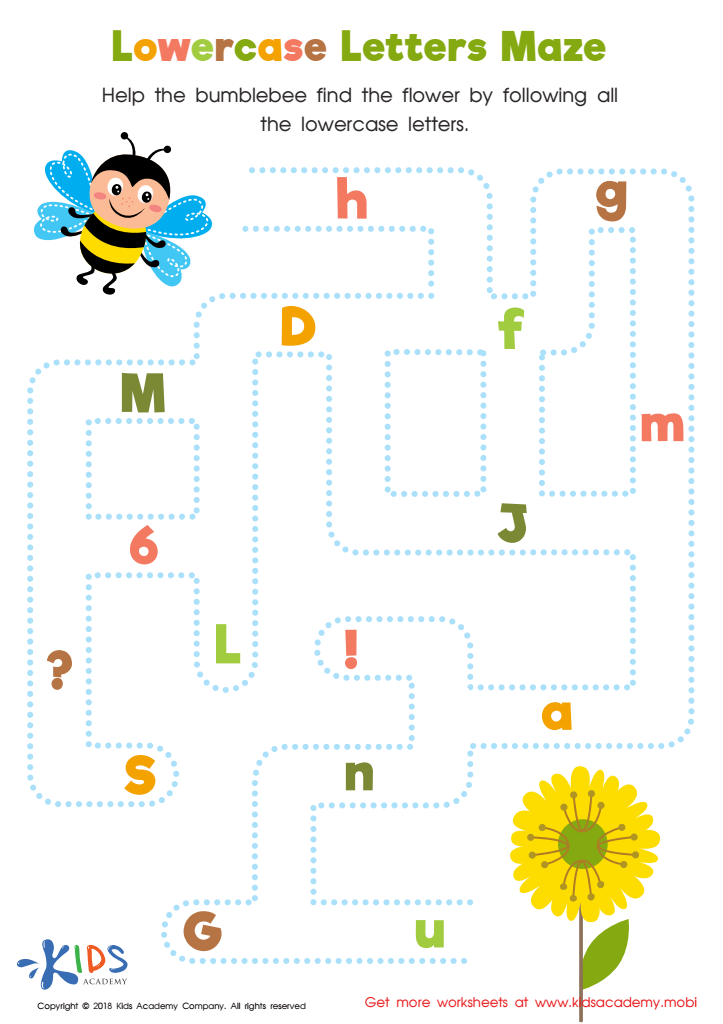
Lowercase Letters Maze Worksheet
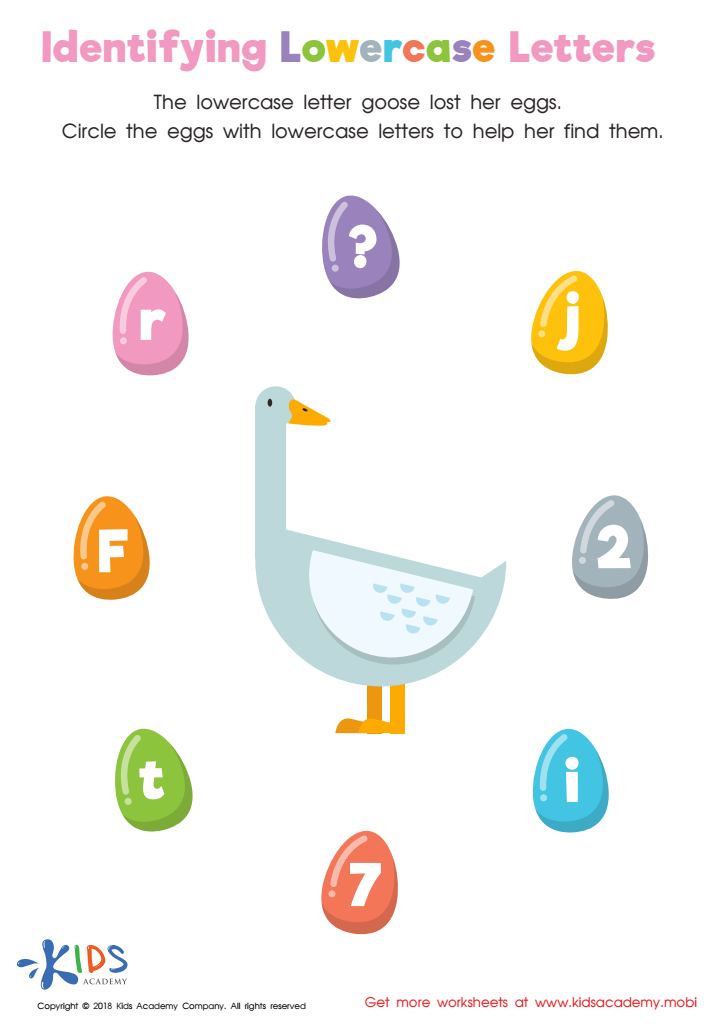
Identifying Lowercase Letters Worksheet
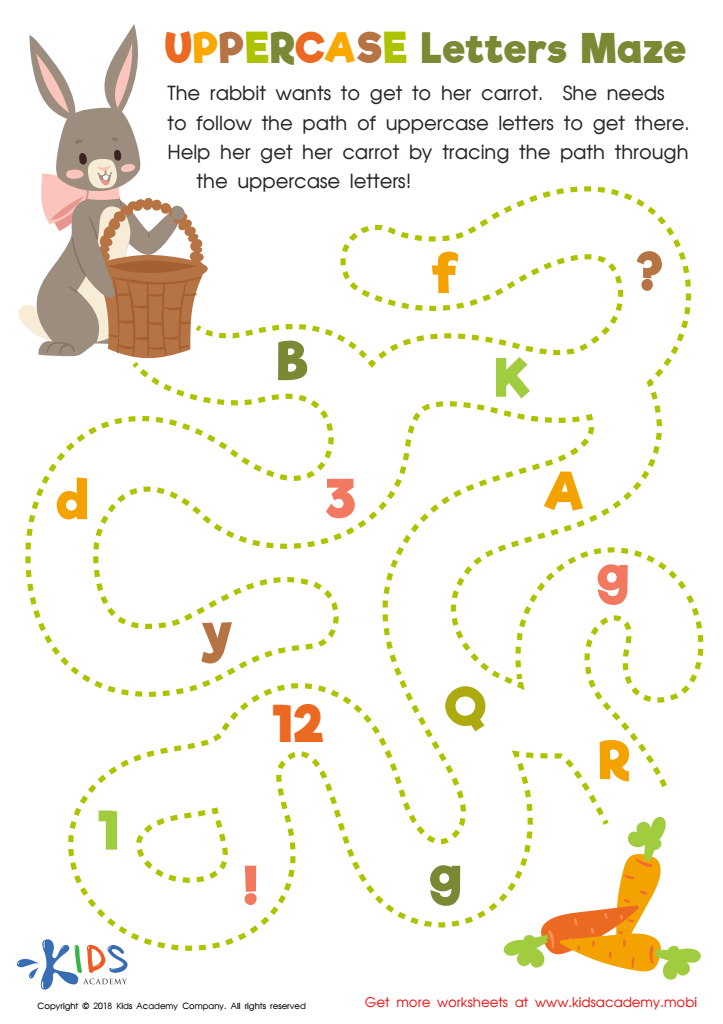
Uppercase Letters Maze Worksheet
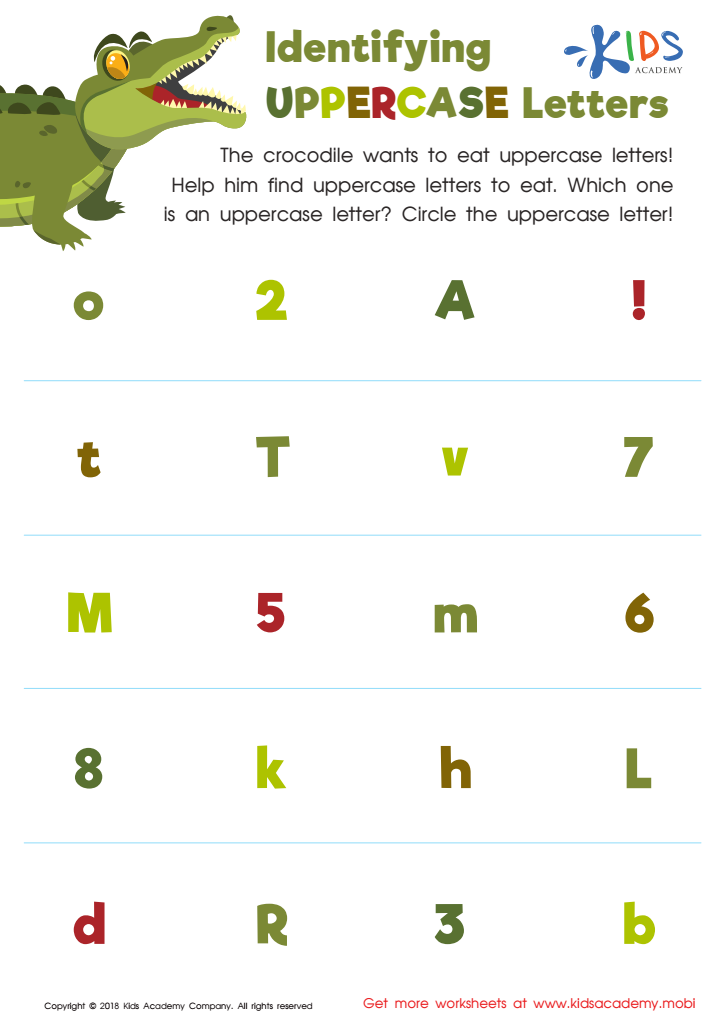
Identifying Uppercase Letters Worksheet
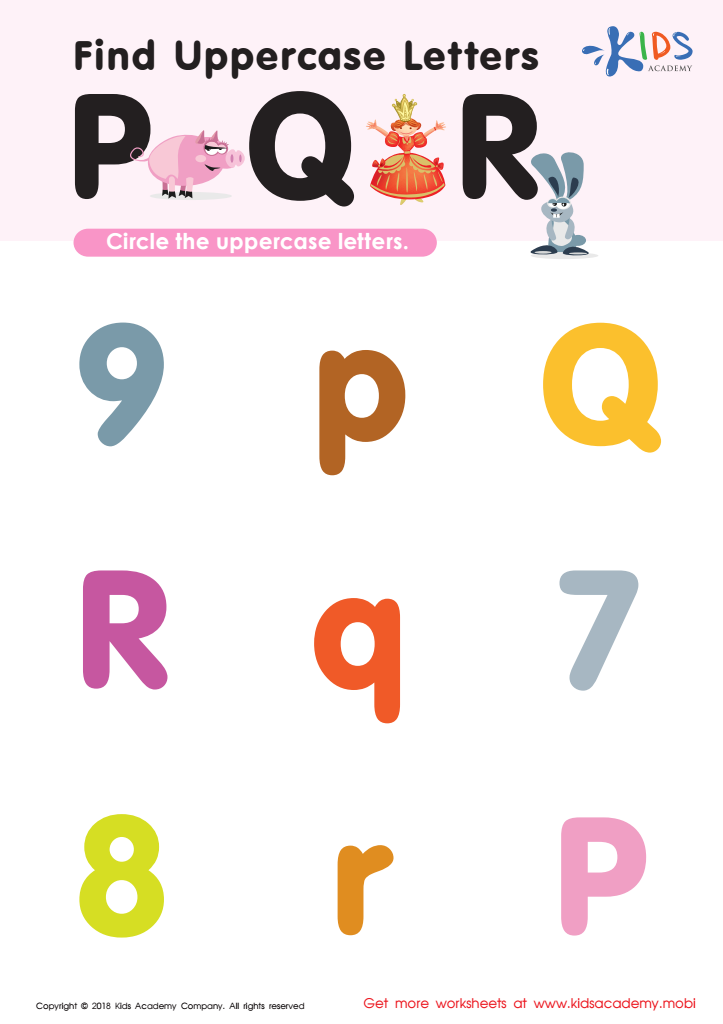
Find Uppercase Letters P, Q, and R Worksheet
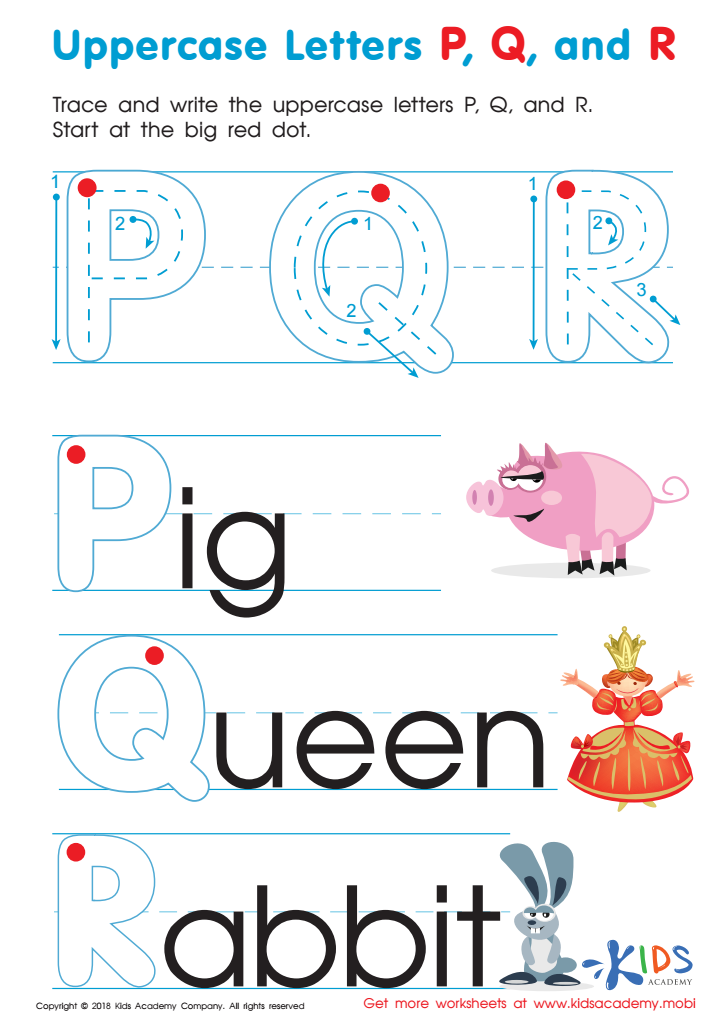
Uppercase Letters P, Q, and R Worksheet
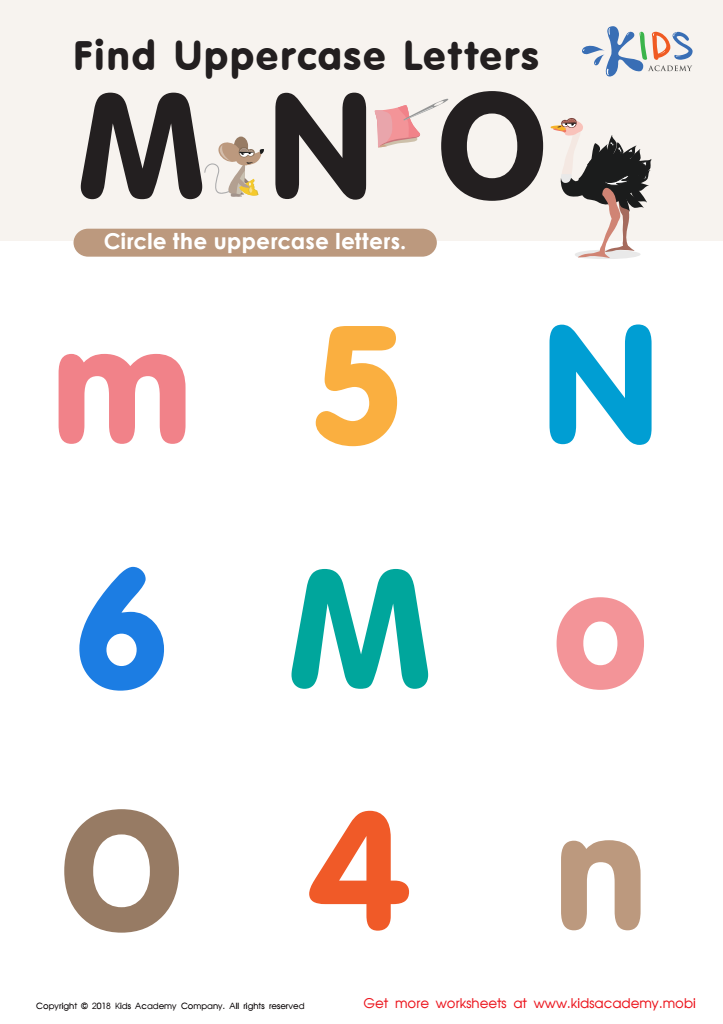
Find Uppercase Letters M, N, and O Worksheet
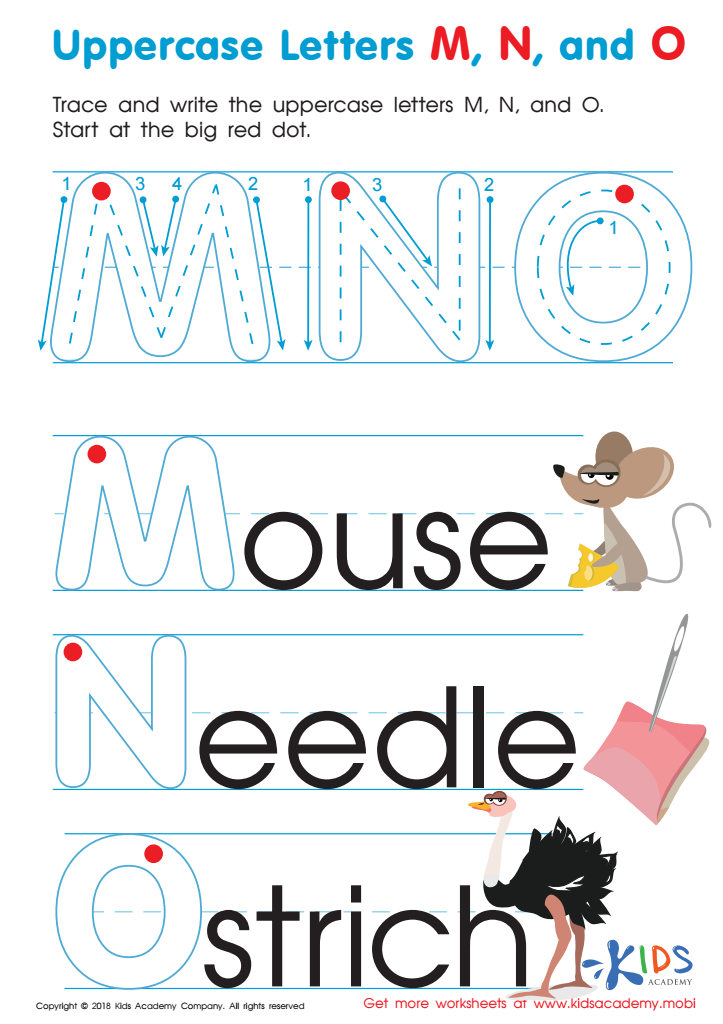
Uppercase Letters M, N, and O Worksheet
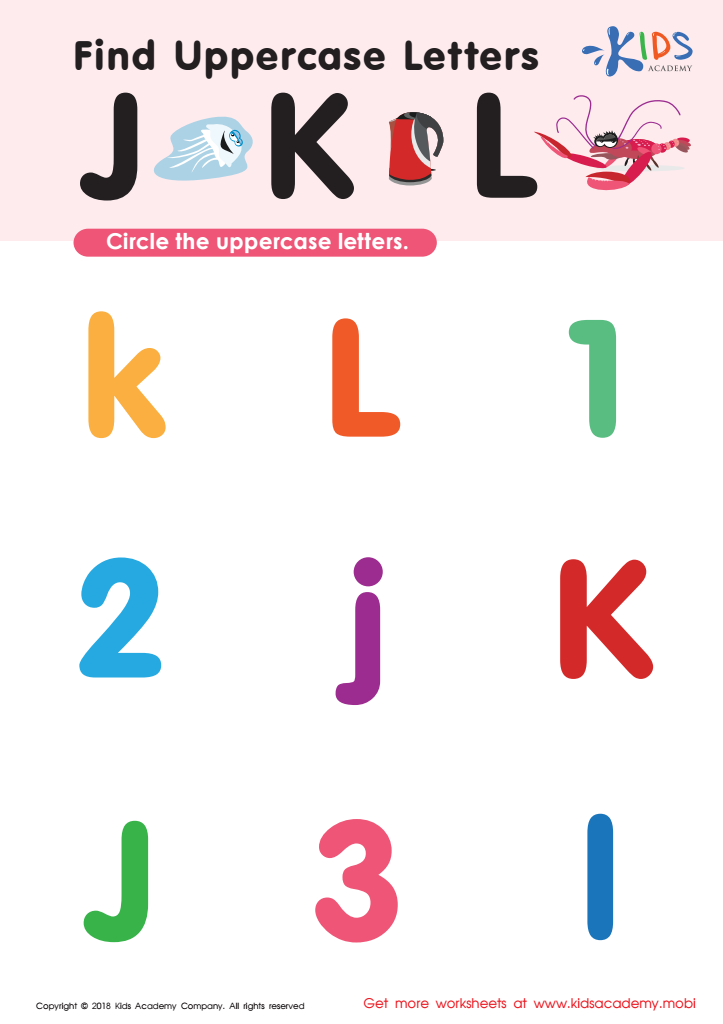
Find Uppercase Letters J, K, and L Worksheet
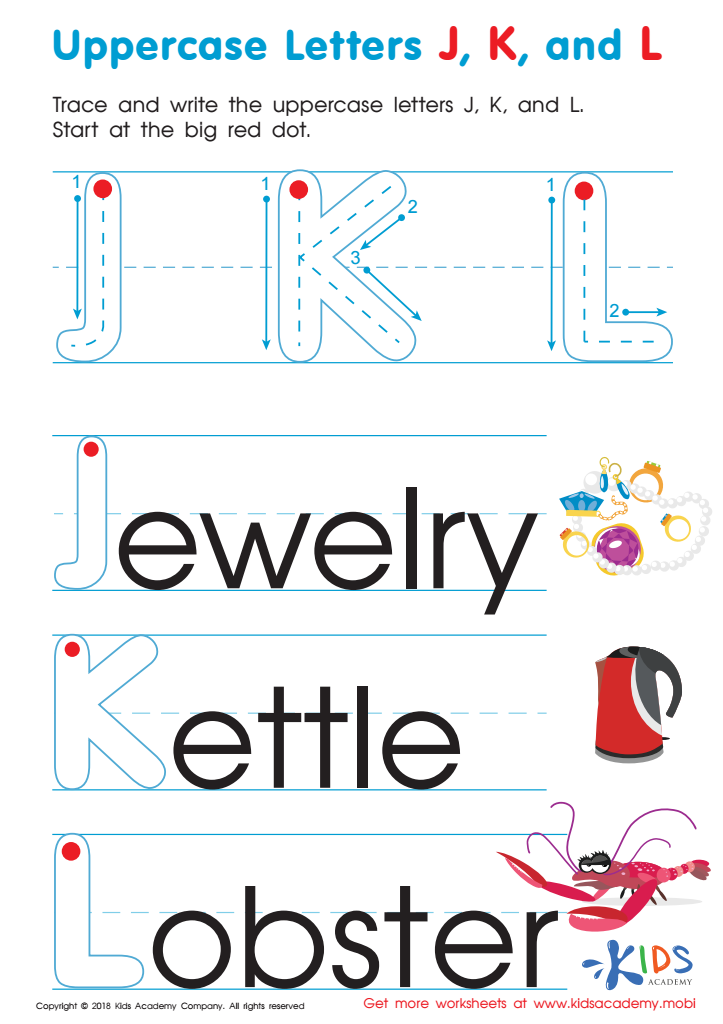
Uppercase Letters J, K, and L Worksheet
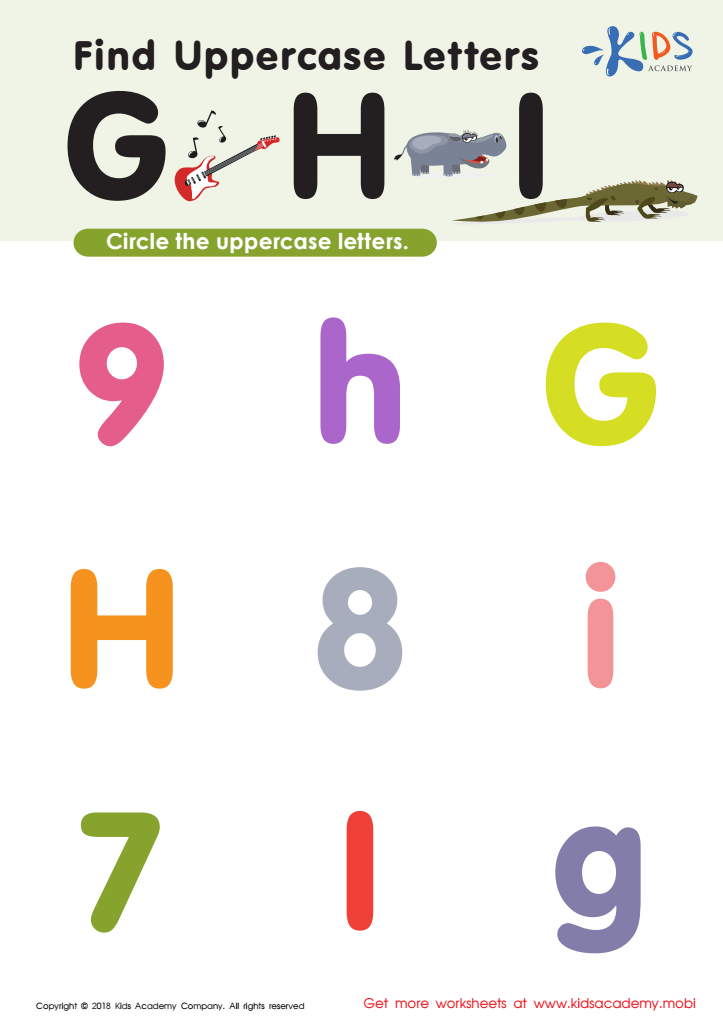
Find Uppercase Letters G, H, and I Worksheet
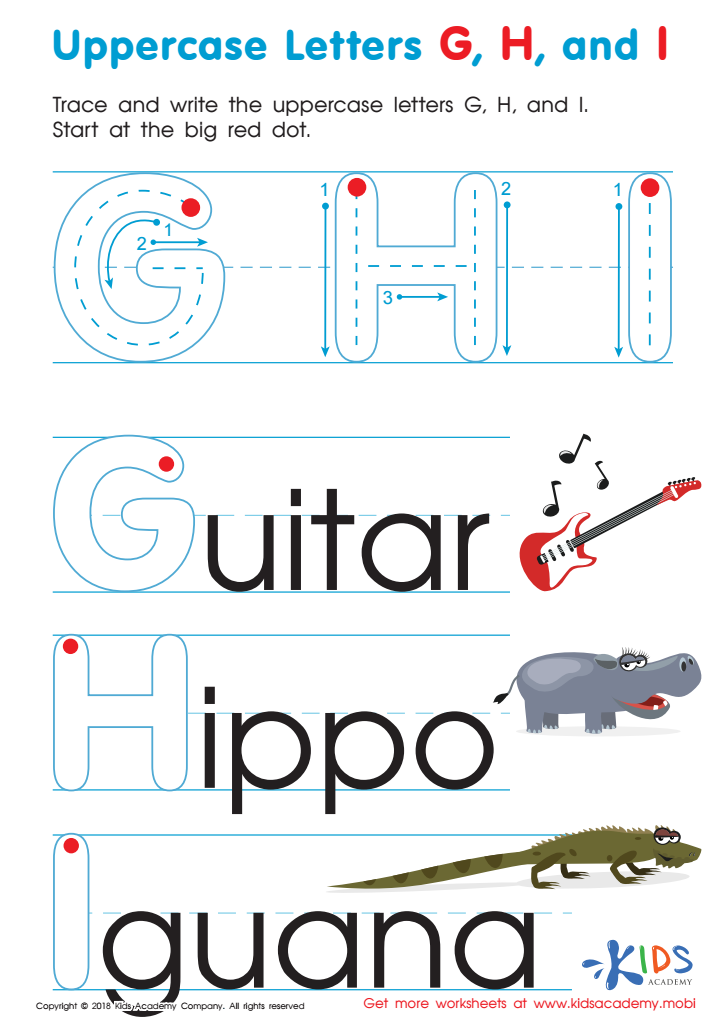
Uppercase Letters G, H, and I Worksheet
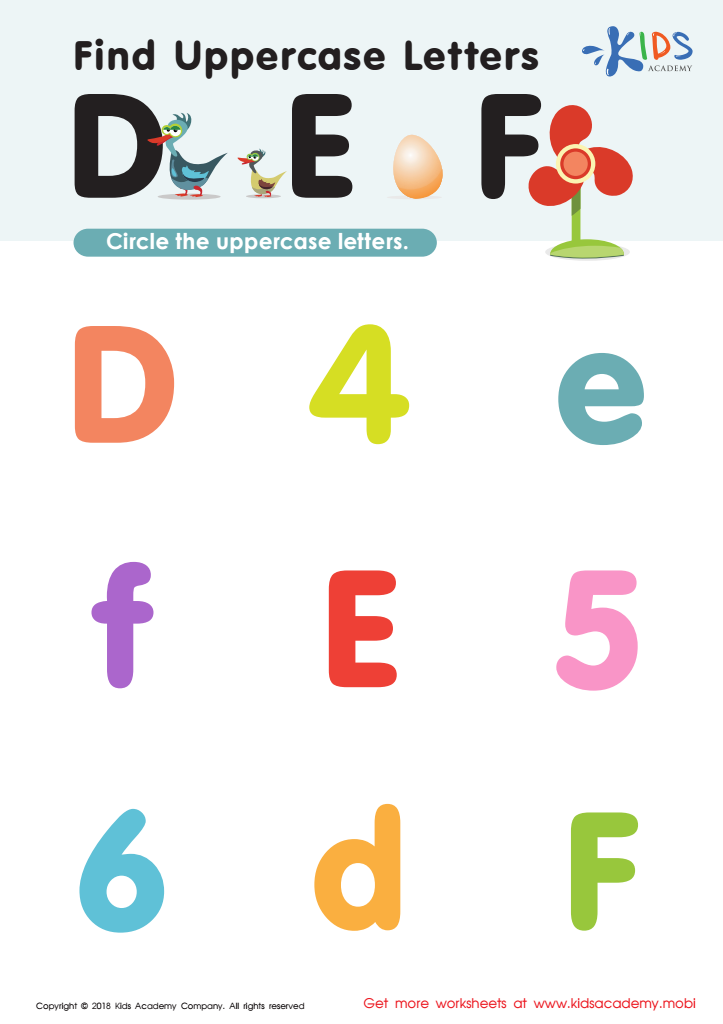
Find Uppercase Letters D, E, and F Worksheet
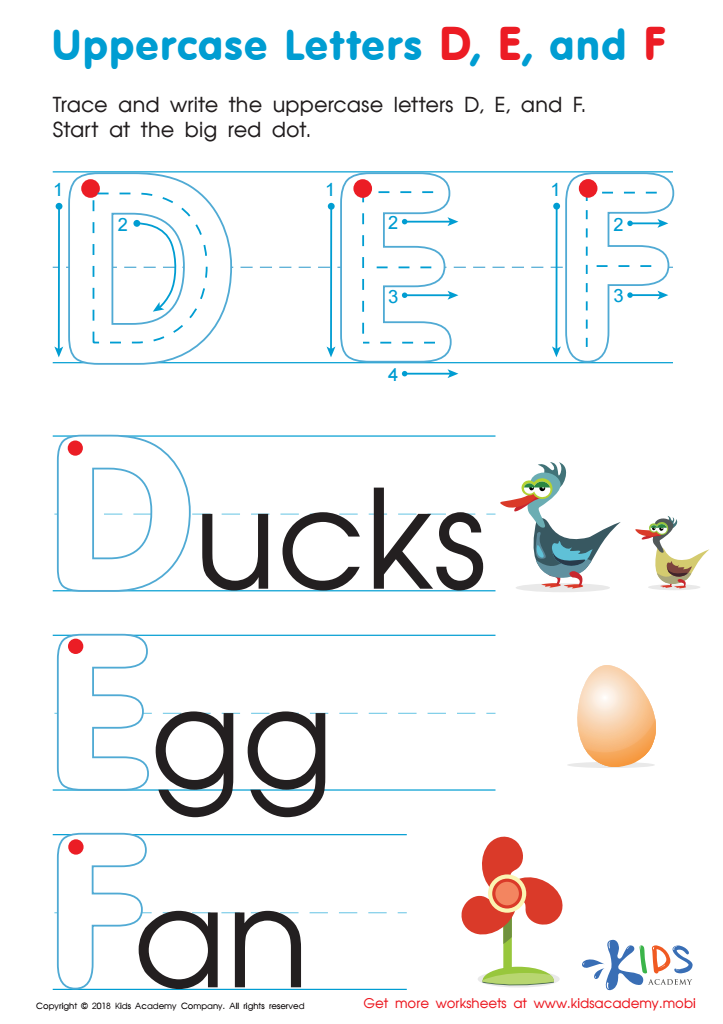
Uppercase Letters D, E, and F Worksheet
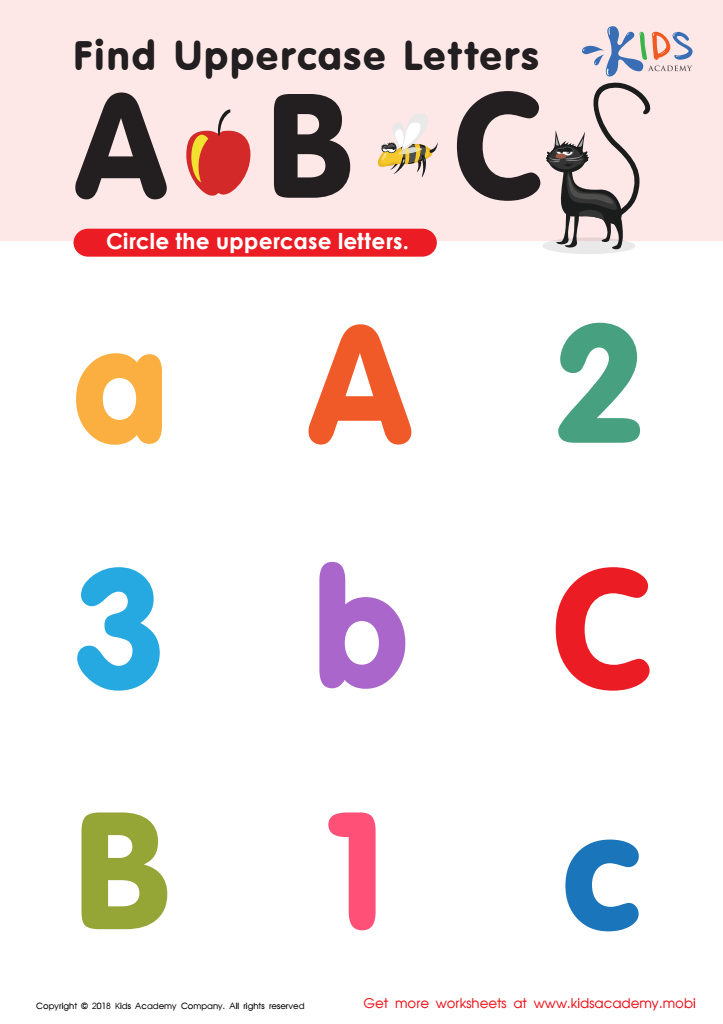
Find Uppercase Letters A, B, and C Worksheet
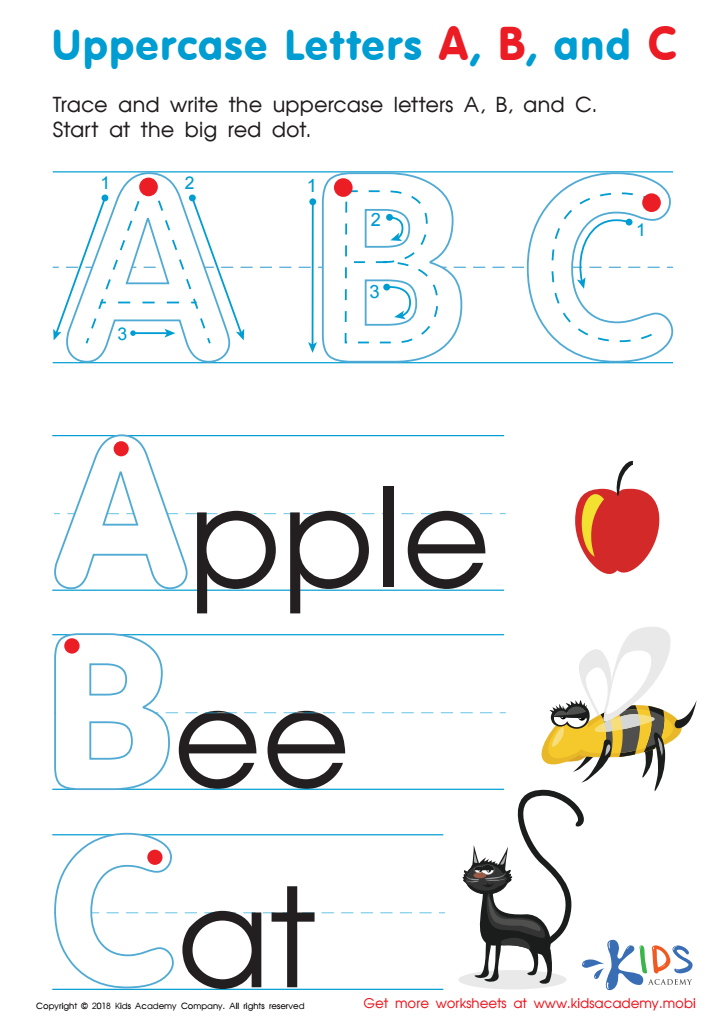
Uppercase Letters A, B, and C Worksheet
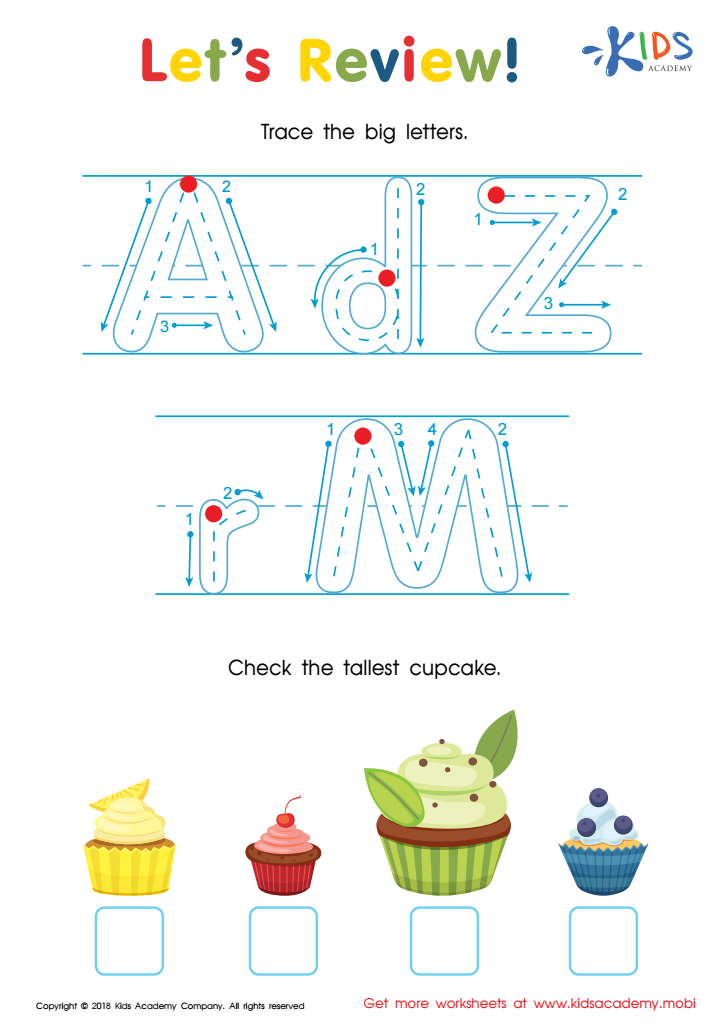
Let's Review! Big Letters Worksheet






Teaching children the distinction between uppercase and lowercase letters is crucial for several reasons. Firstly, recognizing and using both forms is foundational for literacy. In early childhood education, this understanding helps children learn to read and write more effectively. Mastery of uppercase letters is essential for recognizing the beginning of sentences and proper names, while lowercase letters make up the bulk of written text, reinforcing regular reading fluency.
Moreover, understanding both letter types enhances a child's writing skills. When children begin composing sentences, they learn the conventions of writing, such as capitalization rules at the beginning of sentences and for specific nouns—the building blocks of good grammar.
Additionally, working with these letters helps refine fine motor skills, as children practice writing forms that require different movements and pressure on the page. This handwriting practice contributes to overall cognitive development and concentration.
Lastly, making the learning process interactive and fun can foster a positive attitude toward learning among children, encouraging exploration and creativity. In a world increasingly driven by communication and technology, a solid foundation in both uppercase and lowercase letters equips children with vital skills they will use throughout their education and beyond. Thus, fostering early understanding of these letters is essential for social and academic growth.







