Normal Vowels Worksheets for Ages 5-7 - Page 3
71 filtered results
-
From - To
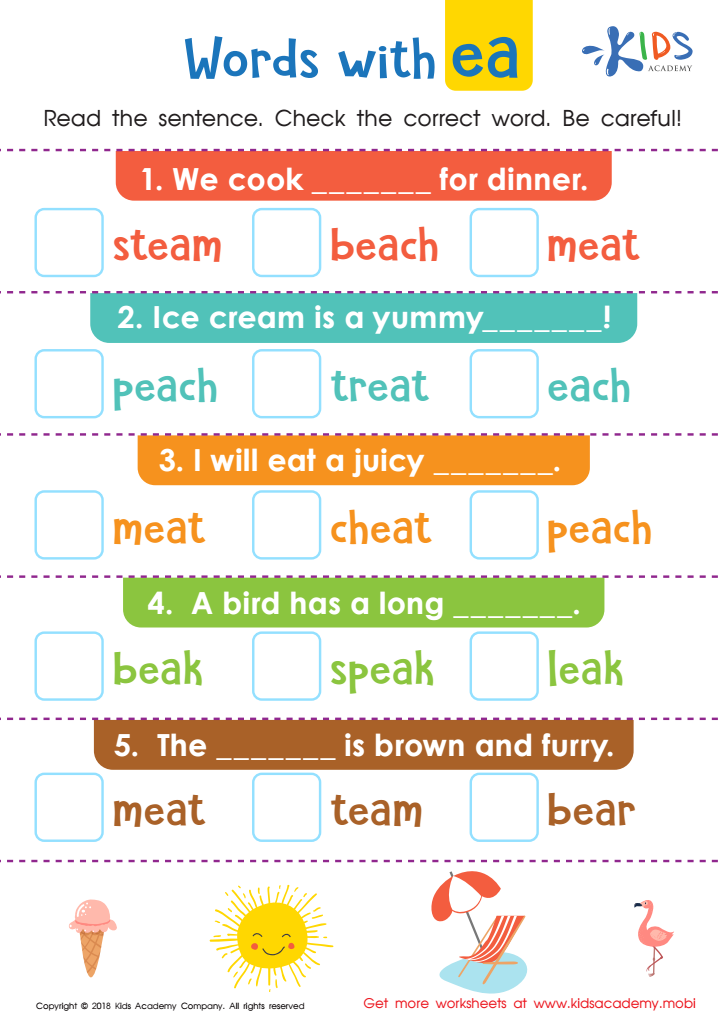
Words with ea Worksheet
 Assign to My Students
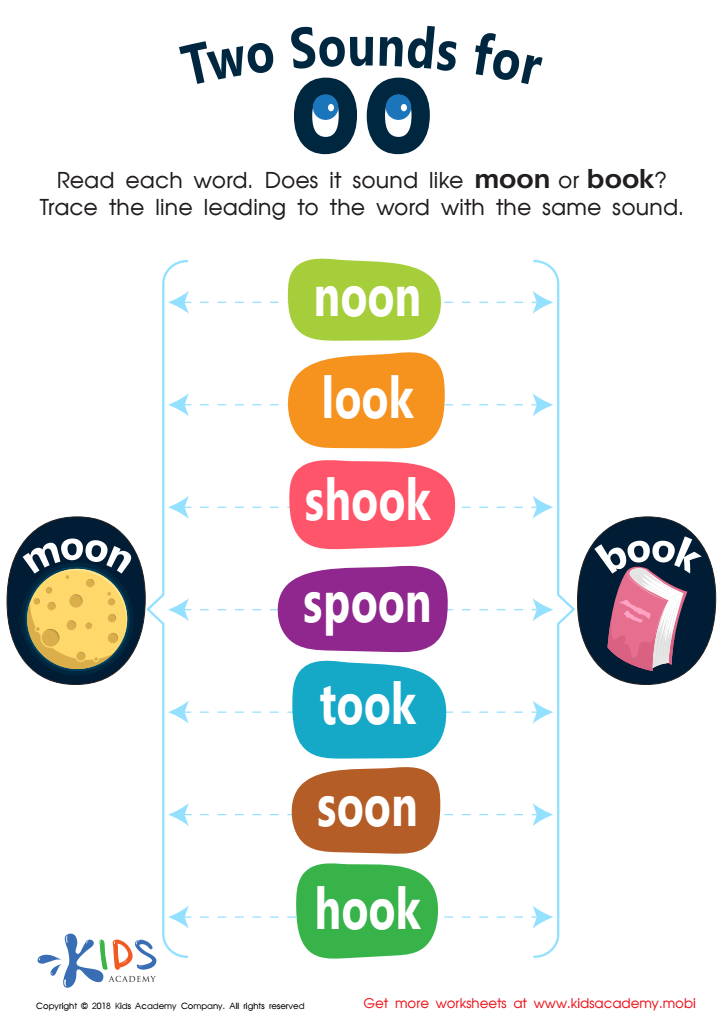
Two Sounds for OO Worksheet
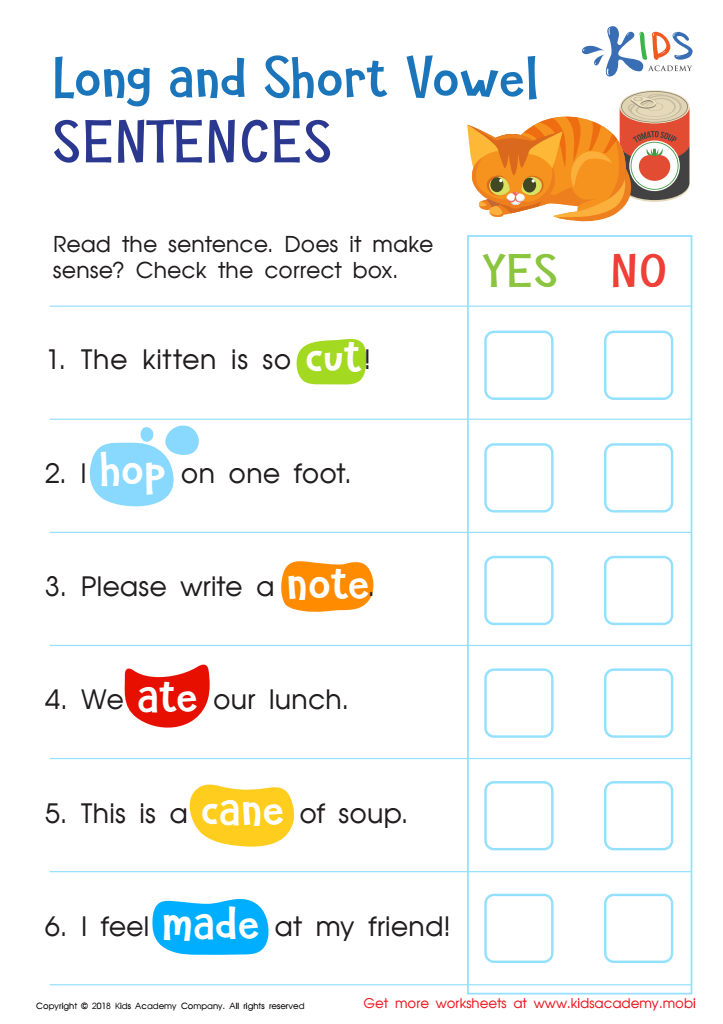
Long and Short Vowel Sentences: Assessment Worksheet
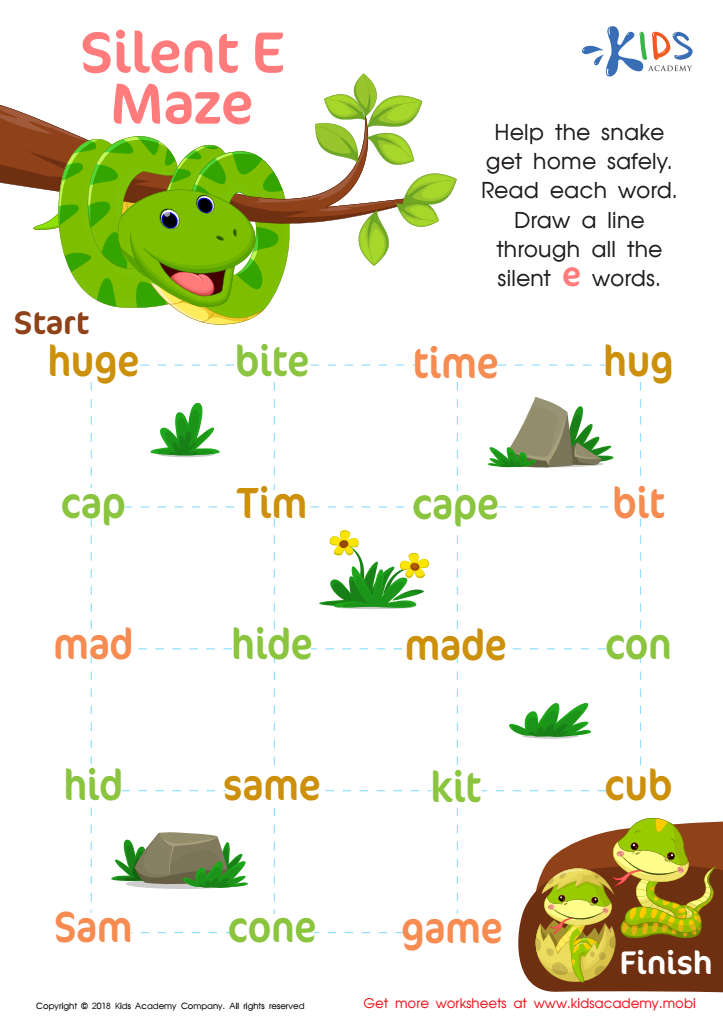
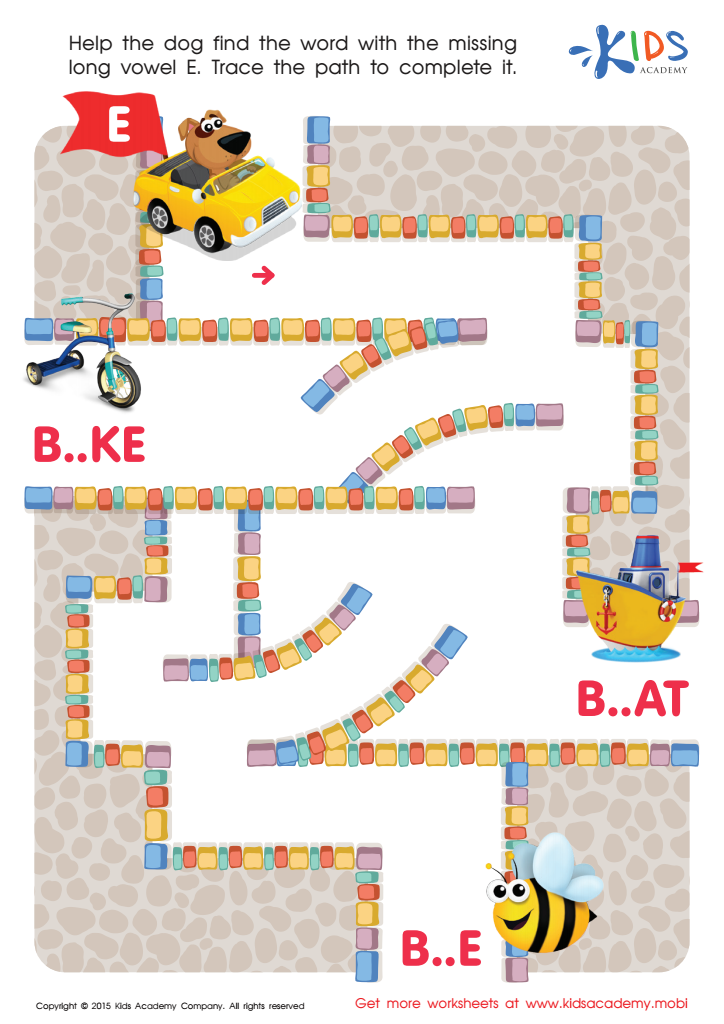
Silent E Maze Worksheet
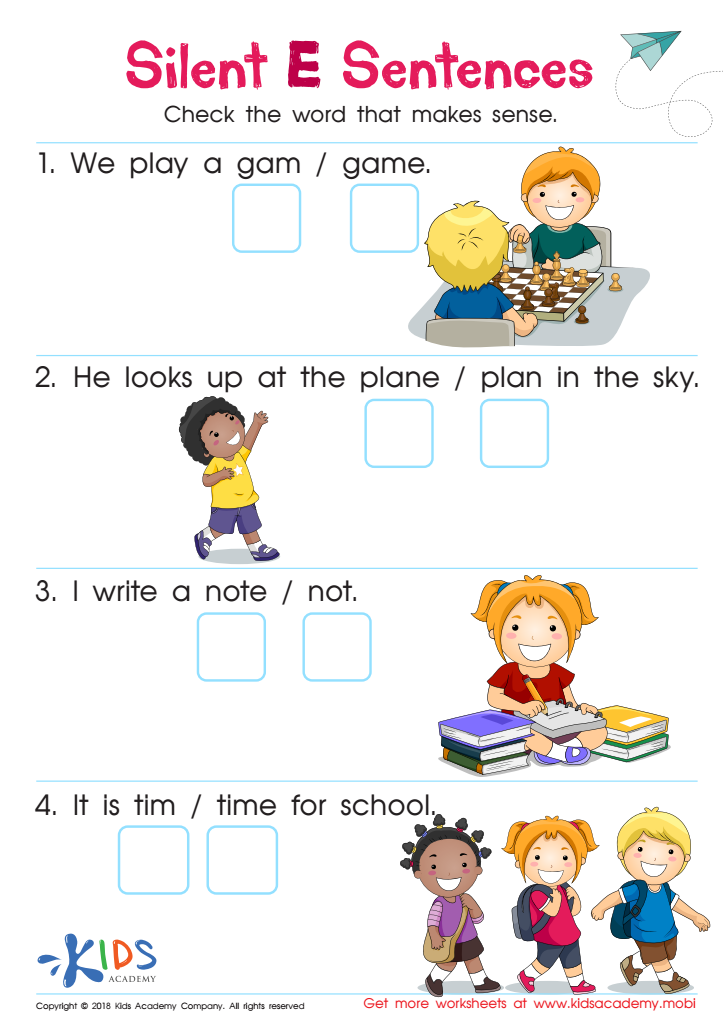
Silent E Sentences Worksheet
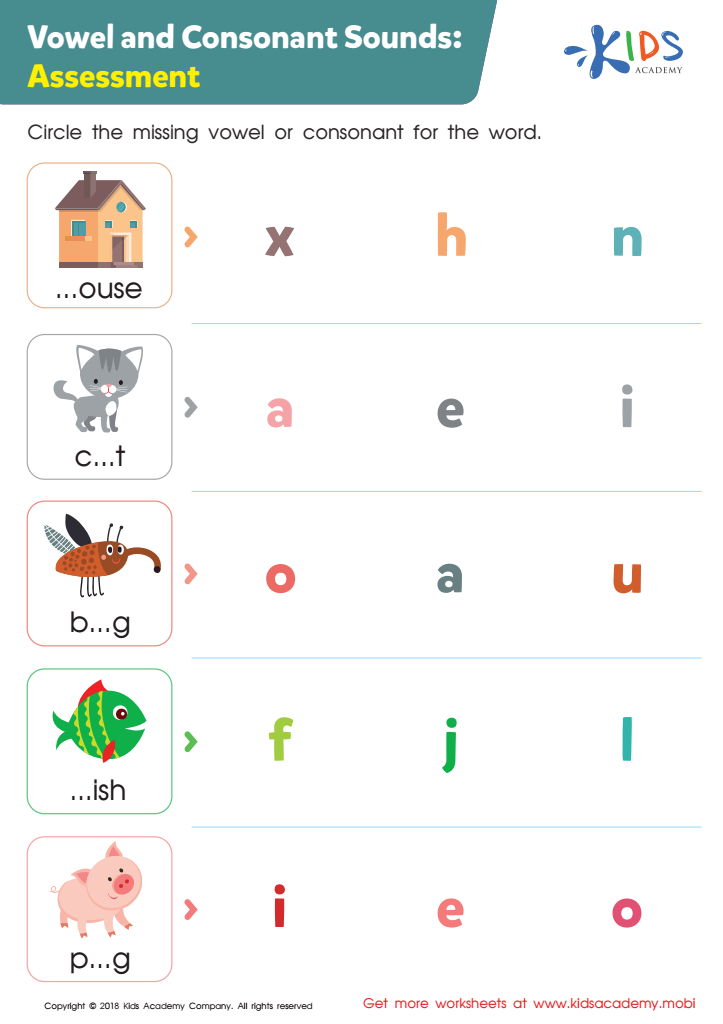
Vowel and Consonant Sounds: Assessment Worksheet
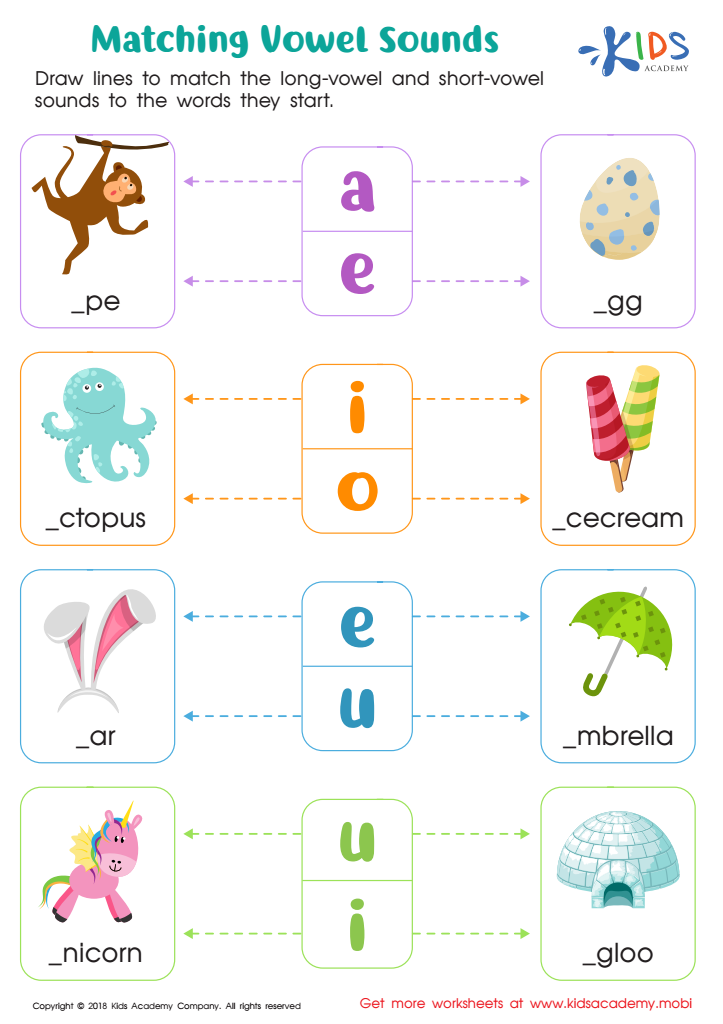
Matching Vowel Sounds Worksheet
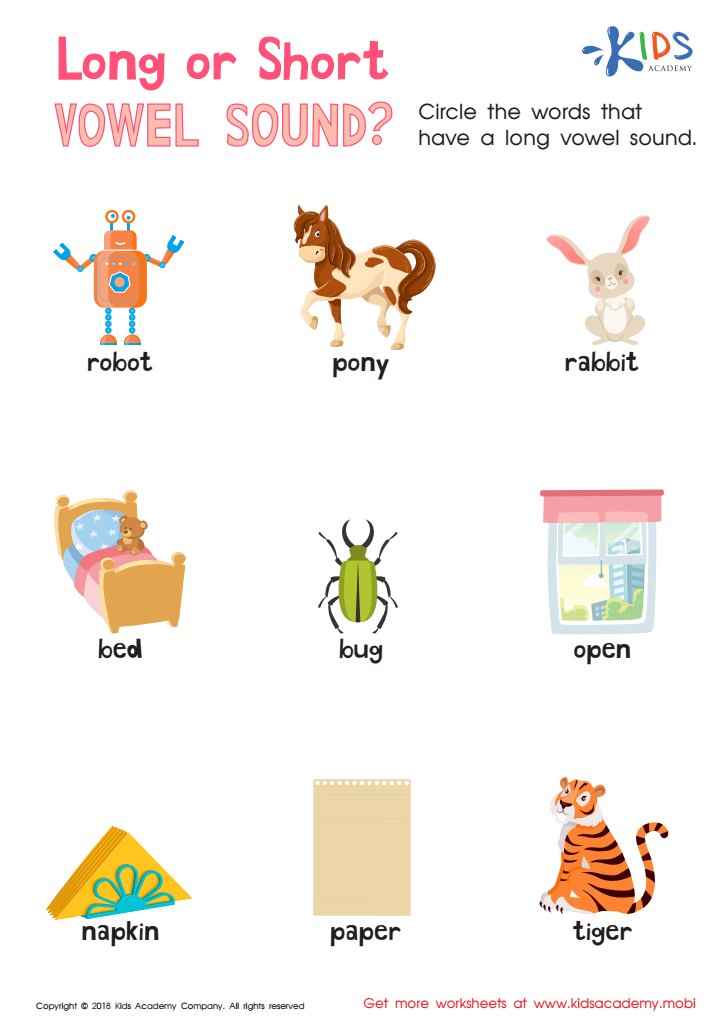
Long or Short Vowel Sound? Worksheet
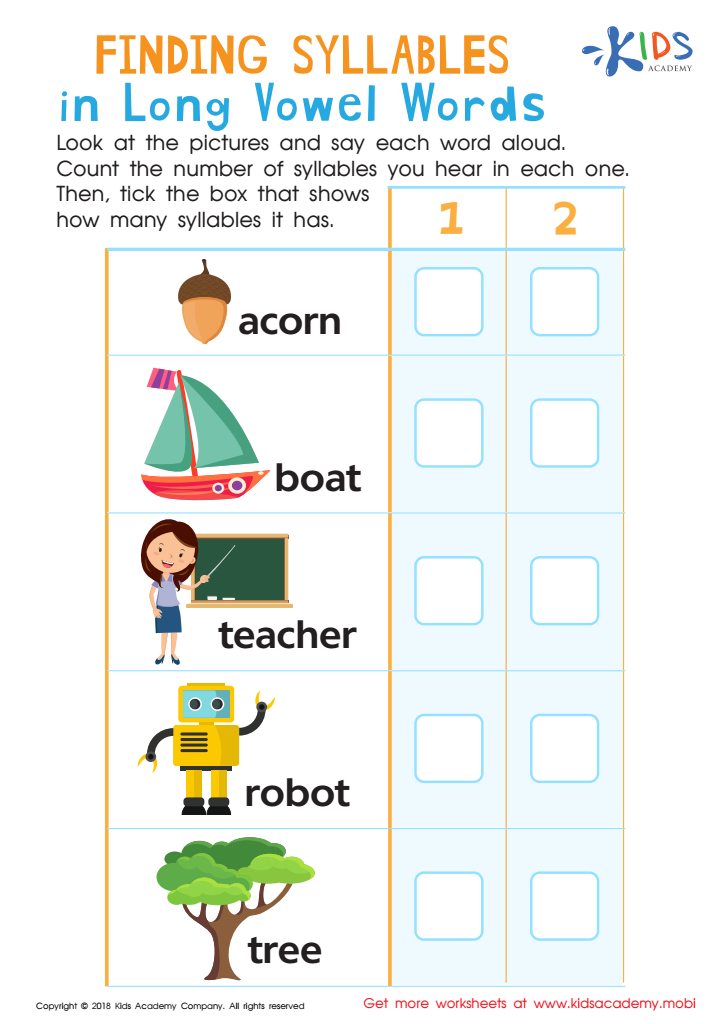
Finding Syllables in Long Vowel Words Worksheet
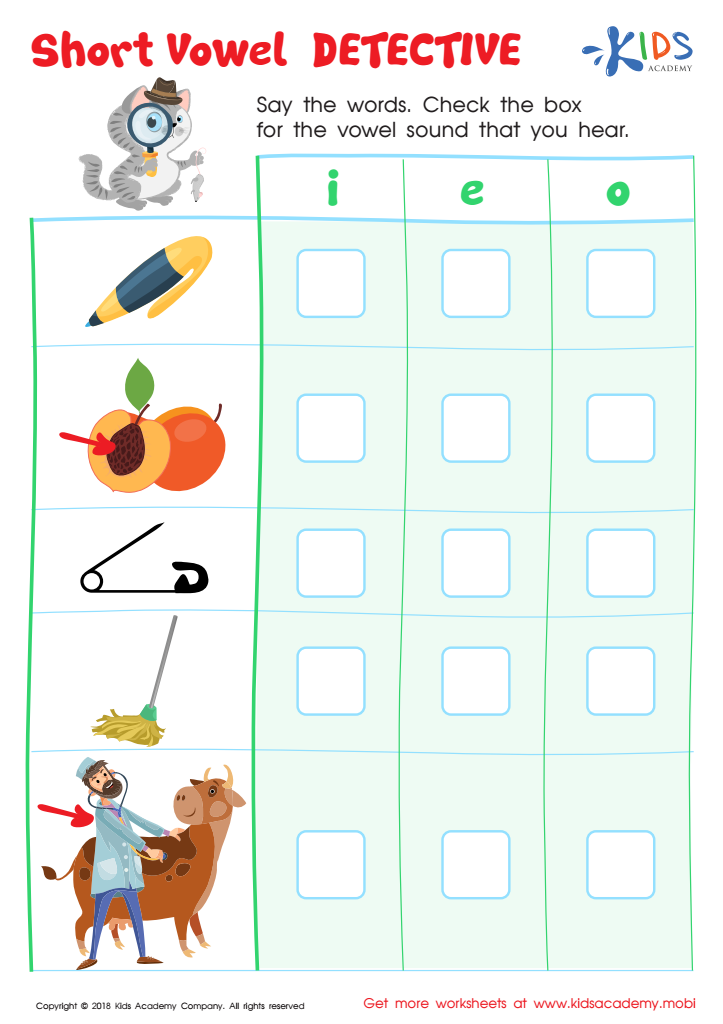
Short Vowel Detective Worksheet
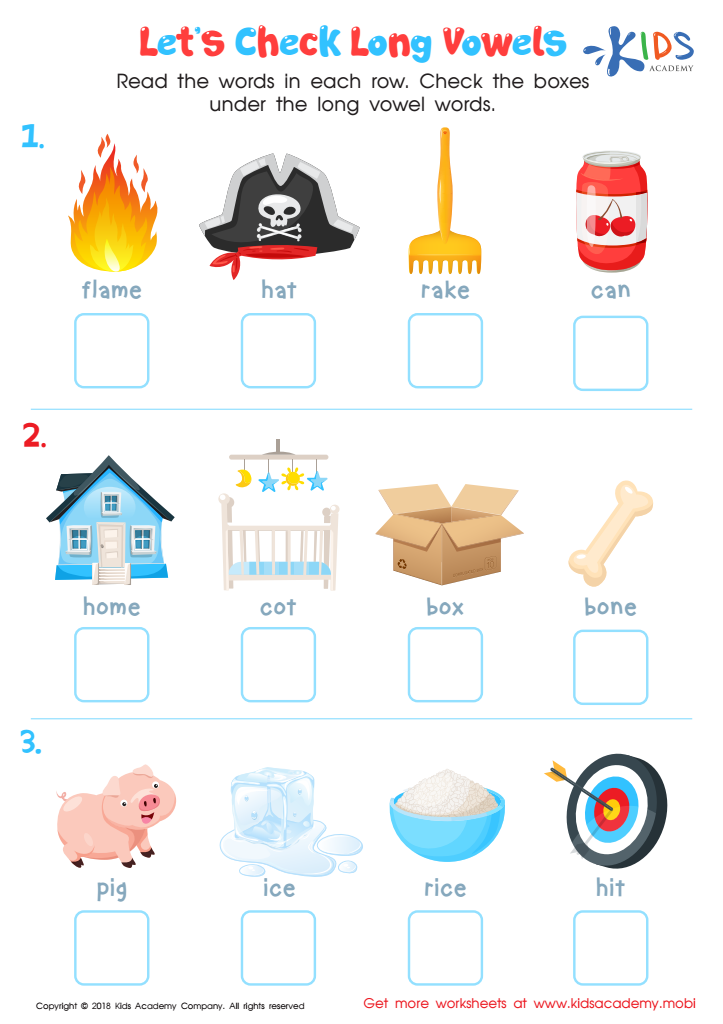
Let's Check Long Vowels: Assessment Worksheet
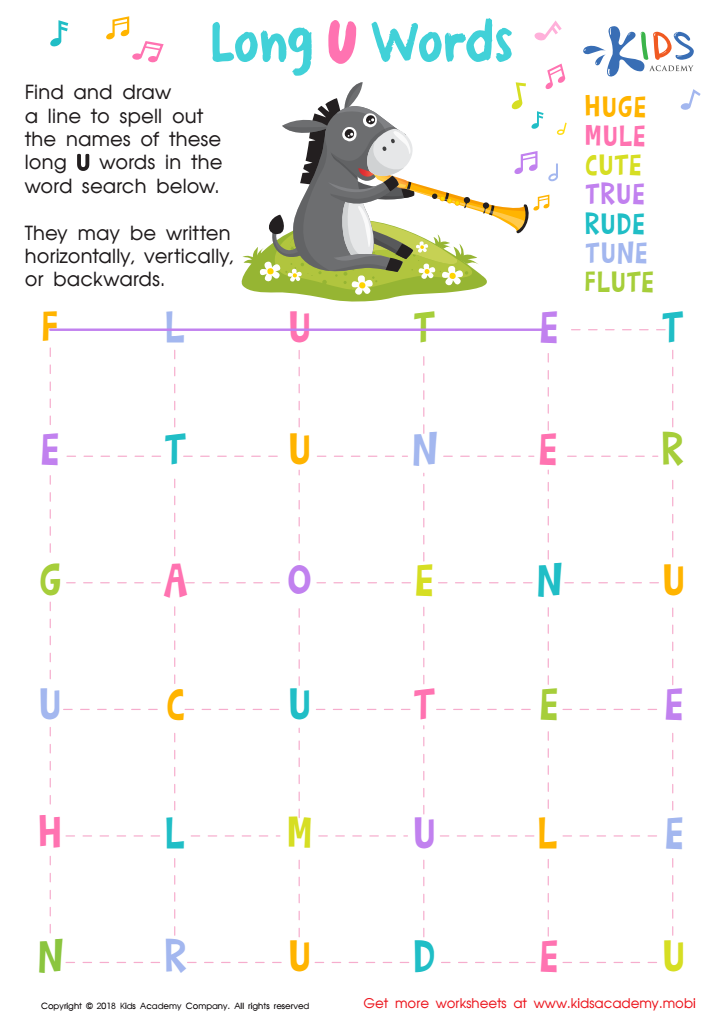
Long /u/ Words Worksheet
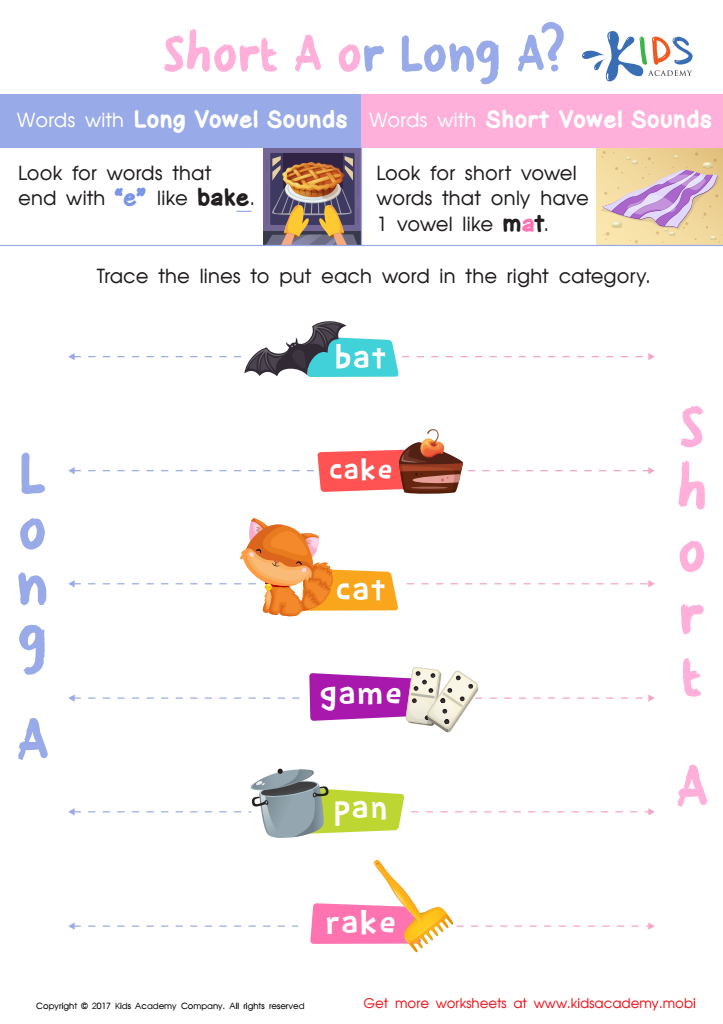
Short /a/ or Long /a/? Worksheet
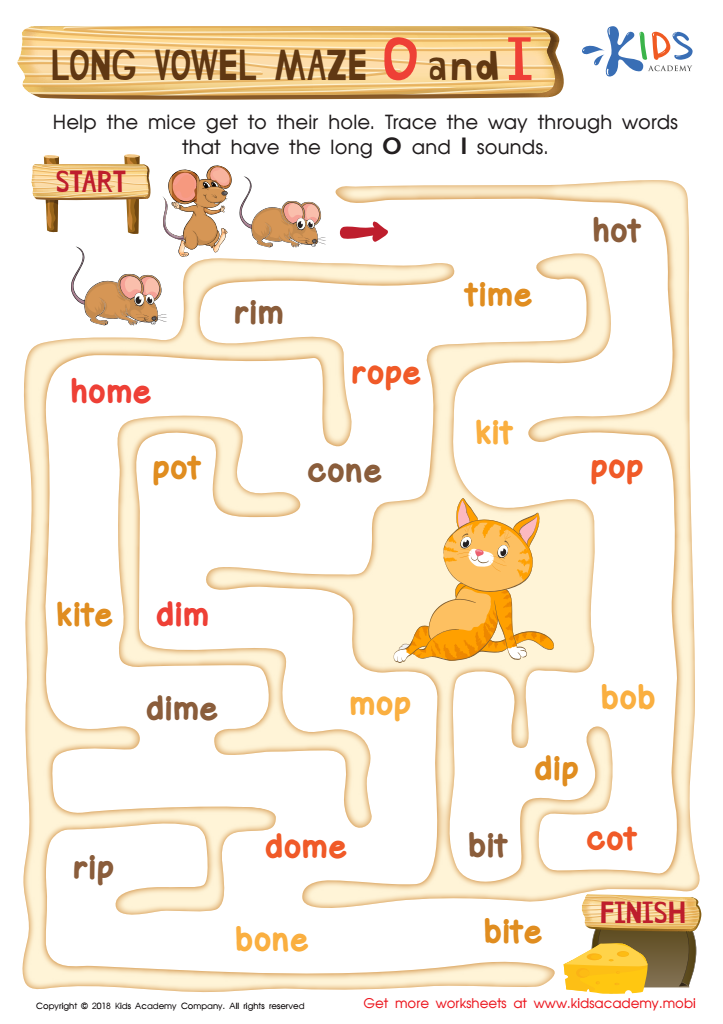
Long Vowel Maze /o/ and /i/ Worksheet
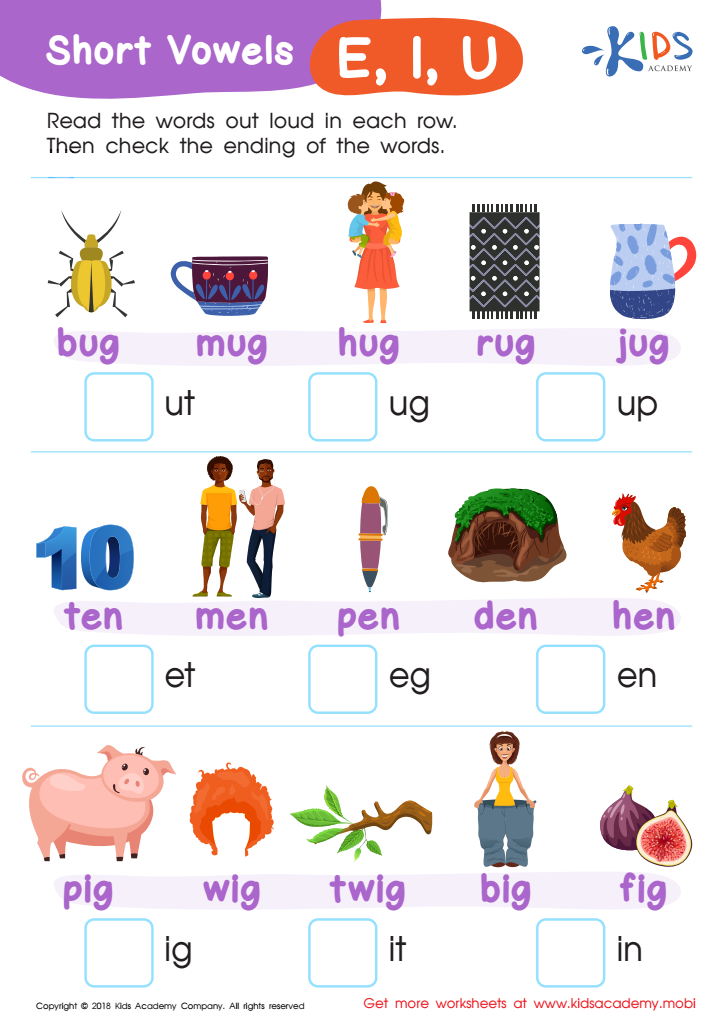
Short Vowels /e/, /i/, and /u/ Worksheet
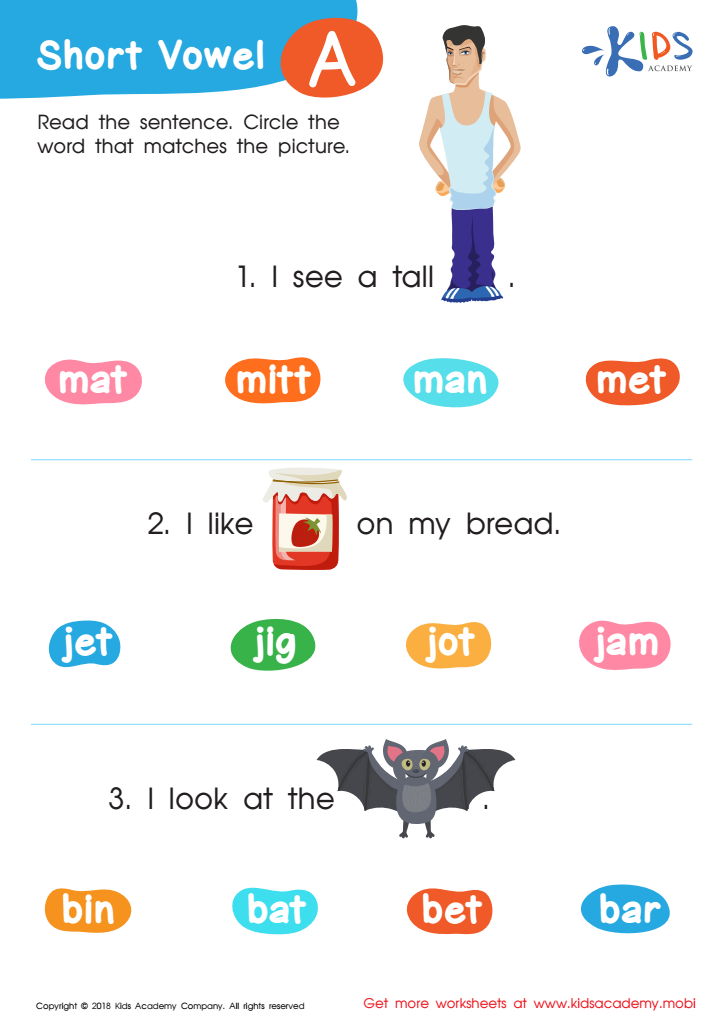
Short Vowel /a/ Worksheet
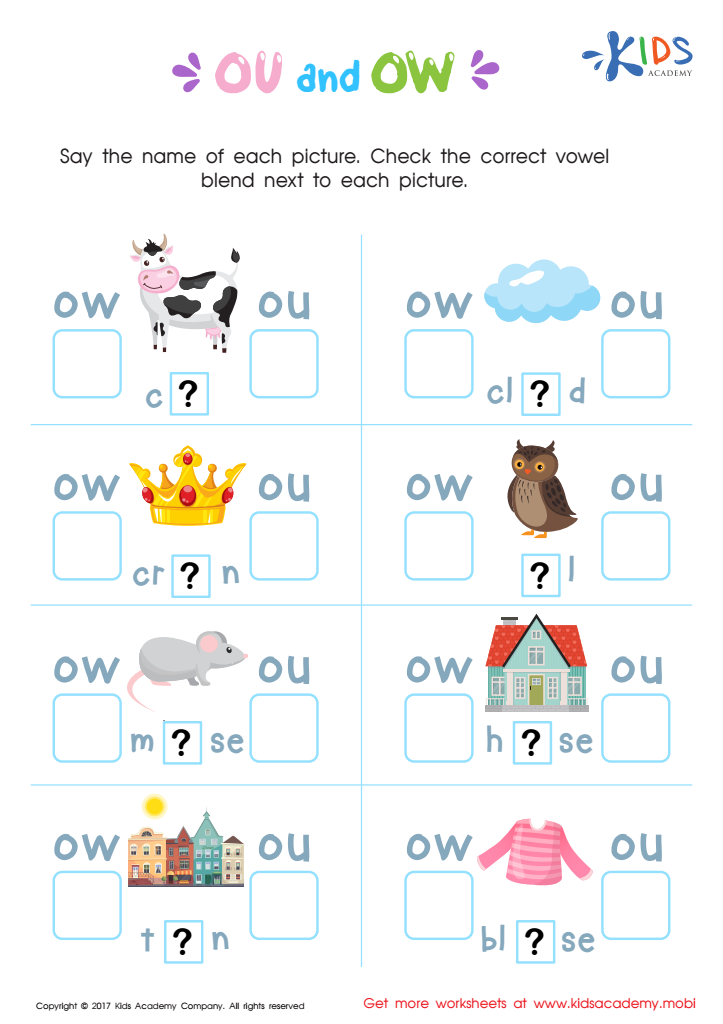
OU and OW Words Worksheet
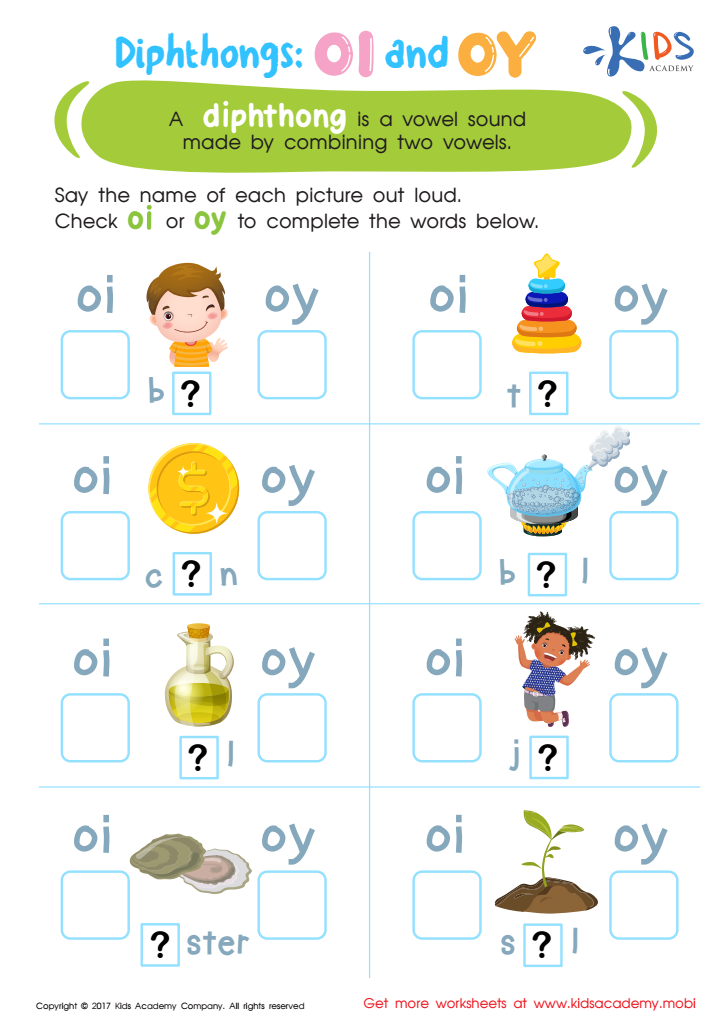
Vowel Diphthongs OI OY Worksheet
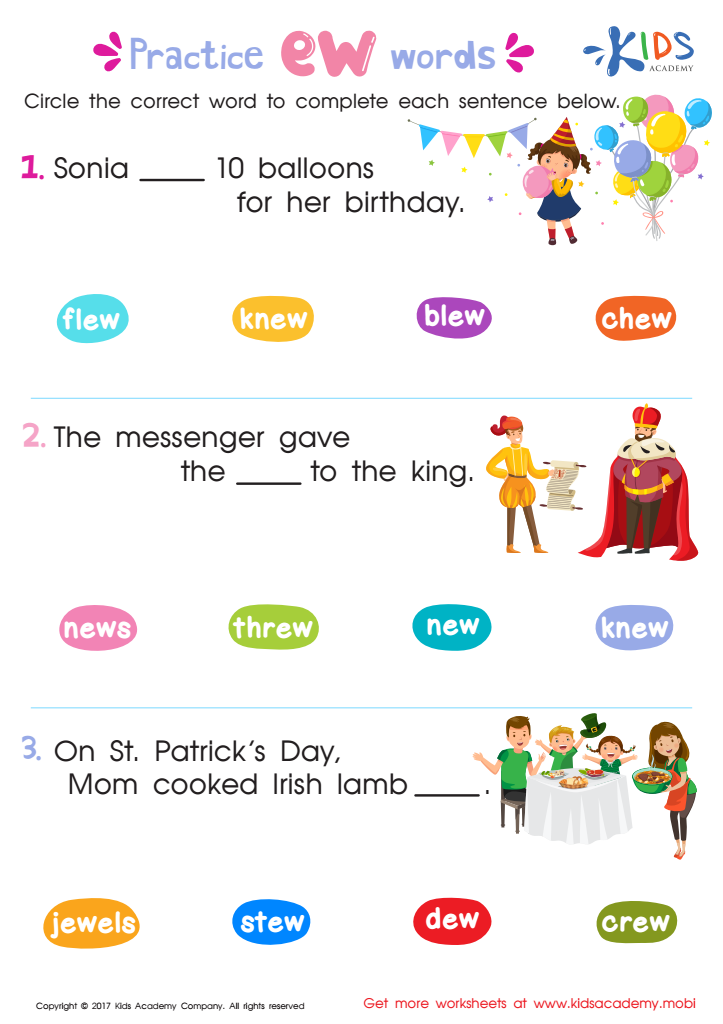
EW Words Worksheet
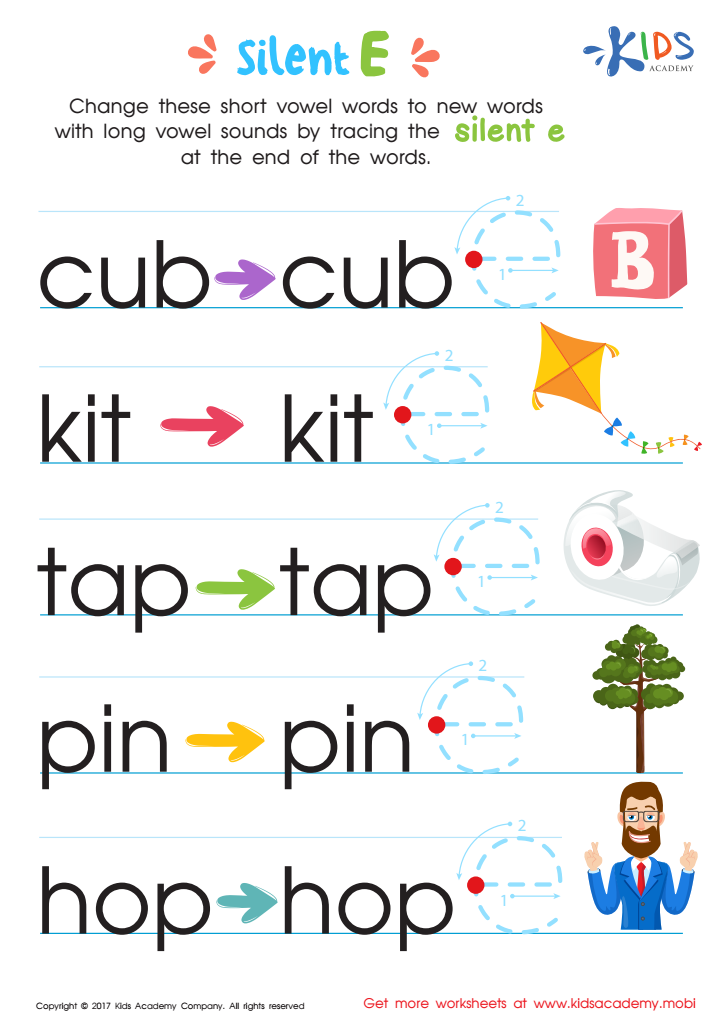
Silent E Words Worksheet
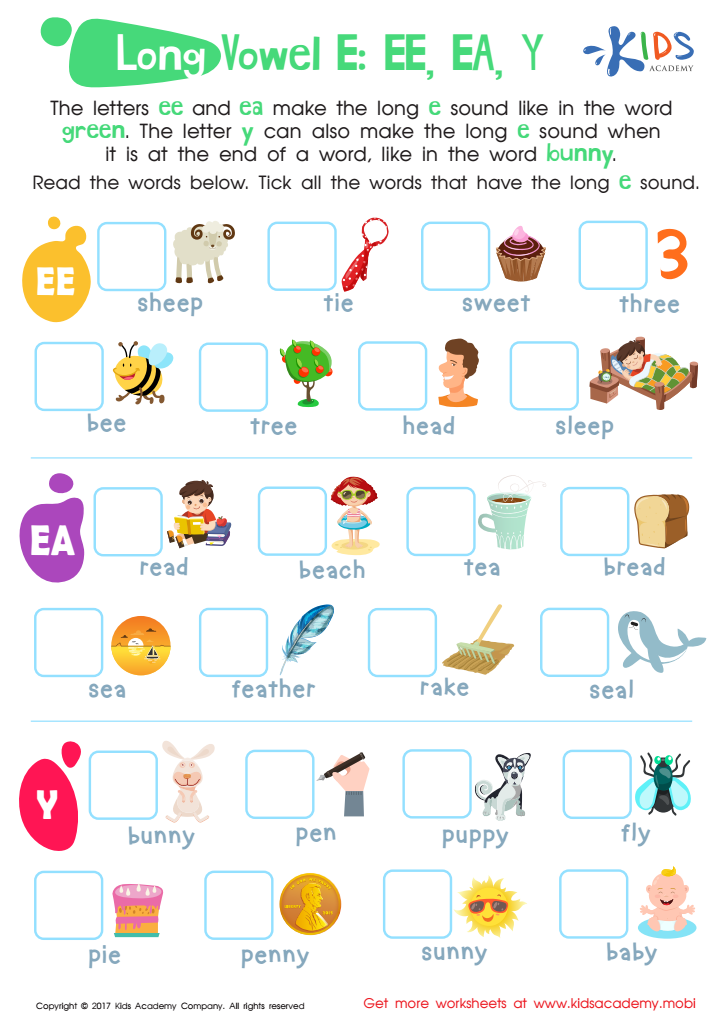
Long Vowel E Printable
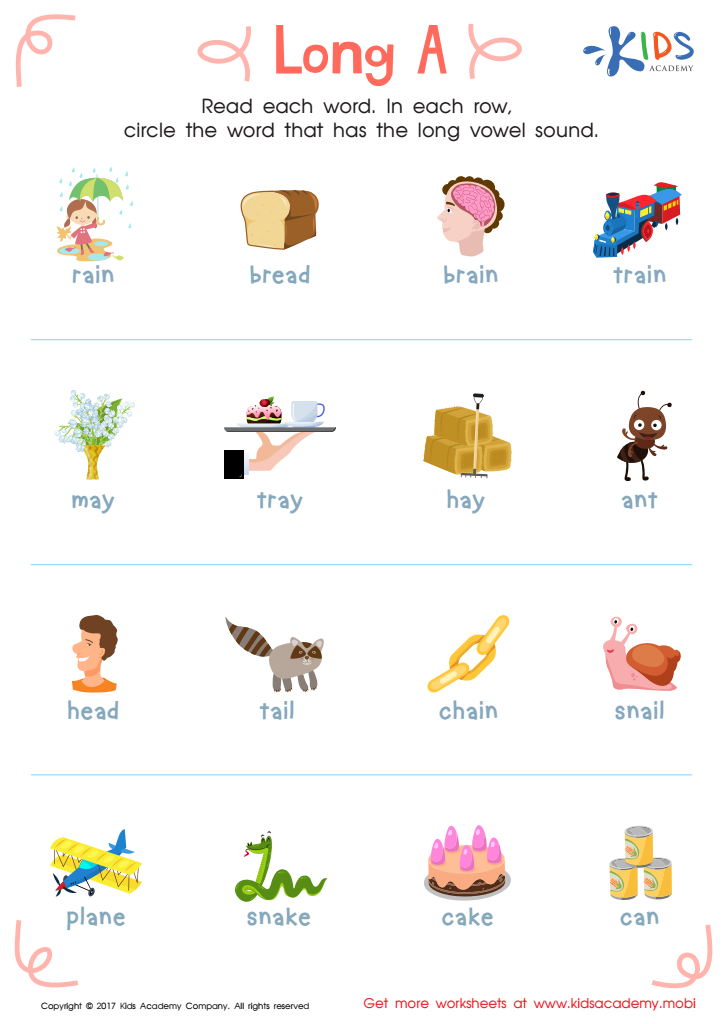
Long Vowel Sound E Worksheet





Normal vowels, or the proper understanding and pronunciation of vowels, are crucial for children aged 5-7 because they form the foundation of literacy. Vowels are present in nearly every word, acting as pivotal sounds that influence comprehension, pronunciation, and spelling. During this developmental stage, children transition from recognizing letters to forming words, sentences, and eventually expressing their thoughts in writing and speech. If they comprehend and correctly use vowels, it drastically enhances their ability to decode words, improving reading fluency and reducing frustration. Furthermore, strong vowel knowledge supports better phonemic awareness, which is the ability to hear, identify, and manipulate individual sounds in spoken words—a cornerstone of effective reading instruction.
For parents and teachers, paying close attention to vowel sounds means they can offer targeted support and practice, making learning to read smoother and more enjoyable. This foundational skill also impacts later academic success. Without mastering vowels, children might struggle with more complex linguistic tasks down the road, such as advanced reading, writing, and comprehension. Intervening early ensures that children not only achieve near-term educational milestones but also establish a robust basis for lifelong literacy and learning. Hence, understanding normal vowels is not just about letters and sounds—it’s about unlocking the joy and effectiveness of communication and learning.