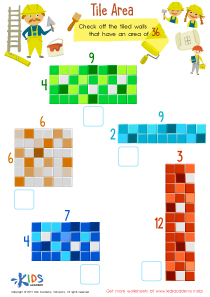
Normal Numbers Worksheets for Ages 5-7 - Page 3
193 filtered results
-
From - To
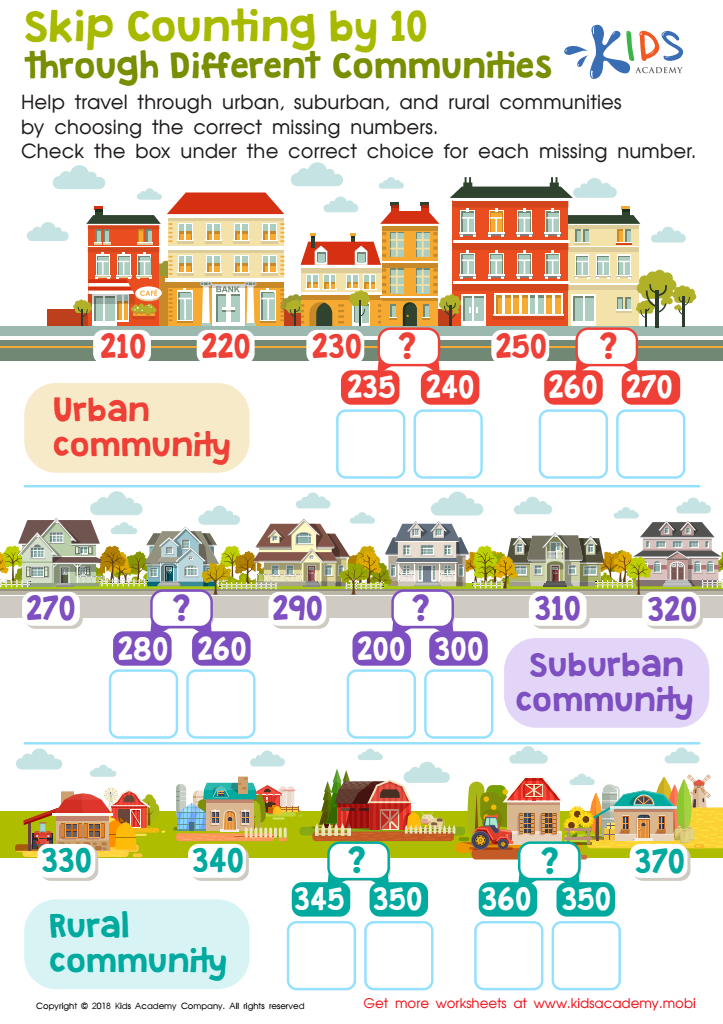
Skip Counting by 10 through Different Communities Worksheet
 Assign to My Students
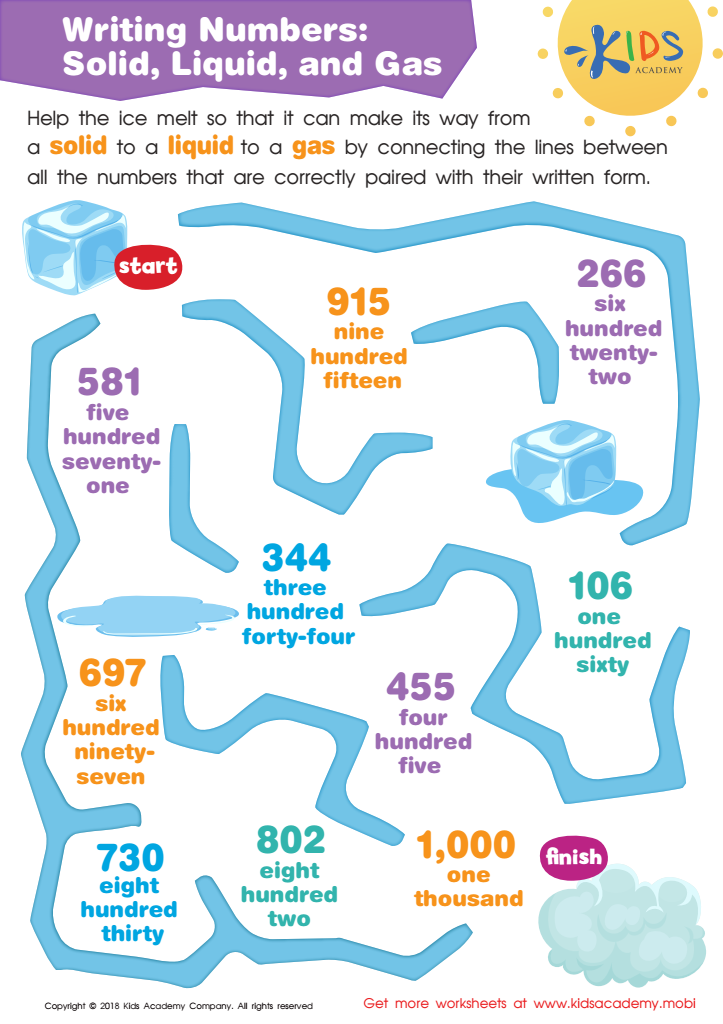
Solid, Liquid, and Gas Writing Numbers Worksheet
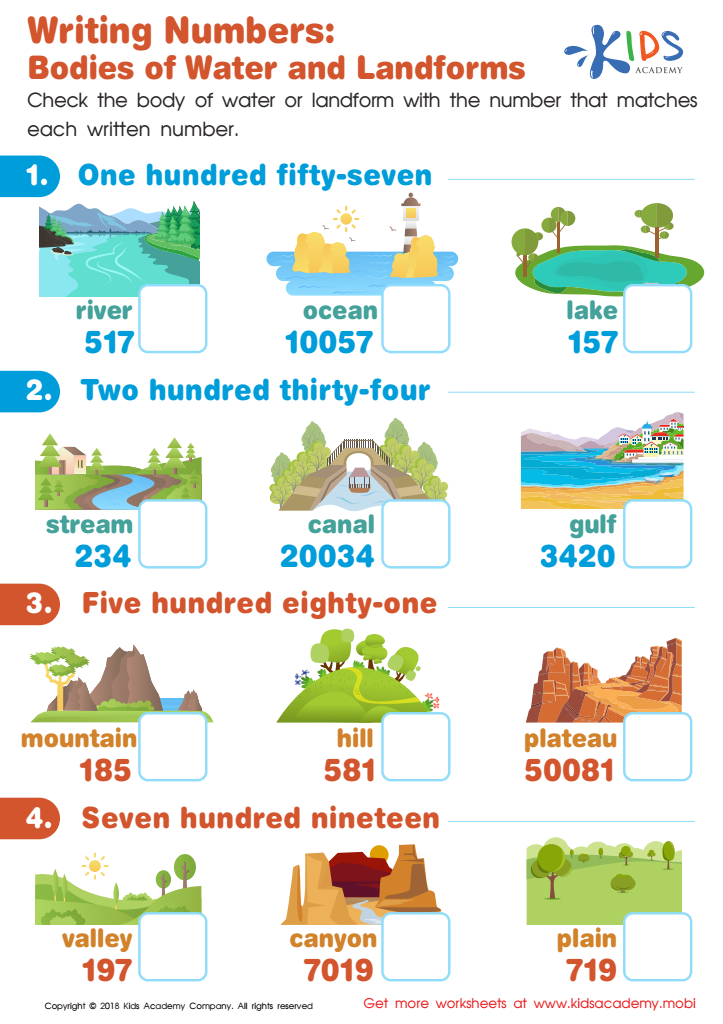
Bodies of Water and Landforms Writing Numbers Worksheet
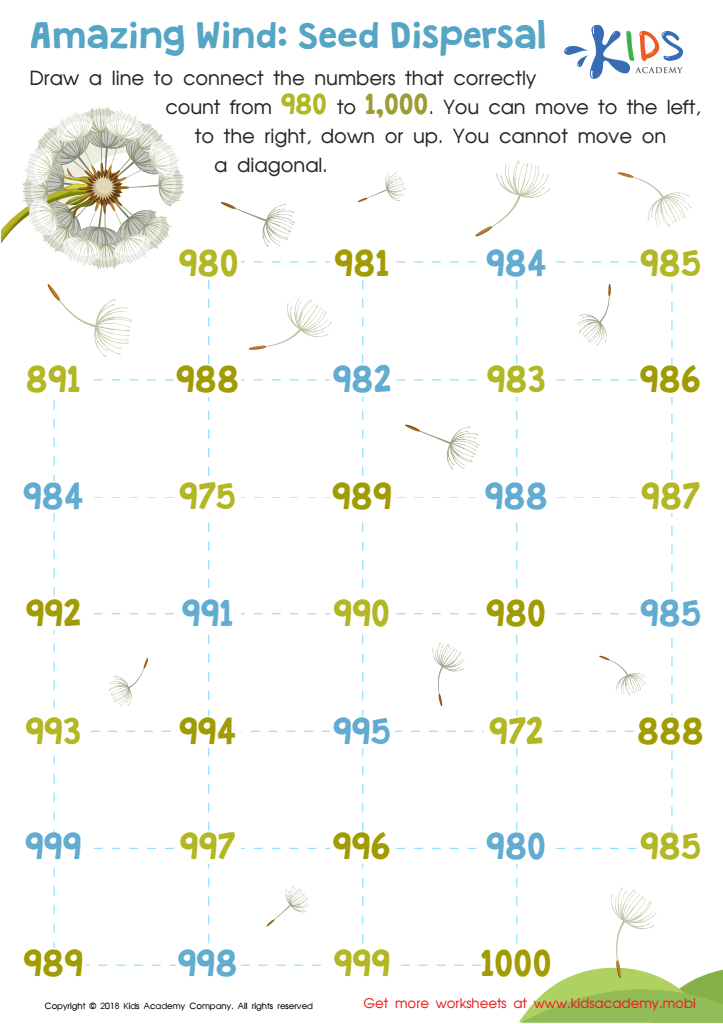
Amazing Wind: Seed Dispersal Worksheet
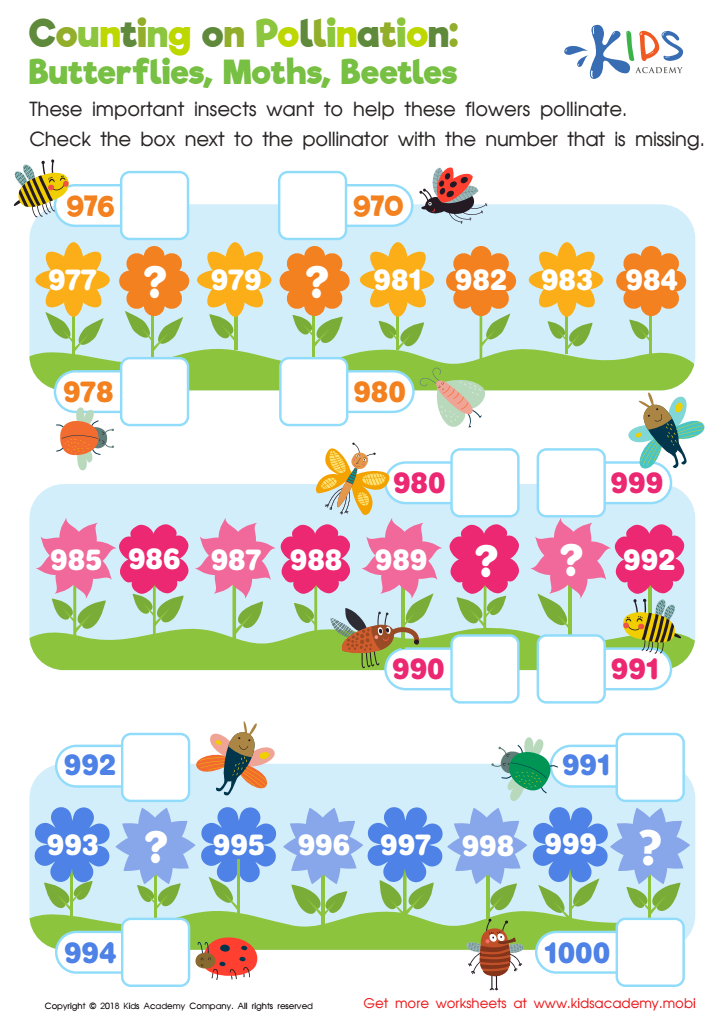
Counting on Pollination: Butterflies, Moths, Beetles Worksheet
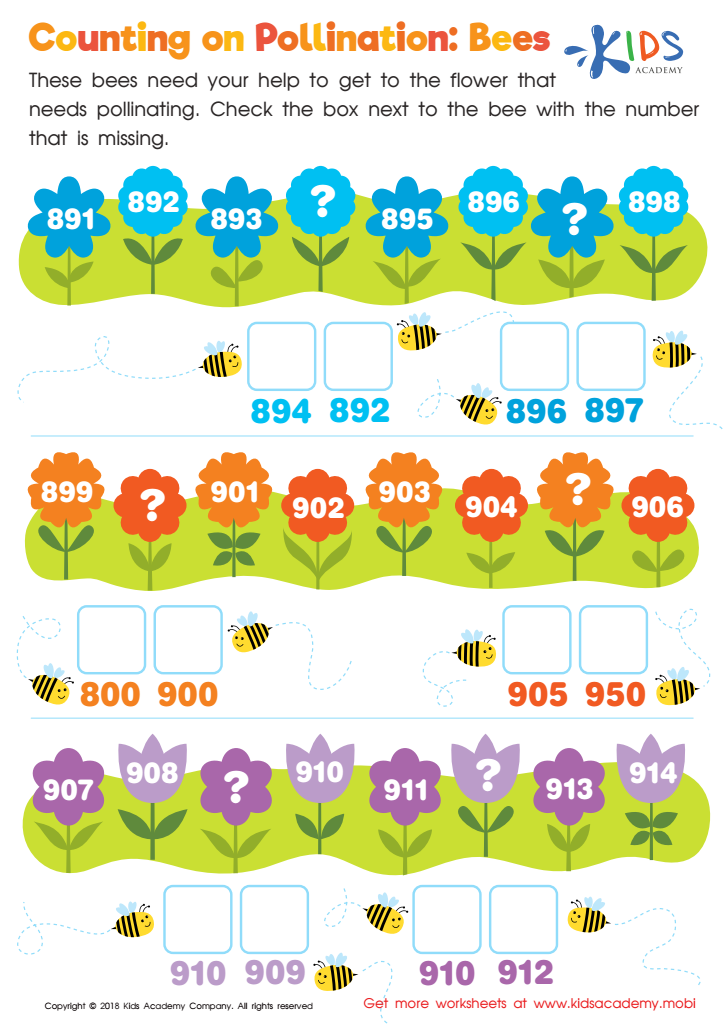
Counting on Pollination: Bees Worksheet
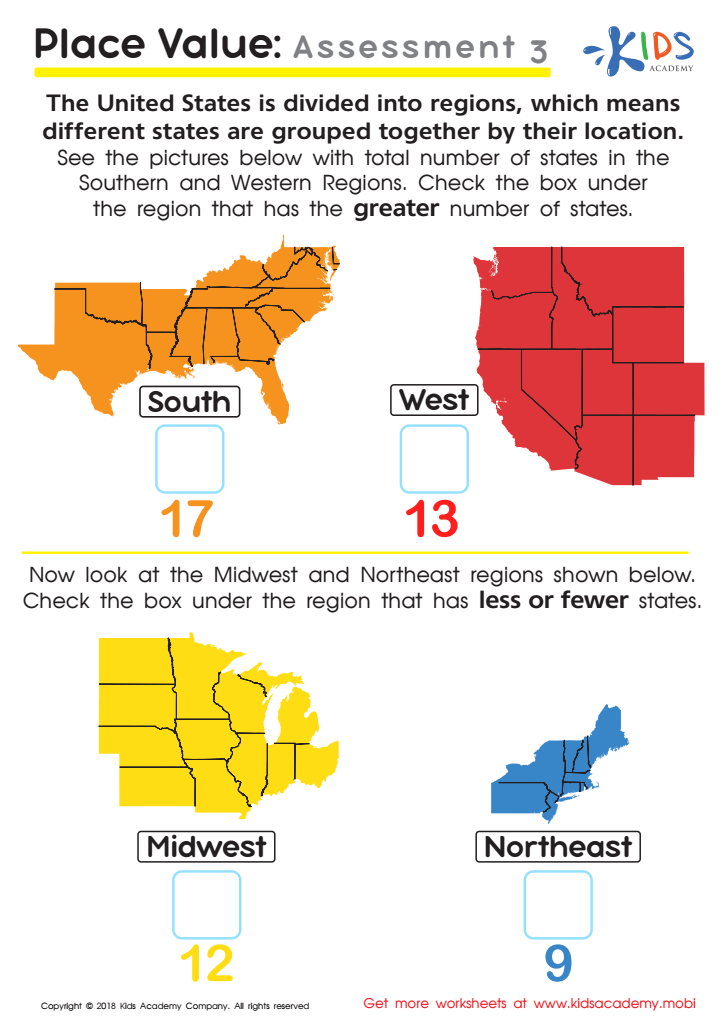
Place Value: Assessment 3 Worksheet
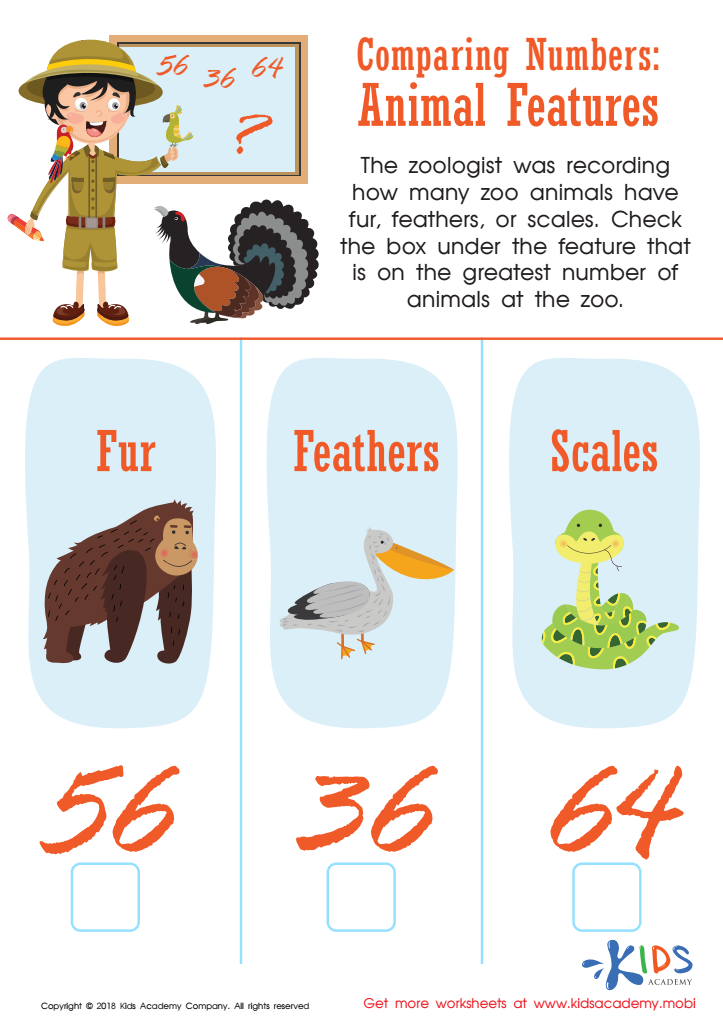
Animal Features Worksheet
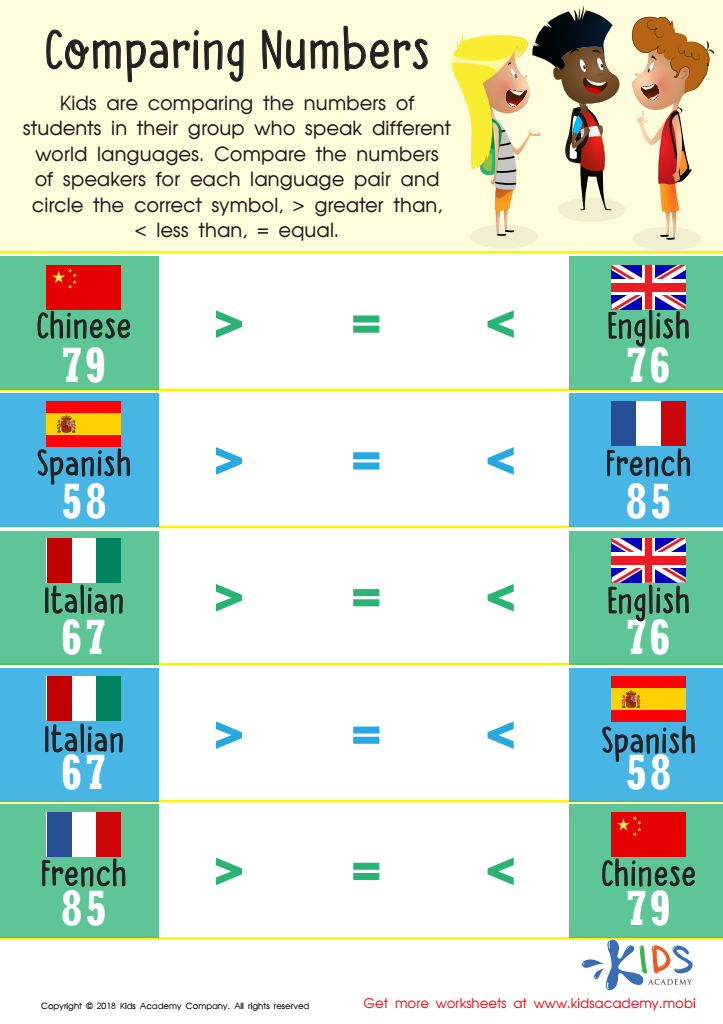
Comparing Numbers Worksheet for 1st Grade
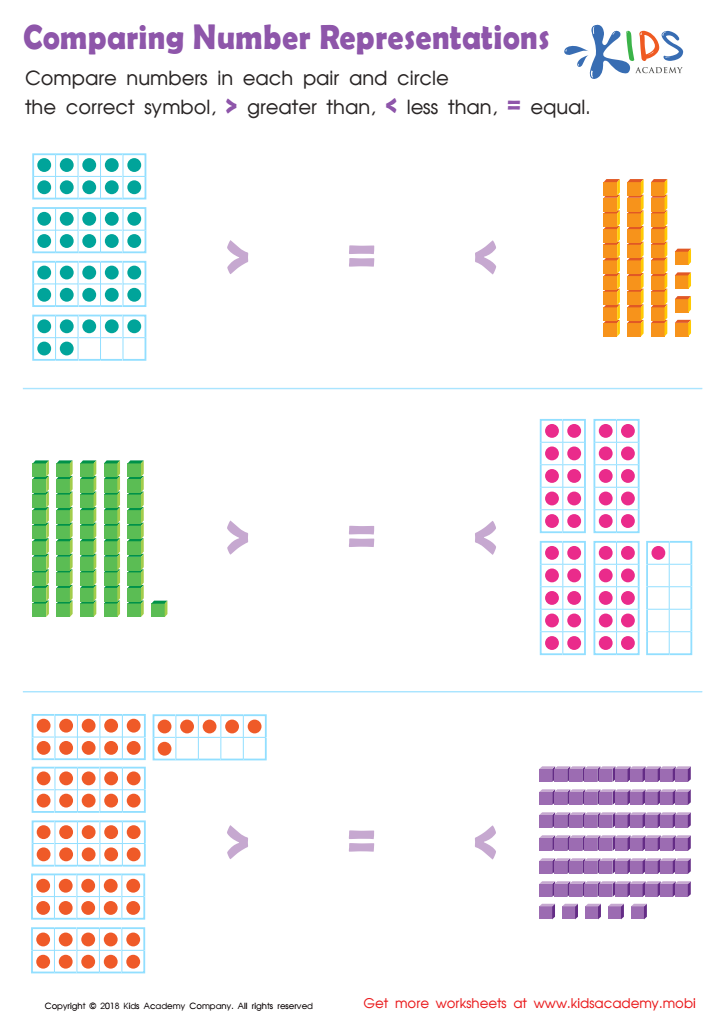
Comparing Number Representations Worksheet
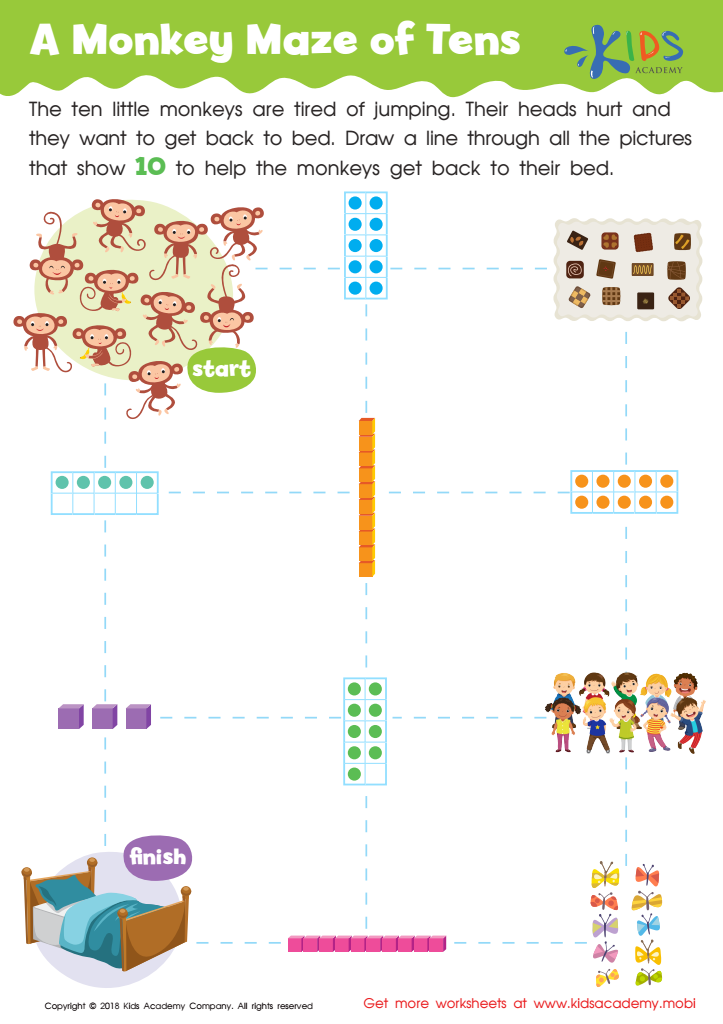
A Monkey Maze of Tens Worksheet
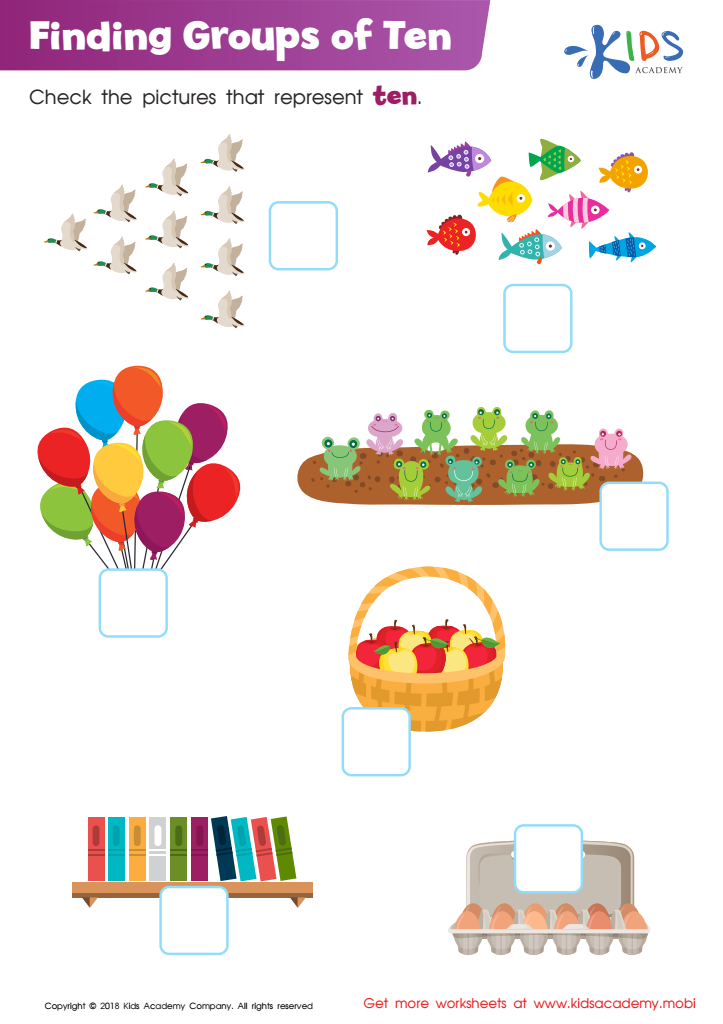
Finding Groups of Ten Worksheet
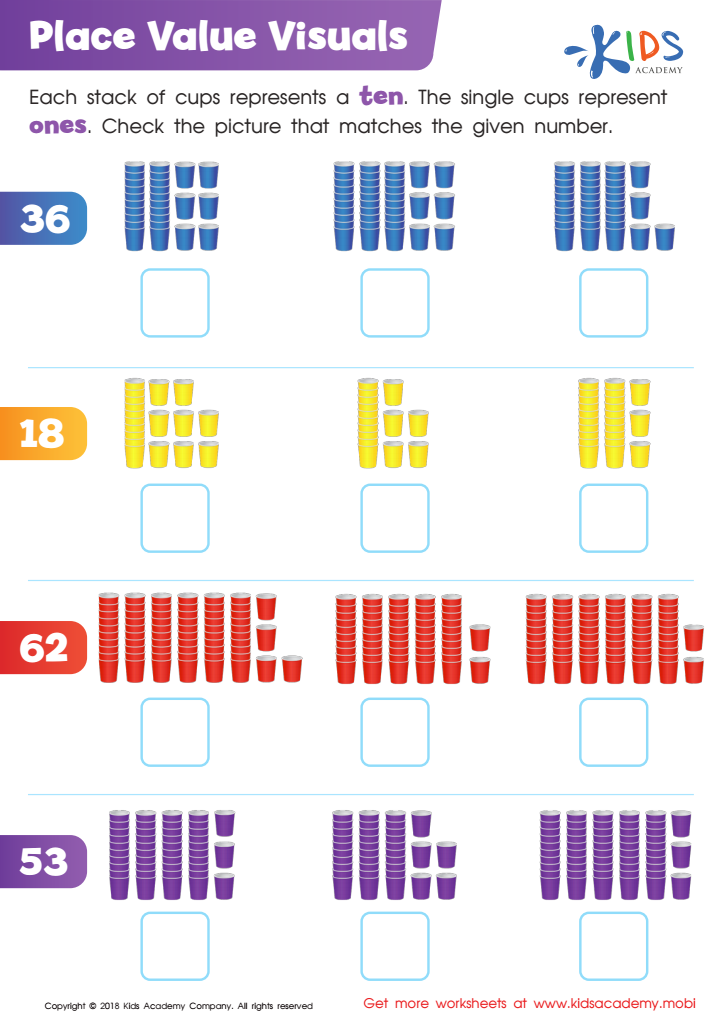
Place Value Visuals Worksheet
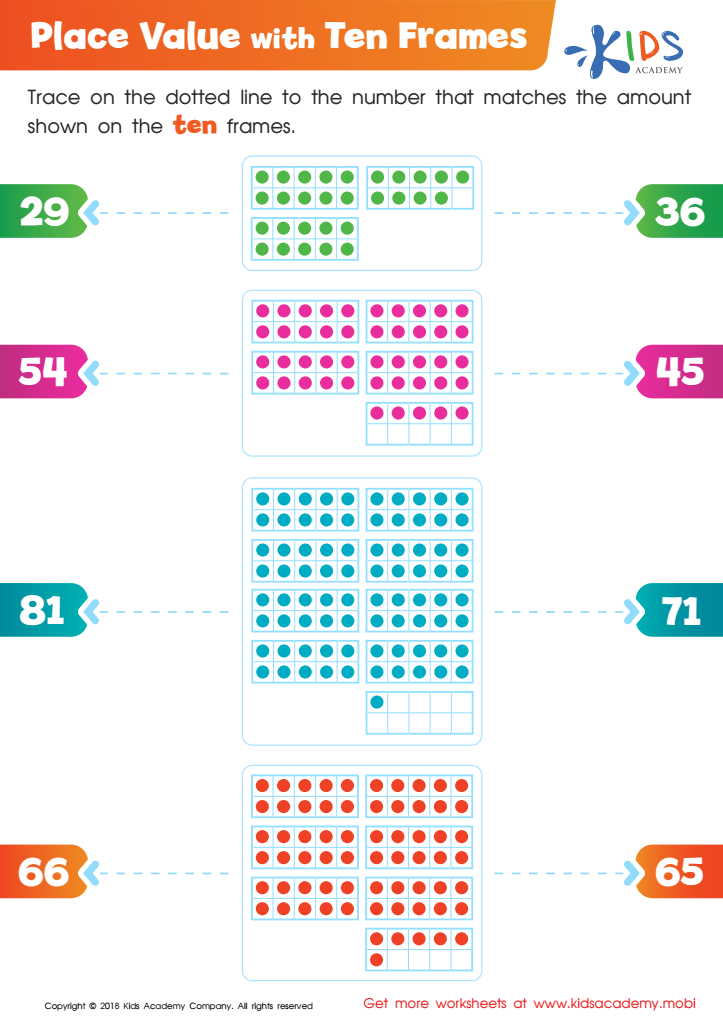
Place Values with Ten Frames Worksheet
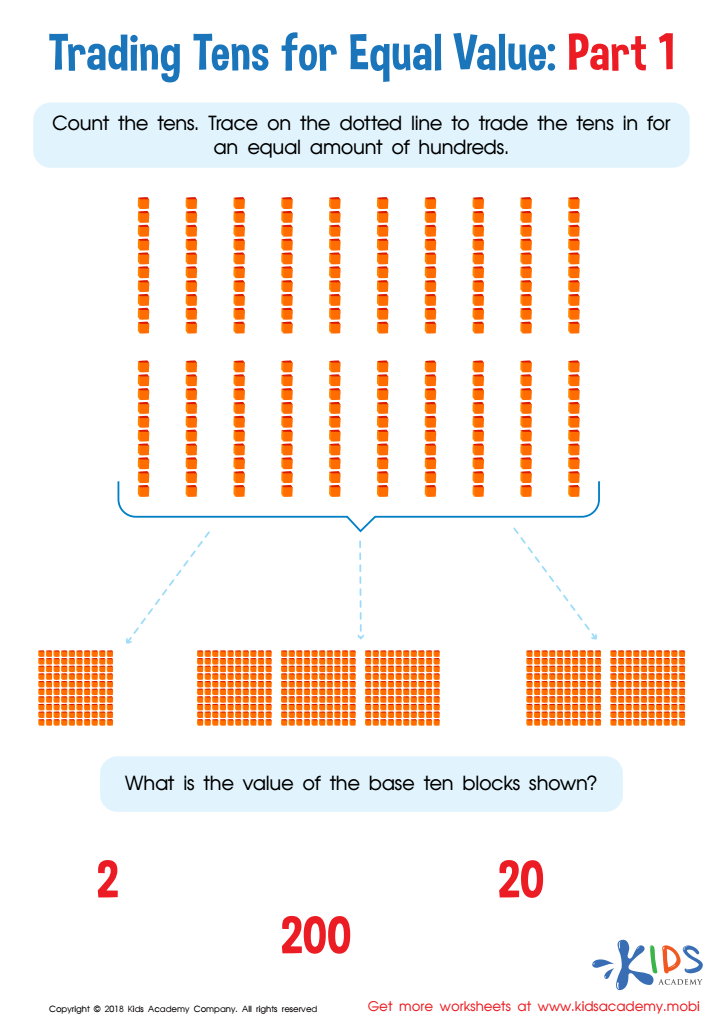
Trading Tens for Equal Value Worksheet: Part 1
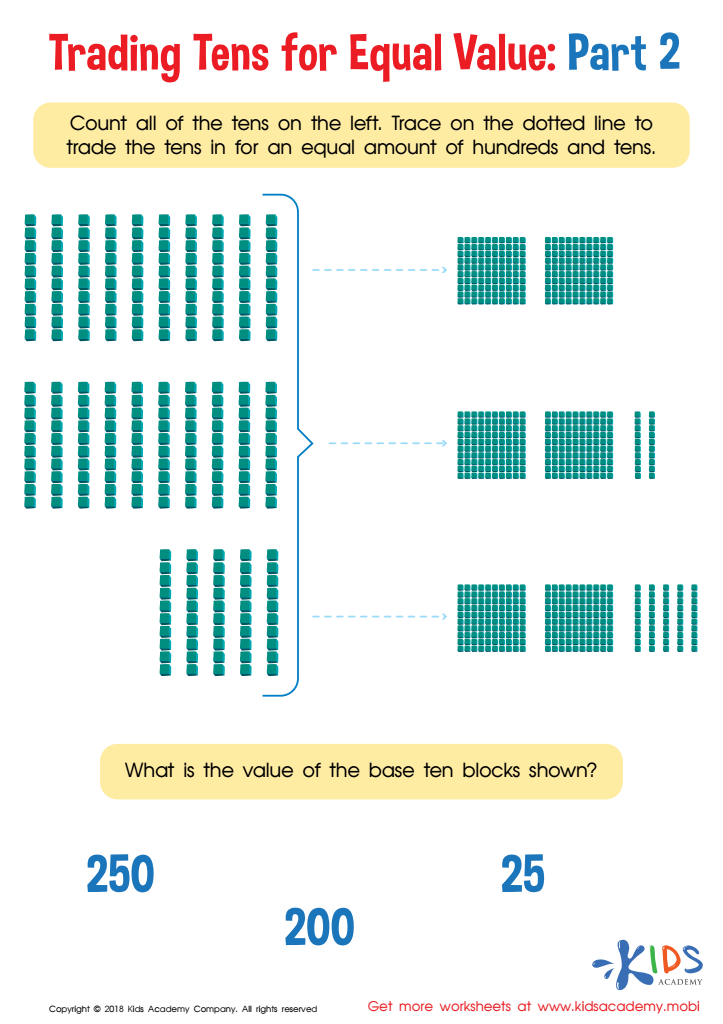
Trading Tens for Equal Value Worksheet: Part 2
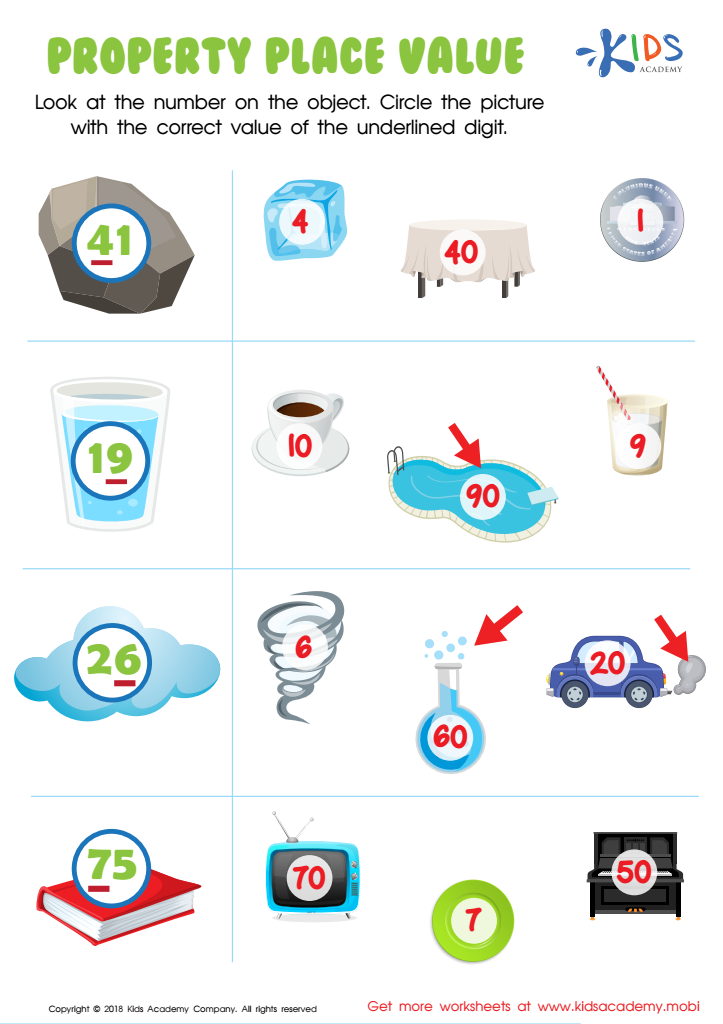
Property Place Value Worksheet
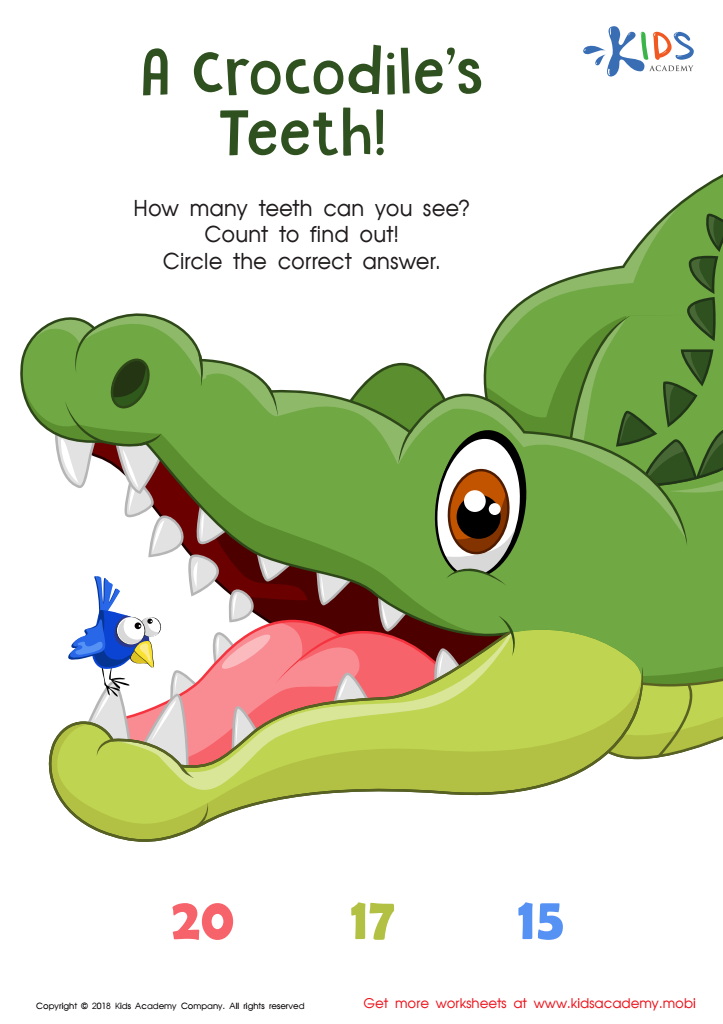
A Crocodile's Teeth Worksheet
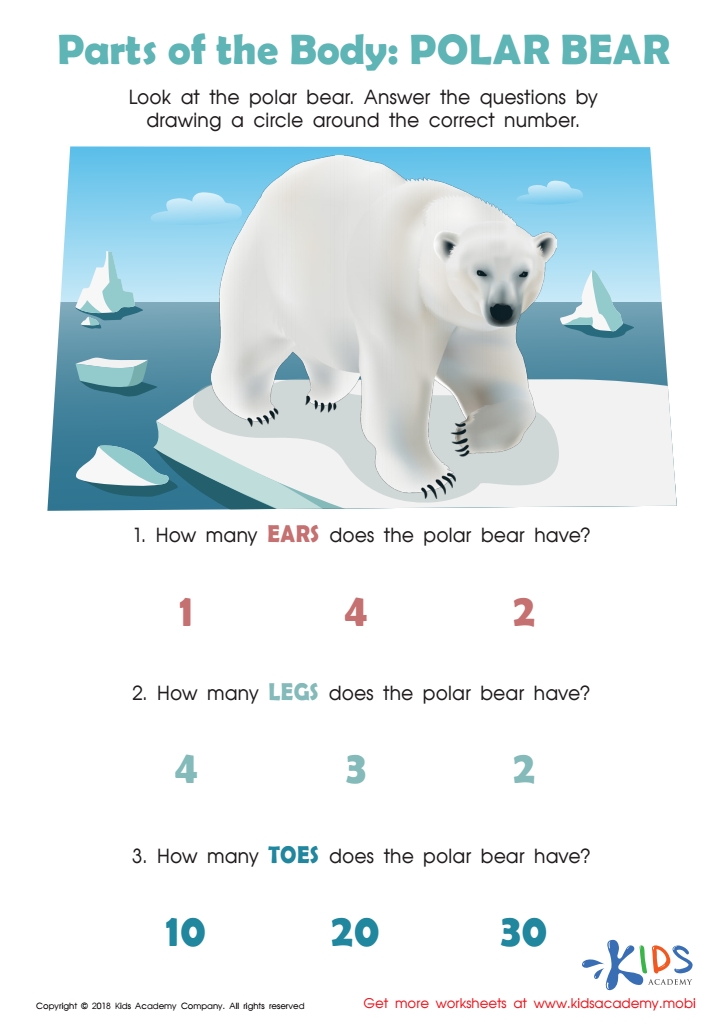
Parts of the Body: Polar Body Worksheet
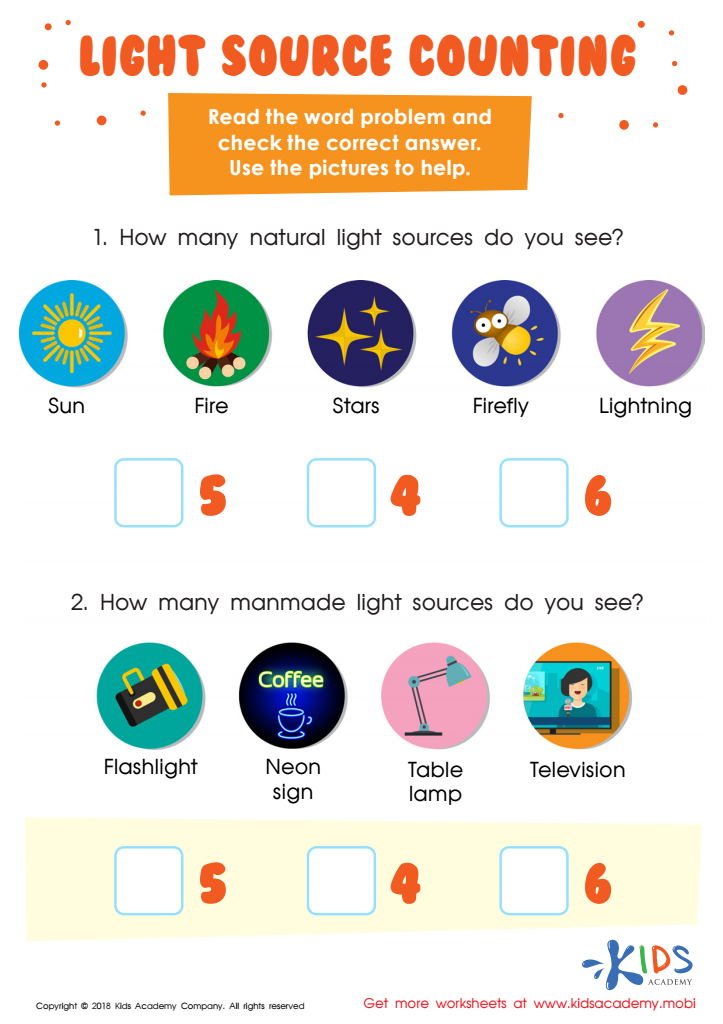
Light Source Counting Worksheet
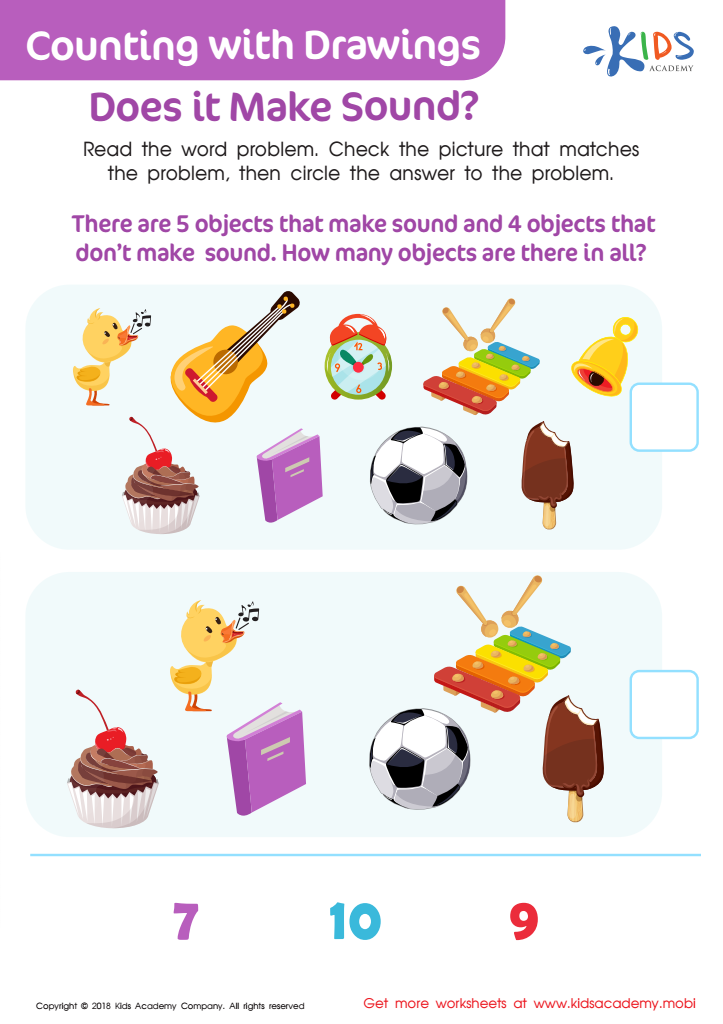
Counting With Drawings. Does It Make Sound? Worksheet
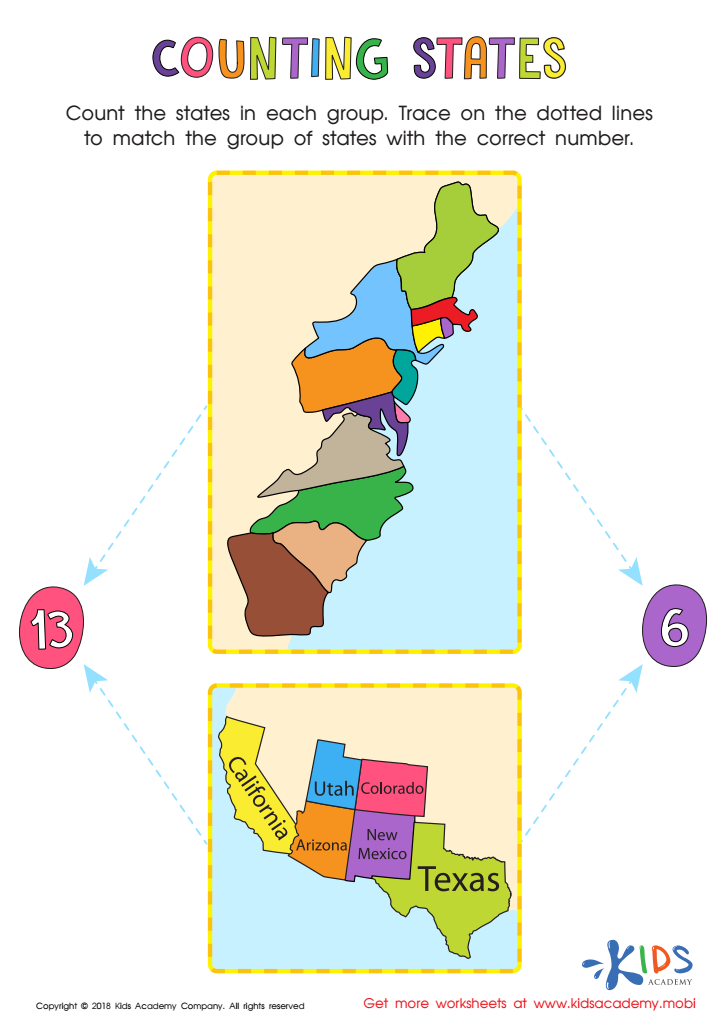
Counting States Worksheet
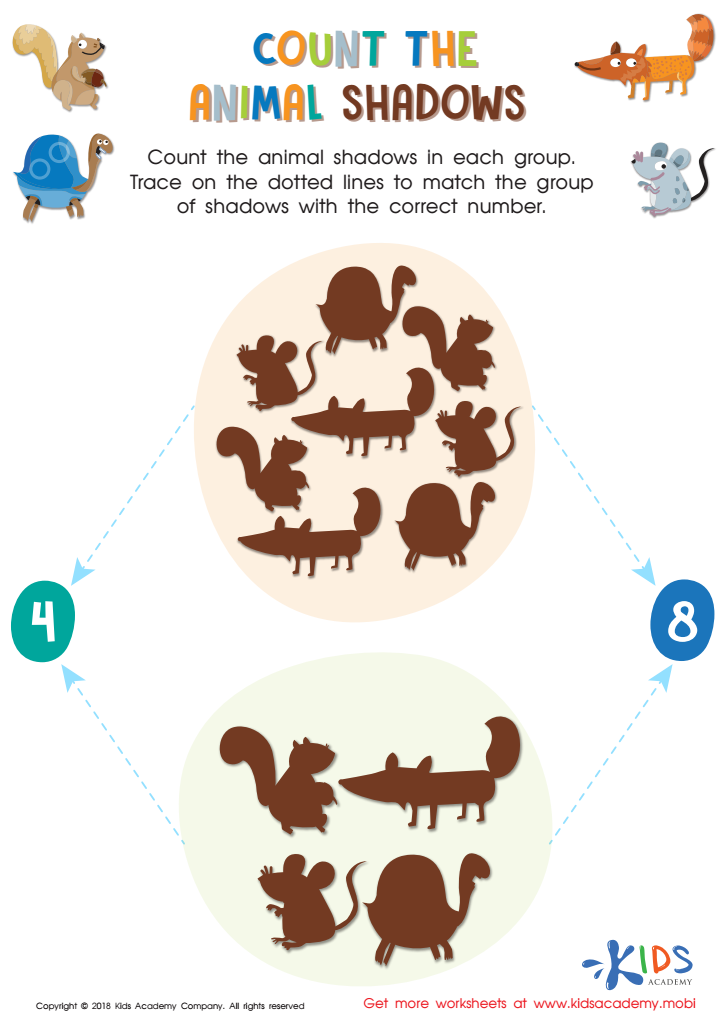
Count the Animal Shadows Worksheet
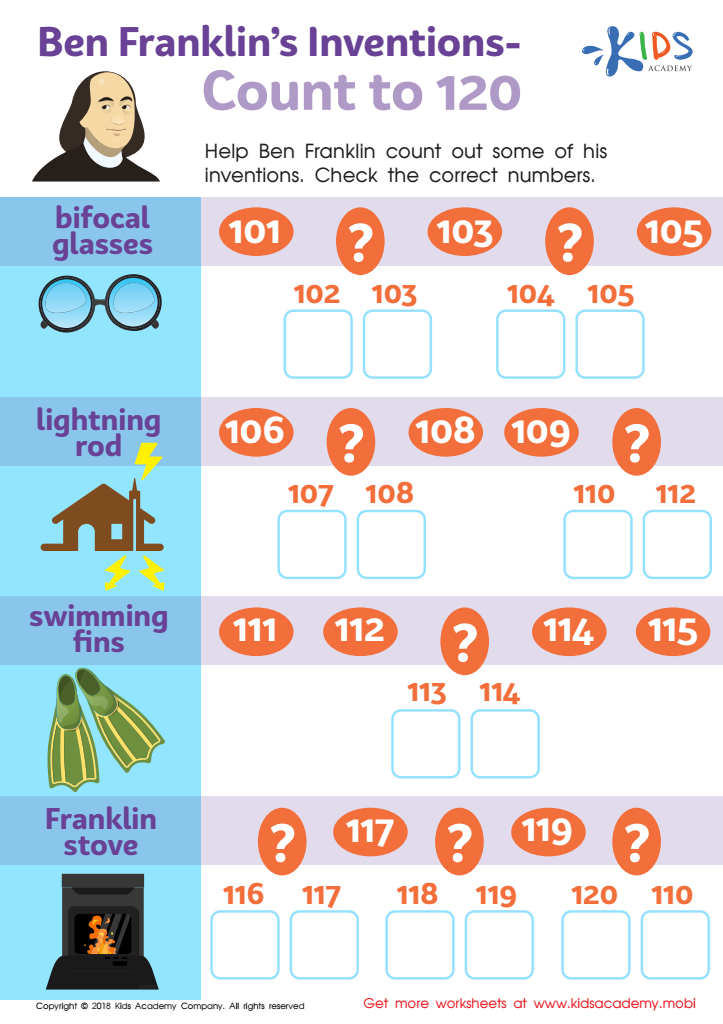
Ben Franklin’s Inventions – Count to 120 Worksheet







Normal numbers are an engaging way to introduce young learners, aged 5-7, to fundamental concepts of math, patterns, and probability. For parents and teachers, understanding and teaching normal numbers can enhance children's critical thinking skills. These numbers, which help involve the digits of various bases evenly, lay the groundwork for more complex mathematical principles as children advance in their education.
Early exposure to normal numbers nurtures curiosity and helps children grasp foundational statistical concepts, such as randomness and fairness. When children explore the distribution of digits in normal numbers, they learn to recognize patterns and trends. This exploration not only reinforces basic arithmetic skills but also paves the way for discussions about fairness, equal representation, and probability—key concepts in math and science.
Moreover, engaging with math through activities related to normal numbers can make learning fun and interactive. By using games, manipulatives, or visual aids, educators can create a supportive environment that encourages exploration. For parents, understanding these concepts can facilitate meaningful conversations at home, assisting children's reconciliation with math beyond the classroom. Ultimately, caring about normal numbers equips children with essential skills for their future academic journeys.