Normal Plants and Animals Worksheets for Ages 5-7 - Page 2
73 filtered results
-
From - To
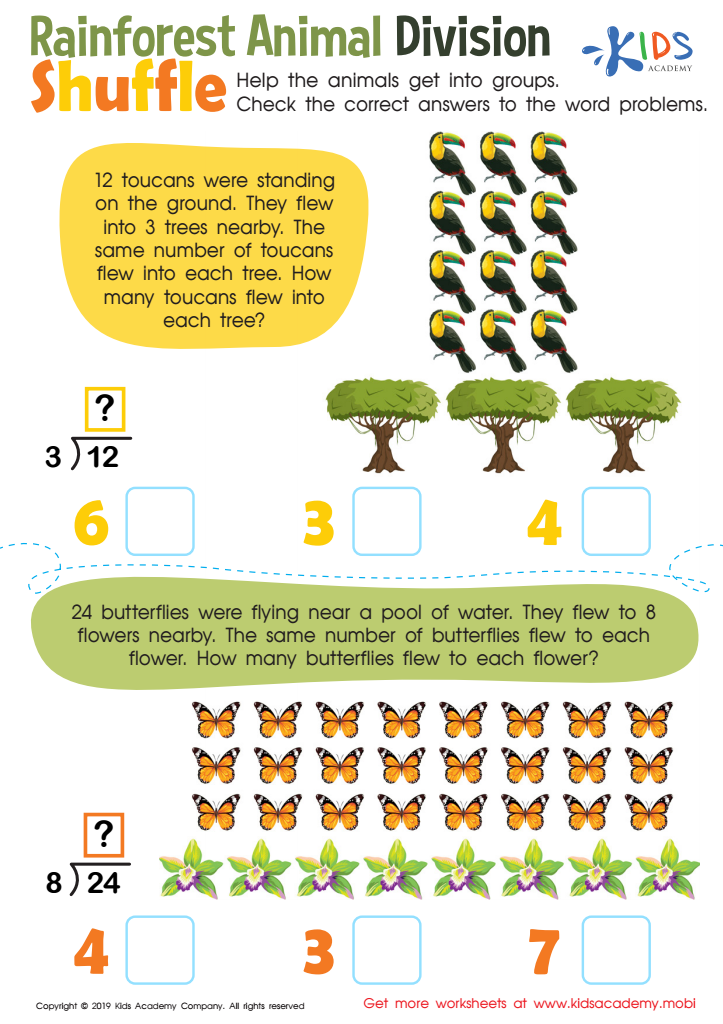
Rainforest Animal Division Worksheet
 Assign to My Students


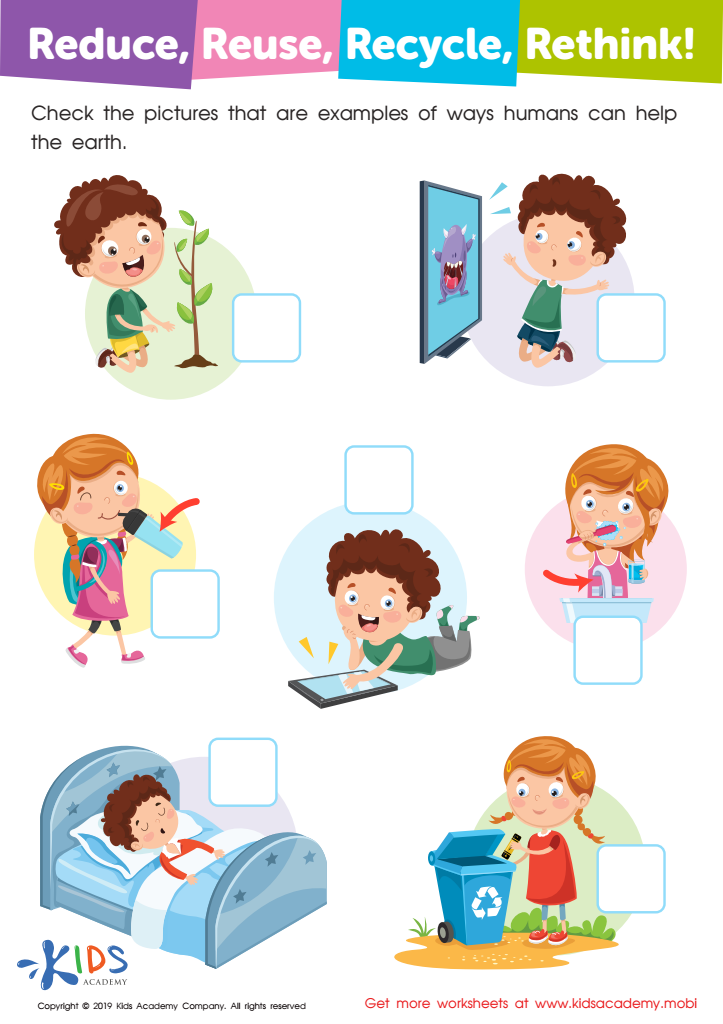
Reduce, Reuse, Recycle, Rethink Worksheet
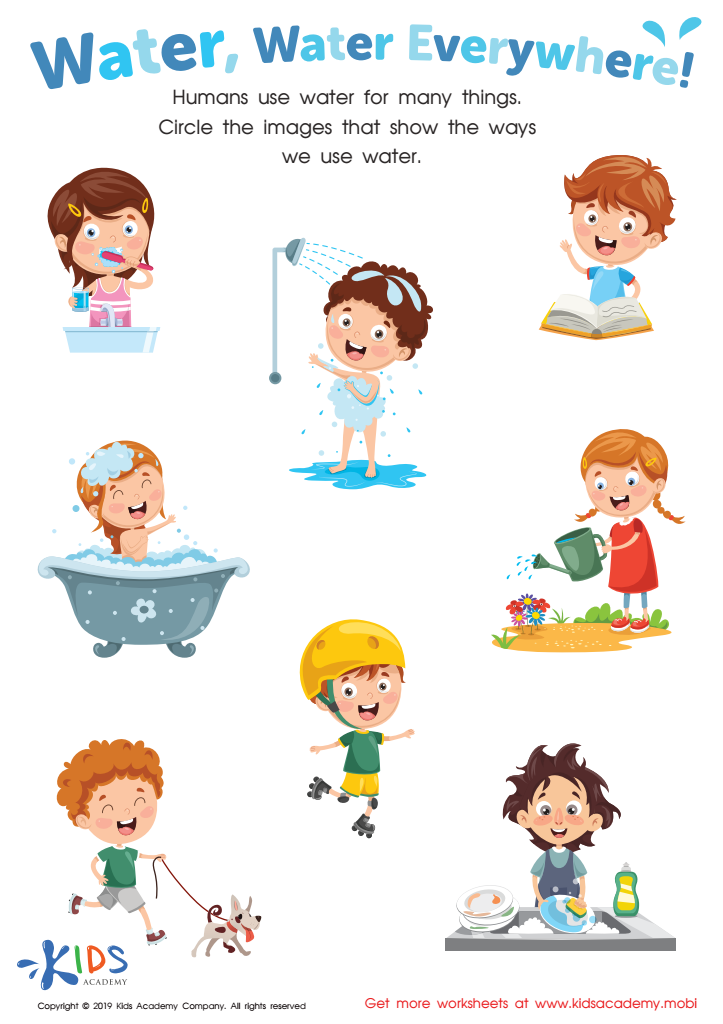
Water, Water Everywhere! Worksheet
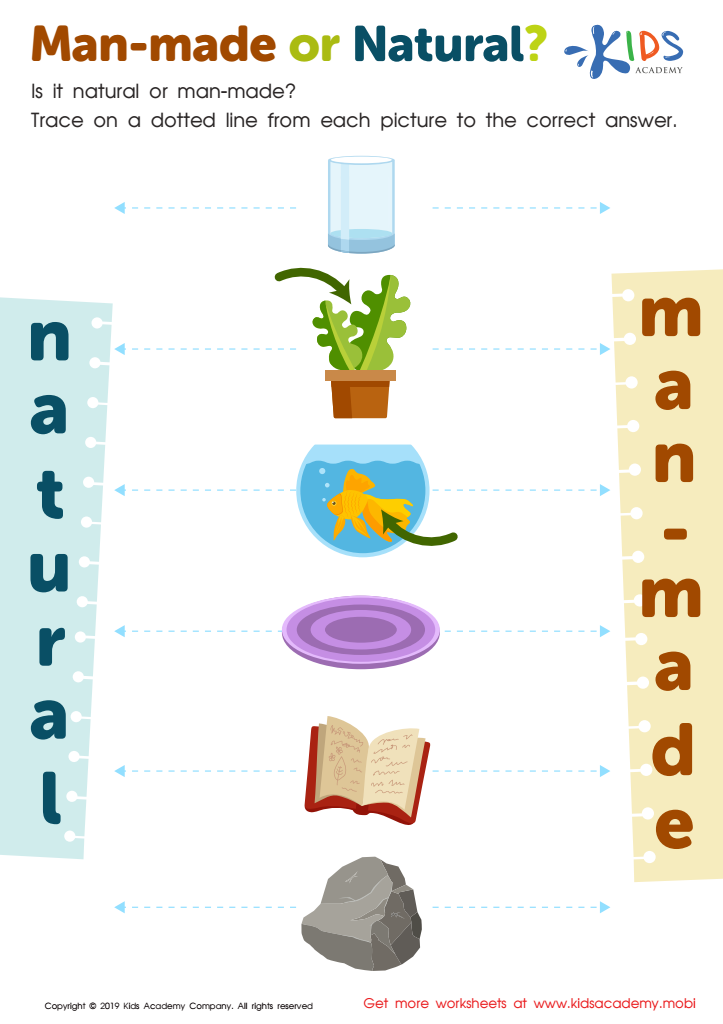
Man-Made or Natural? Worksheet
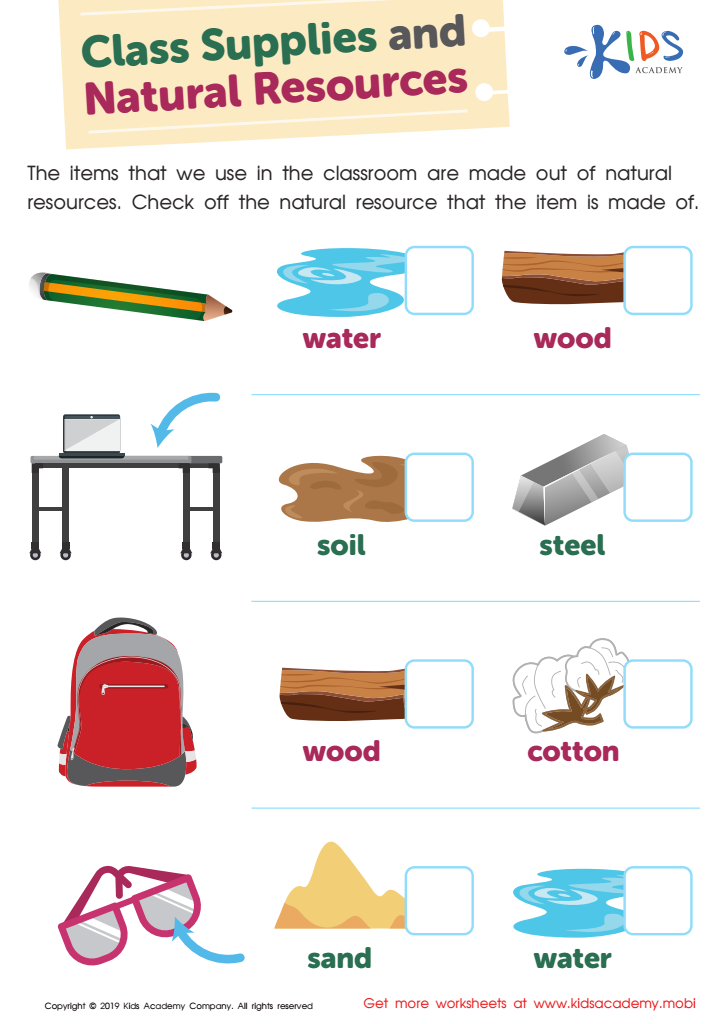
Class Supplies and Natural Resources Worksheet
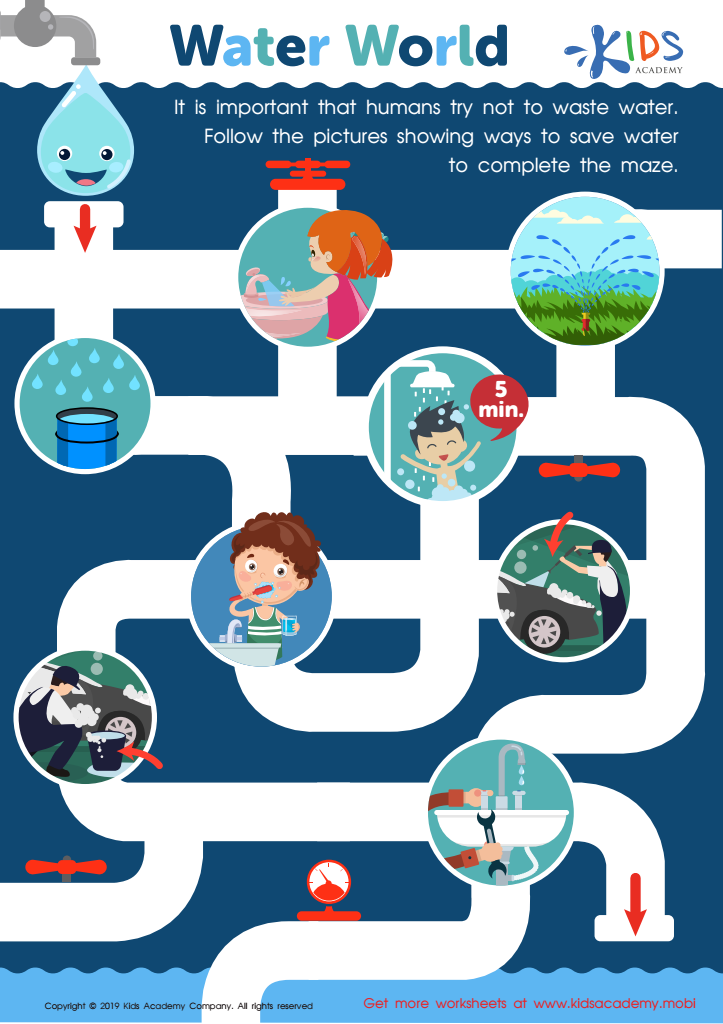
Water World Worksheet
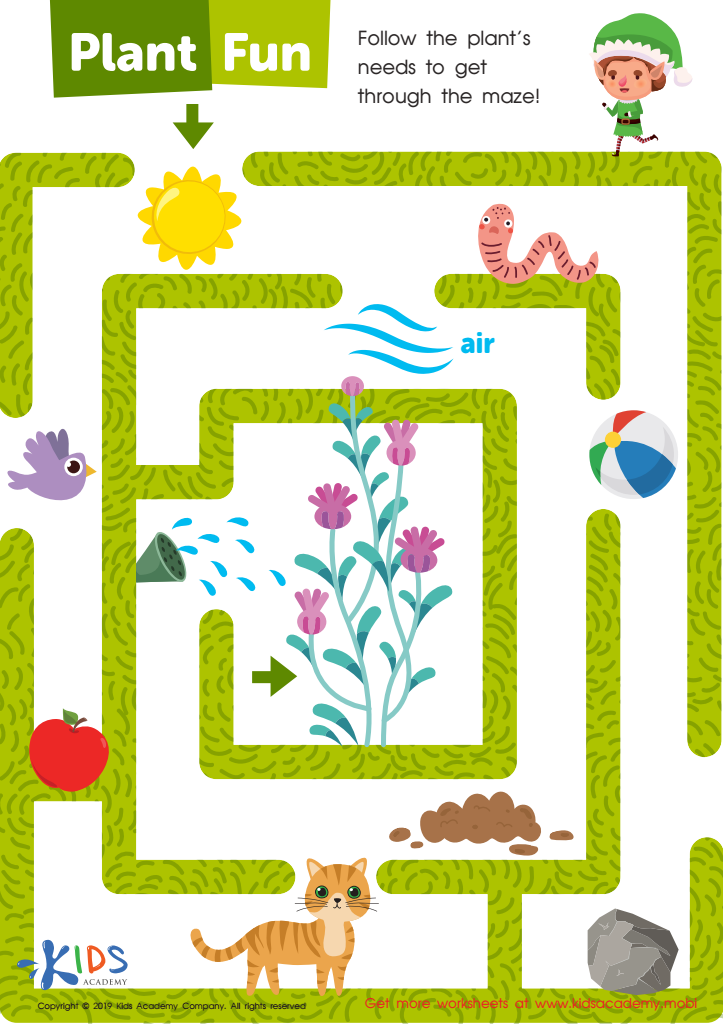
Plant Fun Worksheet
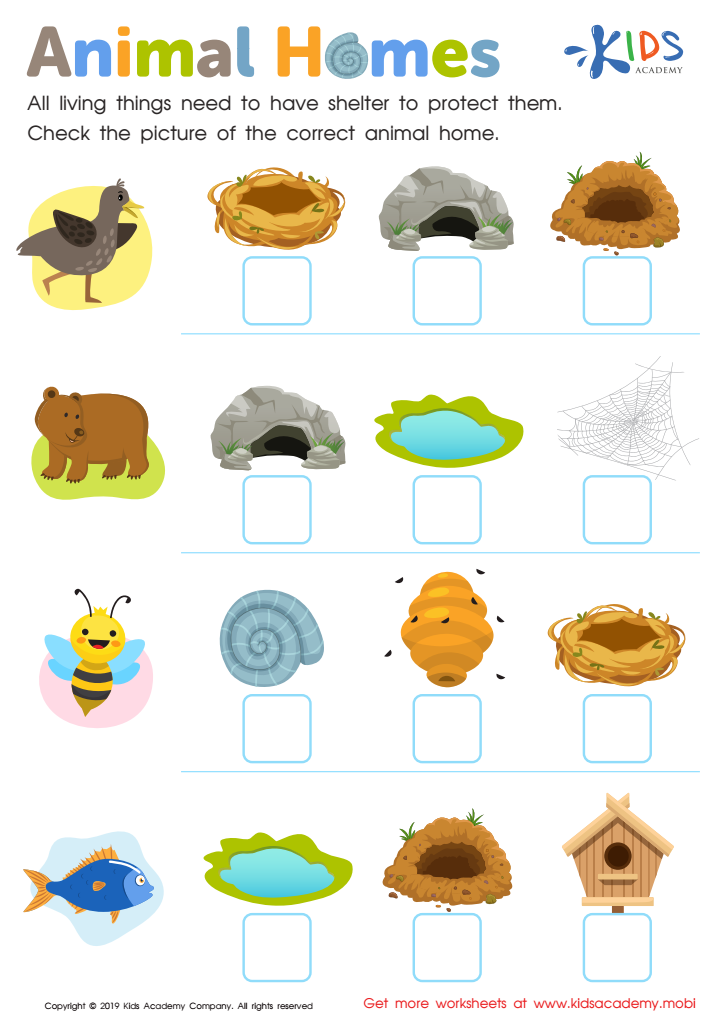
Animal Homes Worksheet
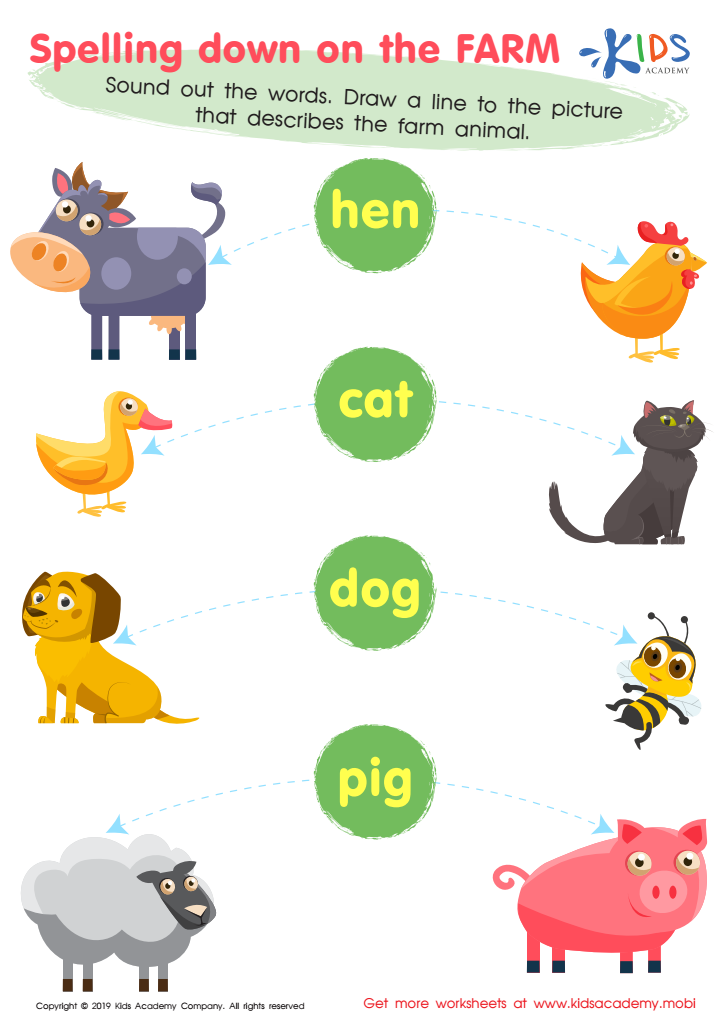
Spelling Down on the Farm Worksheet
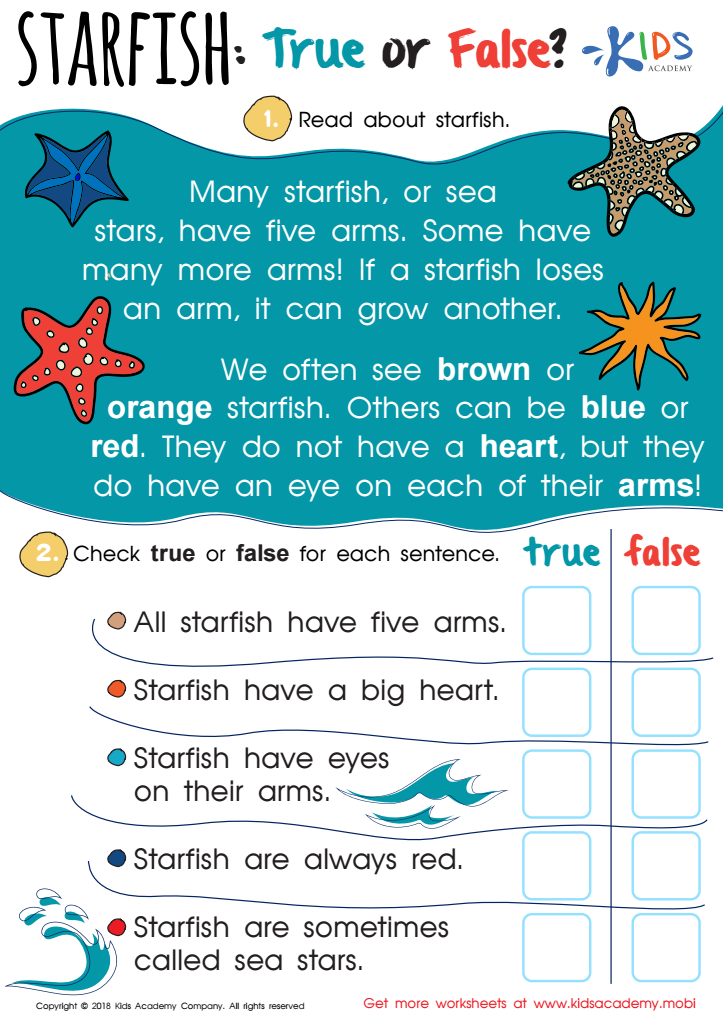
Starfish: True or False Worksheet
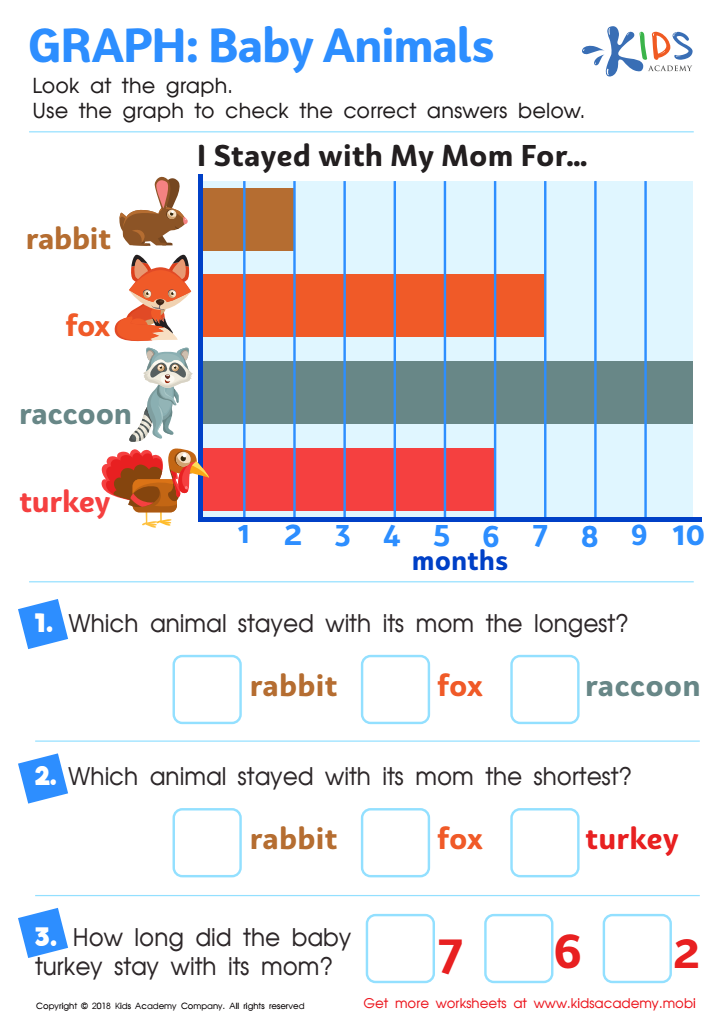
Graph: Baby Animals Worksheet
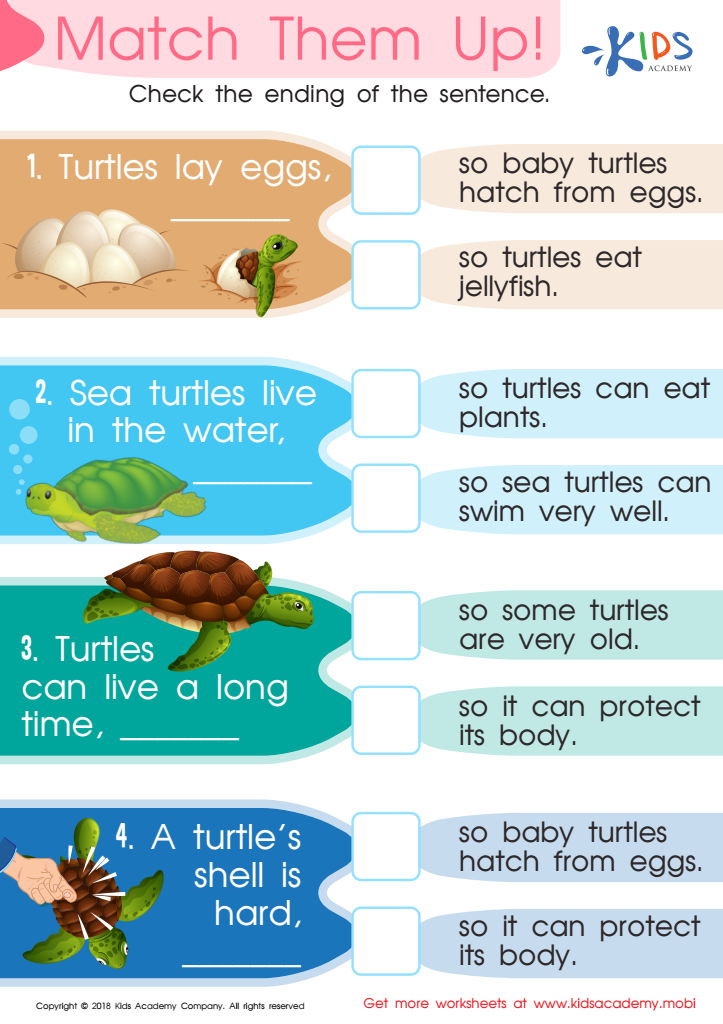
Match Them Up Worksheet
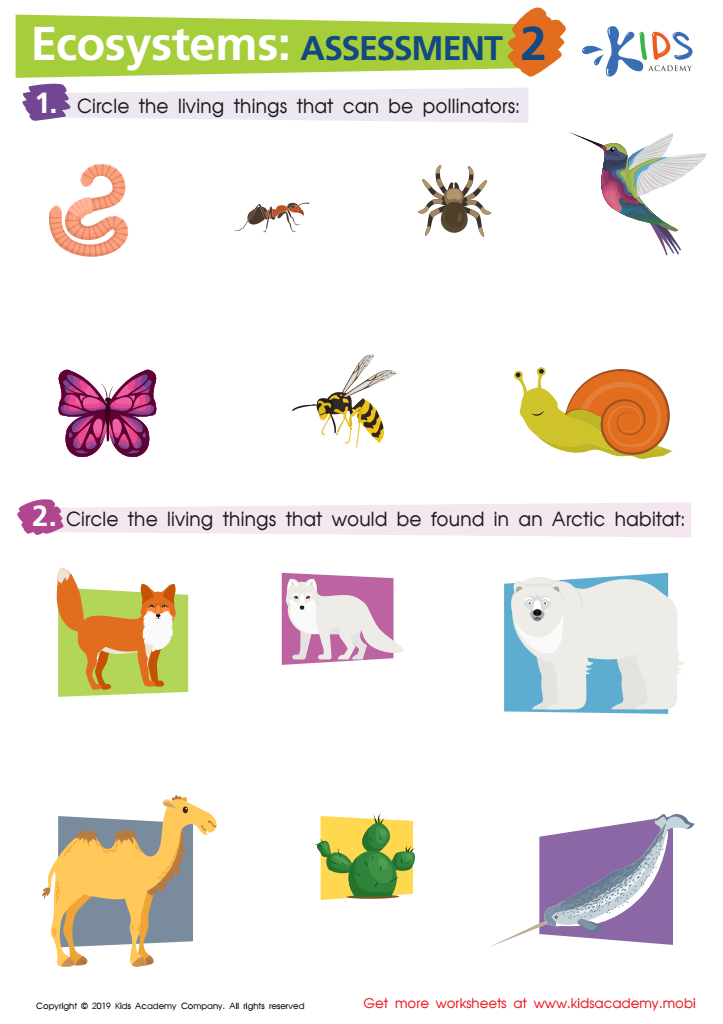
Ecosystems: Assessment 2 Worksheet
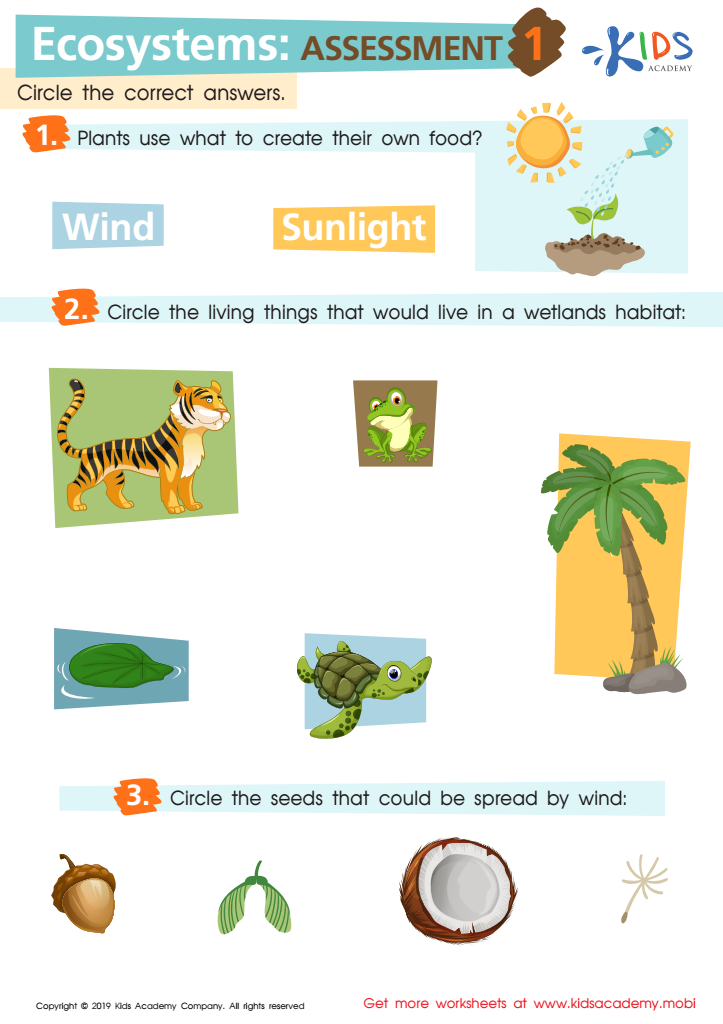
Ecosystems: Assessment 1 Worksheet
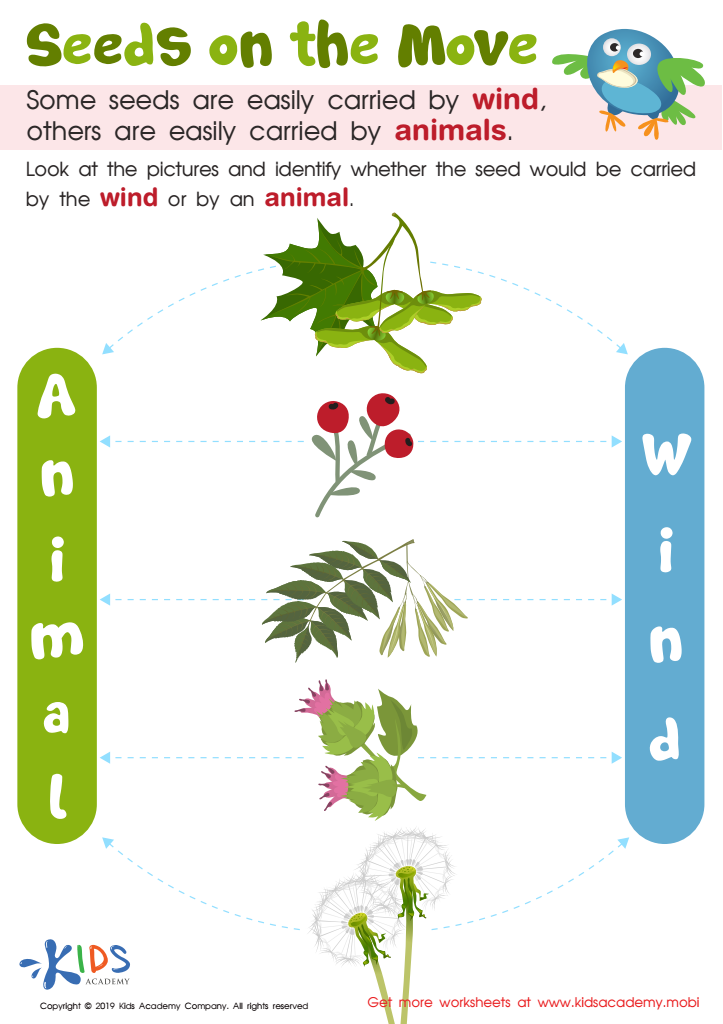
Seeds on the Move Worksheet
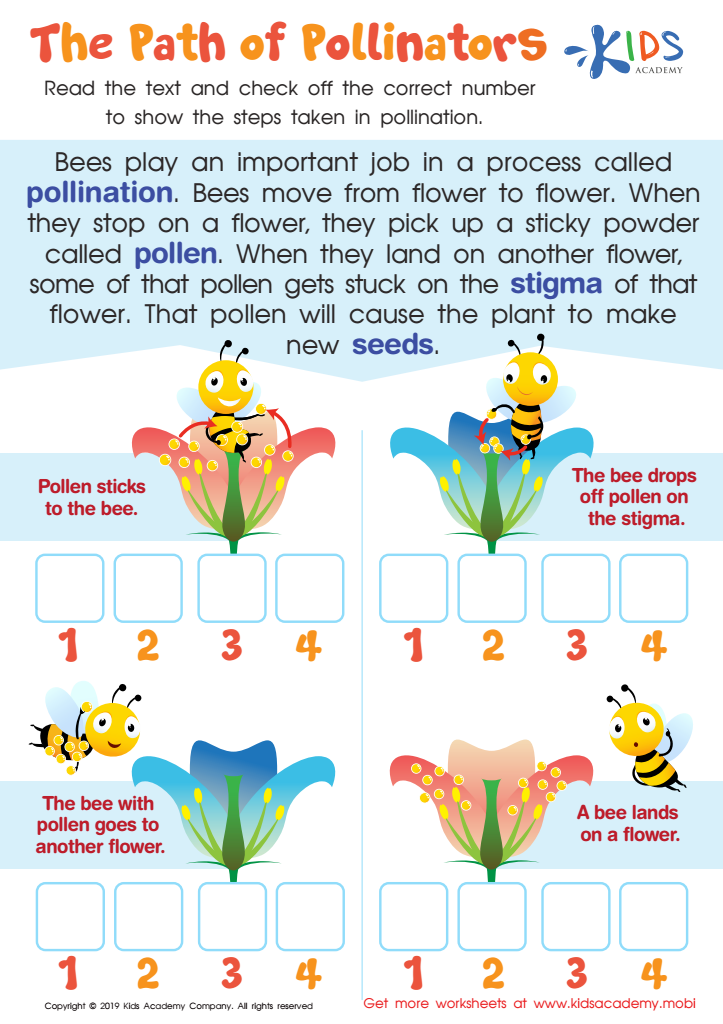
The Path of Pollinators Worksheet
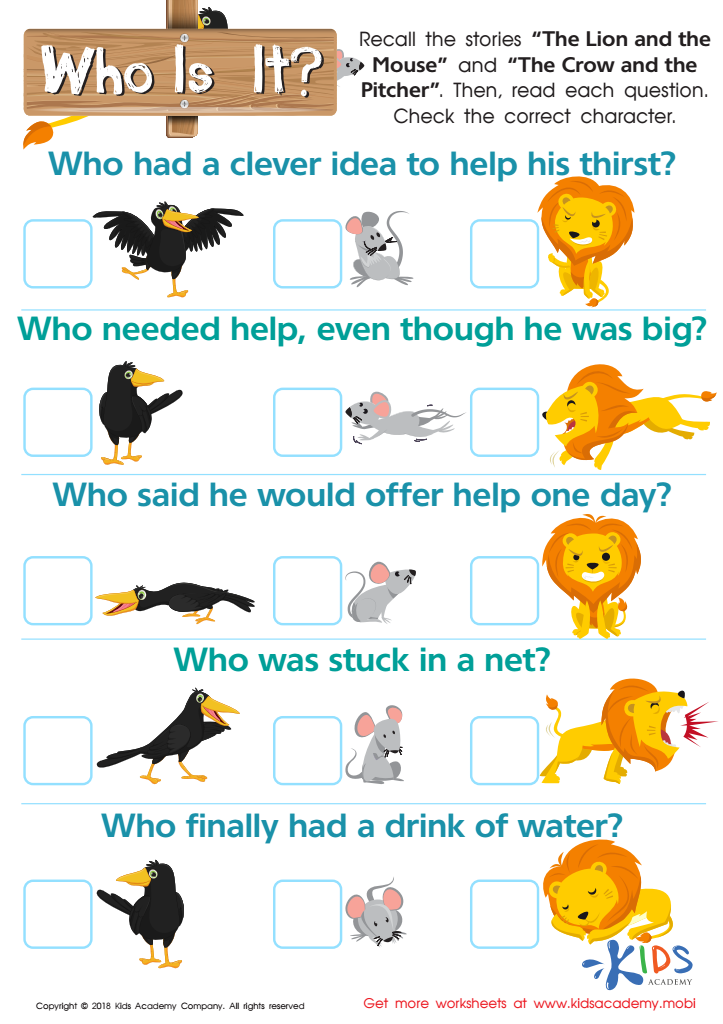
Who Is It? Worksheet
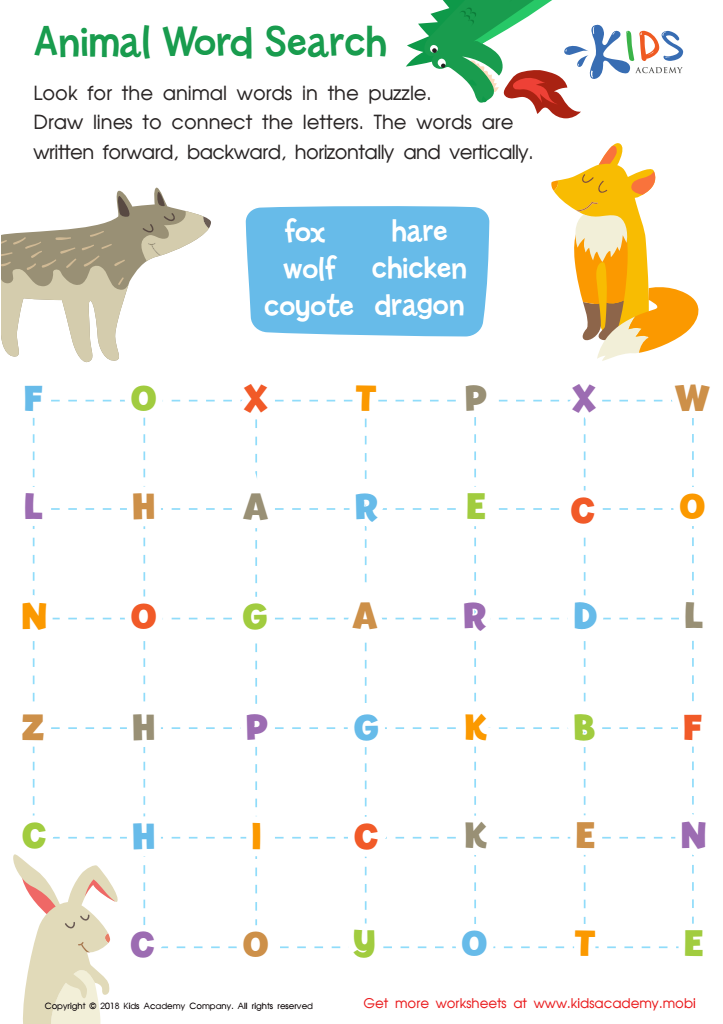
Animal Word Search Worksheet
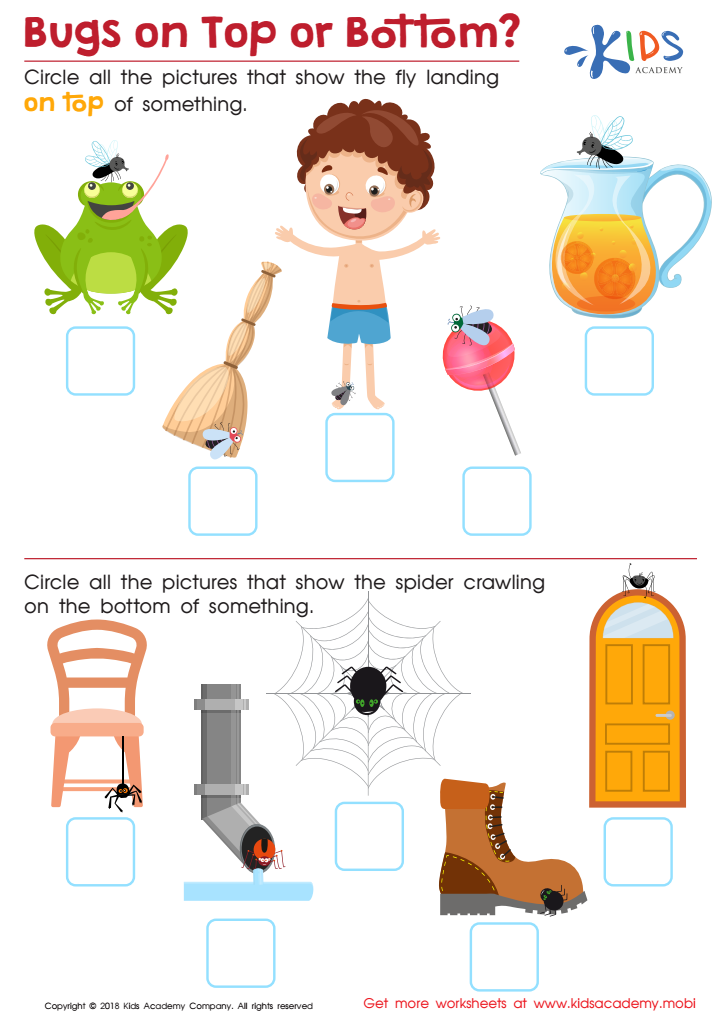
Bugs on Top or Bottom? Worksheet
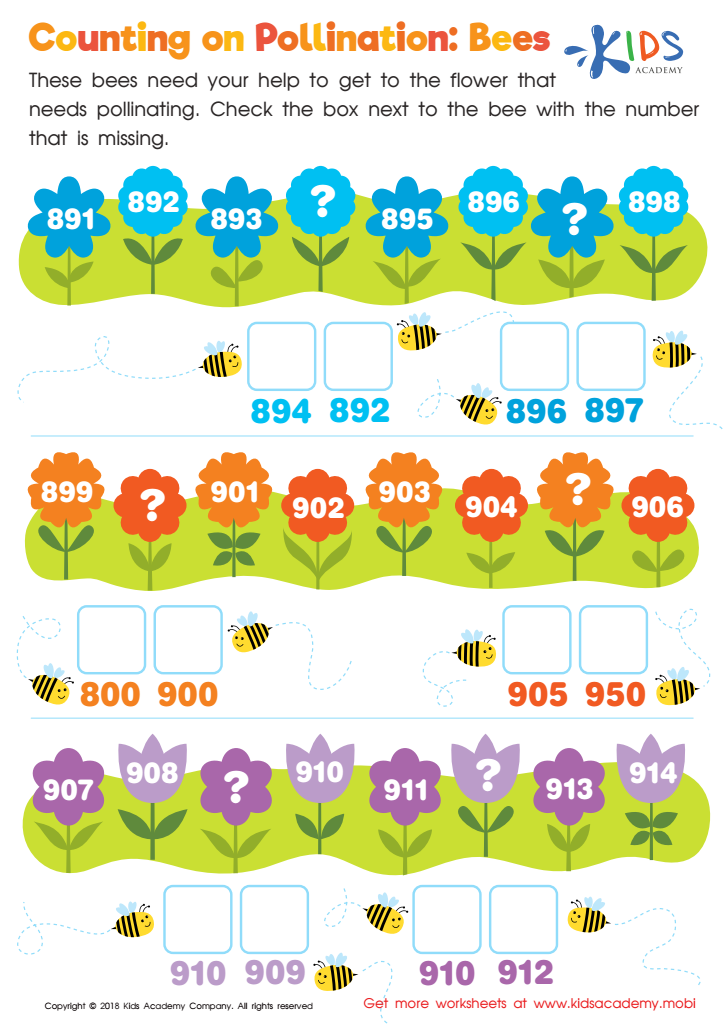
Counting on Pollination: Bees Worksheet
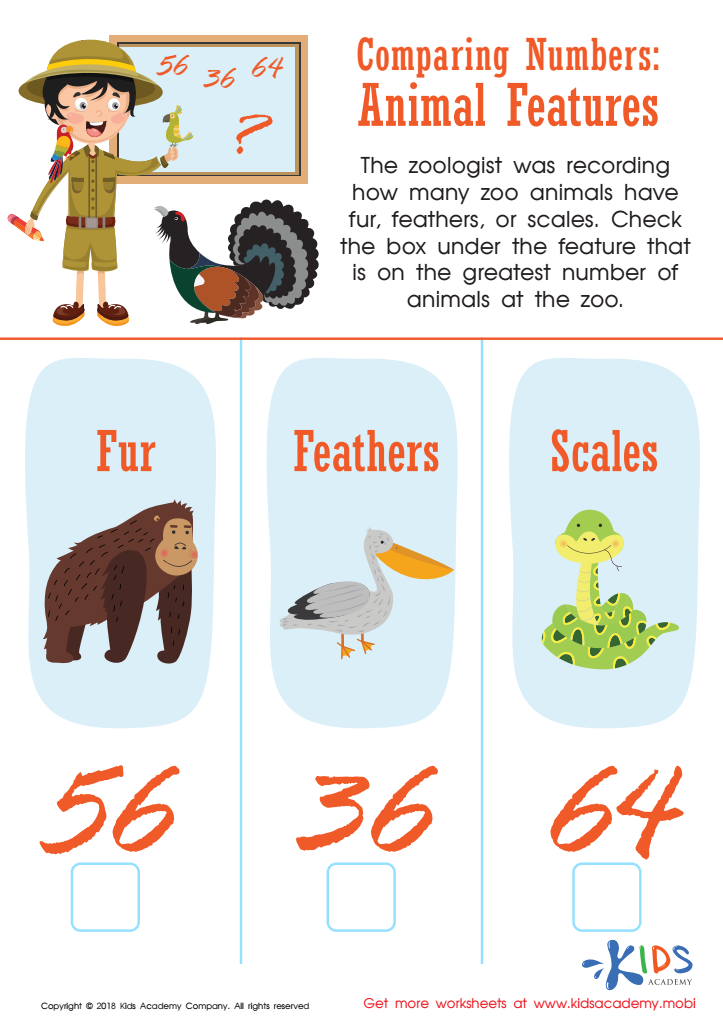
Animal Features Worksheet
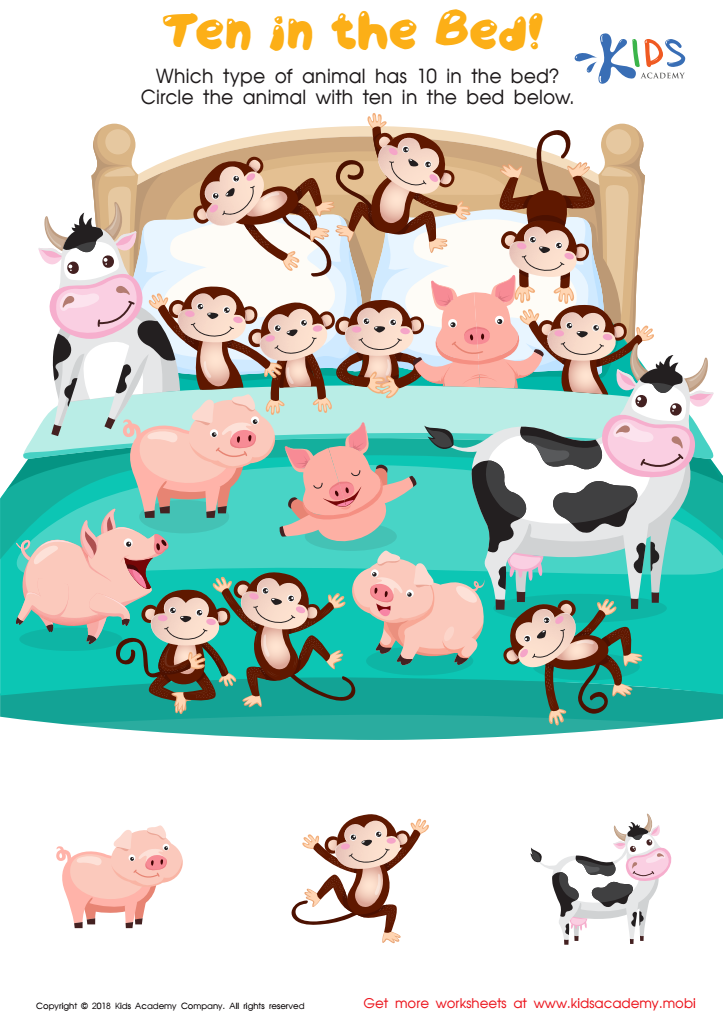
Ten in the Bed Worksheet
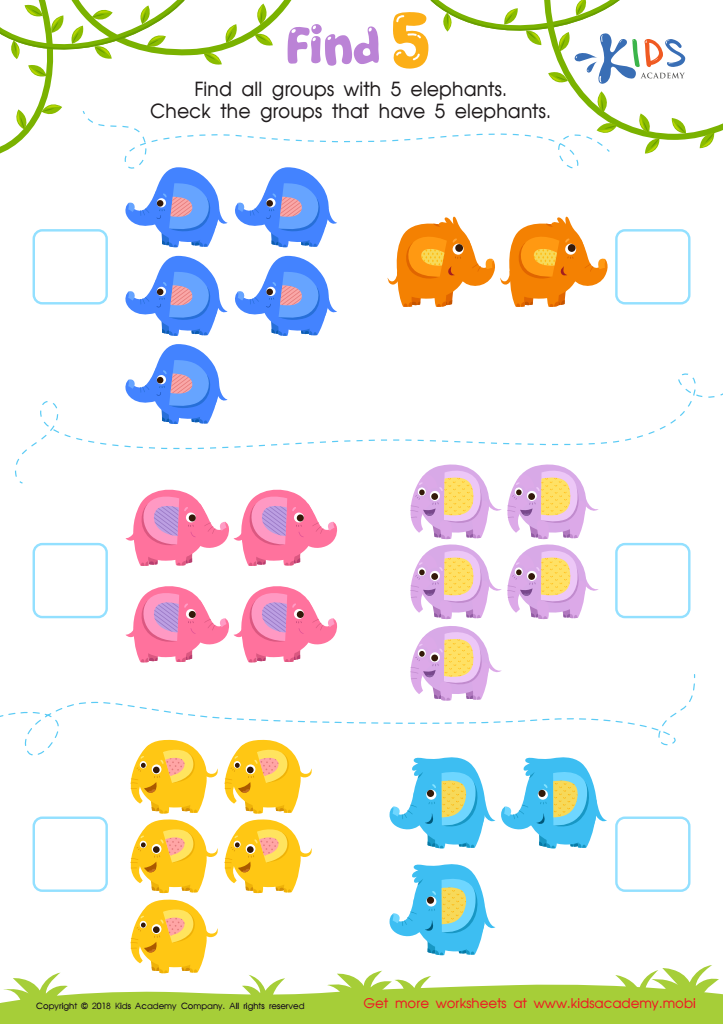
Find 5 Worksheet
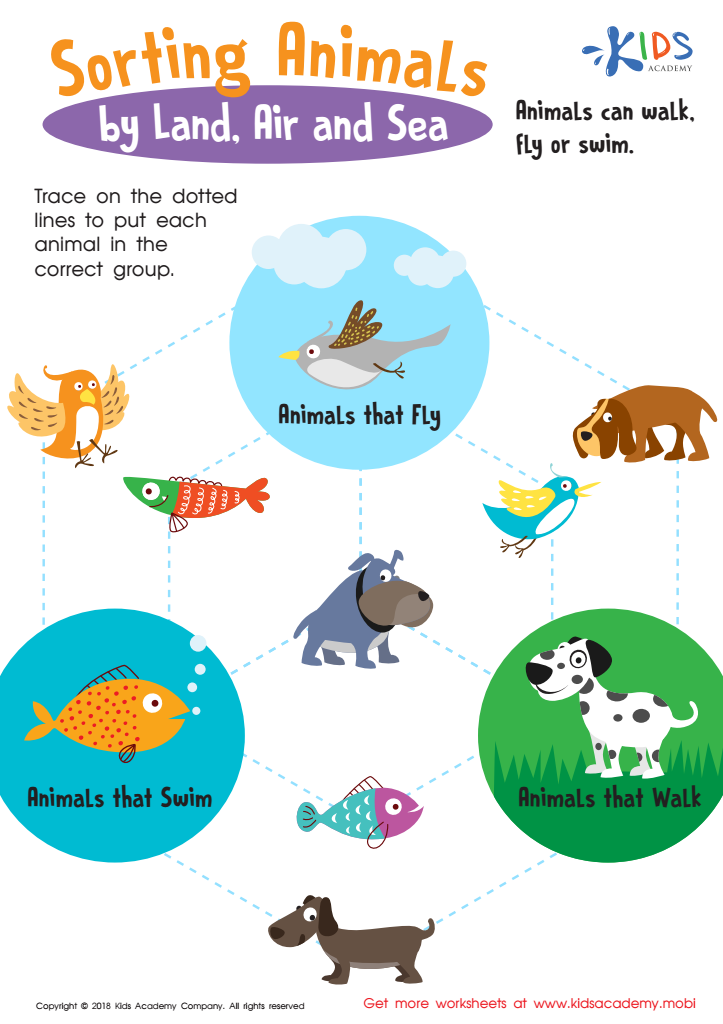
Sorting Animals by Land, Air and Sea Worksheet







Parents and teachers should care about normal plants and animals for children aged 5-7 as they play a crucial role in fostering curiosity, empathy, and understanding of the natural world. At this developmental stage, children are naturally inquisitive and eager to learn. By introducing them to plants and animals, we can cultivate a sense of wonder and appreciation for biodiversity.
Understanding normal plants and animals helps children recognize the importance of ecosystems and how living organisms interconnect. This knowledge promotes environmental awareness and practices such as sustainability and conservation, foundational concepts they will carry into the future. Moreover, engaging with nature can also enhance children's mental, emotional, and physical well-being, offering numerous benefits such as reducing stress and improving focus.
Additionally, stories and activities centered around plants and animals can strengthen literacy and communication skills, as children describe their observations or share experiences. Such activities encourage hands-on learning, stimulating creativity and critical thinking. Overall, nurturing an appreciation for normal plants and animals not only enriches children's education but fosters responsible, informed future stewards of our planet. Thus, parents and teachers play a key role in instilling these vital lessons during these formative years.