Normal Space Worksheets for Ages 5-7 - Page 2
29 filtered results
-
From - To
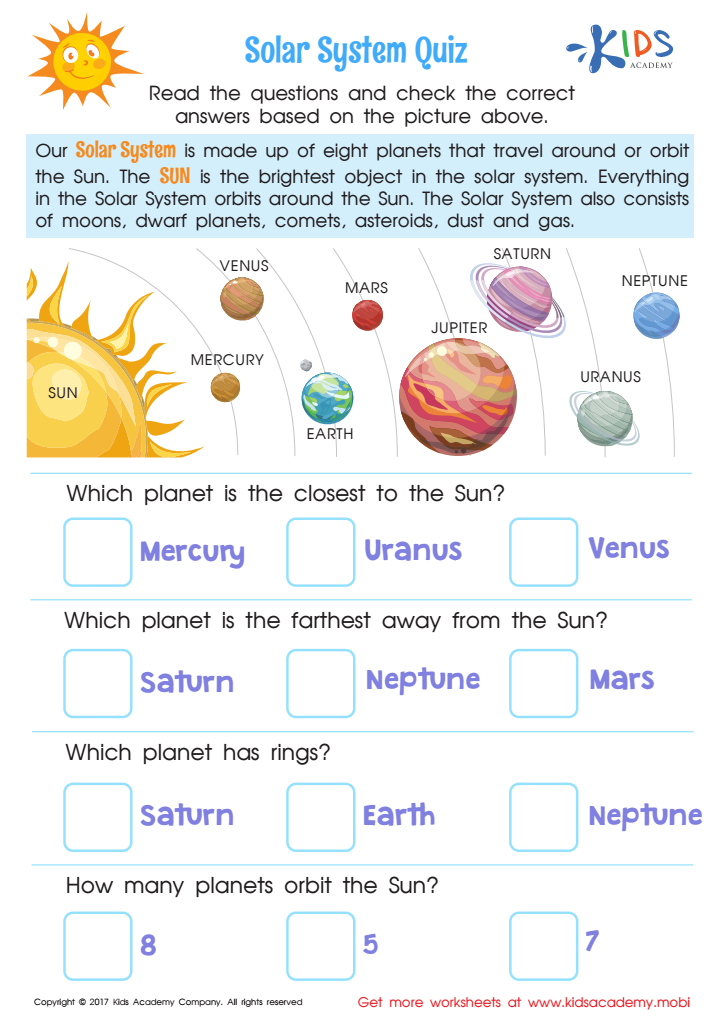
Solar System Quiz Printable
 Assign to My Students
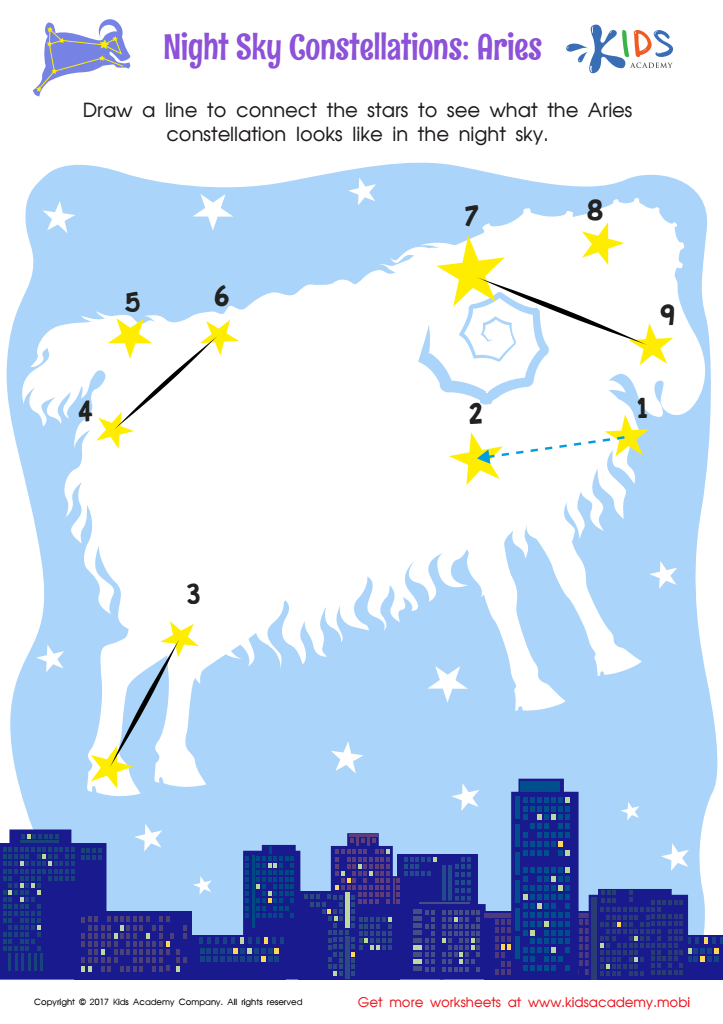
Night Sky Constellations: Aries Worksheet
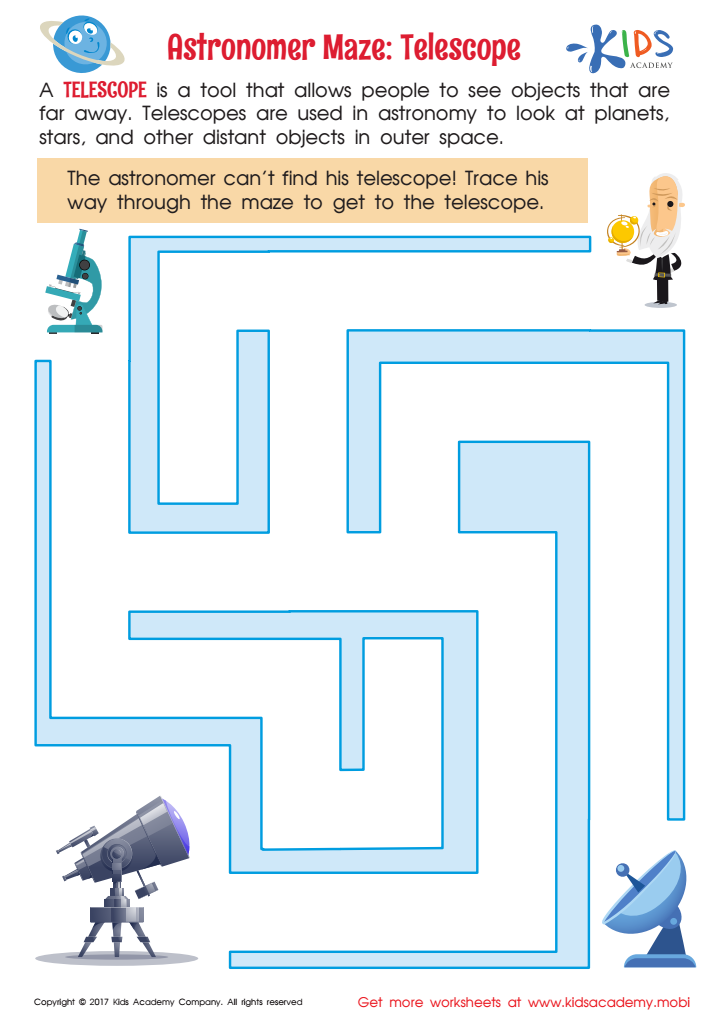
Astronomer Maze: Telescope Worksheet
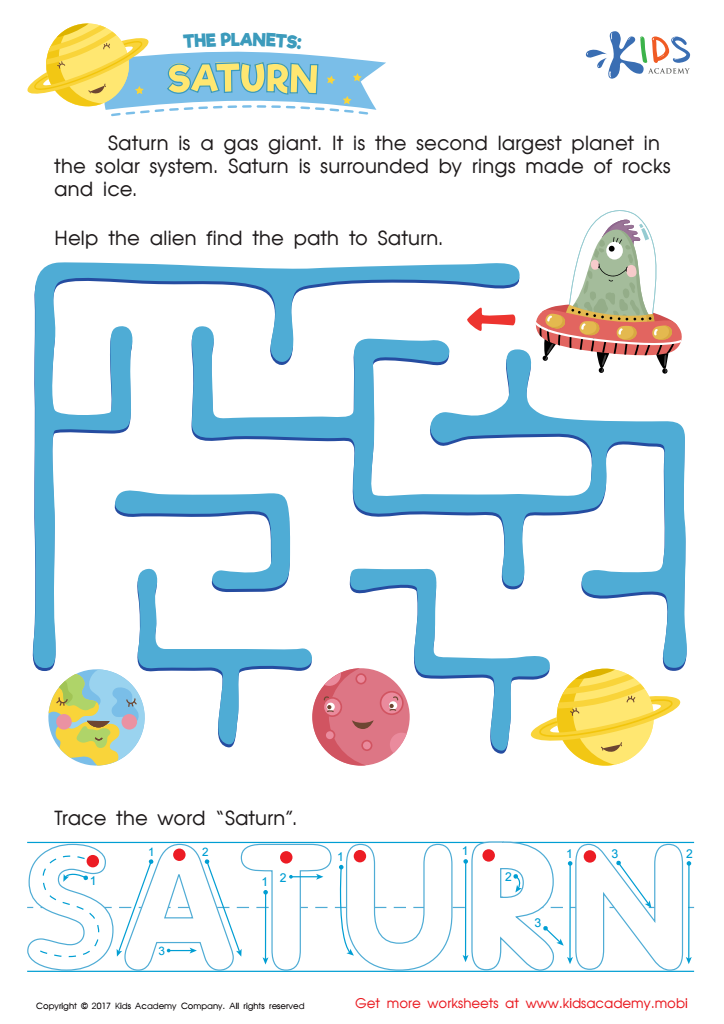
The Planets: Saturn Printable







Normal Space provides a crucial foundational framework for the developmental needs of children aged 5-7. At this stage, children are transitioning from the exploratory phase of early childhood into a more structured learning environment. Creating a Normal Space—one that is safe, predictable, and nurturing— helps children build a strong sense of security and confidence, which is essential for their cognitive, social, and emotional growth.
A stable and consistent environment allows children to focus better on learning. When children know what to expect, it fosters a sense of control and independence. This encourages them to engage more deeply with instructional activities, discover their interests, and develop critical thinking skills. Beyond academics, Normal Space supports the development of social skills by providing consistent behavioral expectations and ample opportunities for positive interaction with peers.
Moreover, predictability and consistency in the environment significantly reduce anxiety and stress. Children who feel secure are more likely to take the kinds of healthy risks necessary for learning and development, such as asking questions, trying new things, and making mistakes.
Lastly, at this age, neural connections are rapidly forming. A supportive and predictable environment strengthens these connections, ultimately enhancing future learning potential. Therefore, parents and teachers should be diligent in creating and maintaining Normal Space to optimize children's developmental trajectories during this pivotal stage.







