Normal Geometry Worksheets for Ages 5-9 - Page 2
75 filtered results
-
From - To
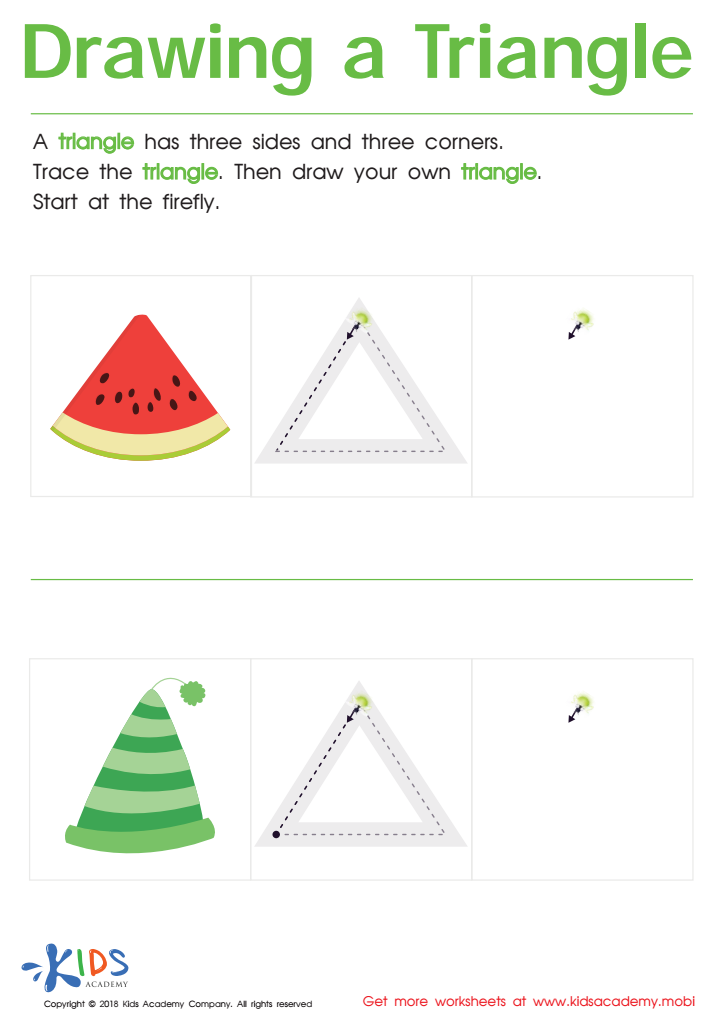
Drawing a Triangle Worksheet
 Assign to My Students











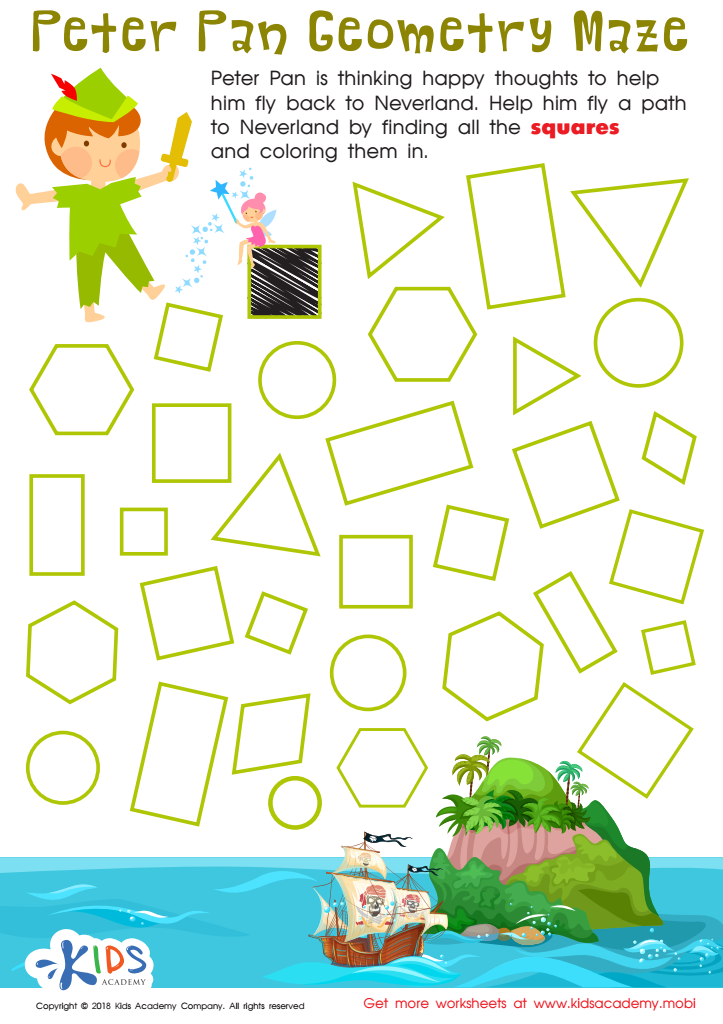
Peter Pan Worksheet
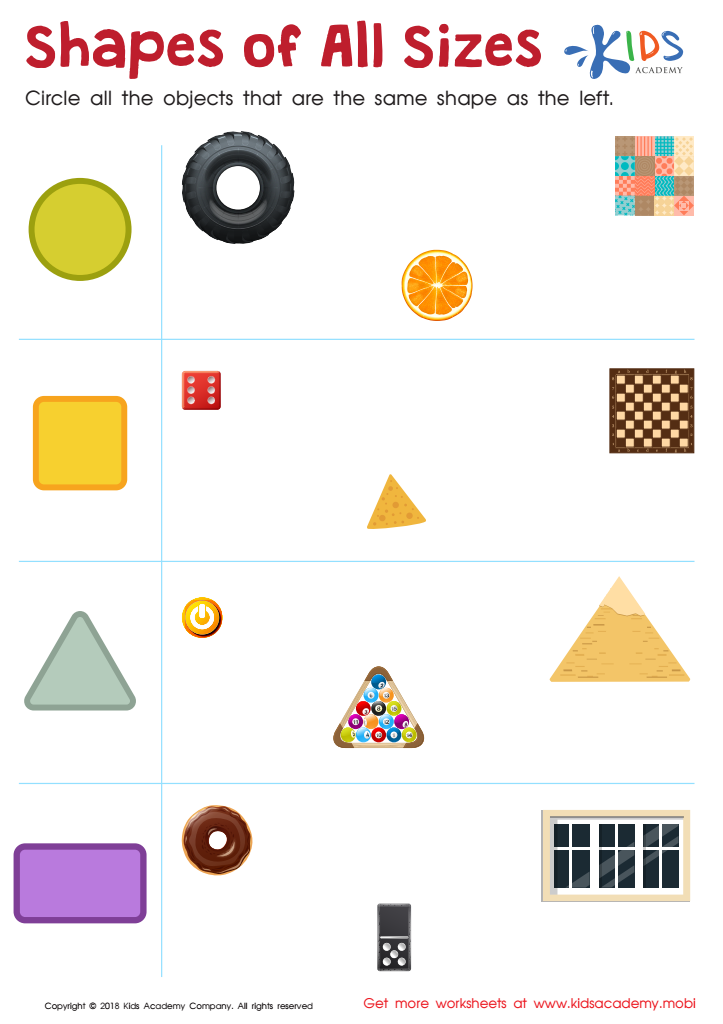
Shapes of All Sizes Worksheet
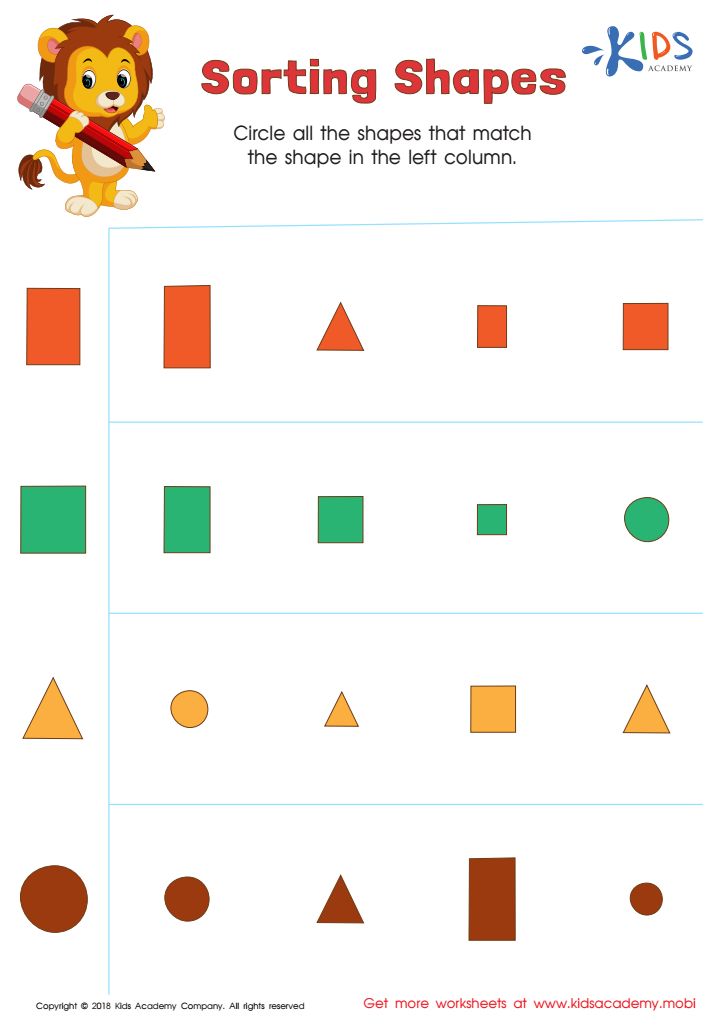
Sorting Shapes - Part 2 Worksheet
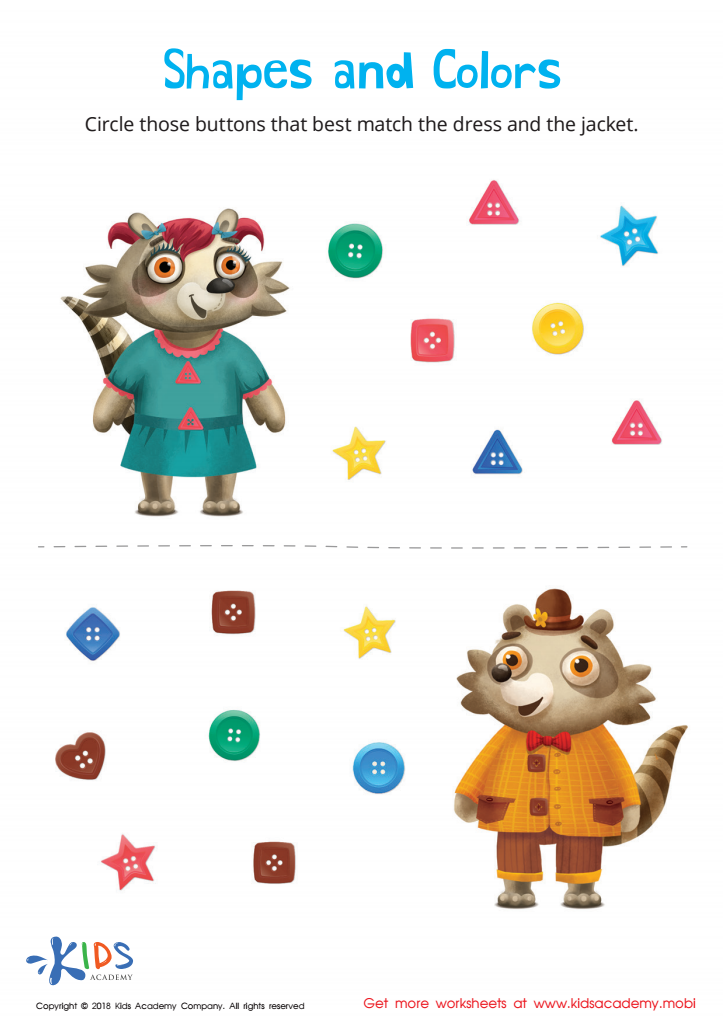
Shapes and Colors Worksheet
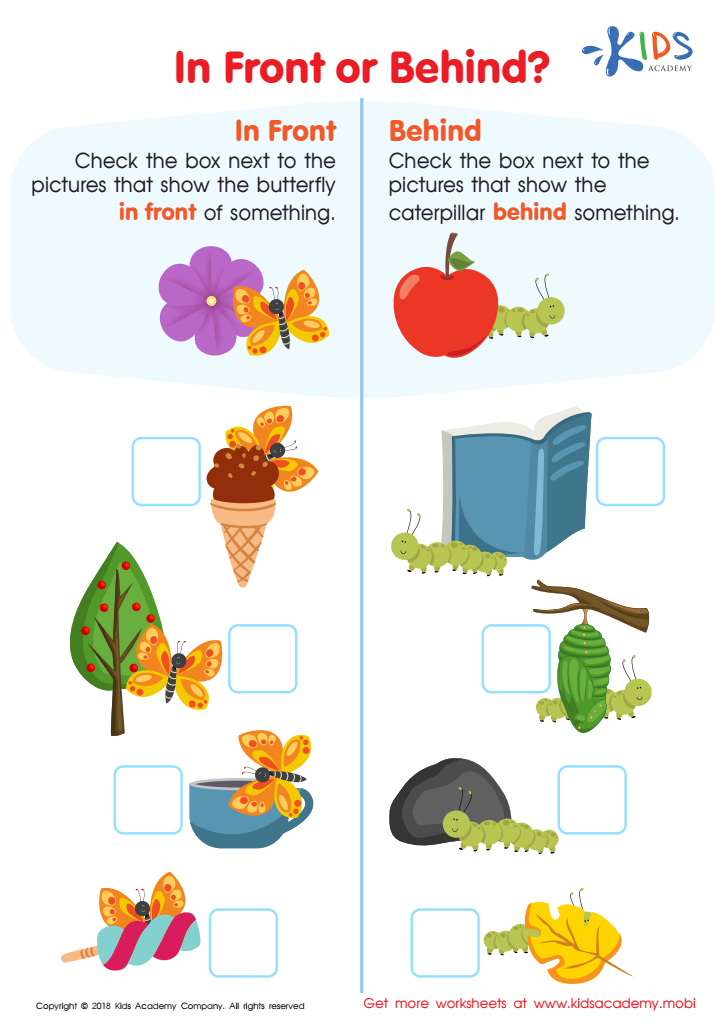
In Front or Behind Worksheet
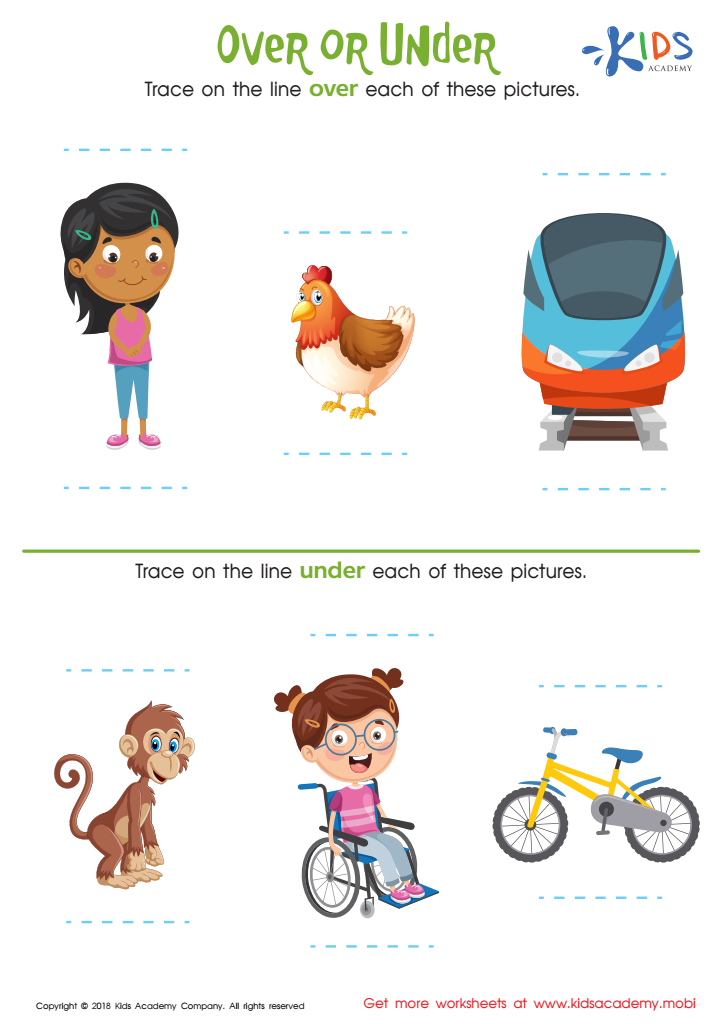
Over or Under Worksheet
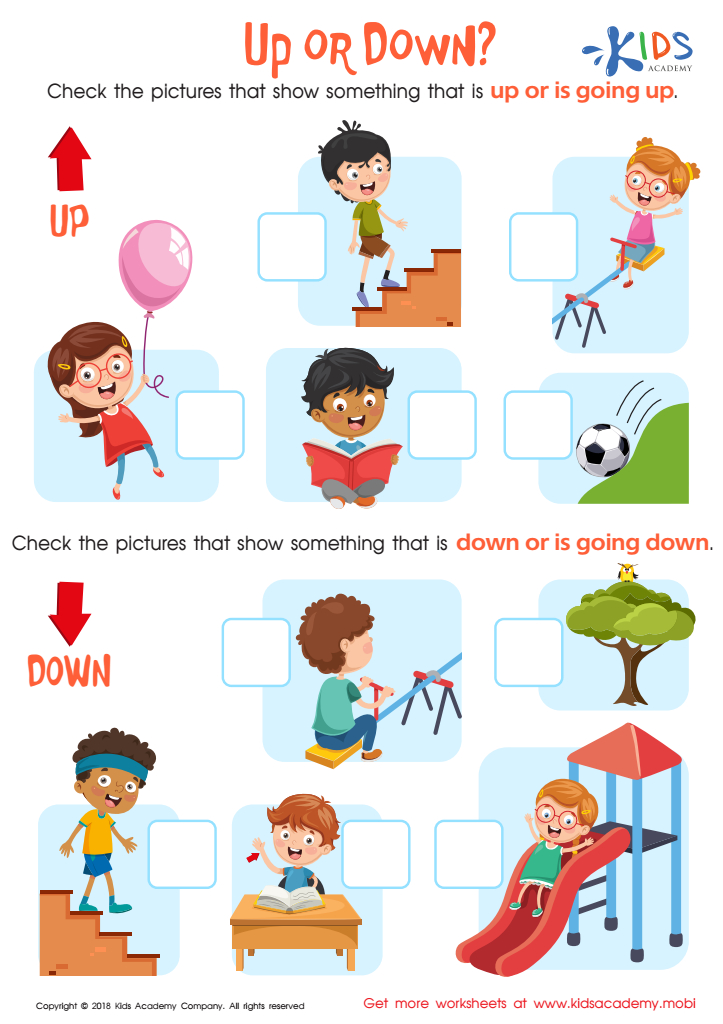
Up or Down Worksheet
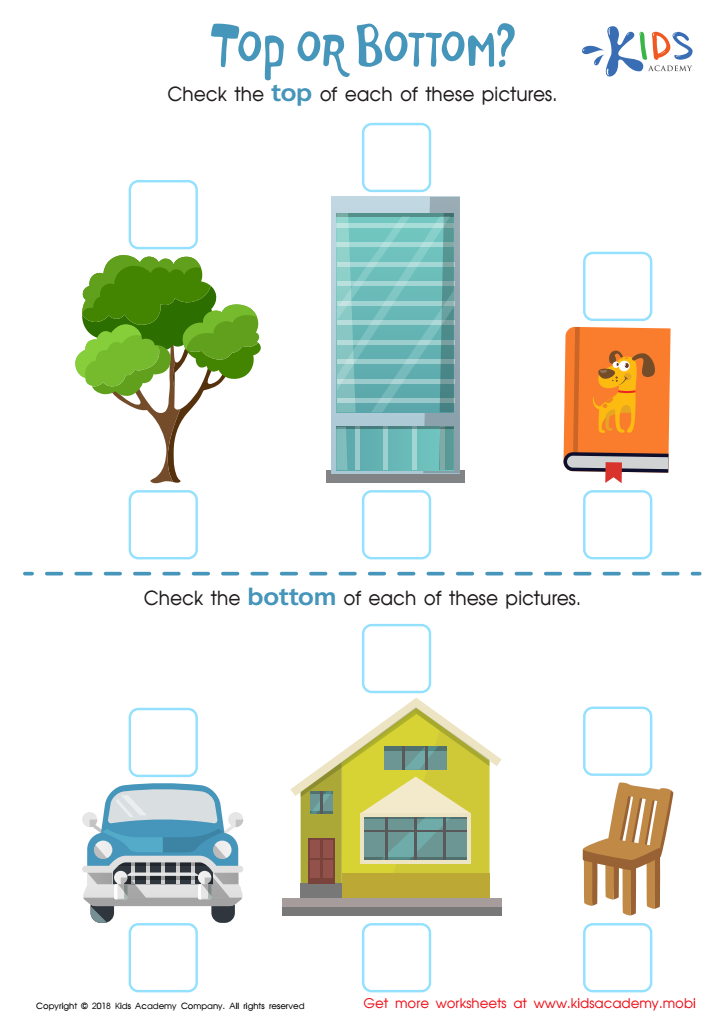
Top or Bottom Worksheet
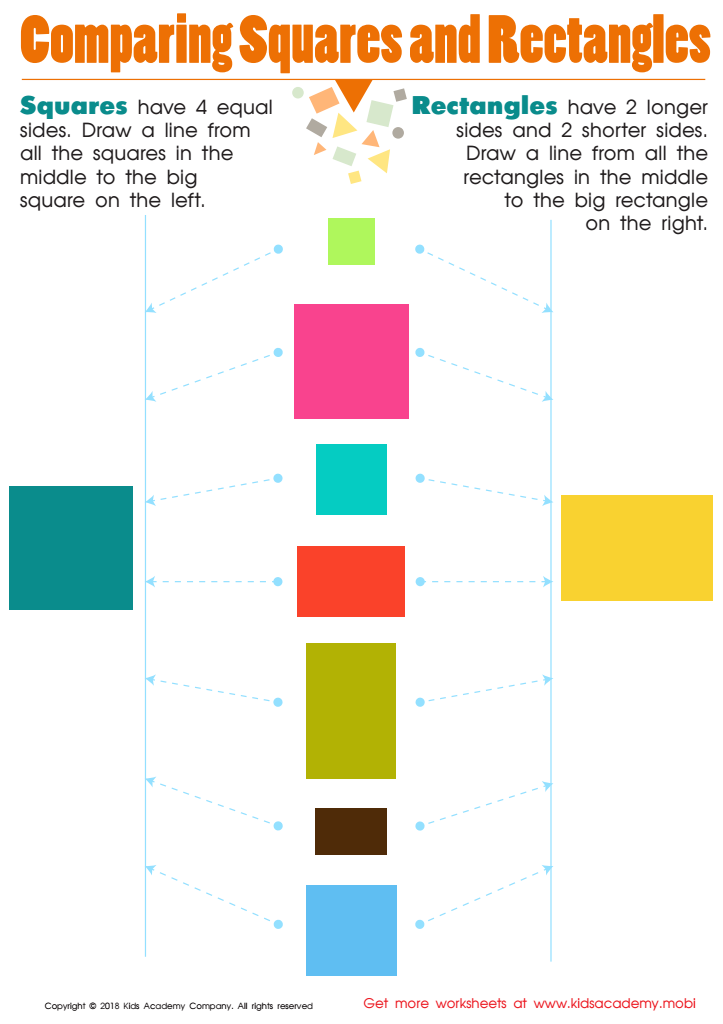
Comparing Squares Rectangles Worksheet
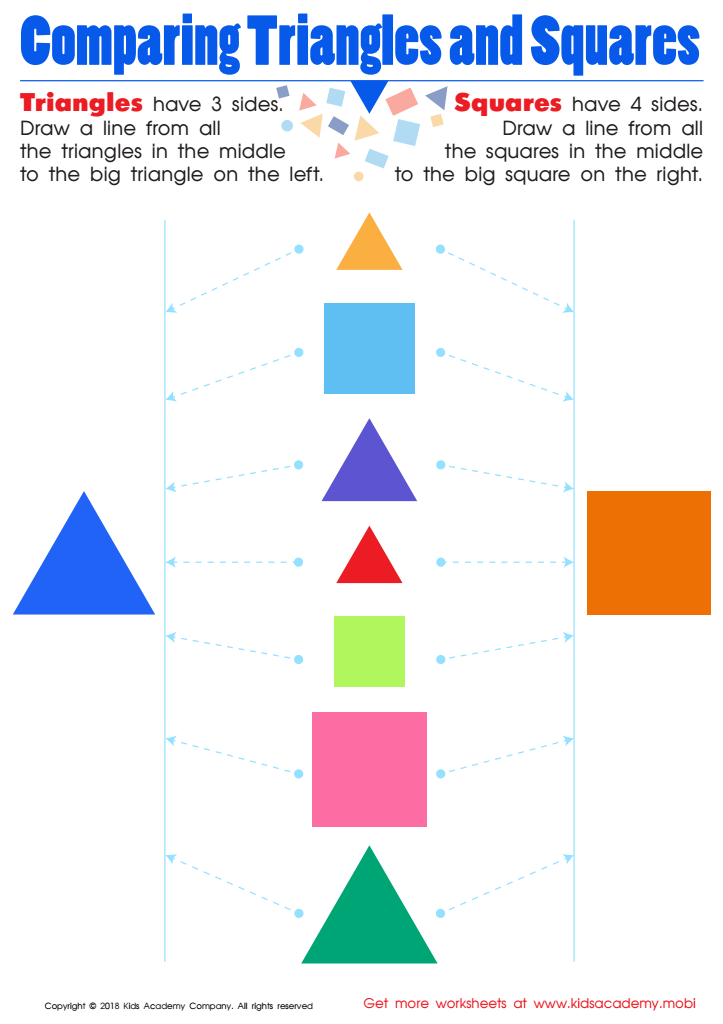
Comparing Triangles Squares Worksheet
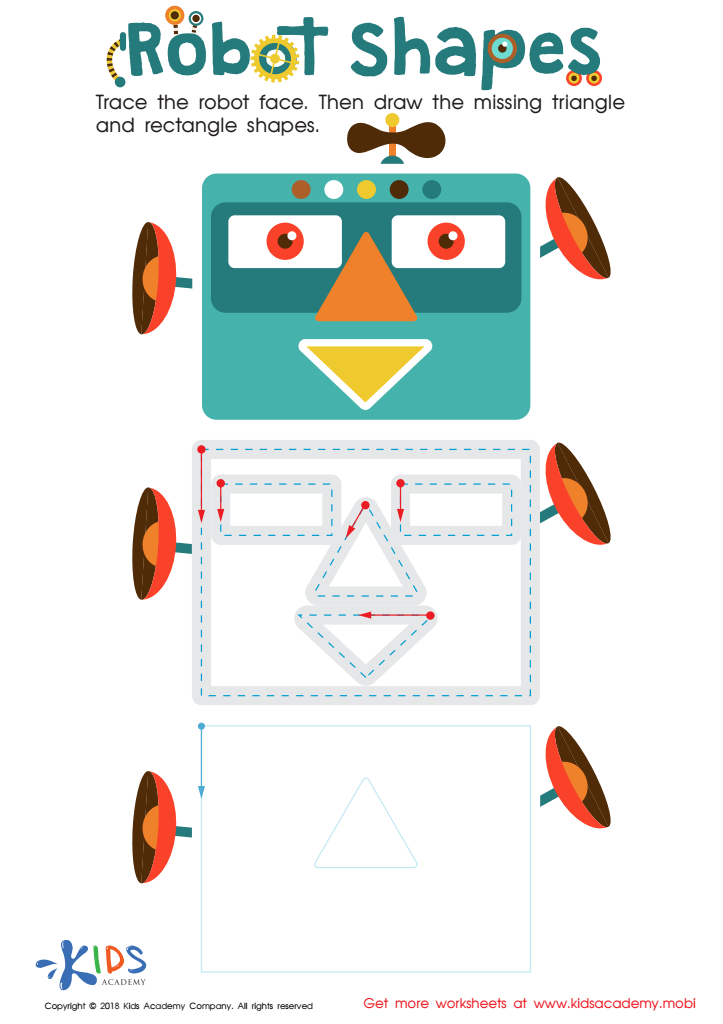
Robot Shapes Worksheet
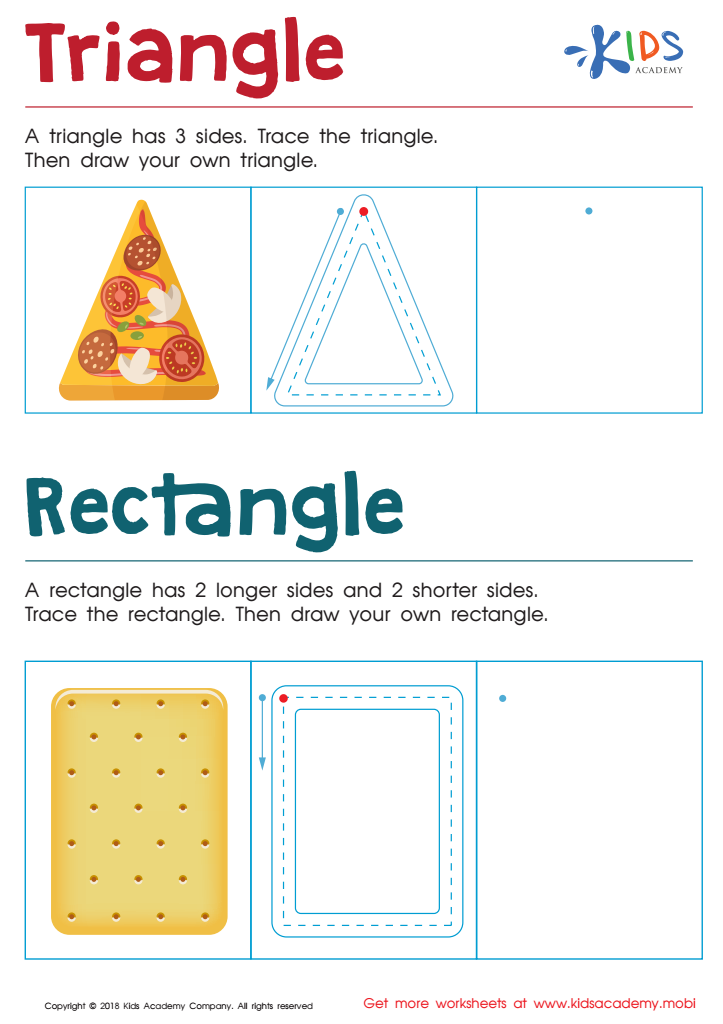
Triangle Rectangle Worksheet
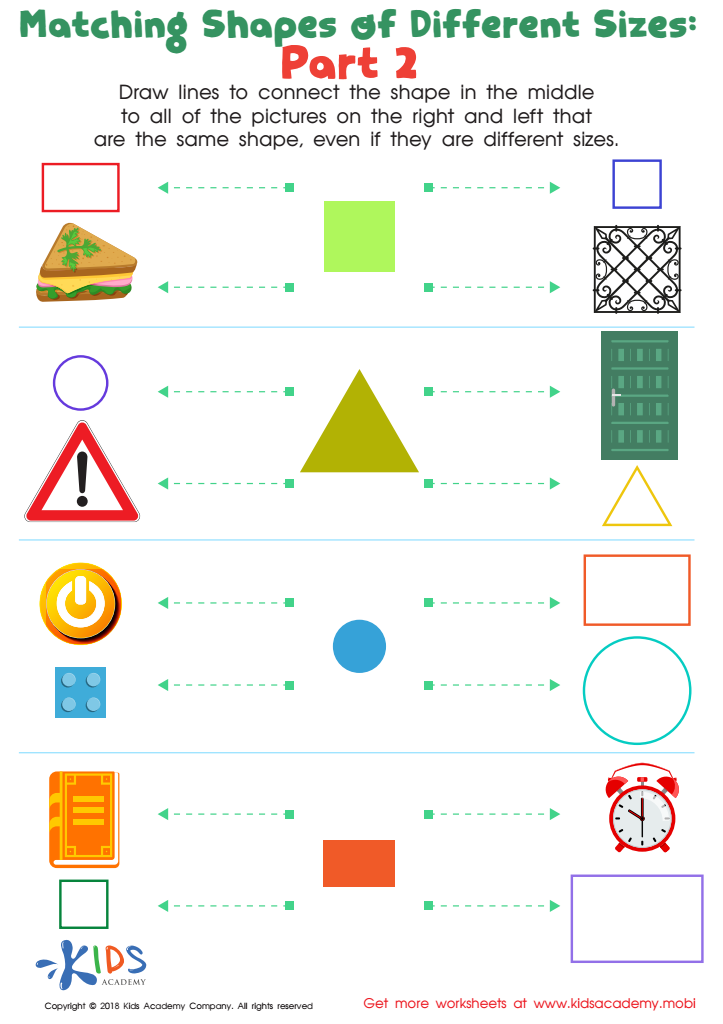
Geometry: Part 2 Worksheet
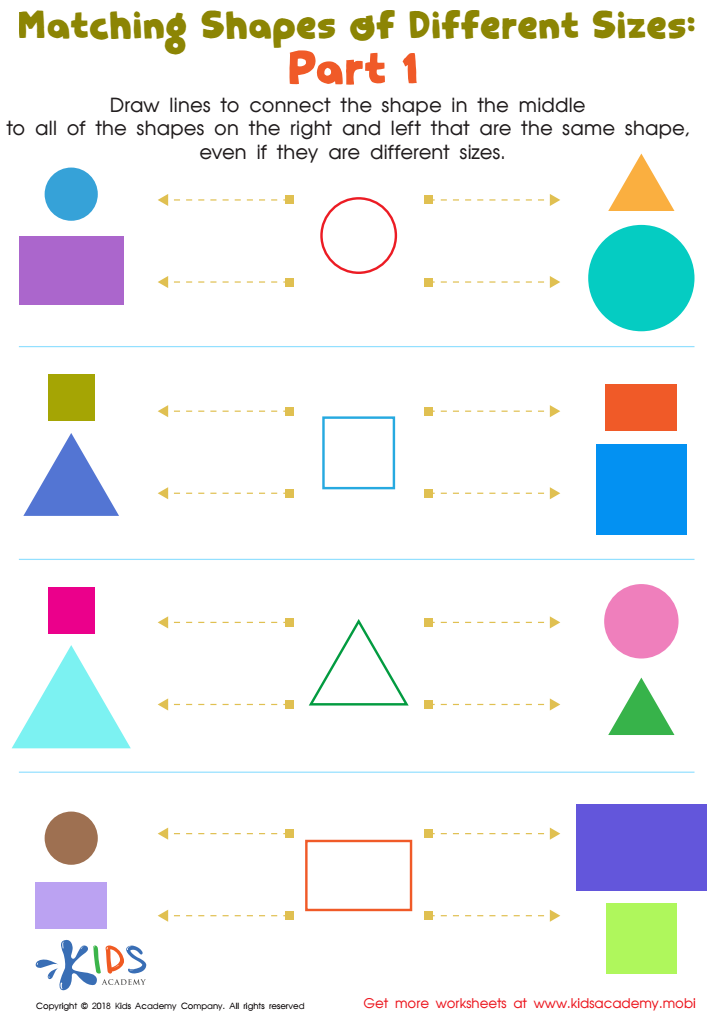
Geometry: part 1 Worksheet
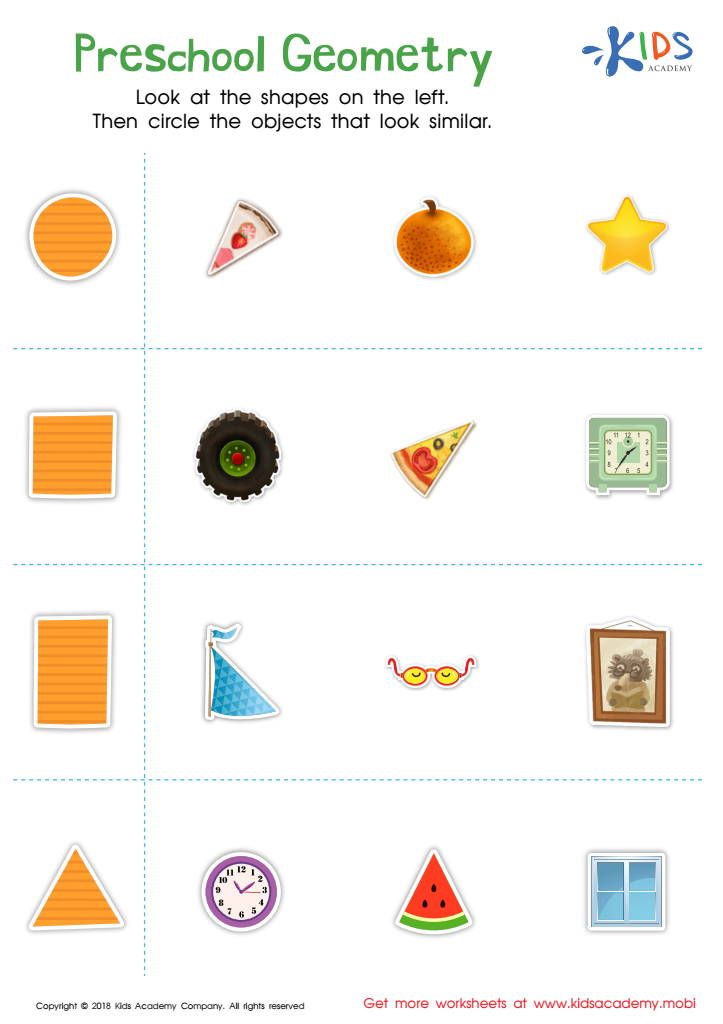
Preschool Geometry Worksheet
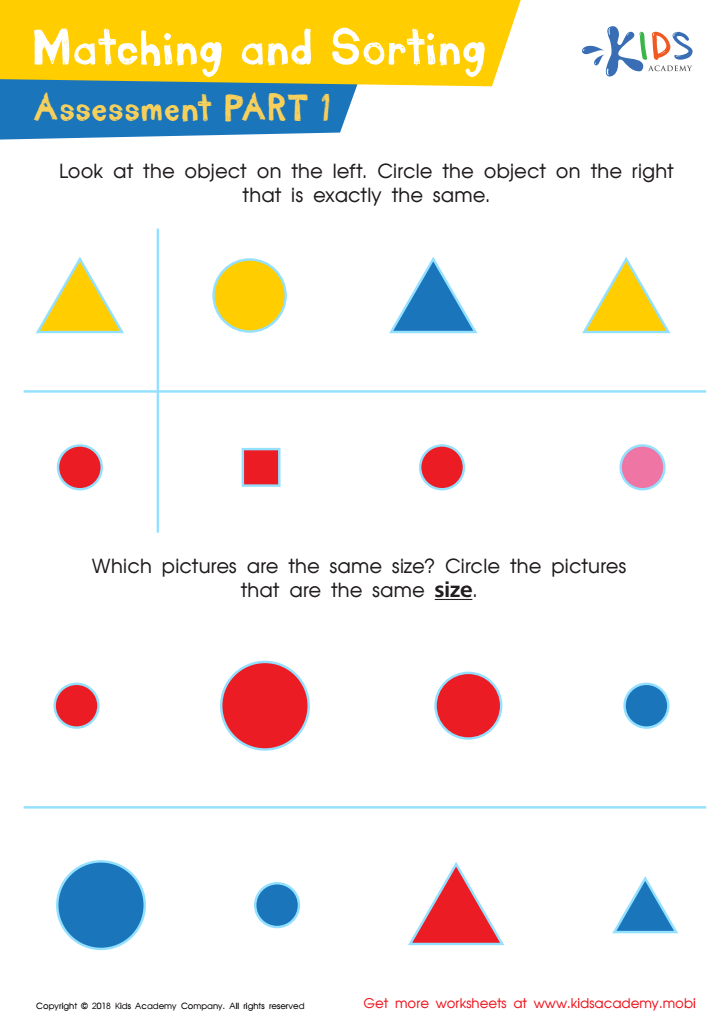
Matching and Sorting for Kindergarten: Assessment 1 Worksheet
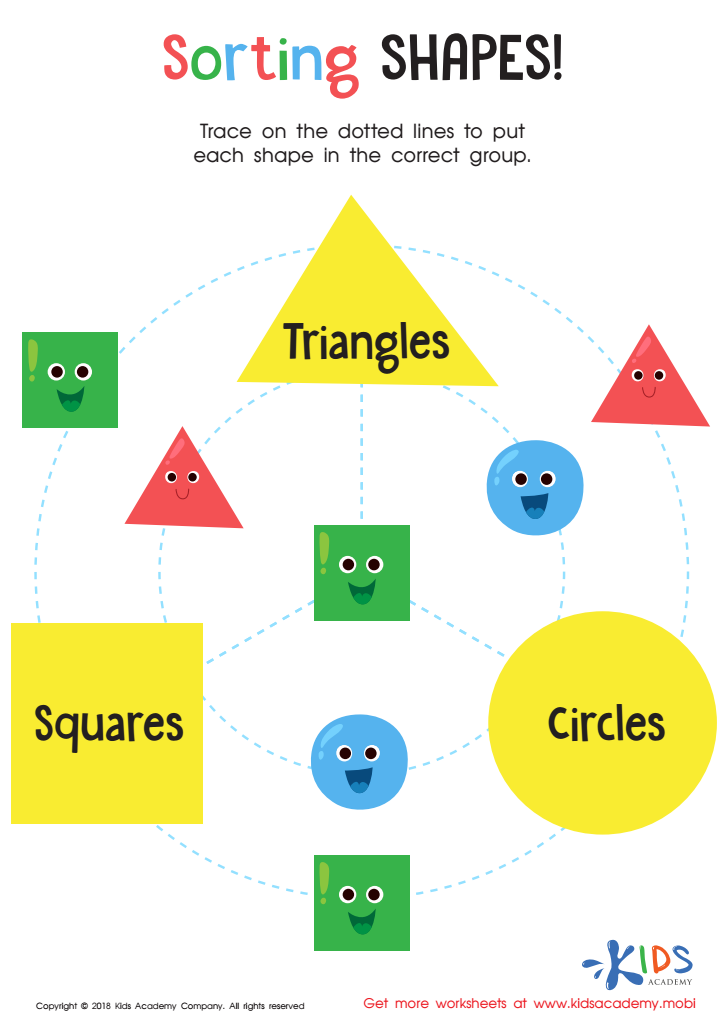
Sorting Shapes - Part 3 Worksheet
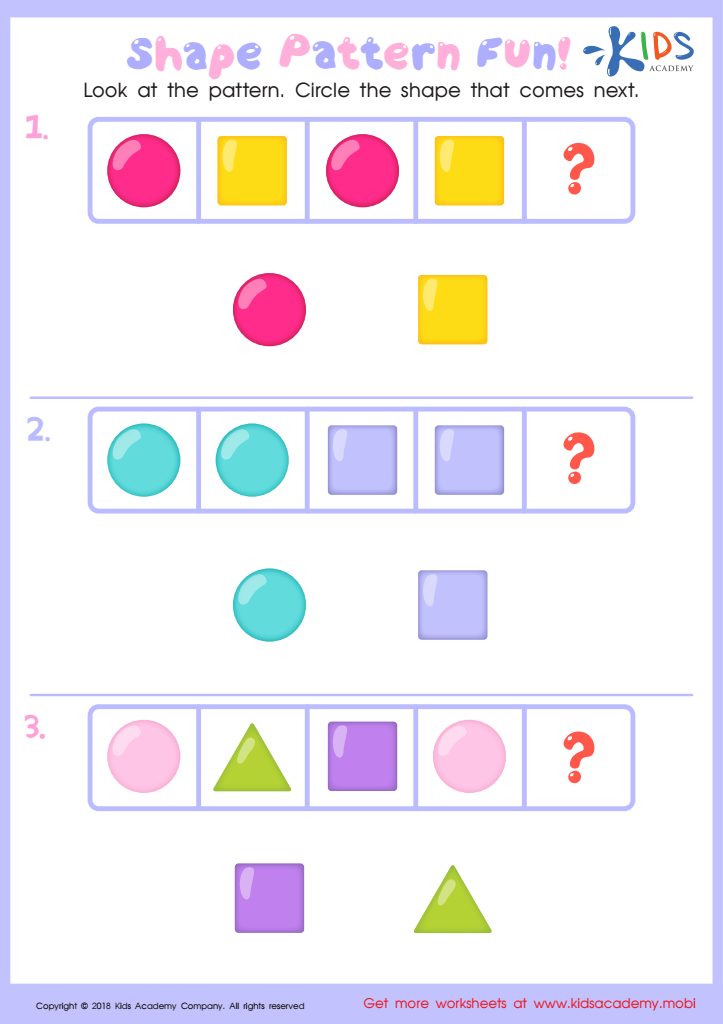
Shape Pattern Fun Worksheet
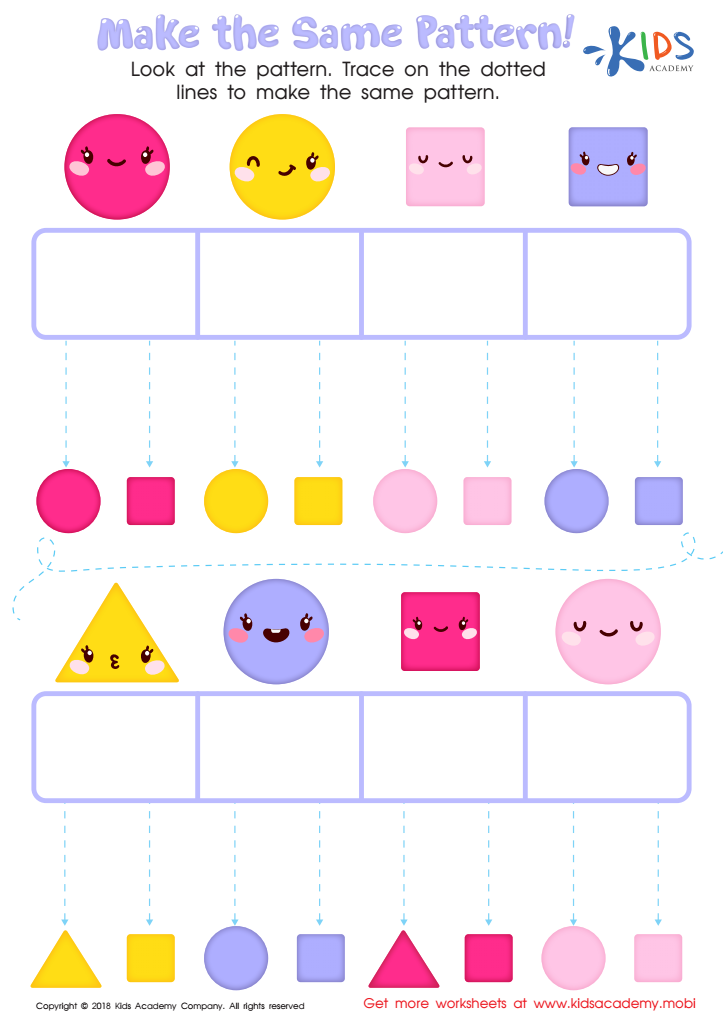
Make the Same Pattern Worksheet
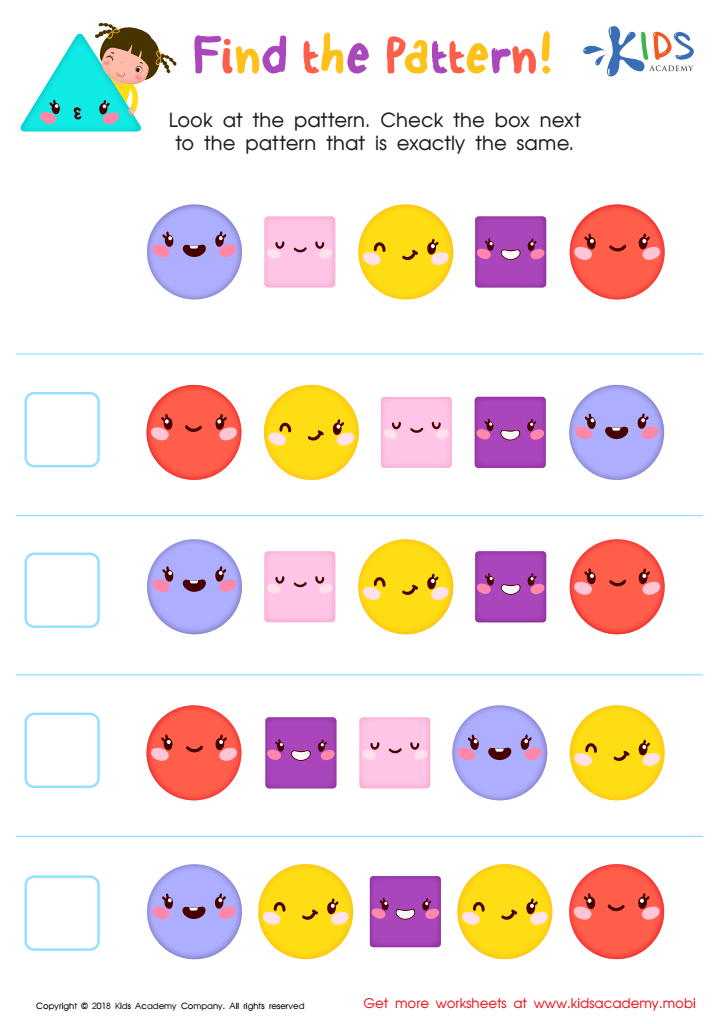
Find the Pattern Worksheet
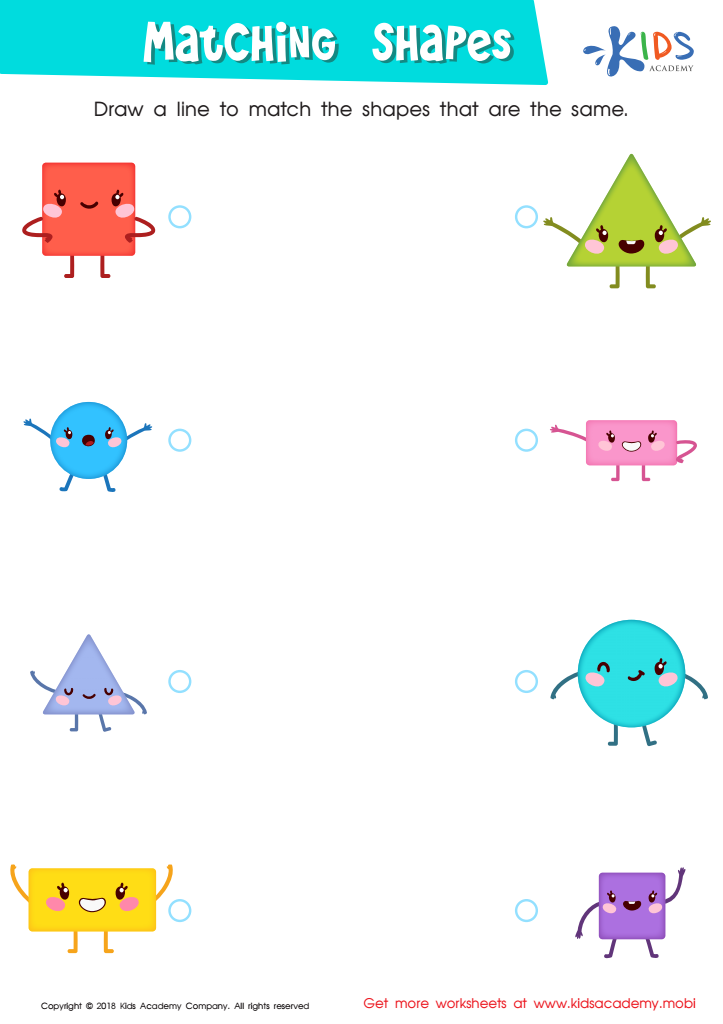
Matching Shapes Worksheet
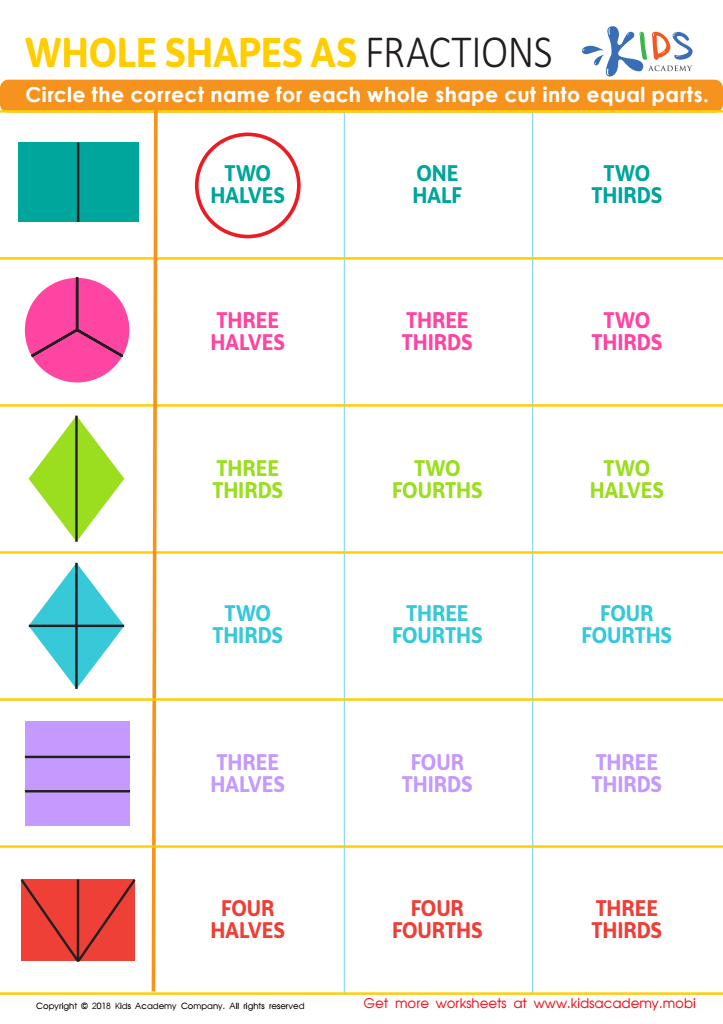
Whole Shapes as Fractions Worksheet
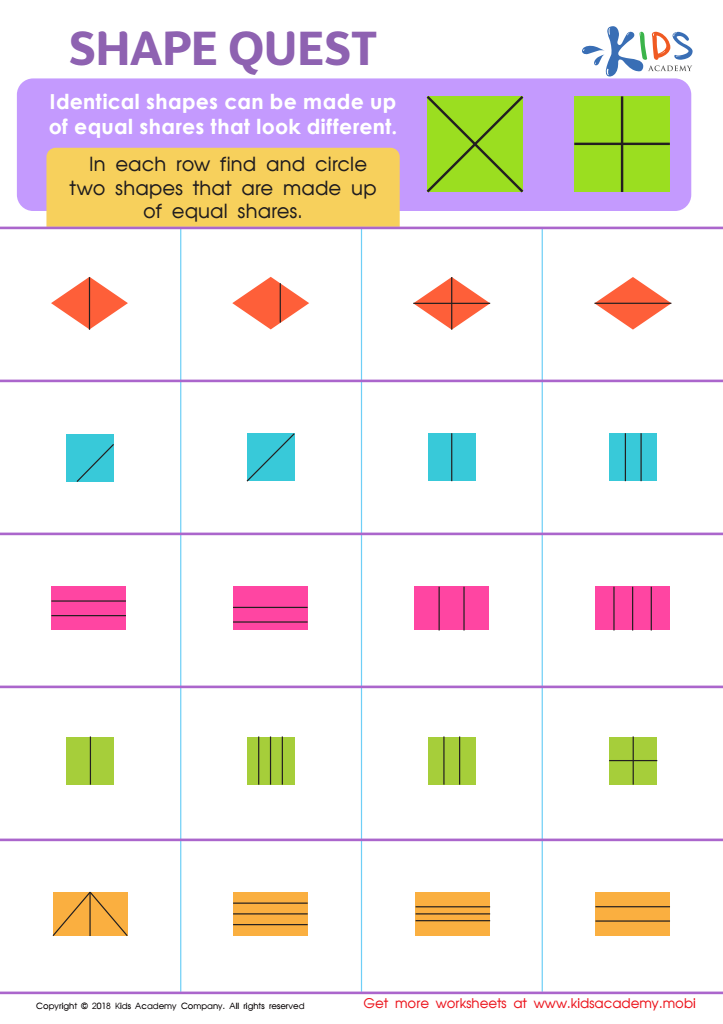
Shape Quest Worksheet








Normal Geometry for ages 5-9 is essential for the developmental growth of children as it lays the foundational skills needed for both math and critical thinking. Engaging with geometry at an early age helps children understand spatial relationships and develop problem-solving abilities. By exploring shapes, sizes, and relative positions, young learners cultivate visualization skills, which is vital in numerous disciplines.
Moreover, early exposure to geometry fosters an appreciation of mathematical concepts, making future learning more accessible and enjoyable. Children learn through exploration and play, manipulating shapes using hands-on materials, thus enhancing their tactile and cognitive development. These activities promote reasoning skills as children learn to categorize, compare, and solve shape-based puzzles.
Additionally, understanding geometric concepts helps children relate classroom learning to real-world environments, such as recognizing shapes in architecture or nature. This practical application increases engagement and interest in learning.
Ultimately, investing in Normal Geometry in early education ensures children build solid mathematical foundations, enabling them to tackle more complex concepts later on. Parents and teachers play a crucial part in encouraging this vital area of learning, which shapes future academic success and helps create confident problem-solvers.








