Normal Building Vocabulary Worksheets for Ages 6-8 - Page 5
157 filtered results
-
From - To
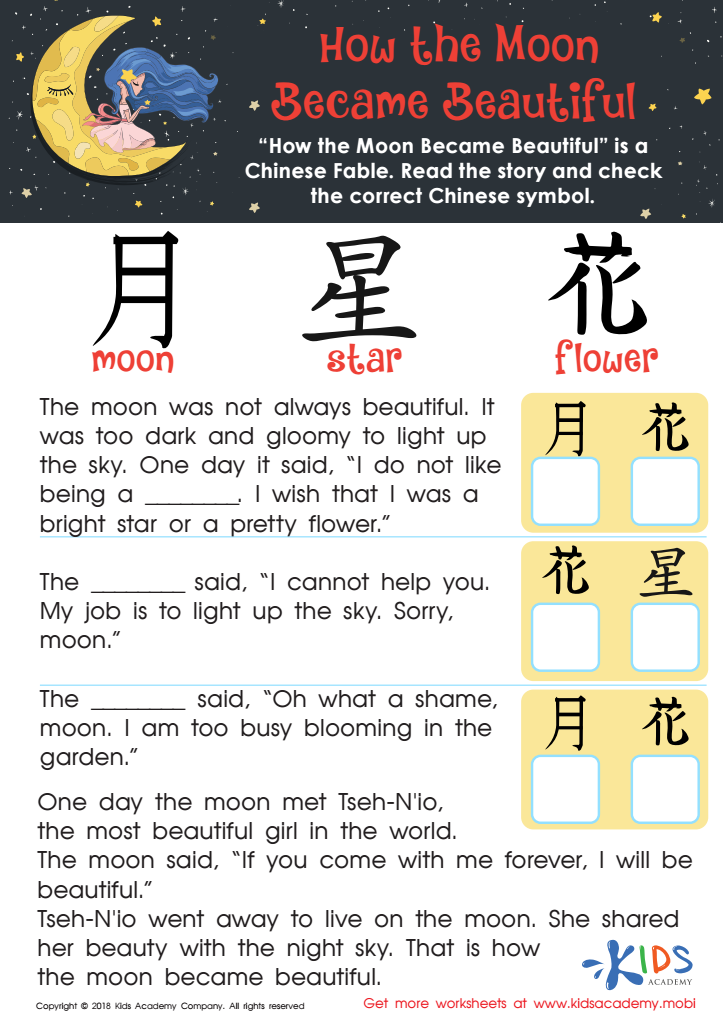
How the Moon Became Beautiful Worksheet
 Assign to My Students











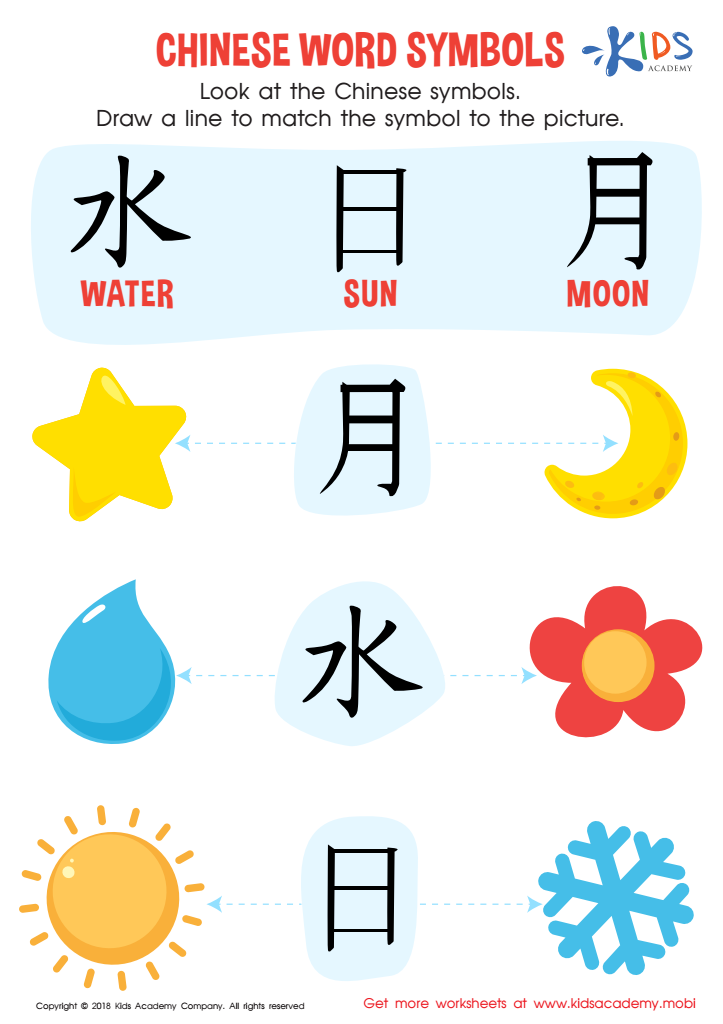
Chinese Word Symbols Worksheet
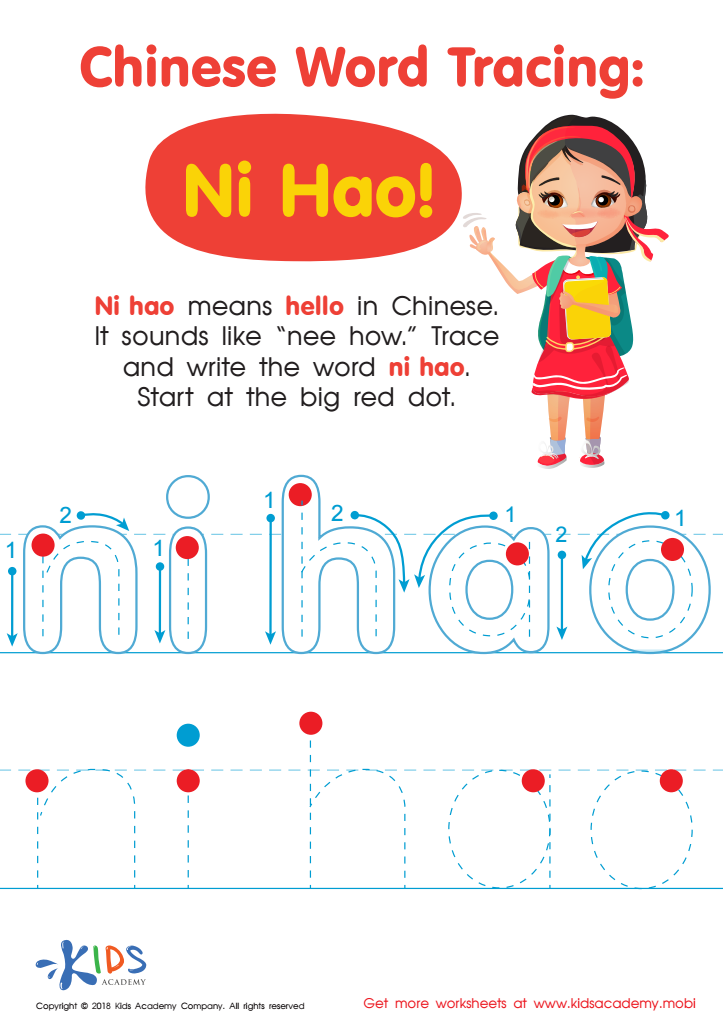
Chinese Word Tracing: Ni Hao Worksheet
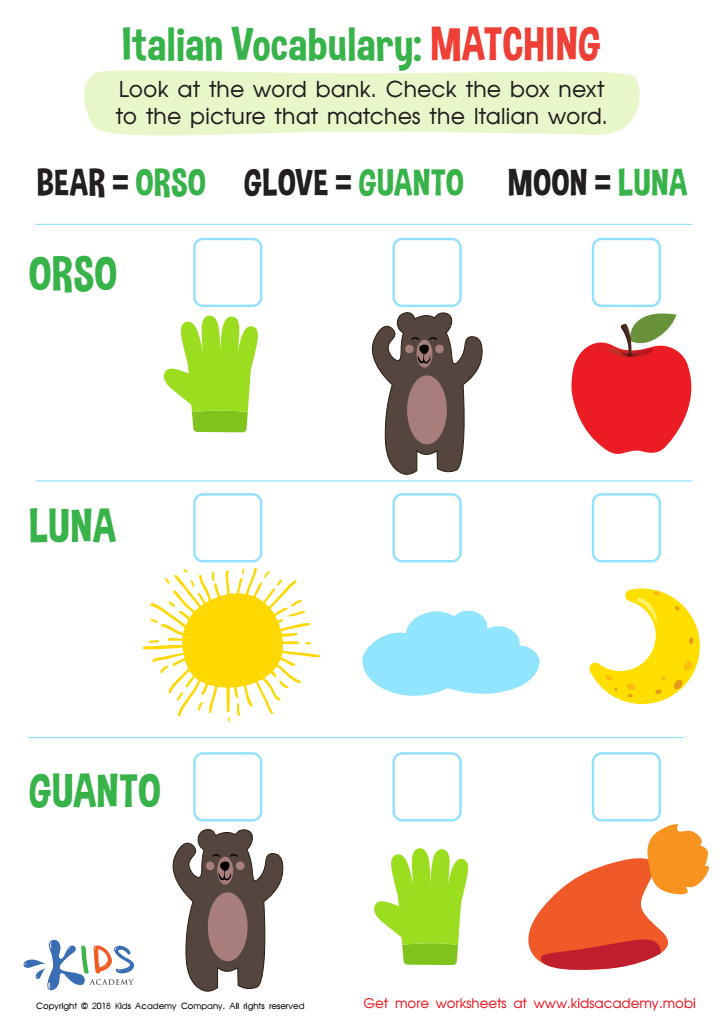
Italian Vocabulary Matching Worksheet
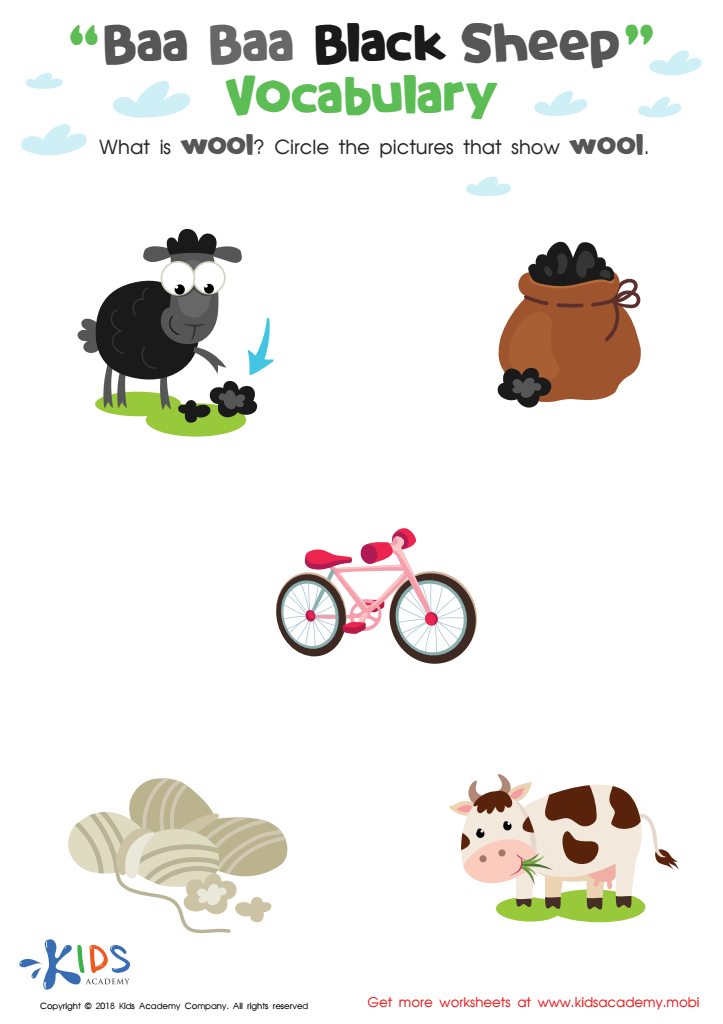
Baa Baa Black Sheep: Vocabulary Worksheet
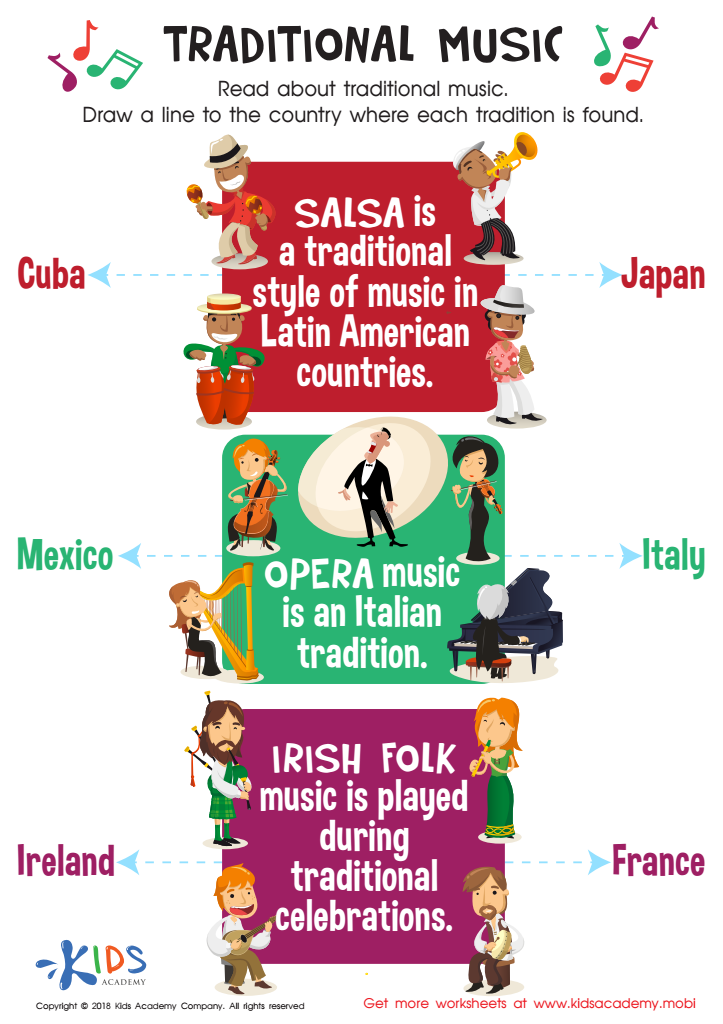
Traditional Music Worksheet
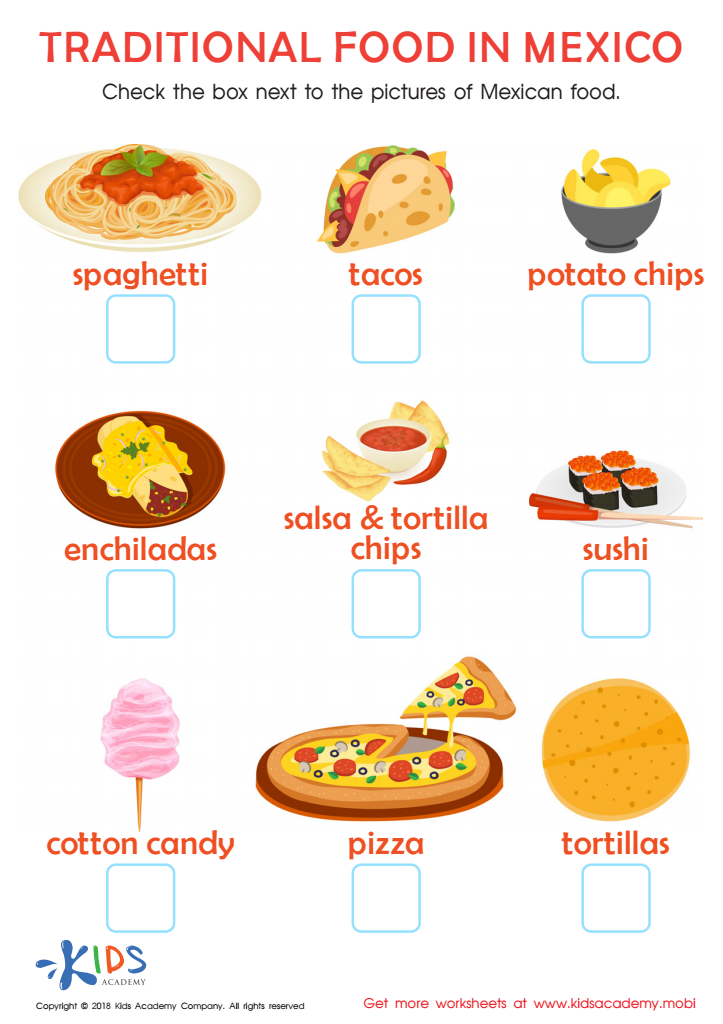
Traditional Food in Mexico Worksheet
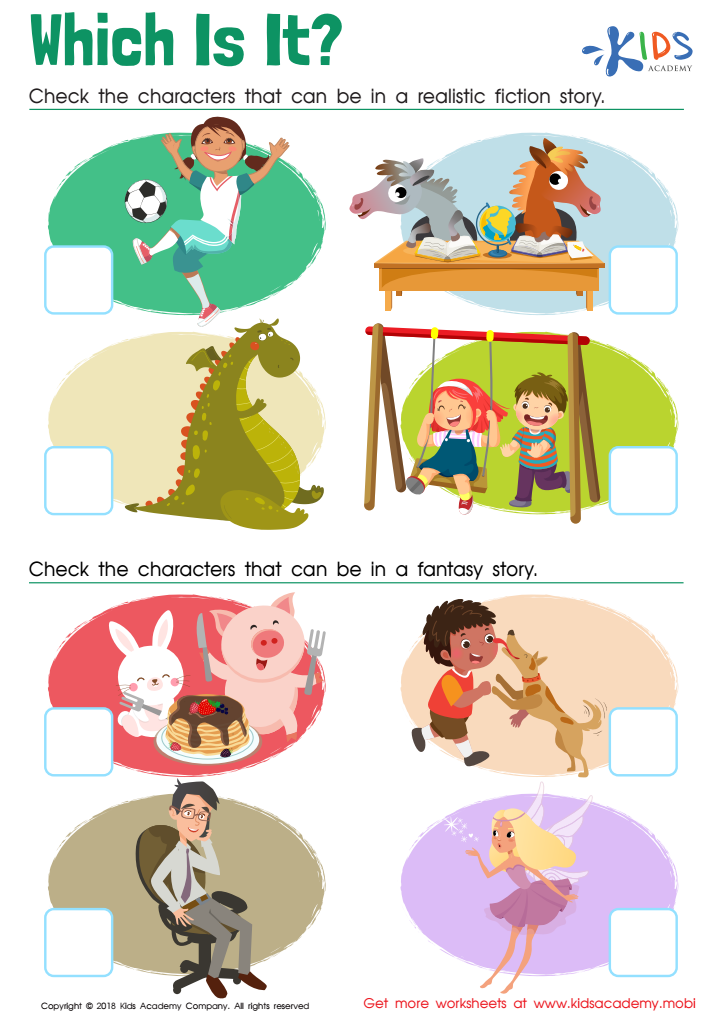
Which Is It? Worksheet
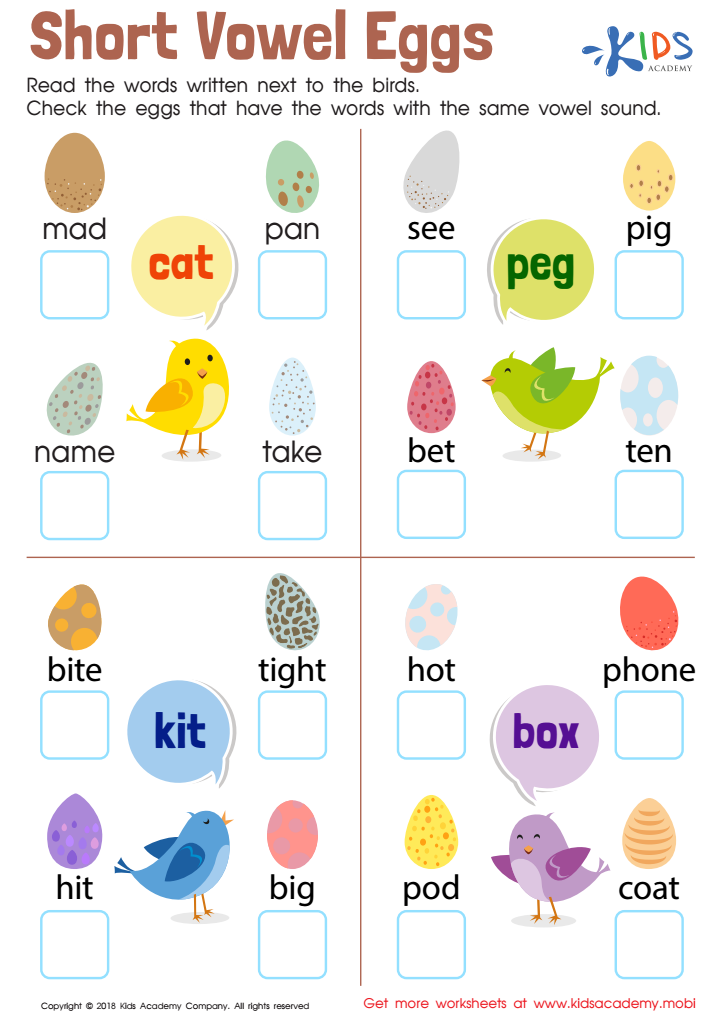
Short Vowel Eggs Worksheet
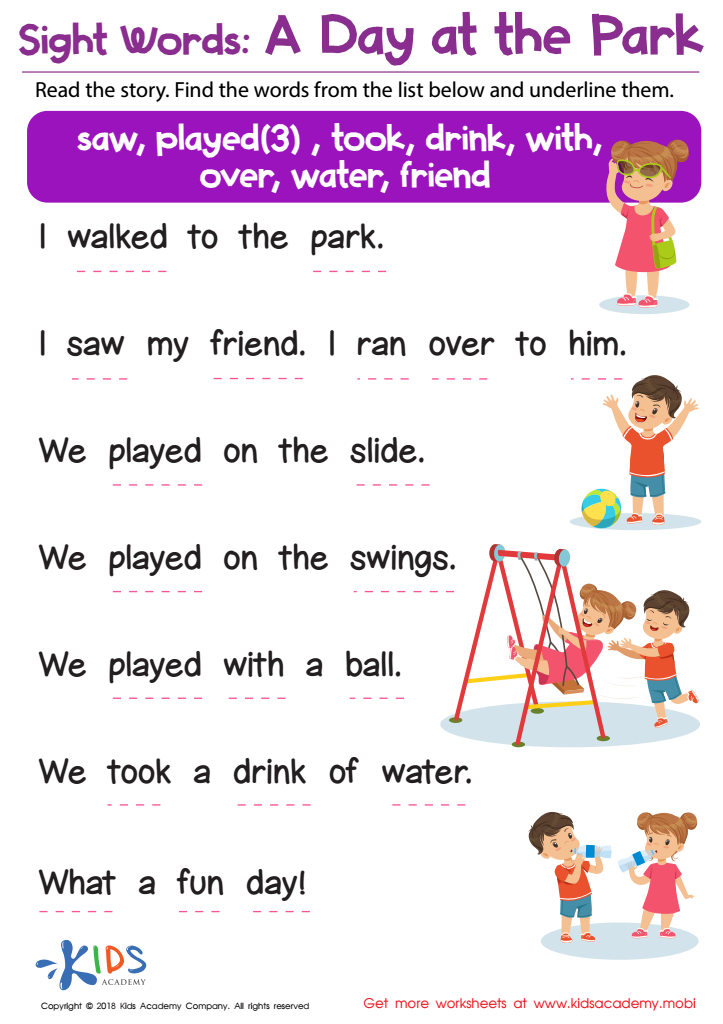
Sight Words: A Day at the Park Worksheet
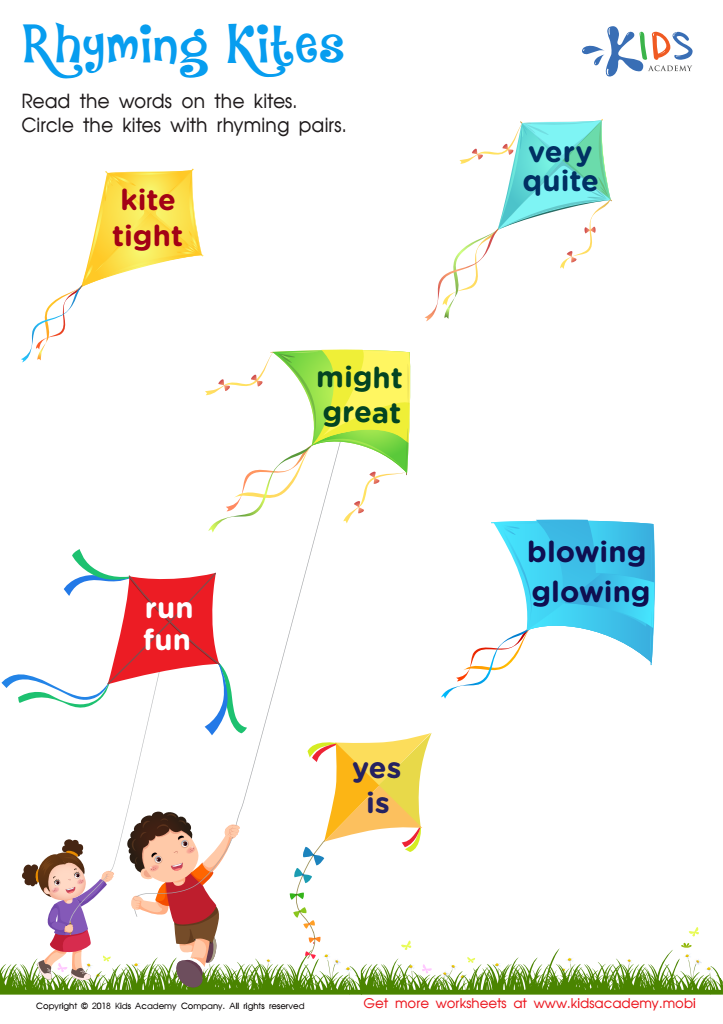
Rhyming Kites Worksheet
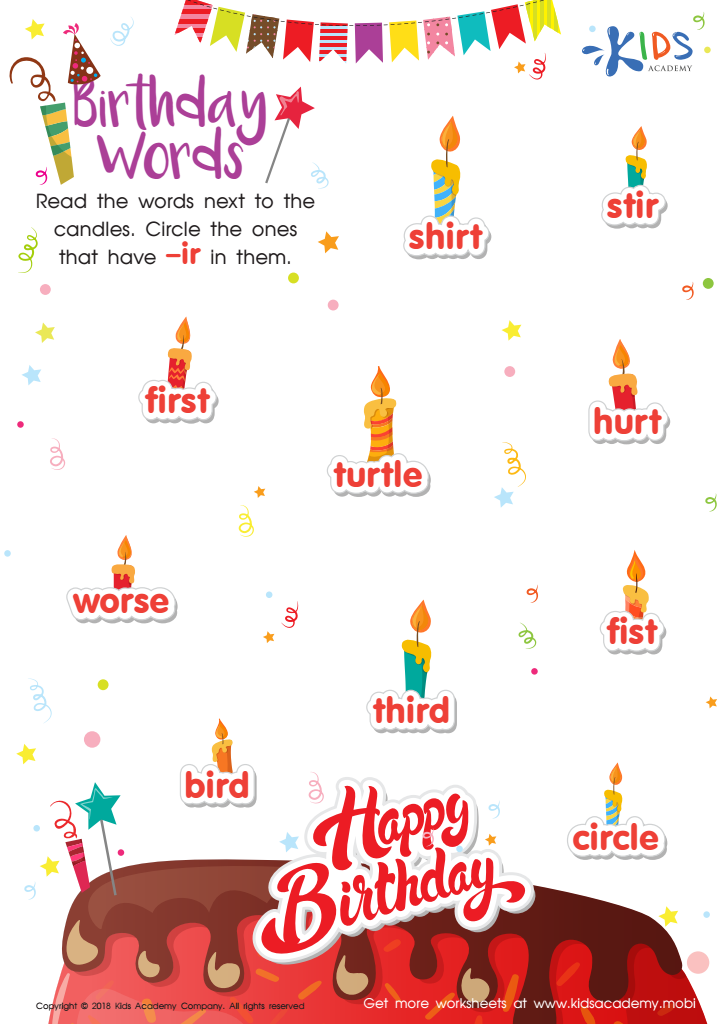
Birthday Words Worksheet
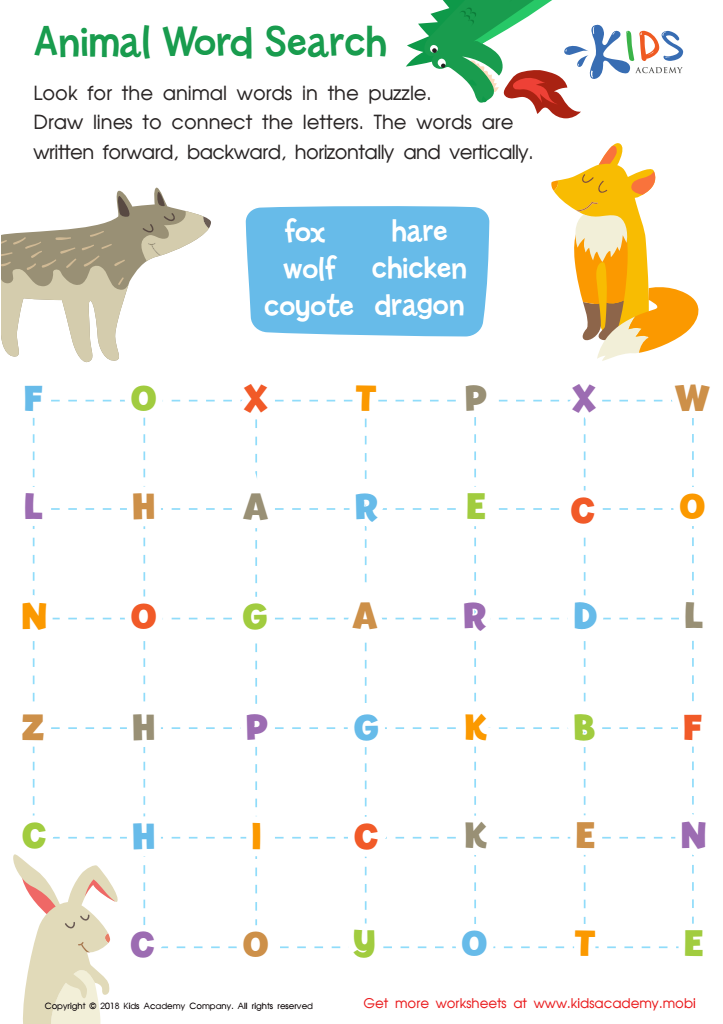
Animal Word Search Worksheet
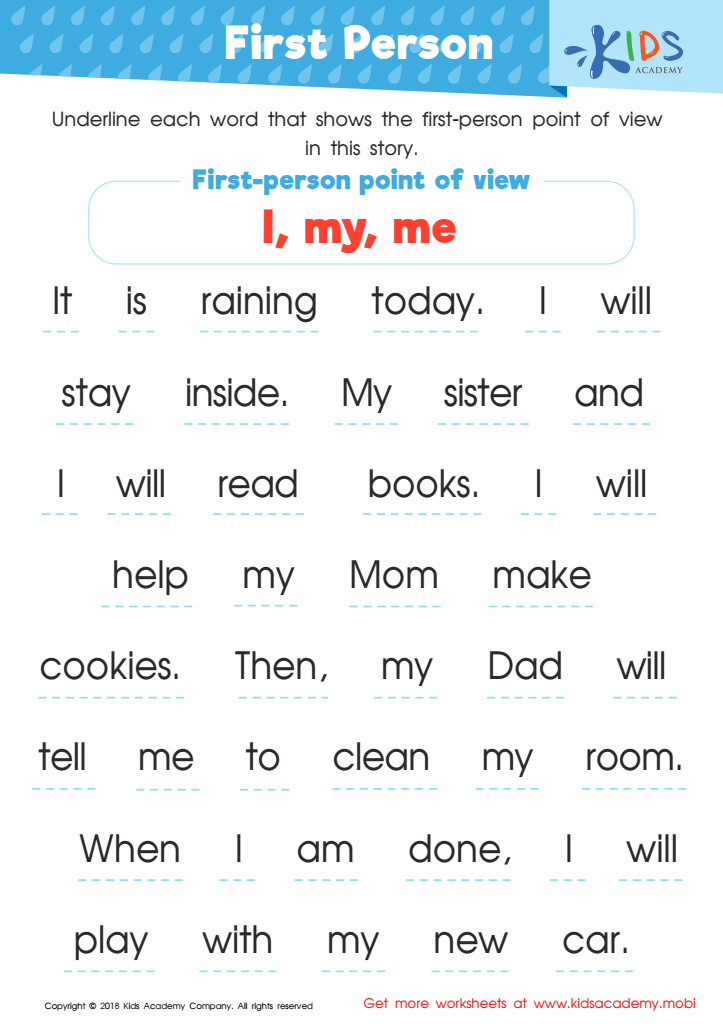
First Person Worksheet
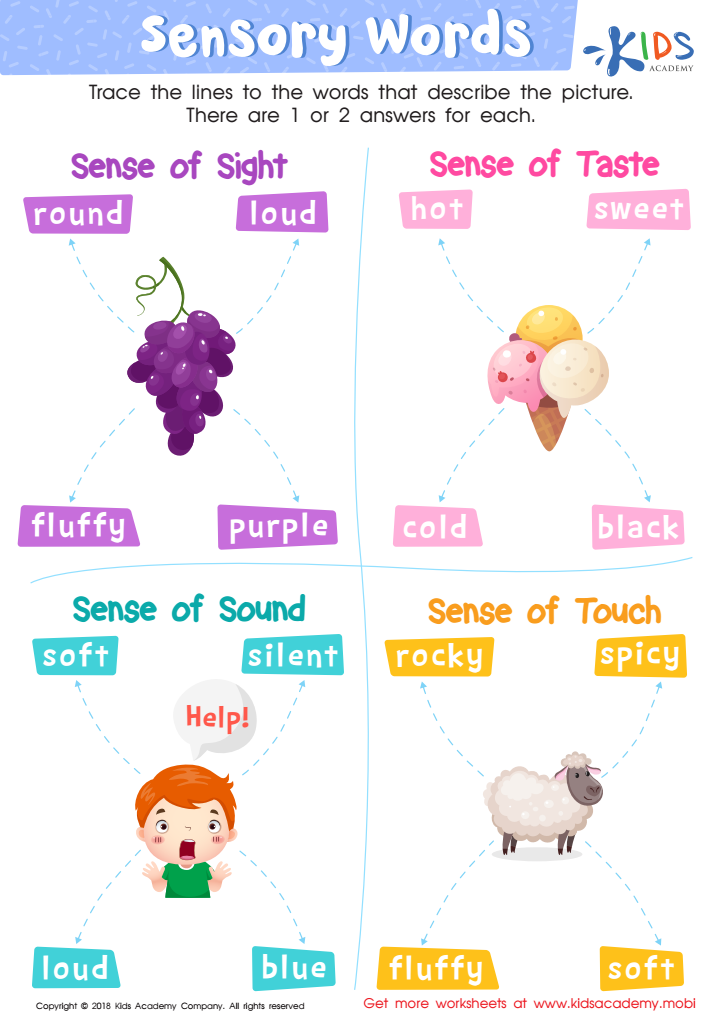
Sensory Words Worksheet
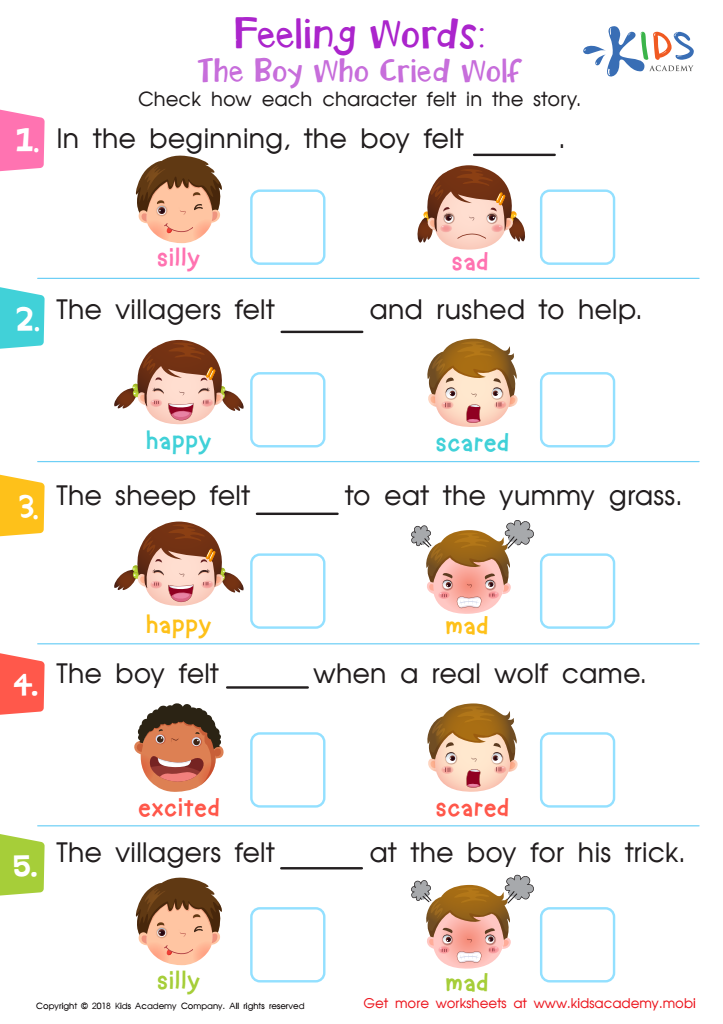
Feeling Words: The Boy Who Cried Wolf Worksheet
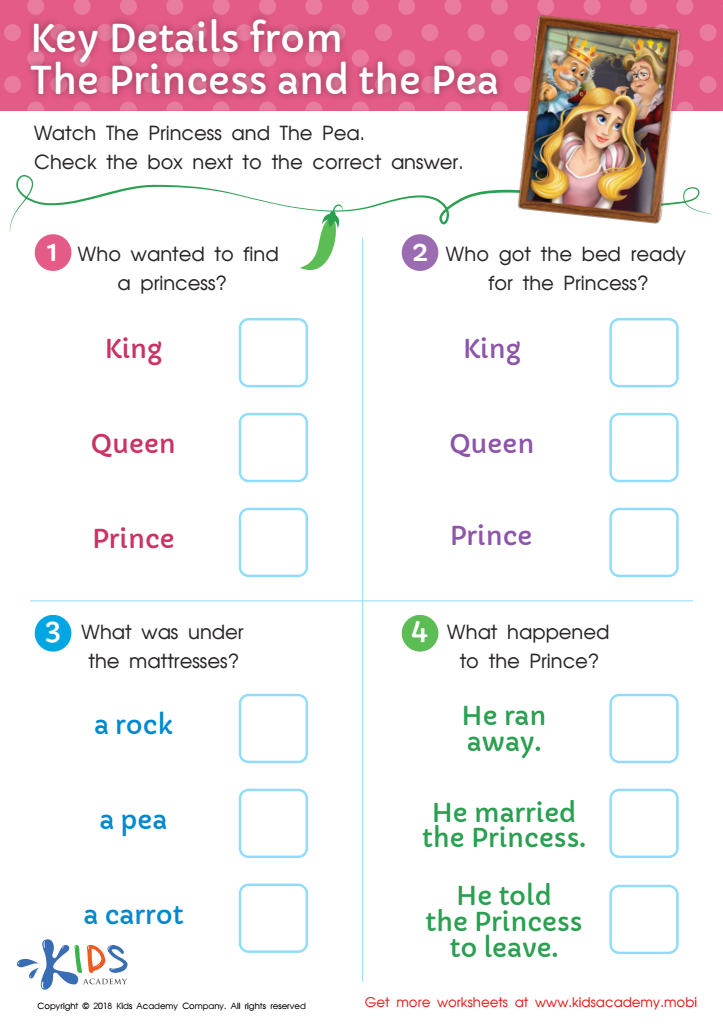
Key Details from the Princess and the Pea Worksheet
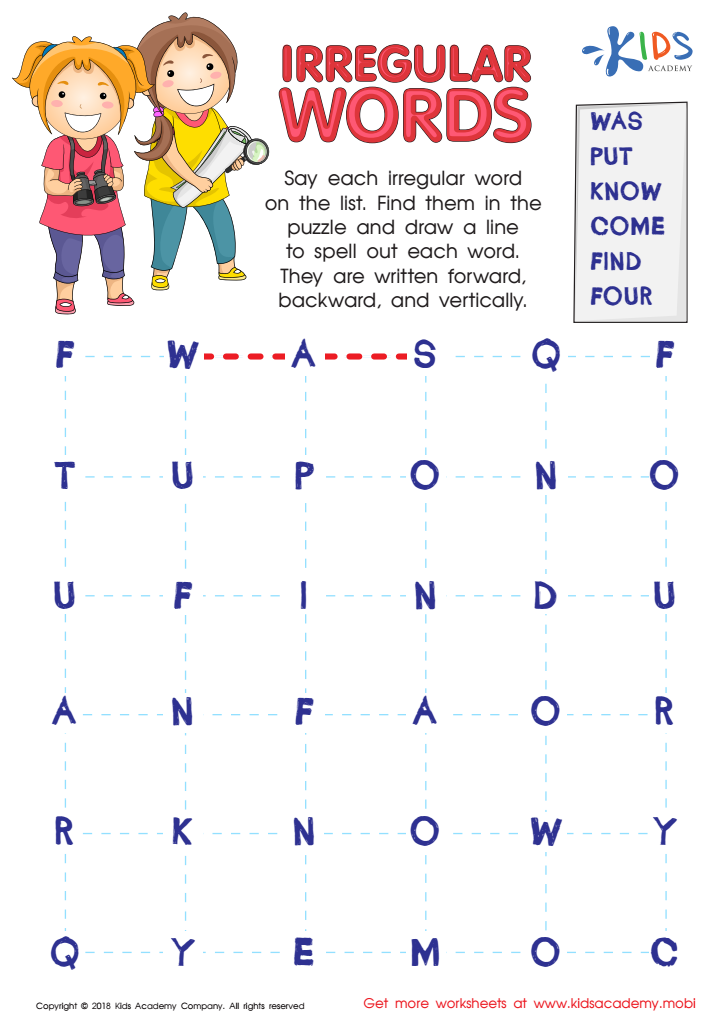
Irregular Words Worksheet
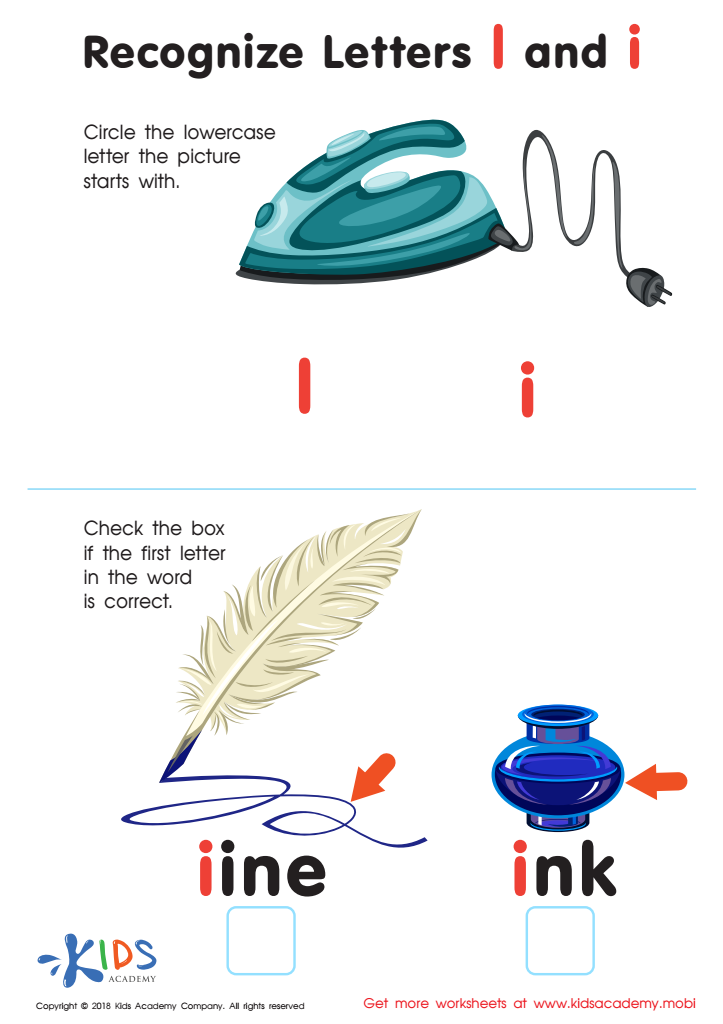
Recognize Letters l and i Worksheet
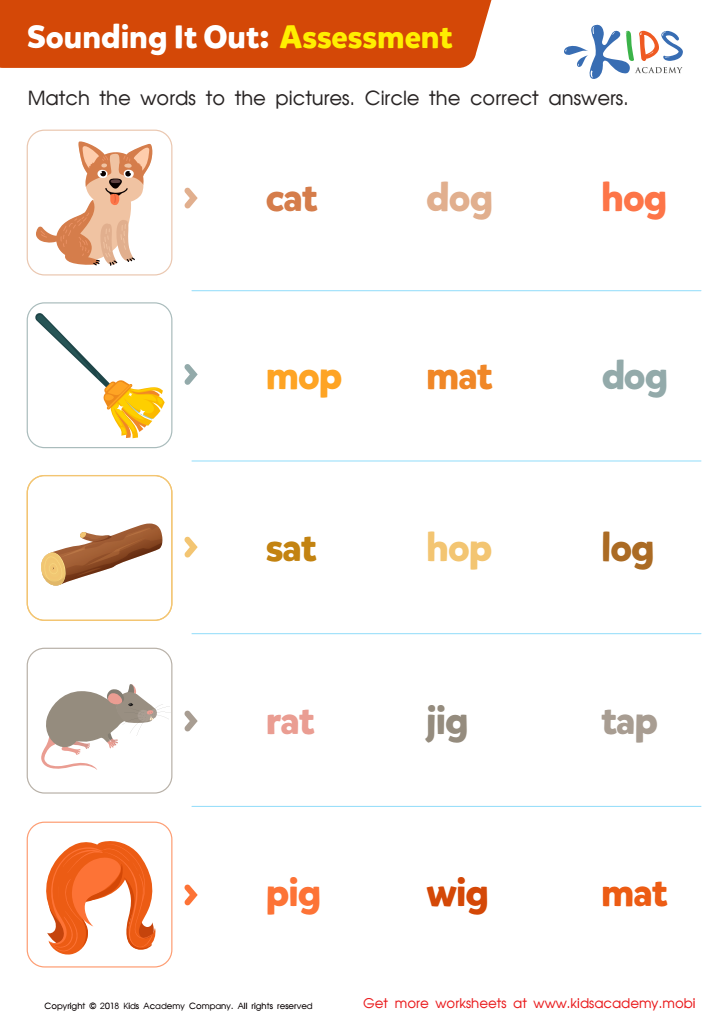
Sounding it Out: Assessment Worksheet
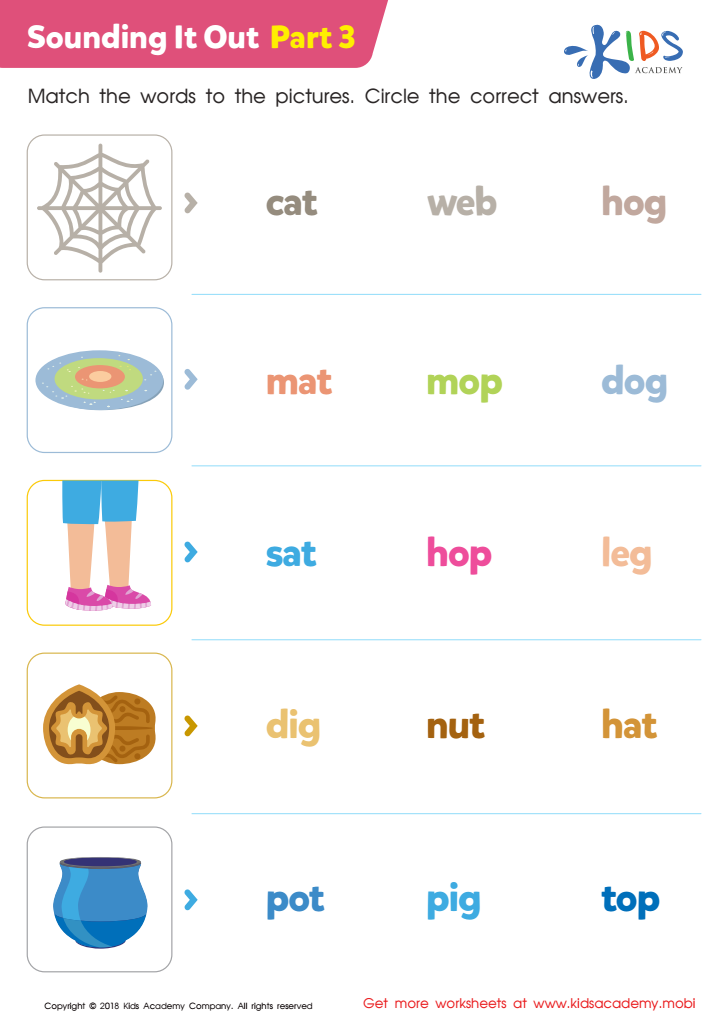
Sounding it Out: Part 3 Worksheet
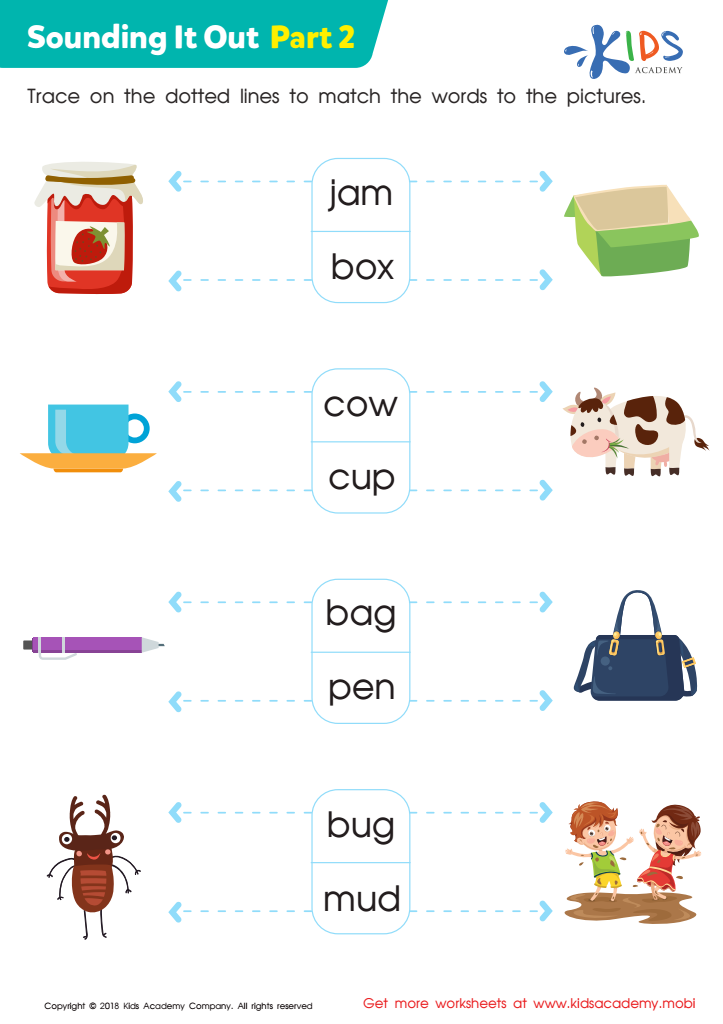
Sounding it Out: Part 2 Worksheet
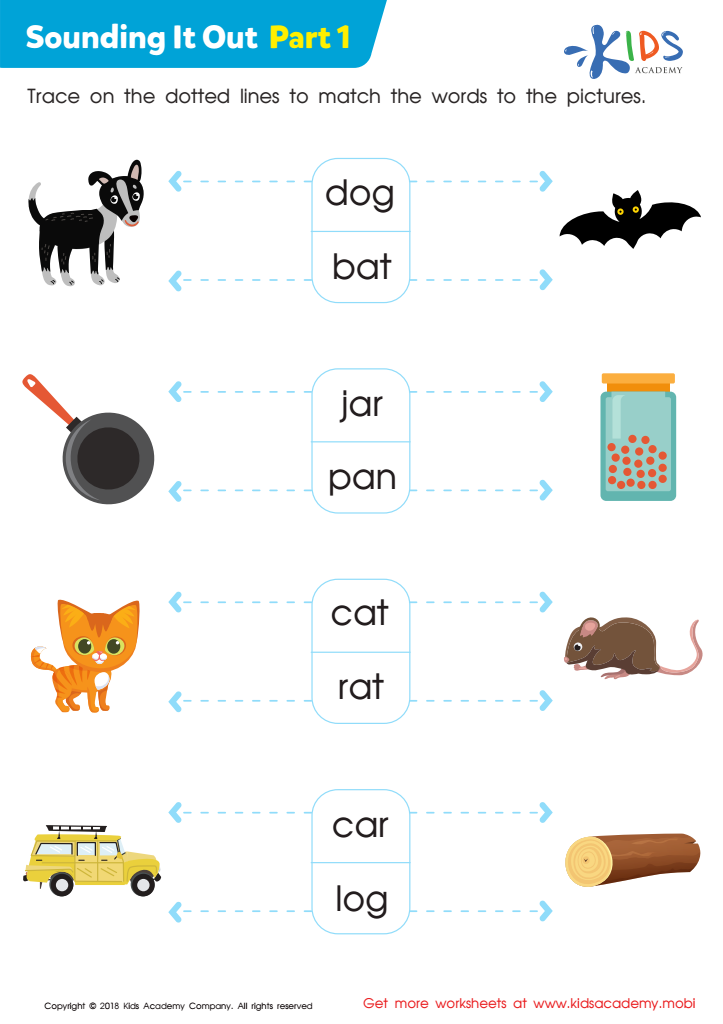
Sounding it Out: Part 1 Worksheet
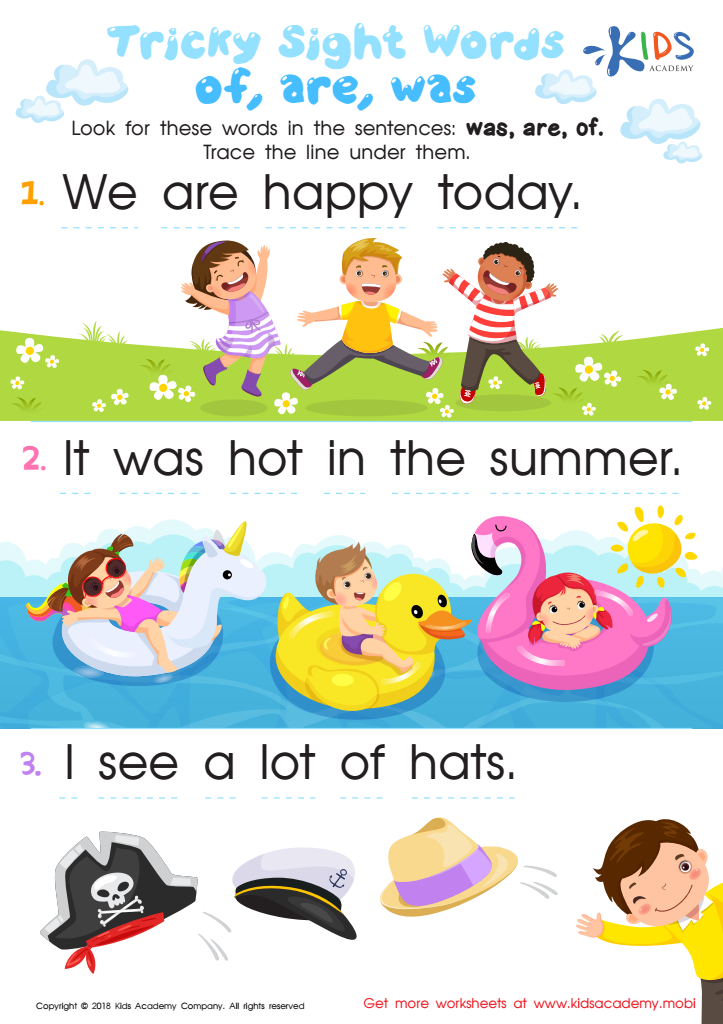
Tricky Sight Words Worksheet


.jpg)




Building vocabulary in children aged 6-8 is essential for several compelling reasons. At this age, children are transitioning from learning to read to reading to learn, making vocabulary development crucial for their overall academic success. A rich vocabulary enhances comprehension, enabling children to better understand texts across subjects and concepts, which contributes to their performance in school.
Moreover, a strong vocabulary is linked to effective communication skills. As children engage in discussions, express their ideas, and participate in collaborative work, having the right words enables them to articulate their thoughts clearly and confidently. This ability fosters social interactions and encourages peer relationships.
Additionally, vocabulary development supports critical thinking and creativity. When children have access to a wide range of words, they can better analyze information, make connections, and engage in imaginative play. This foundation not only fuels their curiosity but also instills a love for learning.
Finally, nurturing vocabulary skills early on prepares children for future challenges, including standardized tests and advanced coursework. Parents and teachers play a vital role in this development by providing diverse reading materials and engaging in conversations that introduce new words, ensuring a well-rounded educational experience.








