Normal Reading Fiction Worksheets for Ages 6-8 - Page 5
100 filtered results
-
From - To
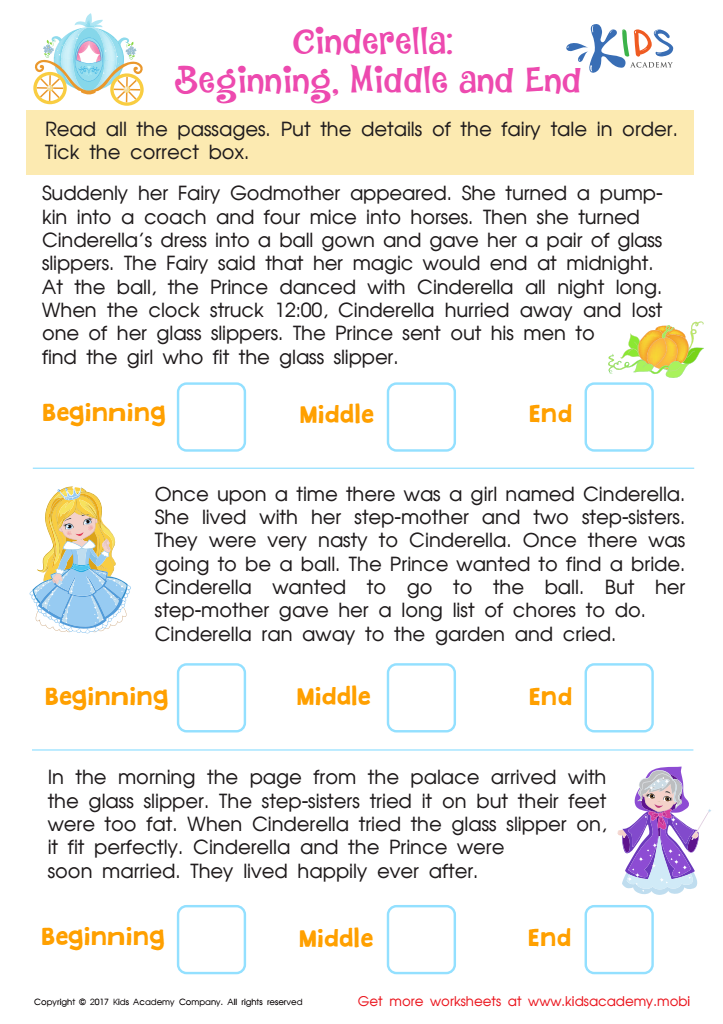
Cinderella: Beginning, Middle and End Worksheet
 Assign to My Students
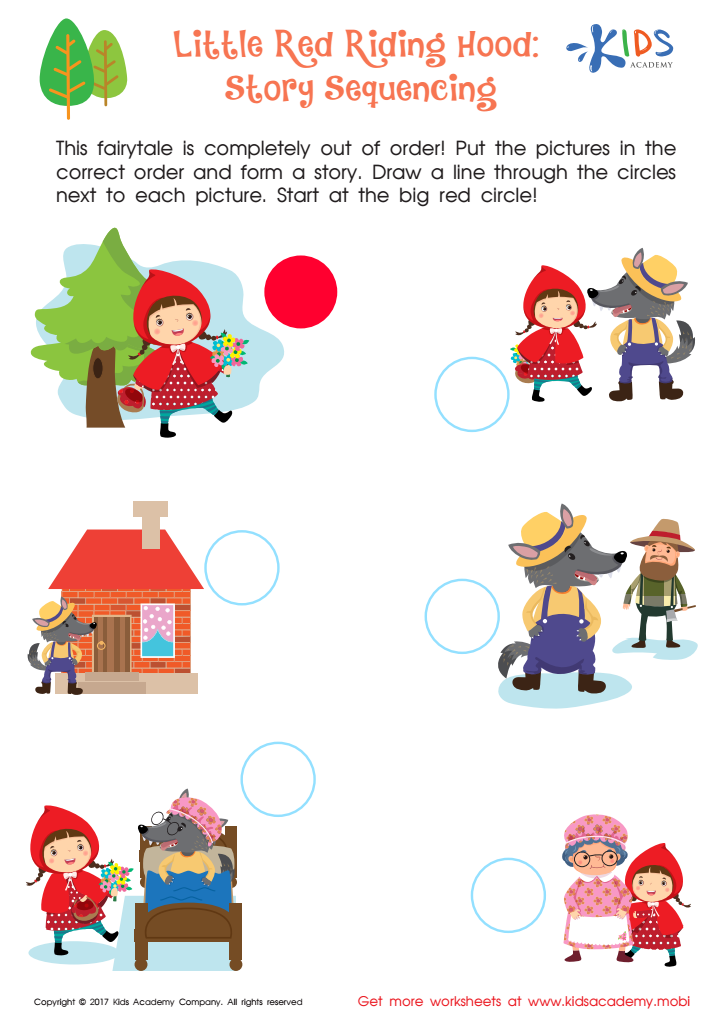
Story Sequencing Printable
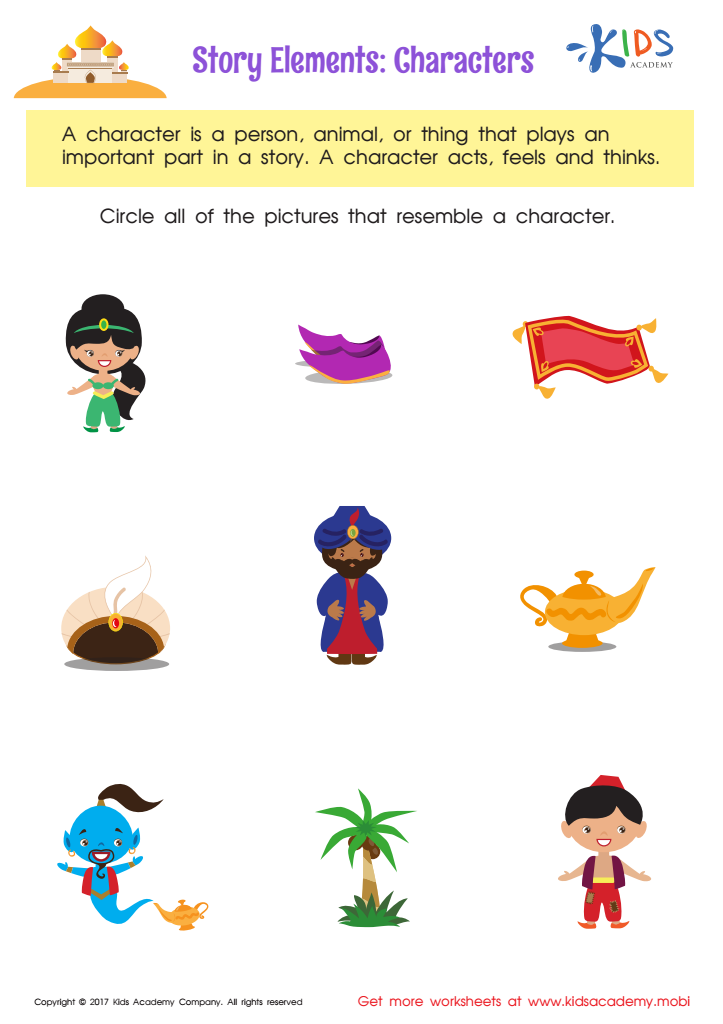
Story Elements Printable
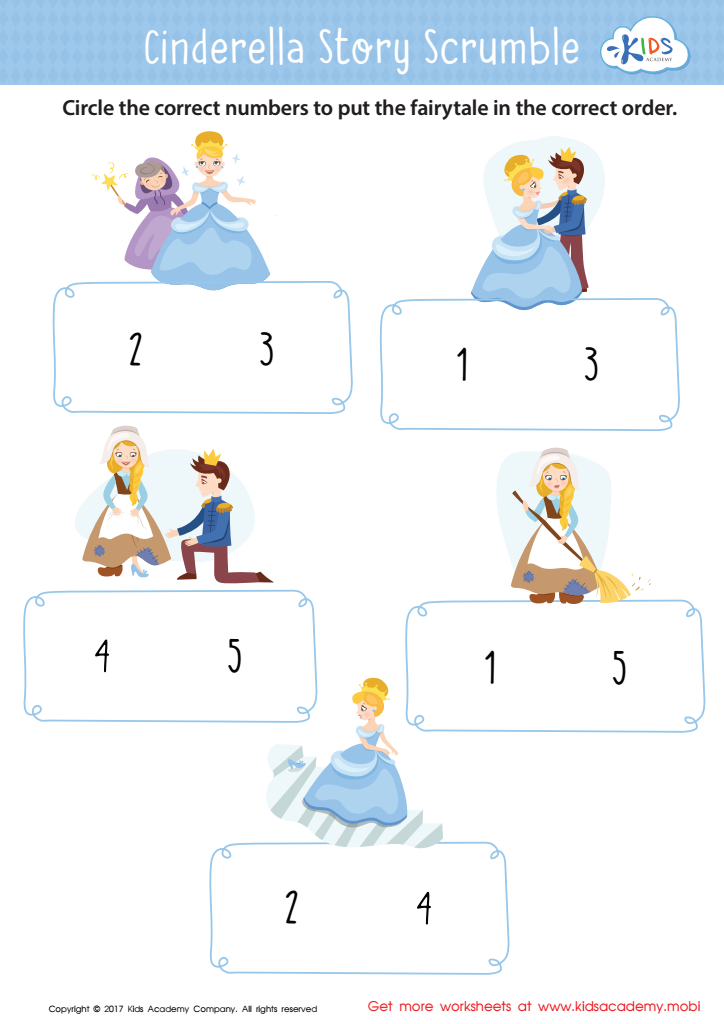
Cinderella Story Sequencing Worksheet







Parents and teachers should prioritize normal reading fiction for ages 6-8 because it plays a crucial role in a child's cognitive, social, and emotional development. At this age, children are transitioning from basic reading skills to engaging with more complex narratives. Fiction exposes them to diverse perspectives, helping to enhance their empathy and understanding of the world around them. Stories stimulate their imagination and creativity, encouraging critical thinking as they anticipate outcomes and reflect upon characters’ motivations.
Normal reading fiction also supports language development. Exposure to rich vocabulary and varied sentence structures helps enhance literacy skills, which are foundational for academic success. Moreover, shared reading experiences foster bonding opportunities between adults and children, cultivating a lifelong love for books.
Additionally, normal reading fiction can improve focus and attention spans, as children practice listening skills and engage with plotlines. It can serve as a wonderful tool for discussing values, ethics, and problem-solving, providing a platform for meaningful conversations about real-life situations. Ultimately, nurturing a child's interest in fiction lays the groundwork for a lifetime of learning, fostering a well-rounded individual ready to navigate the complexities of life.







