Normal Animals Worksheets for Ages 6-8 - Page 2
48 filtered results
-
From - To
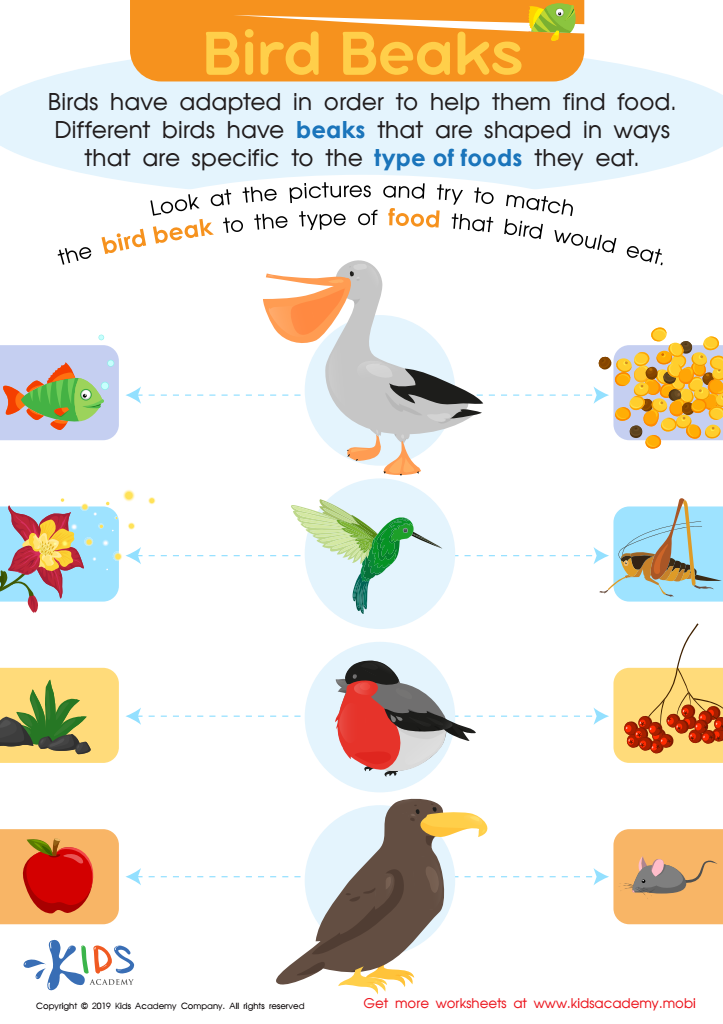
Bird Beaks Worksheet
 Assign to My Students
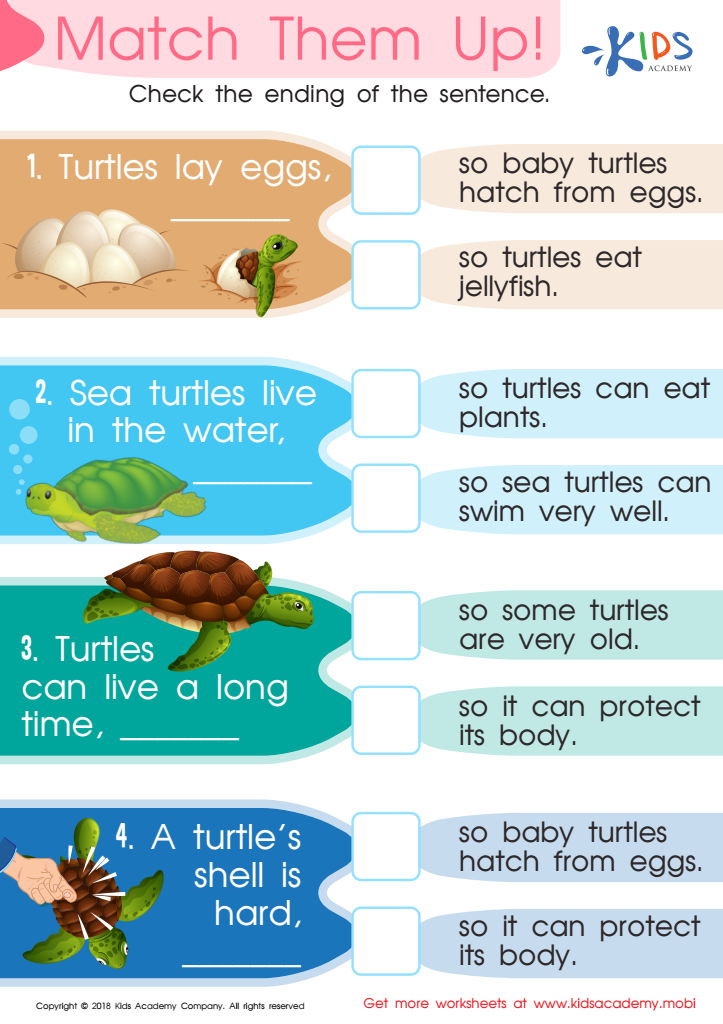
Match Them Up Worksheet
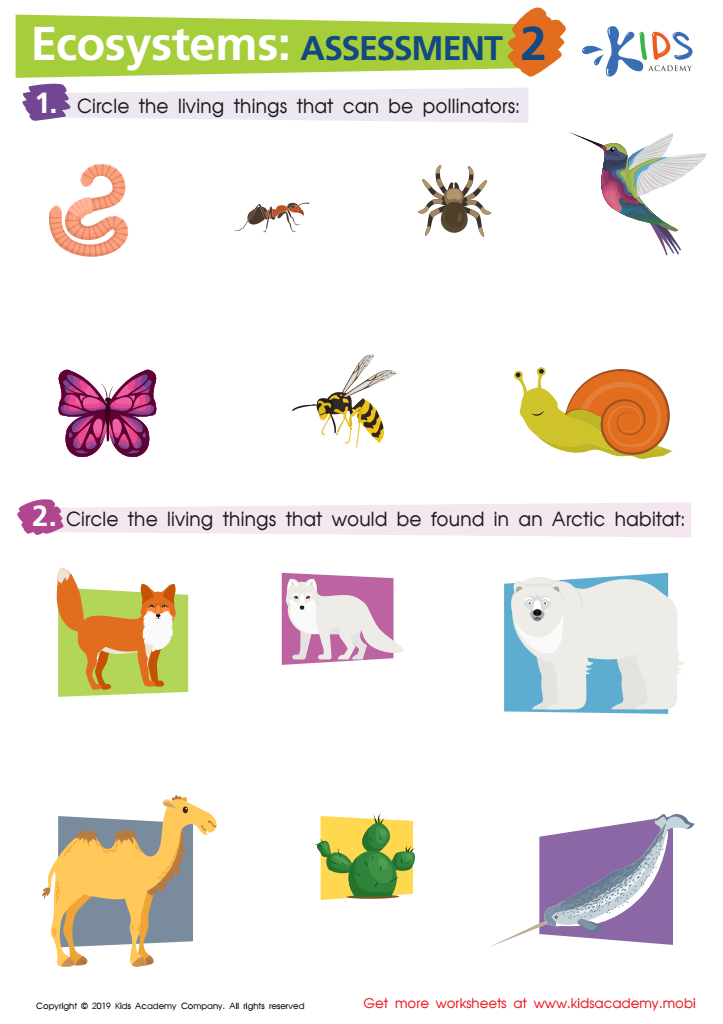
Ecosystems: Assessment 2 Worksheet
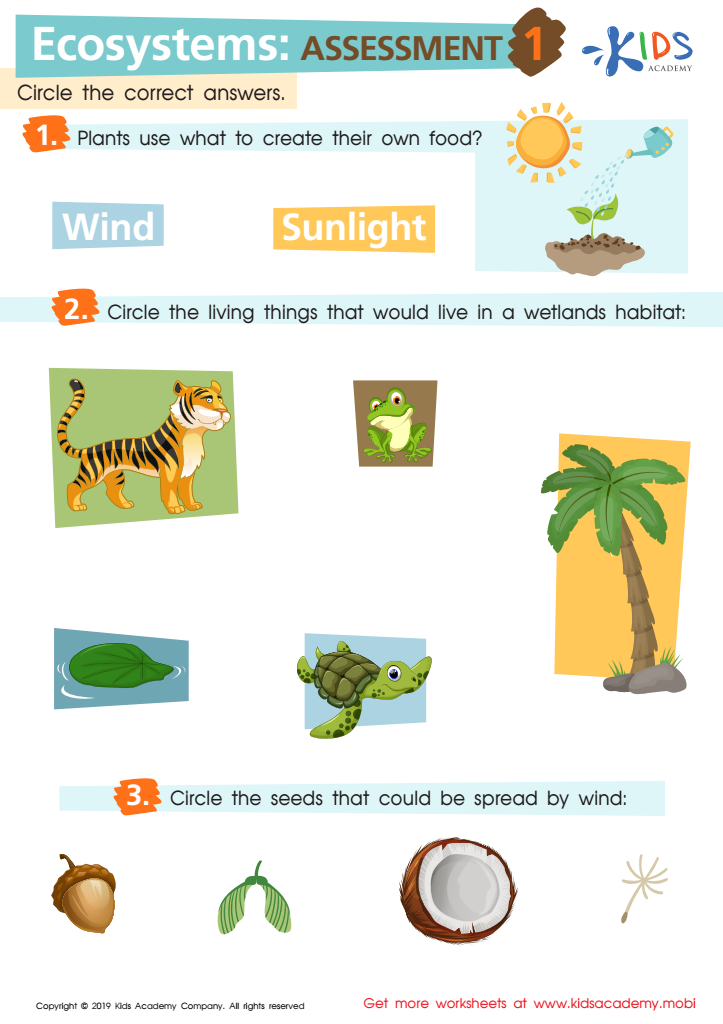
Ecosystems: Assessment 1 Worksheet
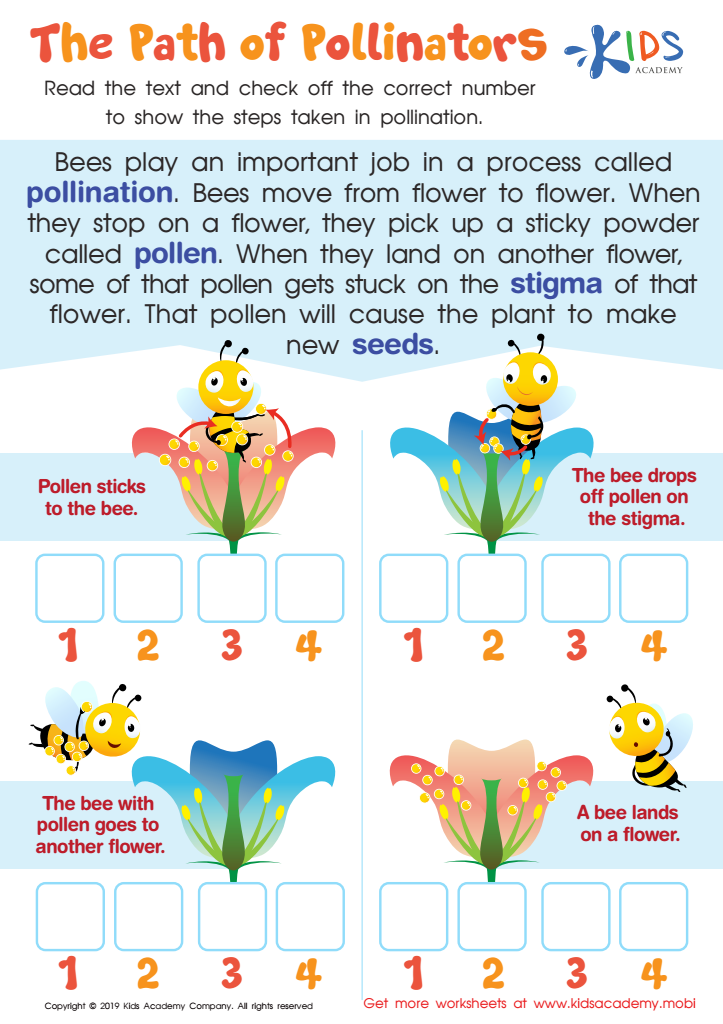
The Path of Pollinators Worksheet
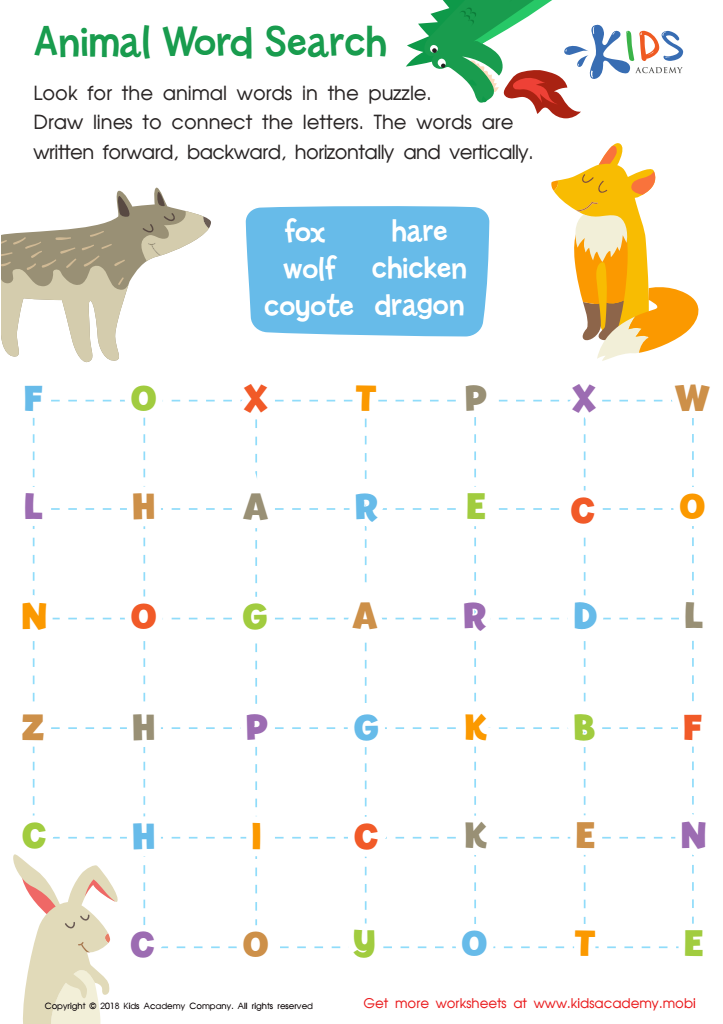
Animal Word Search Worksheet
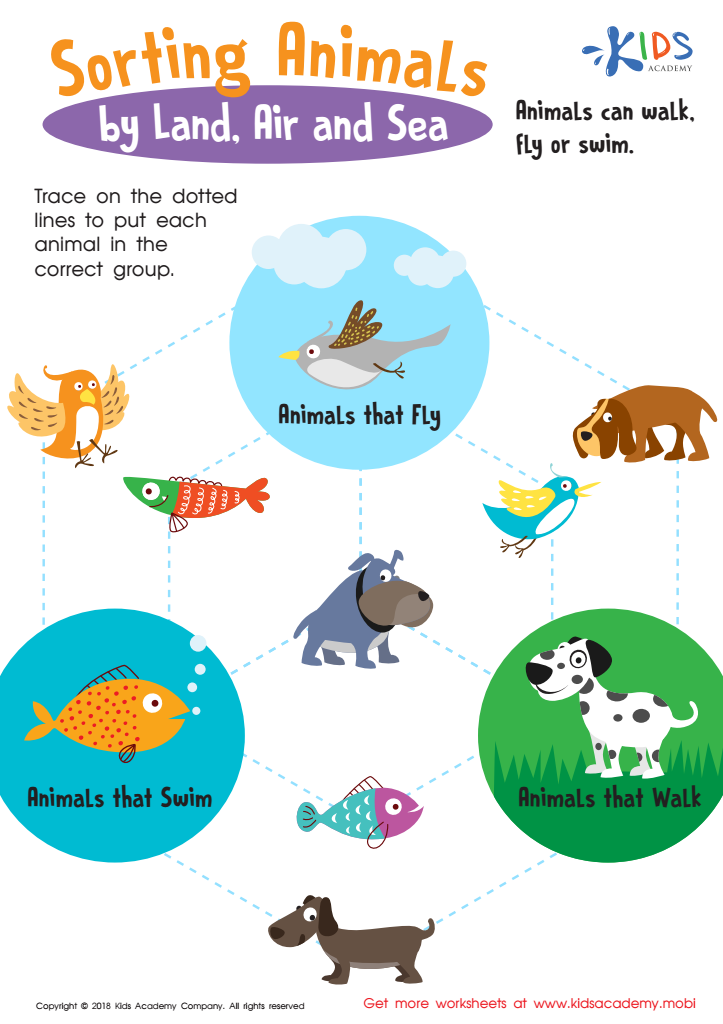
Sorting Animals by Land, Air and Sea Worksheet
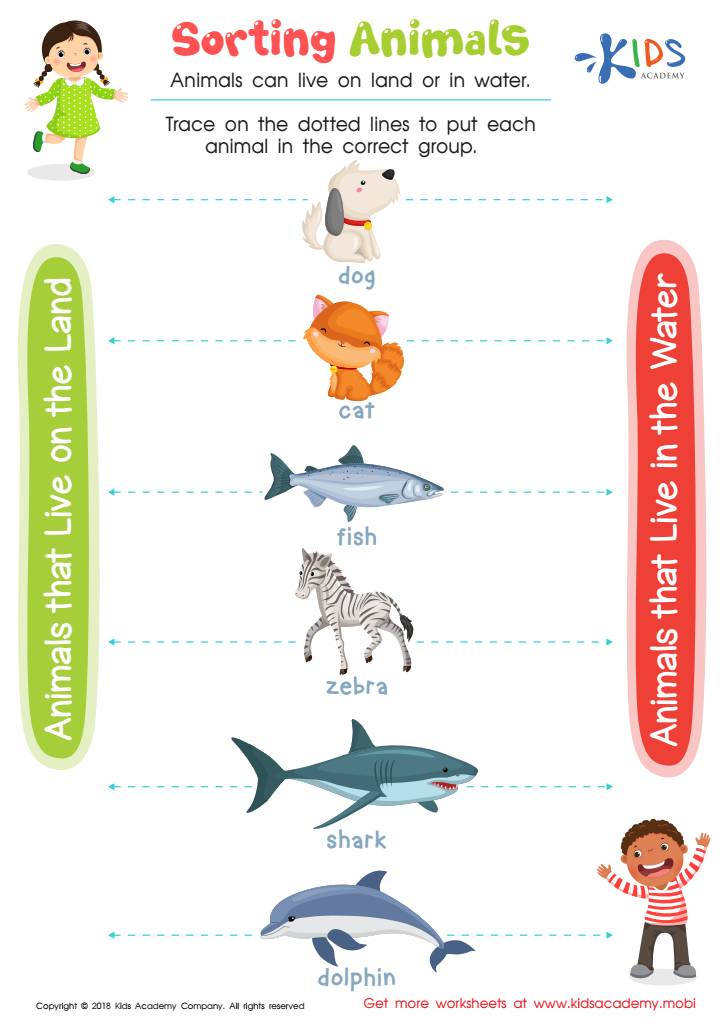
Sorting Animals Worksheet
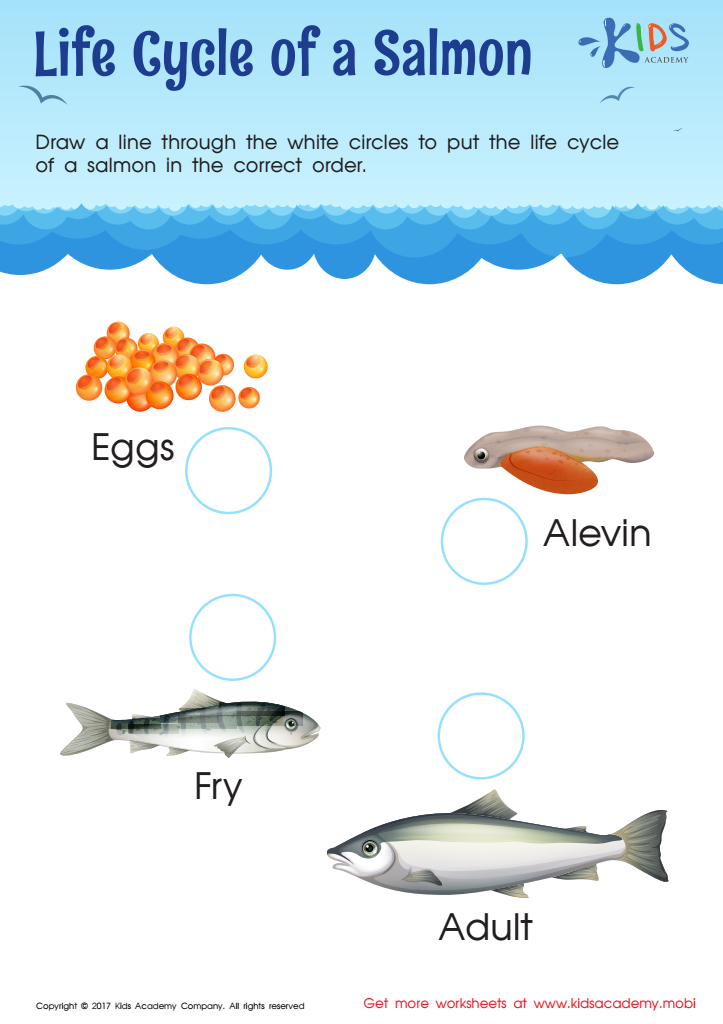
Cycle Of Salmon Worksheet
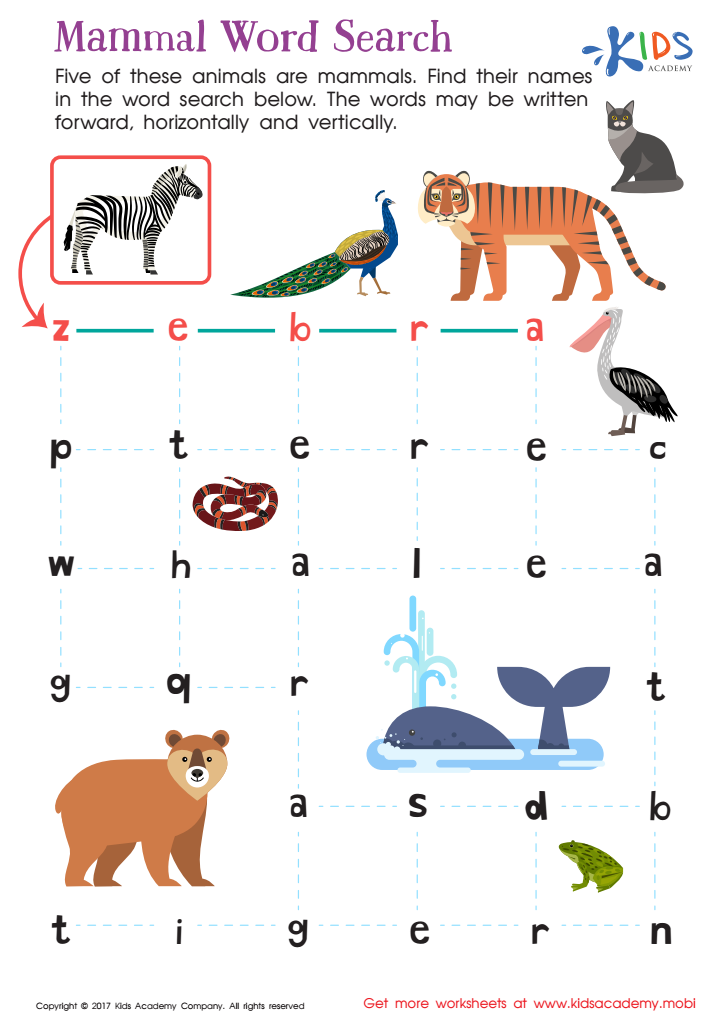
Printable Mammal Word Search
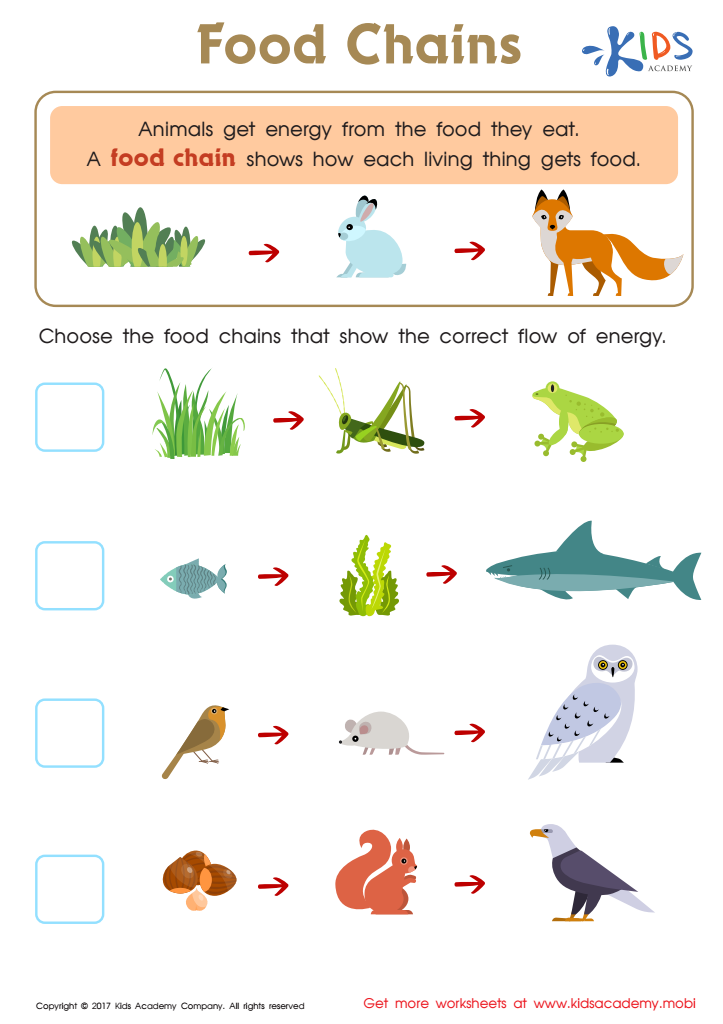
Food Webs and Food Chains Worksheet
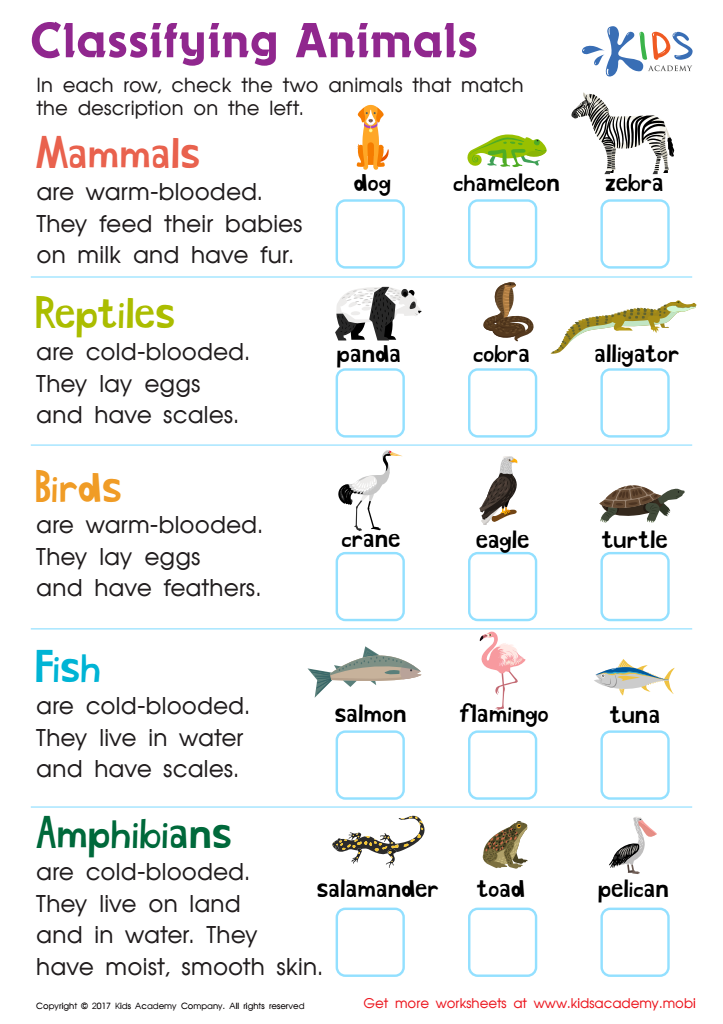
Classifying Animals Worksheet
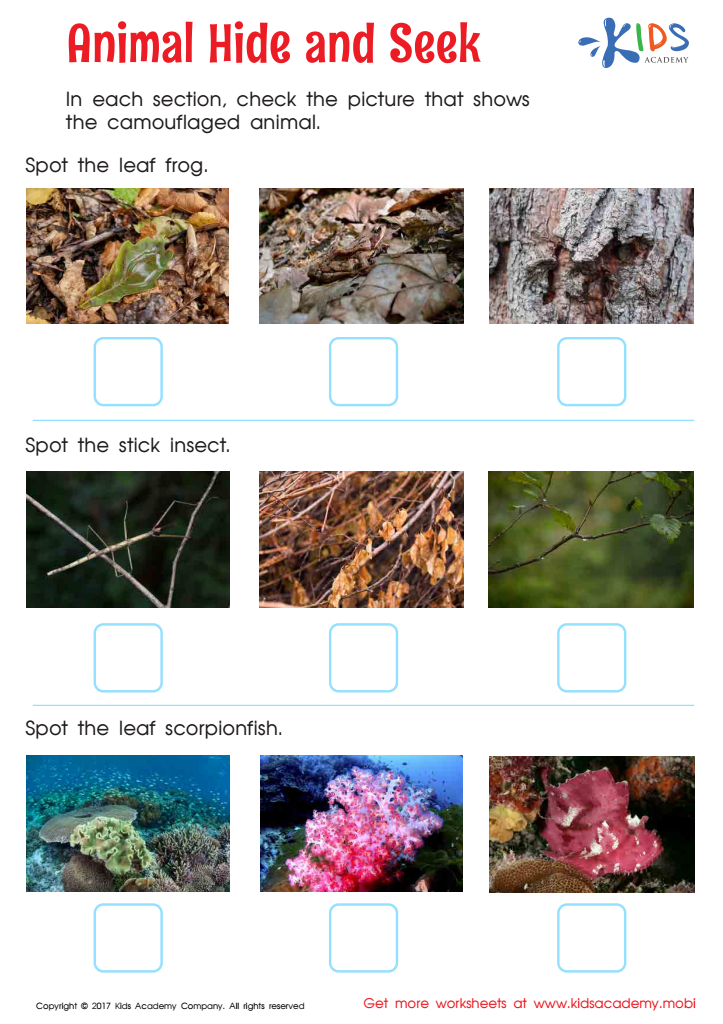
Animal Hide and Seek Worksheet
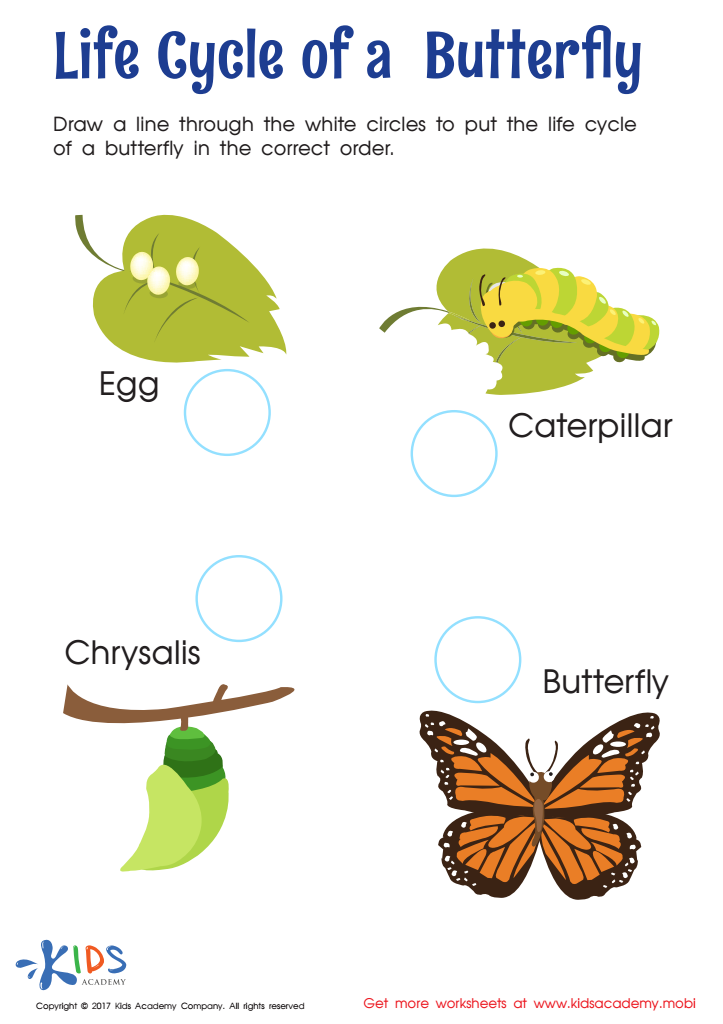
Life Cycle of Butterfly Worksheet
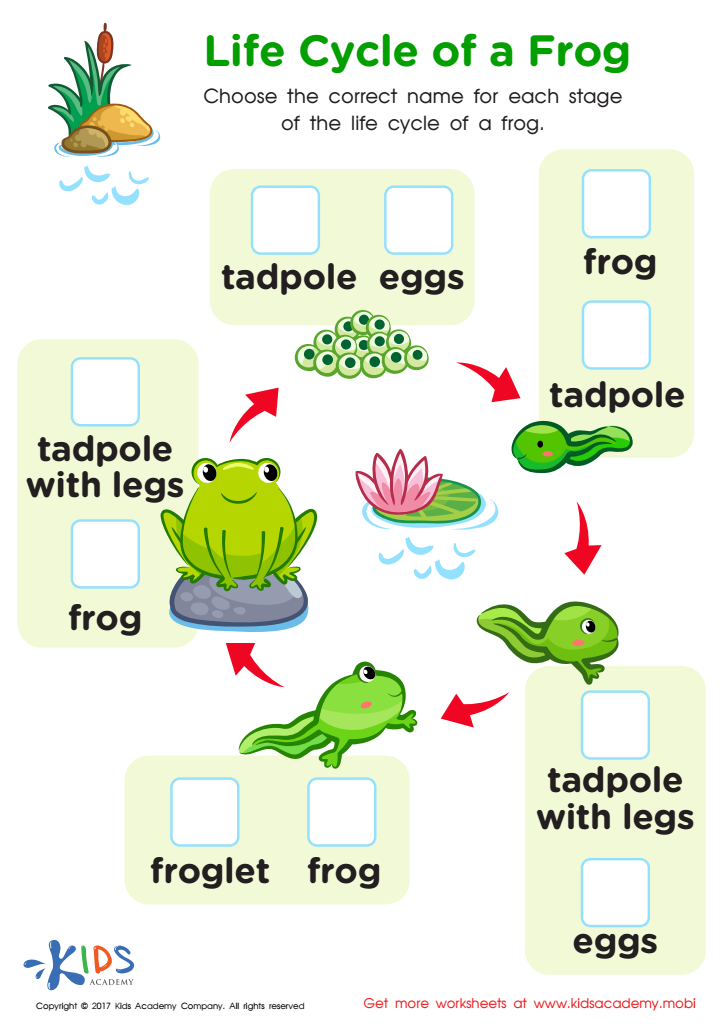
Life Cycle Frog Printable
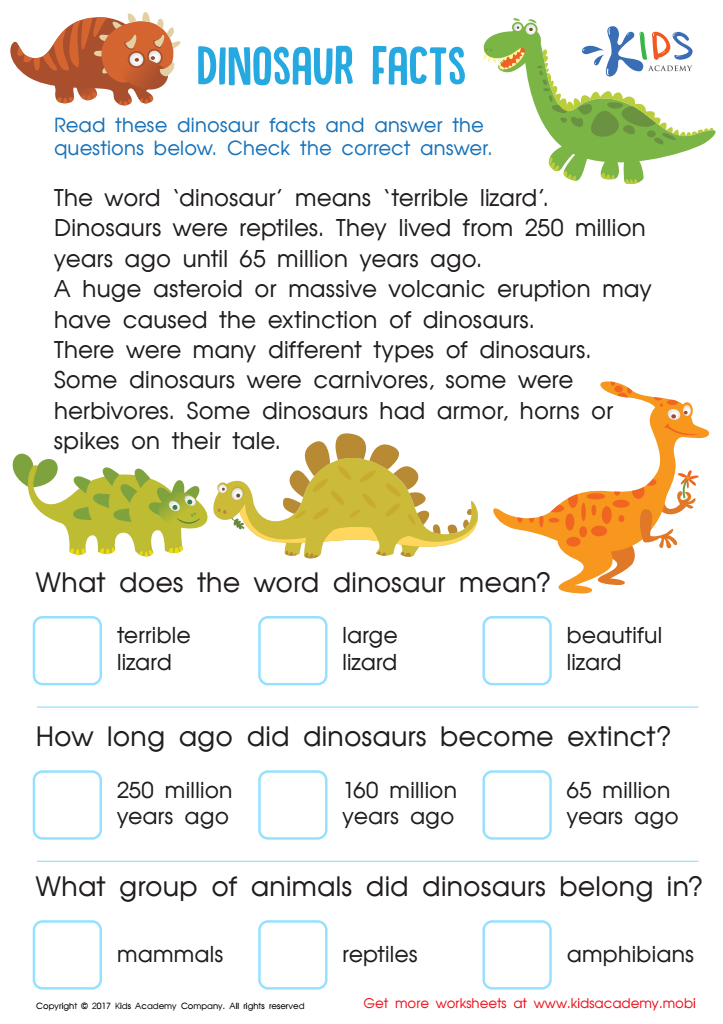
Dinosaur Facts Worksheet
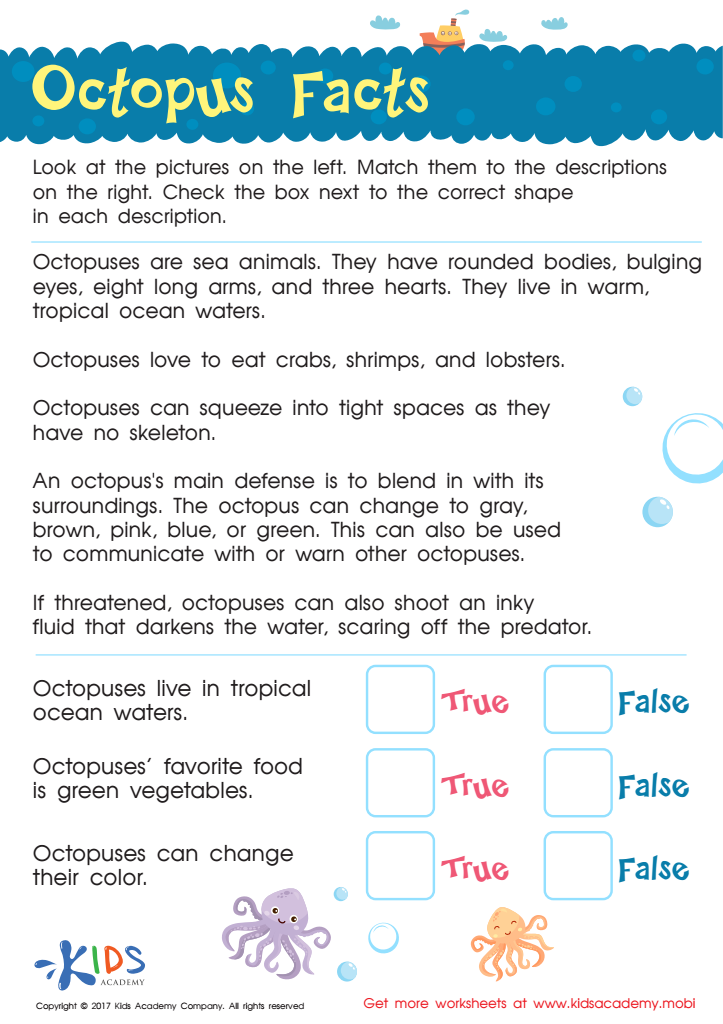
Octopus Facts Worksheet For Kids
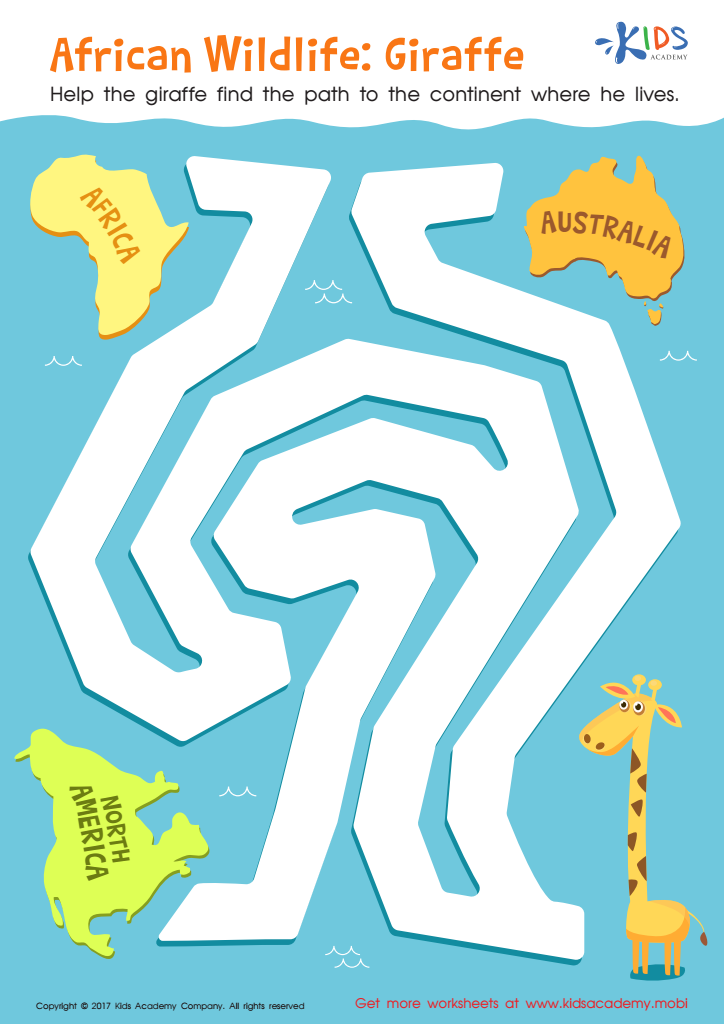
African Wildlife: Giraffe Worksheet
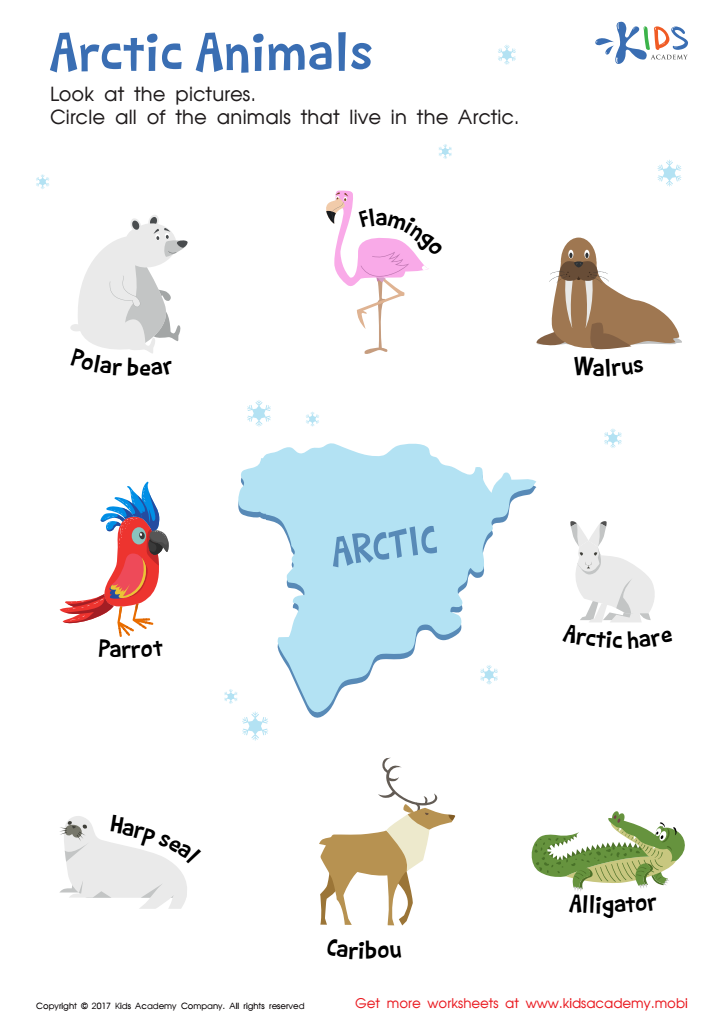
Arctic Animals Worksheet
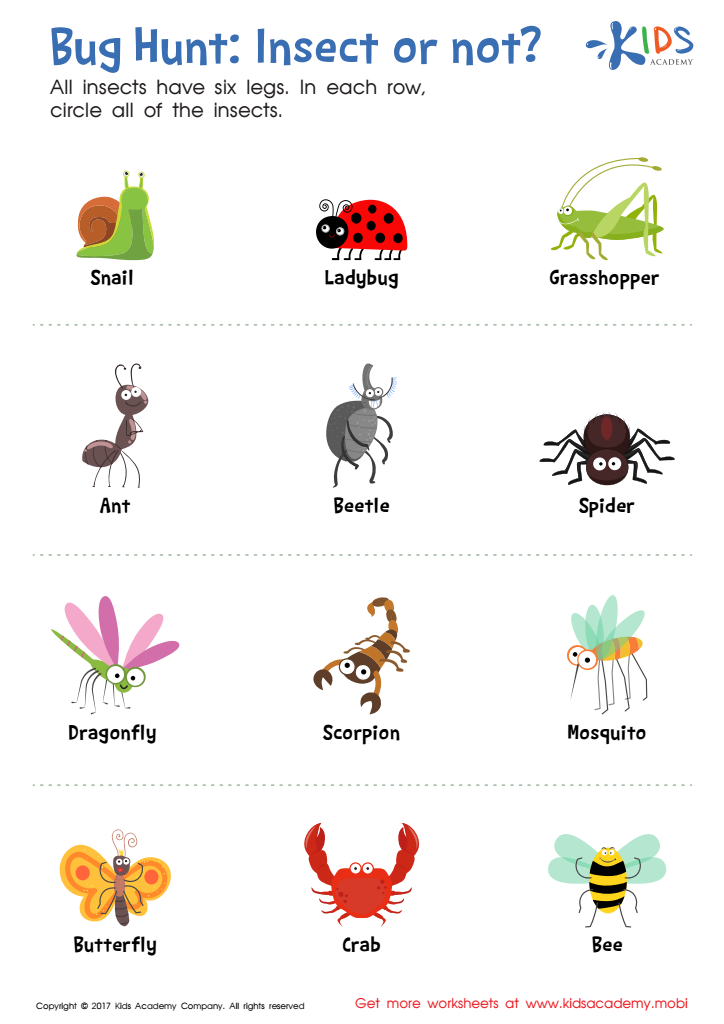
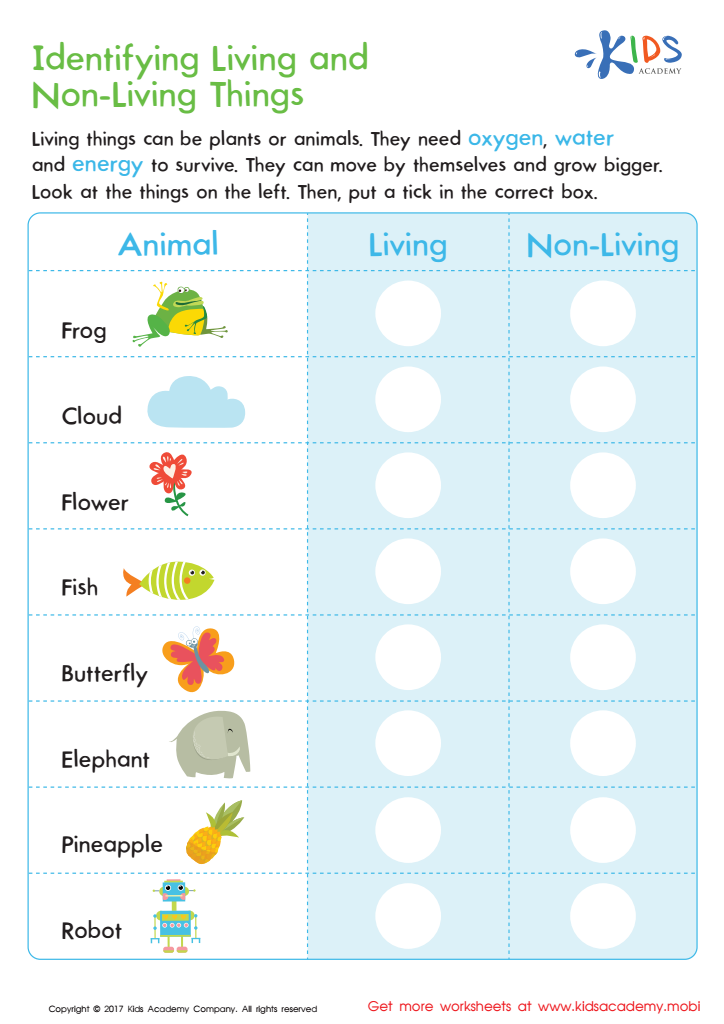
Identifying Living or Non–living Worksheet
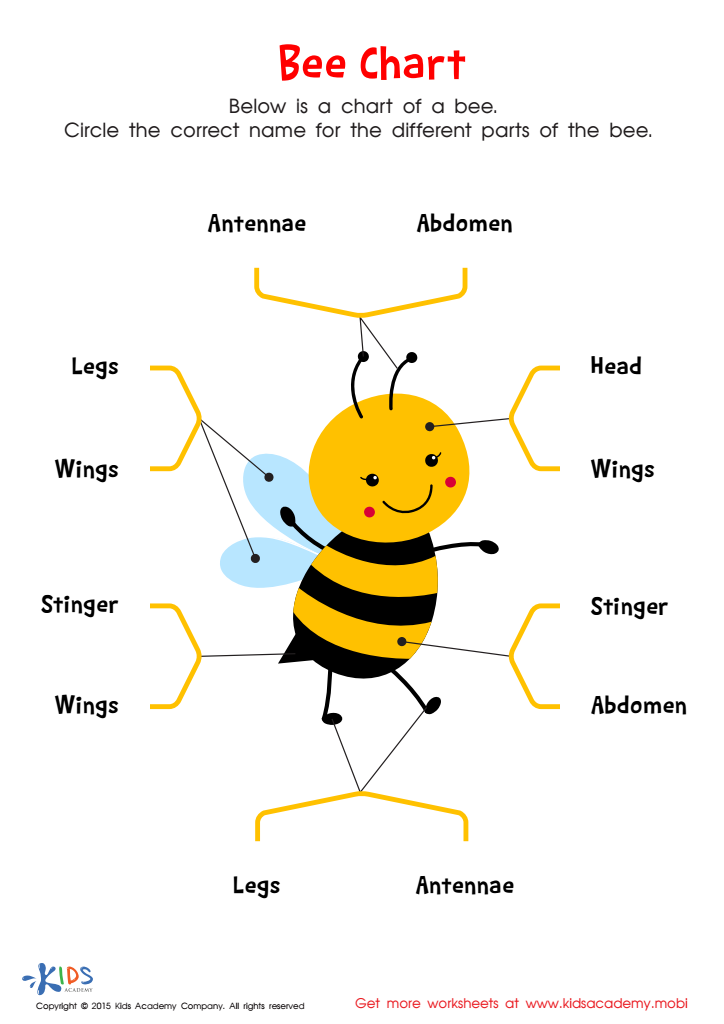
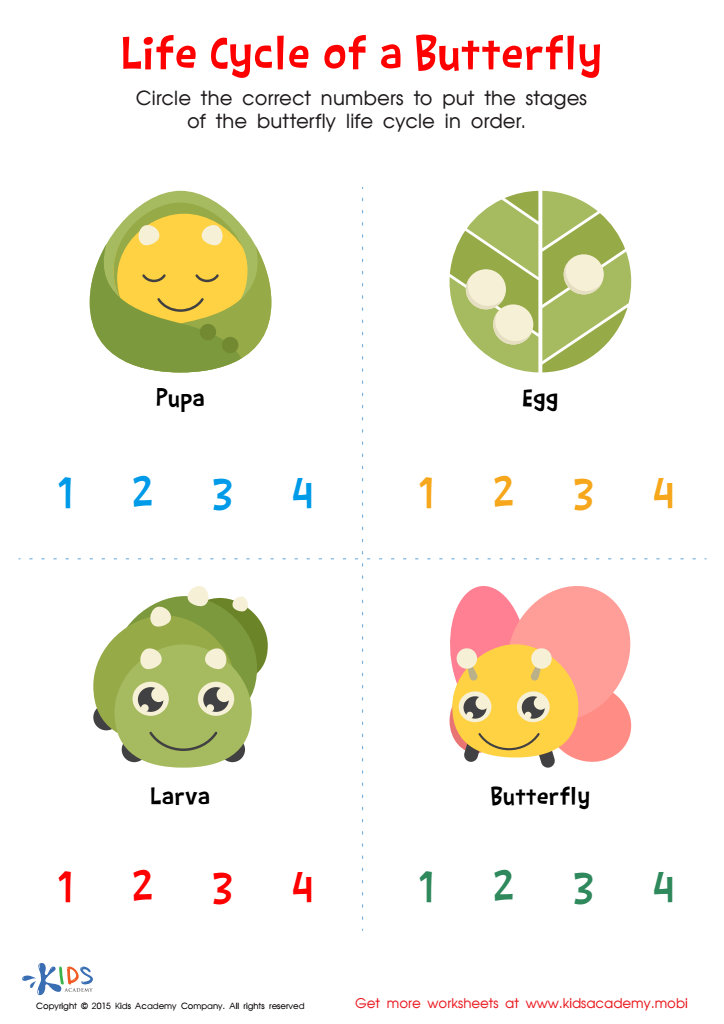
Life Cycle of Butterfly Printable
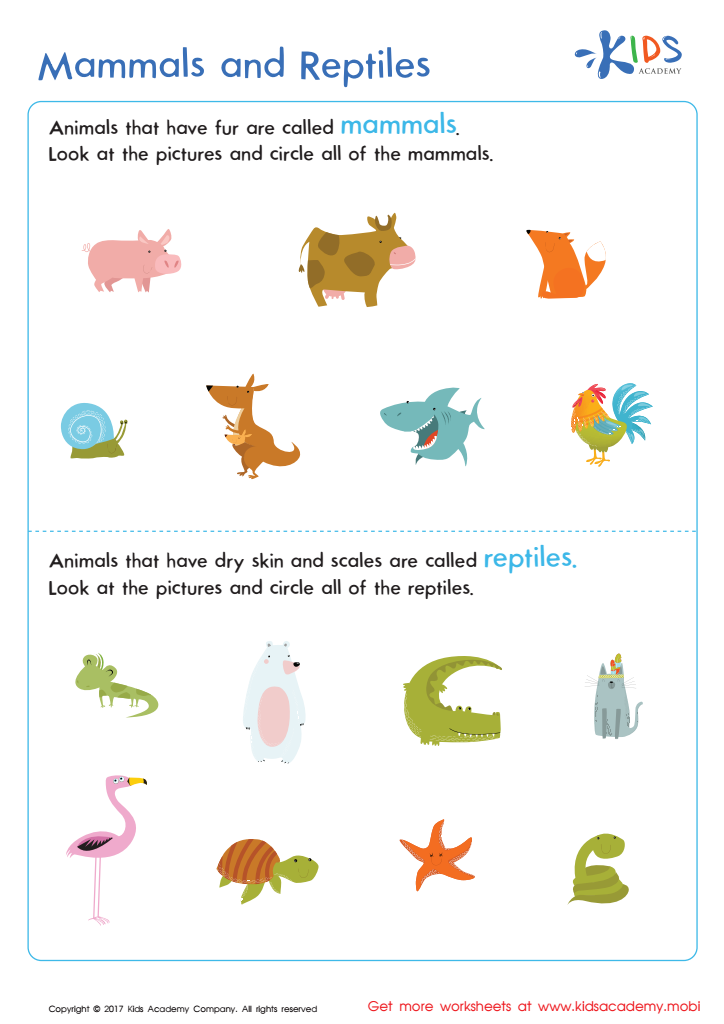
Mammals and Reptiles Worksheet



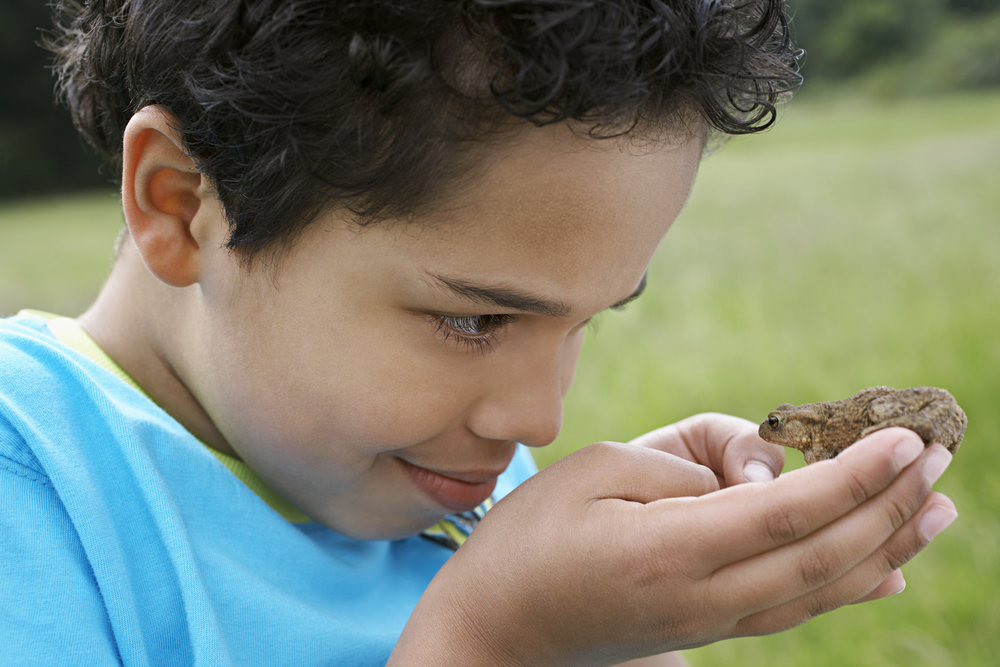




Parents and teachers should care about introducing the concept of "Normal Animals" to children aged 6-8 because it fosters a sense of curiosity and compassion towards living beings. At this developmental stage, children are eager to explore the world around them, and understanding the characteristics and behaviors of common animals can enhance their observational skills and empathy.
Learning about normal animals—those commonly found in local environments, like dogs, cats, birds, and squirrels—encourages children to appreciate biodiversity and the role each animal plays in the ecosystem. It helps build a foundation for environmental stewardship and personal responsibility.
Additionally, discussing these animals promotes language skills and improves critical thinking as children classify animals by their traits and habitats. Activities canInclude storytelling, drawing, or visiting animal sanctuaries, making learning interactive and impactful.
Moreover, fostering a connection with animals can significantly benefit children's social and emotional development. Caring for pets or participating in community animal projects can strengthen their sense of responsibility, enhance their social skills, and provide comfort. Ultimately, understanding normal animals enriches their experiences, cultivates curiosity, and lays the groundwork for nurturing compassionate, informed citizens of the world.








