Normal Physical Science Worksheets for Ages 6-8 - Page 3
71 filtered results
-
From - To
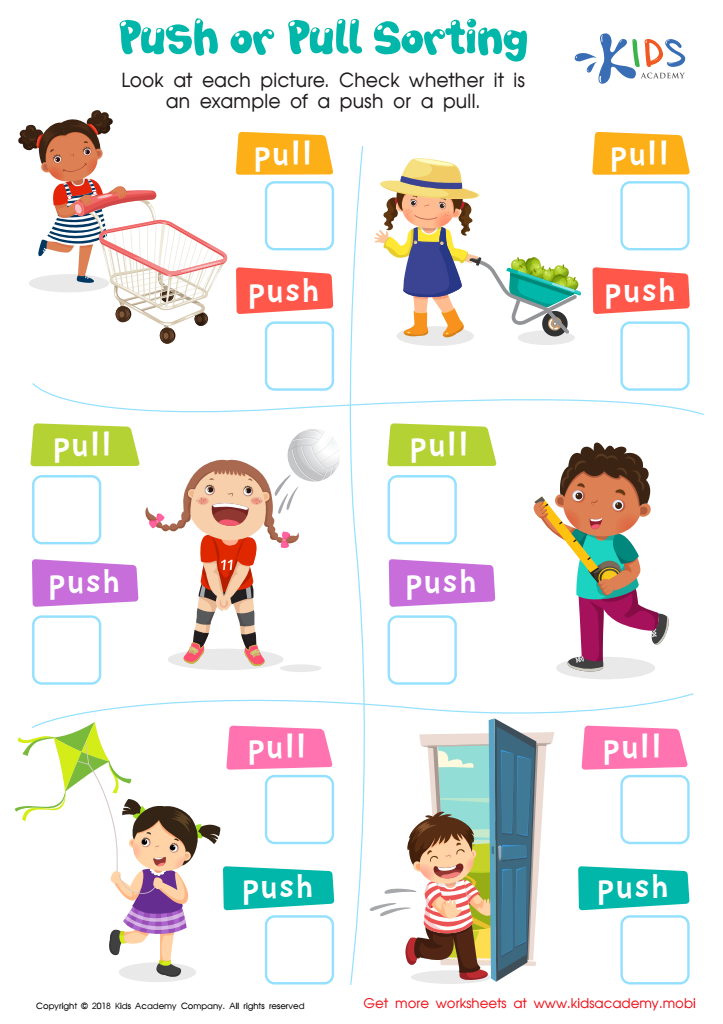
Push or Pull Sorting Worksheet
 Assign to My Students
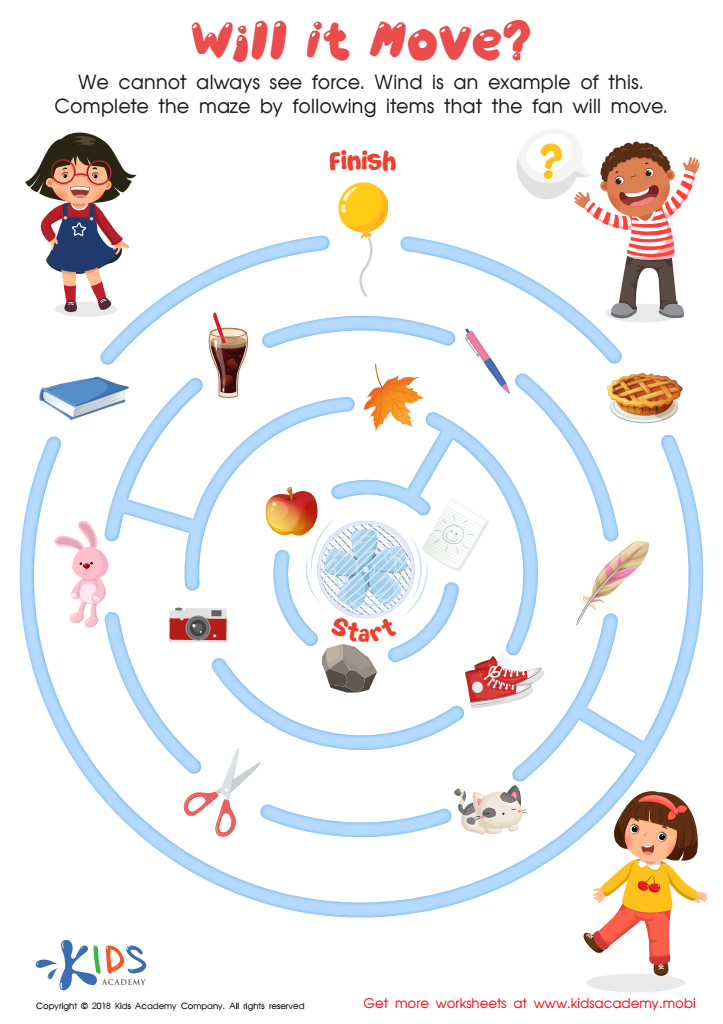
Will it Move? Worksheet
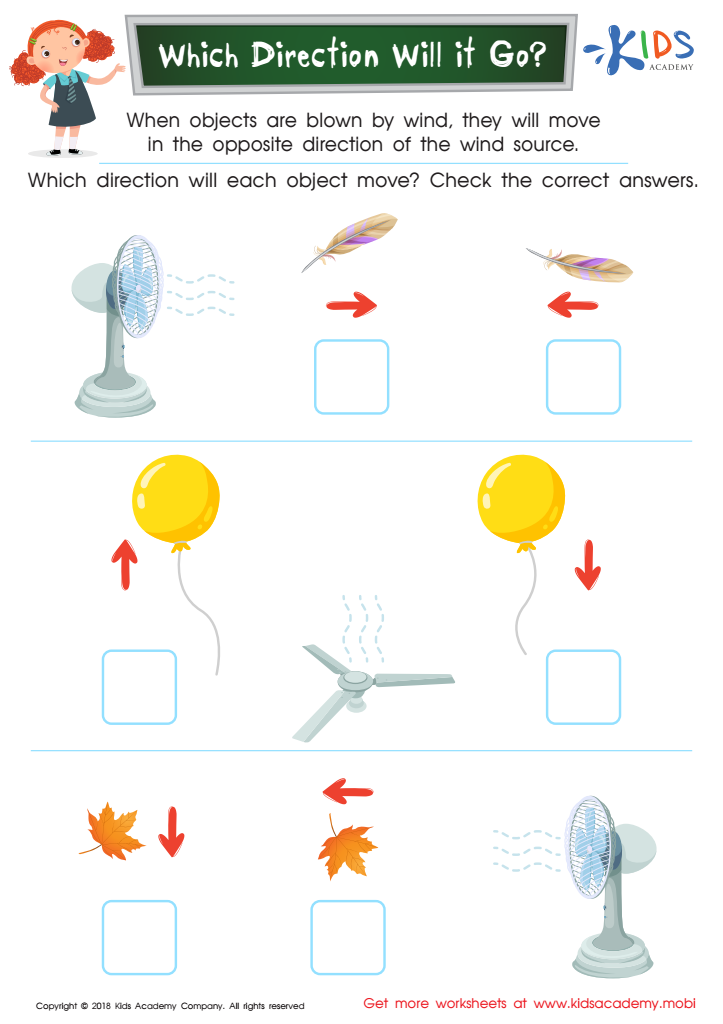
Which Direction Will it Go? Worksheet
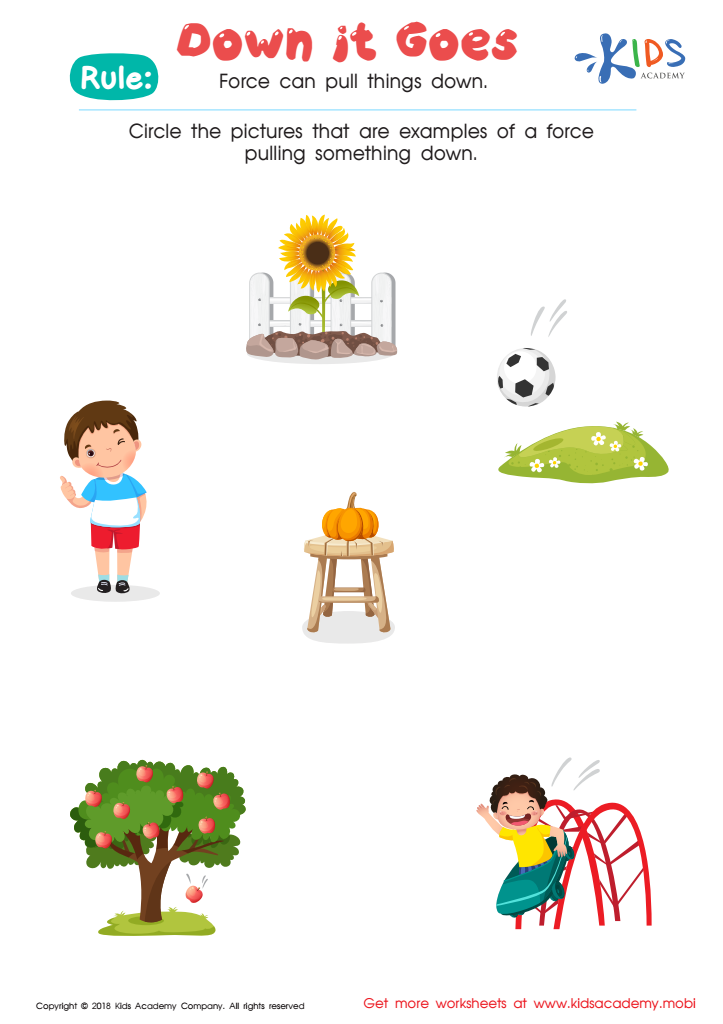
Down it Goes Worksheet
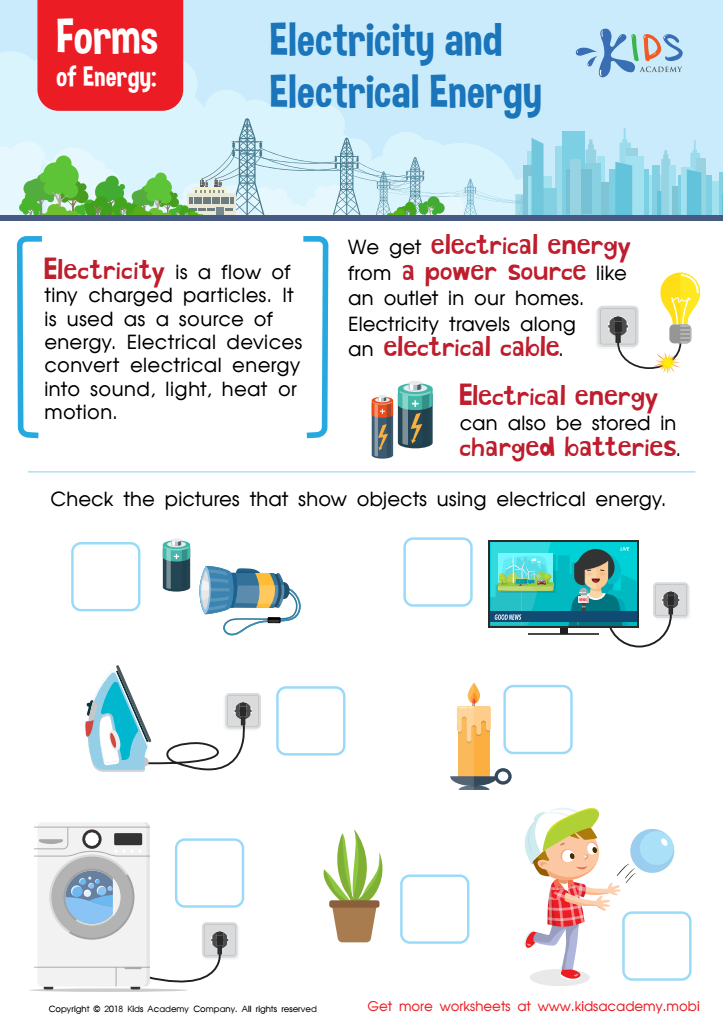
Forms of Energy Worksheet
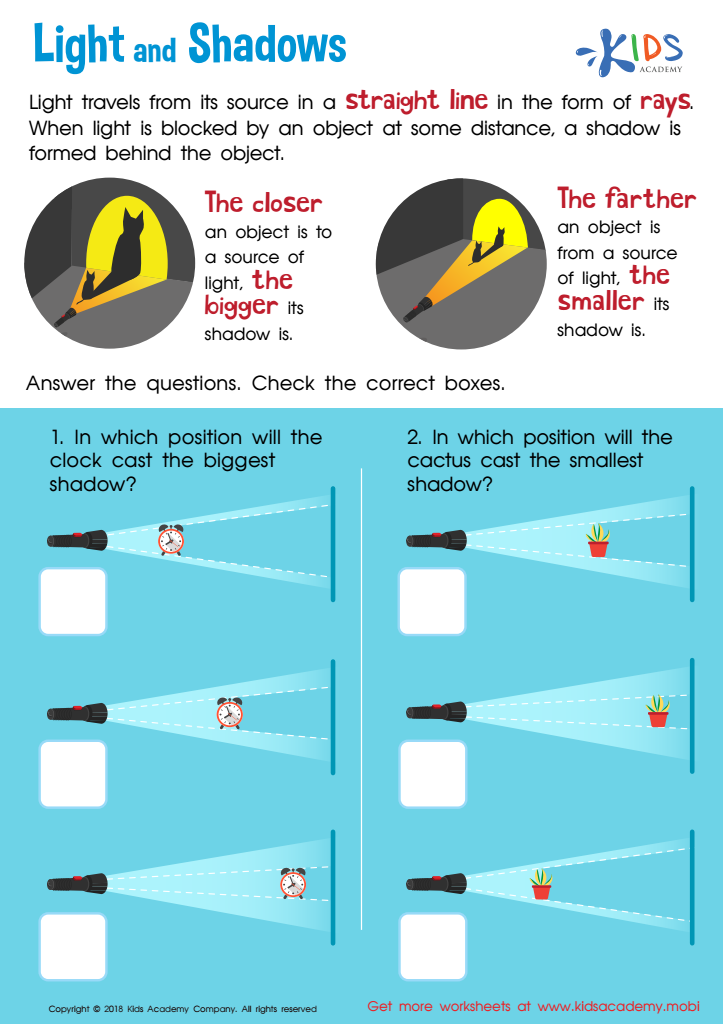
Light and Shadow Worksheet for Grade 3
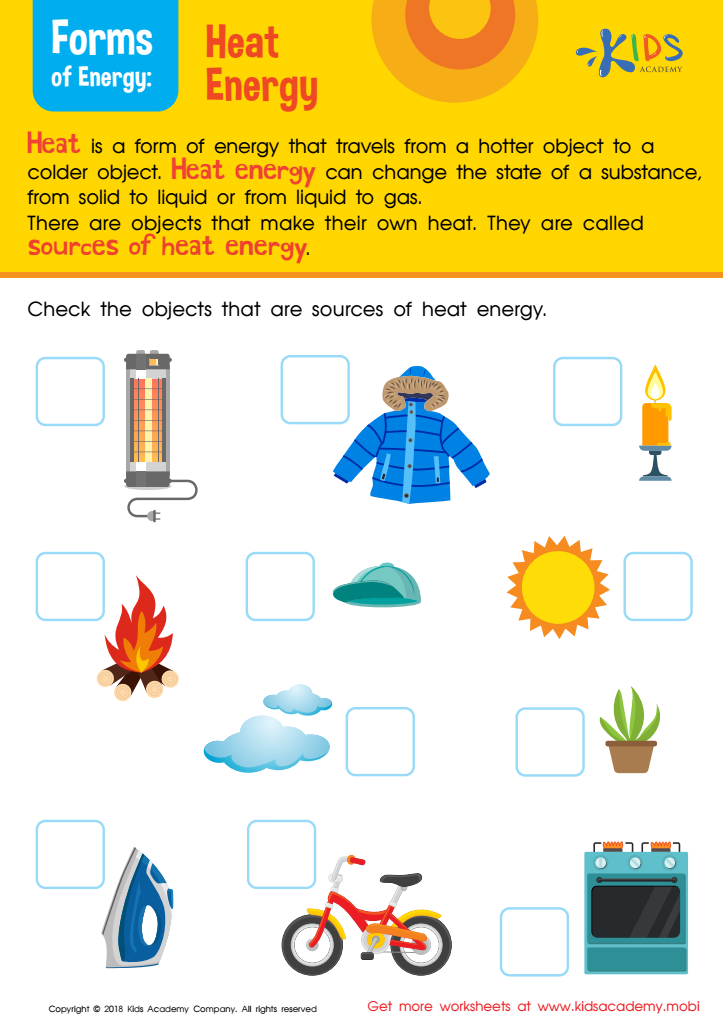
Sources of Heat Energy Worksheet
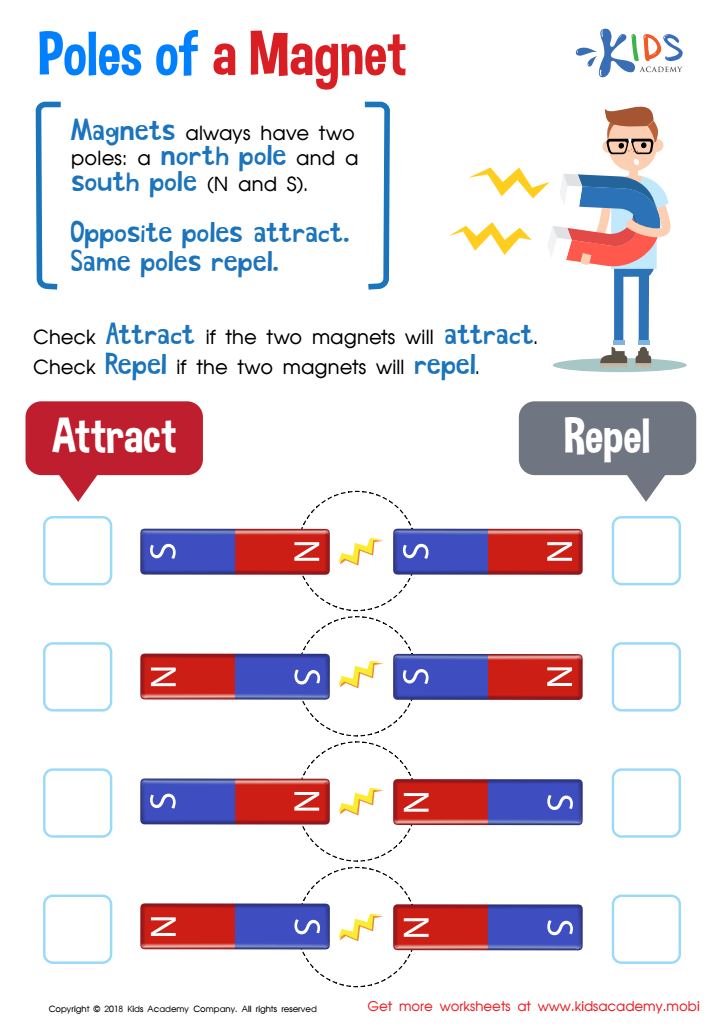
Magnet Poles Attract or Repel Worksheet
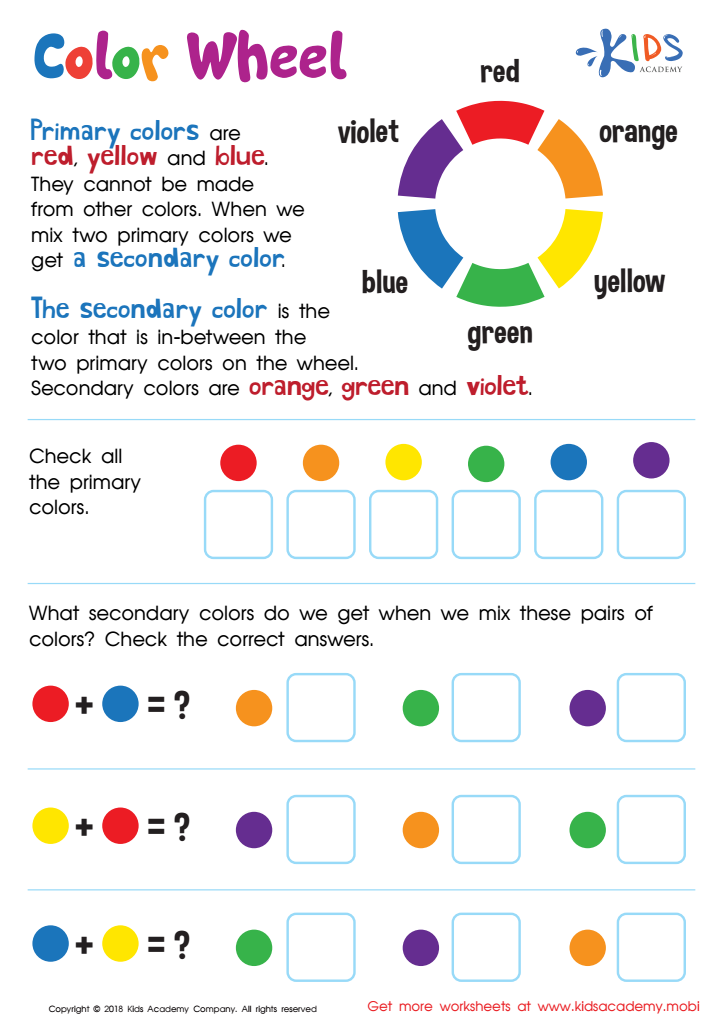
Primary and Secondary Colors Worksheet
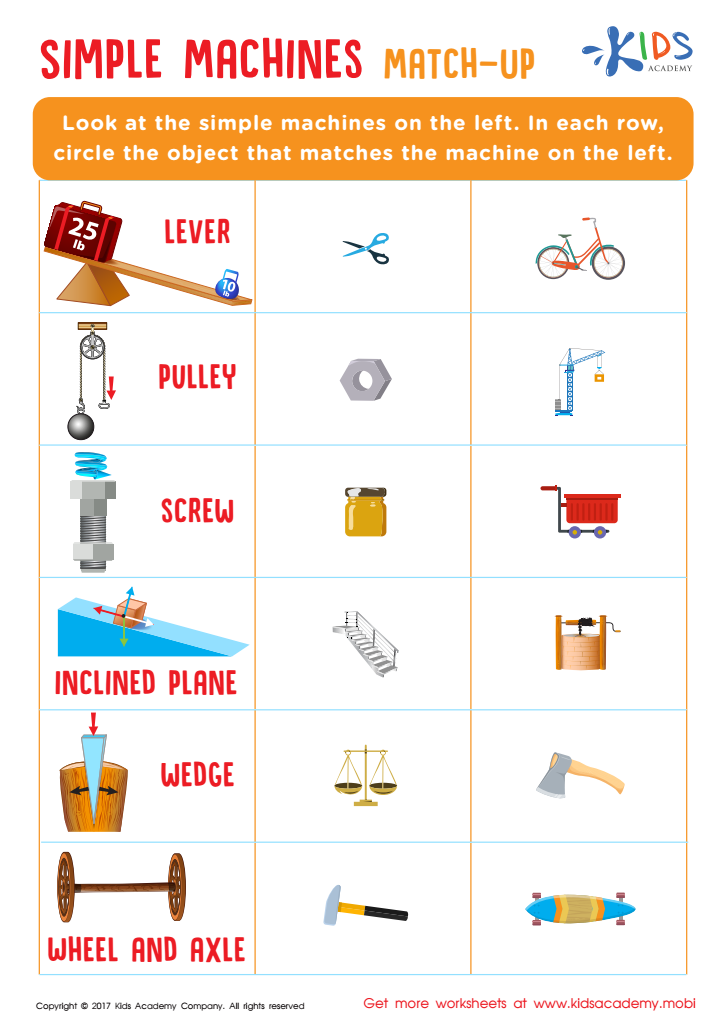
Simple Machines Worksheet
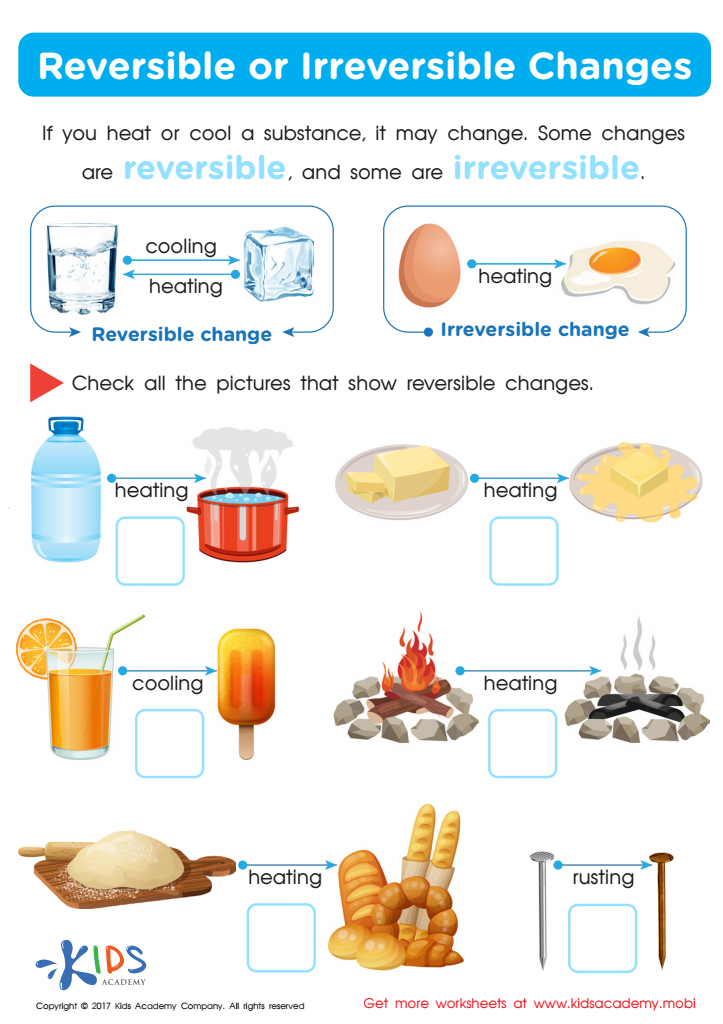
Reversible Irreversible Changes Worksheet
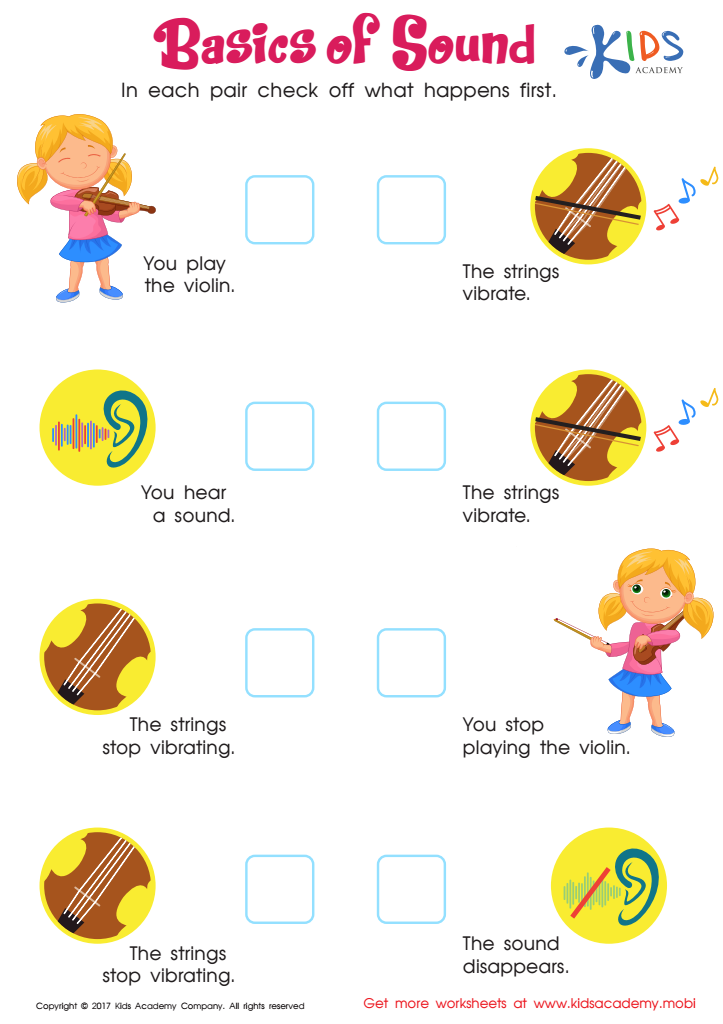
Basics Of Sound Worksheet
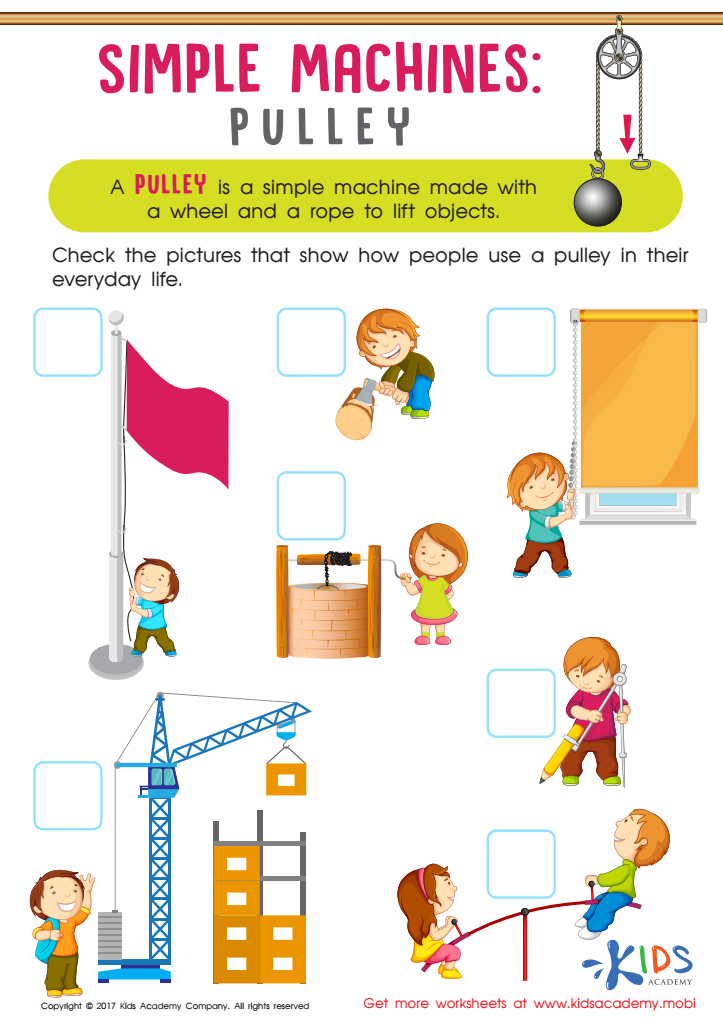
Simple Machines Pulley Worksheet
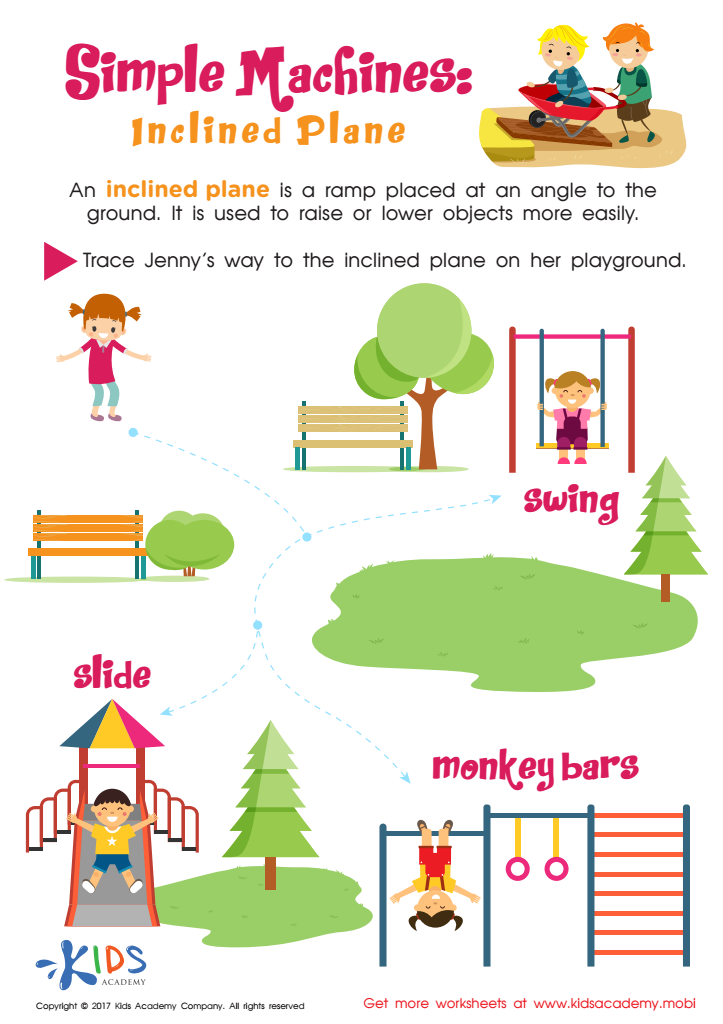
Simple Machines Inclined Plane Worksheet
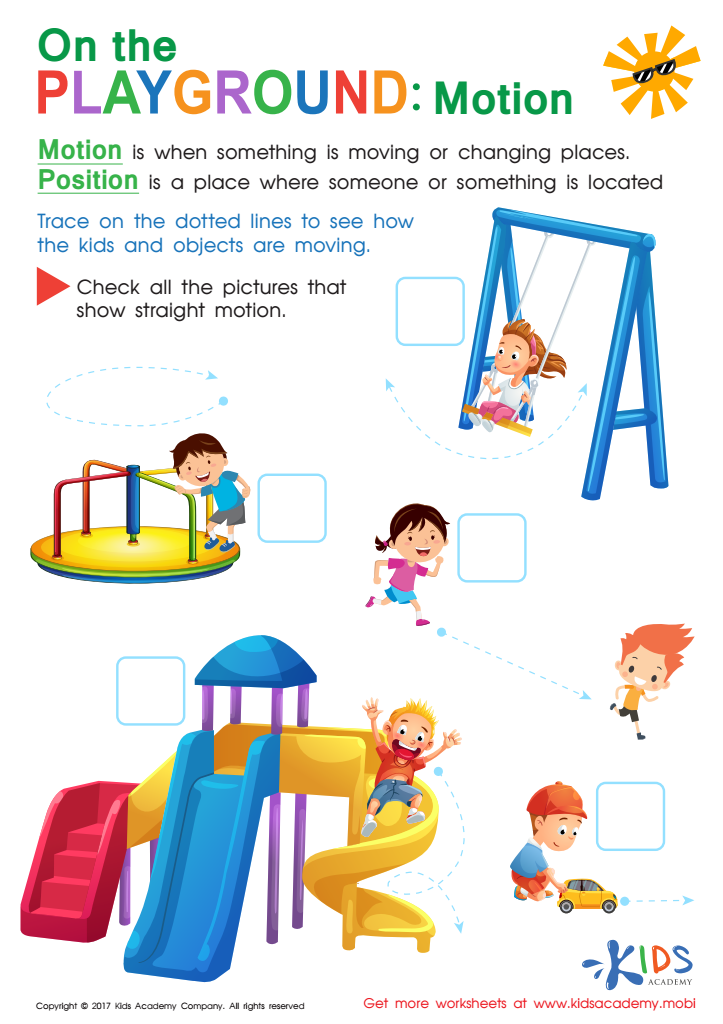
Position and Motion Worksheet
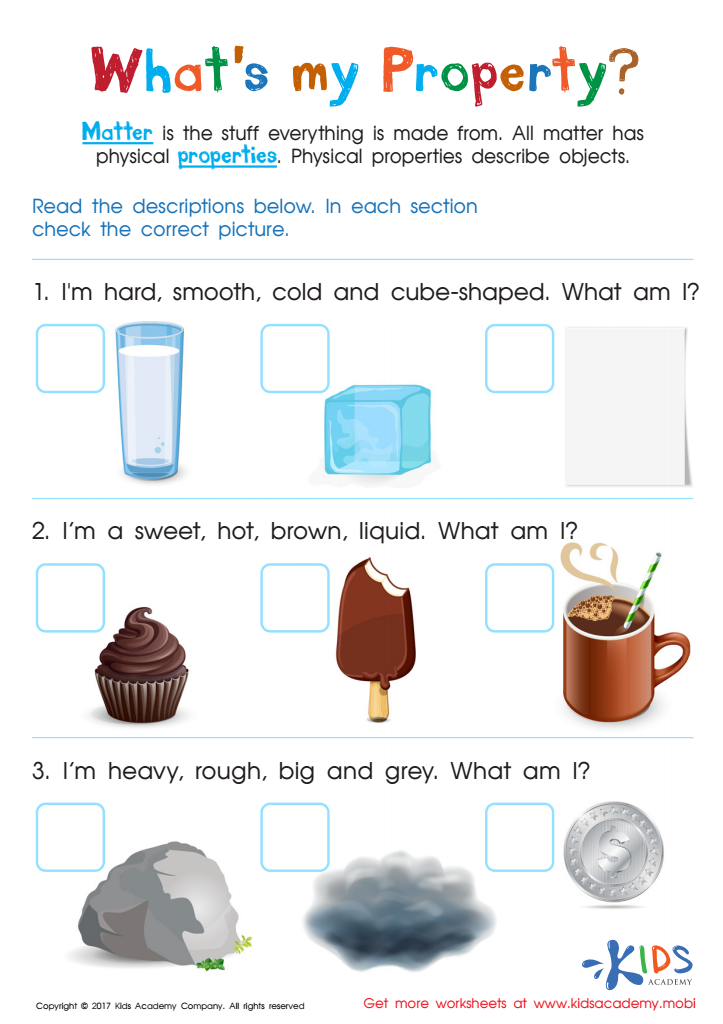
Physical Properties Of Matter Worksheet
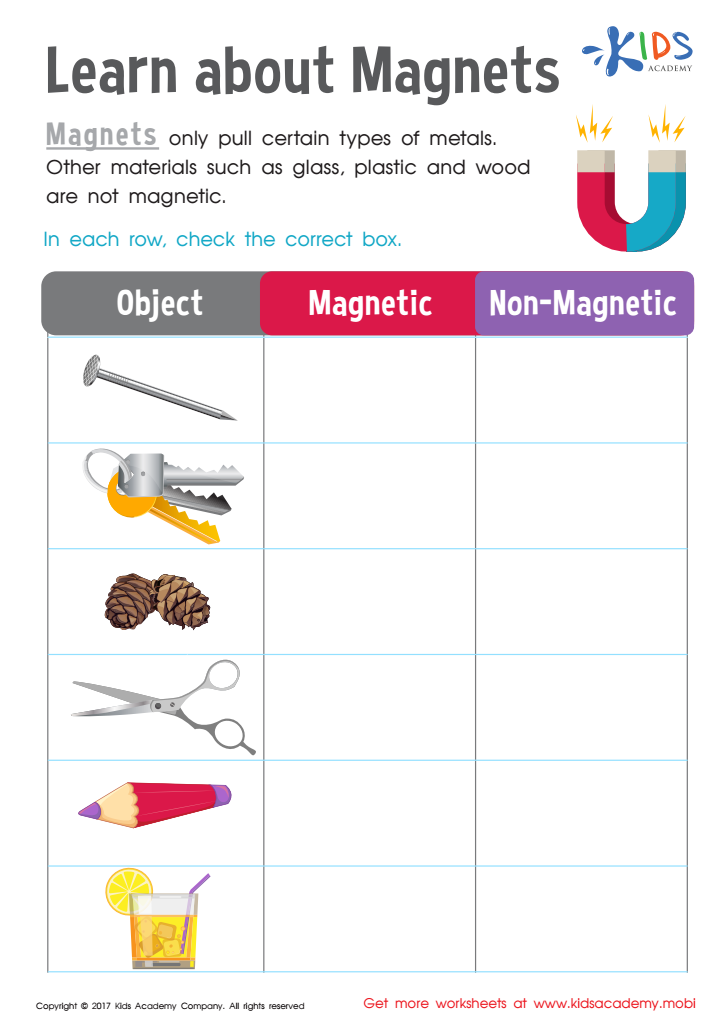
Magnetic Or Not Worksheet
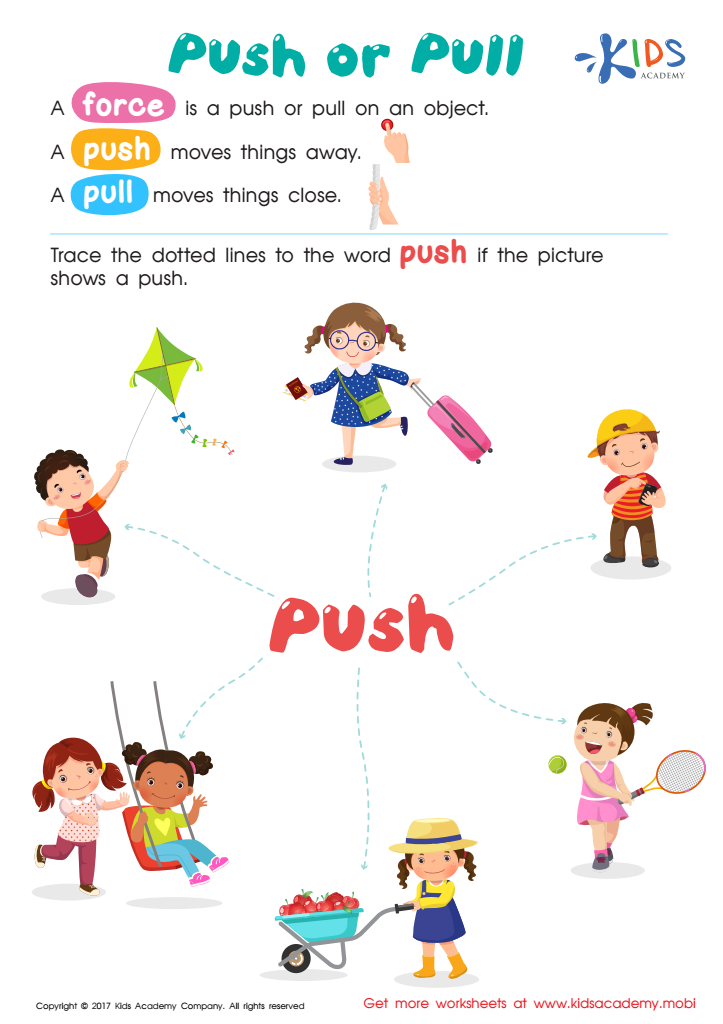
Push or Pull Worksheet
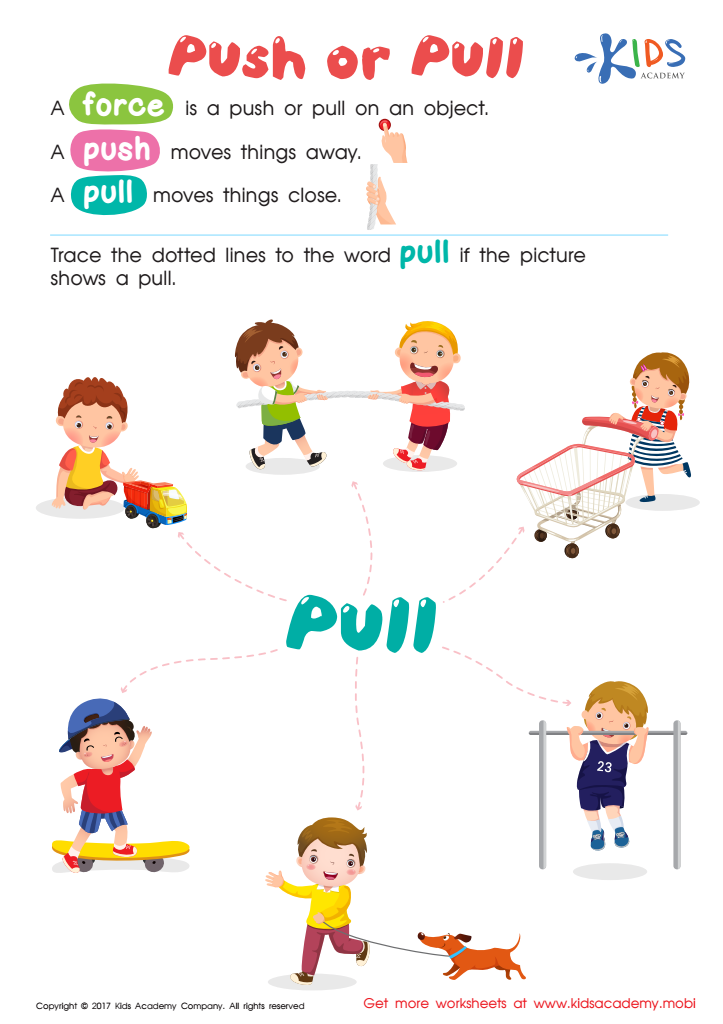
Pull or Push Worksheet
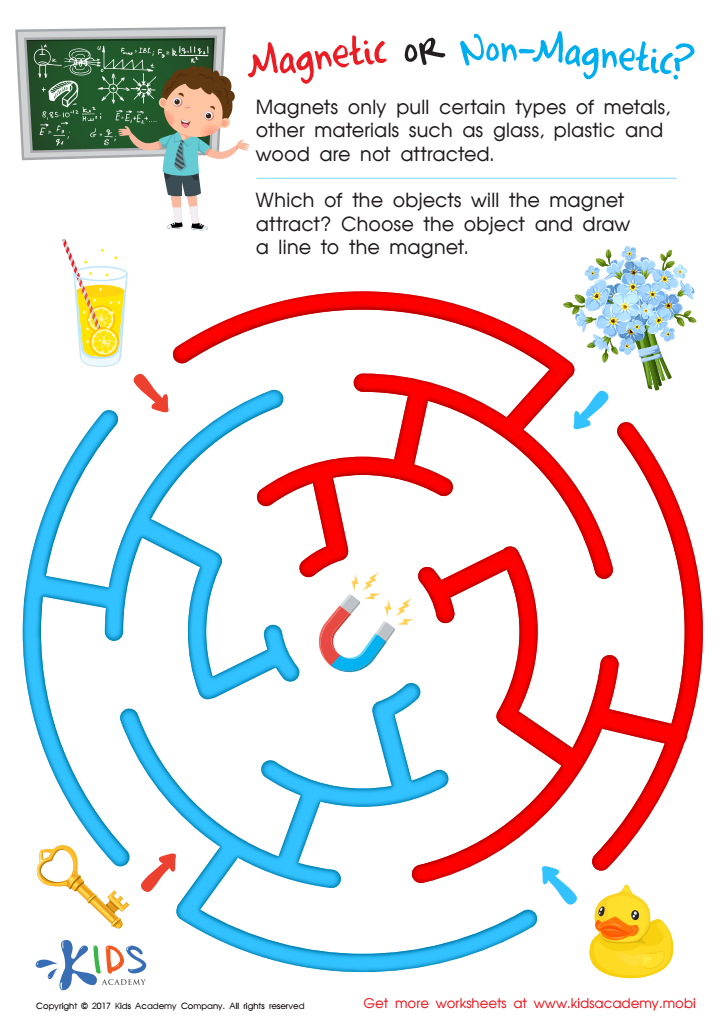
Magnetic or Non–Magnetic Worksheet
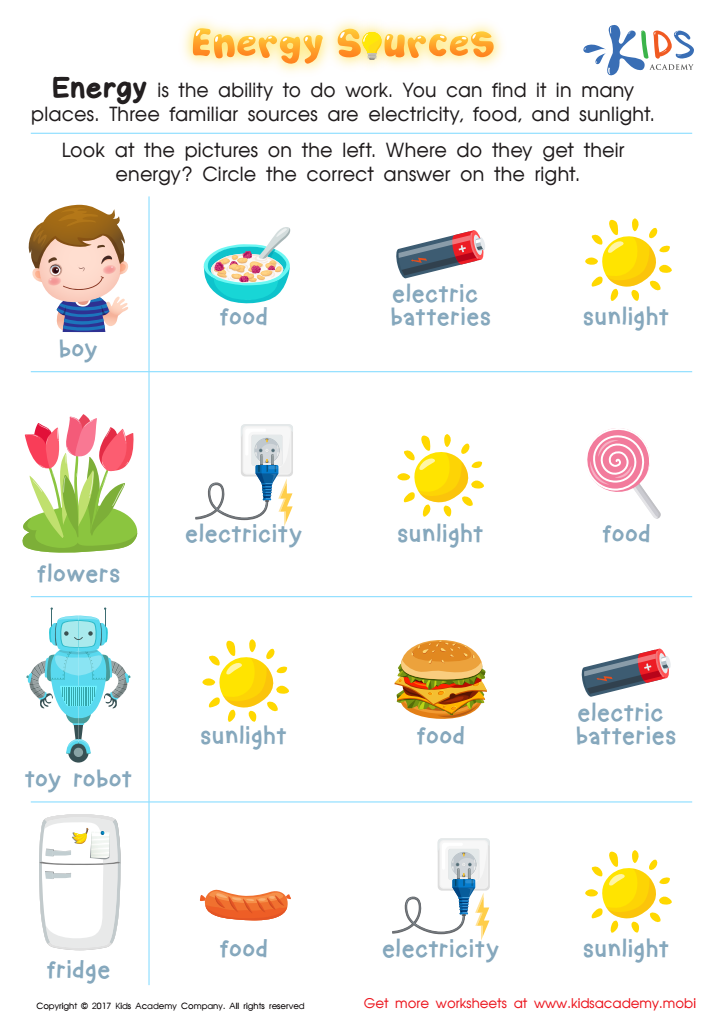
Energy Sources Printable
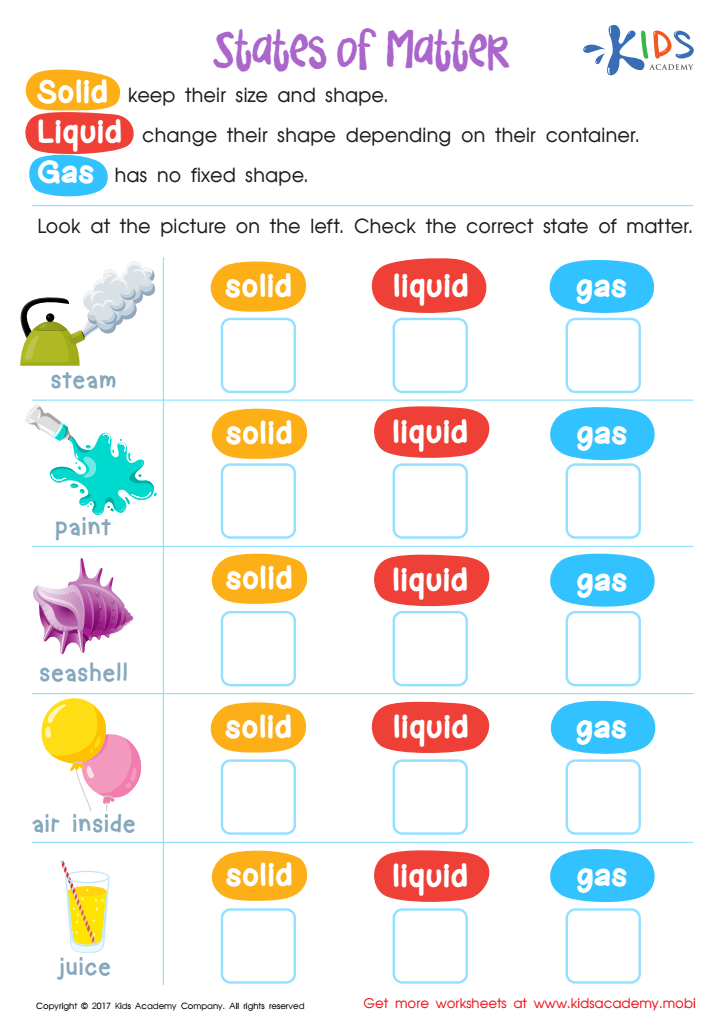
Physical Science: States of Matter Worksheet
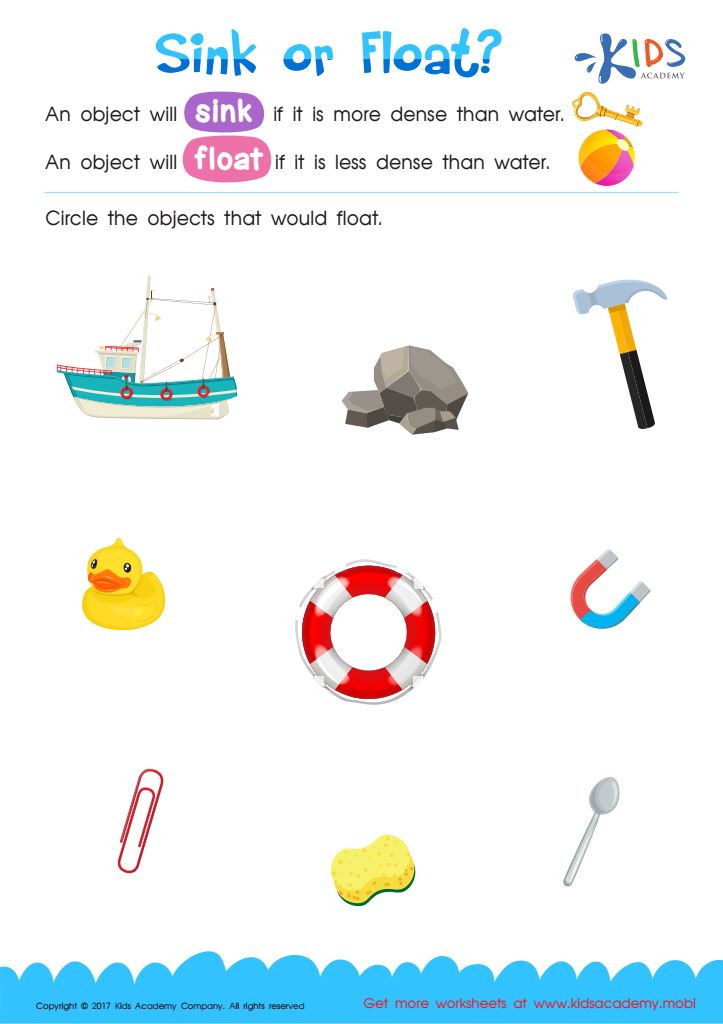
Sink or Float Printable






.jpg)
Normal Physical Science for Ages 6-8 is crucial for both parents and teachers, as it lays the foundational understanding of the world around young learners. At this age, children exhibit natural curiosity about how things work, and introducing them to basic scientific concepts fosters critical thinking and inquiry skills.
Engaging with physical science stimulates cognitive development, encouraging children to ask questions, make observations, and experiment. It helps them understand fundamental principles such as matter, energy, movement, and simple machines, which are not just academic subjects but fundamental aspects of everyday life.
Moreover, learning physical science at an early age instills a sense of wonder and excitement about discovery. This enthusiasm can lead to a lifelong interest in science, technology, engineering, and mathematics (STEM) fields. Parents and teachers play a pivotal role in cultivating this interest through hands-on activities, interactive experiments, and discussions that connect scientific concepts to real-world contexts.
Additionally, exposure to physical science contributes to developing essential skills, such as problem-solving, teamwork, and effective communication, which are valuable in any future educational or career pursuit. Prioritizing normal physical science education is, therefore, an investment in children's holistic development and future success.







