Normal History Worksheets for Ages 6-8 - Page 3
59 filtered results
-
From - To
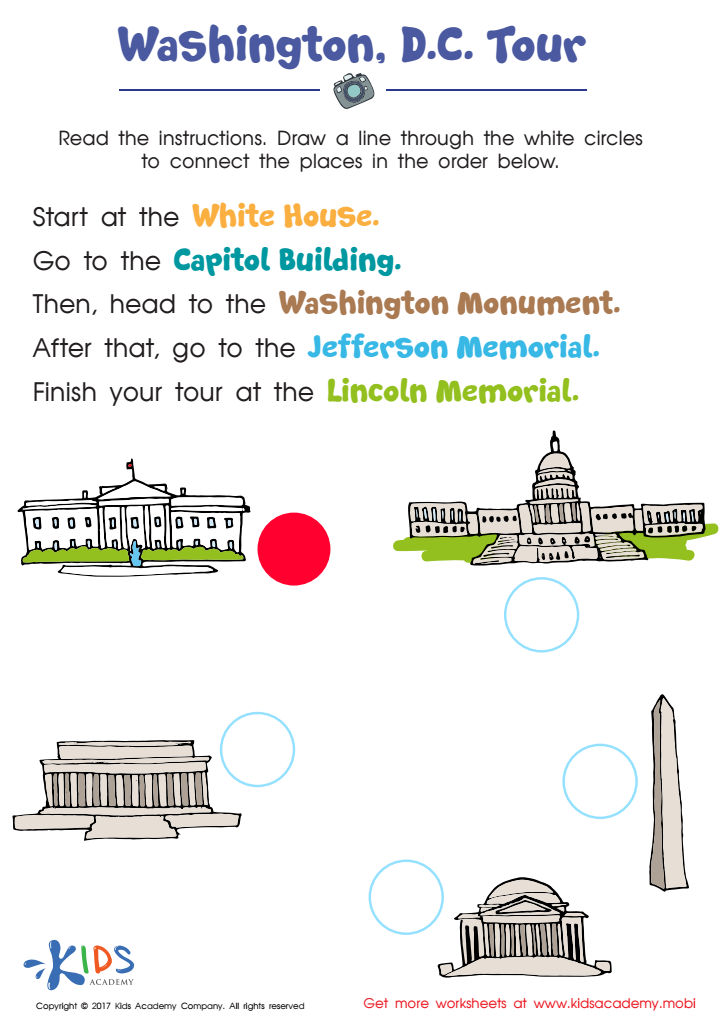
Washington, D.C. Symbols Worksheet
 Assign to My Students
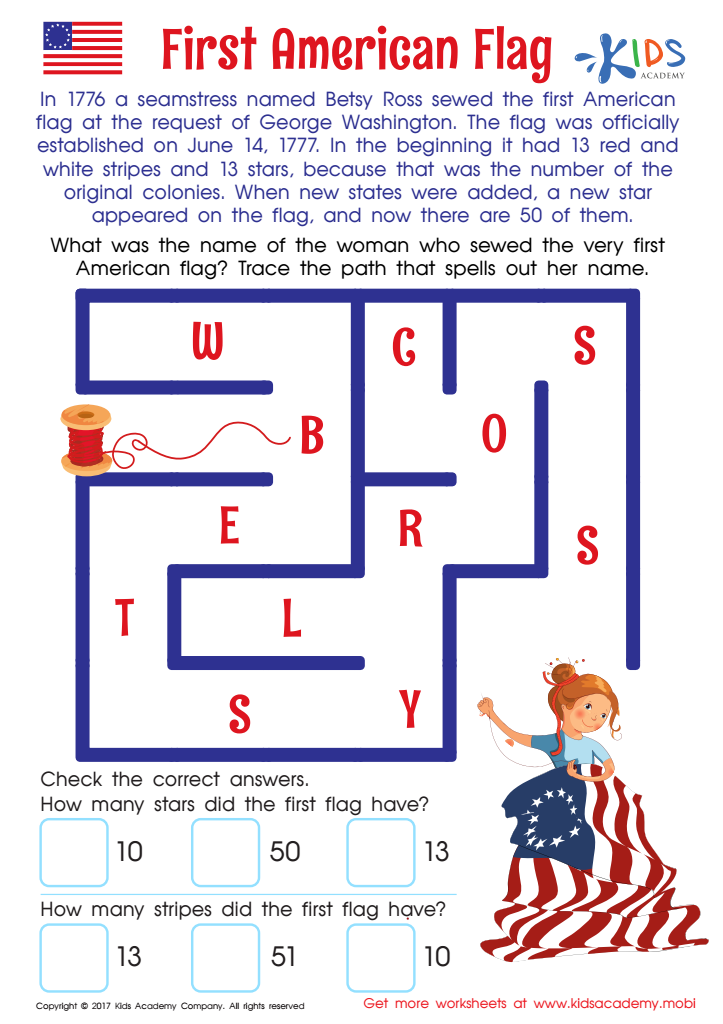
First American Flag Worksheet
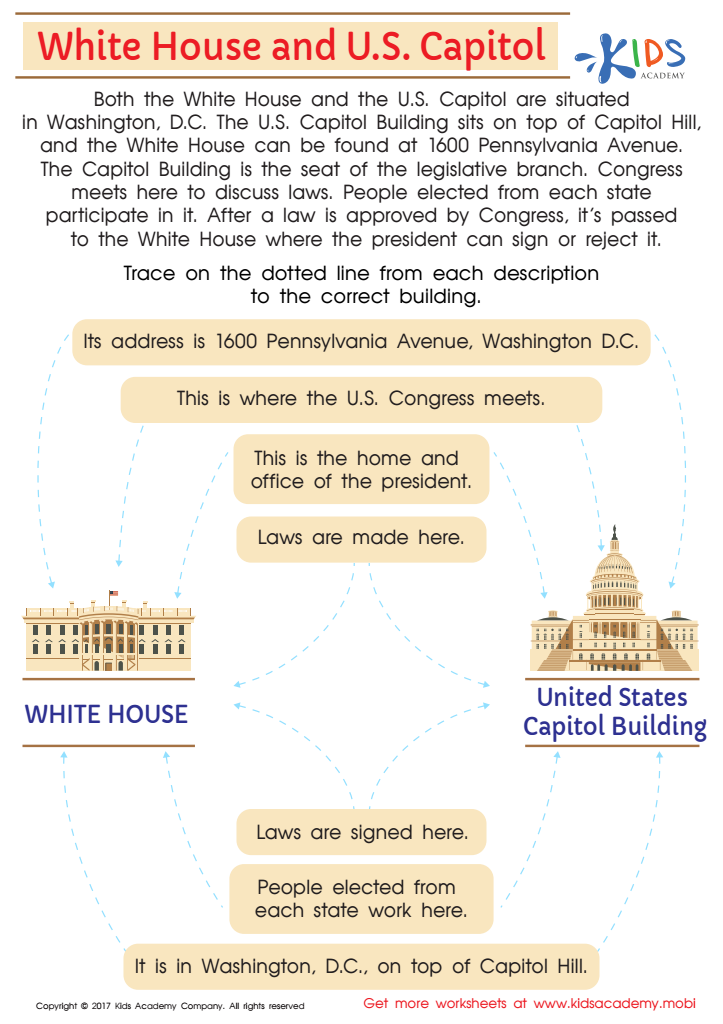
White House and US Capitol Worksheet
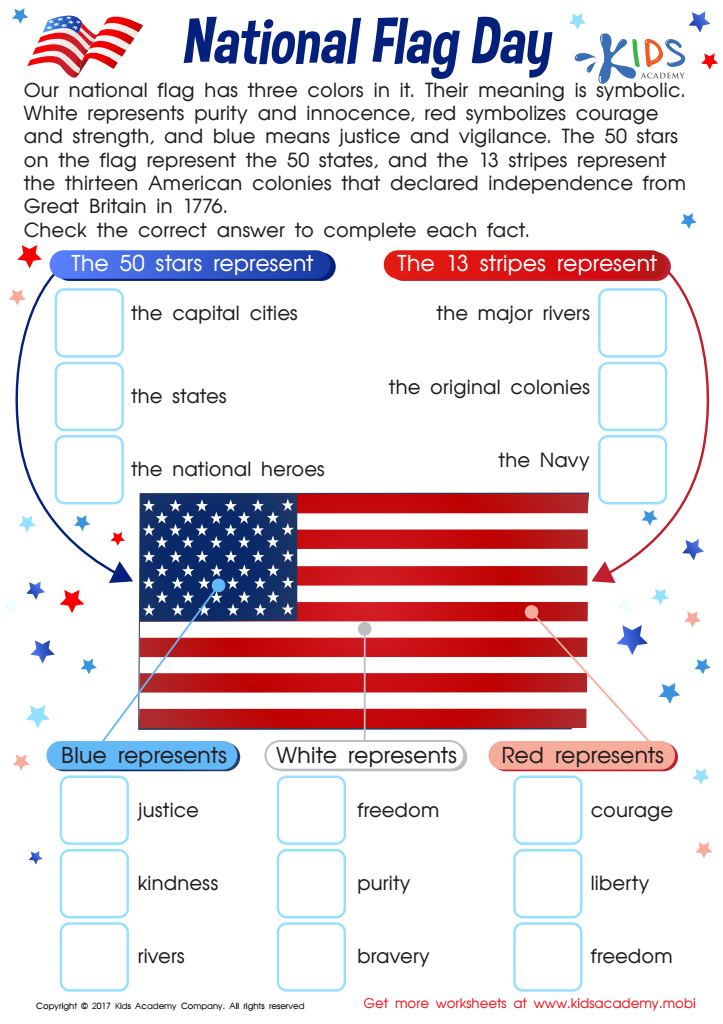
US National Flag Day Worksheet
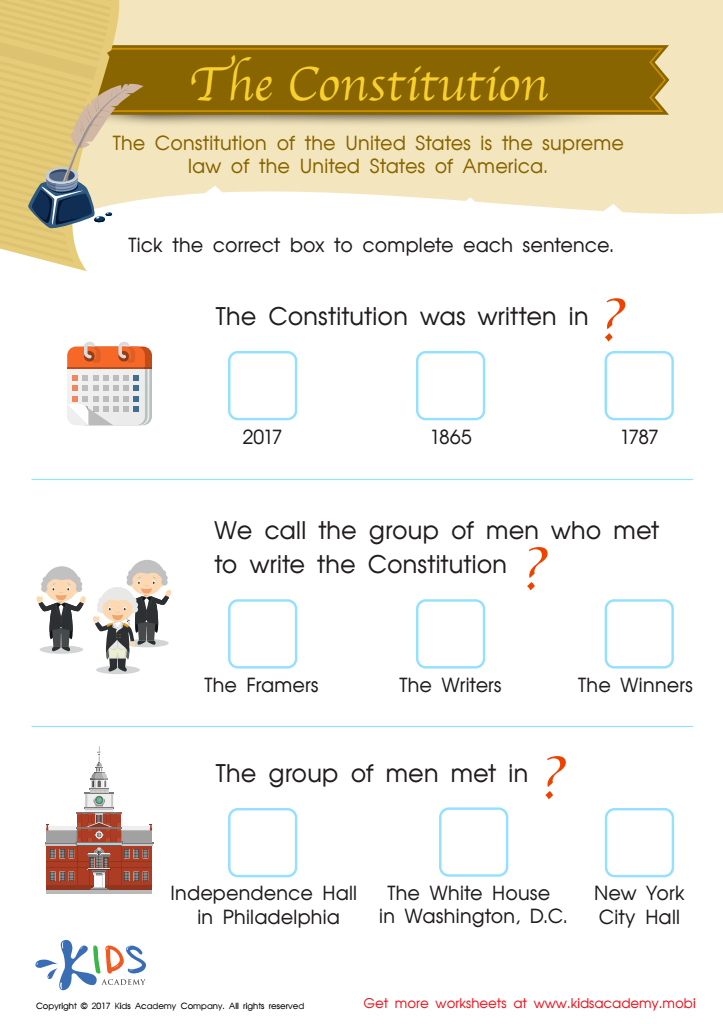
The Constitution Worksheet
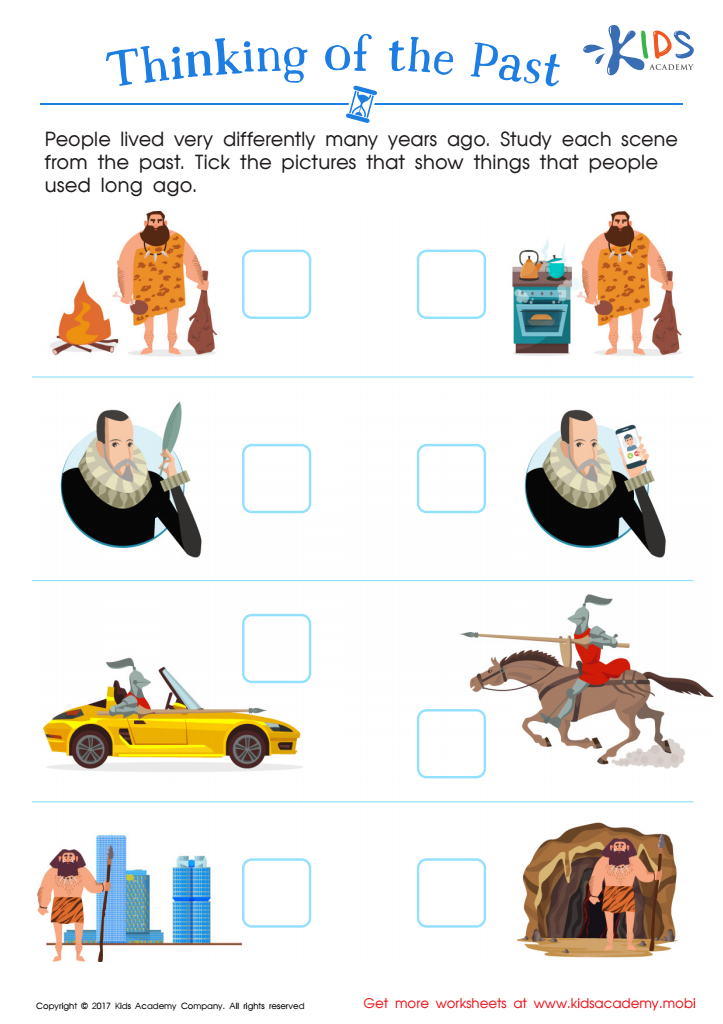
Thinking Past Printable
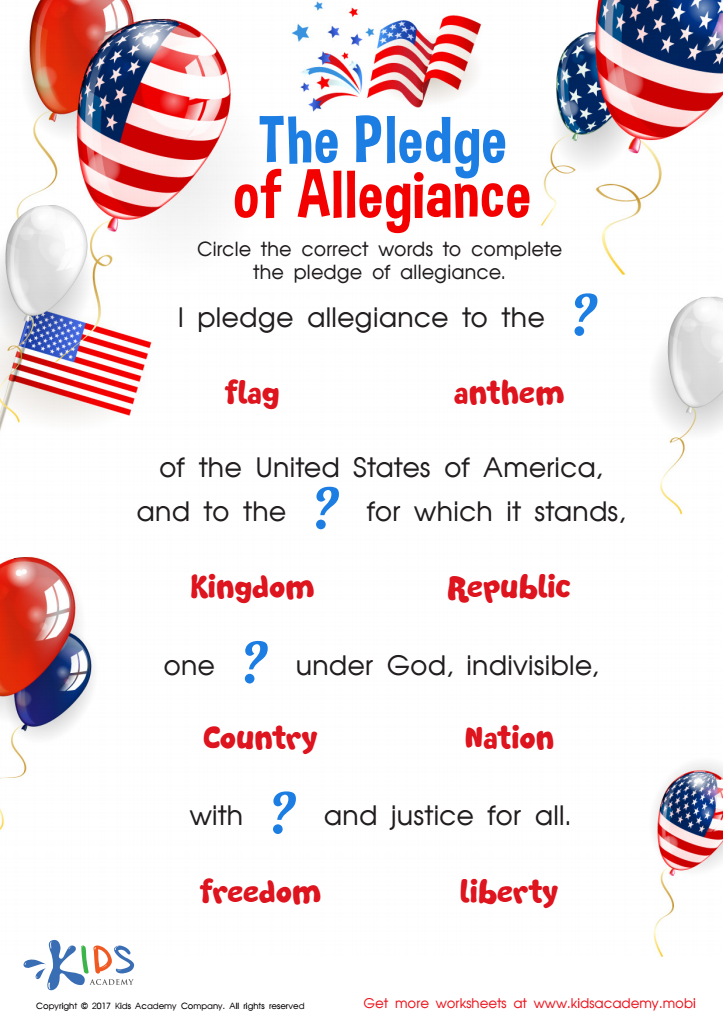
The Pledge of Allegiance Worksheet
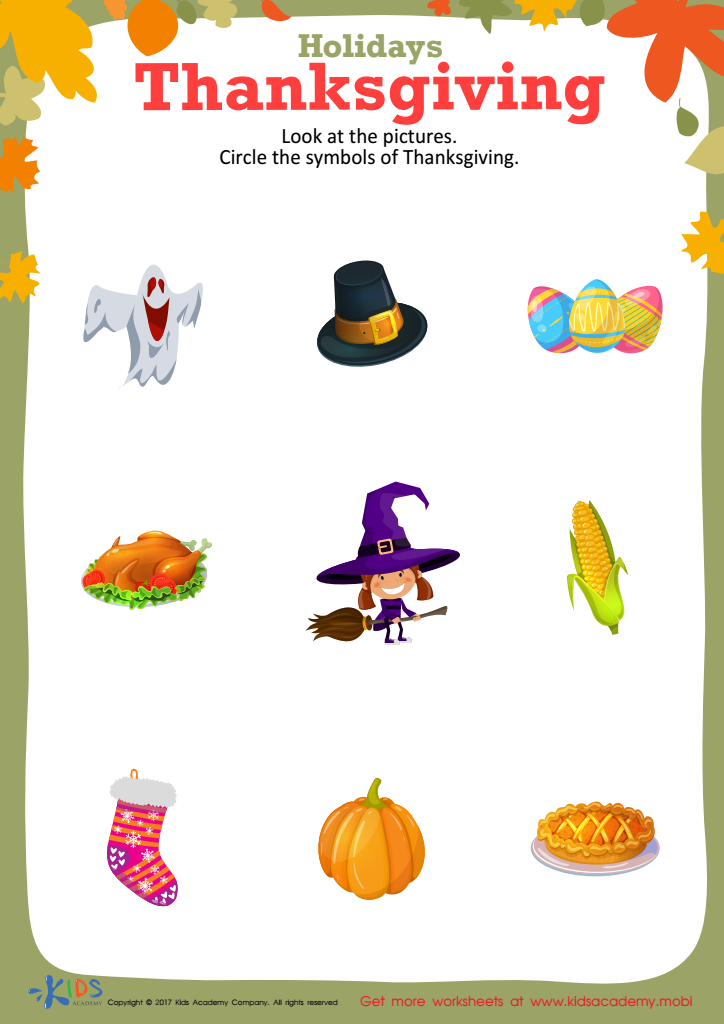
Thanksgiving Holiday Printable
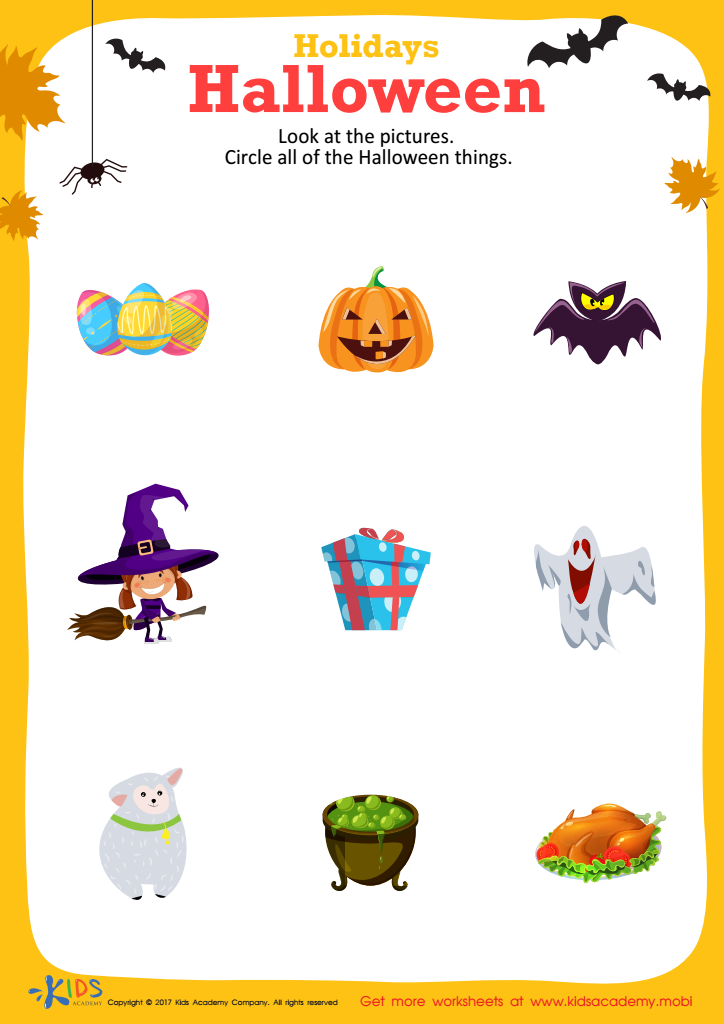
Halloween Holiday Worksheet
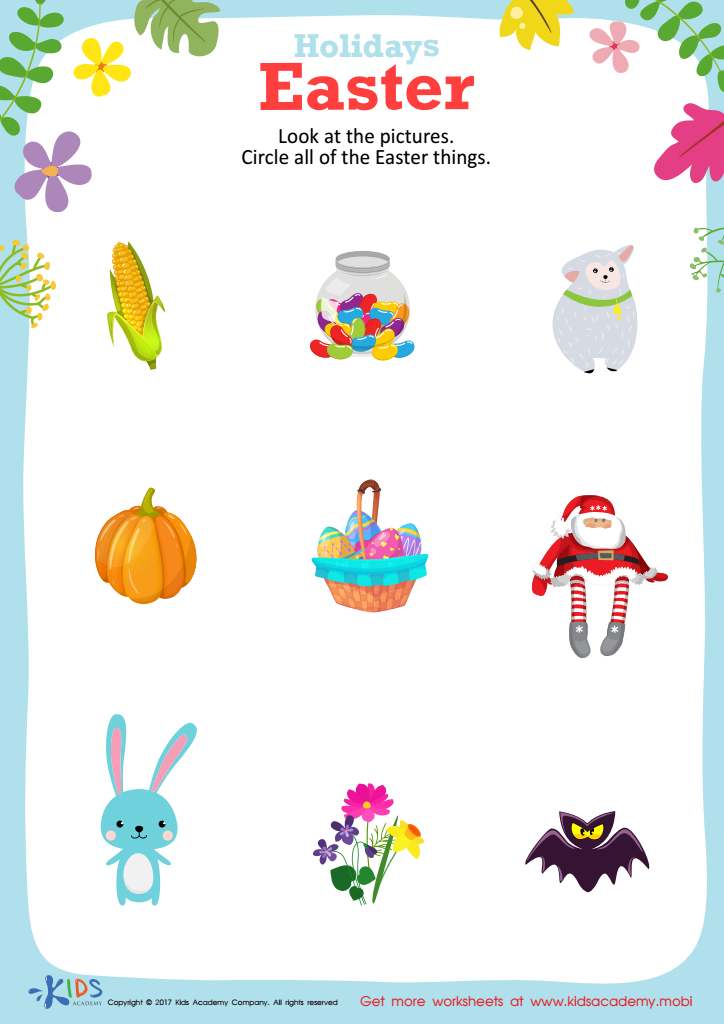
Easter Holiday Printable
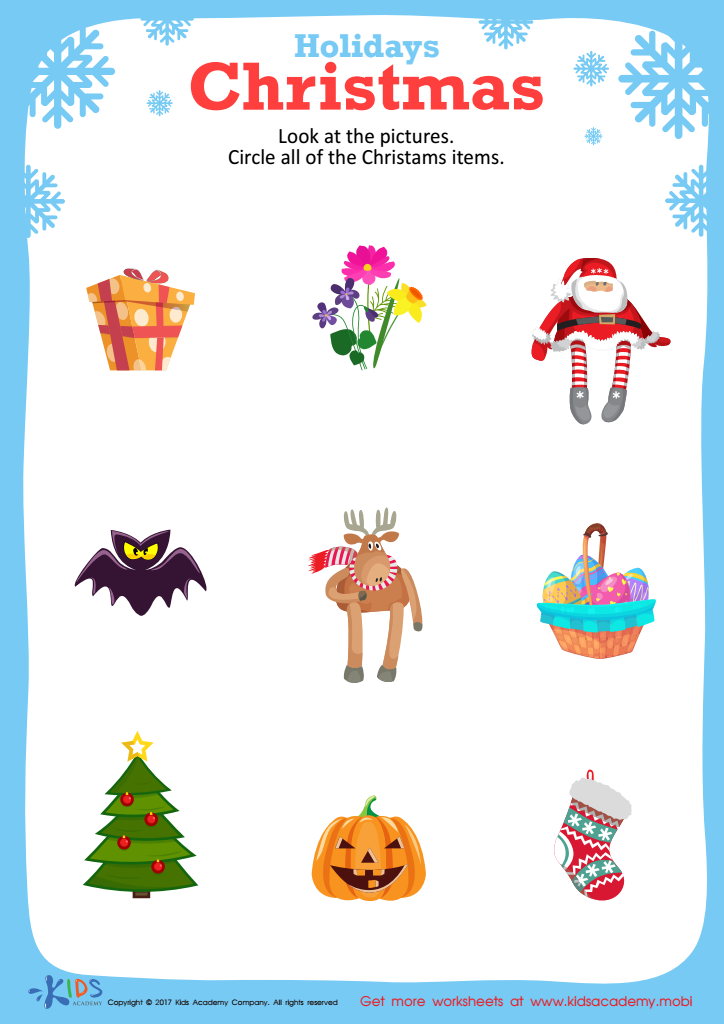
Christmas Holiday Worksheet








Parents and teachers should care about normal history for ages 6-8 because it plays a crucial role in shaping children's understanding of the world, fostering critical thinking, and building essential social skills. At this developmental stage, children are naturally curious and eager to learn about their environment, making it the perfect time to introduce historical concepts.
Teaching history in a relatable manner helps children make connections between past events and their own lives. It encourages empathy as they learn about diverse cultures, significant figures, and important milestones that have shaped society. This understanding fosters respect and appreciation for differences, promoting a more inclusive attitude.
Furthermore, learning about history can enhance literacy and language skills. As children explore narratives, they improve their vocabulary and comprehension abilities. Engaging stories from history can spark creativity and imagination, encouraging children to express their own perspectives on events.
Ultimately, understanding normal history helps young learners develop a sense of identity and belonging within their community and the world. It lays the foundation for responsible citizenship and inspires children to become informed, conscientious individuals capable of contributing positively to society. Therefore, incorporating history into early education is vital for holistic child development.








