Filters

1537 filtered results

Clear all filters
Favorites
With answer key
Interactive

1537 filtered results

Difficulty Level

Grade


Check out this FREE Trial Lesson for age 6-9!

Multiplication Arrays

Favorites
With answer key
Interactive
  • 6-9
  • Interactive
  • Normal
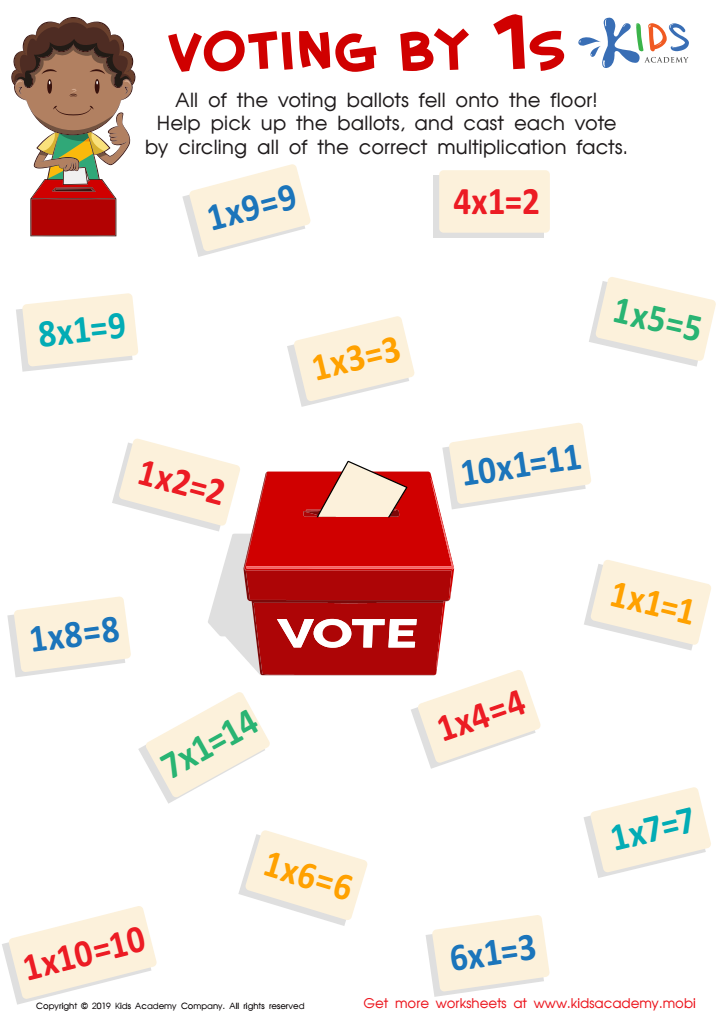
Voting by 1s Worksheet

Voting by 1s Worksheet

Ask your child if they can list duties of a good citizen. These include voting, to elect right leaders. With this worksheet, the voting ballots have fallen to the floor! Help your kids pick them up and cast each vote by circling the correct multiplication facts.
Voting by 1s Worksheet
Worksheet
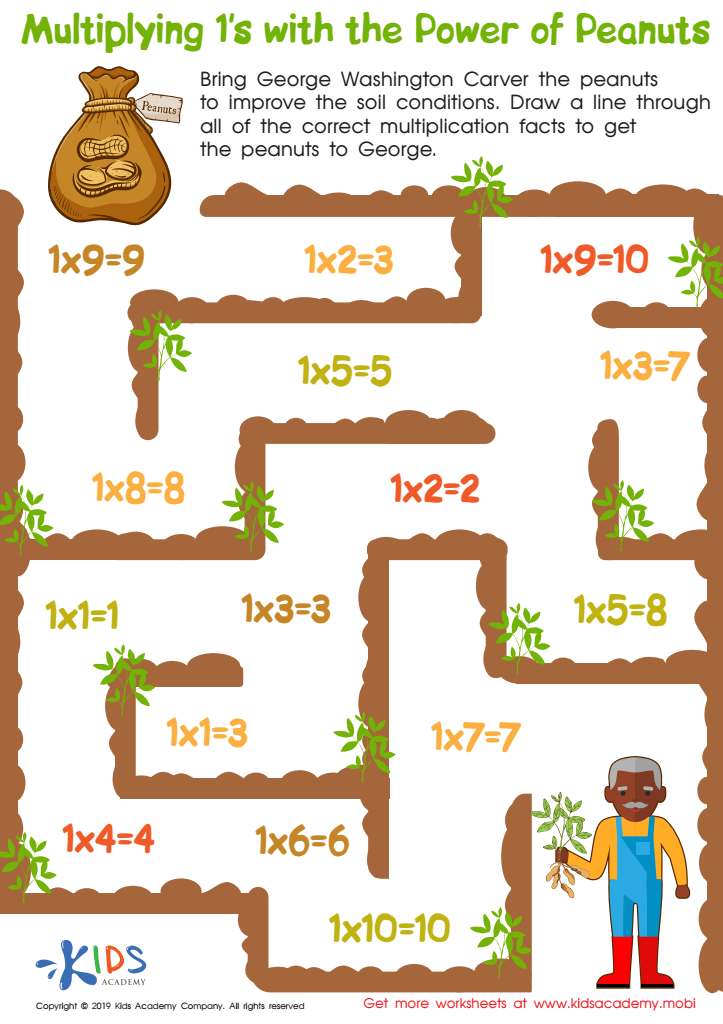
Multiplying 1’s With the Power of Peanuts Worksheet

Multiplying 1’s With the Power of Peanuts Worksheet

Help your kids learn about George Washington Carver with this fun worksheet! Assist them in bringing peanuts to Carver by drawing a line through the correct multiplication facts. Introduce them to Carver's genius creations and show them how he used peanuts to improve the soil condition.
Multiplying 1’s With the Power of Peanuts Worksheet
Worksheet
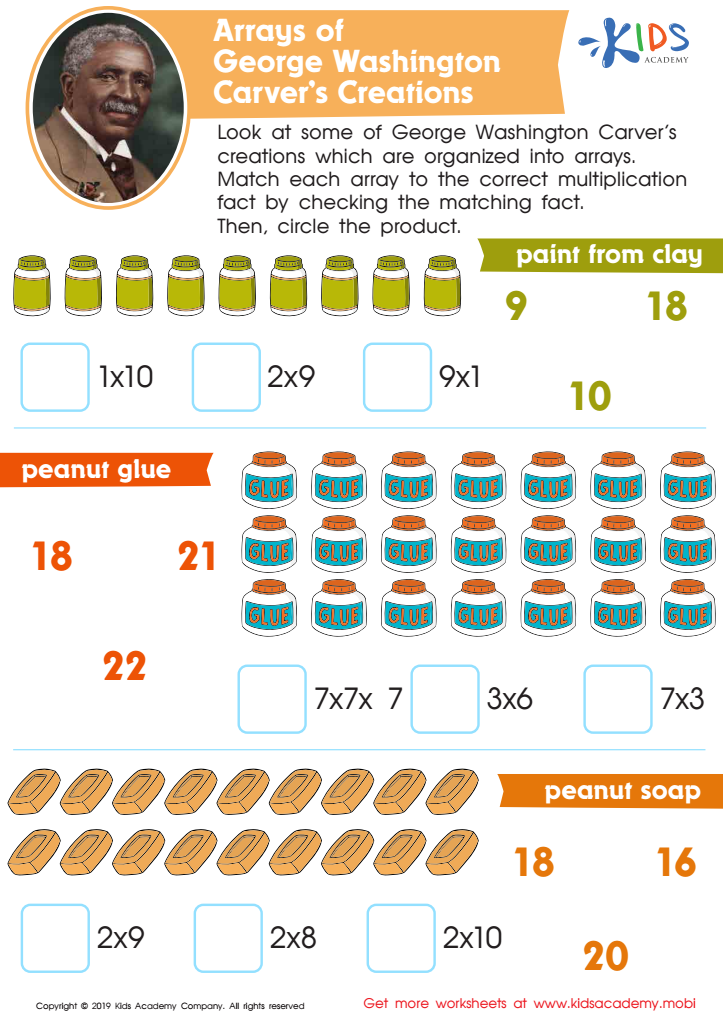
Arrays of George Washington Carver’s Creations Worksheet

Arrays of George Washington Carver’s Creations Worksheet

Remind your child of what George Washington Carver created. Can they tell you? This worksheet has arrays with his creations. Match the array to the multiplication fact and help your child to circle the product.
Arrays of George Washington Carver’s Creations Worksheet
Worksheet
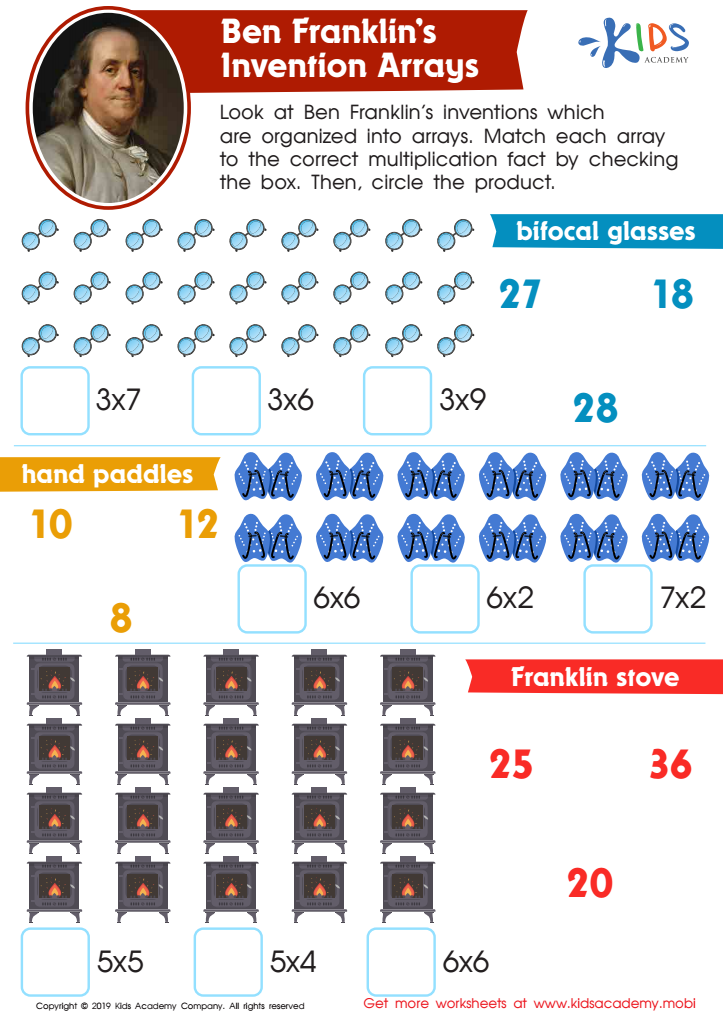
Ben Franklin’s Invention Arrays Worksheet

Ben Franklin’s Invention Arrays Worksheet

Have your child guess some of the inventors of the popular items we use today. For instance, the light bulb was invented by Thomas Edison. Look at Ben Franklin's inventions and help your kids match the arrays to the correct multiplication fact. Check the box and circle the product.
Ben Franklin’s Invention Arrays Worksheet
Worksheet
Thomas Edison’s Invention Arrays Worksheet

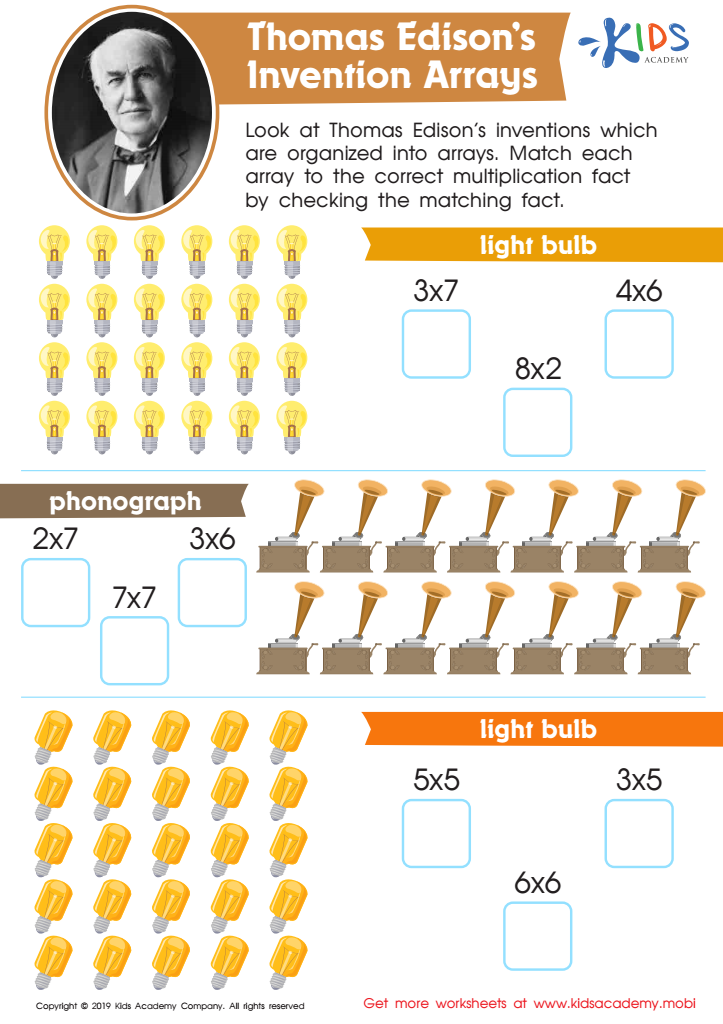
Thomas Edison’s Invention Arrays Worksheet

Test your students' knowledge on history by asking them what Thomas Edison invented. If they get the right answer, provide more information on other inventors. Check out this printout of Edison's light bulb inventions laid out in arrays. Get them to match each array to the correct multiplication fact.
Thomas Edison’s Invention Arrays Worksheet
Worksheet
Repeated Addition = Multiplication Worksheet

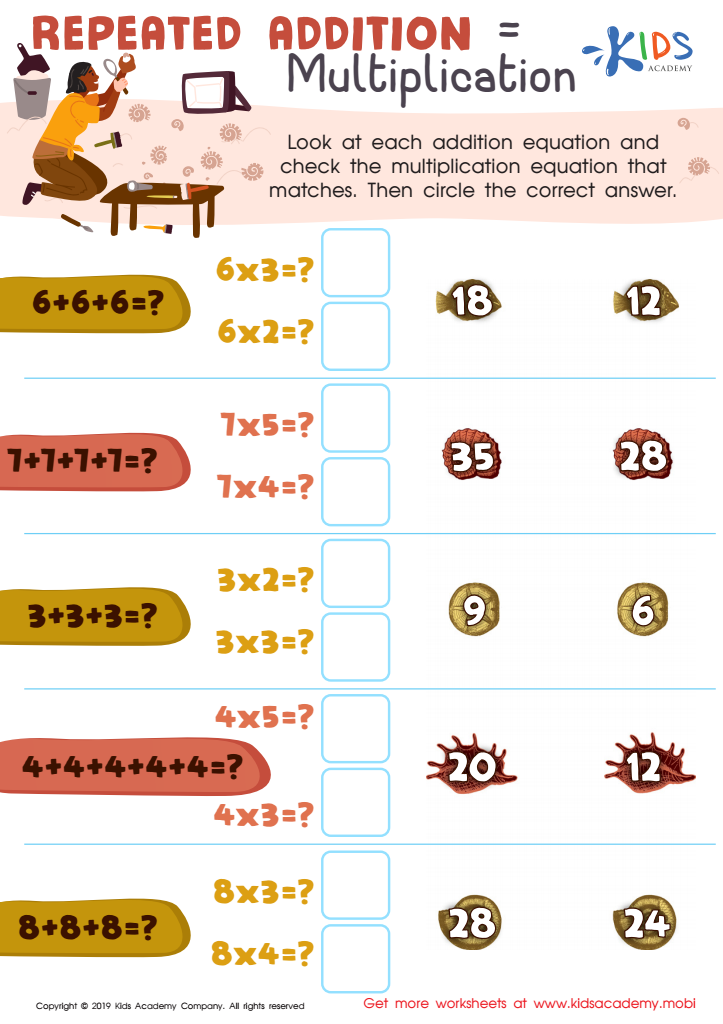
Repeated Addition = Multiplication Worksheet

If your child is having trouble with math, worksheets like this can help them get more practice. Addition, subtraction, and multiplication go together. Look over each addition equation and pick the matching multiplication equation, then circle the correct answer. This can give your child the necessary practice to understand mathematics better.
Repeated Addition = Multiplication Worksheet
Worksheet
Groups of Fossils Worksheet

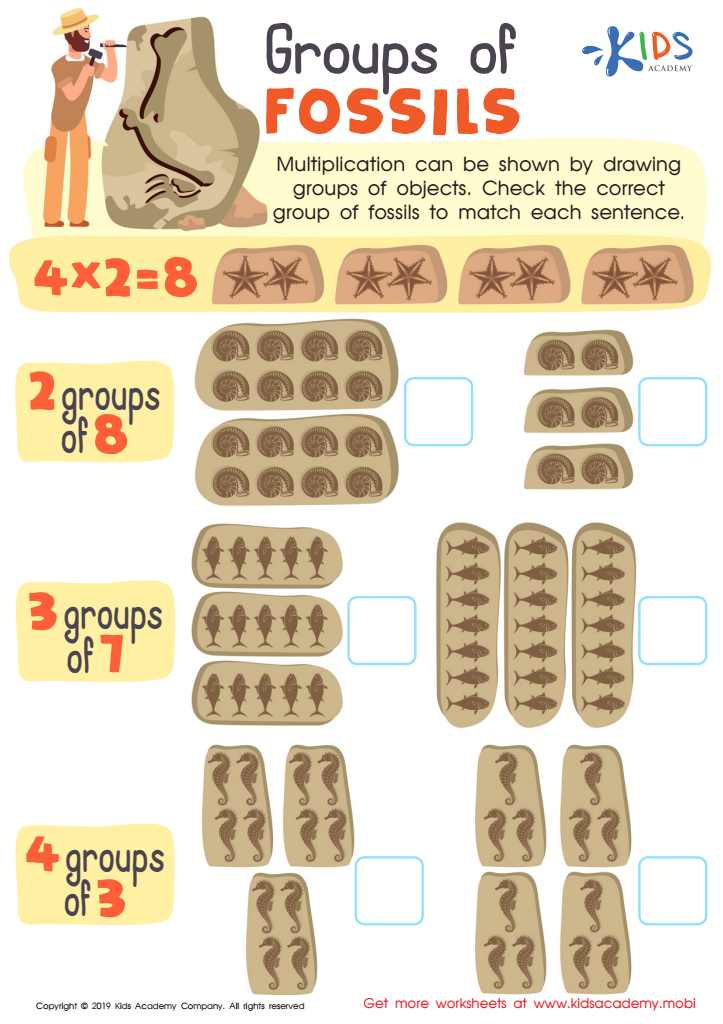
Groups of Fossils Worksheet

Kids need to learn multiplication after mastering addition and subtraction. To make it fun, use worksheets like this one. Have kids draw objects to match each sentence - this helps them understand multiplication better. With this approach, they'll be sure to learn the concepts.
Groups of Fossils Worksheet
Worksheet
Octopus 8’s Worksheet

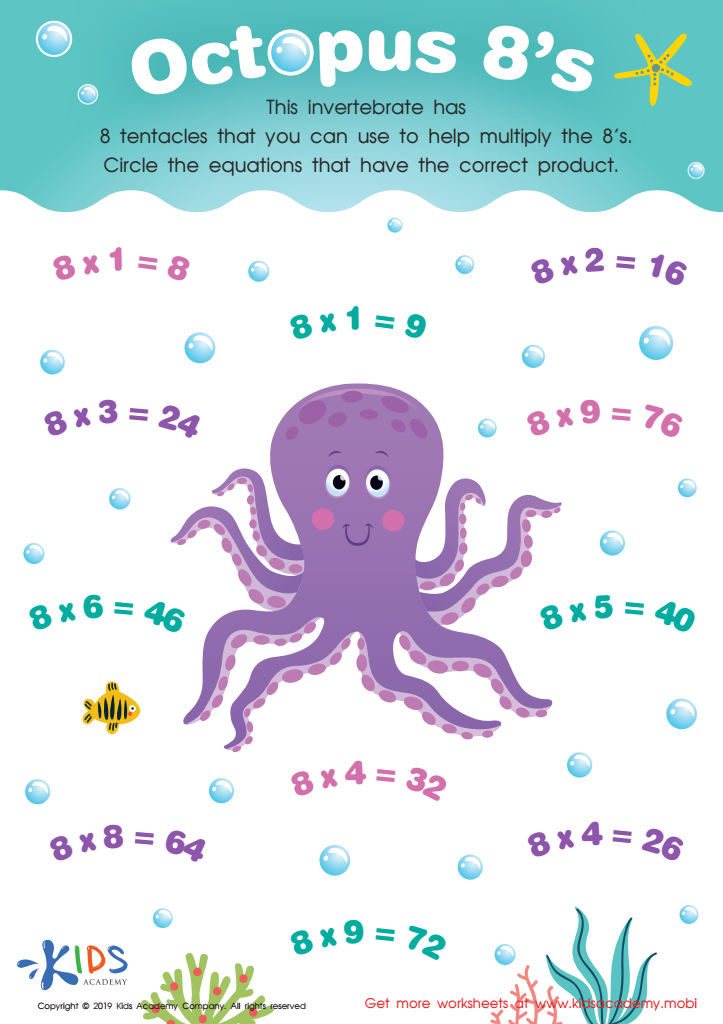
Octopus 8’s Worksheet

Can your child identify the octopus in the worksheet? It's an invertebrate with 8 tentacles. Have your child circle the equations with the correct products, and see if they can tell you some other features of the octopus too.
Octopus 8’s Worksheet
Worksheet
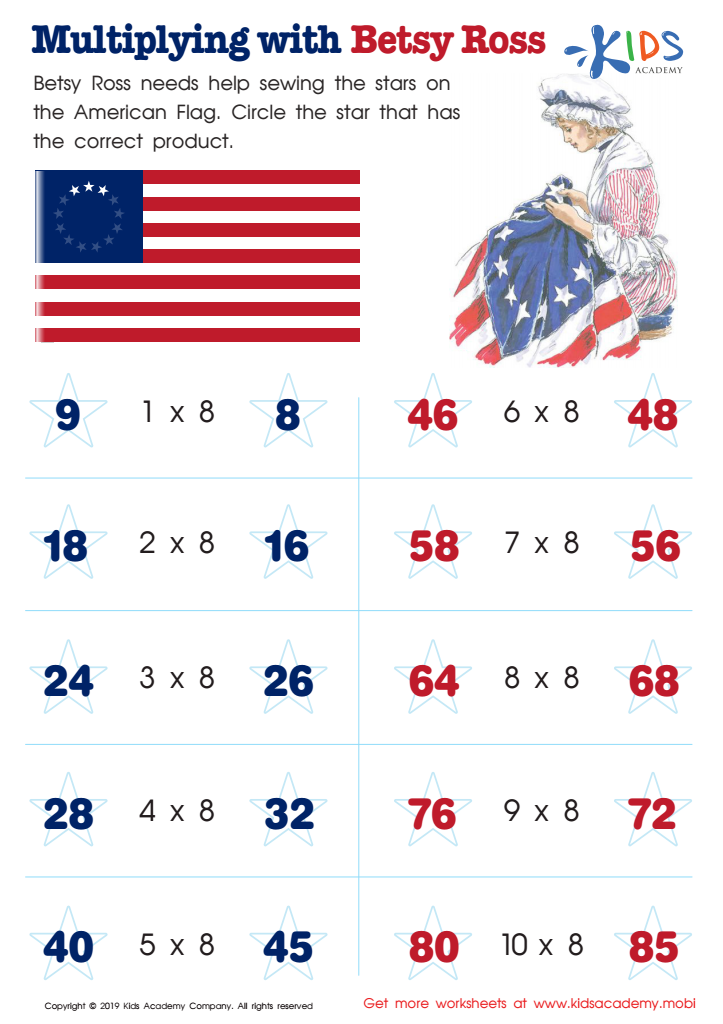
Multiplying with Betsy Ross Worksheet

Multiplying with Betsy Ross Worksheet

Before getting into the worksheet, have your students take a quick history lesson on Betsy Ross. Ask them if they know her role in American history. On the printout, ask your kids to identify what Betsy Ross is doing - sewing the stars on the American Flag. Have them circle the star that has the correct pattern.
Multiplying with Betsy Ross Worksheet
Worksheet
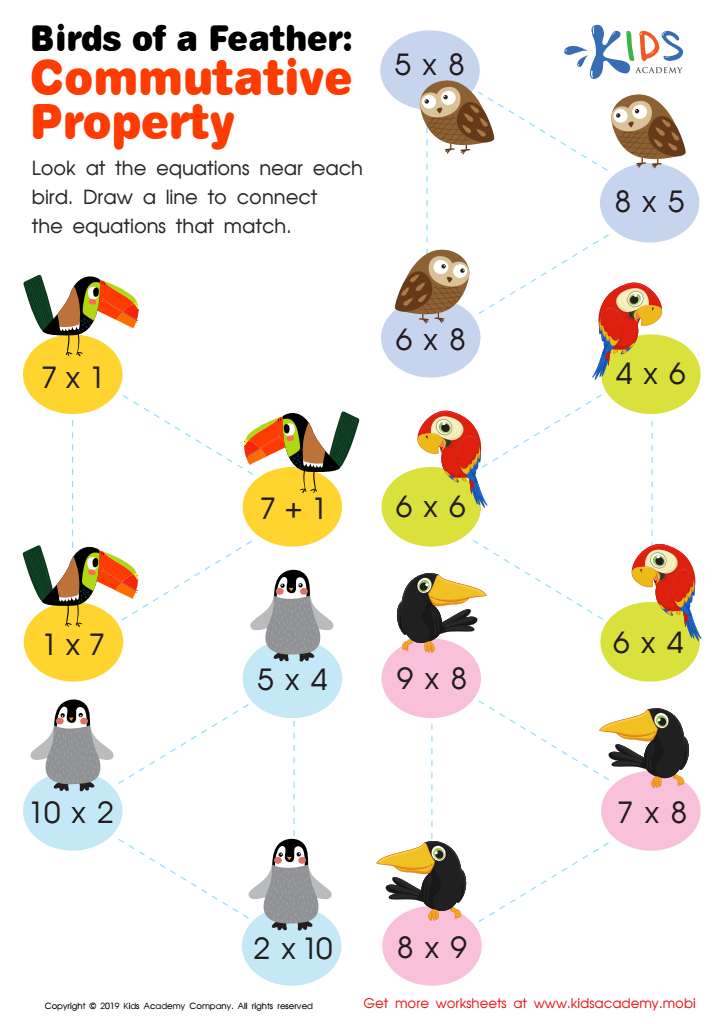
Birds of a Feather: Commutative Property Worksheet

Birds of a Feather: Commutative Property Worksheet

The commutative property states that order of factors doesn't affect the product. Use it to help your kids solve simple problems. If they love birds, they'll love the colorful worksheet to identify exotic ones. Practicing is the best way to understand difficult topics. Look at the equations in this tracing sheet; help them draw a line to connect equations that match.
Birds of a Feather: Commutative Property Worksheet
Worksheet
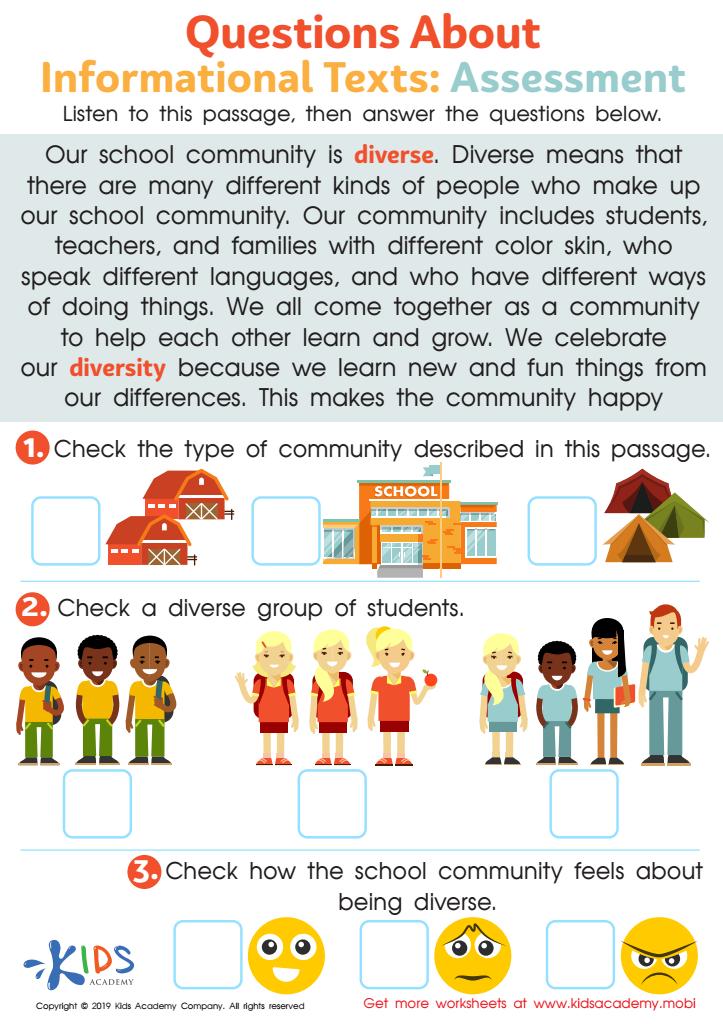
Questions About Informational Texts: Assessment 1 Worksheet

Questions About Informational Texts: Assessment 1 Worksheet

Ask your students: What comes to mind when we talk about a community? What different habits do people practice? What do fellow students do that seems strange? Read this passage aloud to your kindergartners and make sure they understand it. Then, answer the questions at the bottom of the page. (80 words)
Questions About Informational Texts: Assessment 1 Worksheet
Worksheet
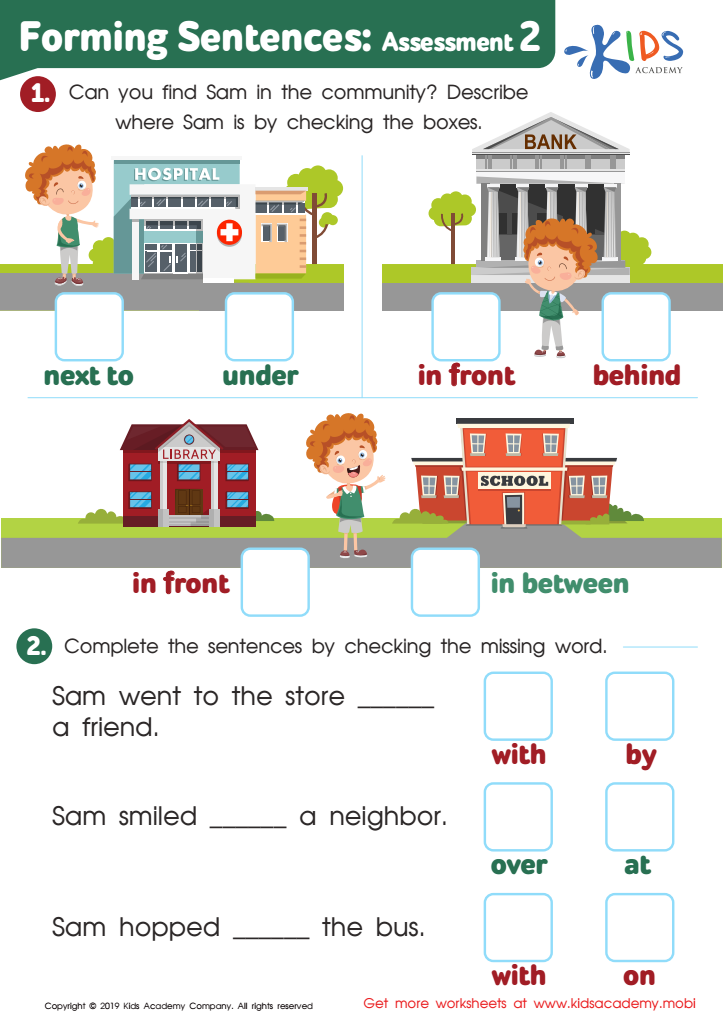
Forming Sentences: Assessment 2 Worksheet

Forming Sentences: Assessment 2 Worksheet

A community is an area with different people, buildings and professionals. Ask students to list buildings in their area, then help find Sam. Describe where he is and check the boxes in the worksheet. At the bottom, help complete the sentences by checking the missing word.
Forming Sentences: Assessment 2 Worksheet
Worksheet
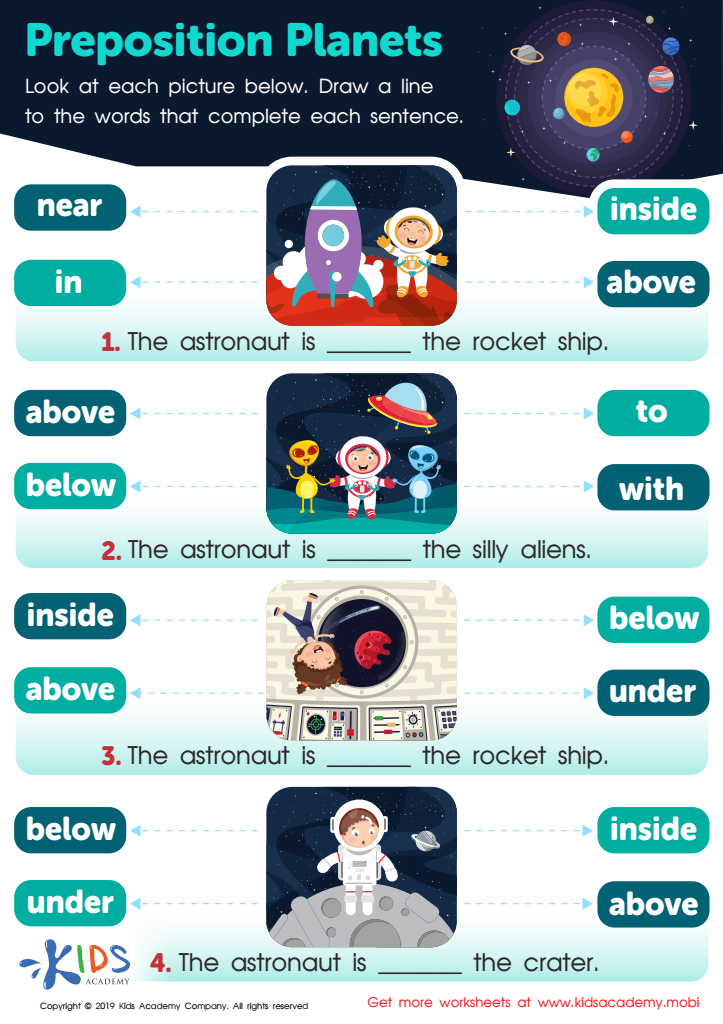
Preposition Planets Worksheet

Preposition Planets Worksheet

Remind your child about outer space: which planet do we live on, and who travels there for research? Explain that prepositions show location, direction, and time. Look at the worksheet with colorful pictures of astronauts. Help your kids draw lines to the words that complete each sentence.
Preposition Planets Worksheet
Worksheet
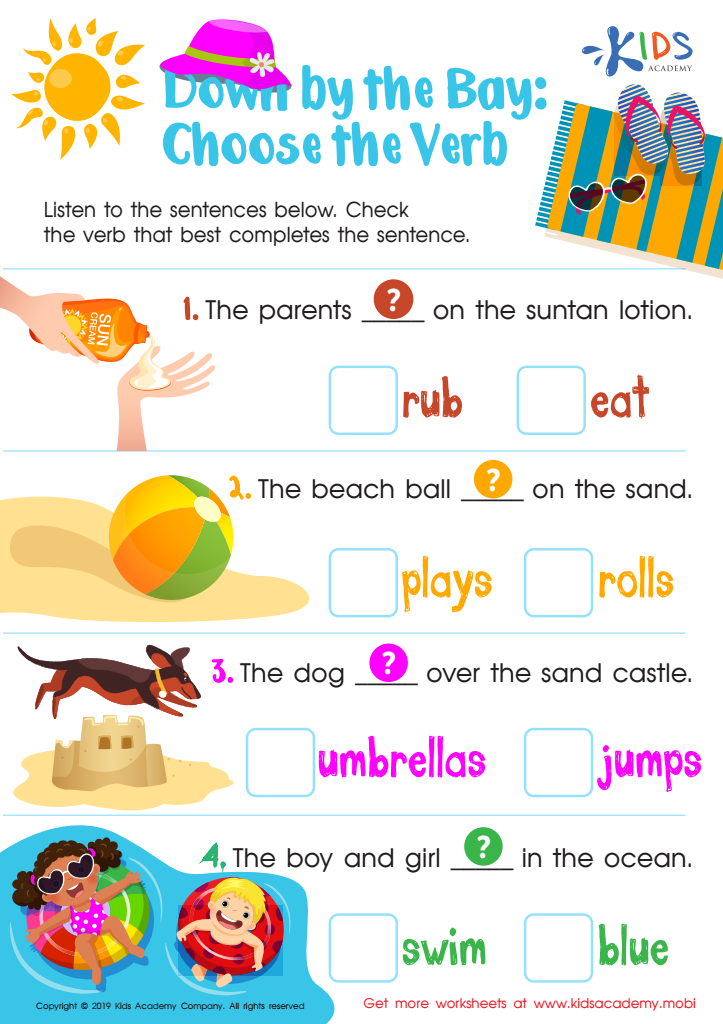
Down by the Bay: Choose the Verb Worksheet

Down by the Bay: Choose the Verb Worksheet

Teach your kids about verbs: words that describe actions, like 'playing', 'eating', 'talking'. Ask your child to give their own verbs, then read the sentences in a worksheet and help them pick the best one for each question.
Down by the Bay: Choose the Verb Worksheet
Worksheet
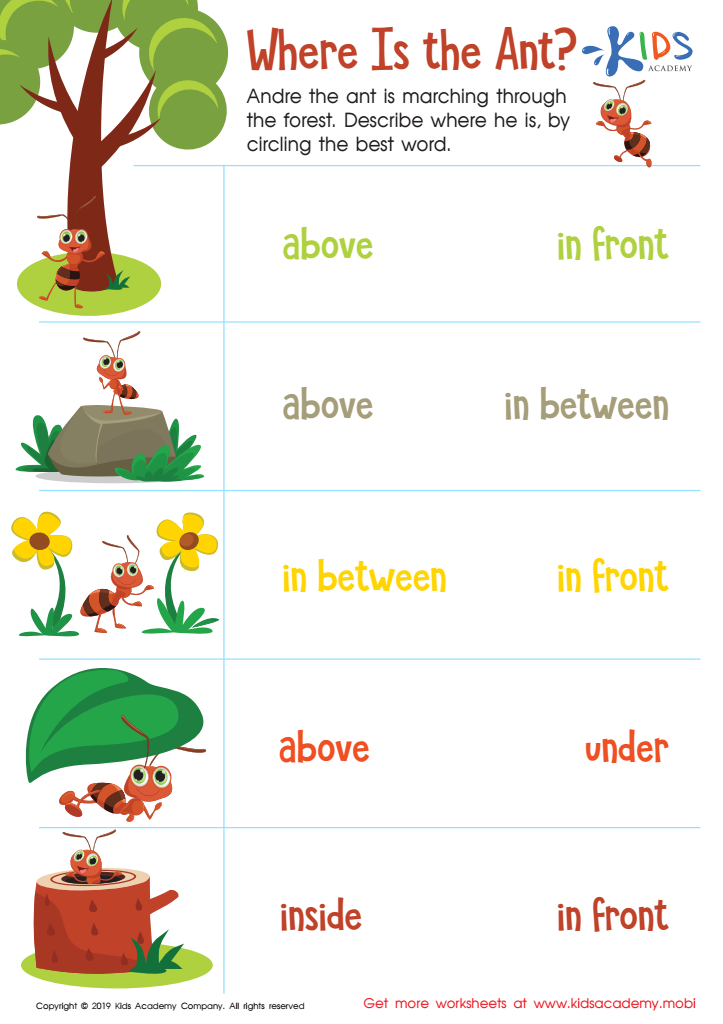
Where Is the Ant? Worksheet

Where Is the Ant? Worksheet

Kids are captivated by ants. Andre is a busy ant, marching through the forest. Help your child circle the best word that best describes what he's doing in each picture. This colorful printout will show them the way.
Where Is the Ant? Worksheet
Worksheet
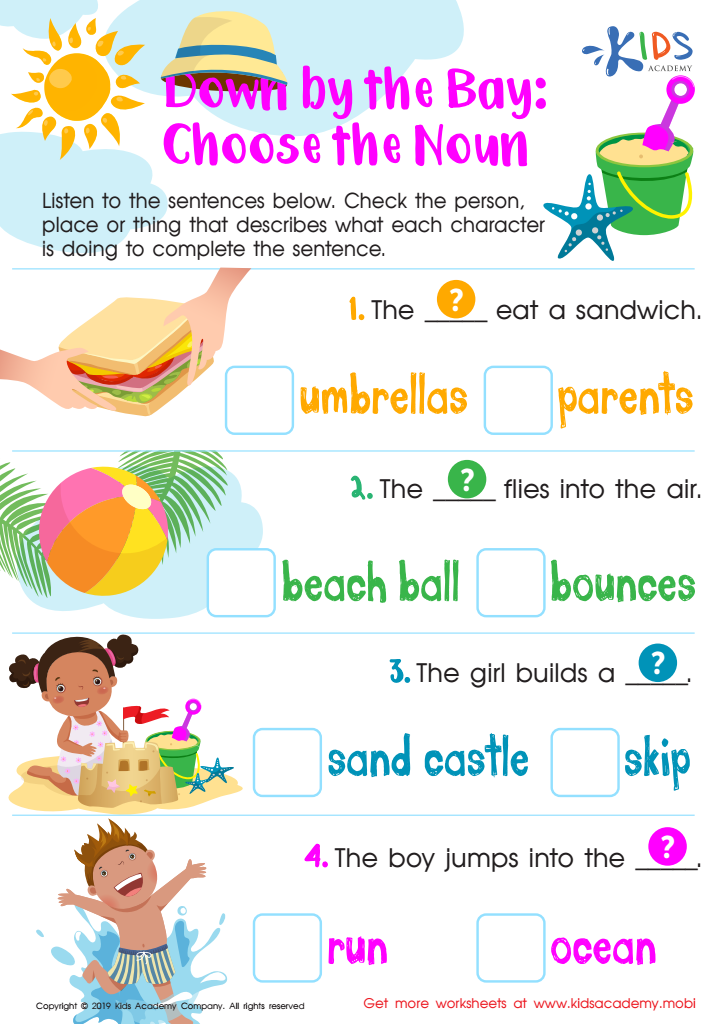
Down by the Bay: Choose the Noun Worksheet

Down by the Bay: Choose the Noun Worksheet

Teach your child the basics of speaking and constructing English, like the parts of speech. Nouns are especially important; they are names of people, animals, objects, places, or things. Go through this worksheet with your kids and have them identify the nouns in the sentences. This exercise will help them understand the concept better.
Down by the Bay: Choose the Noun Worksheet
Worksheet
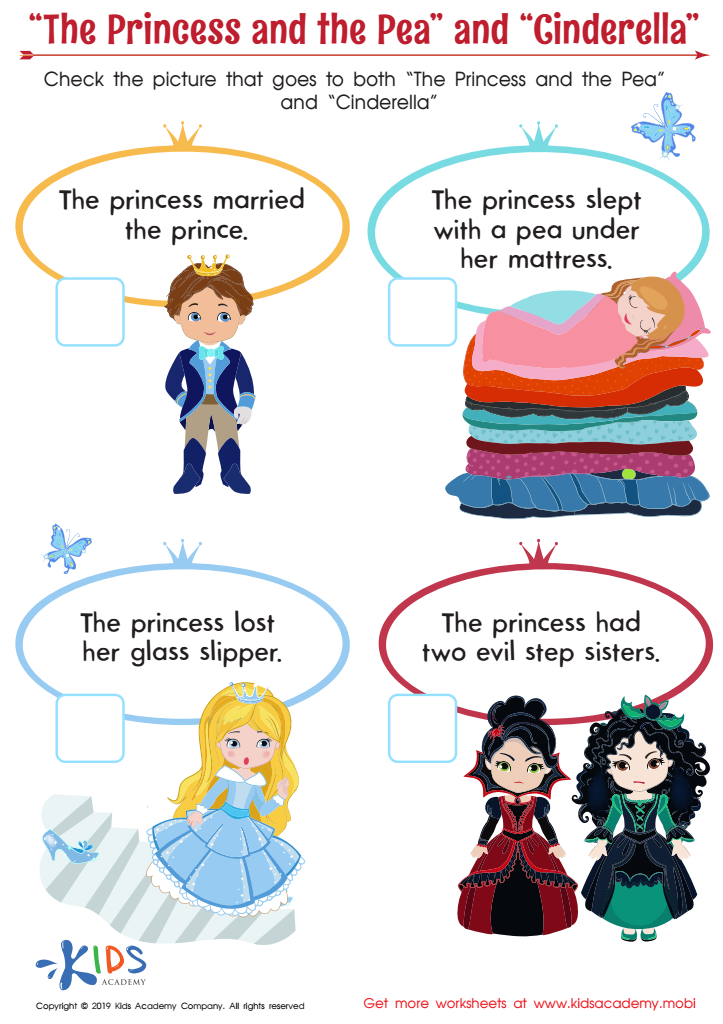
“The Princess and the Pea” and “Cinderella” Worksheet

“The Princess and the Pea” and “Cinderella” Worksheet

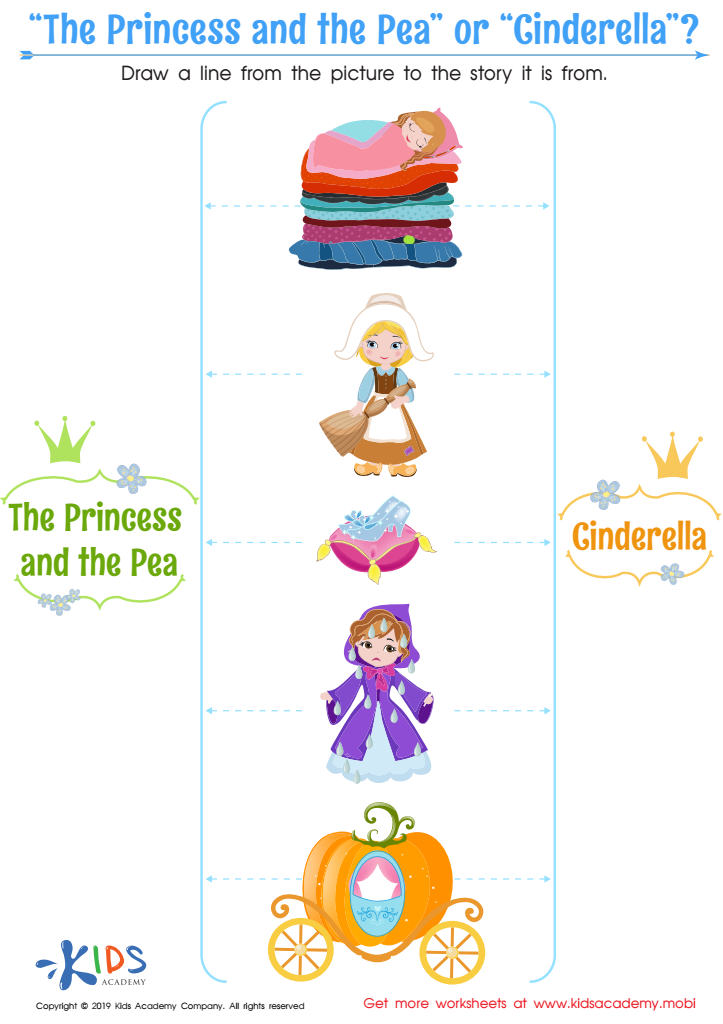
Read "Cinderella" and "The Princess and the Pea" to your little ones. Ask them what their favorite parts were and what similarities they found in the princesses. This worksheet has four pictures of scenes from the stories. Ask your kids which picture goes with both tales.
“The Princess and the Pea” and “Cinderella” Worksheet
Worksheet
“The Princess and the Pea” or “Cinderella” Worksheet

“The Princess and the Pea” or “Cinderella” Worksheet

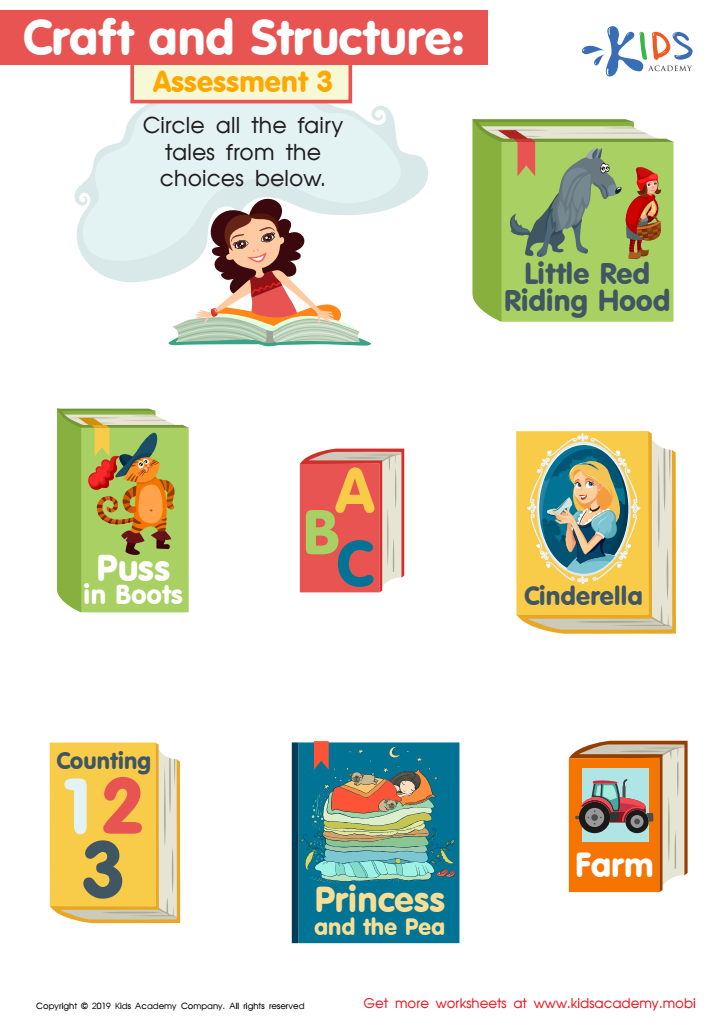
Help your child identify the characters and objects from both the Princess and the Pea and Cinderella. Ask them to draw a line from the pictures to the story it's from on the tracing sheet. Encourage them to tell you the similarities between the two stories. Enjoy the tale with your daughter and watch her be fascinated by these two classic children's stories.
“The Princess and the Pea” or “Cinderella” Worksheet
Worksheet
Craft and Structure: Assessment 3 Worksheet

Craft and Structure: Assessment 3 Worksheet

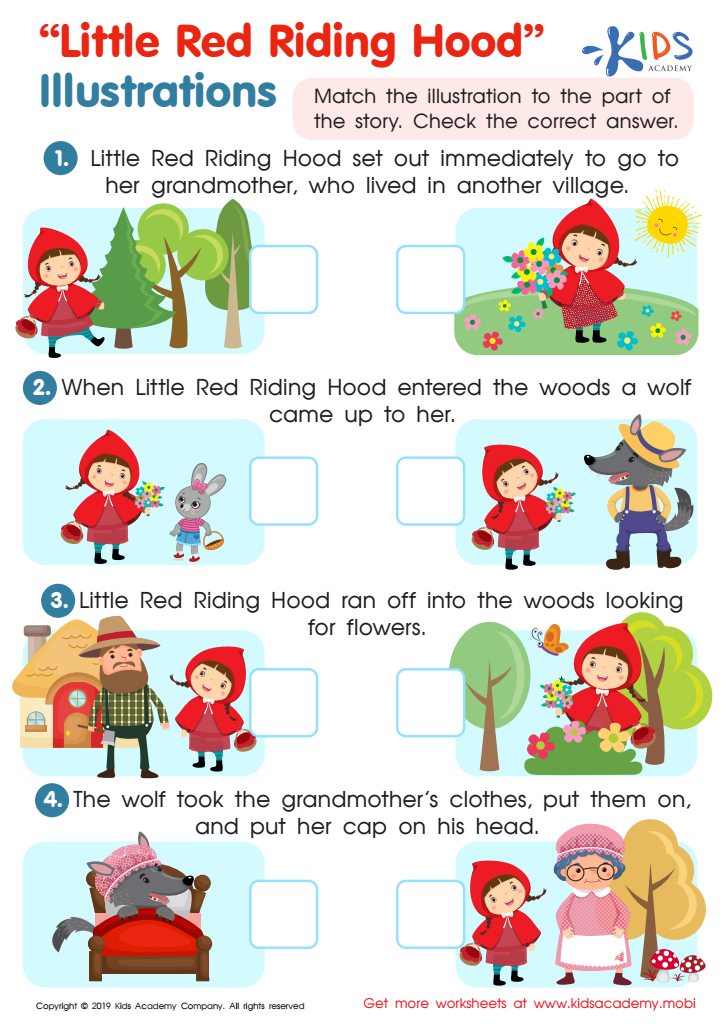
Before starting the worksheet, ask your kids to recall their favorite bedtime stories. What characters and events can they remember? Four popular children's stories are hidden among pictures of other objects - help them search and circle the fairy tales in this PDF.
Craft and Structure: Assessment 3 Worksheet
Worksheet
Little Red Riding Hood: Illustrations Worksheet

Little Red Riding Hood: Illustrations Worksheet

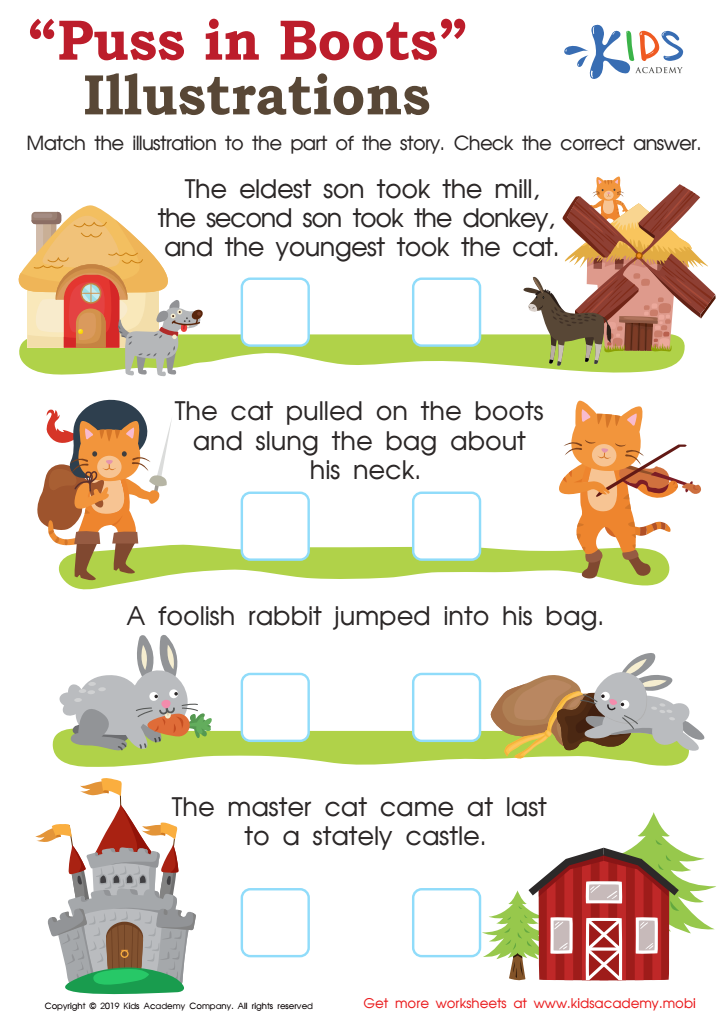
Comprehension is improved by having young readers recall and retell stories. This worksheet uses colorful illustrations of the fairytale Little Red Riding Hood. Children use their comprehension skills and strategy to match illustrations to the story parts, check off the appropriate boxes and use the pictures as clues.
Little Red Riding Hood: Illustrations Worksheet
Worksheet
Puss in Boots Illustrations Worksheet

Puss in Boots Illustrations Worksheet

This Puss In Boots Illustrations worksheet is a great way to help kids learn about retelling stories. They'll match images to different parts of the story and check off the correct answer. As they recall events and put them in sequence they'll enjoy this fun and creative activity.
Puss in Boots Illustrations Worksheet
Worksheet
Fairy Tales Maze Worksheet

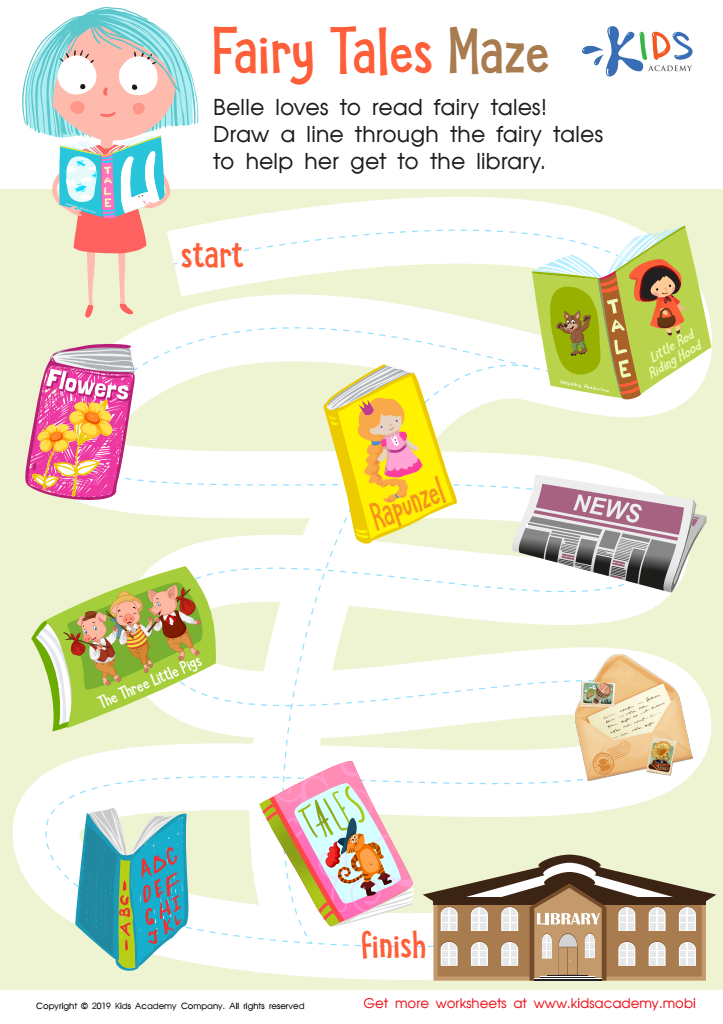
Fairy Tales Maze Worksheet

Kids love mazes and fairy tales, so this free worksheet is a great way to help teach young readers about familiar topics. They'll join Bella and use the traceable lines to travel through different reading genres, and find their way to the library for a nice reward!
Fairy Tales Maze Worksheet
Worksheet
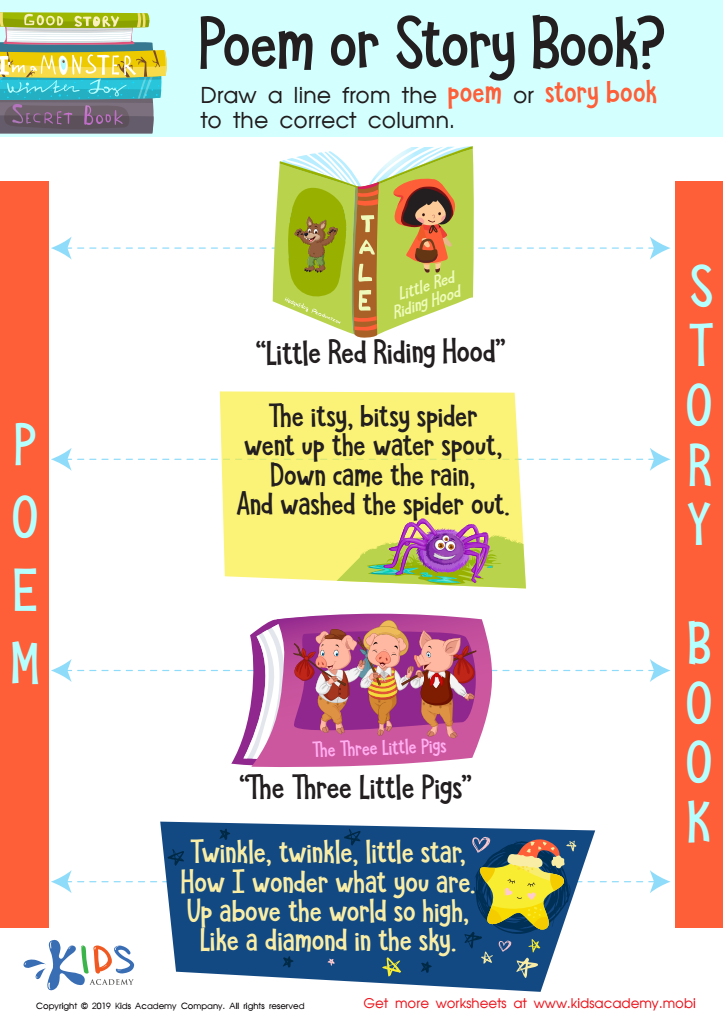
Poem or Story Book? Worksheet

Poem or Story Book? Worksheet

Help your little readers comprehend different genres with this free worksheet! Colorful images and familiar themes help them distinguish between poems and story books. They'll identify which is which, then connect the picture to the right column with traceable lines. A fun way to expand their understanding!
Poem or Story Book? Worksheet
Worksheet
Letter A Tracing Worksheet Preview


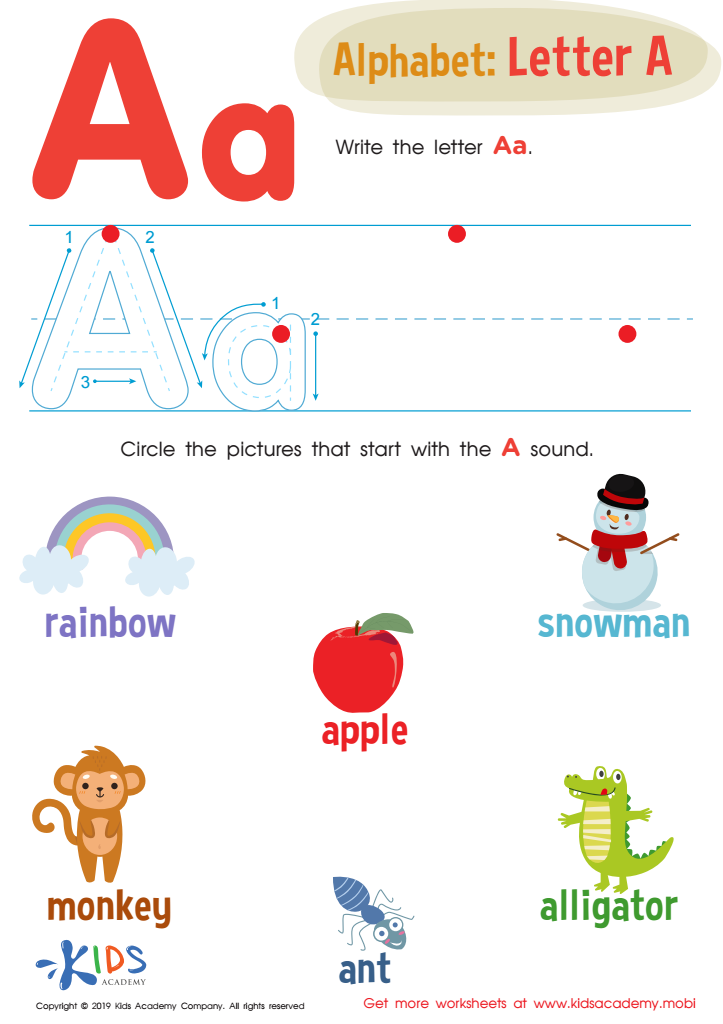
Letter A Tracing Worksheet

Learning the letter "A" is essential. This worksheet helps kids trace and write it, boosting their skill. They also circle pictures with the "A" sound, with both the word and picture provided. This helps them learn how to pronounce words like "apple" correctly.
Letter A Tracing Worksheet
Worksheet


Parents and teachers should care about the concept of "normal" for ages 6-9 because it plays a crucial role in a child's development and emotional well-being. During this stage, children are rapidly developing their social, cognitive, and emotional skills. Understanding what is considered typical behavior for this age group helps adults recognize milestones and identify any concerns early on.

Children in this age range often compare themselves to peers, shaping their self-esteem and sense of belonging. By fostering a supportive environment that celebrates individual differences, adults can help children develop resilience and healthy perspectives on normality. This can prevent issues like bullying, anxiety, and low self-esteem, which can have lasting effects on their development.

Moreover, recognizing normal behavior aids in creating appropriate learning experiences. Teachers can better tailor their teaching methods and curricula to meet the varied needs of their students. In school settings, this creates inclusive and engaging environments where every child can thrive.

In summary, understanding and caring about what is considered normal for children aged 6-9 helps guide adults in supporting their growth, teaching empathy, fostering self-acceptance, and creating more effective learning experiences.