Normal Comparing Numbers Worksheets for Ages 6-9
32 filtered results
-
From - To
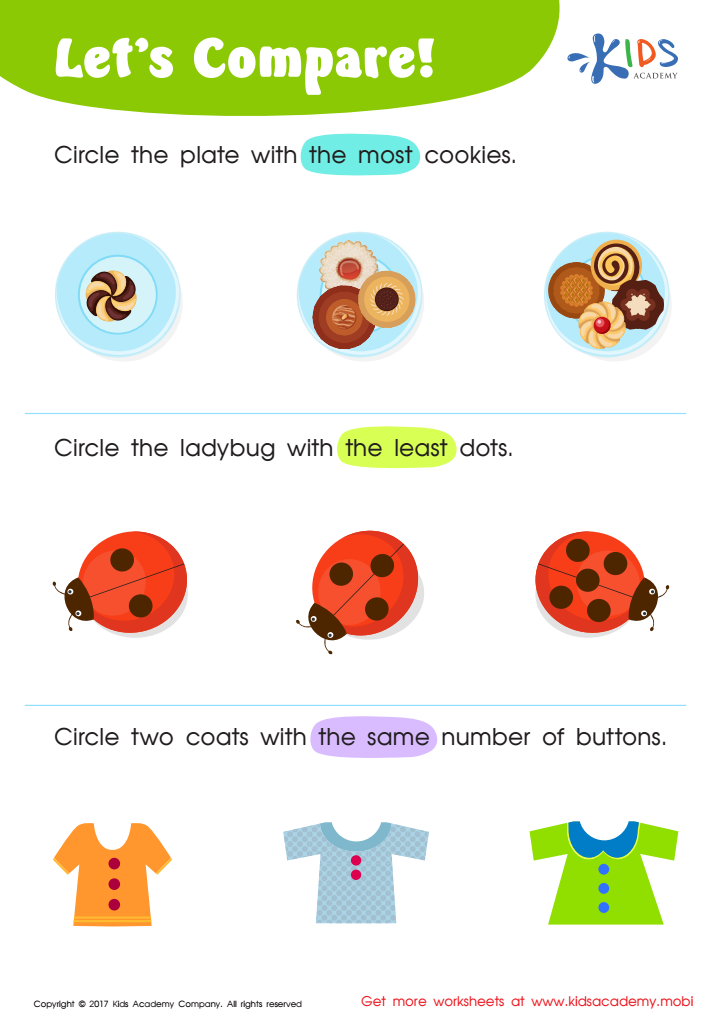
Enhance your child's mathematical skills with our Normal Comparing Numbers Worksheets for ages 6-9. These engaging worksheets are designed to support kids in understanding numeral relationships by comparing numbers using greater than, less than, and equal to concepts. With a variety of fun, interactive exercises, children can practice identifying larger and smaller numbers, boosting their confidence in math. Perfect for both classroom use and at-home learning, our worksheets offer a hands-on approach to mastering number comparison, setting a solid foundation for future math success. Help your child excel in maths with our expertly crafted, educational resources.
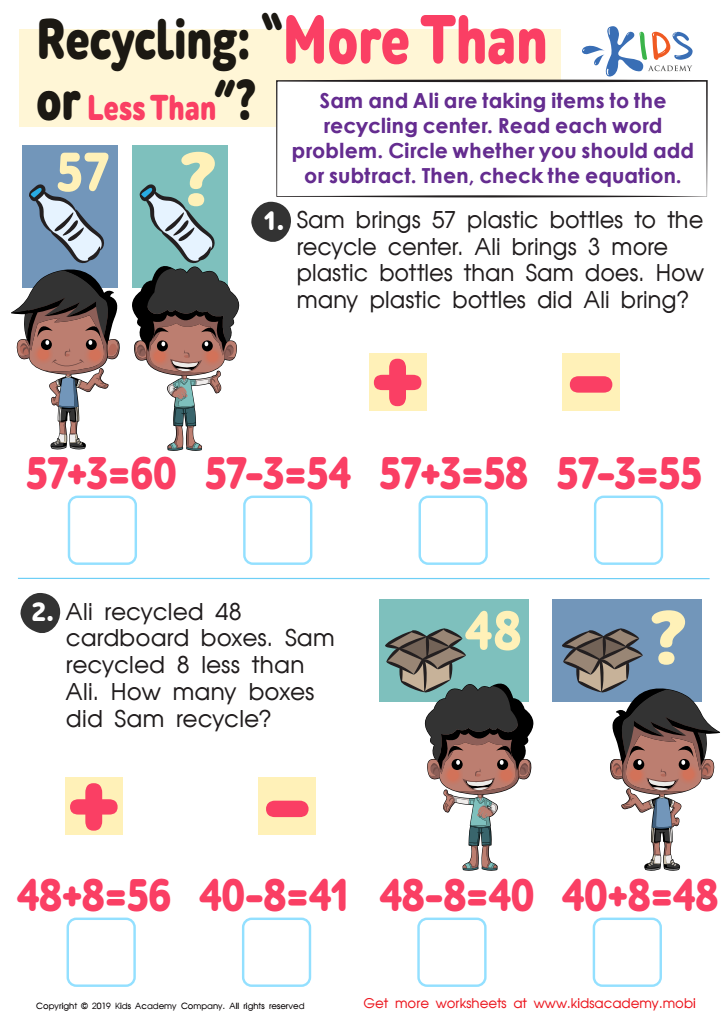
Recycling - More or Less Worksheet
 Assign to My Students
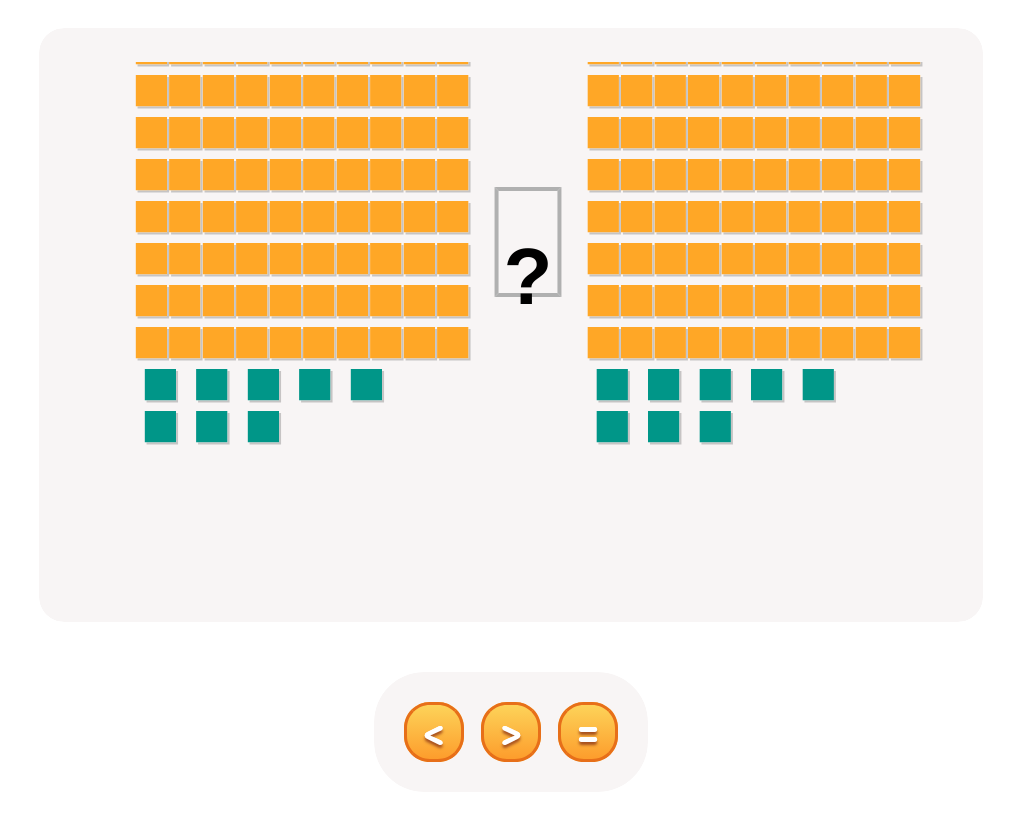

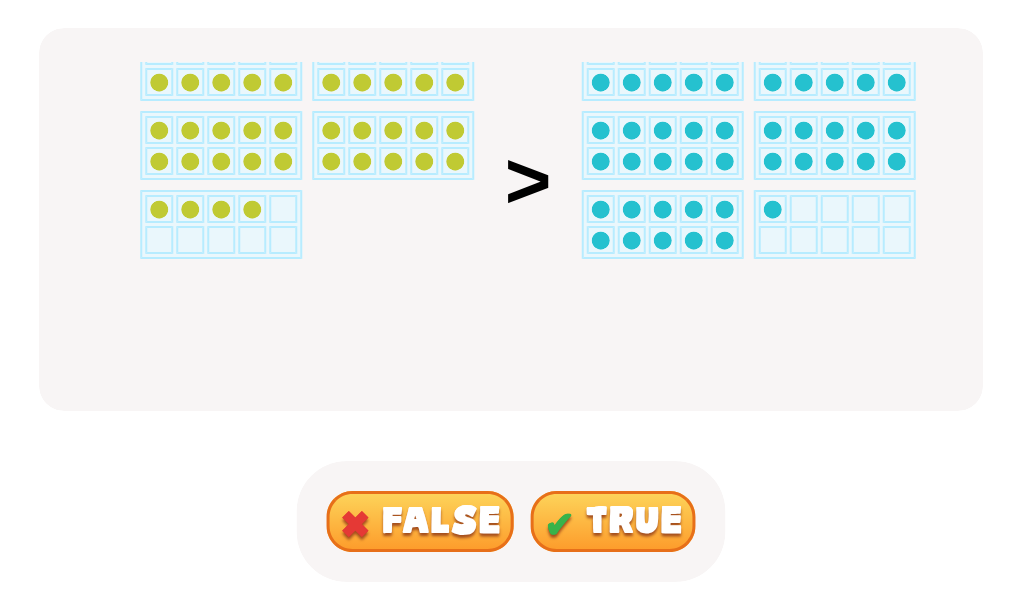
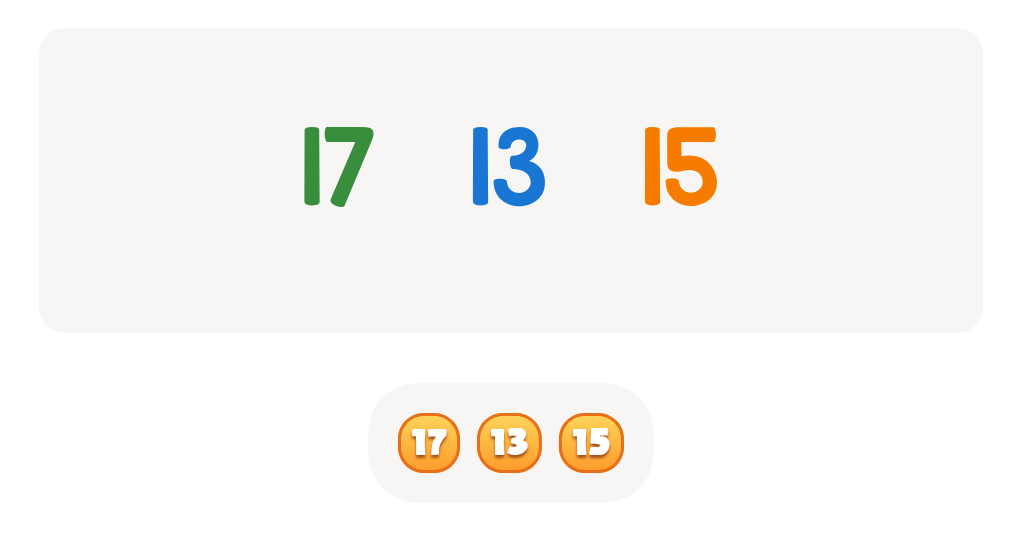
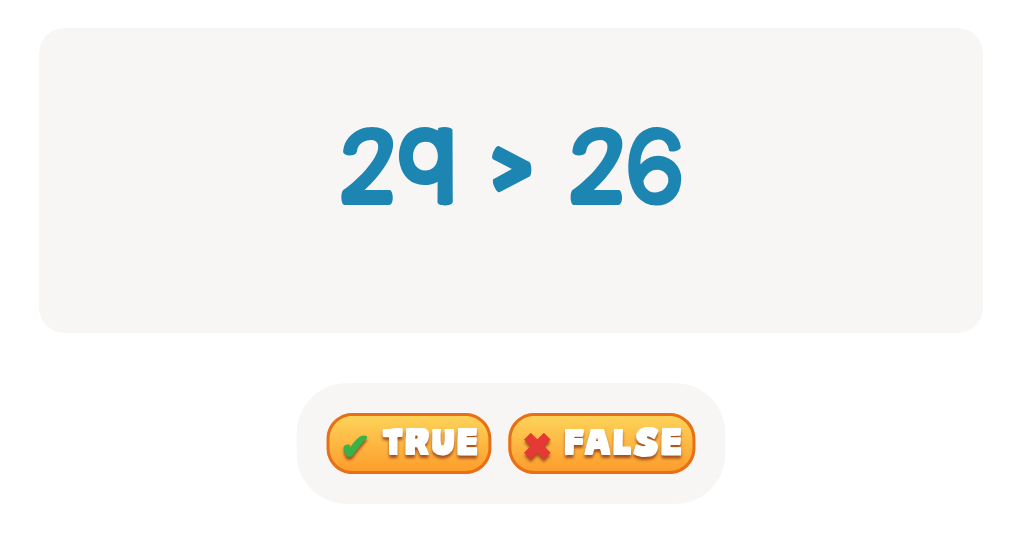
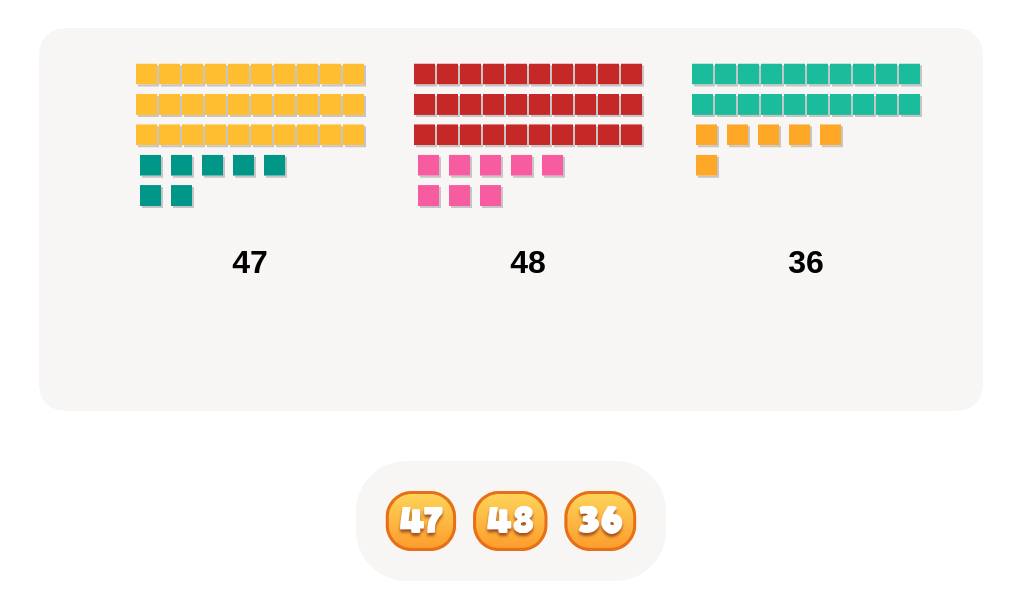
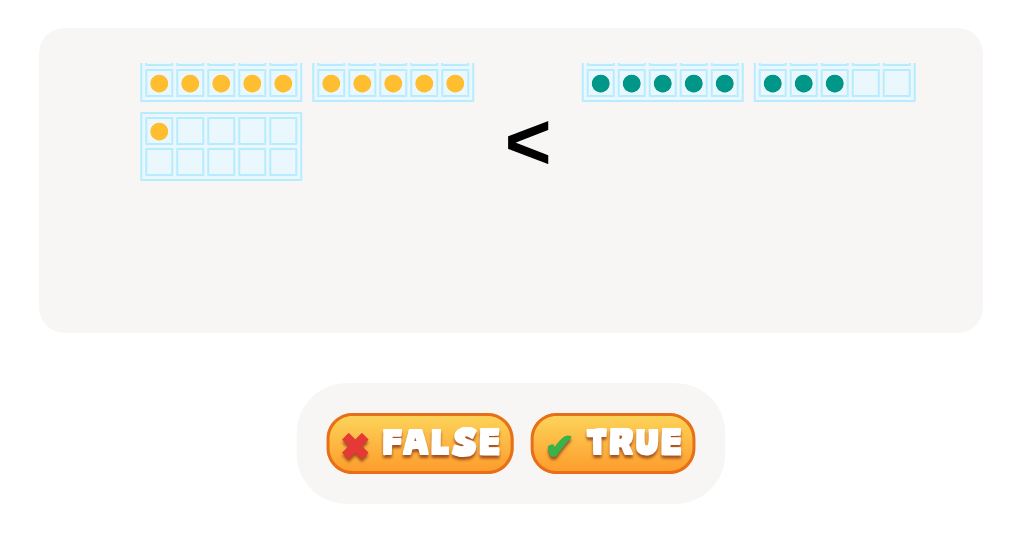
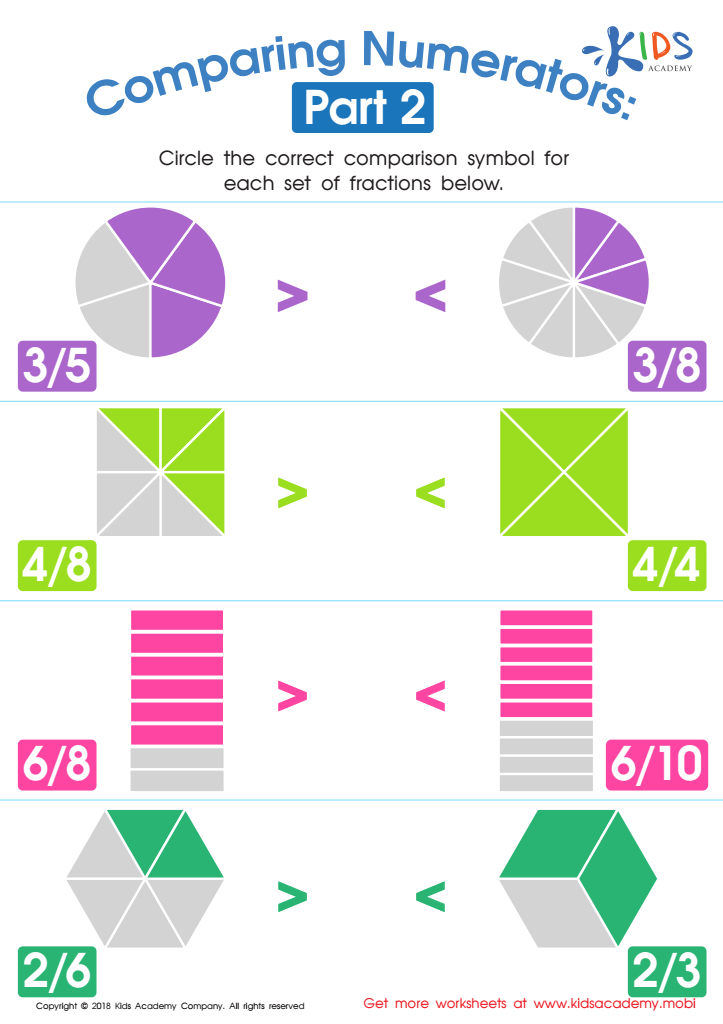
Comparing Numerators Part 2 Worksheet
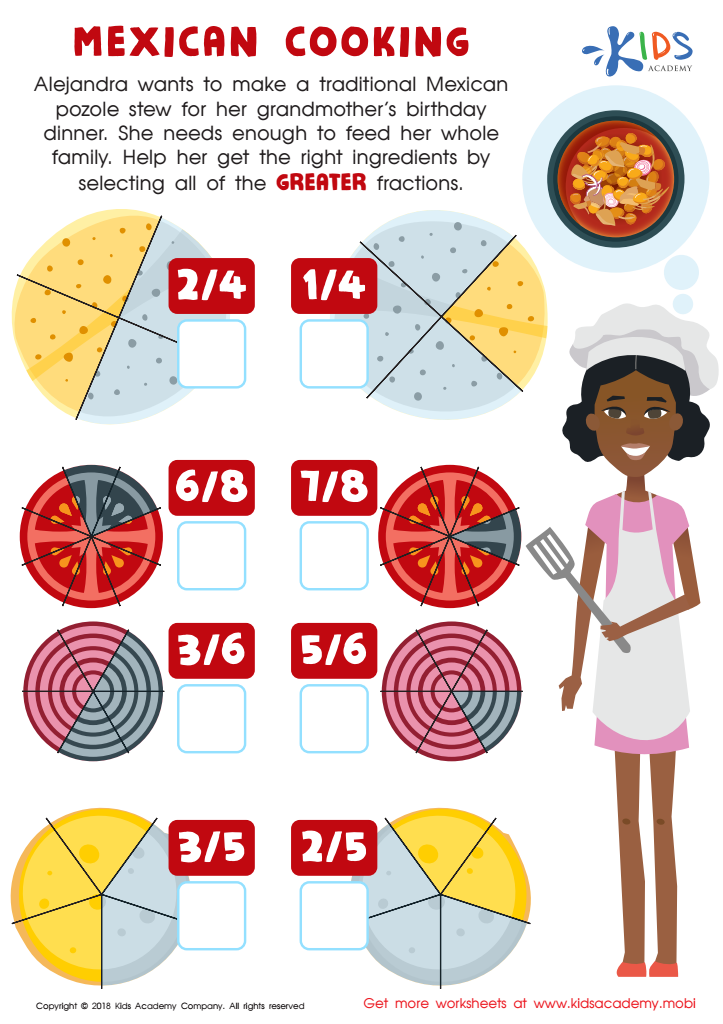
Mexican Cooking Worksheet
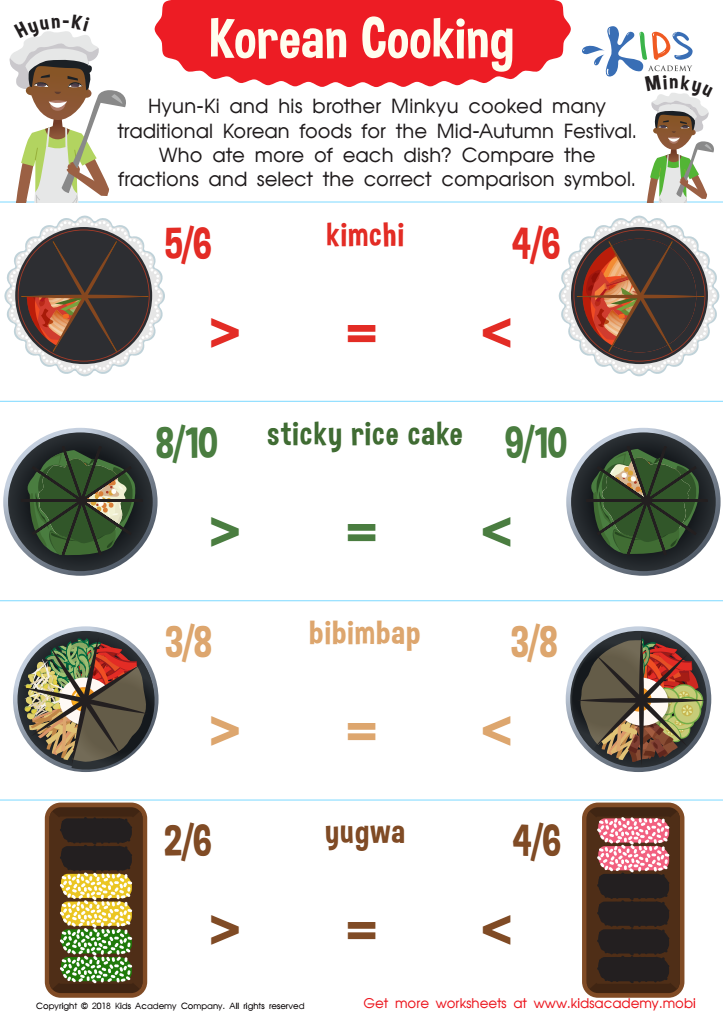
Korean Cooking Worksheet
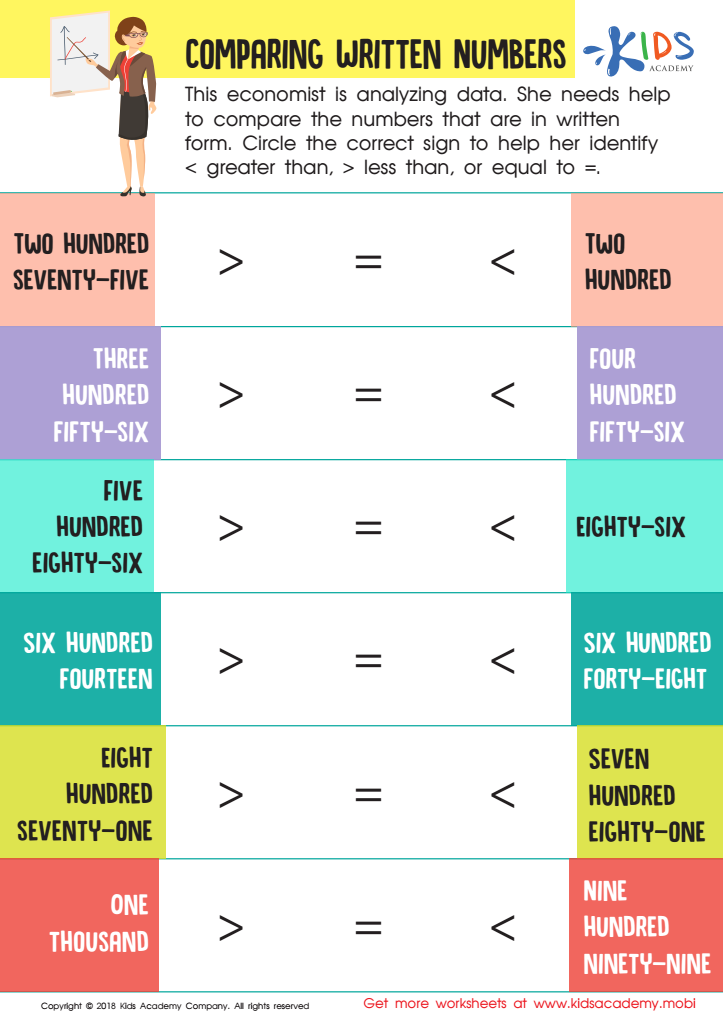
Comparing Written Numbers Worksheet
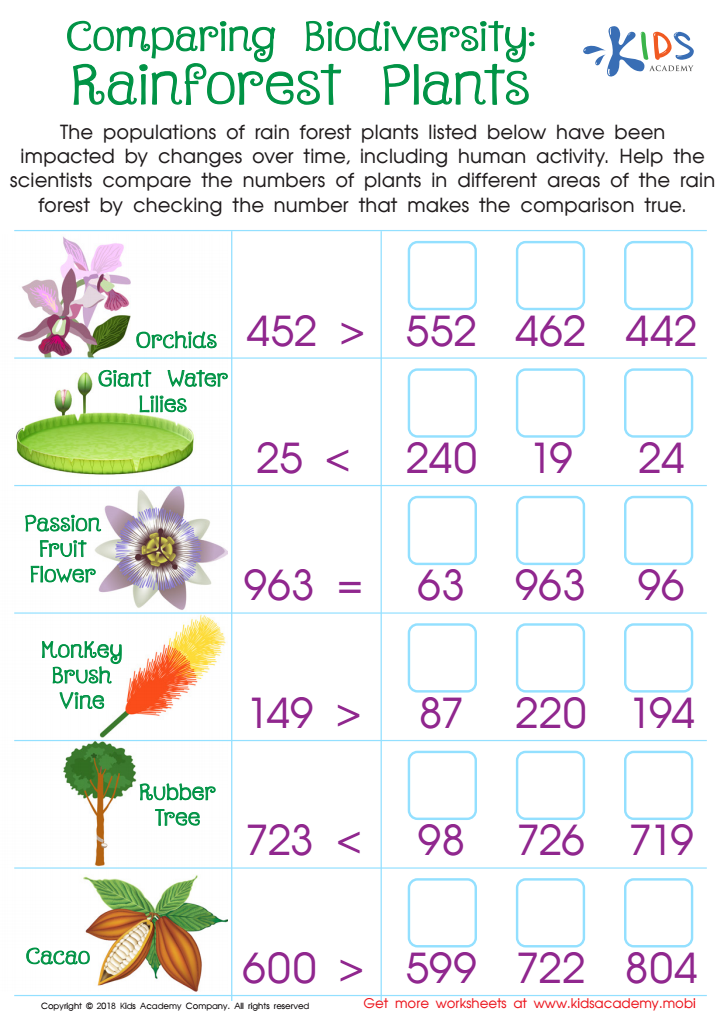
Comparing Biodiversity: Rainforest Plants Worksheet
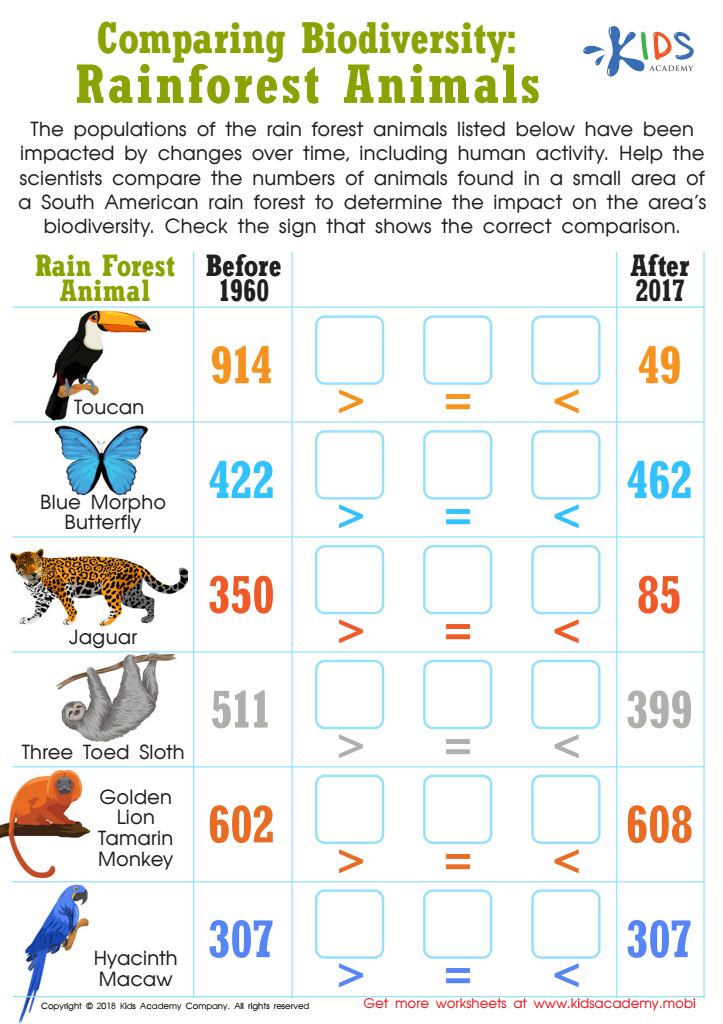
Comparing Biodiversity: Rainforest Animals Worksheet
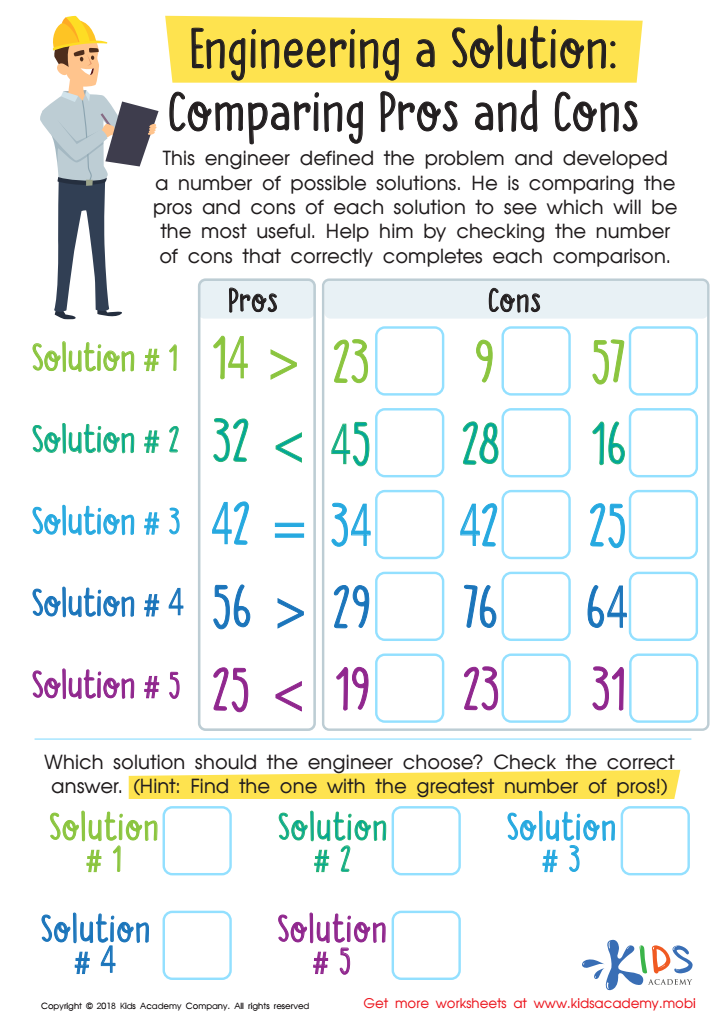
Engineering a Solution: Comparing Pros and Cons Worksheet
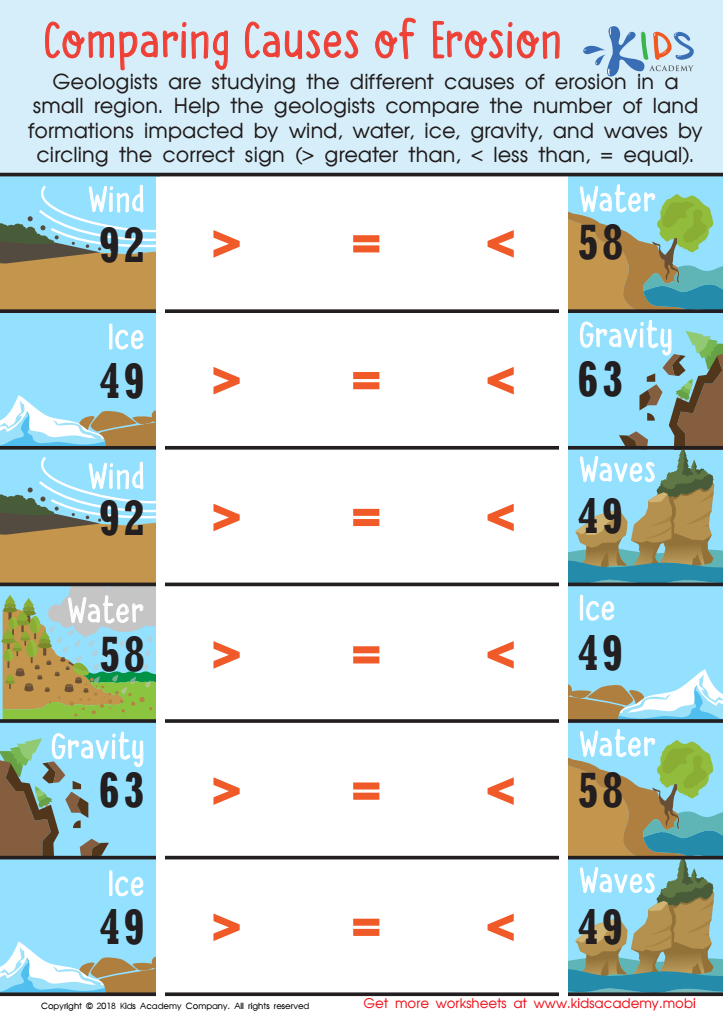
Comparing Causes of Erosion Worksheet
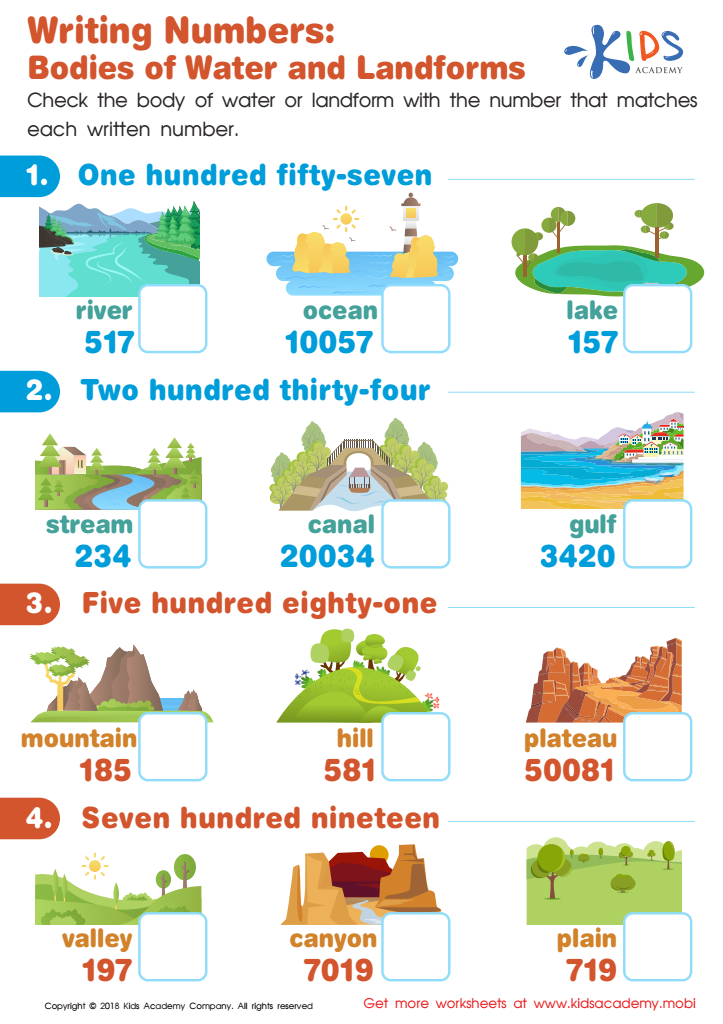
Bodies of Water and Landforms Writing Numbers Worksheet
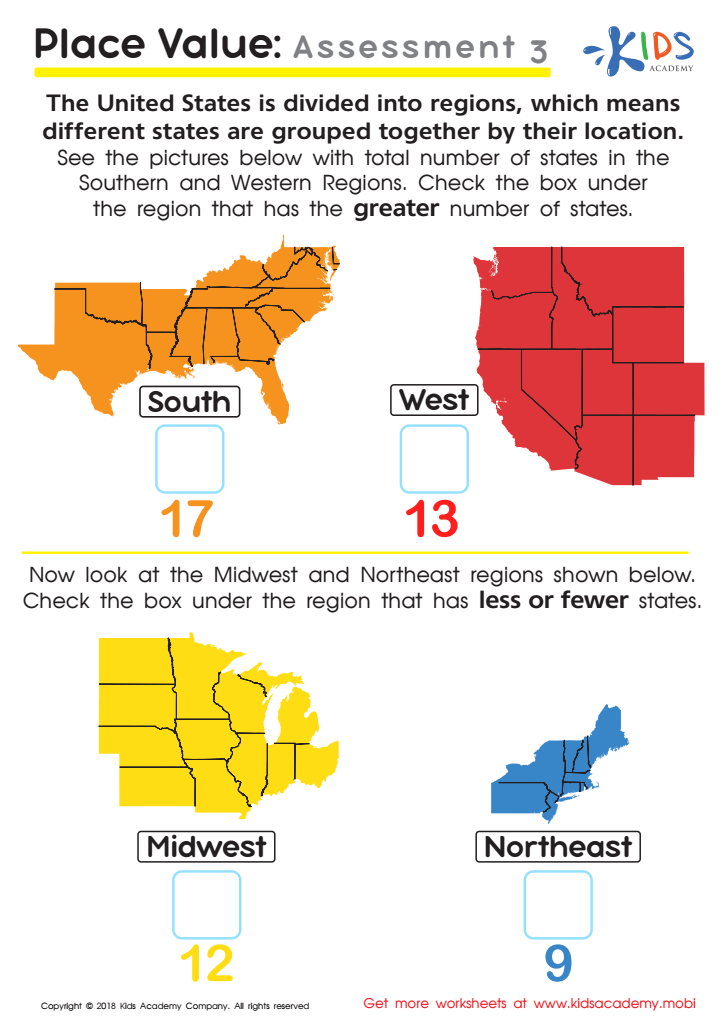
Place Value: Assessment 3 Worksheet
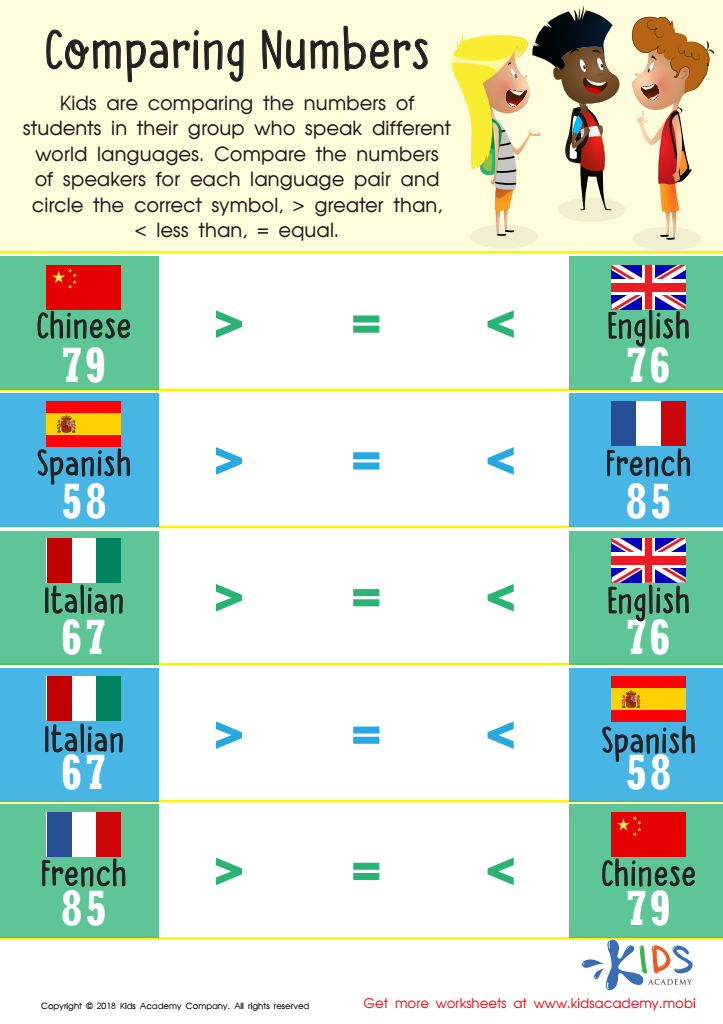
Comparing Numbers Worksheet for 1st Grade
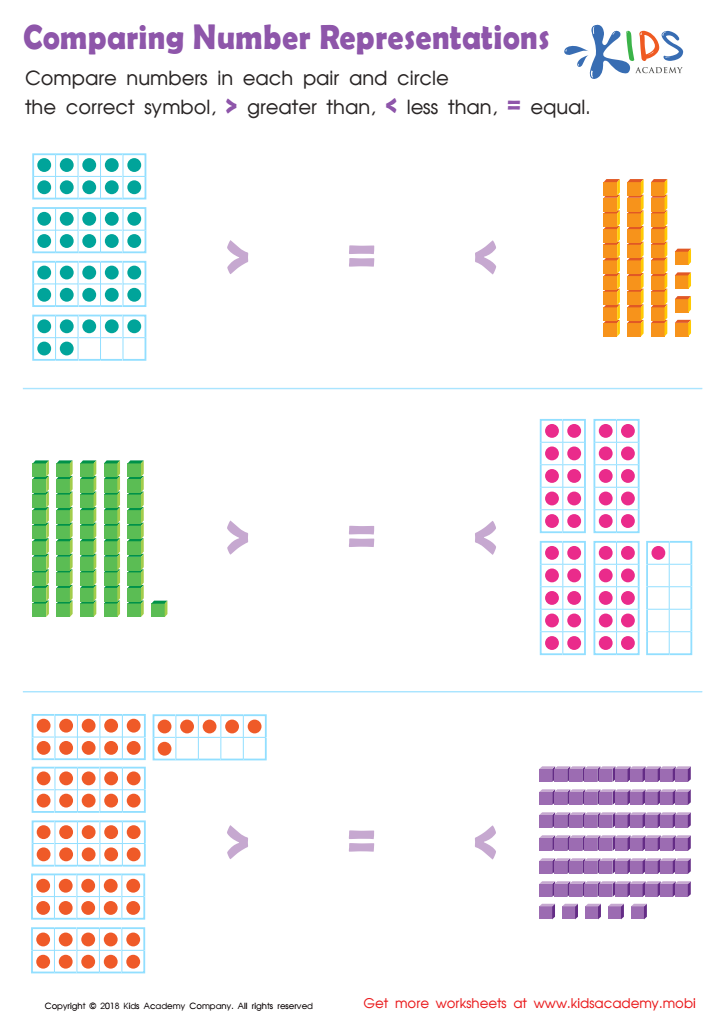
Comparing Number Representations Worksheet
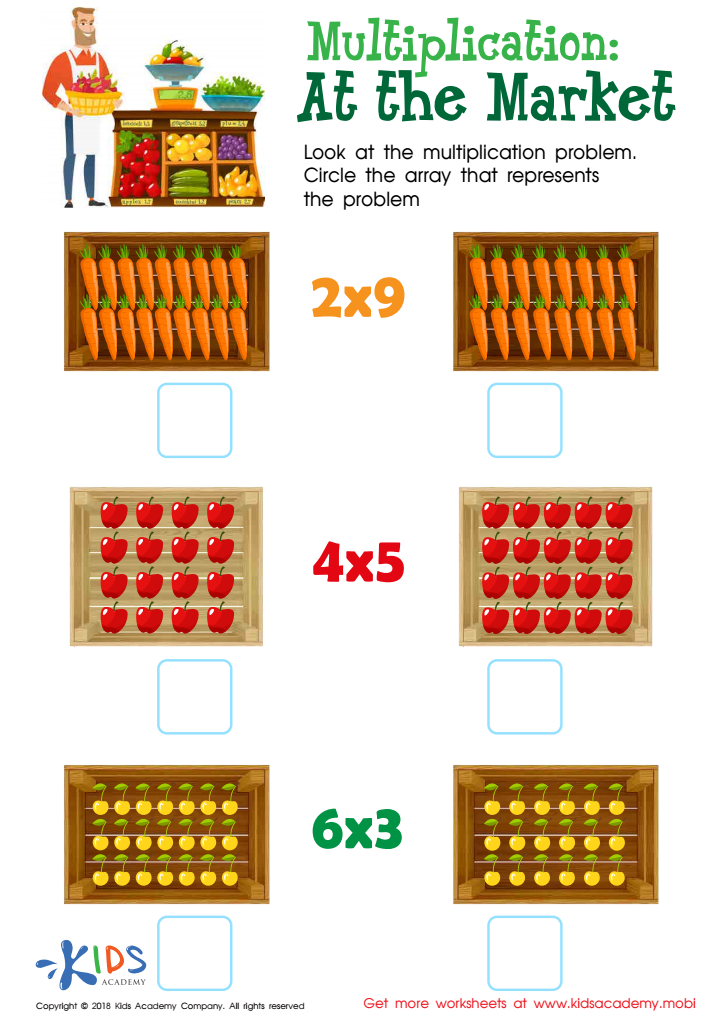
At the Market Worksheet
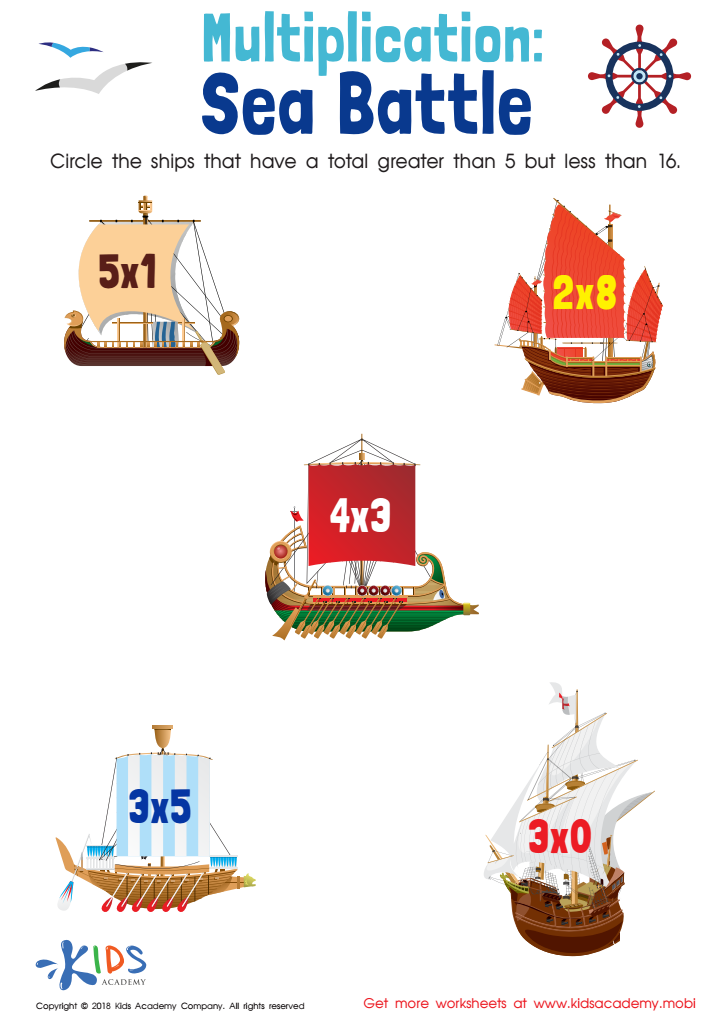
Sea Battle: Multiplication Worksheet
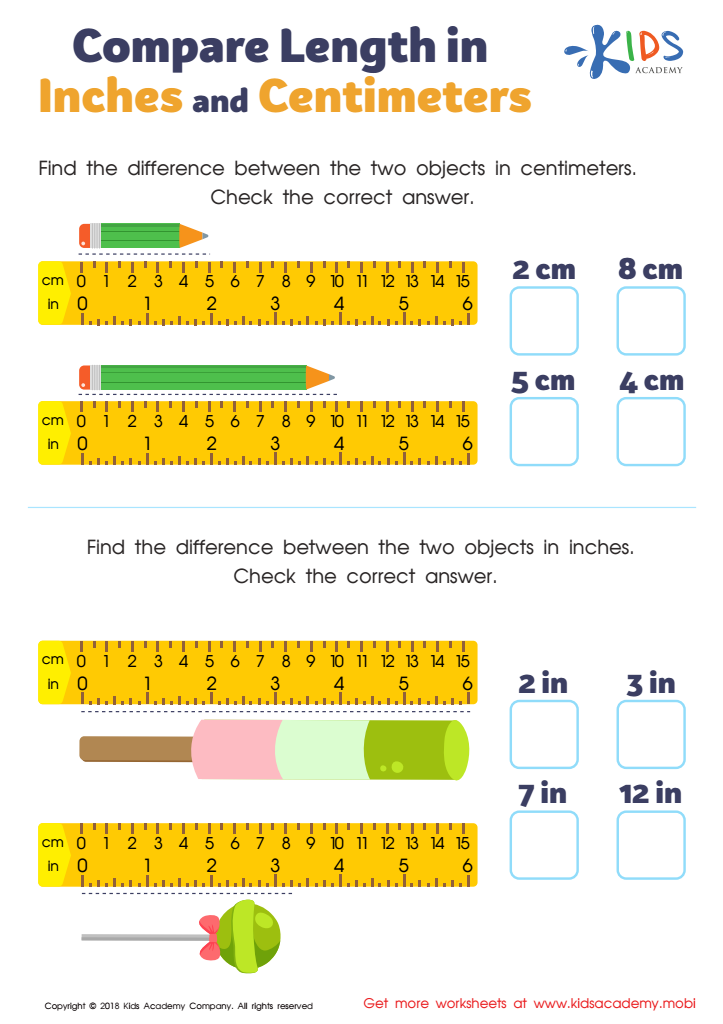
Compare Length in Inches and Centimeters Worksheet
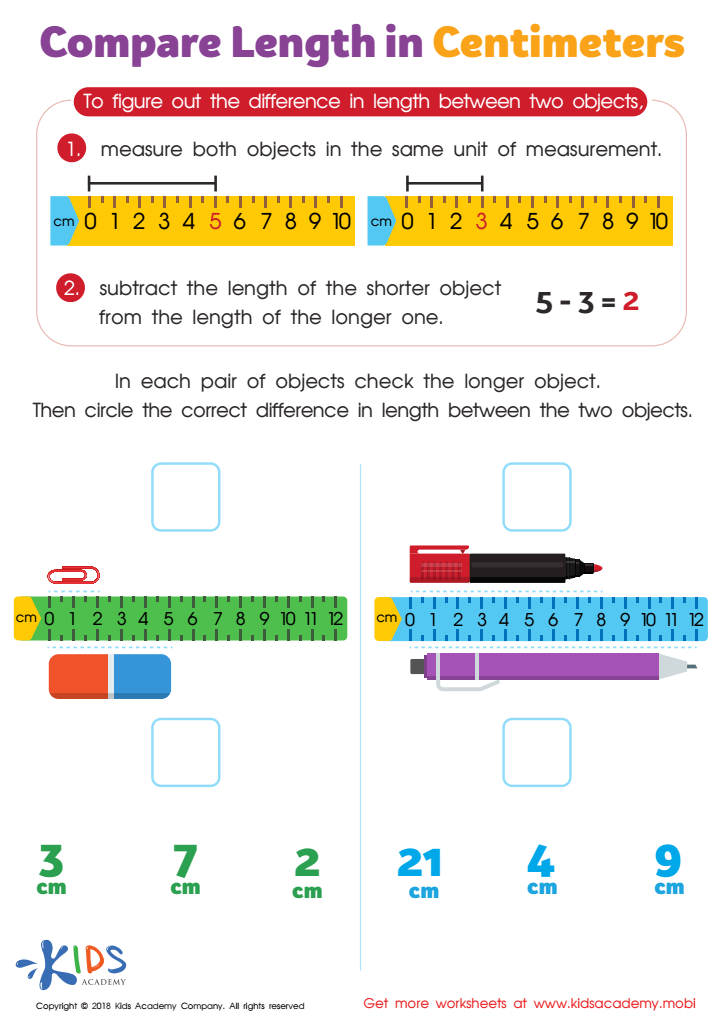
Compare Length in Centimeters Worksheet
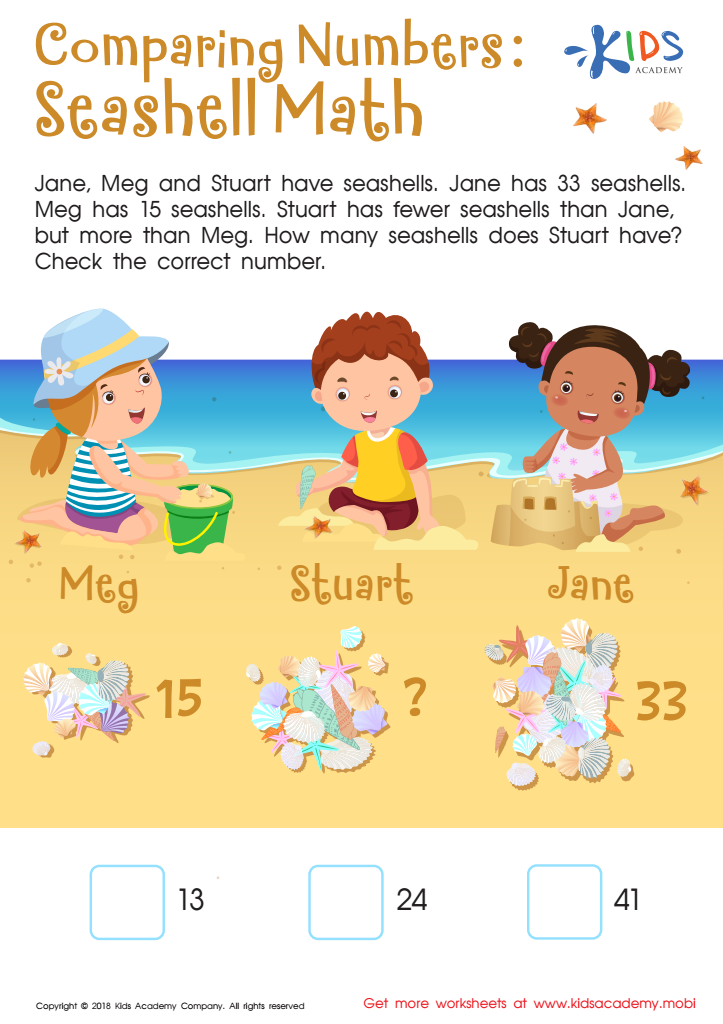
Seashell Collectors Worksheet
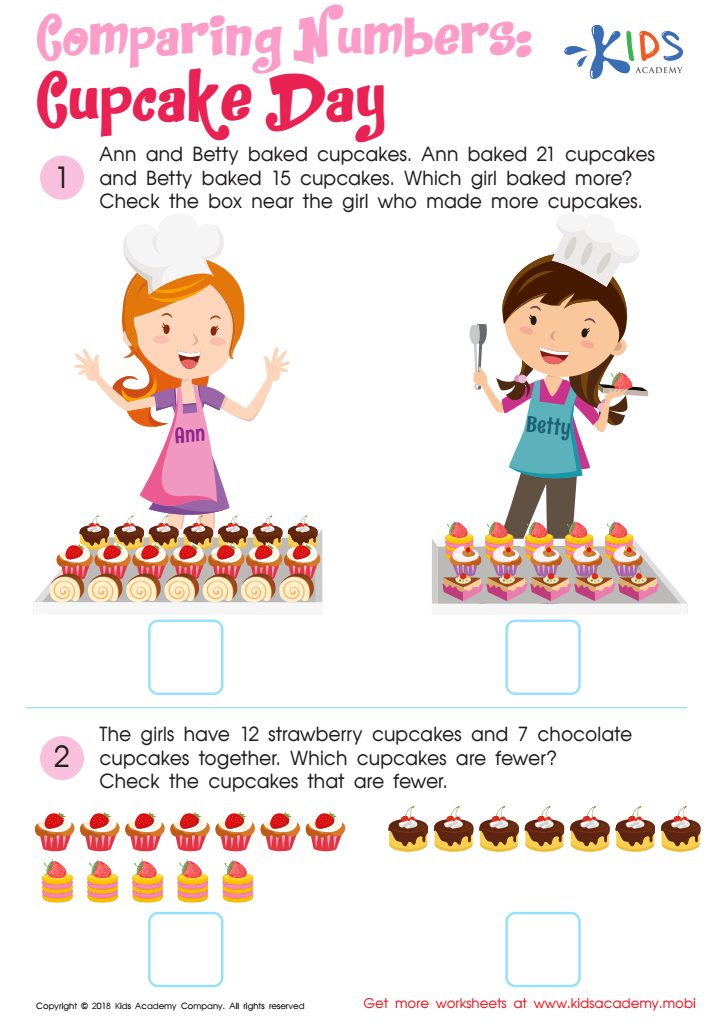
Cupcake Day Worksheet
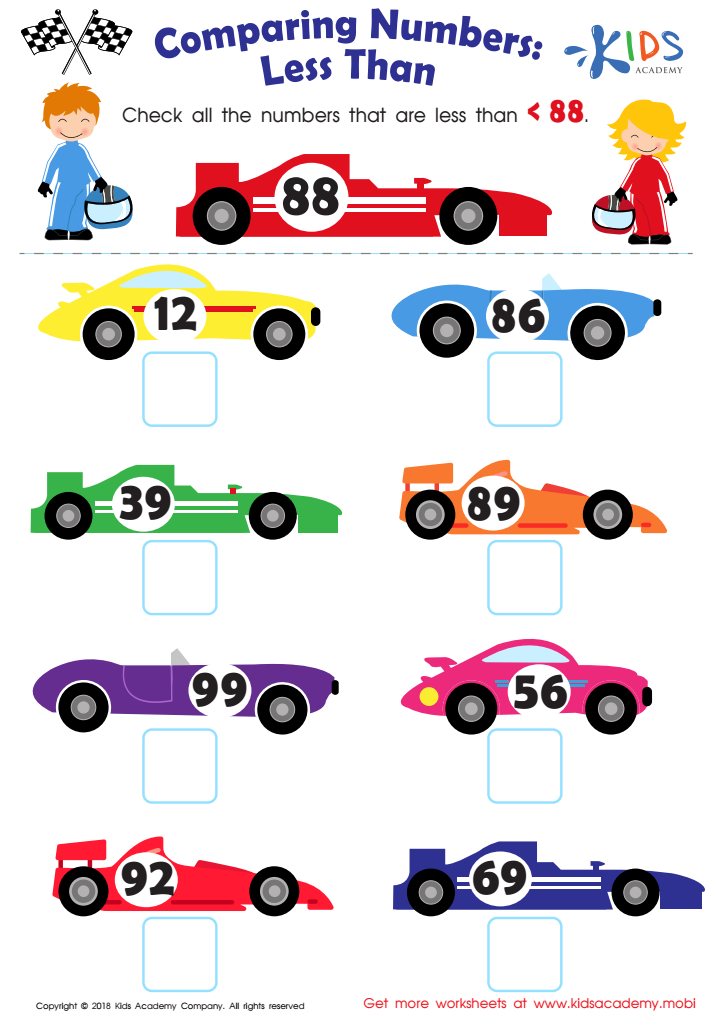
Less Than Worksheet
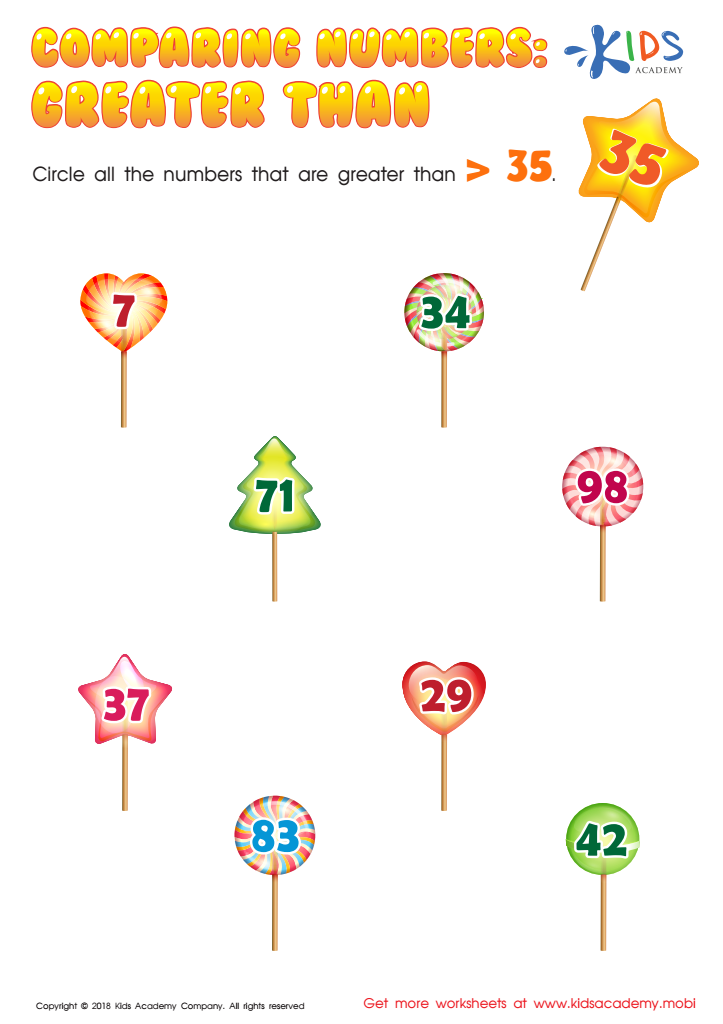
Greater Than Worksheet
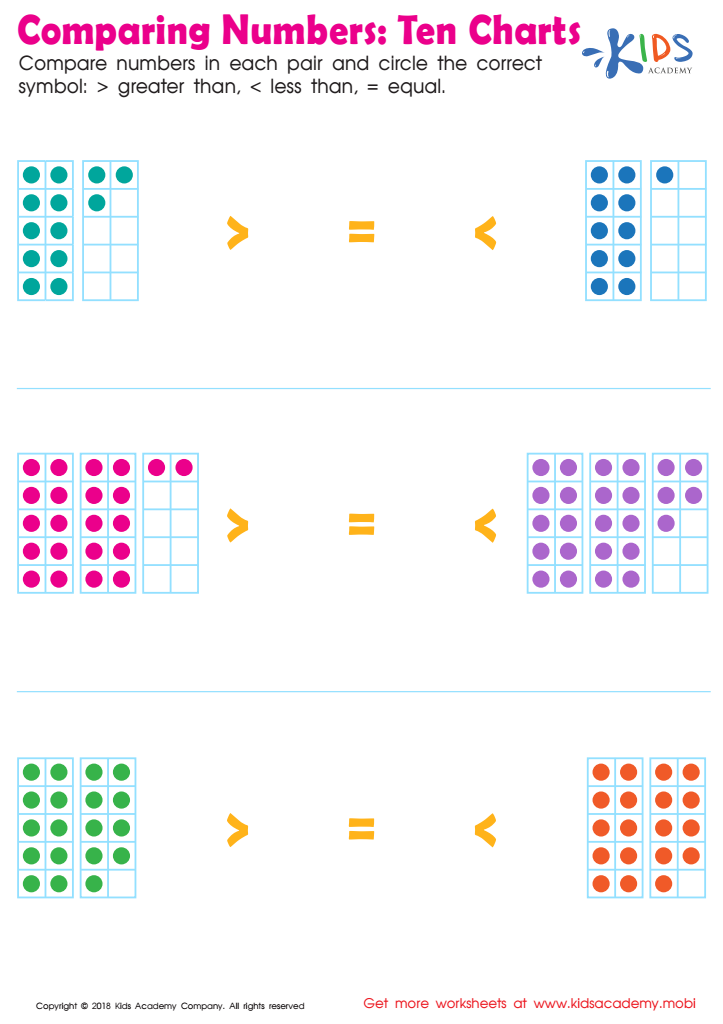
Ten Charts Worksheet
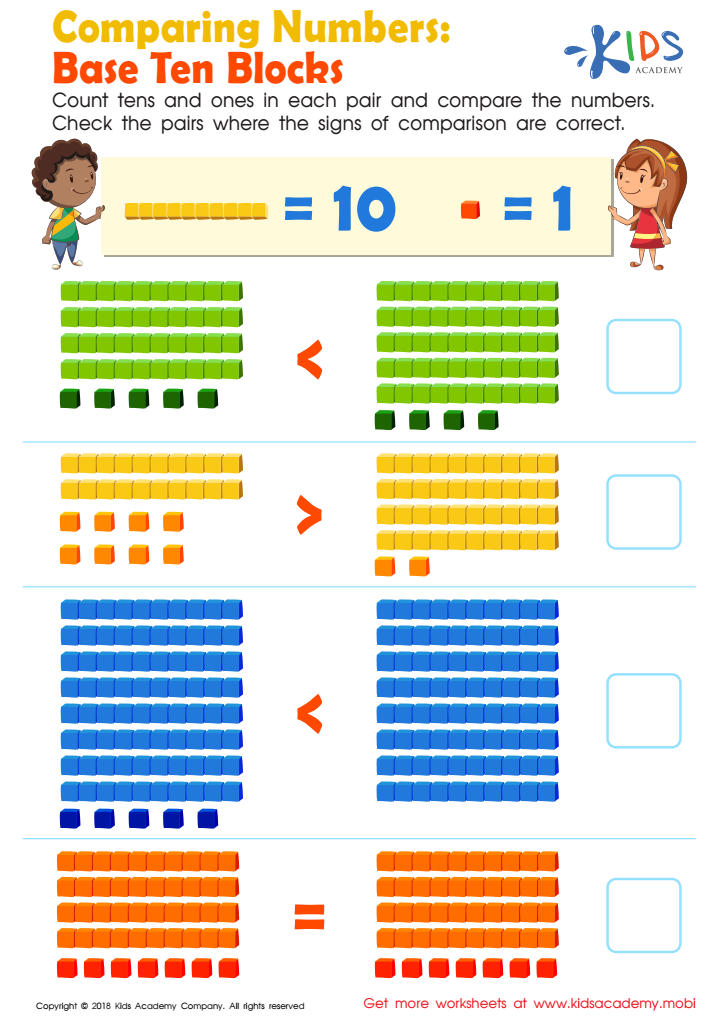
Comparing Numbers: Base Ten Blocks Worksheet
Matching: Classifying Toys by Size Worksheet




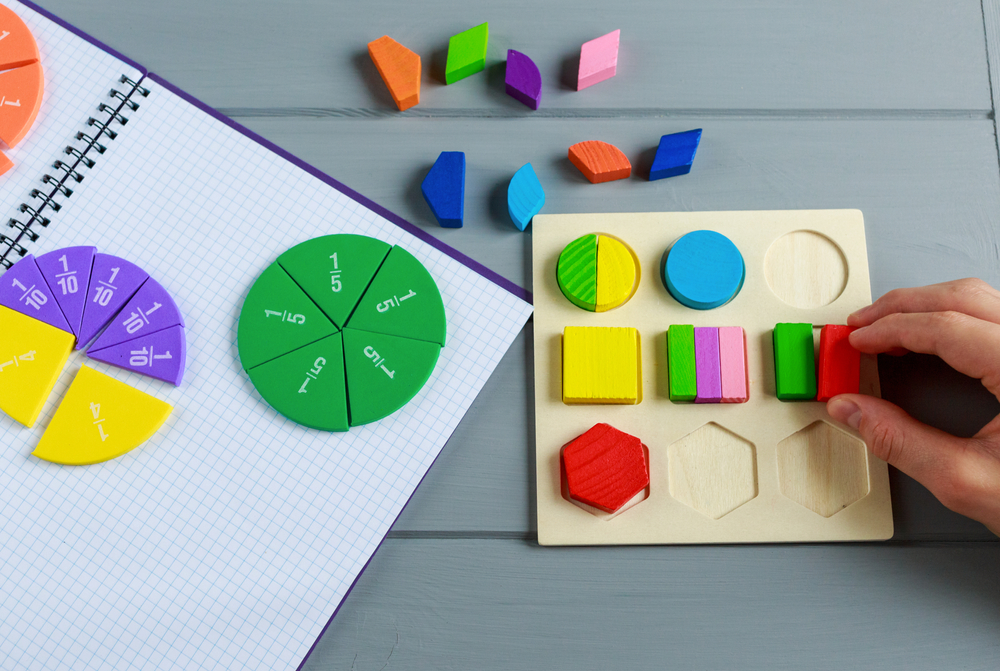



Understanding normal comparing numbers is vital for children aged 6-9 because it lays the groundwork for essential math skills they will need throughout their academic and everyday lives. At this stage, children begin to develop number sense, the ability to understand and work with numbers flexibly. Comparing numbers involves recognizing which numbers are larger, smaller, or equal, and this skill is foundational for mastering more complex concepts like addition, subtraction, place value, and even problem-solving later on.
Parents and teachers who prioritize teaching normal comparing numbers help boost children's confidence and competence in math. By engaging in activities like memory games, number line exercises, or simple practical exercises such as comparing the number of apples to oranges, they make learning interactive and fun. This not only captures the child's interest but also reinforces their ability to apply math concepts to real-life situations.
Moreover, strong skills in comparing numbers are linked to better performance in standardized tests and broader academic success. Early proficiency in this area also fosters a positive attitude towards math, reducing math anxiety and encouraging a lifelong curiosity and enthusiasm for the subject. Therefore, paying attention to this simple yet significant aspect of early math education is crucial for laying a robust foundation for future learning.