Normal Measurement Worksheets for Ages 6-9 - Page 2
34 filtered results
-
From - To
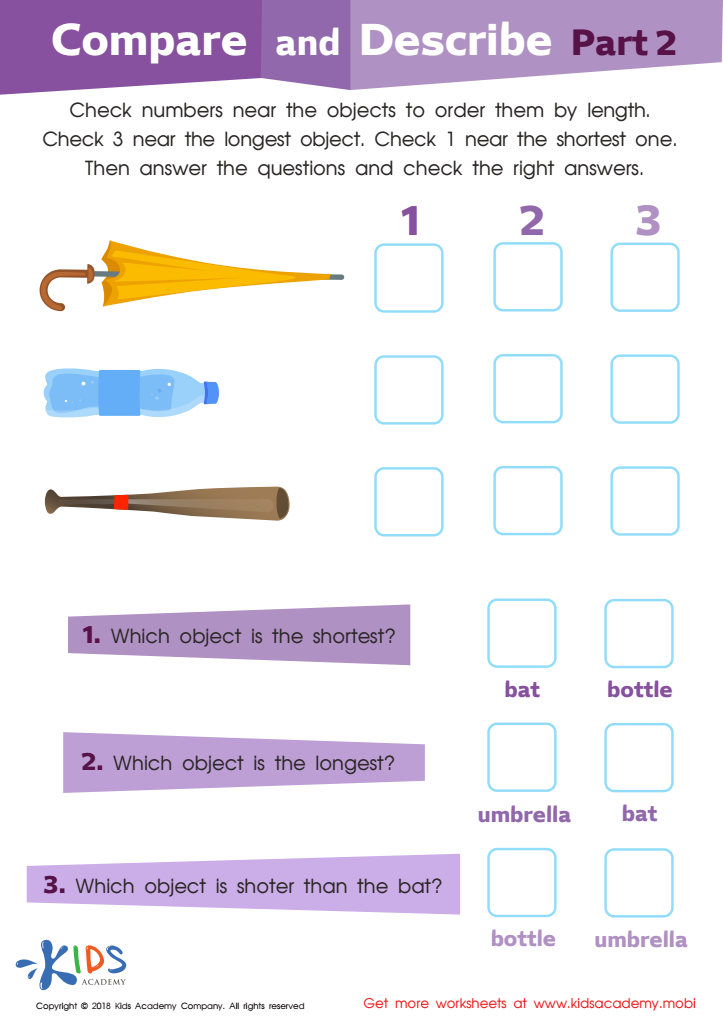
Compare and Describe: Part 2 Worksheet
 Assign to My Students
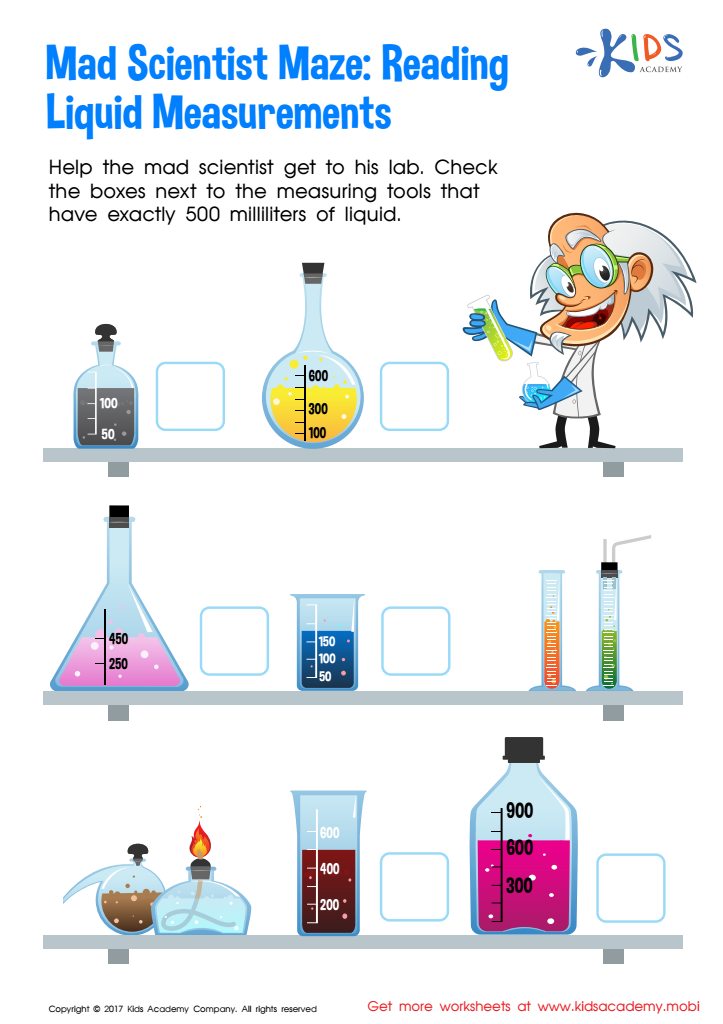
Reading Liquid Measurement Worksheet
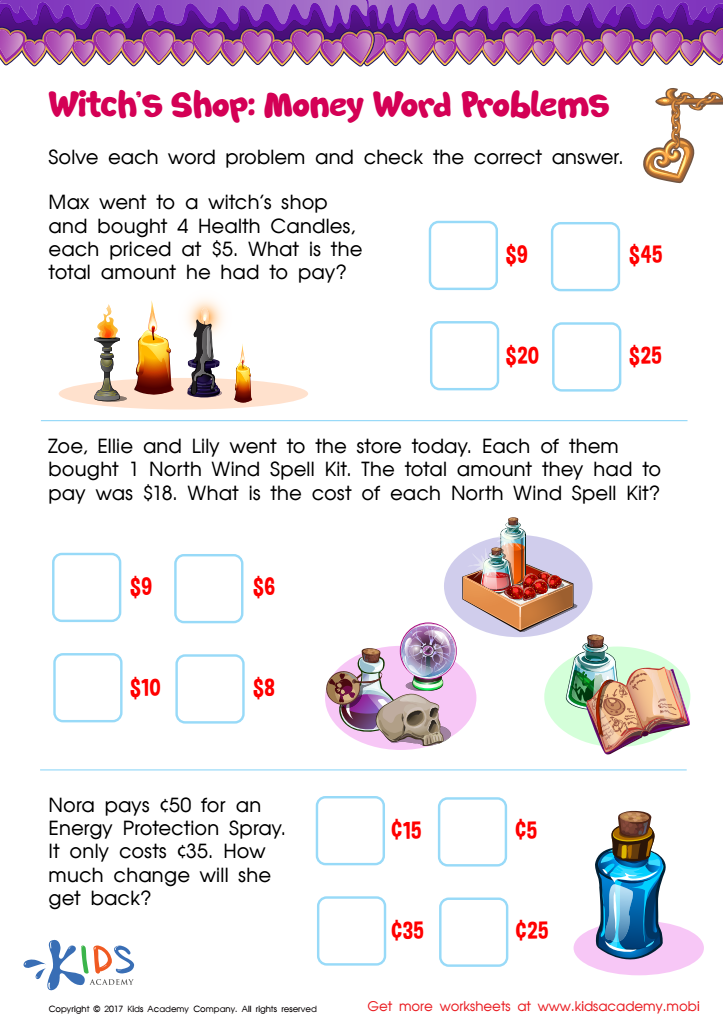
Money Word Problems Printable
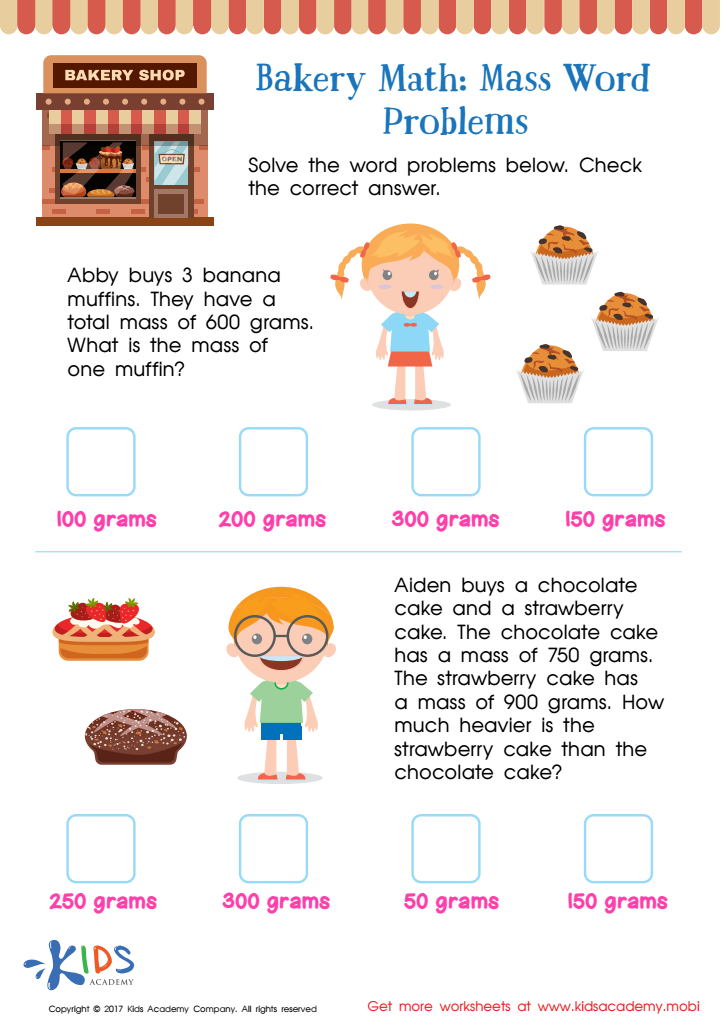
Mass Word Problems Worksheet
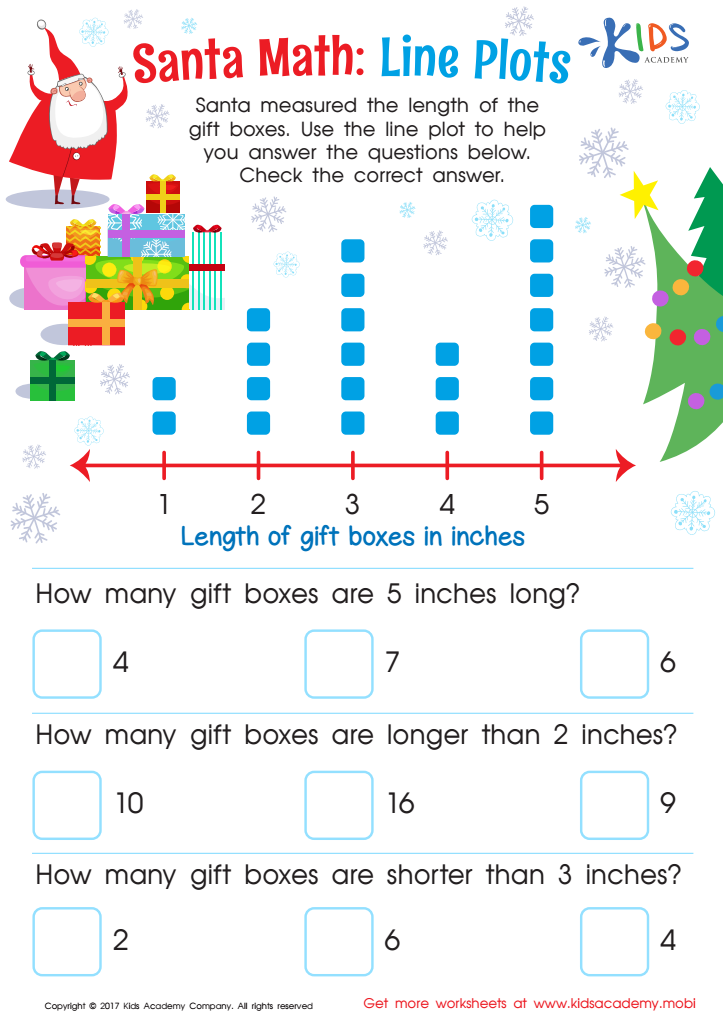
Line Plot Worksheet
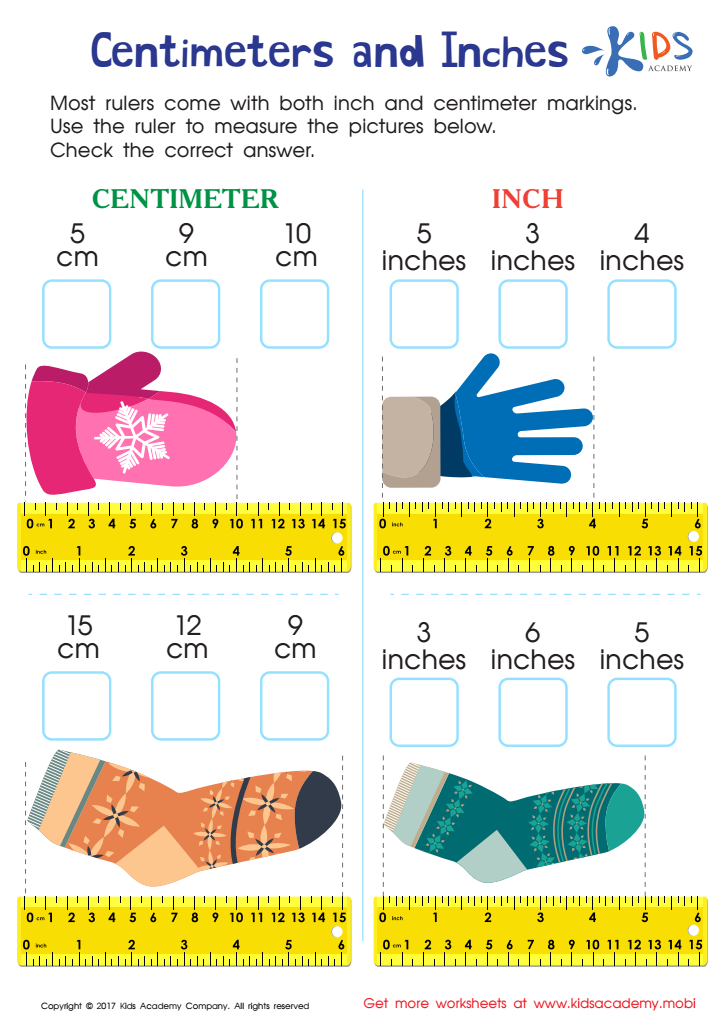
Centimeters and Inches Worksheet
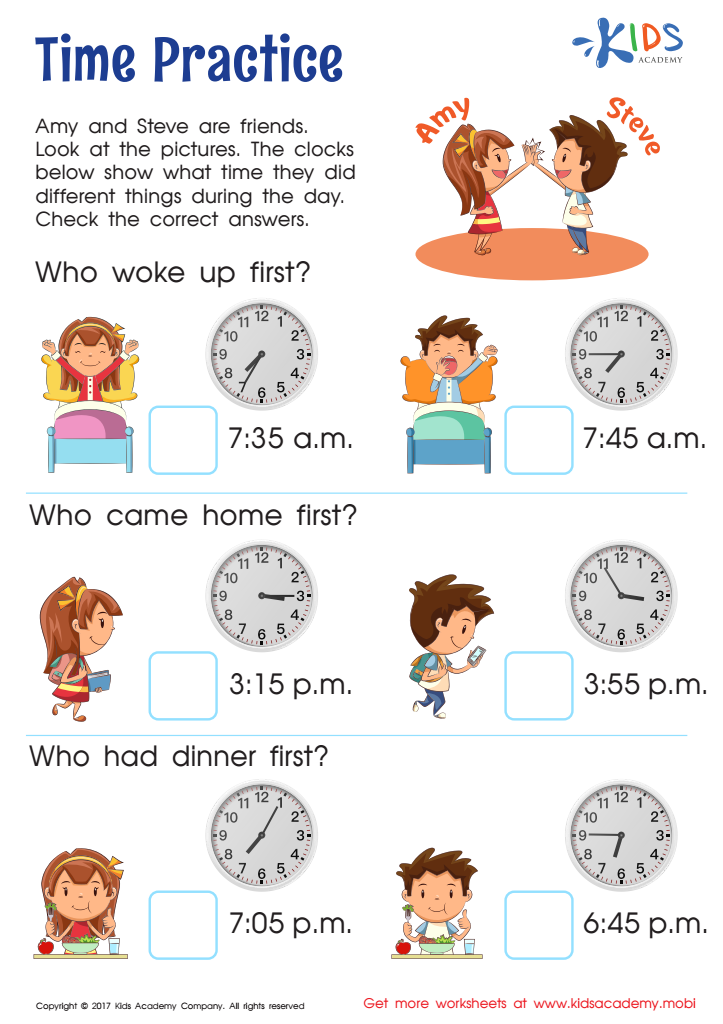
Time Practice Worksheet
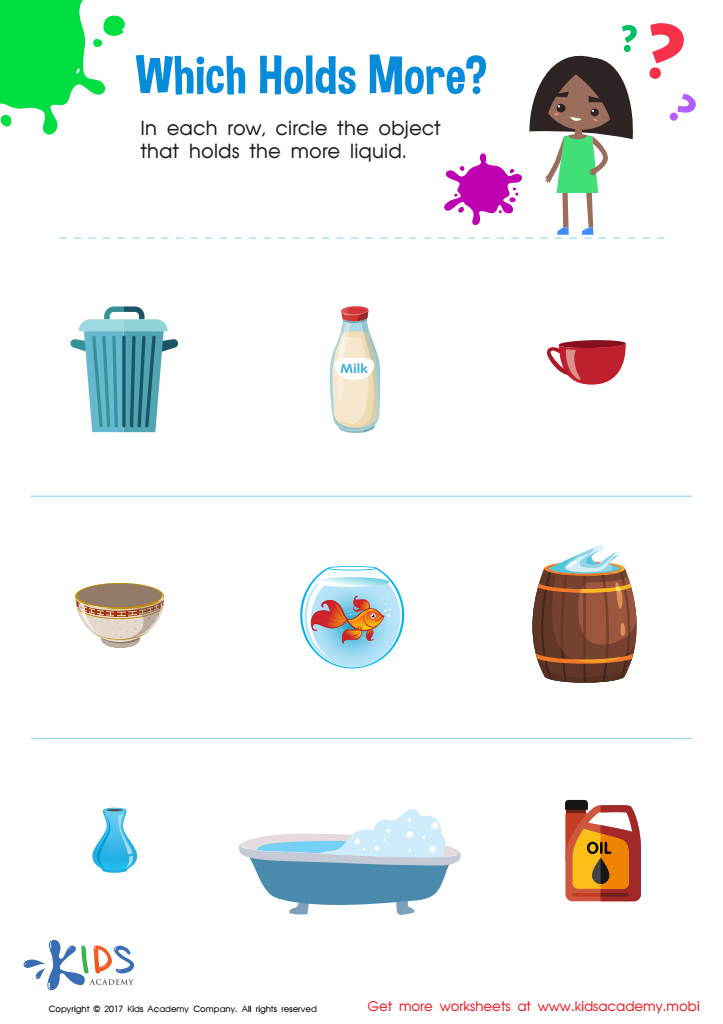
Which Holds More: Capacity Worksheet
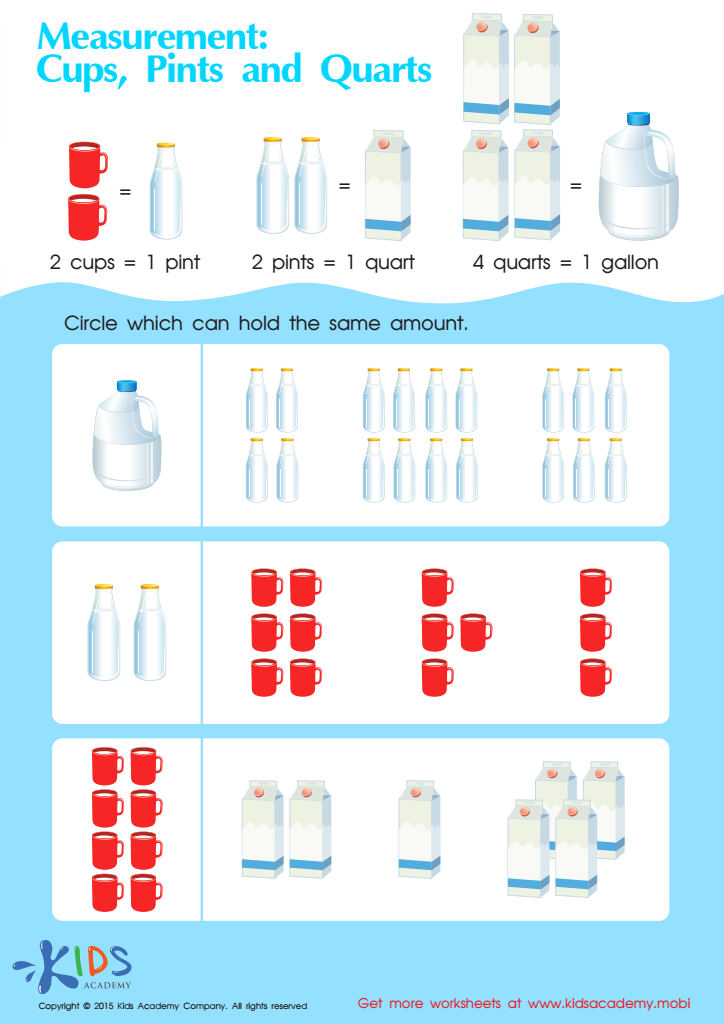
Cups, Pints and Quarts 2 Worksheet
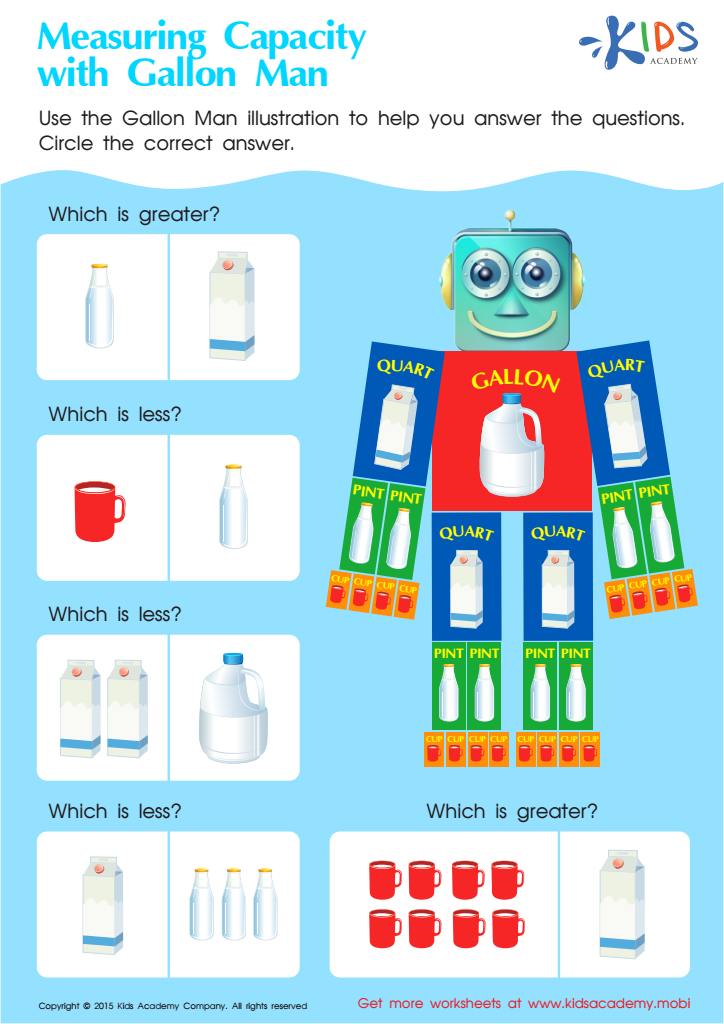
Measurement: Measuring Capacity with Gallon Man Worksheet







Understanding normal measurement for children aged 6-9 is vital for parents and teachers as it directly impacts children’s educational development and overall well-being. This age group is a crucial time for establishing foundational skills in diverse areas, particularly in mathematics and science. Concepts like length, weight, capacity, and time become integral parts of their learning, fostering critical thinking and problem-solving abilities.
Caring about normal measurement means ensuring that children grasp these essential skills at the appropriate developmental stage. When children understand measurement, they learn to compare, quantify, and use data in practical contexts. This foundational knowledge promotes confidence in handling everyday tasks, such as cooking, budgeting, or various home projects, which are scaled-down versions of real-life applications.
Additionally, being aware of developmental norms allows teachers and parents to identify children who may be struggling, prompting early intervention and support. Engaging children in measurement activities can also create enjoyable learning experiences that aid memory retention and boost engagement. Overall, promoting mastery in normal measurement for this age group supports not just academic achievement, but also prepares children for future challenges, ultimately enhancing their life skills and enabling them to navigate a complex world with greater ease.








