Normal Science Worksheets for Ages 6-9 - Page 2
305 filtered results
-
From - To
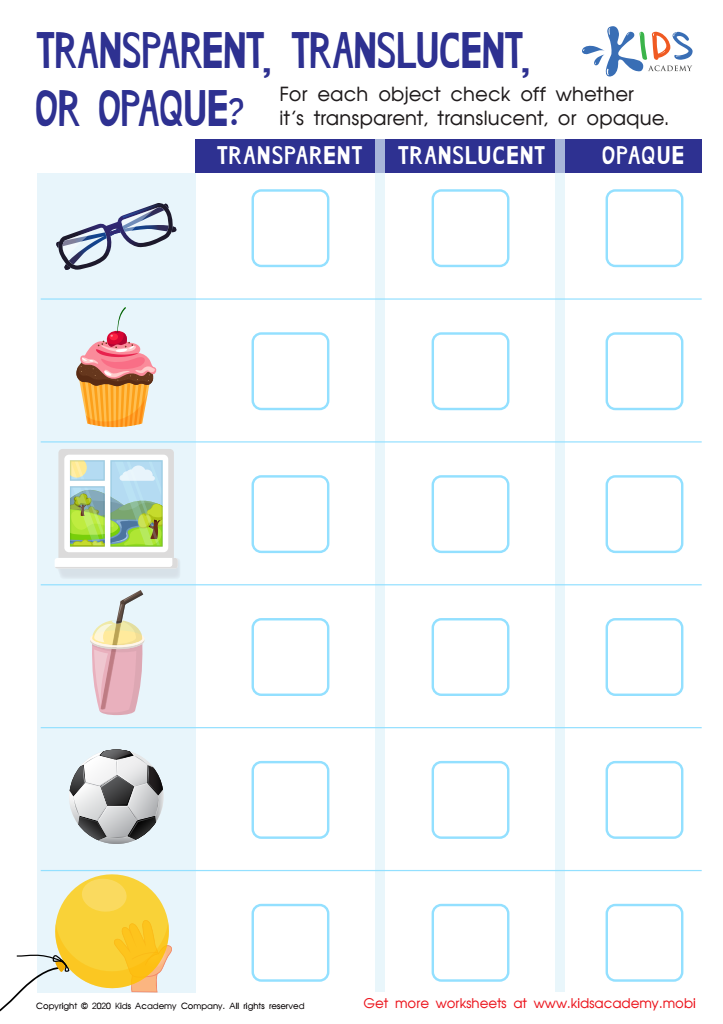
Transparent, Translucent, or Opaque Worksheet
 Assign to My Students
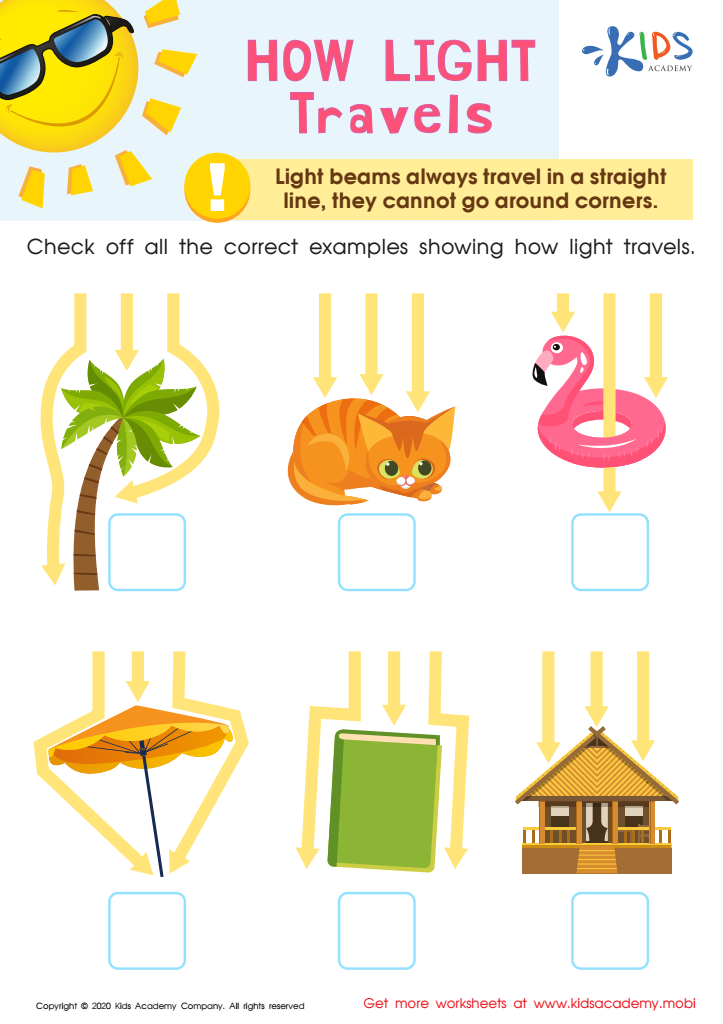
How Light Travels Worksheet
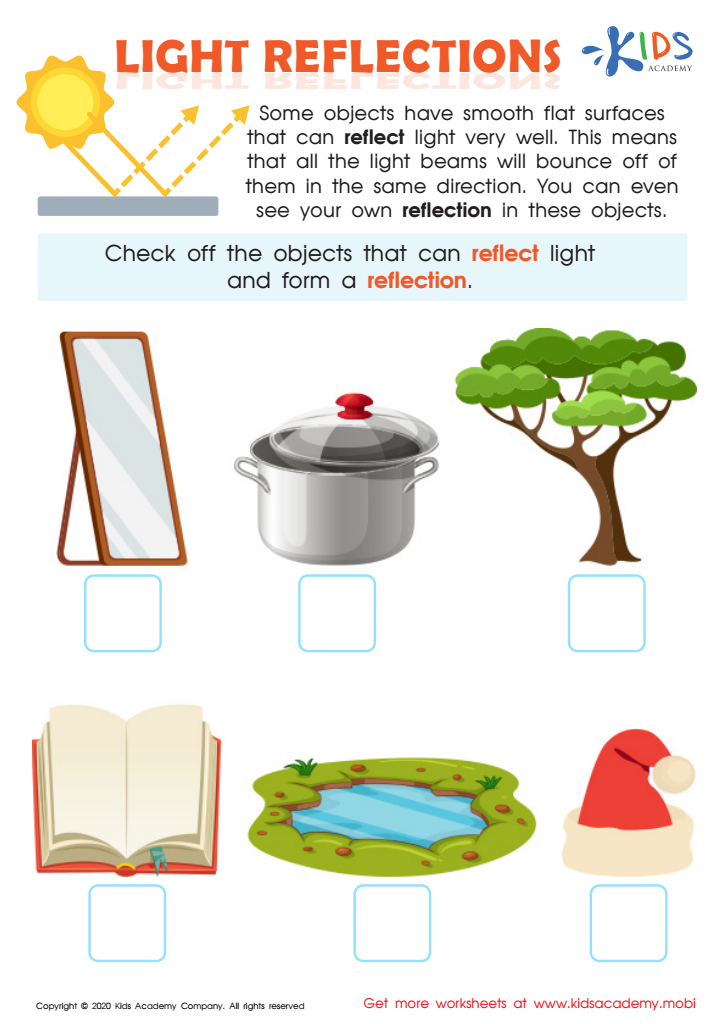
Light Reflections Worksheet
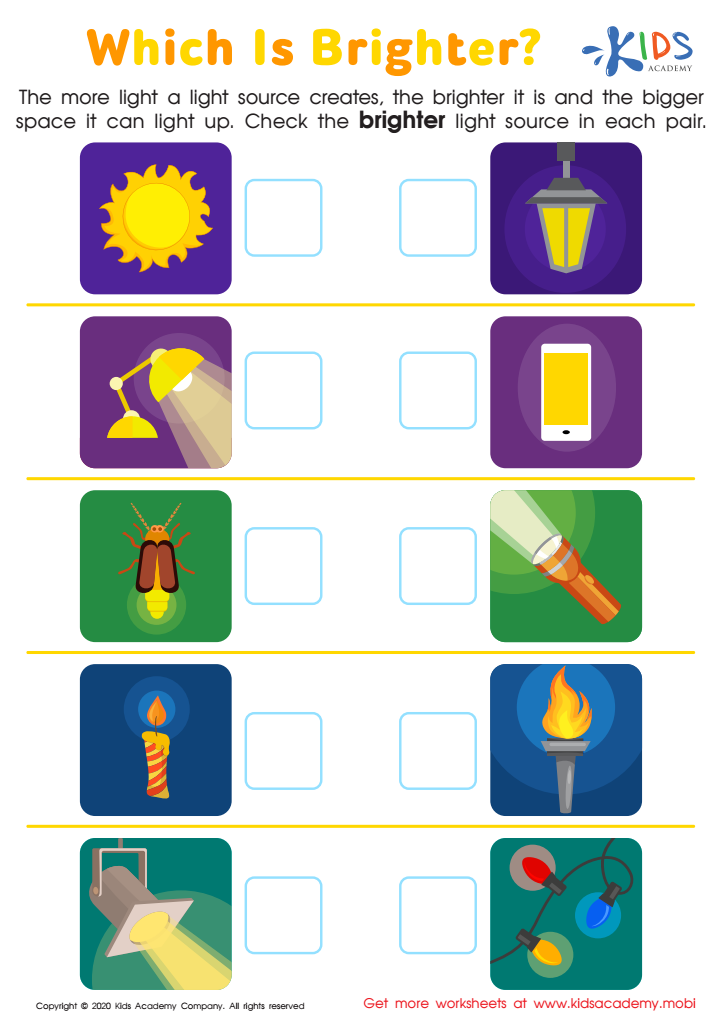
Which Is Brighter? Worksheet
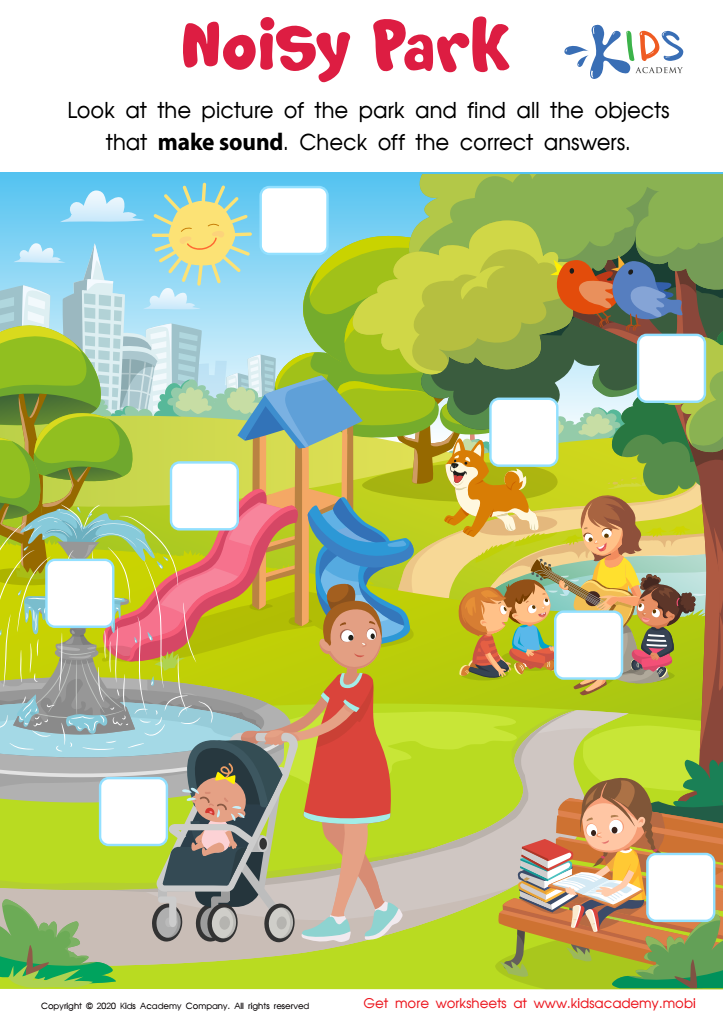
Noisy Park Worksheet
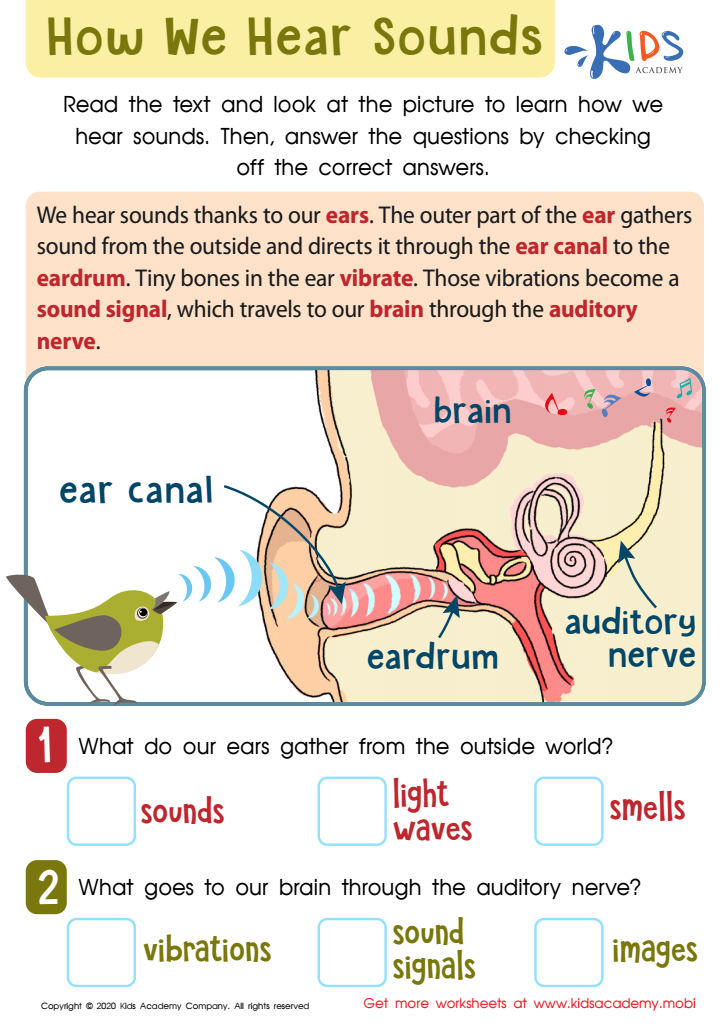
How We Hear Sounds Worksheet
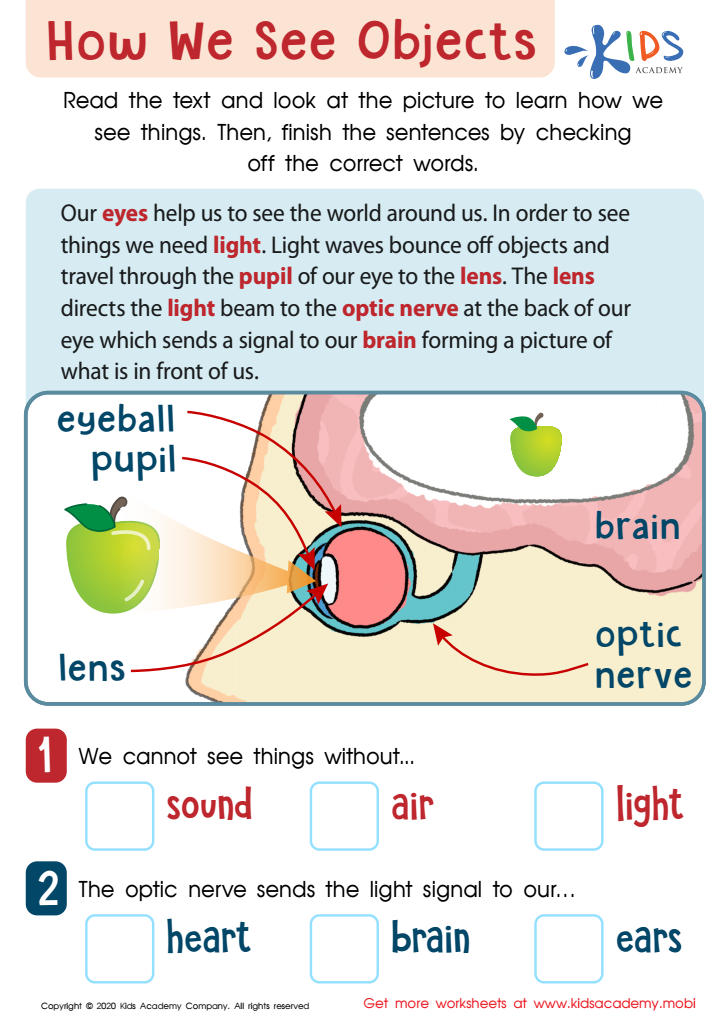
How We See Objects Worksheet
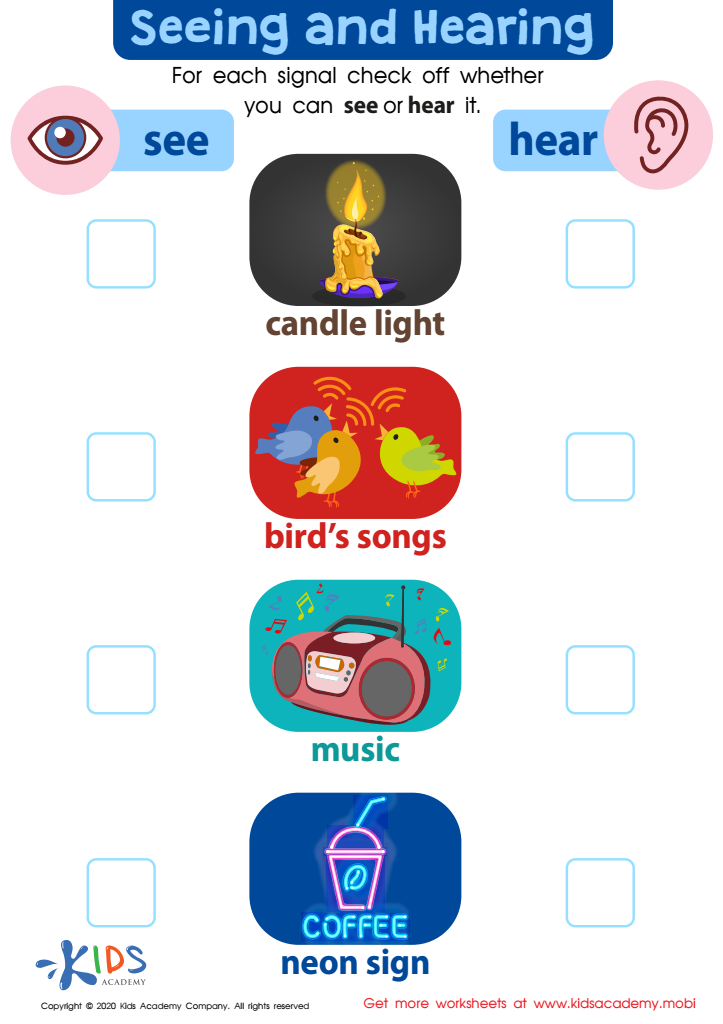
Seeing and Hearing Worksheet
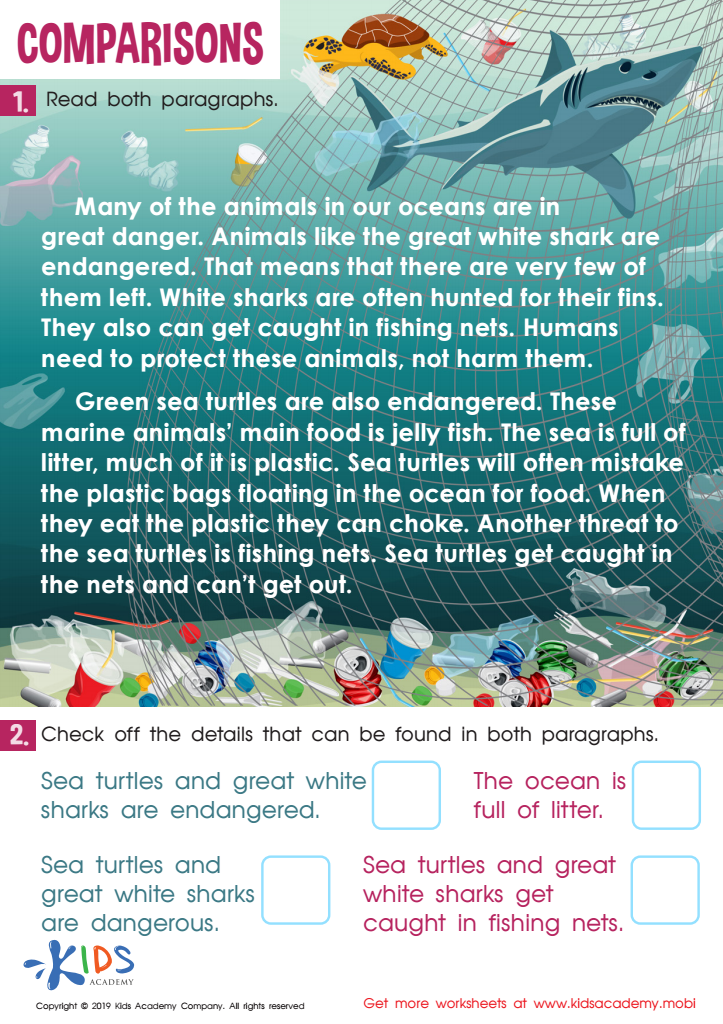
Comparisons Worksheet
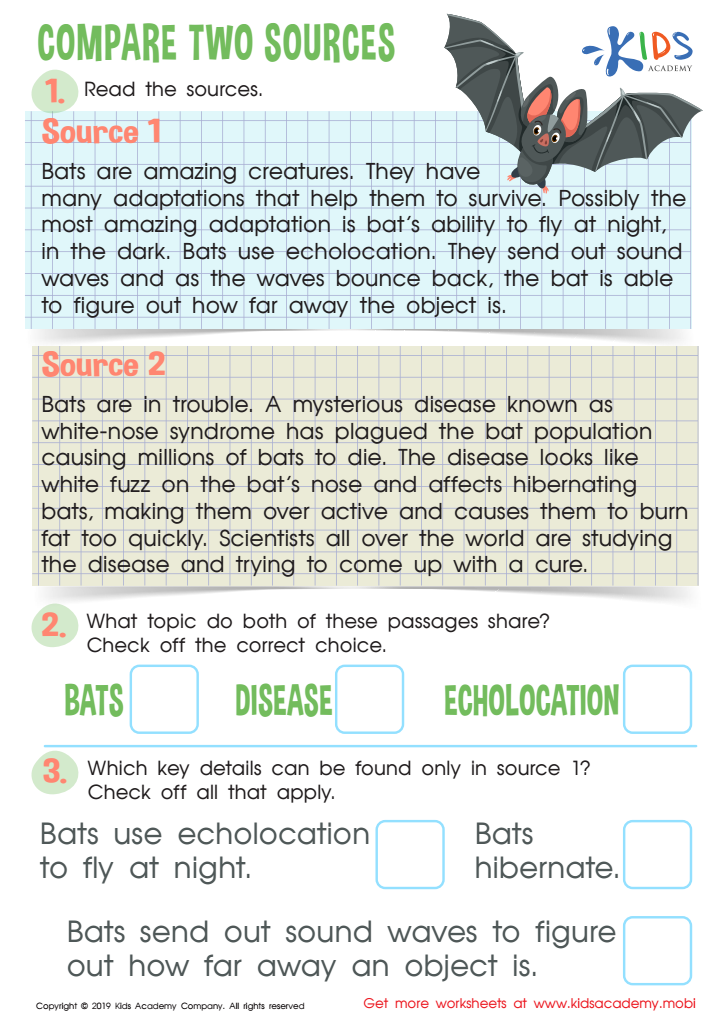
Compare Two Sources Worksheet
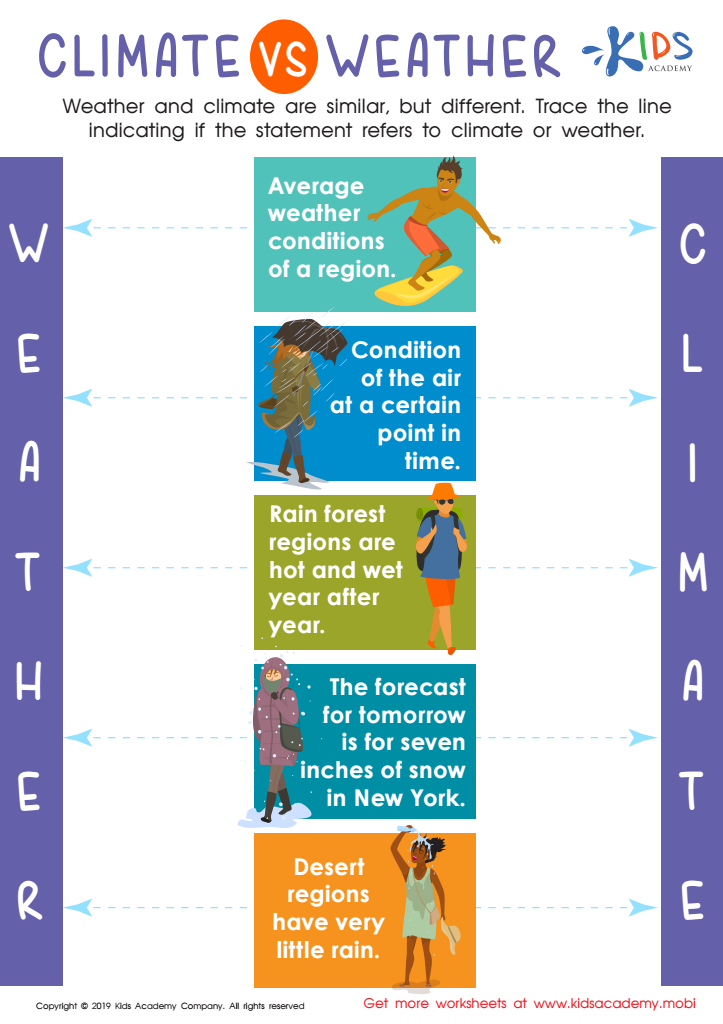
Climate vs Weather Worksheet
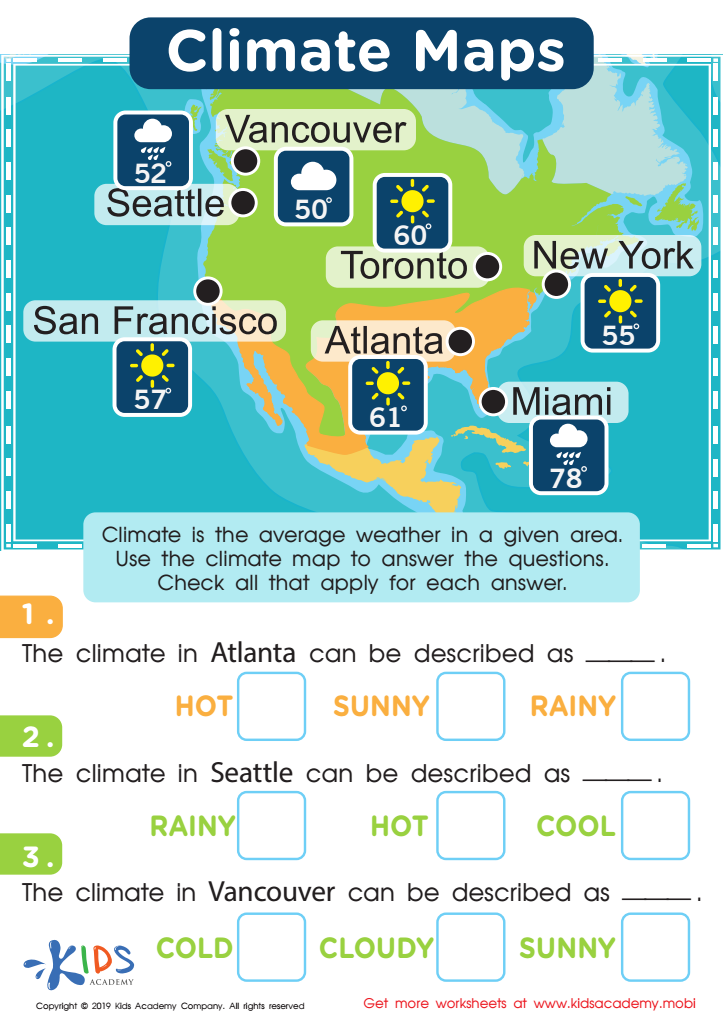
Climate Maps Worksheet
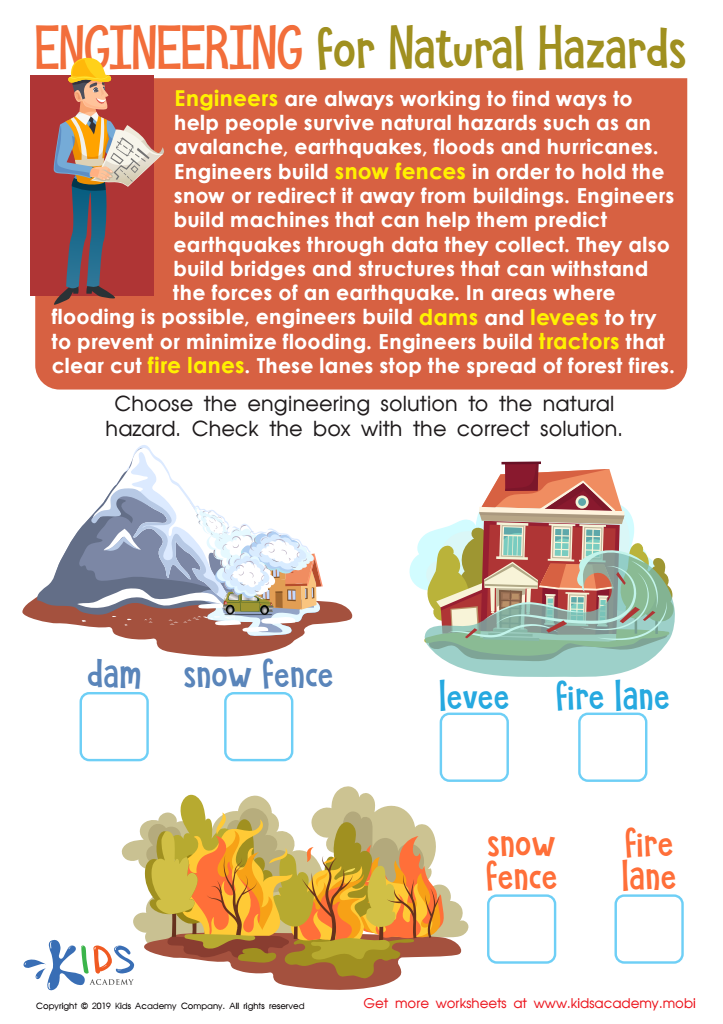
Engineering Natural Hazards Worksheet
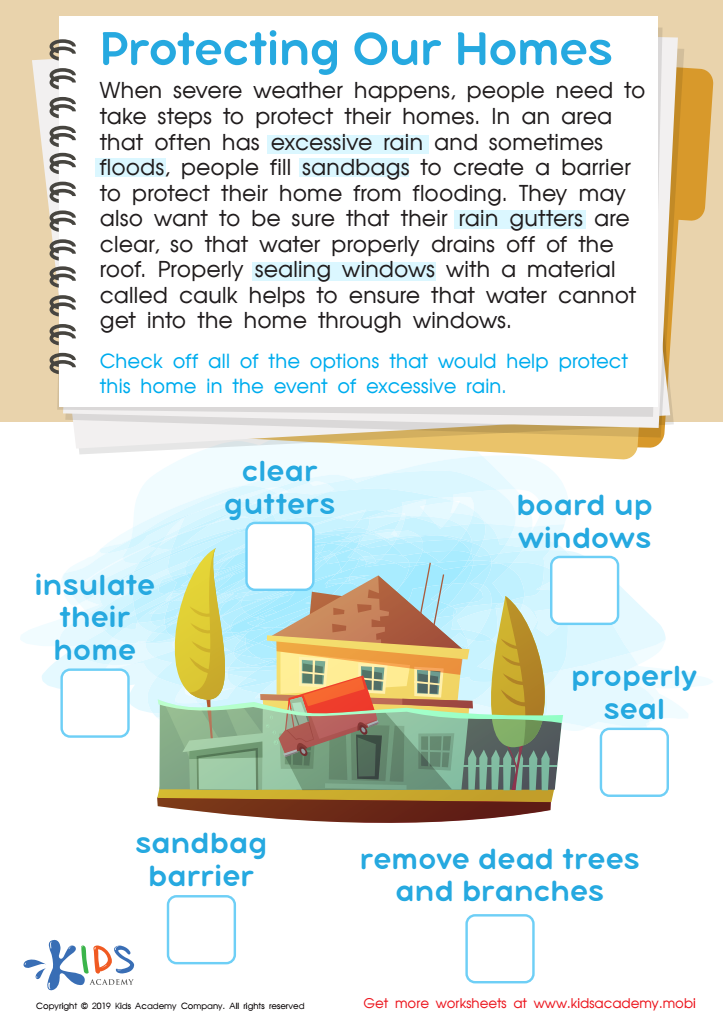
Protecting Our Homes Worksheet
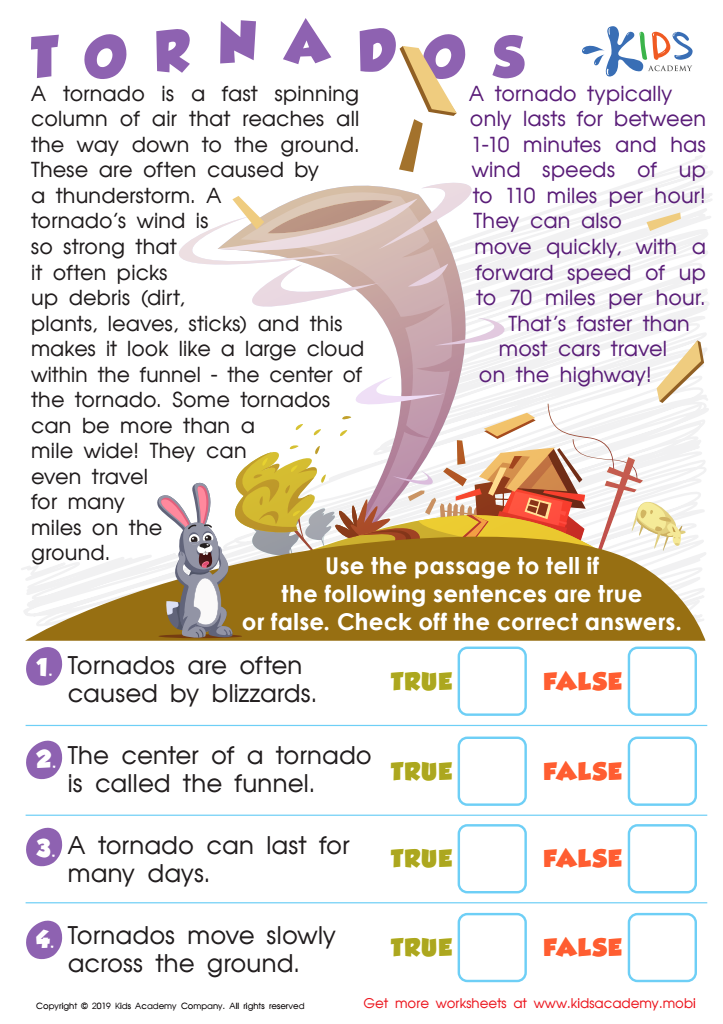
Tornados Worksheet
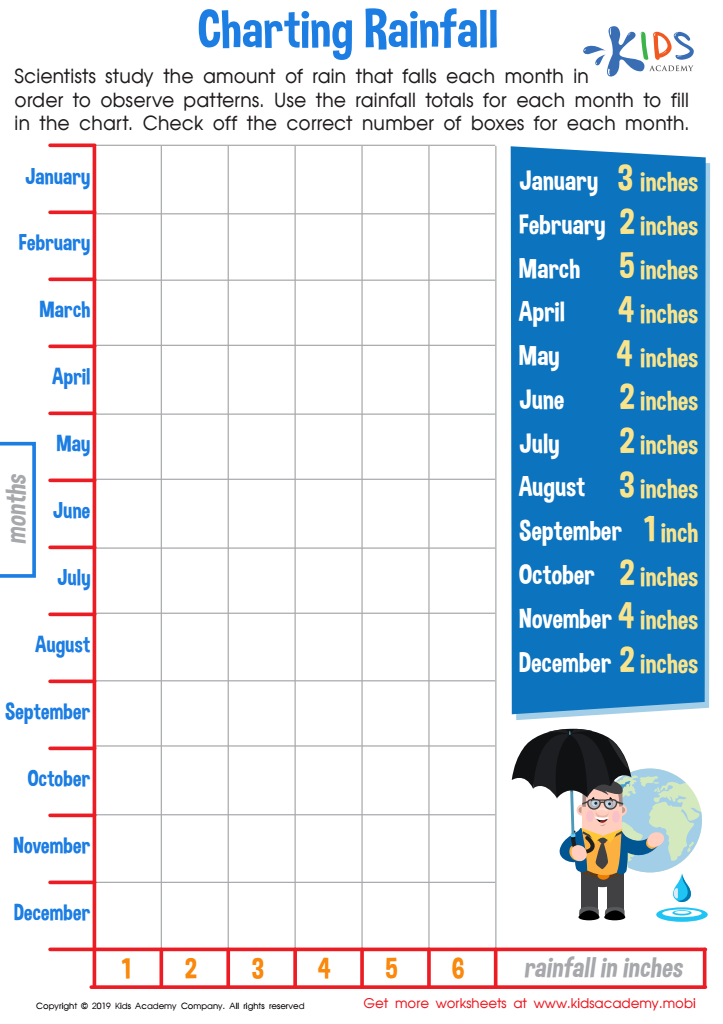
Charting Rainfall Worksheet
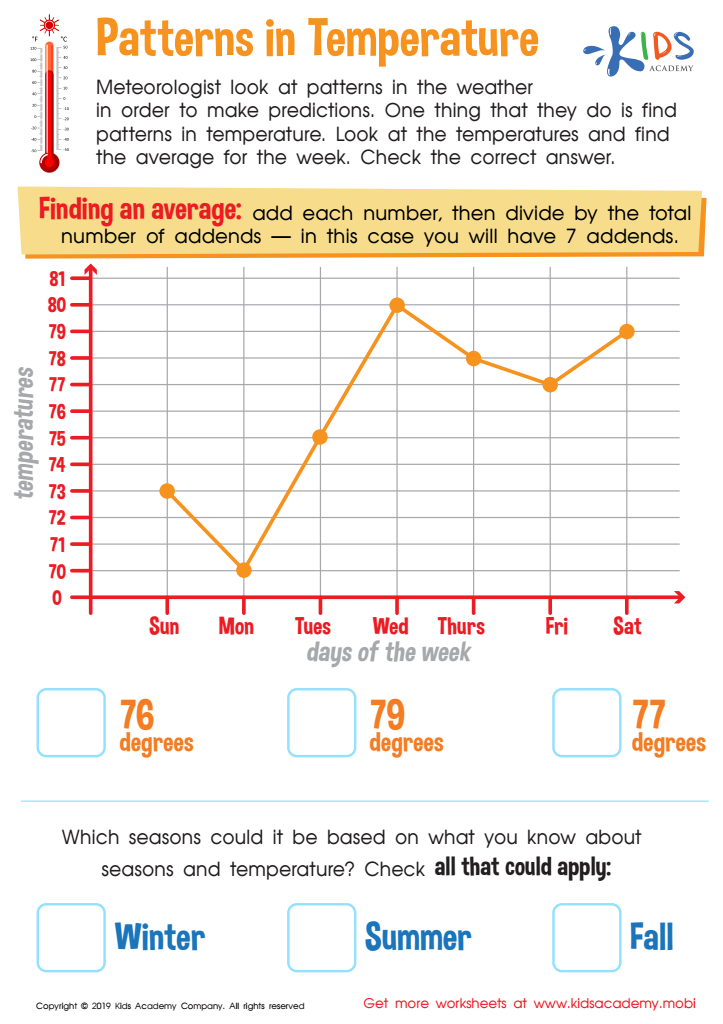
Patterns in Temperature Worksheet
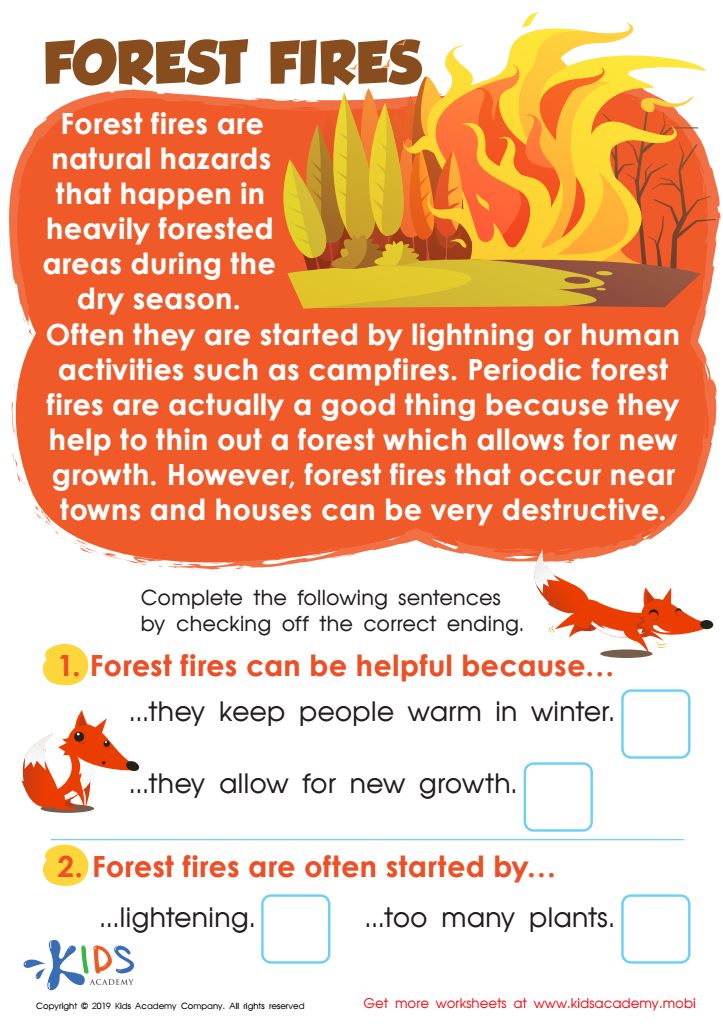
Forest Fires Worksheet
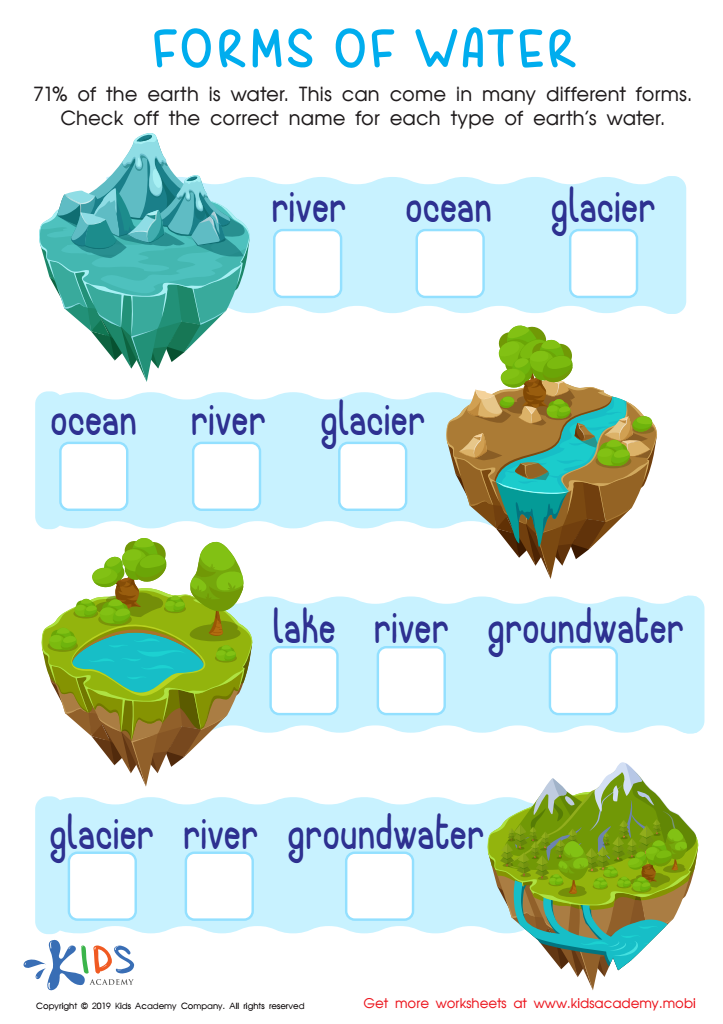
Forms of Water Worksheet
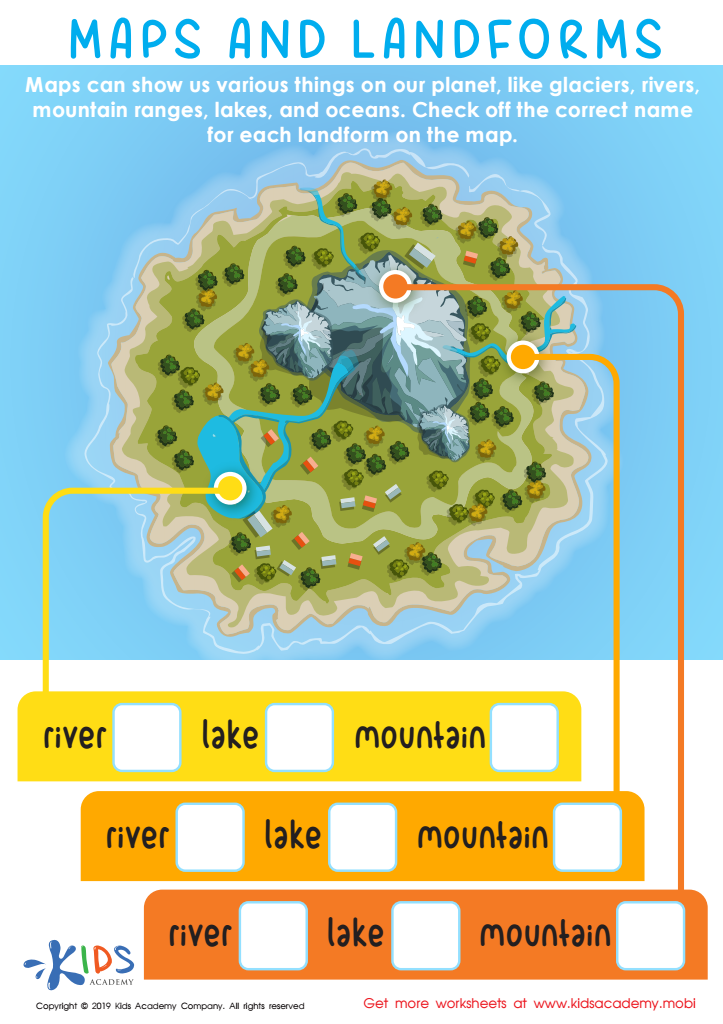
Maps and Landforms Worksheet
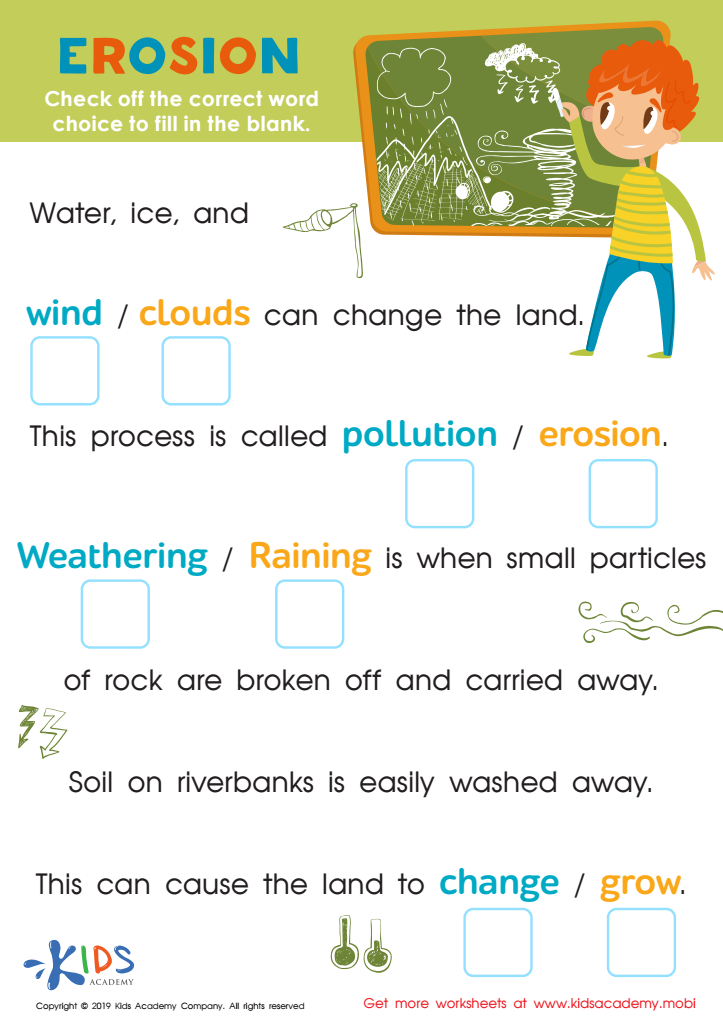
Erosion Worksheet
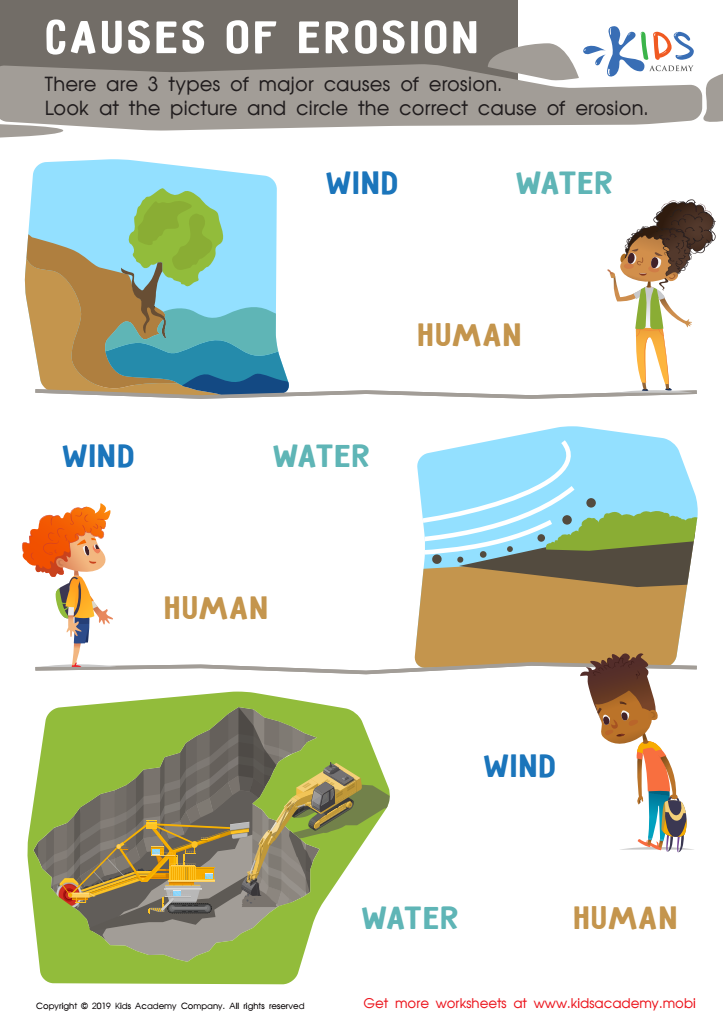
Causes of Erosion Worksheet
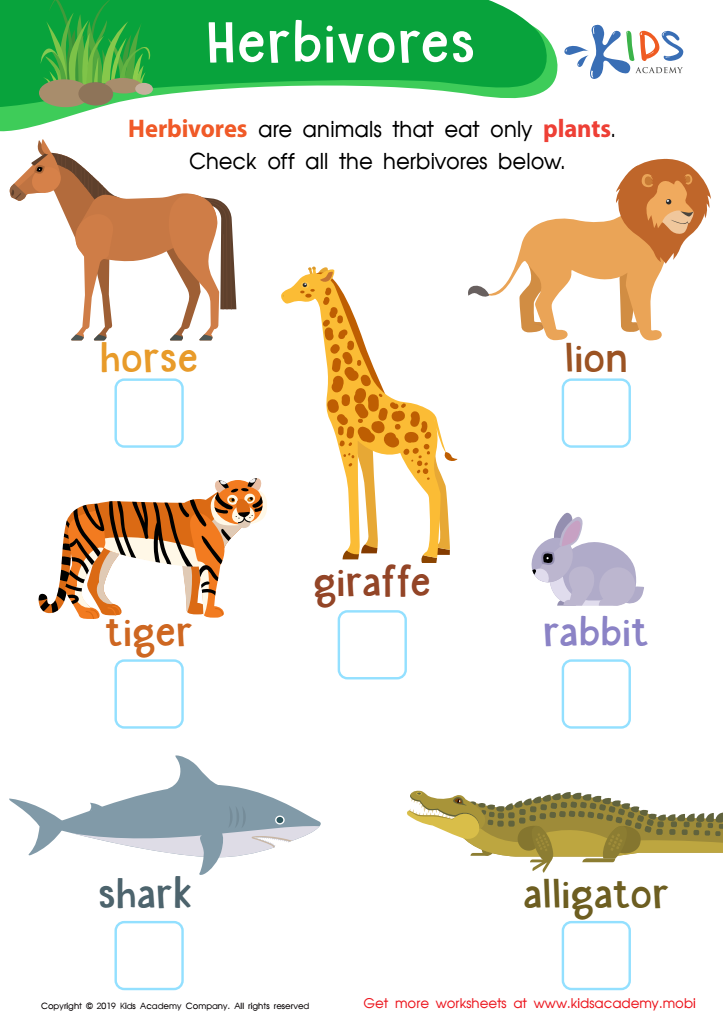
Herbivores Worksheet
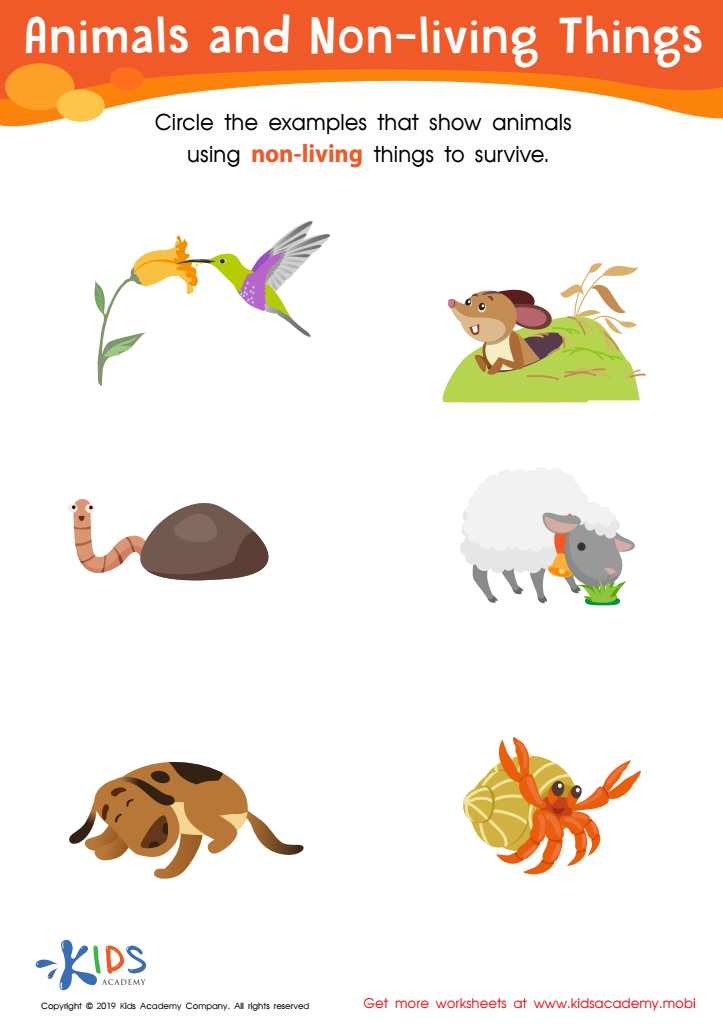
Animals and Non-Living Things Worksheet








Normal Science for Ages 6-9 refers to a foundational understanding of scientific concepts and processes tailored to young learners. Parents and teachers should care about this stage for several reasons. First, the ages of 6-9 are critical for cognitive development, as children are naturally curious and eager to explore their environments. Introducing them to basic scientific principles during this time fosters a sense of inquiry and wonder.
Engaging with Normal Science can help build essential skills such as observation, experimentation, and critical thinking. These skills not only nurture a love for science but also enhance problem-solving abilities that are applicable across various subjects. Furthermore, a strong foundation in science helps children develop literacy skills; as they learn to read about different scientific phenomena, they also improve their language skills.
Additionally, instilling an appreciation for science can influence future career interests, promoting STEM fields. In a world increasingly driven by technology, an understanding of science enables children to become informed citizens.
Lastly, collaborative science activities encourage teamwork and communication. Parents and teachers can create hands-on experiences that enhance learning, fostering a supportive environment that bridges home and school, ultimately enhancing children's educational experiences in a meaningful way.







