Normal Worksheets for Ages 7-9 - Page 11
1203 filtered results
-
From - To
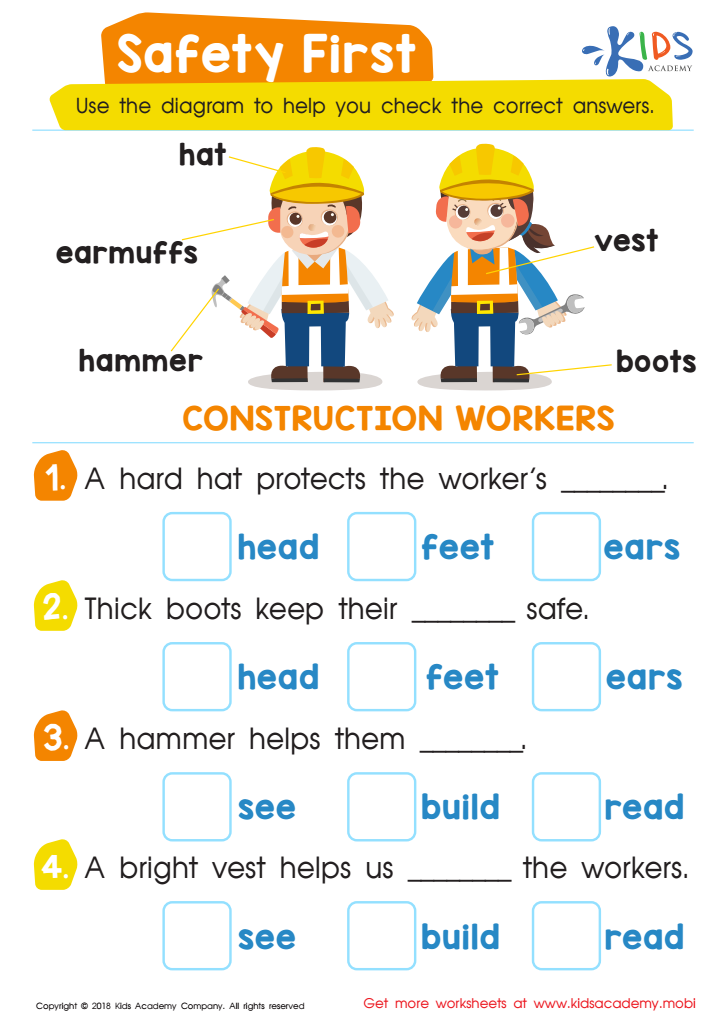
Safety First Worksheet
 Assign to My Students
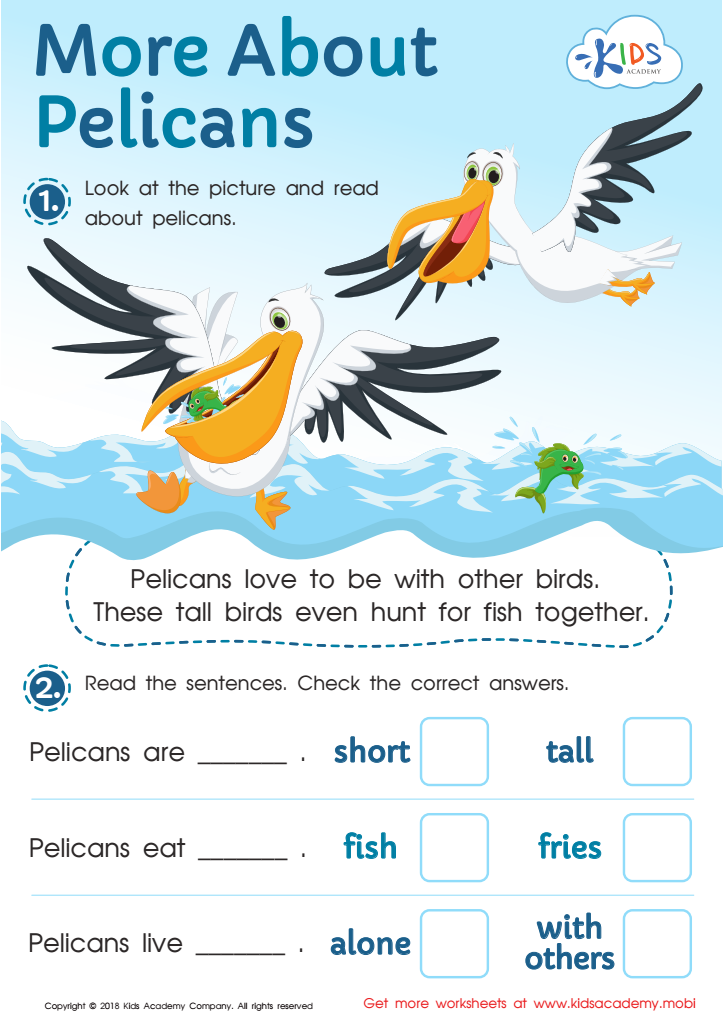
More About Pelicans Worksheet
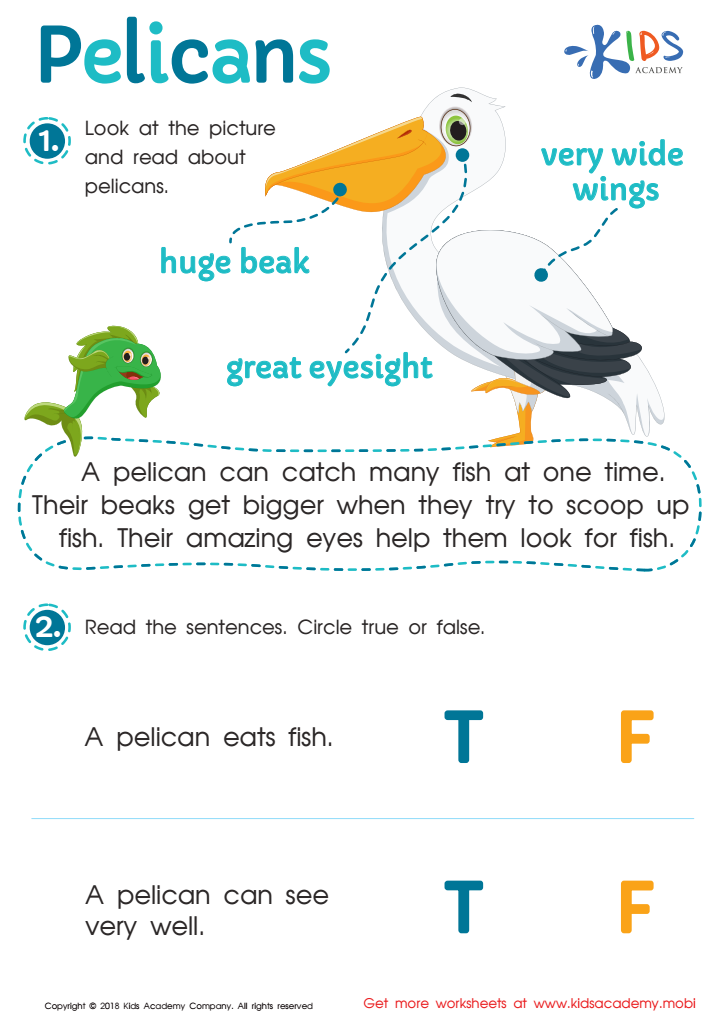
Pelicans Worksheet
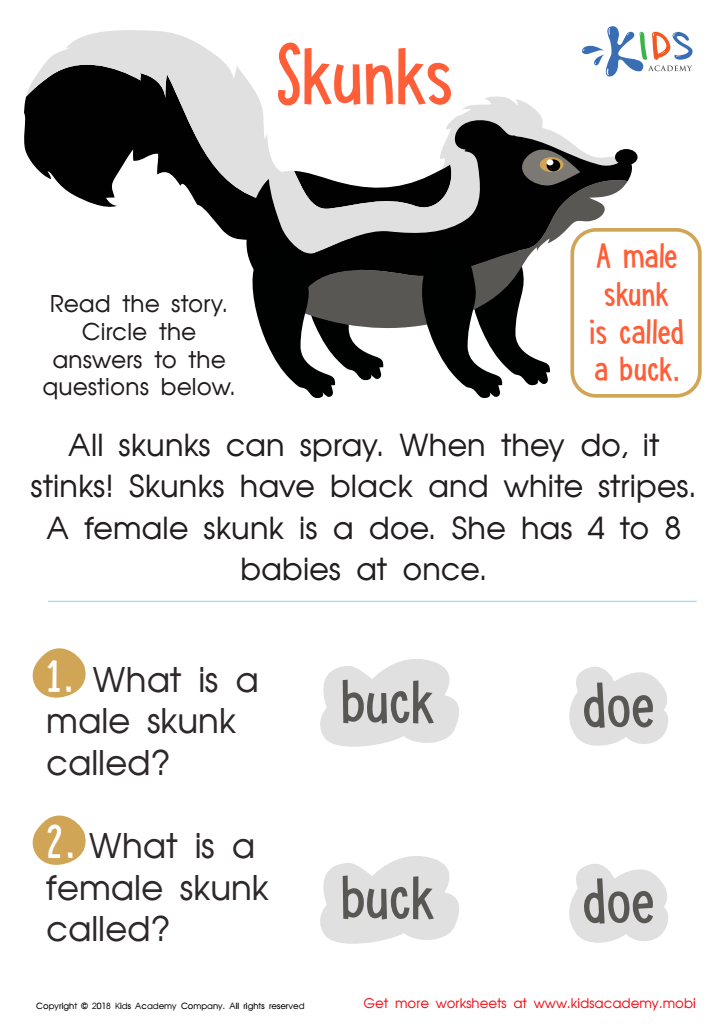
Skunks Worksheet
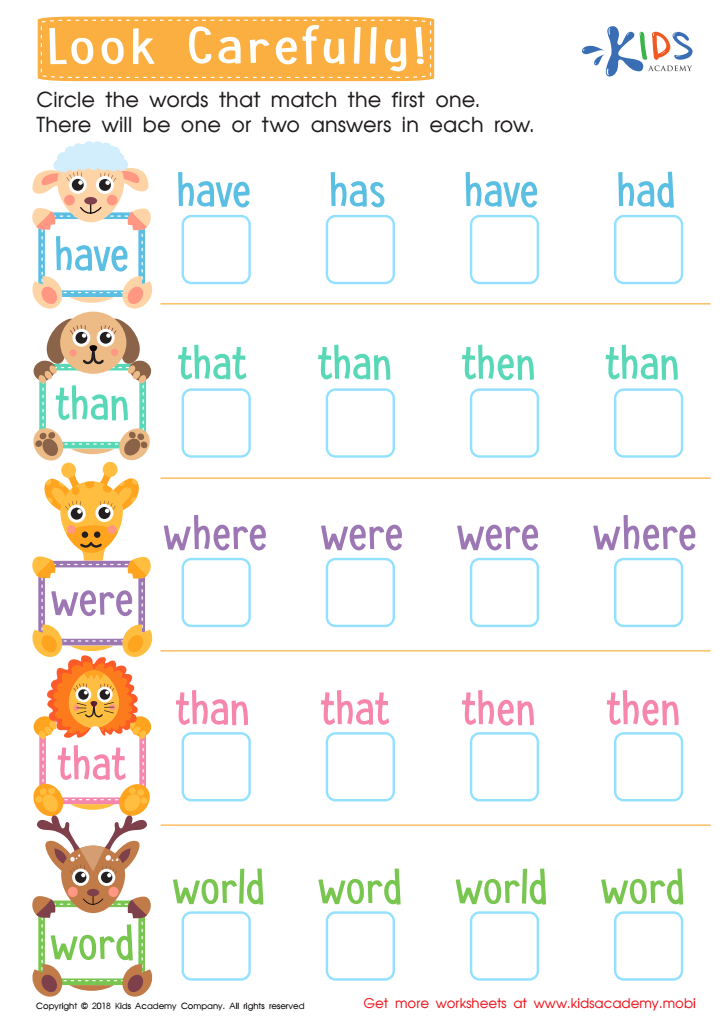
Look Carefully Worksheet
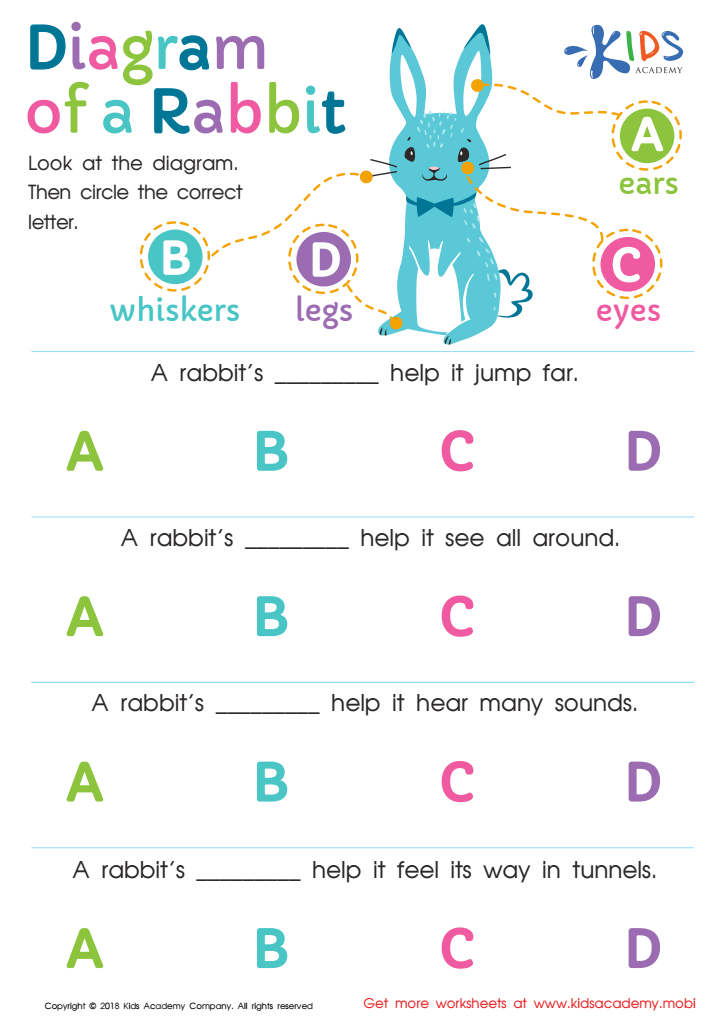
Diagram of a Rabbit Worksheet
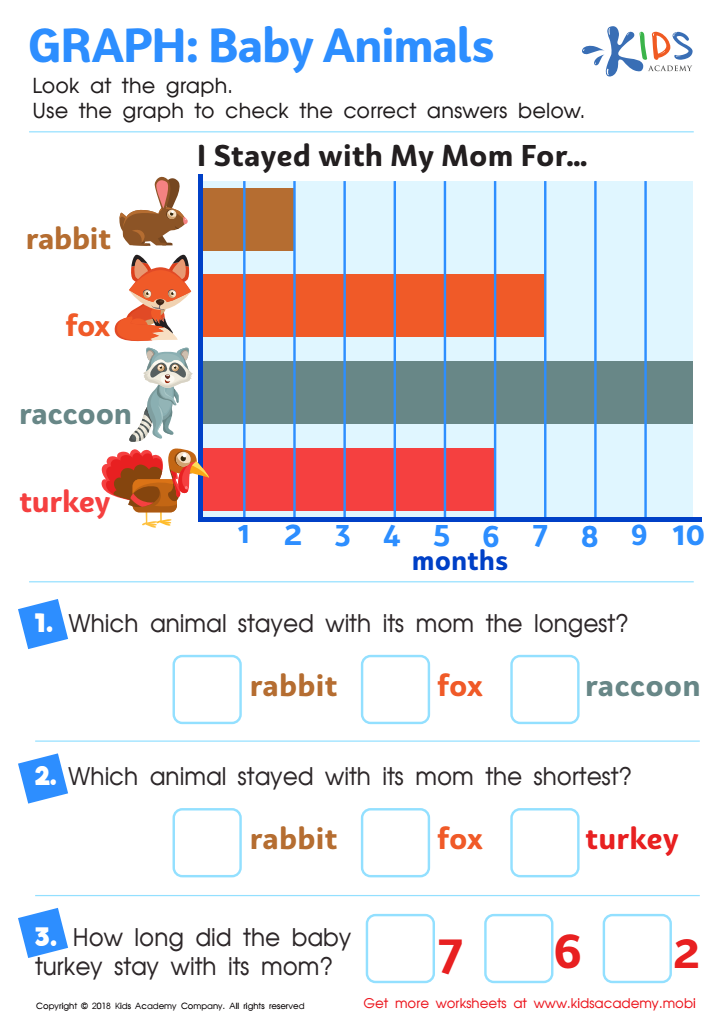
Graph: Baby Animals Worksheet
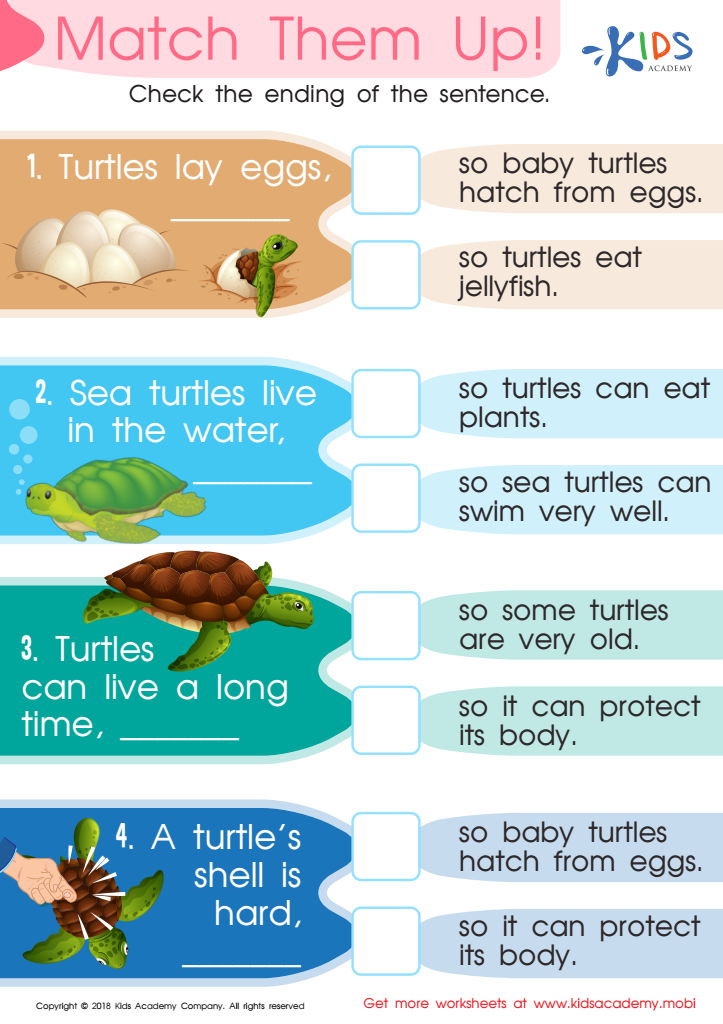
Match Them Up Worksheet
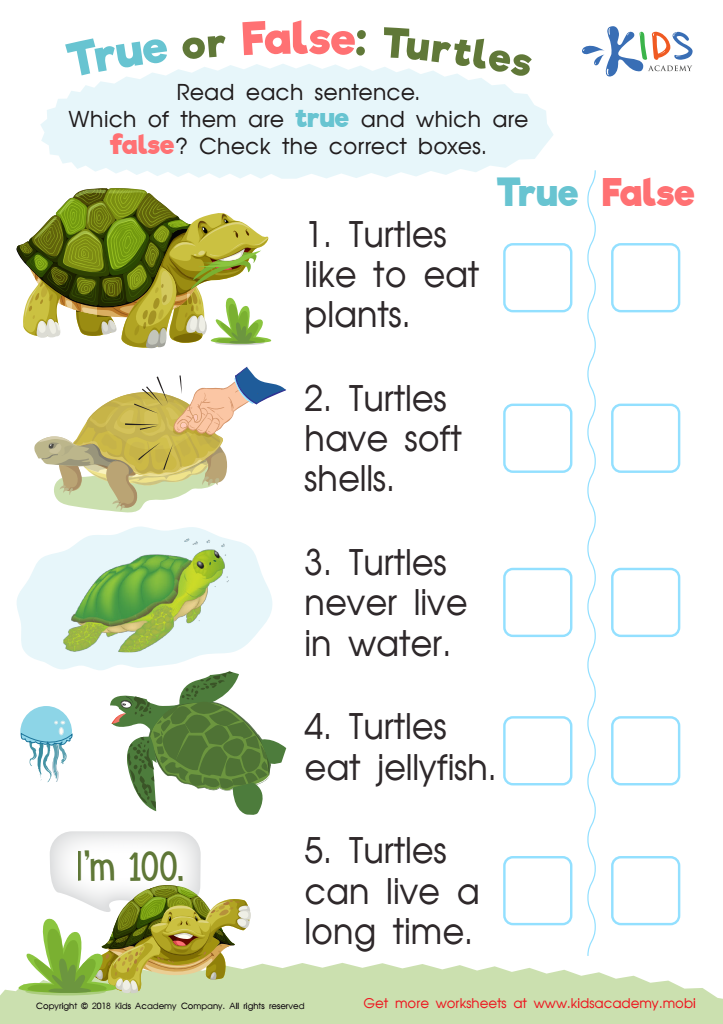
True or False: Turtles Worksheet
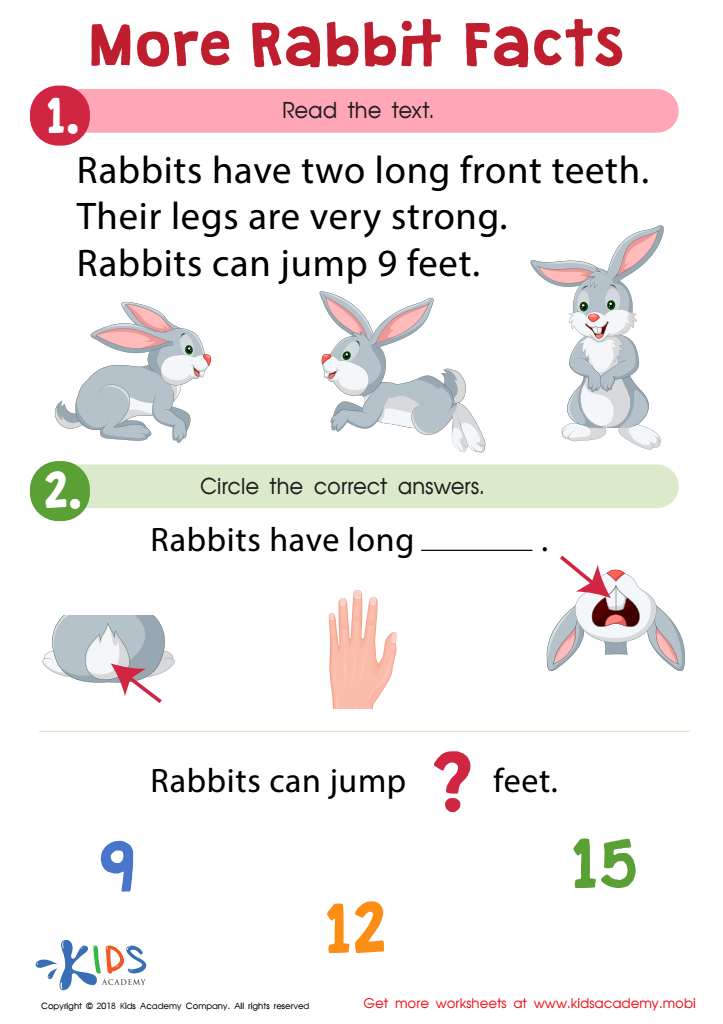
More Rabbit Facts Worksheet
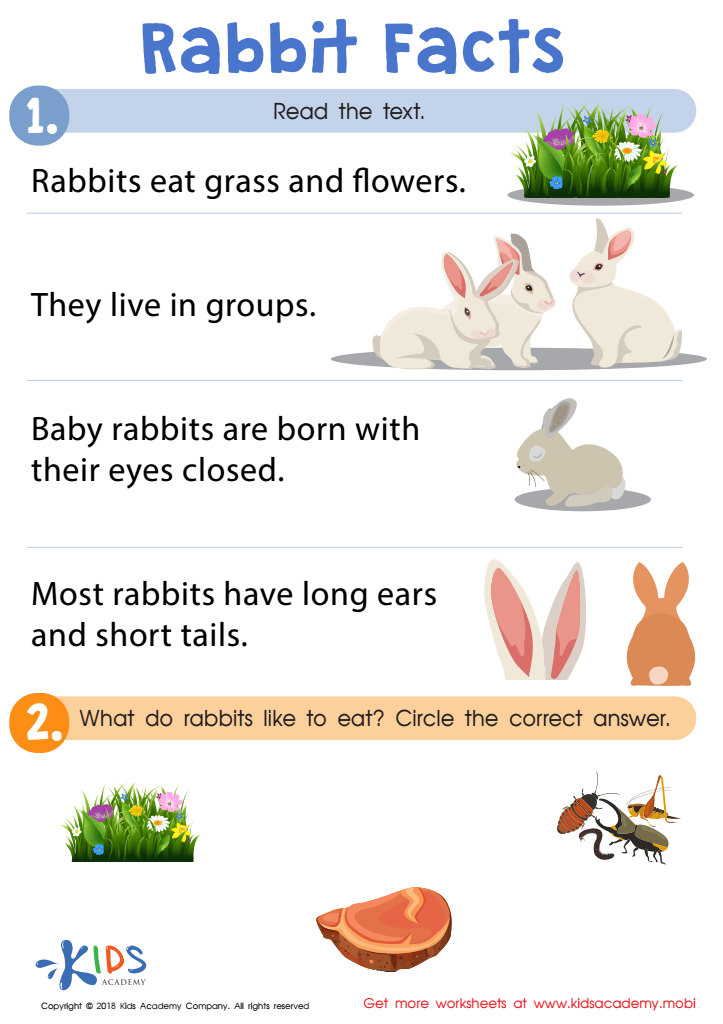
Rabbit Facts Worksheet
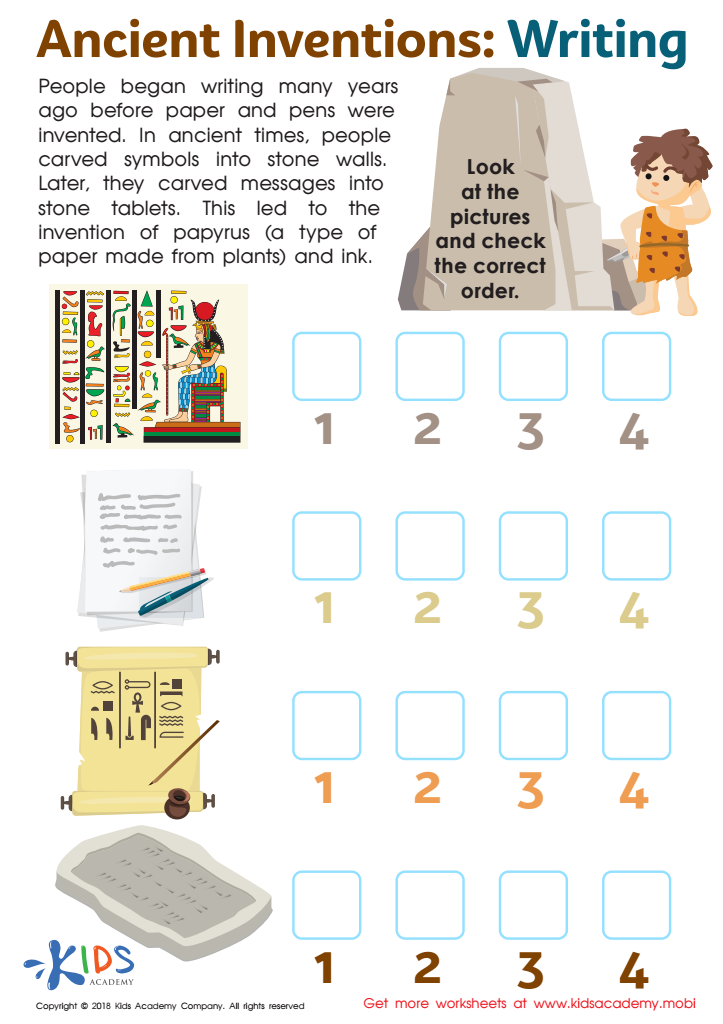
Ancient Inventions: Writing Worksheet
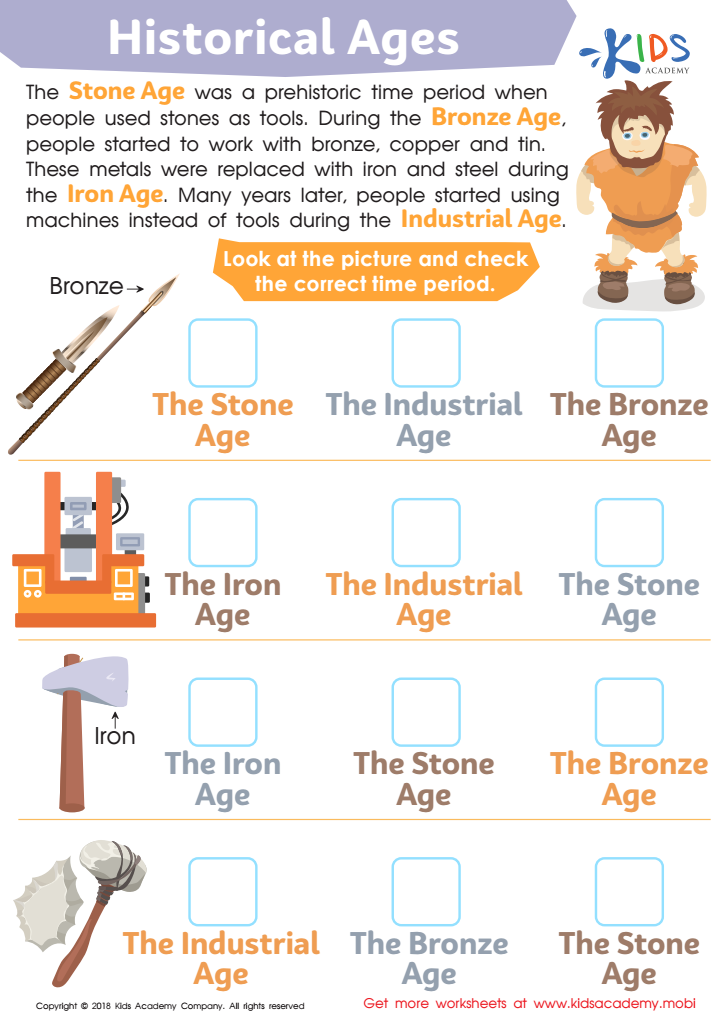
Historical Ages Worksheet
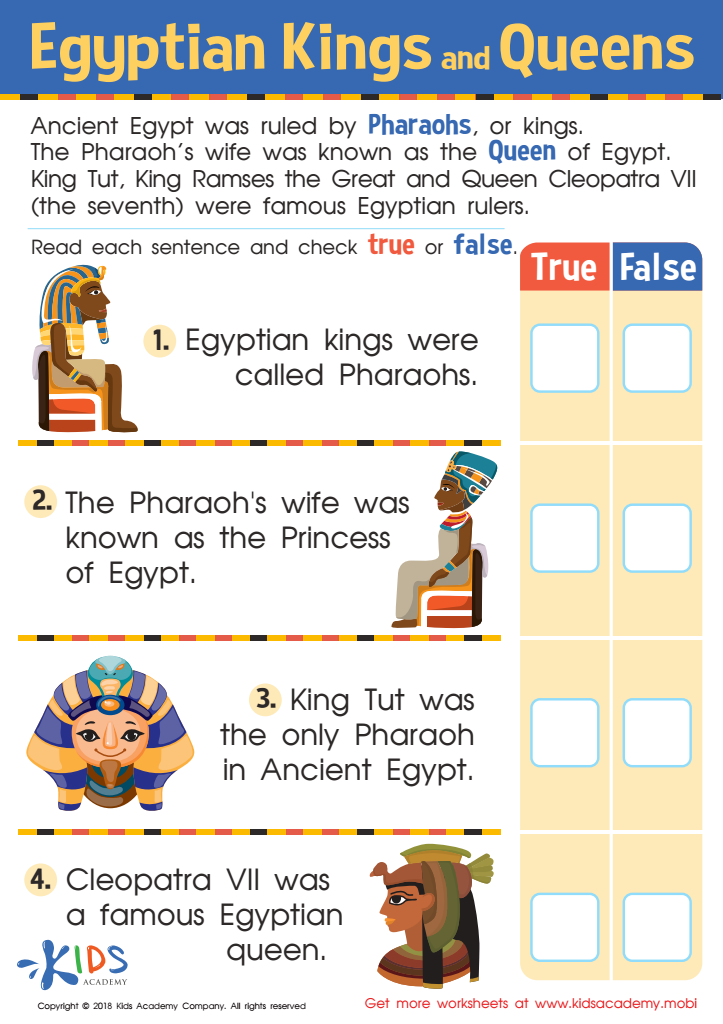
Egyptian Kings and Queens Worksheet
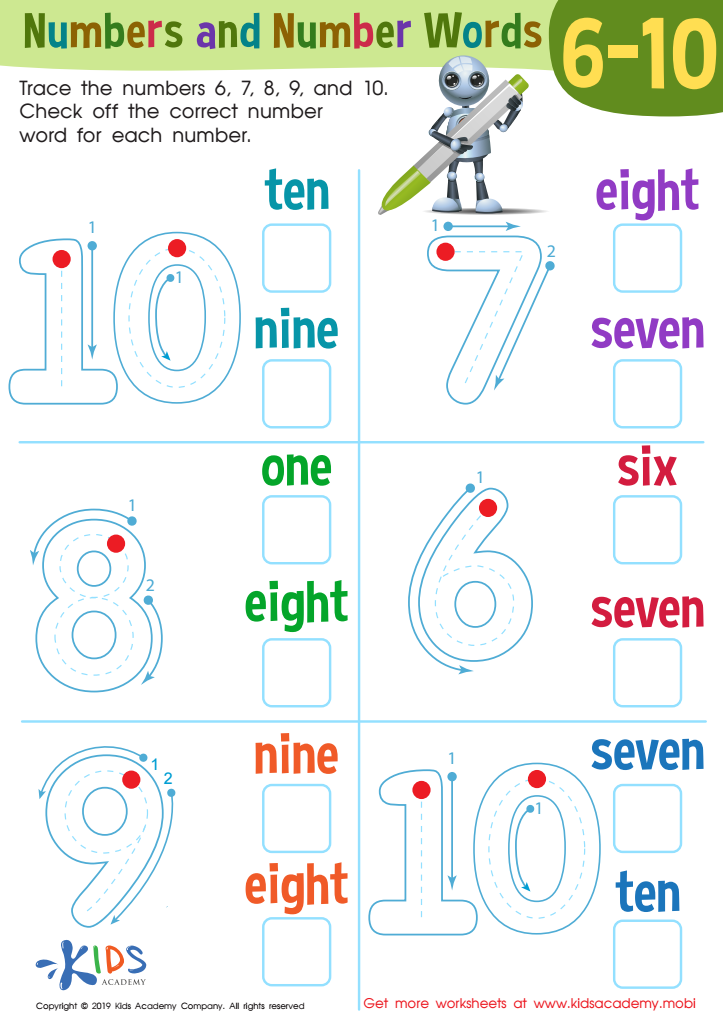
Numbers and Number Words 6–1 Worksheet
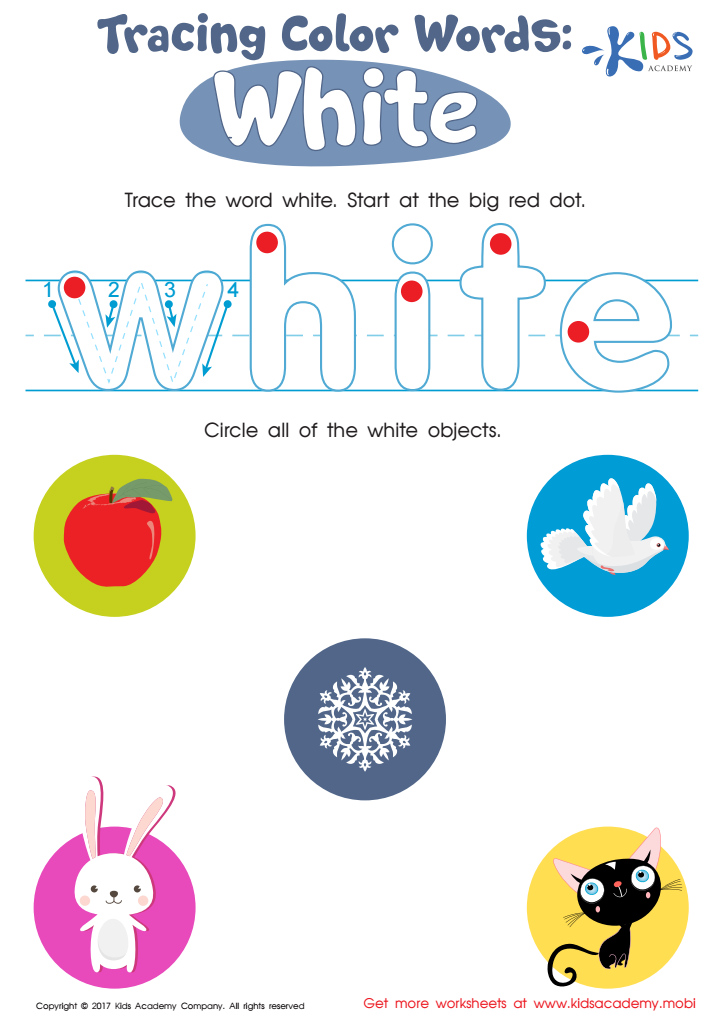
White Tracing Color Words Worksheet
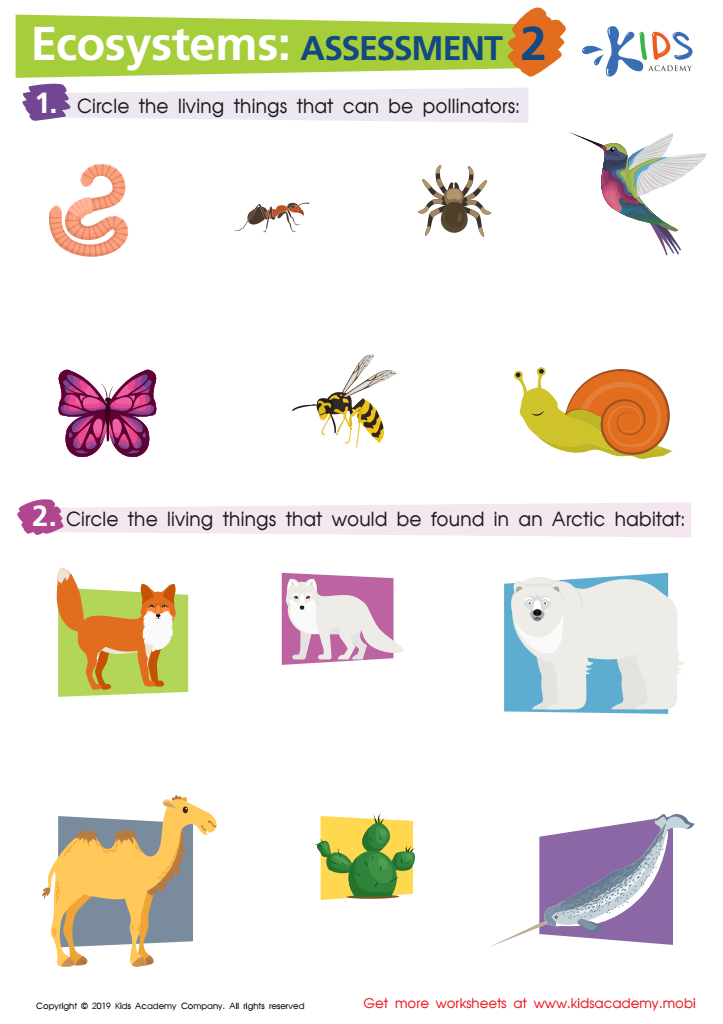
Ecosystems: Assessment 2 Worksheet
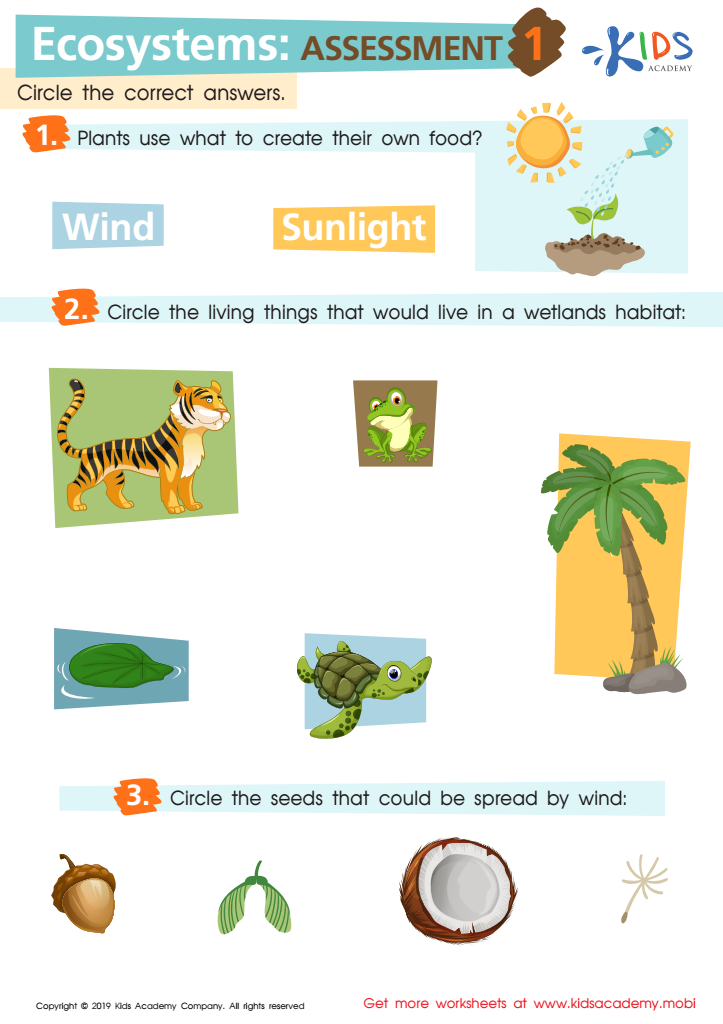
Ecosystems: Assessment 1 Worksheet
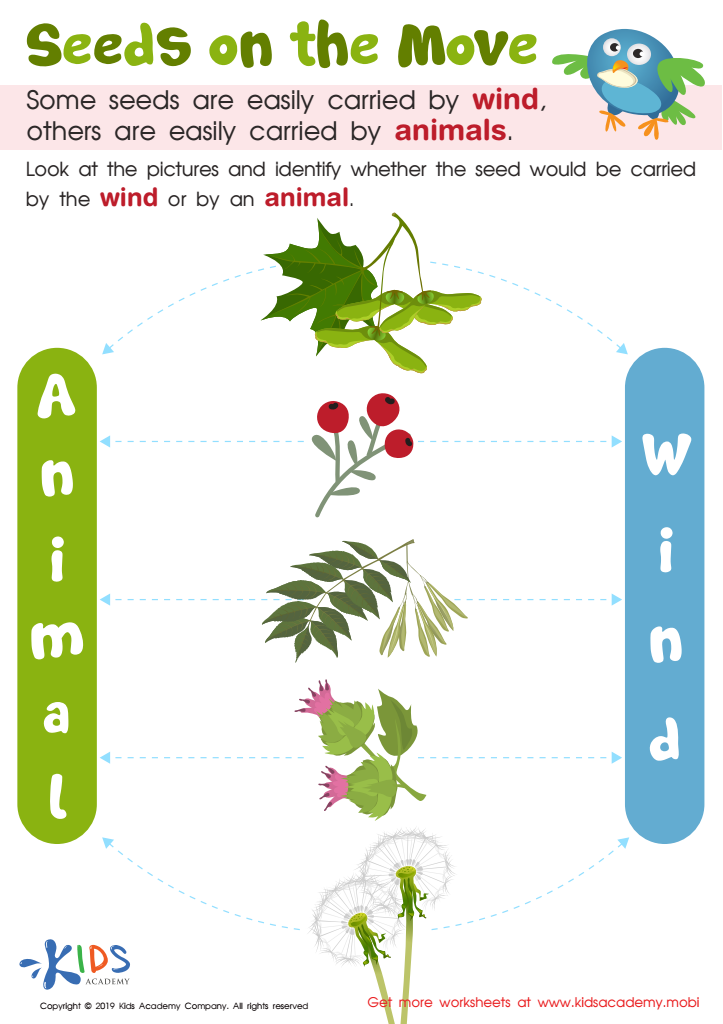
Seeds on the Move Worksheet
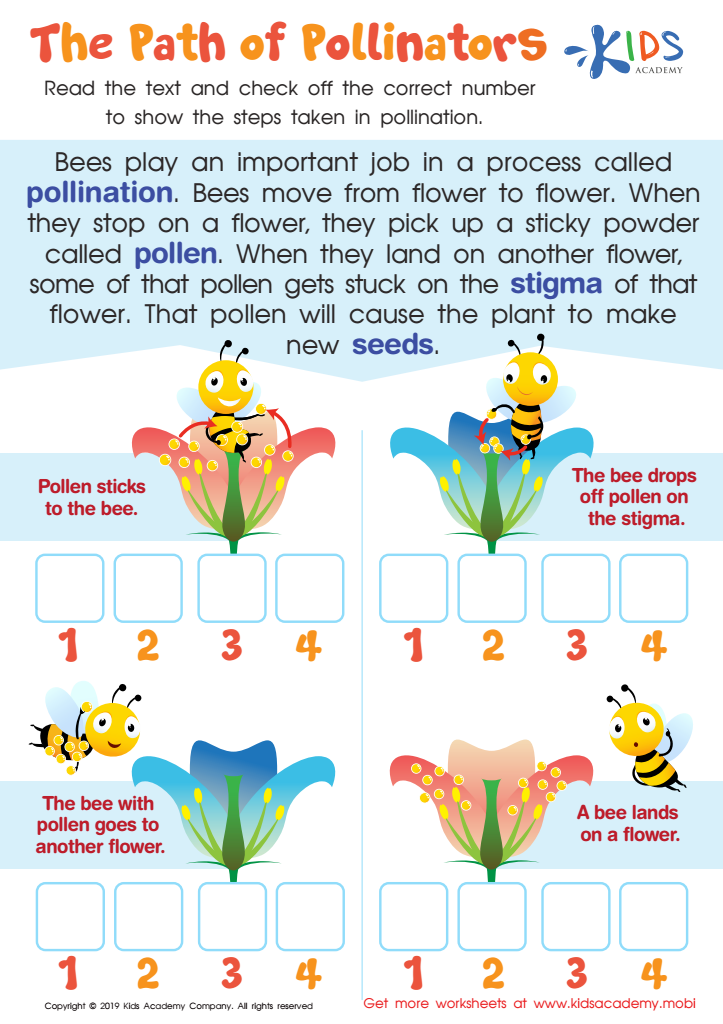
The Path of Pollinators Worksheet
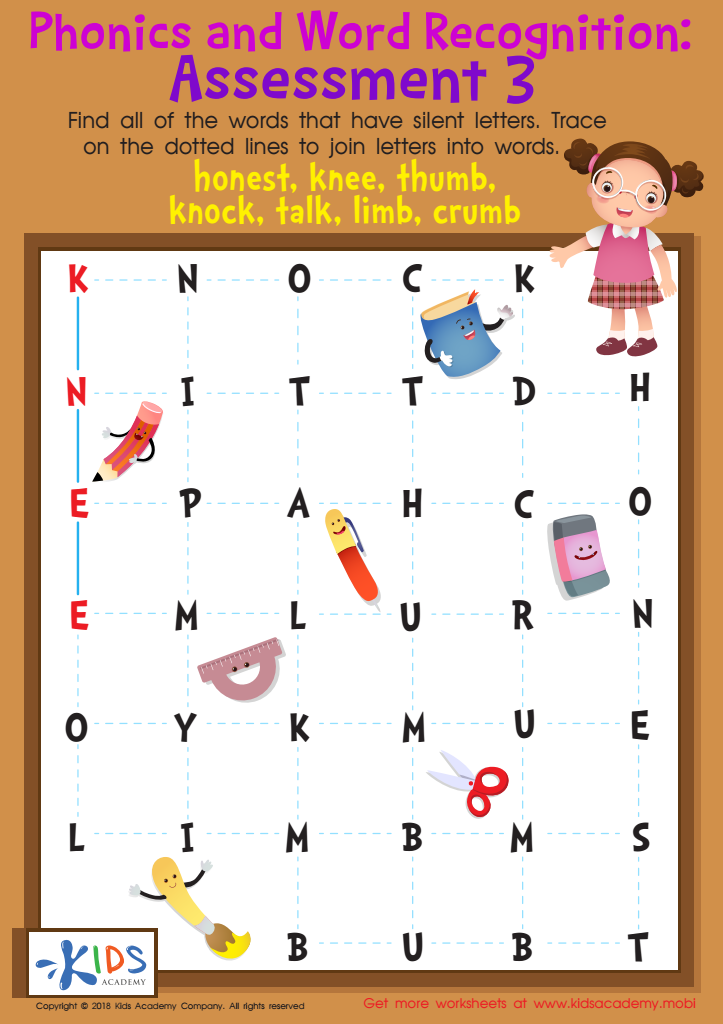
Phonics and Word Recognition: Assessment 3 Worksheet
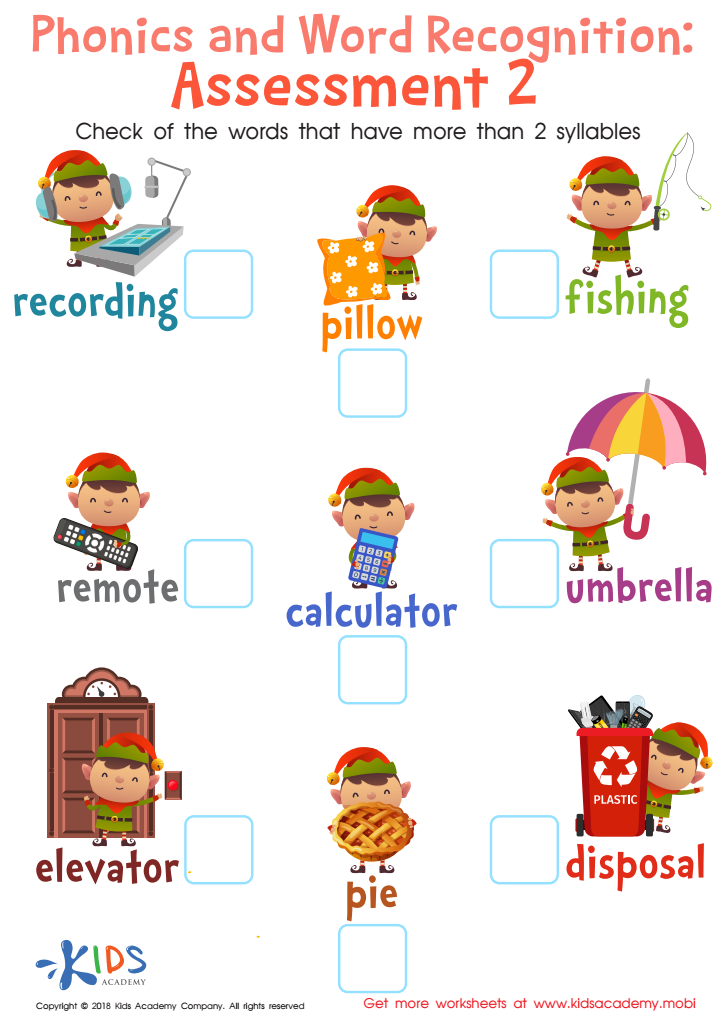
Phonics and Word Recognition: Assessment 2 Worksheet
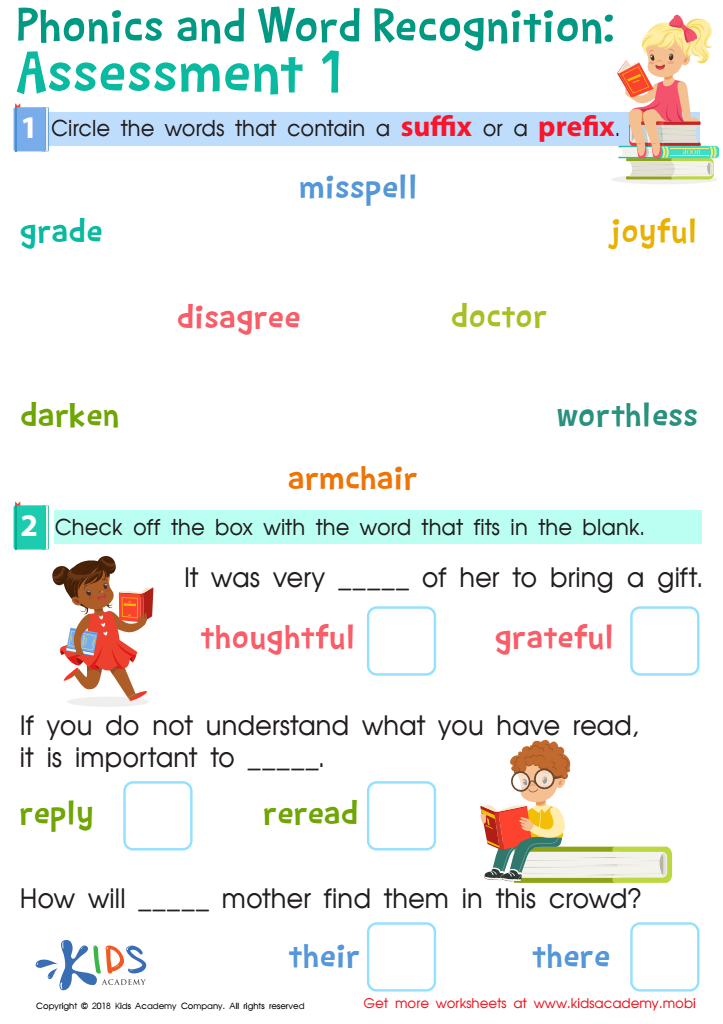
Phonics and Word Recognition: Assessment 1 Worksheet
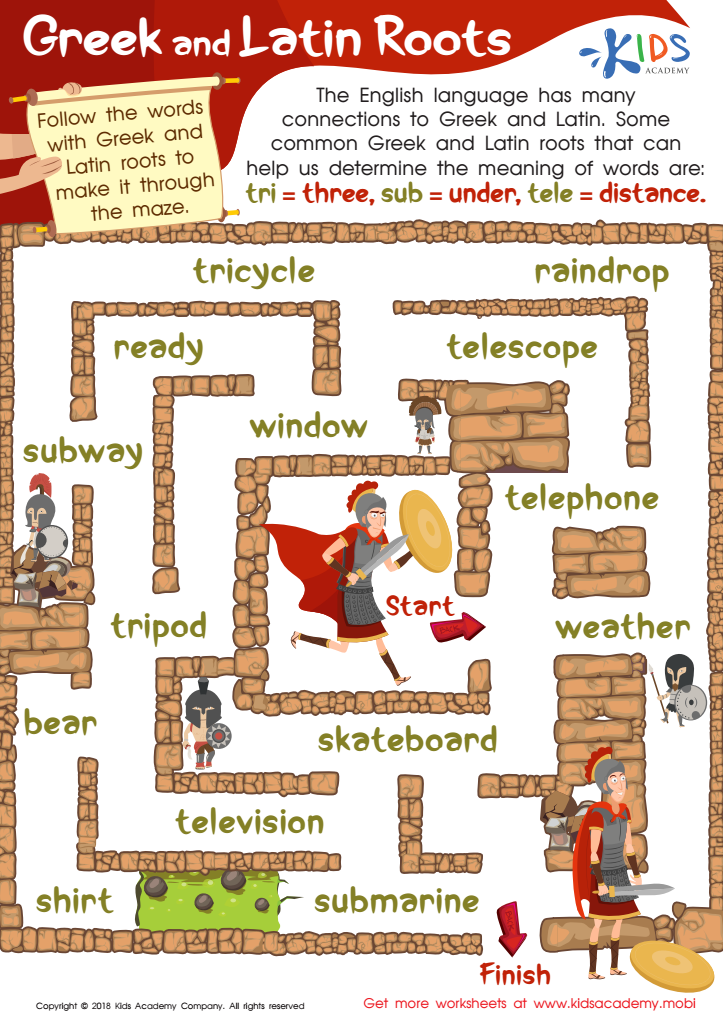
Greek and Latin Roots Worksheet





Understanding the concept of "Normal" for children ages 7-9 is crucial for both parents and teachers. At this stage, children are developing a stronger sense of self and beginning to navigate social dynamics more independently. It is important for adults to recognize that what is considered "normal" behavior can vary widely among children, influenced by individual personalities, cultural backgrounds, and developmental stages.
Teachers and parents should care because recognizing and respecting this diversity helps promote a positive and inclusive environment. When adults understand that their expectations might not apply universally, they can create tailored educational and emotional support that meets each child's unique needs. This awareness helps in identifying children who might be struggling or thriving, allowing for early interventions and enriched learning experiences.
Moreover, fostering a sense of normalcy among peers helps children feel accepted and valued, which boosts their confidence and social skills. By openly discussing and embracing the concept of "normal," parents and teachers can effectively model acceptance and empathy, teaching children to be more understanding of their own differences and those of their peers. Ultimately, this leads to nurturing well-rounded individuals who can contribute positively to society.








