Normal Addition Worksheets for Ages 7-9 - Page 2
56 filtered results
-
From - To
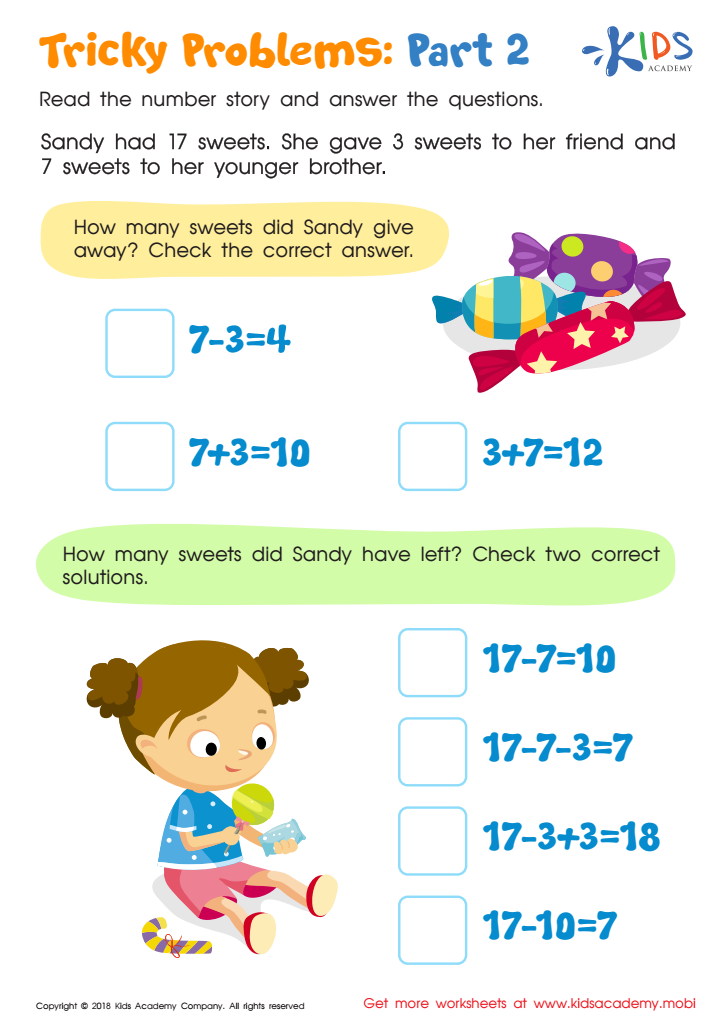
Tricky Problems Worksheet: Part 2
 Assign to My Students
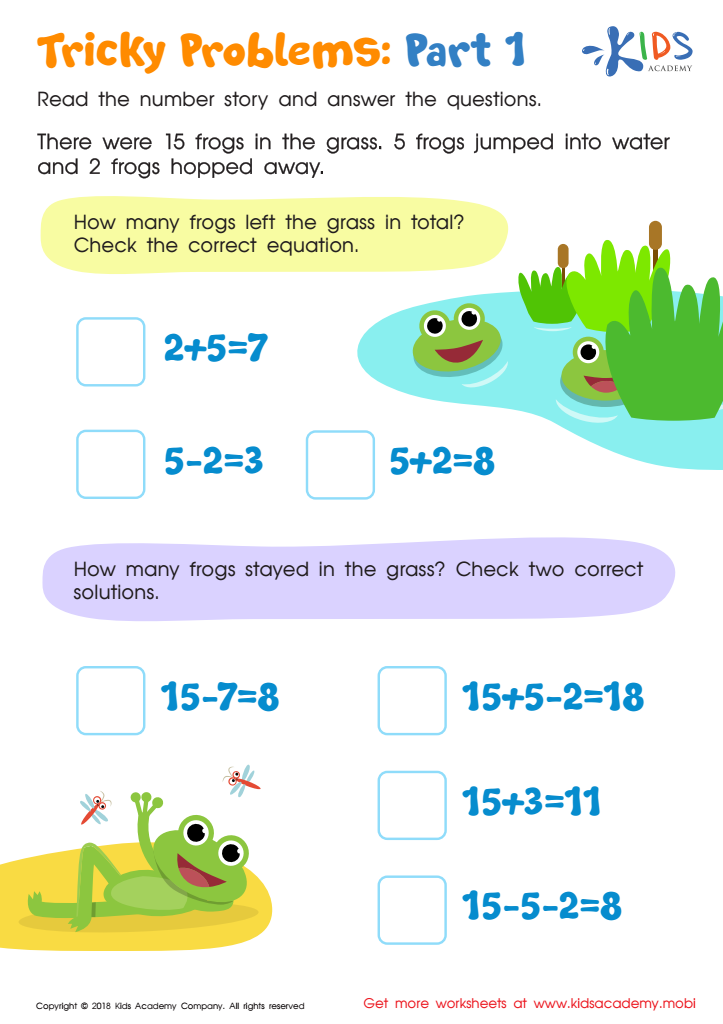
Tricky Problems Worksheet: Part 1
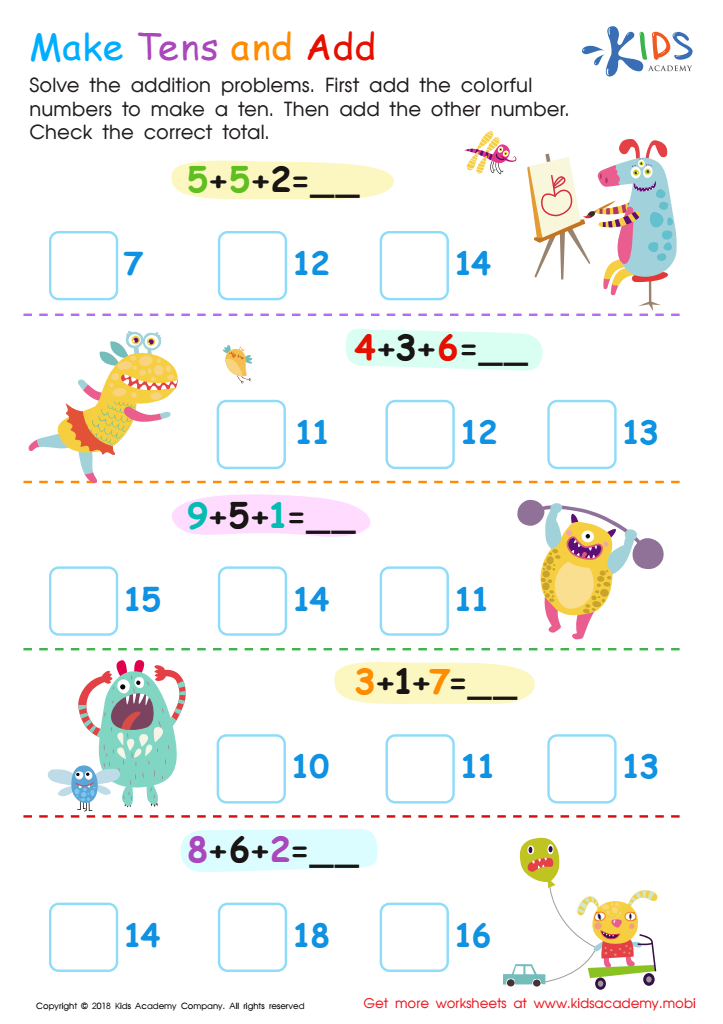
Make Tens and Add Worksheet
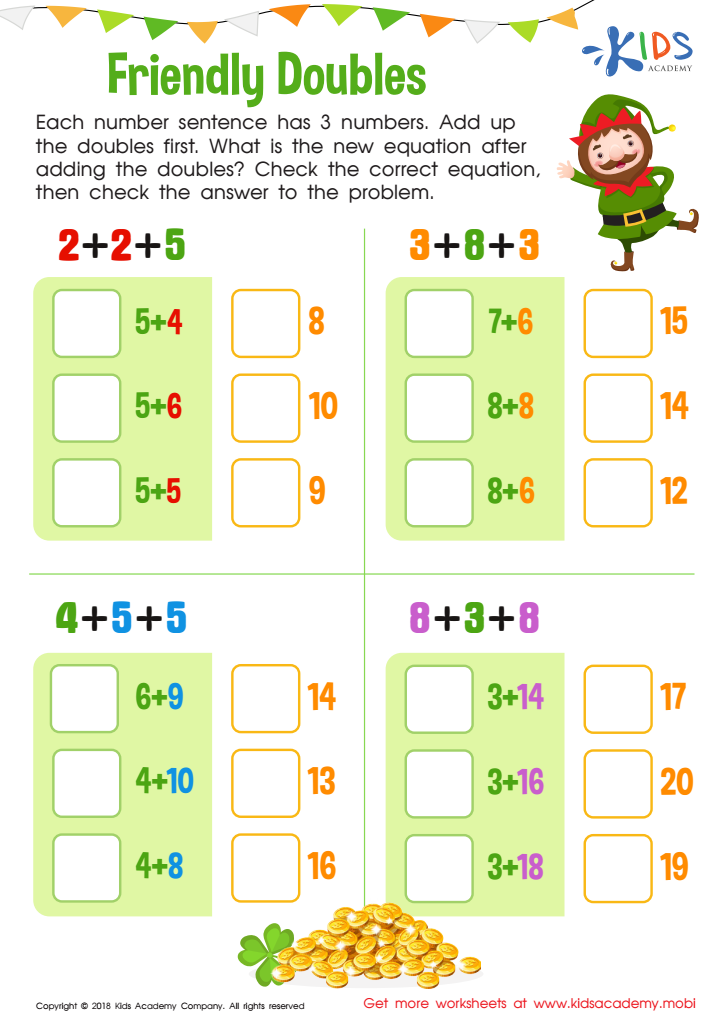
Friendly Doubles Worksheet
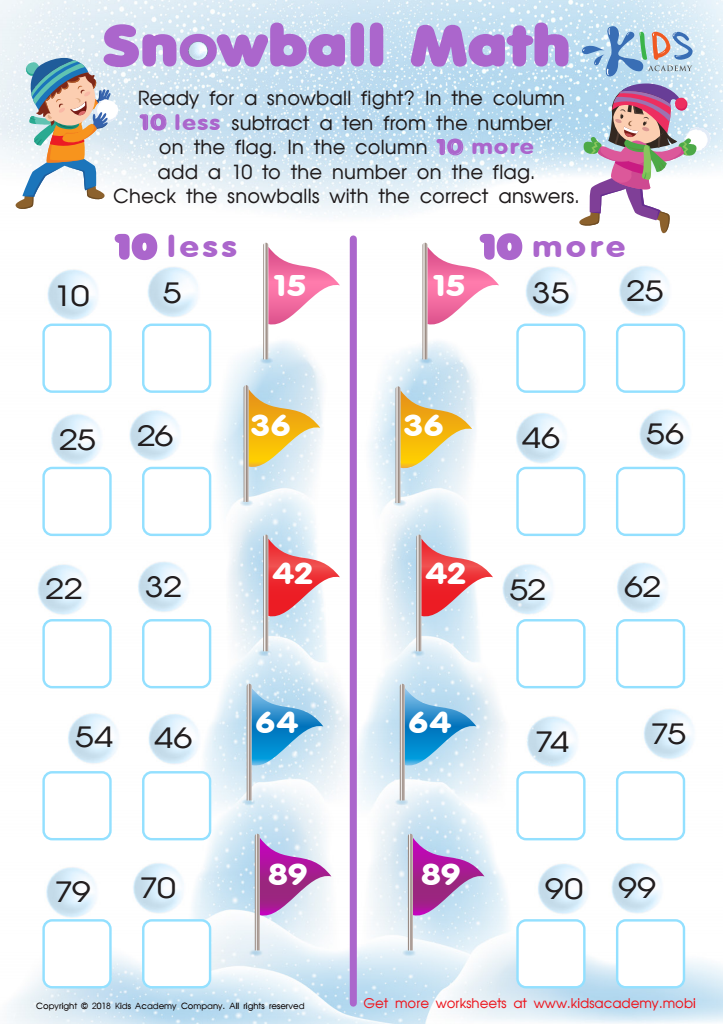
Snowball Math Worksheet
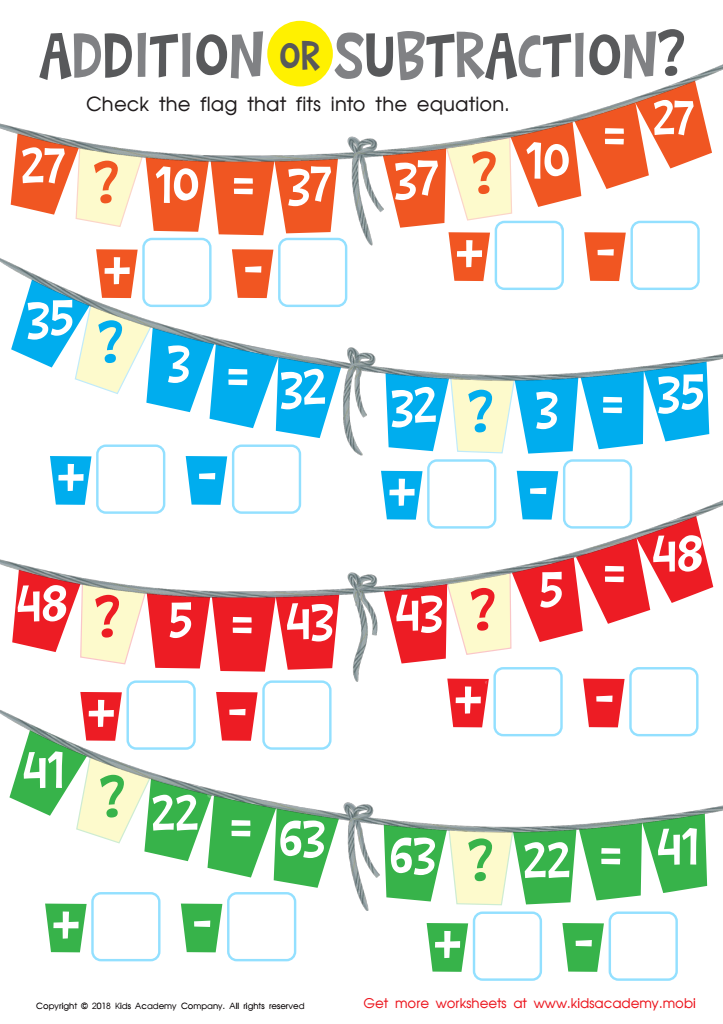
Addition or Subtraction? Worksheet
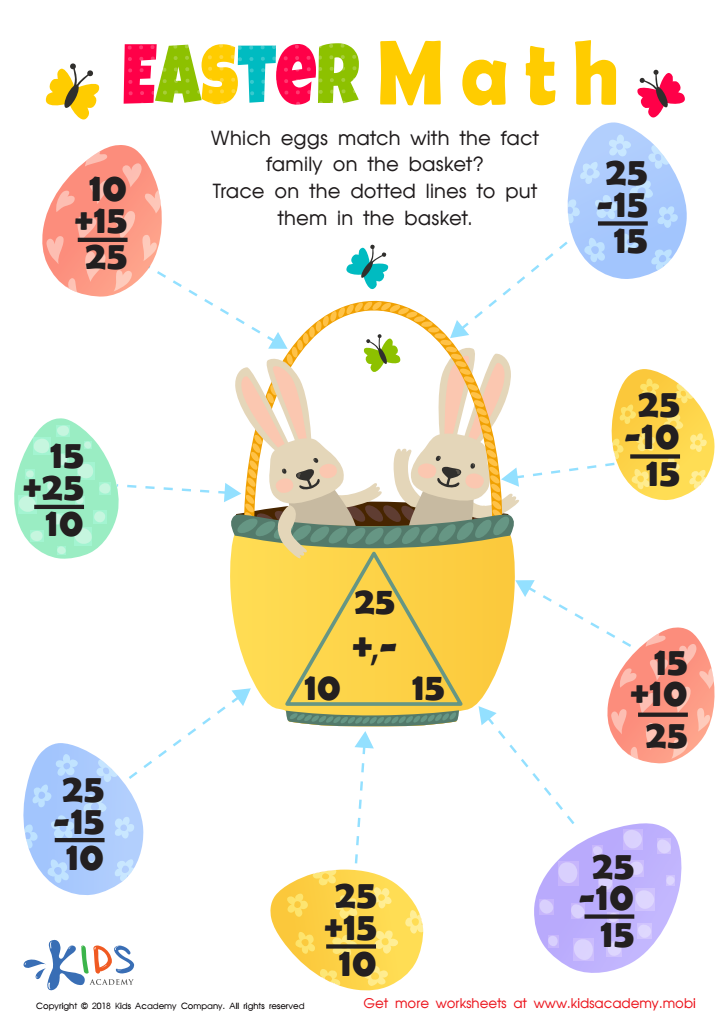
Fact Families: Easter Math Worksheet
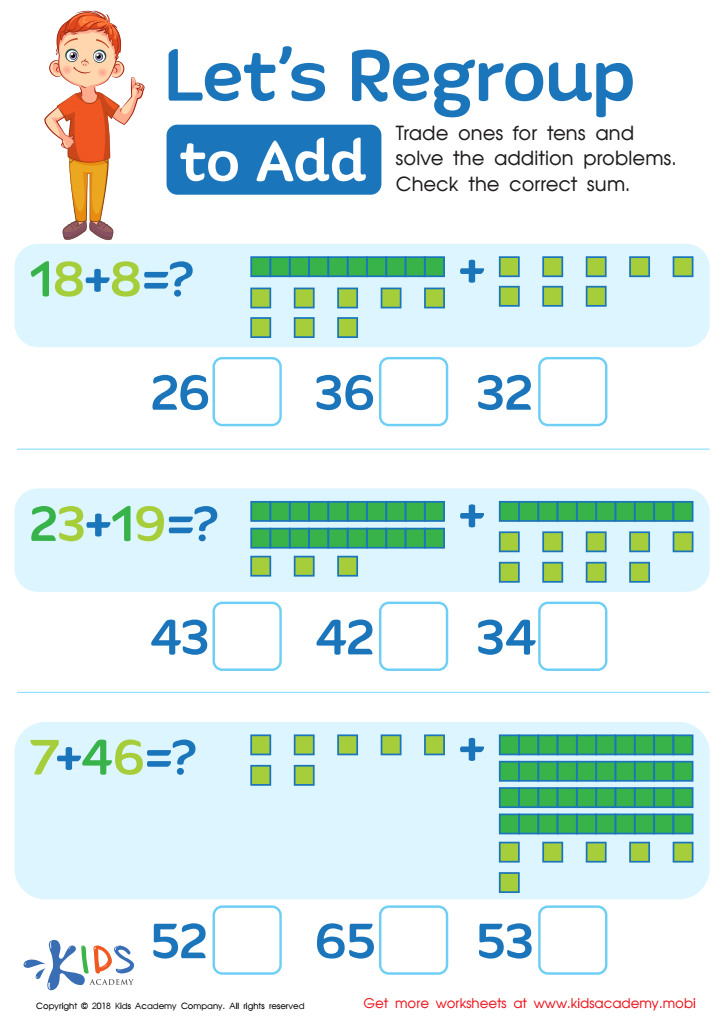
Let's Regroup to Add Worksheet
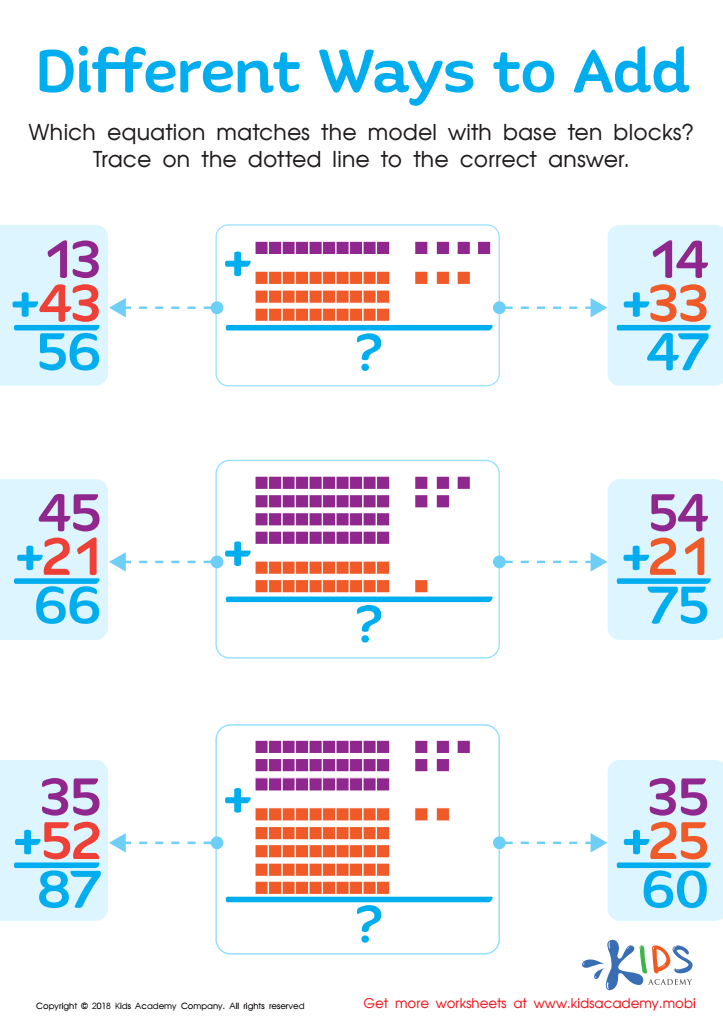
Different Ways to Add Worksheet
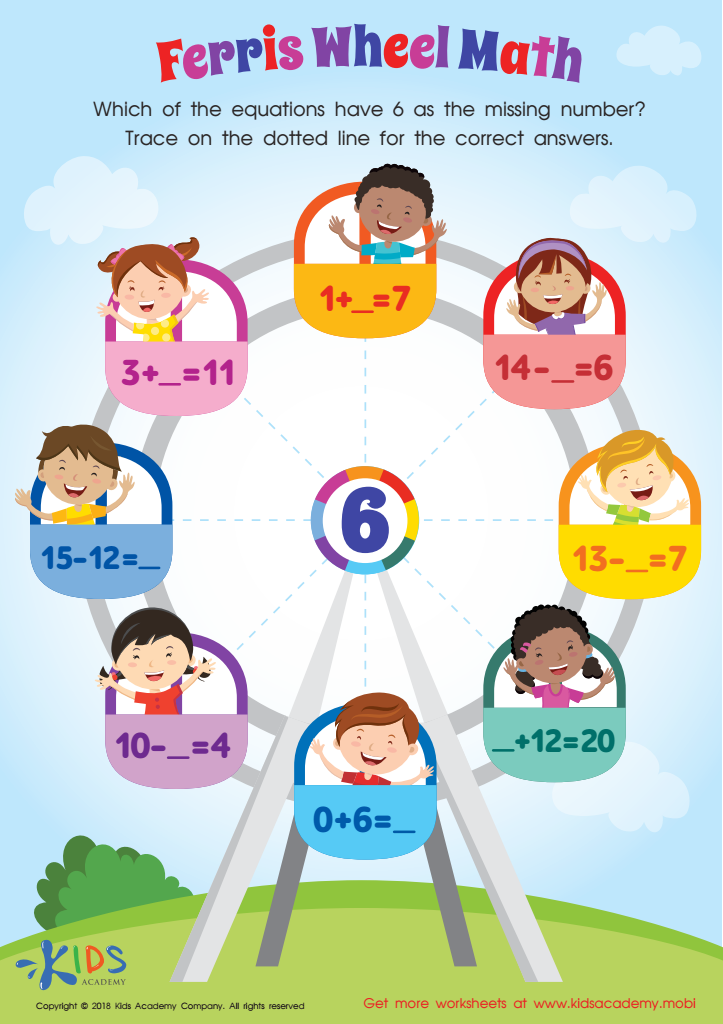
Missing Number: Ferris Wheel Math Worksheet
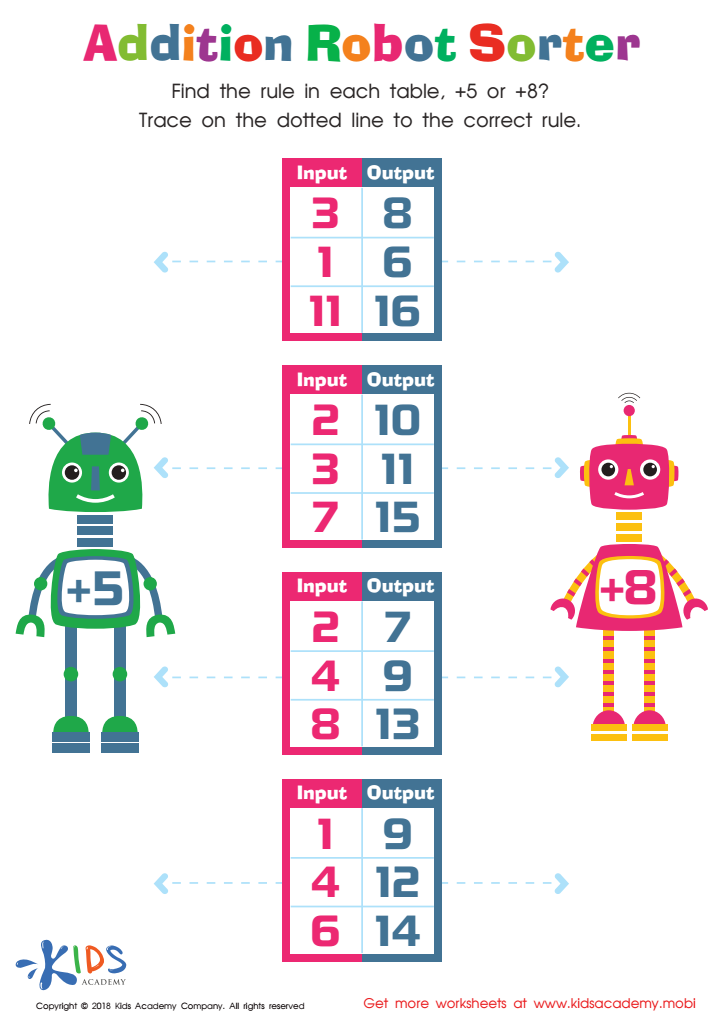
Addition Robot Sorter Worksheet
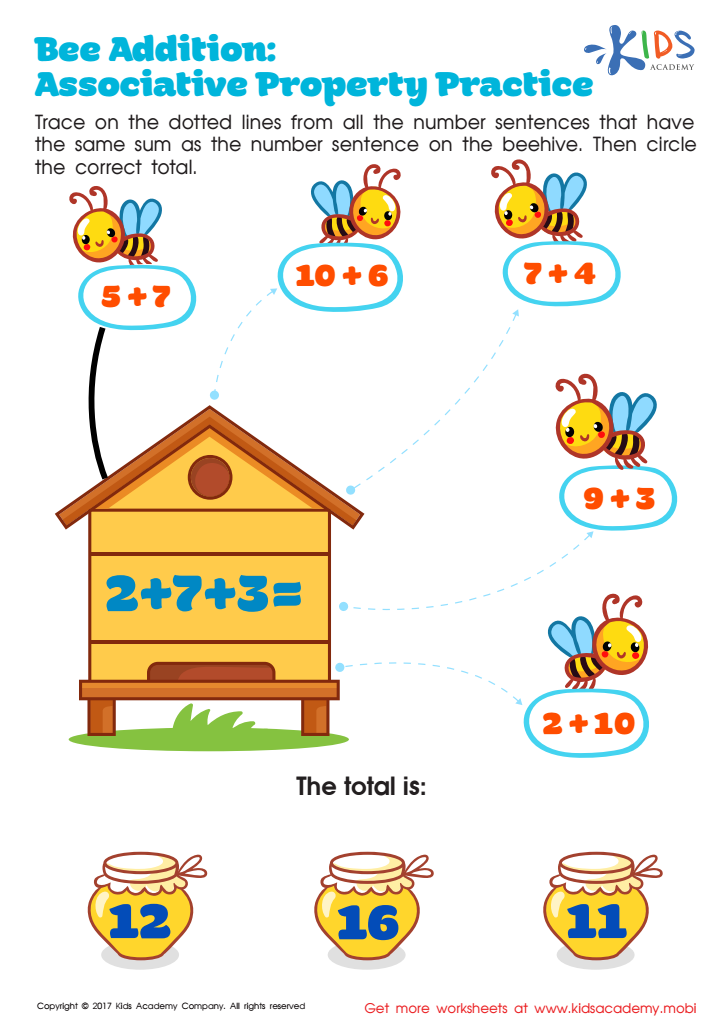
Bee Addition: Associative Property Practice Worksheet
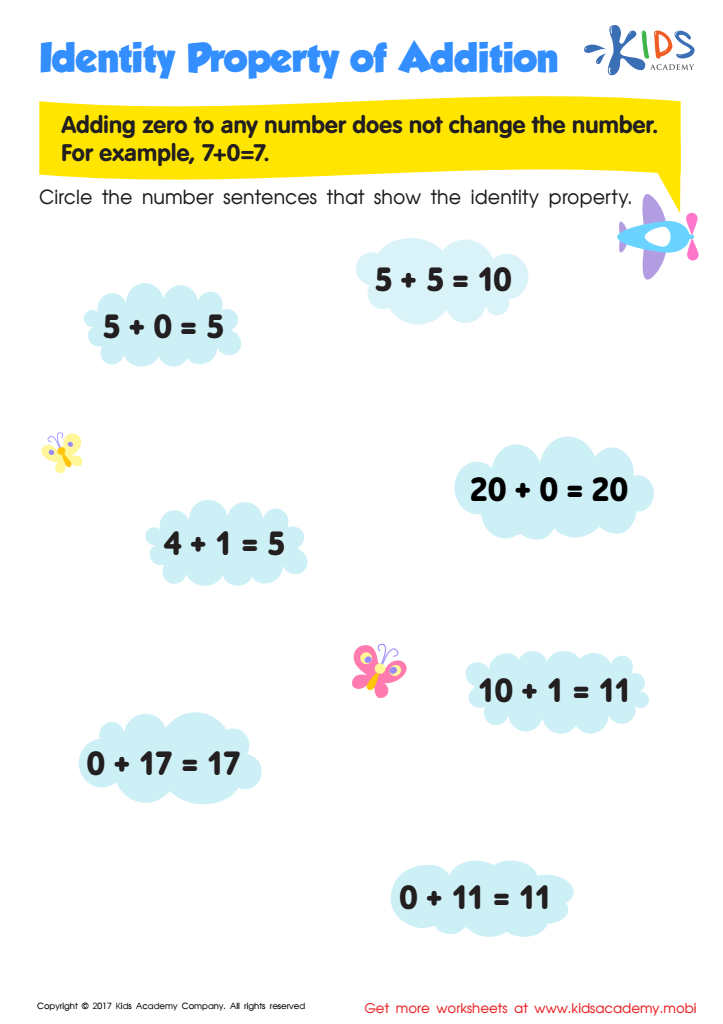
Identity Property of Addition Worksheet
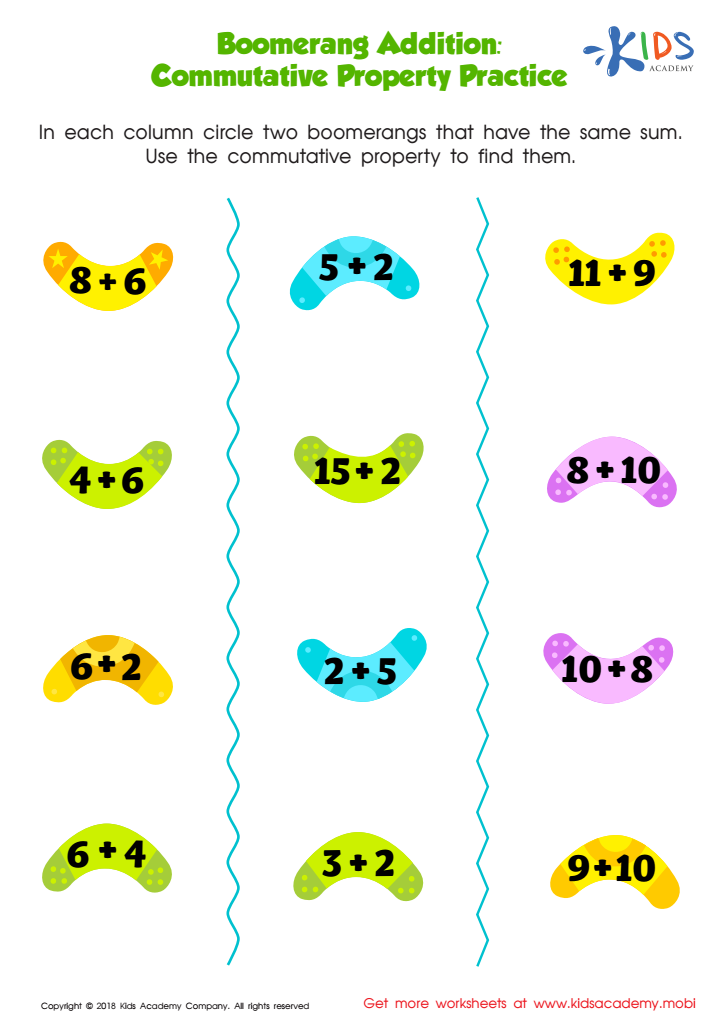
Boomerang Addition Worksheet
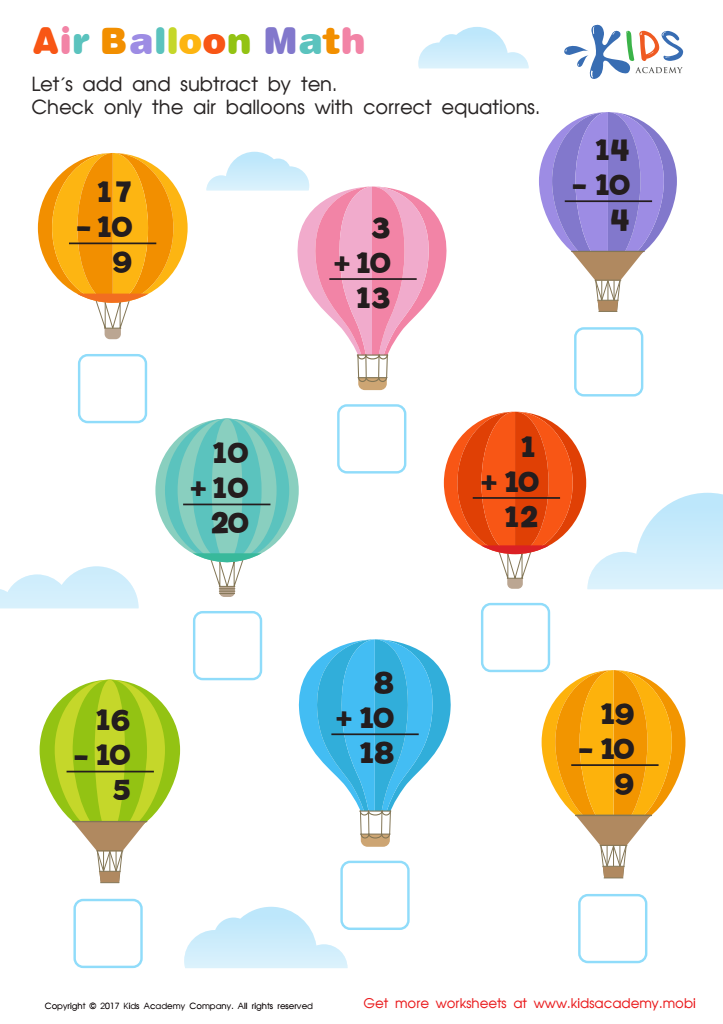
Air Balloon Math Worksheet
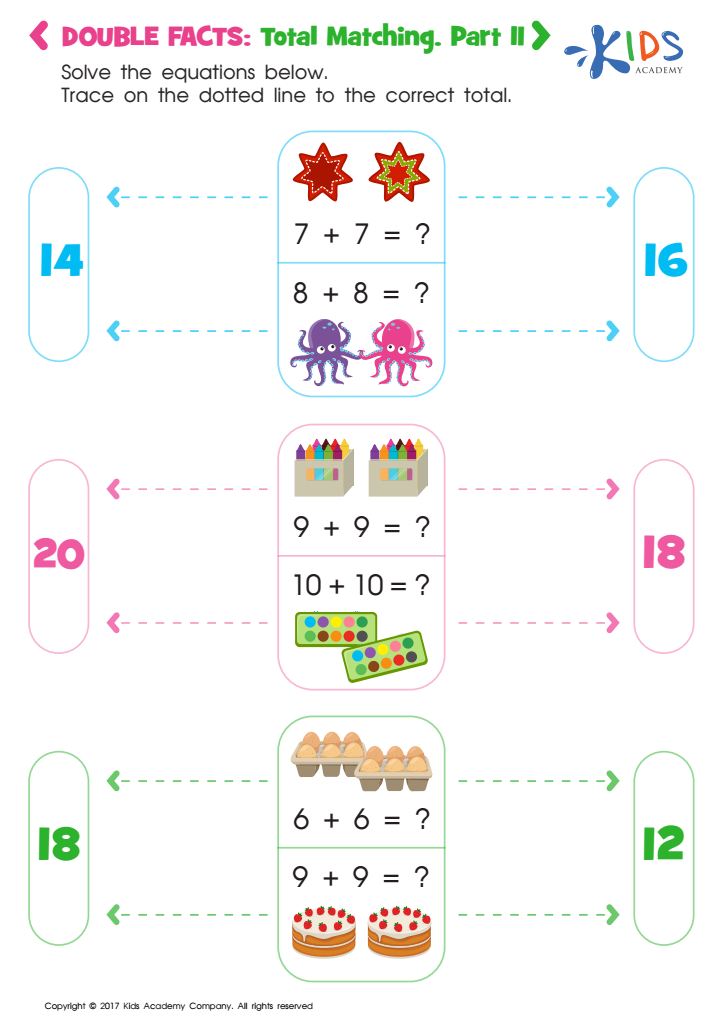
Double Facts: Total Matching 2 Worksheet
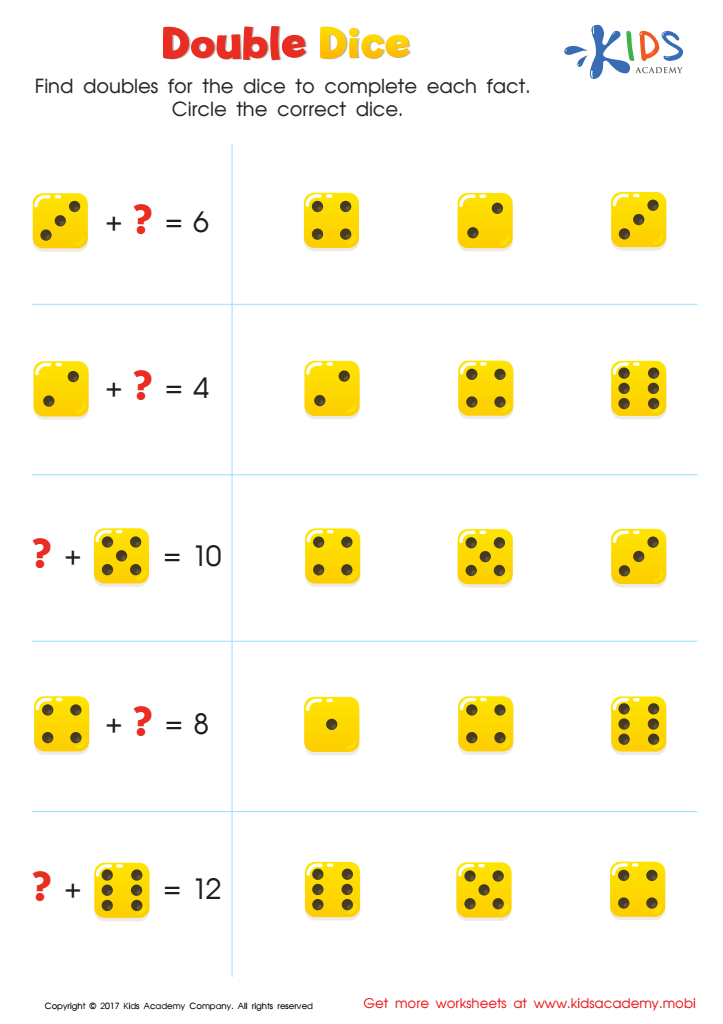
Addition Facts: Double Dice Worksheet
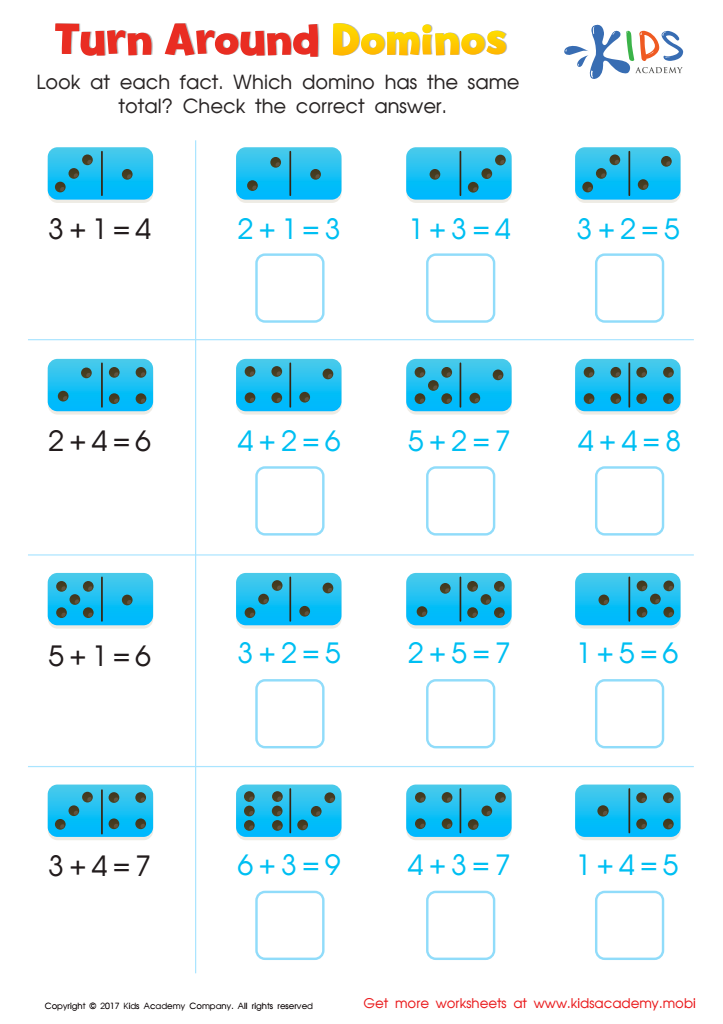
Turn Around Dominos Worksheet
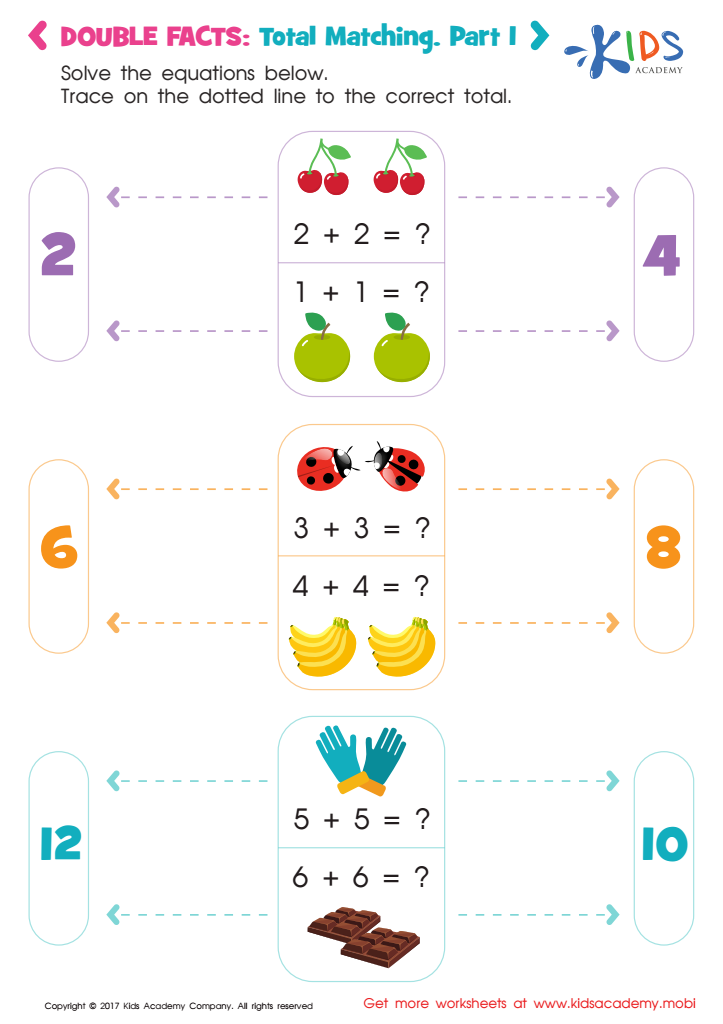
Double Facts: Total Matching Worksheet: Part 1
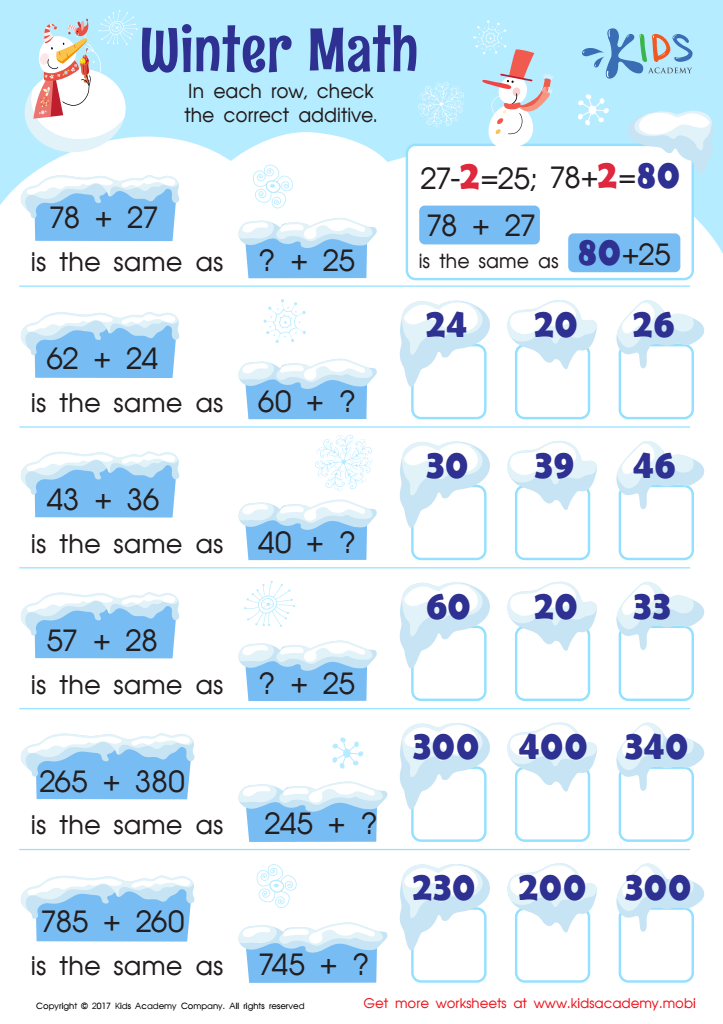
Free Addition Worksheet
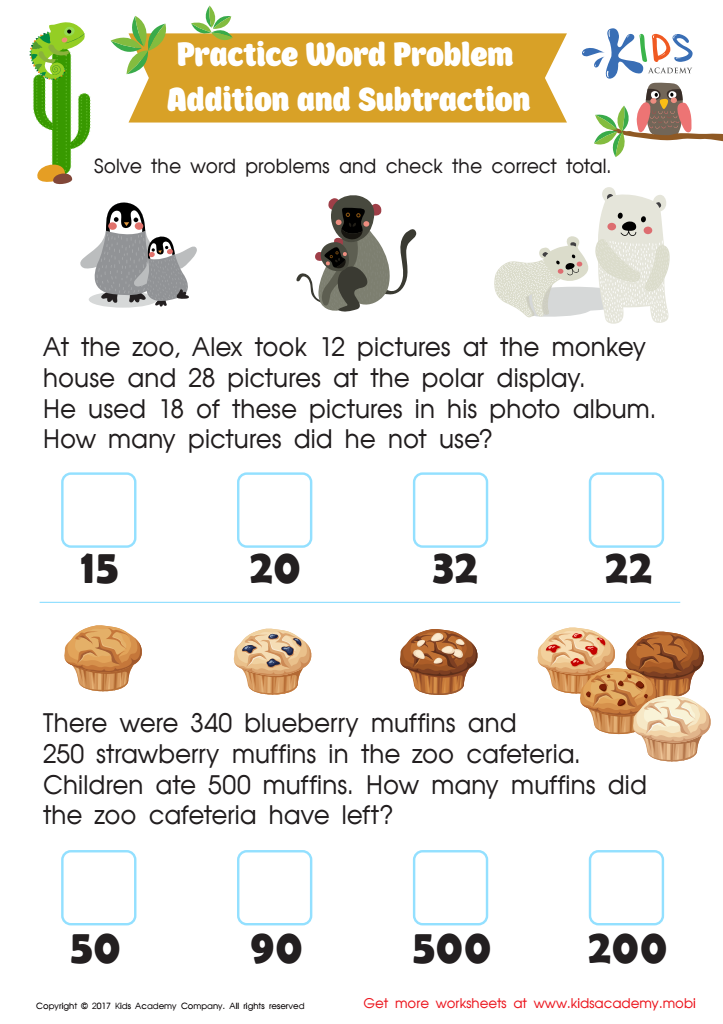
Addition and Subtraction: Word Problems Worksheet
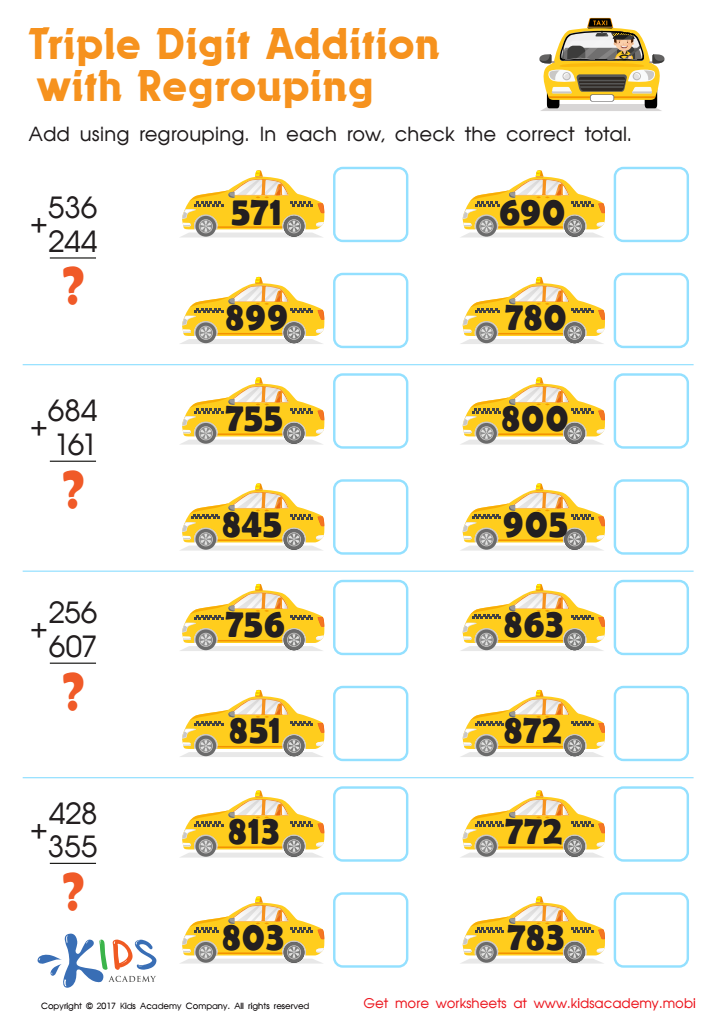
Triple Digit Addition with Regrouping Worksheet
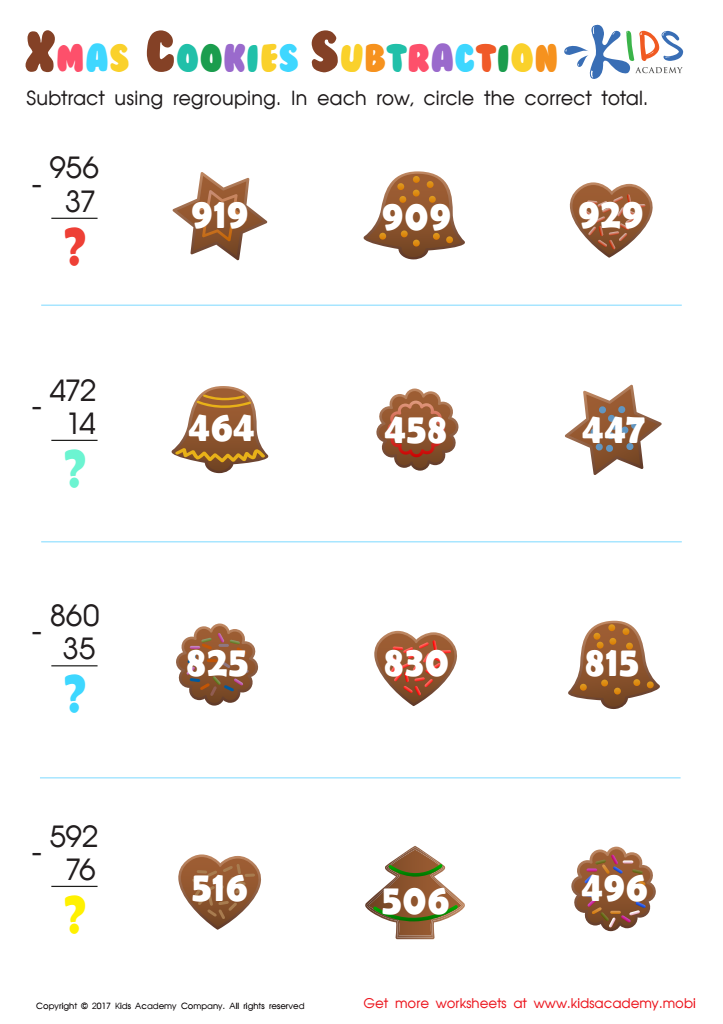
Three Digits Addition with Regrouping Worksheet
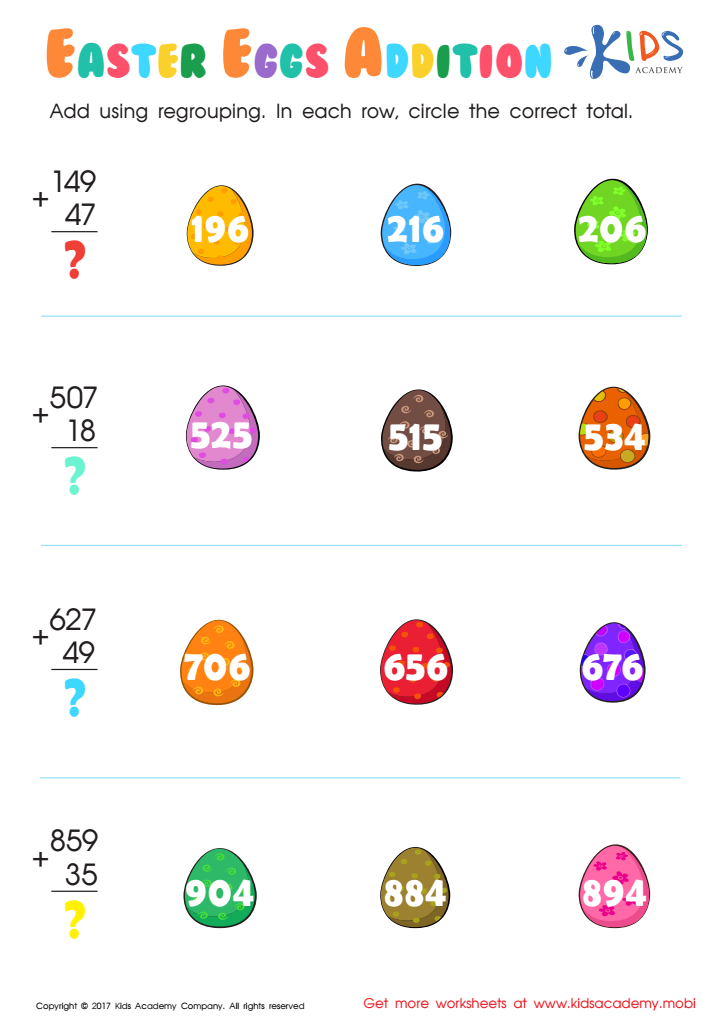
Addition with Regrouping Worksheet








Parents and teachers should prioritize normal addition for children aged 7-9 because it lays the foundational skills for future mathematical understanding. During this developmental stage, children transition from concrete to more abstract thinking, making it essential for them to master basic addition concepts.
Normal addition helps enhance numeracy skills, enabling children to accurately perform calculations, which are vital in everyday situations—from budgeting their allowance to understanding time. This foundational skill enhances critical thinking and problem-solving abilities, as children learn to manipulate numbers and create equations.
Moreover, mastering addition boosts confidence in young learners. As they become proficient in basic operations, they are more likely to engage with complex mathematical concepts, such as subtraction, multiplication, and division. This competence fosters a positive mindset towards math, reducing anxiety associated with the subject.
Lastly, strong addition skills can promote cooperation and social interaction during group activities or games. Consequently, when parents and teachers focus on normal addition, they not only equip children with essential academic skills but also contribute to their overall cognitive and emotional development. By ensuring children develop a strong understanding of addition, they pave the way for successful future learning.