Filters

254 filtered results

Clear all filters
Favorites
With answer key
Interactive

254 filtered results

Difficulty Level

Grade


Check out this FREE Trial Lesson on Science for age 7-9!

Plant Structures and their Functions

Favorites
With answer key
Interactive
  • 7-9
  • Interactive
  • Science
  • Normal
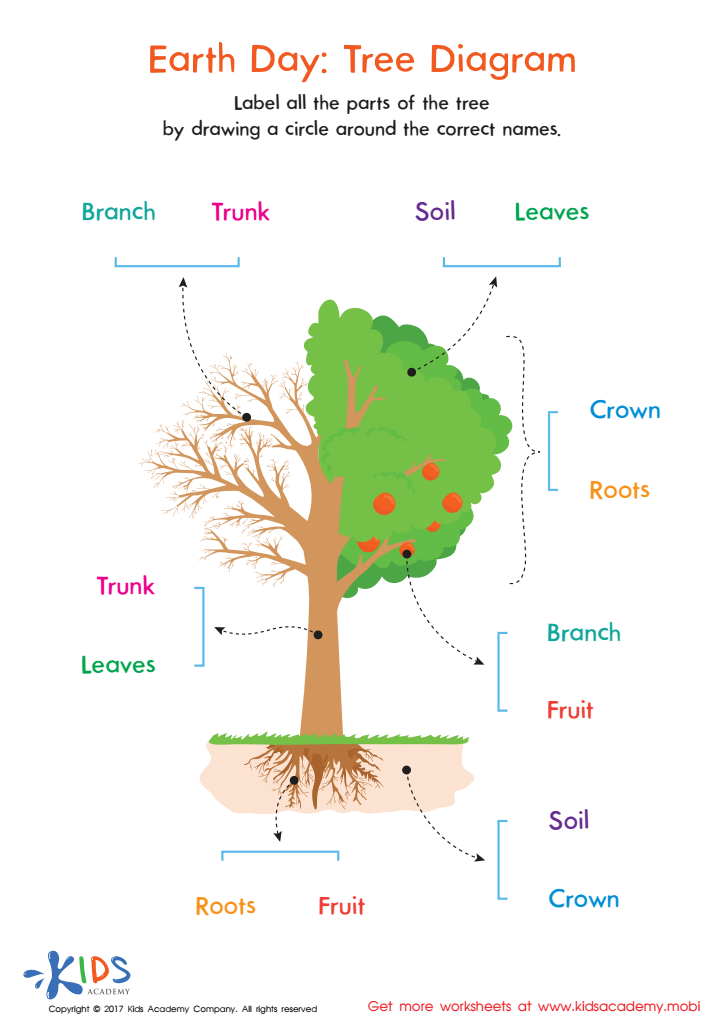
Parts of a Tree Worksheet

Earth Day: Tree Diagram Worksheet

Teaching our kids about environmental science is essential. Get your child excited about plants and nature with our colorful parts of a tree worksheet! It will help them gain an understanding and appreciation of trees, plants, and the earth. Download it now and open the door to the natural world of your child's everyday!
Earth Day: Tree Diagram Worksheet
Worksheet
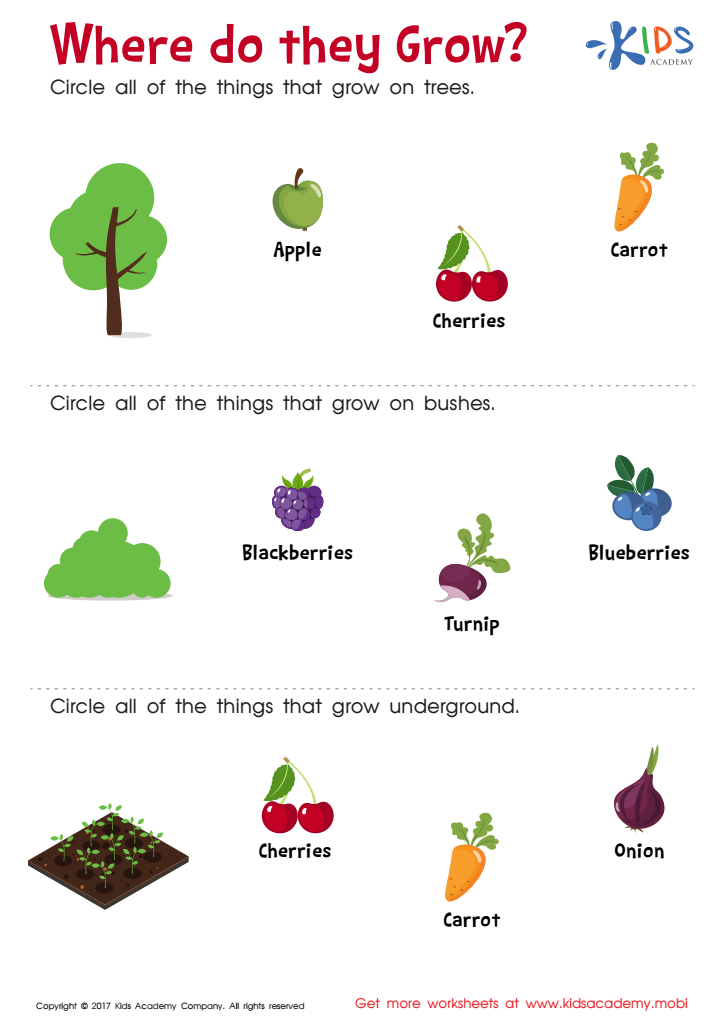
Where Do They Grow
Where Do They Grow

Where Do They Grow Worksheet

With this worksheet, your child can learn about apples, cherries, and blueberries and gain important science skills.
Where Do They Grow Worksheet
Worksheet
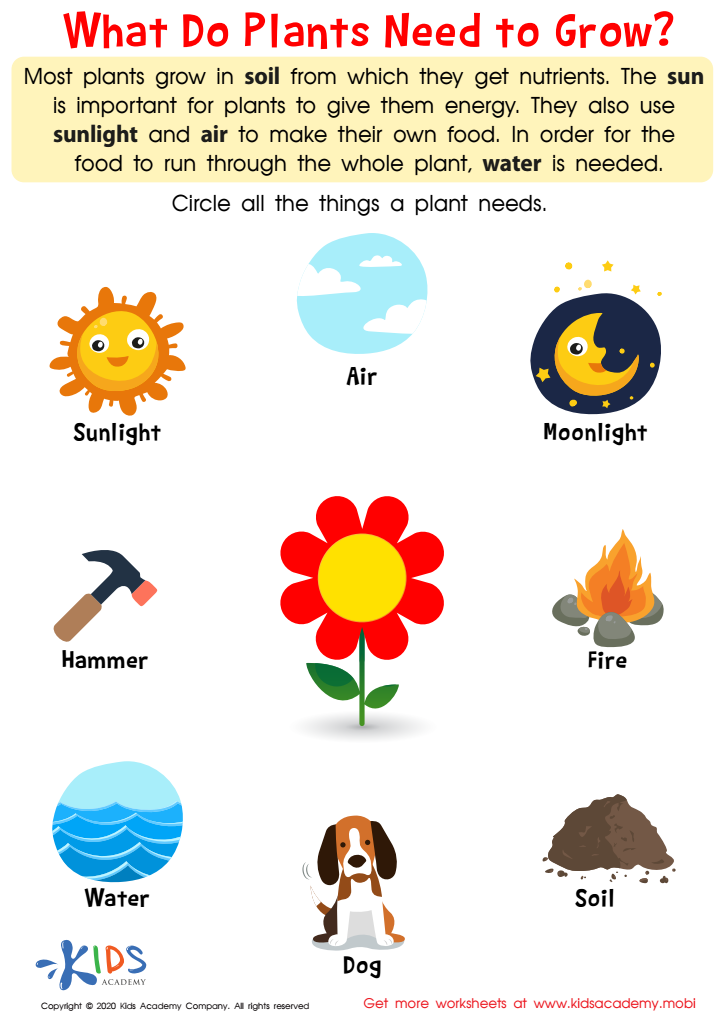
What Do Plants Need to Grow Worksheet

What Do Plants Need to Grow Worksheet

Help your child explore and discover the world of plants with this fun how do plants grow worksheet! They'll gain knowledge, sharpen problem solving skills, and build science foundations as they identify what plants need to grow. Afterward, plant a seed together and watch it sprout right before their eyes!
What Do Plants Need to Grow Worksheet
Worksheet
Butterfly Life Cycle Printable Worksheet

Life Cycle of Butterfly Printable
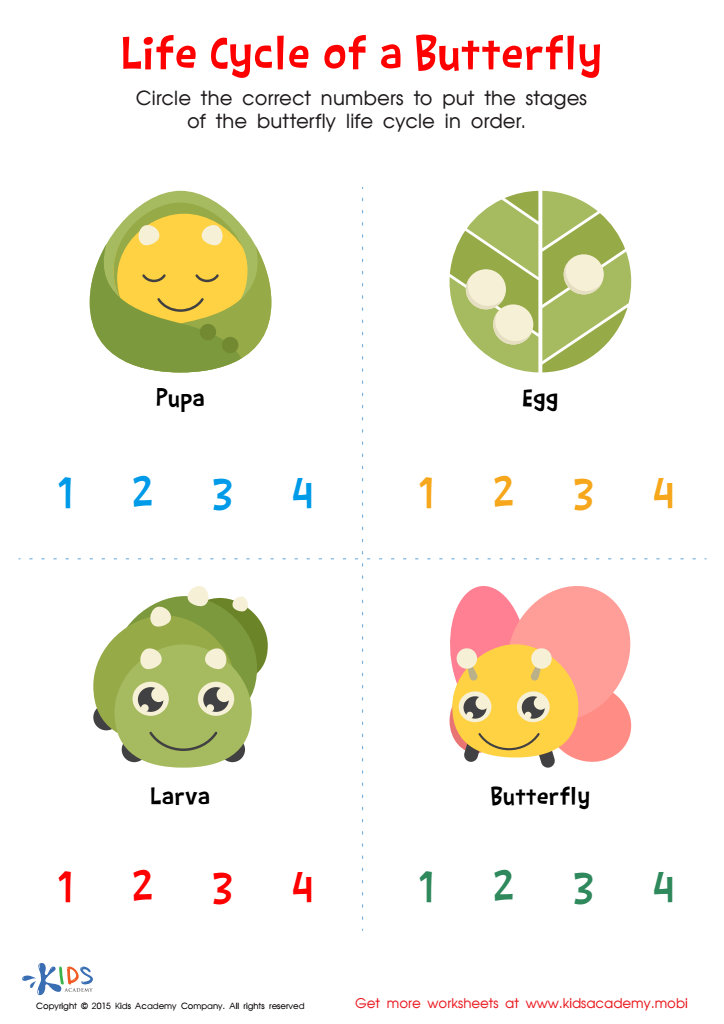
Kids and grownups alike marvel at the beauty of butterflies. With this printable worksheet, kids can review the life cycle of these favorite insects and strengthen cognitive and problem solving skills. From egg to butterfly, kids will order the stages and use the best strategy to solve it. Guide them as they work and they'll learn multiple skills.
Life Cycle of Butterfly Printable
Worksheet
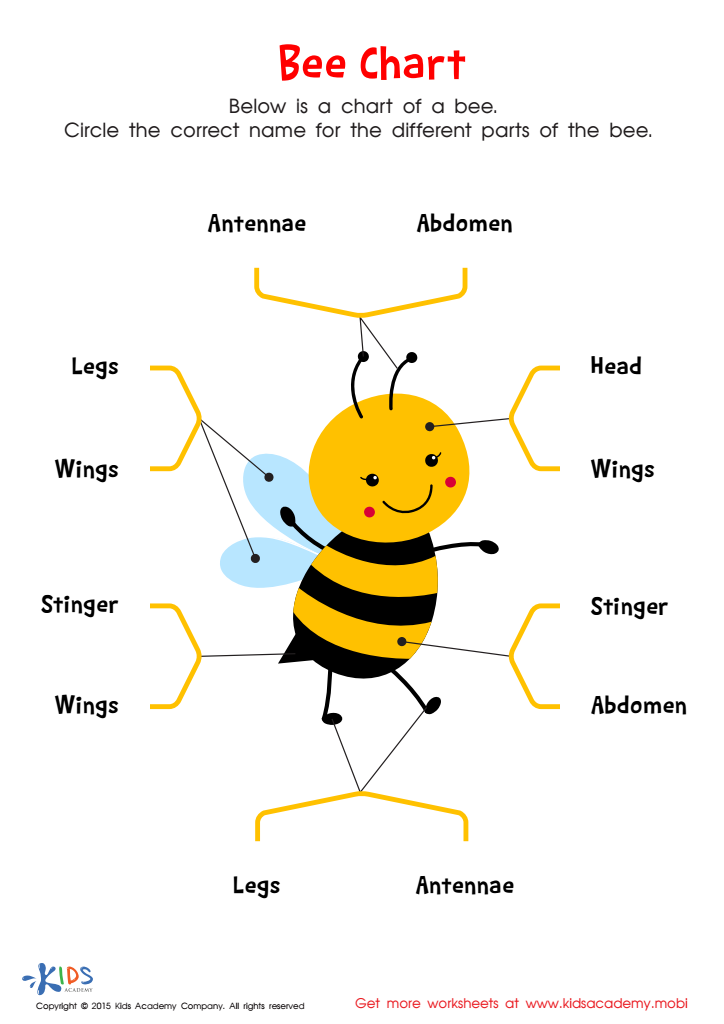
Delightful Bee Anatomy Worksheet

Bee Chart Worksheet

Bee Chart Worksheet
Worksheet
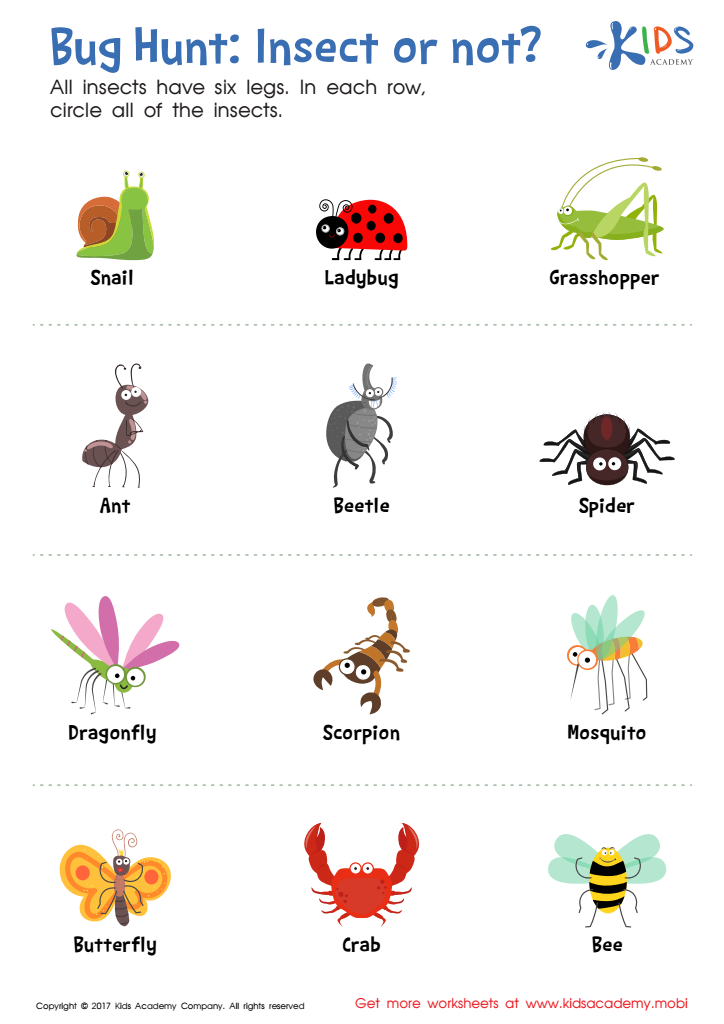
Bug Hunt: Insect or Not

Insect or Not? Worksheet

Try the “Bug Hunt: Insect or Not?” worksheet today!
Insect or Not? Worksheet
Worksheet
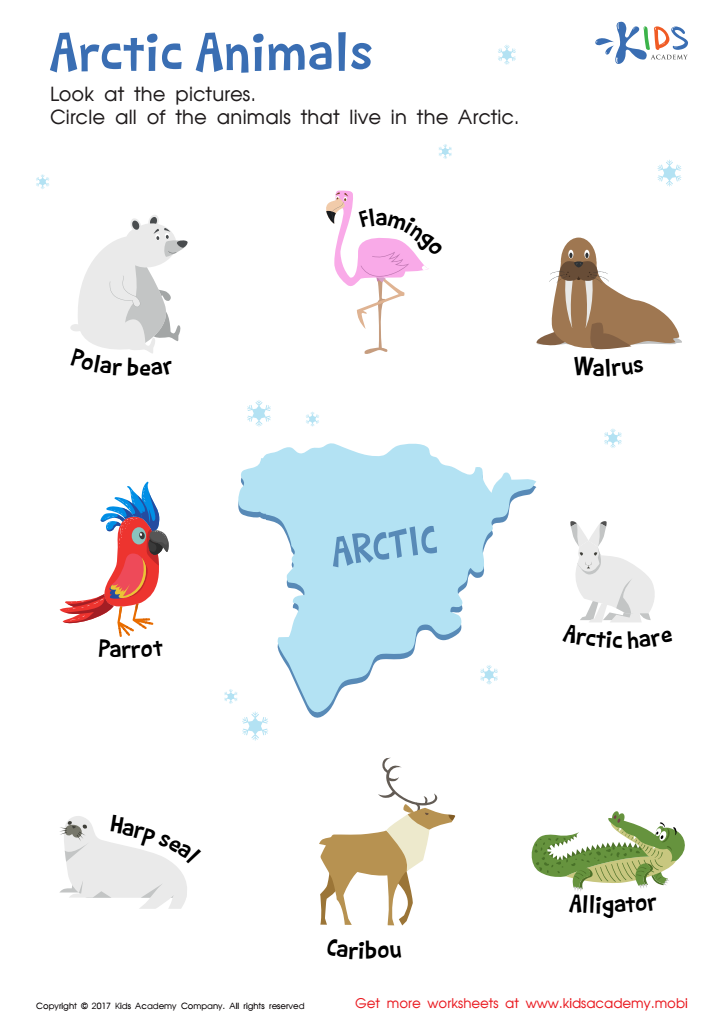
Arctic Animals Worksheet

Arctic Animals Worksheet

Kids love animals and this worksheet is a great way to teach them where they live. It reinforces classification skills and introduces new animals, like the Arctic hare. Use it to discuss the Arctic climate and how these animals live, then ask your child where other animals live to keep the conversation going.
Arctic Animals Worksheet
Worksheet
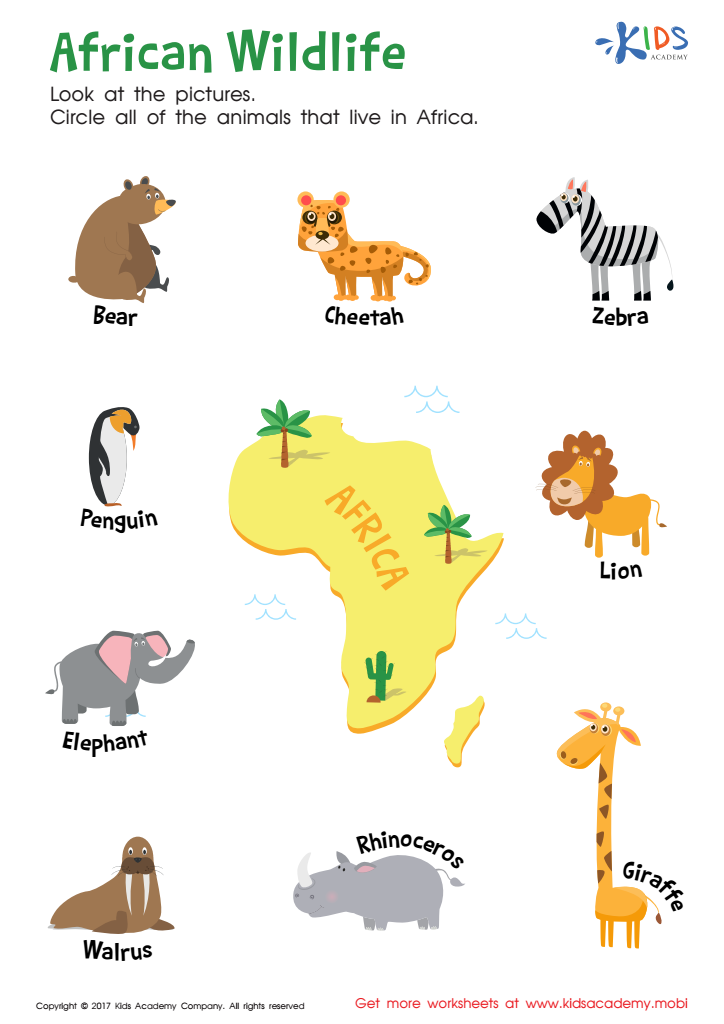
African Wildlife Printable Worksheet

African Wildlife Worksheet

African Wildlife Worksheet
Worksheet
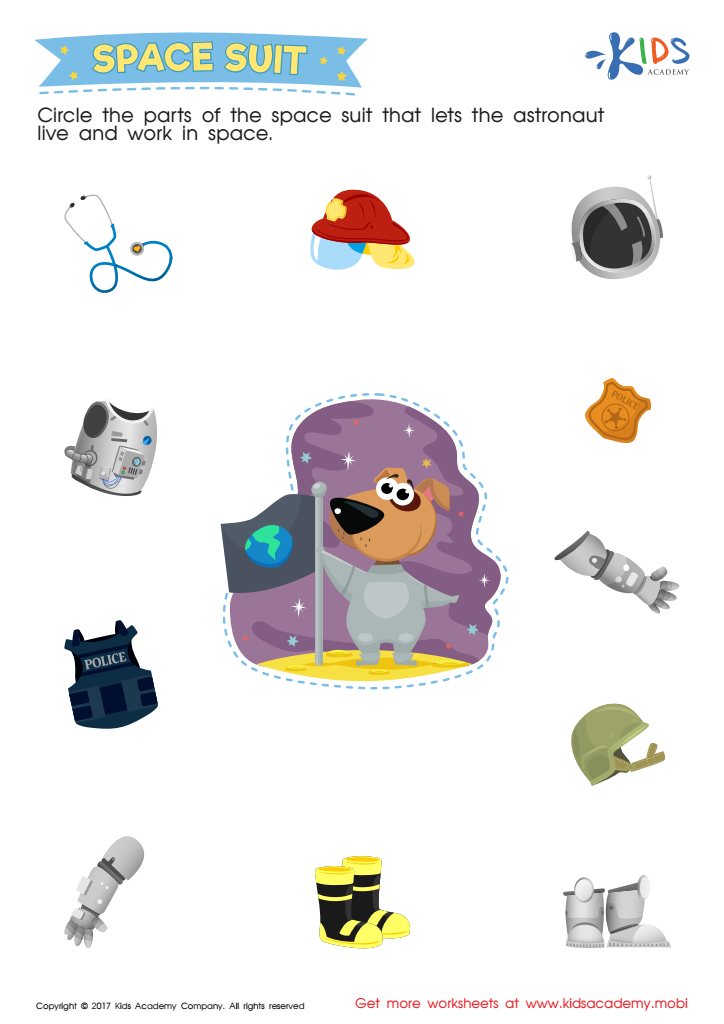
Space Suit Printable Worksheet

Space Suit Printable

Space Suit Printable
Worksheet
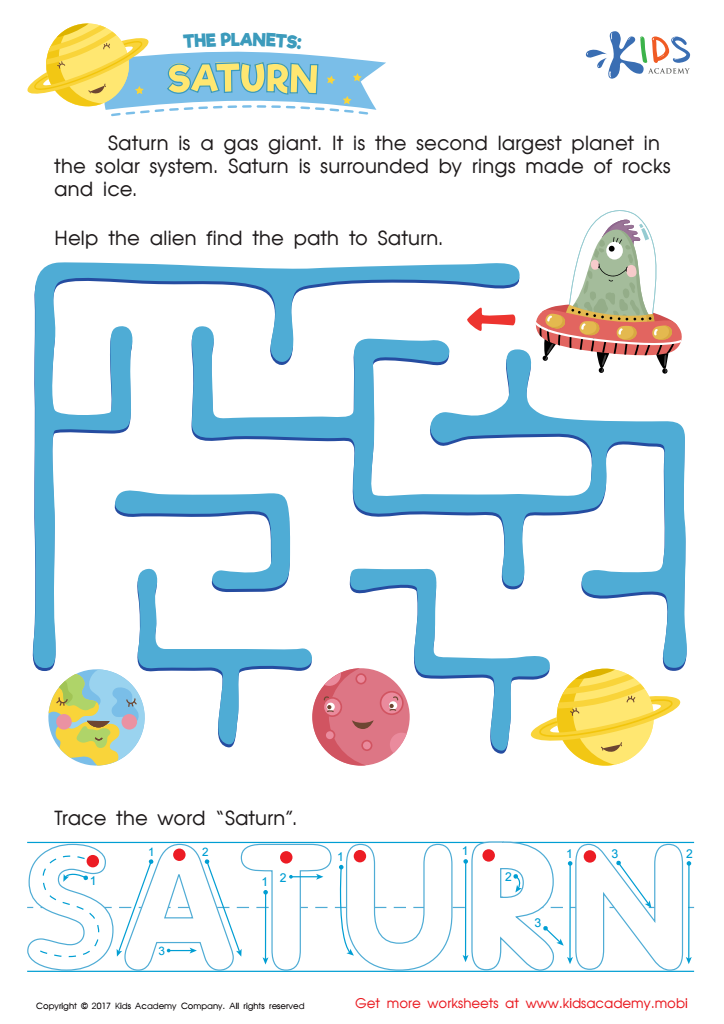
Space Maze: Saturn
Space Maze: Saturn

The Planets: Saturn Printable

Help your child explore the solar system with our engaging Space Maze: Saturn worksheet! Kids can trace words, use logical reasoning, and learn more about Saturn while having fun! This worksheet has it all, helping your child master reading, writing, and reasoning skills while learning about a planet.
The Planets: Saturn Printable
Worksheet
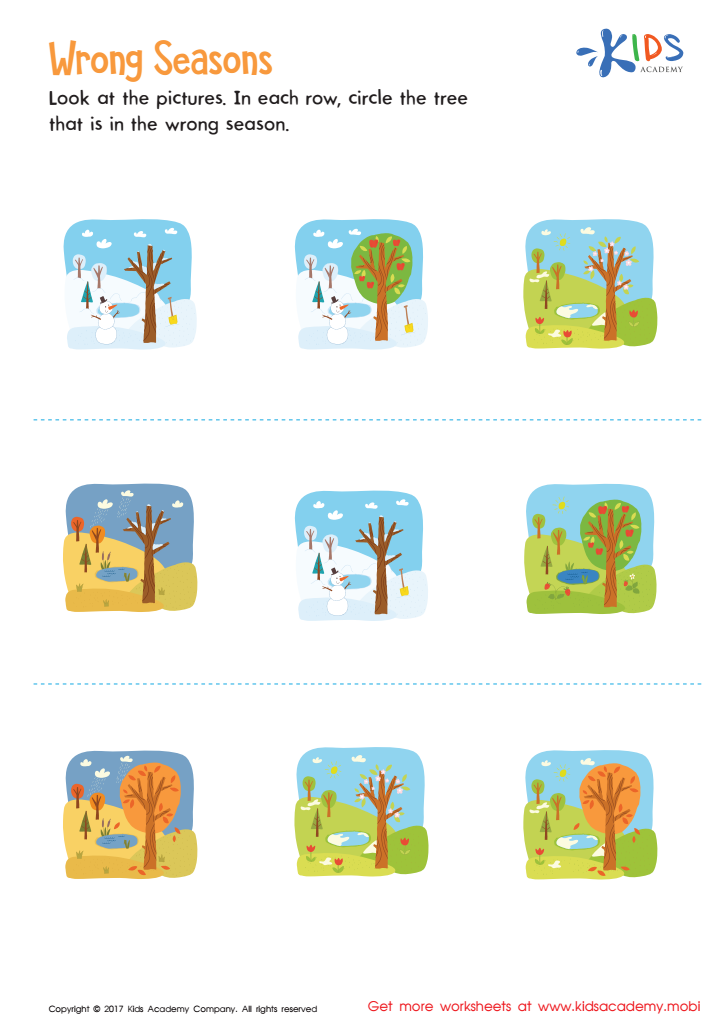
Wrong Seasons Worksheet

Wrong Seasons Worksheet

Uh oh! Trees are out of place in these vibrant pictures! Use this wrong seasons worksheet to help your child develop observation, analytical, and critical thinking skills. They'll learn about how the seasons change the surroundings, like trees. Print it out today to sharpen your child's eye for spotting the seasons!
Wrong Seasons Worksheet
Worksheet
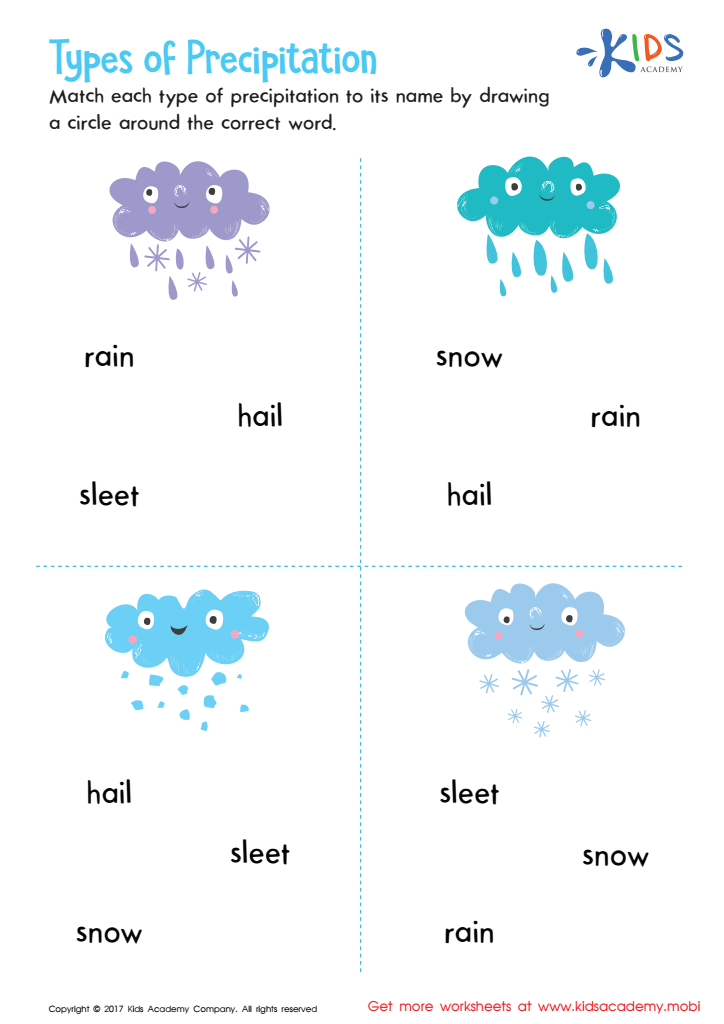
Types of Precipitation Worksheet

Types of Precipitation Printable
Science has a big impact on our world, and teaching kids about weather helps them understand how their learning applies to their lives. Our worksheet reviews different types of weather, so kids can look out the window and know what's happening. It covers familiar types of precipitation and more challenging ones like sleet or hail. Kids can use this to build a mental library of scientific knowledge for the future, even from places that don't get much snow.
Types of Precipitation Printable
Worksheet
How We Taste Foods Worksheet

How We Taste Foods Worksheet

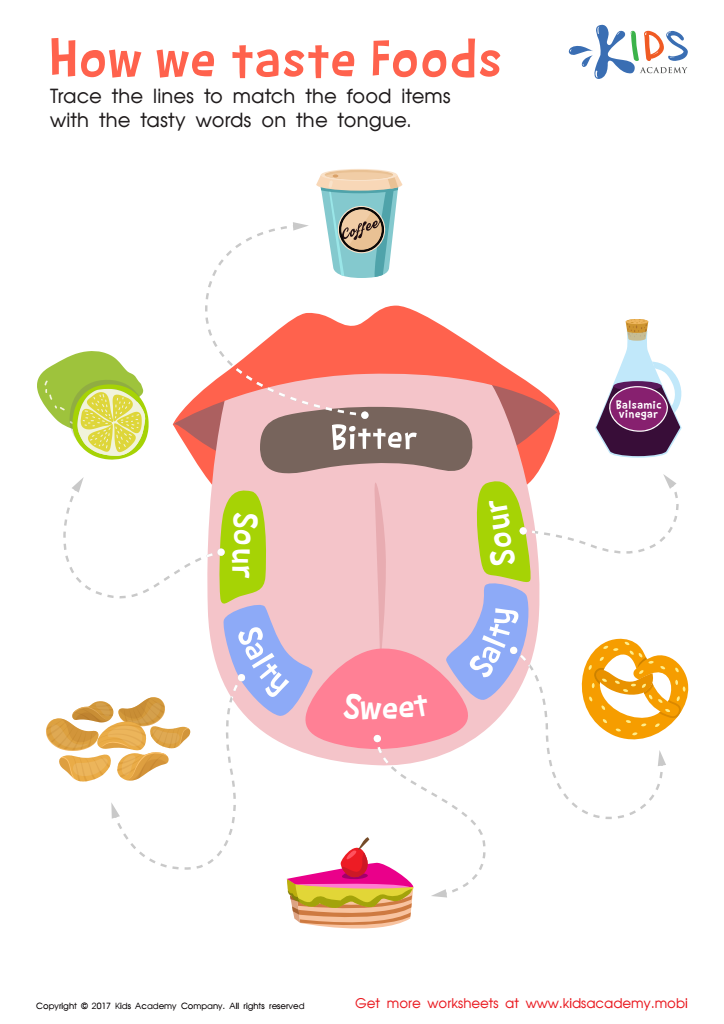
Learning sensory language is key for kids to express themselves and gain new words to explain their perceptions. This worksheet helps them learn the tastes that their tongue can perceive. It's important since kids lack the words to describe complex senses and introduces new vocabulary. For a fun review, have a snack and ask them to identify the tastes and determine if it's sweet, salty, bitter, or sour.
How We Taste Foods Worksheet
Worksheet
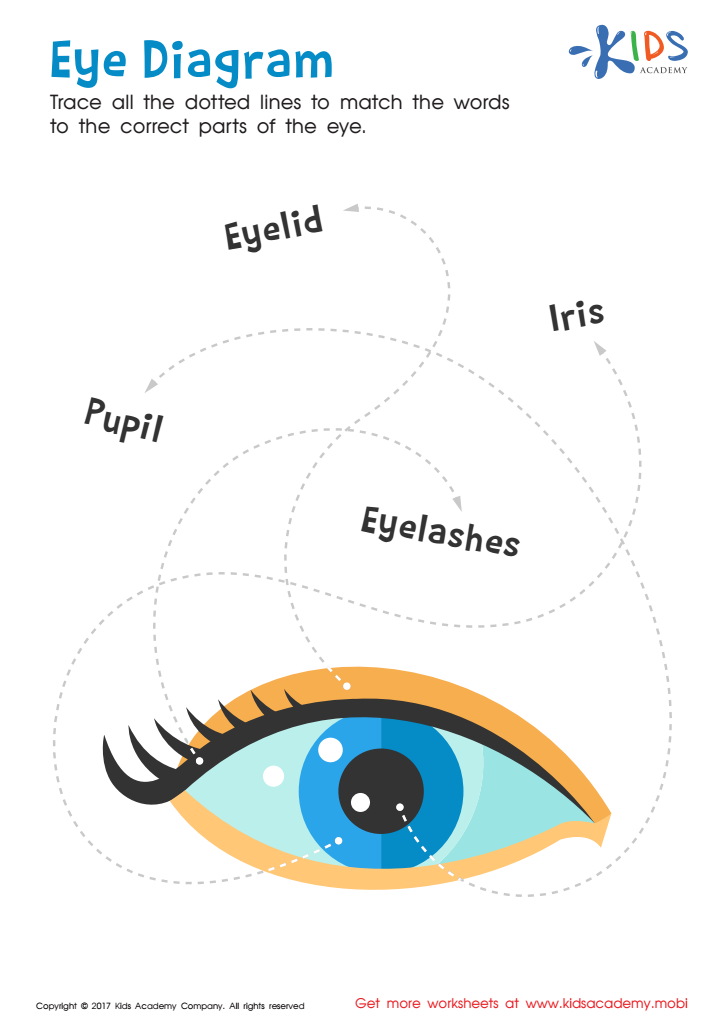
Parts of the Eye Worksheet

Eye Diagram Printable

Toddlers can locate their eyes, but older kids can learn the specifics of eye anatomy. This worksheet offers a fun way to explore the subject!
Eye Diagram Printable
Worksheet


... 10 11

Parents and teachers should care about Normal Science for ages 7-9 because this period is crucial for establishing foundational scientific understanding and fostering curiosity in young learners. During these formative years, children develop critical thinking skills and a love for exploration, which are essential for lifelong learning. Normal Science introduces children to the fundamentals of scientific concepts in a relatable and engaging way.

At this stage, children are naturally inquisitive, and Normal Science leverages that curiosity by promoting hands-on experiences, encouraging observation, experimentation, and questioning. This approach nurtures analytical skills, helps children grasp the connection between science and everyday life, and allows them to view the world through a scientific lens.

Moreover, integrating Normal Science into early education aligns with curricular standards and promotes STEM (Science, Technology, Engineering, and Mathematics) literacy. Understanding basic scientific principles at a young age sets a foundation for advanced studies and enriches critical thinking, problem-solving, and collaborative skills.

Ultimately, parents and teachers influence children's attitudes toward science. By emphasizing Normal Science, they can cultivate confident, inquisitive learners who are equipped to tackle the challenges of tomorrow while enjoying the wonders of the natural world.