For Teachers - Page 11


Explaining Fractions to Kids
May 25, 2022

Welcome to Kids Academy’s Second Math Learning Bundle! This learning bundle is tailored to facilitate the teaching-learning process at home between you and your kids. The lessons here are arranged in a manner wherein the students will be able to use the preceding lesson as a bridge to the next lesson, which sustains increasing levels of challenge. Kids Academy, the creator of this bundle, has been engrossed in making your kids’ exploration of concepts worthwhile, fascinating, remarkable, and impactful. This bundle contains the following articles, which aid in introducing the topic, Fractions.
Science. 3rd Grade. Exploring the World of Dinosaurs and Ancient Animals
April 28, 2022
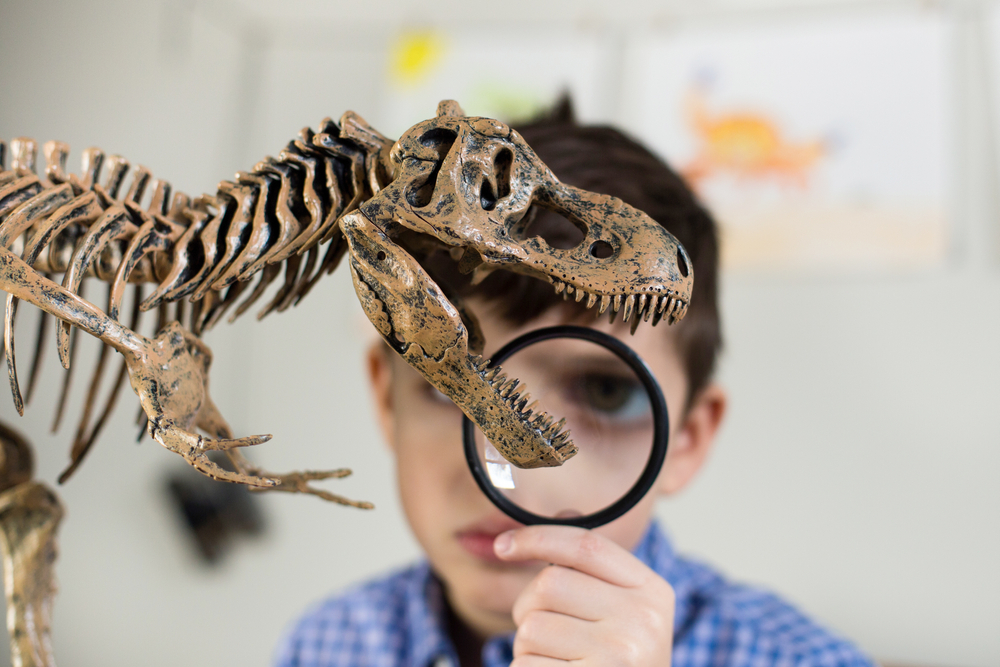
Dinosaurs are a very popular character often seen in big hit movies and cartoon animations for kids. They also come in a full spectrum of playthings from fluffy stuffed toys to battery operated robots that walk and growl.
Fun Facts About Dinosaurs
What are dinosaurs anyway?
Using Arrays and Skip Counting to Teach Multiplication
April 26, 2022

If your child is having some trouble mastering more advanced math problems like division or two-digit multiplication, it might be worth revisiting their basic multiplication facts. Practicing multiplication facts doesn’t have to involve tedious drills and boring flash cards though! In fact, it is most important that your child understands the concept of multiplication first. In this article, you’ll learn how visuals such as arrays and skip counting on a number line can help your child visualize how multiplication works.
What Is Gifted and Talented Education
April 23, 2022

Do you sometimes wonder whether your child might be gifted?
Maybe your child reads voraciously, talks endlessly and has a never ending stream of questions. Maybe your child has a quirky sense of humor and seems wise beyond their years. Maybe they are inconsolable when they fail at something.
Whether your child is designated gifted or not, it’s a worthy subject to explore. You might recognize traits of giftedness in your child and want to nurture these traits, or simply understand better how to parent your child.
What’s the Weather?
April 19, 2022
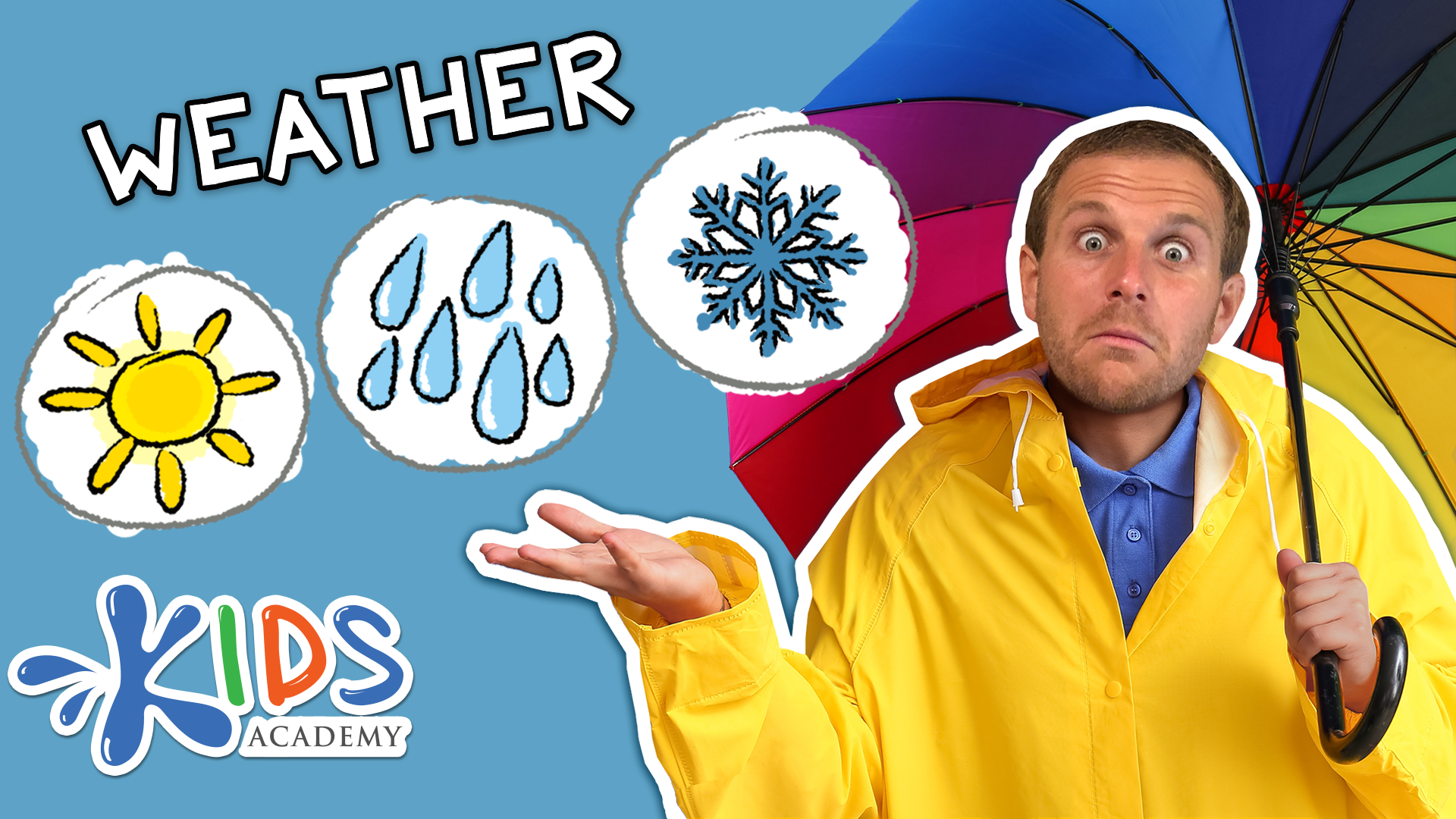
In today’s technology laden world we can start the day by simply asking our digital assistants “What’s the weather going to be today?” But weather goes far deeper and can be far more interesting than just whether or not you are going to put on a jacket today. We are going to explore the fascinating world of weather and show fun ways you can interact with the weather every day!
Perimeter and Area of Quadrilaterals
March 16, 2022

Mathematics is known for being a hard and mundane subject. The biggest problem that has lead to this reputation is the way it is taught. As a student, you are told to memorize formulas and apply them to homework and tests. Mathematics is much more than that, it is practical life translated into numbers and letters. It is logic. In this article, we’ll guide you to properly explain the Mathematical concepts of perimeter and area of quadrilaterals to your kids, while including fun and practical life worksheets from our website.

Children, Learning, and Gender Differences: 6 Strategies to Support Your Child’s Learning Style
March 4, 2022

Have you ever heard a teacher say, “These rambunctious boys are getting on my last nerve!” or “These girls aren’t interested in participating in physical education.”. Some people might say science and math activities appeal to boys, and girls prefer literature and art. Is that really an accurate statement? How did these stereotypes emerge anyway? Continue reading!

Dyslexia: Some Manifestations and Techniques of Its Overcoming
Feb. 22, 2022
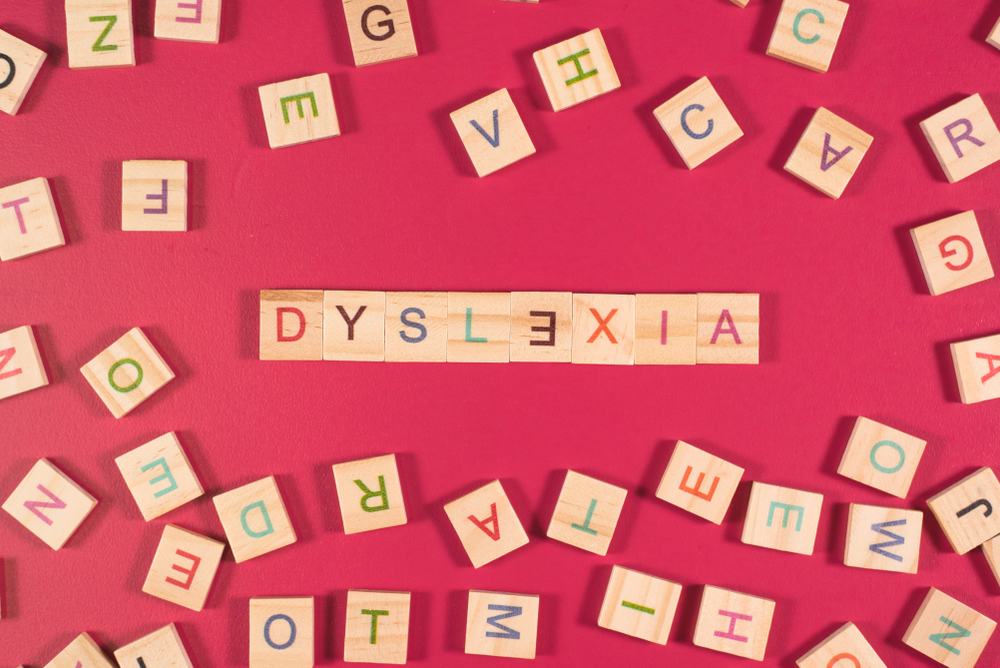
Sometimes in the process of learning reading a child experiences various difficulties. They do not disappear "by themselves" in the course of time. The difficulties remain at the same level (even in several years of learning). And the child's reading speed rarely reaches the level of the 2nd grade.
If a child preserves the general ability to learn, but the ability to master skills is disrupted, specialists talk about possible manifestations of dyslexia.

Writing Benchmarks for 3rd Graders
Feb. 21, 2022

As children mature in age, their handwriting capacity tends to mature with them. As a result, as time passes the focus of a child’s writing development and progress focuses less on the mechanics of handwriting and more on their stylistic, expressive and technical writing abilities.
With this in mind it is important as caregivers and teachers that we facilitate a child’s continued handwriting development around these ages, as well as support the ways they use their writing to express themselves, explore their individuality and to comprehend the world around them.
Striking a Balance Between Traditional and Digital Learning
Feb. 15, 2022

In modern times such as these, it is important to ensure that children are provided with an education that harnesses both the progressive power of technology, and the traditional methods of learning that are proven to enhance academic achievement.
Finding a balance between these two techniques can be difficult for teachers, and those homeschooling their children, however it is possible.