Tracing worksheets activities for Ages 4-9 - Page 5
186 filtered results
-
From - To
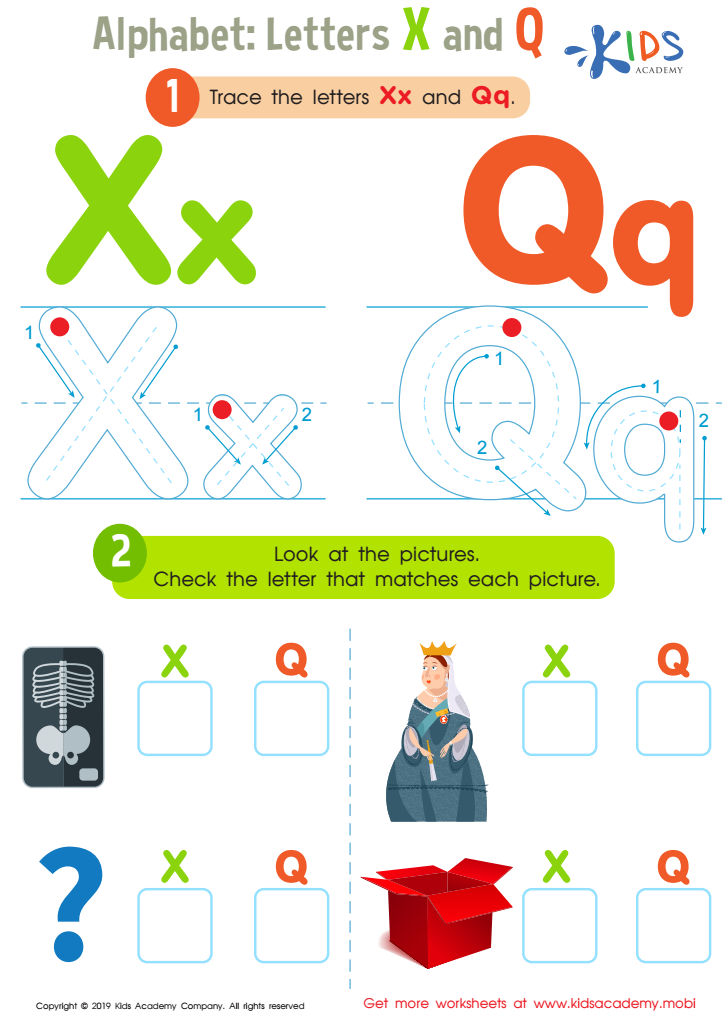
Letters X and Q Tracing Worksheet
 Assign to My Students
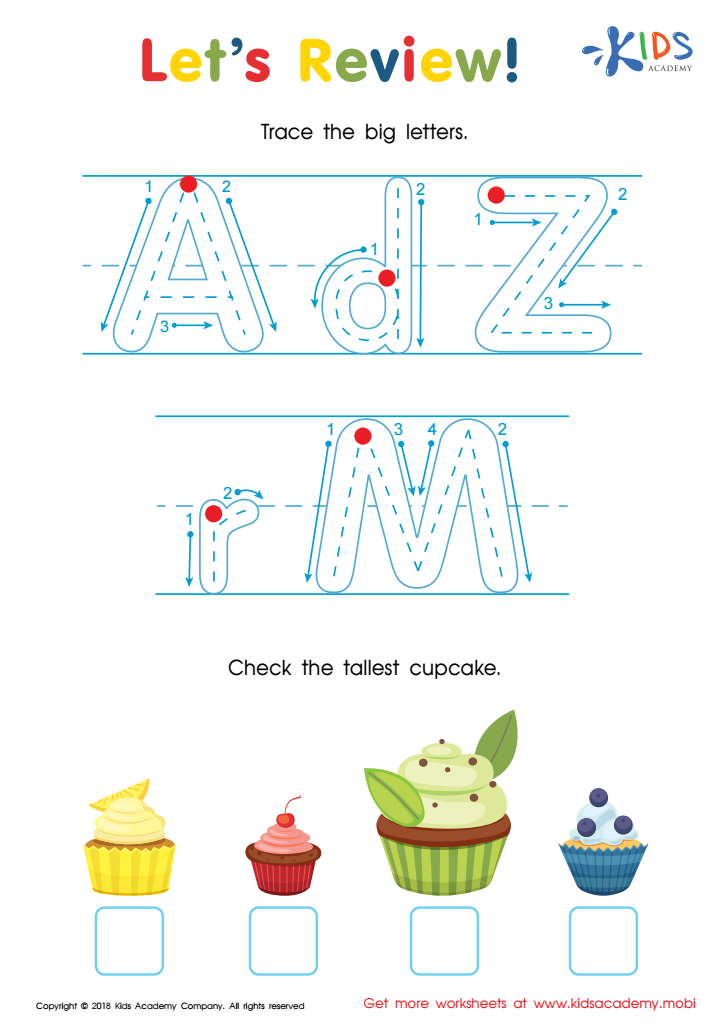
Let's Review! Big Letters Worksheet
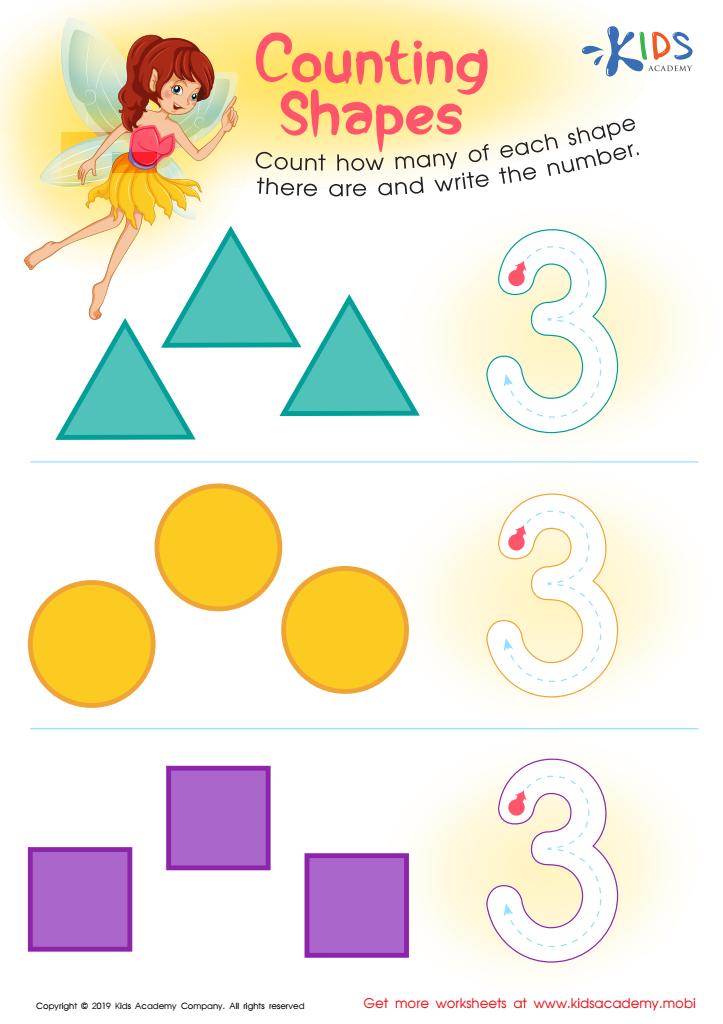
Counting Shapes Worksheet
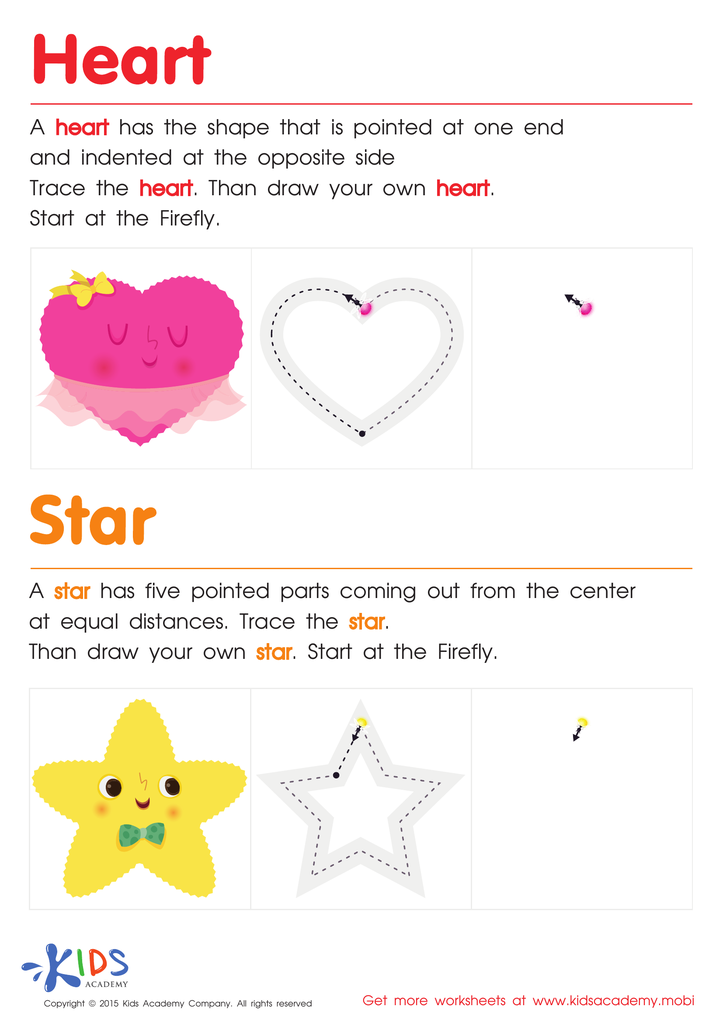
Let's Learn to Draw Hearts And Stars Printable
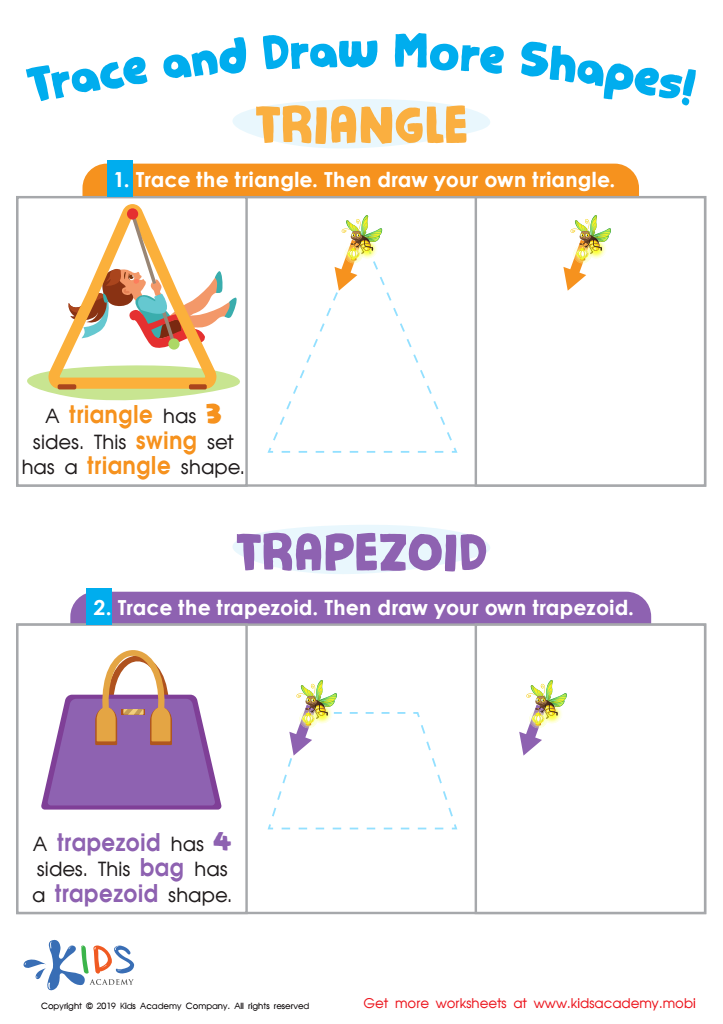
Trace and Draw More Shapes Worksheet
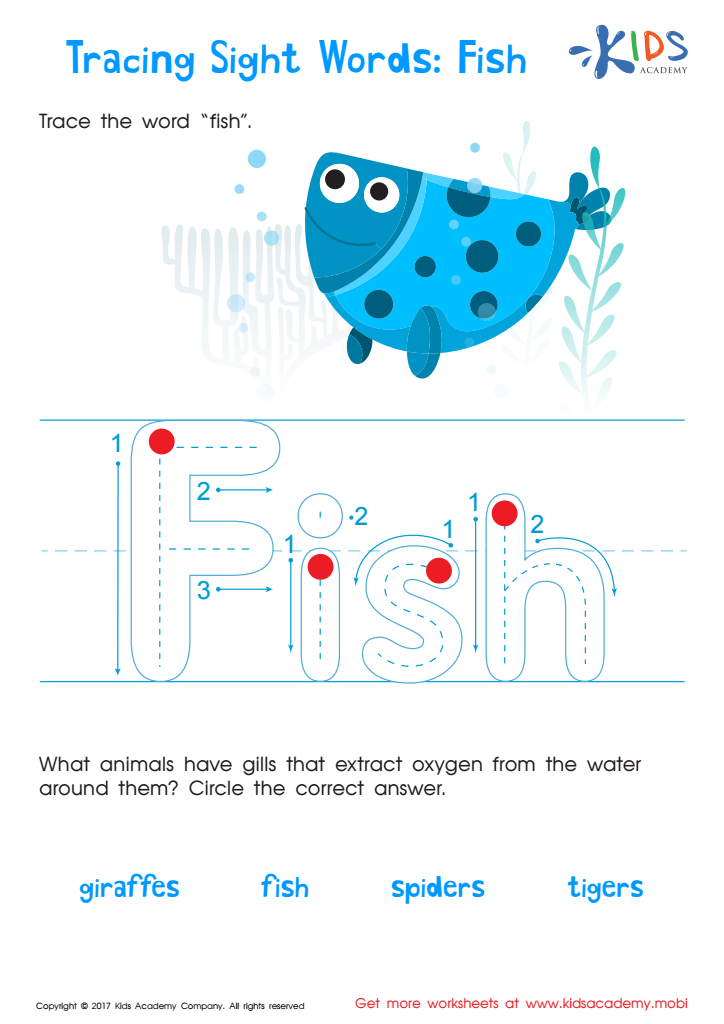
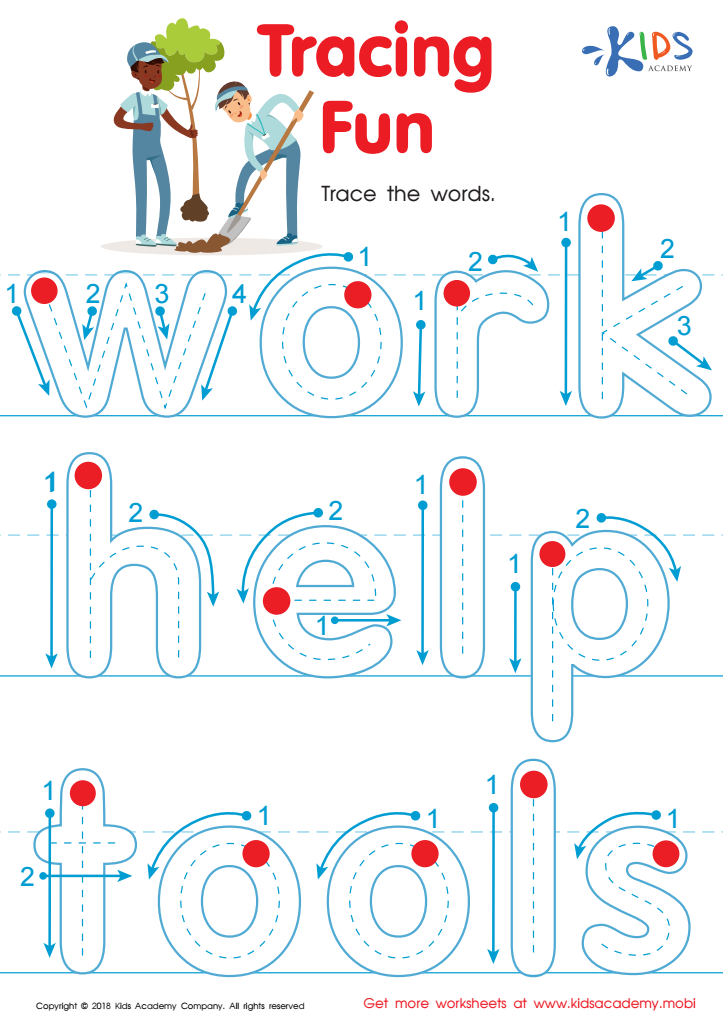
Tracing Fun Worksheet
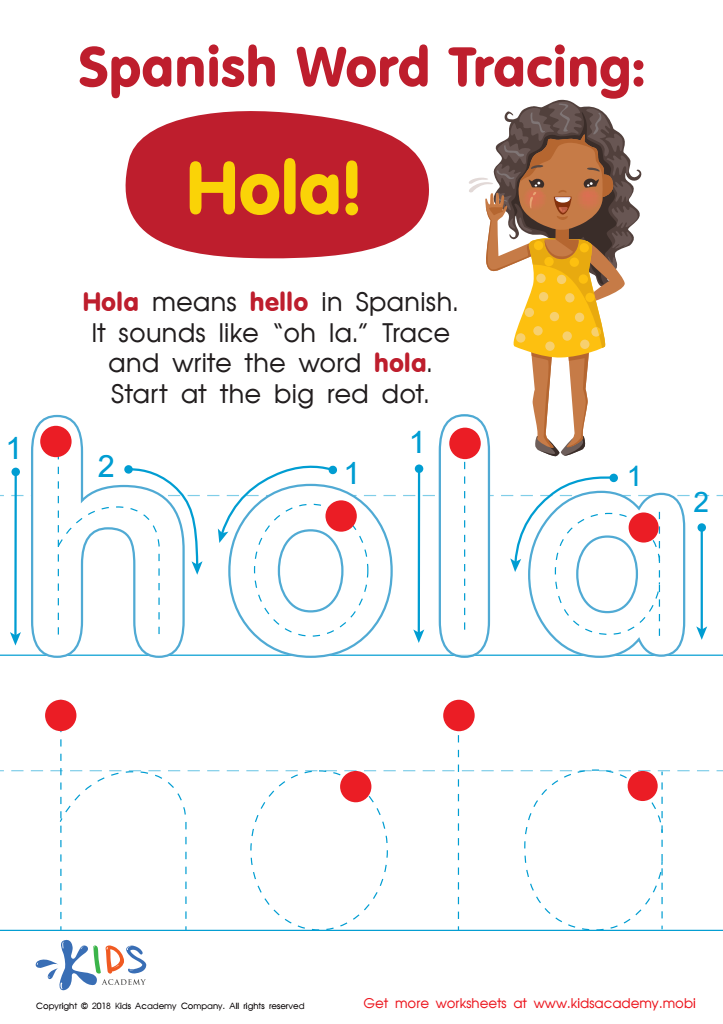
Spanish Word Tracing: Hola Worksheet
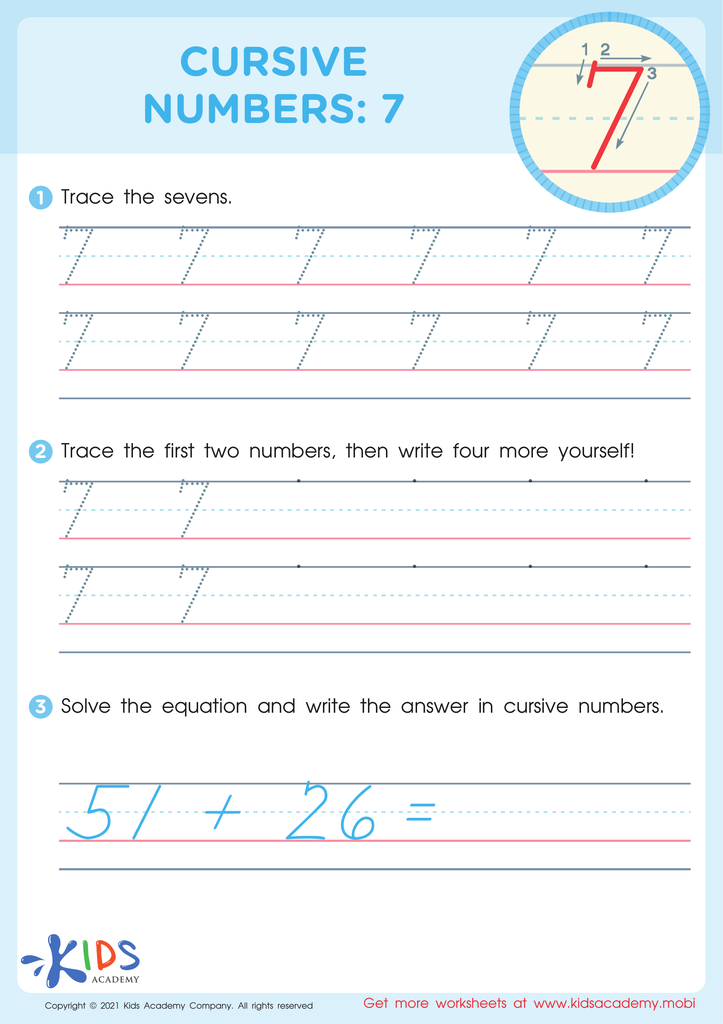
Cursive Numbers: 7 Worksheet
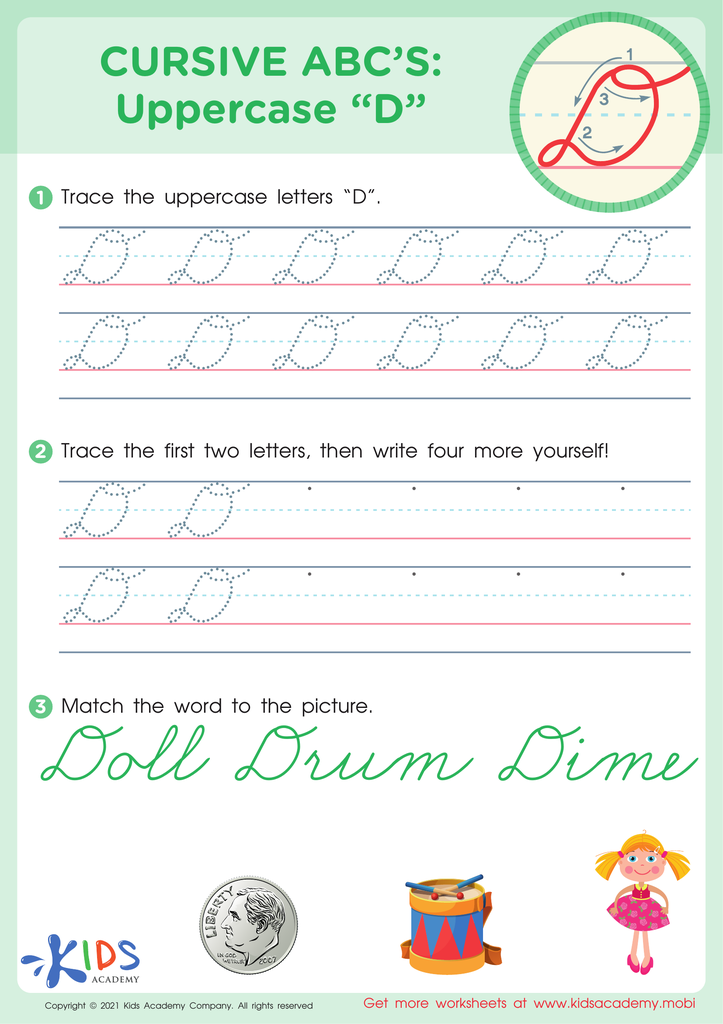
Cursive ABCs: Uppercase D
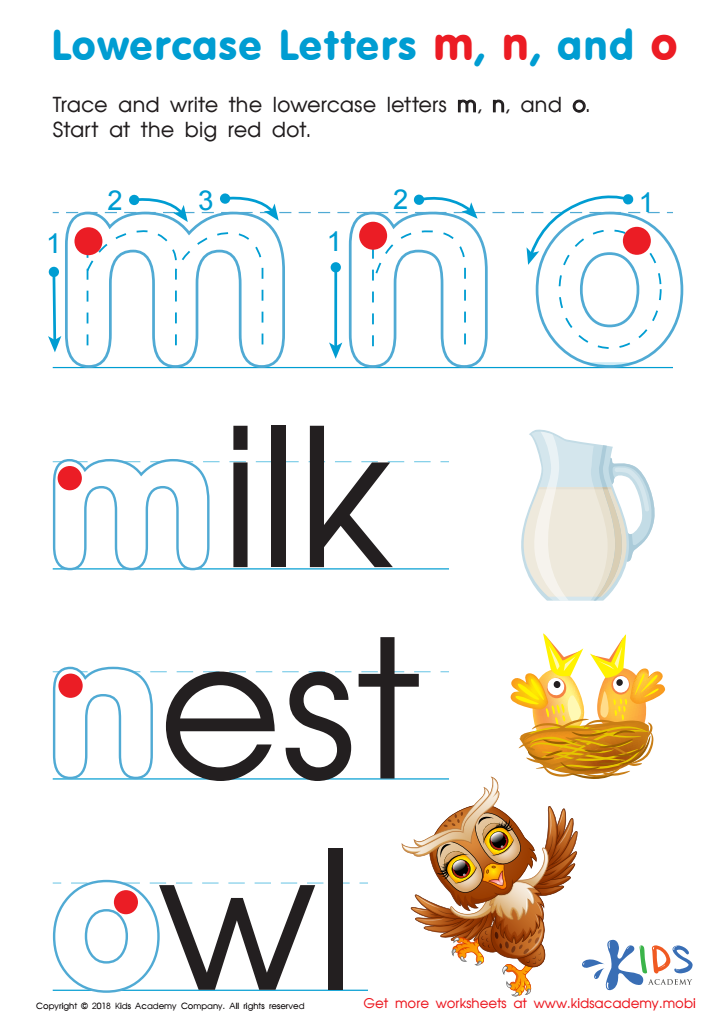
Lowercase Letters m n o Worksheet
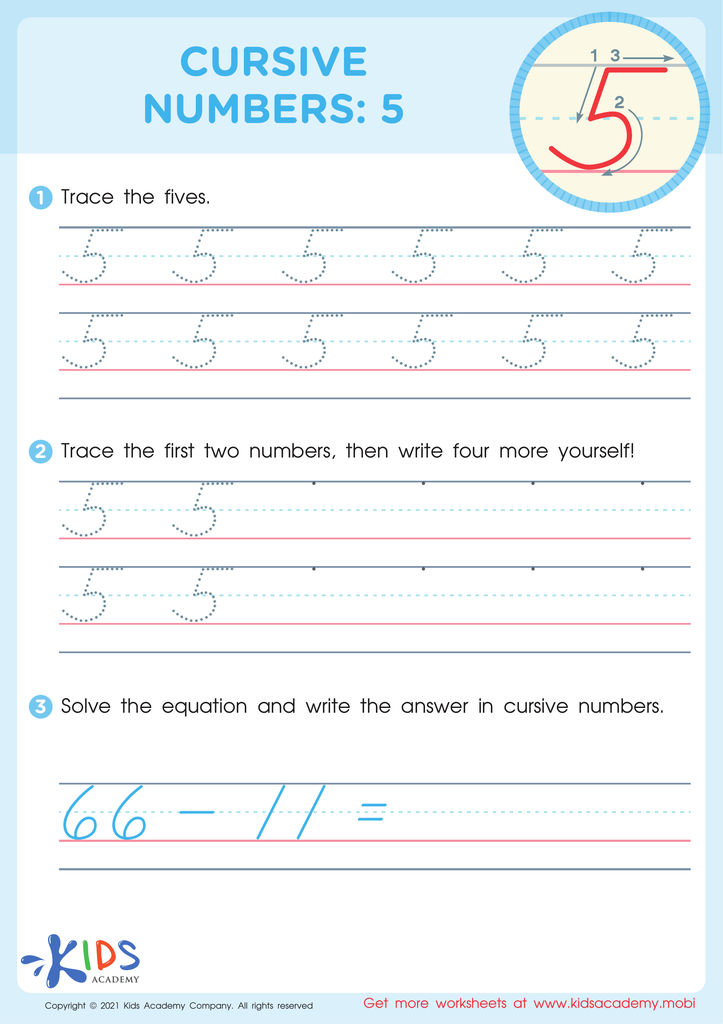
Cursive Numbers: 5 Worksheet
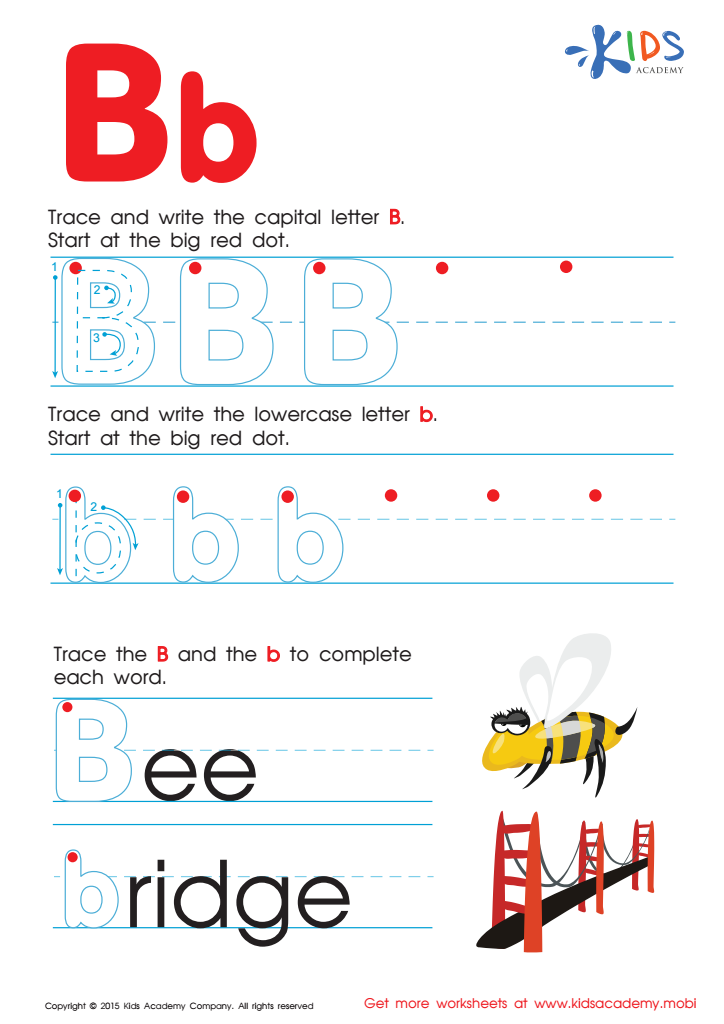
Letter B Tracing Page
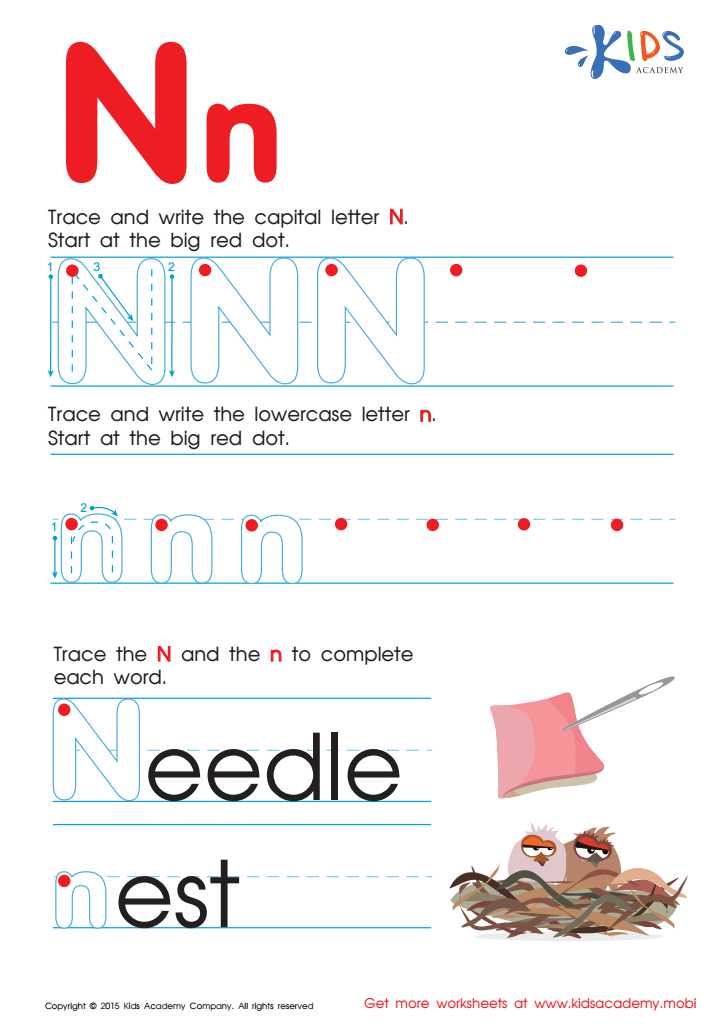
Letter N Tracing Page
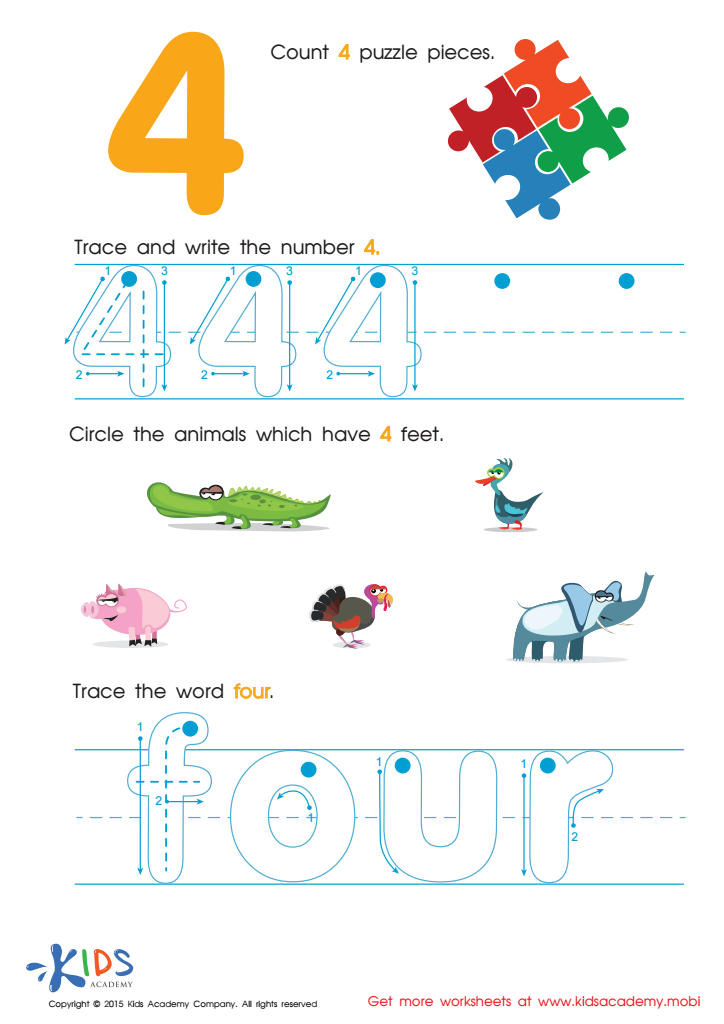
Teaching Children to Write Number 4 Worksheet
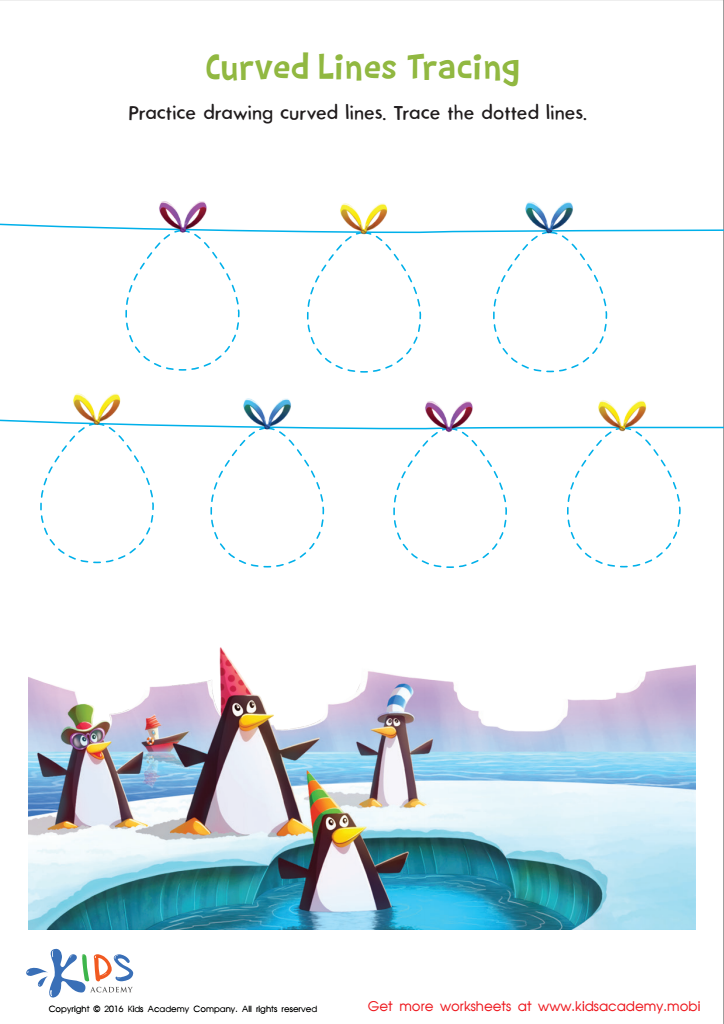
Curved Lines Tracing Worksheet
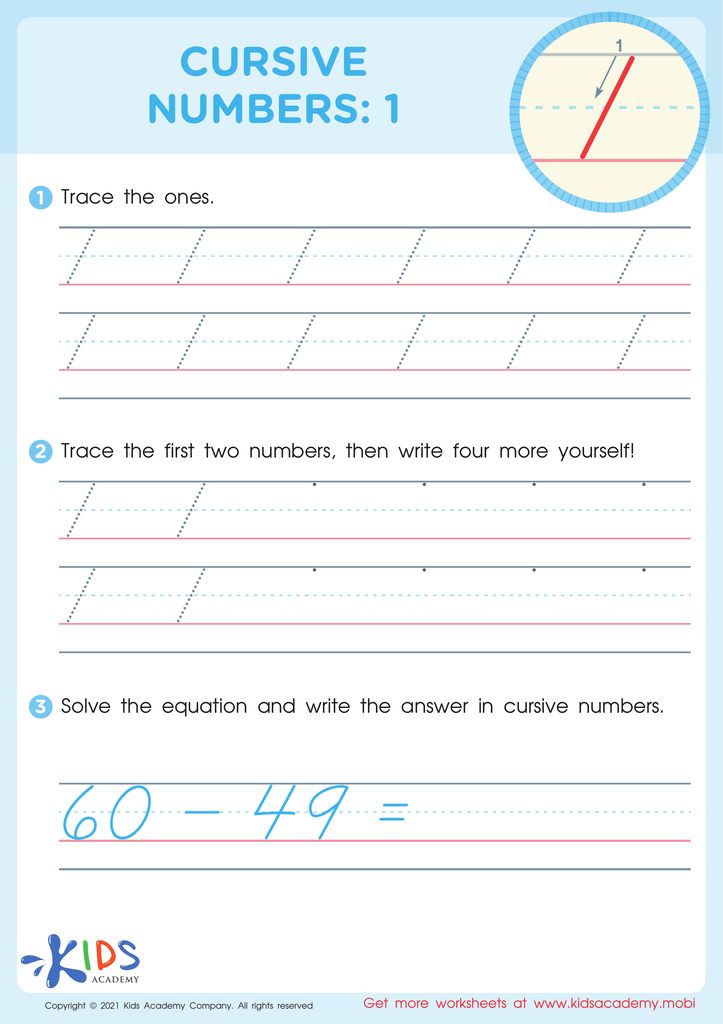
Cursive Numbers: 1 Worksheet
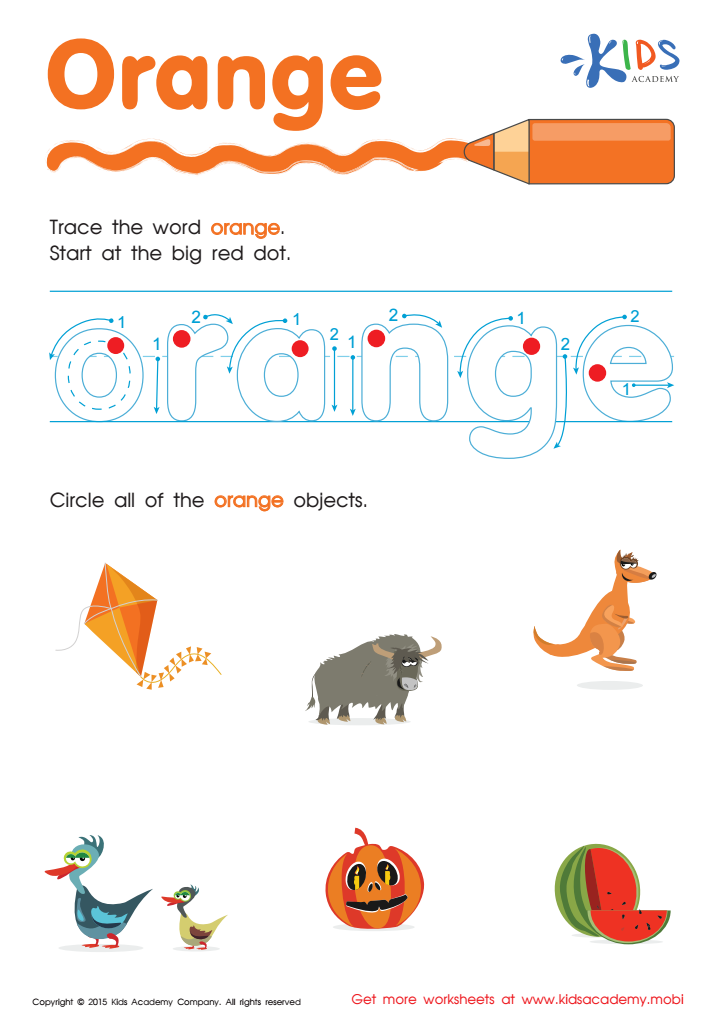
Orange Tracing Color Words Worksheet
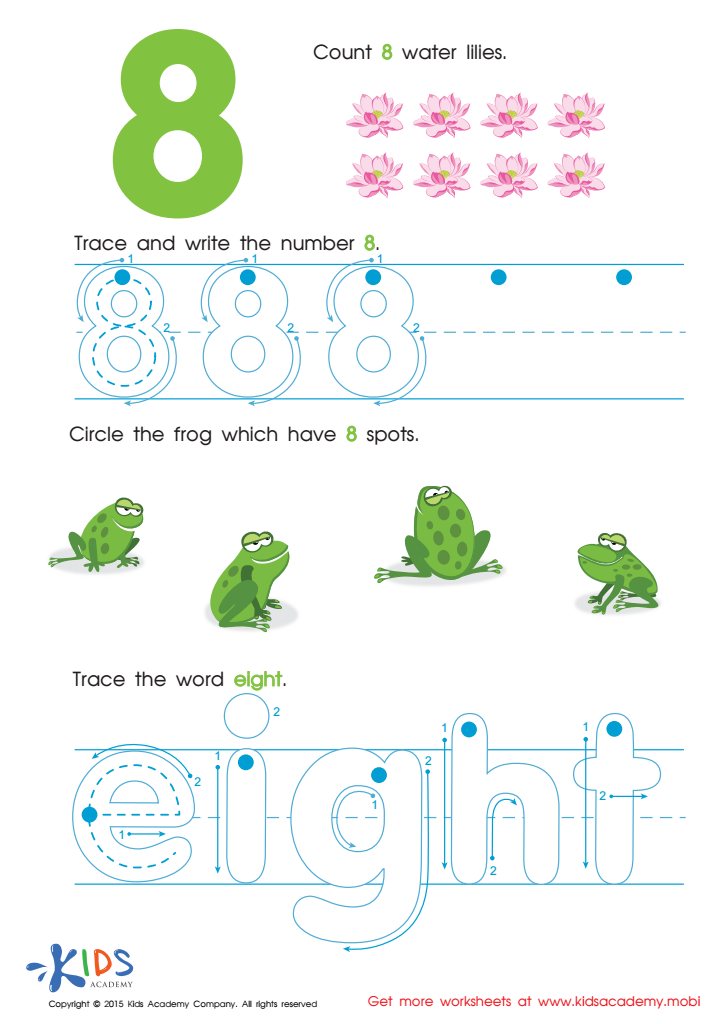
Learn Number 8 Easily Worksheet
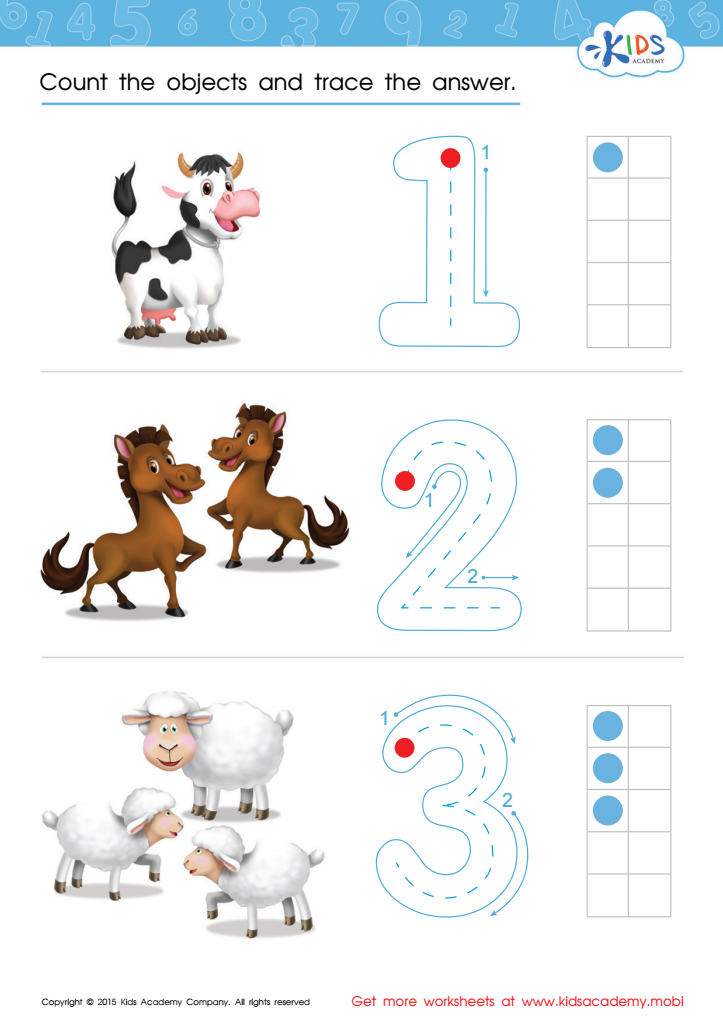
Count and Trace 1 – 3 Worksheet
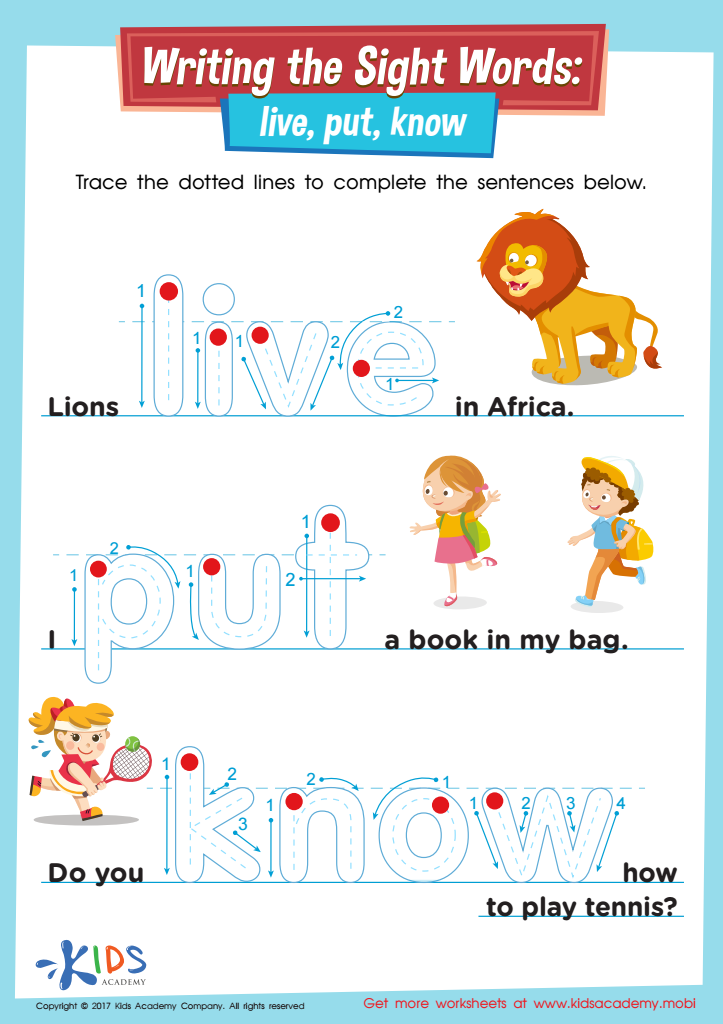
Live, Put, Know Printable Sight Words Worksheet
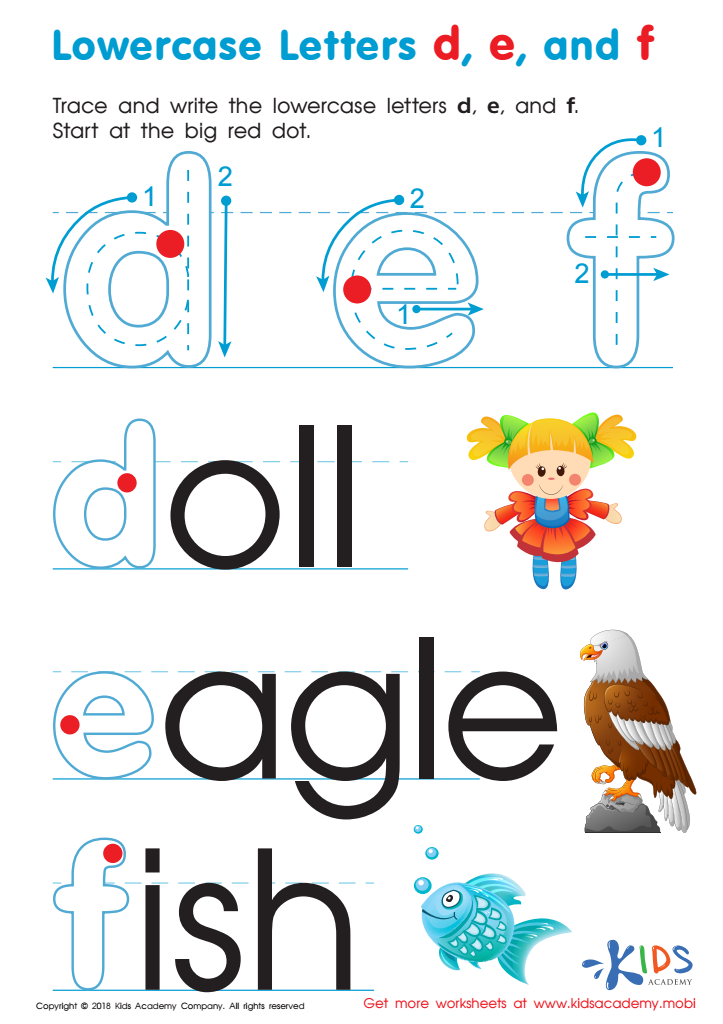
Lowercase Letters d e f Worksheet
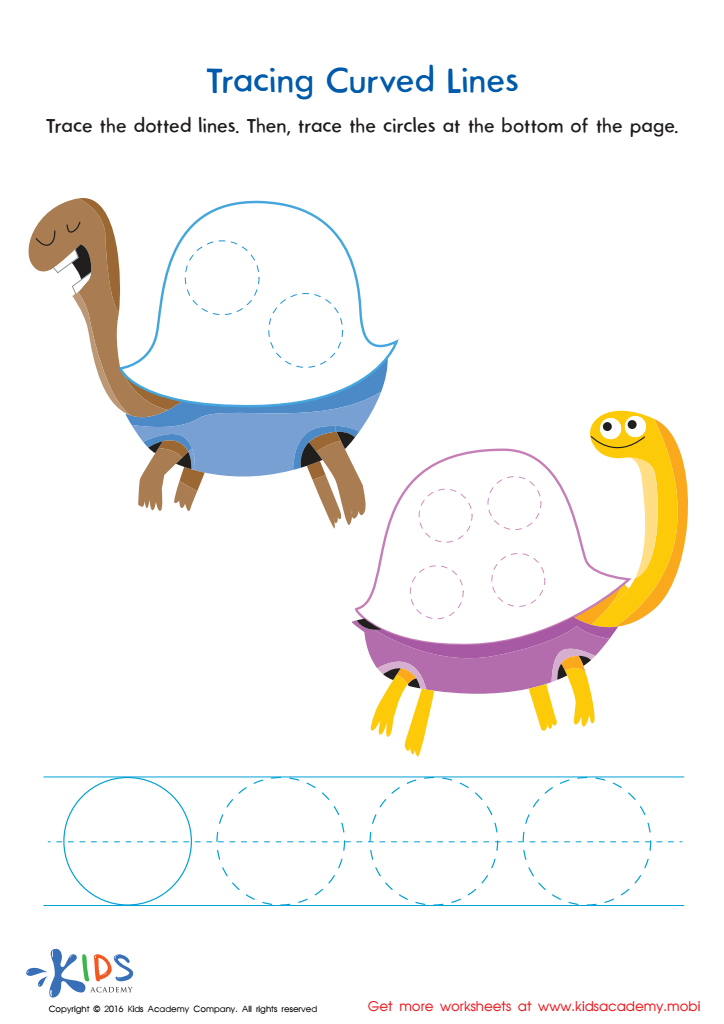
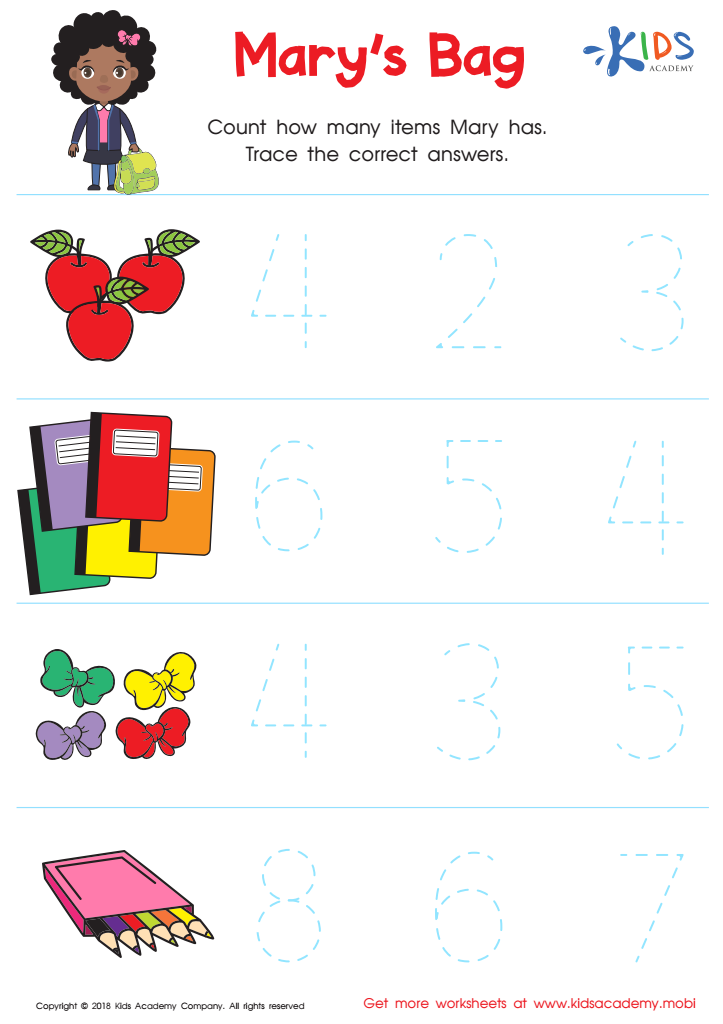
Kindergarten Number Tracing: Mary's Bag Worksheet







Tracing activities are essential for children aged 4-9 as they support critical early development skills that lay the groundwork for future learning. Firstly, these activities enhance fine motor skills as children practice holding writing tools, controlling their movements, and developing hand-eye coordination. Such dexterity is pivotal not only for writing but also for tasks like buttoning clothes or using scissors.
Moreover, tracing fosters cognitive development. As children trace letters, shapes, or numbers, they familiarize themselves with letter formation and numeric patterns, which can significantly improve their literacy and numeracy skills. This familiarity builds confidence as they progress to independent writing and math.
Additionally, tracing can be a gateway to creativity, encouraging artistic expression while adhering to structured forms. This balance nurtures a sense of accomplishment as children complete their tracing tasks.
For teachers and parents, implementing tracing activities can also provide critical insights into a child's learning style and areas where they may need additional support. Overall, tracing activities not only make learning engaging and fun but also play a vital role in nurturing essential skills that prepare children for their educational journey.








