Knowledge Check worksheets activities for Ages 5-7 - Page 2
132 filtered results
-
From - To
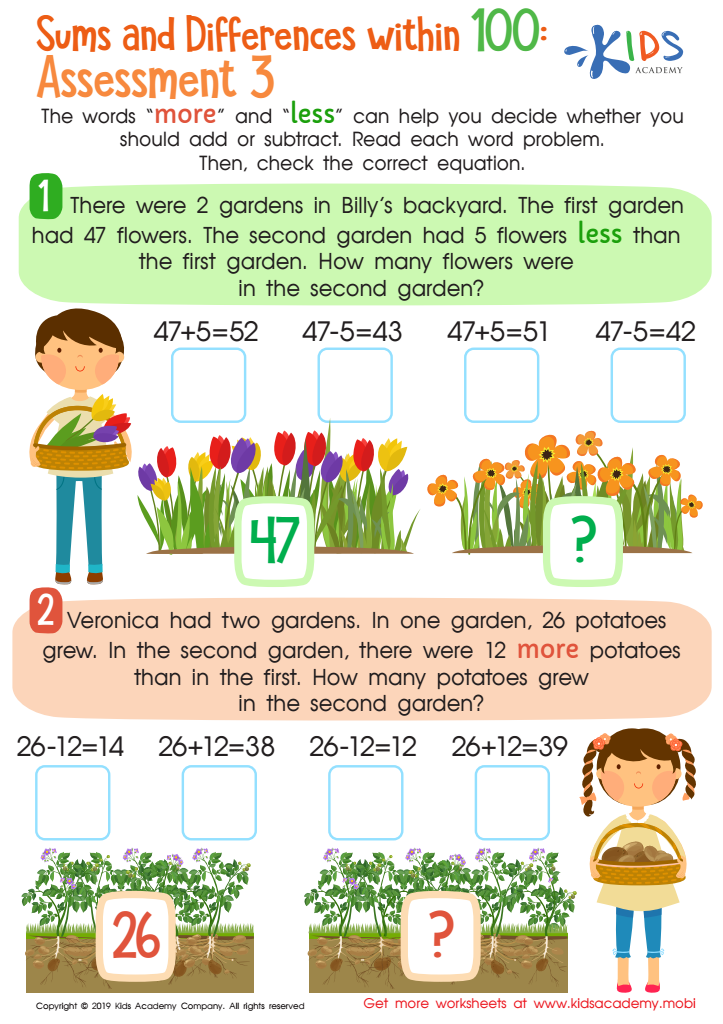
Sums and Differences Within 1 - Assessment 1 Worksheet
 Assign to My Students
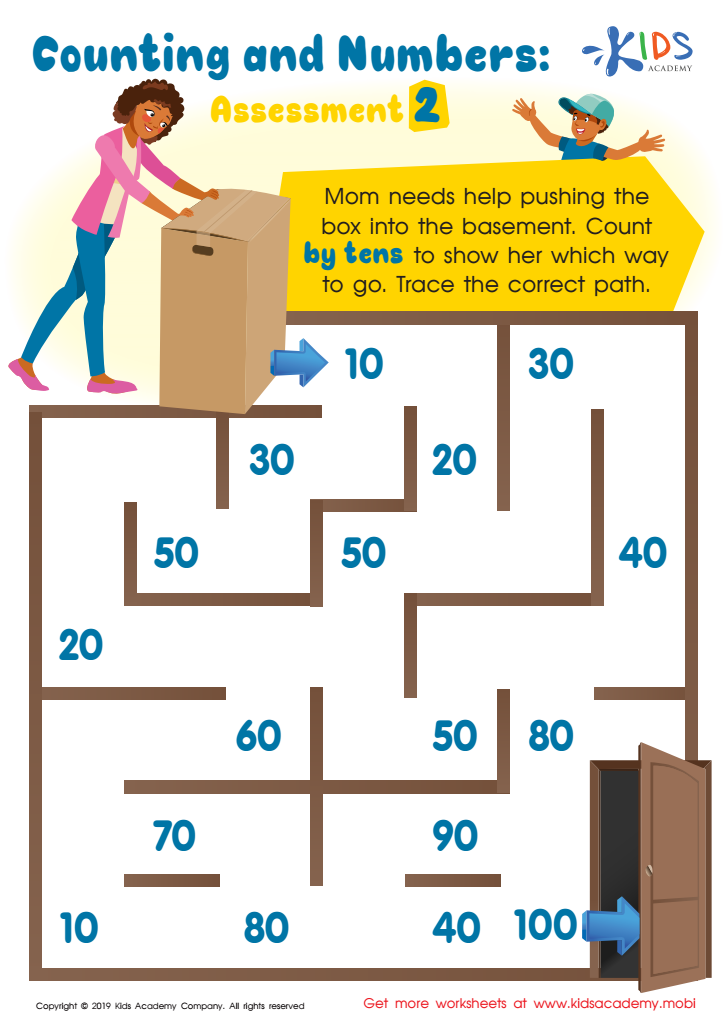
Counting and Numbers: Assessment 2 Worksheet
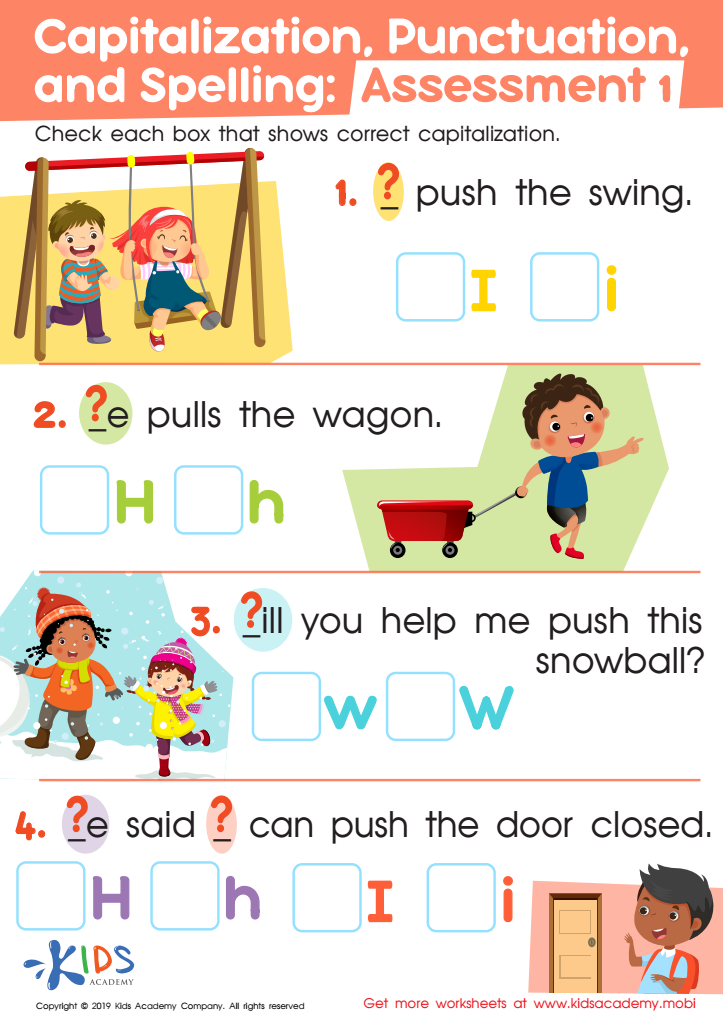
Capitalization. Punctuation. Spelling: Assessment 1 Worksheet
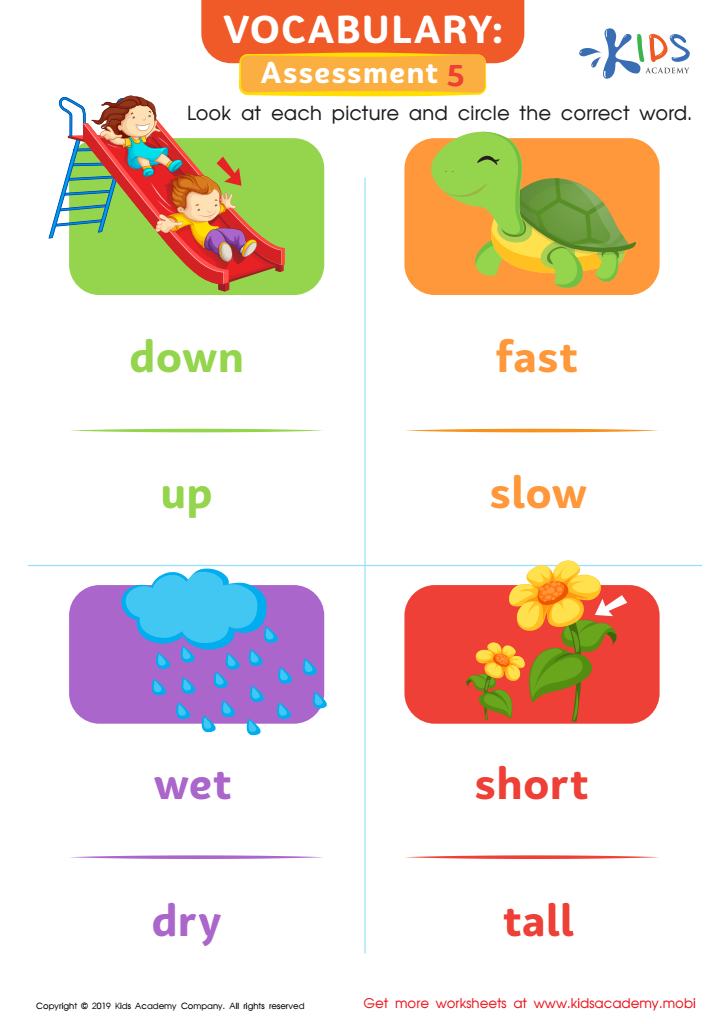
Vocabulary: Assessment 5 Worksheet
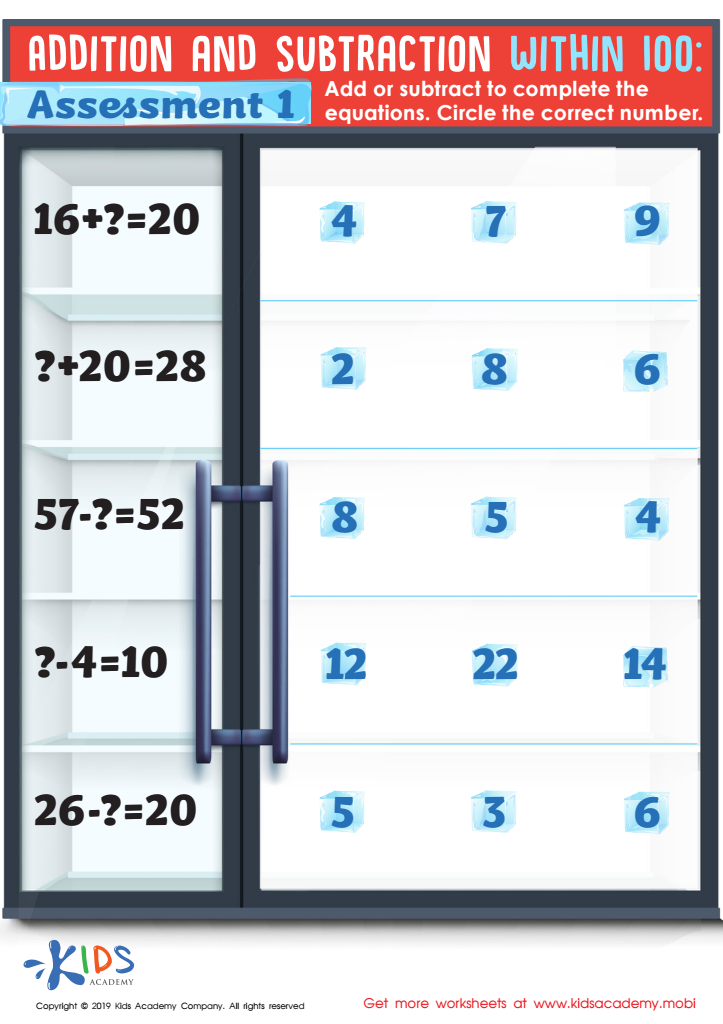
Addition and Subtraction within 100: Assessment 1 Worksheet
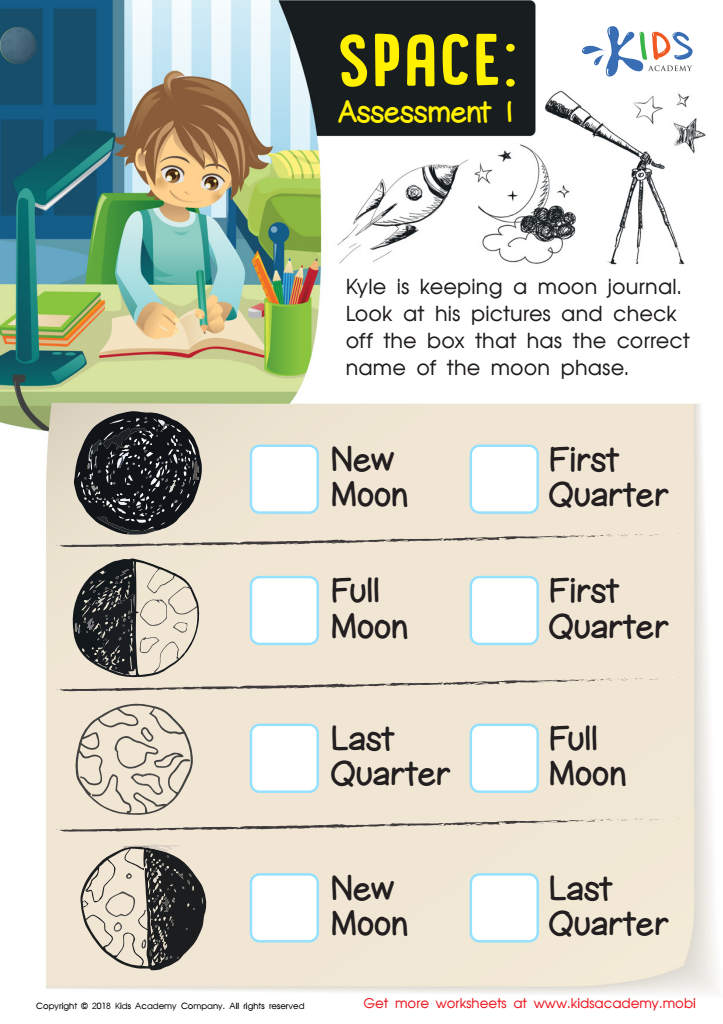
Space: Assessment 1 Worksheet
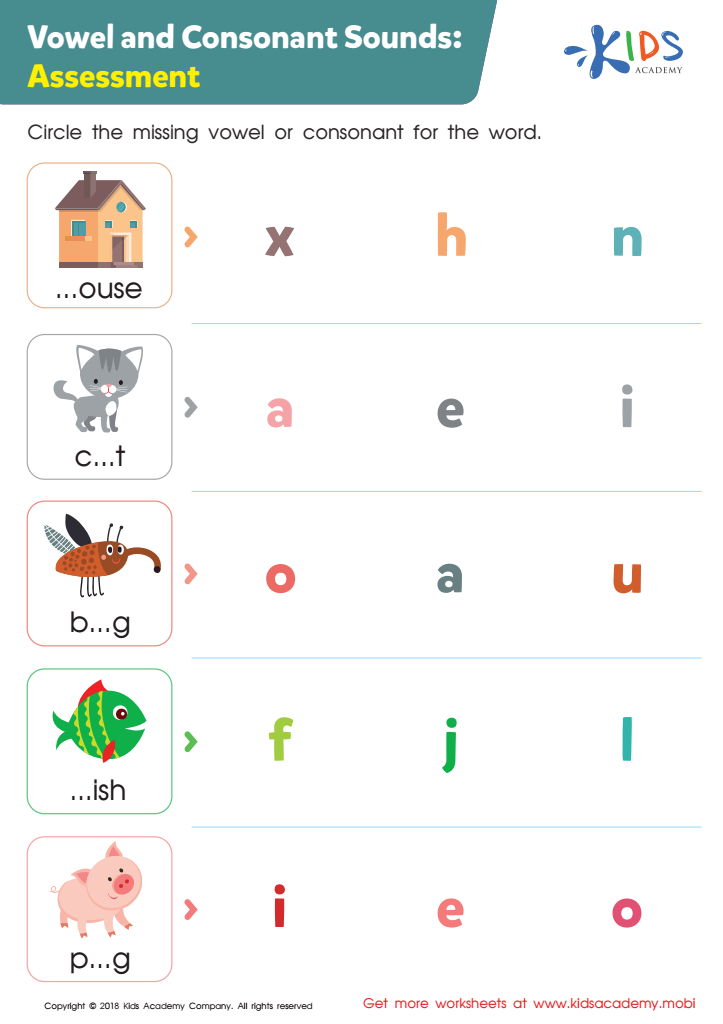
Vowel and Consonant Sounds: Assessment Worksheet
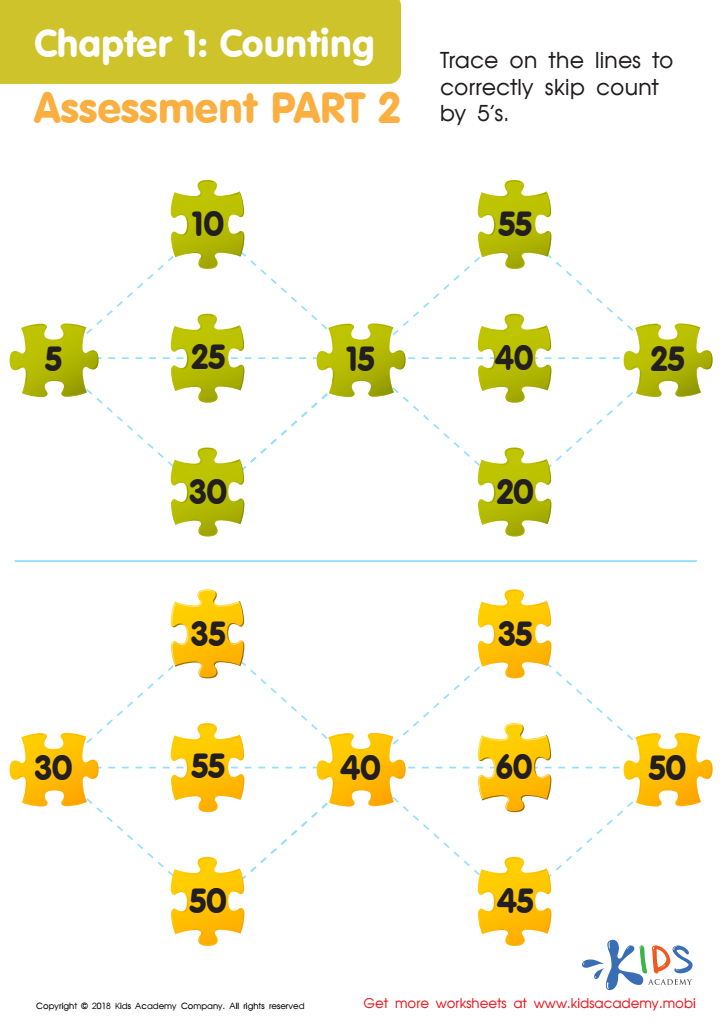
Counting: Assessment 2 Worksheet
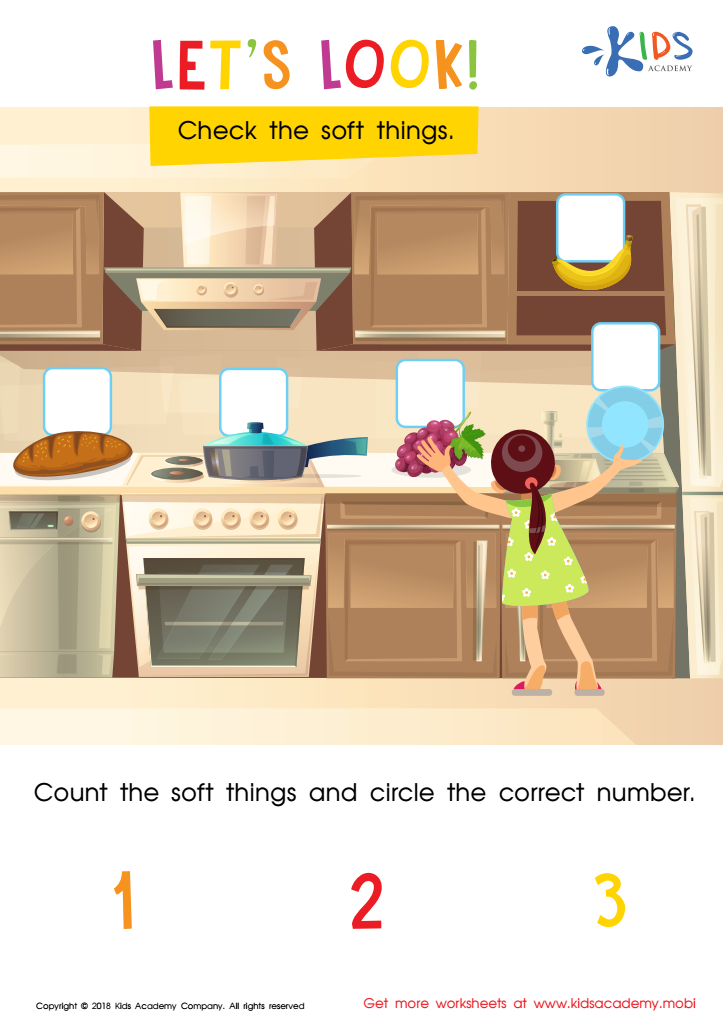
Let's Look! Assessment Worksheet
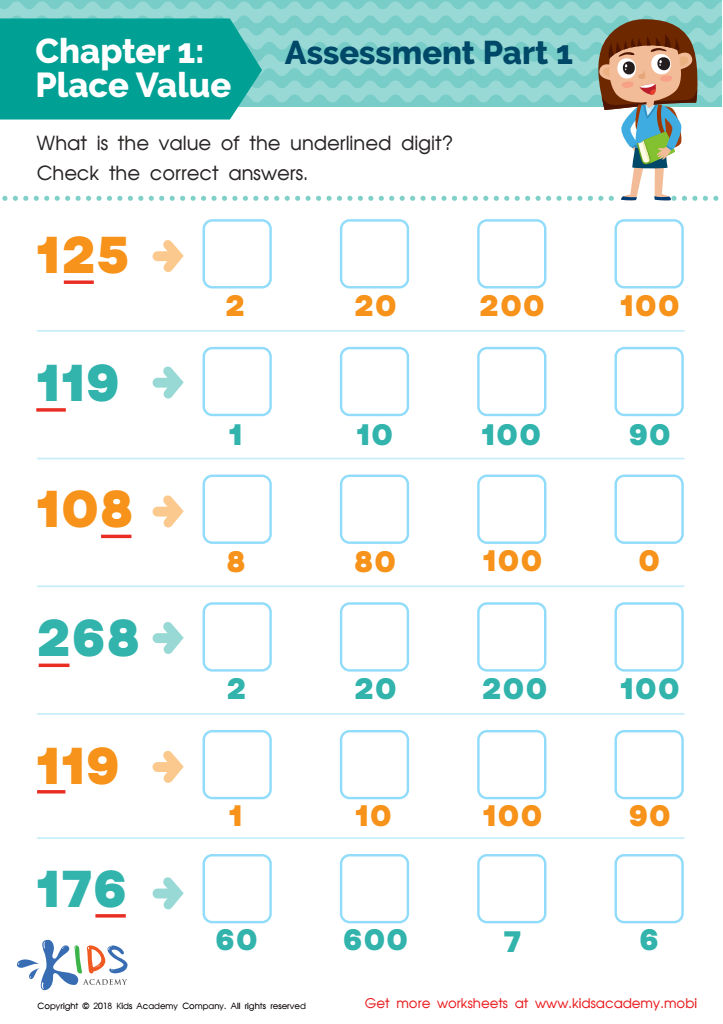
Place Value: Chapter 1 Worksheet
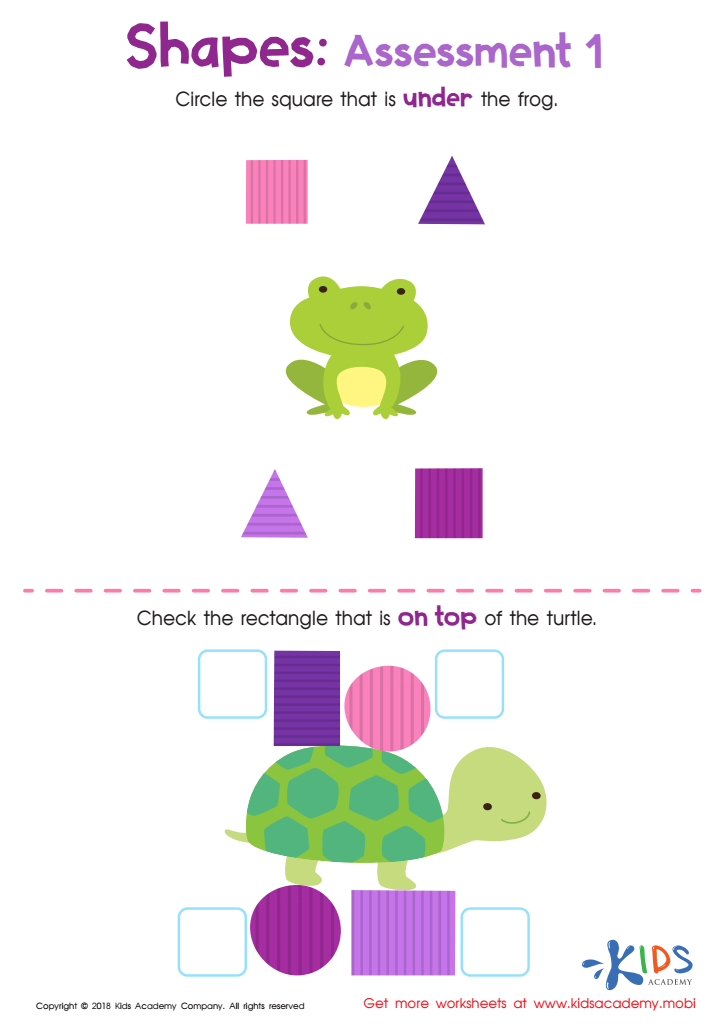
Geometry – Assessment 1 Worksheet
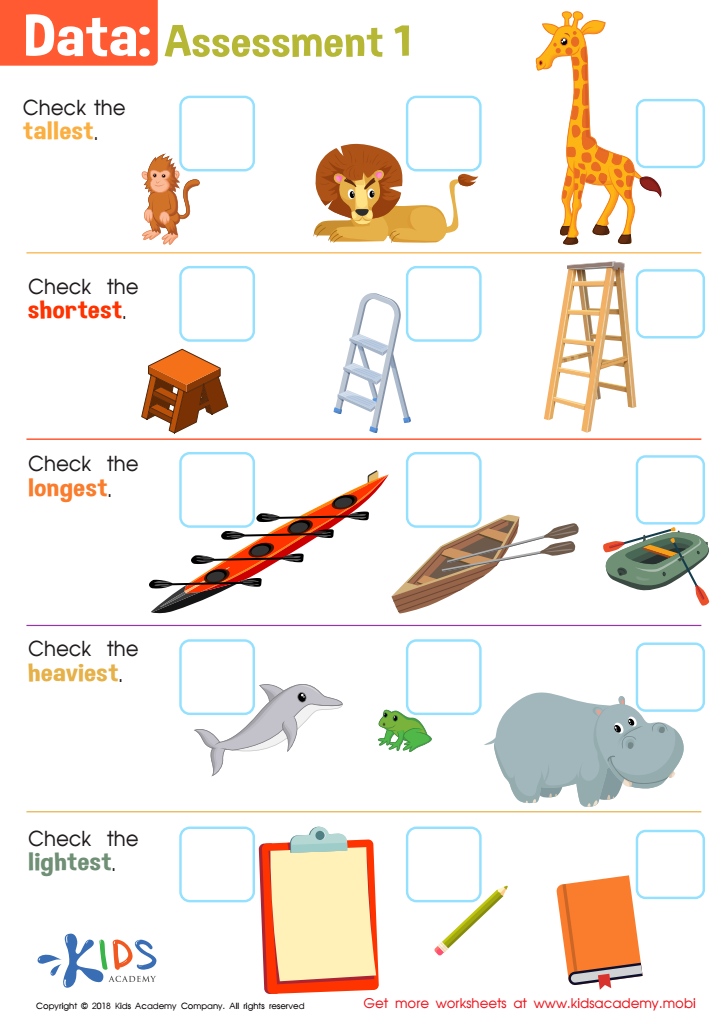
Data: Assessment 1 Worksheet
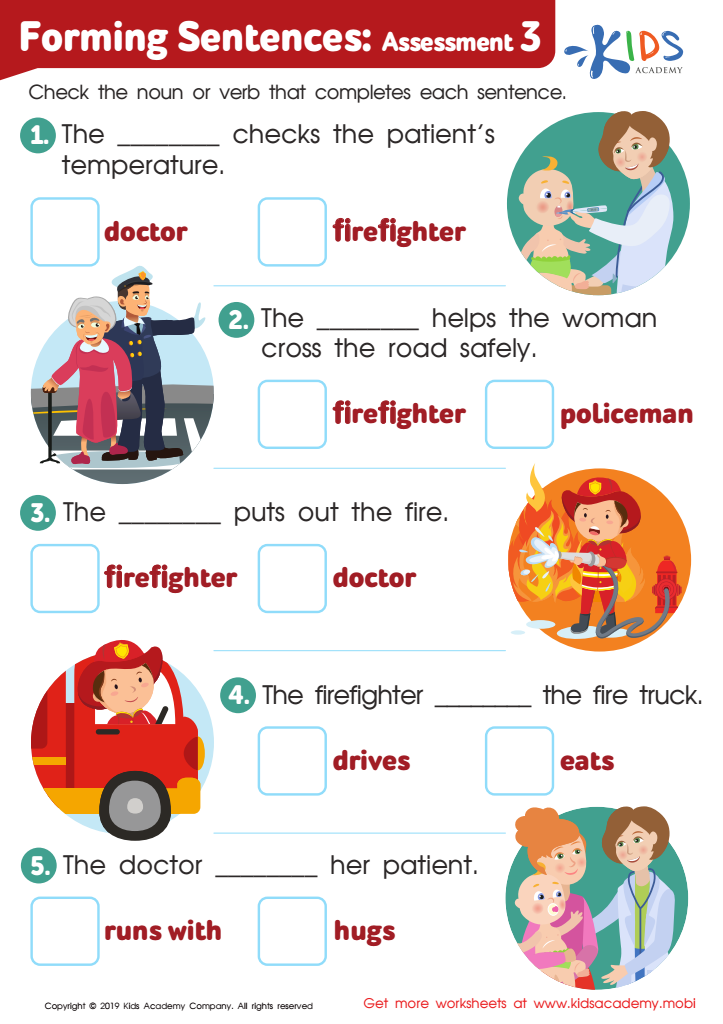
Forming Sentences: Assessment 3 Worksheet
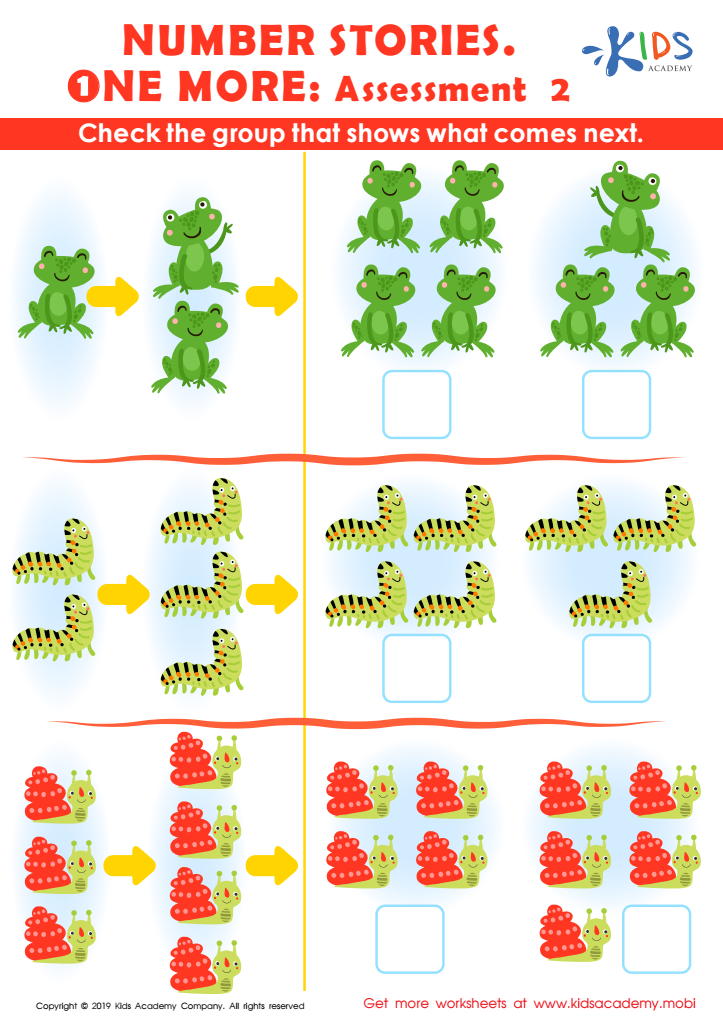
Number Stories One More – Assessment 2 Worksheet
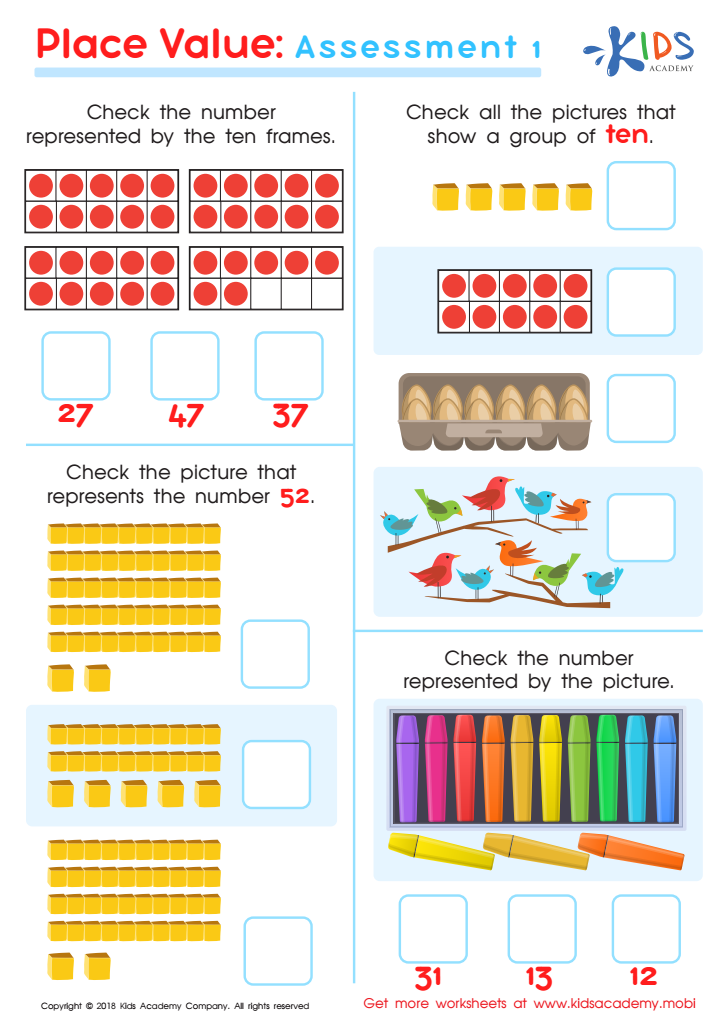
Place Value: Assessment 1 Worksheet
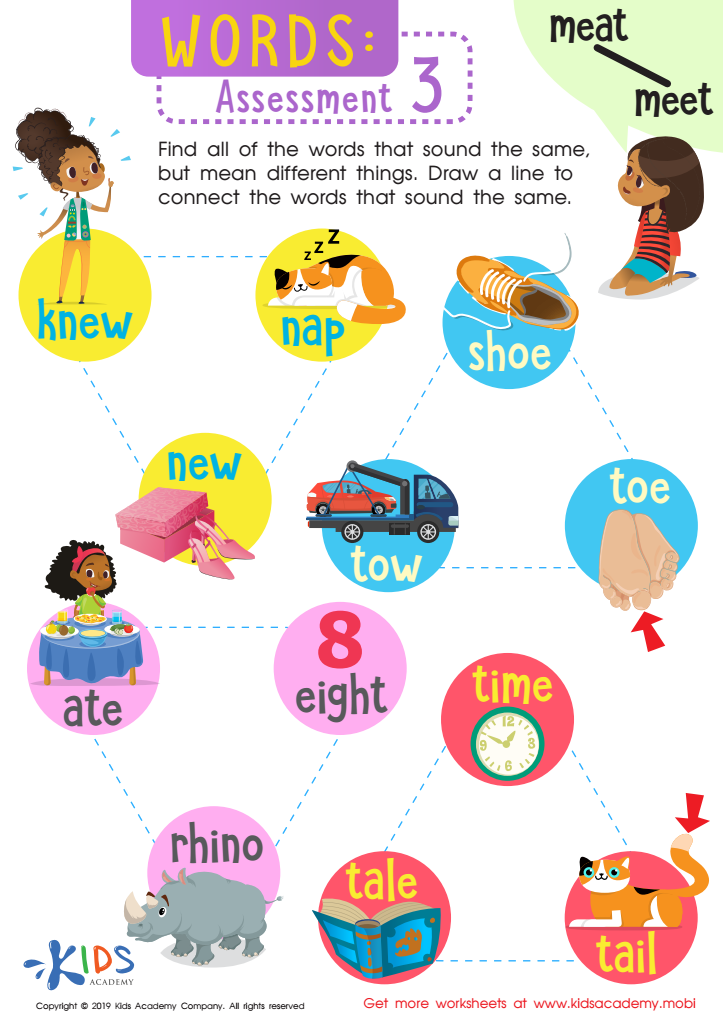
Words: Asessment 3 Worksheet
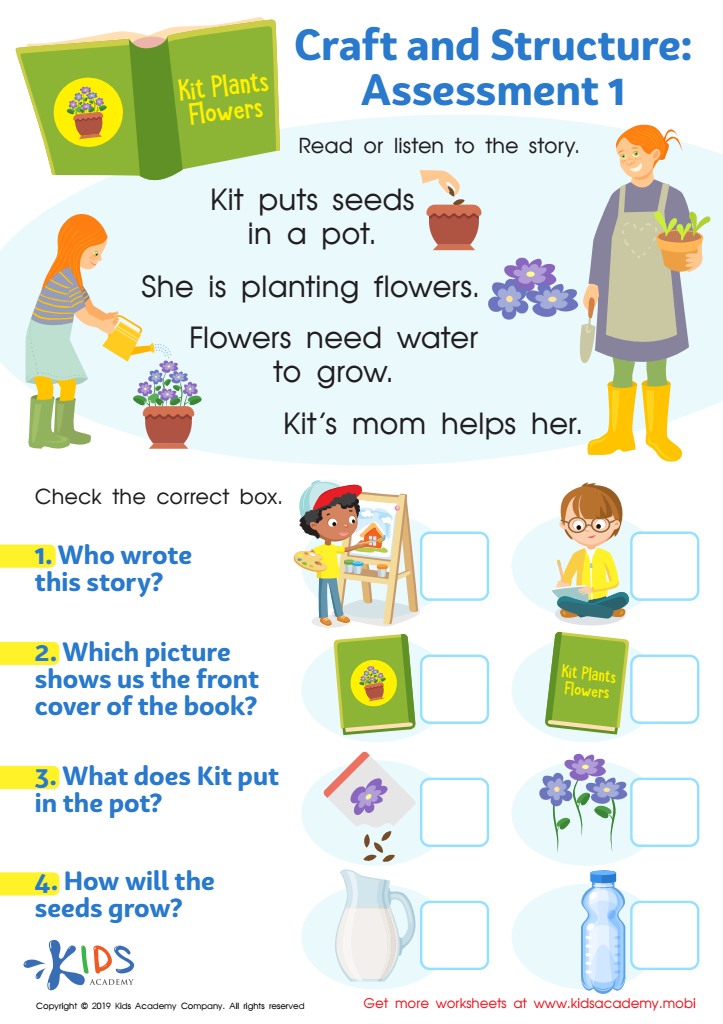
Craft and Structure: Assessment 1 Worksheet
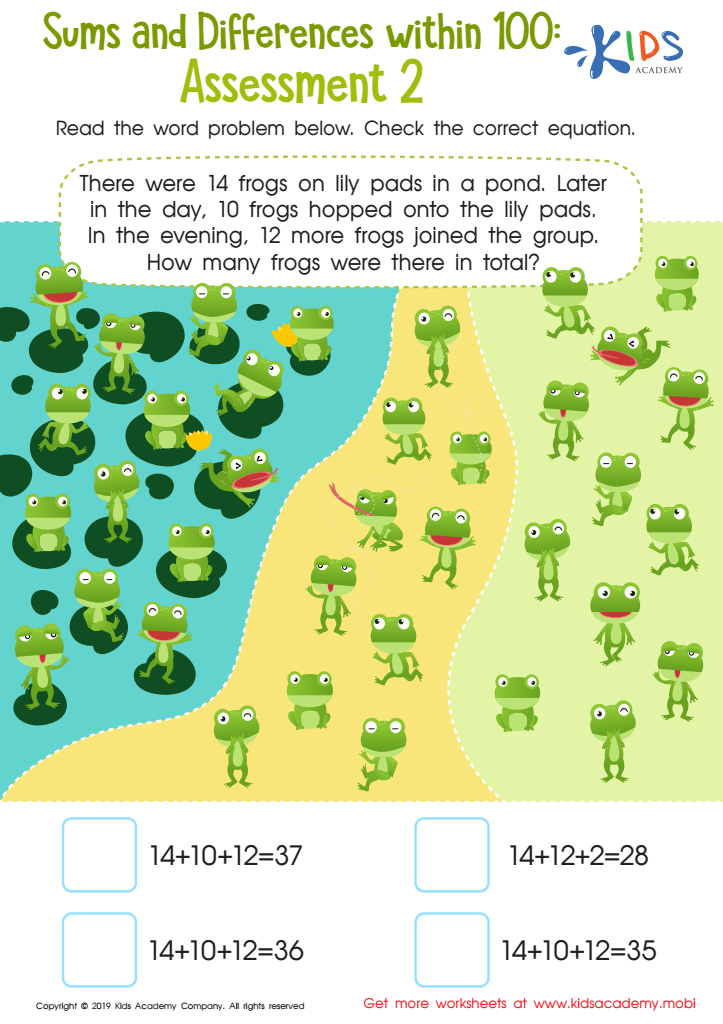
Sums and Differences Within 1 - Assessment 2 Worksheet
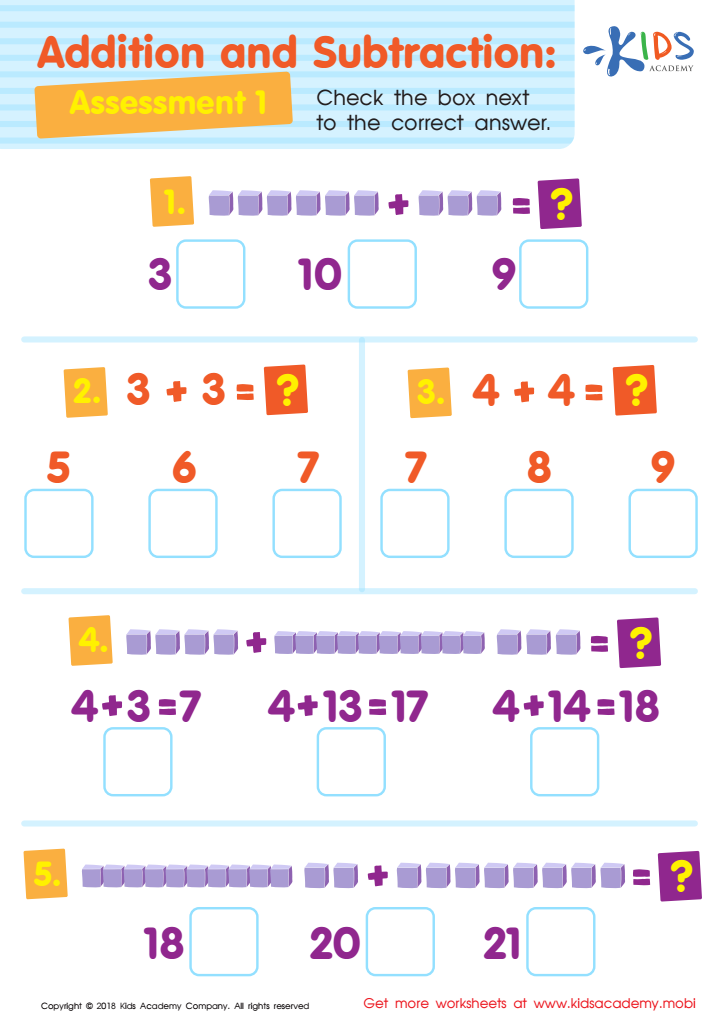
Addition and Subtraction Assessment 1 Worksheet
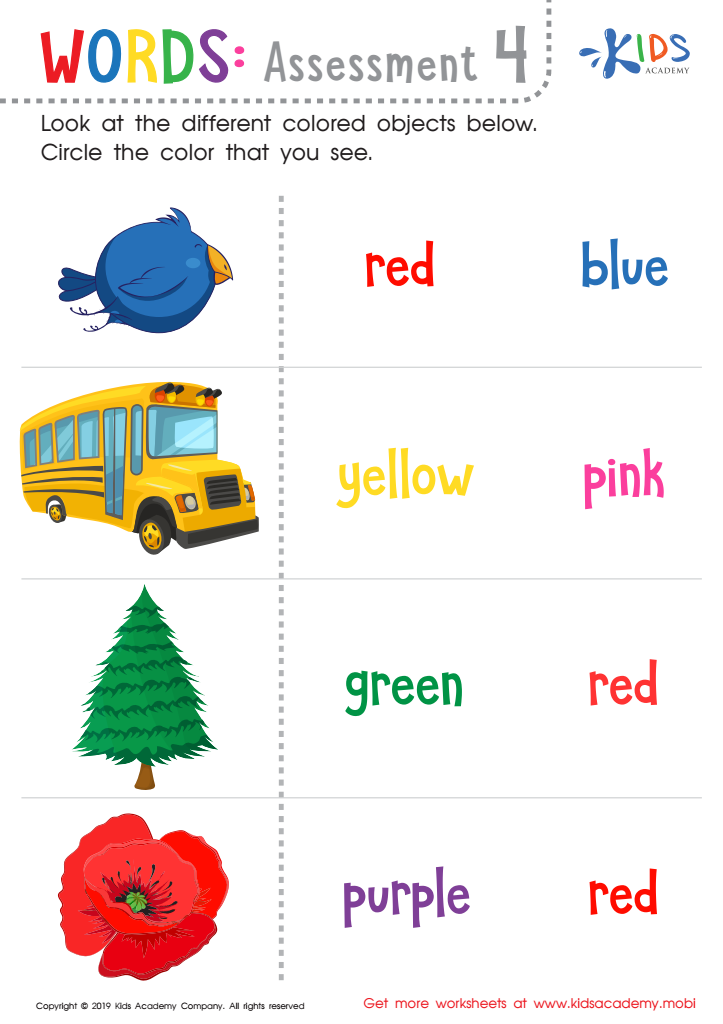
Words: Assessment 4 Worksheet
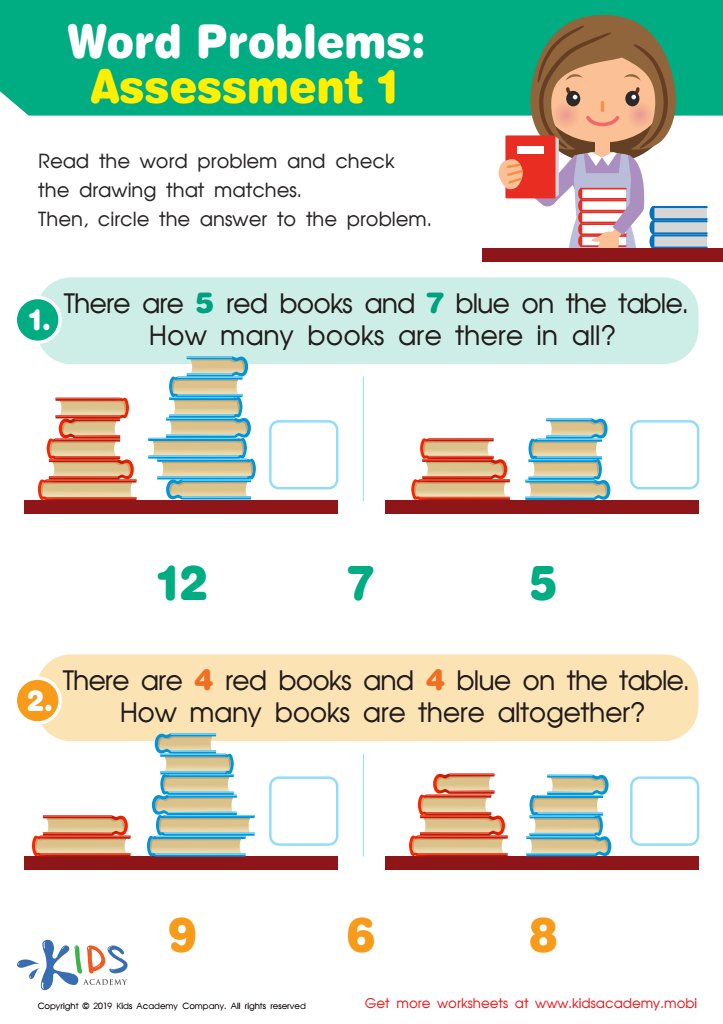
Word Problems: Assessment 1 Worksheet
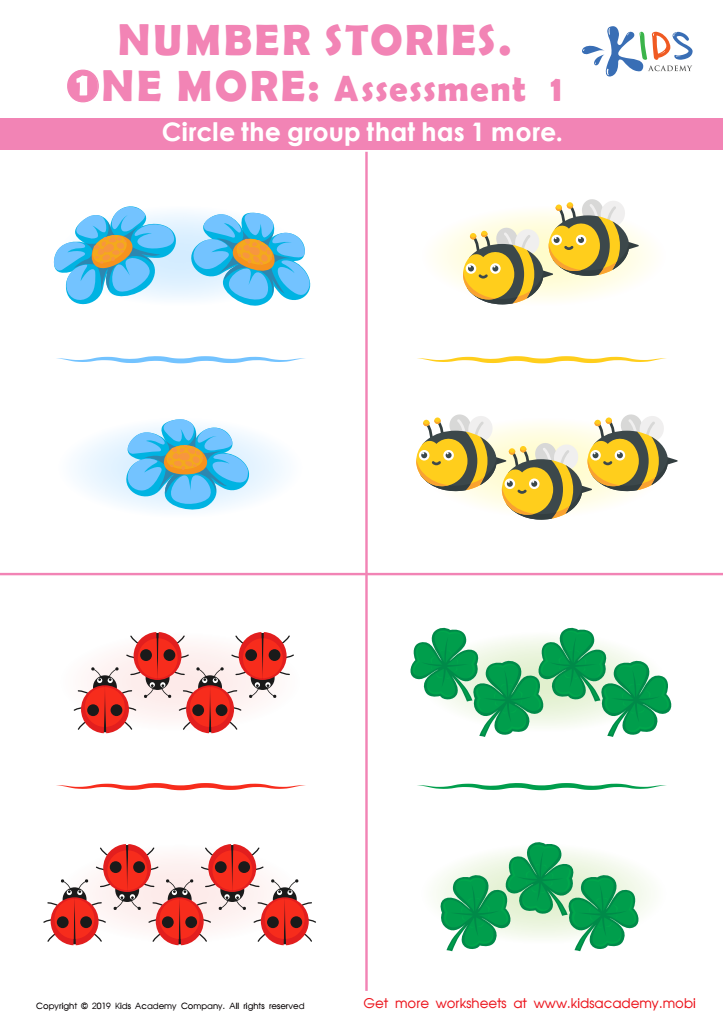
Number Stories One More – Assessment 1 Worksheet
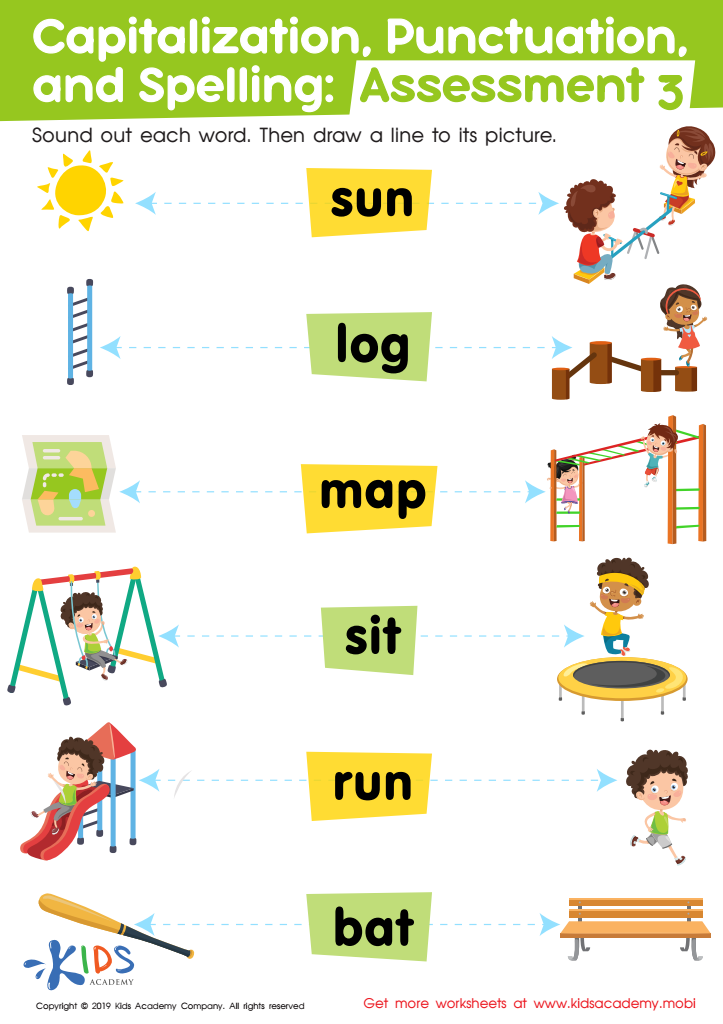
Capitalization. Punctuation. Spelling. Assessment 3 Worksheet
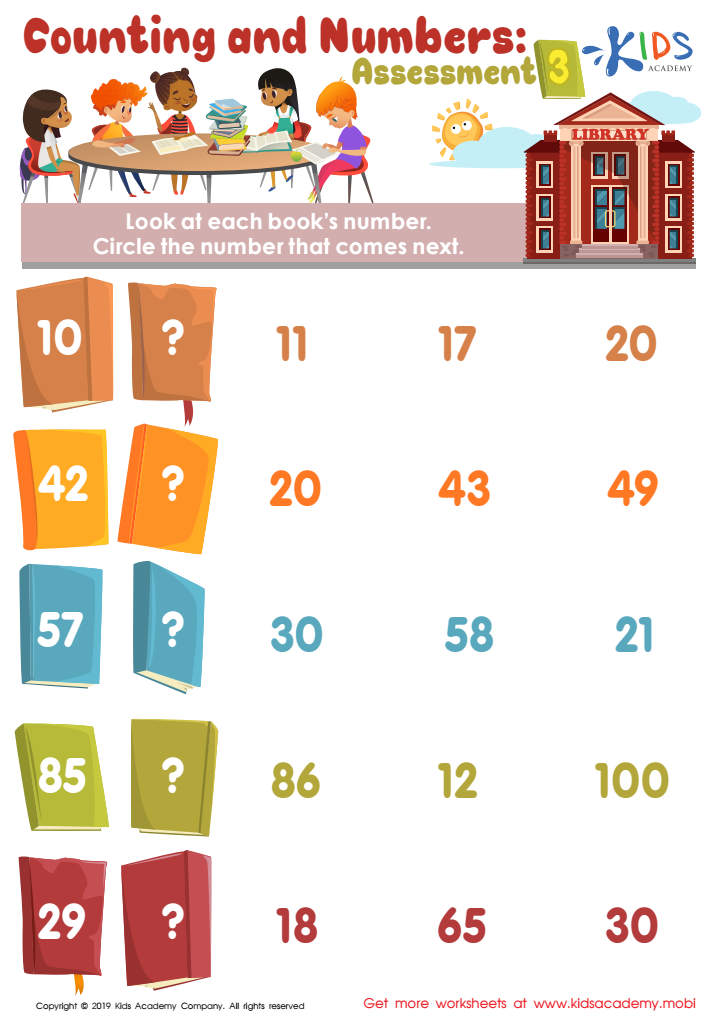
Counting and Numbers: Assessment Worksheet






Parents and teachers should prioritize Knowledge Check activities for children aged 5-7 because these activities play a critical role in early childhood education and development. During these formative years, children are naturally curious and rapidly developing cognitive, social, and emotional skills. Knowledge Checks offer opportunities for assessment in a fun, engaging way, helping educators and parents understand each child's progress and comprehension of essential concepts.
Such activities are beneficial in numerous ways. Firstly, they reinforce learning by helping children apply what they have learned in a practical context, enhancing retention and understanding. Secondly, Knowledge Checks can identify areas where a child may be struggling, allowing for timely intervention and support. Thirdly, they promote independent thinking and problem-solving skills, encouraging children to express their knowledge and reasoning.
Furthermore, these activities foster a love for learning and build confidence as children accomplish new tasks. They also enhance communication between educators and parents, creating a collaborative approach to supporting a child's development. By focusing on Knowledge Check activities, both parents and teachers can help create a solid foundation for lifelong learning, ensuring that children not only grasp basic concepts but also develop a curious and inquisitive mindset.








