Normal Logical Thinking worksheets activities for Ages 3-6 - Page 2
56 filtered results
-
From - To

 Assign to My Students
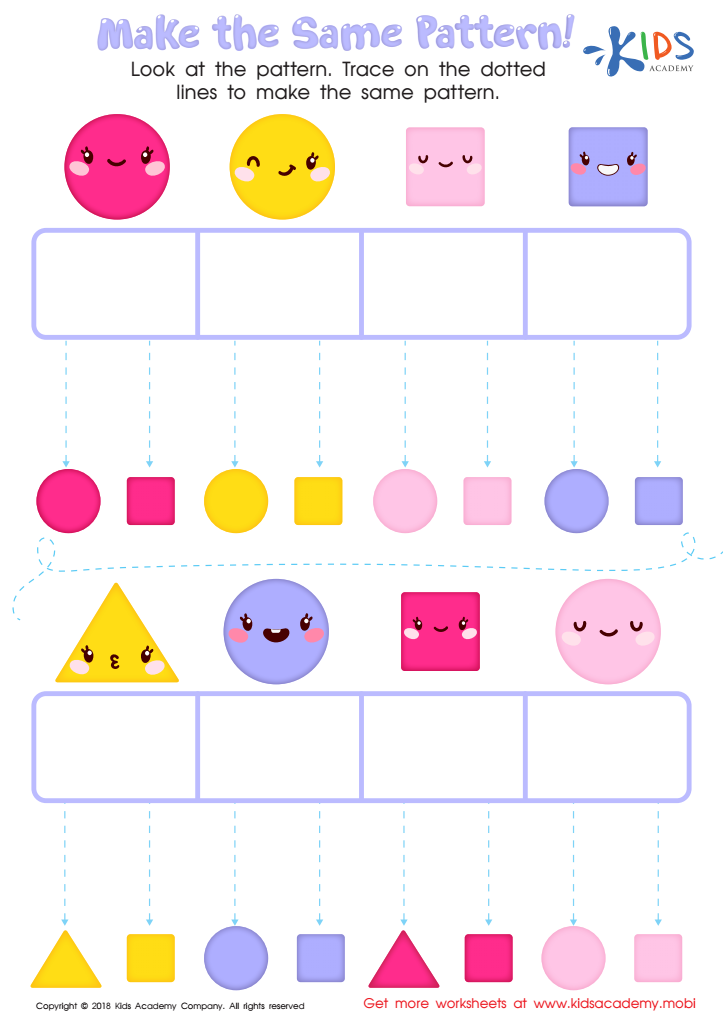
Make the Same Pattern Worksheet
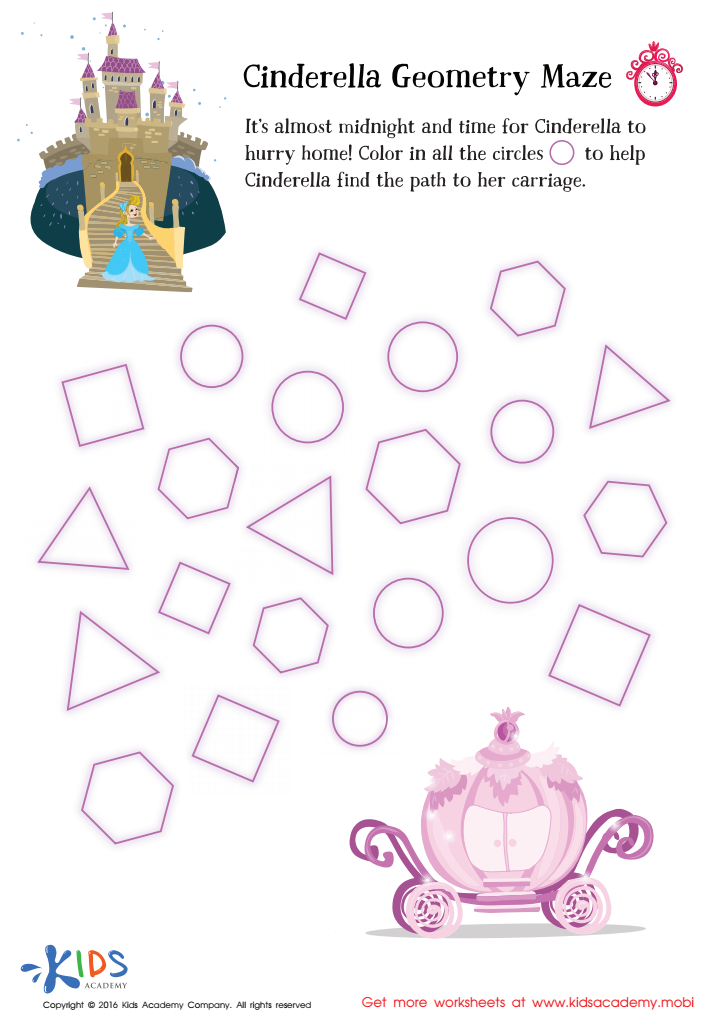
Cinderella Geometry Maze Worksheet
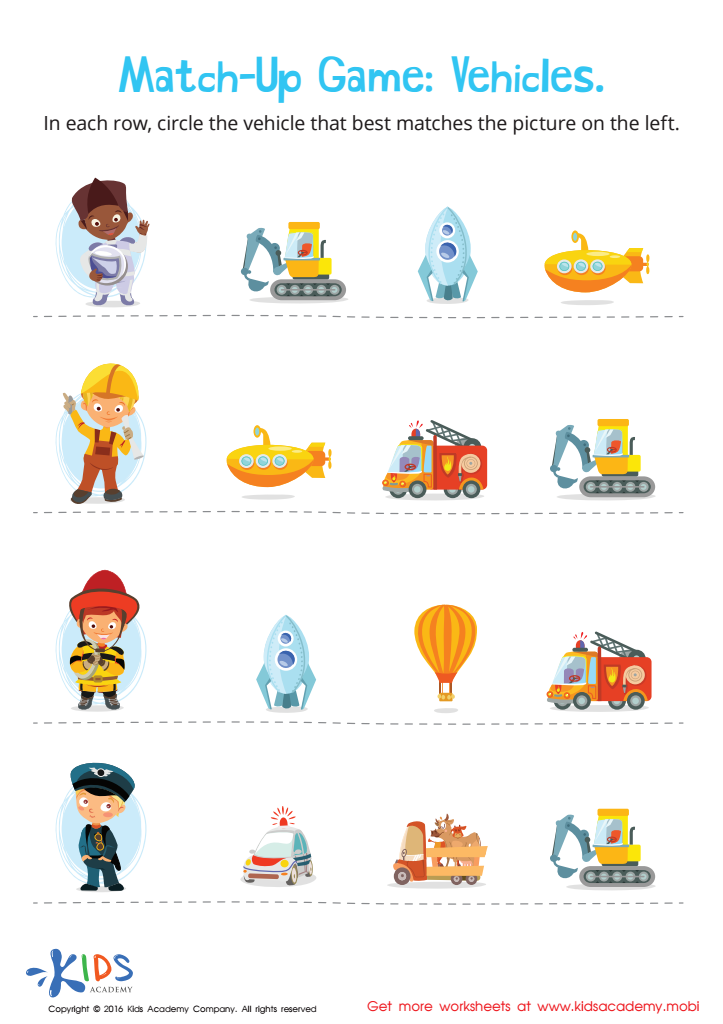
Vehicles Worksheet

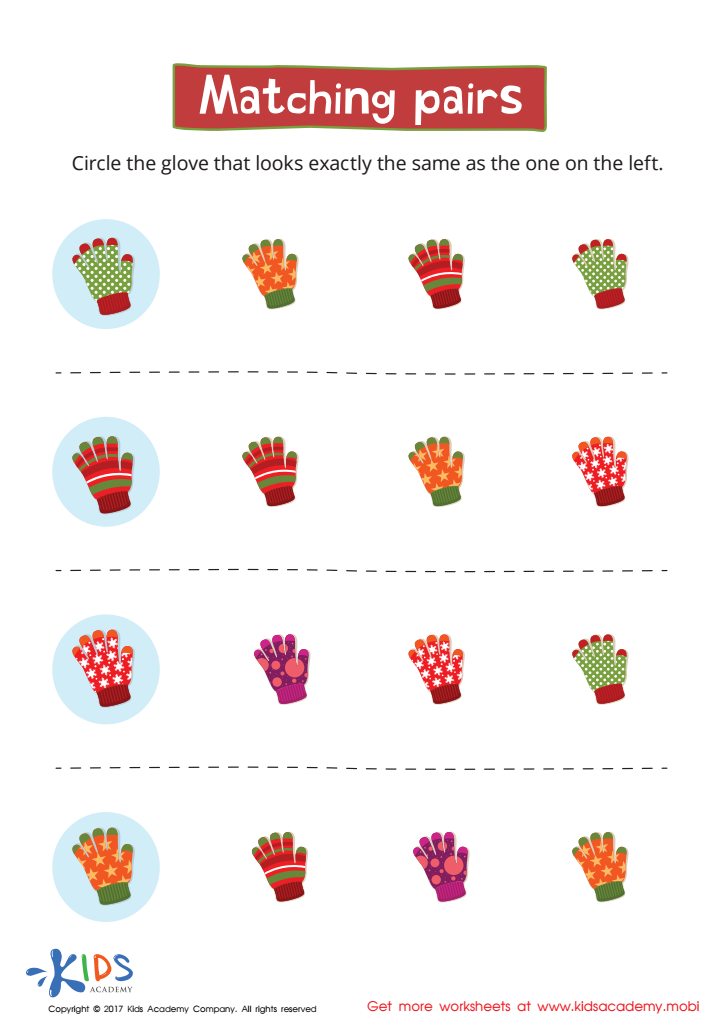
Matching: Matching Pairs Worksheet
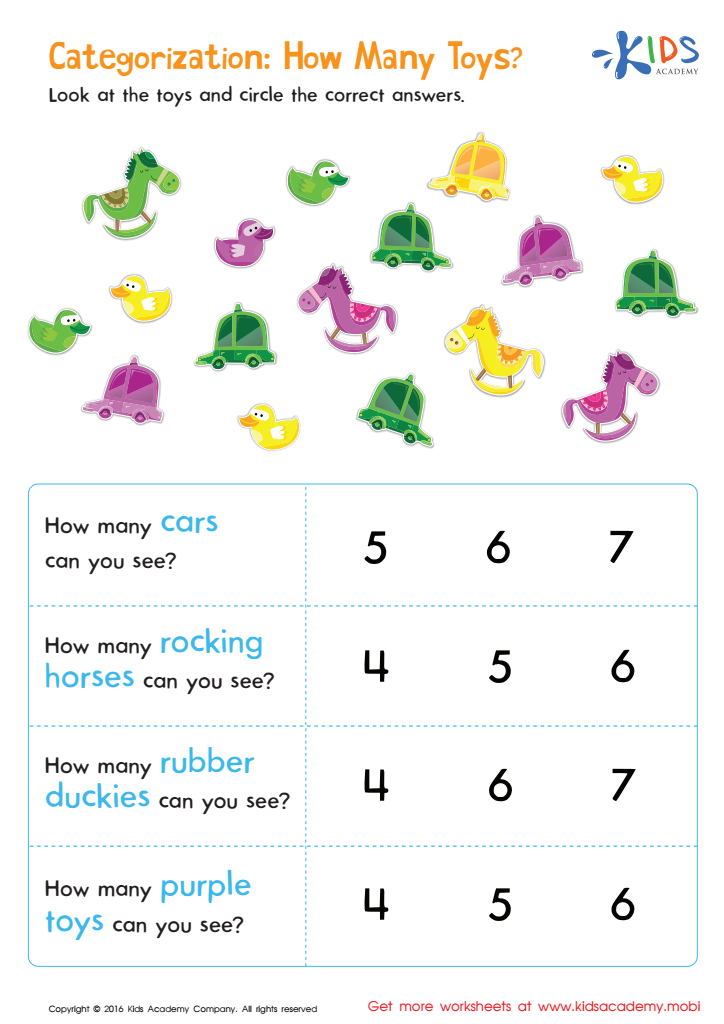
Classifying Toys by Type and Color Sorting Worksheet

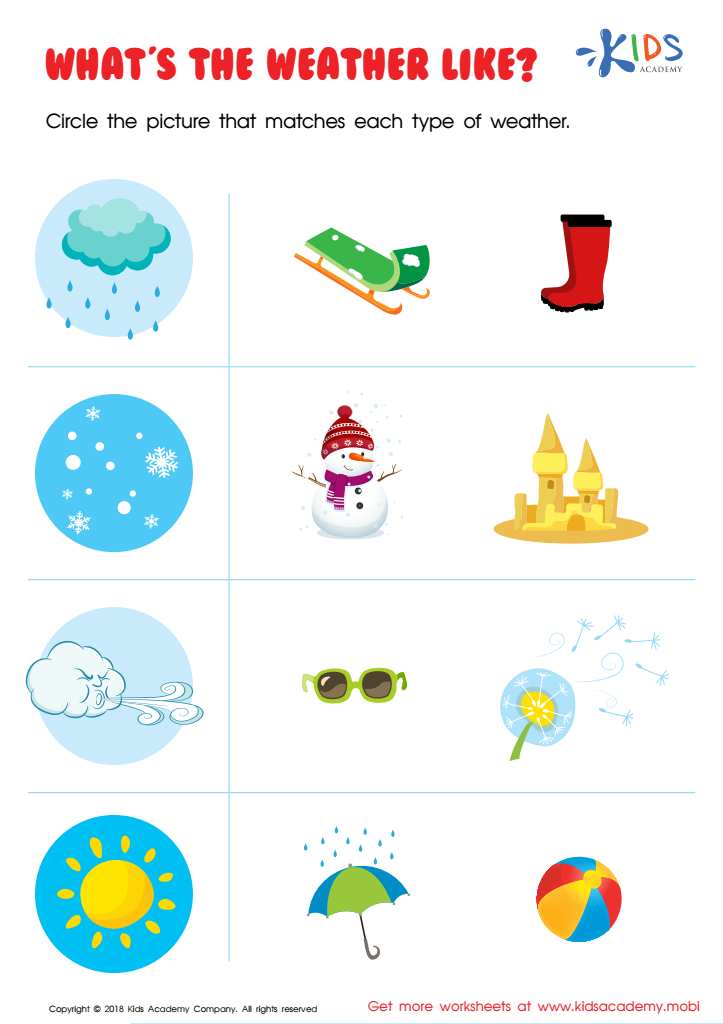
What's the Weather Like? Worksheet
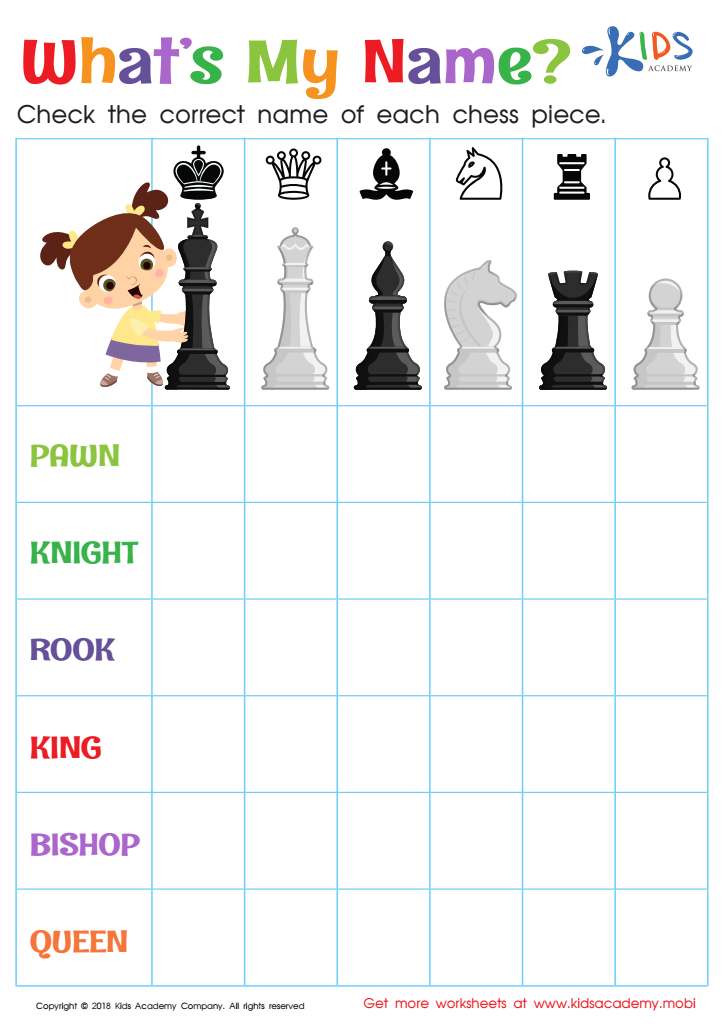
What's My Name? Worksheet
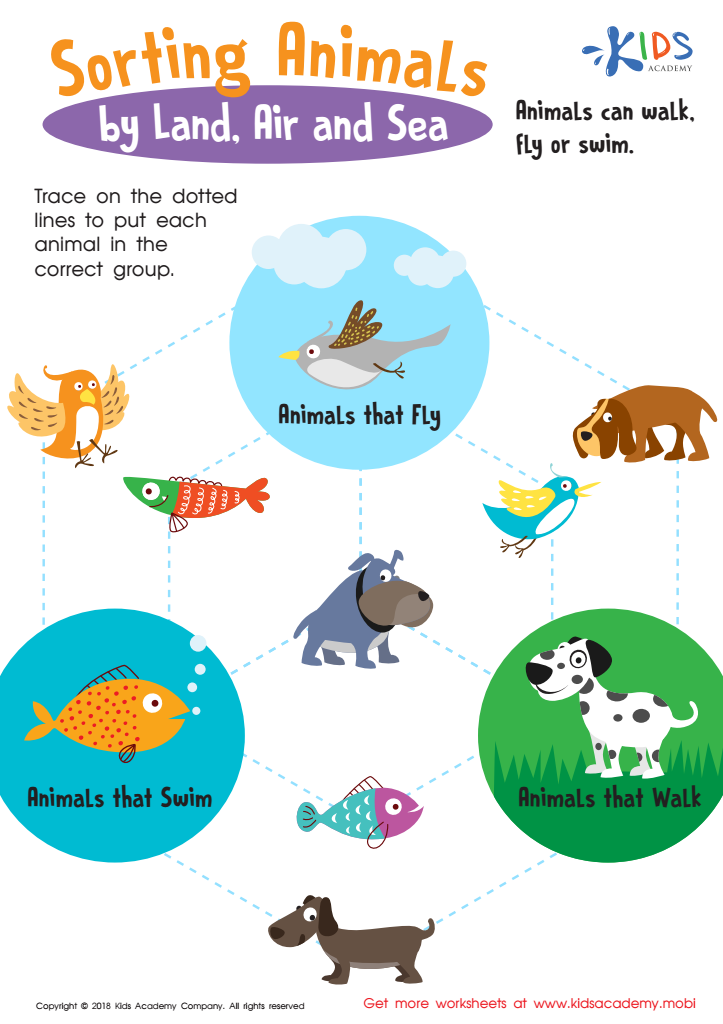
Sorting Animals by Land, Air and Sea Worksheet
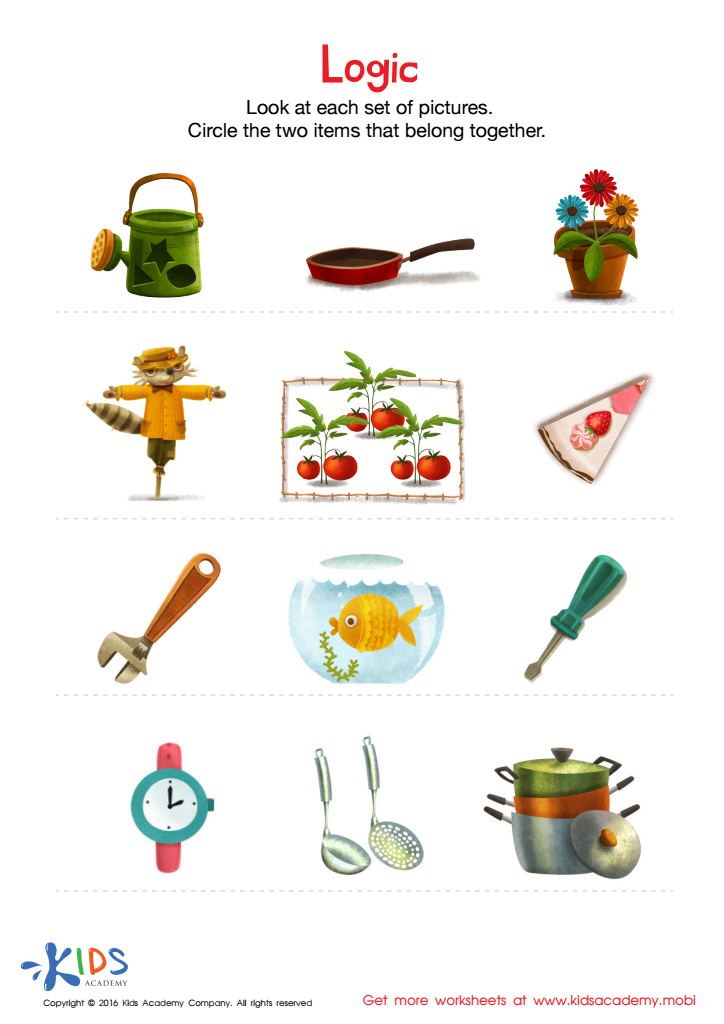
Logic Game Sorting Worksheet
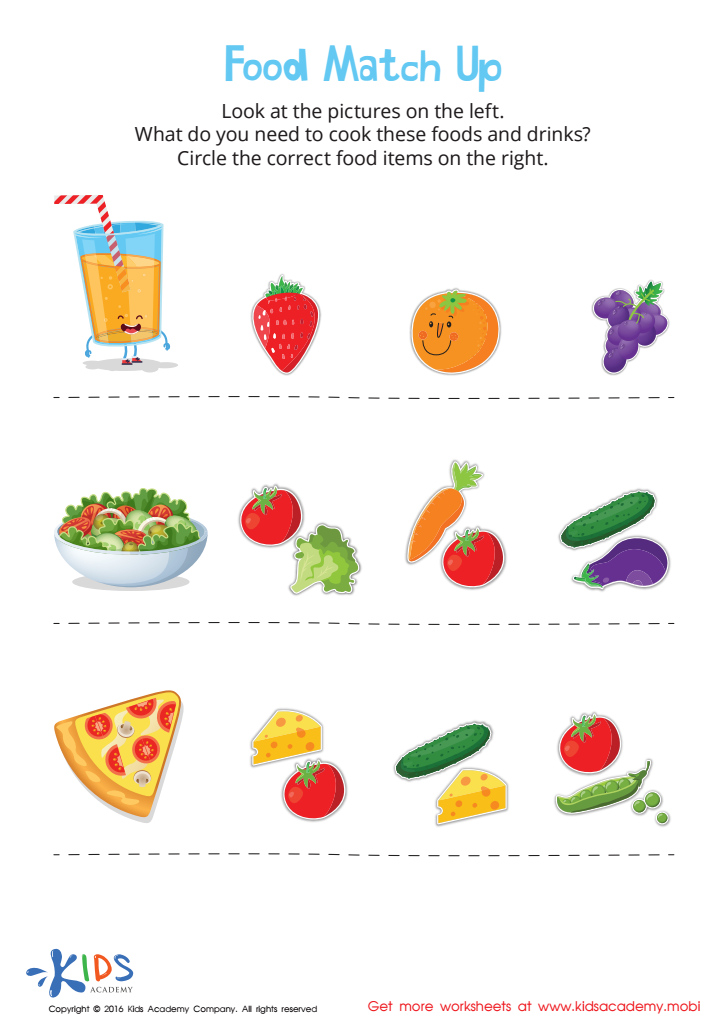
Food Match Up Worksheet
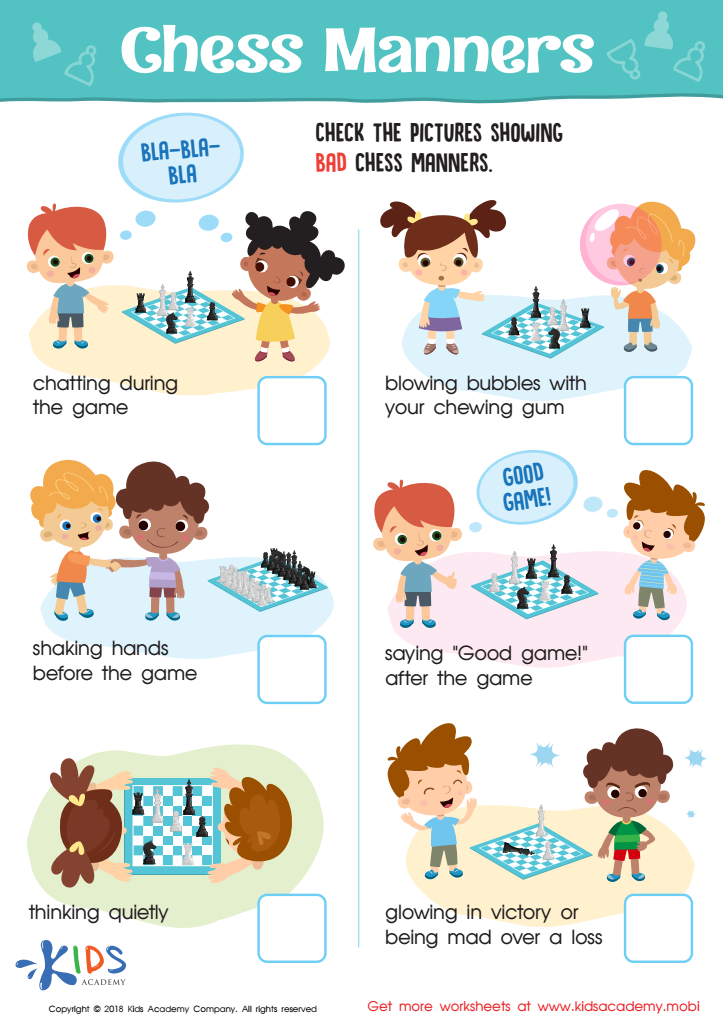
Chess Manners Worksheet
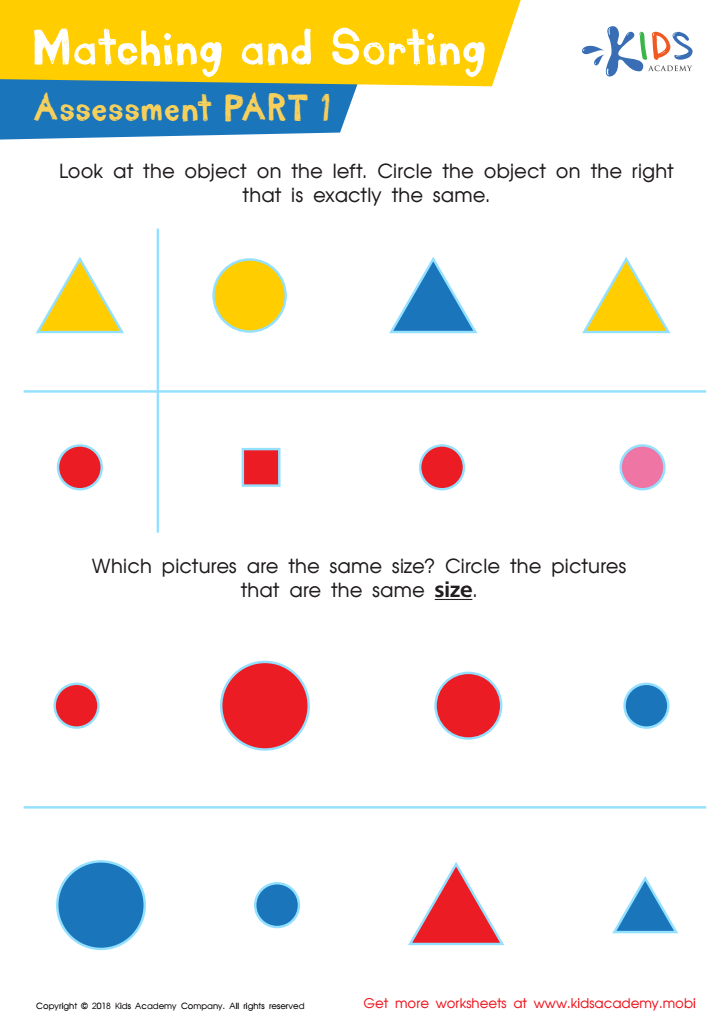
Matching and Sorting for Kindergarten: Assessment 1 Worksheet
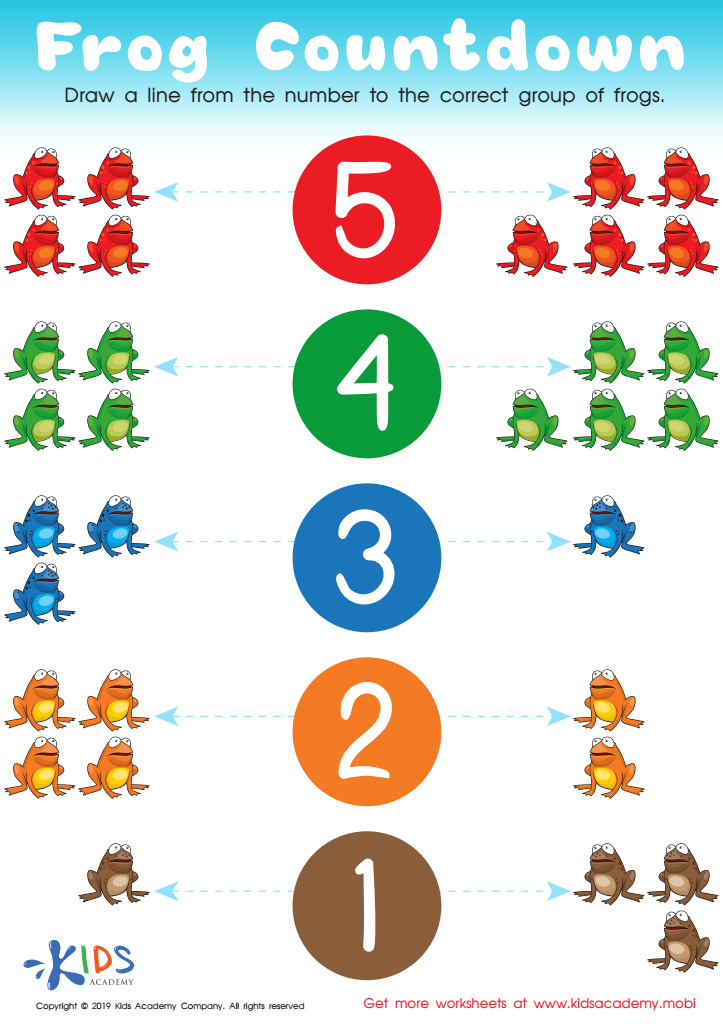
Frog Countdown Worksheet

Matching: Plants Worksheet
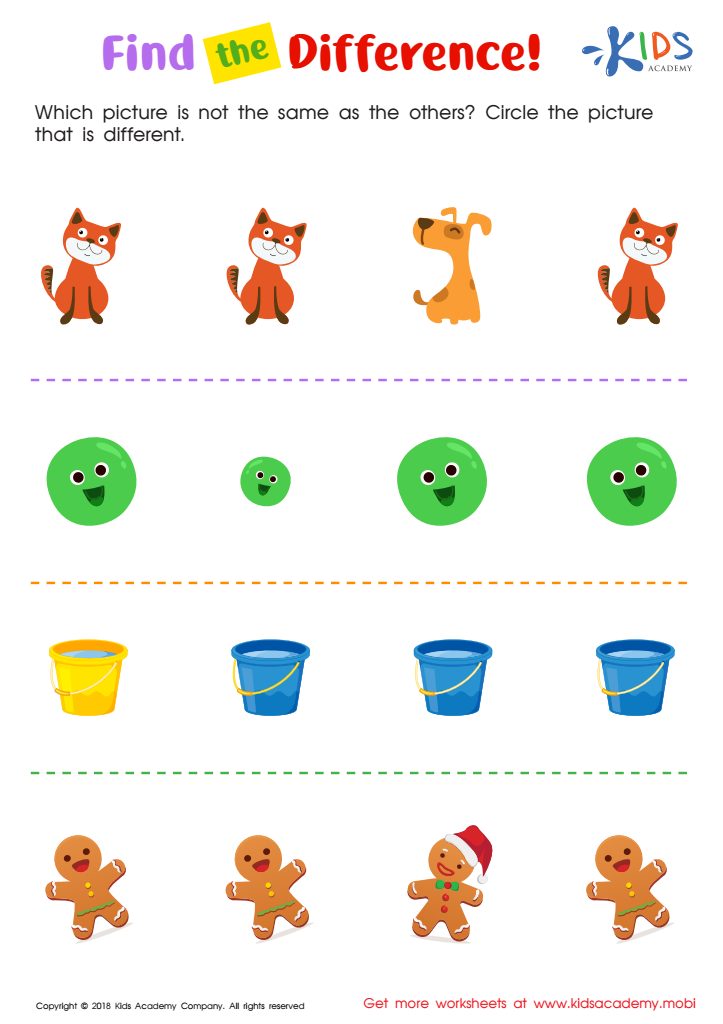
Find the Difference Worksheet
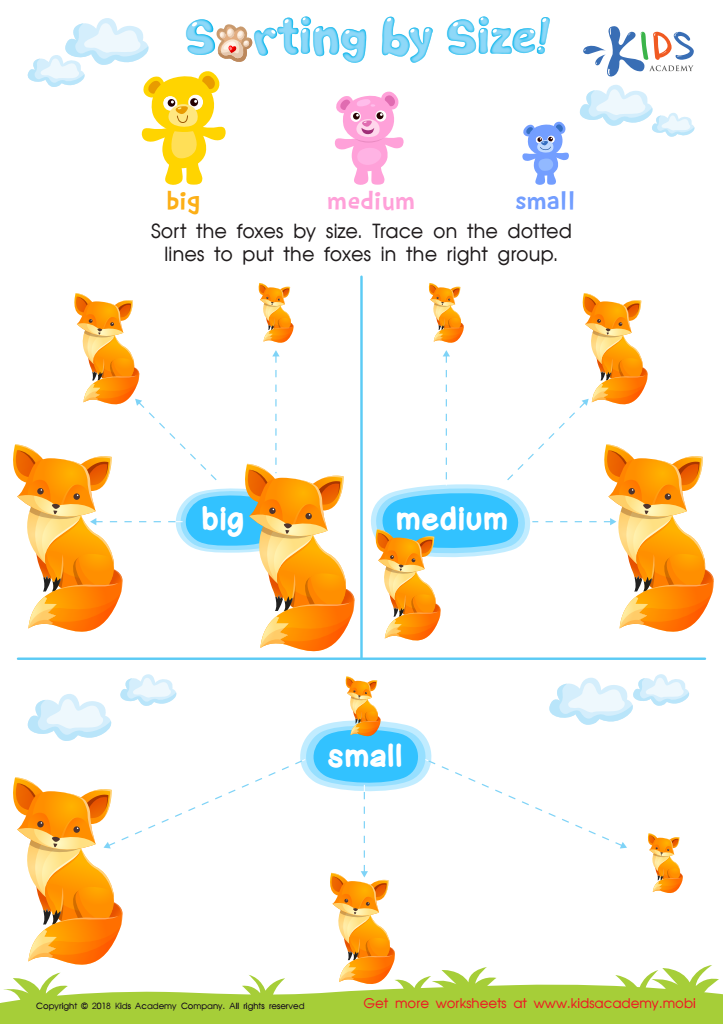
Sorting by Size Worksheet
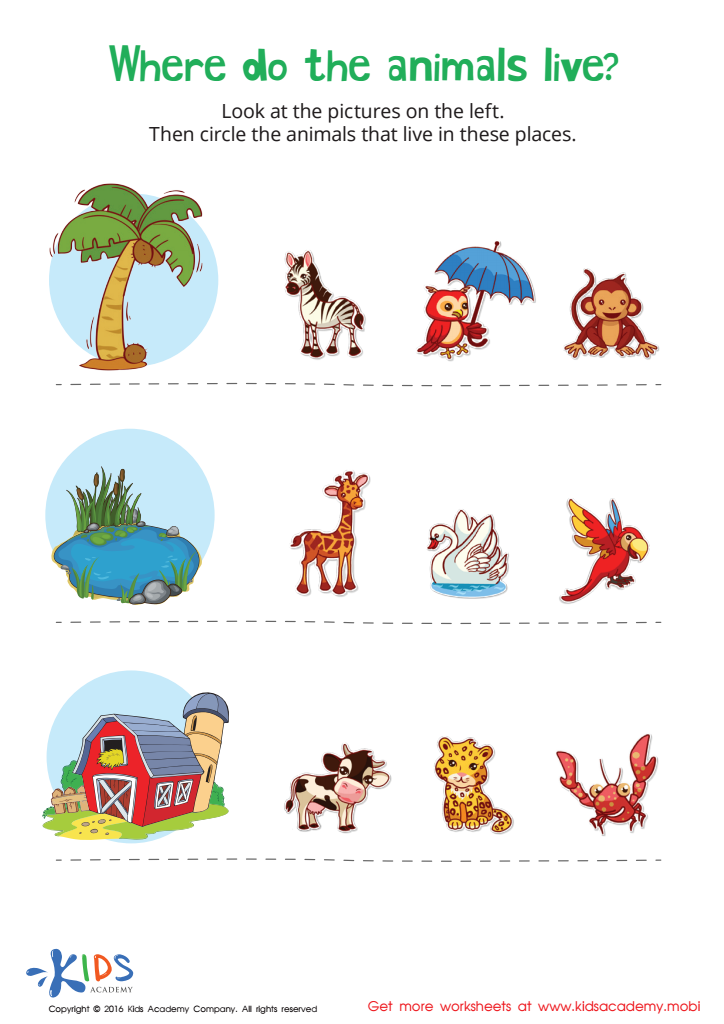
Where Animals Live Worksheet
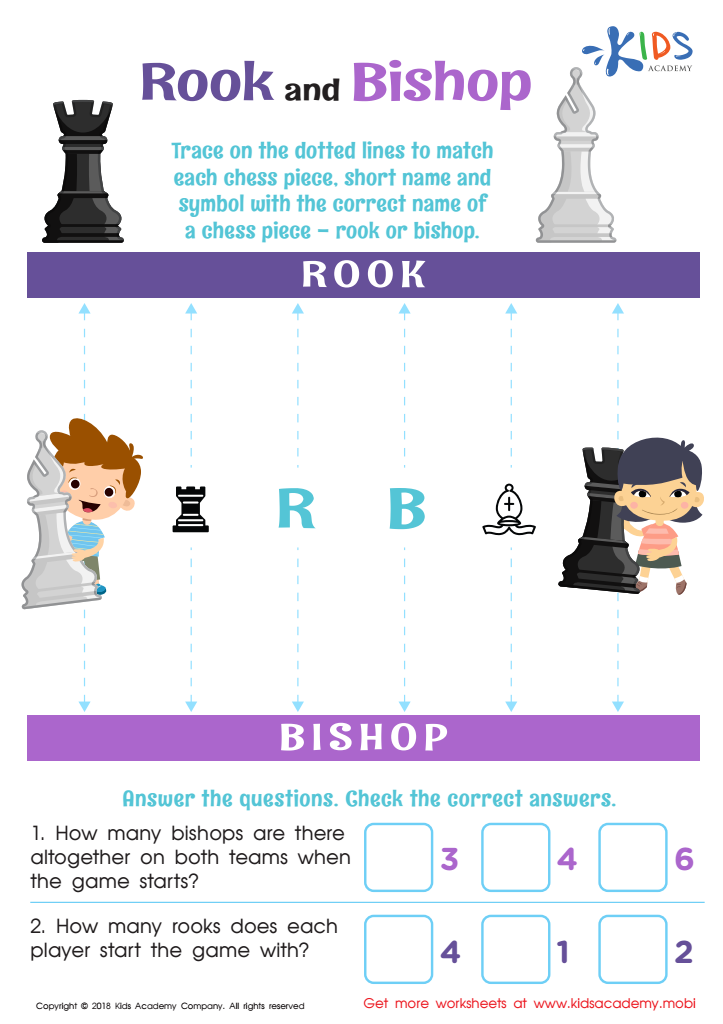
Rook and Bishop Worksheet

Ten in the Bed Worksheet

The Four Seasons Worksheet
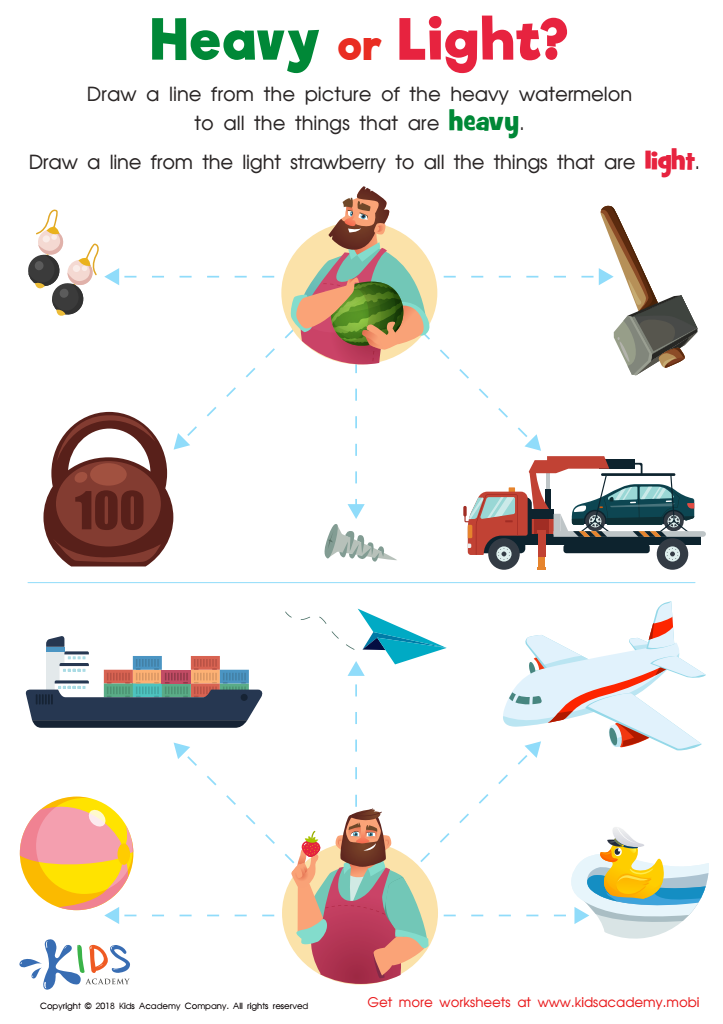
Heavy or Light? Worksheet








Normal logical thinking activities for ages 3-6 are crucial for early childhood development, and both parents and teachers should prioritize these activities for several reasons. At this stage, children are naturally curious and eager to make sense of the world around them. Engaging in logical thinking activities encourages cognitive development, fostering critical skills such as reasoning, problem-solving, and pattern recognition.
These exercises lay the groundwork for later academic success, as they enhance children's abilities to analyze information, draw conclusions, and make decisions. Simple activities like sorting objects, engaging in puzzles, or participating in interactive games help children develop these essential skills while promoting curiosity and exploration.
Additionally, logical thinking activities strengthen social skills and communication, as children often collaborate with peers or ask questions through guided activities. It creates an environment where they learn to express their ideas clearly and understand different perspectives.
Moreover, by practicing logical thinking, young learners build resilience, as they face challenges and learn from mistakes, experiences that enrich their emotional development. In summary, fostering logical thinking at a young age equips children with indispensable skills for lifelong learning and adaptation in an ever-changing world.








