Normal Logical Thinking worksheets activities for Ages 3-9 - Page 2
57 filtered results
-
From - To
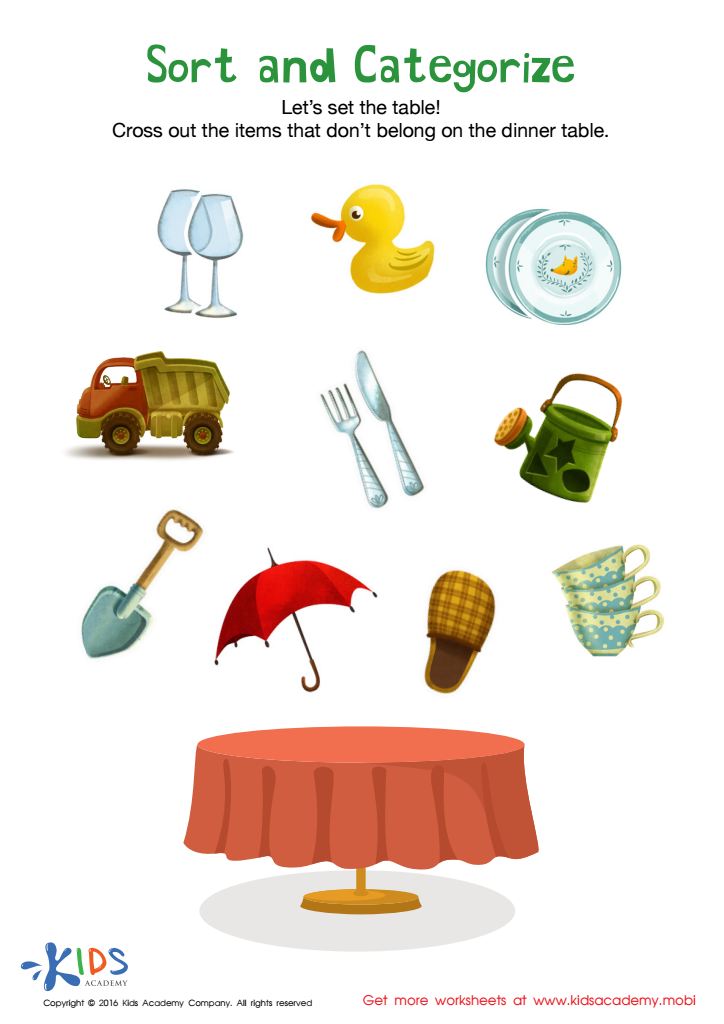
 Assign to My Students
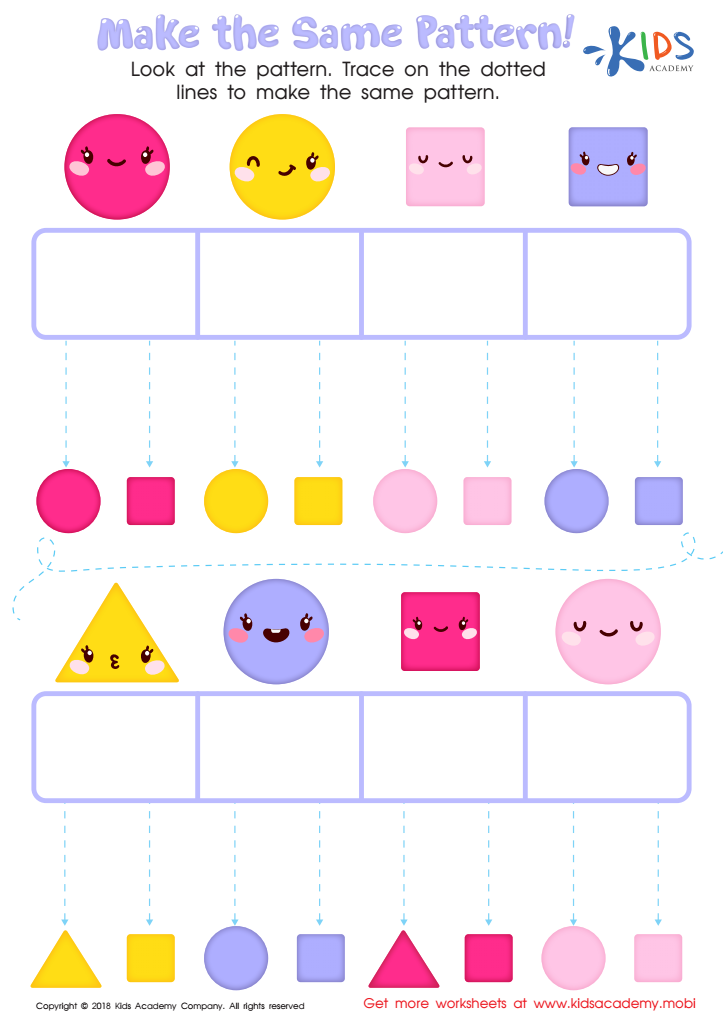
Make the Same Pattern Worksheet
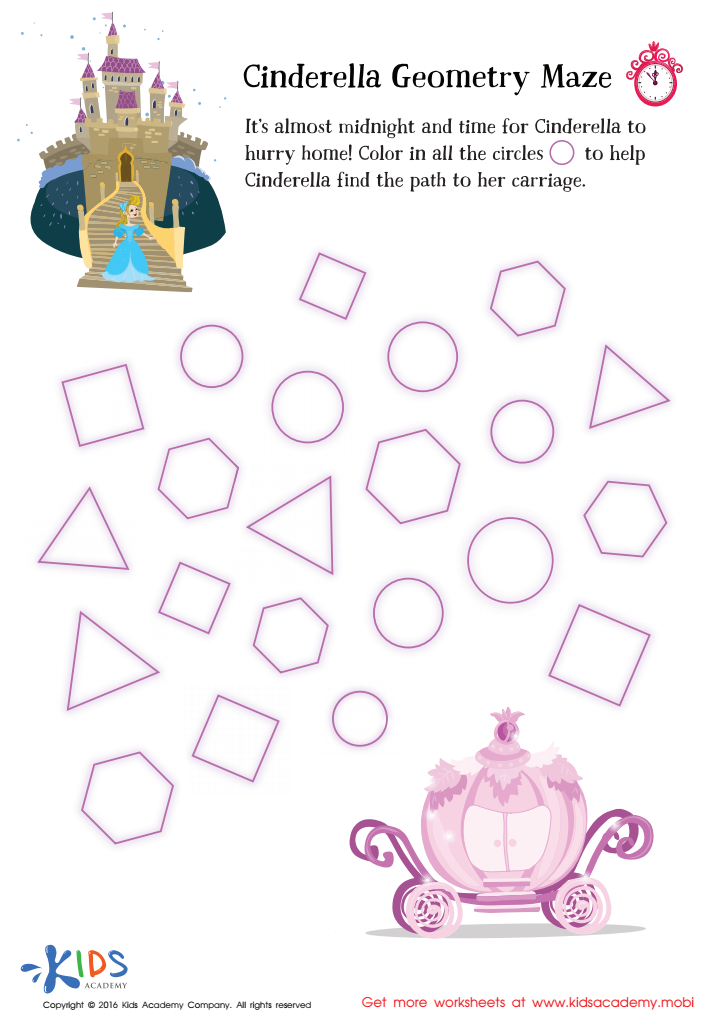
Cinderella Geometry Maze Worksheet
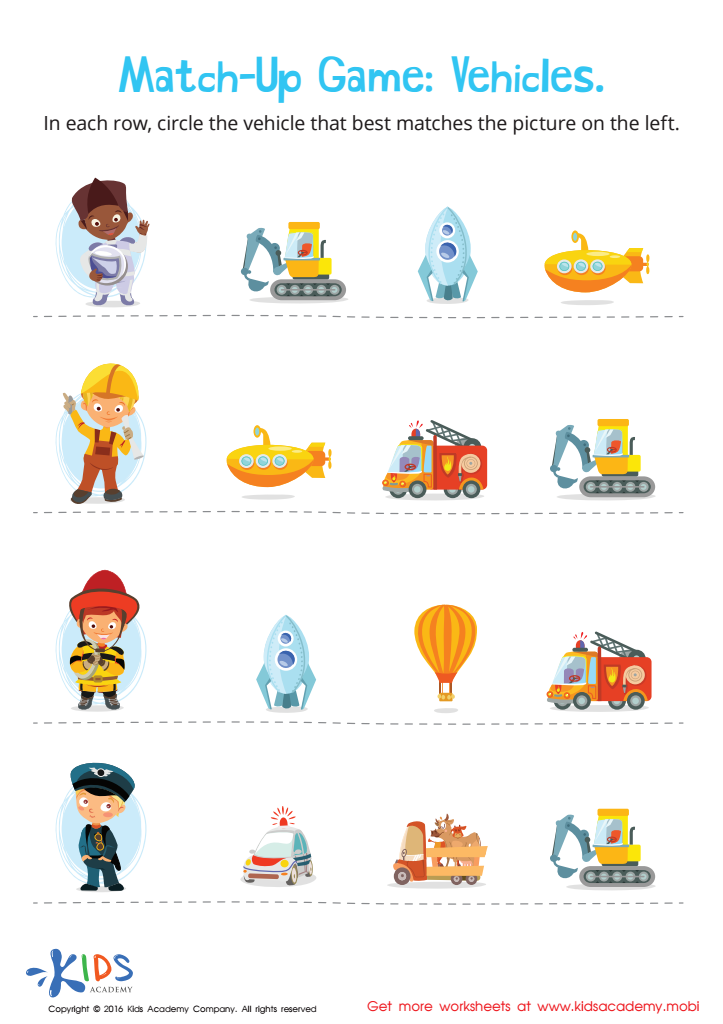
Vehicles Worksheet
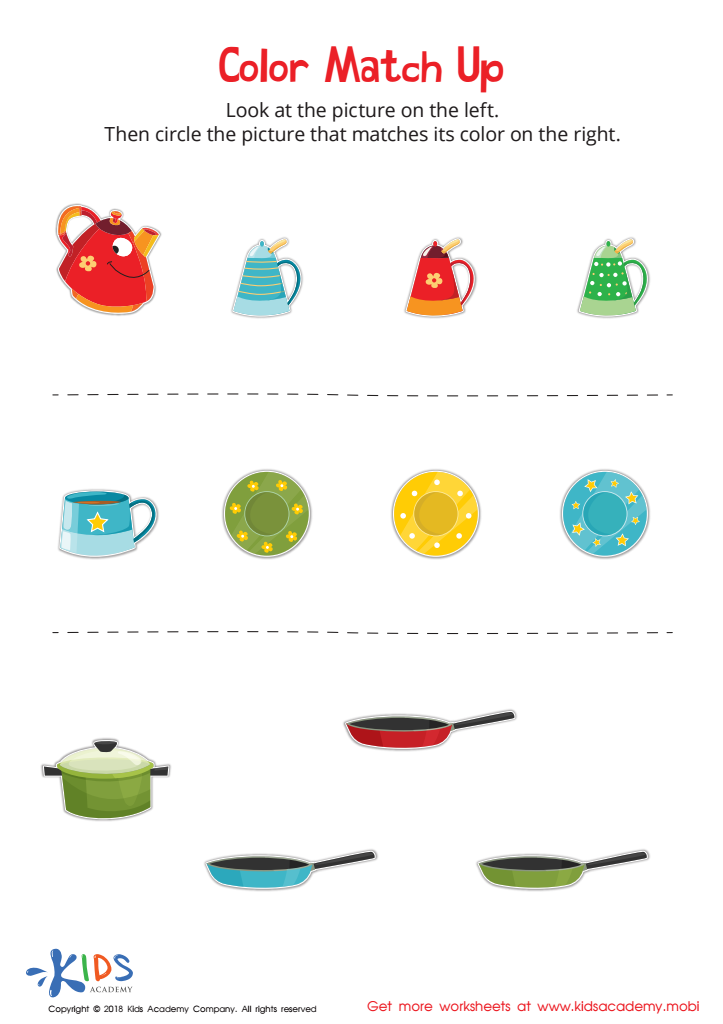
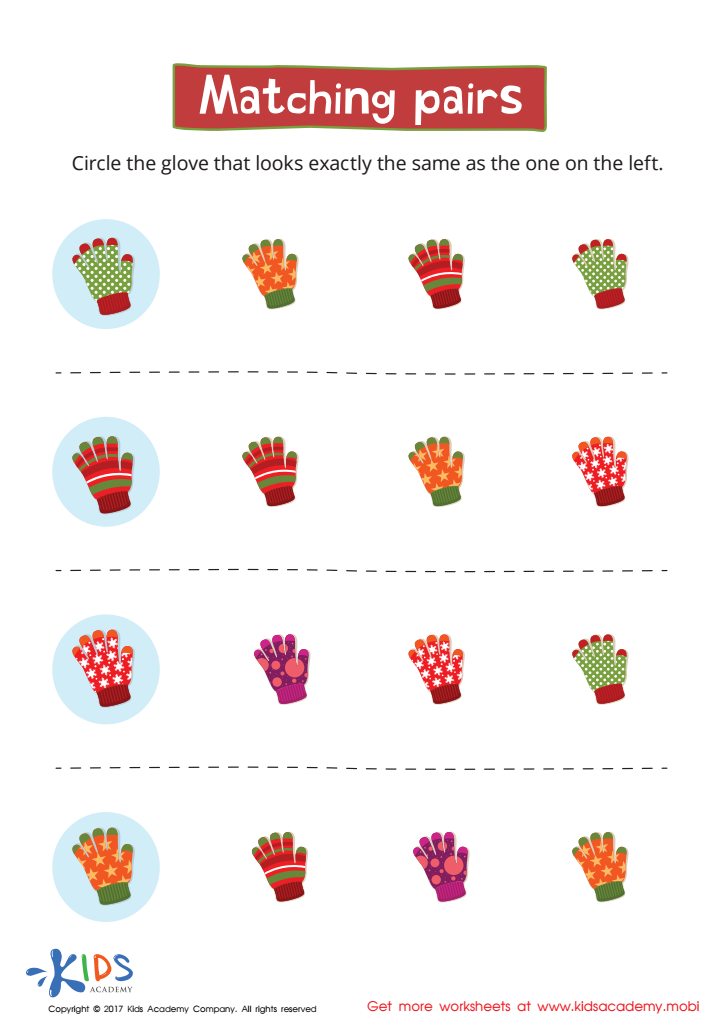
Matching: Matching Pairs Worksheet
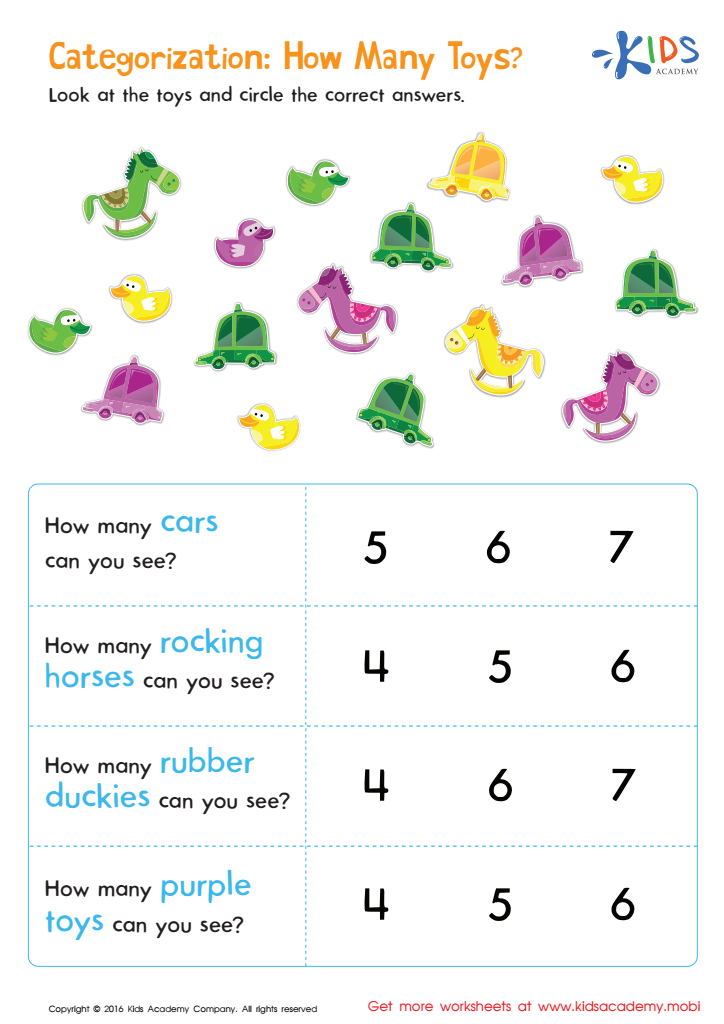
Classifying Toys by Type and Color Sorting Worksheet
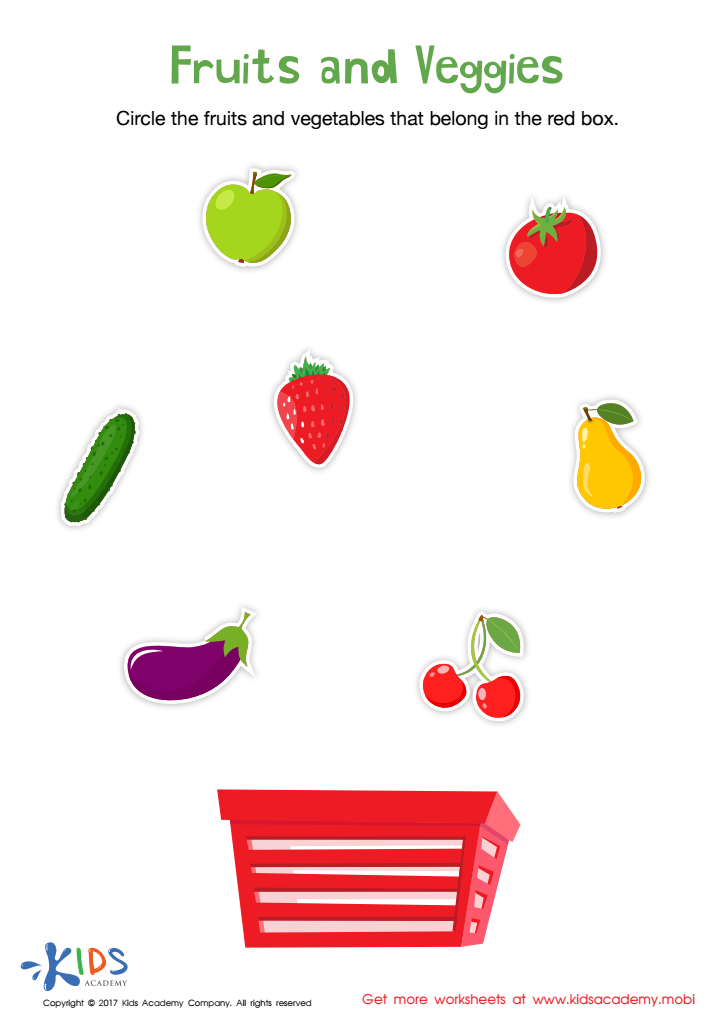
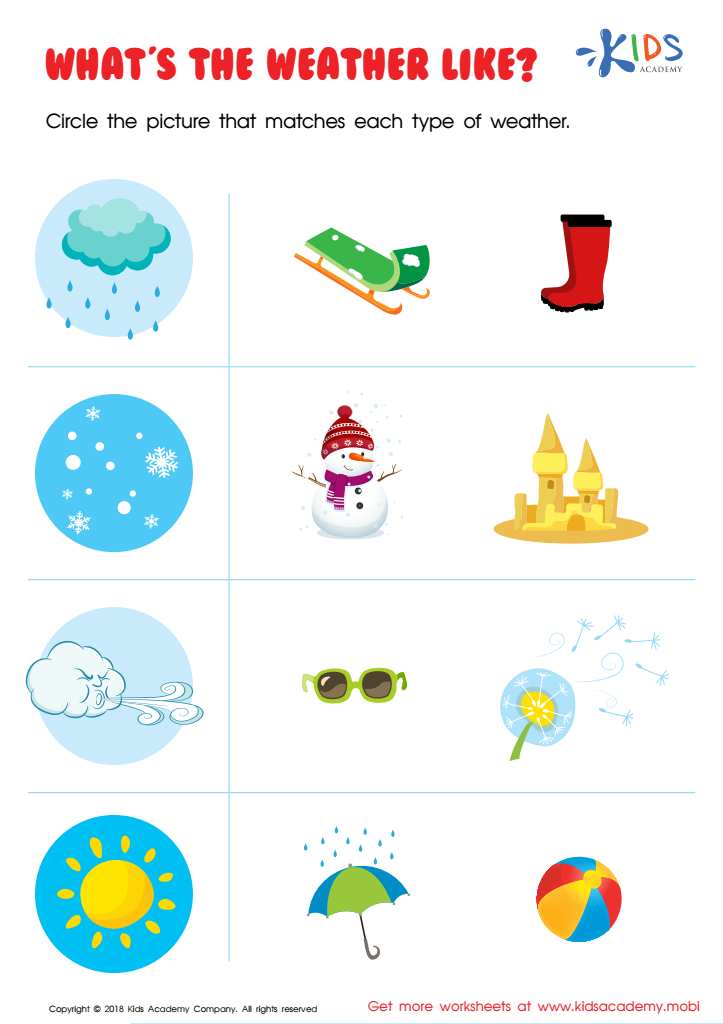
What's the Weather Like? Worksheet
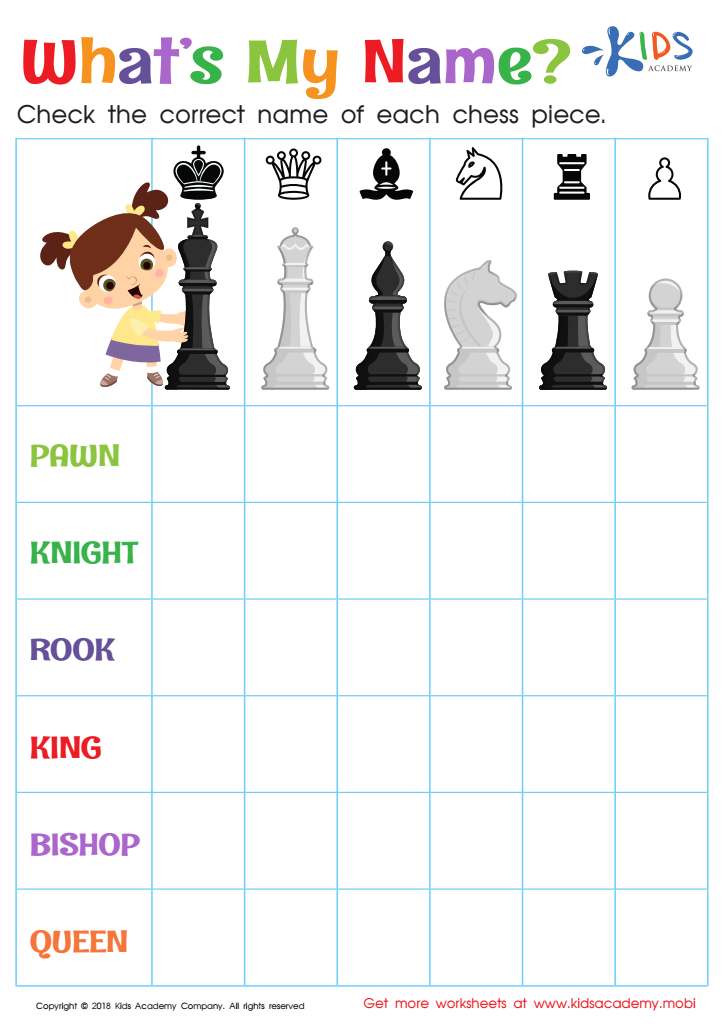
What's My Name? Worksheet
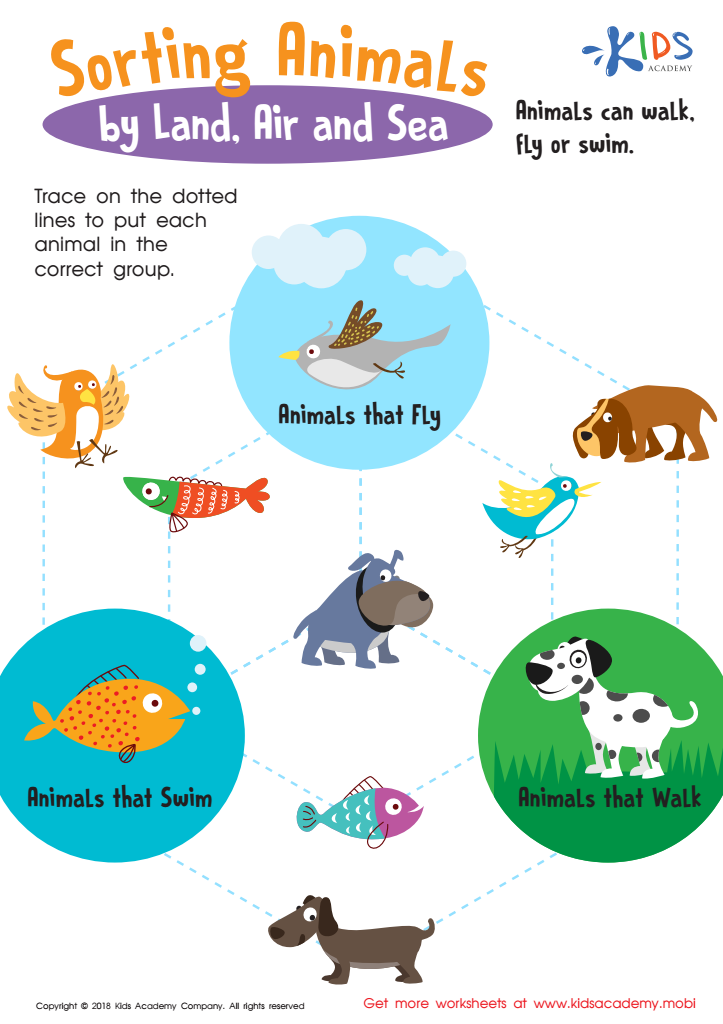
Sorting Animals by Land, Air and Sea Worksheet
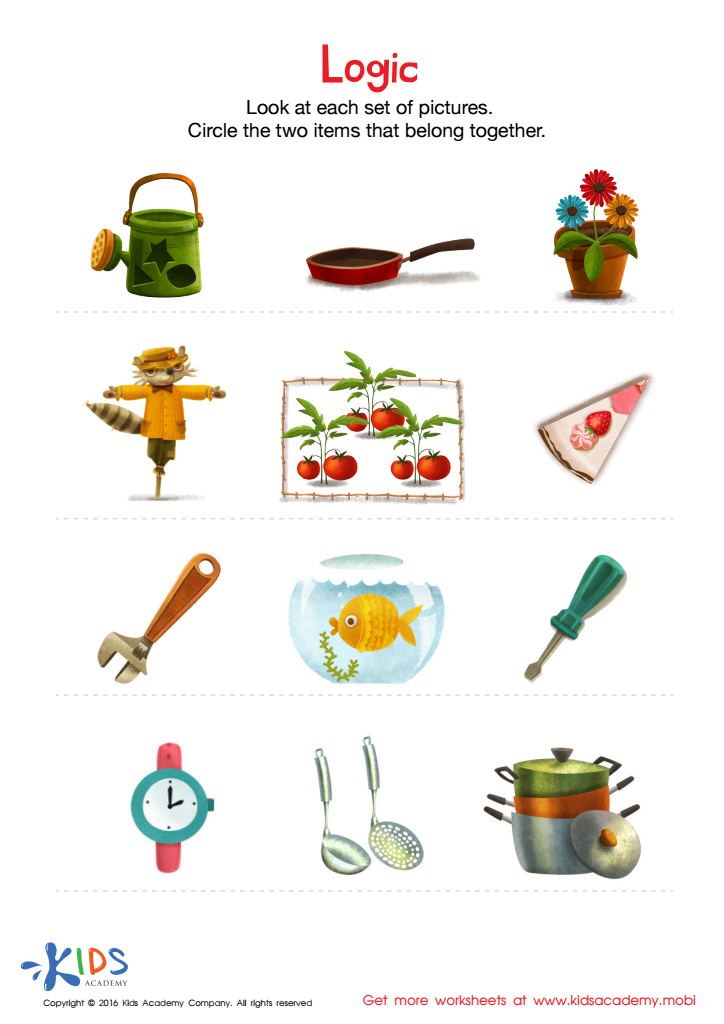
Logic Game Sorting Worksheet
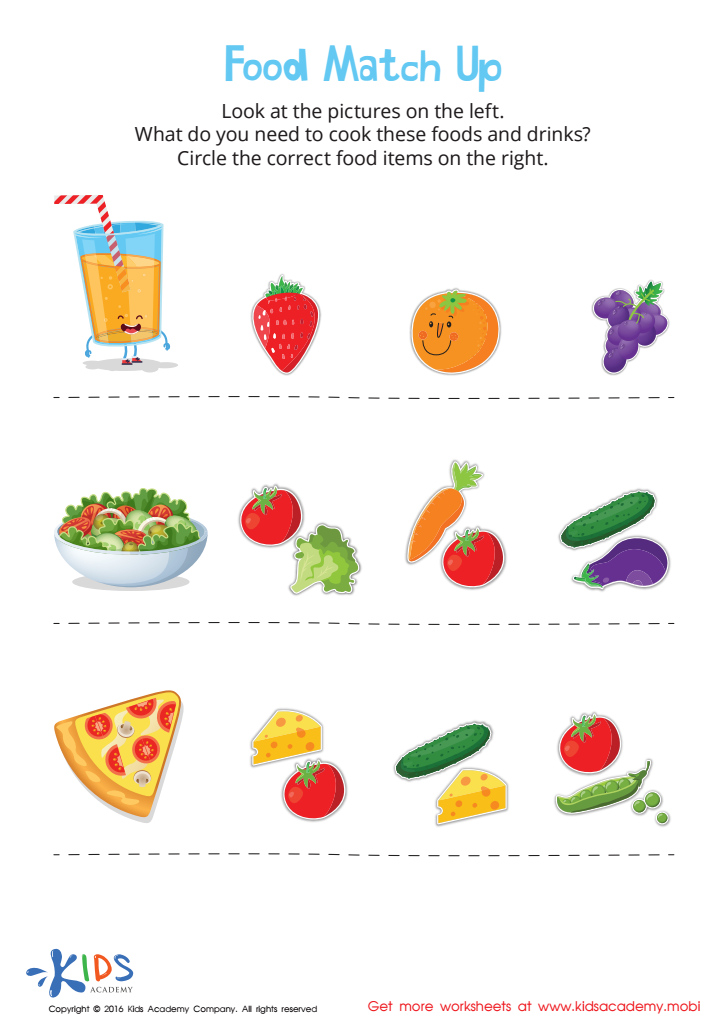
Food Match Up Worksheet
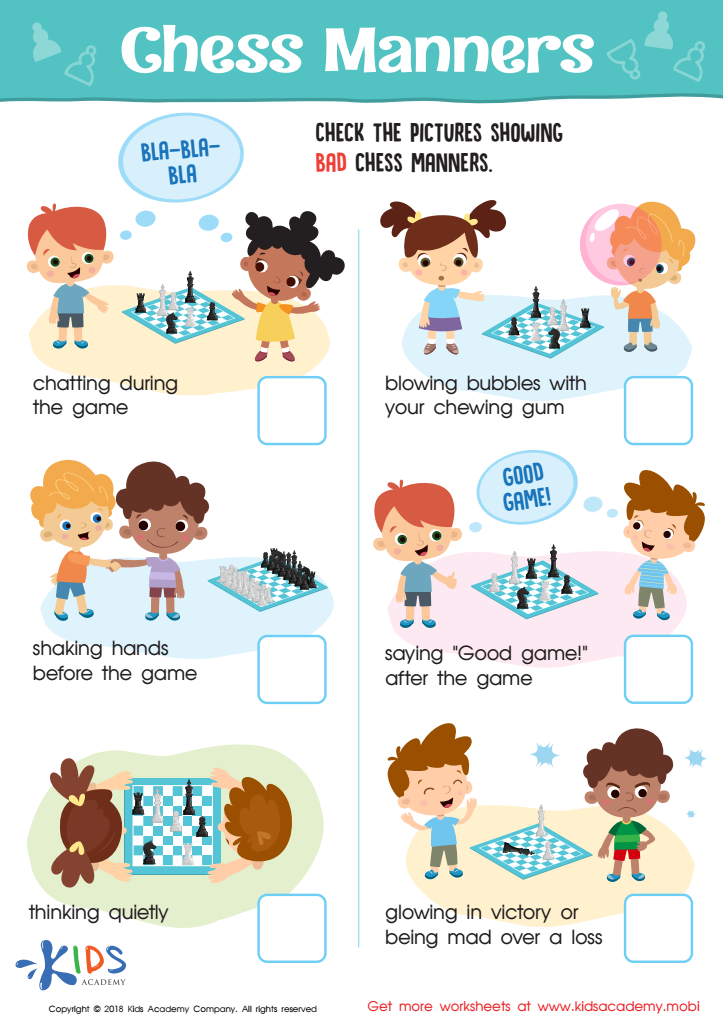
Chess Manners Worksheet
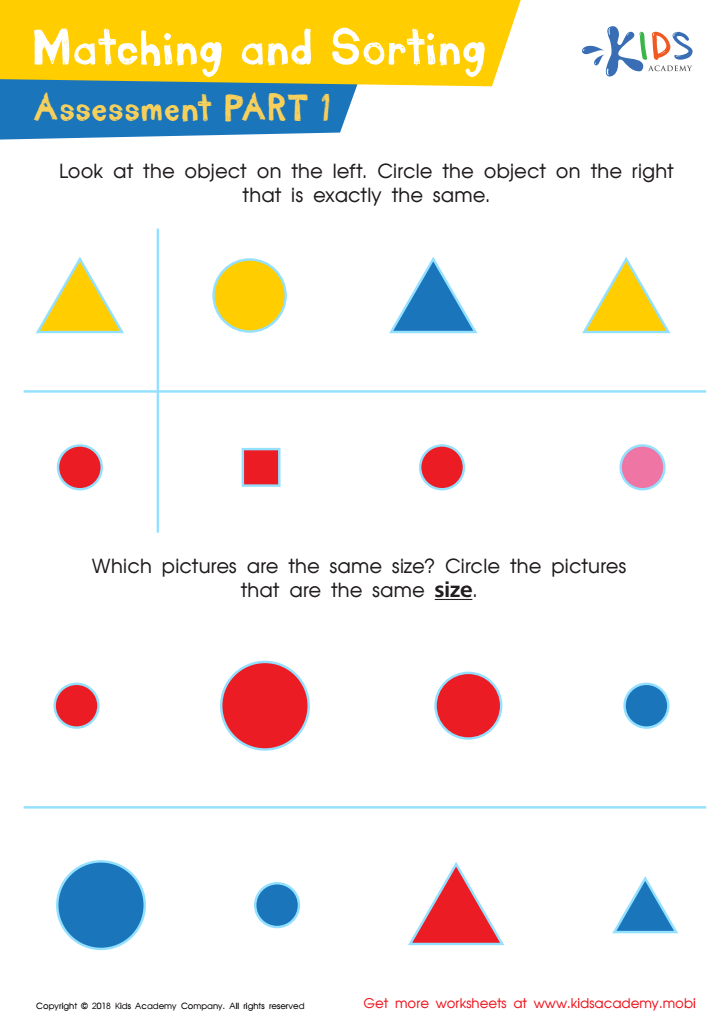
Matching and Sorting for Kindergarten: Assessment 1 Worksheet
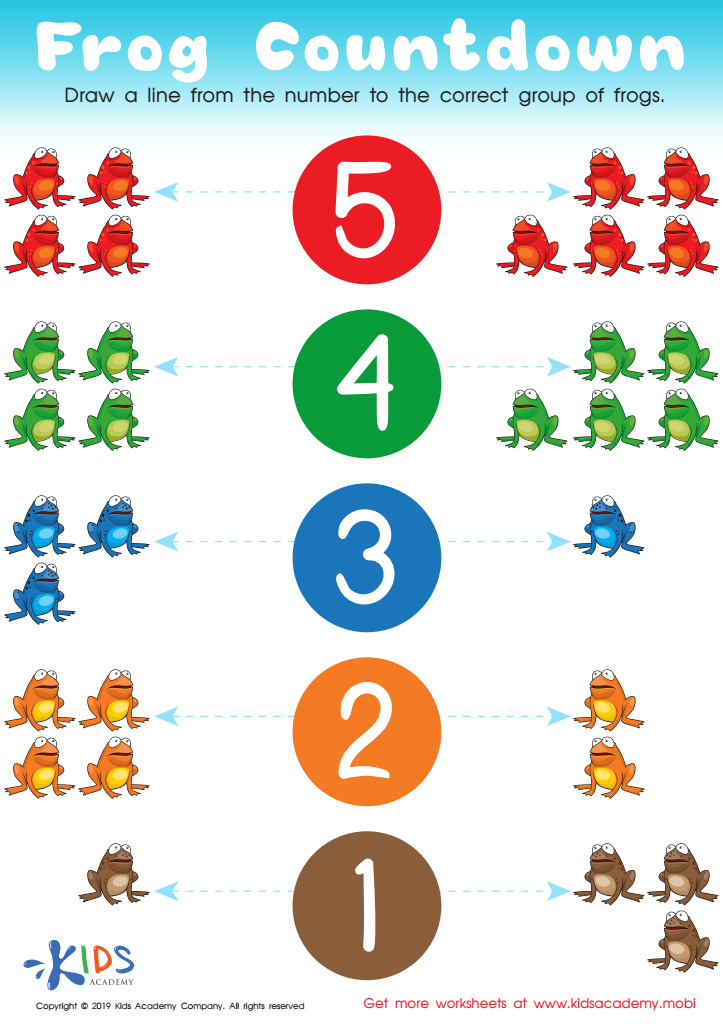
Frog Countdown Worksheet
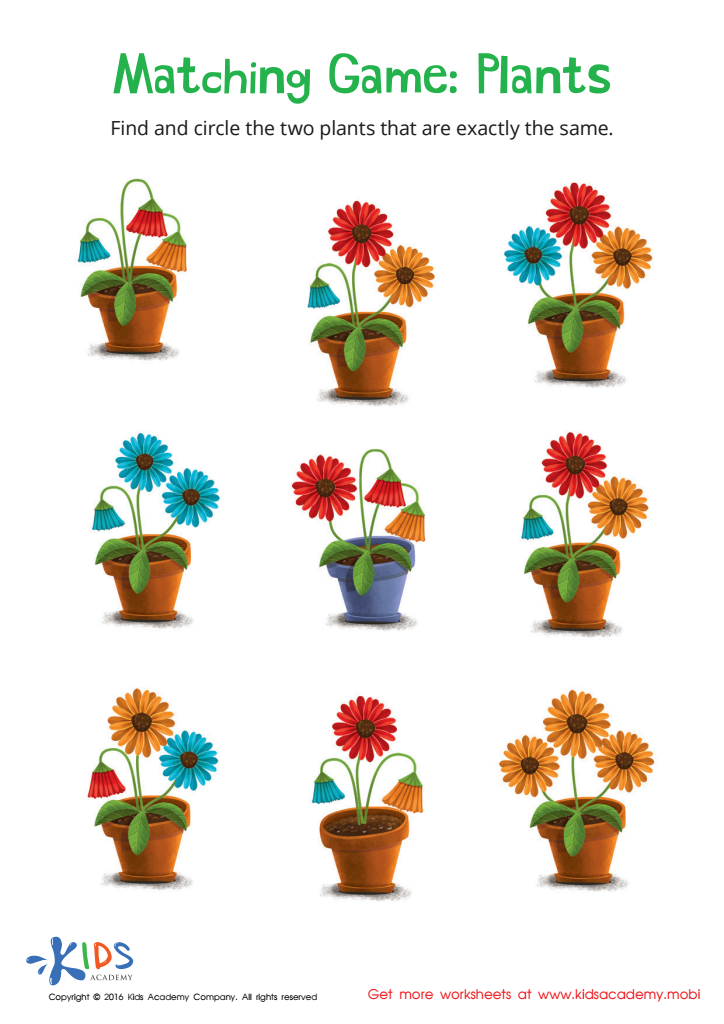
Matching: Plants Worksheet
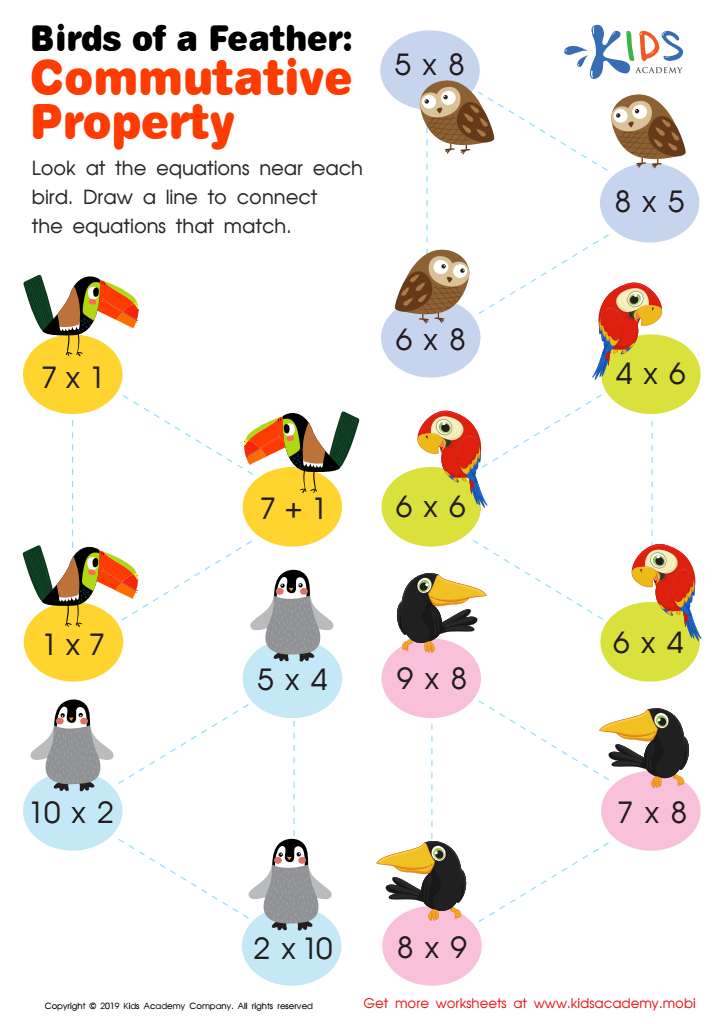
Birds of a Feather: Commutative Property Worksheet
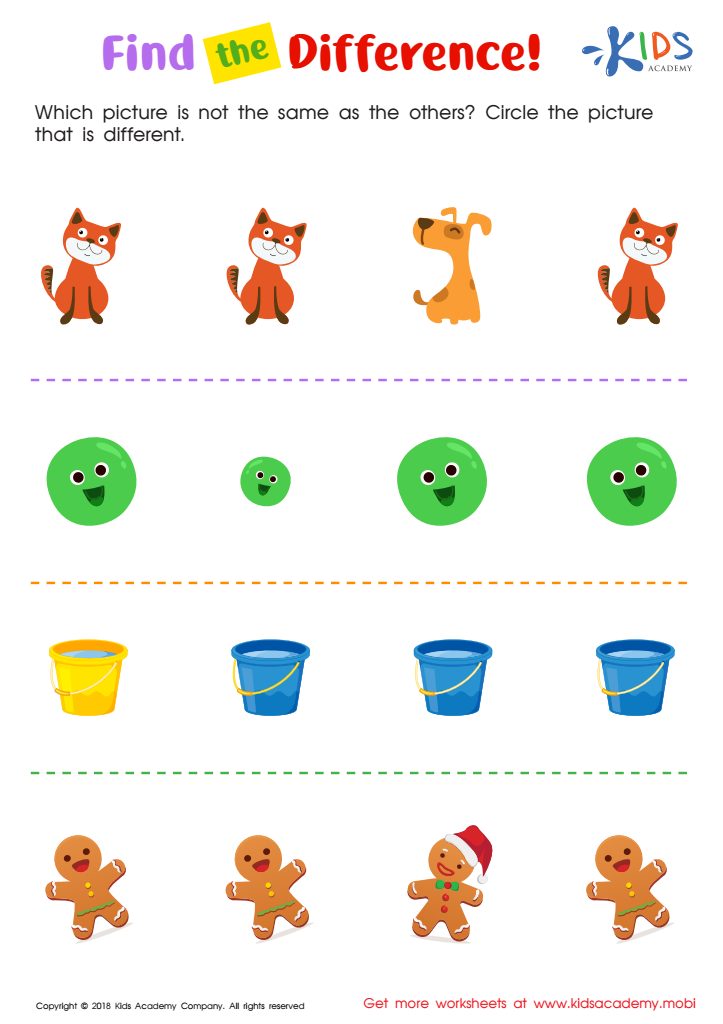
Find the Difference Worksheet
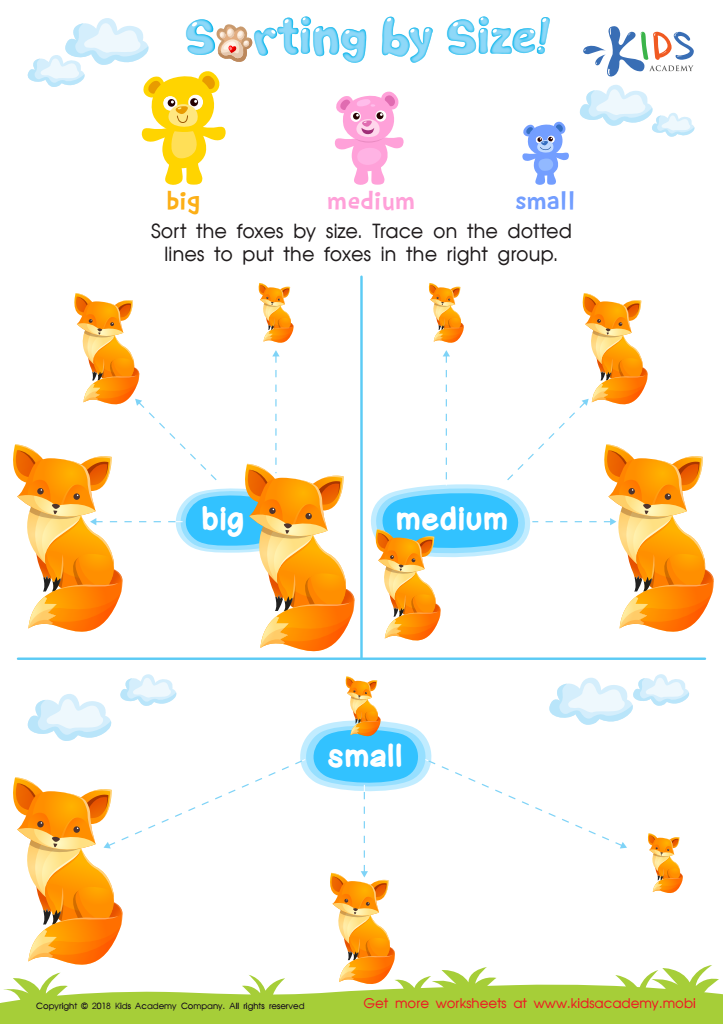
Sorting by Size Worksheet
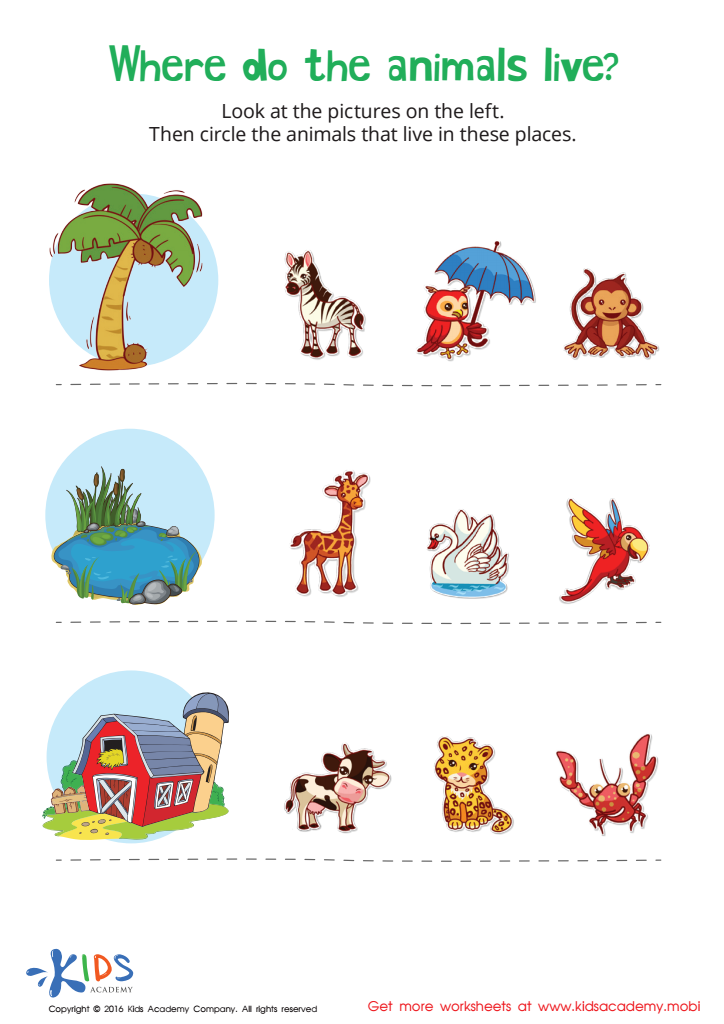
Where Animals Live Worksheet
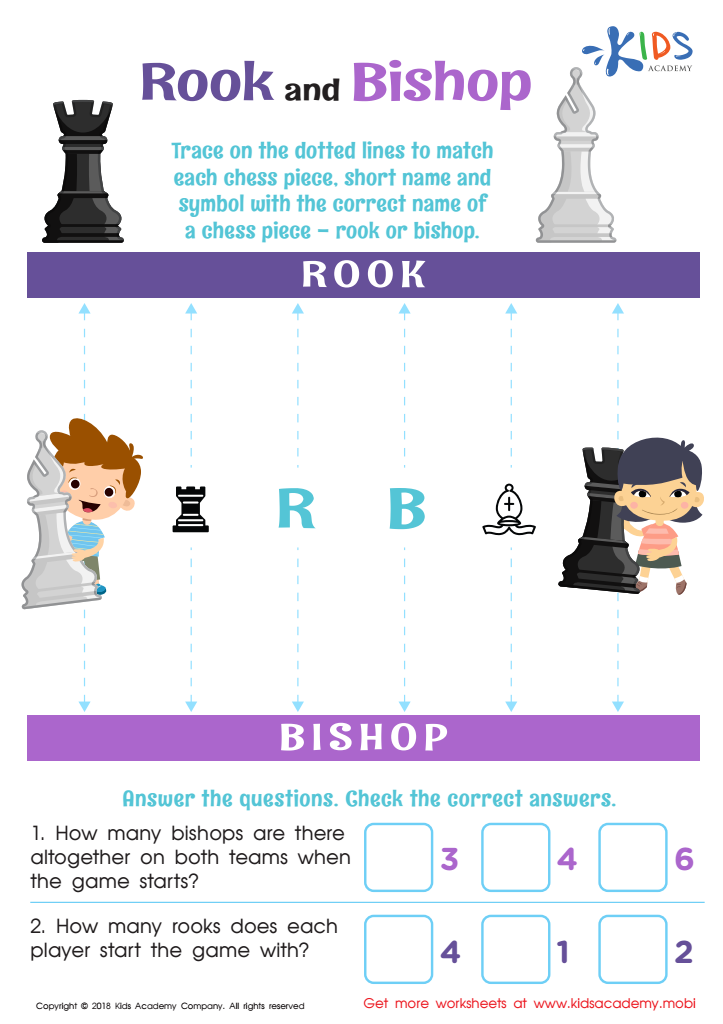
Rook and Bishop Worksheet
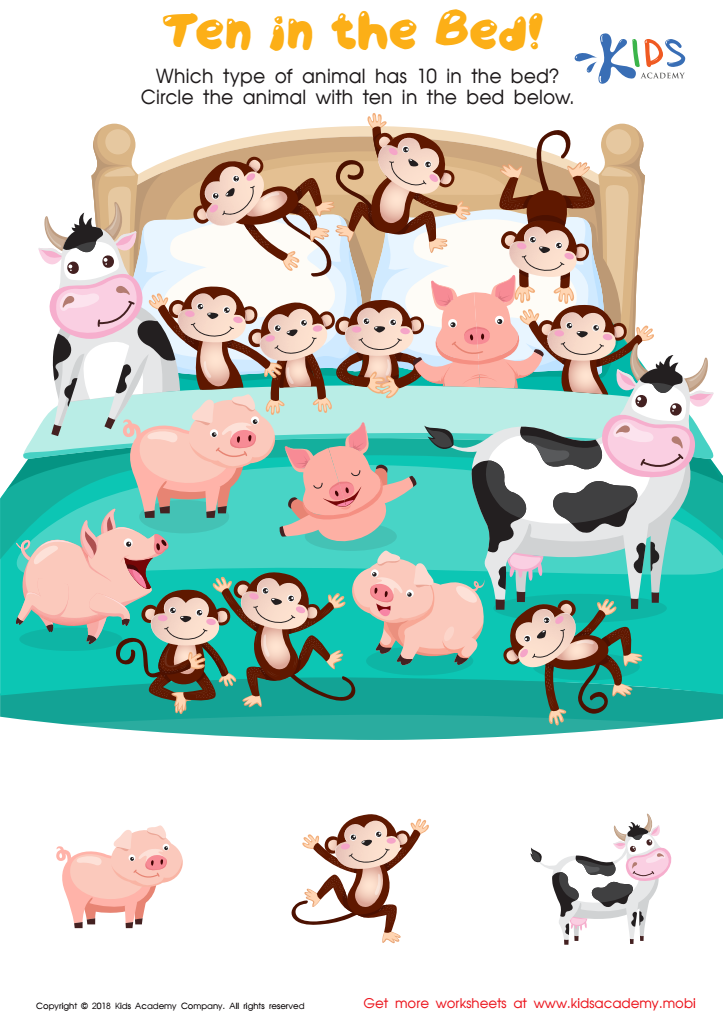
Ten in the Bed Worksheet
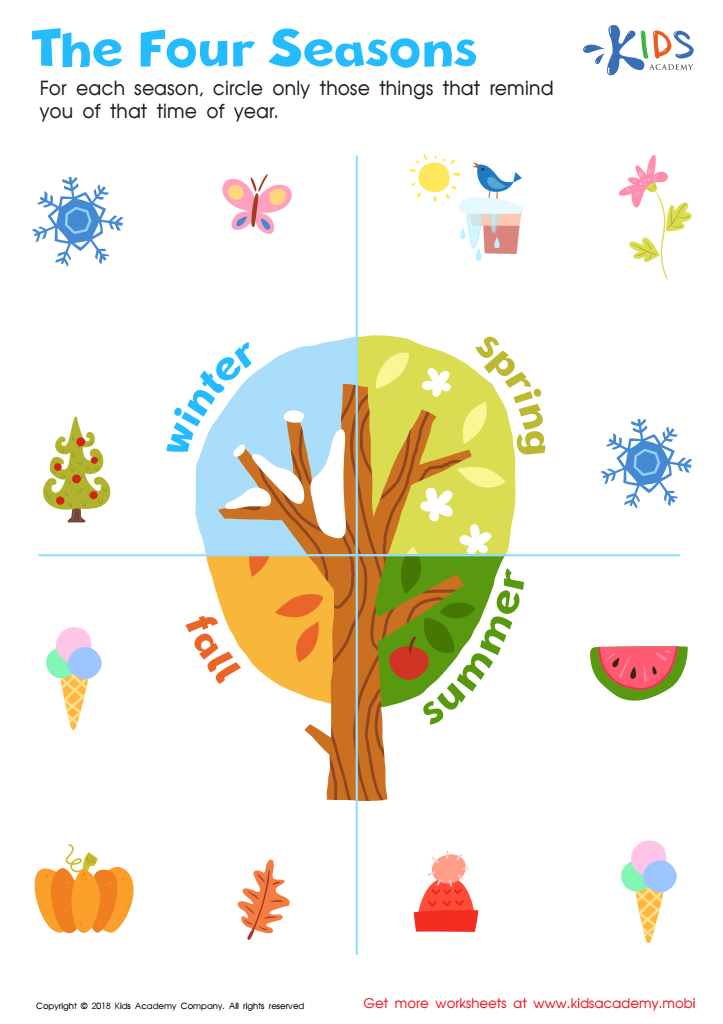
The Four Seasons Worksheet








Normal Logical Thinking activities are essential for children aged 3-9 as they play a crucial role in cognitive development. At this early stage, children are inherently curious, exploring the world through observation and experimentation. Engaging in logical thinking activities—such as puzzles, games, or simple sorting tasks—helps them develop essential reasoning skills, critical for problem-solving and decision-making later in life.
Parents and teachers should care about these activities because they lay a foundation for academic success. By fostering logical thinking, children learn to identify patterns, make connections, and understand cause and effect. These skills are not just vital in mathematics or science, but also in everyday scenarios, enhancing their ability to navigate social interactions and challenges.
Moreover, logical thinking activities can improve concentration, attention span, and patience, traits valuable in a classroom and beyond. They also encourage creativity, prompting children to find various solutions to a problem. In a rapidly changing world, the ability to think logically and critically is indispensable. By prioritizing such activities early on, parents and teachers equip children with the tools they need to thrive in an increasingly complex environment, setting them on a path to lifelong learning and success.








