Normal Matching worksheets activities for Ages 6-8 - Page 2
29 filtered results
-
From - To
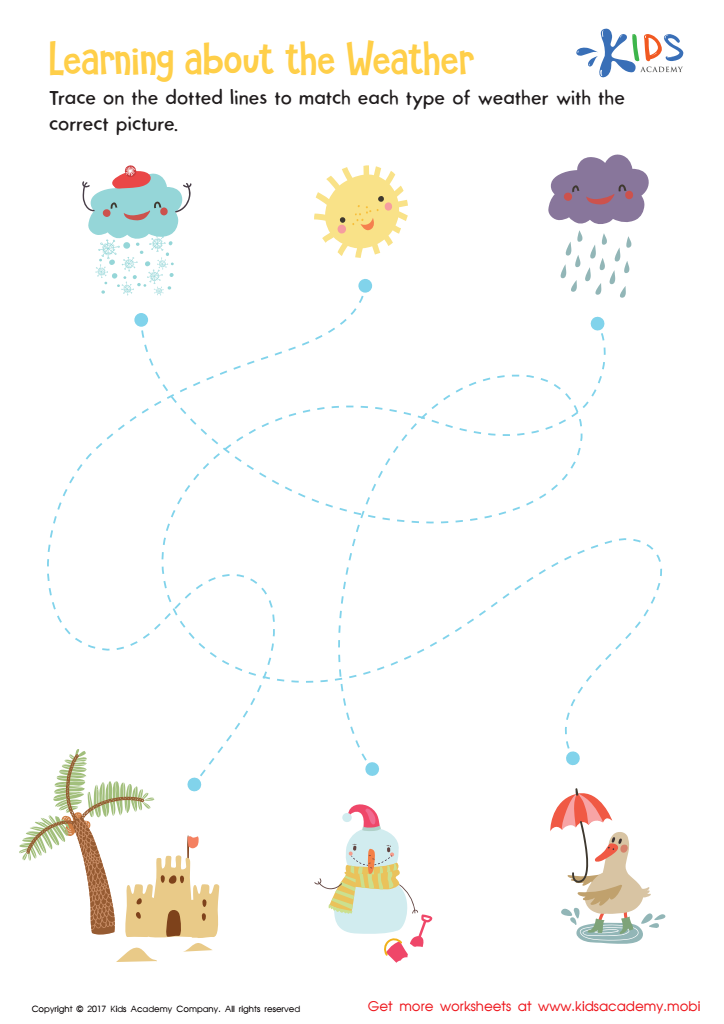
 Assign to My Students
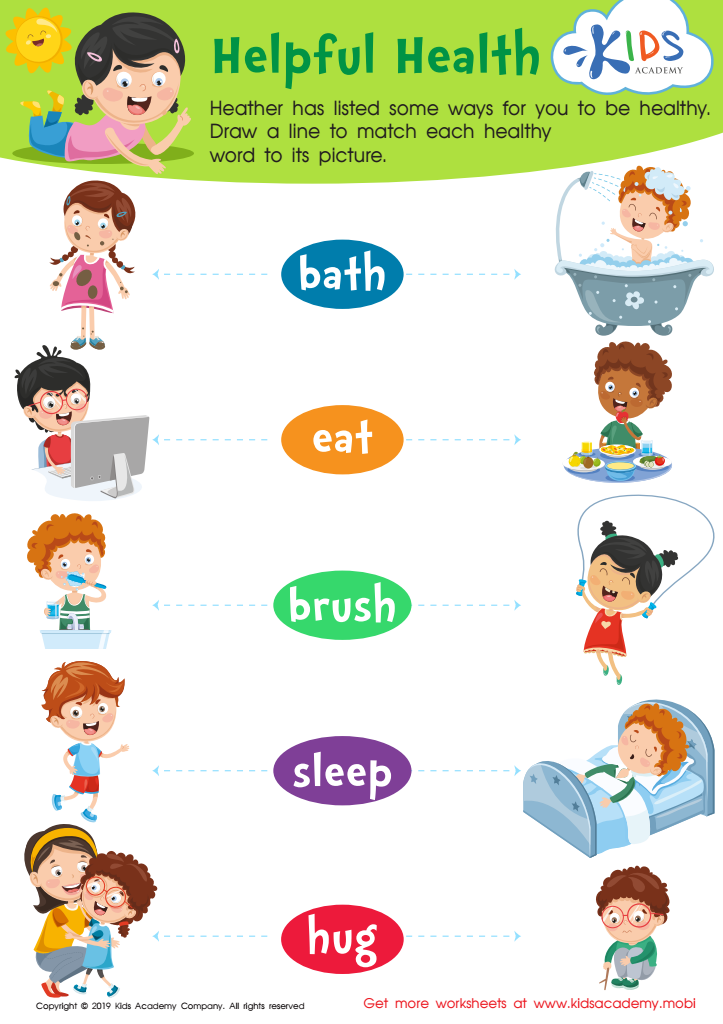
Helpful Health Worksheet
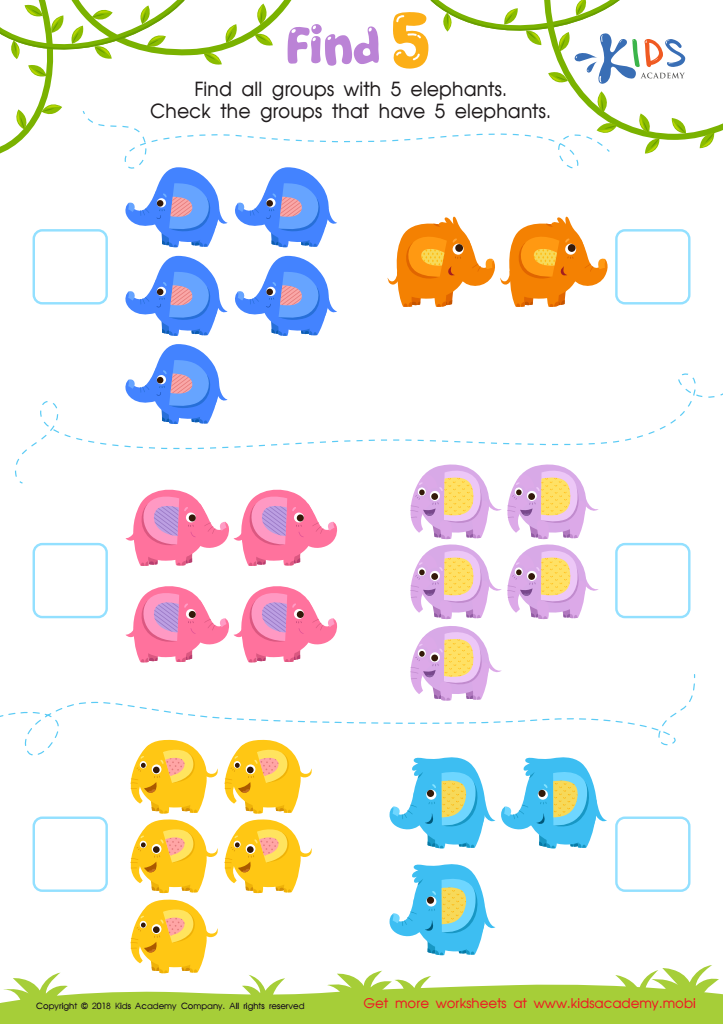
Find 5 Worksheet
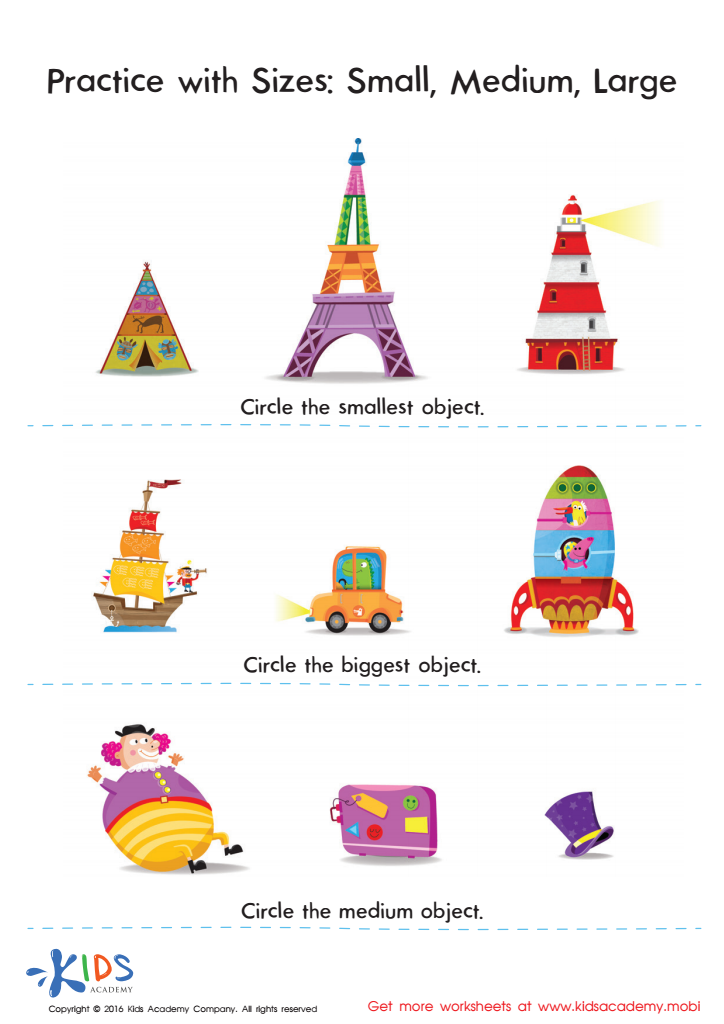








Normal Matching activities are essential for children aged 6-8 as they significantly contribute to cognitive development, social skills, and academic preparedness. This age group is crucial for nurturing foundational skills like critical thinking and problem-solving, which are vital for later learning.
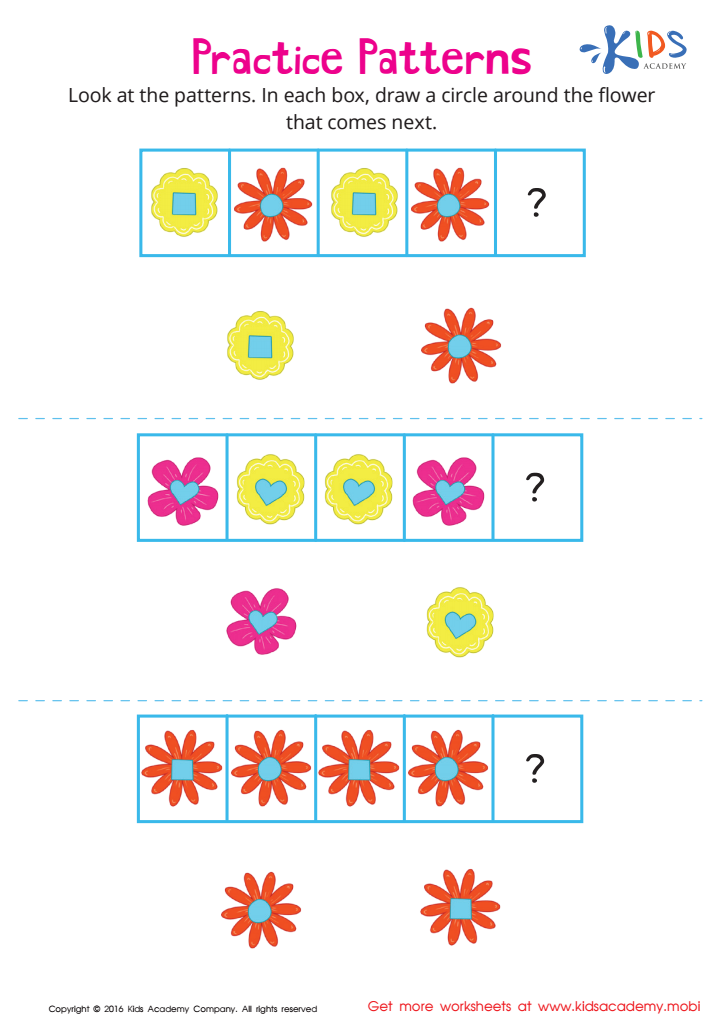
Engaging in Normal Matching activities enhances children’s ability to recognize patterns, categorize information, and improve their memory. These skills are necessary not just in academics but in everyday interactions and decision-making.
Moreover, these activities often require collaboration among peers, providing opportunities for teamwork and communication. This social interaction fosters emotional intelligence, helping children navigate relationships and develop empathy.
From a broader perspective, Normal Matching activities are an avenue for assessment. Teachers and parents can gauge a child's understanding and identify areas that may need reinforcement, ensuring personalized growth strategies.
Additionally, these activities promote engagement and fun in learning, making educational processes more enjoyable. By using playful means to develop essential skills, children build a positive attitude towards learning, setting a strong foundation for years to come. Overall, parental and educator involvement in Normal Matching activities supports holistic child development, preparing them for future challenges in an increasingly complex world.








