Shape Recognition 2D Shapes Worksheets for Ages 3-4
23 filtered results
-
From - To
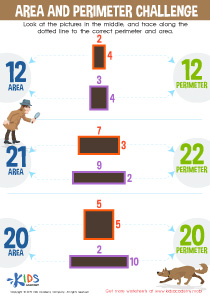
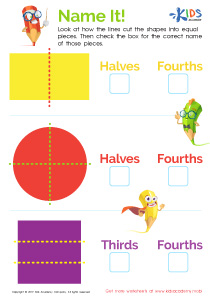
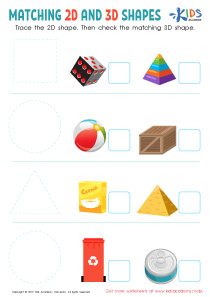
Enhance your child's shape recognition skills with our engaging 2D Shapes Worksheets designed for ages 3-4! These thoughtfully crafted worksheets introduce young learners to various shapes through fun activities that promote hands-on learning. Each worksheet focuses on identifying, drawing, and coloring different 2D shapes, making learning interactive and enjoyable. Our resources are perfect for parents and educators seeking to foster foundational math skills in early childhood. Encourage spatial awareness and critical thinking as children explore shapes like circles, squares, triangles, and more. Download and print these worksheets to help your little ones recognize and enjoy the world of shapes!
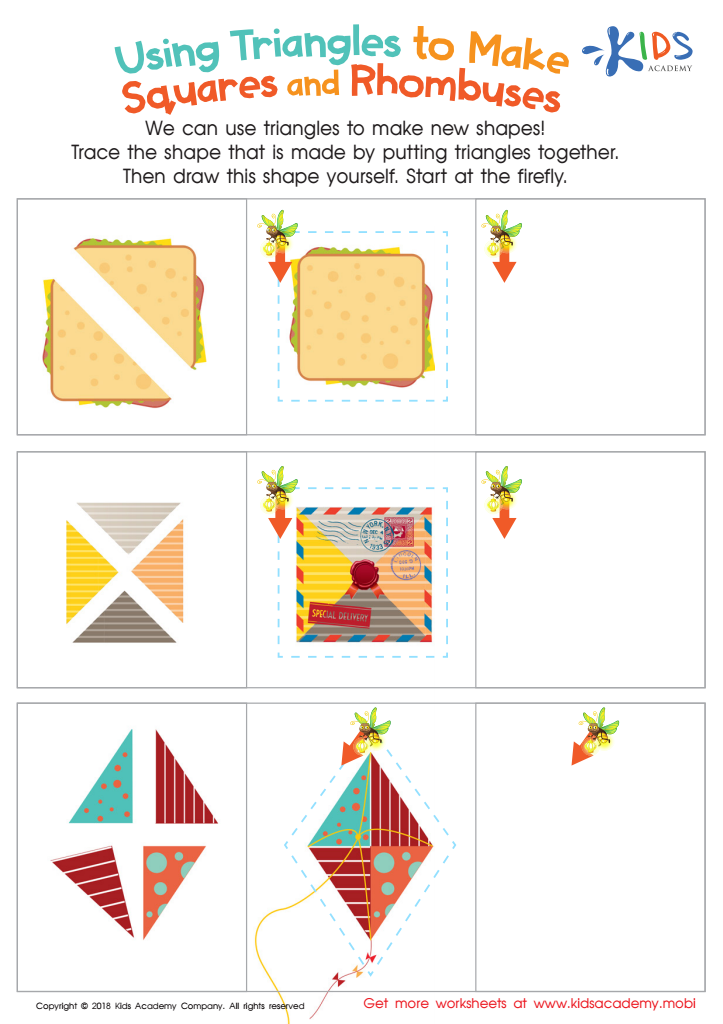
Using Triangles to Make Squares and Rhombuses Worksheet
 Assign to My Students




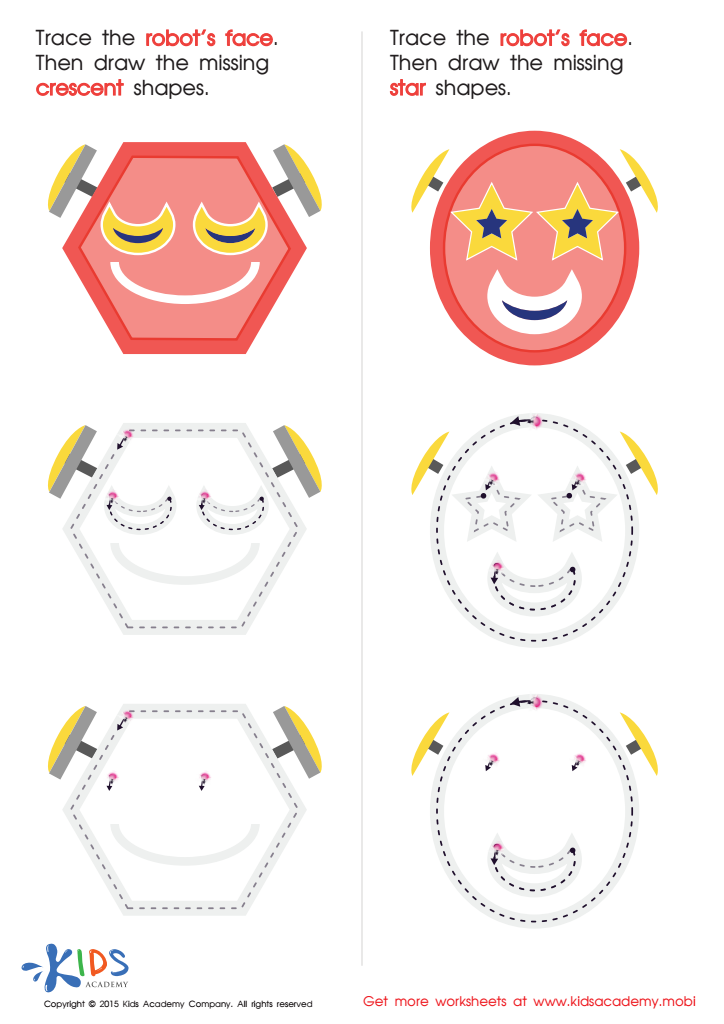
Composing a Robot's Face of Crescents And Stars Worksheet
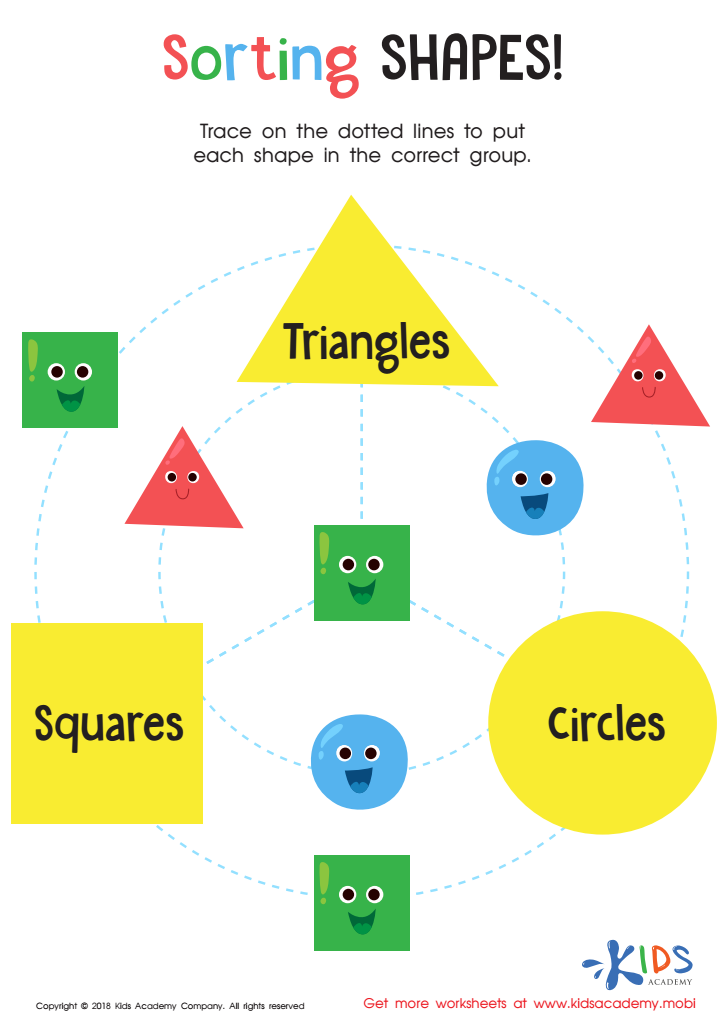
Sorting Shapes - Part 3 Worksheet
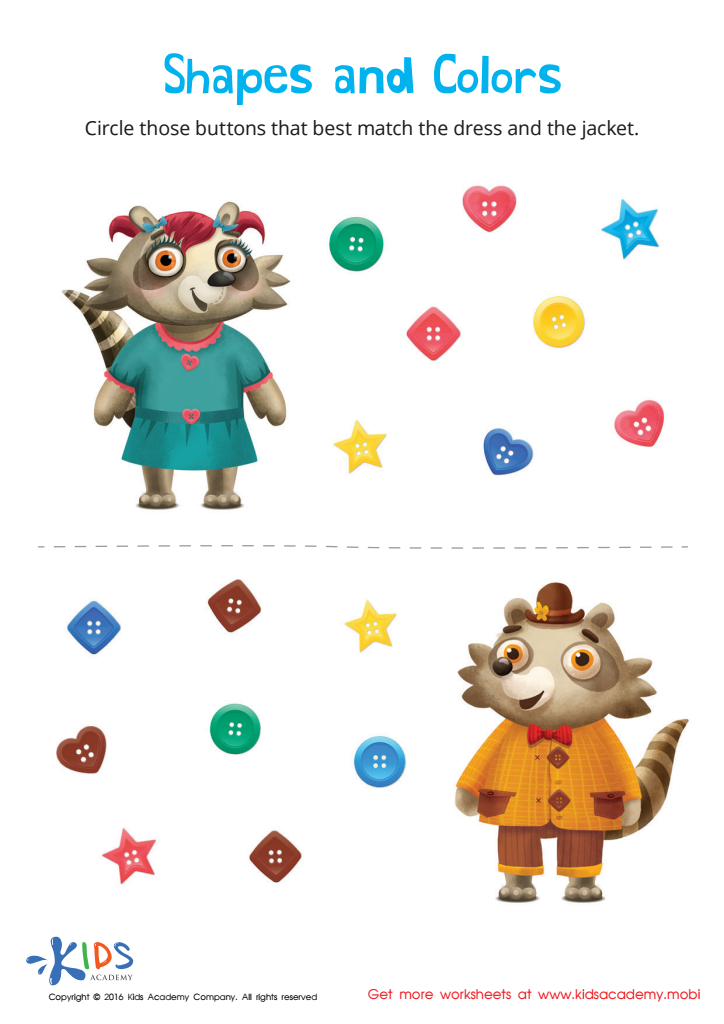
Matching: Shapes and Colors Worksheet
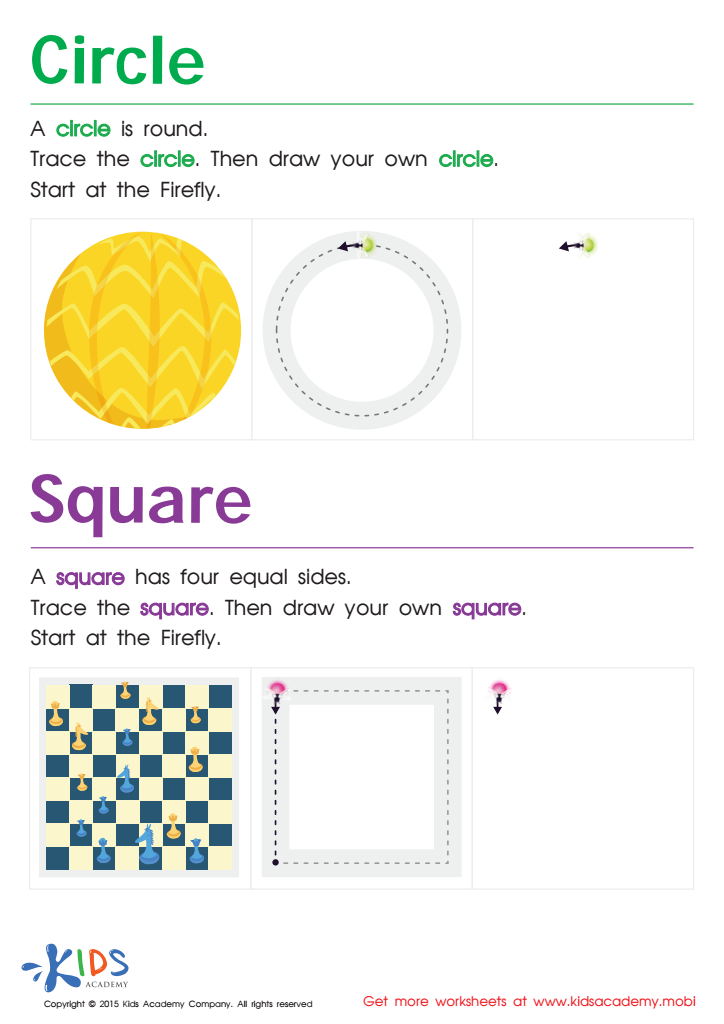
Trace And Draw a Circle And a Square Worksheet
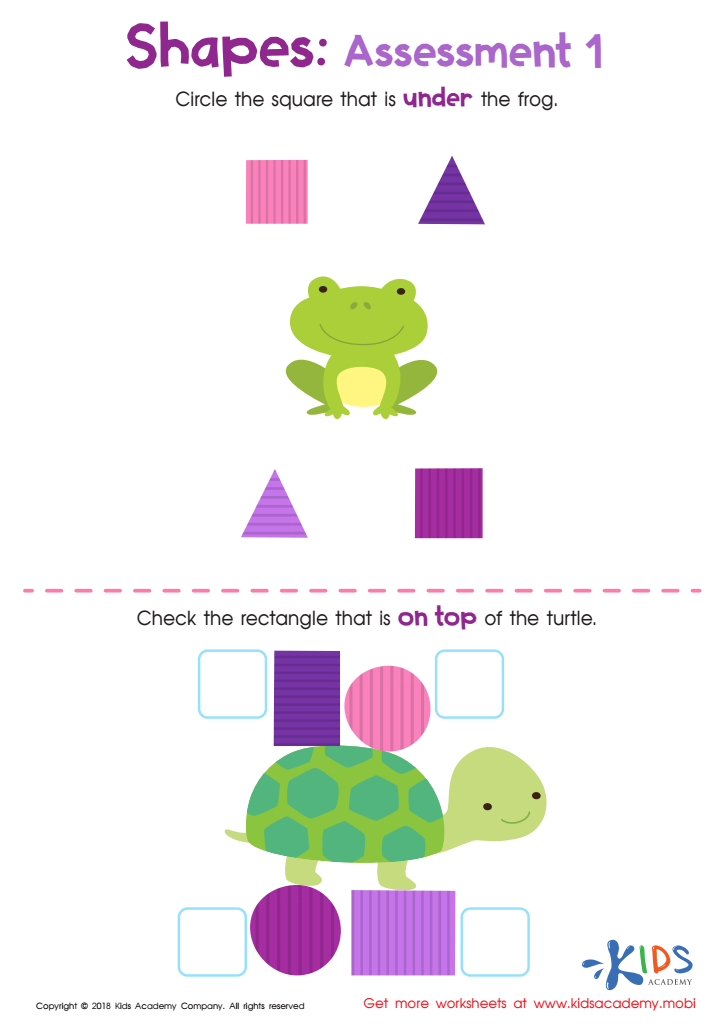
Geometry – Assessment 1 Worksheet
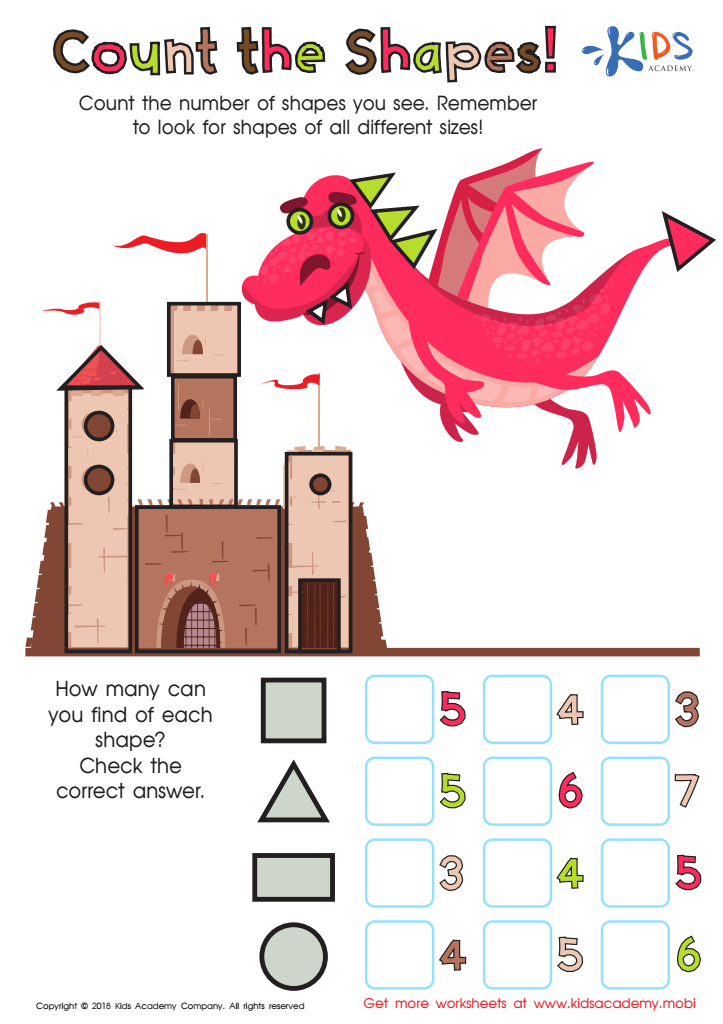
Count the Shapes Worksheet
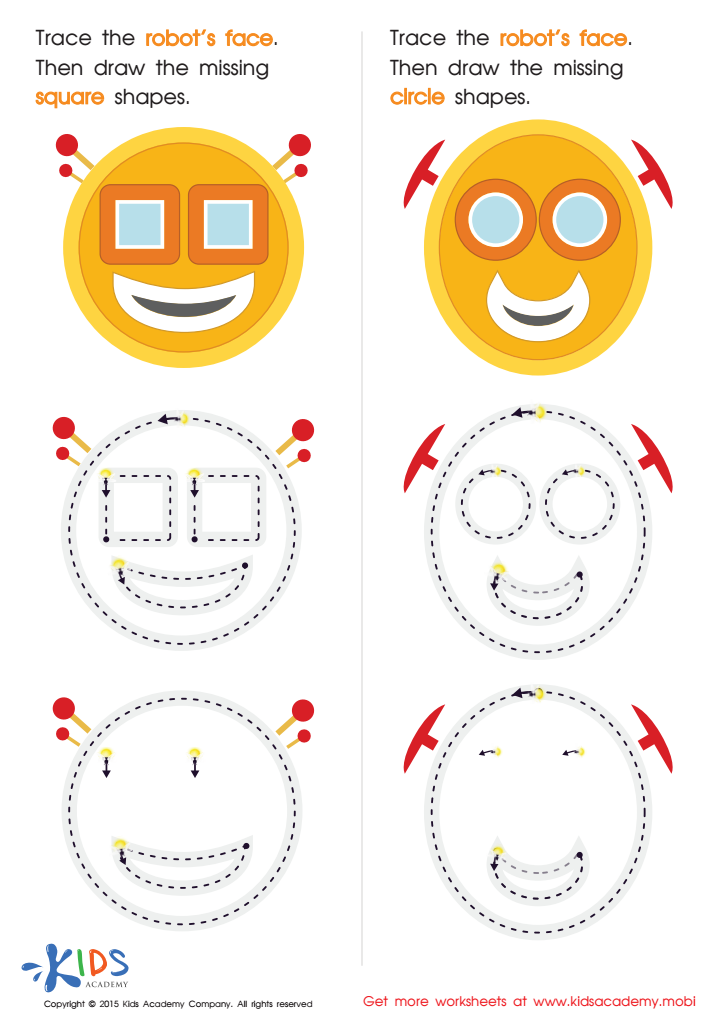
Practicing to Draw Circles And Squares Printable
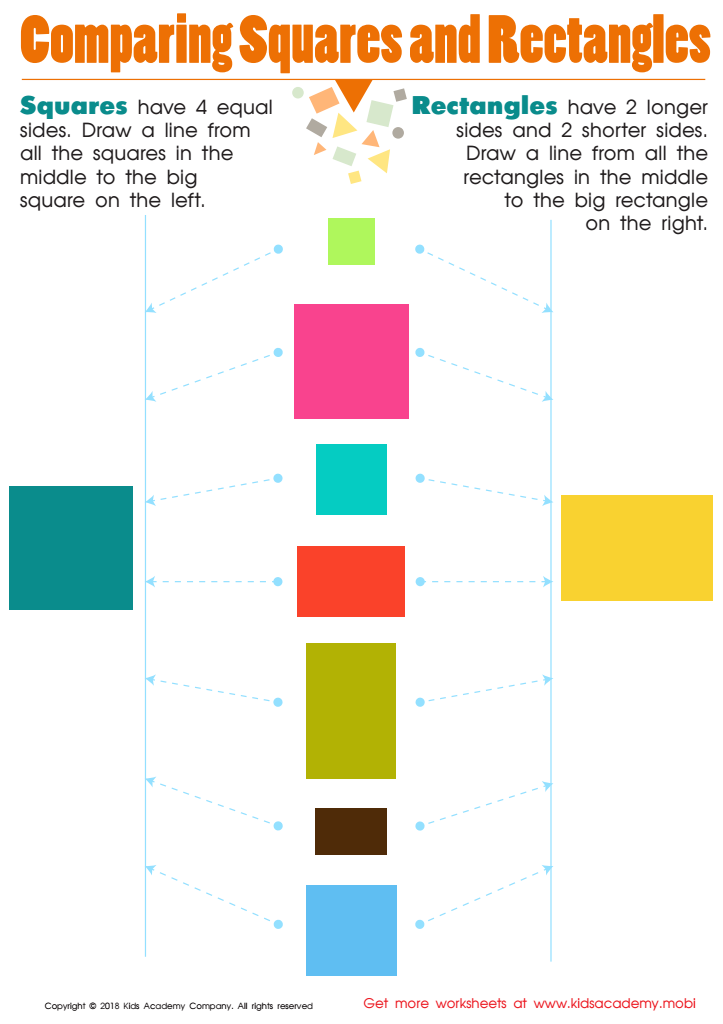
Comparing Squares Rectangles Worksheet
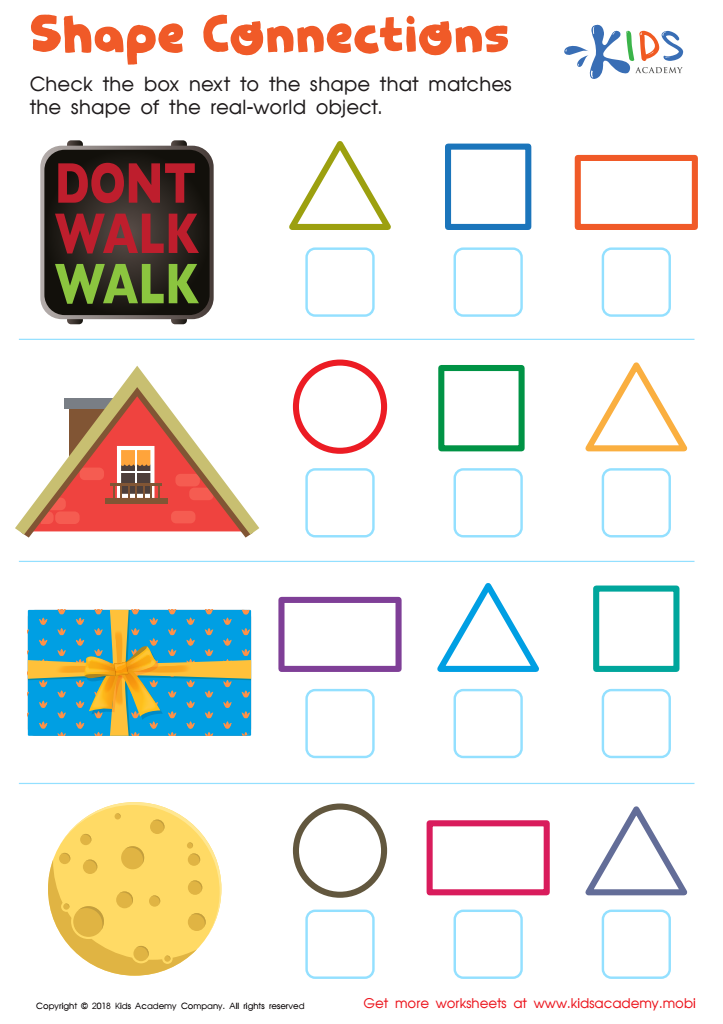
Shape Connections Worksheet
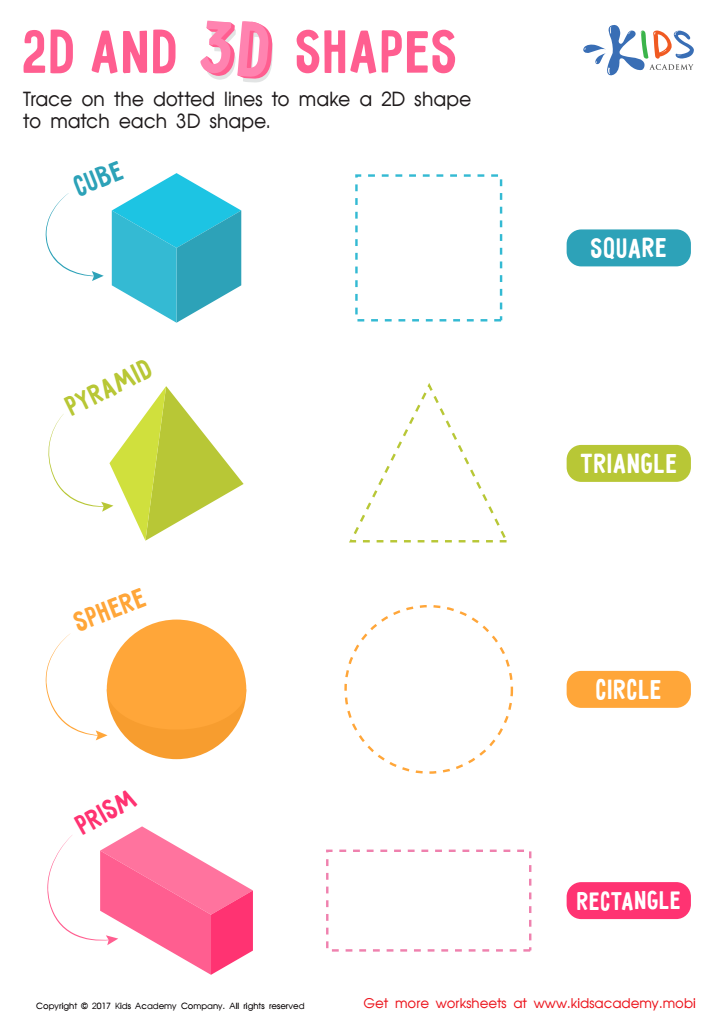
2D and 3D Shapes Worksheet
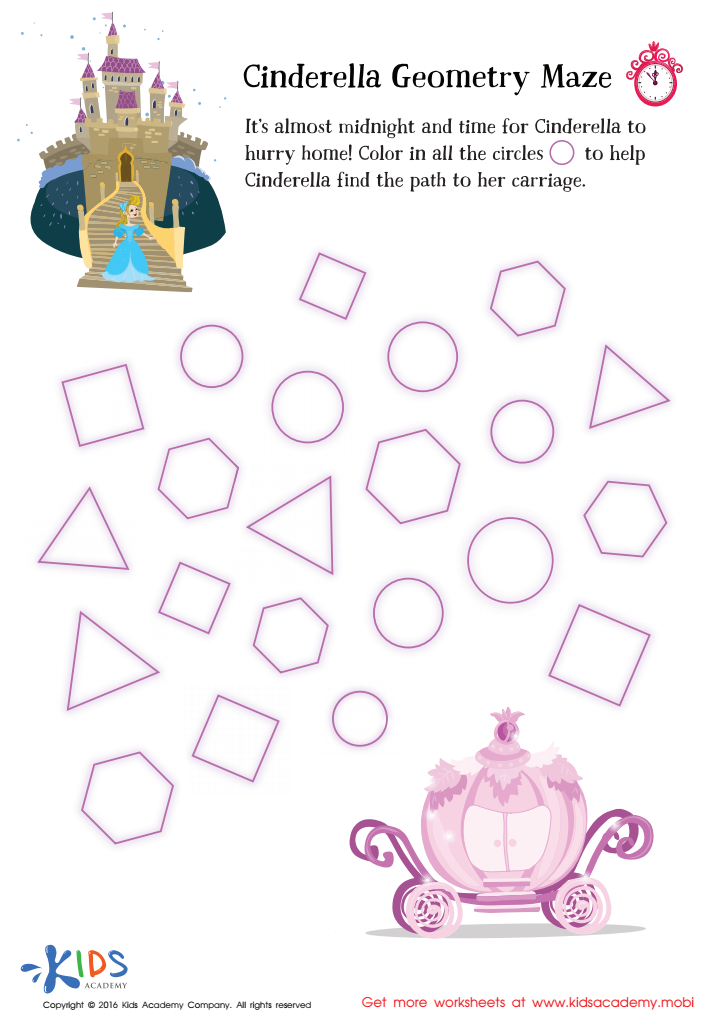
Cinderella Geometry Maze Worksheet
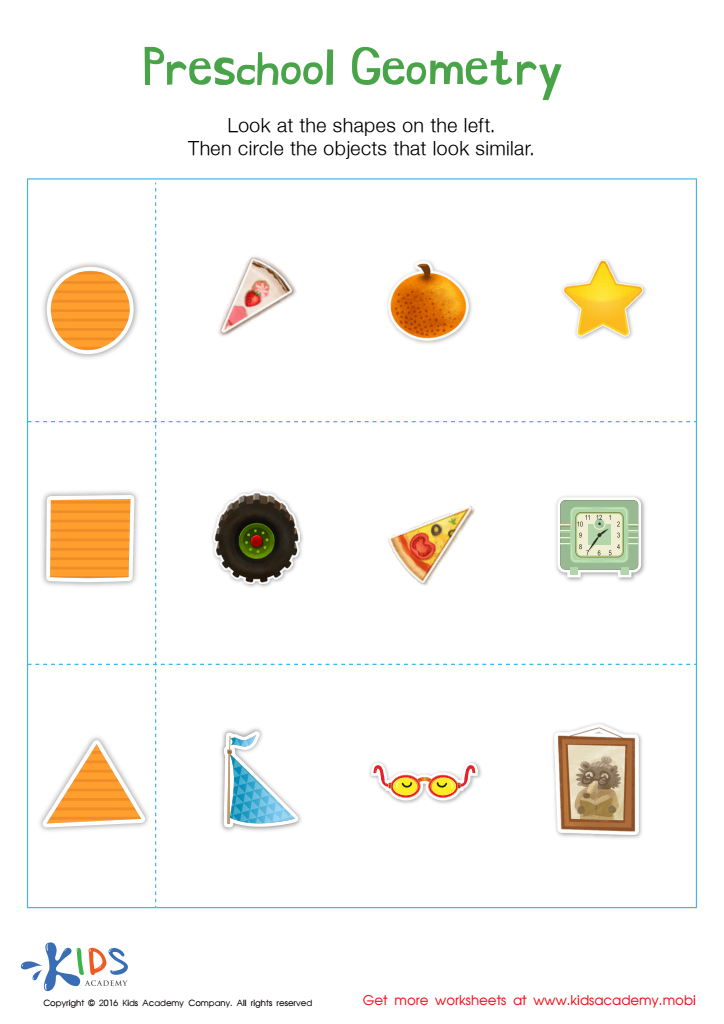
Preschool Geometry Match Up Worksheet
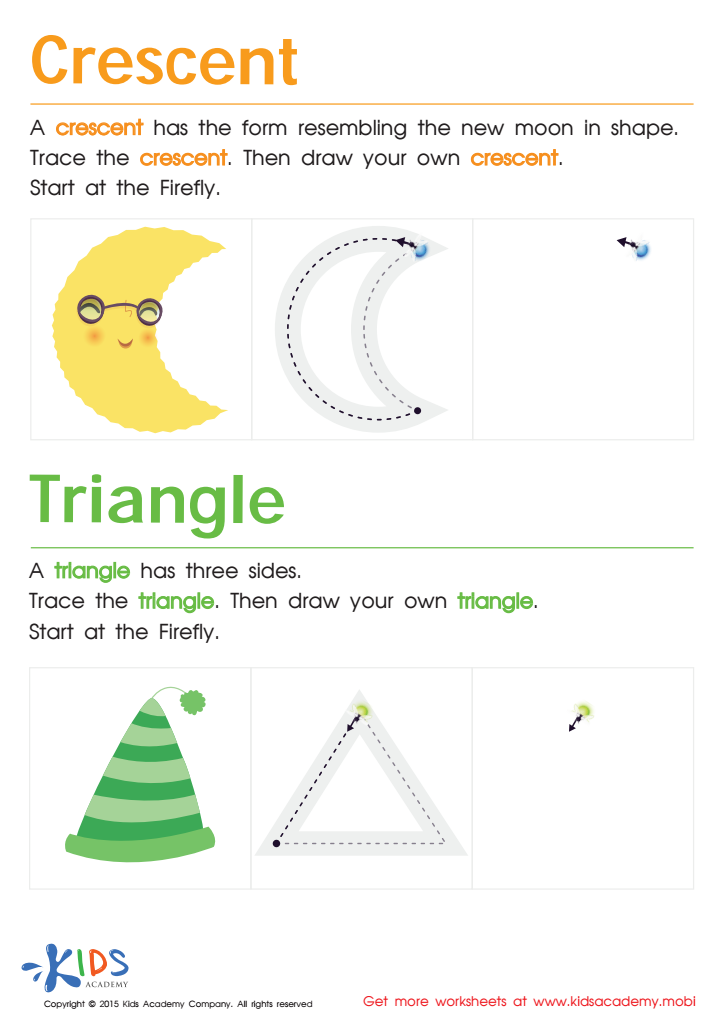
Learning to Draw Crescents And Triangles Worksheet
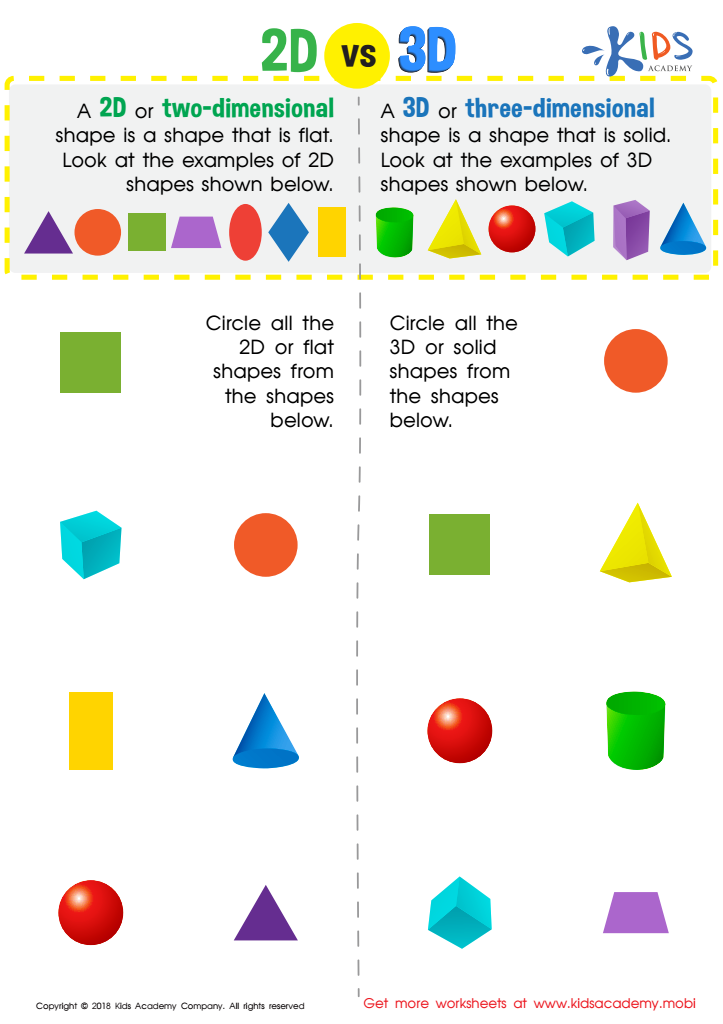
2D vs 3D Shapes Worksheet
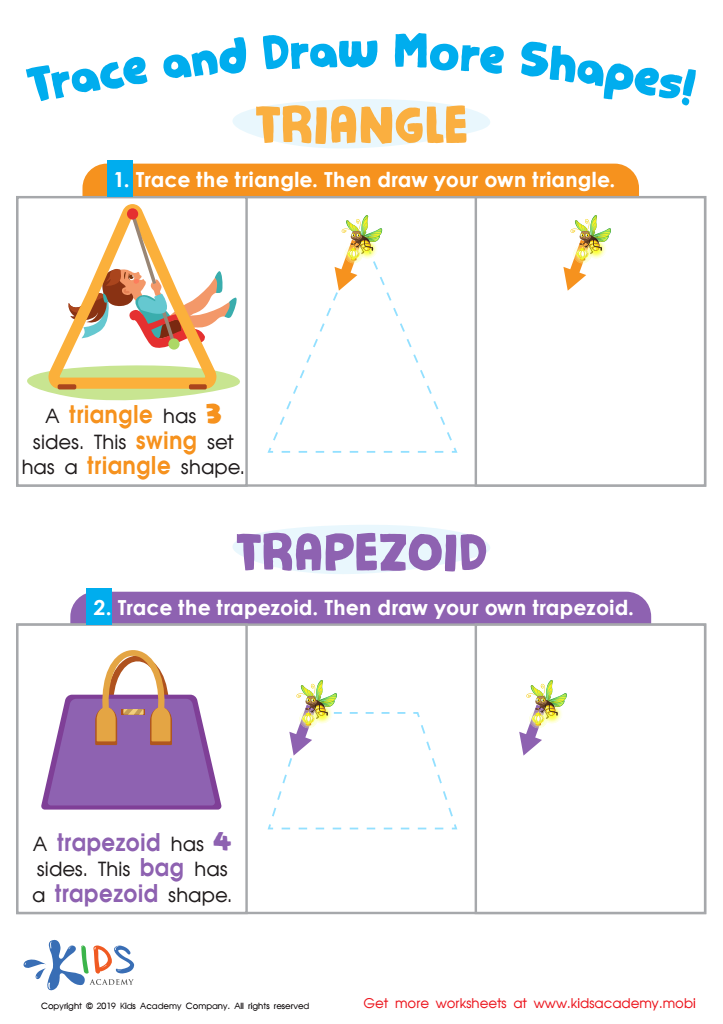
Trace and Draw More Shapes Worksheet
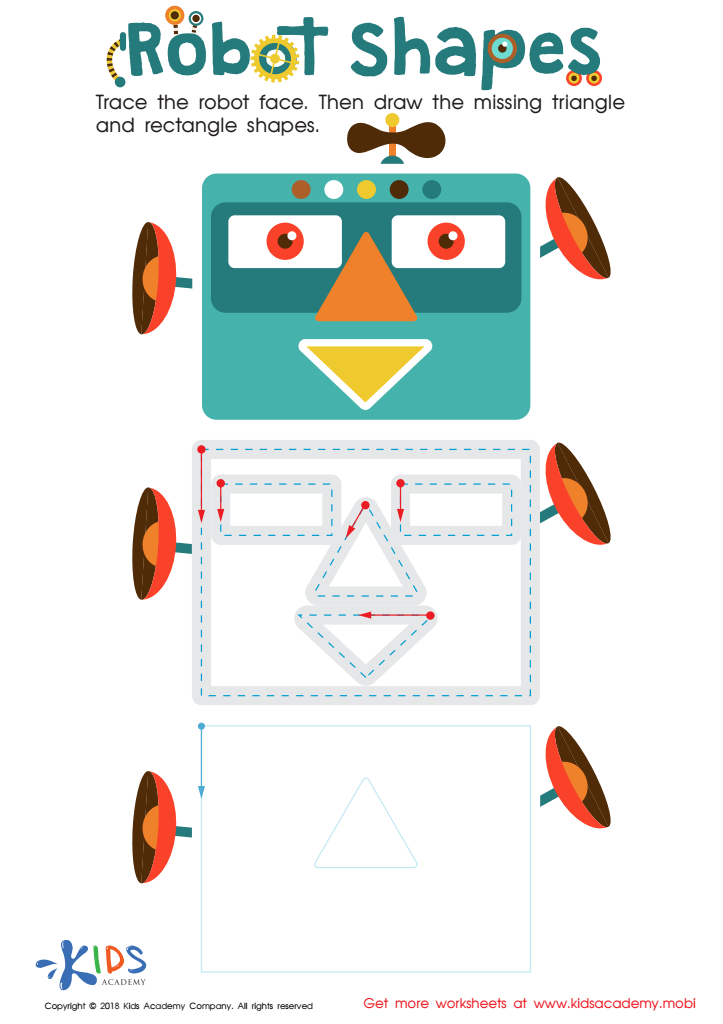
Robot Shapes Worksheet
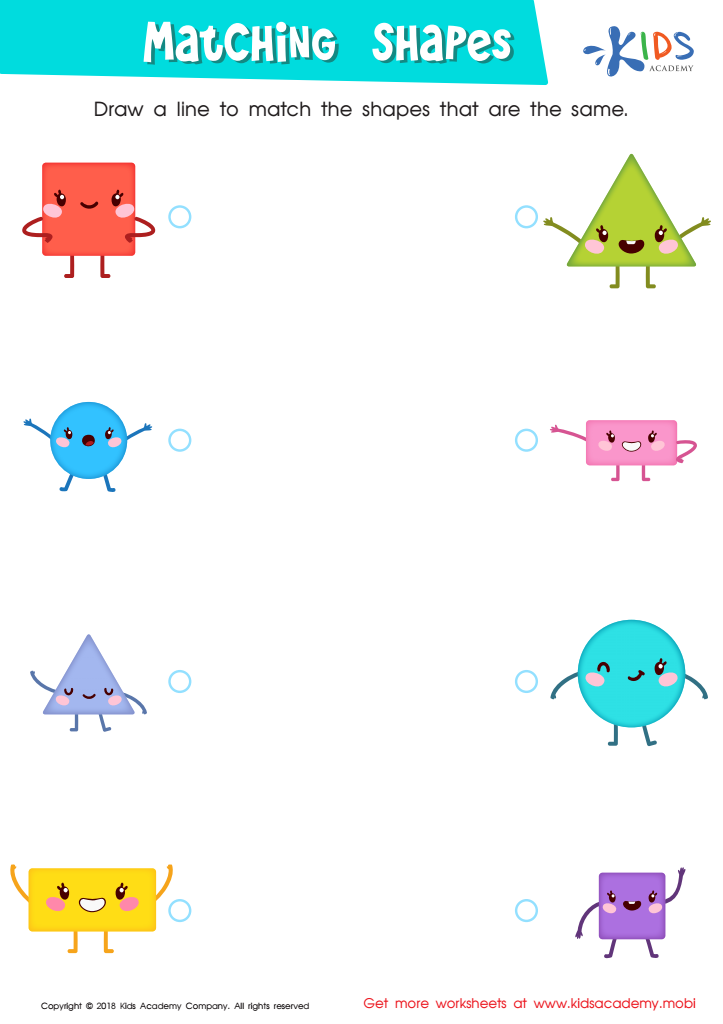
Matching Shapes Worksheet
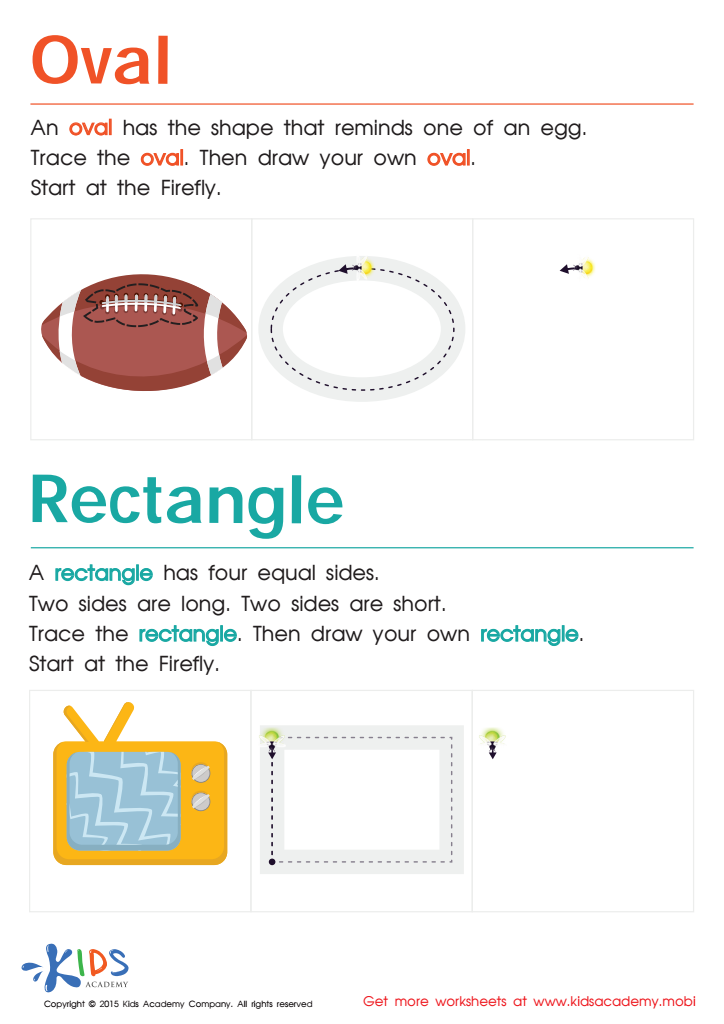
Easy Drawing of Ovals And Rectangles Worksheet
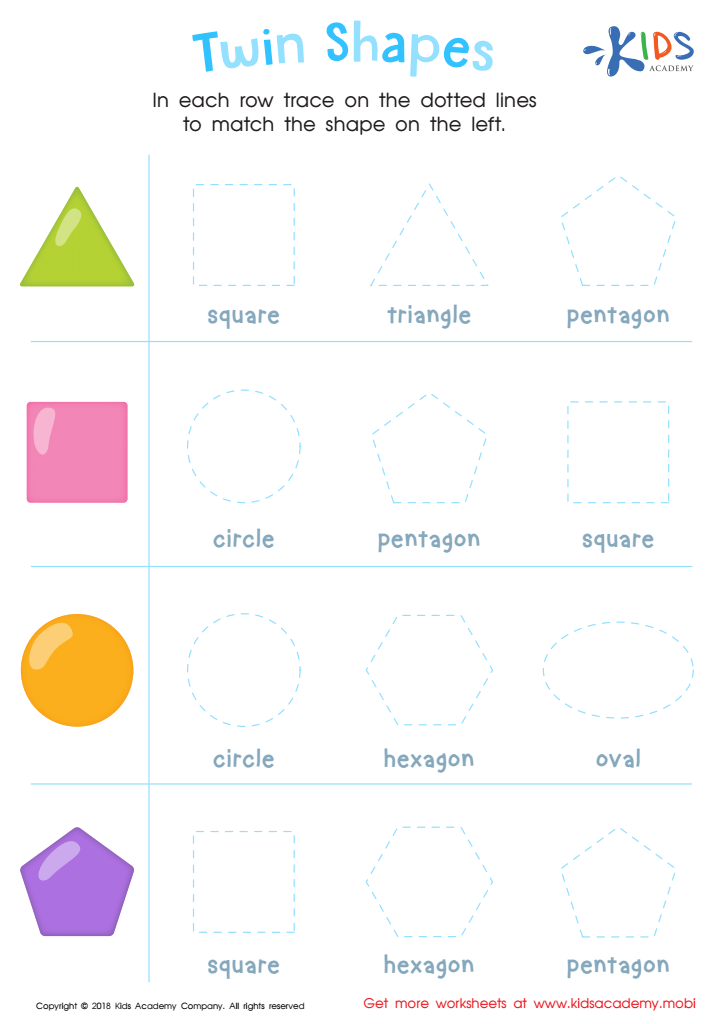
Twin Shapes Dot-to-Dot Worksheet
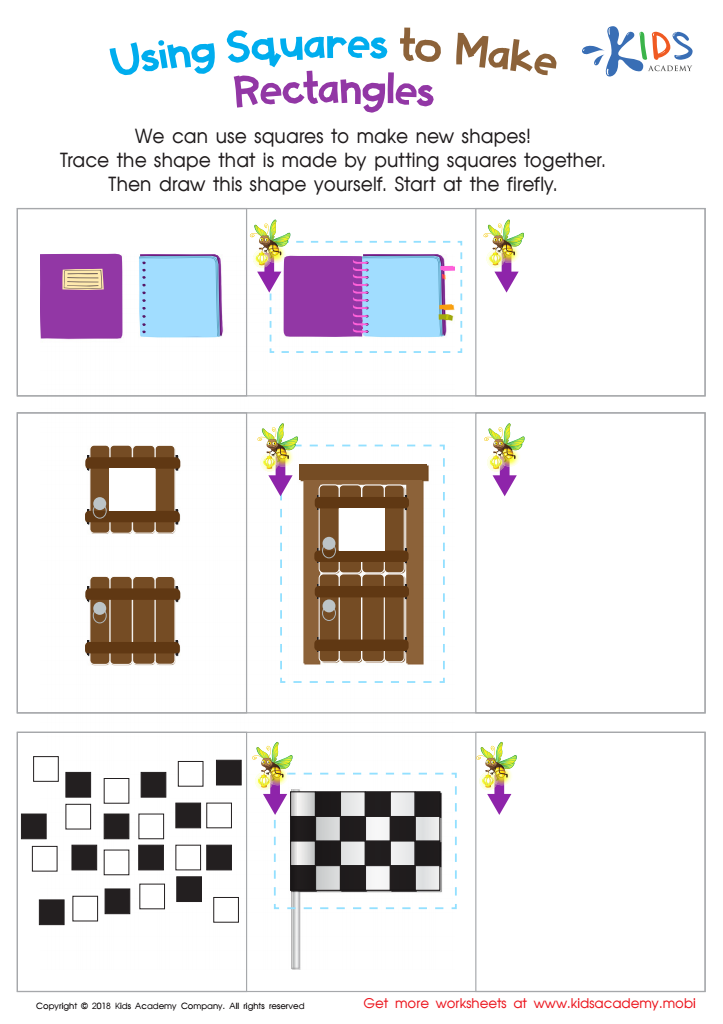
Using Squares to Make Rectangles Worksheet
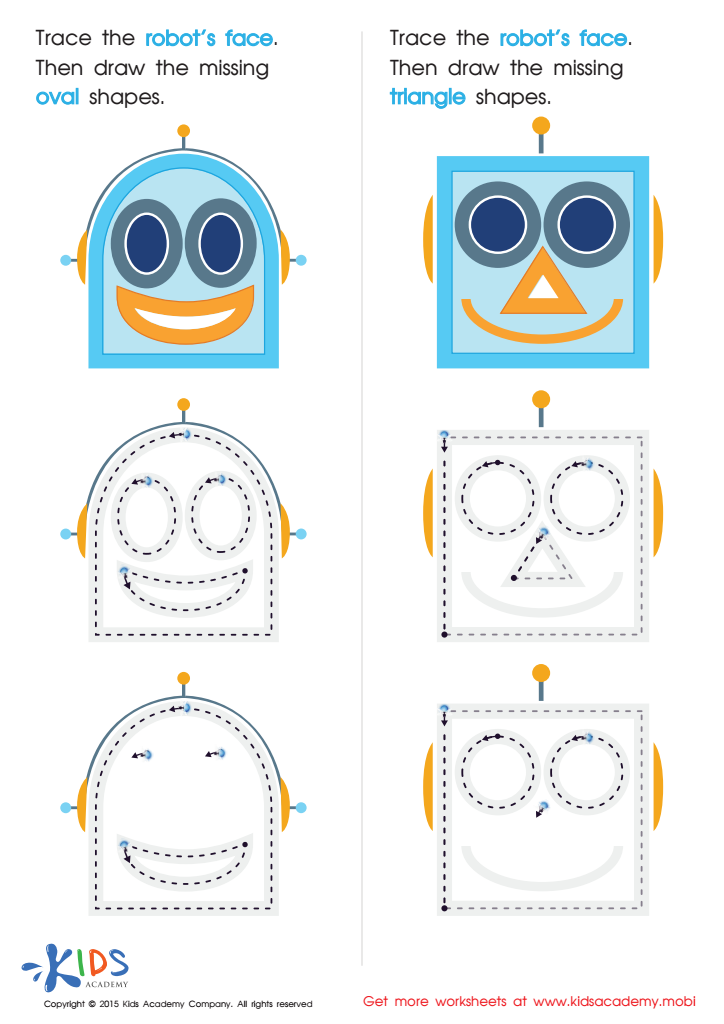
Drawing Ovals And Triangles with Fun Printable
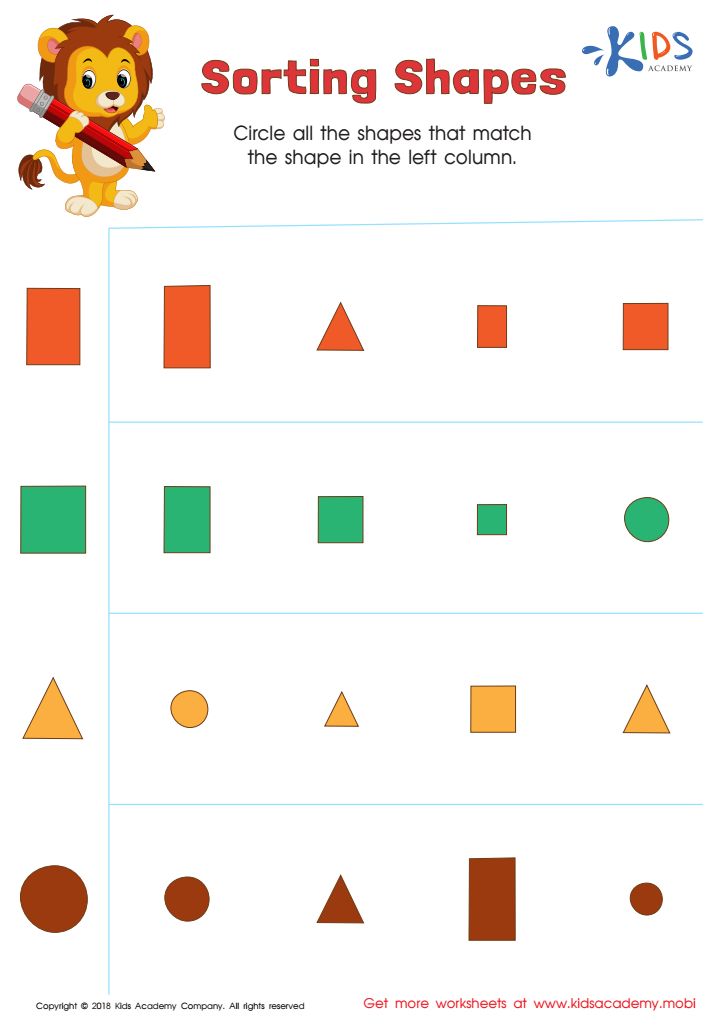
Sorting Shapes - Part 2 Worksheet








Shape recognition is a foundational skill that plays a crucial role in a child's cognitive development, particularly for children aged 3-4. Parents and teachers should prioritize this learning because recognizing 2D shapes helps young children build essential critical thinking and problem-solving skills.
Understanding shapes is fundamental to their ability to categorize and make sense of the world around them. This skill also serves as a precursor to more advanced mathematical concepts, such as geometry and spatial awareness. Early exposure to shapes nurtures children's visual perception and enhances their concentration, attention to detail, and memory retention.
Moreover, engaging with shapes encourages creativity and imaginative play. Children can explore mathematical concepts in fun and interactive ways, making learning enjoyable. Activities like building with blocks or drawing shapes strengthen fine motor skills and promote hand-eye coordination.
Additionally, shape recognition lays the groundwork for broader literacy skills, as children learn to recognize and relate to shapes in their environment. By fostering shape recognition, parents and teachers help equip children with crucial skills that will support their future academic success and holistic development. Investing time in this area early on can have lasting positive effects in multiple domains of learning and growth.