Pattern recognition Worksheets for Ages 3-5
21 filtered results
-
From - To
Discover an engaging collection of pattern recognition worksheets specially designed for children aged 3-5! These vibrant and interactive resources help young learners develop essential cognitive skills while having fun. Our worksheets introduce various types of patterns, encouraging kids to identify, complete, and create sequences using shapes, colors, and objects. Perfect for at-home learning or classroom activities, these materials promote critical thinking, fine motor skills, and early math concepts. Plus, they're designed to captivate little imaginations! Explore our assortment of pattern recognition worksheets today and spark creativity in your young learners as they build foundational skills that support their educational journey.
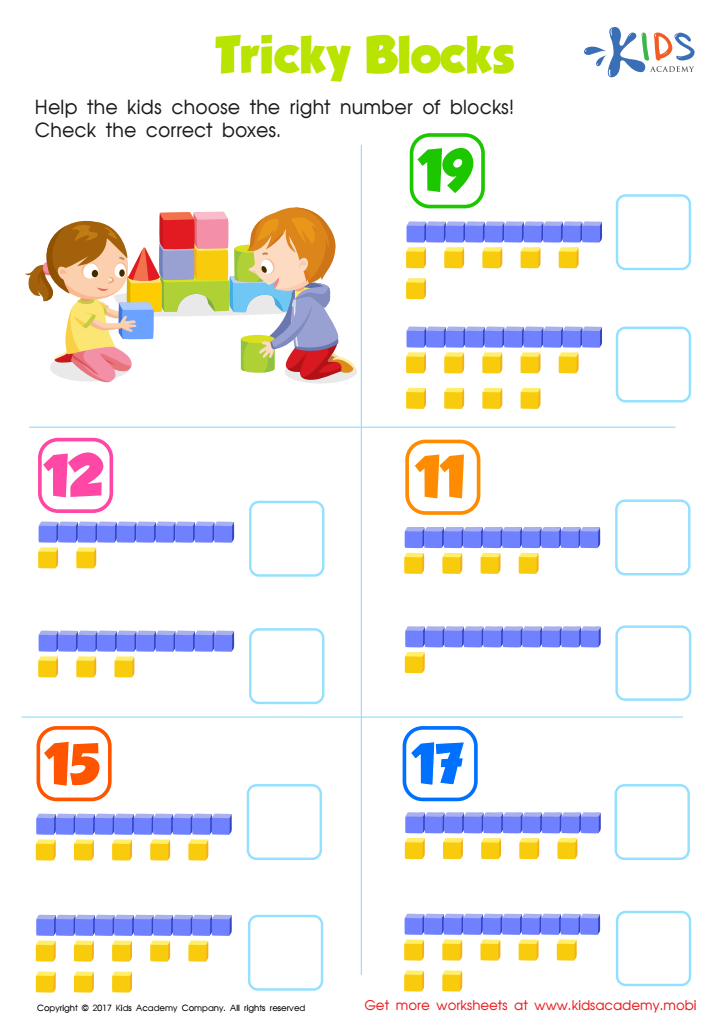
Tricky Blocks Worksheet
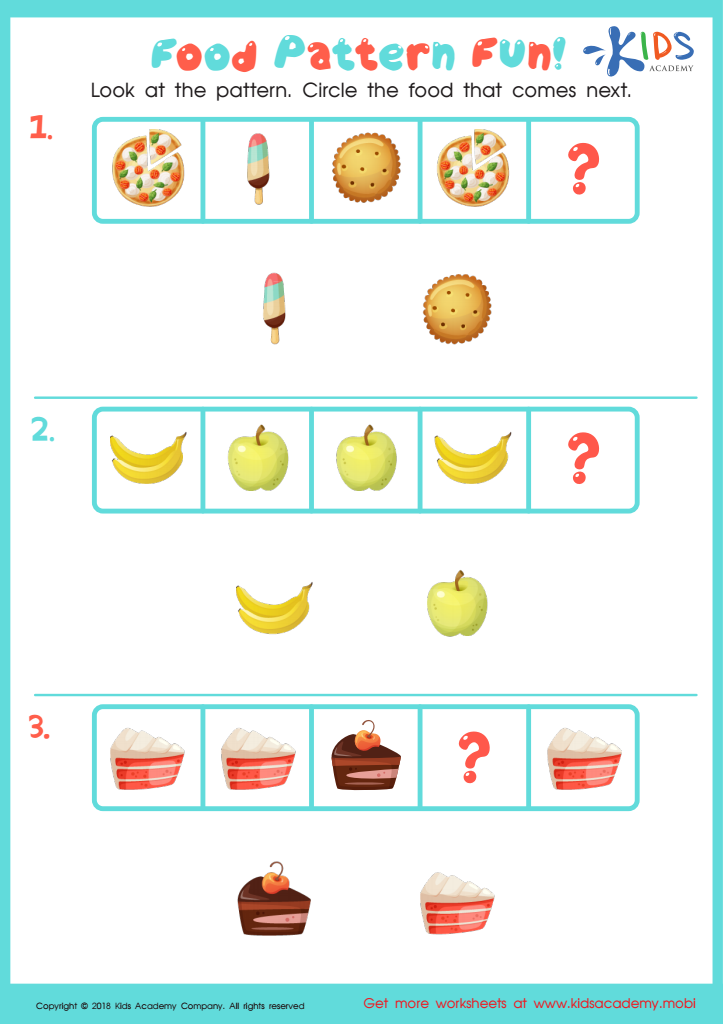
Food Pattern Fun Worksheet
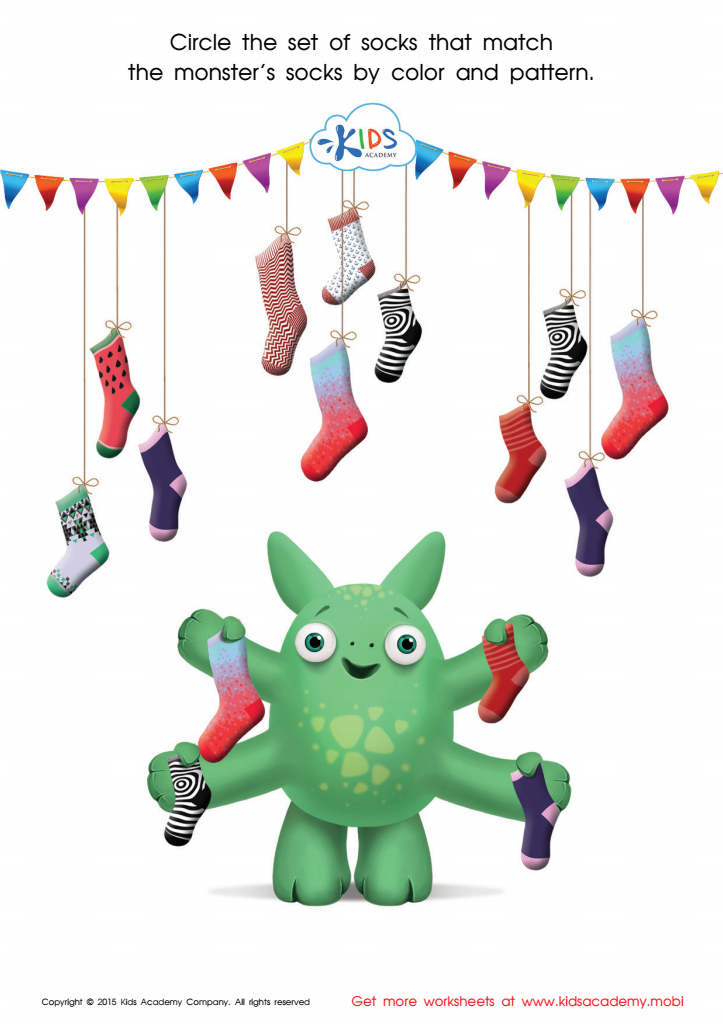
Sort the Monster's Socks Worksheet
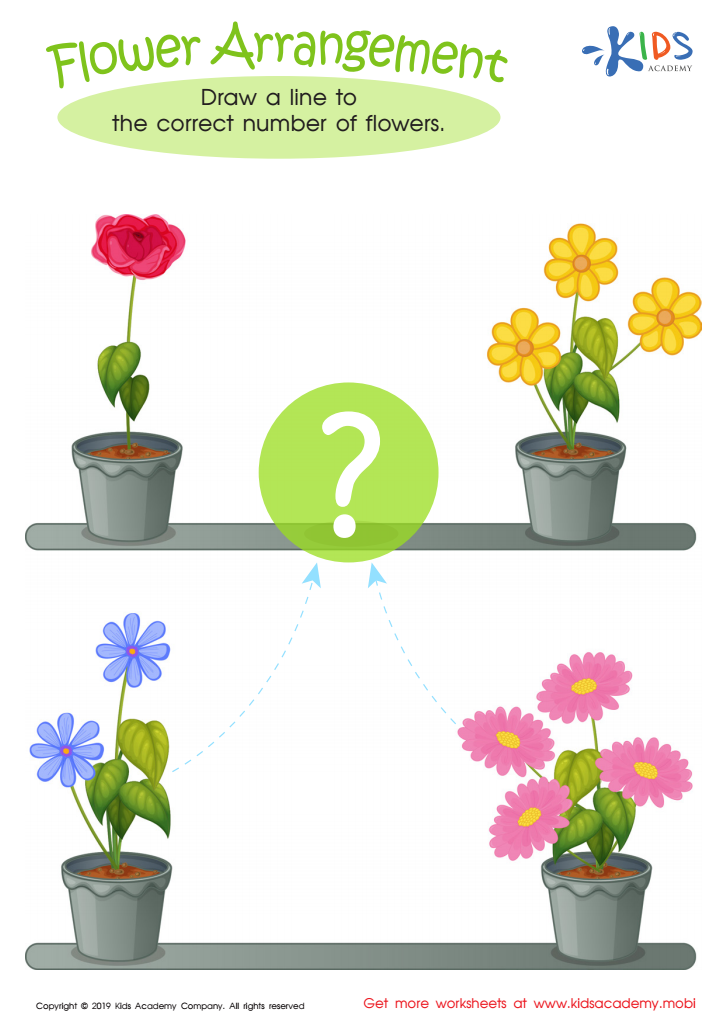
Flower Arrangement Worksheet
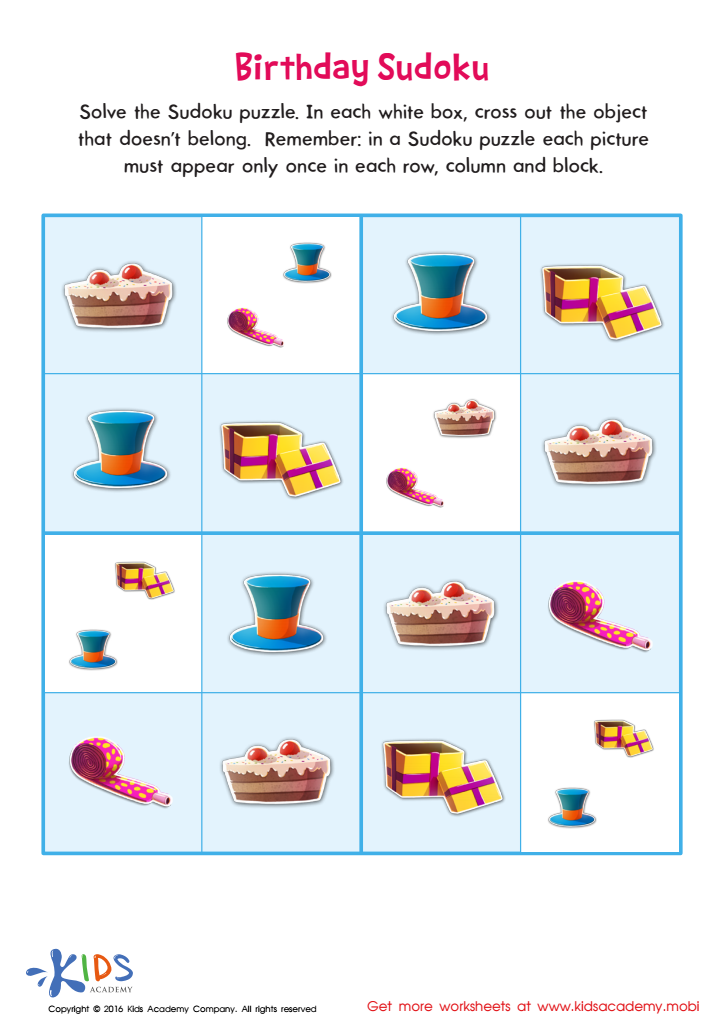
Birthday Sudoku Sorting Worksheet
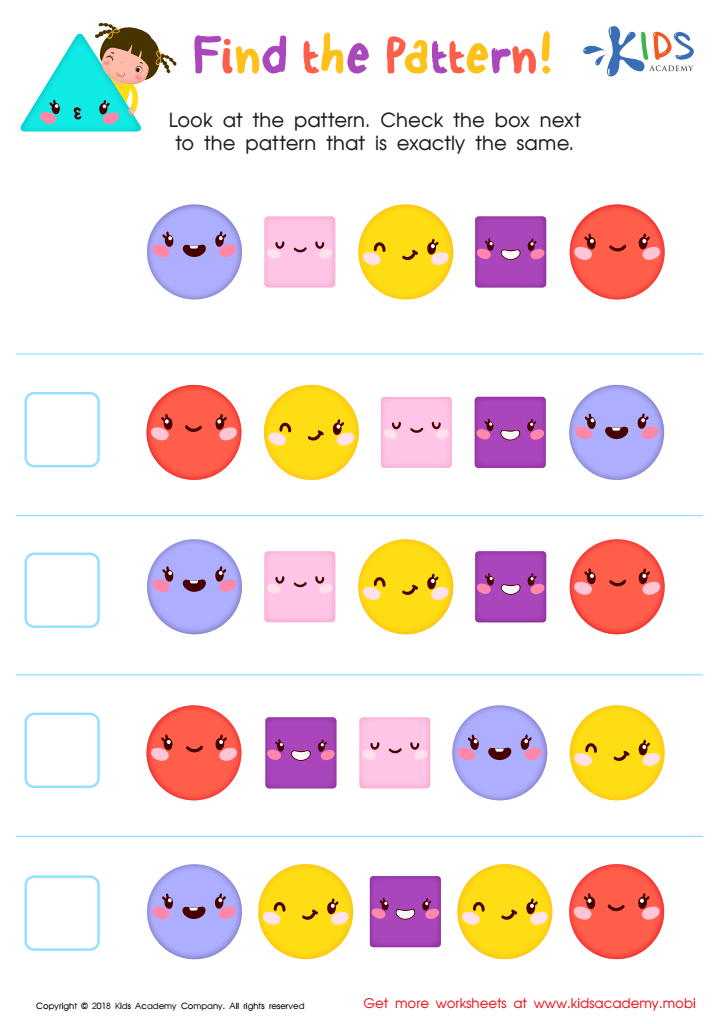
Find the Pattern Worksheet
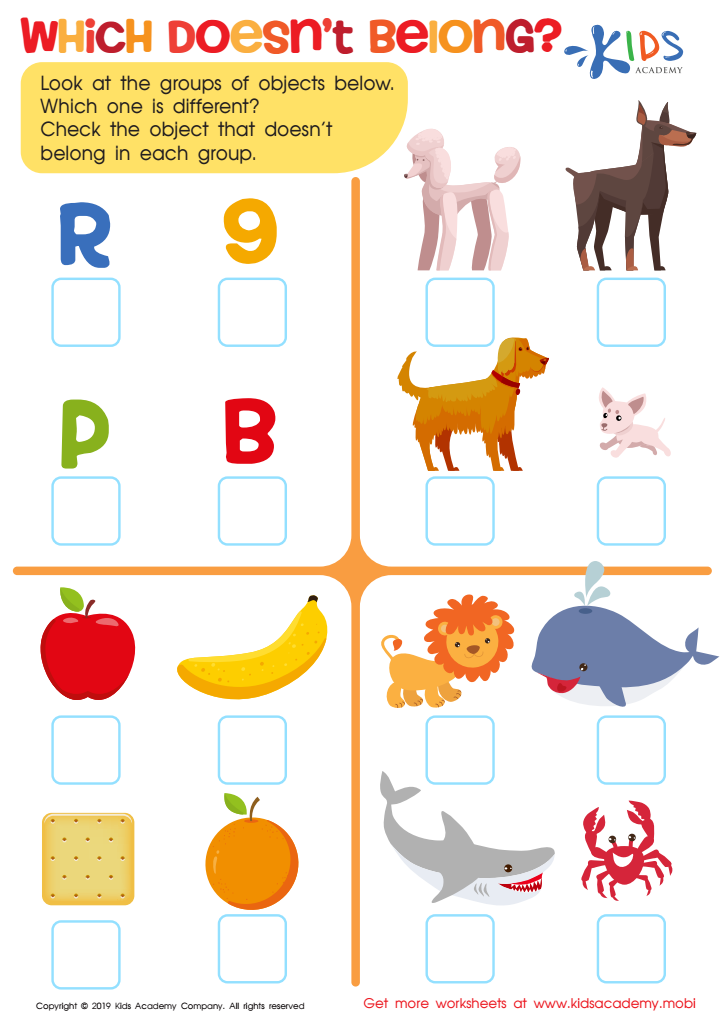
Which Doesn't Belong? Worksheet
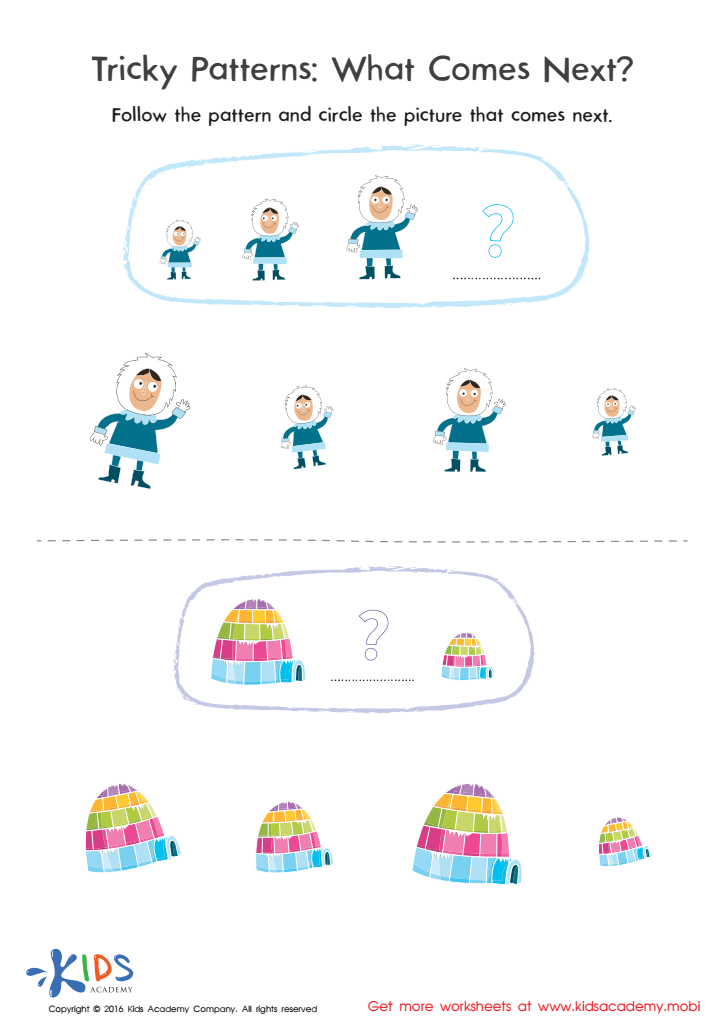
Tricky Patterns Size Worksheet
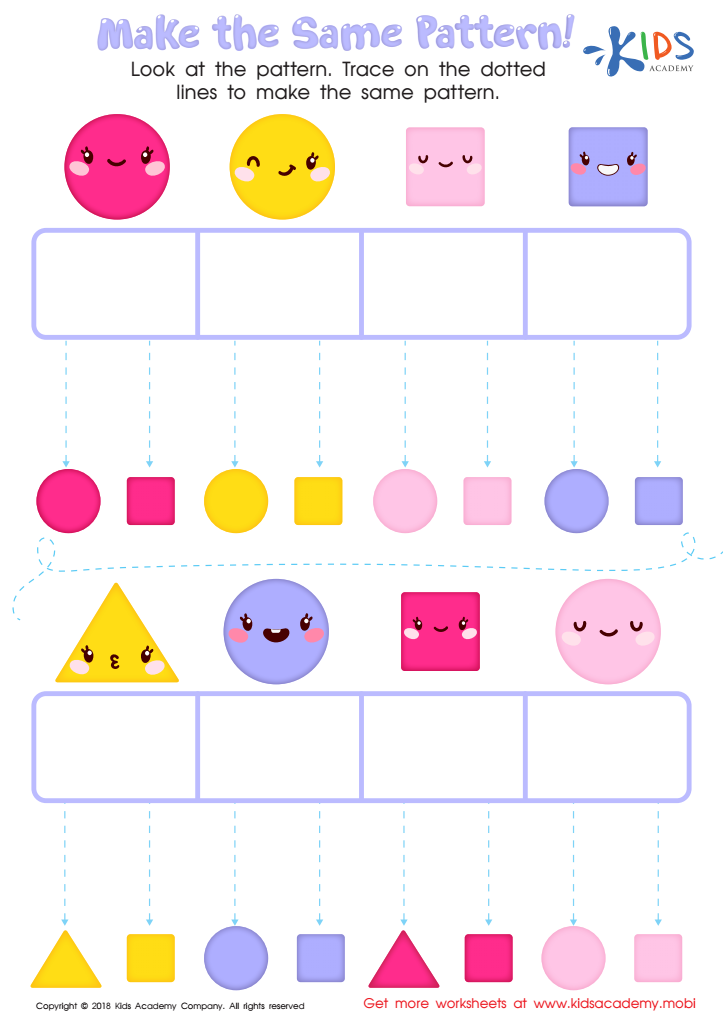
Make the Same Pattern Worksheet
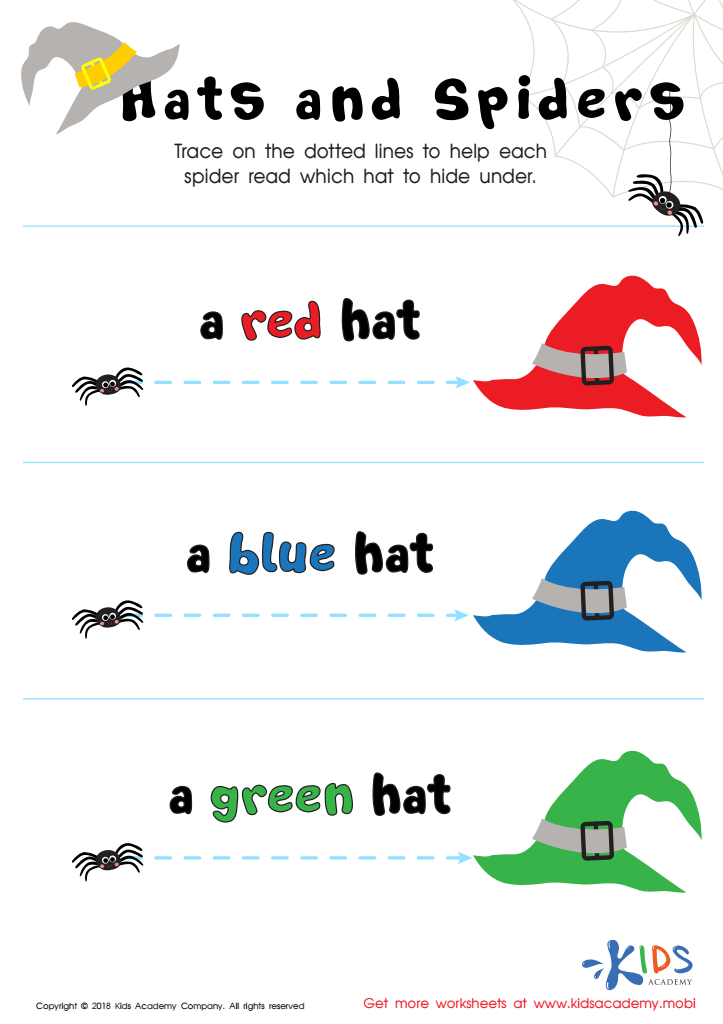
Read from Left to Right: Hats and Spiders Worksheet
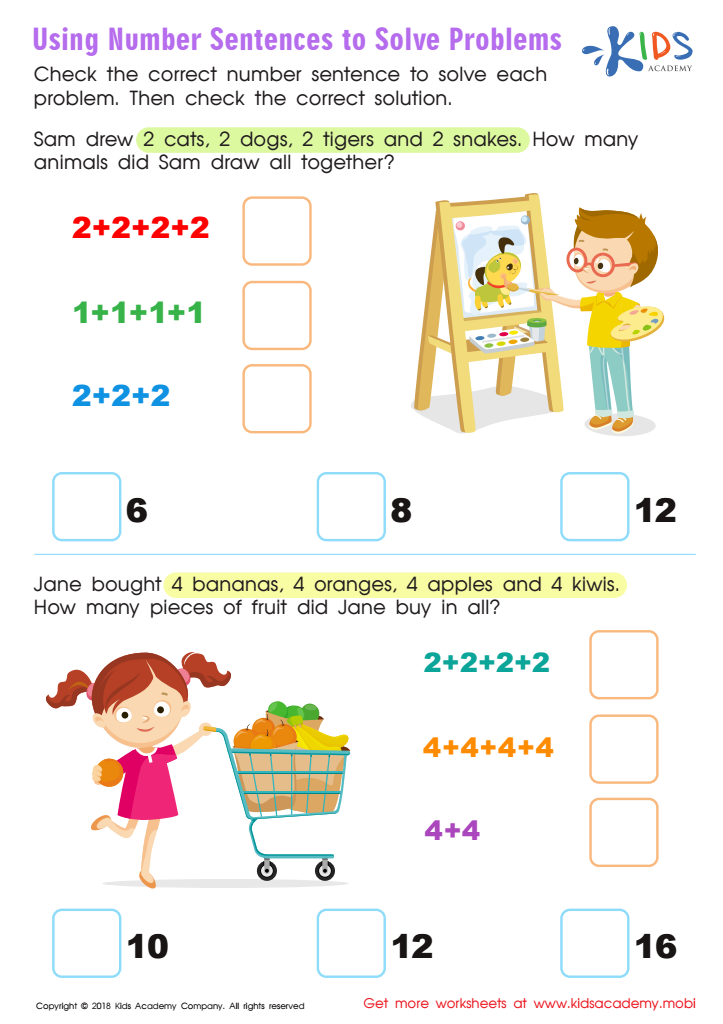
Using Number Sentences to Solve Problems Worksheet
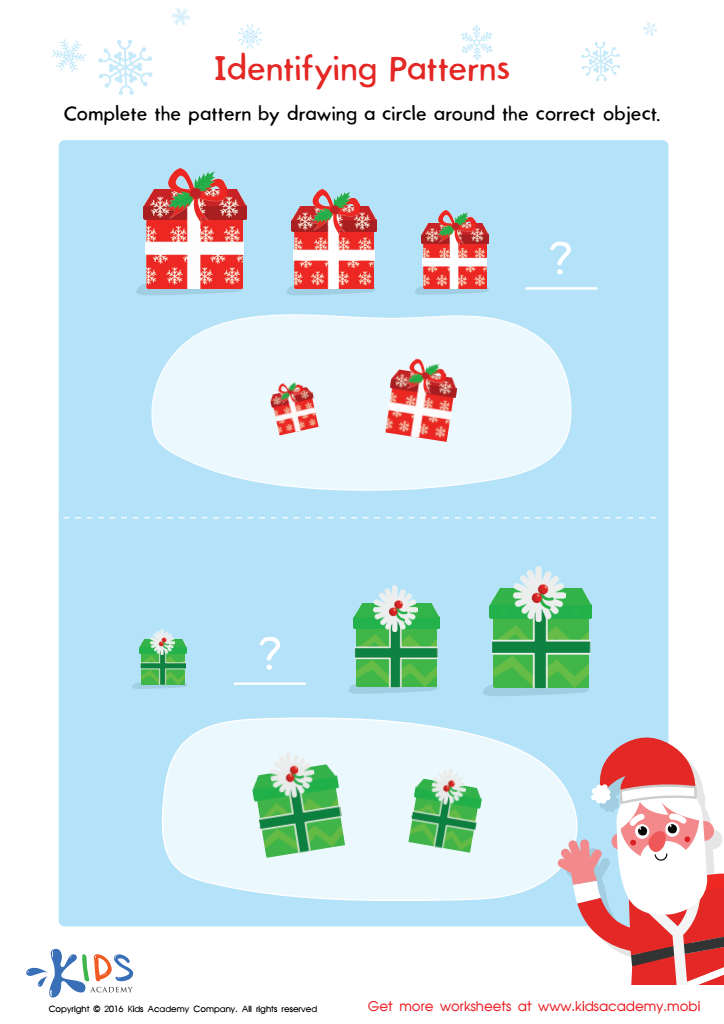
Identifying Patterns Worksheet
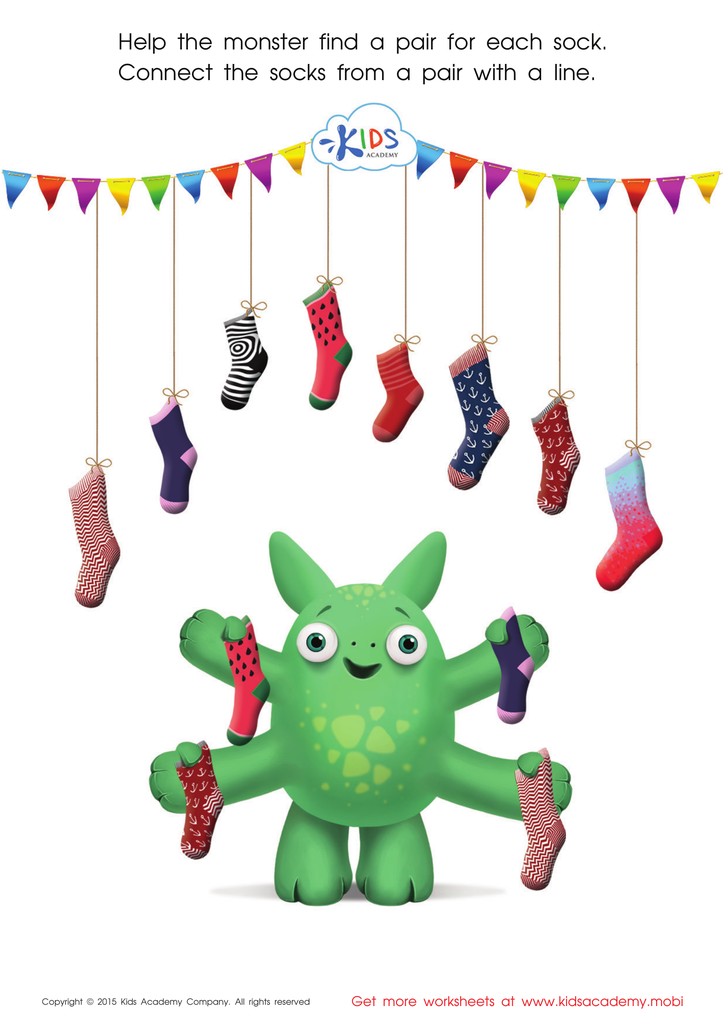
Math Matching Game: Monsterв's Socks Worksheet
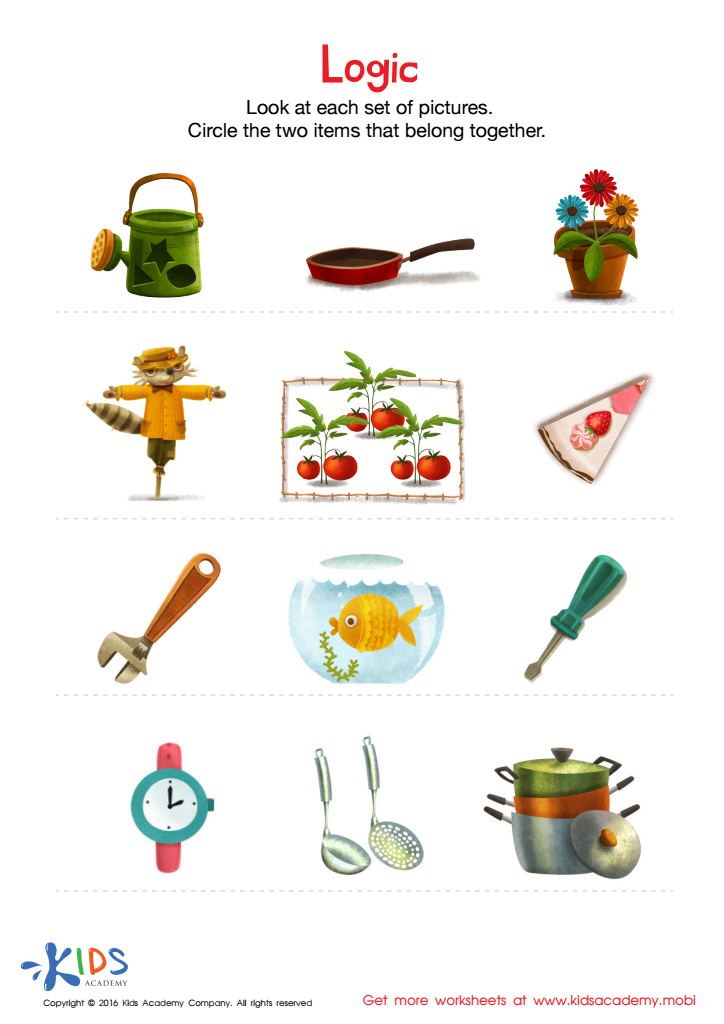
Logic Game Sorting Worksheet
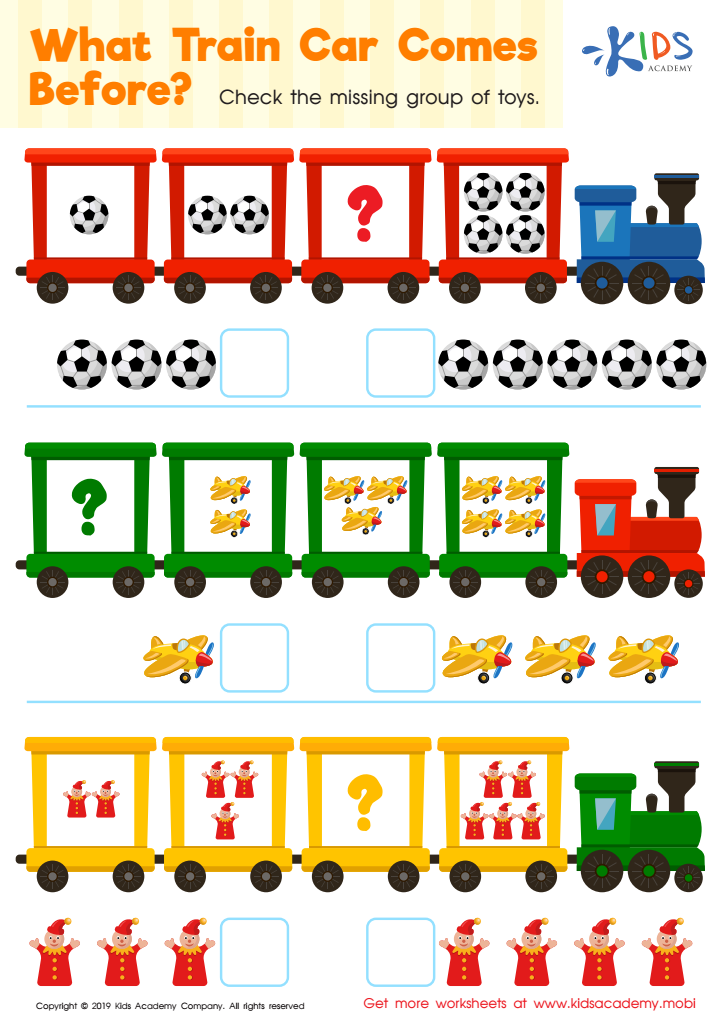
What Train Car Comes Before? Worksheet
Christmas: Christmas Tree Printable
 Assign to My Students
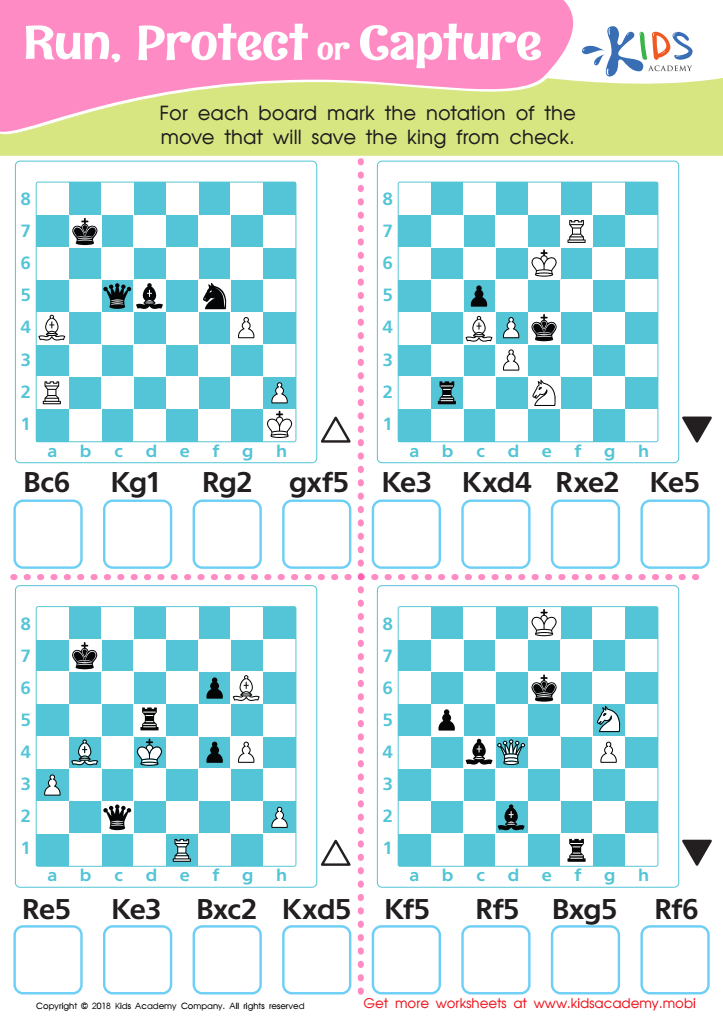
Run, Protect or Capture Worksheet
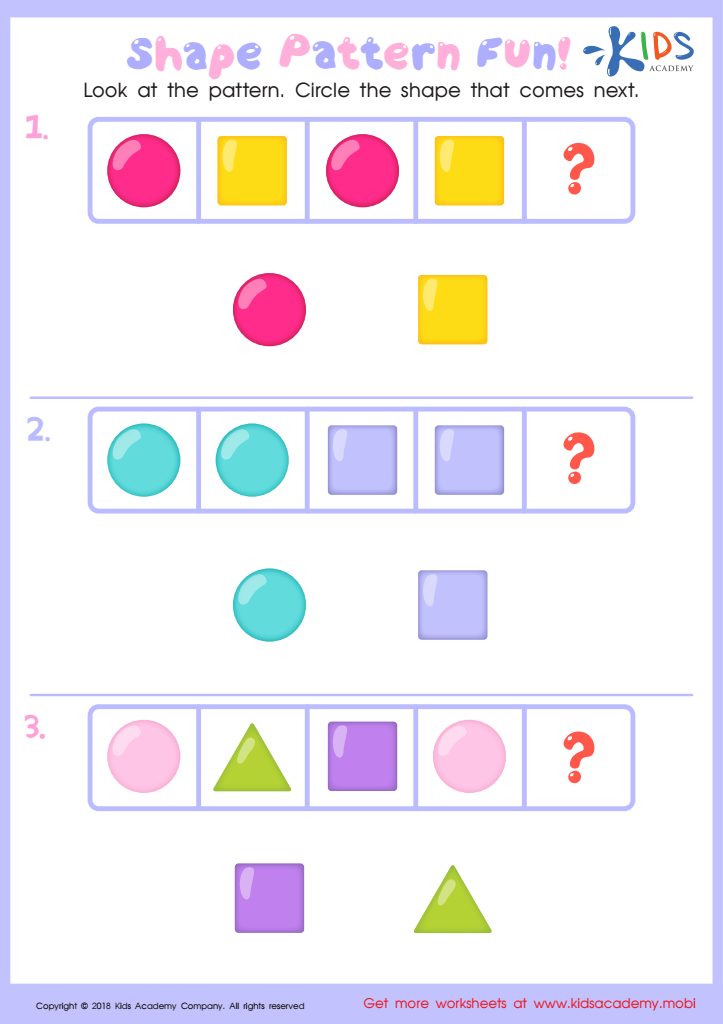
Shape Pattern Fun Worksheet
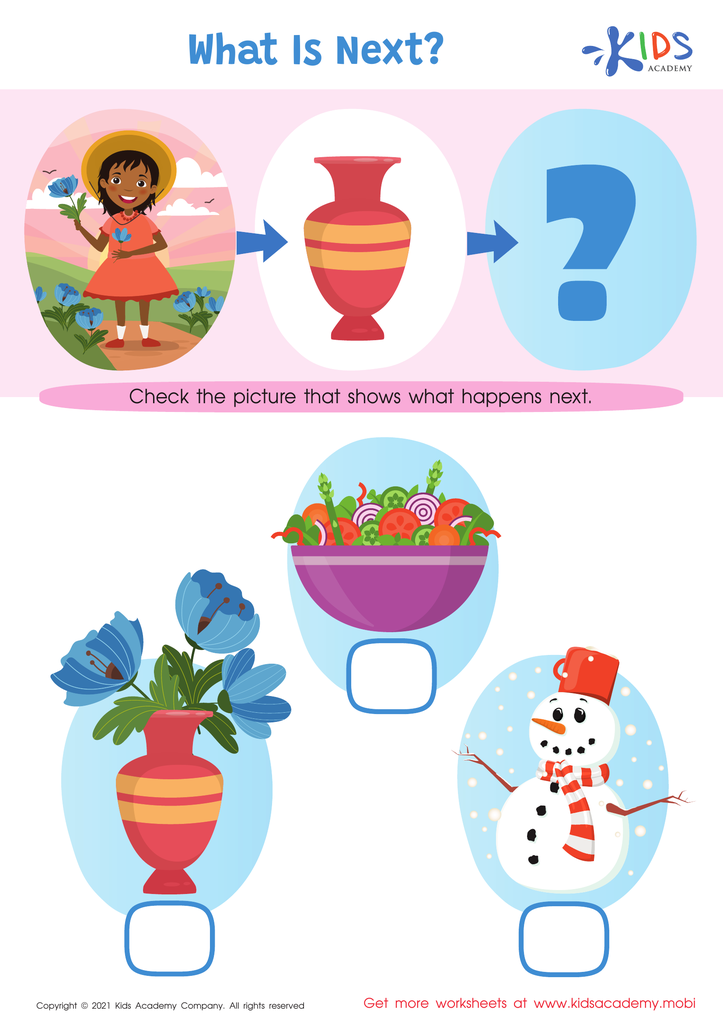
What is Next? Worksheet
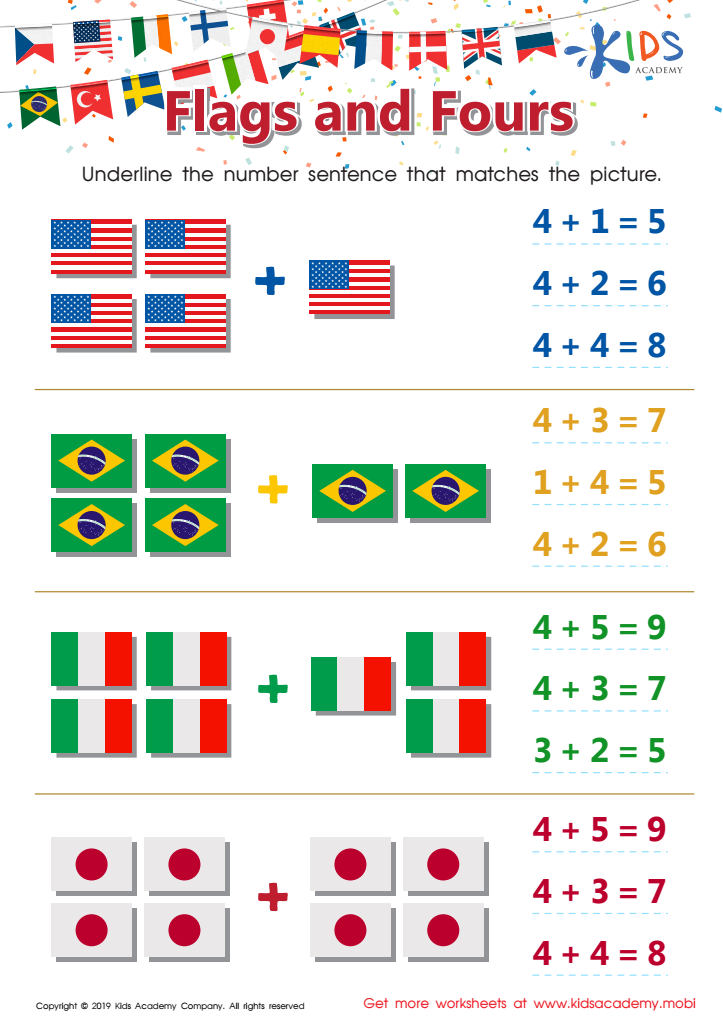
Flags and Fours Worksheet







Pattern recognition is a crucial cognitive skill that forms the foundation for more complex learning in later years, particularly for children aged 3-5. Engaging in activities that promote pattern recognition can significantly enhance a child's mathematical abilities, critical thinking skills, and overall cognitive development. Recognizing patterns helps children develop logical reasoning, enabling them to make predictions and identify relationships between different objects or concepts.
For parents and teachers, fostering this skill in early learners is essential as it lays the groundwork for future academic success, particularly in mathematics and literacy. Young children who can identify patterns are better equipped to tackle concepts such as sequencing, counting, and even early reading strategies like phonics and word recognition.
Additionally, engaging children in pattern recognition activities can boost their confidence and encourage innovative thinking. By incorporating games, music, art, and daily routines, caregivers can create rich learning environments that stimulate curiosity and exploration.
Ultimately, prioritizing pattern recognition not only nurtures cognitive development but also lays an essential foundation that supports children's emotional and social growth, helping them to become more adaptable, problem-solving individuals in a rapidly changing world. This makes it imperative for both parents and teachers to care about this key developmental milestone.








