Alphabet Worksheets for Ages 3-6 - Page 13
336 filtered results
-
From - To
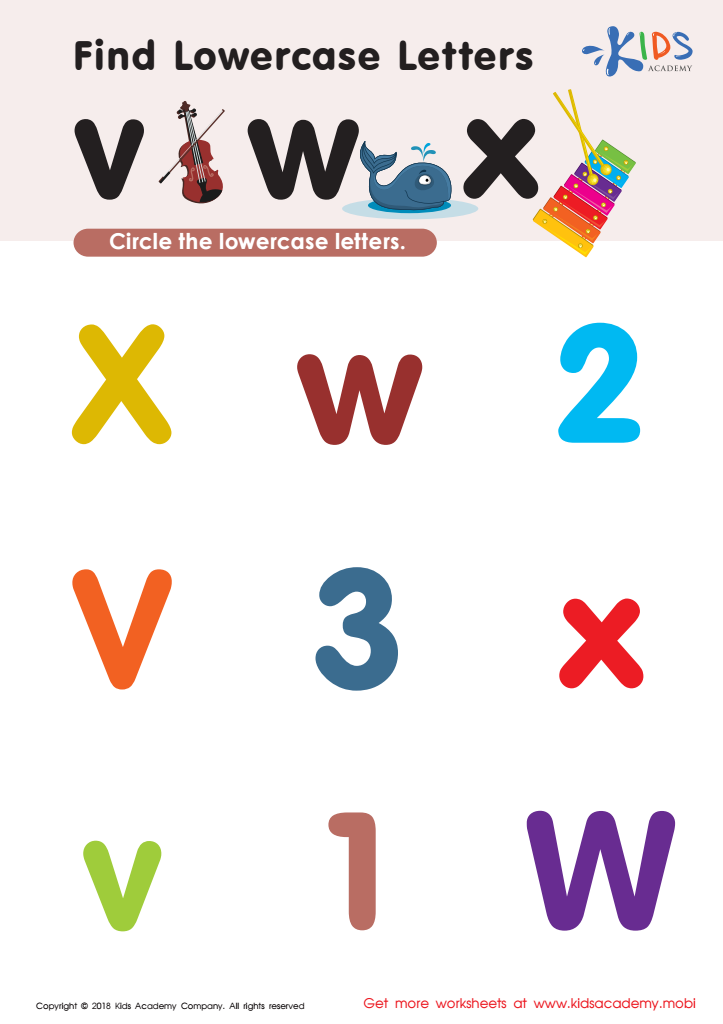
Find Lowercase Letters v w x Worksheet
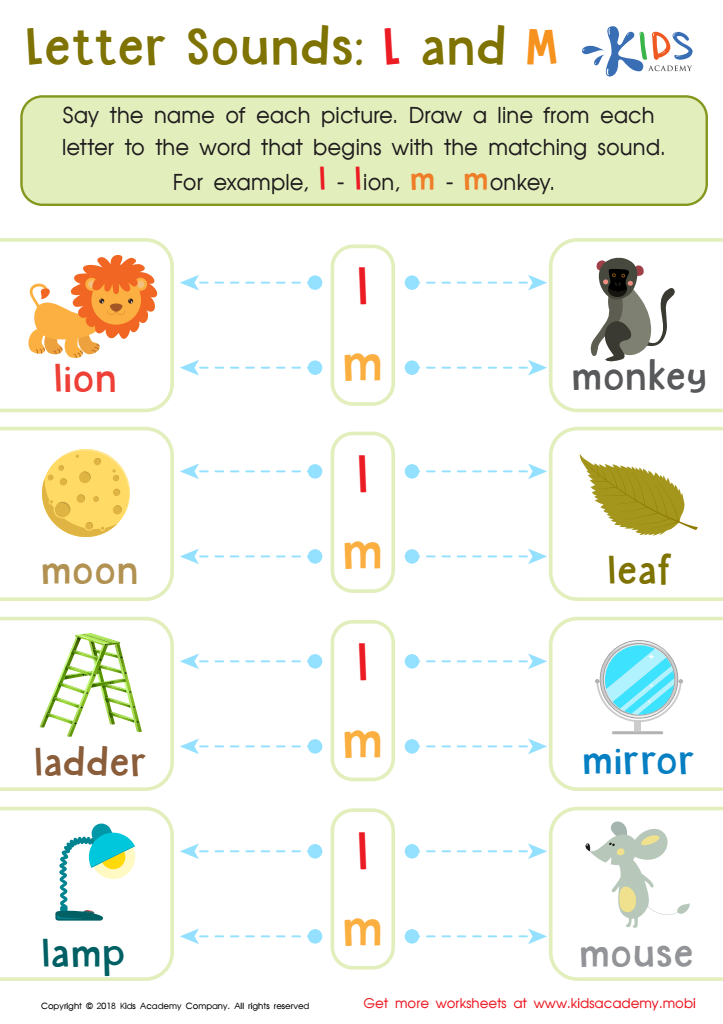
Letter l and M Sounds Worksheet
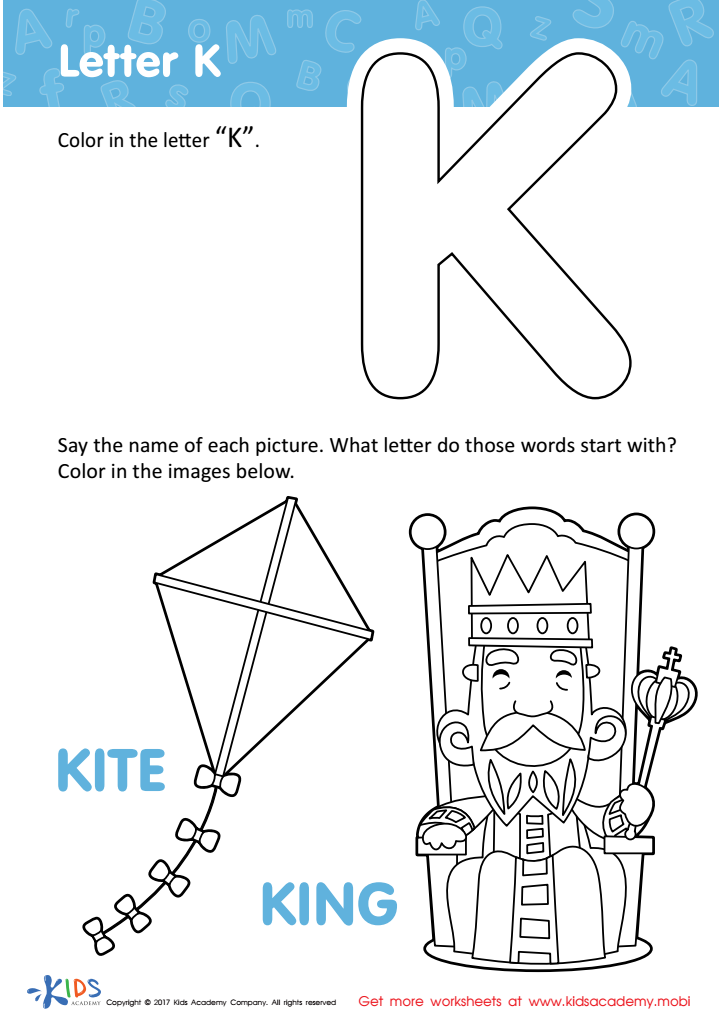
Letter K Coloring Sheet
 Assign to My Students
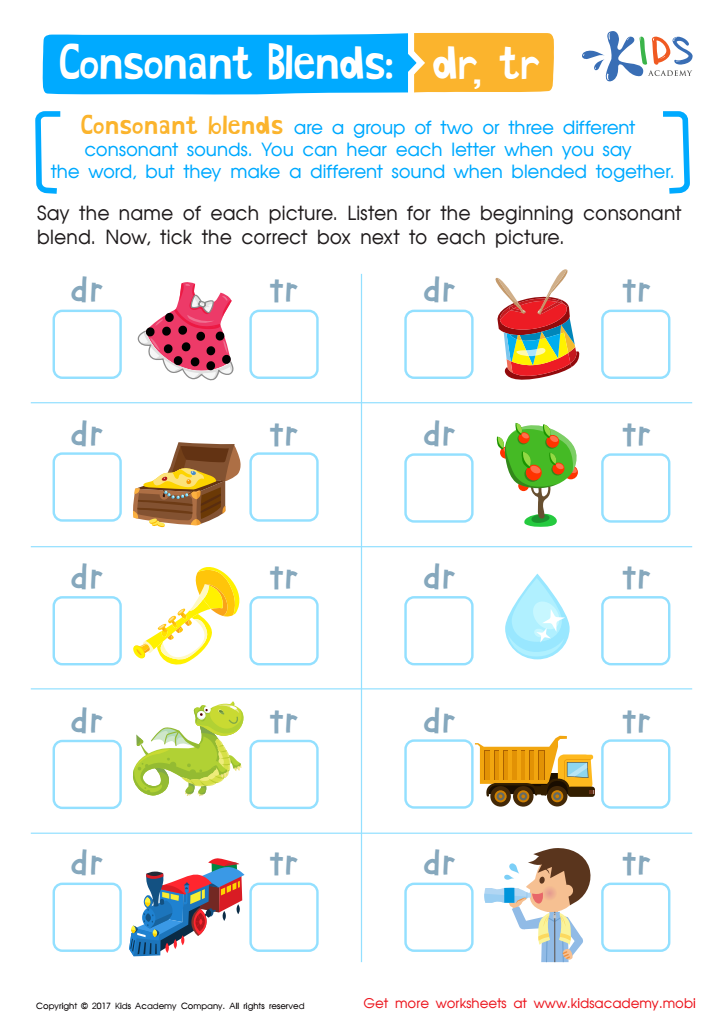
Consonant Blends: "Dr" and "Tr" Printable
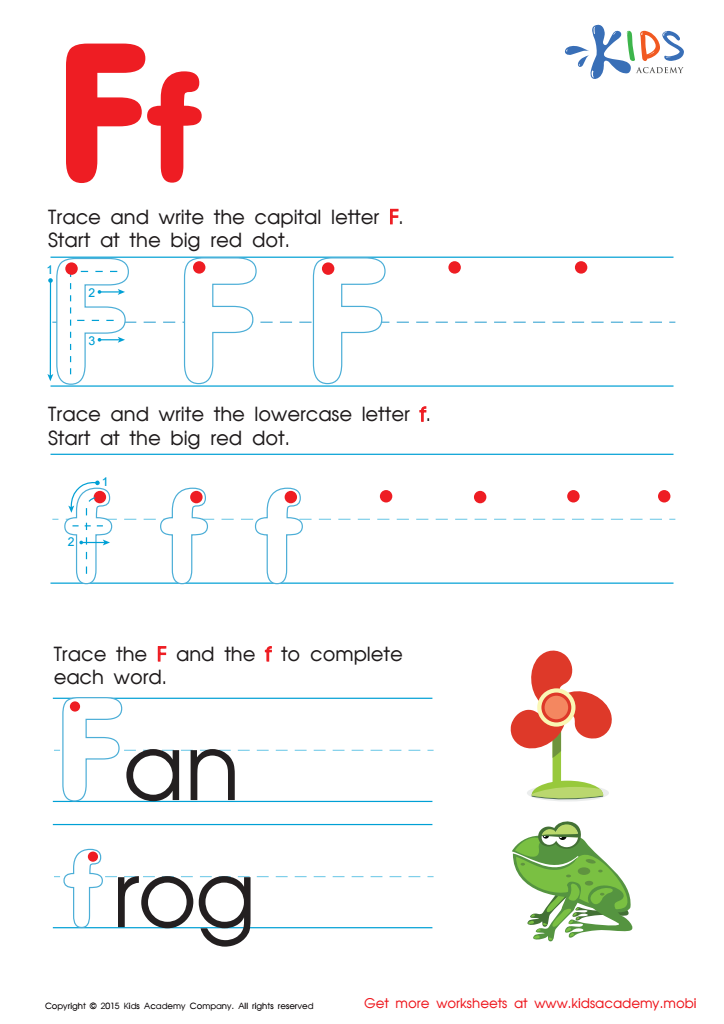
Letter F Tracing Page
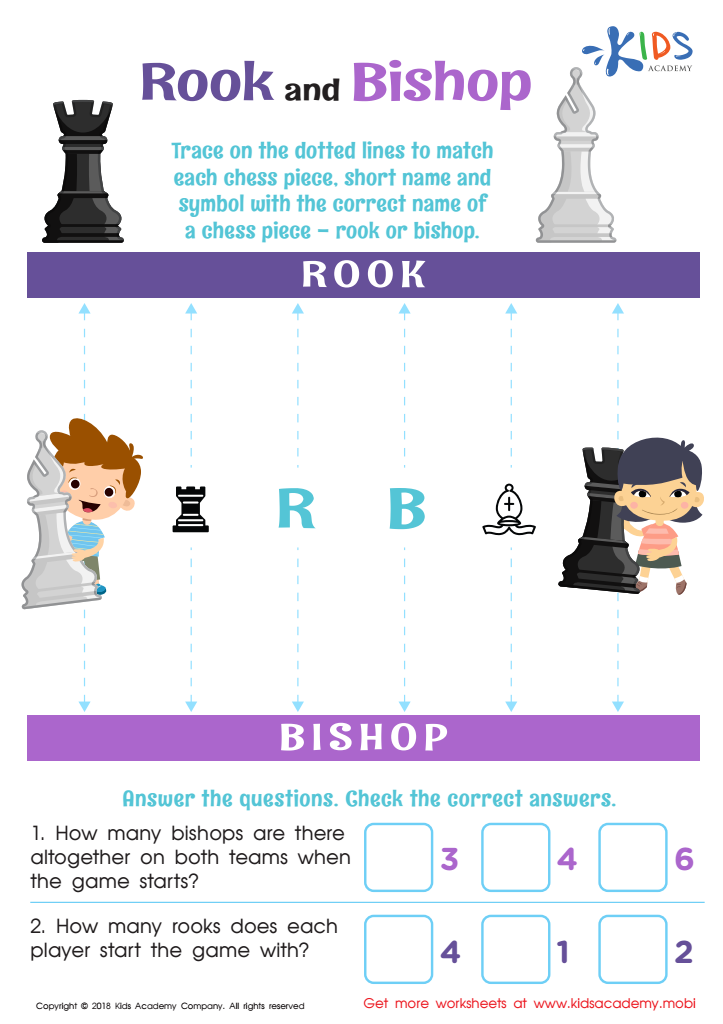
Rook and Bishop Worksheet
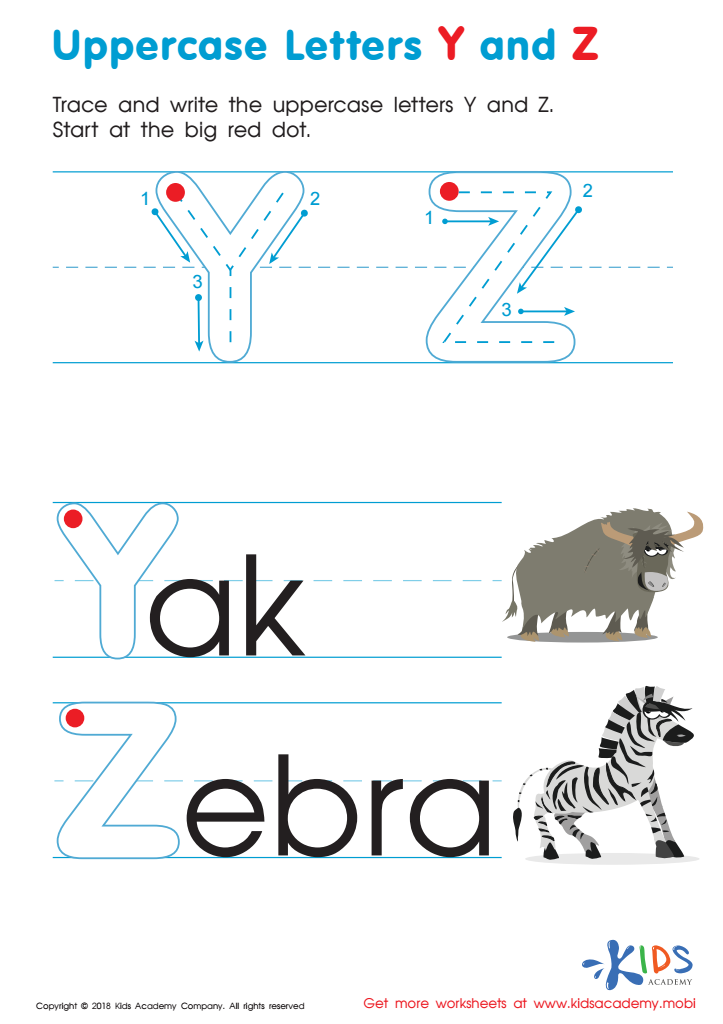
Uppercase Letters Y Z Worksheet
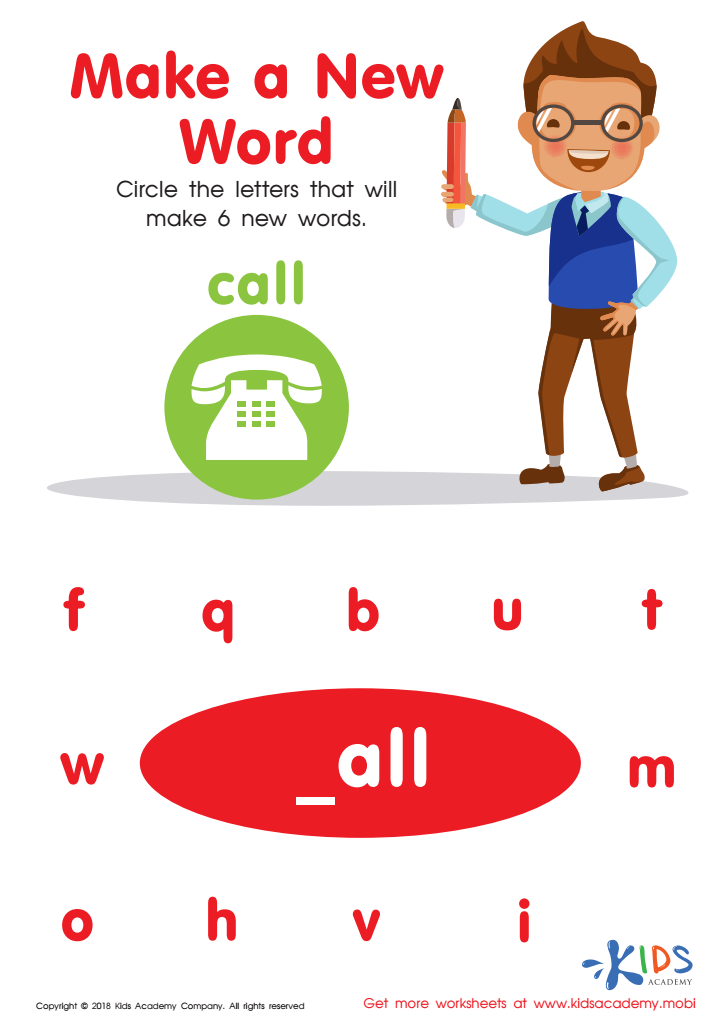
Make a New Word Worksheet
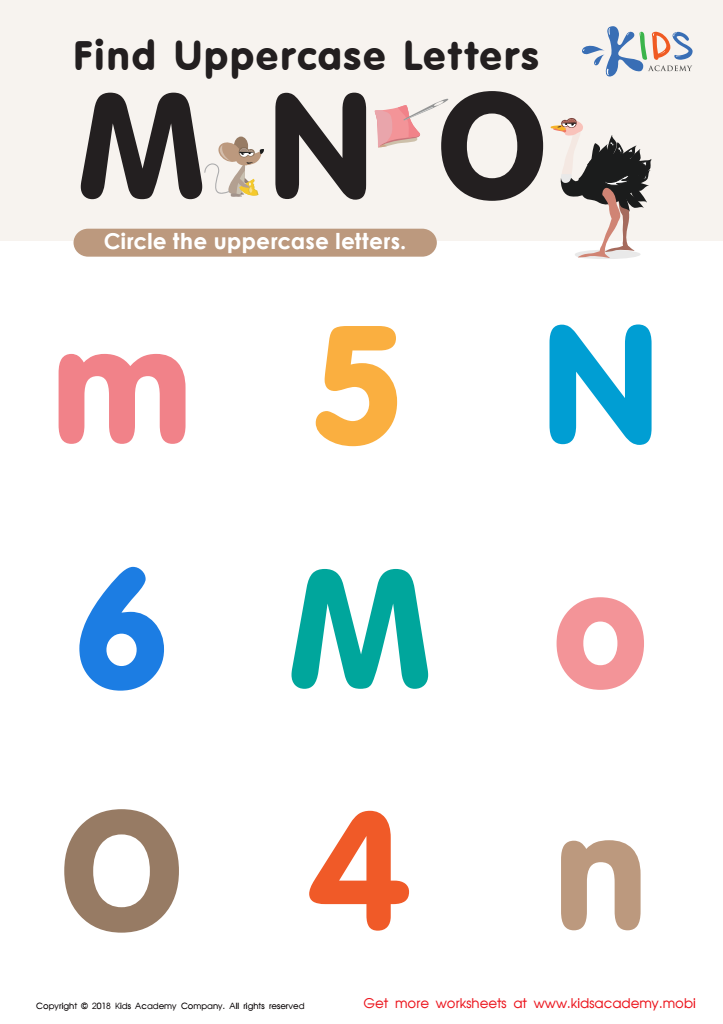
Find Uppercase Letters M, N, and O Worksheet
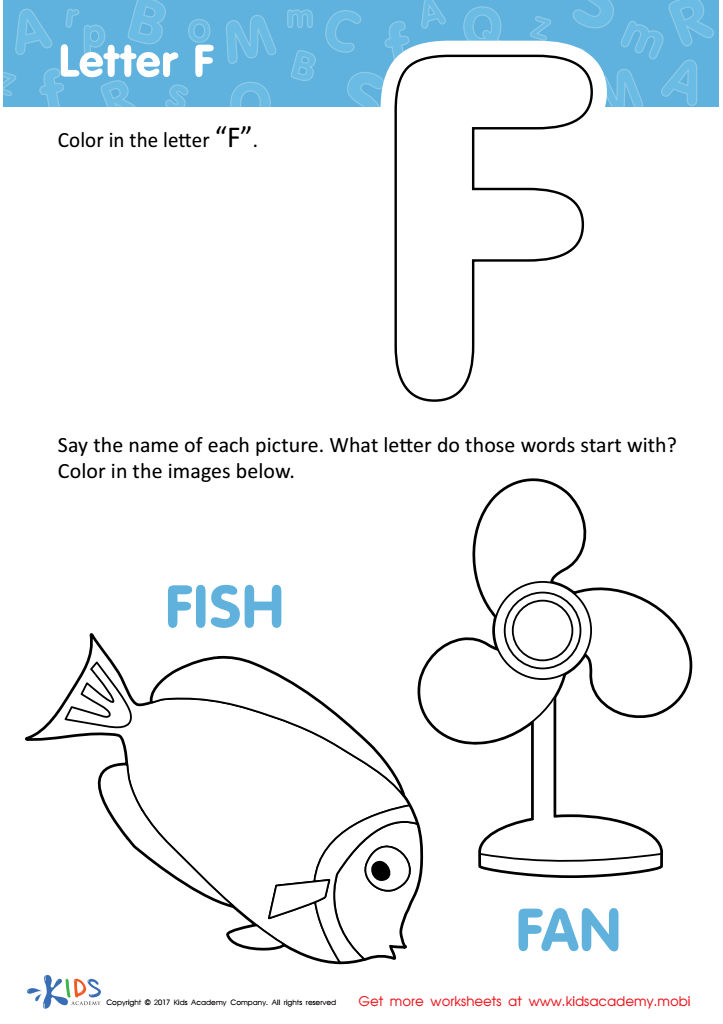
Letter F Coloring Sheet
Assign to My Students
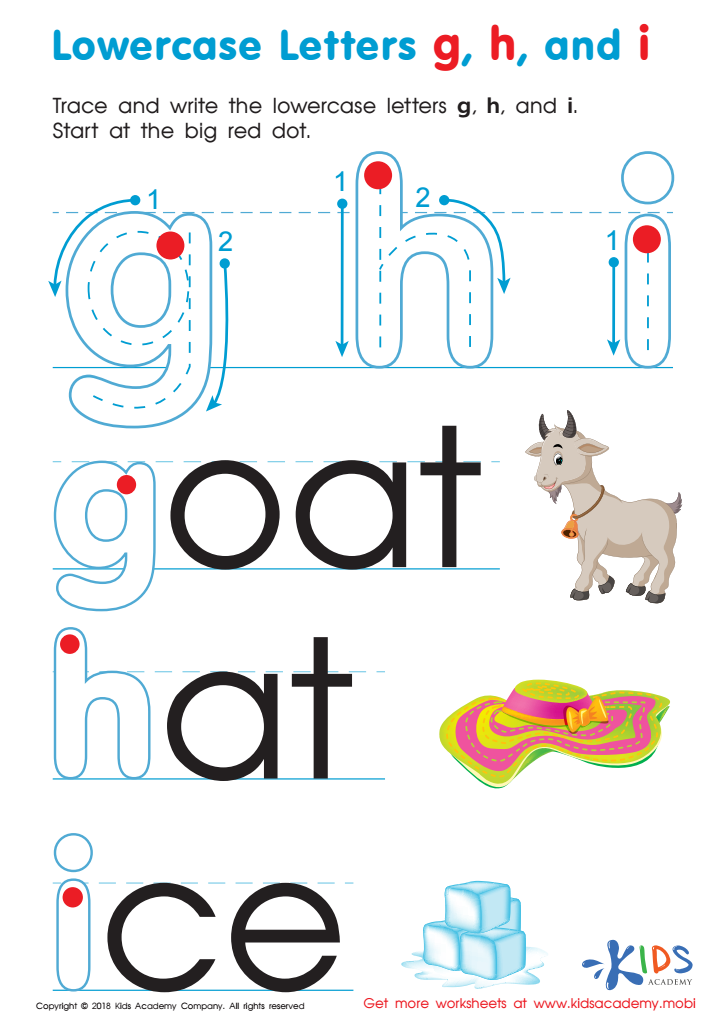
Lowercase Letters g h i Worksheet
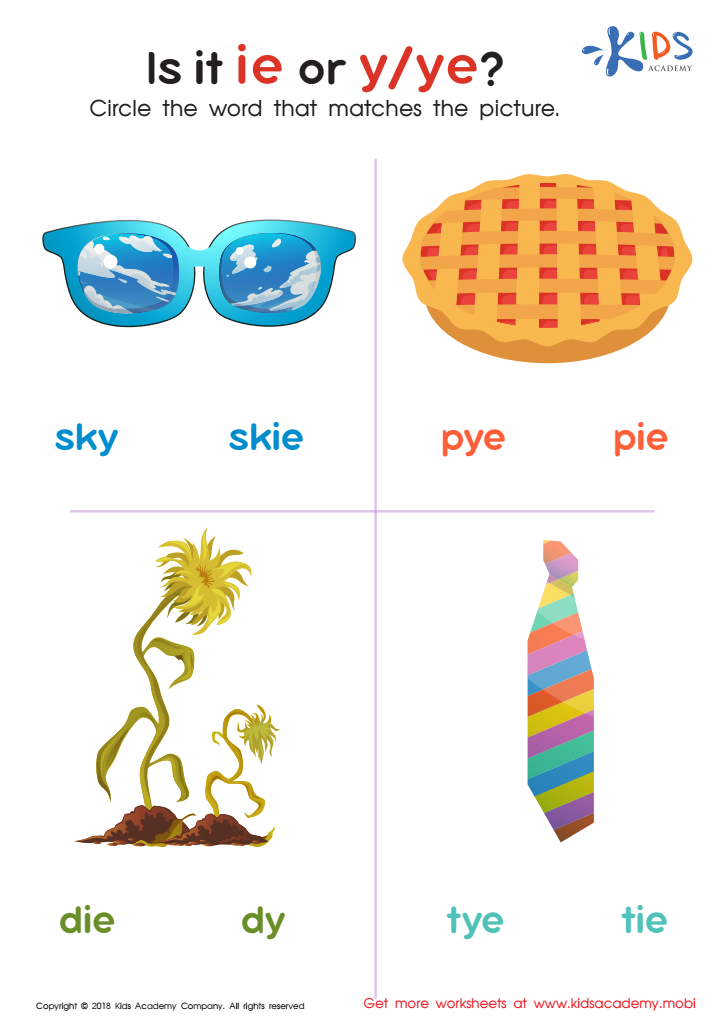
Is It IE or Y/Ye? Worksheet
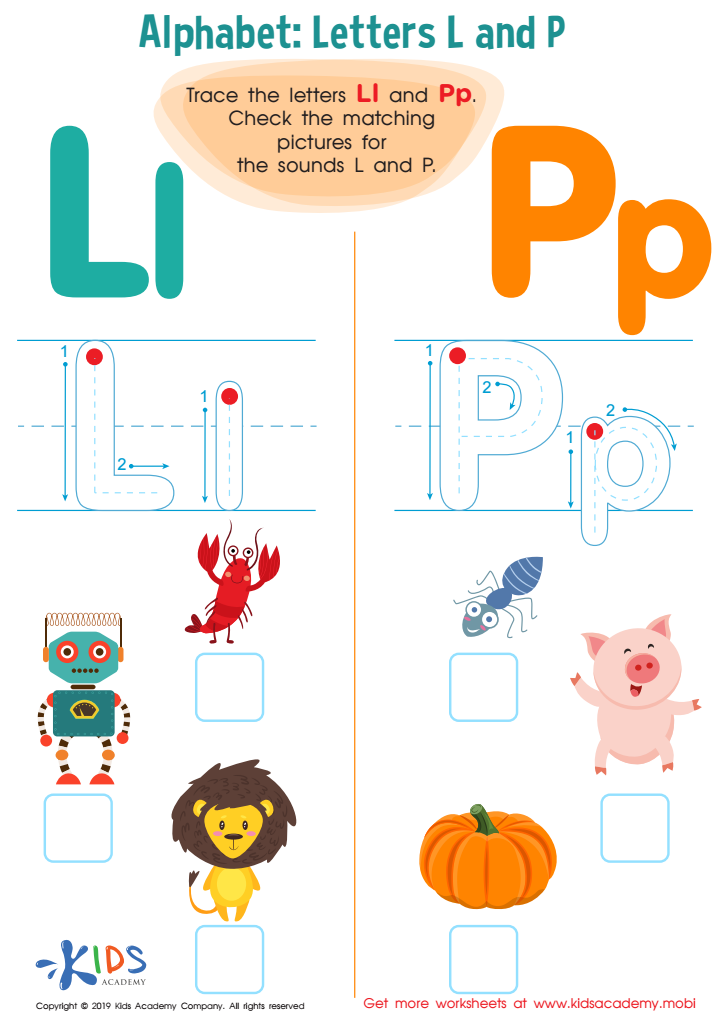
Letter L and P Tracing Worksheet

Long and Short E Worksheet
Assign to My Students
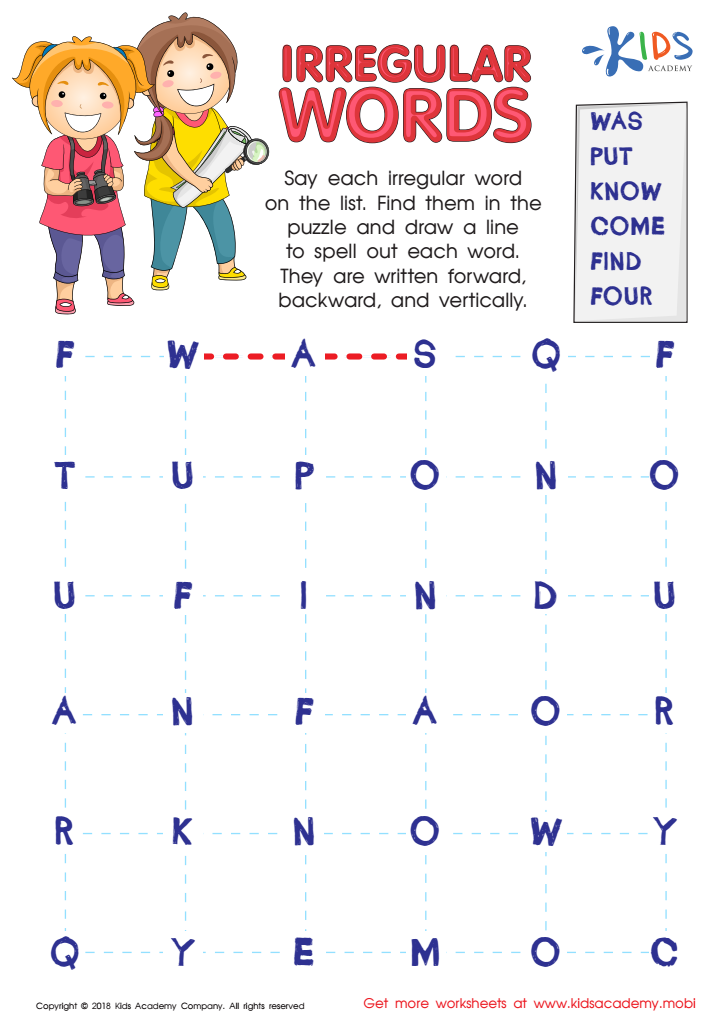
Irregular Words Worksheet
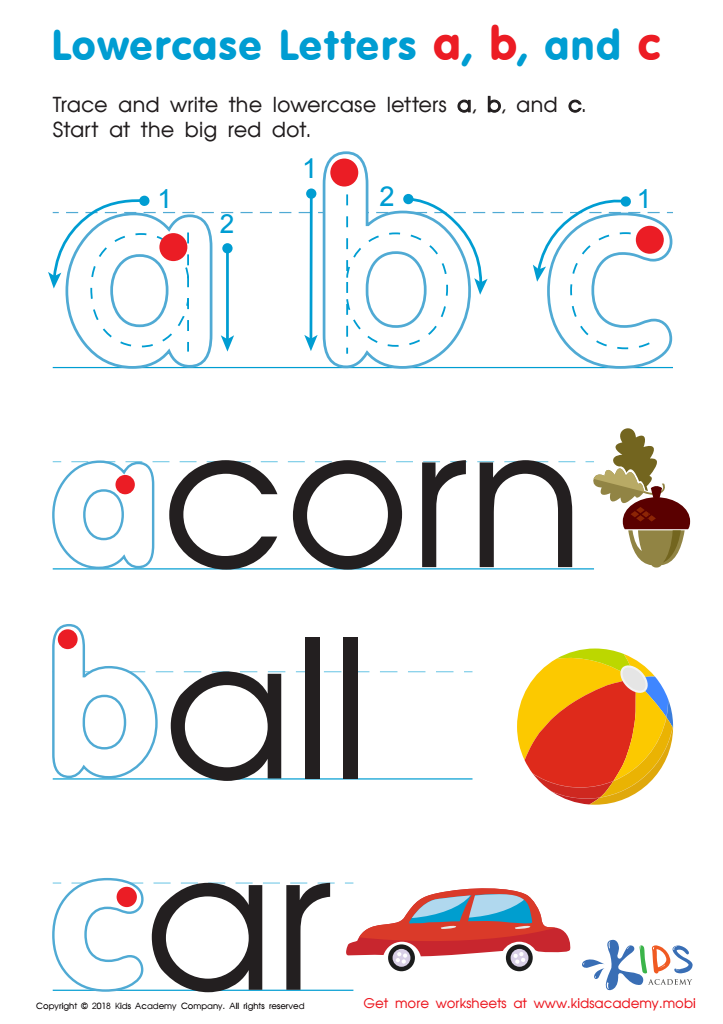
Lowercase Letters a b c Worksheet
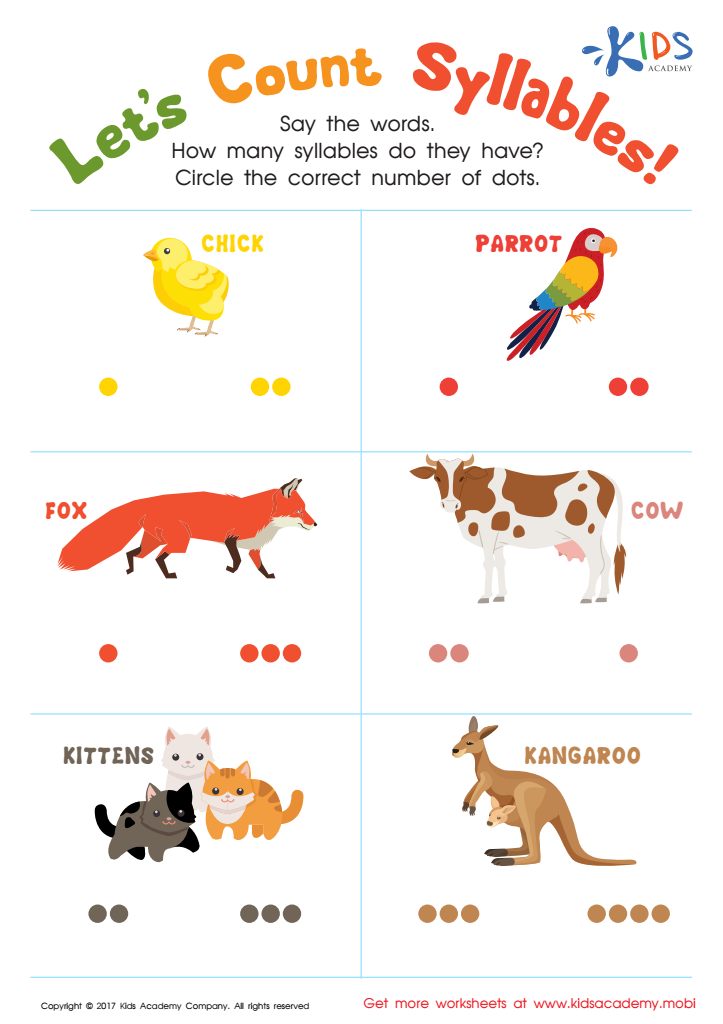
Lets Count Syllables Worksheet
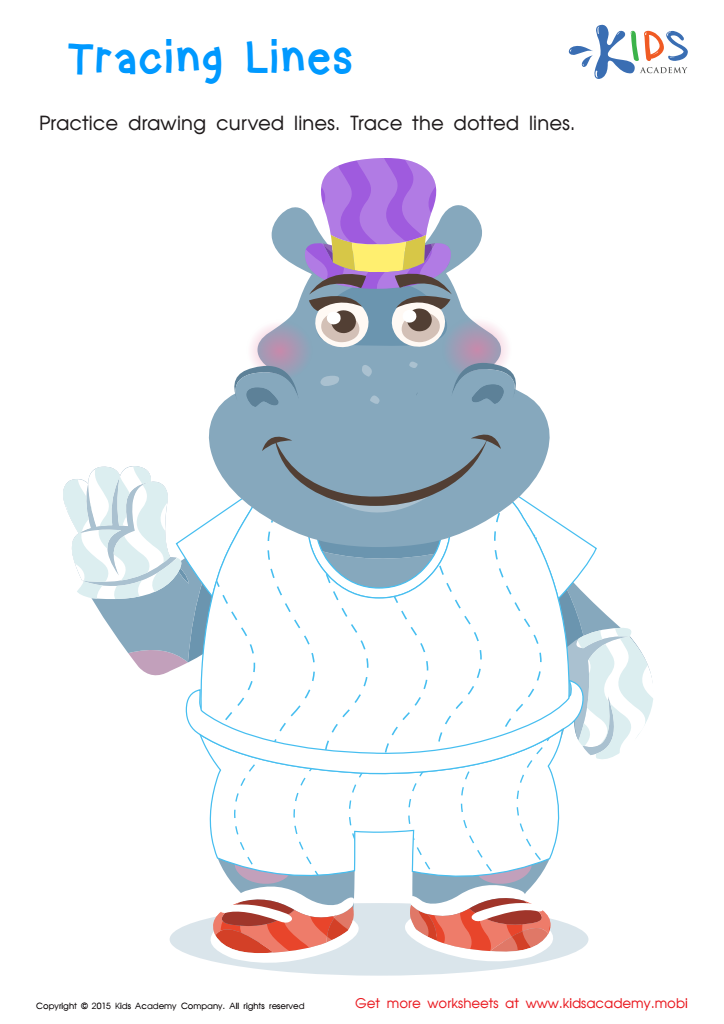
Tracing Lines Worksheet
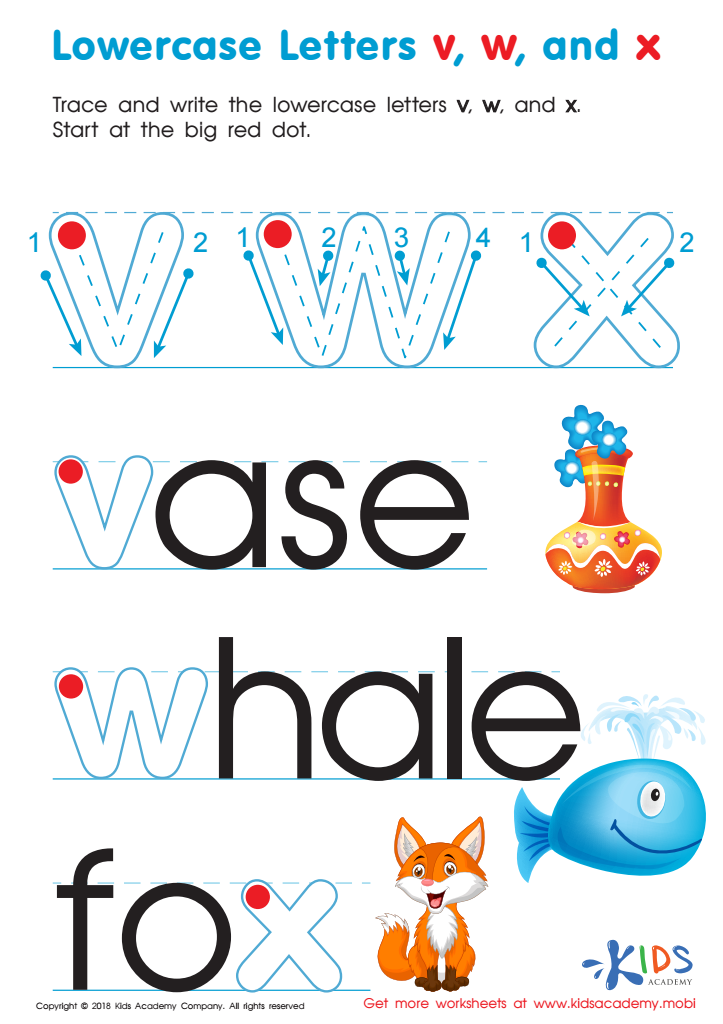
Lowercase Letters v w x Worksheet
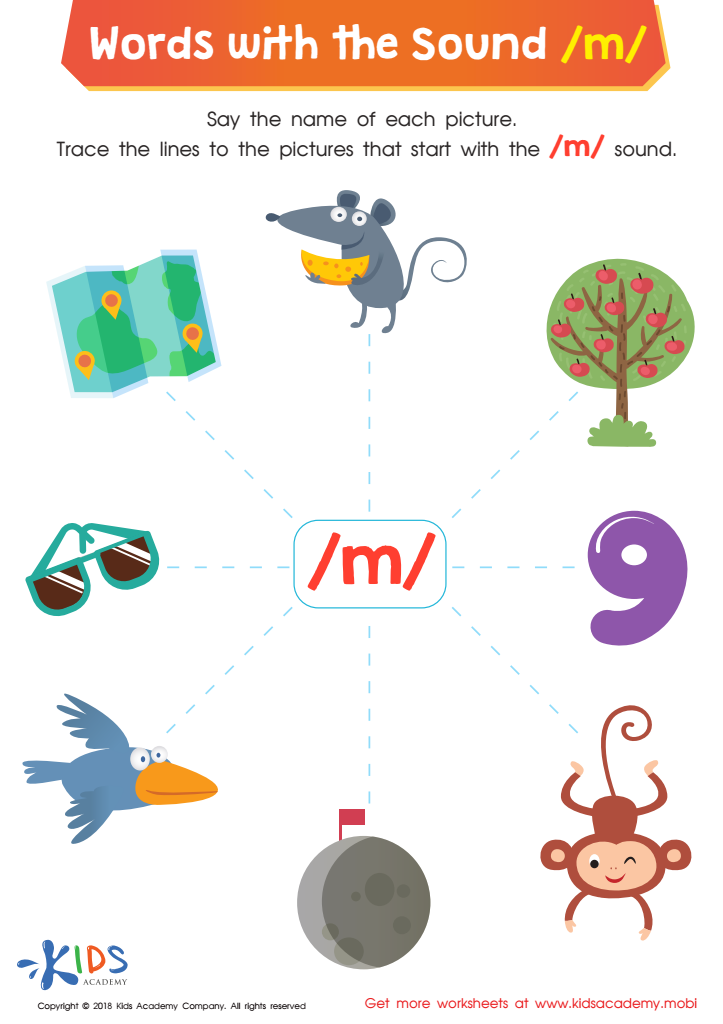
Words with Sound M Reading Worksheet
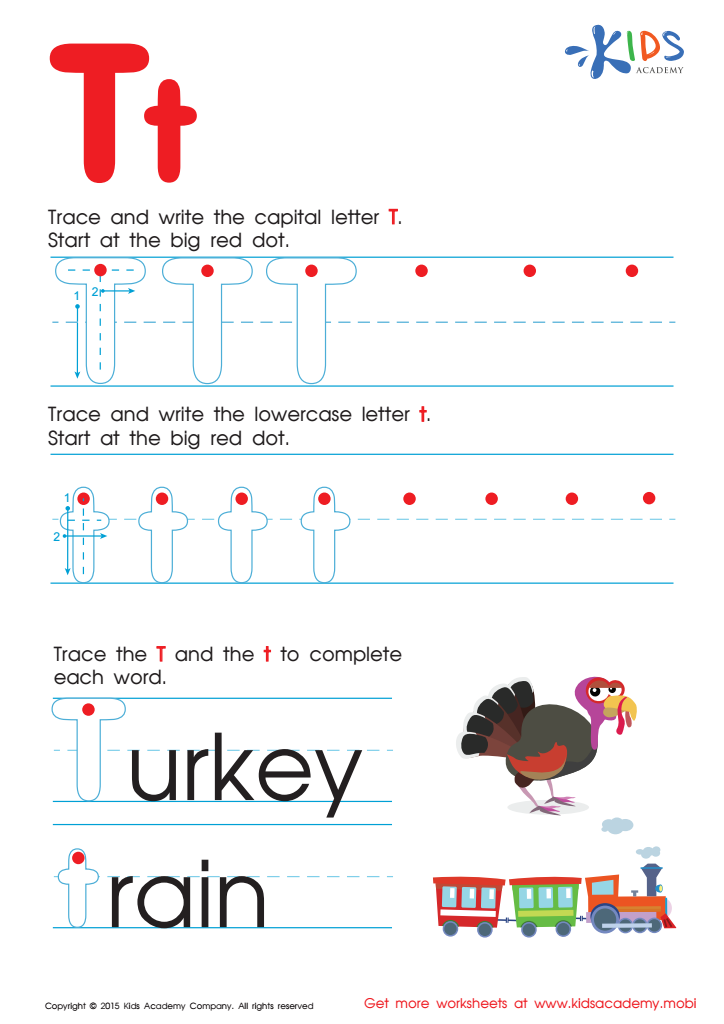
Letter T Tracing Page
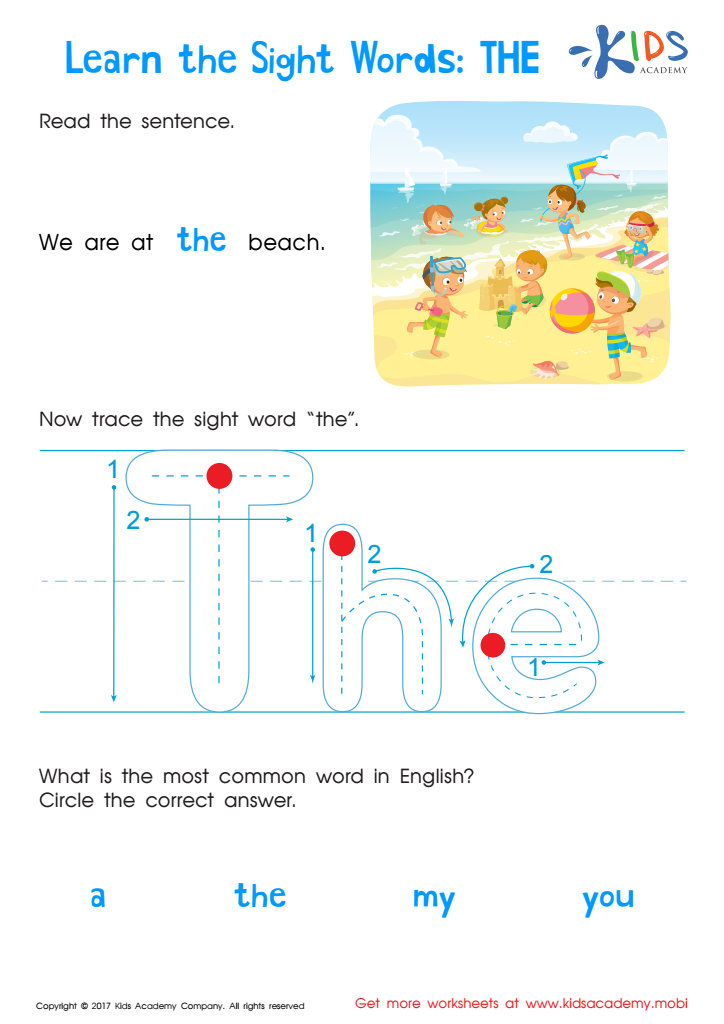
Sight Words: The Worksheet
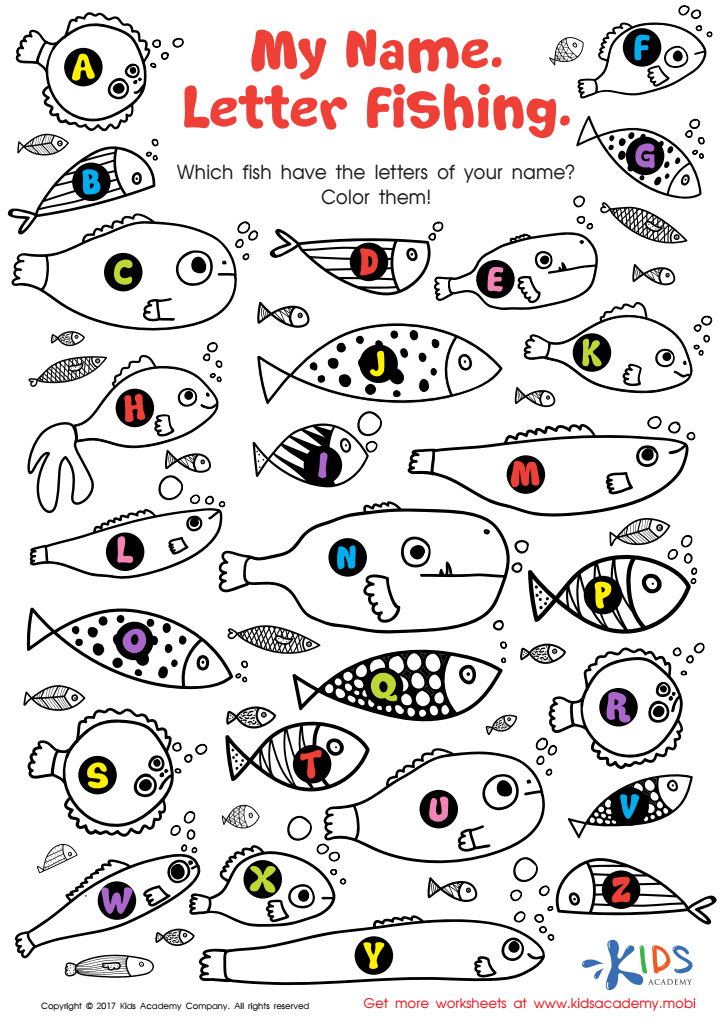
My Name: Letter Fishing Worksheet
Assign to My Students







Parents and teachers should care deeply about teaching the alphabet to children aged 3-6 because it forms the foundation of literacy, crucial for a child's overall academic success and communication skills. At this developmental stage, children's brains are highly receptive to learning new concepts, and understanding the alphabet is the first step in their journey toward reading and writing. Recognizing and naming letters helps children develop phonemic awareness, which is the ability to hear, identify, and manipulate sounds, an essential skill for decoding words.
By introducing the alphabet early, parents and teachers help children build vocabulary and language skills that are vital for effective communication. This early literacy also supports cognitive development as children learn to categorize, recognize patterns, and engage in problem-solving.
Moreover, being equipped with alphabet knowledge fosters confidence and independence in young learners. Activities like singing the alphabet song, playing letter-matching games, or tracing letters can make learning interactive and fun, encouraging a positive attitude towards education. It also sets a precedent for lifelong learning and curiosity.
In essence, prioritizing alphabet education for ages 3-6 provides the building blocks for academic achievement, cognitive growth, and social communication, making it a crucial element of early childhood education.







