Addition Facts Worksheets for Ages 3-7 - Page 2
42 filtered results
-
From - To
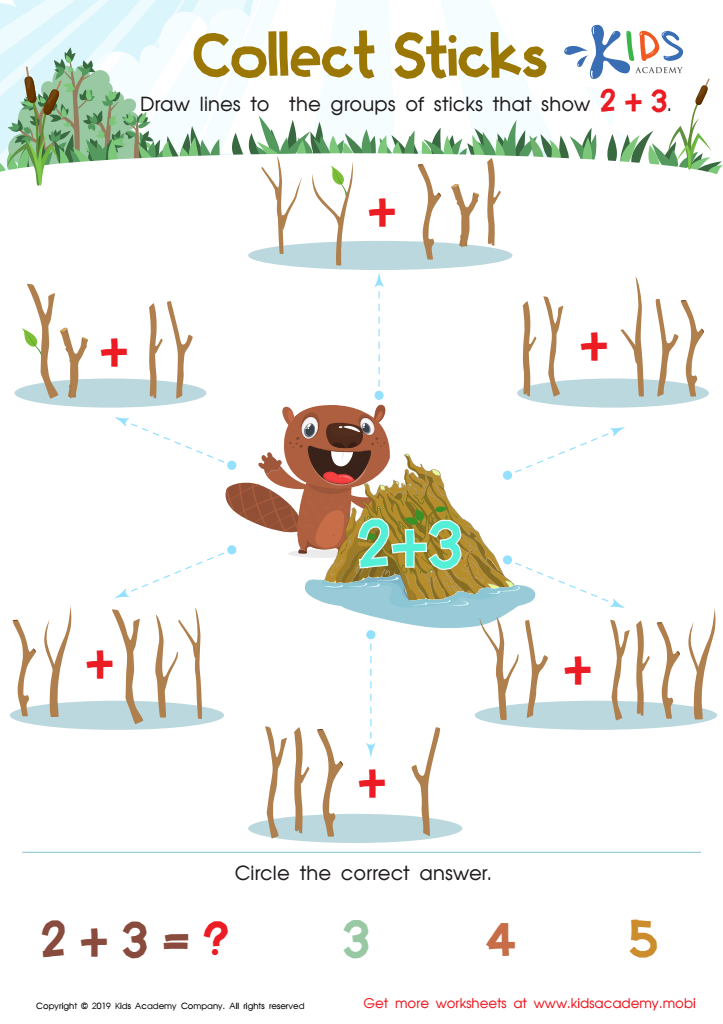
Collect Sticks Worksheet
 Assign to My Students
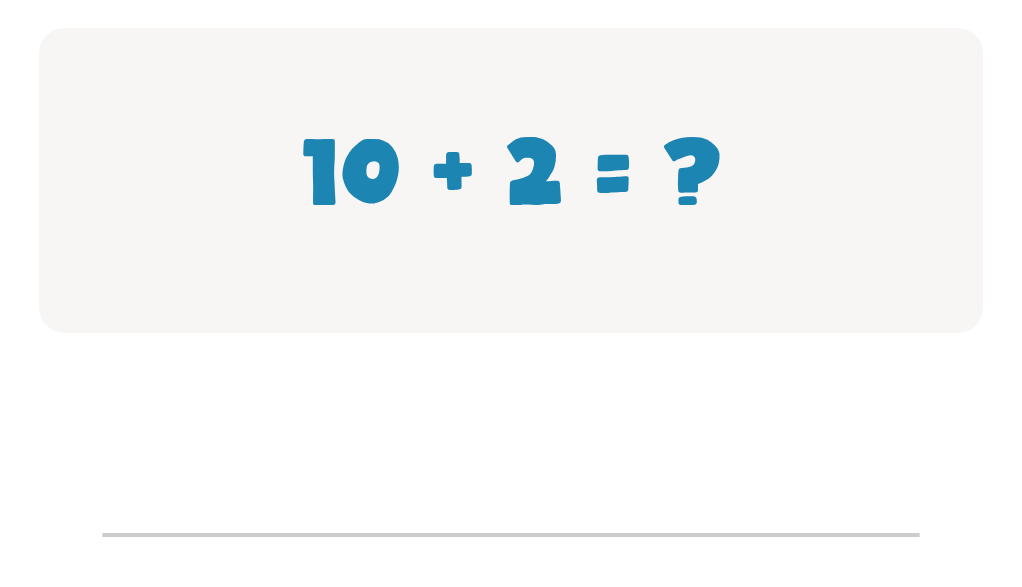


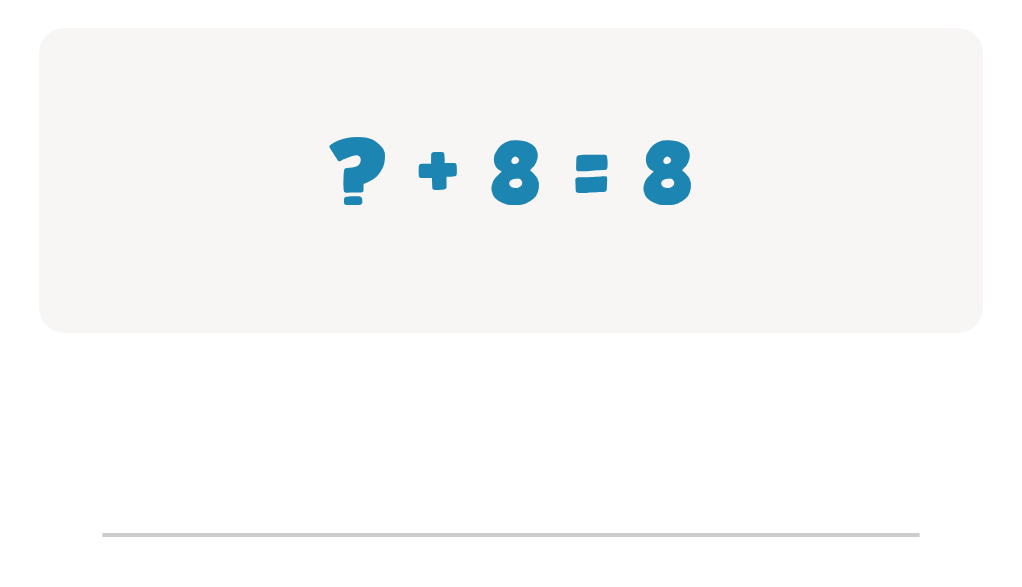
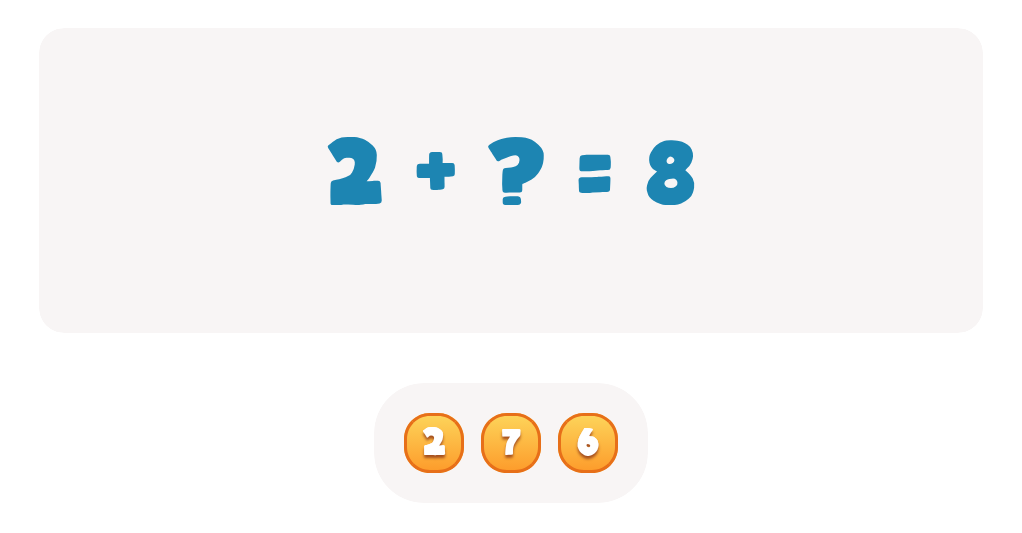
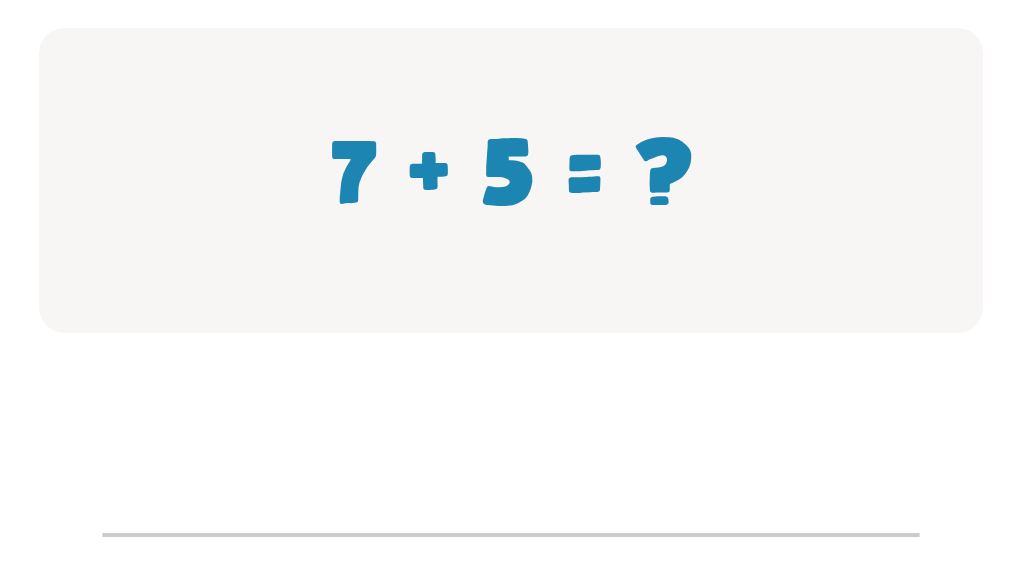
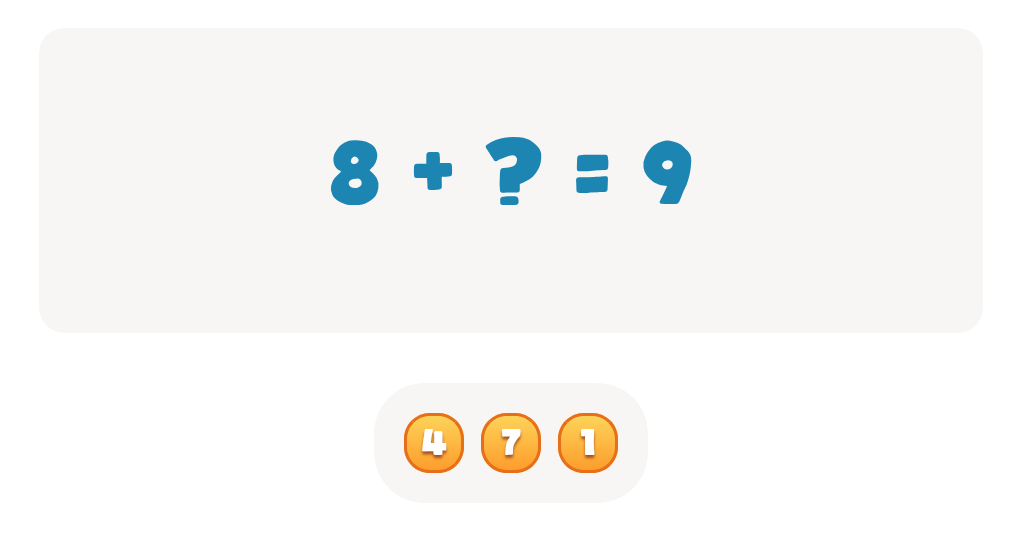

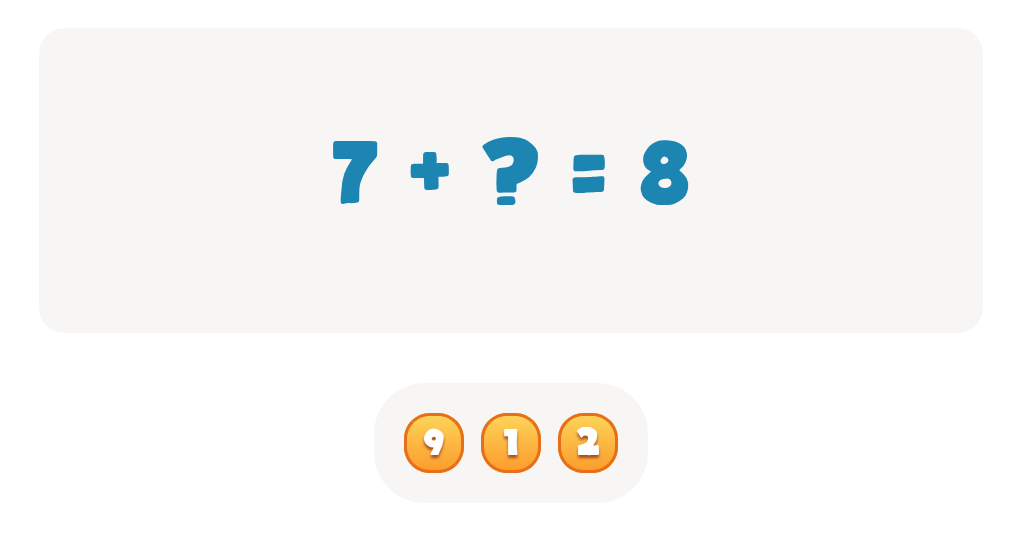
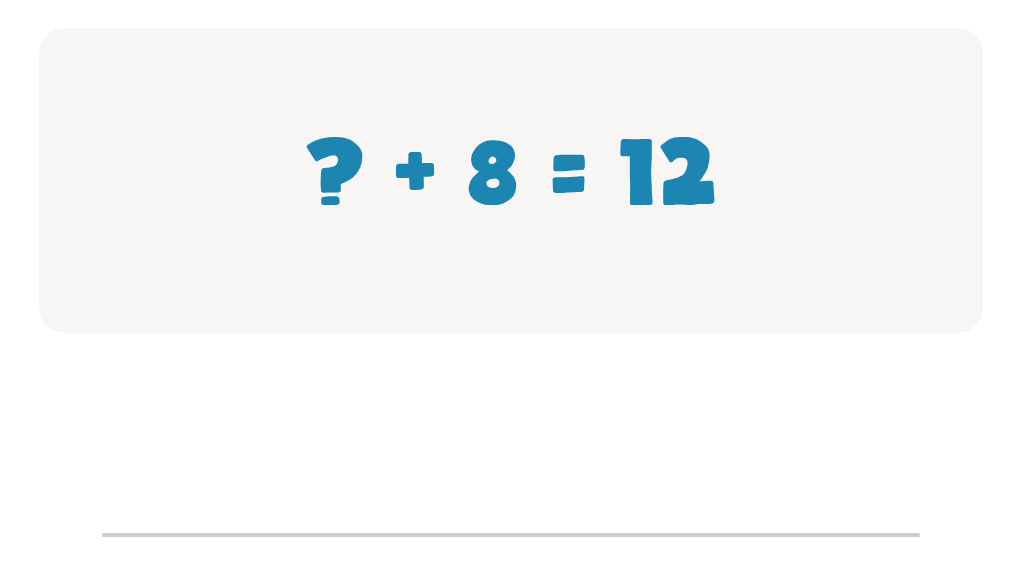
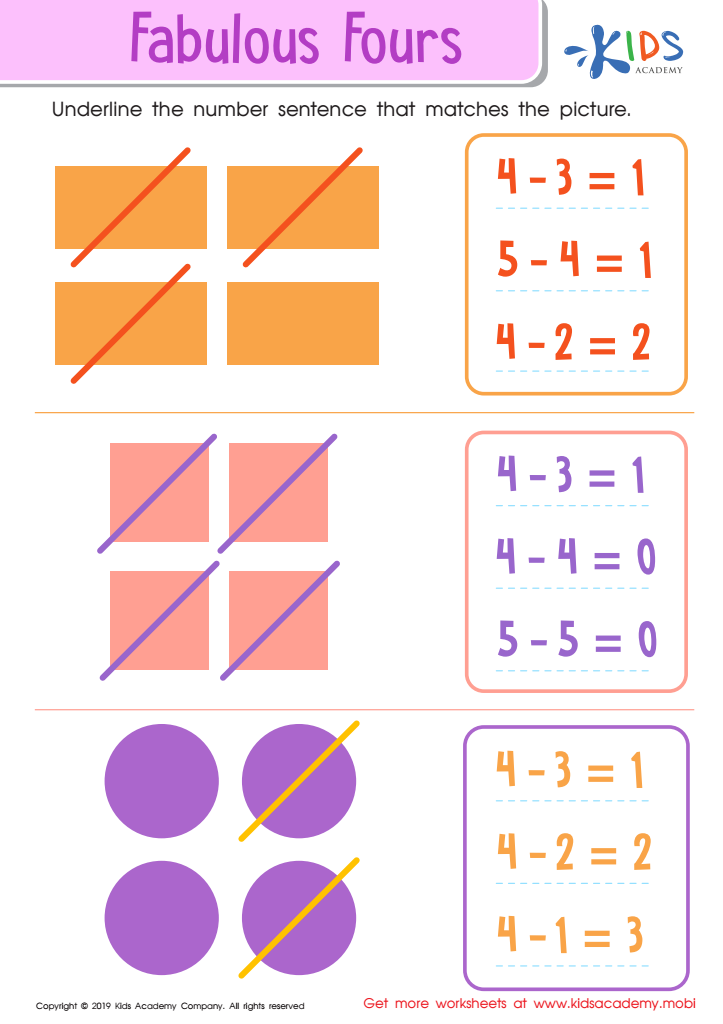
Fabulous Fours Worksheet
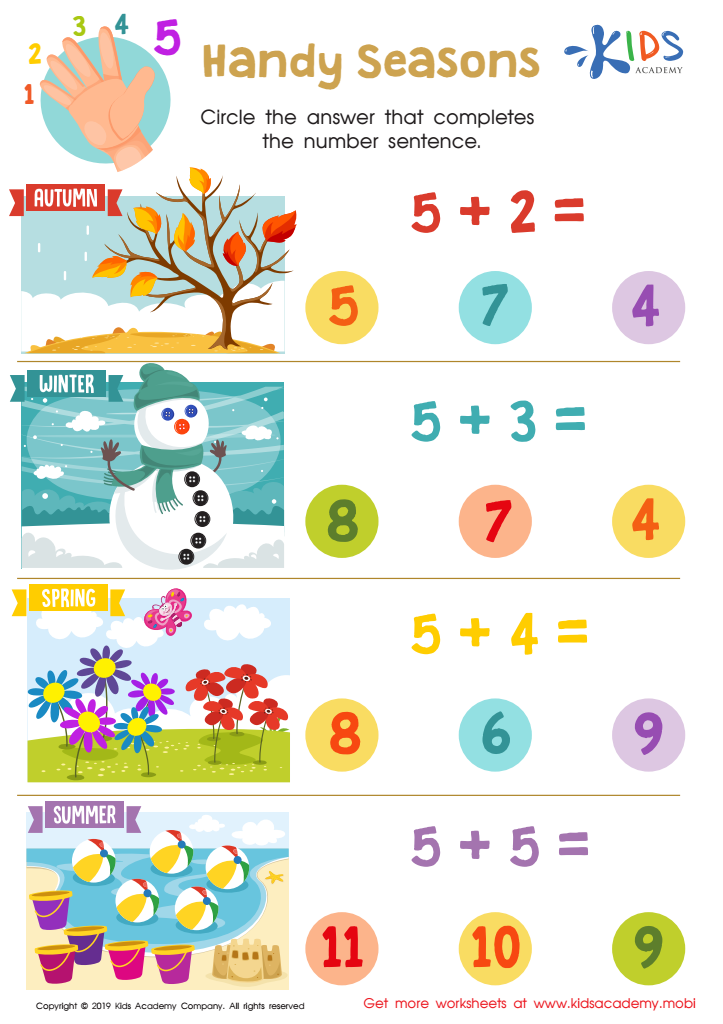
Handy Seasons Worksheet
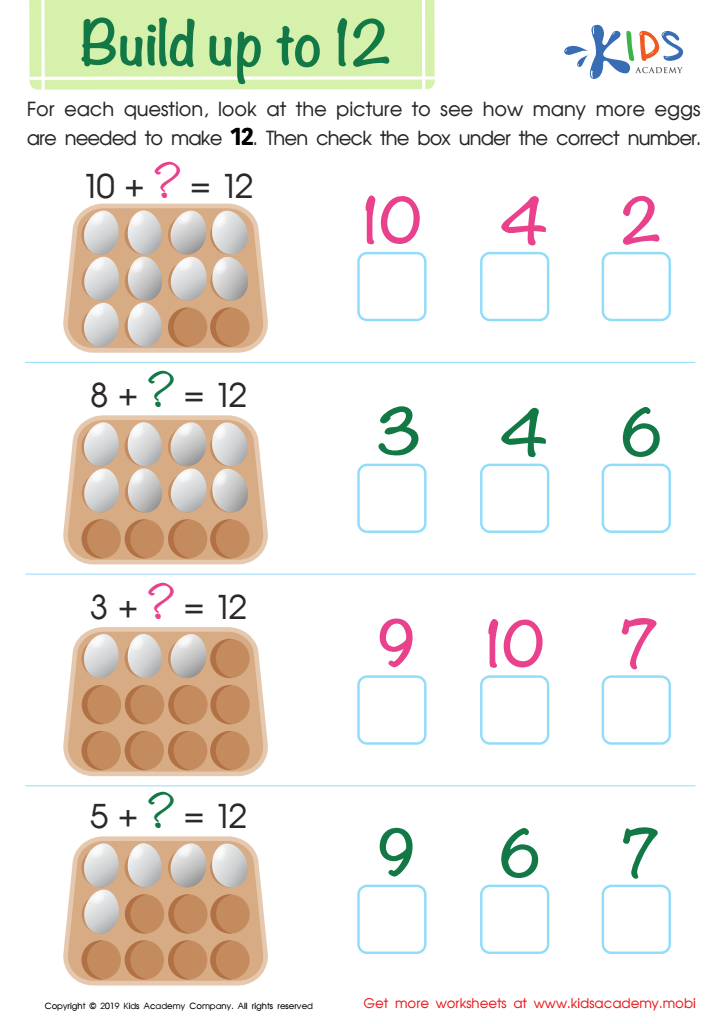
Build up to 12 Worksheet
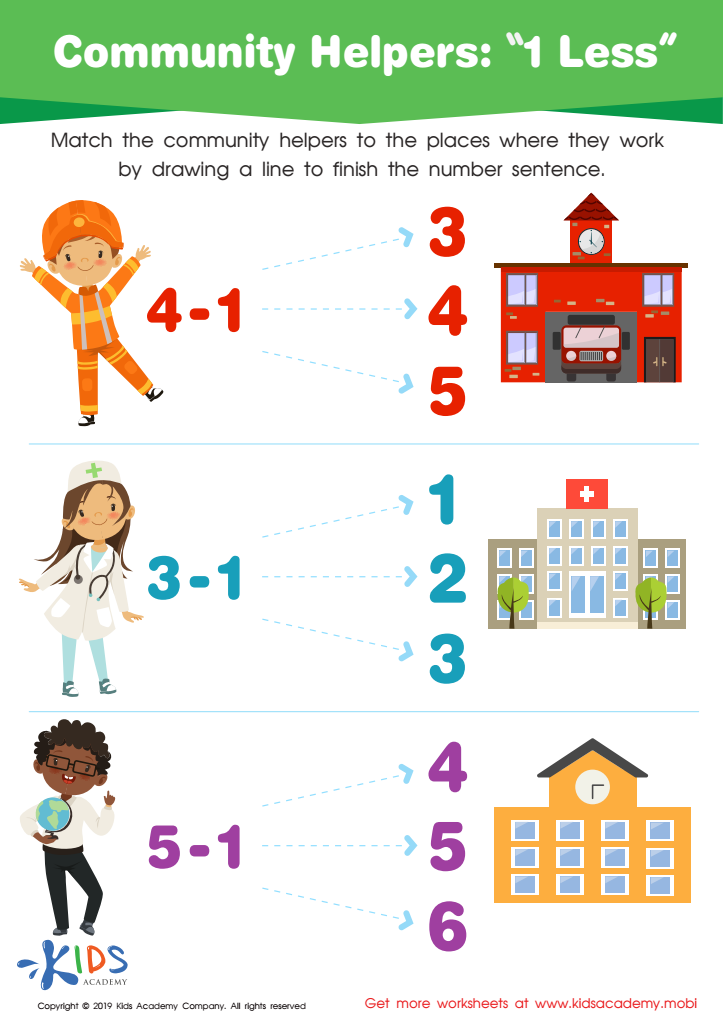
Community Helpers: 1 less Worksheet
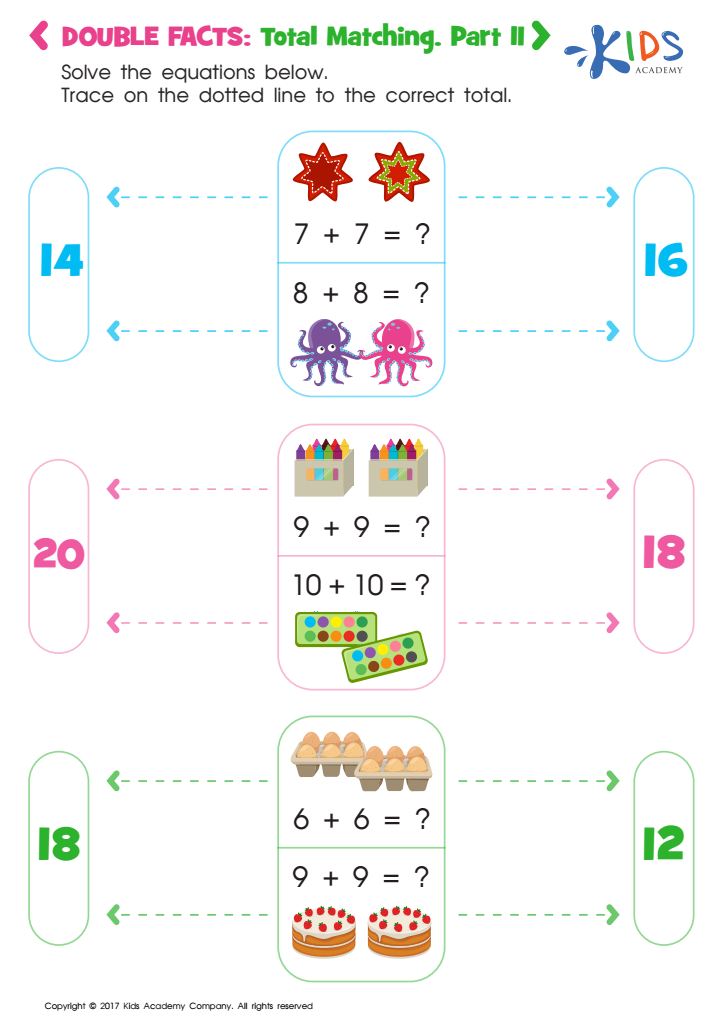
Double Facts: Total Matching 2 Worksheet
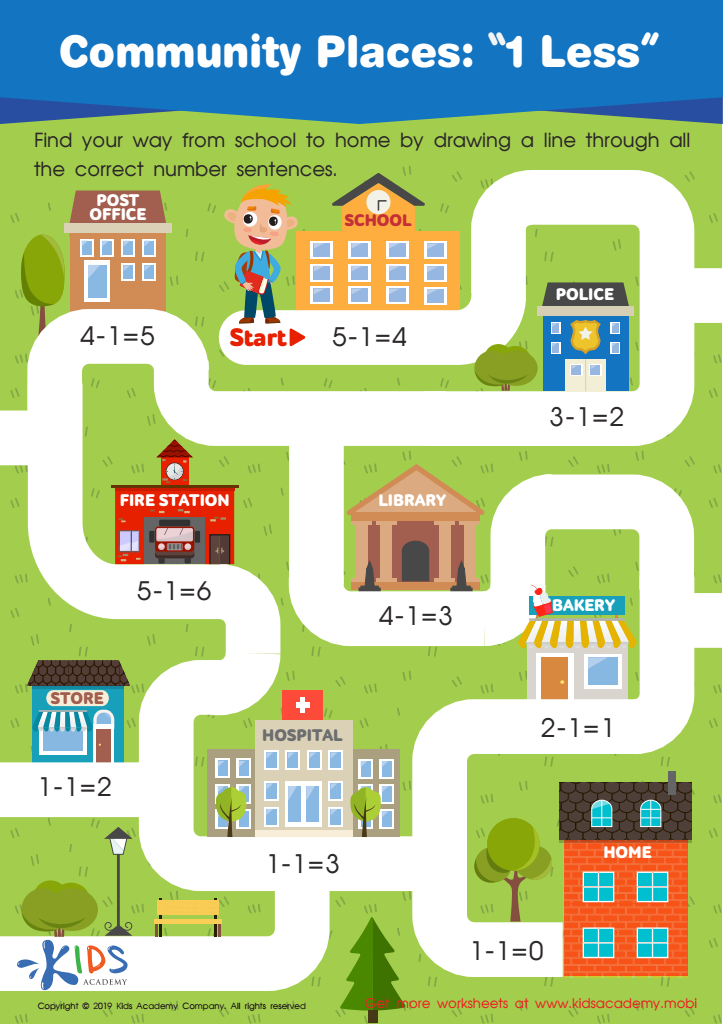
Community Places: 1 Less Worksheet
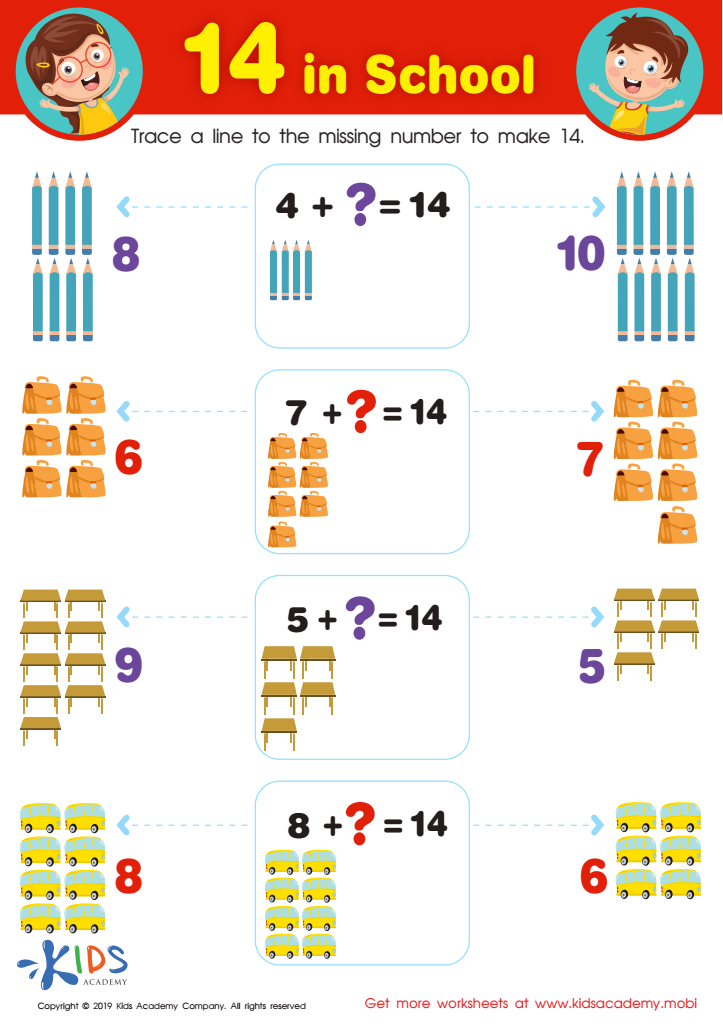
14 in School Worksheet
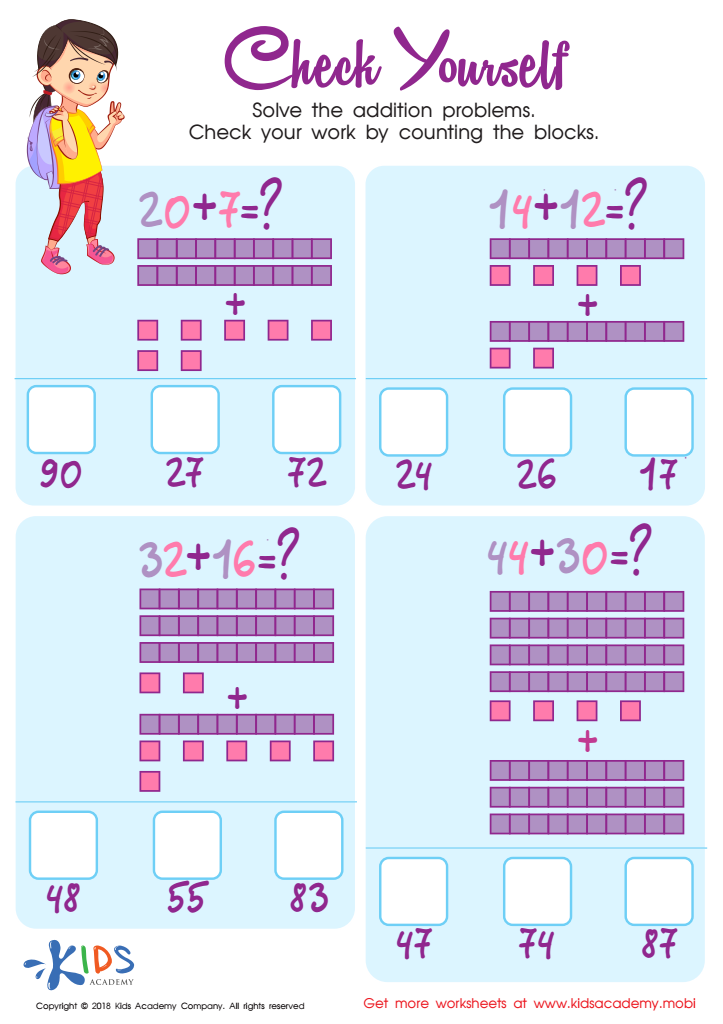
Adding with Base 1 Blocks Worksheet: Check Yourself
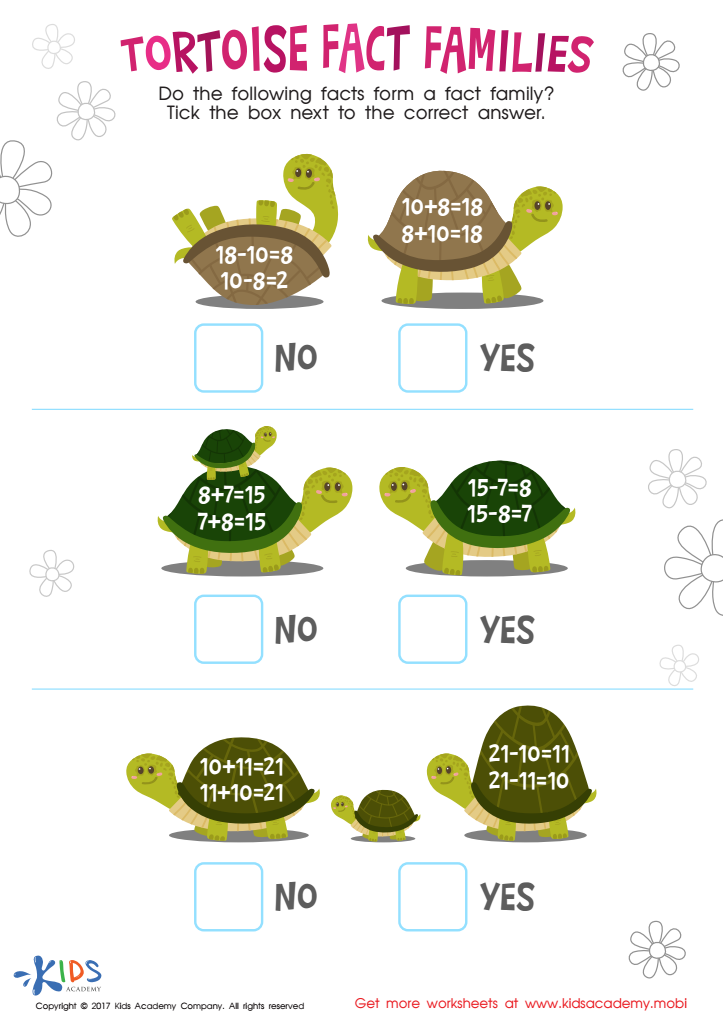
Tortoise Fact Families Printable
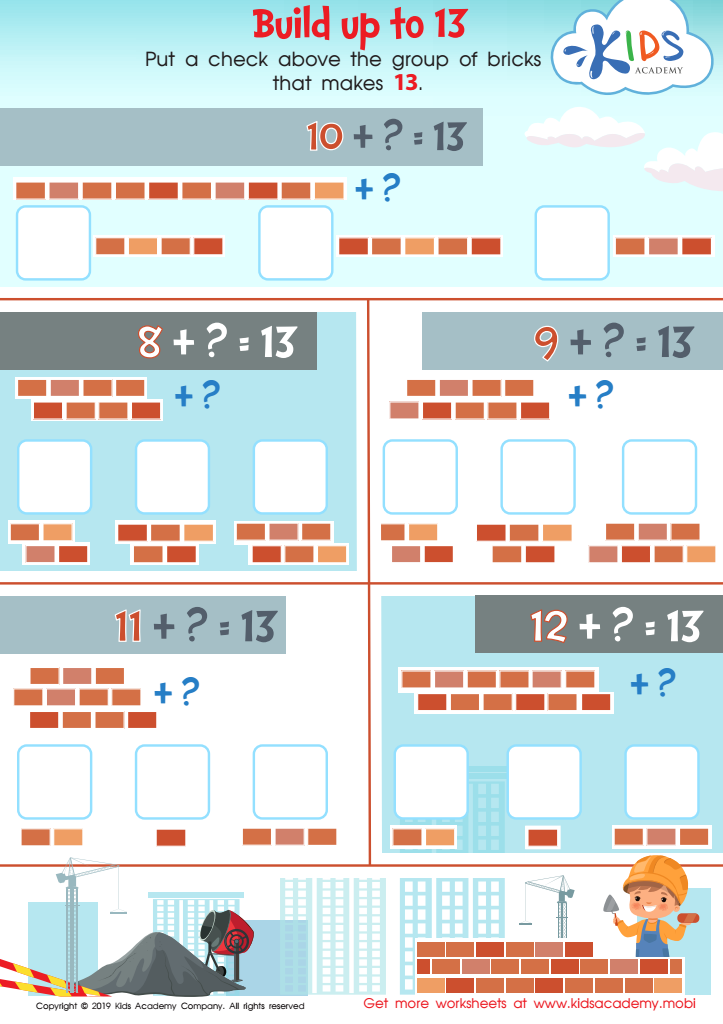
Build up to 13 Worksheet
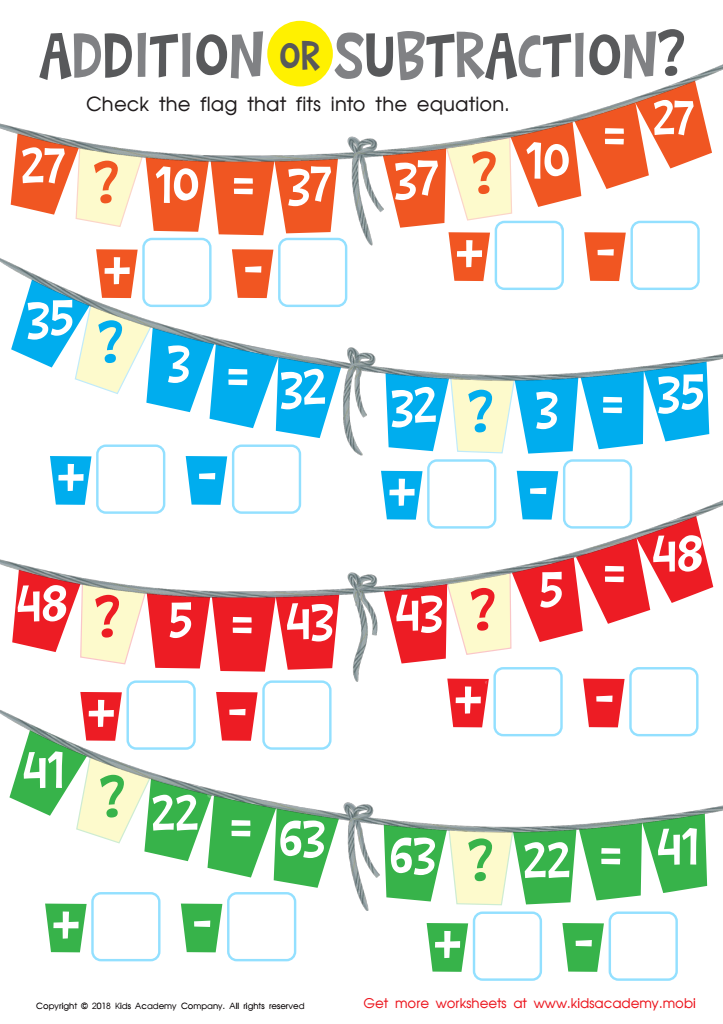
Addition or Subtraction? Worksheet
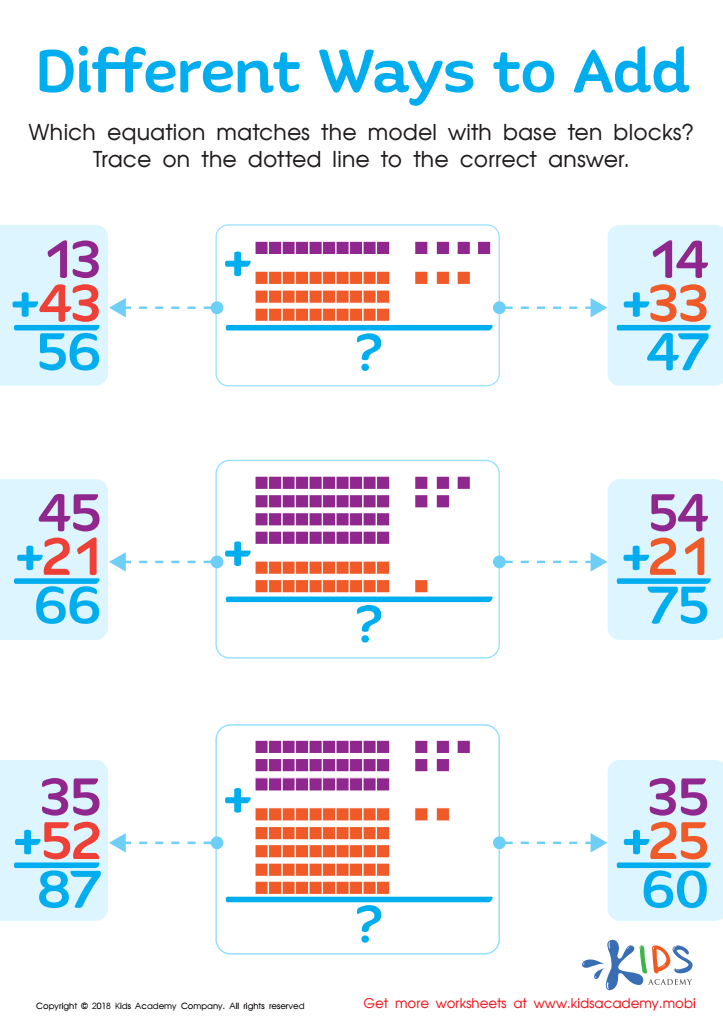
Different Ways to Add Worksheet
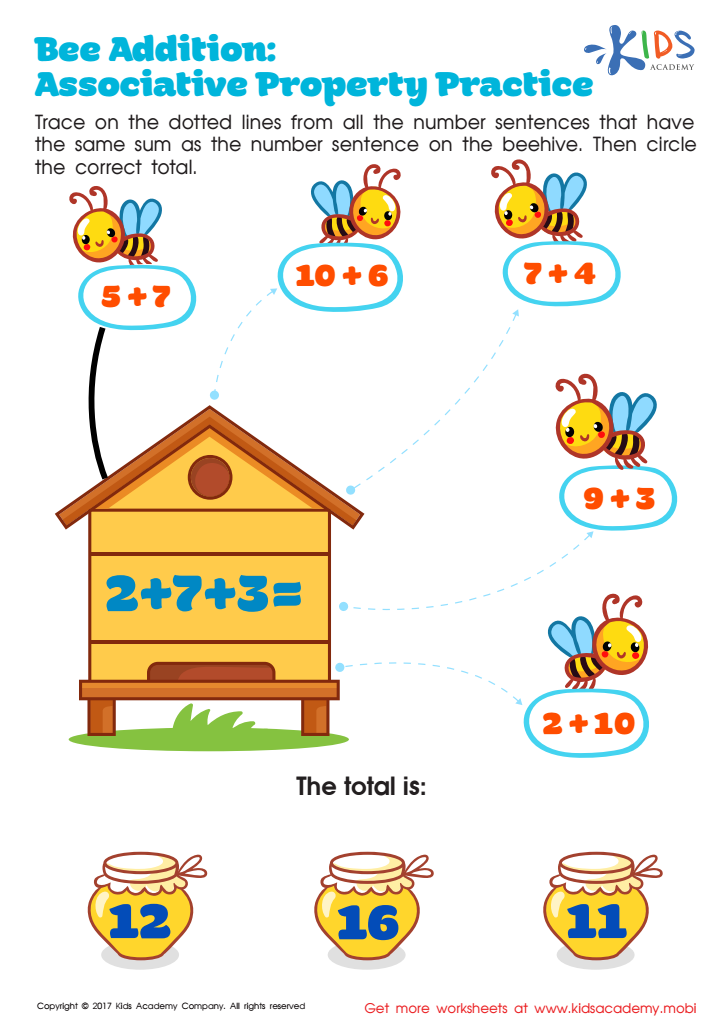
Bee Addition: Associative Property Practice Worksheet
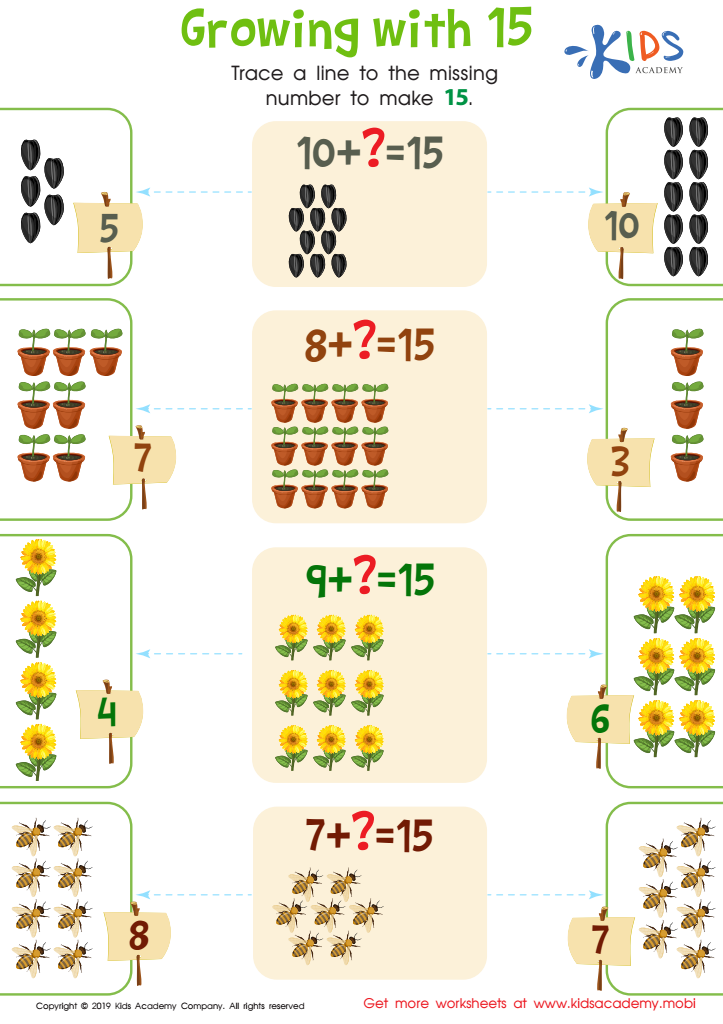
Growing with 15 Worksheet
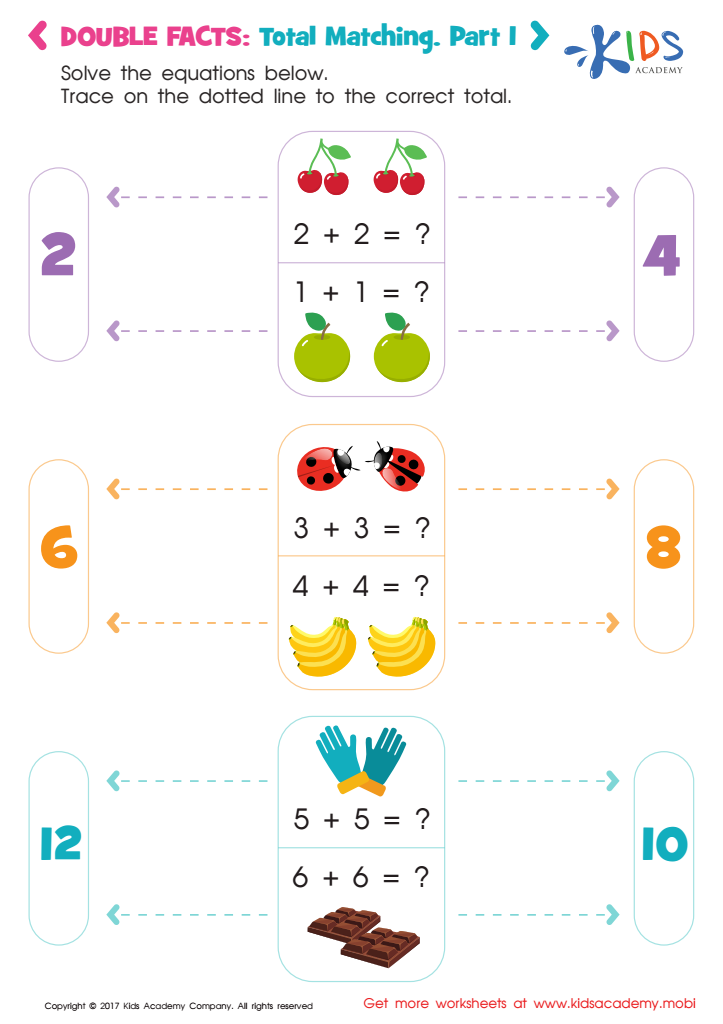
Double Facts: Total Matching Worksheet: Part 1
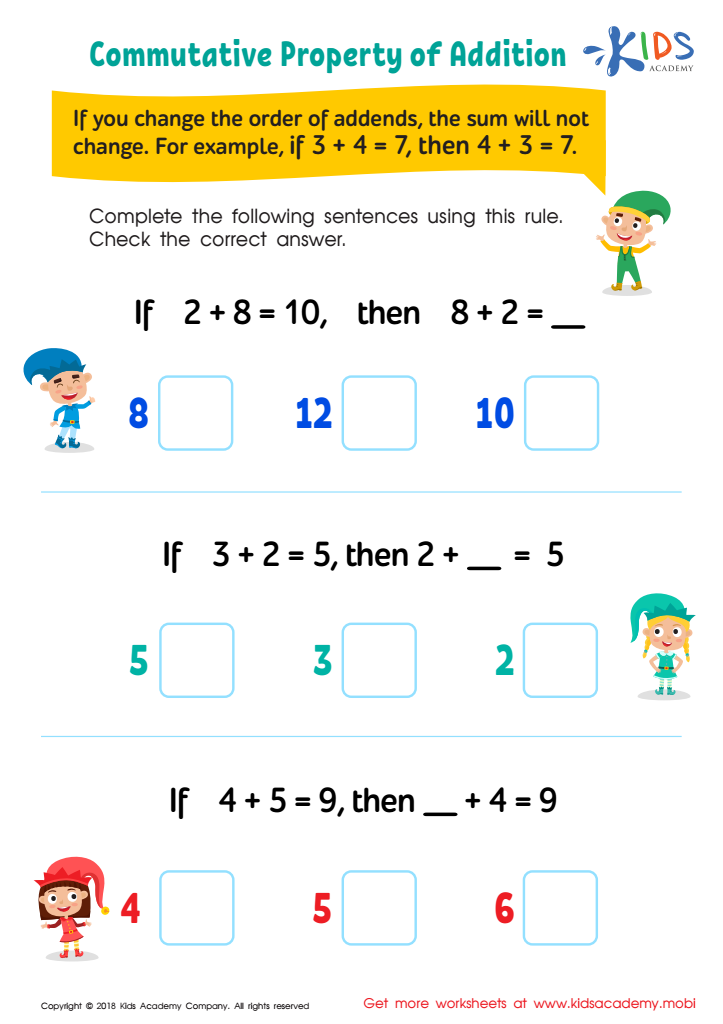
Commutative Property of Addition Worksheet
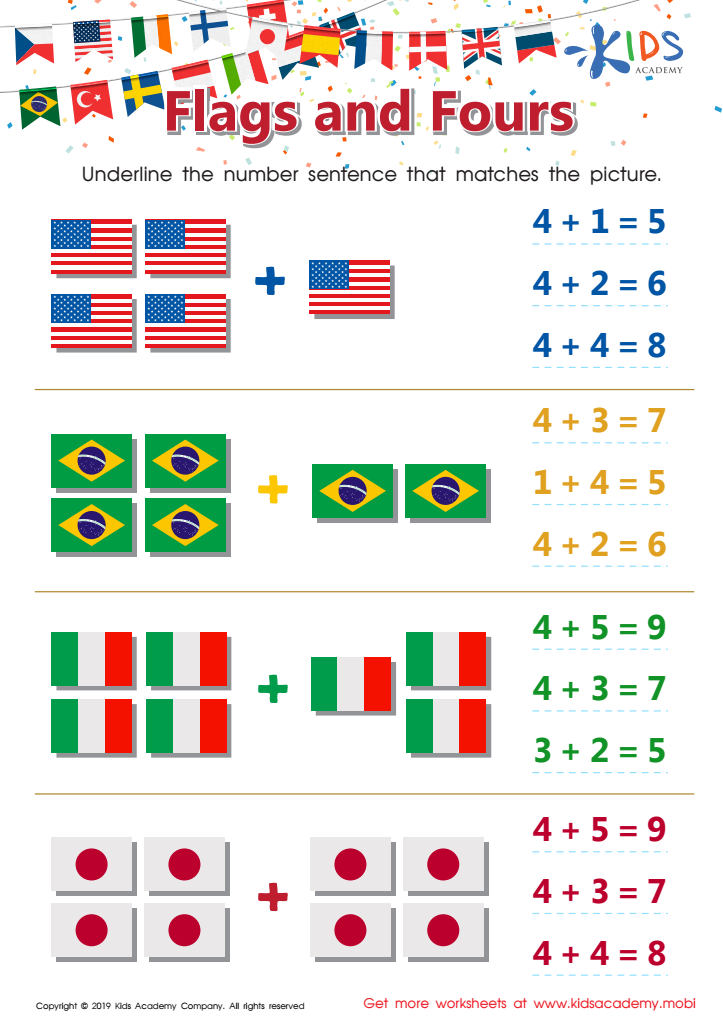
Flags and Fours Worksheet


.jpg)





Teaching addition facts to children ages 3-7 is a foundational step in their mathematical development, crucial for several reasons. At this early stage, children’s brains are highly receptive and adaptable, making it an ideal time to introduce basic mathematical concepts. Knowing addition facts helps young learners build number sense, enabling them to understand the relationships between numbers rather than just memorizing them. This understanding is critical for mental math and problem-solving skills, promoting logical thinking.
Moreover, early mastery of addition facts lays the groundwork for more complex mathematical topics that children will encounter in higher grades, such as subtraction, multiplication, and division. Confidence in these foundational skills can foster a positive attitude towards math, reducing math anxiety and encouraging a lifelong interest in the subject.
Incorporating fun and engaging activities, such as games or hands-on manipulatives, can make learning addition enjoyable, helping to reinforce these concepts. Furthermore, parents and teachers play a pivotal role in creating an enriching learning environment that encourages practice and celebrates progress.
In summary, ensuring children master addition facts at this critical age sets them on a path to academic success, boosts their confidence, and cultivates a love for learning that will benefit them across all subject areas.








