Hand-eye Coordination Math Worksheets for Ages 3-7 - Page 2
62 filtered results
-
From - To
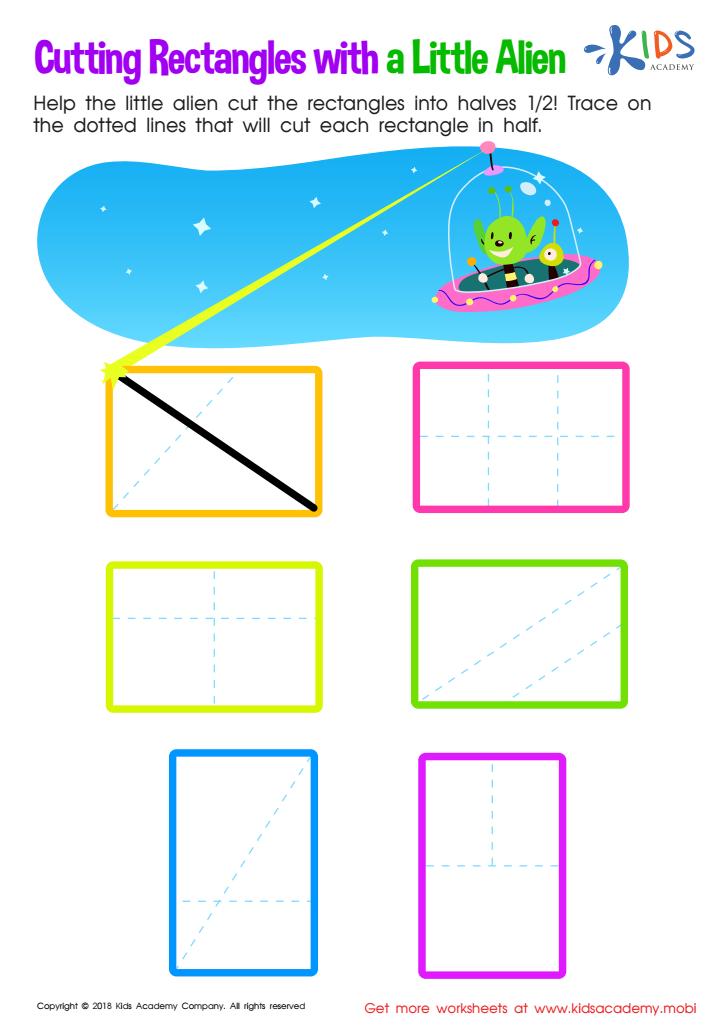
Cutting Rectangles with Alien Worksheet
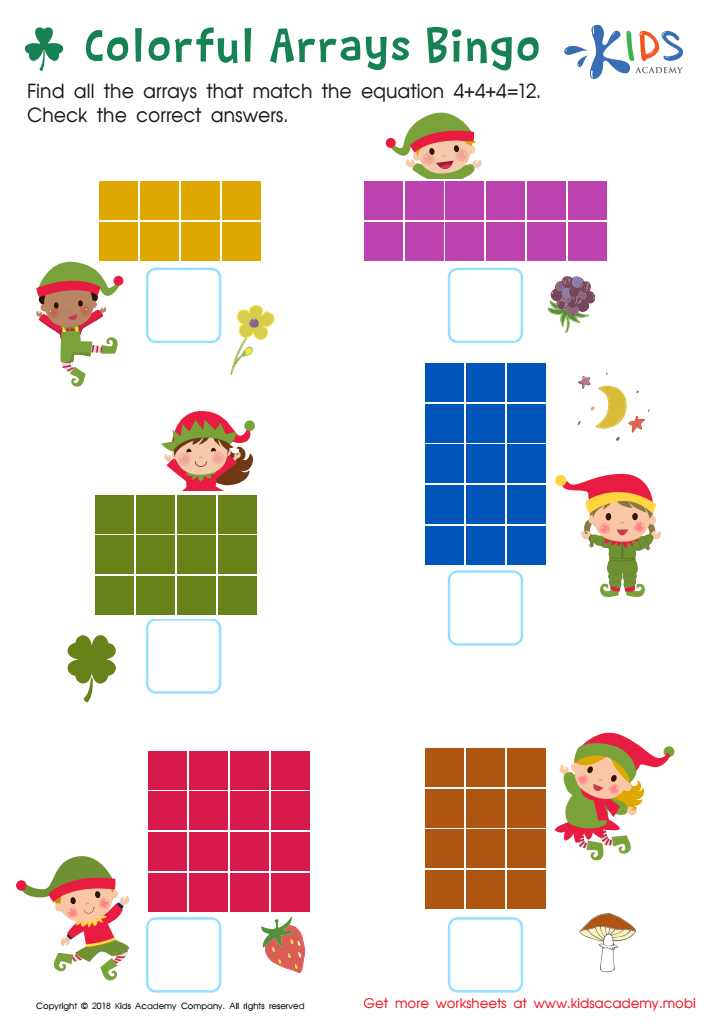
Colorful Arrays Bingo Worksheet
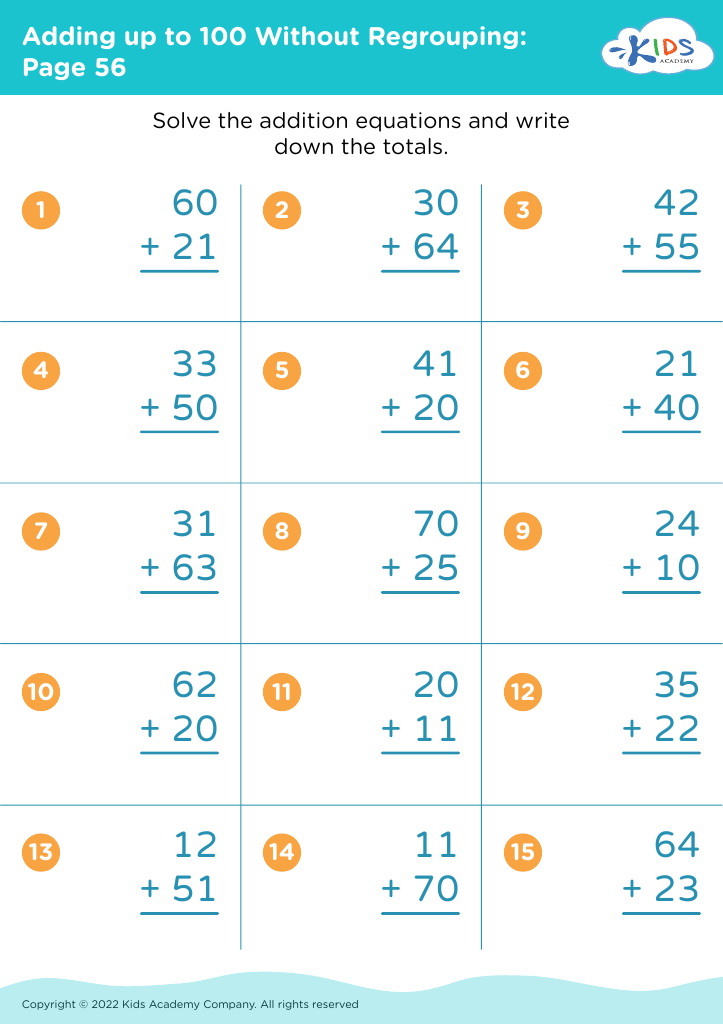
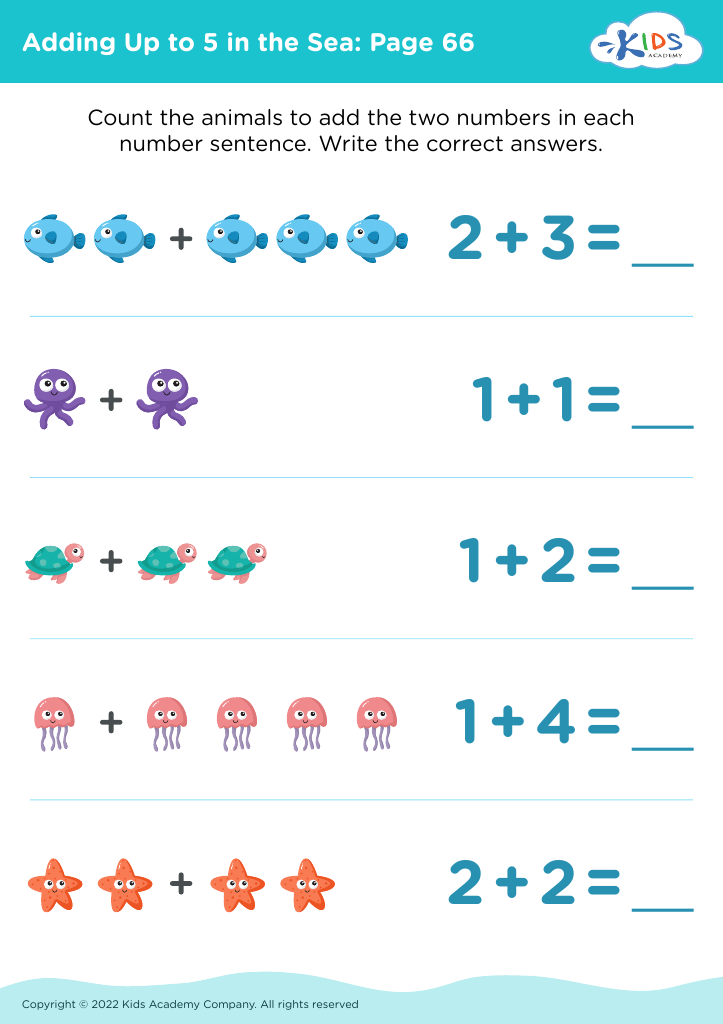
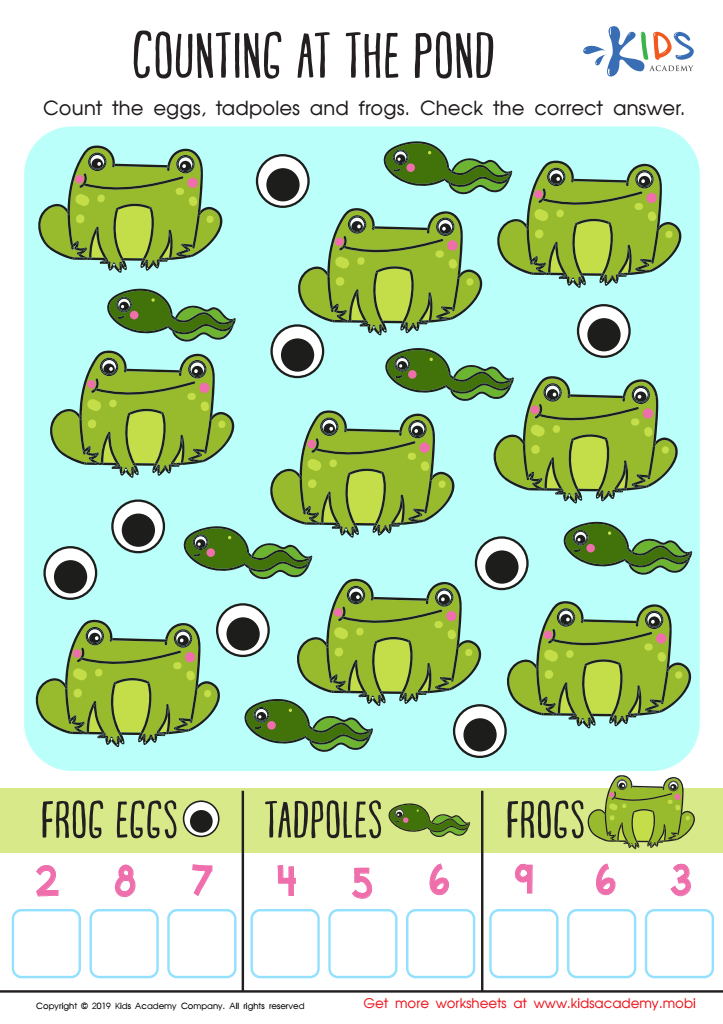
Counting at the Pond Worksheet
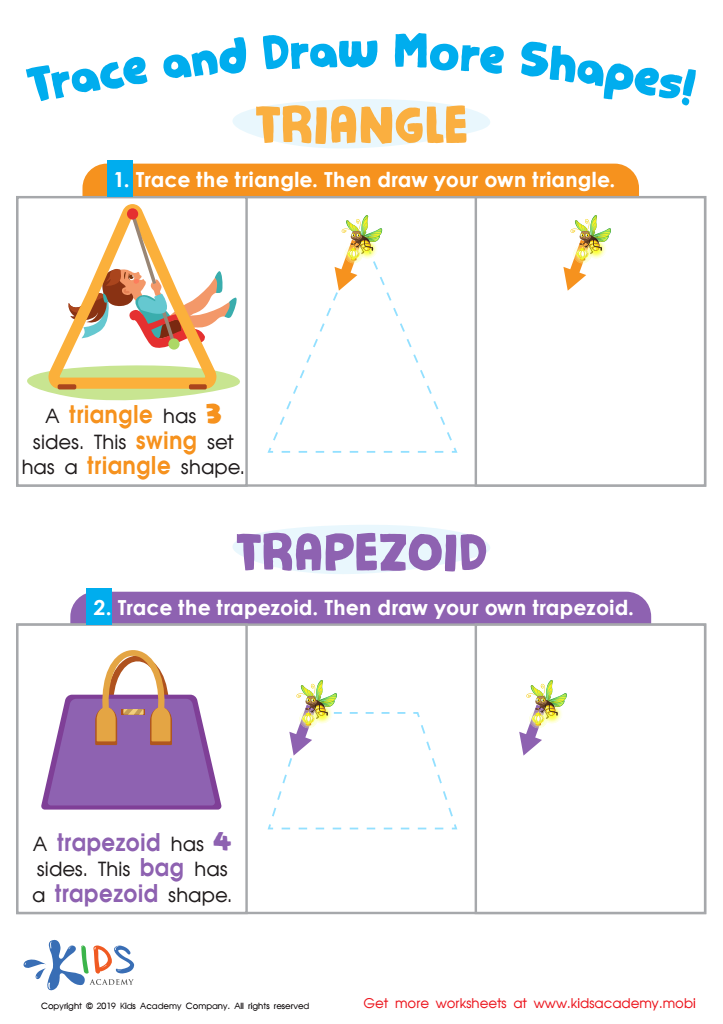
Trace and Draw More Shapes Worksheet
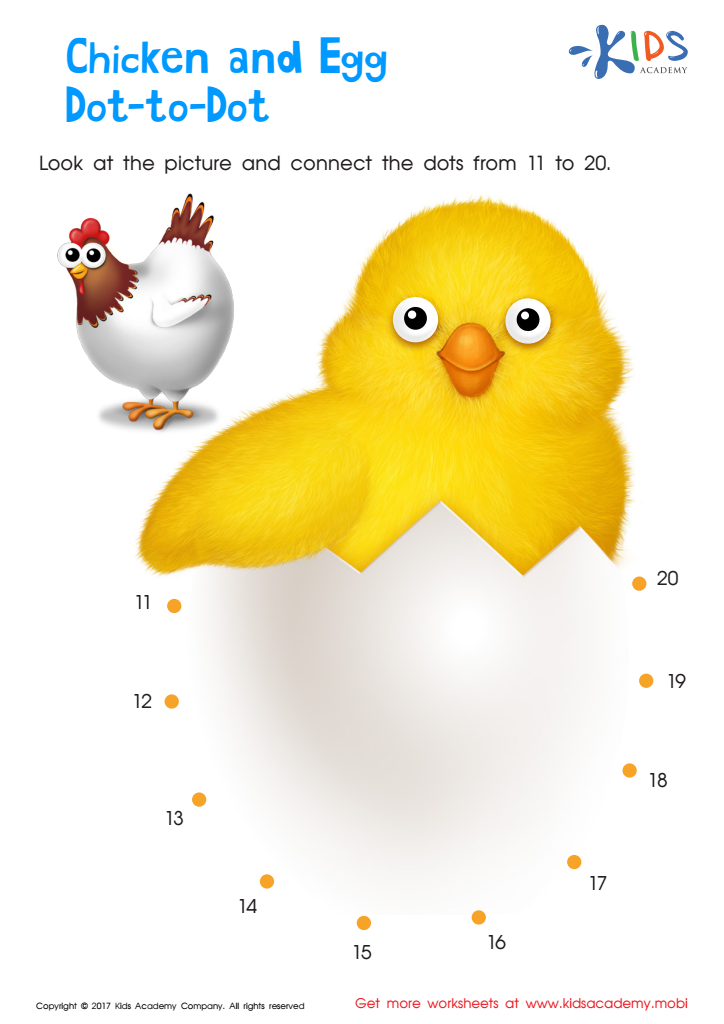
Ordering 11–20: Chicken & Egg Dot–to–dot Worksheet
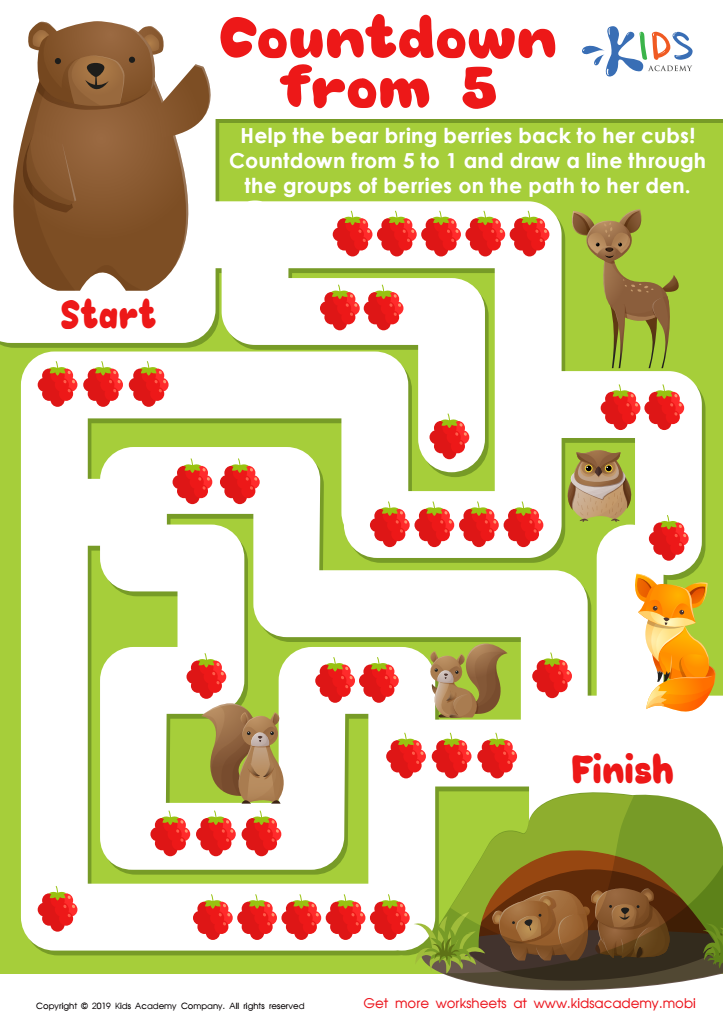
Countdown from 5 Worksheet
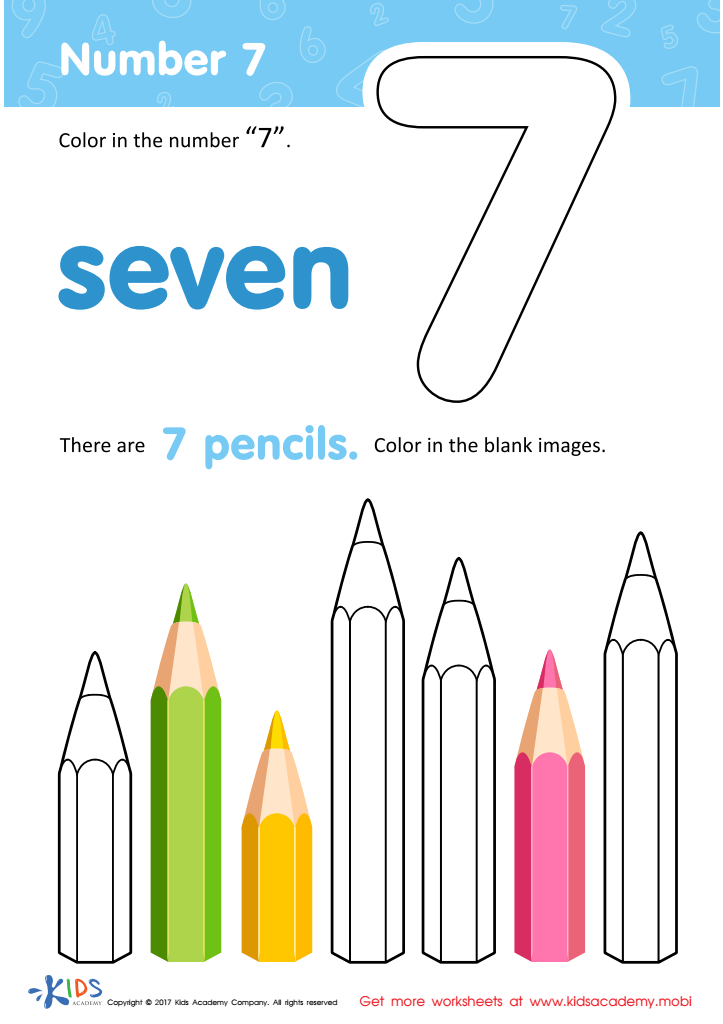
Number 7 Worksheet
 Assign to My Students
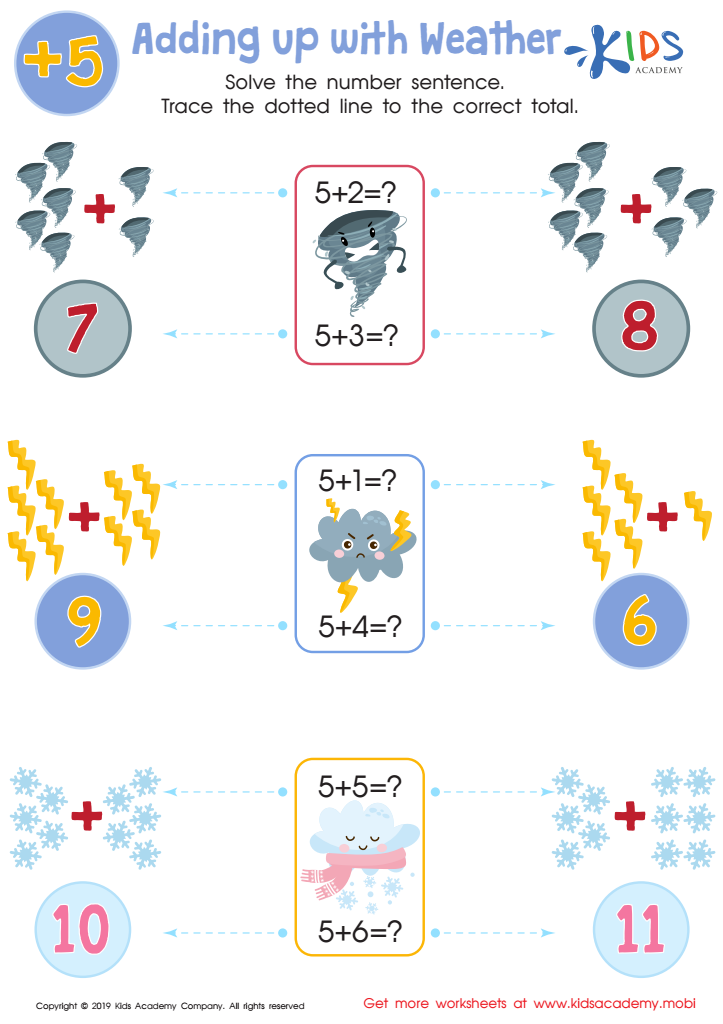
Adding up With Water Worksheet
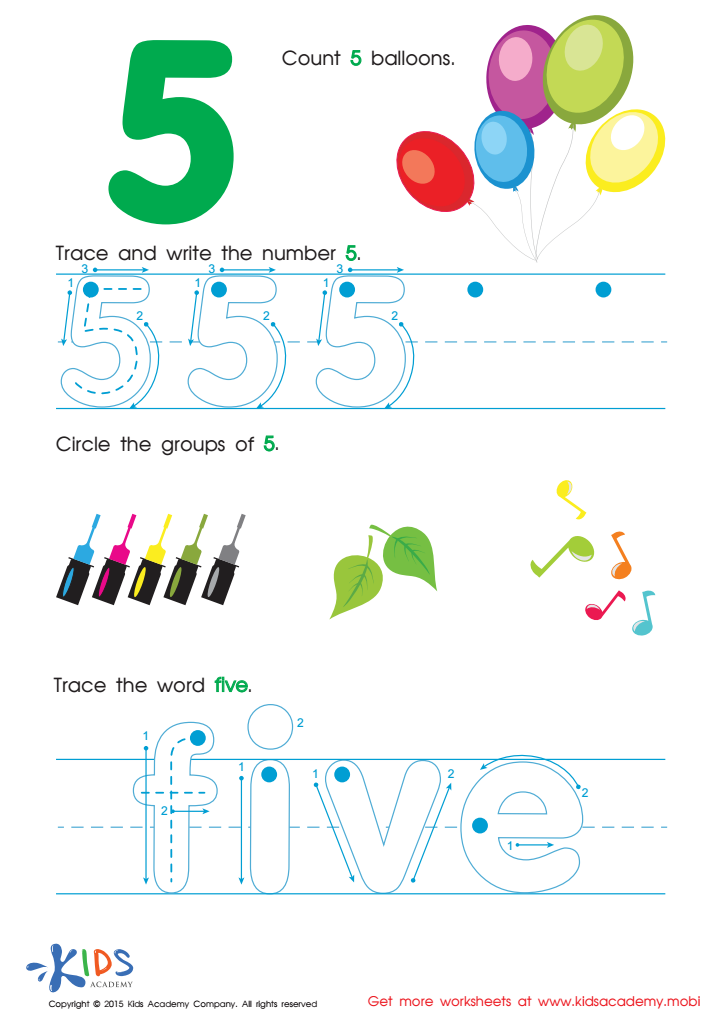
Practice Writing Number 5 Worksheet
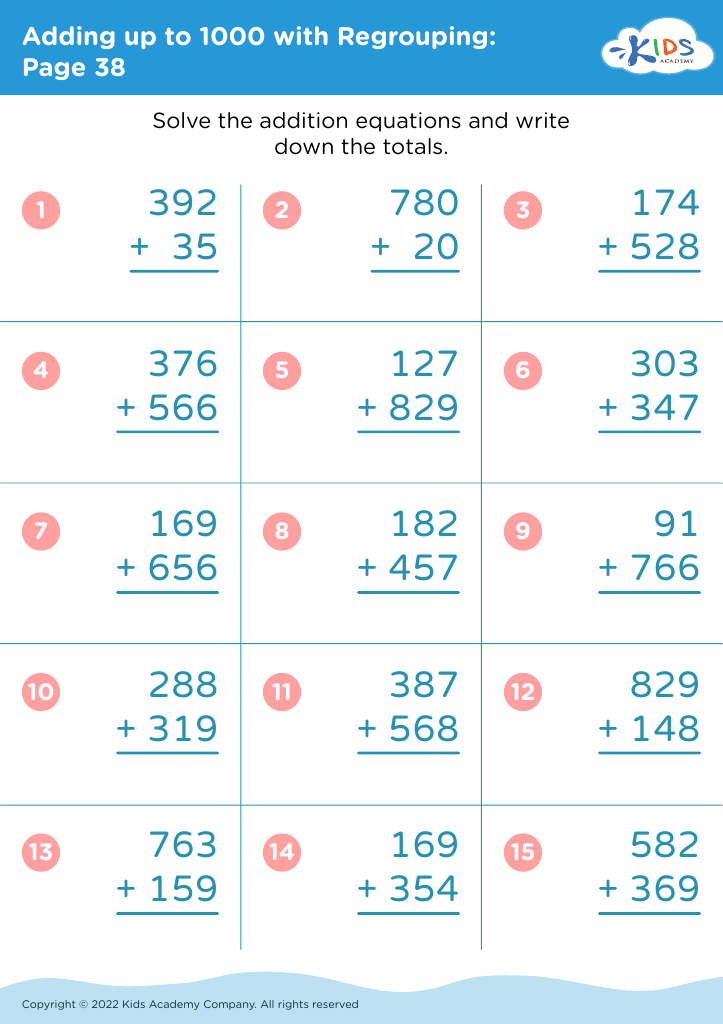
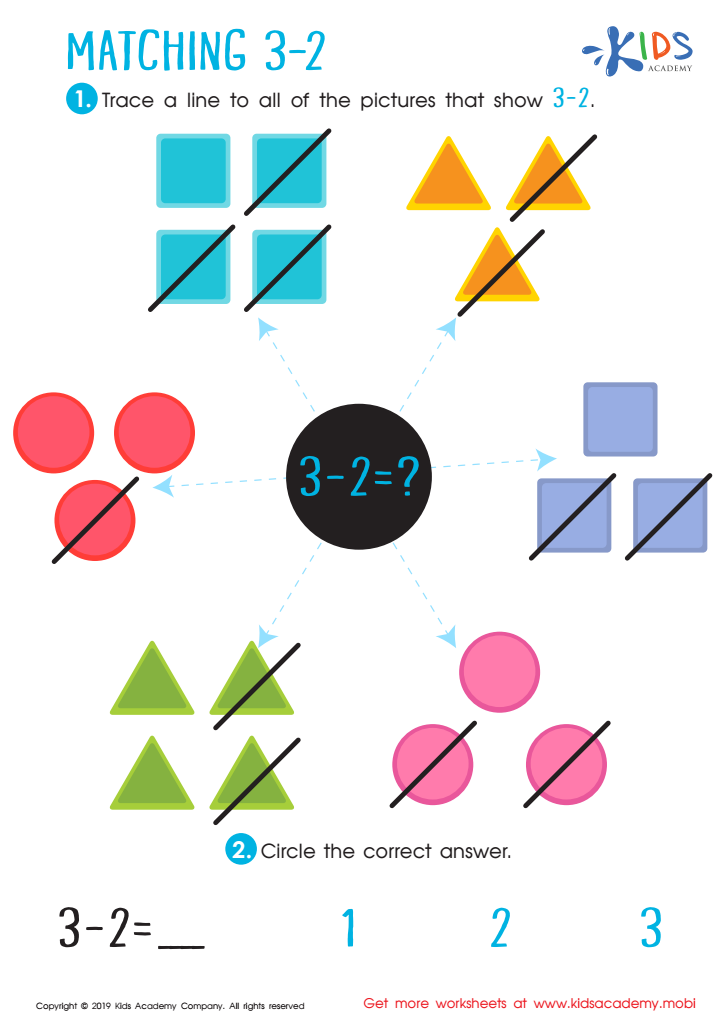
Matching 3-2 Worksheet
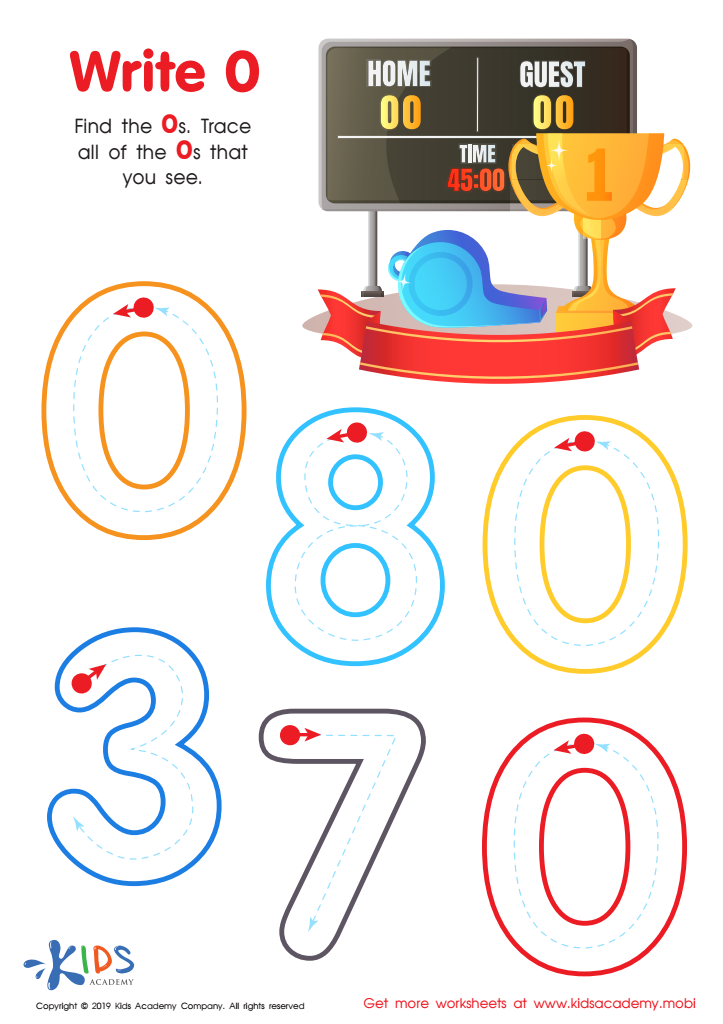
Write 0 Worksheet
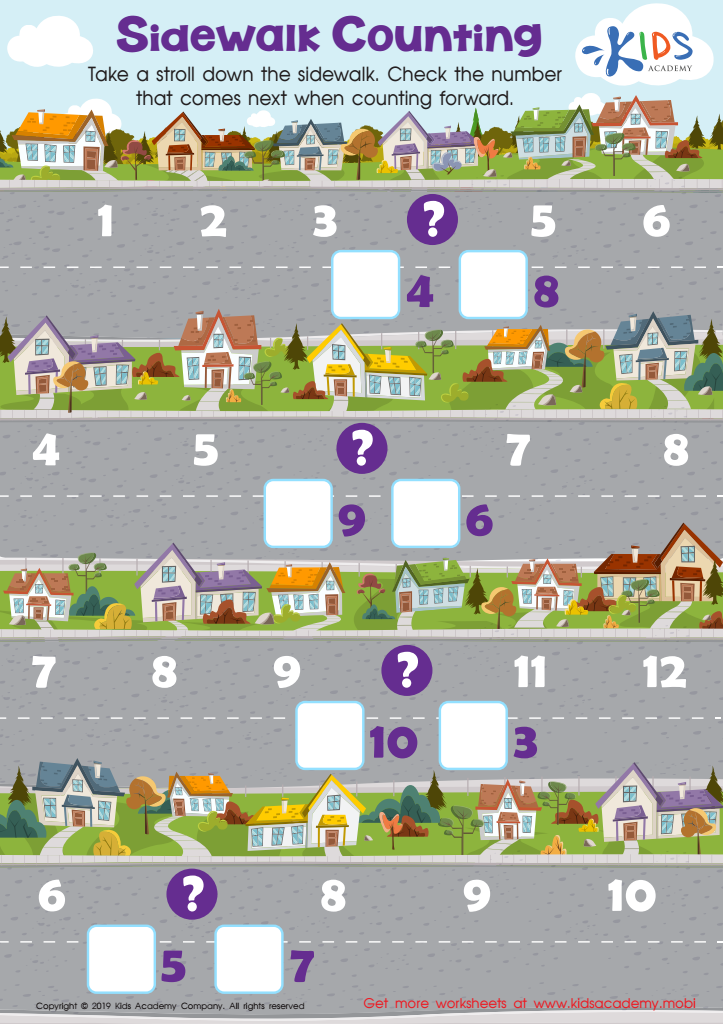
Sidewalk Counting Worksheet
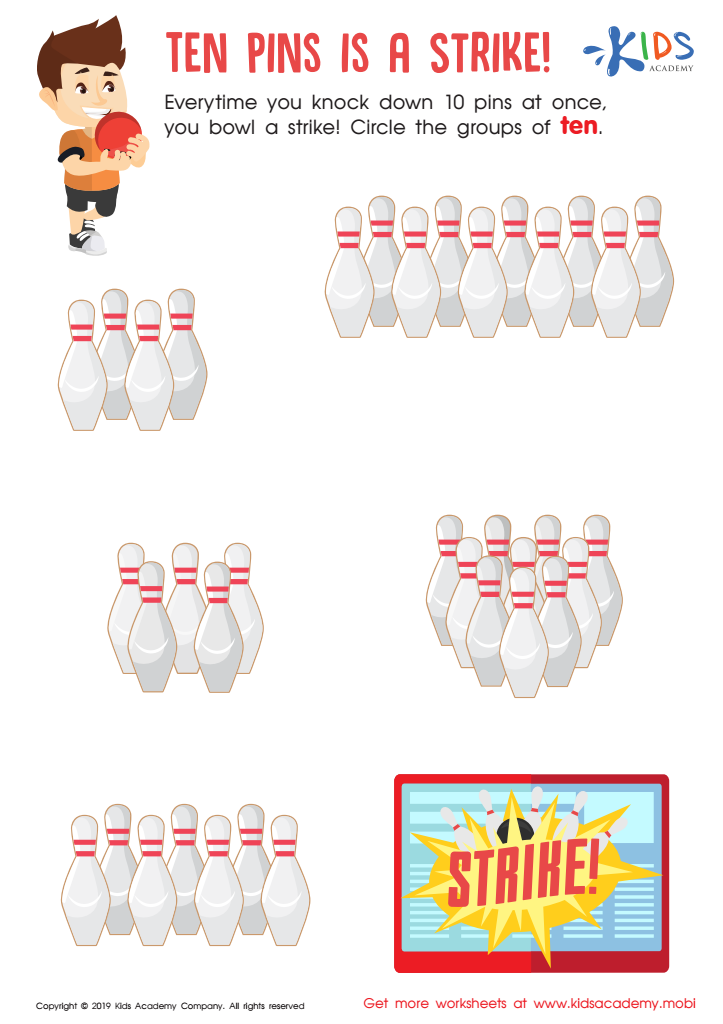
Ten Pins is a Strike Worksheet
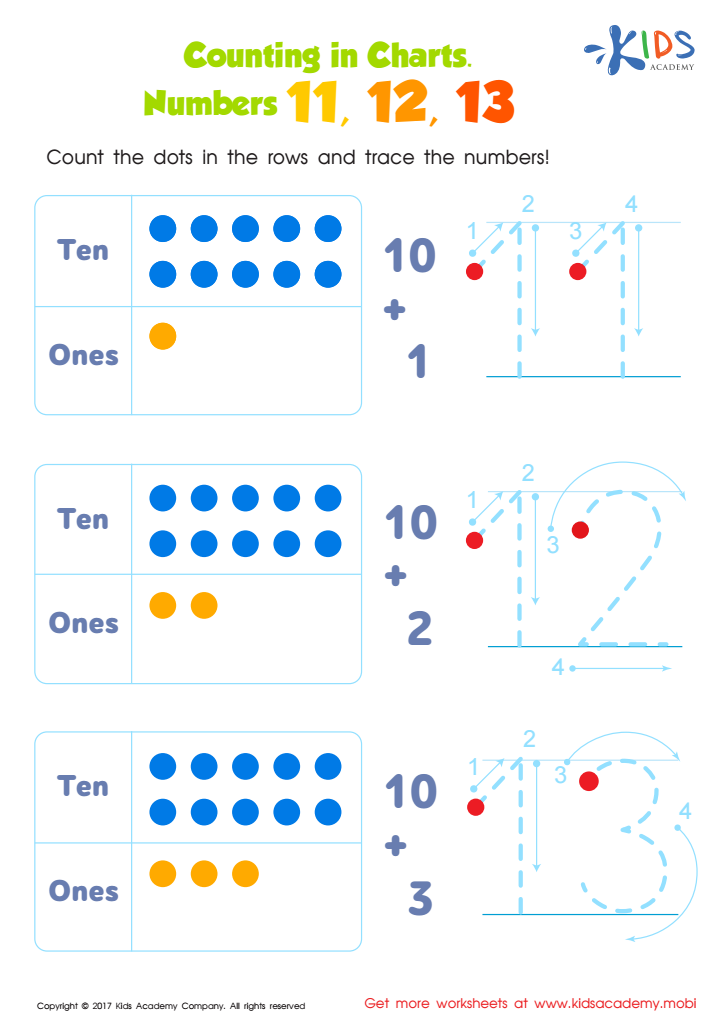
Number Tracing Worksheet For Kindergarten



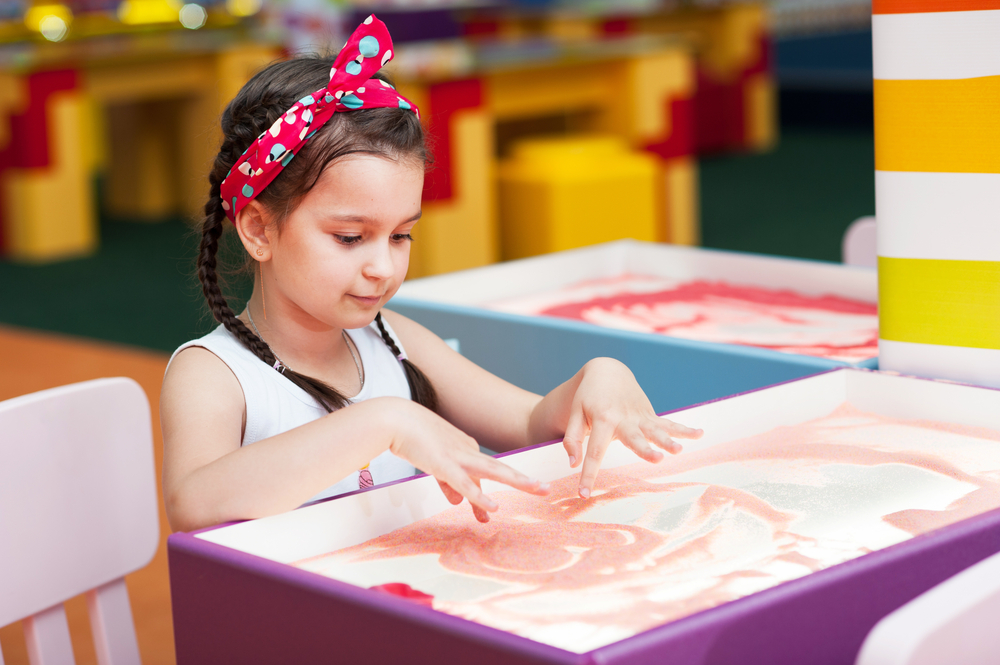


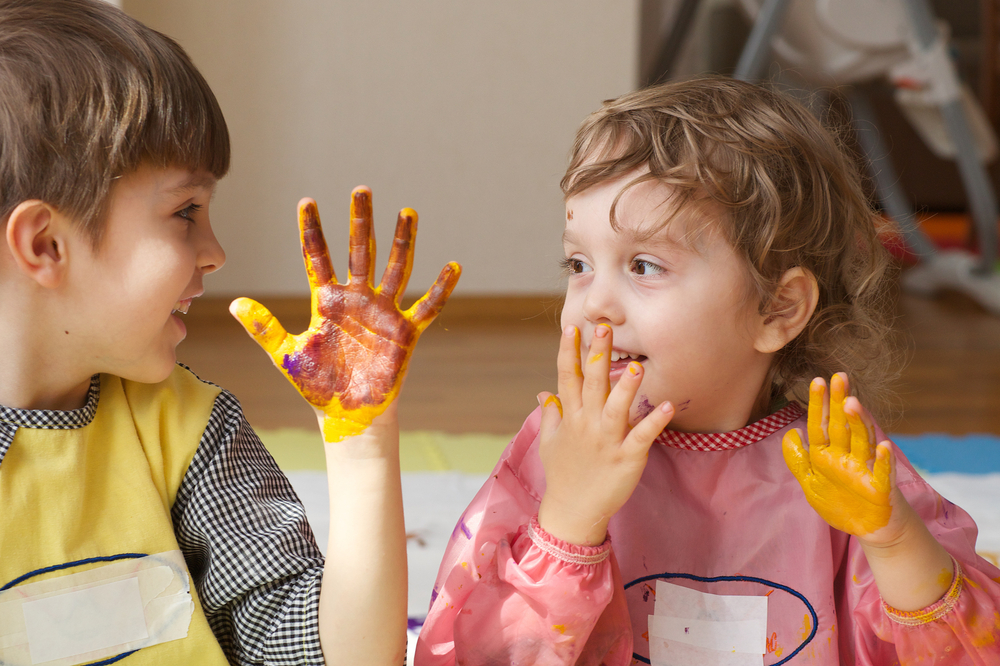
Hand-eye coordination is a crucial skill that significantly impacts children's learning, especially in subjects like math. For ages 3-7, individuals are honing their cognitive and physical abilities, and hand-eye coordination plays a vital role in this developmental stage. When children engage in activities that promote hand-eye coordination, such as sorting shapes, stacking blocks, or tracing shapes, they simultaneously practice fine motor skills, spatial awareness, and problem-solving—all foundational elements in math learning.
Parents and teachers should care because strong hand-eye coordination can lead to improved academic performance. Children with better coordination are often more proficient in visualizing mathematical concepts, actively participating in hands-on activities, and navigating tasks involving counting, measuring, and manipulating objects. Additionally, these skills foster confidence and independence in learning, helping to reduce anxiety around mathematics.
By incorporating activities that enhance hand-eye coordination into daily routines, parents and educators can support the development of critical thinking and mathematical skills essential for later academic success. Engaging children in playful, interactive exercises can cultivate not only their math abilities but also their overall development, making it an indispensable focus for facilitating comprehensive learning in early childhood.








