Matching Worksheets for Ages 3-7 - Page 4
80 filtered results
-
From - To
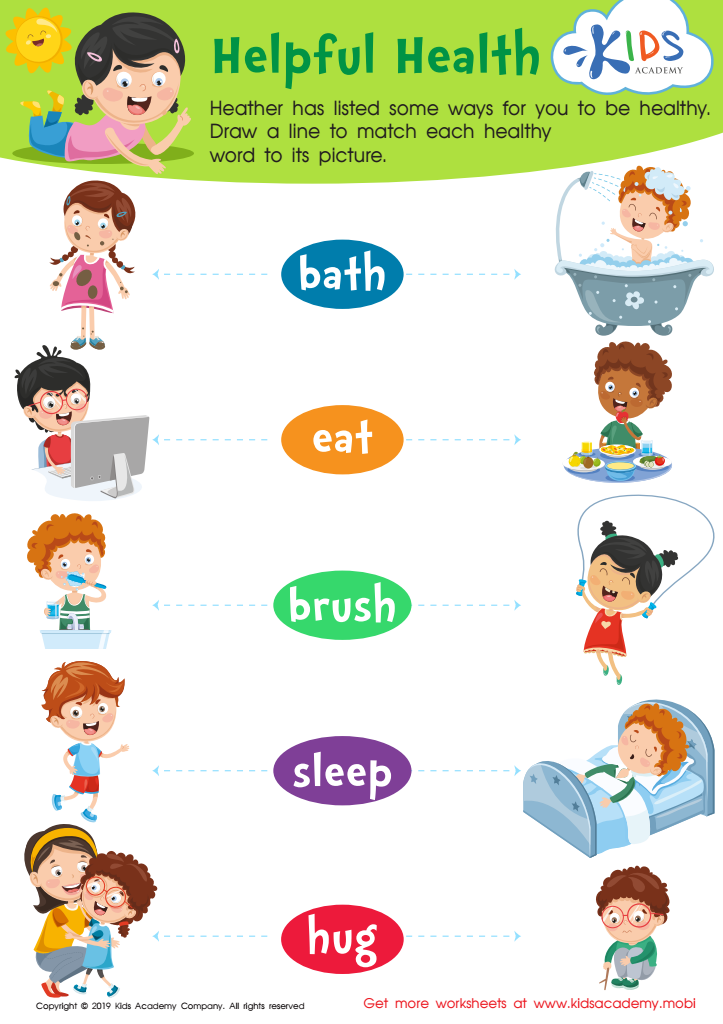
Helpful Health Worksheet
 Assign to My Students
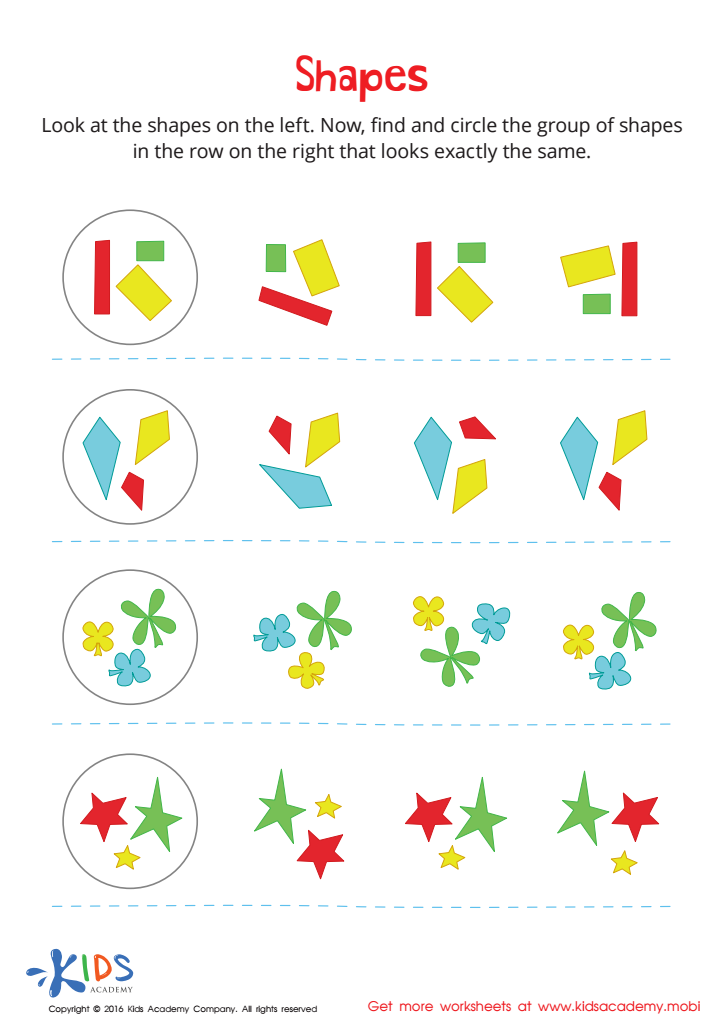
Shapes Worksheet
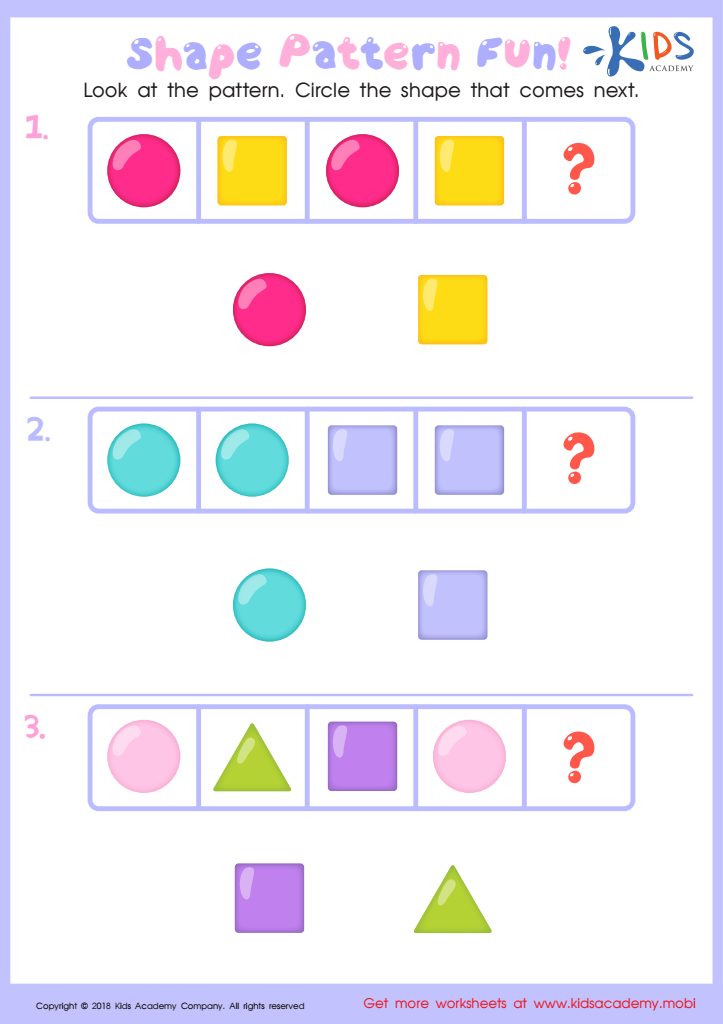
Shape Pattern Fun Worksheet
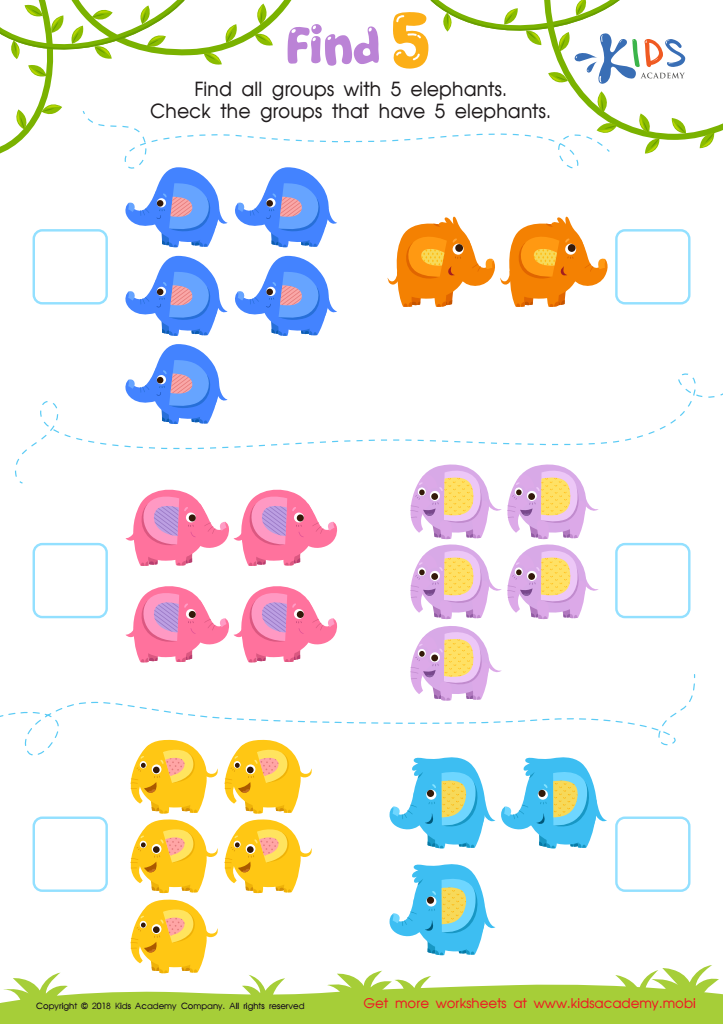
Find 5 Worksheet
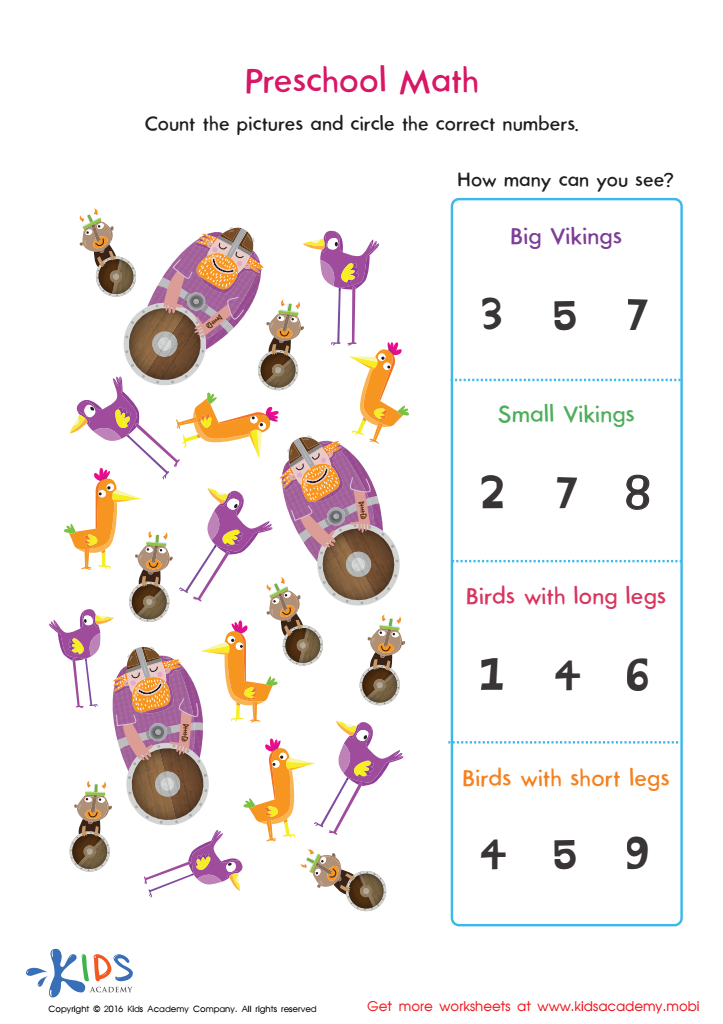
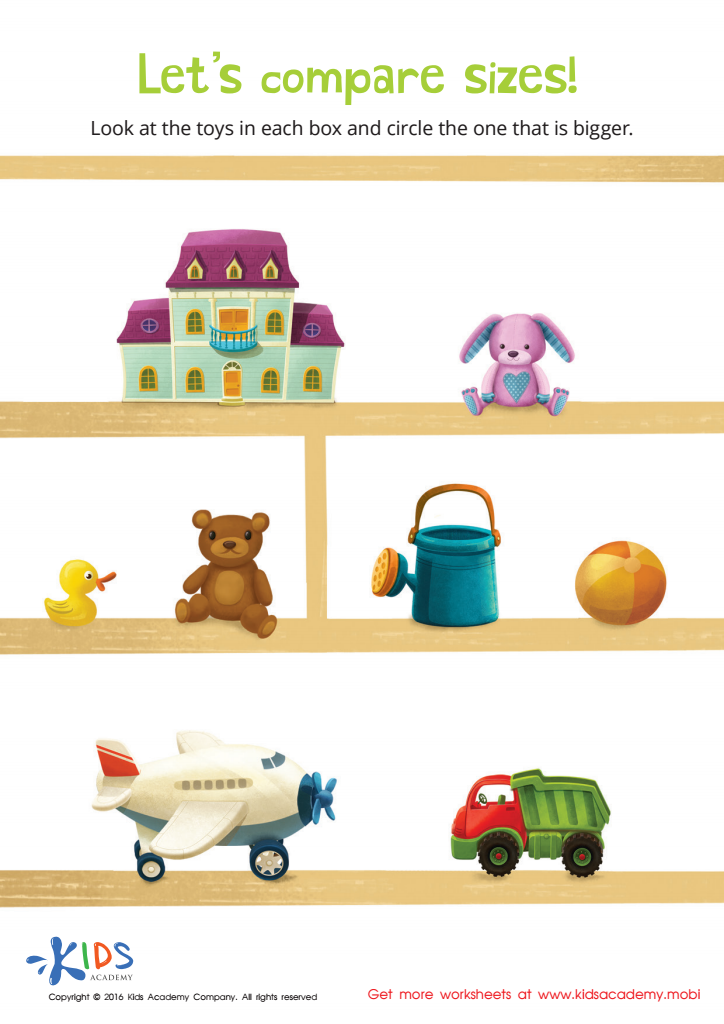
Classifying by Size Sorting Worksheet
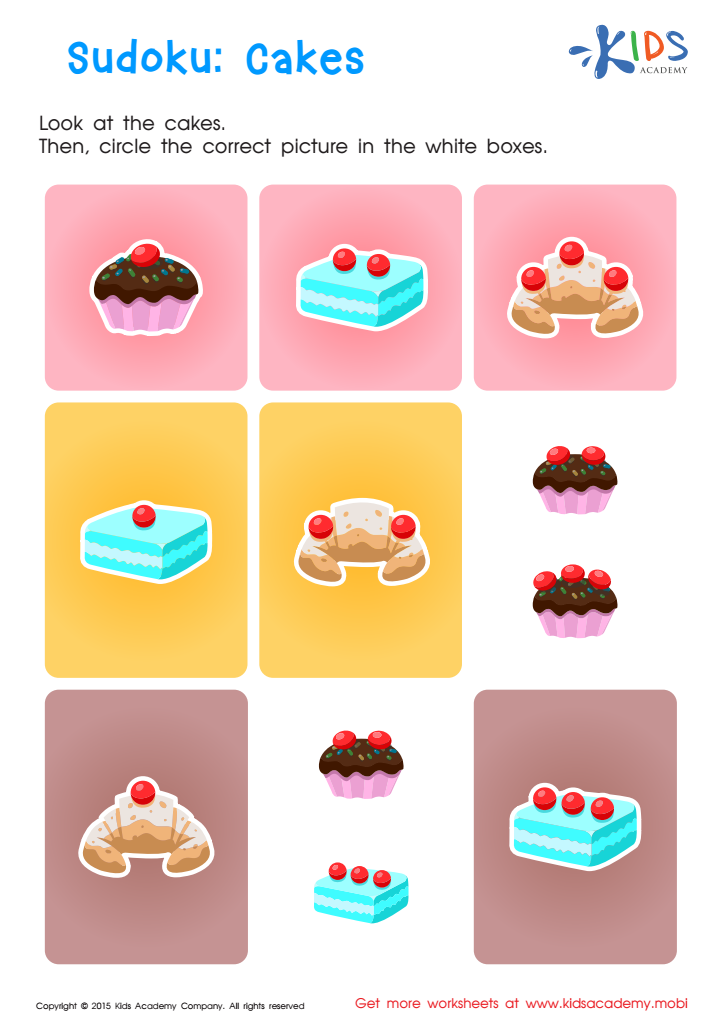
Sudoku Worksheet
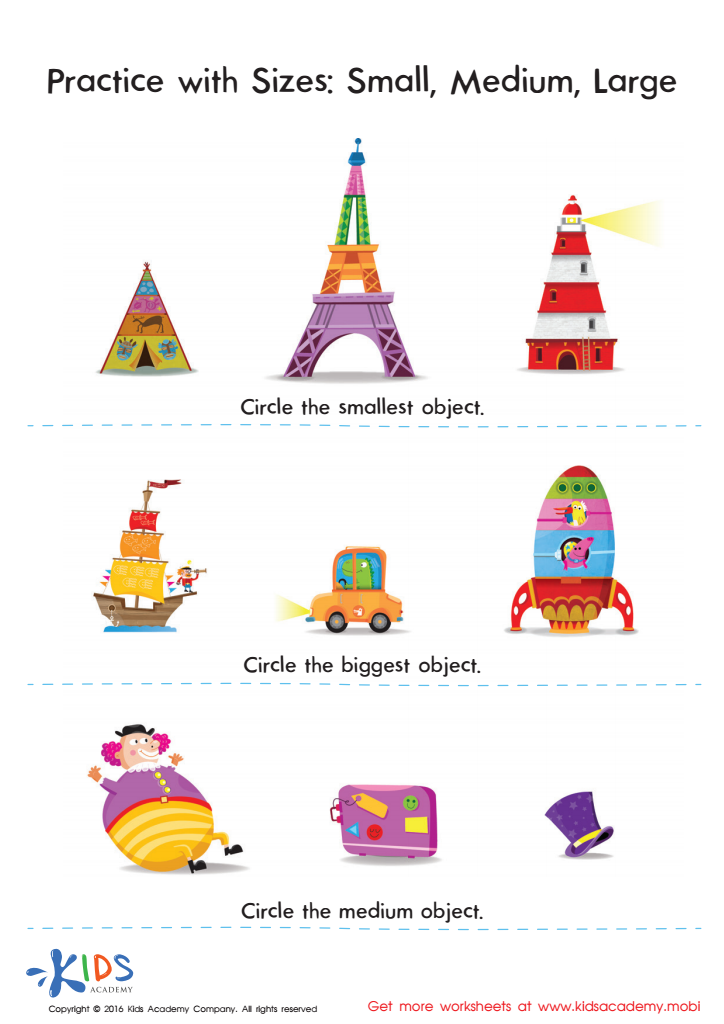








Matching activities for children ages 3-7 play a crucial role in early childhood development and should be prioritized by parents and teachers. At this age, children are developing foundational cognitive skills, and matching games significantly enhance this process. Engaging in matching exercises strengthens memory, improves visual discrimination, and sharpens categorization skills. As children engage in identifying similarities and differences, they enhance their critical thinking and problem-solving abilities, laying solid groundwork for future learning.
Furthermore, matching activities can be made fun and interactive, fostering social skills as children play together and learn to take turns. Emotionally, these activities boost confidence as children successfully match items, reinforcing a sense of achievement.
Additionally, matching activities can be easily integrated into everyday learning. Parents and teachers can use common items, flashcards, or digital games to enrich the learning experience and maintain engagement.
Overall, caregivers’ involvement and the implementation of matching strategies foster a supportive learning environment and cultivate essential skills necessary for academic success. By prioritizing these activities, we help children develop critical life skills that will benefit them in both early education and later schooling.








